Feeling uncertain about what to expect in your upcoming interview? We’ve got you covered! This blog highlights the most important Understanding of tree disease and pest management interview questions and provides actionable advice to help you stand out as the ideal candidate. Let’s pave the way for your success.
Questions Asked in Understanding of tree disease and pest management Interview
Q 1. Describe the lifecycle of the emerald ash borer.
The emerald ash borer (EAB), Agrilus planipennis, has a fascinating and destructive lifecycle. It begins as an egg, laid by a female beetle in bark crevices of ash trees. These eggs hatch into larvae, which bore into the tree’s phloem and cambium layers – the vital tissues responsible for nutrient transport. The larvae feed and develop for one to two years, creating characteristic S-shaped galleries under the bark. After overwintering, the larvae pupate within the tree, eventually emerging as adult beetles to begin the cycle anew. Adult EABs are metallic green and about half an inch long. They emerge in spring and feed on ash foliage for a few weeks before mating and laying eggs. This entire lifecycle, from egg to adult, typically takes one to two years, depending on environmental conditions. The rapid development and high reproductive rate of the EAB contribute significantly to its devastating impact on ash tree populations.
Q 2. What are the common symptoms of Dutch elm disease?
Dutch elm disease (DED), caused by the fungus Ophiostoma ulmi or Ophiostoma novo-ulmi, manifests through several characteristic symptoms. Initially, you might observe wilting and yellowing of leaves, often starting on one side of the crown. This wilting can progress rapidly, affecting entire branches or even the entire tree. Close inspection may reveal dark brown or black streaks in the sapwood when you cut into a branch – this is a key indicator of DED. Leaf discoloration can range from yellowing to browning, eventually leading to complete leaf drop. The fungus disrupts the tree’s vascular system, preventing water and nutrient uptake. In severe cases, the tree will die within weeks or months. Early detection is crucial for effective management, as DED progresses quickly and is often fatal.
Q 3. Explain the difference between preventative and curative tree treatments.
Preventative and curative tree treatments address tree health from different perspectives. Preventative treatments aim to stop disease or pest infestations before they occur. This might include proper tree care practices like regular fertilization, appropriate pruning, and maintaining overall tree vigor to make it less susceptible to disease. Insects can be managed preemptively with systemic insecticides applied before infestations become established. Think of it like preventative medicine for people – vaccinations and healthy lifestyles.
Curative treatments are applied after a disease or pest has been detected. For example, treating an already-infected tree with fungicides to slow the disease progression or applying insecticides to control an existing pest population. Curative treatments are often more complex and may not always be successful in saving the tree, particularly in advanced cases of disease or severe pest infestations. Curative treatment is like treating a disease after it’s already developed – sometimes successful, sometimes not depending on the severity and response to treatment.
Q 4. How do you diagnose oak wilt?
Diagnosing oak wilt requires a careful approach, as symptoms can mimic other tree diseases. Initial symptoms include leaf discoloration, starting at the tips and margins and progressing inwards. These leaves often wilt and turn brown before dropping prematurely. A key indicator of oak wilt is the presence of fungal mats under the bark of affected trees, particularly at the base of the trunk. These mats are dark brown or black, with a gummy texture. These mats, composed of fungal mycelium, help spread the disease through root grafts. Laboratory analysis of tissue samples can confirm the presence of the Bretziella fagacearum fungus, providing definitive diagnosis. Important steps include careful observation of symptoms, investigation of the root system for fungal mats, and, finally, laboratory confirmation.
Q 5. What are the best practices for pruning trees to minimize disease risk?
Proper pruning is vital for minimizing disease risk in trees. The key is to make clean cuts that minimize damage and facilitate rapid wound closure. Avoid pruning during wet weather to reduce the risk of fungal infection. Use sharp, sterilized pruning tools to prevent the spread of pathogens. Prune branches at the branch collar, a slightly swollen area at the base of the branch where it joins the trunk. Avoid topping or severely reducing the tree’s crown, as this can create numerous wounds, increasing susceptibility to disease and stress the tree. Proper pruning techniques reduce entry points for pathogens and promote the overall health and vigor of the tree.
Q 6. Explain various methods for controlling root rot in trees.
Root rot, a devastating disease complex, necessitates a multifaceted approach for control. Improving soil drainage is crucial to reduce the moisture levels that favor fungal pathogens. This might involve aerating the soil, creating drainage channels, or avoiding overwatering. Applying soil amendments can improve soil structure and aeration, making it less hospitable to root rot fungi. In some cases, fungicides can be applied to the soil, though their effectiveness varies depending on the specific pathogen and the severity of the infection. Removing infected roots, if feasible, can help limit the spread of the disease. Ultimately, a holistic approach, incorporating multiple strategies, often yields the best outcome in managing root rot.
Q 7. What are the biological control methods for specific tree pests?
Biological control offers environmentally friendly methods to manage tree pests. Examples include the use of beneficial insects, such as ladybugs to control aphids, or parasitic wasps to control certain caterpillars. Introducing natural predators or parasites of the pest species can significantly reduce their populations. Another approach is employing entomopathogenic fungi or bacteria, which infect and kill insect pests. These biocontrol agents can be applied as sprays or introduced directly into the environment. The specific biological control method will depend on the target pest and the local ecosystem. Thorough research and careful planning are necessary to ensure successful implementation and to avoid unintended consequences.
Q 8. Describe the importance of proper soil drainage in tree health.
Proper soil drainage is absolutely critical for tree health. Think of it like this: trees need to breathe, and their roots need oxygen just like our lungs need air. Poor drainage leads to waterlogged soil, which deprives roots of oxygen, causing root rot and other diseases. This weakens the tree, making it more susceptible to pests and other stresses.
Symptoms of poor drainage include yellowing leaves, stunted growth, and even dieback. The solution often involves improving soil structure through aeration, adding organic matter like compost to enhance drainage, and potentially installing drainage systems in severely affected areas. For example, a clay soil can be amended with sand and organic matter to increase its porosity and allow for better water percolation. In heavily compacted soils, core aeration might be necessary to create channels for water to flow through.
Q 9. How do you identify and treat canker diseases in trees?
Canker diseases are fungal or bacterial infections that cause lesions or sunken areas on the bark and branches of trees. Identifying them requires careful observation. Look for discolored, sunken areas on the bark, often with cracked or oozing sap. Sometimes, cankers will girdle a branch or trunk, cutting off the flow of nutrients and water, leading to dieback above the canker.
Treatment varies depending on the severity and type of canker. For smaller cankers, pruning well below the infected area is crucial, ensuring clean cuts to prevent further spread. Sanitizing pruning tools with a 10% bleach solution between cuts is essential. For larger cankers, or those girdling the trunk, treatment options are limited, and the tree may need to be removed to prevent the spread of disease to nearby trees. In some cases, fungicides can be used, but their effectiveness varies greatly depending on the specific pathogen and the tree species. Prevention is key; selecting disease-resistant tree varieties and maintaining tree vigor through proper watering and fertilization is crucial.
Q 10. What are the signs of nutrient deficiency in trees?
Nutrient deficiencies manifest in various ways, often showing up as discoloration or changes in leaf morphology. For example, nitrogen deficiency usually results in pale green or yellowish leaves, starting with the older leaves. Phosphorus deficiency can cause stunted growth and dark green or purplish leaves. Potassium deficiency often leads to leaf scorching, particularly along the margins. Iron deficiency causes interveinal chlorosis (yellowing between the leaf veins), giving the leaves a mottled appearance. Magnesium deficiency causes chlorosis between the leaf veins, starting with the older leaves.
Diagnosing nutrient deficiencies requires careful observation of symptoms, and often, soil testing to determine the levels of available nutrients. Soil tests are the gold standard. Leaf analysis can also help confirm a diagnosis. Treatment involves applying the appropriate fertilizer, but it’s crucial to use a balanced approach and follow label instructions carefully. Over-fertilization can be as detrimental as under-fertilization.
Q 11. Explain the role of integrated pest management (IPM) in tree care.
Integrated Pest Management (IPM) is a holistic approach to pest control that emphasizes prevention and minimizing pesticide use. It involves a multi-pronged strategy focusing on monitoring pest populations, identifying the pest, and then selecting the most appropriate control method, which may include cultural practices, biological controls, and chemical controls only as a last resort.
For example, if you’re dealing with aphids, you might start by monitoring their populations. If the numbers are low, you could try simply blasting them off the plant with a strong spray of water. If that’s not effective, you could introduce beneficial insects like ladybugs, which prey on aphids. Only if these methods fail would you resort to using an insecticide. IPM aims to protect both the environment and human health while effectively managing pests.
Q 12. How do you assess the risk posed by a potentially hazardous tree?
Assessing the risk posed by a potentially hazardous tree requires a thorough inspection by a qualified arborist. This involves evaluating several factors:
- Tree species and health: Some species are inherently weaker and more prone to failure than others. Disease, decay, and previous damage all significantly increase risk.
- Structural integrity: The arborist will look for signs of decay in the trunk, major branches, and roots. Cracks, cavities, leaning, and unusual growth patterns are all red flags.
- Environmental factors: Exposure to wind, soil conditions, and proximity to structures or power lines are all considered.
- Target area: The likelihood of injury or property damage in case of tree failure needs careful assessment.
The arborist uses various tools, including visual inspection, specialized instruments for measuring decay, and sometimes even ground-penetrating radar to assess root health. Based on the assessment, they’ll provide a risk assessment and recommend appropriate management actions, such as pruning, cabling, or removal.
Q 13. What safety precautions are essential when working with tree diseases and pests?
Safety is paramount when dealing with tree diseases and pests. Always wear appropriate personal protective equipment (PPE), including gloves, eye protection, and a respirator, especially when handling pesticides or pruning tools. Proper clothing that covers exposed skin is essential to protect against injuries from thorns or sharp tools. Be aware of your surroundings and avoid working in hazardous conditions, such as high winds or during storms.
When using pesticides, carefully read and follow all label instructions. Proper disposal of pesticide containers and used materials is crucial to prevent environmental contamination. Be mindful of potential hazards such as falling branches or electrical lines. Working at heights requires specific training and safety harnesses. Never work alone, always ensure at least one other person is nearby for assistance.
Q 14. Describe different types of tree injection techniques.
Tree injection techniques deliver treatment directly into the tree’s vascular system, bypassing the need for bark application and offering targeted delivery. Several methods exist:
- Drip Line Injection: Small holes are drilled around the drip line (the outer edge of the tree canopy), and the treatment solution is slowly injected into each hole.
- Trunk Injection: Holes are drilled into the trunk, usually at a 45-degree angle, and the solution is injected using a specialized injection system.
- Vacuum Injection: This method utilizes a vacuum to draw the solution into the tree, requiring fewer injection points and reducing the potential for damage.
The choice of technique depends on several factors, including tree size, species, and the specific treatment being administered. Proper technique is critical for effectiveness and to avoid causing unnecessary damage to the tree. Improper drilling techniques can create wounds that facilitate disease entry.
Q 15. Explain the importance of proper sanitation in preventing tree diseases.
Proper sanitation is the cornerstone of preventing tree diseases. Think of it like cleaning your house to prevent illness – removing debris and diseased material reduces the chances of pathogens establishing themselves and spreading.
- Removing fallen leaves and branches: These can harbor fungal spores, bacteria, and insect pests. Regular removal prevents them from becoming a source of infection for healthy parts of the tree.
- Pruning diseased branches: This is crucial. You need to prune back beyond the point of infection, ensuring you remove all diseased tissue. Failure to do so can lead to the disease spreading further. Disinfect your pruning tools between cuts to prevent cross-contamination.
- Cleaning up infected fruit or nuts: These can also carry pathogens, and removing them prevents their spread. Proper disposal, preferably by burning or burying deeply, is important.
- Maintaining proper spacing between trees: Good air circulation helps to prevent the spread of fungal diseases that thrive in damp, humid conditions. Overcrowding promotes these conditions.
For example, removing fallen leaves infected with anthracnose, a common fungal disease, dramatically reduces the chances of the disease overwintering and infecting the tree again the following spring.
Career Expert Tips:
- Ace those interviews! Prepare effectively by reviewing the Top 50 Most Common Interview Questions on ResumeGemini.
- Navigate your job search with confidence! Explore a wide range of Career Tips on ResumeGemini. Learn about common challenges and recommendations to overcome them.
- Craft the perfect resume! Master the Art of Resume Writing with ResumeGemini’s guide. Showcase your unique qualifications and achievements effectively.
- Don’t miss out on holiday savings! Build your dream resume with ResumeGemini’s ATS optimized templates.
Q 16. What are the environmental factors that influence tree diseases?
Environmental factors significantly influence the occurrence and severity of tree diseases. They act as predisposing factors, making trees more susceptible to infection.
- Moisture: Excessive moisture, such as from prolonged rainfall or poor drainage, creates ideal conditions for many fungal pathogens. Think of mushrooms – they thrive in damp environments. Conversely, drought stress weakens trees, making them more vulnerable to diseases and pests.
- Temperature: Extreme temperatures, both high and low, can stress trees, reducing their resistance to disease. Sudden temperature changes can also trigger outbreaks.
- Sunlight: Insufficient sunlight can weaken trees, making them more susceptible. Conversely, intense sunlight can cause sunscald, creating entry points for pathogens.
- Soil conditions: Poor soil drainage, nutrient deficiencies, compaction, and soil pH can affect tree vigor and make them more susceptible. For example, alkaline soil can lead to iron chlorosis, weakening the tree.
- Air pollution: Air pollutants can weaken trees and increase their susceptibility to disease.
For example, oak wilt, a devastating disease, spreads more rapidly during warm, dry periods.
Q 17. How do you choose the appropriate pesticide for a specific tree pest?
Choosing the appropriate pesticide is crucial and requires careful consideration. It’s not a ‘one-size-fits-all’ approach.
- Proper Identification: First, accurately identify the pest. Misidentification leads to ineffective treatment and potential harm to beneficial insects and the environment.
- Pesticide Selection: Research pesticides effective against the identified pest. Consider the pesticide’s mode of action (how it works), toxicity to non-target organisms, and persistence in the environment. Always consult the pesticide label for specific instructions and safety precautions.
- Application Method: Select an appropriate application method (e.g., spraying, soil drenching) based on the pest’s life cycle and the tree species. Consider factors like wind and weather conditions to ensure effective and safe application.
- Integrated Pest Management (IPM): Prioritize IPM strategies. This involves using pesticides as a last resort, after exploring less toxic options like cultural controls (sanitation, proper watering), biological controls (introducing beneficial insects), and resistant varieties.
- Safety and Regulations: Always adhere to local regulations regarding pesticide use, including licensing, application rates, and personal protective equipment (PPE).
For example, if you identify the emerald ash borer, you’ll need a systemic insecticide that can be absorbed by the tree to reach the larvae feeding beneath the bark.
Q 18. What are the regulations surrounding the use of pesticides in tree care?
Regulations surrounding pesticide use vary widely depending on location (national, state/province, and local levels). However, some common regulations include:
- Licensing: Many jurisdictions require licensing for commercial pesticide applicators, demonstrating competency and adherence to safety standards.
- Registration: Pesticides must be registered with the relevant authorities before they can be legally used. This ensures that they meet safety and efficacy standards.
- Labeling Requirements: Pesticide labels contain crucial information on application rates, safety precautions, and environmental impact. Following label instructions is mandatory.
- Restricted Use Pesticides (RUPs): Some pesticides are classified as RUPs due to their high toxicity. Their use is restricted to certified applicators.
- Environmental Protection: Regulations often address environmental protection, minimizing runoff into water bodies and preventing harm to non-target organisms.
- Record Keeping: Commercial applicators often need to maintain detailed records of pesticide applications.
Violation of these regulations can result in fines or other penalties. It’s crucial to consult the relevant authorities or a qualified pesticide applicator for specific regulations in your area.
Q 19. Explain the importance of proper tree identification in diagnosis.
Proper tree identification is paramount in diagnosing diseases. Just as you wouldn’t treat a human illness without a diagnosis, you can’t effectively treat a tree disease without knowing the species.
Different tree species are susceptible to different diseases and pests. A disease that might severely affect one species might not affect another. Accurate identification helps narrow down the possible causes and allows for targeted treatment. For example, Dutch Elm Disease affects elms, while Chestnut Blight affects chestnut trees; treating an elm with a Chestnut Blight treatment would be pointless and potentially wasteful.
Identification involves observing various characteristics like leaf shape, bark texture, branching patterns, flower structure, and overall tree form. Field guides, botanical keys, and expert consultation can help with accurate identification.
Q 20. How do you differentiate between biotic and abiotic factors affecting tree health?
Differentiating between biotic and abiotic factors affecting tree health is essential for accurate diagnosis and effective treatment.
Biotic factors are living organisms that affect tree health, such as:
- Pathogens: Fungi, bacteria, viruses, nematodes, and parasitic plants that cause disease.
- Insects and other invertebrates: Insects, mites, and other arthropods that feed on trees, causing damage or transmitting diseases.
Abiotic factors are non-living environmental factors that influence tree health, such as:
- Drought: Lack of sufficient water.
- Flooding: Excess water in the soil.
- Nutrient deficiencies: Lack of essential nutrients in the soil.
- Soil compaction: Reduced soil porosity, hindering root growth.
- Air pollution: Harmful gases or particles in the air.
- Mechanical damage: Damage from vehicles, construction, or other physical forces.
- Extreme temperatures: Heat stress, frost damage.
Careful observation of symptoms, along with consideration of environmental conditions, helps in distinguishing between biotic and abiotic causes. For example, wilting could be caused by a root rot (biotic) or drought (abiotic).
Q 21. Describe the process of taking a tree sample for disease diagnosis.
Taking a proper tree sample is crucial for accurate disease diagnosis in a laboratory setting. The method depends on the suspected problem (e.g., fungal infection, insect infestation).
- Safety First: Wear appropriate personal protective equipment (PPE), including gloves and eye protection, when collecting samples.
- Sample Selection: Collect samples from the areas showing the most prominent symptoms. For fungal diseases, collect samples from the margins of the affected areas, including both healthy and diseased tissue. For insect infestations, collect affected leaves, branches, or insects themselves.
- Sample Preparation: For fungal samples, place them in a clean, sealed plastic bag to prevent drying out. For insect samples, place them in a labeled container with appropriate preservatives (e.g., ethanol) if needed.
- Labeling: Clearly label the sample with information like the tree species, location, date, symptoms, and your contact information. Include a description of the observed symptoms.
- Transportation: Transport the sample to a diagnostic laboratory as soon as possible to prevent deterioration.
Proper sample collection increases the chances of a definitive diagnosis and assists with effective treatment strategies. A poorly collected sample could lead to an inaccurate diagnosis and inappropriate treatment.
Q 22. What are some common tree diseases prevalent in your region?
Common tree diseases in my region vary depending on the specific location and tree species, but some prevalent examples include oak wilt, caused by the fungus Bretziella fagacearum, which affects oak trees, leading to vascular discoloration and ultimately death. Another common issue is anthracnose, a group of fungal diseases affecting various hardwoods like maples and sycamores, causing leaf spots, blight, and cankers. Additionally, many trees suffer from root rot diseases, often caused by Phytophthora species, leading to decline and death due to compromised root systems. Finally, diseases like powdery mildew, a fungal disease that creates a white powdery coating on leaves, are common on many deciduous trees. The severity and prevalence of these diseases can be influenced by environmental factors such as temperature, humidity, and soil conditions.
Q 23. Explain the impact of climate change on tree health and pest populations.
Climate change significantly impacts tree health and pest populations in several ways. Rising temperatures can expand the ranges of pests and diseases, exposing trees to pathogens they haven’t previously encountered and for which they may have little natural resistance. For instance, warmer winters might allow insect pests to survive and reproduce at higher rates, leading to increased outbreaks. Changes in precipitation patterns, including more frequent droughts or intense rainfall events, can weaken trees, making them more susceptible to disease and pest infestations. Increased frequency and intensity of extreme weather events like storms and heat waves can cause physical damage to trees, creating entry points for pathogens. In addition, altered seasonal cycles can disrupt the timing of tree development and flowering, impacting their ability to defend themselves against pests and diseases. The interconnectedness of these factors underscores the complex challenge posed by climate change to forest health.
Q 24. What are the long-term effects of using chemical controls on tree health and the environment?
The long-term effects of using chemical controls for tree diseases and pests can be significant and multifaceted. While effective in the short term for controlling infestations, overuse can lead to the development of pesticide resistance in target organisms, rendering the chemicals less effective over time and necessitating stronger, potentially more harmful treatments. Chemical applications can also negatively impact non-target organisms, including beneficial insects, pollinators, and wildlife. Furthermore, chemical runoff into water bodies can contaminate water sources and harm aquatic ecosystems. The accumulation of pesticide residues in the soil can also affect soil health and the microbial communities crucial for nutrient cycling. Finally, repeated chemical applications can weaken trees, reducing their resilience and increasing their susceptibility to other stressors. Integrated pest management strategies emphasizing preventative measures and judicious use of chemicals are crucial for minimizing these long-term negative consequences.
Q 25. How do you develop a comprehensive tree care plan?
Developing a comprehensive tree care plan involves a systematic approach. It begins with a thorough assessment of the tree’s health, including visual inspection for signs of disease, pest infestations, or physical damage, as well as assessing its overall vigor and growth rate. Soil testing provides important information about nutrient levels and potential soilborne pathogens. Once this is complete, we can determine specific needs for pruning, fertilization, and pest/disease management. The plan should outline a schedule for preventative treatments, such as pruning to improve air circulation and reduce disease risk, and proactive steps like proper fertilization to enhance tree vigor. Regular monitoring is crucial to identify problems early and adjust the plan accordingly. The plan should also consider the tree’s long-term needs, including considerations for growth and potential conflicts with structures or utilities.
Q 26. Describe your experience with diagnosing and treating specific tree diseases.
I have extensive experience diagnosing and treating various tree diseases. For example, I’ve successfully treated several cases of oak wilt by implementing a combination of strategies, including early detection through visual inspection and laboratory analysis, sanitation methods to remove infected branches, and the use of fungicides in some situations. I’ve also managed anthracnose infections through cultural practices such as improving drainage and providing adequate spacing between trees to improve air circulation. In cases of root rot, I’ve worked to improve soil drainage, adjust watering practices, and in some instances, use appropriate fungicides. Each case requires a careful assessment of the specific pathogen, tree species, and environmental conditions to create an effective treatment plan. Accurate diagnosis and timely intervention are key to success. Detailed records are crucial for tracking treatments and their effectiveness.
Q 27. How do you communicate complex tree health issues to non-technical clients?
Communicating complex tree health issues to non-technical clients requires clear, concise, and relatable language. I avoid using technical jargon and instead use analogies to help them understand complex concepts. For instance, when explaining vascular wilt diseases, I often compare the tree’s vascular system to the human circulatory system, highlighting how a blockage can lead to death. I also use visual aids, such as photographs or diagrams, to illustrate the problem and proposed solutions. I make sure to answer client questions patiently and thoroughly, providing them with a clear understanding of the situation, the potential risks, and the recommended actions. Ultimately, fostering open communication and trust builds confidence in the proposed treatment plan.
Q 28. What are your strategies for continuing professional development in this field?
Continuing professional development is vital in this rapidly evolving field. I regularly attend workshops and conferences organized by professional organizations like the International Society of Arboriculture (ISA). Staying current with the latest research through scientific publications and online resources is crucial for my understanding of emerging diseases, new technologies, and best management practices. I also participate in continuing education courses to maintain my certification and expand my knowledge base. Networking with colleagues and sharing experiences with other professionals is another valuable source of information and professional growth. This ongoing commitment to learning ensures I provide the most effective and up-to-date tree care services to my clients.
Key Topics to Learn for Understanding of tree disease and pest management Interview
- Tree Physiology and Anatomy: Understanding the basic biology of trees is fundamental to diagnosing disease and pest problems. This includes knowledge of vascular systems, growth patterns, and stress responses.
- Common Tree Diseases: Learn to identify and understand the causal agents, symptoms, and management strategies for prevalent tree diseases (e.g., fungal infections, bacterial diseases, viral diseases). This includes understanding disease cycles and spread mechanisms.
- Common Tree Pests: Familiarize yourself with major insect and other arthropod pests impacting trees. Know their life cycles, feeding habits, and the damage they cause. Develop understanding of pest monitoring and identification techniques.
- Diagnosis and Assessment: Practice diagnosing tree health issues based on visual symptoms, environmental factors, and potentially laboratory testing. Develop your skills in assessing the severity of infestations and disease outbreaks.
- Integrated Pest Management (IPM): Master the principles of IPM, emphasizing preventative measures, biological control, cultural practices, and judicious use of chemical controls. Understand the environmental impact of different management strategies.
- Tree Health Care Practices: Develop a strong understanding of tree planting, pruning, fertilization, and other cultural practices that promote tree health and resilience to disease and pests.
- Regulatory Compliance: Understand relevant regulations and guidelines related to tree disease and pest management, including quarantine measures and pesticide use.
- Problem-Solving and Decision-Making: Develop your ability to analyze complex scenarios, assess risks, and formulate effective management plans. Practice communicating technical information clearly and concisely.
Next Steps
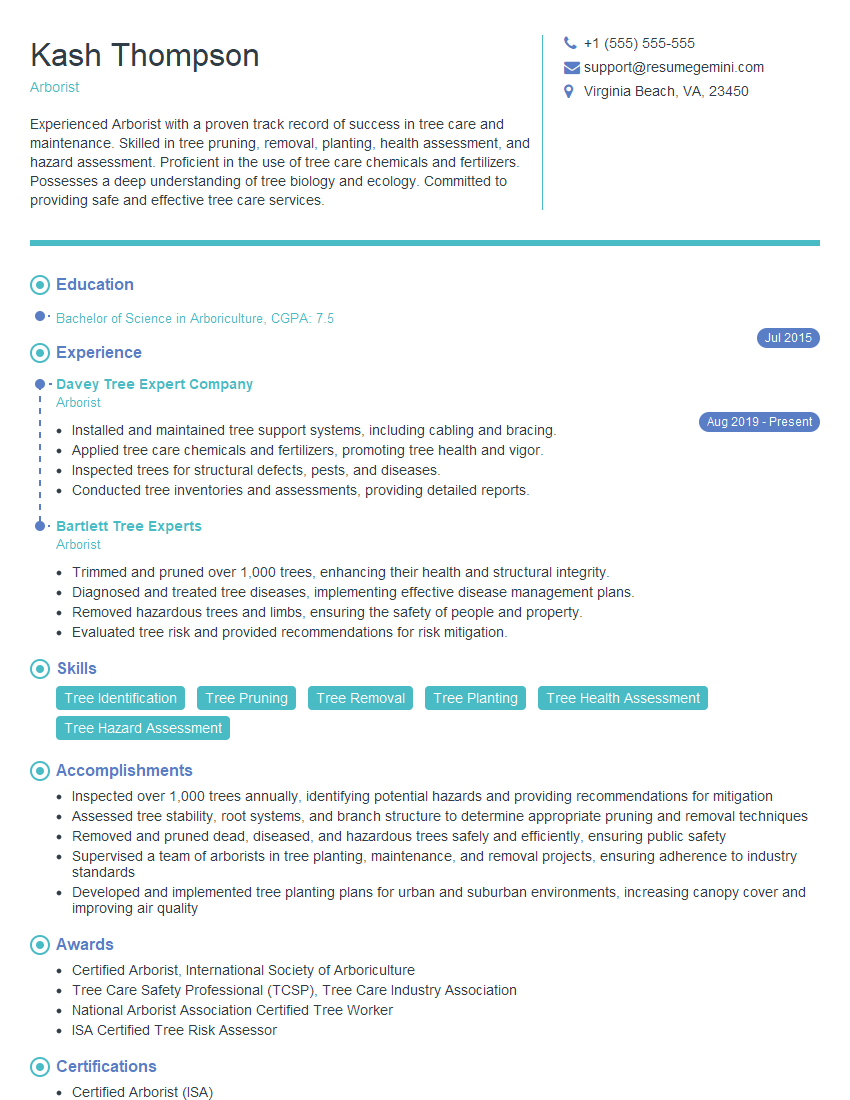
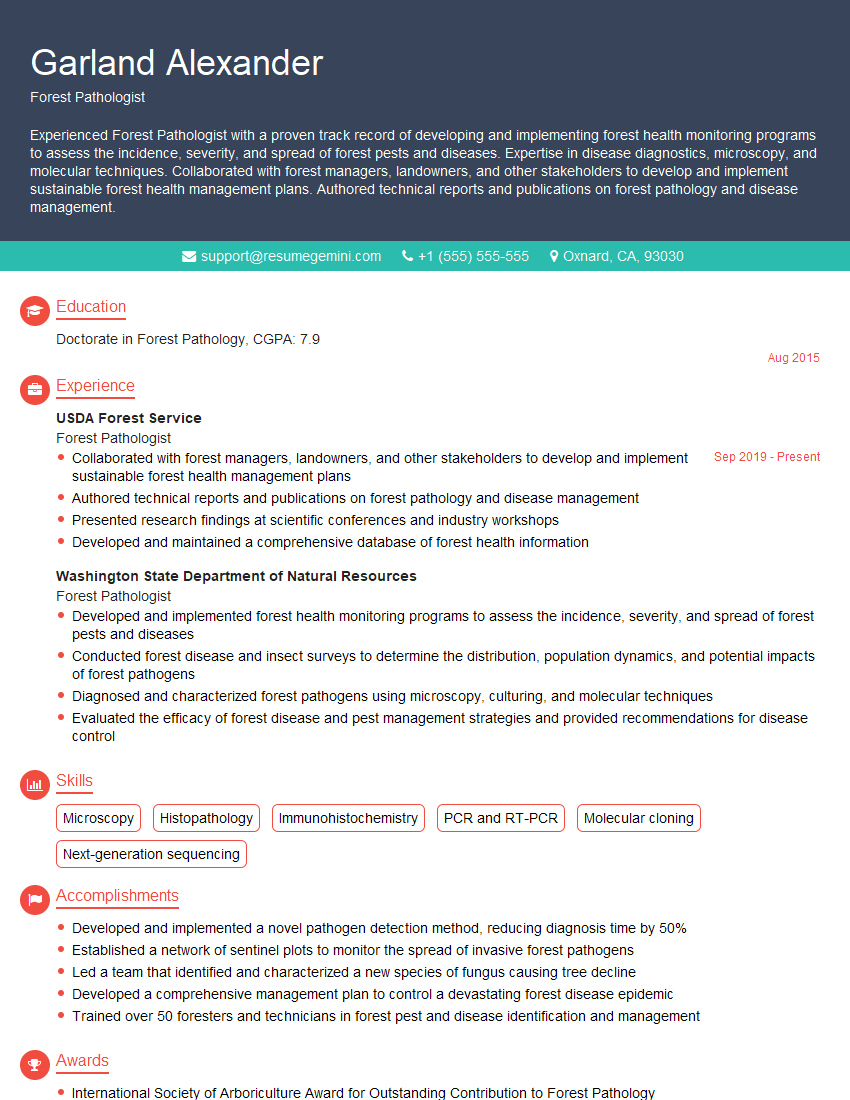
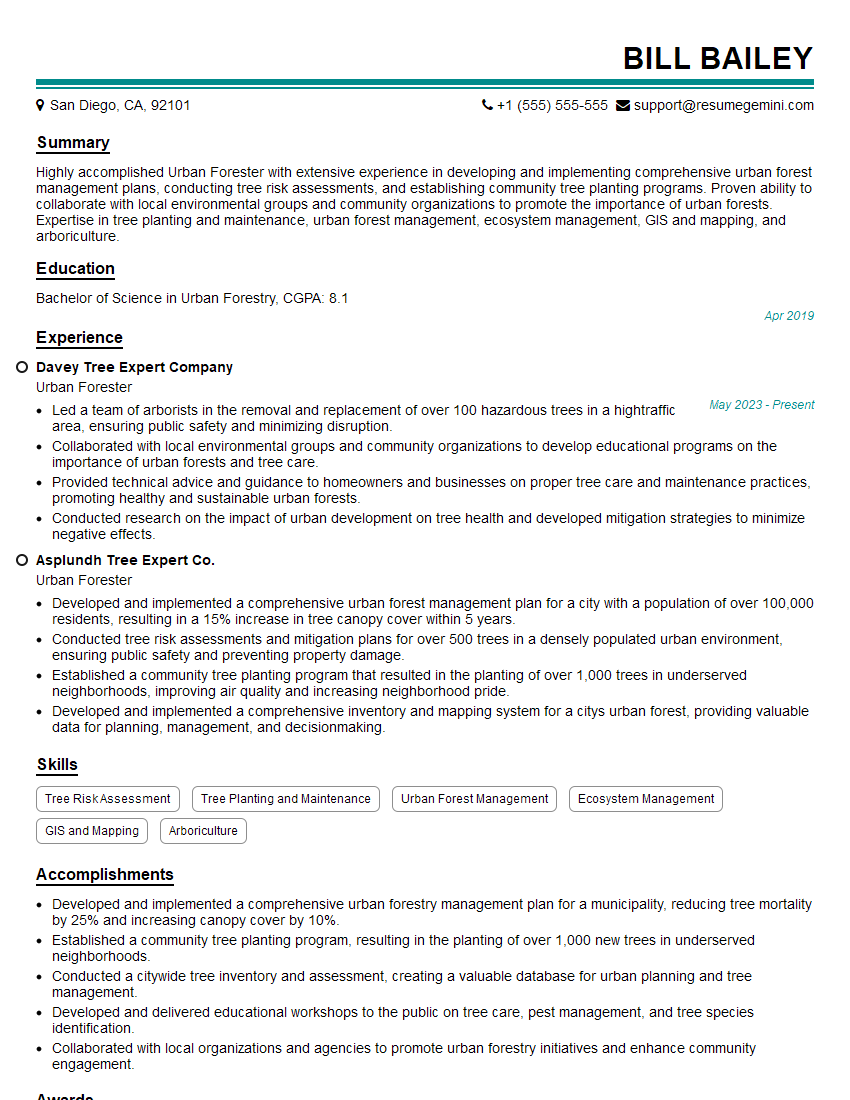
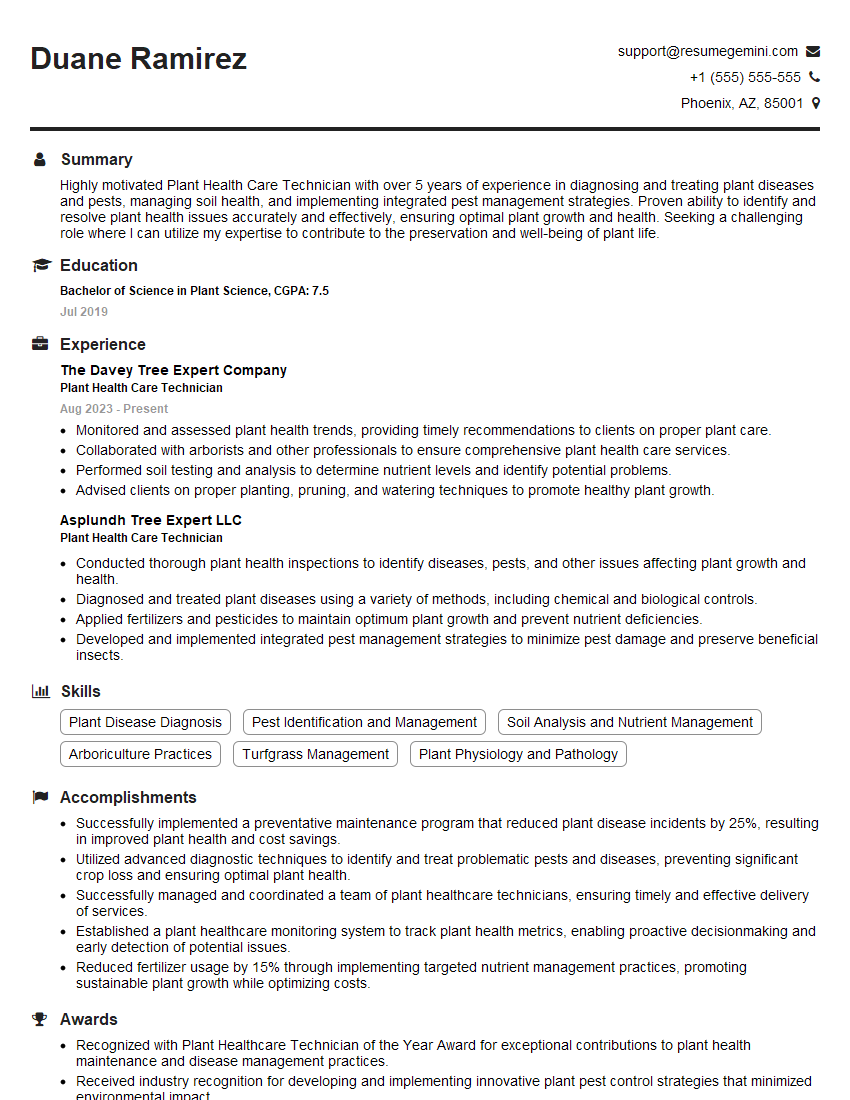
Mastering the understanding of tree disease and pest management is crucial for career advancement in arboriculture, horticulture, and related fields. A strong foundation in these areas will open doors to exciting opportunities and allow you to contribute significantly to the health and sustainability of our urban and natural landscapes. To maximize your job prospects, create a compelling and ATS-friendly resume that highlights your skills and experience effectively. ResumeGemini is a trusted resource to help you build a professional and impactful resume. We provide examples of resumes tailored to Understanding of tree disease and pest management to guide you through the process. Take the next step towards your dream career today!

Explore more articles
Users Rating of Our Blogs
Share Your Experience
We value your feedback! Please rate our content and share your thoughts (optional).
What Readers Say About Our Blog
Attention music lovers!
Wow, All the best Sax Summer music !!!
Spotify: https://open.spotify.com/artist/6ShcdIT7rPVVaFEpgZQbUk
Apple Music: https://music.apple.com/fr/artist/jimmy-sax-black/1530501936
YouTube: https://music.youtube.com/browse/VLOLAK5uy_noClmC7abM6YpZsnySxRqt3LoalPf88No
Other Platforms and Free Downloads : https://fanlink.tv/jimmysaxblack
on google : https://www.google.com/search?q=22+AND+22+AND+22
on ChatGPT : https://chat.openai.com?q=who20jlJimmy20Black20Sax20Producer
Get back into the groove with Jimmy sax Black
Best regards,
Jimmy sax Black
www.jimmysaxblack.com
Hi I am a troller at The aquatic interview center and I suddenly went so fast in Roblox and it was gone when I reset.
Hi,
Business owners spend hours every week worrying about their website—or avoiding it because it feels overwhelming.
We’d like to take that off your plate:
$69/month. Everything handled.
Our team will:
Design a custom website—or completely overhaul your current one
Take care of hosting as an option
Handle edits and improvements—up to 60 minutes of work included every month
No setup fees, no annual commitments. Just a site that makes a strong first impression.
Find out if it’s right for you:
https://websolutionsgenius.com/awardwinningwebsites
Hello,
we currently offer a complimentary backlink and URL indexing test for search engine optimization professionals.
You can get complimentary indexing credits to test how link discovery works in practice.
No credit card is required and there is no recurring fee.
You can find details here:
https://wikipedia-backlinks.com/indexing/
Regards
NICE RESPONSE TO Q & A
hi
The aim of this message is regarding an unclaimed deposit of a deceased nationale that bears the same name as you. You are not relate to him as there are millions of people answering the names across around the world. But i will use my position to influence the release of the deposit to you for our mutual benefit.
Respond for full details and how to claim the deposit. This is 100% risk free. Send hello to my email id: lukachachibaialuka@gmail.com
Luka Chachibaialuka
Hey interviewgemini.com, just wanted to follow up on my last email.
We just launched Call the Monster, an parenting app that lets you summon friendly ‘monsters’ kids actually listen to.
We’re also running a giveaway for everyone who downloads the app. Since it’s brand new, there aren’t many users yet, which means you’ve got a much better chance of winning some great prizes.
You can check it out here: https://bit.ly/callamonsterapp
Or follow us on Instagram: https://www.instagram.com/callamonsterapp
Thanks,
Ryan
CEO – Call the Monster App
Hey interviewgemini.com, I saw your website and love your approach.
I just want this to look like spam email, but want to share something important to you. We just launched Call the Monster, a parenting app that lets you summon friendly ‘monsters’ kids actually listen to.
Parents are loving it for calming chaos before bedtime. Thought you might want to try it: https://bit.ly/callamonsterapp or just follow our fun monster lore on Instagram: https://www.instagram.com/callamonsterapp
Thanks,
Ryan
CEO – Call A Monster APP
To the interviewgemini.com Owner.
Dear interviewgemini.com Webmaster!
Hi interviewgemini.com Webmaster!
Dear interviewgemini.com Webmaster!
excellent
Hello,
We found issues with your domain’s email setup that may be sending your messages to spam or blocking them completely. InboxShield Mini shows you how to fix it in minutes — no tech skills required.
Scan your domain now for details: https://inboxshield-mini.com/
— Adam @ InboxShield Mini
support@inboxshield-mini.com
Reply STOP to unsubscribe
Hi, are you owner of interviewgemini.com? What if I told you I could help you find extra time in your schedule, reconnect with leads you didn’t even realize you missed, and bring in more “I want to work with you” conversations, without increasing your ad spend or hiring a full-time employee?
All with a flexible, budget-friendly service that could easily pay for itself. Sounds good?
Would it be nice to jump on a quick 10-minute call so I can show you exactly how we make this work?
Best,
Hapei
Marketing Director
Hey, I know you’re the owner of interviewgemini.com. I’ll be quick.
Fundraising for your business is tough and time-consuming. We make it easier by guaranteeing two private investor meetings each month, for six months. No demos, no pitch events – just direct introductions to active investors matched to your startup.
If youR17;re raising, this could help you build real momentum. Want me to send more info?
Hi, I represent an SEO company that specialises in getting you AI citations and higher rankings on Google. I’d like to offer you a 100% free SEO audit for your website. Would you be interested?
Hi, I represent an SEO company that specialises in getting you AI citations and higher rankings on Google. I’d like to offer you a 100% free SEO audit for your website. Would you be interested?