Interviews are more than just a Q&A session—they’re a chance to prove your worth. This blog dives into essential Unload and Load Truck interview questions and expert tips to help you align your answers with what hiring managers are looking for. Start preparing to shine!
Questions Asked in Unload and Load Truck Interview
Q 1. Describe your experience with different types of loading equipment (e.g., forklifts, pallet jacks).
My experience encompasses a wide range of loading equipment, crucial for efficient and safe operations. I’m proficient with forklifts, possessing certifications for various capacities and attachments like side-shifters and forks extensions. This allows me to handle diverse pallet sizes and weights with precision. I’m also skilled in operating pallet jacks, both manual and electric, ideal for maneuvering smaller loads in tighter spaces. For example, in a recent warehouse setting, I used a forklift with a side-shifter to precisely place heavy pallets of lumber, optimizing space utilization and avoiding damage. Conversely, electric pallet jacks proved essential for quickly moving smaller, individual boxes within a confined loading dock area. My experience extends to using reach trucks in high-bay warehouse environments, ensuring swift and efficient retrieval of goods from racking systems. This combined experience allows for optimized handling based on load characteristics and operational constraints.
Q 2. Explain your understanding of proper weight distribution within a truck.
Proper weight distribution is paramount for safety and prevents accidents. Think of it like building a tower of blocks – unevenly stacked blocks will topple. Similarly, an unevenly loaded truck can lead to rollovers or shifting cargo. I adhere to weight limits specified by the vehicle and the load itself. This involves strategically placing heavier items lower and closer to the truck’s center of gravity, distributing weight evenly across the axles. For example, when loading a truck with both heavy and light materials, I’d start with the heaviest items at the bottom and near the center, then progressively lighter ones towards the edges, filling in any gaps to prevent shifting during transit. This minimizes the risk of instability and ensures a secure, balanced load, preventing any dangerous imbalance.
Q 3. How do you ensure the safety of yourself and others during loading and unloading?
Safety is my top priority. I always adhere to strict safety protocols, beginning with a pre-operation inspection of equipment and the surrounding area. I wear appropriate personal protective equipment (PPE), including safety vests, gloves, and steel-toe boots. Before operating any machinery, I ensure it’s in good working order and I understand its operational parameters. When working near others, clear communication is key. I use hand signals when necessary and ensure everyone maintains a safe distance from moving equipment. Proper lighting and visibility are also critical, particularly during nighttime operations or in poorly lit areas. I regularly attend safety training sessions to stay updated on best practices and to refresh my knowledge on potential hazards. For example, I’ve been trained on emergency procedures for forklift incidents and how to use fire extinguishers.
Q 4. What methods do you use to efficiently load and unload a truck?
Efficiency is achieved through careful planning and execution. I utilize methods like cross-docking, where goods are transferred directly from one vehicle to another, bypassing warehousing. For bulkier items, I optimize space using strategic stacking and bracing techniques. Detailed loading plans, if provided, are meticulously followed, ensuring items are loaded in the order they’ll be unloaded, improving speed and reducing delays. I employ the FIFO (First In, First Out) method to manage inventory, ensuring older products are shipped out first. If loading a truck with varying dimensions, I use a ‘ Tetris-like’ approach, strategically fitting items to maximize space utilization, similar to a puzzle. This process minimizes wasted space and reduces the number of trips needed for transporting goods.
Q 5. Describe your experience with different types of cargo and their handling requirements.
My experience includes handling various cargo types, each with unique requirements. I’ve worked with fragile goods requiring careful handling and protective packaging, such as electronics or glassware. I’m familiar with hazardous materials (Hazmat) regulations and understand the specific procedures for handling and transporting dangerous substances, including proper labeling, securing, and documentation. Bulk goods, such as grains or liquids, demand different loading techniques, such as utilizing appropriate containers and ensuring proper sealing to prevent spillage. Perishable goods, like food, necessitate temperature control during transportation, ensuring adherence to cold chain requirements. Each type of cargo demands a specific, careful approach to ensure its safe and efficient transportation.
Q 6. How do you prioritize tasks during peak loading/unloading periods?
During peak periods, prioritization is critical. I prioritize time-sensitive orders, ensuring urgent shipments are handled first. This often involves close collaboration with dispatch and warehouse management to determine the most efficient loading sequence. I also prioritize shipments with strict deadlines, ensuring they are loaded and dispatched promptly. I use a combination of first-come, first-served and urgency-based approaches, with flexibility to adapt to changing demands. Clear communication with all team members is crucial during peak times, so everyone understands the priorities and works collaboratively to ensure smooth operations.
Q 7. What is your experience with inventory management during the loading/unloading process?
Inventory management during loading and unloading involves meticulous tracking. I verify the contents of each pallet against the shipping documents, ensuring accuracy. This process involves using scanners to track each item loaded or unloaded and cross-referencing with manifests. This reduces errors and simplifies reconciliation. In case of discrepancies, I immediately report the issue to ensure proper corrections and record keeping. This meticulous tracking is essential for maintaining accurate stock levels and preventing inventory losses. My experience also includes assisting in cycle counts to ensure the accuracy of inventory records and identify any discrepancies.
Q 8. How do you handle damaged goods during loading and unloading?
Handling damaged goods during loading and unloading requires a methodical approach prioritizing safety and accurate documentation. First, I visually inspect each item as it’s handled. Any damage, no matter how minor, is immediately noted. I then follow a specific protocol. This typically involves taking photos as evidence, documenting the damage on the relevant shipping paperwork (bill of lading, delivery receipt, etc.), and clearly labeling the damaged item. Depending on the damage and company policy, the damaged goods might be set aside for return, repair, or disposal. For example, if a box shows significant crushing, it’s immediately flagged and I inform my supervisor. If it’s a minor scratch on a non-fragile item, and it doesn’t affect functionality or the product’s value, it may be acceptable to continue, but the issue is always documented. The goal is to ensure transparency and accountability throughout the entire process, minimizing disputes later.
Q 9. Explain your understanding of load securing techniques.
Load securing is crucial for preventing accidents and damage during transit. It involves using appropriate techniques and equipment to prevent shifting, falling, or damage to the cargo. My understanding encompasses various methods, including:
- Proper bracing and blocking: Using wooden blocks or other suitable materials to prevent shifting and secure items against walls and each other.
- Strapping: Applying tensioned straps to secure palletized goods or individual items to prevent movement.
- Dunnage: Utilizing fillers such as air bags, cardboard, or foam to fill empty spaces and prevent shifting. This is particularly important for fragile goods.
- Load distribution: Evenly distributing the weight within the truck to ensure stability and prevent excessive stress on any one area. Heavier items should generally be placed lower and towards the center of gravity.
I’m experienced in using different types of securing equipment and know which techniques are best for various cargo types. For instance, fragile electronics require more cushioning and careful bracing than heavier, sturdier items like pallets of bricks. The proper securing technique is always dictated by the nature of the goods and the transportation regulations involved. Failure to secure loads properly can lead to serious accidents and financial losses.
Q 10. How do you maintain accurate records of loaded and unloaded items?
Maintaining accurate records is essential for efficient inventory management and tracking. I use a combination of methods to ensure accuracy. This typically includes:
- Pre-loading checklists: I verify the contents against the packing list before loading begins.
- Scanning devices (if available): I scan each item’s barcode as it’s loaded and unloaded, generating an electronic record that’s integrated into the company’s inventory management system.
- Manual record-keeping: If scanning isn’t feasible, I meticulously document all items loaded and unloaded using paper-based inventory sheets, including item counts, descriptions, and any damages noted.
- Delivery receipts: I obtain and meticulously review delivery receipts and ensure they match the loaded inventory. Any discrepancies are immediately flagged and reported.
By using a combination of manual and digital methods, and always double-checking my work, I ensure the highest degree of accuracy. This minimizes errors and discrepancies, making tracking and reconciliation much simpler.
Q 11. Describe your experience working with different types of shipping documents.
I have extensive experience working with various shipping documents, including:
- Bill of Lading (BOL): This legal document serves as a contract between the shipper and the carrier, outlining the terms of the shipment, including the description of goods, origin, destination, and agreed-upon charges.
- Packing List: A detailed list of all items included in a shipment, usually specifying quantities, descriptions, and packaging details.
- Commercial Invoice: A document detailing the goods’ value, quantity, and other relevant information for customs purposes.
- Proof of Delivery (POD): Documentation confirming that the goods have been delivered to the consignee, often obtained via signature.
- Certificates of Origin (COO): Documents verifying the country of origin of the goods, often required for international shipments.
Understanding these documents is critical to ensuring compliance with regulations and facilitating smooth transactions. I’m proficient at reviewing these documents for accuracy and identifying any potential issues before, during, and after loading/unloading. For example, if there’s a discrepancy between the bill of lading and the actual goods being loaded, I’ll immediately address the issue with my supervisor before proceeding.
Q 12. How do you ensure the timely completion of loading and unloading tasks?
Timely completion relies on efficient planning and execution. My approach involves:
- Effective pre-planning: Reviewing the loading schedule in advance to understand the task’s scope and any potential challenges. This might include verifying truck size, cargo type, and available equipment.
- Prioritizing tasks: Strategically sequencing tasks to maximize efficiency. High-priority shipments are tackled first.
- Effective teamwork: Collaborating effectively with other team members to ensure a coordinated effort. This might include working with forklift operators, warehouse staff, or other loading dock personnel.
- Troubleshooting proactively: Addressing potential issues quickly and efficiently. For instance, if a particular piece of equipment malfunctions, I work to find a quick solution to keep the process moving.
For example, during peak seasons, I’ll often pre-arrange the staging of items based on delivery routes to streamline the process. Being organized and proactive helps to ensure that I always meet the deadlines and complete the loading and unloading tasks within the allocated time frame.
Q 13. What is your experience with using scanning devices for inventory management?
I have significant experience using various scanning devices for inventory management. This typically involves using barcode scanners or RFID readers. The scanners are used to accurately track individual items as they’re loaded and unloaded. This data is then uploaded to the warehouse management system (WMS), creating a real-time, digital inventory. This significantly improves accuracy compared to manual methods and helps to identify any discrepancies quickly. For example, I may scan each pallet before it’s loaded, then scan again upon unloading to confirm that the correct number of pallets arrived at the destination.
The use of scanners enhances efficiency and reduces errors dramatically. They help ensure that items are accounted for accurately and promptly, streamlining the entire process.
Q 14. Describe your experience with warehouse management systems (WMS).
My experience with Warehouse Management Systems (WMS) involves using software to manage and optimize warehouse operations. This includes using WMS to manage inventory, track shipments, direct order fulfillment, and allocate resources effectively. I’m familiar with using WMS software to:
- Generate picking lists: Using the WMS system to get detailed information on which items need to be loaded onto which truck, following a specific route and delivery sequence.
- Track inventory levels: Monitor the movement of goods throughout the loading and unloading process, providing real-time visibility into inventory status.
- Manage warehouse space: Optimize storage space and efficient allocation of loading bays and storage areas to maximize productivity.
- Generate reports: Generate comprehensive reports on loading and unloading activities, providing key metrics such as cycle times, accuracy rates, and potential bottlenecks.
Proficiency in WMS allows for much smoother operations and enhanced efficiency. It allows for better planning, fewer errors, and improved communication between departments. A well-integrated WMS can significantly reduce costs and improve overall productivity.
Q 15. How do you identify and resolve potential safety hazards during loading/unloading?
Identifying and resolving safety hazards during loading and unloading is paramount. It’s a systematic process that begins with a thorough pre-operation inspection.
- Pre-shift Inspection: I always start by visually inspecting the loading area for potential hazards: uneven ground, debris, poorly lit areas, damaged equipment (forklifts, ramps, etc.), and unsecured loads.
- Load Securing: I meticulously check that all loads are properly secured using appropriate techniques like straps, chains, or netting. Improperly secured loads are a major cause of accidents. I ensure the load is distributed evenly to prevent tipping or shifting during transit.
- Personal Protective Equipment (PPE): I always confirm everyone involved, including myself, is wearing the correct PPE: safety vests, gloves, steel-toe boots, and hard hats, depending on the task and environment.
- Communication: Clear and consistent communication is key. I ensure everyone understands the loading plan, their roles, and the necessary safety precautions. This includes hand signals for forklift operators and verbal communication for other team members.
- Hazard Mitigation: If I identify a hazard, I immediately address it. This might involve cleaning up debris, repairing a damaged section of the ramp, or flagging off a hazardous area until it’s fixed. If I can’t immediately resolve it, I notify my supervisor to ensure the issue is addressed before loading or unloading commences.
For example, if I noticed a loose pallet on a stack, I’d immediately stop the process, carefully secure the pallet to prevent it from falling, and then resume work once it’s fully secured. This proactive approach prevents accidents before they even happen.
Career Expert Tips:
- Ace those interviews! Prepare effectively by reviewing the Top 50 Most Common Interview Questions on ResumeGemini.
- Navigate your job search with confidence! Explore a wide range of Career Tips on ResumeGemini. Learn about common challenges and recommendations to overcome them.
- Craft the perfect resume! Master the Art of Resume Writing with ResumeGemini’s guide. Showcase your unique qualifications and achievements effectively.
- Don’t miss out on holiday savings! Build your dream resume with ResumeGemini’s ATS optimized templates.
Q 16. What is your experience with working in a fast-paced environment?
I thrive in fast-paced environments. My experience in logistics has provided me with extensive practice in managing tight deadlines and high-volume operations. I’m adept at prioritizing tasks, working efficiently under pressure, and maintaining accuracy even when the workload is intense.
In my previous role, we regularly handled peak seasons with a significant increase in the number of trucks needing loading and unloading. We successfully managed this by implementing optimized workflows, cross-training team members, and employing effective communication strategies. We consistently met our targets without compromising on safety.
Q 17. How do you adapt to changing loading and unloading schedules?
Adaptability is crucial in this industry. I’m used to dealing with constantly changing schedules. My approach is to stay informed, communicate effectively, and prioritize tasks based on urgency and importance.
- Flexibility: I’m flexible and willing to adjust my schedule to accommodate changing demands. I understand that unexpected delays or urgent requests are part of the job.
- Proactive Communication: I proactively communicate any challenges or potential delays to my supervisor and team to ensure everyone is on the same page. This keeps everyone informed and allows for quick problem-solving.
- Prioritization: I prioritize tasks based on deadlines and urgency, ensuring the most time-sensitive loads are handled first.
For instance, if a last-minute shipment arrives, I would immediately adjust the loading sequence, ensuring this shipment is prioritized without disrupting the overall workflow. This requires quick thinking and effective communication to minimize delays.
Q 18. Explain your understanding of relevant safety regulations (e.g., OSHA).
I have a comprehensive understanding of OSHA regulations (Occupational Safety and Health Administration) related to material handling and warehousing. These regulations are crucial for maintaining a safe working environment. My knowledge covers various aspects, including:
- Hazard Communication: Understanding and properly handling hazardous materials, ensuring proper labeling and safety data sheets (SDS) are available and understood.
- Personal Protective Equipment (PPE): Knowing when and which PPE is required for different tasks, ensuring its proper use and maintenance.
- Lockout/Tagout Procedures: Understanding and applying lockout/tagout procedures to prevent accidental equipment start-ups during maintenance or repairs.
- Forklift Safety: Awareness of forklift operation safety, including proper training, certification, and safe operating procedures.
- Emergency Procedures: Familiarity with emergency procedures, such as fire safety protocols and evacuation plans.
I regularly review and update my knowledge on OSHA regulations to ensure I’m compliant with all the latest updates and best practices. Safety is my top priority, and adherence to these regulations is non-negotiable.
Q 19. Describe your experience with physical demands of loading and unloading (lifting, carrying).
Loading and unloading are physically demanding jobs. I have extensive experience handling heavy objects, repetitive lifting, and prolonged periods of standing and walking. My physical stamina and strength are well-suited to the tasks.
To maintain physical fitness and prevent injuries, I focus on maintaining good posture, using proper lifting techniques, and requesting assistance when necessary for unusually heavy or cumbersome items. I believe in teamwork and never hesitate to ask for help if a load is too heavy for one person to manage safely.
Q 20. How do you handle situations where equipment malfunctions?
Equipment malfunctions are a possibility, and I’m prepared to handle them effectively. My approach is a combination of immediate action and reporting.
- Immediate Action: I immediately assess the situation, ensuring safety is my priority. If the malfunction poses a safety risk, I immediately shut down the equipment and clear the area. I would then contact the necessary maintenance personnel.
- Reporting: I meticulously document the malfunction, including the type of equipment, the nature of the malfunction, the time of occurrence, and any actions taken. This documentation is crucial for maintenance and preventing future occurrences.
- Alternative Solutions: Depending on the nature of the malfunction and the urgency of the loading/unloading task, I may explore alternative solutions, such as manual handling (if safe and feasible), using backup equipment, or re-prioritizing tasks to minimize disruption.
For example, if a forklift malfunctions, I would immediately turn it off and inform my supervisor. I would then collaborate with the maintenance team to get the forklift repaired and resume operations as soon as possible. Meanwhile, I’d work on other tasks that can be completed without the forklift to optimize time management.
Q 21. Describe a time you had to problem-solve a loading/unloading challenge.
In one instance, we received a shipment of unusually oversized and heavy machinery that didn’t fit our standard loading dock. The initial loading plan was impossible to execute.
My solution involved several steps: First, I consulted with the supervisor and the delivery driver to explore all possible options. We ruled out using the standard dock due to its limitations. We then discussed using a crane to carefully lift the machinery and position it onto specialized lowboy trailers parked outside. This required coordinating the crane operator, ensuring the safety of all personnel, and communicating clear instructions to everyone involved. Finally, we successfully loaded the machinery without any incidents, demonstrating effective problem-solving and collaboration.
Q 22. How do you communicate effectively with colleagues and supervisors?
Effective communication is the cornerstone of any successful team, especially in fast-paced environments like truck loading and unloading. I believe in open, honest, and proactive communication. With colleagues, I use clear and concise language, ensuring everyone understands tasks and expectations. I actively listen to their input and concerns, fostering a collaborative atmosphere. With supervisors, I maintain regular updates on progress, highlighting any potential challenges or delays proactively. I also seek clarification on instructions to ensure I’m performing tasks correctly and efficiently. For instance, if a delivery schedule changes, I’ll immediately communicate this to the team and my supervisor, preventing bottlenecks and ensuring timely deliveries. I also utilize various communication tools, from walkie-talkies for immediate updates on the dock to email for more formal reporting.
Q 23. What are your strengths when it comes to loading and unloading trucks?
My strengths lie in my efficiency, organization, and attention to detail. I’m adept at quickly assessing the contents of a truck and strategically planning the loading or unloading process to maximize space and minimize handling time. My experience with various loading techniques allows me to adapt to different cargo types and truck configurations. For example, I’m skilled in properly securing palletized goods to prevent shifting and damage during transit. I also prioritize safety, ensuring all loads are properly balanced and secured according to regulations. My methodical approach ensures accuracy and minimizes errors. I’m also proficient in using loading equipment like forklifts and pallet jacks safely and efficiently.
Q 24. What are your weaknesses when it comes to loading and unloading trucks?
While I’m generally efficient, I sometimes struggle with unexpected delays, such as damaged packaging or incorrect labeling. This can disrupt the loading/unloading flow. To mitigate this, I’m working on developing strategies to better anticipate potential issues and proactively communicate them to the team. I am also focusing on improving my time management skills to handle unexpected situations more effectively. For instance, if I encounter damaged goods, I immediately report the problem to my supervisor and develop a plan to minimize the disruption caused by the damaged product before proceeding. I am also actively seeking training opportunities to expand my knowledge of different cargo types and handling procedures.
Q 25. How do you maintain a clean and organized loading/unloading area?
Maintaining a clean and organized loading/unloading area is crucial for safety and efficiency. My approach involves a multi-step process. First, I ensure all debris, such as packaging materials or spilled goods, is promptly cleaned up. Second, I organize pallets and goods in a designated area, preventing clutter and potential hazards. Third, I regularly sweep and mop the floor to maintain hygiene and prevent accidents. Finally, I make sure all equipment is properly stored and organized after use. This systematic approach not only prevents accidents but also contributes to a more productive work environment. I see a clean and organized work area as a reflection of professionalism and respect for my colleagues and the company.
Q 26. What steps do you take to prevent theft or damage during loading/unloading?
Preventing theft and damage is paramount. My strategy involves several key steps: First, I meticulously check all incoming and outgoing shipments against manifests, verifying quantities and condition. Second, I ensure all goods are properly secured during loading and unloading, minimizing the risk of damage or loss. Third, I maintain a vigilant watch over the loading/unloading area, reporting any suspicious activity to my supervisor immediately. Fourth, I utilize security measures such as locking gates and using security cameras where provided. Fifth, I follow all company protocols for handling valuable or sensitive items. For example, I would always utilize sealed containers or specifically marked areas for high-value goods. My proactive approach ensures the safety and security of all items.
Q 27. Explain your understanding of different loading techniques (e.g., cross-docking).
I understand various loading techniques, including cross-docking, which involves transferring goods directly from one truck to another without storage in between. This is highly efficient for fast-moving goods. Other techniques include bulk loading, suitable for loose materials, and palletized loading, which optimizes space and simplifies handling. I’m familiar with the benefits and limitations of each technique and can adapt my approach based on the type of goods, destination, and available resources. For example, in a cross-docking operation, precise communication and coordination with receiving and shipping teams is critical to ensure a smooth and efficient process. Understanding these different loading techniques allows me to optimize efficiency and minimize downtime.
Q 28. Describe your experience with working in a team environment during loading/unloading operations.
Teamwork is essential in loading/unloading operations. I’ve consistently worked effectively in team environments, contributing my skills and coordinating with colleagues to achieve common goals. I value open communication and collaboration, ensuring everyone is aware of their roles and responsibilities. I’m always willing to assist my teammates and share my knowledge and experience to improve overall efficiency and productivity. For instance, during a particularly busy period, I helped train a new team member, sharing my expertise in efficient pallet stacking and secure load placement, thereby improving overall team performance. I believe a positive and collaborative team environment is key to successful operations.
Key Topics to Learn for Unload and Load Truck Interview
- Safety Procedures: Understanding and adhering to all safety regulations, including proper lifting techniques, equipment usage, and hazard identification. Practical application includes describing your experience with securing loads and preventing accidents.
- Load Planning and Optimization: Efficiently planning the loading and unloading process to minimize time and maximize space utilization. This includes understanding weight distribution, balance, and the use of loading equipment.
- Inventory Management: Accurately tracking and managing inventory during the loading and unloading process, ensuring accuracy and minimizing discrepancies. Practical application includes describing experience with verifying inventory against manifests or using scanning technology.
- Equipment Operation: Safe and proficient operation of relevant equipment such as forklifts, pallet jacks, and loading ramps. This includes describing your experience level and any certifications held.
- Physical Demands and Stamina: Understanding the physically demanding nature of the job and demonstrating awareness of strategies for maintaining physical well-being and endurance throughout the workday.
- Teamwork and Communication: Highlighting your ability to work effectively within a team environment, communicate clearly with colleagues and supervisors, and follow instructions precisely.
- Problem-Solving: Demonstrating the ability to identify and resolve issues that may arise during the loading and unloading process, such as damaged goods or unexpected delays. This includes describing how you handle challenging situations.
Next Steps
Mastering the skills involved in unloading and loading trucks is crucial for career progression in logistics, warehousing, and transportation. It demonstrates your commitment to efficiency, safety, and attention to detail – qualities highly valued by employers. To significantly boost your job prospects, it’s vital to create an ATS-friendly resume that highlights these skills effectively. We highly recommend using ResumeGemini to build a professional and impactful resume. ResumeGemini provides tools and examples to help you craft a resume specifically tailored to Unload and Load Truck positions, maximizing your chances of landing your dream job. Examples of resumes tailored to this field are available.

Supply Chain Manager Resume Sample
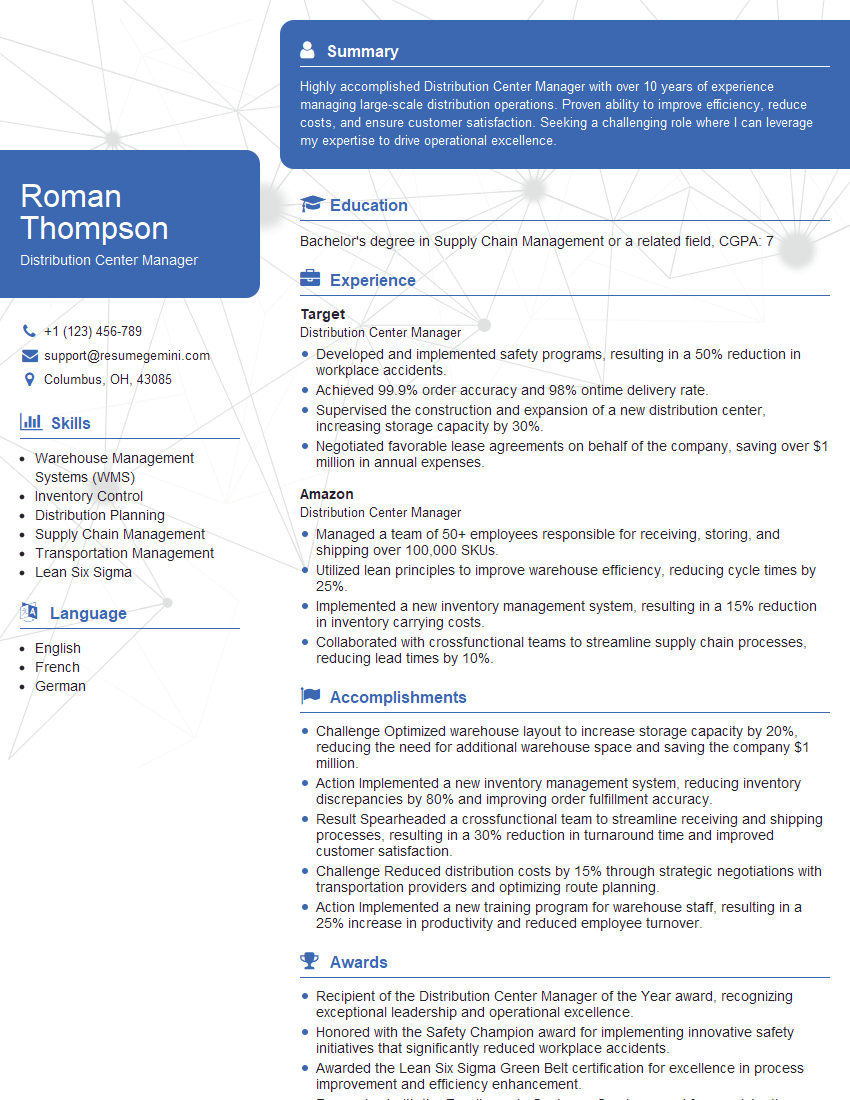
Distribution Center Manager Resume Sample
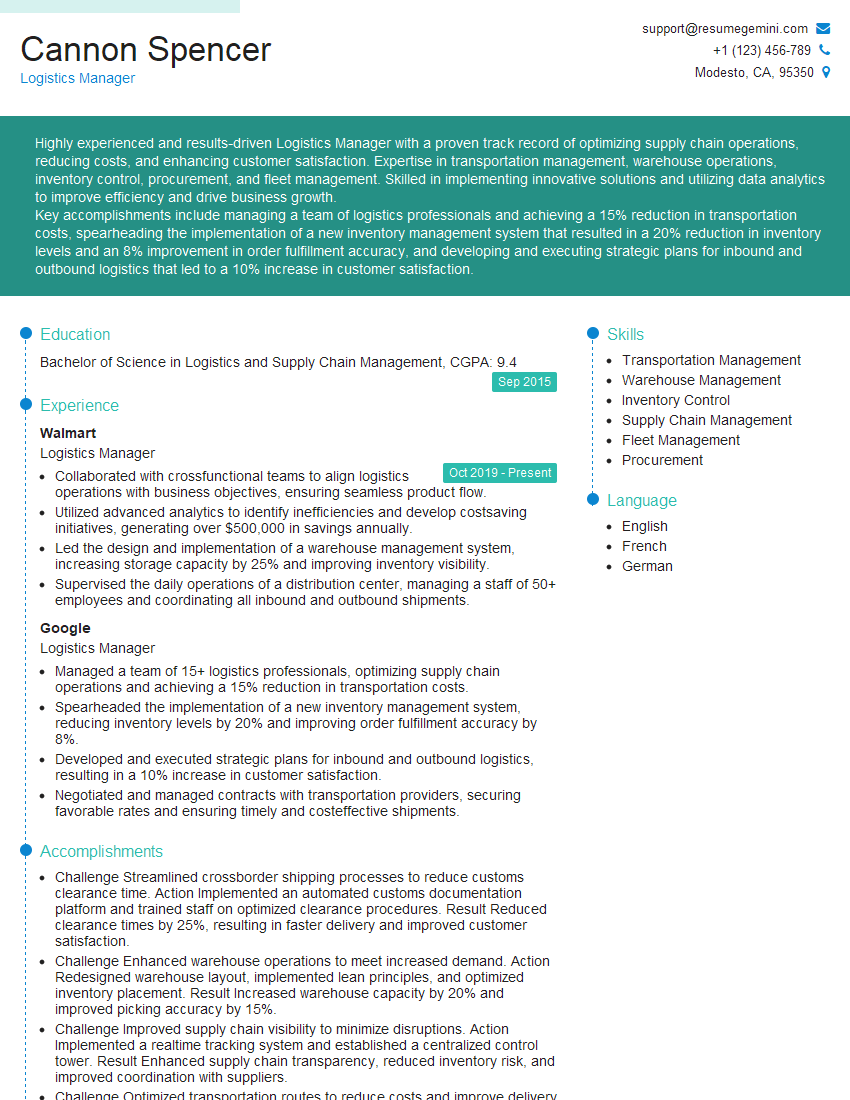
Logistics Manager Resume Sample
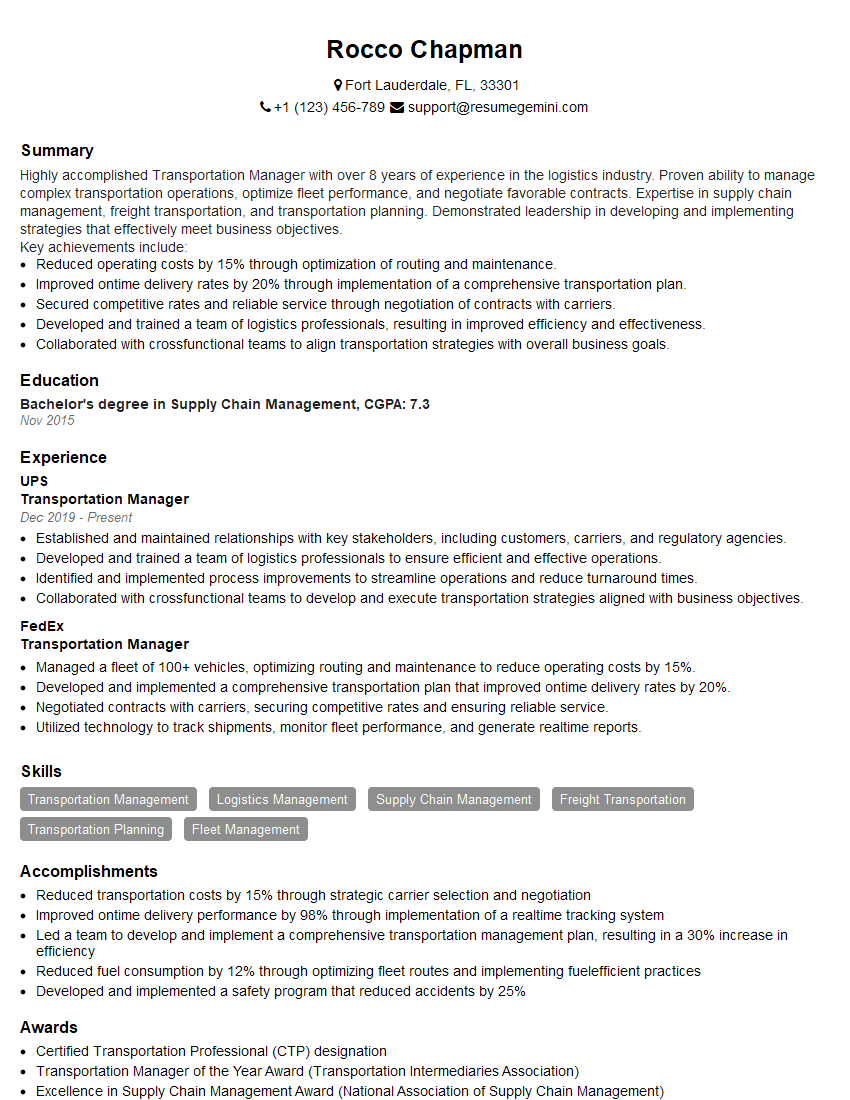
Transportation Manager Resume Sample
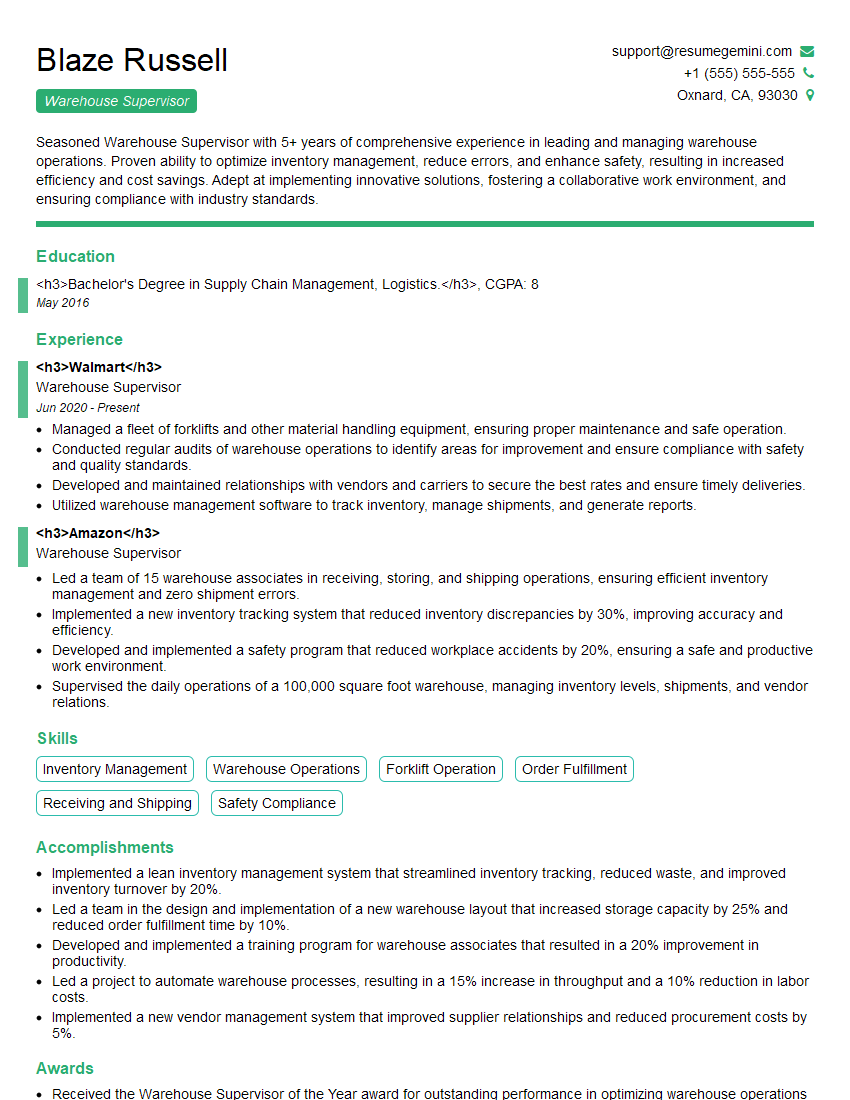
Warehouse Supervisor Resume Sample
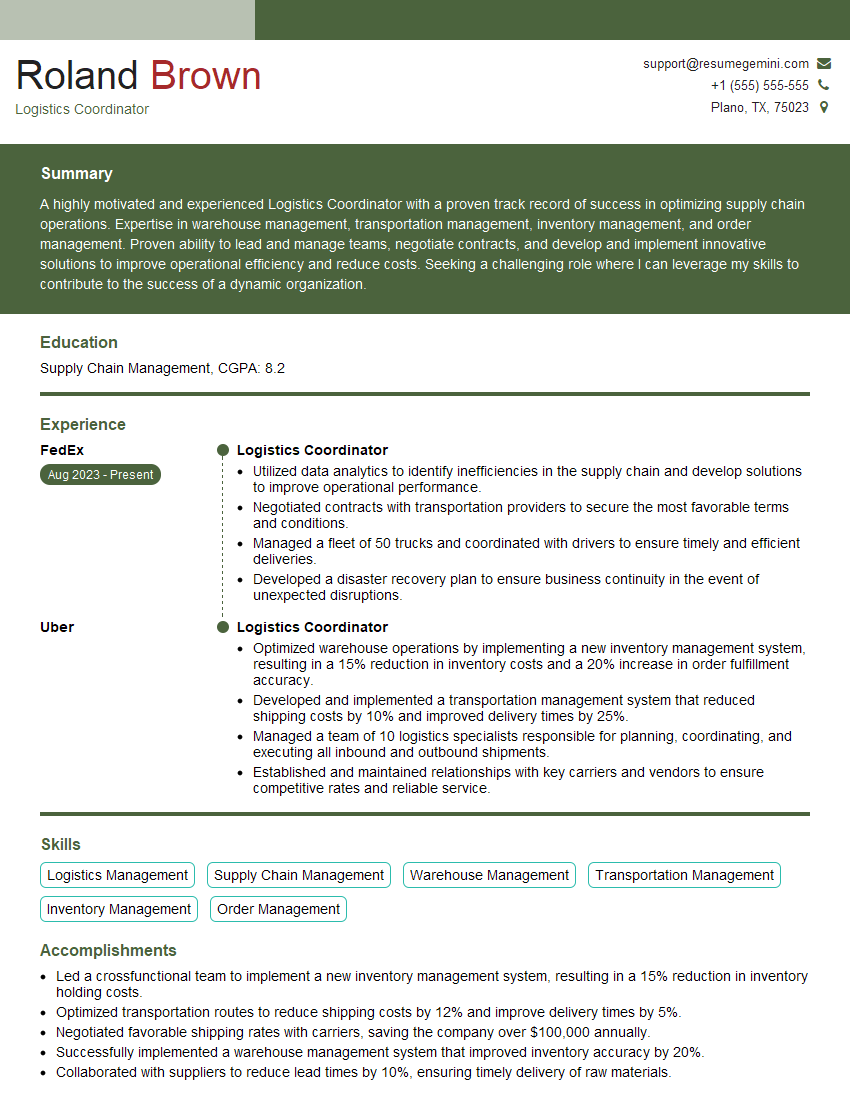
Logistics Coordinator Resume Sample

Shipping and Receiving Clerk Resume Sample
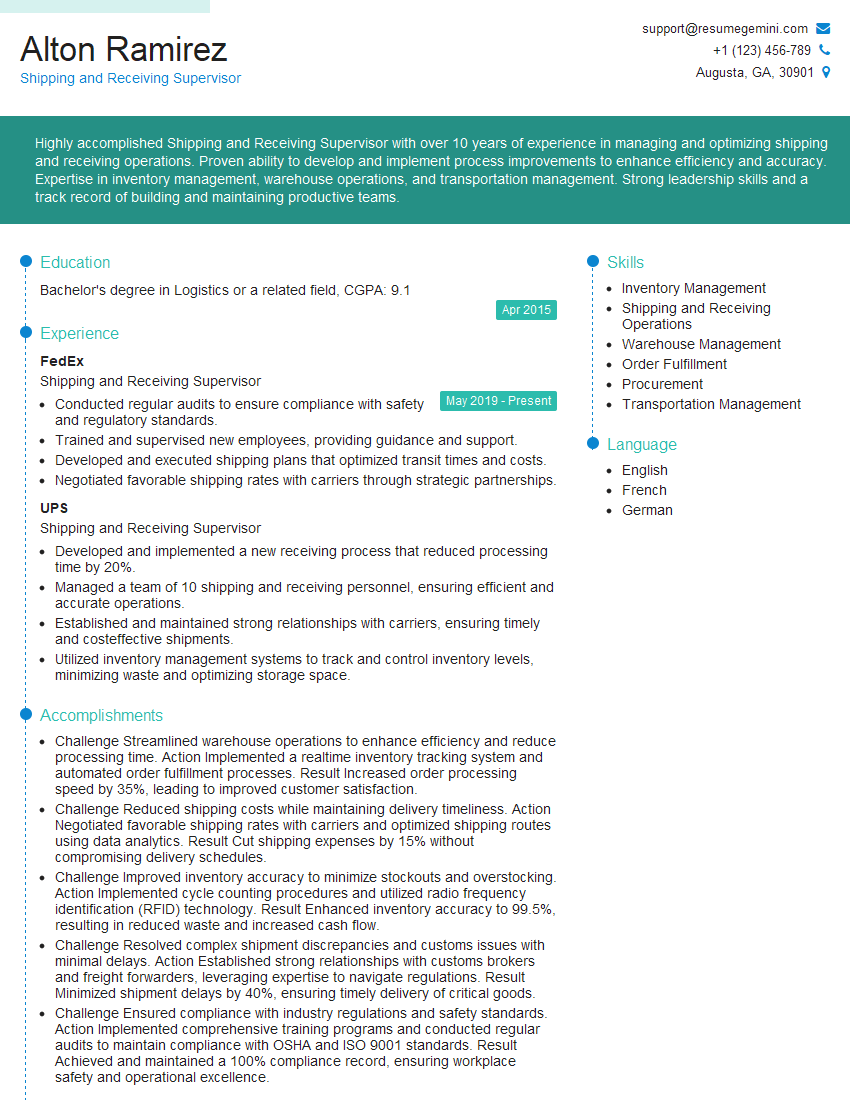
Shipping and Receiving Supervisor Resume Sample
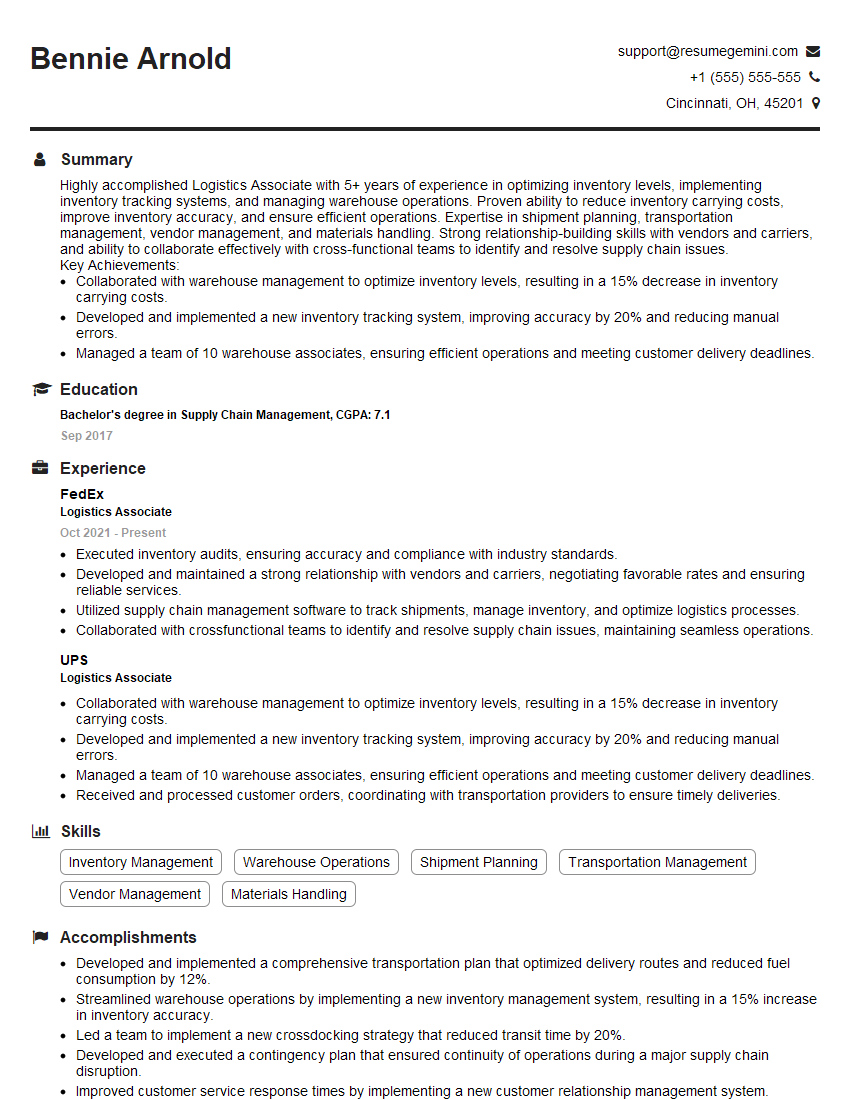
Logistics Associate Resume Sample
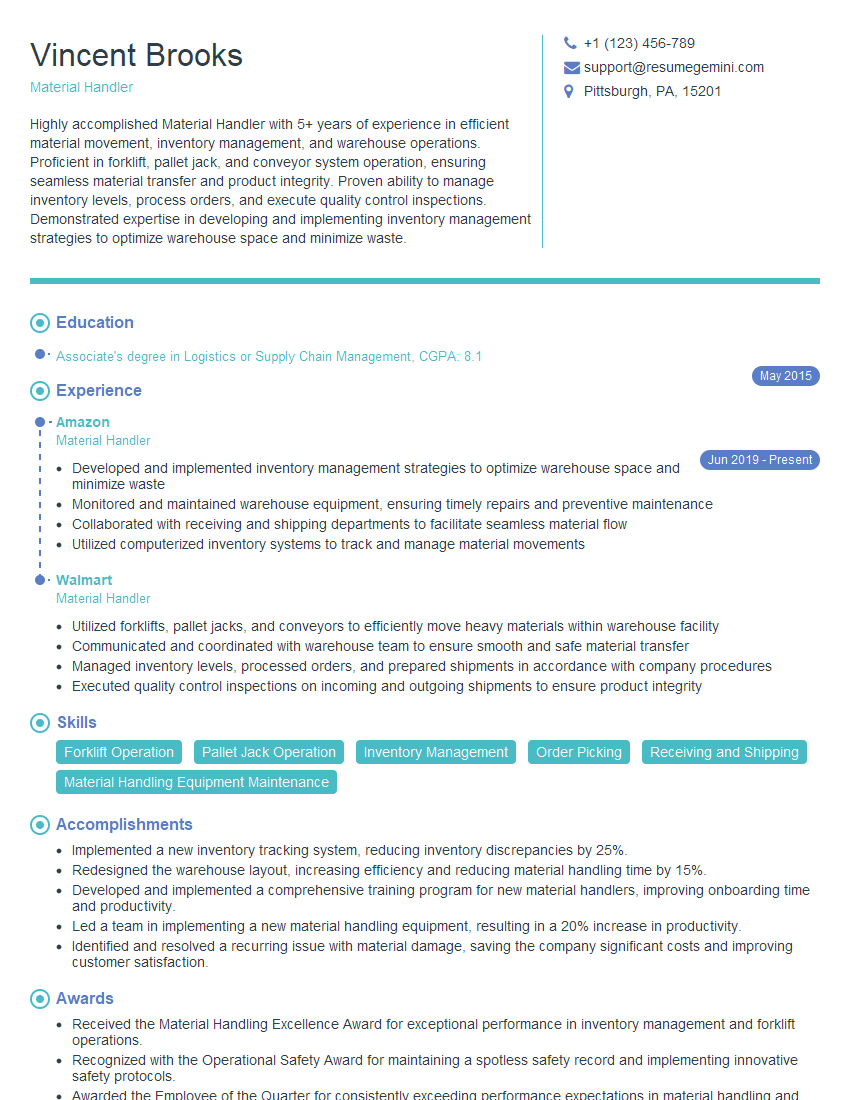
Material Handler Resume Sample
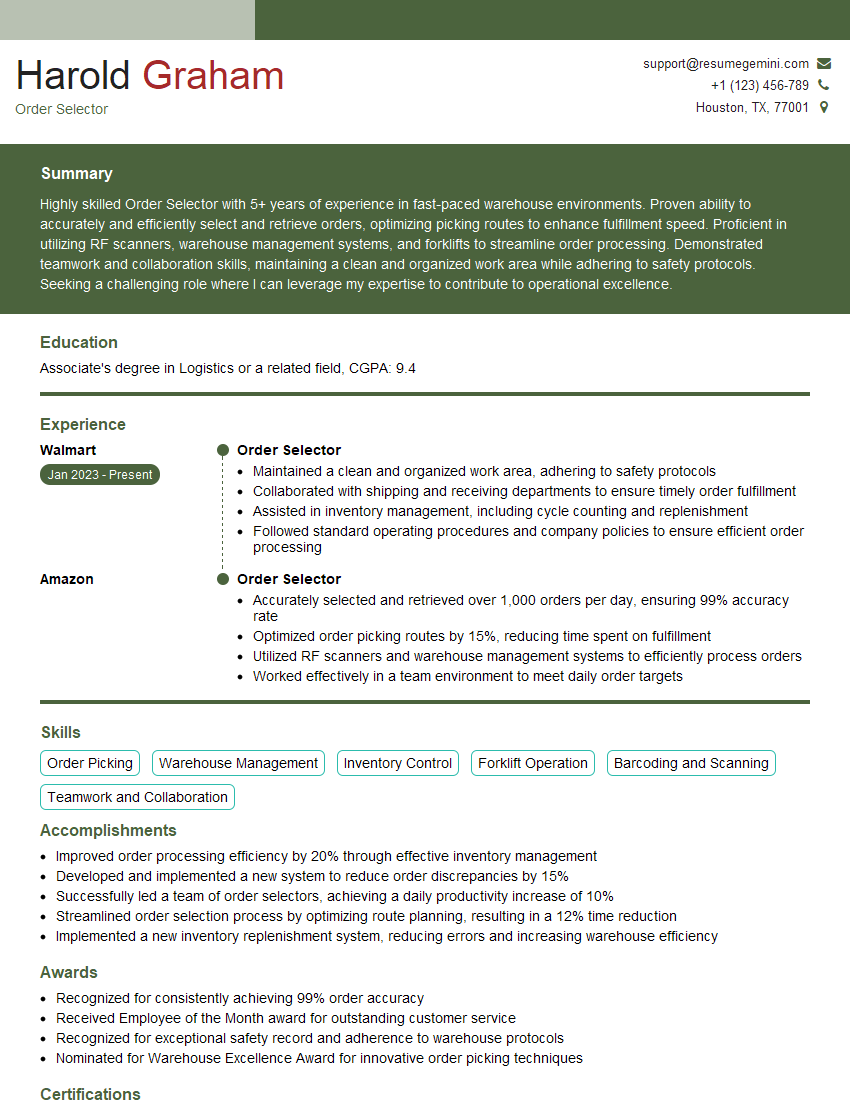
Order Selector Resume Sample
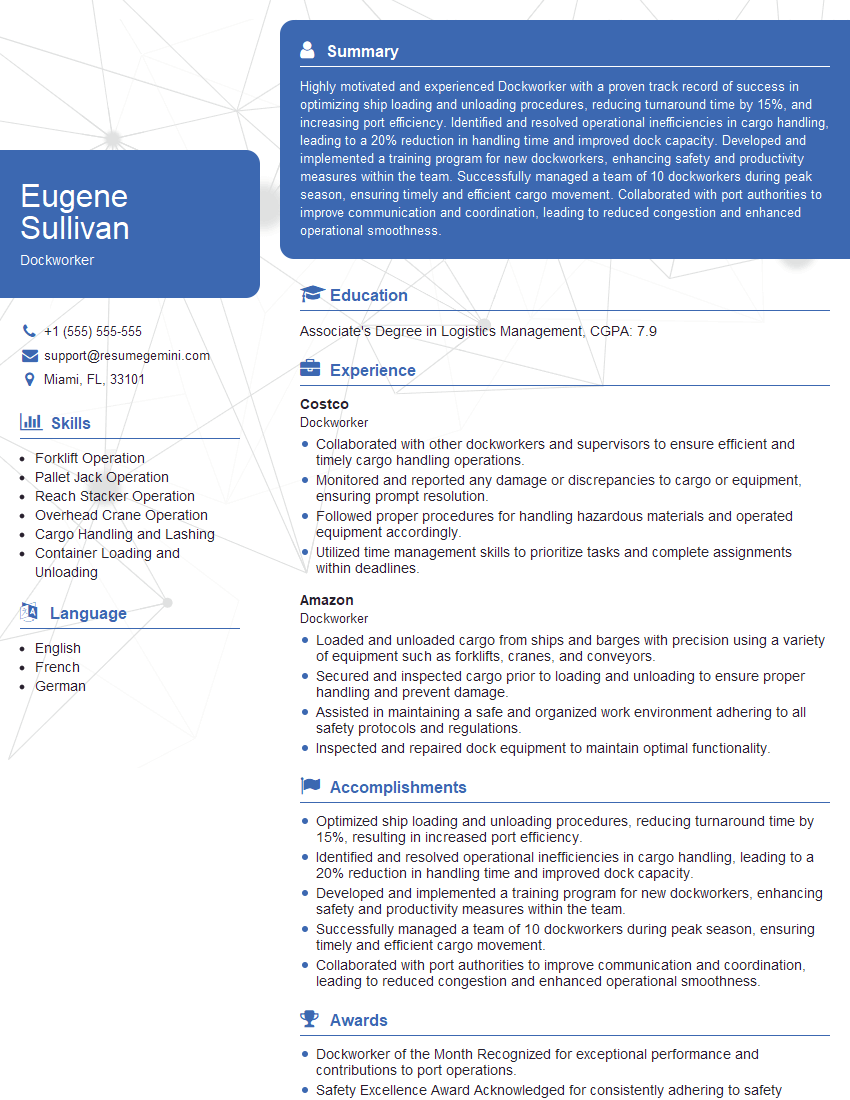
Dockworker Resume Sample
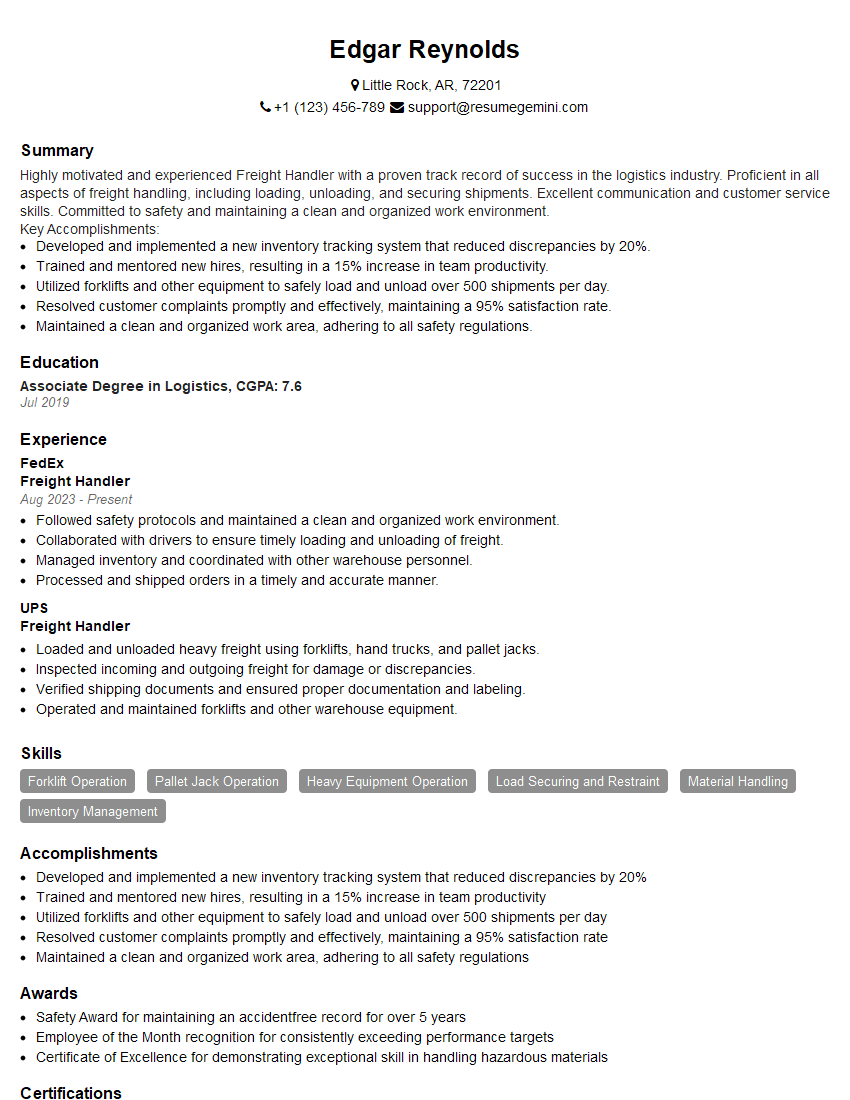
Freight Handler Resume Sample
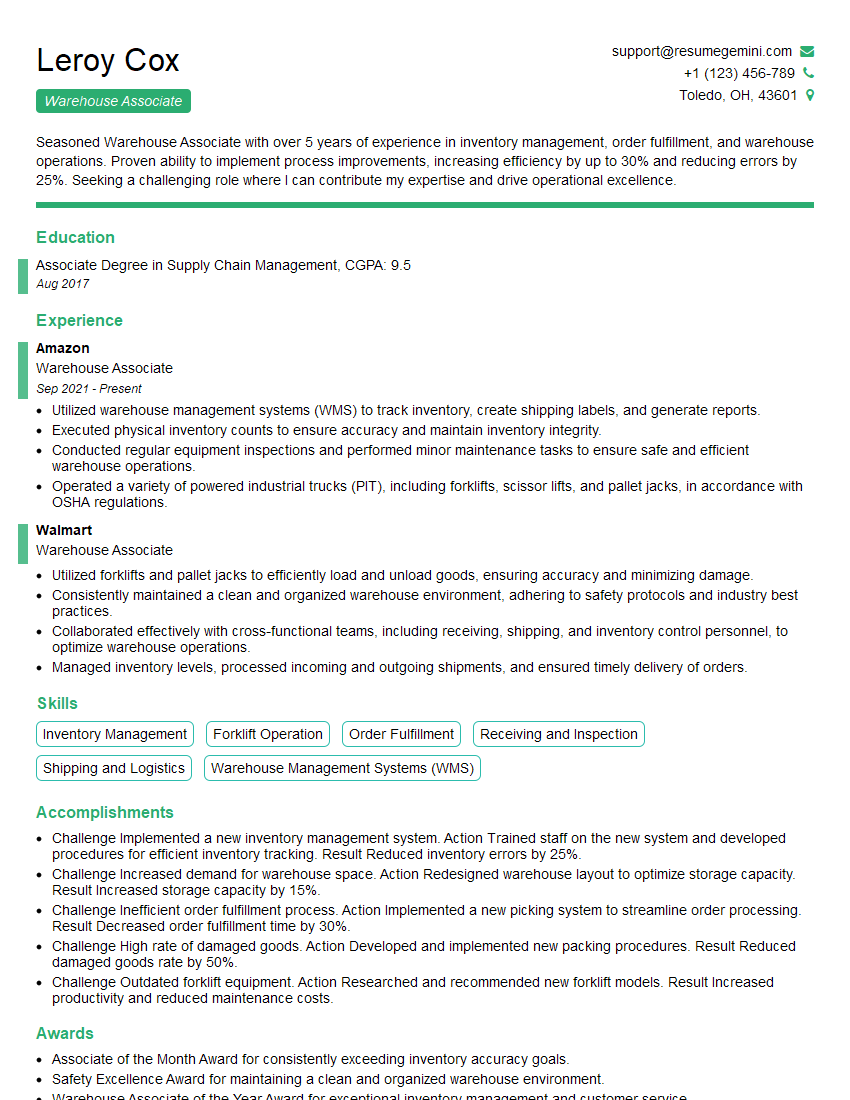
Warehouse Associate Resume Sample

Truck Loader Resume Sample
- Supply Chain Manager
- Distribution Center Manager
- Logistics Manager
- Transportation Manager
- Warehouse Supervisor
- Logistics Coordinator
- Shipping and Receiving Clerk
- Shipping and Receiving Supervisor
- Logistics Associate
- Material Handler
- Order Selector
- Dockworker
- Freight Handler
- Warehouse Associate
- Truck Loader
Explore more articles
Users Rating of Our Blogs
Share Your Experience
We value your feedback! Please rate our content and share your thoughts (optional).
What Readers Say About Our Blog
Attention music lovers!
Wow, All the best Sax Summer music !!!
Spotify: https://open.spotify.com/artist/6ShcdIT7rPVVaFEpgZQbUk
Apple Music: https://music.apple.com/fr/artist/jimmy-sax-black/1530501936
YouTube: https://music.youtube.com/browse/VLOLAK5uy_noClmC7abM6YpZsnySxRqt3LoalPf88No
Other Platforms and Free Downloads : https://fanlink.tv/jimmysaxblack
on google : https://www.google.com/search?q=22+AND+22+AND+22
on ChatGPT : https://chat.openai.com?q=who20jlJimmy20Black20Sax20Producer
Get back into the groove with Jimmy sax Black
Best regards,
Jimmy sax Black
www.jimmysaxblack.com
Hi I am a troller at The aquatic interview center and I suddenly went so fast in Roblox and it was gone when I reset.
Hi,
Business owners spend hours every week worrying about their website—or avoiding it because it feels overwhelming.
We’d like to take that off your plate:
$69/month. Everything handled.
Our team will:
Design a custom website—or completely overhaul your current one
Take care of hosting as an option
Handle edits and improvements—up to 60 minutes of work included every month
No setup fees, no annual commitments. Just a site that makes a strong first impression.
Find out if it’s right for you:
https://websolutionsgenius.com/awardwinningwebsites
Hello,
we currently offer a complimentary backlink and URL indexing test for search engine optimization professionals.
You can get complimentary indexing credits to test how link discovery works in practice.
No credit card is required and there is no recurring fee.
You can find details here:
https://wikipedia-backlinks.com/indexing/
Regards
NICE RESPONSE TO Q & A
hi
The aim of this message is regarding an unclaimed deposit of a deceased nationale that bears the same name as you. You are not relate to him as there are millions of people answering the names across around the world. But i will use my position to influence the release of the deposit to you for our mutual benefit.
Respond for full details and how to claim the deposit. This is 100% risk free. Send hello to my email id: lukachachibaialuka@gmail.com
Luka Chachibaialuka
Hey interviewgemini.com, just wanted to follow up on my last email.
We just launched Call the Monster, an parenting app that lets you summon friendly ‘monsters’ kids actually listen to.
We’re also running a giveaway for everyone who downloads the app. Since it’s brand new, there aren’t many users yet, which means you’ve got a much better chance of winning some great prizes.
You can check it out here: https://bit.ly/callamonsterapp
Or follow us on Instagram: https://www.instagram.com/callamonsterapp
Thanks,
Ryan
CEO – Call the Monster App
Hey interviewgemini.com, I saw your website and love your approach.
I just want this to look like spam email, but want to share something important to you. We just launched Call the Monster, a parenting app that lets you summon friendly ‘monsters’ kids actually listen to.
Parents are loving it for calming chaos before bedtime. Thought you might want to try it: https://bit.ly/callamonsterapp or just follow our fun monster lore on Instagram: https://www.instagram.com/callamonsterapp
Thanks,
Ryan
CEO – Call A Monster APP
To the interviewgemini.com Owner.
Dear interviewgemini.com Webmaster!
Hi interviewgemini.com Webmaster!
Dear interviewgemini.com Webmaster!
excellent
Hello,
We found issues with your domain’s email setup that may be sending your messages to spam or blocking them completely. InboxShield Mini shows you how to fix it in minutes — no tech skills required.
Scan your domain now for details: https://inboxshield-mini.com/
— Adam @ InboxShield Mini
support@inboxshield-mini.com
Reply STOP to unsubscribe
Hi, are you owner of interviewgemini.com? What if I told you I could help you find extra time in your schedule, reconnect with leads you didn’t even realize you missed, and bring in more “I want to work with you” conversations, without increasing your ad spend or hiring a full-time employee?
All with a flexible, budget-friendly service that could easily pay for itself. Sounds good?
Would it be nice to jump on a quick 10-minute call so I can show you exactly how we make this work?
Best,
Hapei
Marketing Director
Hey, I know you’re the owner of interviewgemini.com. I’ll be quick.
Fundraising for your business is tough and time-consuming. We make it easier by guaranteeing two private investor meetings each month, for six months. No demos, no pitch events – just direct introductions to active investors matched to your startup.
If youR17;re raising, this could help you build real momentum. Want me to send more info?
Hi, I represent an SEO company that specialises in getting you AI citations and higher rankings on Google. I’d like to offer you a 100% free SEO audit for your website. Would you be interested?
Hi, I represent an SEO company that specialises in getting you AI citations and higher rankings on Google. I’d like to offer you a 100% free SEO audit for your website. Would you be interested?