Are you ready to stand out in your next interview? Understanding and preparing for Unloading and Loading Operations interview questions is a game-changer. In this blog, we’ve compiled key questions and expert advice to help you showcase your skills with confidence and precision. Let’s get started on your journey to acing the interview.
Questions Asked in Unloading and Loading Operations Interview
Q 1. Describe your experience with different types of loading equipment (forklifts, pallet jacks, etc.).
My experience with loading equipment is extensive, encompassing a wide range of machinery commonly used in warehouse and logistics settings. I’m proficient in operating forklifts of various capacities (from counterbalance to reach trucks), pallet jacks (both manual and electric), and also have experience with conveyor systems and specialized equipment like order pickers and stock chaser trucks, depending on the specific needs of the operation.
For example, in my previous role at Acme Distribution, I regularly utilized electric pallet jacks for moving smaller, lighter loads within the warehouse. For larger and heavier pallets, we employed a fleet of counterbalance forklifts, ensuring efficient movement across different areas. My expertise also extends to understanding the limitations and maintenance requirements of each piece of equipment, allowing me to ensure safe and effective operation.
Understanding the nuances of each piece of equipment is critical for optimizing efficiency. For example, while a forklift may be faster for long distances, a pallet jack is more maneuverable in tight spaces. Choosing the right equipment for the job is a key aspect of my approach to loading and unloading.
Q 2. Explain your process for verifying the accuracy of incoming and outgoing shipments.
Verifying shipment accuracy is crucial for preventing errors and maintaining customer satisfaction. My process involves a multi-step approach starting before the goods even arrive. I first review the packing list and shipping manifests against the purchase order or delivery schedule, checking for discrepancies before unloading even begins.
During the unloading process, I visually inspect each pallet for damage and conduct a quantity check, comparing the actual number of units against the documentation. If using a scanning system, I ensure every item is scanned accurately to the designated location and account. After unloading, I reconcile the physical count with the accompanying paperwork, documenting any discrepancies immediately. Photos or videos are often used as evidence to support discrepancy reports and aid in resolving issues with suppliers or customers. This meticulous approach helps to ensure accountability and prevents costly mistakes down the line.
Think of it like a detective’s approach; finding and resolving inconsistencies during the process saves much greater time and effort at the end. A rigorous process is paramount in maintaining operational efficiency and accuracy.
Q 3. How do you prioritize tasks during peak loading/unloading periods?
Prioritization during peak periods requires a strategic approach combining efficiency with safety. My method involves a combination of techniques.
- Urgency and Time Sensitivity: I prioritize shipments with tight deadlines or those with perishable goods first. Think of it like a triage system in a hospital – the most critical cases get immediate attention.
- Order Fulfillment: Orders that need to be dispatched promptly are prioritized to meet customer demands. This often involves a first-in-first-out (FIFO) methodology.
- Dock Scheduling and Communication: Effective communication with the shipping/receiving department helps anticipate incoming shipments and optimize the workflow. Planning ahead helps to avoid bottlenecks.
- Teamwork and Delegation: Assigning tasks based on team member skills and capabilities ensures the best use of resources, particularly during high-volume periods. This avoids delays and fosters efficient teamwork.
For instance, if we have a rush order for a client with a critical delivery, this will supersede other loads even if they arrived earlier. Clear communication within the team about these priorities is crucial.
Q 4. What safety measures do you employ while operating loading equipment?
Safety is my paramount concern when operating loading equipment. My safety measures are comprehensive and follow industry best practices. Before operating any equipment, I conduct a thorough pre-operational inspection, checking for any mechanical issues, fluid leaks, or damaged components. This is vital to prevent accidents and ensure the safe operation of the machinery.
While operating, I adhere strictly to speed limits, maintain a safe distance from other workers and obstacles, and use appropriate signaling methods to alert others to my movements. I ensure that the load is secured properly to prevent accidental spills or shifting during transportation. Furthermore, I always wear the appropriate personal protective equipment (PPE), including safety glasses, gloves, steel-toe boots, and a high-visibility vest. Regular training and refresher courses keep my skills sharp and ensure I’m up-to-date on the latest safety regulations.
A near miss or even a minor accident can lead to significant delays and disruptions. The time taken for pre-operational checks and adherence to safety rules is far less than the loss of productivity caused by an accident.
Q 5. Describe your experience with inventory management related to loading/unloading.
My experience with inventory management in relation to loading and unloading is significant. I understand the crucial link between accurate inventory tracking and efficient loading/unloading processes. Accurate real-time inventory data allows for better planning, quicker order fulfillment, and minimized storage space requirements.
I’m familiar with various inventory management systems, from simple spreadsheet-based tracking to sophisticated Warehouse Management Systems (WMS). In my experience, efficient WMS can optimize stock location, assist with putaway strategies, and assist with order fulfillment efficiency. I understand the importance of cycle counting, regular stock taking, and reconciliation with the loading and unloading records to maintain the accuracy of inventory data. Without this, the whole process is prone to error.
For instance, in a previous role, we implemented a new WMS that significantly reduced our inventory discrepancies. This improved our efficiency and minimized stock-outs, leading to greater customer satisfaction.
Q 6. How do you handle damaged goods during the unloading process?
Handling damaged goods requires a systematic approach to minimize losses and ensure accountability. Upon discovering damaged goods, I immediately document the damage with photos and detailed descriptions, noting the extent of the damage and the quantity affected. This documentation is crucial for insurance claims or supplier disputes.
Depending on the nature and extent of the damage, I segregate the damaged goods from undamaged items to prevent further damage or contamination. The damaged goods are then moved to a designated area for inspection and potential return, repair, or disposal. All actions are recorded in the system, linking the damage report to the original delivery note or purchase order. This thorough documentation ensures that the issue is tracked effectively and that appropriate actions are taken.
Proper handling of damaged goods not only prevents financial loss but also maintains transparency and professionalism, enhancing the overall reputation of the operation.
Q 7. What is your experience with different types of packaging and palletizing?
My experience encompasses a wide variety of packaging types and palletizing techniques. I’m familiar with various materials including corrugated cardboard boxes, wooden crates, plastic containers, and specialized packaging for fragile or hazardous goods. I understand the importance of selecting appropriate packaging to protect goods during transit and storage.
Palletizing is another key area of my expertise. I’m proficient in different palletizing techniques, optimizing pallet load stability and maximizing space efficiency. This includes understanding the weight distribution and ensuring the load is stable and secure. I’m familiar with various types of pallet wraps and straps, and know how to use them effectively to secure the load. Knowing the right techniques minimizes risk of damage to goods during transportation and handling.
For instance, I know how to palletize fragile items to prevent damage and optimize pallet space. The use of appropriate interleaving material and effective wrapping techniques prevents shifting and movement which causes damage. My experience ensures that products arrive at their destination in the same condition they left.
Q 8. How do you ensure efficient workflow during loading and unloading operations?
Efficient workflow in loading and unloading hinges on meticulous planning and execution. Think of it like a well-orchestrated symphony – every instrument (person, equipment, process) plays its part in harmony.
- Pre-planning: This is crucial. We need to know exactly what’s being loaded/unloaded, its quantity, dimensions, and destination. This allows us to assign the right equipment and personnel. For example, if we’re dealing with oversized cargo, we’ll need specialized forklifts and possibly a crane.
- Clear Communication: Open and constant communication among drivers, dockworkers, warehouse staff, and supervisors is vital. Miscommunication leads to delays and errors. We use standardized checklists and two-way radios to ensure everyone is on the same page.
- Designated Zones: Organizing the loading dock into clearly defined zones for receiving, staging, and loading prevents bottlenecks. Think of it like lanes on a highway – each lane has a purpose.
- Optimized Routing: Strategically planning the route within the warehouse and on the loading dock minimizes unnecessary movement. We use software to map efficient routes, especially for large-scale operations.
- Technology Integration: Implementing Warehouse Management Systems (WMS) and Transportation Management Systems (TMS) streamlines the entire process, from order receipt to delivery confirmation.
For instance, in one project involving palletized goods, implementing a WMS reduced our loading time by 25% by optimizing the picking and staging process.
Q 9. What strategies do you use to minimize loading/unloading time?
Minimizing loading/unloading time requires a multifaceted approach. It’s about maximizing efficiency at every stage.
- Cross-docking: This technique involves transferring goods directly from incoming trucks to outgoing trucks, bypassing storage. It’s ideal for high-volume, time-sensitive shipments.
- Optimized Palletization: Properly sized and stacked pallets ensure efficient handling by forklifts. Incorrect palletization can lead to delays and even damage.
- Using Appropriate Equipment: Selecting the right forklifts, conveyors, and other machinery ensures optimal speed and safety. We choose equipment suited to the weight, size, and fragility of the goods.
- Employee Training: Well-trained employees are faster and more efficient. Regular training on safe and efficient loading/unloading procedures is essential.
- Streamlined Documentation: Quick and accurate documentation processes, such as using barcode scanners and handheld computers, reduces paperwork and speeds up the entire process.
For example, by implementing cross-docking for a client shipping perishable goods, we reduced delivery time by a whole day, preventing spoilage and saving them a significant amount of money.
Q 10. Explain your understanding of loading and unloading regulations and safety standards.
Understanding and adhering to loading and unloading regulations and safety standards is paramount. These regulations vary depending on the location and type of goods being handled, but common themes include:
- Weight Limits: Trucks and loading docks have weight restrictions that must be strictly followed to prevent damage and accidents.
- Hazardous Materials Handling: Specific regulations govern the handling of hazardous materials, including proper labeling, storage, and transportation.
- Load Securement: Cargo must be properly secured to prevent shifting or falling during transit. Techniques include using straps, chains, and other restraints.
- Personal Protective Equipment (PPE): Employees must wear appropriate PPE, such as safety shoes, gloves, and high-visibility vests, to minimize the risk of injury.
- Forklift Safety: Strict guidelines govern forklift operation, including speed limits, training requirements, and load capacity.
Non-compliance can lead to serious consequences, including fines, accidents, and damage to goods. We maintain meticulous records of our adherence to all relevant regulations.
Q 11. How do you handle discrepancies between shipping documents and received goods?
Discrepancies between shipping documents and received goods are handled through a systematic process:
- Immediate Identification: Discrepancies are identified during the receiving process through careful comparison of paperwork with the actual goods. Barcodes and scanning technology helps.
- Documentation: Any discrepancy, however minor, is meticulously documented. This includes photographs, notes on the nature of the discrepancy, and the time of discovery.
- Verification: We verify the information with the shipper using the documented evidence. This may involve contacting the shipper, reviewing the original order, and checking shipment tracking information.
- Resolution: Once the discrepancy is verified, a resolution is determined collaboratively with the shipper. This could involve returning incorrect goods, replacing missing items, or issuing credit.
- Internal Review: Following the resolution, we conduct an internal review to identify the root cause of the discrepancy and prevent future occurrences. This may involve adjusting internal procedures or improving communication with the shipper.
A recent example involved a shipment with a missing pallet. Through careful documentation and communication, we were able to quickly resolve the issue with the shipper and get the missing pallet delivered within 24 hours.
Q 12. Describe your experience working with different types of transportation vehicles.
My experience encompasses a wide range of transportation vehicles, each presenting unique loading/unloading challenges:
- Trailers (Dry Vans, Refrigerated, Flatbeds): I’m proficient in loading and unloading goods of various sizes and types into these vehicles, ensuring proper securement and temperature control where necessary.
- Railcars: I’ve worked with railcar loading and unloading, understanding the safety procedures and equipment required for efficient and secure transfer of goods.
- Container Ships: I possess experience coordinating container loading and unloading, including documenting container numbers and ensuring proper stacking to maximize space and stability.
- Smaller Vehicles (Vans, Trucks): I’m equally adept at handling smaller vehicles, ensuring efficient and safe loading and unloading procedures for smaller or specialized shipments.
Adaptability is key. Each vehicle type requires a different approach to ensure efficient and safe handling of goods, and I am well-versed in these different methods.
Q 13. How do you manage inventory discrepancies identified during loading/unloading?
Inventory discrepancies identified during loading/unloading are addressed with a focus on accuracy and accountability.
- Immediate Investigation: Upon discovery, a thorough investigation is launched to determine the root cause of the discrepancy. Was there a counting error, damage, theft, or a problem with the initial inventory count?
- Physical Inventory Check: A complete physical count of the goods is conducted to confirm the discrepancy. This may involve recounting items, checking for damage, and reviewing security footage.
- Documentation: Detailed documentation of the discrepancy, including the date, time, location, and affected items, is maintained.
- Corrective Actions: Appropriate corrective actions are implemented to address the root cause and prevent future occurrences. This could include retraining personnel, improving inventory management processes, or enhancing security measures.
- Reporting: The discrepancy is reported to the relevant stakeholders, including management and potentially the client, along with the corrective actions taken.
For example, if a discrepancy was caused by damaged goods, we’d need to document the damage, assess responsibility, and determine if replacement goods were necessary or if the damaged goods would need to be processed for insurance claims.
Q 14. How do you maintain a clean and organized loading dock area?
Maintaining a clean and organized loading dock area is crucial for safety and efficiency. It’s all about creating a well-maintained workspace.
- Regular Cleaning: A regular cleaning schedule is essential to remove debris, spills, and other hazards. This includes sweeping, mopping, and removing any waste materials.
- Designated Storage Areas: Clearly defined areas for storage of pallets, empty containers, and other materials prevent clutter and improve workflow. This makes it easier to locate what is needed.
- Proper Waste Disposal: A system for efficient waste disposal prevents build-up and keeps the area tidy. This reduces the risk of tripping hazards and improves the overall appearance of the loading dock.
- Regular Maintenance: Regular maintenance of loading dock equipment, such as forklifts and dock levelers, is necessary to ensure safe and efficient operation. A preventative maintenance program is key.
- 5S Methodology: Implementing the 5S methodology (Sort, Set in Order, Shine, Standardize, Sustain) is beneficial in maintaining a clean and efficient work environment. This provides a structured approach to organization and cleanliness.
Think of it like a well-organized kitchen – a clean and well-organized workspace promotes safety, efficiency, and professionalism.
Q 15. What is your experience with using warehouse management systems (WMS)?
My experience with Warehouse Management Systems (WMS) is extensive. I’ve worked with several leading systems, including Oracle WMS, SAP EWM, and Blue Yonder. My proficiency extends beyond simply using the software; I understand how to configure these systems to optimize loading and unloading processes. For example, I’ve configured systems to automatically assign dock doors based on truck arrival times and product type, minimizing congestion and improving turnaround times. I’m also skilled in utilizing the reporting and analytics features of WMS to track key performance indicators (KPIs) like loading/unloading time, labor costs, and error rates. This allows for data-driven decision-making to continuously improve efficiency and identify areas for improvement.
Beyond the technical aspects, I understand the importance of integrating the WMS with other systems, such as Transportation Management Systems (TMS) for seamless order fulfillment and accurate tracking. I’ve successfully implemented such integrations, resulting in smoother workflows and enhanced visibility across the entire supply chain.
Career Expert Tips:
- Ace those interviews! Prepare effectively by reviewing the Top 50 Most Common Interview Questions on ResumeGemini.
- Navigate your job search with confidence! Explore a wide range of Career Tips on ResumeGemini. Learn about common challenges and recommendations to overcome them.
- Craft the perfect resume! Master the Art of Resume Writing with ResumeGemini’s guide. Showcase your unique qualifications and achievements effectively.
- Don’t miss out on holiday savings! Build your dream resume with ResumeGemini’s ATS optimized templates.
Q 16. Describe a time you had to solve a problem related to loading/unloading efficiency.
At a previous company, we experienced significant delays in unloading due to inefficient dock scheduling. Trucks were often waiting for extended periods, leading to increased labor costs and dissatisfied carriers. To solve this, I implemented a new dock scheduling system. I began by analyzing historical data on arrival times, unloading times for various product types, and available dock resources. I then developed a new scheduling algorithm based on this analysis, prioritizing high-priority orders and considering factors such as truck size and product weight. The new system utilized a color-coded visual representation for dock allocation, making it easy for the dock supervisors to monitor and adjust in real-time.
This change resulted in a 25% reduction in average unloading time and significantly improved on-time performance. The improved efficiency led to cost savings and improved relationships with our carriers, positively impacting customer satisfaction.
Q 17. How do you communicate effectively with drivers and other warehouse personnel?
Effective communication is crucial in loading/unloading operations. I use a multi-faceted approach. With drivers, I prioritize clear, concise instructions, confirming delivery details, and providing any specific handling requirements for their cargo. I ensure they understand safety protocols before they start unloading. I use visual aids like maps or diagrams when necessary. With warehouse personnel, I utilize daily briefings to discuss priorities, address any issues, and ensure everyone is aware of their tasks. I encourage open communication and make myself available to answer questions and address concerns. I also actively listen to their feedback, as they often have valuable insights into operational improvements.
I find that using a combination of verbal communication, written instructions (using check sheets or mobile devices), and nonverbal cues, such as hand signals during the loading/unloading process, results in seamless and efficient operations. Regular feedback sessions with both groups further strengthen communication channels and encourage collaboration.
Q 18. What is your experience with different types of cargo securing techniques?
My experience encompasses various cargo securing techniques, ranging from simple methods like using straps and shrink wrap for palletized goods, to more complex techniques for specialized cargo. I’m familiar with the use of different types of load securing devices like ratchet straps, webbing, and chains. I understand the importance of choosing the appropriate securing method based on the type of cargo, its weight, and the mode of transportation. I’m proficient in using load bars, dunnage, and other blocking and bracing materials to prevent shifting during transit. I also have experience with container loading and securing, adhering to international standards (like ISO standards) to ensure safe and compliant transport.
For example, I’ve secured oversized or oddly-shaped machinery using specialized techniques involving multiple points of securing and carefully chosen dunnage to distribute the load evenly. My knowledge includes understanding the legal requirements and regulations pertaining to load securing for various jurisdictions. I am also trained on assessing potential risks associated with inadequate securing and proactive steps to mitigate them.
Q 19. How do you ensure the safety of personnel and equipment during loading/unloading?
Ensuring personnel and equipment safety during loading/unloading is paramount. I implement a comprehensive safety program that integrates several key elements. Firstly, a thorough pre-shift inspection of equipment, like forklifts and pallet jacks, is mandatory. This ensures the equipment is in good working order and reduces the risk of mechanical failures. Secondly, clear safety guidelines and procedures are communicated and enforced. This includes wearing appropriate personal protective equipment (PPE), such as high-visibility vests, safety shoes, and gloves, following traffic rules within the warehouse, and maintaining a safe working distance from moving vehicles.
I emphasize the use of proper lifting techniques to prevent injuries. Regular safety training and refresher courses are conducted for all personnel. Furthermore, I ensure that the loading/unloading area is well-lit, free of obstructions, and clearly marked with signage indicating potential hazards. Regular inspections of the work area are undertaken to identify and address any potential safety risks proactively. Any accidents or near misses are thoroughly investigated and corrective actions implemented to prevent recurrence.
Q 20. What are your strategies for preventing workplace accidents during loading/unloading?
Preventing workplace accidents involves a proactive and multi-layered approach. I focus on creating a strong safety culture where safety is everyone’s responsibility. This starts with clear and consistent communication of safety protocols and providing the necessary resources and training. We implement regular safety meetings and toolbox talks to discuss potential hazards and best practices. Employee involvement is crucial, so I encourage them to report any safety concerns without fear of retribution.
Beyond training, I use various methods such as job hazard analysis (JHA) to identify potential hazards and implement control measures. We conduct regular safety audits to evaluate the effectiveness of existing safety procedures and identify areas for improvement. I actively monitor key safety indicators such as incident rates and near-miss reports to track progress and identify trends that might indicate emerging risks. By continually analyzing data and improving our procedures, we aim for a proactive approach to minimizing workplace incidents.
Q 21. How familiar are you with various loading and unloading techniques for different products?
My familiarity with various loading and unloading techniques is extensive. I understand the specific requirements for different products. For example, I know how to safely handle fragile goods, using appropriate padding and bracing to prevent damage. I’m skilled in loading and unloading palletized goods using forklifts and pallet jacks, ensuring that loads are stable and evenly distributed. I’m experienced in handling bulk goods, using specialized equipment like conveyors and chutes to maximize efficiency. I also understand the specific handling requirements for hazardous materials, adhering to all relevant regulations and safety protocols.
I’ve worked with various product types, from automotive parts to consumer goods, and perishable goods like food. Each product presents unique challenges, and I adapt my techniques accordingly, always prioritizing safety and efficiency. My experience also extends to specialized handling requirements, such as those for oversized or heavy-lift equipment. In this case, I might coordinate with specialized rigging crews to ensure the safe movement and placement of heavy loads. I ensure my approach is always compliant with applicable industry regulations and best practices.
Q 22. Describe your experience with managing different types of inventory (perishable, non-perishable).
Managing diverse inventory, especially perishable and non-perishable goods, requires a nuanced approach. My experience encompasses handling a wide range of products, from fresh produce with strict temperature and time constraints to durable goods with less stringent requirements. For perishable items, I prioritize First-In, First-Out (FIFO) inventory management to minimize spoilage. This involves carefully tracking arrival times, assigning storage locations based on anticipated usage, and ensuring appropriate refrigeration or temperature control throughout the unloading and storage process. For example, during peak season for strawberries, we meticulously monitored their temperature throughout the unloading and transport to ensure optimal freshness. Non-perishable goods demand a different strategy, focusing on efficient space utilization and minimizing damage risk during handling. This often involves using specialized equipment like forklifts and pallet jacks to manage bulk items and prevent stacking accidents. I am adept at selecting the appropriate storage method to preserve the integrity and shelf life of both types of goods.
Q 23. What is your experience with reporting and record-keeping for loading/unloading activities?
Accurate reporting and record-keeping are crucial for efficient loading/unloading operations and inventory management. My experience includes utilizing various methods, from manual logbooks to sophisticated Warehouse Management Systems (WMS). I am proficient in documenting all aspects of the process, including the date and time of arrival and departure, the type and quantity of goods, the names of the carriers, and any potential damages or discrepancies. This detailed documentation is essential for tracking inventory, resolving discrepancies, and facilitating smooth communication with stakeholders. For instance, our WMS system generates automated reports on loading/unloading times, allowing us to identify bottlenecks and optimize our processes. We also maintain detailed records of any damaged goods, helping to mitigate future losses and improve our claims process with carriers.
Q 24. How do you adapt your approach to loading/unloading based on the type of goods?
Adaptability is key in loading/unloading operations. My approach varies significantly depending on the goods’ characteristics. For fragile items like glassware or electronics, I meticulously plan the loading sequence, using protective materials like bubble wrap and ensuring careful handling. I prioritize hand-loading for these items and would avoid stacking them high. Conversely, for bulk materials like grains or cement, efficiency is paramount. I utilize specialized equipment such as conveyors, automated loading systems, or large forklifts for faster and more efficient processing. The same applies to temperature-sensitive goods, where careful placement within refrigerated trucks is essential, alongside maintaining consistent temperature monitoring throughout. For hazardous materials, strict adherence to safety protocols, including specific handling equipment and the use of appropriate personal protective equipment (PPE), is absolutely non-negotiable.
Q 25. How do you ensure the timely completion of loading and unloading tasks?
Ensuring timely completion involves proactive planning and efficient execution. This starts with thorough pre-loading planning, which includes confirming delivery schedules, verifying inventory availability, and assigning personnel and equipment appropriately. I optimize loading processes by organizing the loading area, creating clear pathways, and using efficient stacking methods. Regular communication with the drivers and warehouse personnel is essential to ensure coordination and anticipate potential issues. Real-time tracking of progress allows for quick adjustments if needed. We use a system of checkpoints and timed segments, monitoring progress throughout the loading/unloading procedure. This keeps the process moving efficiently and allows for early identification and resolution of any unexpected delays.
Q 26. Describe a situation where you had to deal with a delay in loading/unloading. How did you handle it?
Once, a severe storm caused a significant delay in the arrival of a shipment of perishable goods. This threatened spoilage and significant financial losses. To mitigate this, I immediately contacted the supplier and the trucking company, coordinating alternate transportation arrangements. Simultaneously, I prioritized the unloading of already-arrived goods to free up space in the cooler. We implemented a rapid unloading strategy for the late shipment upon its arrival, working overtime to ensure everything was properly stored and cooled before spoilage could occur. Communication was key; I kept all stakeholders updated regularly about the situation and the implemented solutions. We successfully minimized losses, demonstrating adaptability and problem-solving skills under pressure.
Q 27. What are your strengths and weaknesses regarding loading and unloading operations?
My strengths lie in my meticulous planning, adaptability, and strong problem-solving skills. I thrive under pressure and am adept at managing diverse teams and complex situations. I am proficient in using various loading/unloading equipment and possess a thorough understanding of safety regulations. My weakness, if I had to pinpoint one, would be delegating tasks effectively in high-pressure situations. I’m working on improving this by developing more structured delegation strategies and fostering greater team autonomy.
Q 28. Explain your understanding of the importance of proper documentation in loading/unloading.
Proper documentation is paramount for numerous reasons. It ensures accountability, facilitates inventory control, and safeguards against potential legal disputes. Detailed records help track goods throughout the supply chain, assisting in identifying discrepancies, resolving claims, and ensuring compliance with relevant regulations. For example, accurate documentation of damages during loading/unloading provides crucial evidence for insurance claims. Furthermore, clear and consistent documentation simplifies audits and enhances transparency, contributing to a more efficient and reliable operation overall. In essence, proper documentation isn’t just a procedural step; it’s a critical component of successful and responsible operations.
Key Topics to Learn for Unloading and Loading Operations Interview
- Safety Procedures and Regulations: Understanding and applying OSHA regulations, safe lifting techniques, and hazard identification in loading and unloading environments. Practical application includes demonstrating knowledge of specific safety equipment and procedures for various cargo types.
- Equipment Operation and Maintenance: Familiarity with forklifts, pallet jacks, conveyor systems, and other relevant machinery. This includes basic troubleshooting, preventative maintenance awareness, and safe operation procedures. Practical application includes describing experience with specific equipment and outlining maintenance checks.
- Inventory Management and Tracking: Understanding inventory control systems, accurate record-keeping, and the processes involved in tracking goods throughout the loading and unloading process. Practical application includes describing methods for verifying counts, identifying discrepancies, and reporting issues.
- Logistics and Optimization: Knowledge of efficient loading and unloading techniques, space optimization strategies, and understanding the flow of goods within a warehouse or distribution center. Practical application includes describing how to improve efficiency, reduce downtime, and minimize damage.
- Communication and Teamwork: Effective communication with colleagues, supervisors, and potentially drivers or clients. Understanding the importance of teamwork and collaboration in a fast-paced environment. Practical application includes describing scenarios where teamwork was crucial to a successful operation.
- Problem-Solving and Decision-Making: Ability to identify and resolve issues that may arise during loading and unloading operations, such as equipment malfunctions, damaged goods, or scheduling conflicts. Practical application includes describing examples of problem-solving experiences and the solutions implemented.
Next Steps
Mastering Unloading and Loading Operations opens doors to diverse career paths within logistics, warehousing, and distribution. Proficiency in these skills demonstrates your value as a reliable and efficient worker, leading to greater opportunities for advancement and higher earning potential. To significantly enhance your job prospects, crafting an ATS-friendly resume is crucial. ResumeGemini is a trusted resource to help you build a professional resume that highlights your skills and experience effectively. Examples of resumes tailored to Unloading and Loading Operations are available to guide you through this process.
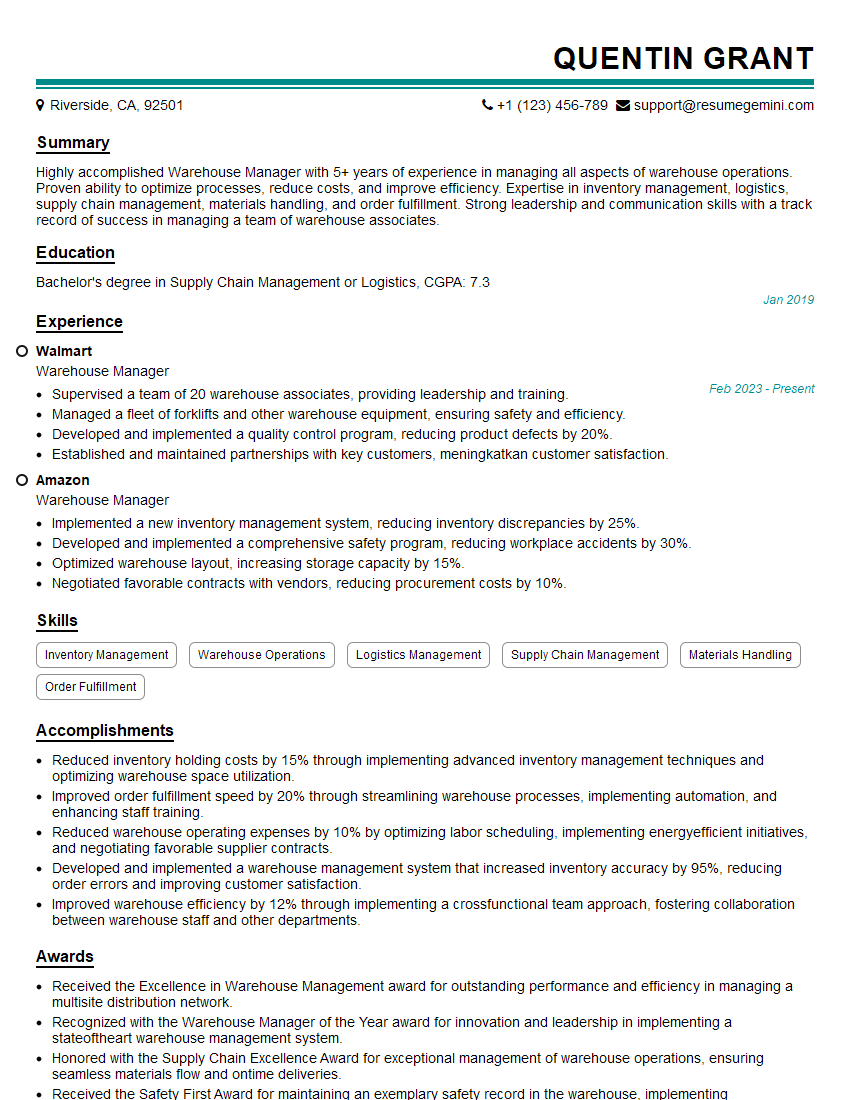
Warehouse Manager Resume Sample
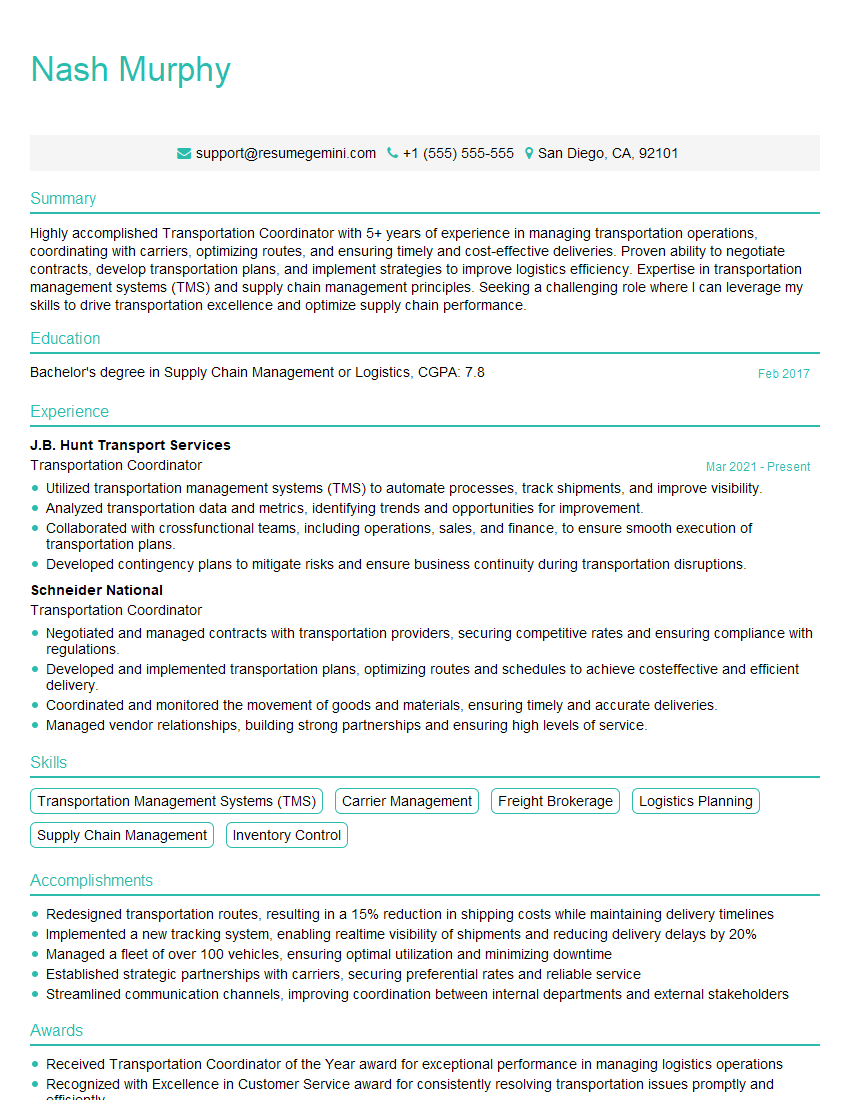
Transportation Coordinator Resume Sample
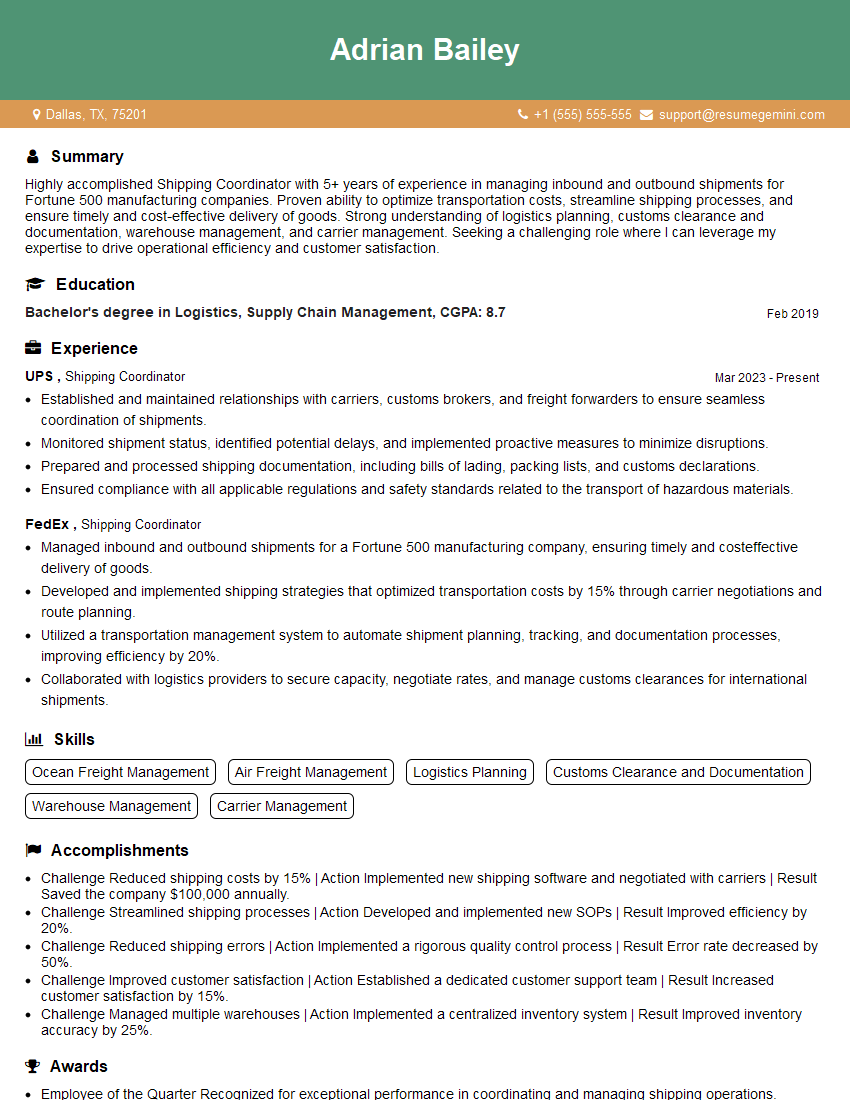
Shipping Coordinator Resume Sample
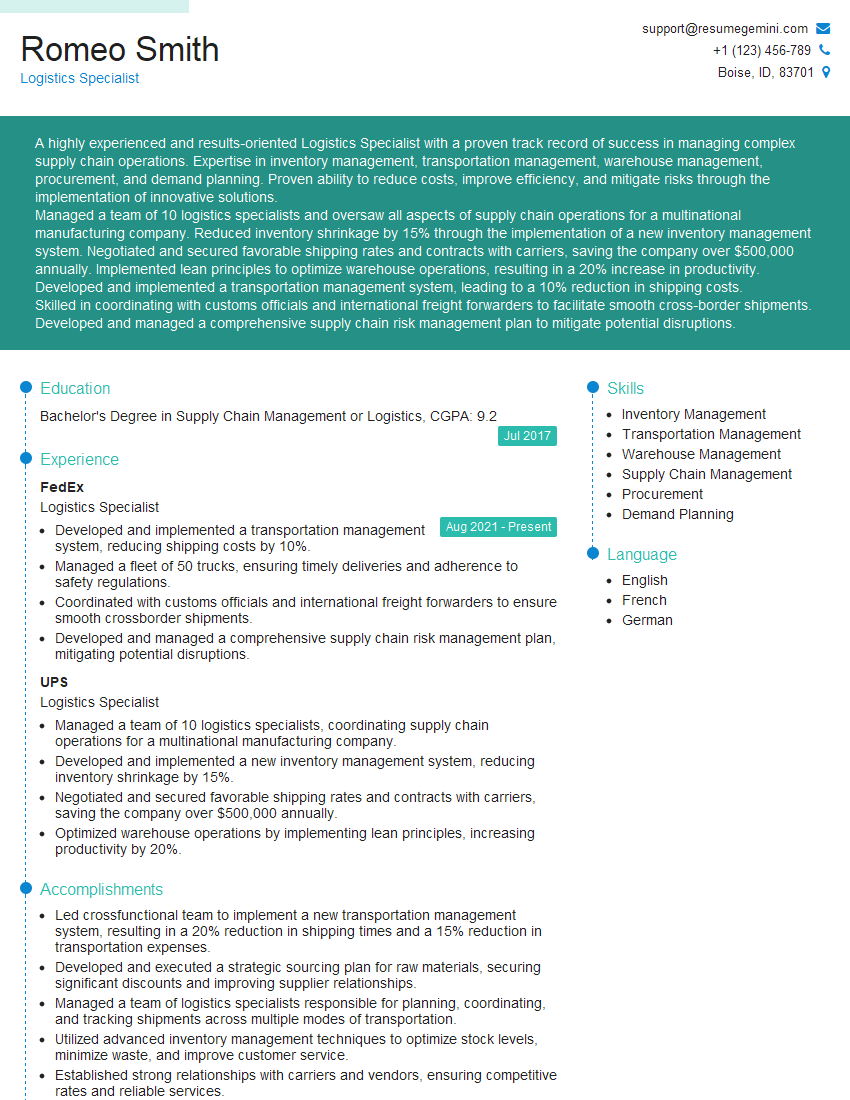
Logistics Specialist Resume Sample
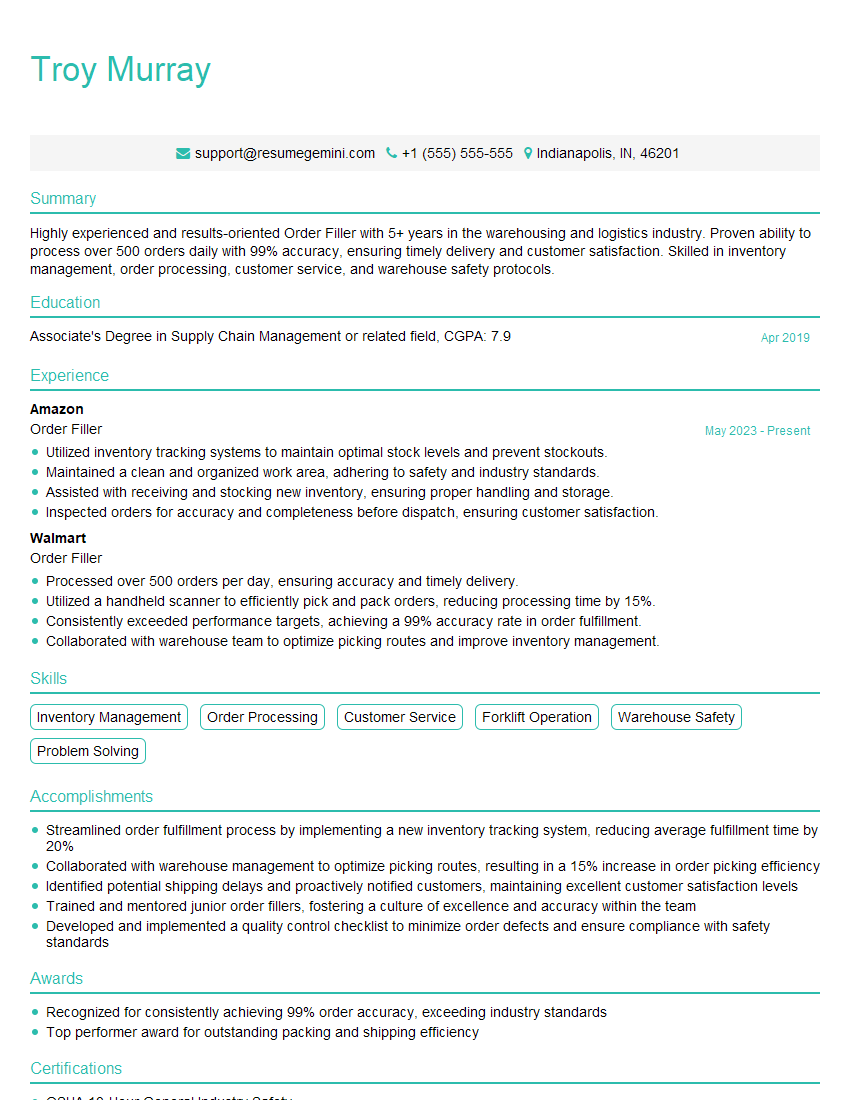
Order Filler Resume Sample

Inventory Control Specialist Resume Sample
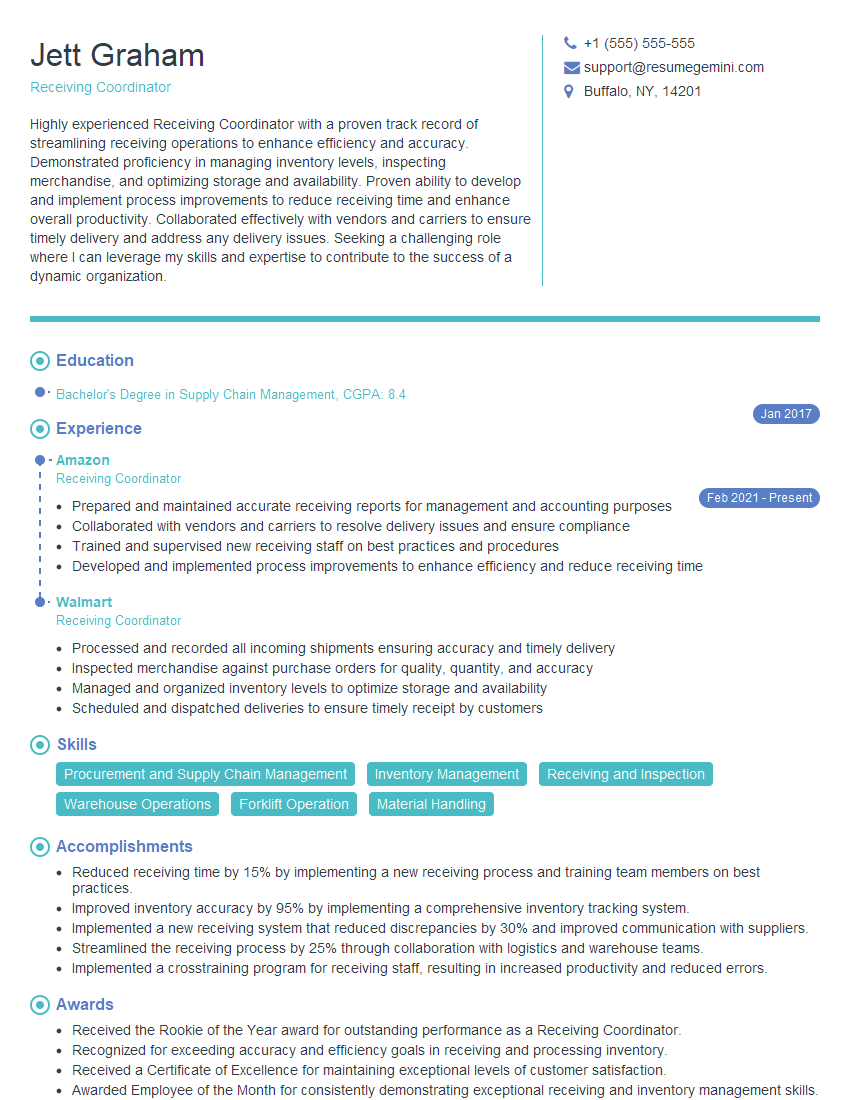
Receiving Coordinator Resume Sample

Shipping and Receiving Clerk Resume Sample
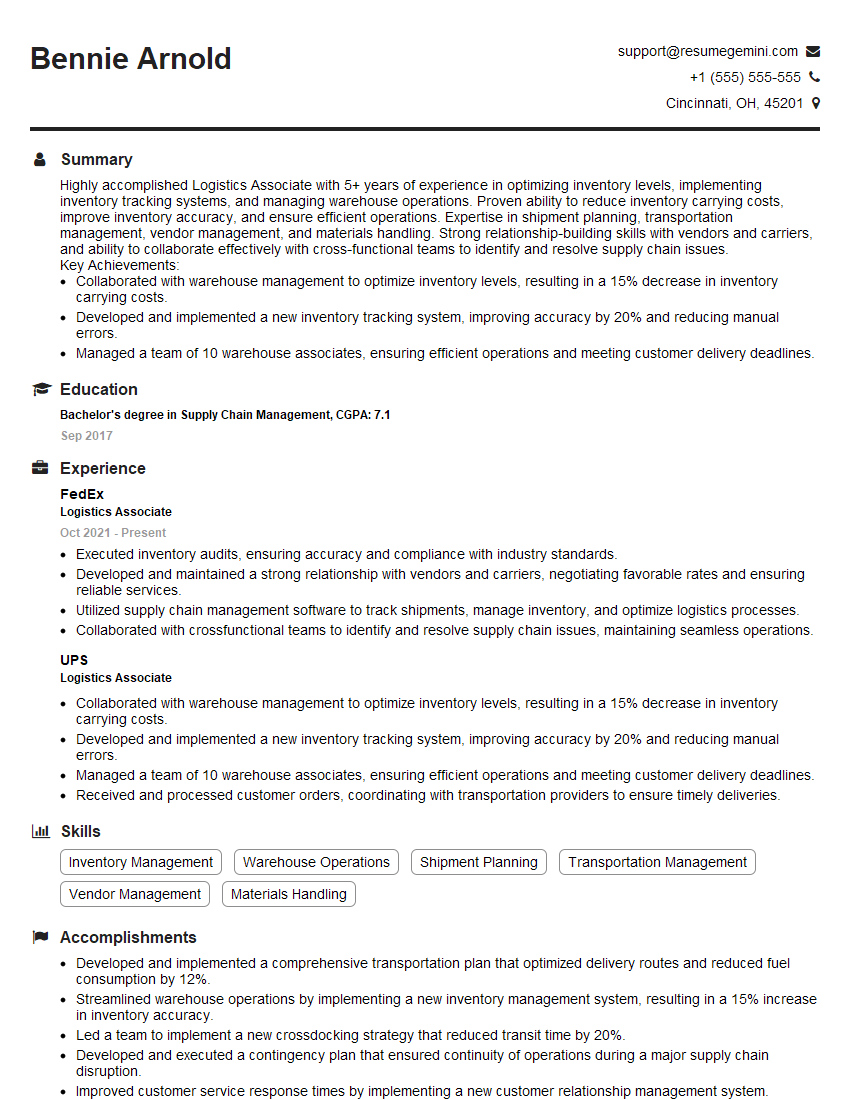
Logistics Associate Resume Sample
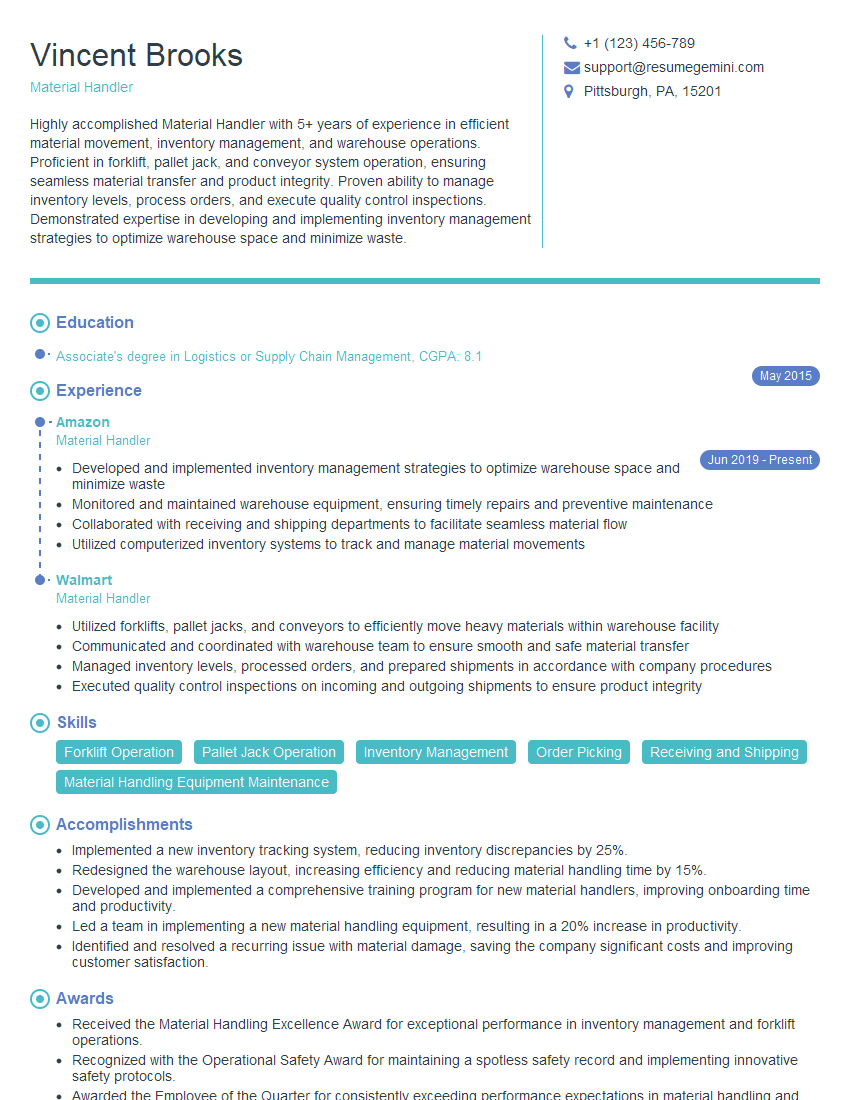
Material Handler Resume Sample
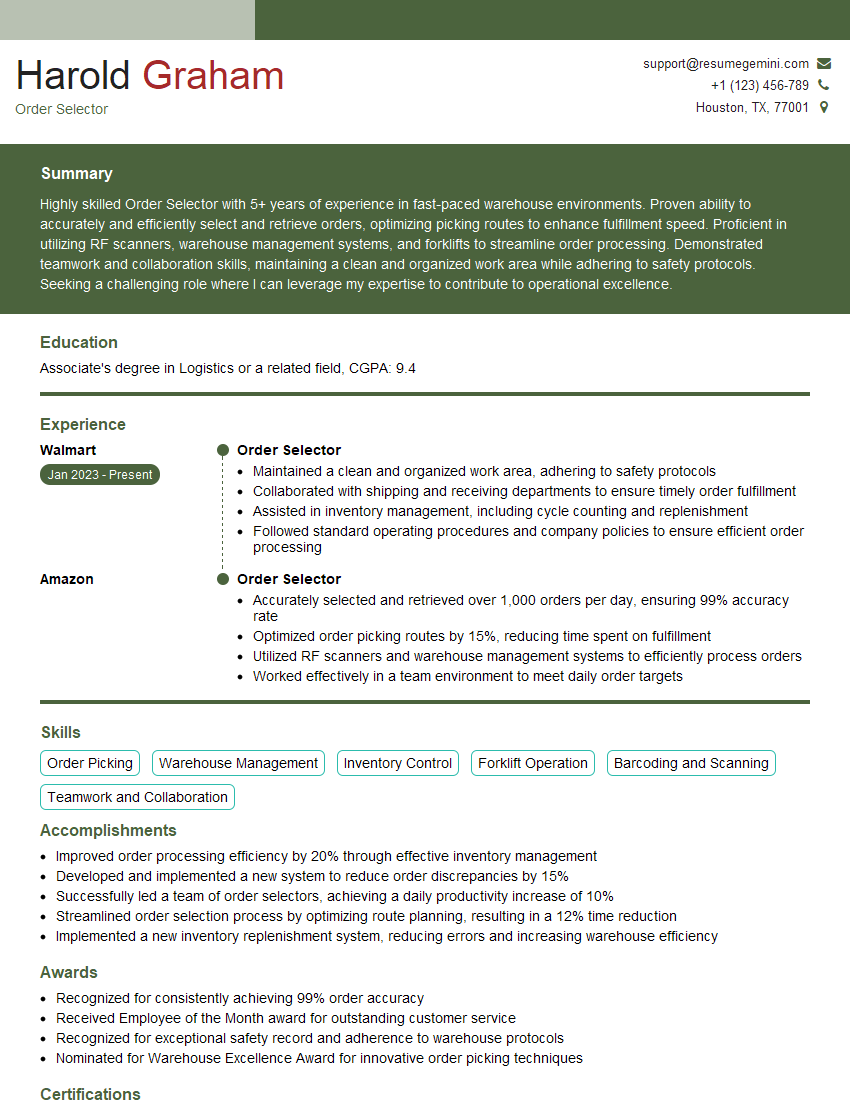
Order Selector Resume Sample
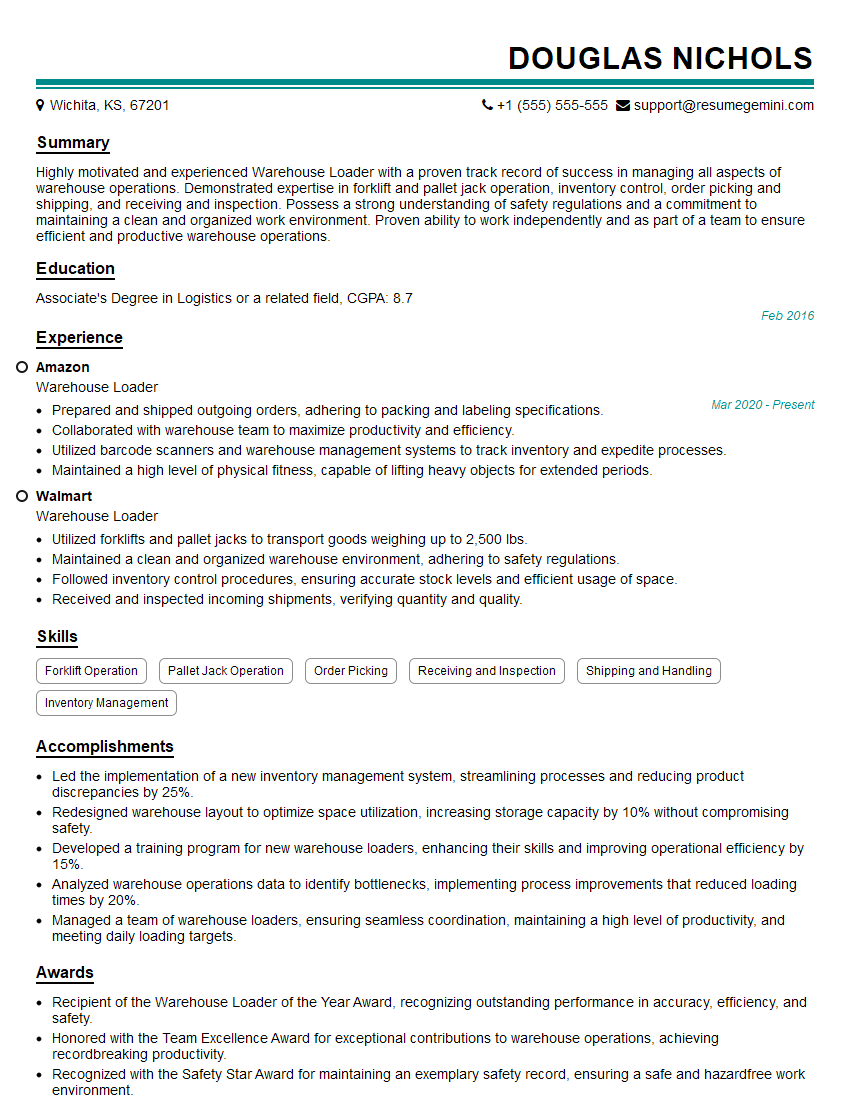
Warehouse Loader Resume Sample
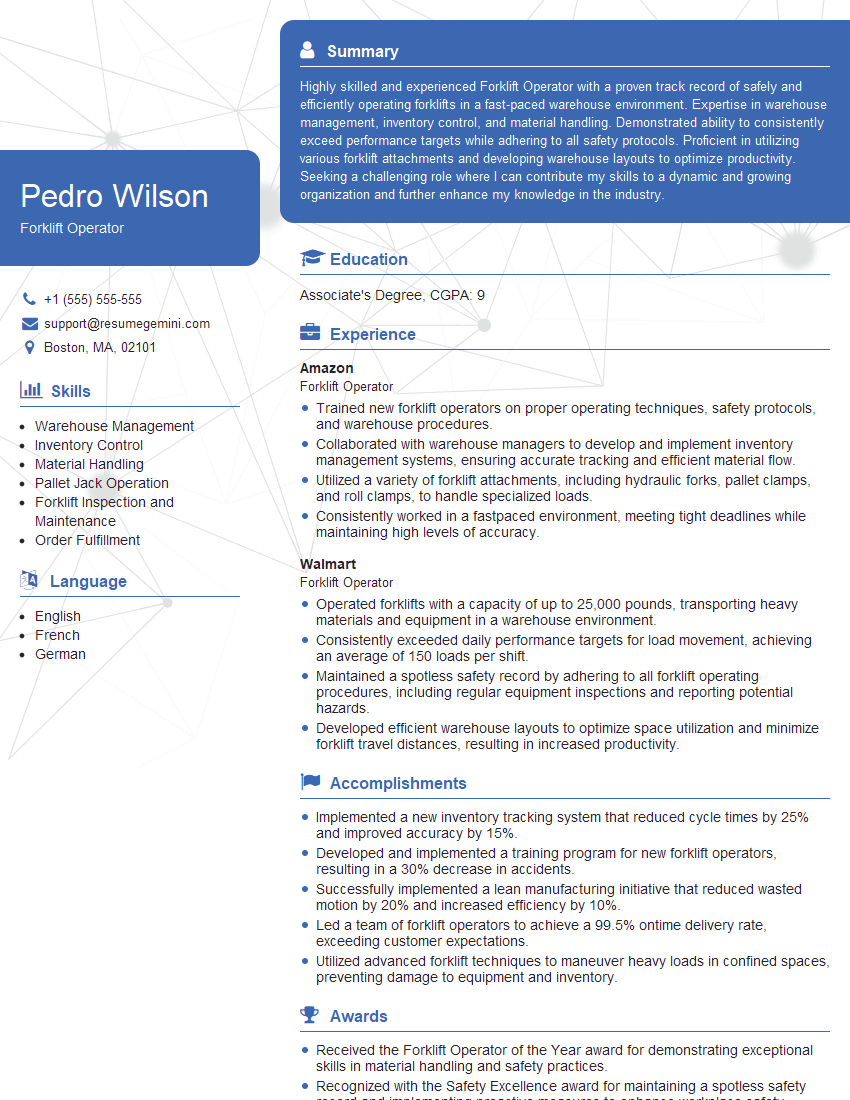
Forklift Operator Resume Sample
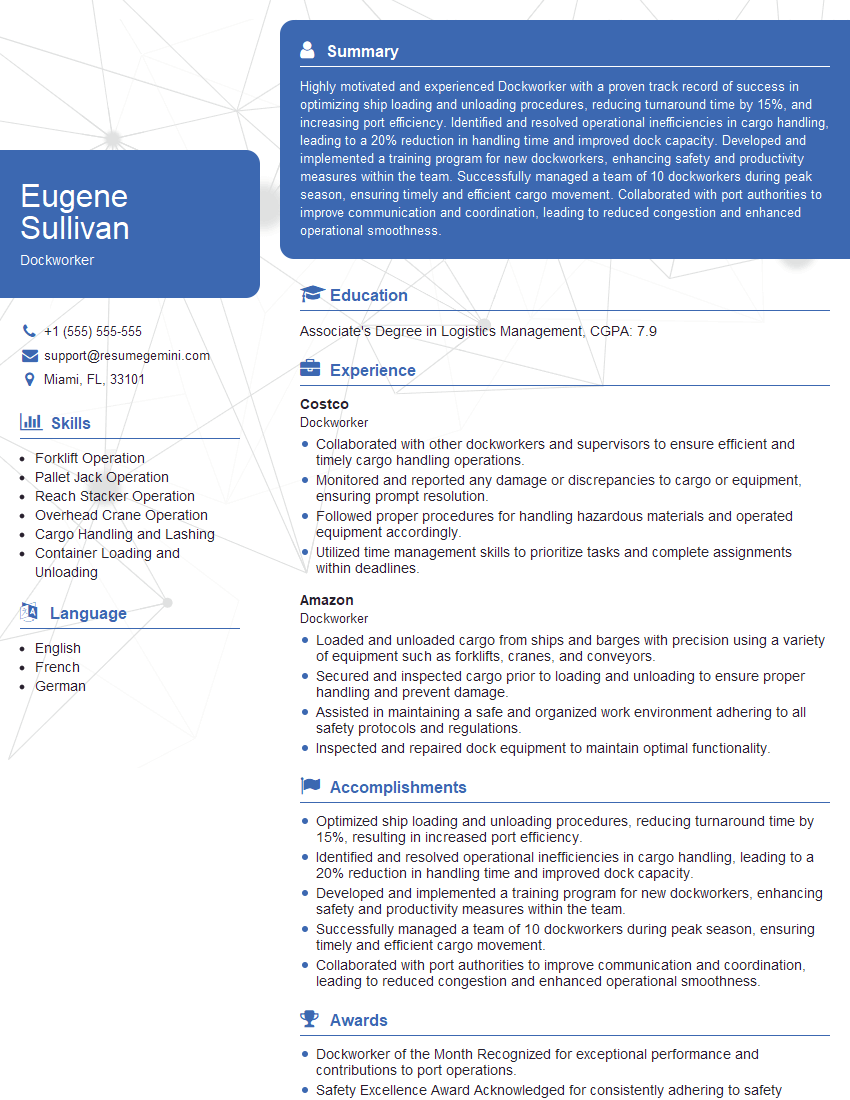
Dockworker Resume Sample
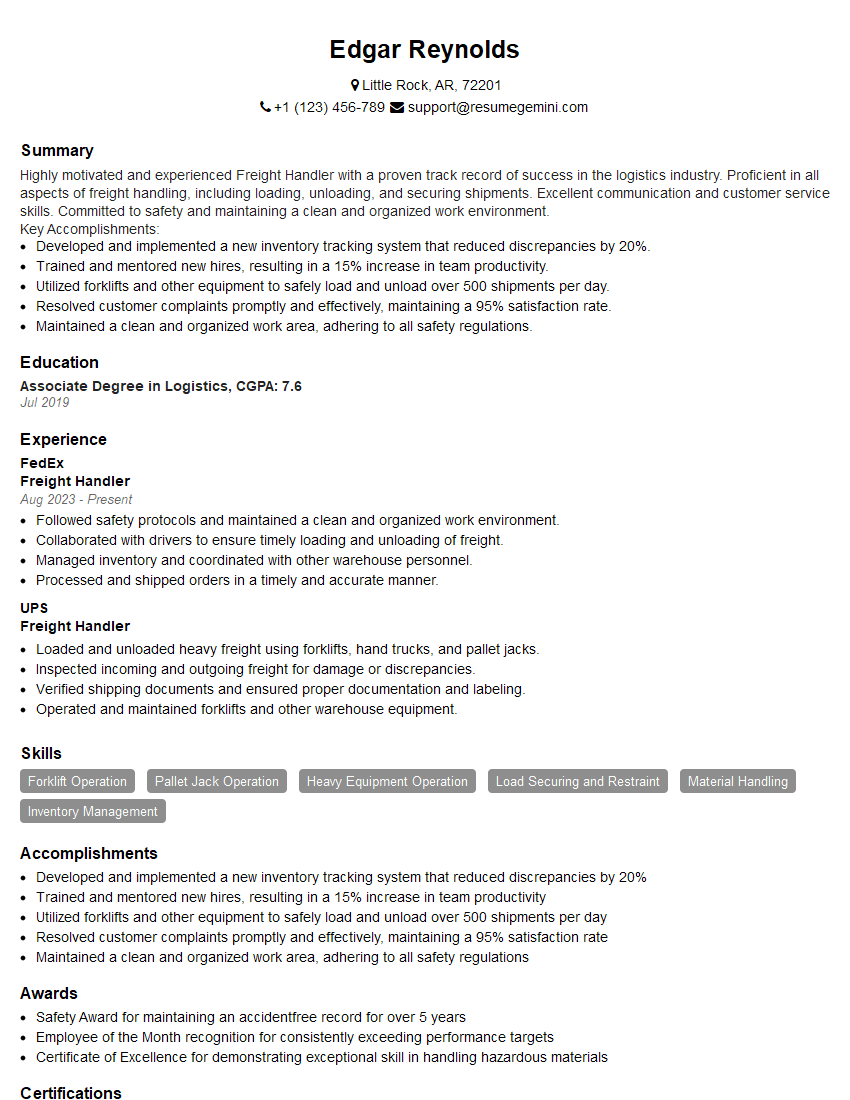
Freight Handler Resume Sample
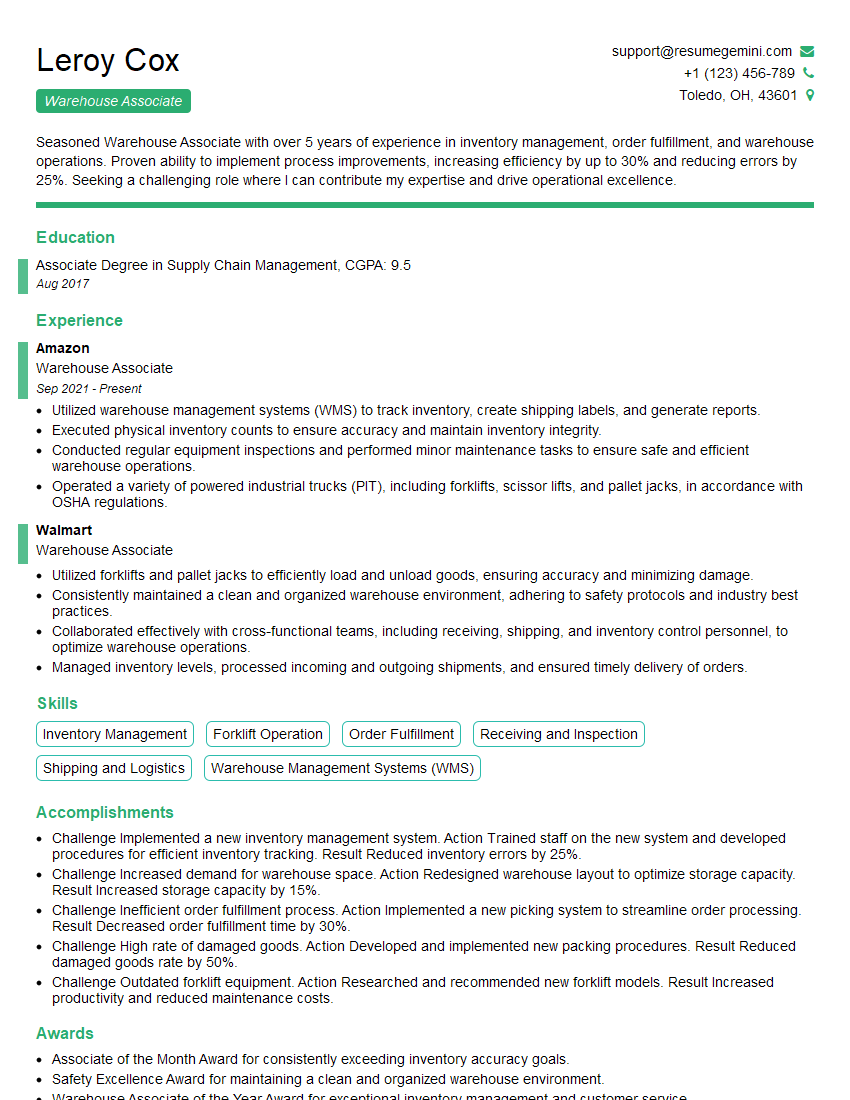
Warehouse Associate Resume Sample
- Warehouse Manager
- Transportation Coordinator
- Shipping Coordinator
- Logistics Specialist
- Order Filler
- Inventory Control Specialist
- Receiving Coordinator
- Shipping and Receiving Clerk
- Logistics Associate
- Material Handler
- Order Selector
- Warehouse Loader
- Forklift Operator
- Dockworker
- Freight Handler
- Warehouse Associate
Explore more articles
Users Rating of Our Blogs
Share Your Experience
We value your feedback! Please rate our content and share your thoughts (optional).
What Readers Say About Our Blog
Hello,
we currently offer a complimentary backlink and URL indexing test for search engine optimization professionals.
You can get complimentary indexing credits to test how link discovery works in practice.
No credit card is required and there is no recurring fee.
You can find details here:
https://wikipedia-backlinks.com/indexing/
Regards
NICE RESPONSE TO Q & A
hi
The aim of this message is regarding an unclaimed deposit of a deceased nationale that bears the same name as you. You are not relate to him as there are millions of people answering the names across around the world. But i will use my position to influence the release of the deposit to you for our mutual benefit.
Respond for full details and how to claim the deposit. This is 100% risk free. Send hello to my email id: [email protected]
Luka Chachibaialuka
Hey interviewgemini.com, just wanted to follow up on my last email.
We just launched Call the Monster, an parenting app that lets you summon friendly ‘monsters’ kids actually listen to.
We’re also running a giveaway for everyone who downloads the app. Since it’s brand new, there aren’t many users yet, which means you’ve got a much better chance of winning some great prizes.
You can check it out here: https://bit.ly/callamonsterapp
Or follow us on Instagram: https://www.instagram.com/callamonsterapp
Thanks,
Ryan
CEO – Call the Monster App
Hey interviewgemini.com, I saw your website and love your approach.
I just want this to look like spam email, but want to share something important to you. We just launched Call the Monster, a parenting app that lets you summon friendly ‘monsters’ kids actually listen to.
Parents are loving it for calming chaos before bedtime. Thought you might want to try it: https://bit.ly/callamonsterapp or just follow our fun monster lore on Instagram: https://www.instagram.com/callamonsterapp
Thanks,
Ryan
CEO – Call A Monster APP
To the interviewgemini.com Owner.
Dear interviewgemini.com Webmaster!
Hi interviewgemini.com Webmaster!
Dear interviewgemini.com Webmaster!
excellent
Hello,
We found issues with your domain’s email setup that may be sending your messages to spam or blocking them completely. InboxShield Mini shows you how to fix it in minutes — no tech skills required.
Scan your domain now for details: https://inboxshield-mini.com/
— Adam @ InboxShield Mini
Reply STOP to unsubscribe
Hi, are you owner of interviewgemini.com? What if I told you I could help you find extra time in your schedule, reconnect with leads you didn’t even realize you missed, and bring in more “I want to work with you” conversations, without increasing your ad spend or hiring a full-time employee?
All with a flexible, budget-friendly service that could easily pay for itself. Sounds good?
Would it be nice to jump on a quick 10-minute call so I can show you exactly how we make this work?
Best,
Hapei
Marketing Director
Hey, I know you’re the owner of interviewgemini.com. I’ll be quick.
Fundraising for your business is tough and time-consuming. We make it easier by guaranteeing two private investor meetings each month, for six months. No demos, no pitch events – just direct introductions to active investors matched to your startup.
If youR17;re raising, this could help you build real momentum. Want me to send more info?
Hi, I represent an SEO company that specialises in getting you AI citations and higher rankings on Google. I’d like to offer you a 100% free SEO audit for your website. Would you be interested?
Hi, I represent an SEO company that specialises in getting you AI citations and higher rankings on Google. I’d like to offer you a 100% free SEO audit for your website. Would you be interested?
good