Cracking a skill-specific interview, like one for Upper Body Strength, requires understanding the nuances of the role. In this blog, we present the questions you’re most likely to encounter, along with insights into how to answer them effectively. Let’s ensure you’re ready to make a strong impression.
Questions Asked in Upper Body Strength Interview
Q 1. Explain the principles of progressive overload in upper body strength training.
Progressive overload is the cornerstone of any effective strength training program. It simply means consistently increasing the demands placed on your muscles over time to stimulate further growth and strength gains. This isn’t just about lifting heavier weights; it encompasses several factors.
- Increasing Weight: Gradually adding more weight to your lifts is the most common method. For instance, if you bench press 100lbs for 8 reps, progressively overloading might involve increasing to 105lbs next week, maintaining good form.
- Increasing Reps: While keeping the weight constant, you can increase the number of repetitions you perform. If you do 8 reps, try increasing to 10-12.
- Increasing Sets: Adding another set to your workout routine increases the total volume of work your muscles perform.
- Decreasing Rest Time: Reducing the rest periods between sets forces your muscles to work harder and increases metabolic stress.
- Changing Exercises: Incorporating new exercises that target the same muscle groups can also be a form of progressive overload as it challenges the muscles in a new way.
Think of it like this: if you always lift the same weight, your muscles adapt and stop growing. Progressive overload ensures continuous challenge and growth. It’s crucial to track your progress and adjust your training accordingly.
Q 2. Describe the different types of muscle fibers and their role in upper body exercises.
Skeletal muscle is composed of two main types of muscle fibers: Type I (slow-twitch) and Type II (fast-twitch). Understanding their roles is critical for effective upper body training.
- Type I (Slow-Twitch): These fibers are endurance-focused. They contract slowly but fatigue resistant, making them ideal for sustained activities like long sets of pull-ups or holding an isometric plank. They rely primarily on aerobic metabolism (oxygen).
- Type II (Fast-Twitch): These are further divided into Type IIa and Type IIx. Type IIa fibers are intermediate – they have a faster contraction speed than Type I but are also more fatigue-resistant than Type IIx. Type IIx fibers are fast, powerful, and fatigue quickly; they’re essential for explosive movements like explosive push-ups or heavy weightlifting. They rely on anaerobic metabolism (without oxygen).
Most upper body exercises recruit a combination of both fiber types. However, the emphasis can vary depending on the exercise and its execution. For example, a slow, controlled bicep curl will involve more Type I fibers, while a power clean will heavily recruit Type IIx fibers.
A well-rounded upper body program should incorporate exercises that stimulate both fiber types to maximize strength and overall development.
Q 3. What are the key considerations for designing an upper body strength training program for a beginner?
Designing a beginner’s upper body strength training program requires careful consideration of several key factors:
- Start Slow and Steady: Begin with lighter weights and fewer repetitions (e.g., 2-3 sets of 8-12 reps) to avoid injury and allow the body to adapt. Focus on perfect form over lifting heavy.
- Focus on Fundamental Movements: Prioritize compound exercises that work multiple muscle groups simultaneously, such as push-ups, pull-ups (or assisted pull-ups), rows (using dumbbells or resistance bands), and overhead presses (using dumbbells or resistance bands). These build a solid foundation of strength.
- Proper Warm-up and Cool-down: Always incorporate a dynamic warm-up (e.g., arm circles, shoulder rotations) before each workout and a static cool-down (e.g., holding stretches) afterwards to improve flexibility and prevent injuries.
- Include Rest and Recovery: Allow for adequate rest between workout sessions (at least one day of rest per week) to allow muscles to recover and rebuild. Listen to your body; rest when needed.
- Progressive Overload (Gradual Increase): As the individual gets stronger, gradually increase the weight, reps, or sets to continually challenge the muscles and promote growth. This should be done cautiously to avoid overtraining.
- Proper Form Guidance: Ensure the beginner understands proper form to minimize injury risk. Consider working with a personal trainer or referring to reputable instructional videos.
A sample beginner’s program might consist of two full-body workouts per week, focusing on these fundamental movements.
Q 4. How would you assess an individual’s upper body strength and identify areas for improvement?
Assessing an individual’s upper body strength involves a combination of methods:
- Strength Testing: This involves using standardized tests like one-rep max (1RM) testing for exercises such as bench press, overhead press, and rows. This determines the maximum weight an individual can lift for one repetition with good form.
- Repetition Maximum (RM) Testing: This assesses the maximum number of repetitions an individual can perform with a given weight. This provides information about muscular endurance.
- Functional Assessments: These assessments look at how strength translates to real-world movements. Examples include push-up tests, pull-up tests (or modified versions), and assessments of carrying heavy objects. They provide a more holistic understanding of functional strength.
- Visual Observation: Observing posture, movement patterns, and muscle activation during exercises helps identify muscle imbalances or weaknesses.
Once data is collected, areas for improvement can be identified. For example, a significant difference in strength between the dominant and non-dominant arm may suggest an imbalance requiring targeted exercises for the weaker side. Low scores on functional tests indicate weaknesses that need to be addressed using exercises that improve everyday functional movements.
Q 5. Explain the difference between concentric and eccentric contractions in upper body exercises.
Concentric and eccentric contractions are two phases of a single muscle contraction. Understanding the difference is essential for optimizing strength training.
- Concentric Contraction: This is the shortening of the muscle as it generates force. For example, in a bicep curl, the concentric phase is when you lift the weight, the bicep muscle shortens.
- Eccentric Contraction: This is the lengthening of the muscle as it generates force. In the same bicep curl, the eccentric phase is the controlled lowering of the weight; the bicep muscle lengthens while still under tension.
Both phases are crucial for muscle growth and strength development. Eccentric contractions, often overlooked, are particularly important for strength gains and injury prevention. They cause greater muscle damage, leading to more muscle protein synthesis (muscle growth), but also greater risk of injury if not performed properly. Controlled eccentric movements are essential.
Q 6. What are some common injuries associated with upper body strength training, and how can they be prevented?
Several injuries are commonly associated with upper body strength training. Many can be prevented through careful planning and execution:
- Rotator Cuff Injuries: These affect the muscles and tendons surrounding the shoulder joint. Prevention involves proper warm-up, focusing on controlled movements, and avoiding excessive weight.
- Bicep Tendonitis: Inflammation of the bicep tendon, often caused by repetitive movements or overuse. Proper form, gradual progression, and adequate rest are crucial.
- Wrist Injuries: Strain, sprains, or even fractures can occur due to improper form or excessive weight during exercises like wrist curls or bench presses. Using proper wrist support and correct form is vital.
- Elbow Injuries: Golfer’s elbow (medial epicondylitis) and tennis elbow (lateral epicondylitis) are common, caused by overuse and repetitive strain. Gradually increasing weight, focusing on proper form, and avoiding overtraining are preventative measures.
- Back Injuries: Improper form during exercises like bench presses or rows can strain or injure the back. Maintaining a neutral spine, using proper lifting techniques, and avoiding excessive weight are essential.
Prevention strategies include proper warm-up and cool-down, gradual progressive overload, maintaining proper form, using appropriate weight, listening to your body (avoiding pain), and getting adequate rest and recovery.
Q 7. Discuss the importance of proper form and technique in upper body exercises.
Proper form and technique are paramount in upper body strength training. They directly impact the effectiveness of the exercise, maximize muscle activation, minimize injury risk, and ensure optimal results.
Poor form can lead to:
- Reduced Muscle Activation: Incorrect technique can shift the focus away from the target muscle, making the exercise less effective.
- Increased Injury Risk: Poor form puts undue stress on joints, tendons, and ligaments, increasing the likelihood of injuries such as strains, sprains, or more serious issues.
- Compromised Progress: Inefficient movement patterns limit the amount of weight you can lift safely and hinder strength gains.
To ensure proper form:
- Start with lighter weights: Focus on mastering the movement pattern before increasing the weight.
- Use a mirror: Observe your form during exercises to identify any deviations.
- Consider professional guidance: A personal trainer or experienced lifter can provide valuable feedback and correct any errors in your form.
- Record yourself: Filming your workouts allows for later review and helps you identify areas for improvement.
Maintaining good form requires mindful execution of each repetition. It’s far better to lift less weight with perfect form than to lift more weight with compromised technique. Prioritizing form over weight is a key principle for long-term success and injury prevention.
Q 8. How would you modify an upper body exercise for an individual with a shoulder injury?
Modifying upper body exercises for someone with a shoulder injury requires careful consideration of the specific injury and its limitations. The goal is to maintain strength and function while avoiding further damage. This often involves reducing the range of motion, load, or intensity of the exercise.
Example: If someone has rotator cuff tendinitis, we might modify a bench press by reducing the weight and avoiding the bottom portion of the lift where the shoulders are most vulnerable. We could also substitute with incline dumbbell presses, which are gentler on the shoulders. Another option might be to replace the bench press entirely with exercises like cable face pulls or external rotations, which focus on strengthening the rotator cuff muscles directly, improving stability and reducing impingement.
Step-by-step approach:
- Assess the injury: Understand the specific diagnosis and limitations.
- Modify the exercise: Reduce weight, range of motion, or intensity.
- Substitute exercises: Replace potentially harmful exercises with safer alternatives.
- Monitor progress: Observe the individual’s response to the modified exercise and adjust accordingly.
- Consult with professionals: Always work in consultation with a physical therapist or physician to ensure the modifications are appropriate and safe.
Q 9. Describe the benefits of incorporating plyometrics into an upper body strength training program.
Incorporating plyometrics into an upper body program offers several significant benefits, primarily enhancing power and explosiveness. Plyometrics, or jump training, focuses on developing the muscles’ ability to generate maximal force in a short period. Think of it as training your muscles to ‘spring’ back forcefully.
Benefits:
- Increased power: Plyometric exercises like medicine ball throws or clap push-ups dramatically improve power output in upper body movements.
- Improved speed and agility: Enhanced power translates to faster and more efficient movements, crucial for many sports.
- Enhanced neuromuscular coordination: Plyometrics challenges the nervous system, improving the synchronization between muscles and brain for better movement control.
- Increased muscle activation: This leads to greater strength gains compared to traditional strength training alone.
Example: A basketball player might incorporate medicine ball chest passes to increase the power of their passes. A boxer might use plyometric push-ups to increase the speed and power of their punches.
Important Note: Plyometrics should be introduced gradually and progressively. It is crucial to ensure proper technique to avoid injuries. Improper form is the biggest risk factor.
Q 10. How would you design an upper body workout program for an athlete preparing for a specific sport?
Designing an upper body program for an athlete depends heavily on the demands of their specific sport. The program needs to be sport-specific, targeting the muscles and movements crucial for success.
Example: A rock climber needs incredible pulling strength, so their program would emphasize exercises like pull-ups, chin-ups, and rows. A volleyball player, however, needs explosive power for spiking and blocking, so their program would include plyometrics and exercises focusing on shoulder stability and power development.
Step-by-step design process:
- Sport-specific analysis: Identify the key movements and muscle groups needed for optimal performance in the chosen sport.
- Exercise selection: Choose exercises that directly target these muscles and movements, incorporating a variety of training methods (discussed in question 4).
- Periodization: Structure the program into phases, with specific goals for each phase (e.g., hypertrophy phase, strength phase, power phase).
- Progressive overload: Gradually increase the intensity, volume, or difficulty of the exercises to continually challenge the athlete and promote strength gains. This could involve increasing weight, reps, sets, or the difficulty of the exercise.
- Monitoring and adjustment: Track the athlete’s progress and make adjustments to the program as needed, ensuring that the program remains challenging and safe.
Q 11. What are the different training methods (e.g., supersets, drop sets) used for upper body strength training?
Several training methods can enhance the effectiveness of upper body strength training. These methods manipulate the sets, reps, rest periods, and exercise selection to maximize results.
Supersets: Performing two exercises back-to-back with minimal rest. This increases intensity and can improve muscle growth. Example: Bench press followed immediately by dumbbell rows.
Drop sets: Performing a set to failure, then immediately reducing the weight and continuing the set until failure again. This method maximizes muscle fatigue and growth. Example: Completing a set of pull-ups to failure, followed immediately by a set of lat pulldowns to failure (with reduced weight).
Pyramid sets: Gradually increasing the weight and decreasing the reps with each set, then reversing the pattern. This builds strength and muscle size efficiently. Example: Starting with a low weight and high reps (15), then increasing the weight to a moderate level with 10 reps, followed by a higher weight and low reps (5), before descending back to the lighter weight again.
Giant sets: Performing three or more exercises back-to-back with minimal rest. This intensifies the workout and promotes rapid muscle growth and strength gains. Example: Bench press, incline dumbbell press, overhead press performed back-to-back.
Rest-pause sets: Performing a set to failure, resting briefly, then repeating until failure again. This is highly fatiguing and efficient for strength gains. Example: Doing as many pull-ups as possible, resting for 10-15 seconds, then doing another set to failure, and again repeating this process.
The choice of method depends on the individual’s goals and training experience. Beginners should start with simpler methods before progressing to more advanced techniques.
Q 12. How do you assess muscle imbalances in the upper body and address them in a training program?
Assessing muscle imbalances involves a thorough visual and functional assessment. We look for discrepancies in strength, size, or posture.
Assessment methods:
- Visual assessment: Observing posture and muscle symmetry. For instance, a rounded shoulder posture might indicate weakness in the upper back and tightness in the chest.
- Strength testing: Comparing strength in bilateral movements (e.g., comparing the strength of a bicep curl on one arm versus the other).
- Range of motion assessment: Checking for limitations in movement. This can highlight muscle tightness or weakness.
- Functional movement assessment: Analyzing how well someone performs functional movements, such as push-ups or squats.
Addressing imbalances:
Once imbalances are identified, the training program is adjusted to address these weaknesses. This involves:
- Strengthening weak muscles: Focusing on exercises that target the weaker muscle groups.
- Stretching tight muscles: Incorporating stretches to improve flexibility and range of motion.
- Improving neuromuscular control: Enhancing the coordination between muscles and the nervous system.
- Progressive overload: Gradually increasing the challenge to promote strength gains.
Example: If someone exhibits rounded shoulders, the program would incorporate exercises to strengthen their upper back (rows, pull-ups) and stretch their chest (chest stretches, foam rolling).
Q 13. Explain the role of nutrition in supporting upper body strength gains.
Nutrition plays a vital role in supporting upper body strength gains. It provides the building blocks for muscle growth and repair and fuels the energy needed for intense workouts.
Key nutritional considerations:
- Sufficient protein intake: Protein is crucial for muscle protein synthesis – the process of building and repairing muscle tissue. Aim for 1.6-2.2 grams of protein per kilogram of body weight.
- Adequate carbohydrate intake: Carbohydrates provide the energy for workouts and replenish glycogen stores (the body’s primary energy source). Choose complex carbohydrates over simple sugars.
- Healthy fats: Fats are important for hormone production and overall health. Include sources like avocados, nuts, and olive oil.
- Hydration: Water is essential for optimal physical function. Drink plenty of water throughout the day, especially before, during, and after workouts.
- Micronutrients: Vitamins and minerals support various bodily functions, including muscle function and recovery. A balanced diet rich in fruits and vegetables is crucial.
Example: A person aiming for strength gains might incorporate a protein shake after their workout to aid muscle recovery and growth. They should also ensure they are consuming sufficient carbohydrates before and after workouts to optimize energy levels and glycogen replenishment.
Q 14. Discuss the importance of rest and recovery in an upper body strength training program.
Rest and recovery are as crucial as the training itself. Without adequate rest, the body cannot rebuild and adapt to the demands of training, hindering strength gains and increasing injury risk. Think of it like this: your muscles are being broken down during workouts, and rest allows them to be repaired and strengthened.
Importance of rest and recovery:
- Muscle repair and growth: During rest, the body repairs damaged muscle tissues and builds new muscle protein.
- Hormone regulation: Adequate rest allows for the optimal regulation of hormones essential for muscle growth and recovery.
- Injury prevention: Overtraining weakens the body, increasing the risk of injuries. Rest gives the body a chance to recover and prevent injury.
- Central Nervous System (CNS) recovery: The CNS plays a vital role in muscle recruitment and coordination. Rest allows the CNS to recover from the stress of training, ensuring optimal performance.
Strategies for rest and recovery:
- Adequate sleep: Aim for 7-9 hours of quality sleep per night.
- Rest days: Incorporate rest days between workouts to allow muscles to recover.
- Active recovery: Engage in light activities like walking or stretching on rest days to promote blood flow and reduce muscle soreness.
- Nutrition: Proper nutrition aids in the recovery process.
- Stress management: Chronic stress can interfere with recovery. Manage stress effectively through relaxation techniques.
Q 15. What are some common mistakes people make during upper body exercises, and how can you correct them?
Common mistakes in upper body exercises often stem from poor form, insufficient warm-up, and neglecting crucial details. For example, many people arch their back excessively during bench presses, risking injury. This can be corrected by focusing on proper scapular retraction (pulling your shoulder blades together) and maintaining a neutral spine. Another common error is using momentum instead of controlled movements. This often occurs in bicep curls, where individuals swing their arms to lift the weight, rather than focusing on the bicep contraction. This is easily rectified by slowing down the movement, focusing on the muscle being targeted, and reducing the weight if necessary. Finally, neglecting proper warm-up leads to decreased performance and increased risk of injuries. A proper warm-up should include dynamic stretching and light cardio to prepare the muscles and joints for the workout.
- Arching the back during bench press: Correct by emphasizing scapular retraction and a neutral spine.
- Using momentum in bicep curls: Correct by slowing down the movement, focusing on the bicep contraction, and reducing weight if necessary.
- Insufficient warm-up: Correct by incorporating dynamic stretching and light cardio before the workout.
Career Expert Tips:
- Ace those interviews! Prepare effectively by reviewing the Top 50 Most Common Interview Questions on ResumeGemini.
- Navigate your job search with confidence! Explore a wide range of Career Tips on ResumeGemini. Learn about common challenges and recommendations to overcome them.
- Craft the perfect resume! Master the Art of Resume Writing with ResumeGemini’s guide. Showcase your unique qualifications and achievements effectively.
- Don’t miss out on holiday savings! Build your dream resume with ResumeGemini’s ATS optimized templates.
Q 16. How do you adapt training programs based on individual client goals and fitness levels?
Adapting training programs requires a thorough understanding of the client’s goals and fitness levels. For a client aiming for strength gains, the program would prioritize compound exercises (like squats, bench press, deadlifts, and overhead press) with heavier weights and lower repetitions (e.g., 3-5 sets of 3-5 reps). In contrast, a client seeking hypertrophy (muscle growth) would benefit from a program focusing on higher repetitions (8-12 reps) with moderate weight, incorporating various exercises to target different muscle fibers. Beginners need a gradual progression, starting with lighter weights and focusing on mastering proper form before increasing intensity. Advanced individuals can handle more challenging exercises and higher volumes. Regular assessments, including strength testing and body composition analysis, are vital for monitoring progress and making adjustments.
For example, a beginner aiming for general fitness might start with bodyweight exercises like push-ups and pull-ups, gradually progressing to weight training. An experienced weightlifter aiming for strength in a specific lift, say the bench press, might focus on specialized programs incorporating variations of the bench press and accessory exercises targeting the chest, shoulders, and triceps. This personalized approach is key for maximizing results and minimizing injury risk.
Q 17. Explain the difference between strength and hypertrophy training for the upper body.
Strength training and hypertrophy training both involve weight training for the upper body, but they differ in their primary goals and the training protocols used to achieve them. Strength training focuses on increasing the maximal force a muscle can produce. This is achieved through low repetitions (1-5 reps) with heavy weight, emphasizing the neurological adaptations involved in activating more muscle fibers. Hypertrophy training aims to increase the size of the muscles. This is generally achieved through higher repetitions (8-12 reps) with moderate weight, focusing on creating muscle damage and stimulating muscle protein synthesis. Both are important, and many programs blend both aspects for comprehensive gains, but the emphasis on rep ranges, weight, and rest periods differentiates them.
Q 18. How would you measure the effectiveness of an upper body strength training program?
Measuring the effectiveness of an upper body strength training program involves a multifaceted approach. First, we can use objective measures like one-rep maximum (1RM) testing for key exercises like bench press and pull-ups to track strength gains. This quantifies the maximal amount of weight the client can lift for one repetition. Second, we measure progress through tracking the repetitions performed at a given weight across various training sessions. Increased repetitions at the same weight clearly demonstrates strength or hypertrophy improvements. Third, we can assess muscle size changes using anthropometric measurements, such as measuring the circumference of the biceps or chest. Progress photos and client feedback also provide valuable insights. By combining these methods, a complete picture of the program’s effectiveness can be obtained. For example, an increase in 1RM bench press from 100lbs to 115lbs shows significant progress. The combination of objective and subjective data painting a complete image of success is crucial.
Q 19. What are the different types of equipment used for upper body strength training?
Upper body strength training utilizes diverse equipment to target specific muscle groups and training goals. This includes:
- Free weights: Barbells, dumbbells, kettlebells – offer versatility and enhance stability and coordination.
- Weight machines: Provide guided movements, isolating muscle groups, and reducing the risk of injury for beginners.
- Resistance bands: Offer variable resistance and portability, useful for warm-ups, rehabilitation, and home workouts.
- Cable machines: Allow for continuous tension throughout the range of motion and target muscles differently than free weights.
- Bodyweight exercises: Push-ups, pull-ups, dips – excellent for developing strength and functional fitness, requiring minimal equipment.
Q 20. Discuss the biomechanics of various upper body exercises (e.g., bench press, pull-ups).
Understanding the biomechanics of upper body exercises is essential for effective training and injury prevention. The bench press involves the chest, shoulders, and triceps working together in a pushing motion. Proper form entails a stable base, controlled movement, and avoiding excessive arching of the back. Pull-ups, on the other hand, are a pulling exercise primarily engaging the back muscles (latissimus dorsi), biceps, and forearms. A correct pull-up involves a full range of motion, pulling the chest towards the bar, and avoiding swinging or momentum.
Other exercises like overhead press engage the deltoids (shoulder muscles), triceps, and upper back, requiring stability and coordinated movement. Rows focus on the back muscles, and bicep curls specifically target the biceps. Analyzing the joint angles, muscle activation, and movement patterns of each exercise helps in optimizing training programs and preventing injuries. A thorough understanding of these biomechanical principles is crucial for tailoring effective and safe training routines. Ignoring biomechanics can lead to improper form, reduced effectiveness, and potential injuries.
Q 21. How do you ensure client safety during upper body strength training sessions?
Client safety is paramount during upper body strength training. This is achieved through several measures:
- Thorough assessment: Evaluating the client’s fitness level, medical history, and any pre-existing conditions to design a safe and appropriate program.
- Proper instruction and demonstration: Teaching correct form and technique, providing clear instructions and demonstrations before each exercise, constantly monitoring throughout the workout.
- Spotting: Providing assistance with exercises that pose a higher risk, such as bench press and squats. A spotter prevents injuries in case of fatigue or failure.
- Progressive overload: Gradually increasing the weight, repetitions, or sets to challenge the client while avoiding excessive stress on the muscles and joints. This should always be implemented while maintaining good form.
- Appropriate warm-up and cool-down: Ensuring adequate warm-up to prepare the muscles for exercise and cool-down to promote recovery and reduce muscle soreness.
- Maintaining a clean and organized workout area: This is vital to minimize risk of tripping or accidents.
- Emergency plan: Having a first-aid kit readily available and knowing how to respond to potential emergencies.
By focusing on these aspects, you significantly reduce the risk of injury and ensure client safety throughout the training sessions. Remember, a safe workout environment promotes client confidence and long-term progress.
Q 22. What are the signs of overtraining in the upper body and how do you address them?
Overtraining in the upper body manifests in several ways. It’s not just about feeling sore; it’s about a persistent decline in performance despite adequate rest. Look for these key signs:
- Decreased Strength and Performance: Noticeably weaker lifts, slower repetitions, and a general decline in your ability to perform exercises you could easily manage before.
- Increased Resting Heart Rate: Your heart beats faster even when you’re at rest, indicating your body isn’t recovering properly.
- Persistent Muscle Soreness: While some soreness is normal, chronic, debilitating soreness that doesn’t improve with rest is a red flag.
- Sleep Disturbances: Difficulty falling asleep, light sleep, or frequent waking are common indicators of overtraining.
- Loss of Motivation and Increased Irritability: Training should feel empowering. If you consistently dread workouts and feel unusually irritable, it’s a signal to back off.
- Frequent Illnesses: Your immune system is weakened, making you more susceptible to colds and other infections.
Addressing overtraining requires a multifaceted approach. First, reduce training volume and intensity. Cut back on the number of sets, reps, and weight used. Second, prioritize rest and recovery. Get more sleep, manage stress through techniques like meditation or deep breathing, and ensure proper nutrition. Third, consider deloading, a period of reduced training to allow the body to fully recover. A complete cessation of training for a week is sometimes beneficial for severe cases. Finally, listen to your body. Don’t push through pain or exhaustion. Rest is crucial for muscle growth and adaptation. If symptoms persist, consult a physician or physical therapist.
Q 23. Explain the importance of periodization in an upper body strength training program.
Periodization in upper body strength training is crucial for optimizing progress and preventing plateaus. It involves systematically manipulating training variables like volume (sets and reps), intensity (weight), and frequency over time. This prevents adaptation stagnation and reduces risk of overtraining.
A typical periodization model might include:
- Hypertrophy Phase: Focuses on muscle growth with higher reps (8-12) and moderate weight. Think building a strong foundation.
- Strength Phase: Emphasizes increasing maximal strength with lower reps (1-5) and heavier weight. Think building a skyscraper on that foundation.
- Power Phase: Improves power output by incorporating plyometrics and explosive movements. Think putting the finishing touches on that skyscraper.
- Deload Phase: A period of reduced training volume and intensity to allow for recovery and prevent overtraining. Think of this as scheduled maintenance.
By cycling through these phases, you consistently challenge your muscles and avoid adaptation. A well-structured periodization plan ensures continuous improvement and a sustainable training approach.
Q 24. How do you incorporate flexibility and mobility exercises into an upper body strength training program?
Flexibility and mobility are often overlooked but are integral to a successful upper body strength training program. They improve range of motion, reduce injury risk, and enhance performance.
Incorporate them as follows:
- Before workouts (dynamic stretching): Arm circles, shoulder rotations, and torso twists prepare muscles for activity.
- After workouts (static stretching): Holding stretches like triceps stretches, chest stretches, and shoulder stretches for 20-30 seconds improves flexibility and reduces muscle soreness.
- Dedicated mobility sessions: Include exercises targeting the shoulders, thoracic spine, and wrists, crucial for optimal movement patterns. For example, scapular push-ups, thoracic rotations, and wrist extensions.
Think of mobility as maintaining the ‘joints’ and flexibility as the ‘muscles’. Addressing both is crucial for full range of motion and overall training performance. A client with limited shoulder mobility might struggle with bench presses, highlighting the importance of proactive mobility work.
Q 25. Discuss the impact of age and gender on upper body strength training.
Age and gender significantly influence upper body strength training. As we age, muscle mass and strength naturally decline (sarcopenia). Women generally have lower upper body strength than men due to differences in muscle fiber composition and hormonal influences. However, strength training benefits everyone, regardless of age or gender.
Age: Older adults should prioritize proper form, lighter weights initially, and focus on functional strength. Program design should emphasize injury prevention and balance. They may benefit from slower progression and more frequent rest days.
Gender: While men may naturally build more muscle mass, women benefit equally from strength training, improving bone density, metabolism, and overall fitness. Program design should be individualized based on goals and current fitness levels.
It’s crucial to adapt the program to individual needs, incorporating modifications based on physical limitations and capabilities. Regular medical check-ups and consultations with qualified professionals are particularly important for older adults.
Q 26. How would you motivate a client to maintain consistency in their upper body strength training program?
Motivating a client requires a holistic approach. It’s not just about setting goals; it’s about building a relationship and fostering intrinsic motivation. Here’s how:
- Set SMART Goals: Specific, Measurable, Achievable, Relevant, and Time-bound goals give a sense of purpose and progress.
- Track Progress: Regularly monitor and document progress. This provides tangible evidence of success, reinforcing commitment.
- Find an Exercise Buddy: Accountability and social support can be highly motivating.
- Celebrate Milestones: Acknowledge and celebrate achievements, no matter how small. This creates positive reinforcement.
- Vary the Routine: Preventing boredom is key to sustained motivation. Introduce new exercises, weights, or training techniques to keep workouts fresh and challenging.
- Focus on Non-Scale Victories: Celebrate improvements in energy levels, sleep quality, or clothes fitting better, emphasizing the holistic benefits of training.
- Emphasize the Intrinsic Rewards: Help the client connect with the feeling of accomplishment and empowerment derived from strength training, rather than focusing solely on external outcomes.
Remember, building a strong client-trainer relationship is crucial. Active listening and providing personalized support significantly increases adherence to the program.
Q 27. What are some alternatives to traditional weight training for building upper body strength?
Traditional weight training isn’t the only way to build upper body strength. Many effective alternatives exist:
- Calisthenics: Bodyweight exercises like push-ups, pull-ups, dips, and handstand push-ups are excellent for building strength and improving body control. They require minimal equipment, making them accessible and convenient.
- Resistance Bands: Provide variable resistance, allowing for adaptable workouts suitable for all fitness levels. They’re highly portable and ideal for home workouts.
- Suspension Training (TRX): Uses bodyweight and suspension straps to create challenging exercises that engage multiple muscle groups simultaneously. It’s fantastic for improving stability and core strength.
- Isometric Exercises: Involve holding a static position for a set period, building strength through sustained tension. Plank variations and wall sits are excellent examples.
The choice depends on individual preferences, fitness levels, and available resources. However, it’s vital to progressively overload the muscles to continue seeing strength gains regardless of the method selected.
Q 28. Describe your experience with designing and implementing upper body strength training programs.
I have extensive experience in designing and implementing upper body strength training programs. I’ve worked with a wide range of clients, from athletes looking to enhance performance to individuals aiming to improve overall fitness and functionality. My approach is always individualized and client-centered.
My program design process typically includes:
- Needs Assessment: A thorough assessment of the client’s current fitness level, goals, and any physical limitations.
- Goal Setting: Collaboratively setting specific, measurable, achievable, relevant, and time-bound goals.
- Exercise Selection: Choosing exercises that effectively target the desired muscle groups while considering the client’s needs and capabilities.
- Program Structure: Designing a progressive training program that systematically increases intensity and volume over time, incorporating periodization principles.
- Implementation and Monitoring: Regularly monitoring progress, making adjustments as needed, and providing ongoing support and guidance.
- Education and Empowerment: Educating clients on proper form, safety precautions, and the importance of consistent training and recovery.
I’ve successfully guided clients towards significant improvements in their upper body strength, functional fitness, and overall well-being. I’m always eager to learn and stay updated with the latest research and best practices in the field of strength training. My approach focuses on building sustainable habits rather than short-term gains.
Key Topics to Learn for Upper Body Strength Interview
- Musculoskeletal Anatomy & Biomechanics: Understanding the muscles, bones, and joints involved in upper body movements, including their functions and lever systems. This includes understanding how different exercises target specific muscle groups.
- Training Principles: Applying principles like progressive overload, specificity, variation, and periodization to design effective upper body strength training programs. Consider how these principles apply in different contexts (e.g., rehabilitation, athletic performance).
- Exercise Technique & Programming: Mastering proper form for various upper body exercises (e.g., bench press, pull-ups, rows) and understanding how to program these exercises into effective training plans for different goals (strength, hypertrophy, endurance).
- Assessment & Measurement: Familiarize yourself with different methods for assessing upper body strength (e.g., 1-rep max, various strength tests) and interpreting the data to inform training decisions.
- Injury Prevention & Rehabilitation: Understanding common upper body injuries, their causes, and preventative measures. Knowing basic rehabilitation principles for these injuries is also beneficial.
- Nutritional Considerations: Discuss the role of nutrition in supporting upper body strength development, including protein intake, macronutrient balance, and hydration.
- Advanced Concepts (depending on role): Explore areas like plyometrics, power training, or specific training methodologies relevant to the position (e.g., bodybuilding, powerlifting).
Next Steps
Mastering upper body strength knowledge is crucial for career advancement in fields like fitness, physical therapy, athletic training, and strength and conditioning. A strong understanding of these concepts demonstrates expertise and commitment to your profession. To significantly boost your job prospects, invest in creating an ATS-friendly resume that highlights your skills and experience effectively. ResumeGemini is a trusted resource that can help you build a professional and impactful resume, ensuring your qualifications shine through. Examples of resumes tailored to Upper Body Strength positions are available to guide you through the process.

Wellness Coach Resume Sample

Rehabilitation Specialist Resume Sample
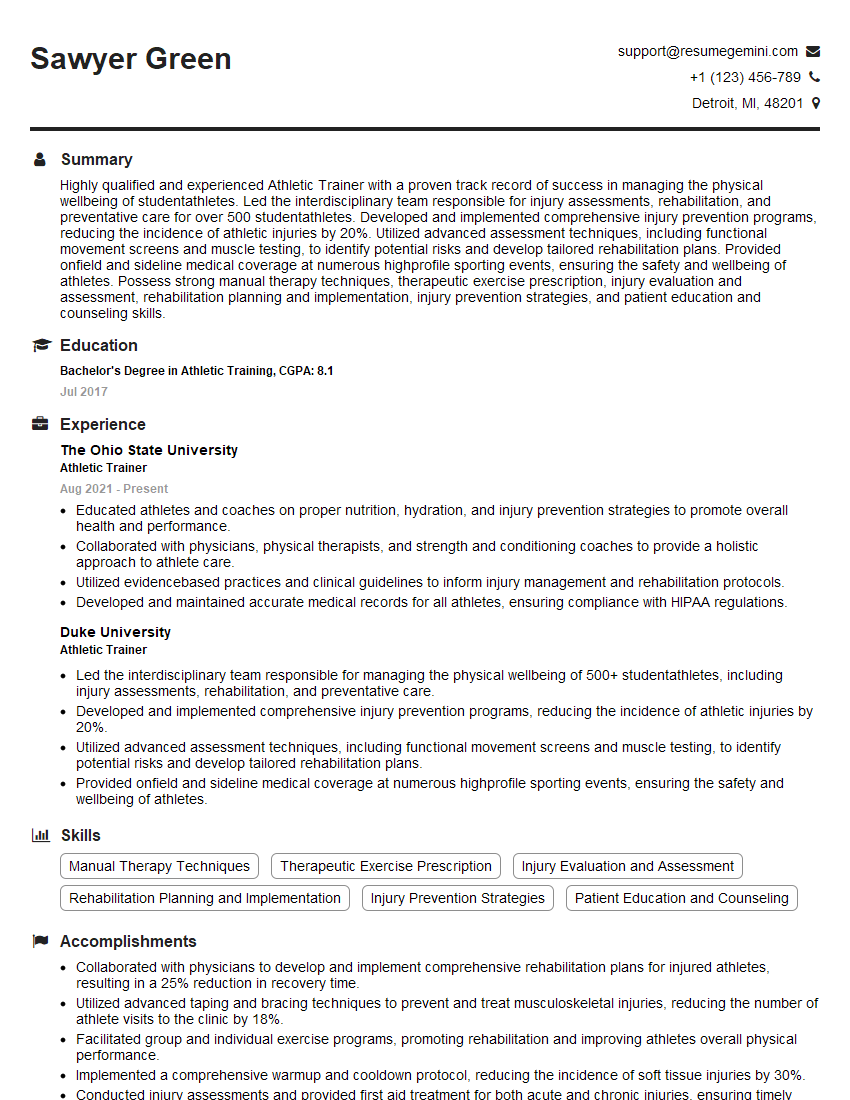
Athletic Trainer Resume Sample
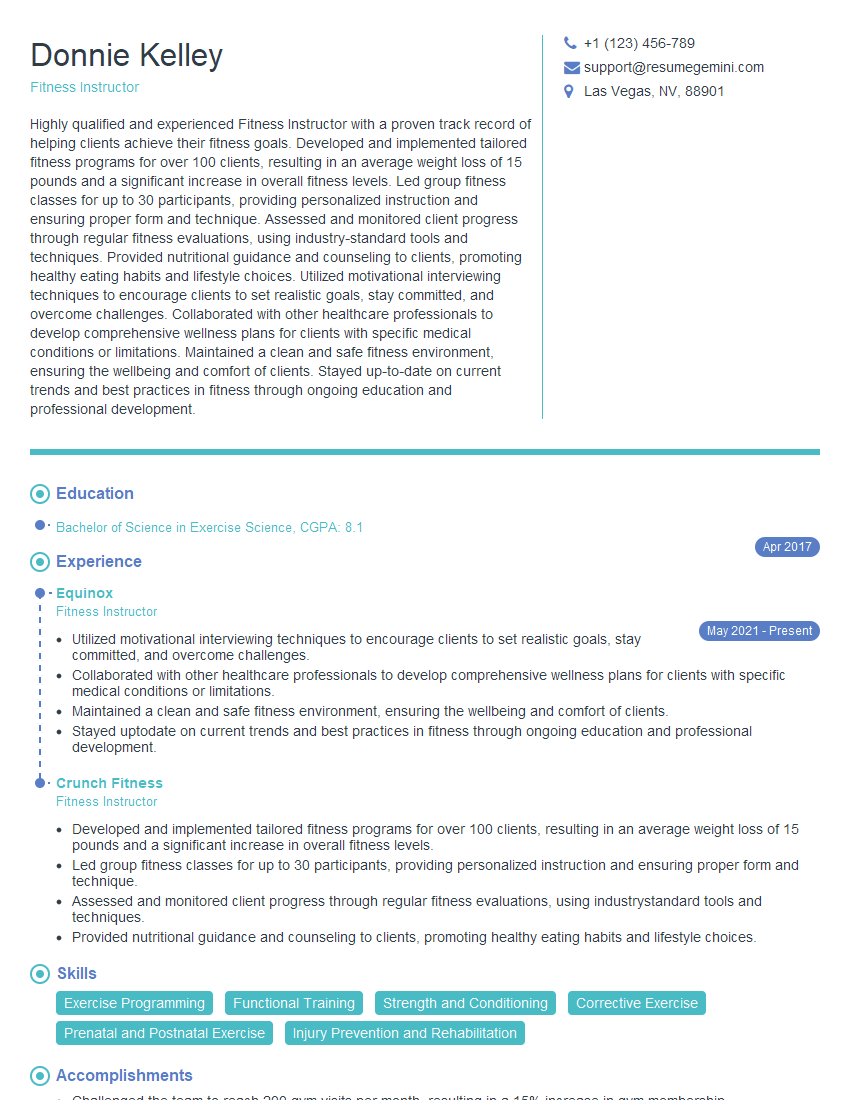
Fitness Instructor Resume Sample
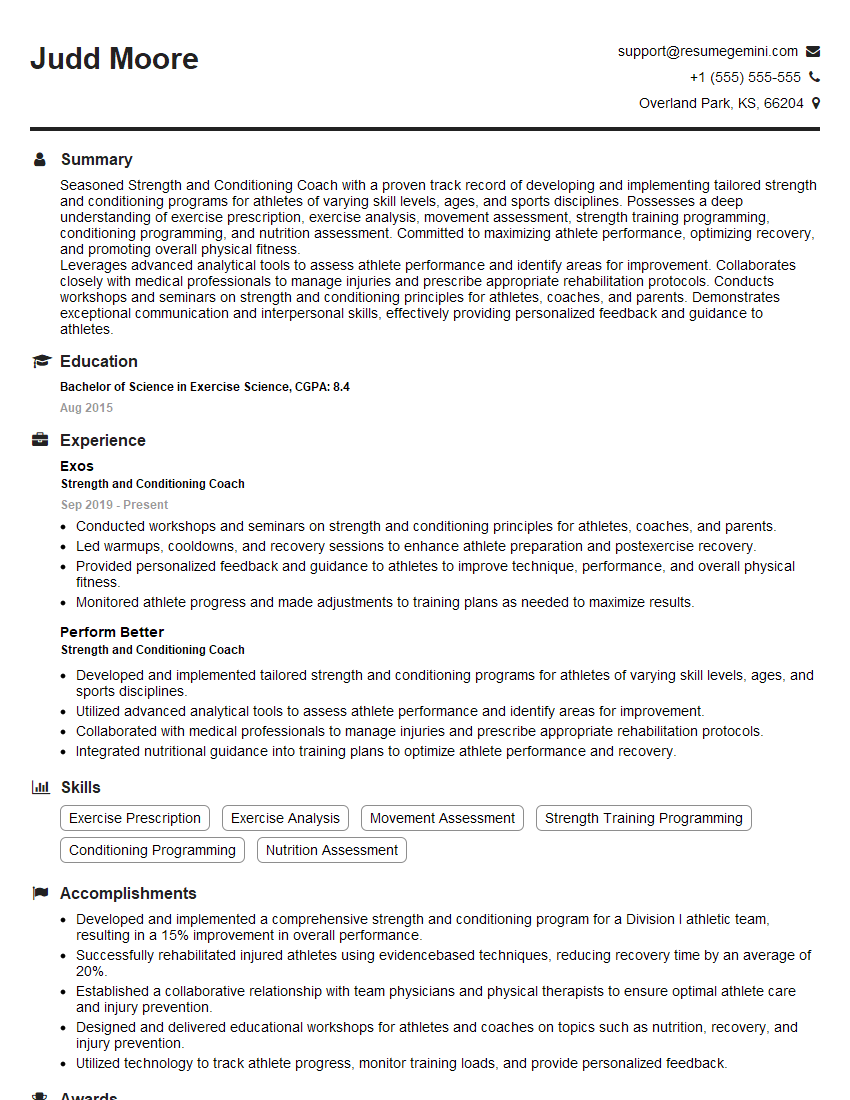
Strength and Conditioning Coach Resume Sample

Exercise Physiologist Resume Sample

Kinesiologist Resume Sample

Occupational Therapist Resume Sample
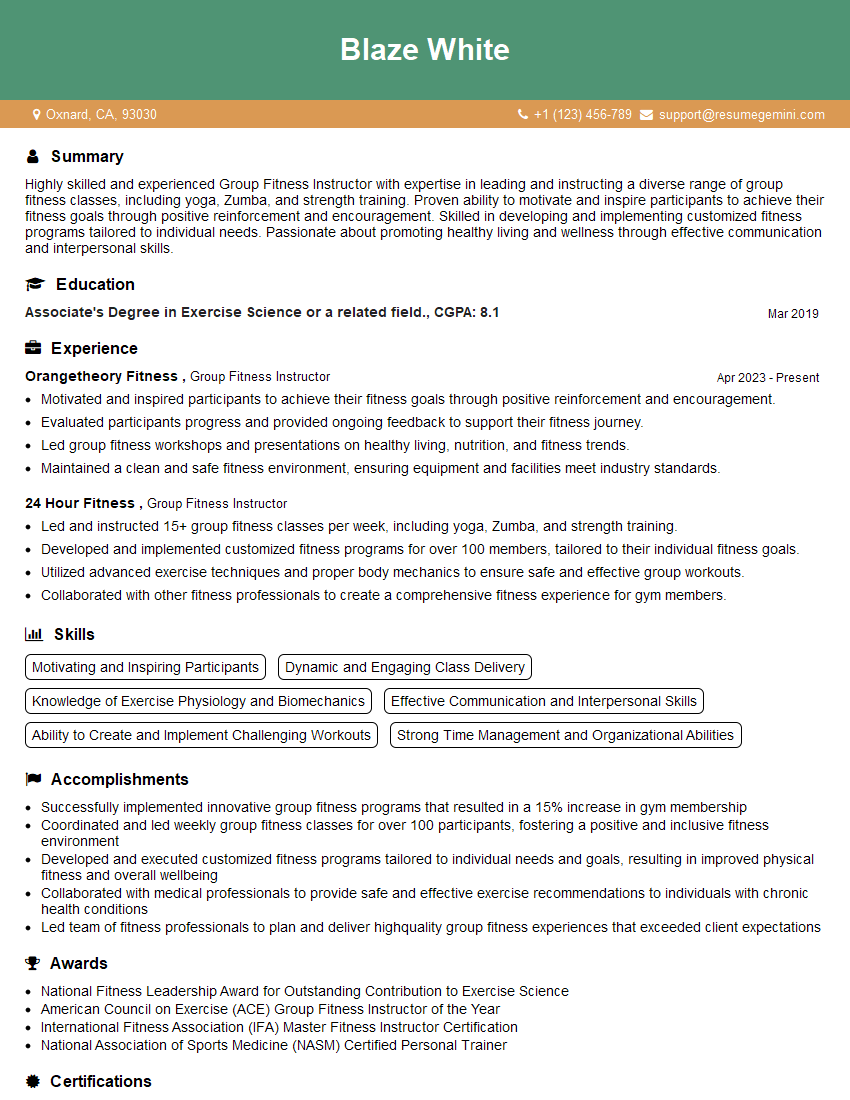
Group Fitness Instructor Resume Sample

Pilates Instructor Resume Sample
Explore more articles
Users Rating of Our Blogs
Share Your Experience
We value your feedback! Please rate our content and share your thoughts (optional).
What Readers Say About Our Blog
Hello,
we currently offer a complimentary backlink and URL indexing test for search engine optimization professionals.
You can get complimentary indexing credits to test how link discovery works in practice.
No credit card is required and there is no recurring fee.
You can find details here:
https://wikipedia-backlinks.com/indexing/
Regards
NICE RESPONSE TO Q & A
hi
The aim of this message is regarding an unclaimed deposit of a deceased nationale that bears the same name as you. You are not relate to him as there are millions of people answering the names across around the world. But i will use my position to influence the release of the deposit to you for our mutual benefit.
Respond for full details and how to claim the deposit. This is 100% risk free. Send hello to my email id: [email protected]
Luka Chachibaialuka
Hey interviewgemini.com, just wanted to follow up on my last email.
We just launched Call the Monster, an parenting app that lets you summon friendly ‘monsters’ kids actually listen to.
We’re also running a giveaway for everyone who downloads the app. Since it’s brand new, there aren’t many users yet, which means you’ve got a much better chance of winning some great prizes.
You can check it out here: https://bit.ly/callamonsterapp
Or follow us on Instagram: https://www.instagram.com/callamonsterapp
Thanks,
Ryan
CEO – Call the Monster App
Hey interviewgemini.com, I saw your website and love your approach.
I just want this to look like spam email, but want to share something important to you. We just launched Call the Monster, a parenting app that lets you summon friendly ‘monsters’ kids actually listen to.
Parents are loving it for calming chaos before bedtime. Thought you might want to try it: https://bit.ly/callamonsterapp or just follow our fun monster lore on Instagram: https://www.instagram.com/callamonsterapp
Thanks,
Ryan
CEO – Call A Monster APP
To the interviewgemini.com Owner.
Dear interviewgemini.com Webmaster!
Hi interviewgemini.com Webmaster!
Dear interviewgemini.com Webmaster!
excellent
Hello,
We found issues with your domain’s email setup that may be sending your messages to spam or blocking them completely. InboxShield Mini shows you how to fix it in minutes — no tech skills required.
Scan your domain now for details: https://inboxshield-mini.com/
— Adam @ InboxShield Mini
Reply STOP to unsubscribe
Hi, are you owner of interviewgemini.com? What if I told you I could help you find extra time in your schedule, reconnect with leads you didn’t even realize you missed, and bring in more “I want to work with you” conversations, without increasing your ad spend or hiring a full-time employee?
All with a flexible, budget-friendly service that could easily pay for itself. Sounds good?
Would it be nice to jump on a quick 10-minute call so I can show you exactly how we make this work?
Best,
Hapei
Marketing Director
Hey, I know you’re the owner of interviewgemini.com. I’ll be quick.
Fundraising for your business is tough and time-consuming. We make it easier by guaranteeing two private investor meetings each month, for six months. No demos, no pitch events – just direct introductions to active investors matched to your startup.
If youR17;re raising, this could help you build real momentum. Want me to send more info?
Hi, I represent an SEO company that specialises in getting you AI citations and higher rankings on Google. I’d like to offer you a 100% free SEO audit for your website. Would you be interested?
Hi, I represent an SEO company that specialises in getting you AI citations and higher rankings on Google. I’d like to offer you a 100% free SEO audit for your website. Would you be interested?
good