Preparation is the key to success in any interview. In this post, we’ll explore crucial Use of Water Quality Equipment interview questions and equip you with strategies to craft impactful answers. Whether you’re a beginner or a pro, these tips will elevate your preparation.
Questions Asked in Use of Water Quality Equipment Interview
Q 1. Describe your experience with different types of water quality sensors and probes (e.g., pH, conductivity, DO).
My experience encompasses a wide range of water quality sensors and probes. I’ve extensively used pH sensors, both glass electrode and ISFET types, understanding the importance of proper calibration and maintenance to ensure accuracy. For conductivity measurements, I’m proficient with both four-electrode and two-electrode probes, recognizing the differences in their suitability for various water types and conductivity ranges. Dissolved oxygen (DO) probes, including optical and amperometric sensors, are another area of my expertise. I understand the impact of factors like temperature and salinity on DO measurements and the importance of membrane maintenance. Beyond these, I have experience with sensors for turbidity, oxidation-reduction potential (ORP), and specific ions like nitrate and ammonia. In each case, my work has involved selecting the appropriate sensor for the application, understanding its limitations, and properly interpreting the data it provides. For example, while working on a project assessing a lake’s eutrophication, the precise measurement of dissolved oxygen using an optical DO probe was crucial in determining the severity of algal blooms.
Q 2. Explain the calibration procedures for a turbidity meter.
Calibrating a turbidity meter is crucial for accurate measurements. Most turbidity meters use the Formazin Nephelometric Unit (FNU) or Nephelometric Turbidity Unit (NTU) as a standard. The calibration process usually involves using standardized formazin solutions of known turbidity. First, you would ensure the meter is clean and the sensor is properly immersed. Then, you’d zero the meter using a blank (clean water). Next, you would calibrate using one or more formazin standards—usually a low concentration and a high concentration to create a calibration curve. The meter is adjusted to read the known turbidity values of the standards. Many modern meters have automatic calibration features, prompting the user through the steps. However, regular checks with known standards are essential to ensure accuracy. I always perform a two-point calibration, and regularly check my calibration using a certified standard to maintain accuracy over time. Failure to properly calibrate a turbidity meter can lead to significant errors in assessing water clarity and potential pollutants.
Q 3. How do you troubleshoot a malfunctioning water sampler?
Troubleshooting a malfunctioning water sampler depends heavily on the type of sampler (e.g., automatic sampler, bottle sampler). However, some common steps apply. First, check the power supply (if applicable) and all connections for any loose wires or damage. Inspect the tubing for clogs or leaks. For automatic samplers, check the programming and timing mechanism to ensure the sampler is activating correctly. Examine the sample bottles to make sure they are properly seated and aren’t leaking. If the problem persists, examine the pump mechanism for any blockages. Sometimes, a simple cleaning and lubrication is sufficient. If the issue is related to a faulty sensor (e.g., a low-level sensor signaling a full bottle), replacing the faulty sensor can be necessary. Finally, consult the manufacturer’s manual to pinpoint the cause based on any error messages or abnormal behaviour. During a recent project involving groundwater sampling, we experienced a blockage in the sampler’s tubing due to high sediment load. Cleaning the tubing promptly rectified the issue.
Q 4. What are the limitations of using colorimetric methods for water quality analysis?
Colorimetric methods, while simple and cost-effective for some water quality parameters, have limitations. Firstly, they rely on visual comparison or spectrophotometric measurement of color change, which can be subjective and susceptible to human error. Secondly, the presence of other substances that absorb light at the same wavelength as the analyte of interest can cause interference, leading to inaccurate results. For example, using a colorimetric method to measure iron concentration may be affected by the presence of high concentrations of manganese. Thirdly, colorimetric methods usually have a lower sensitivity and smaller range than instrumental methods. Finally, the reagent stability and the time allowed for color development are critical parameters that influence the accuracy. Accurate control of reaction parameters is essential for reliable results. Often, instrumental methods like atomic absorption spectroscopy (AAS) or inductively coupled plasma mass spectrometry (ICP-MS) are preferred for better accuracy and quantification when working with complex samples.
Q 5. Compare and contrast different methods for determining total dissolved solids (TDS).
Total dissolved solids (TDS) can be determined by several methods. The most common is conductivity measurement. Conductivity is directly related to the concentration of dissolved ions, which constitute the TDS. A conductivity meter, calibrated with a standard solution, measures the conductivity of the water sample, and this value is then converted to TDS using a conversion factor (often assumed to be 0.65 for freshwater, but it can vary depending on the ionic composition). Another method is evaporation, where a known volume of water is evaporated to dryness in a weighed dish, and the remaining residue is weighed to determine the TDS. This method is more time-consuming and less precise than conductivity measurement but can be suitable for samples with unusual ionic compositions. A third method is ion chromatography (IC), which can measure individual ion concentrations to calculate the TDS. IC is the most accurate but also the most expensive and complex method. The choice of method depends on factors like required accuracy, budget, and the available equipment. In my experience, conductivity measurement offers a suitable balance between speed, cost, and accuracy for routine monitoring, while IC would be used for specific research purposes or where higher precision is essential.
Q 6. Describe your experience with water quality data logging and analysis software.
I have extensive experience with various water quality data logging and analysis software packages. This includes both dedicated water quality software and more general-purpose data analysis tools. I’m proficient in using software to download data from multi-parameter water quality probes and loggers, importing data into spreadsheets, and applying statistical analysis methods. Software tools I’ve used have allowed for data visualization, generating graphs and charts showing trends in water quality parameters over time and space. These tools also allow for calculations of statistics, including means, standard deviations, and correlations between different parameters. Furthermore, I’m familiar with software that can generate reports, and meet regulatory requirements. For example, in a recent project monitoring a wastewater treatment plant, I used data logging software to collect data continuously, which was then analyzed to optimize the treatment process and produce compliance reports.
Q 7. Explain the significance of QA/QC procedures in water quality testing.
Quality assurance/quality control (QA/QC) procedures are critical for ensuring the reliability and validity of water quality testing results. These procedures cover all aspects of the testing process, from sample collection and handling to analysis and reporting. QA/QC includes activities like using certified reference materials (CRMs) to verify the accuracy of instruments and methods, running duplicate samples and blanks to assess precision and detect contamination, and participating in interlaboratory comparisons to evaluate the performance of the laboratory against other labs. Proper QA/QC procedures involve maintaining detailed records of all tests, calibration checks, and instrument maintenance. Without robust QA/QC, results may be inaccurate, leading to flawed conclusions and potentially incorrect actions based on those flawed results. For example, failing to properly calibrate a pH meter would lead to inaccurate pH readings, affecting the interpretations and decisions made regarding water quality. I always implement a strict QA/QC protocol in all my work to ensure the highest level of data quality and integrity.
Q 8. How do you ensure the accuracy and precision of your water quality measurements?
Ensuring accurate and precise water quality measurements is paramount. It involves a multi-pronged approach encompassing meticulous instrument calibration, proper sampling techniques, and robust quality control procedures.
Firstly, all equipment, from pH meters to spectrophotometers, must be meticulously calibrated using certified reference materials (CRMs) before each use, and regularly according to manufacturer recommendations. This involves comparing the instrument’s readings to known values and adjusting accordingly. For instance, a pH meter should be calibrated using buffer solutions of known pH (e.g., 4.0, 7.0, and 10.0).
Secondly, employing proper sampling techniques is crucial. This includes using clean, properly sterilized containers, avoiding contamination during collection and transport, and correctly recording sample location and time. For example, collecting a sample from a stream requires avoiding disturbing the sediment at the bottom to prevent turbidity spikes.
Finally, implementing quality control measures like running duplicate samples and analyzing blanks (samples containing only the diluent) helps to identify and account for potential errors. By analyzing the variability between duplicate samples, one can assess the precision of the measurements. Blanks help identify contamination from the reagents or equipment.
Q 9. What are the common sources of error in water quality testing, and how do you mitigate them?
Several sources of error can affect water quality testing. These include:
- Contamination: Improper sample handling or using unclean equipment can introduce contaminants, leading to inaccurate results. For example, fingerprints on a cuvette used in a spectrophotometer can alter absorbance readings.
- Instrument error: Malfunctioning or improperly calibrated equipment can yield inaccurate readings. Regular calibration and maintenance are essential. A drift in a conductivity meter’s reading, for instance, can significantly affect results.
- Human error: Mistakes during sample preparation, data recording, or calculations can lead to errors. Double-checking all steps and using checklists minimize this.
- Matrix effects: The presence of certain substances in the water sample can interfere with the analysis. For instance, high turbidity can affect spectrophotometric measurements.
Mitigation strategies include using certified reference materials for calibration, employing proper sample handling techniques, implementing quality control procedures (e.g., running blanks and duplicates), and using appropriate sample preparation methods to reduce matrix effects. Regular instrument maintenance and staff training are also essential.
Q 10. Describe your experience with different types of water filtration systems.
My experience encompasses a variety of water filtration systems, including:
- Membrane filtration (Microfiltration, Ultrafiltration, Nanofiltration, Reverse Osmosis): I’ve worked extensively with these systems, particularly in removing suspended solids, bacteria, viruses, and dissolved salts. The choice of membrane depends on the specific contaminants needing removal. For instance, reverse osmosis is effective for removing dissolved salts but can be slower than other methods.
- Sand filtration: This is a cost-effective method for removing larger particles and improving turbidity. It’s commonly used as a pre-treatment step for other filtration systems.
- Activated carbon filtration: I’ve used activated carbon filters to remove organic matter, chlorine, and other dissolved contaminants. This is effective in improving taste and odor in water.
- Ion exchange: This technique involves using resin beads to remove specific ions, such as hardness minerals (calcium and magnesium). It’s commonly used in water softeners.
The selection of the appropriate filtration system depends on factors such as the type and concentration of contaminants, the required water quality, and the budget. I’ve been involved in projects that required designing and optimizing filtration systems based on these factors.
Q 11. Explain the principle of operation of a spectrophotometer used in water analysis.
A spectrophotometer measures the absorbance or transmission of light through a solution. This principle is based on Beer-Lambert’s law, which states that the absorbance of a solution is directly proportional to the concentration of the analyte and the path length of the light through the solution.
In water analysis, a spectrophotometer is used to determine the concentration of specific substances by measuring the absorbance of light at a particular wavelength. For example, to measure the concentration of nitrates, a specific reagent is added to the water sample, causing a color change. The spectrophotometer measures the absorbance of the colored solution at the wavelength of maximum absorbance for the nitrate-reagent complex. Using a calibration curve (absorbance vs. concentration), the concentration of nitrate in the water sample can be determined.
The instrument works by passing a beam of light through a cuvette containing the sample. A detector measures the amount of light transmitted through the solution. The absorbance is then calculated using the equation: Absorbance = log10(I0/I), where I0 is the intensity of the incident light and I is the intensity of the transmitted light.
Q 12. How do you interpret water quality data to identify potential contamination sources?
Interpreting water quality data to identify potential contamination sources involves a systematic approach. It begins with comparing the measured parameters against established water quality standards and guidelines.
Elevated levels of specific parameters can indicate potential sources. For instance:
- High fecal coliform levels suggest contamination from sewage or animal waste.
- Increased turbidity might indicate soil erosion or industrial discharge.
- Elevated nutrient levels (nitrates, phosphates) can point to agricultural runoff or failing septic systems.
- Presence of specific chemicals (e.g., heavy metals, pesticides) suggests industrial discharge or improper waste disposal.
By combining the data with information on the site’s characteristics, land use patterns, and nearby activities, a likely source of contamination can be identified. Statistical analysis and spatial mapping techniques can also help identify trends and potential sources of contamination. For example, a correlation between high nitrate levels and proximity to agricultural fields might suggest agricultural runoff as the source. A detailed investigation involving site visits, interviews, and further analysis is often required to confirm the source.
Q 13. What are the regulatory requirements for reporting water quality data?
Regulatory requirements for reporting water quality data vary depending on the location, the type of water body (e.g., drinking water, surface water, groundwater), and the intended use of the data. However, some common aspects include:
- Data accuracy and precision: Reports must adhere to strict quality control and assurance protocols to ensure data reliability.
- Specific parameters: Regulations usually dictate which parameters need to be measured and reported (e.g., pH, temperature, dissolved oxygen, nutrients, bacteria).
- Reporting frequency: The frequency of monitoring and reporting is often specified (e.g., daily, weekly, monthly).
- Data formats: Data must be reported using specified formats and units.
- Data submission: Reports are typically submitted to regulatory agencies through designated channels and timelines.
Non-compliance can lead to penalties, enforcement actions, and legal repercussions. It is crucial to understand and strictly adhere to all applicable regulations for water quality data reporting.
Examples include the Safe Drinking Water Act (SDWA) in the United States or the Water Framework Directive (WFD) in the European Union, each with specific regulations concerning data reporting and compliance.
Q 14. Describe your experience with different types of water sample collection techniques.
My experience includes a variety of water sample collection techniques tailored to the specific water source and the parameters being measured. These techniques are crucial for obtaining representative and accurate samples.
- Grab sampling: This involves collecting a single sample at a specific time and location. This is suitable for parameters that don’t change rapidly.
- Composite sampling: This involves collecting multiple samples over a specific period and combining them into a single composite sample. This method is useful for averaging out variations in water quality over time.
- Depth-integrated sampling: This technique is used in lakes and reservoirs to collect samples from multiple depths to account for stratification (variations in water quality with depth).
- Integrated sampling: Used in streams, this involves collecting samples at various points across the width and depth of the stream to ensure representation of the entire flow.
Proper sample preservation is also critical. For instance, samples for bacterial analysis require refrigeration to prevent growth. The choice of sample container material is also important to avoid contamination or reaction with the sample. For example, using glass containers for trace metal analysis and plastic containers for other parameters. Detailed chain of custody documentation ensures sample integrity throughout the process.
Q 15. Explain the importance of proper sample preservation and handling.
Proper sample preservation and handling are crucial for obtaining accurate and reliable water quality data. Improper handling can lead to changes in the sample composition, rendering the results meaningless. Think of it like baking a cake – if you don’t follow the recipe precisely, the outcome will be different.
This involves several key steps:
- Immediate preservation: Certain parameters, like pH and dissolved oxygen, change rapidly. For example, dissolved oxygen levels decline as microorganisms consume it. Preservation techniques include adding chemicals to stabilize the sample. For example, adding sulfuric acid to preserve the pH.
- Proper storage: Samples must be stored at the correct temperature, usually refrigerated, to prevent microbial growth and chemical reactions. Imagine leaving milk out at room temperature – it spoils quickly! Similarly, water samples need controlled environments.
- Appropriate containers: The type of container influences the results. Using the wrong material can leach chemicals into the sample or absorb certain compounds, altering the composition. For example, plastic containers may be suitable for most parameters but not for volatile organic compounds, as they can leach from the plastic.
- Chain of custody: Maintaining a detailed record of who handled the sample, when, and where, is crucial for maintaining data integrity. This ensures there are no issues with sample switching or tampering.
Failing to adhere to proper preservation and handling procedures invalidates the data, leading to incorrect conclusions and potentially flawed management decisions. A single lapse can cost time, money, and resources, potentially leading to environmental damage or health risks.
Career Expert Tips:
- Ace those interviews! Prepare effectively by reviewing the Top 50 Most Common Interview Questions on ResumeGemini.
- Navigate your job search with confidence! Explore a wide range of Career Tips on ResumeGemini. Learn about common challenges and recommendations to overcome them.
- Craft the perfect resume! Master the Art of Resume Writing with ResumeGemini’s guide. Showcase your unique qualifications and achievements effectively.
- Don’t miss out on holiday savings! Build your dream resume with ResumeGemini’s ATS optimized templates.
Q 16. How do you determine the appropriate water quality testing methods for a specific application?
Selecting appropriate water quality testing methods depends heavily on the specific application and the questions being asked. For example, testing for drinking water has different priorities than testing for industrial wastewater.
My approach involves a systematic process:
- Define Objectives: Clearly state the goals of the testing. Are you assessing suitability for drinking? Identifying pollution sources? Monitoring ecosystem health? This will direct your analysis. For instance, testing for E. coli is crucial for drinking water safety but may not be the primary focus for industrial effluent.
- Identify Parameters: Determine which specific water quality parameters need to be measured based on the objectives. Do you need to test for nutrients, metals, pathogens, or organic compounds? Each parameter requires a specific analytical technique.
- Select Methods: Choose appropriate methods based on the parameters and available resources. Consider factors such as cost, sensitivity, accuracy, and the equipment available. For example, using a spectrophotometer for nutrient analysis is more accurate than using a colorimetric test kit.
- Validation and Quality Control: Ensure all methods are properly validated and quality control measures are in place. This could involve running blanks, duplicates, and standard reference materials.
For example, if assessing a river for contamination after an industrial spill, I’d focus on parameters such as metals (lead, cadmium), pH, dissolved oxygen, and potentially specific pollutants relevant to the industry.
Q 17. Describe your experience with using GIS software to analyze water quality data.
I have extensive experience using Geographic Information Systems (GIS) software, such as ArcGIS and QGIS, to analyze water quality data. GIS allows for spatial visualization of data, enabling better understanding of pollution patterns and trends.
I use GIS to:
- Create thematic maps: Visualize spatial distribution of various water quality parameters (e.g., nutrient concentrations, dissolved oxygen levels).
- Perform spatial analysis: Identify areas with high pollution levels, track pollutant plumes, and determine potential sources of contamination.
- Integrate data from multiple sources: Combine water quality data with other environmental data (e.g., land use, topography) for a holistic analysis.
- Develop predictive models: Forecast future water quality based on existing data and trends using tools like spatial regression. For example, we could predict where algal blooms are likely to occur based on nutrient loading patterns and water temperature.
- Communicate findings: Create visually appealing maps and reports that effectively communicate results to stakeholders.
For instance, in a recent project, I used GIS to map the distribution of fecal coliform bacteria in a watershed, which helped pinpoint potential sources of contamination and inform remediation strategies. The visual representation greatly improved stakeholder understanding and facilitated informed decision-making.
Q 18. Explain the difference between point source and non-point source pollution.
Point source and non-point source pollution represent two distinct ways pollutants enter water bodies. Think of a point source as a single, identifiable location, while non-point sources are diffuse and harder to pinpoint.
Point Source Pollution: This originates from a single, identifiable source, such as:
- Industrial discharge pipes
- Sewage treatment plants
- Stormwater outfalls
- Agricultural runoff from a specific field
Non-Point Source Pollution: This comes from multiple diffuse sources, making identification and control more challenging. Examples include:
- Agricultural runoff from farms (fertilizers, pesticides)
- Urban runoff (oil, grease, litter)
- Atmospheric deposition (acid rain)
- Construction sites (sediment)
The distinction is important because it impacts how we manage water quality. Point sources are typically regulated through permits and discharge limits, whereas non-point source pollution requires more comprehensive strategies like best management practices and land-use planning.
Q 19. What are the common types of water pollutants, and how are they measured?
A wide range of pollutants contaminate water, each requiring specific measurement techniques. Here are some common types:
- Nutrients (Nitrogen and Phosphorus): These cause eutrophication, leading to algal blooms and oxygen depletion. Measured using spectrophotometry or automated analyzers.
- Metals (Lead, Mercury, Cadmium): Toxic metals accumulate in organisms and can cause serious health problems. Measured using atomic absorption spectroscopy (AAS) or inductively coupled plasma mass spectrometry (ICP-MS).
- Pathogens (Bacteria, Viruses): These cause waterborne diseases. Measured using culture methods or molecular techniques like PCR.
- Organic Pollutants (Pesticides, PCBs): These persist in the environment and can be toxic. Measured using gas chromatography-mass spectrometry (GC-MS) or high-performance liquid chromatography (HPLC).
- Sediments: Suspended particles that reduce water clarity and can harm aquatic life. Measured by filtration and weighing.
- Dissolved Oxygen (DO): Crucial for aquatic life. Measured using dissolved oxygen probes or titrations.
- pH: A measure of acidity or alkalinity. Measured using pH meters.
The choice of measurement method depends on the pollutant, its concentration, and the available resources. Precise and accurate measurement is vital for effective water quality management.
Q 20. Describe your experience with using automated water quality monitoring systems.
I have considerable experience deploying and maintaining automated water quality monitoring systems. These systems provide continuous, real-time data, offering significant advantages over traditional grab sampling.
My experience includes:
- System Selection and Installation: Choosing appropriate sensors and data loggers based on the parameters of interest and site-specific considerations (e.g., power supply, communication infrastructure).
- Calibration and Maintenance: Regularly calibrating sensors to ensure accurate measurements and performing preventative maintenance to prevent equipment failures. This is crucial for data reliability. Imagine a faulty scale in a grocery store – inaccurate weights lead to problems.
- Data Acquisition and Analysis: Utilizing data logging software to collect and analyze water quality data, identifying trends and anomalies. We often employ software that provides alerts if values surpass predefined thresholds.
- Data Interpretation and Reporting: Interpreting the data to assess water quality trends, identify pollution events, and support informed decision-making. Automated systems allow for faster responses to pollution incidents.
For example, I recently implemented a system for a municipal water supply that monitors turbidity, chlorine residual, and pH continuously. This allowed for early detection of a pipeline leak, preventing a larger contamination event.
Q 21. Explain the principles of biological water quality assessment (e.g., using bioindicators).
Biological water quality assessment uses the presence, abundance, and health of aquatic organisms (bioindicators) to evaluate water quality. It’s like using canaries in a coal mine – the health of the organisms reflects the overall health of the ecosystem.
The principles are based on the fact that certain species are sensitive to specific pollutants or environmental conditions. The presence or absence of these species, or changes in their community structure (e.g., diversity, abundance), indicate the level of pollution or ecological stress.
Several methods are used:
- Benthic macroinvertebrate surveys: Analyzing the community of invertebrates living in the sediments of rivers and streams. Certain insects are tolerant to pollution, while others are highly sensitive.
- Fish community assessments: Examining the types and abundance of fish species. Sensitive fish species indicate good water quality.
- Phytoplankton analysis: Studying the algae present in the water column. Algal blooms indicate nutrient pollution.
- Microbial community analysis: Using molecular techniques to study the composition and function of microbial communities, revealing pollution impacts at a fine scale.
Biological assessments offer a holistic view of water quality, considering the cumulative effects of multiple stressors. They also provide a cost-effective alternative to chemical analysis in some situations, particularly for long-term monitoring programs.
Q 22. How do you interpret results from water quality analyses using statistical methods?
Interpreting water quality analysis results using statistical methods is crucial for drawing accurate conclusions and making informed decisions. We often deal with datasets showing variability due to natural fluctuations or measurement errors. Statistical analysis helps us separate signal from noise.
For example, we might use descriptive statistics (mean, median, standard deviation) to summarize the data and identify central tendencies and data spread. Then, we can employ inferential statistics to test hypotheses. A common example is a t-test to compare the mean concentrations of a pollutant in two different water bodies. We could use ANOVA (analysis of variance) for comparing means across multiple sites or time points.
Another important aspect is regression analysis. We can use linear or non-linear regression models to understand the relationships between different water quality parameters. For instance, we might investigate the correlation between dissolved oxygen and biological oxygen demand (BOD). This helps us predict water quality based on known parameters. Finally, quality control charts are frequently used to monitor data and detect trends or outliers, alerting us to potential equipment malfunctions or contamination.
In practice, I’ve used these techniques to assess the effectiveness of a wastewater treatment plant, demonstrating a significant reduction in pollutant levels after implementing new technologies. Statistical software packages like R or SPSS are invaluable tools in this process.
Q 23. Describe your experience with troubleshooting issues related to water quality instrumentation.
Troubleshooting water quality instrumentation is a significant part of my work. Issues can range from simple calibration problems to complex sensor malfunctions. My approach is systematic and involves a series of steps.
First, I carefully review the instrument’s operating manual and check for any error messages displayed on the device. Then I visually inspect the equipment for any obvious damage or leaks. Next, I check the calibration standards and ensure that they are within their expiry date and properly stored. If a calibration problem is suspected, I recalibrate the instrument following the manufacturer’s instructions, using certified standards.
If the problem persists, I investigate the sensor itself. This might involve checking for fouling (build-up of materials on the sensor surface) or replacing the sensor altogether. Sometimes, electrical connections or power supply issues are to blame, so I inspect wiring and connections. For complex issues, I might consult with the manufacturer’s technical support or another expert.
For example, I once encountered an issue with a turbidity meter that was consistently reporting low readings. Through systematic troubleshooting, I identified a buildup of sediment on the optical sensor, which I carefully cleaned, restoring accurate measurements.
Q 24. Explain your understanding of different water quality indices (e.g., WQI).
Water Quality Indices (WQIs) are composite indices that combine multiple water quality parameters into a single value representing the overall water quality. They provide a simplified way to assess water quality for different uses, such as drinking water, irrigation, or aquatic life.
Different WQIs exist, each with its own set of parameters and weighting factors. The specific parameters included depend on the intended use of the water. For example, a WQI for drinking water would likely include parameters like pH, turbidity, coliforms, and various chemical constituents. A WQI designed for assessing suitability for aquatic life might focus on dissolved oxygen, ammonia, and temperature.
The National Sanitation Foundation (NSF) and the Canadian Water Quality Index (CCME WQI) are prominent examples. The way these indices are calculated can be quite complex; they typically involve assigning weights to each parameter based on its relative importance and then using a specific formula to combine them. The final score is typically expressed as a numerical value, and often categorised into levels representing different levels of water quality. This makes it easier to quickly assess the overall quality of a water sample and to compare water quality across various locations.
Q 25. How do you ensure the safety and health of yourself and others while collecting and testing water samples?
Safety is paramount during water sample collection and testing. I always follow established safety protocols to protect myself and others.
Before heading to a sampling location, I thoroughly research the area and check for potential hazards such as unstable terrain, wildlife, or contaminated sites. I inform colleagues about my plans and expected return time. I wear appropriate personal protective equipment (PPE), including gloves, safety glasses, and possibly a waterproof suit depending on the conditions. I always carry first-aid supplies and ensure I have a way to communicate with emergency services.
When collecting samples, I use sterile containers to avoid contamination. I properly label and document all samples, recording the date, time, location, and any relevant information about the sampling site. After sample collection, I carefully transport samples back to the laboratory following established procedures to maintain sample integrity. In the laboratory, I adhere to safety regulations when handling chemicals and equipment, ensuring proper disposal of waste and following established decontamination protocols.
For example, if I am collecting samples from a potentially contaminated site, I would use more extensive PPE and follow strict decontamination procedures to avoid cross-contamination or exposure to hazardous materials.
Q 26. Describe your experience with maintaining and repairing water quality equipment.
Maintaining and repairing water quality equipment is crucial for obtaining reliable data. Preventive maintenance is key to extending the life of the equipment and avoiding unexpected breakdowns.
This includes regular calibration using certified standards, cleaning and inspecting sensors and probes, checking electrical connections, and lubricating moving parts. I maintain detailed records of all maintenance activities, including dates, procedures performed, and any issues encountered. These records are essential for troubleshooting and tracking the performance of the equipment.
When repairs are needed, I first attempt to diagnose the problem using the manufacturer’s manuals and troubleshooting guides. For simple repairs, such as replacing a sensor or fixing a minor leak, I am proficient in carrying them out myself. However, for more complex repairs requiring specialized tools or expertise, I engage qualified technicians or contact the manufacturer for service. I also regularly participate in professional development courses and workshops to stay updated on the latest maintenance techniques and repair procedures.
For instance, I recently repaired a dissolved oxygen meter by replacing a faulty electrode. This involved careful removal of the old electrode, cleaning the sensor housing, and installing the new electrode, followed by recalibration and testing. Regular preventative maintenance significantly reduced the need for costly repairs.
Q 27. What are the ethical considerations associated with water quality monitoring and reporting?
Ethical considerations in water quality monitoring and reporting are paramount. The integrity of the data and its presentation must be impeccable to ensure that decisions made based on the information are fair, responsible, and beneficial to society.
Transparency is vital. Methods used for sampling, analysis, and data interpretation should be clearly documented and available for review. Any potential conflicts of interest must be disclosed. Data must be accurate and presented objectively, avoiding any bias or manipulation. Furthermore, the results should be communicated in a clear and understandable manner to stakeholders, regardless of their technical background. It’s crucial to be sensitive to the societal impacts of the findings and to communicate the information in a way that fosters responsible decision-making.
Confidentiality of sensitive data must also be respected, adhering to all relevant privacy regulations. Protecting the integrity of the data collected is essential; unauthorized access or modification should be strictly prevented. Any irregularities or uncertainties in the data must be clearly identified and discussed. Reporting only positive findings while ignoring negative ones is unethical.
For example, I once identified a potential source of contamination that could impact a nearby community’s water supply. While it was challenging to deliver this news, I ensured the information was relayed transparently and responsibly to the relevant authorities to enable prompt corrective action.
Q 28. How would you handle a situation where water quality data deviates significantly from expected values?
When water quality data deviates significantly from expected values, a thorough investigation is crucial. This situation necessitates a systematic approach.
First, I review the data for possible errors. This includes checking for typos, verifying the calibration of the instruments, and ensuring that the data collection and analysis methods were correctly followed. Then, I compare the deviating data with historical data and with data from nearby monitoring locations to see if similar patterns exist.
If errors are ruled out, I explore potential reasons for the deviation. This might involve considering environmental factors such as recent rainfall, industrial discharges, or agricultural runoff. If necessary, I would collect additional samples to validate the initial findings. It might also be necessary to deploy other types of equipment to more fully understand the situation.
If the deviation is confirmed, a thorough investigation into the potential causes is necessary. This might involve consulting with other experts, conducting further site investigations, and reviewing the data from all monitoring activities. Finally, I would ensure that the findings and their implications are clearly communicated to the relevant stakeholders and that appropriate action is taken. For example, if the deviation points towards a potential pollution source, regulatory authorities would be notified.
I once encountered an unexpected spike in nitrate levels. After careful investigation, I found a malfunctioning agricultural drainage system that was leaking fertilizer into the water body. The findings led to repairs of the drainage system and improved management practices to prevent future incidents.
Key Topics to Learn for Use of Water Quality Equipment Interview
- Water Quality Parameters: Understanding key parameters like pH, turbidity, conductivity, dissolved oxygen, and their significance in various water sources (e.g., surface water, wastewater).
- Equipment Operation and Maintenance: Practical knowledge of operating and maintaining common water quality testing equipment, including probes, meters, spectrophotometers, and automated samplers. This includes calibration procedures and troubleshooting common issues.
- Sampling Techniques: Mastering proper sampling techniques for different water bodies and purposes, ensuring representative samples and minimizing contamination. Understanding chain of custody procedures.
- Data Analysis and Interpretation: Analyzing collected data, identifying trends, and interpreting results in the context of water quality standards and regulations. This includes understanding data accuracy and precision.
- Health and Safety: Familiarizing yourself with relevant health and safety protocols when handling water samples and operating equipment. This includes personal protective equipment (PPE) and hazard awareness.
- Regulatory Compliance: Understanding relevant water quality regulations and standards, and how testing procedures ensure compliance.
- Troubleshooting and Problem-Solving: Developing the ability to diagnose and resolve common issues encountered during water quality testing, including equipment malfunctions and data inconsistencies.
Next Steps
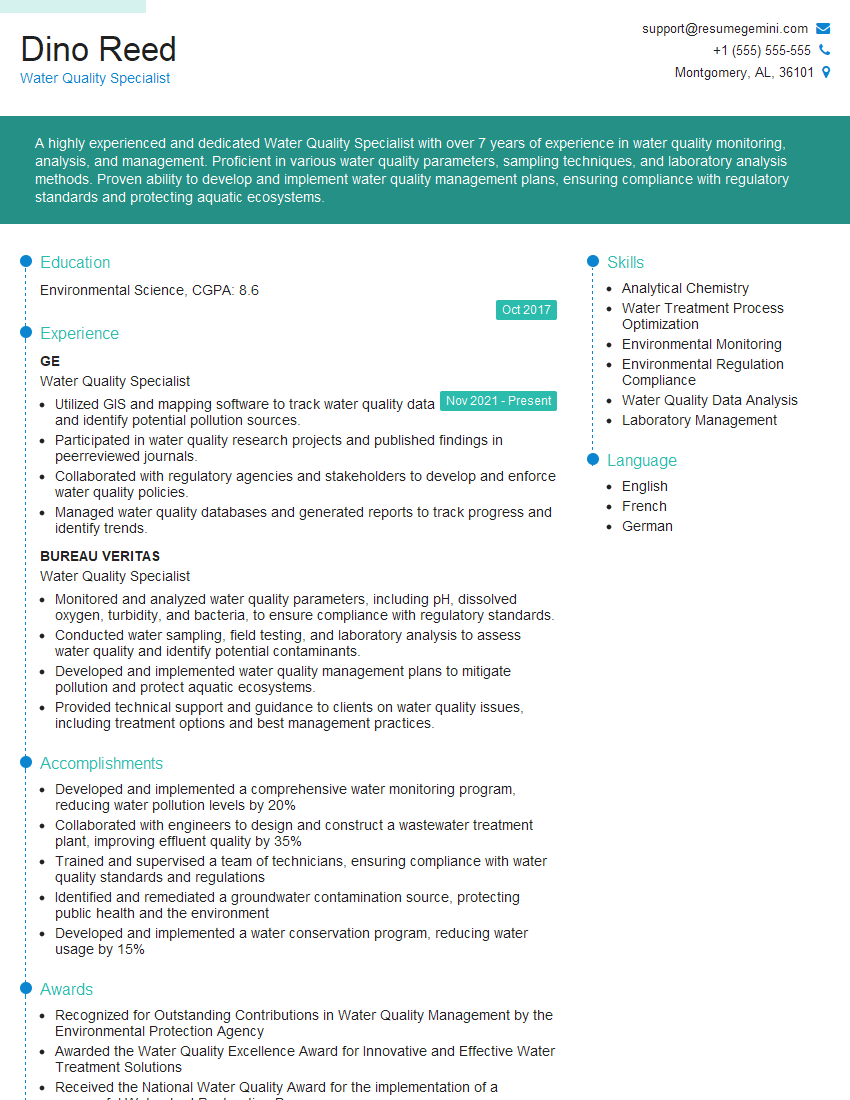
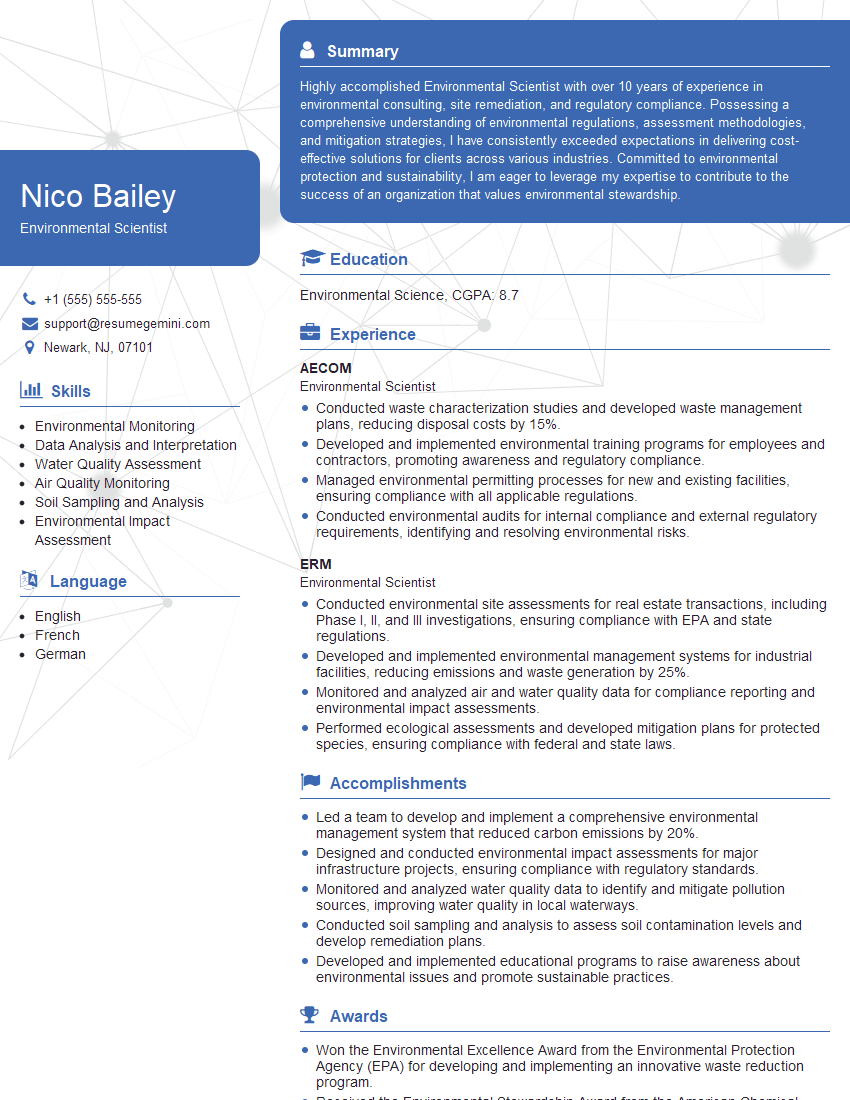
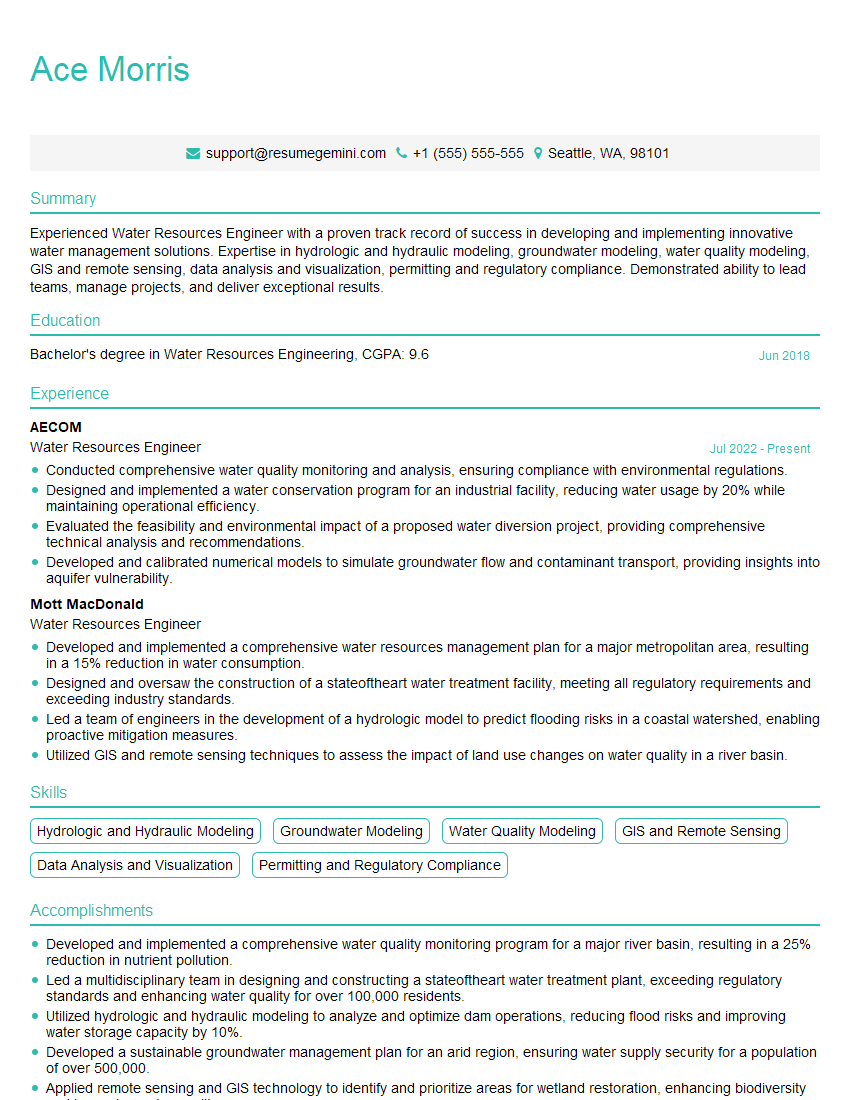
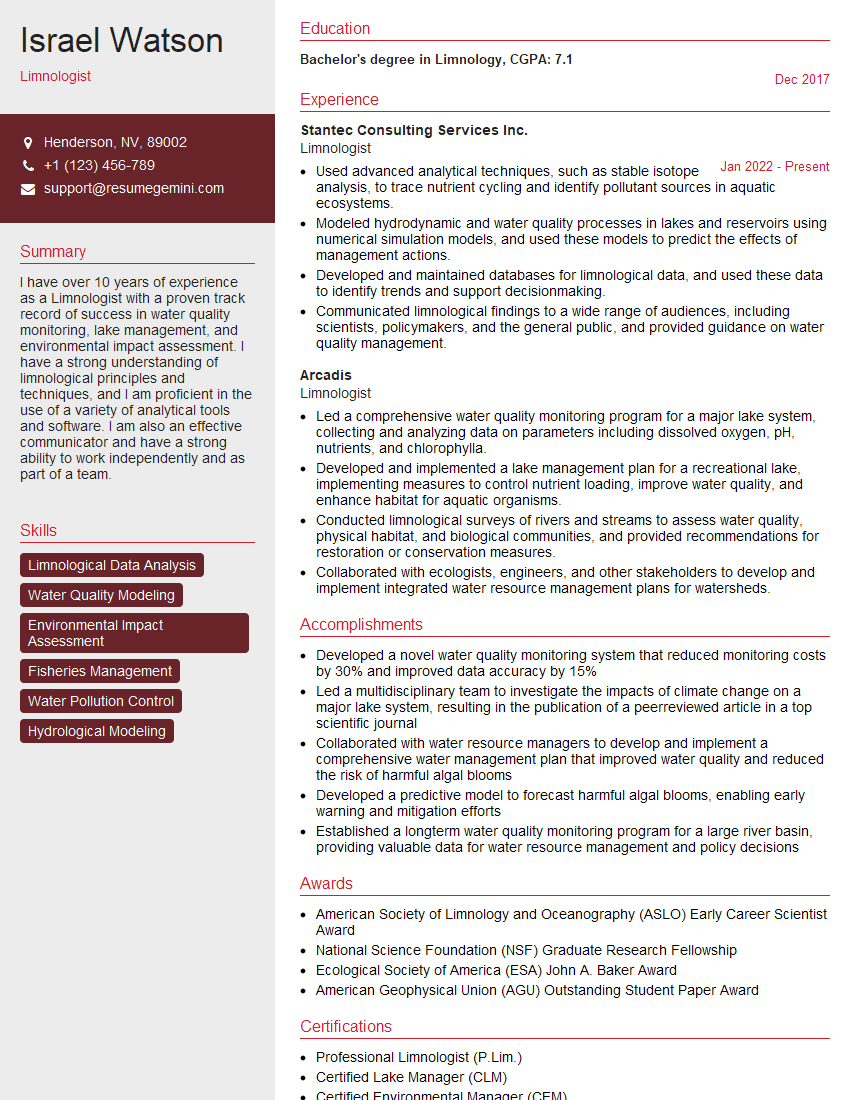
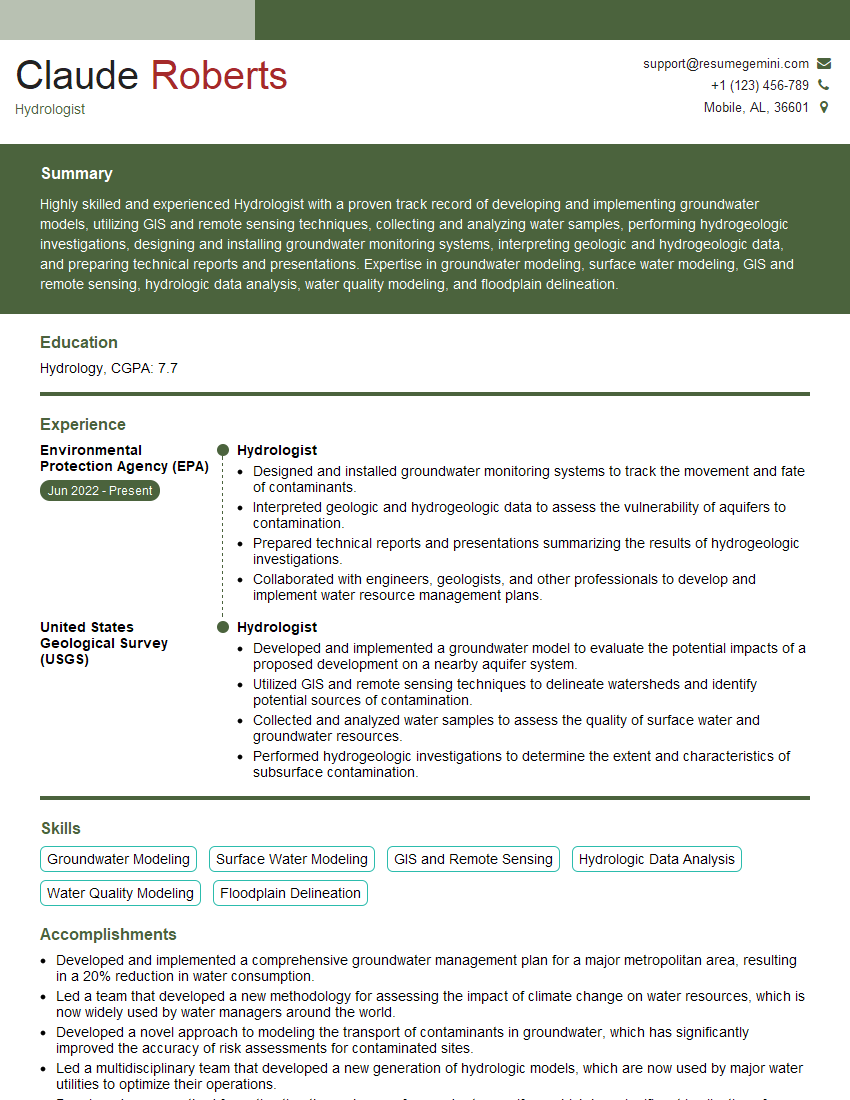
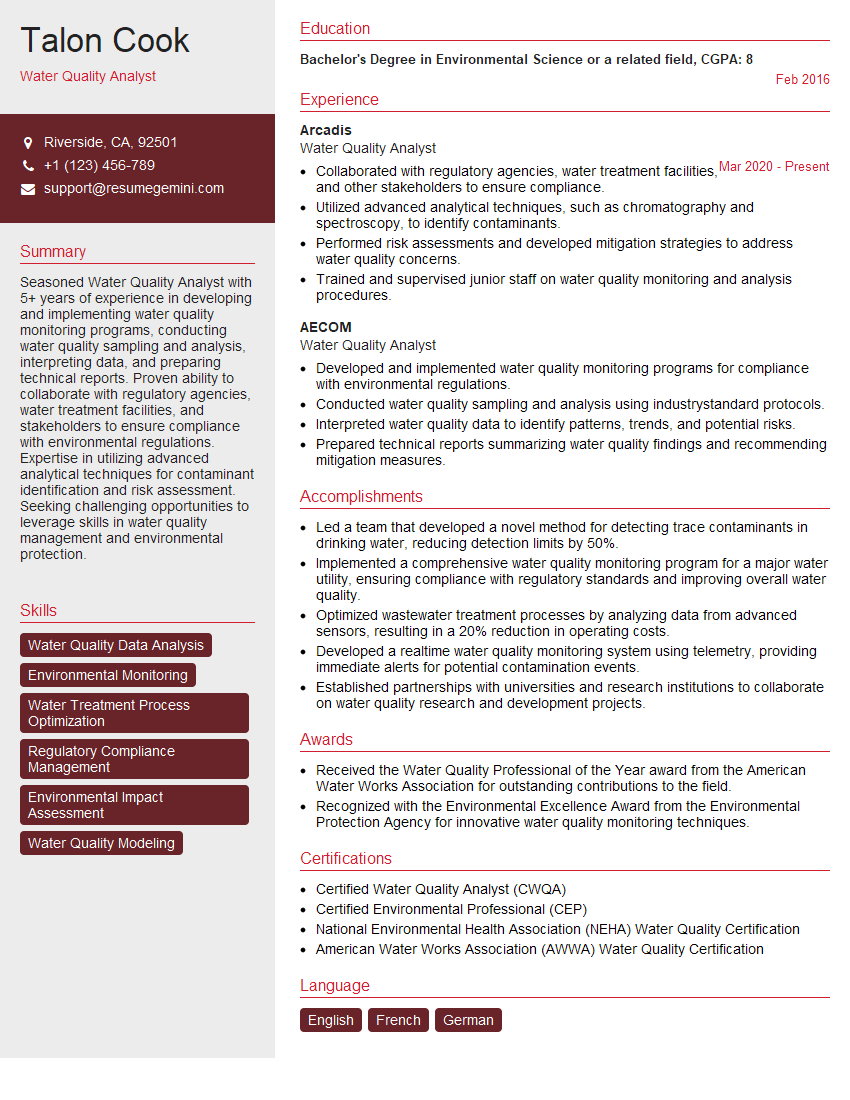
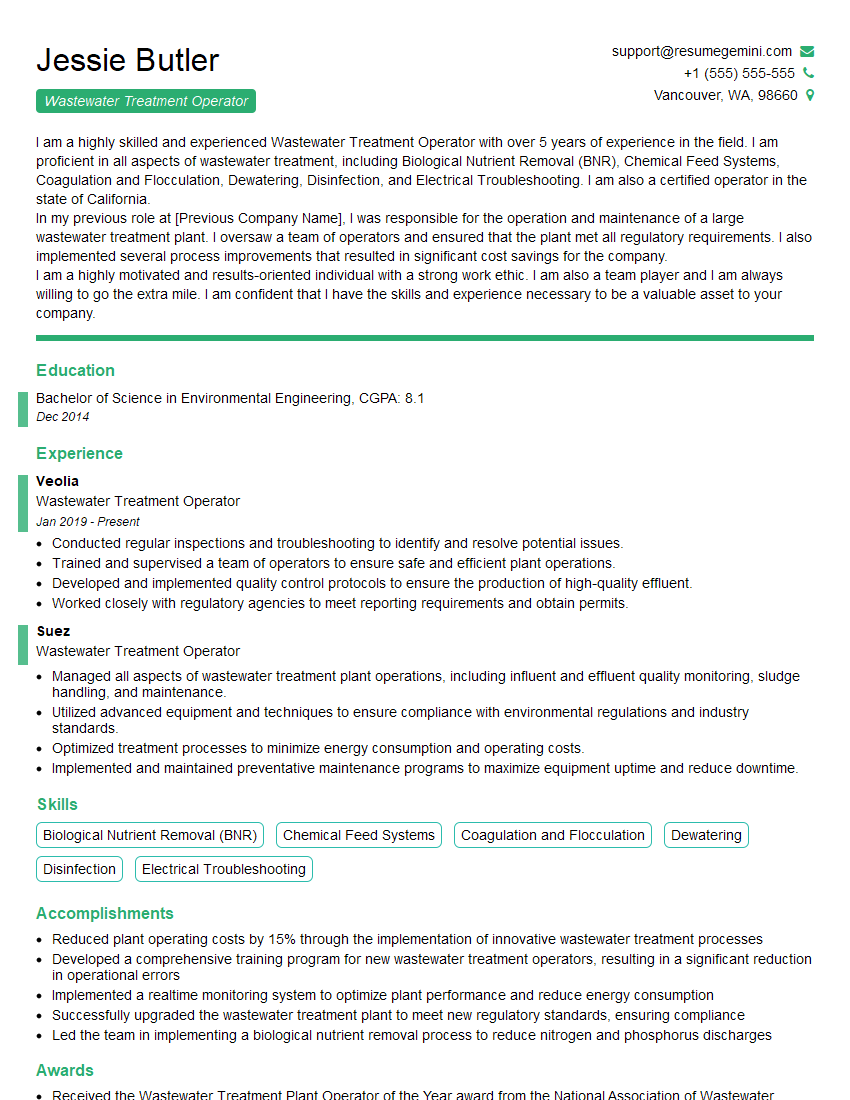
Mastering the use of water quality equipment is crucial for career advancement in environmental science, water treatment, and related fields. A strong understanding of these techniques demonstrates your practical skills and problem-solving abilities, making you a highly desirable candidate. To further enhance your job prospects, creating an ATS-friendly resume is essential. ResumeGemini is a trusted resource that can help you build a professional resume that highlights your skills and experience effectively. Examples of resumes tailored specifically to the Use of Water Quality Equipment field are available through ResumeGemini to help you craft a compelling application.
Explore more articles
Users Rating of Our Blogs
Share Your Experience
We value your feedback! Please rate our content and share your thoughts (optional).
What Readers Say About Our Blog
Attention music lovers!
Wow, All the best Sax Summer music !!!
Spotify: https://open.spotify.com/artist/6ShcdIT7rPVVaFEpgZQbUk
Apple Music: https://music.apple.com/fr/artist/jimmy-sax-black/1530501936
YouTube: https://music.youtube.com/browse/VLOLAK5uy_noClmC7abM6YpZsnySxRqt3LoalPf88No
Other Platforms and Free Downloads : https://fanlink.tv/jimmysaxblack
on google : https://www.google.com/search?q=22+AND+22+AND+22
on ChatGPT : https://chat.openai.com?q=who20jlJimmy20Black20Sax20Producer
Get back into the groove with Jimmy sax Black
Best regards,
Jimmy sax Black
www.jimmysaxblack.com
Hi I am a troller at The aquatic interview center and I suddenly went so fast in Roblox and it was gone when I reset.
Hi,
Business owners spend hours every week worrying about their website—or avoiding it because it feels overwhelming.
We’d like to take that off your plate:
$69/month. Everything handled.
Our team will:
Design a custom website—or completely overhaul your current one
Take care of hosting as an option
Handle edits and improvements—up to 60 minutes of work included every month
No setup fees, no annual commitments. Just a site that makes a strong first impression.
Find out if it’s right for you:
https://websolutionsgenius.com/awardwinningwebsites
Hello,
we currently offer a complimentary backlink and URL indexing test for search engine optimization professionals.
You can get complimentary indexing credits to test how link discovery works in practice.
No credit card is required and there is no recurring fee.
You can find details here:
https://wikipedia-backlinks.com/indexing/
Regards
NICE RESPONSE TO Q & A
hi
The aim of this message is regarding an unclaimed deposit of a deceased nationale that bears the same name as you. You are not relate to him as there are millions of people answering the names across around the world. But i will use my position to influence the release of the deposit to you for our mutual benefit.
Respond for full details and how to claim the deposit. This is 100% risk free. Send hello to my email id: lukachachibaialuka@gmail.com
Luka Chachibaialuka
Hey interviewgemini.com, just wanted to follow up on my last email.
We just launched Call the Monster, an parenting app that lets you summon friendly ‘monsters’ kids actually listen to.
We’re also running a giveaway for everyone who downloads the app. Since it’s brand new, there aren’t many users yet, which means you’ve got a much better chance of winning some great prizes.
You can check it out here: https://bit.ly/callamonsterapp
Or follow us on Instagram: https://www.instagram.com/callamonsterapp
Thanks,
Ryan
CEO – Call the Monster App
Hey interviewgemini.com, I saw your website and love your approach.
I just want this to look like spam email, but want to share something important to you. We just launched Call the Monster, a parenting app that lets you summon friendly ‘monsters’ kids actually listen to.
Parents are loving it for calming chaos before bedtime. Thought you might want to try it: https://bit.ly/callamonsterapp or just follow our fun monster lore on Instagram: https://www.instagram.com/callamonsterapp
Thanks,
Ryan
CEO – Call A Monster APP
To the interviewgemini.com Owner.
Dear interviewgemini.com Webmaster!
Hi interviewgemini.com Webmaster!
Dear interviewgemini.com Webmaster!
excellent
Hello,
We found issues with your domain’s email setup that may be sending your messages to spam or blocking them completely. InboxShield Mini shows you how to fix it in minutes — no tech skills required.
Scan your domain now for details: https://inboxshield-mini.com/
— Adam @ InboxShield Mini
support@inboxshield-mini.com
Reply STOP to unsubscribe
Hi, are you owner of interviewgemini.com? What if I told you I could help you find extra time in your schedule, reconnect with leads you didn’t even realize you missed, and bring in more “I want to work with you” conversations, without increasing your ad spend or hiring a full-time employee?
All with a flexible, budget-friendly service that could easily pay for itself. Sounds good?
Would it be nice to jump on a quick 10-minute call so I can show you exactly how we make this work?
Best,
Hapei
Marketing Director
Hey, I know you’re the owner of interviewgemini.com. I’ll be quick.
Fundraising for your business is tough and time-consuming. We make it easier by guaranteeing two private investor meetings each month, for six months. No demos, no pitch events – just direct introductions to active investors matched to your startup.
If youR17;re raising, this could help you build real momentum. Want me to send more info?
Hi, I represent an SEO company that specialises in getting you AI citations and higher rankings on Google. I’d like to offer you a 100% free SEO audit for your website. Would you be interested?
Hi, I represent an SEO company that specialises in getting you AI citations and higher rankings on Google. I’d like to offer you a 100% free SEO audit for your website. Would you be interested?