Preparation is the key to success in any interview. In this post, we’ll explore crucial Vendor Relationship Management (VRM) Systems interview questions and equip you with strategies to craft impactful answers. Whether you’re a beginner or a pro, these tips will elevate your preparation.
Questions Asked in Vendor Relationship Management (VRM) Systems Interview
Q 1. Describe your experience implementing a Vendor Relationship Management (VRM) system.
Implementing a Vendor Relationship Management (VRM) system is a multifaceted process that requires careful planning and execution. It’s not just about choosing software; it’s about transforming how your organization interacts with its vendors. My experience involves a phased approach, starting with a thorough needs assessment to identify pain points in the current vendor management process. This includes analyzing existing contracts, communication channels, and performance metrics. Then, I define clear objectives for the new system, such as improved communication, reduced costs, or enhanced risk mitigation.
Next, I select and implement the VRM system itself, which involves configuring workflows, integrating it with existing systems (like ERP or CRM), and training staff on its usage. In one project for a large manufacturing company, we moved from a chaotic system of spreadsheets and emails to a centralized VRM platform that provided complete visibility into vendor performance, contracts, and communication. This dramatically improved efficiency and reduced delays in procurement. Post-implementation, continuous monitoring and refinement are crucial. This includes regular reporting, feedback sessions with users, and system updates as necessary.
Q 2. What key performance indicators (KPIs) would you use to measure vendor performance?
Key Performance Indicators (KPIs) for measuring vendor performance should be tailored to the specific industry and the nature of the vendor relationship. However, some universal KPIs include:
- On-time delivery: Percentage of orders delivered on or before the agreed-upon date. This directly impacts production schedules and customer satisfaction.
- Quality of goods or services: Measured through defect rates, customer feedback, and internal quality checks. This ensures the vendor meets required standards.
- Cost-effectiveness: Assessing the price paid relative to the value received. This could involve analyzing cost per unit, overall project budget, or other relevant financial metrics.
- Responsiveness: How quickly vendors respond to requests, inquiries, and issues. This reflects communication efficiency and problem-solving capabilities.
- Compliance: Adherence to contracts, regulations, and ethical standards. This minimizes legal and reputational risks.
For example, in a project with a software vendor, we tracked not only on-time delivery of software updates but also the resolution time for bug fixes and the success rate of those fixes.
Q 3. How do you identify and mitigate risks associated with vendors?
Identifying and mitigating vendor risks is a proactive process that begins before a vendor is even selected. It involves a comprehensive risk assessment, focusing on areas like financial stability, operational capabilities, security, and compliance. We use a risk matrix to categorize risks by likelihood and impact. This matrix helps us prioritize our mitigation efforts.
Mitigation strategies vary depending on the type of risk. For example, we might require financial statements from vendors to assess their financial health. For security risks, we may implement security audits and require vendors to comply with specific security standards. For operational risks, we might build redundancy into contracts by having backup vendors available. Regular vendor performance reviews and audits are crucial for ongoing risk management. Open communication with vendors is key; proactive dialogue can help to identify and address potential issues before they escalate into major problems.
Q 4. Explain your process for onboarding a new vendor.
My onboarding process for new vendors is structured and thorough, to ensure a smooth transition and minimize disruptions. It begins with a kickoff meeting to clarify expectations, responsibilities, and timelines. This includes reviewing the contract, clarifying service level agreements (SLAs), and establishing communication protocols.
Next, the vendor receives access to relevant systems and resources, such as our VRM platform, project management tools, and internal communication channels. We conduct thorough training sessions covering our internal processes, systems, and expectations. A trial period often follows where we carefully monitor performance and provide feedback. Regular check-ins during the initial period are critical, to ensure everything runs smoothly and to promptly address any roadblocks. This systematic approach reduces the risk of misunderstandings and contributes to a successful long-term relationship.
Q 5. How do you handle vendor disputes or performance issues?
Handling vendor disputes or performance issues requires a structured, fair, and transparent process. The first step is to clearly identify the problem and gather relevant information. This often involves reviewing contracts, communication logs, and performance data. Then, I engage the vendor directly to understand their perspective and explore solutions collaboratively. Open and honest communication is crucial at this stage.
If collaborative problem-solving fails, we escalate the issue following a predefined escalation path, often involving legal counsel. We document every step of the process carefully. Our goal is always to find a mutually acceptable resolution; however, depending on the severity of the issue and the vendor’s response, contract termination may be necessary as a last resort. In one instance, a vendor consistently failed to meet delivery deadlines. We used a formal dispute resolution process detailed in the contract, resulting in a mutually agreed-upon remediation plan and revised timelines.
Q 6. What software or tools have you used to manage vendor relationships?
Over the years, I have utilized various software and tools for Vendor Relationship Management. These include enterprise-level platforms such as Coupa and SAP Ariba, which offer comprehensive features for vendor onboarding, performance tracking, contract management, and communication. I’ve also worked with smaller, more specialized tools focused on specific aspects of VRM, such as contract management software (Agiloft) or communication platforms tailored to vendor interaction. The choice of tool always depends on the organization’s specific needs, budget, and existing infrastructure.
Beyond dedicated software, we often leverage project management tools like Asana or Jira to track vendor tasks and milestones, and collaboration platforms like Slack to facilitate communication and real-time updates.
Q 7. Describe your experience negotiating contracts with vendors.
Negotiating contracts with vendors is a strategic process requiring strong communication, analytical skills, and a deep understanding of both the vendor’s capabilities and your organization’s needs. I approach negotiations with a collaborative mindset, aiming for mutually beneficial agreements. Before entering negotiations, I conduct thorough due diligence, including market research and competitor analysis to understand pricing benchmarks and industry standards.
During negotiations, I focus on clearly defining scope, deliverables, timelines, payment terms, and intellectual property rights. I also build in mechanisms for monitoring performance and addressing potential disputes. I use data and evidence to support my proposals and actively listen to the vendor’s concerns. The goal is to reach an agreement that balances cost, quality, risk, and long-term relationship sustainability. For instance, in negotiations with a cloud services provider, I successfully negotiated a discount based on a multi-year commitment while ensuring robust service level agreements and exit clauses.
Q 8. How do you ensure compliance with regulatory requirements related to vendors?
Ensuring vendor compliance with regulatory requirements is paramount for mitigating risks and maintaining a strong ethical foundation. My approach is multifaceted and begins with a thorough understanding of all applicable laws and regulations, including industry-specific standards and contractual obligations. This involves proactively identifying relevant regulations, such as those related to data privacy (GDPR, CCPA), environmental protection (e.g., ISO 14001), and ethical sourcing.
Next, I incorporate these requirements into vendor selection criteria and contracts. This ensures vendors are aware of their obligations from the outset. Ongoing compliance is monitored through regular audits, both internal and potentially through third-party verification. These audits examine vendor documentation, processes, and practices to ensure consistent adherence to the established guidelines. Any non-compliance is addressed immediately through corrective action plans, and ongoing training ensures vendors remain updated on evolving regulations.
For example, in a previous role, we implemented a robust vendor risk management program for a financial institution, requiring regular SOC 2 audits of all vendors handling sensitive customer data. This proactive approach not only ensured compliance but also fostered trust with our clients and regulators.
Q 9. How do you prioritize vendor relationships based on strategic importance?
Prioritizing vendor relationships based on strategic importance requires a structured approach. I typically use a framework that combines qualitative and quantitative factors to assess each vendor’s impact on the business. This begins by categorizing vendors based on their criticality to operations. Critical vendors, those whose services are essential to core business functions, are naturally prioritized. Less critical vendors might receive less frequent, but still regular, engagement.
Further prioritization uses a scoring system incorporating factors such as:
- Strategic Alignment: How well does the vendor’s services align with the organization’s overall strategic goals?
- Performance: Historical performance data, including quality, delivery timelines, and cost-effectiveness.
- Risk Profile: Assessment of potential risks associated with the vendor, such as financial instability or security vulnerabilities.
- Innovation: The vendor’s ability to deliver innovative solutions and contribute to business growth.
This scoring system provides a clear ranking, allowing resources and attention to be focused on the most strategically important vendors. Regular review and adjustment of the scoring criteria ensure the system remains relevant and effective.
Q 10. What is your experience with vendor scorecards and performance reviews?
Vendor scorecards and performance reviews are essential tools for measuring and improving vendor performance. I have extensive experience designing, implementing, and managing these processes. Scorecards typically include Key Performance Indicators (KPIs) that align with the agreed-upon service level agreements (SLAs) and contracts. These KPIs should be measurable, attainable, relevant, and time-bound (SMART).
Examples of KPIs could include on-time delivery rates, customer satisfaction scores, defect rates, and response time to service requests. The scorecards are regularly updated and reviewed with the vendor to identify areas for improvement and celebrate successes. Performance reviews, often conducted annually or semi-annually, provide a more in-depth assessment of the vendor’s overall performance, including a review of the scorecard data, a discussion of any challenges faced, and the development of improvement plans.
For instance, in a previous role, we implemented a vendor scorecard system for our IT vendors that significantly improved service delivery. By tracking key metrics and providing regular feedback, we were able to identify and address performance issues proactively, leading to increased efficiency and reduced costs.
Q 11. How do you manage vendor diversity and inclusion?
Managing vendor diversity and inclusion is crucial for ethical sourcing and for building a strong, resilient supply chain. My approach emphasizes fairness and equal opportunity throughout the vendor selection and management lifecycle. This includes:
- Diverse sourcing strategies: Actively seeking out vendors from underrepresented groups, including minority-owned businesses, women-owned businesses, and veteran-owned businesses.
- Inclusionary selection criteria: Incorporating diversity and inclusion considerations into the vendor evaluation process. This could involve weighting diversity scores in the evaluation.
- Fair contracting practices: Ensuring that contracts are fair, transparent, and free from discrimination.
- Regular monitoring and reporting: Tracking vendor diversity data and reporting on progress towards diversity goals.
For example, I have worked with organizations to implement supplier diversity programs that resulted in increased participation from minority-owned businesses, leading to a more robust and ethical supply chain. This not only aligns with ethical business practices but can also lead to access to new innovative solutions.
Q 12. Describe your experience with vendor performance improvement plans.
Vendor performance improvement plans (PIPs) are crucial when a vendor consistently fails to meet expectations. My experience involves collaboratively developing PIPs with vendors to identify the root causes of underperformance and create actionable steps towards improvement. The PIP process typically follows these steps:
- Identify performance gaps: Clearly define the areas where the vendor is falling short of expectations, using data from scorecards and performance reviews.
- Root cause analysis: Determine the underlying reasons for the performance issues. This often involves collaborating with the vendor to understand their perspective.
- Develop corrective actions: Create a detailed plan with specific, measurable, achievable, relevant, and time-bound (SMART) goals and actions to address the performance gaps.
- Establish timelines and responsibilities: Define clear timelines for achieving the goals and assign responsibilities to both the organization and the vendor.
- Monitor progress and provide feedback: Regularly track progress towards the goals and provide constructive feedback to the vendor.
- Review and adjust the plan: Periodically review the PIP to assess its effectiveness and make necessary adjustments.
Failure to meet the PIP milestones may result in further actions, including contract termination as a last resort. However, the emphasis is always on collaboration and supporting the vendor in achieving improvement.
Q 13. How do you leverage technology to improve vendor communication and collaboration?
Technology plays a vital role in improving vendor communication and collaboration. I leverage several tools and platforms to streamline interactions and enhance efficiency. A Vendor Relationship Management (VRM) system is crucial. This centralized platform allows for efficient communication, document sharing, and performance tracking. Features such as automated alerts for upcoming contracts, performance reviews, and compliance deadlines are essential.
Beyond VRM systems, platforms like project management software (e.g., Asana, Jira), video conferencing tools (e.g., Zoom, Microsoft Teams), and secure file-sharing services (e.g., SharePoint) facilitate effective collaboration and knowledge sharing. Using a combination of these technologies enhances transparency, accountability, and responsiveness. Regular communication through email, phone calls, and virtual meetings remains important, but technology significantly streamlines these interactions.
For example, in a previous project, we implemented a VRM system that reduced communication delays by 50% and improved vendor responsiveness to service requests significantly. This technology-driven approach led to more efficient project execution and better vendor relationships.
Q 14. What is your experience with vendor selection and evaluation processes?
Vendor selection and evaluation are critical processes to ensure the acquisition of high-quality goods and services. My experience encompasses a structured, multi-stage approach:
- Needs Assessment: Clearly defining the organization’s requirements for goods or services, including technical specifications, performance expectations, and budget constraints.
- Vendor Identification: Identifying potential vendors through market research, online databases, and industry referrals.
- Request for Proposal (RFP) or Information (RFI): Issuing a formal document outlining the organization’s requirements and soliciting proposals from qualified vendors.
- Vendor Evaluation: Evaluating proposals based on pre-defined criteria such as price, quality, experience, and reputation. This may involve a scoring system to compare vendors objectively.
- Due Diligence: Conducting thorough background checks and financial assessments to mitigate risks associated with the selected vendor.
- Negotiation and Contract Finalization: Negotiating contract terms and conditions with the selected vendor and finalizing the agreement.
- Onboarding: Supporting the vendor through the onboarding process to ensure a smooth transition and successful integration.
Throughout the process, transparency, clear communication, and fair evaluation practices are paramount. This ensures vendors are treated equitably, and the organization selects the best possible partner for its needs. For example, I have overseen the selection of vendors for large-scale IT projects, using a rigorous evaluation process that resulted in the selection of vendors who consistently exceeded expectations.
Q 15. How do you manage the lifecycle of a vendor relationship, from onboarding to termination?
Managing the vendor lifecycle is crucial for maintaining a healthy supply chain. It’s a structured process encompassing several key stages, from initial identification and selection to eventual termination. Think of it like a relationship – you wouldn’t jump into marriage without courtship, and similarly, a vendor relationship needs careful nurturing.
- Onboarding: This includes due diligence (background checks, reference checks), contract negotiation, setting clear expectations (KPIs, SLAs), and providing necessary training or documentation. For example, before onboarding a new software vendor, we’d conduct a thorough security audit and ensure compliance with our data privacy regulations.
- Relationship Management: This is the ongoing phase where regular communication, performance monitoring, and collaboration occur. We use a combination of regular meetings, performance dashboards, and feedback mechanisms to ensure alignment and identify potential issues early on. For instance, monthly performance reviews with key vendors provide valuable feedback and opportunities for improvement.
- Performance Monitoring: This involves tracking key performance indicators (KPIs) against the agreed-upon SLAs. We leverage reporting tools to track metrics and identify potential areas of concern. For example, if a vendor consistently fails to meet delivery deadlines, we’ll immediately address the issue.
- Renegotiation (Optional): As needs change, contracts may be renegotiated. This often involves adapting SLAs or pricing based on volume changes or market shifts.
- Termination: When the vendor no longer meets our requirements or fails to perform adequately despite corrective actions, termination may be necessary. This is a formal process involving written notice and potentially legal considerations.
This systematic approach ensures smooth transitions and minimizes disruptions to our business operations.
Career Expert Tips:
- Ace those interviews! Prepare effectively by reviewing the Top 50 Most Common Interview Questions on ResumeGemini.
- Navigate your job search with confidence! Explore a wide range of Career Tips on ResumeGemini. Learn about common challenges and recommendations to overcome them.
- Craft the perfect resume! Master the Art of Resume Writing with ResumeGemini’s guide. Showcase your unique qualifications and achievements effectively.
- Don’t miss out on holiday savings! Build your dream resume with ResumeGemini’s ATS optimized templates.
Q 16. How do you build strong relationships with vendors?
Building strong vendor relationships is not about transactional exchanges; it’s about building trust and mutual respect. It’s like any strong relationship – it takes effort, communication, and a focus on shared success.
- Open Communication: Maintain regular, transparent communication. This includes regular meetings, prompt responses to queries, and open dialogue about challenges.
- Collaboration: Treat vendors as partners, not just suppliers. Involve them in strategic planning and problem-solving. This collaborative approach fosters a sense of shared ownership and responsibility.
- Fair Pricing and Timely Payments: Ensure fair compensation and timely payments. This demonstrates respect and builds confidence.
- Relationship Management Tools: Leverage CRM systems specifically designed for vendor management. These systems streamline communication, track interactions, and improve overall relationship management.
- Feedback Mechanisms: Establish a system for providing constructive feedback. Both positive reinforcement and constructive criticism can build a strong foundation.
For example, during a recent project, our collaborative approach with a key vendor led to innovative solutions that exceeded expectations. This partnership is a testament to the strength of our relationship.
Q 17. What strategies do you use to improve vendor communication?
Effective vendor communication is paramount for successful VRM. It’s all about clarity, consistency, and using the right tools.
- Establish Clear Communication Channels: Define preferred communication methods (e.g., email, phone, project management software) and ensure consistency. This prevents confusion and ensures timely information exchange.
- Regular Meetings: Schedule routine check-in meetings to discuss progress, address concerns, and foster collaboration. The frequency should be tailored to the complexity of the relationship and the vendor’s performance.
- Utilize Technology: Leverage project management software (like Asana, Jira) or dedicated VRM systems for better organization, task tracking, and document sharing. A well-organized online portal ensures everyone is on the same page.
- Formal Communication Protocols: Establish formal processes for escalation, issue resolution, and change requests. This ensures problems are addressed systematically and prevents misunderstandings.
- Feedback Mechanisms: Establish a system for both receiving and providing feedback. This could be through formal surveys, informal check-ins, or performance review meetings.
For example, using a shared project management tool allows us to track progress in real-time and instantly address any emerging issues, improving collaboration and reducing delays.
Q 18. How do you track vendor performance and identify areas for improvement?
Tracking vendor performance is critical for maintaining quality and identifying areas for improvement. It’s not about blame; it’s about continuous improvement.
- Key Performance Indicators (KPIs): Define specific, measurable, achievable, relevant, and time-bound (SMART) KPIs aligned with the vendor’s contractual obligations. Examples include on-time delivery, quality of service, response time, and customer satisfaction.
- Performance Dashboards: Use dashboards to visualize key performance data. This allows for quick identification of trends and potential problems.
- Regular Reporting: Establish a regular reporting cadence to monitor performance against KPIs. This provides a clear picture of vendor performance and allows for proactive interventions.
- Feedback Mechanisms: Incorporate regular feedback mechanisms (customer surveys, internal reviews) to assess vendor performance from multiple perspectives.
- Performance Reviews: Conduct periodic formal performance reviews with vendors to discuss performance, address concerns, and develop improvement plans. These reviews provide opportunities for open communication and collaboration.
We use a dedicated VRM system to automatically collect and analyze vendor performance data, generating reports that highlight areas needing attention. This data-driven approach ensures our decisions are objective and based on facts.
Q 19. How do you ensure vendor compliance with service level agreements (SLAs)?
Ensuring vendor compliance with SLAs requires proactive monitoring and a robust enforcement mechanism. It’s about building a system of accountability.
- Clearly Defined SLAs: Start with detailed and unambiguous SLAs that clearly outline expectations, metrics, and consequences of non-compliance. This leaves no room for misinterpretations.
- Regular Monitoring: Implement a system for regularly monitoring vendor performance against these SLAs. This might involve automated reporting tools or manual checks.
- Escalation Procedures: Establish clear escalation procedures for addressing non-compliance. This ensures that issues are addressed promptly and effectively.
- Performance Penalties: Incorporate performance penalties or incentives into the SLA to motivate vendors to meet their obligations. This could involve financial penalties or bonus payments.
- Regular Audits: Conduct periodic audits to verify vendor compliance and identify areas for improvement. This provides a formal mechanism for assessing adherence to the SLAs.
For instance, we use a system that automatically flags any SLA breaches, sending alerts to relevant stakeholders and triggering the predefined escalation procedures. This ensures prompt action and minimizes potential disruptions.
Q 20. Describe your experience with vendor consolidation or rationalization.
Vendor consolidation, or rationalization, involves reducing the number of vendors used by an organization. This can lead to cost savings, improved efficiency, and stronger relationships with fewer, more strategic partners. It’s a strategic initiative demanding careful planning and execution.
- Assessment: A thorough assessment of current vendors is the first step. This involves evaluating performance, cost, and strategic alignment.
- Selection Criteria: Define clear criteria for selecting vendors for consolidation. This might involve factors such as cost, quality, reliability, and strategic fit.
- Transition Planning: Develop a comprehensive transition plan to ensure a smooth migration to the consolidated vendor(s). This requires careful coordination and communication.
- Negotiation: Negotiate favorable terms and conditions with the selected vendor(s). This includes pricing, service levels, and contractual obligations.
- Implementation: Implement the transition plan, carefully monitoring progress and addressing any issues that arise. This is a critical phase that requires close supervision.
In a previous role, we successfully consolidated our IT support vendors, reducing our number from five to one. This resulted in significant cost savings and improved service quality. The key was meticulous planning, clear communication, and a strong focus on minimizing disruption to our operations.
Q 21. How do you deal with a vendor that consistently fails to meet performance expectations?
Dealing with a consistently underperforming vendor requires a structured approach, focusing on corrective action, escalation, and ultimately, potential termination.
- Identify the Root Cause: First, we try to understand why the vendor is failing to meet expectations. This could be due to internal issues within the vendor’s organization, unforeseen challenges, or inadequate resources.
- Performance Improvement Plan (PIP): Develop a PIP outlining specific expectations, timelines, and support needed for improvement. This plan should be mutually agreed upon and clearly documented.
- Regular Monitoring and Feedback: Closely monitor the vendor’s progress against the PIP, providing regular feedback and support. This ensures accountability and provides opportunities for course correction.
- Escalation: If the vendor continues to underperform despite the PIP, escalate the issue to higher management within the vendor’s organization. This brings senior leadership into the conversation and highlights the seriousness of the situation.
- Termination (Last Resort): If all other efforts fail, termination may be necessary. This should be done following established contractual procedures and should include thorough documentation.
While termination is a last resort, we must protect our interests and ensure the quality of service we expect. A clear, well-documented process safeguards our business and minimizes the disruption caused by vendor underperformance.
Q 22. How do you manage the cost of vendor relationships?
Managing the cost of vendor relationships requires a multi-faceted approach that goes beyond simply negotiating lower prices. It’s about optimizing the total cost of ownership (TCO).
- Strategic Sourcing: Thoroughly researching and selecting vendors based on not just price, but also factors like quality, reliability, and long-term potential. This often involves competitive bidding processes and robust vendor assessments.
- Contract Negotiation: Skillful contract negotiation is crucial. This involves clearly defining deliverables, service levels, payment terms, and penalties for non-performance. We use a collaborative approach, focusing on building a mutually beneficial relationship rather than an adversarial one.
- Performance Monitoring: Regularly monitoring vendor performance against agreed-upon metrics allows for early detection of cost overruns or quality issues. This involves setting Key Performance Indicators (KPIs) and using dashboards to track progress.
- Relationship Management: Strong relationships foster trust and transparency, leading to better collaboration and cost efficiencies. Open communication and proactive problem-solving helps prevent costly disputes and delays.
- Technology Optimization: Implementing a robust VRM system can automate many processes, reducing administrative overhead and improving efficiency, ultimately saving money.
For example, in a previous role, we successfully negotiated a 15% reduction in annual costs with a key supplier by leveraging market data and demonstrating the long-term benefits of a strong partnership. This included transitioning to a performance-based contract that incentivized the vendor to improve efficiency.
Q 23. What are some common challenges in vendor relationship management, and how have you overcome them?
Common challenges in VRM include:
- Communication Breakdown: Poor communication can lead to misunderstandings, missed deadlines, and increased costs.
- Lack of Visibility: Without a centralized system, tracking vendor performance and identifying risks becomes difficult.
- Contract Management Issues: Inefficient contract management can lead to disputes and legal problems.
- Vendor Risk Management: Identifying and mitigating potential risks from vendors, such as financial instability or security breaches, is essential.
- Data Silos: Information scattered across different departments hinders effective decision-making.
I’ve overcome these challenges by:
- Implementing a VRM System: Centralizing vendor data and communication improves visibility and collaboration.
- Establishing Clear Communication Protocols: Regular meetings, reporting mechanisms, and well-defined escalation processes enhance communication.
- Developing Strong Vendor Relationships: Building trust through open communication and collaboration helps avoid conflicts.
- Proactive Risk Management: Regularly assessing vendor risks and implementing mitigation strategies.
- Using Data Analytics: Analyzing vendor performance data to identify areas for improvement and cost optimization.
Q 24. Explain your understanding of different VRM system types and their applications.
VRM systems vary in their functionality and application. Here are some key types:
- Basic VRM Systems: These systems focus on tracking vendor information, contracts, and communication. They might include features like contact management, document storage, and basic reporting. These are suitable for smaller organizations with simpler vendor relationships.
- Advanced VRM Systems: These offer more comprehensive features like performance monitoring, risk management, procurement automation, and advanced analytics. They are ideal for larger organizations with complex vendor networks.
- Integrated VRM Systems: These systems integrate with other business systems such as ERP (Enterprise Resource Planning) and CRM (Customer Relationship Management) to provide a holistic view of vendor interactions and their impact on the business. This facilitates seamless data flow and improves decision-making.
- Cloud-Based VRM Systems: These offer flexibility, scalability, and accessibility. They are often preferred for their cost-effectiveness and ease of deployment.
The application of each system depends on the organization’s size, complexity, and specific needs. A small business might benefit from a basic system, while a large corporation might require a highly integrated, advanced solution.
Q 25. How do you integrate VRM data with other business systems?
Integrating VRM data with other business systems is crucial for gaining a holistic view of operations and improving decision-making. This integration typically involves using APIs (Application Programming Interfaces) or ETL (Extract, Transform, Load) processes.
For example, integrating VRM with an ERP system allows for seamless tracking of vendor invoices and payments. Integration with a CRM system can provide insights into how vendor performance impacts customer satisfaction. Integration with a procurement system streamlines the sourcing process and ensures consistent data across different departments.
The specific integration methods depend on the systems involved and the organization’s technical capabilities. Often, professional services are needed to manage complex integrations.
Q 26. What metrics do you use to assess the ROI of your VRM efforts?
Assessing the ROI of VRM efforts requires careful consideration of both tangible and intangible benefits. Key metrics include:
- Cost Savings: Tracking reductions in procurement costs, improved negotiation outcomes, and reduced administrative expenses.
- Improved Efficiency: Measuring the reduction in time spent on vendor management tasks and streamlined processes.
- Risk Reduction: Quantifying the reduction in vendor-related risks, such as supply chain disruptions or quality issues.
- Enhanced Supplier Performance: Tracking improvements in vendor performance metrics, such as on-time delivery and quality.
- Increased Collaboration: Measuring improvements in communication and collaboration with vendors.
- Improved Compliance: Tracking reduced compliance risks and associated costs.
These metrics should be tracked over time to demonstrate the impact of VRM initiatives. A strong VRM system will not only reduce immediate costs but also build a foundation for sustainable long-term growth and efficiency.
Q 27. Describe a time you had to negotiate a contract with a difficult vendor.
In a previous project, we faced a challenging negotiation with a key software vendor who was consistently delaying the delivery of crucial components. Their initial response to our concerns was defensive and unhelpful.
My approach involved:
- Documentation: First, I meticulously documented all instances of delays, missed deadlines, and communication failures. This provided irrefutable evidence of their non-compliance.
- Collaborative Problem Solving: Instead of immediately resorting to threats, I initiated a collaborative dialogue, focusing on understanding the root causes of their delays and exploring potential solutions. This involved scheduling a series of meetings with key stakeholders from their team.
- Leveraging Leverage: While maintaining a collaborative tone, I emphasized the potential consequences of their continued non-performance. This included referencing the contract clauses addressing penalties and exploring alternative vendors.
- Negotiated a Compromise: Through careful negotiation, we agreed on a revised timeline with clear milestones and consequences for non-compliance. We also incorporated revised payment terms that incentivized timely delivery.
This experience highlighted the importance of preparing thoroughly, employing a balanced approach that combines collaboration and firmness, and understanding the nuances of contract law.
Q 28. How do you stay up-to-date on best practices in Vendor Relationship Management?
Staying up-to-date on VRM best practices is essential in this rapidly evolving field. I utilize several strategies:
- Industry Publications and Conferences: Regularly reading industry publications, such as specialized journals and attending conferences, allows me to learn about the latest trends and technologies.
- Professional Organizations: Membership in relevant professional organizations provides access to networking opportunities, training, and industry insights.
- Online Courses and Webinars: Utilizing online learning platforms to acquire new skills and knowledge in VRM best practices and related technologies.
- Networking: Engaging with colleagues and professionals through industry events, online forums, and professional networks enhances knowledge sharing.
- Benchmarking: Analyzing the VRM practices of successful organizations and adapting suitable approaches.
Continuous learning ensures that my knowledge and skills remain relevant and effective in managing complex vendor relationships.
Key Topics to Learn for Vendor Relationship Management (VRM) Systems Interview
- Understanding VRM System Fundamentals: Define VRM systems, their purpose, and how they differ from other relationship management systems. Explore the core functionalities and benefits of utilizing a VRM system.
- Vendor Selection & Onboarding: Discuss the process of selecting vendors, evaluating their performance, and effectively onboarding new vendors into the system. Consider the criteria for evaluating vendor capabilities and contracts.
- Performance Monitoring & Evaluation: Learn how to effectively track key performance indicators (KPIs) related to vendor performance. Understand the methods for analyzing data, identifying areas for improvement, and implementing corrective actions.
- Contract Management & Negotiation: Explore the lifecycle of vendor contracts, including negotiation strategies, risk mitigation, and compliance considerations. Discuss the role of a VRM system in streamlining contract management processes.
- Communication & Collaboration: Understand the importance of clear communication and collaboration with vendors. Discuss strategies for building strong relationships and resolving conflicts effectively. Consider the role of technology in facilitating communication.
- Data Analysis & Reporting: Learn how to leverage data from the VRM system to generate insightful reports, identify trends, and make data-driven decisions. This includes understanding various reporting techniques and data visualization methods.
- Technology & Integration: Explore the technical aspects of VRM systems, including their integration with other enterprise systems (e.g., ERP, CRM). Understand different system architectures and data security considerations.
- Risk Management & Compliance: Discuss the importance of mitigating risks associated with vendor relationships, including financial risks, security risks, and reputational risks. Explore compliance requirements and best practices.
Next Steps
Mastering Vendor Relationship Management systems is crucial for career advancement in today’s interconnected business world. Proficiency in VRM demonstrates valuable skills in strategic sourcing, vendor collaboration, and data-driven decision-making—skills highly sought after by employers. To significantly boost your job prospects, focus on crafting an ATS-friendly resume that clearly showcases your relevant skills and experience. ResumeGemini is a trusted resource to help you build a professional and impactful resume that stands out. Examples of resumes tailored to Vendor Relationship Management (VRM) Systems are available to guide you.
Contract Administrator Resume Sample
Contract Manager Resume Sample

Procurement Manager Resume Sample

Sourcing Specialist Resume Sample
Strategic Sourcing Manager Resume Sample
Supply Chain Manager Resume Sample
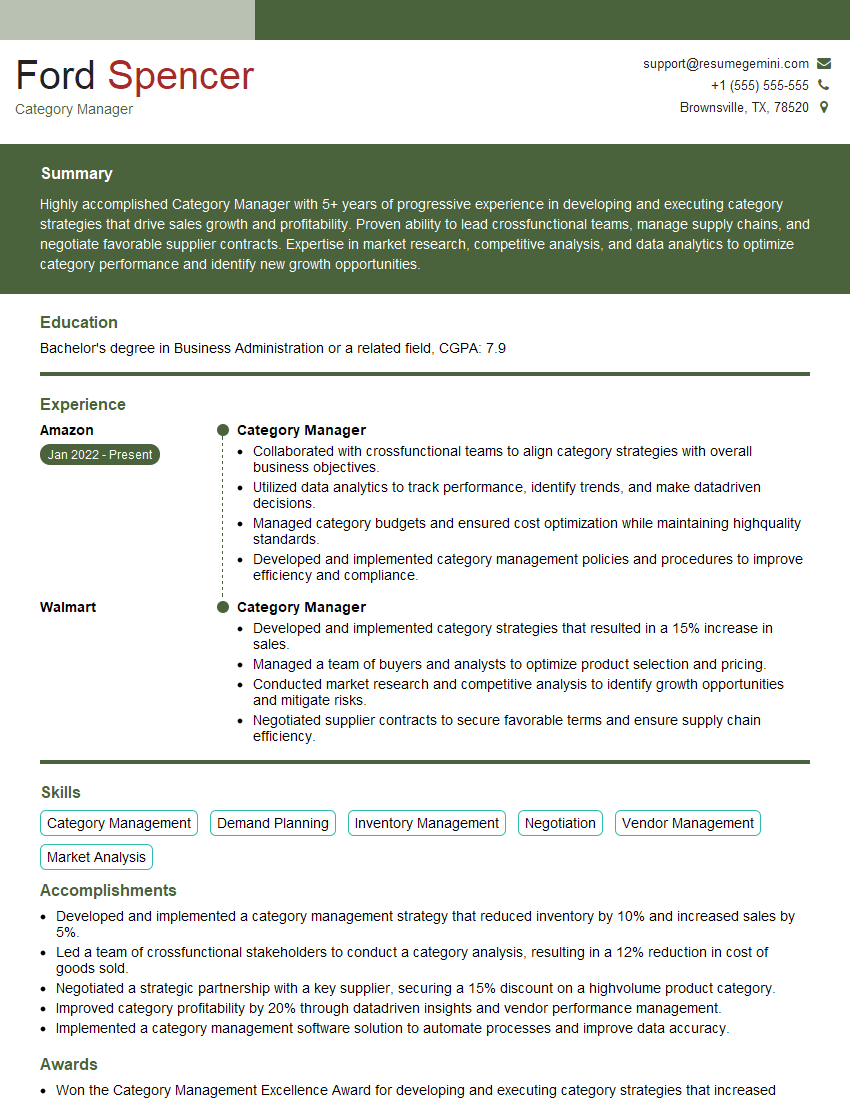
Category Manager Resume Sample
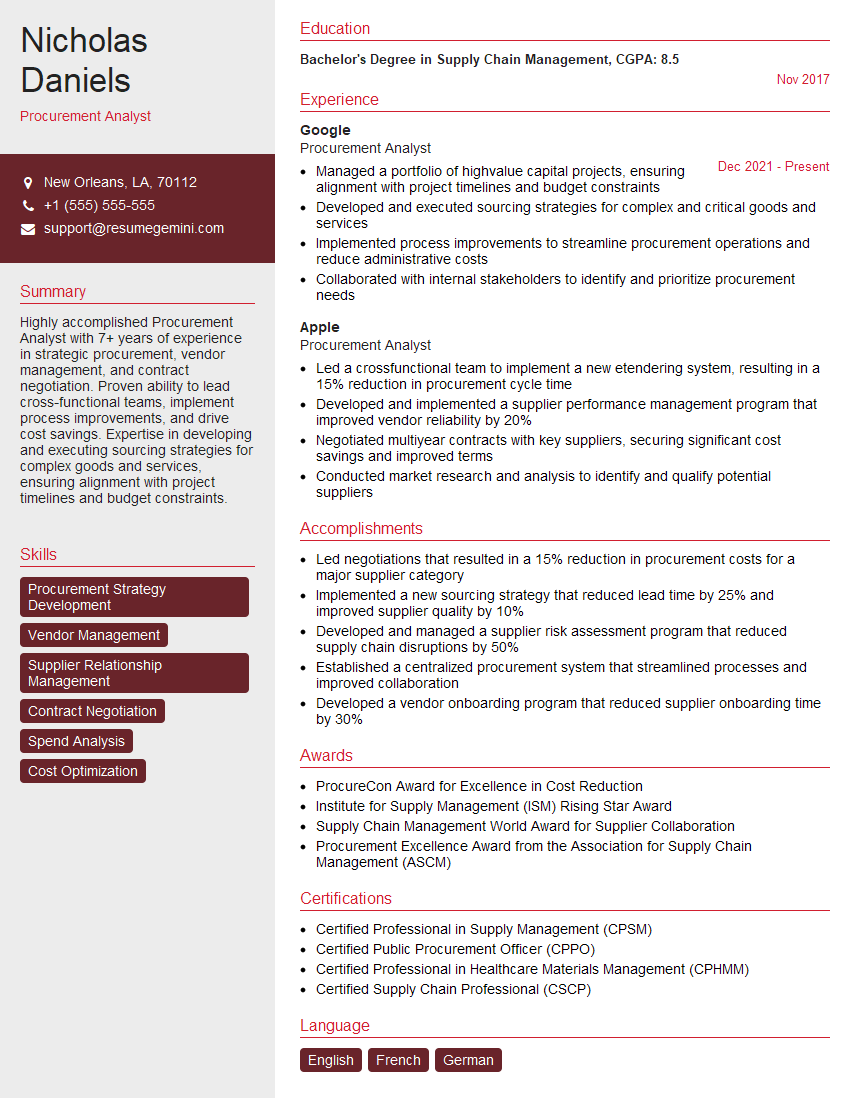
Procurement Analyst Resume Sample
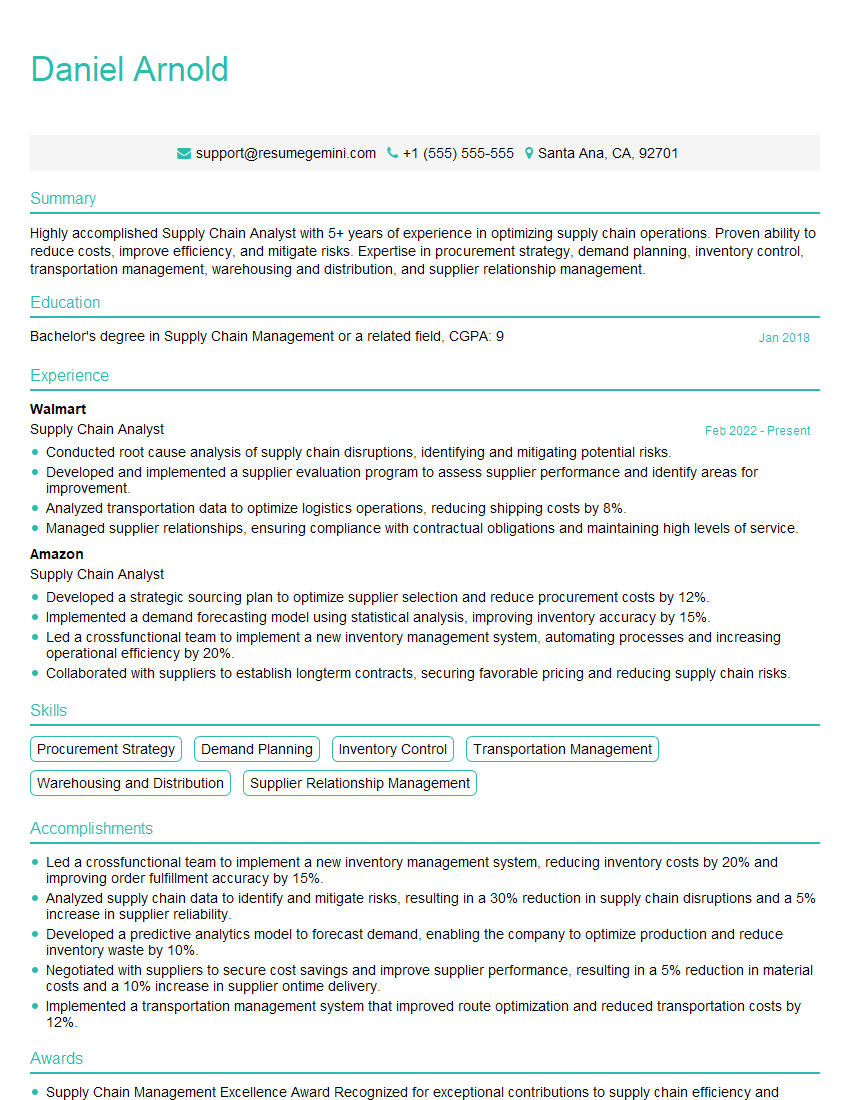
Supply Chain Analyst Resume Sample
Explore more articles
Users Rating of Our Blogs
Share Your Experience
We value your feedback! Please rate our content and share your thoughts (optional).
What Readers Say About Our Blog
Attention music lovers!
Wow, All the best Sax Summer music !!!
Spotify: https://open.spotify.com/artist/6ShcdIT7rPVVaFEpgZQbUk
Apple Music: https://music.apple.com/fr/artist/jimmy-sax-black/1530501936
YouTube: https://music.youtube.com/browse/VLOLAK5uy_noClmC7abM6YpZsnySxRqt3LoalPf88No
Other Platforms and Free Downloads : https://fanlink.tv/jimmysaxblack
on google : https://www.google.com/search?q=22+AND+22+AND+22
on ChatGPT : https://chat.openai.com?q=who20jlJimmy20Black20Sax20Producer
Get back into the groove with Jimmy sax Black
Best regards,
Jimmy sax Black
www.jimmysaxblack.com
Hi I am a troller at The aquatic interview center and I suddenly went so fast in Roblox and it was gone when I reset.
Hi,
Business owners spend hours every week worrying about their website—or avoiding it because it feels overwhelming.
We’d like to take that off your plate:
$69/month. Everything handled.
Our team will:
Design a custom website—or completely overhaul your current one
Take care of hosting as an option
Handle edits and improvements—up to 60 minutes of work included every month
No setup fees, no annual commitments. Just a site that makes a strong first impression.
Find out if it’s right for you:
https://websolutionsgenius.com/awardwinningwebsites
Hello,
we currently offer a complimentary backlink and URL indexing test for search engine optimization professionals.
You can get complimentary indexing credits to test how link discovery works in practice.
No credit card is required and there is no recurring fee.
You can find details here:
https://wikipedia-backlinks.com/indexing/
Regards
NICE RESPONSE TO Q & A
hi
The aim of this message is regarding an unclaimed deposit of a deceased nationale that bears the same name as you. You are not relate to him as there are millions of people answering the names across around the world. But i will use my position to influence the release of the deposit to you for our mutual benefit.
Respond for full details and how to claim the deposit. This is 100% risk free. Send hello to my email id: lukachachibaialuka@gmail.com
Luka Chachibaialuka
Hey interviewgemini.com, just wanted to follow up on my last email.
We just launched Call the Monster, an parenting app that lets you summon friendly ‘monsters’ kids actually listen to.
We’re also running a giveaway for everyone who downloads the app. Since it’s brand new, there aren’t many users yet, which means you’ve got a much better chance of winning some great prizes.
You can check it out here: https://bit.ly/callamonsterapp
Or follow us on Instagram: https://www.instagram.com/callamonsterapp
Thanks,
Ryan
CEO – Call the Monster App
Hey interviewgemini.com, I saw your website and love your approach.
I just want this to look like spam email, but want to share something important to you. We just launched Call the Monster, a parenting app that lets you summon friendly ‘monsters’ kids actually listen to.
Parents are loving it for calming chaos before bedtime. Thought you might want to try it: https://bit.ly/callamonsterapp or just follow our fun monster lore on Instagram: https://www.instagram.com/callamonsterapp
Thanks,
Ryan
CEO – Call A Monster APP
To the interviewgemini.com Owner.
Dear interviewgemini.com Webmaster!
Hi interviewgemini.com Webmaster!
Dear interviewgemini.com Webmaster!
excellent
Hello,
We found issues with your domain’s email setup that may be sending your messages to spam or blocking them completely. InboxShield Mini shows you how to fix it in minutes — no tech skills required.
Scan your domain now for details: https://inboxshield-mini.com/
— Adam @ InboxShield Mini
support@inboxshield-mini.com
Reply STOP to unsubscribe
Hi, are you owner of interviewgemini.com? What if I told you I could help you find extra time in your schedule, reconnect with leads you didn’t even realize you missed, and bring in more “I want to work with you” conversations, without increasing your ad spend or hiring a full-time employee?
All with a flexible, budget-friendly service that could easily pay for itself. Sounds good?
Would it be nice to jump on a quick 10-minute call so I can show you exactly how we make this work?
Best,
Hapei
Marketing Director
Hey, I know you’re the owner of interviewgemini.com. I’ll be quick.
Fundraising for your business is tough and time-consuming. We make it easier by guaranteeing two private investor meetings each month, for six months. No demos, no pitch events – just direct introductions to active investors matched to your startup.
If youR17;re raising, this could help you build real momentum. Want me to send more info?
Hi, I represent an SEO company that specialises in getting you AI citations and higher rankings on Google. I’d like to offer you a 100% free SEO audit for your website. Would you be interested?
Hi, I represent an SEO company that specialises in getting you AI citations and higher rankings on Google. I’d like to offer you a 100% free SEO audit for your website. Would you be interested?