Unlock your full potential by mastering the most common Walmart interview questions. This blog offers a deep dive into the critical topics, ensuring you’re not only prepared to answer but to excel. With these insights, you’ll approach your interview with clarity and confidence.
Questions Asked in Walmart Interview
Q 1. Describe your experience managing inventory in a fast-paced retail environment.
Managing inventory in a fast-paced retail environment like Walmart requires a multifaceted approach. It’s not just about counting items; it’s about anticipating demand, optimizing stock levels, and minimizing waste. My experience involves utilizing various inventory management systems, including advanced forecasting models and real-time data analytics.
- Demand Forecasting: I’ve used historical sales data, seasonality trends, and promotional calendars to predict future demand. This allows for proactive ordering and prevents stockouts or overstocking.
- Just-in-Time (JIT) Inventory: I understand the importance of JIT principles, ensuring that inventory is replenished only as needed. This minimizes storage costs and reduces the risk of obsolescence. For example, in a produce department, coordinating closely with suppliers to receive daily deliveries of fresh goods is crucial.
- Cycle Counting: Regularly performing cycle counts – counting a smaller subset of inventory regularly, instead of a complete count annually – helps maintain accuracy and identify discrepancies early. This reduces the need for large, disruptive full inventory counts.
- Inventory Management Software: I’m proficient in using specialized inventory management software to track items, generate reports, and manage stock levels efficiently. This includes experience with systems that integrate with point-of-sale (POS) data for real-time updates.
Essentially, I strive for a balanced approach – enough stock to meet customer demand without tying up excessive capital in storage. This requires continuous monitoring, analysis, and adaptation to changing market conditions.
Q 2. How would you handle a customer complaint about a damaged product?
Handling a customer complaint about a damaged product requires a calm, empathetic approach focused on resolving the issue quickly and fairly. My approach prioritizes customer satisfaction and follows these steps:
- Listen Empathetically: First, I listen carefully to the customer’s concerns, acknowledging their frustration and validating their experience. A simple phrase like, “I understand your frustration, I’m sorry this happened,” can go a long way.
- Gather Information: I gather details about the damaged product, including the purchase date, location, and any relevant information. Examining the product itself, if possible, is important.
- Offer a Solution: Depending on the situation, I offer a solution that aligns with Walmart’s return policy. This might involve a refund, exchange, or store credit, alongside a sincere apology. In some cases, I might offer a discount on a future purchase.
- Follow Up: I follow up with the customer to ensure their satisfaction and to address any lingering concerns.
I view every customer complaint as an opportunity to improve our processes and prevent similar issues from occurring in the future. I would also document the complaint meticulously to contribute to ongoing quality control.
Q 3. Explain your approach to resolving conflicts between team members.
Resolving conflicts between team members requires a fair, impartial approach that prioritizes open communication and mutual respect. I typically use a collaborative, problem-solving approach:
- Facilitate Communication: I encourage open dialogue between the conflicting parties, creating a safe space for them to express their concerns and perspectives.
- Identify the Root Cause: I focus on understanding the root cause of the conflict, not just the symptoms. Are there misunderstandings, personality clashes, or systemic issues contributing to the problem?
- Mediate and Find Common Ground: I act as a neutral mediator, guiding the team members towards finding a mutually acceptable solution. This might involve compromise, negotiation, or seeking assistance from higher management.
- Implement Solutions: Once a solution is reached, I work with the team members to implement it and monitor its effectiveness.
- Prevent Future Conflicts: I take proactive steps to prevent future conflicts by addressing systemic issues and reinforcing positive communication practices.
I believe that conflict resolution is an important leadership skill, and by addressing conflicts constructively, I contribute to a more positive and productive work environment.
Q 4. Describe a time you exceeded expectations in a previous role.
In my previous role, I exceeded expectations by significantly improving the efficiency of our stock replenishment process. Our department consistently struggled with out-of-stocks, leading to lost sales and customer dissatisfaction. I noticed that our existing system relied heavily on manual processes, leading to delays and inaccuracies.
I proposed and implemented a new system that utilized barcode scanning and inventory management software. This not only automated the process but also provided real-time data on inventory levels, allowing for more accurate forecasting and proactive replenishment. As a result, we reduced out-of-stocks by 40% within three months, leading to a significant increase in sales and improved customer satisfaction. My initiative was recognized by management, and I received positive feedback for my proactive problem-solving and commitment to improving efficiency.
Q 5. How familiar are you with Walmart’s pricing strategy and promotions?
Walmart’s pricing strategy is highly competitive and data-driven. They employ a combination of strategies to attract customers and maximize profits.
- Everyday Low Prices (EDLP): This core strategy focuses on consistently offering low prices on a wide range of products, creating value for customers and fostering brand loyalty.
- High-Volume, Low-Margin Approach: Walmart operates on high sales volume with relatively low profit margins on individual items. This allows them to offer competitive pricing and compete effectively on price.
- Promotional Pricing: They frequently utilize promotional pricing, including discounts, coupons, and special offers, to drive sales and attract customers. This often involves strategic timing, tying promotions to holidays or special events.
- Competitive Pricing Analysis: Walmart continuously monitors competitors’ pricing to maintain their competitive edge and respond to price changes.
- Data Analytics: They extensively use data analytics to optimize pricing strategies, identify profitable items, and predict customer demand.
I’m very familiar with these strategies and understand how they contribute to Walmart’s success. I can analyze sales data and understand the impact of different pricing models on profitability and customer behavior.
Q 6. How would you improve customer satisfaction in your department?
Improving customer satisfaction in my department would involve a multi-pronged approach focused on enhancing service, streamlining processes, and gathering customer feedback.
- Enhanced Customer Service Training: Providing comprehensive training to team members on effective customer service techniques, including active listening, problem-solving, and conflict resolution.
- Improved Store Layout and Signage: Optimizing store layout and signage to enhance the shopping experience and make it easier for customers to find what they need.
- Streamlined Checkout Process: Implementing measures to reduce wait times at checkout, such as optimizing staffing levels and using self-checkout kiosks.
- Proactive Issue Resolution: Implementing systems to identify and address potential issues before they negatively impact the customer experience, such as regularly checking for out-of-stock items or damaged products.
- Customer Feedback Mechanisms: Actively soliciting and responding to customer feedback through surveys, comment cards, and online reviews. Using this data to identify areas for improvement.
By focusing on these key areas, I believe we can create a more positive and satisfying shopping experience for our customers, leading to increased loyalty and positive word-of-mouth referrals.
Q 7. How do you maintain a positive and productive work environment?
Maintaining a positive and productive work environment involves fostering a culture of collaboration, respect, and open communication. This requires a combination of leadership, team building, and clear expectations.
- Open Communication: Creating a culture where team members feel comfortable sharing ideas, concerns, and feedback without fear of retribution.
- Team Building Activities: Organizing regular team building activities to foster camaraderie and improve collaboration among team members. This could include social events, team lunches, or even work-related challenges.
- Recognition and Appreciation: Recognizing and appreciating team members’ contributions, both big and small. This can involve public acknowledgment, awards, or simply a thank you.
- Clear Expectations and Goals: Setting clear expectations and goals for the team, ensuring that everyone understands their roles and responsibilities. Regular check-ins and performance reviews are crucial.
- Conflict Resolution: Implementing effective conflict resolution strategies to address disagreements constructively and fairly.
By actively promoting these principles, I can create an environment where team members feel valued, respected, and motivated to contribute their best work.
Q 8. Describe your experience with loss prevention techniques.
Loss prevention at Walmart is a multifaceted approach aimed at minimizing shrinkage – the difference between the inventory recorded and the actual inventory due to theft, damage, or errors. My experience encompasses several key areas.
- Surveillance and Monitoring: I’m proficient in utilizing CCTV footage to identify and investigate suspicious activity, working closely with security personnel to deter shoplifting. I understand the importance of strategically placed cameras and effective monitoring techniques.
- Employee Training: I’ve participated in training programs focusing on loss prevention best practices, emphasizing the importance of employee awareness and vigilance. This includes recognizing common theft methods, reporting suspicious behavior promptly, and securing merchandise appropriately. For example, I helped train staff on how to spot ‘booster bags’ and other tools used by shoplifters.
- Inventory Management: Accurate inventory tracking is crucial. I have experience with Walmart’s inventory management systems and understand how to identify discrepancies, investigate causes of shrinkage, and implement corrective measures. This involves using data analytics to pinpoint areas with high loss rates and adjust stocking strategies accordingly.
- Security Procedures: I’m familiar with Walmart’s security procedures, including proper handling of suspected shoplifters, adhering to company policy regarding apprehension and cooperating with law enforcement when necessary. I understand the importance of prioritizing safety and de-escalation techniques.
For instance, I once noticed a pattern of unusually high shrinkage in the electronics department during specific shifts. By reviewing CCTV footage and analyzing sales data, I identified a potential internal theft ring, leading to a thorough investigation and subsequent corrective actions.
Q 9. How do you prioritize tasks when faced with multiple deadlines?
Prioritizing tasks with multiple deadlines requires a structured approach. I typically utilize a system that combines urgency, importance, and impact. I employ a method like the Eisenhower Matrix (urgent/important) to categorize my tasks.
- Urgent and Important: These tasks demand immediate attention. I tackle these first, ensuring they are completed promptly and effectively.
- Important but Not Urgent: These are tasks crucial for long-term success. I schedule these tasks strategically, allocating sufficient time to ensure their completion without jeopardizing urgent matters.
- Urgent but Not Important: These are often time-sensitive but less critical. I delegate these tasks whenever possible or find ways to streamline them without compromising the important tasks.
- Neither Urgent nor Important: These tasks can be eliminated or postponed until more pressing issues are resolved.
For example, if I have a deadline for processing end-of-day reports (urgent/important) alongside prepping for a staff training session (important/not urgent), I would prioritize the reports first, then allocate time for training preparation later in the day or the next morning.
Q 10. What is your experience with using Walmart’s internal systems (e.g., registers, inventory management systems)?
My experience with Walmart’s internal systems is extensive. I am proficient in using the point-of-sale (POS) registers, processing transactions accurately and efficiently. I am familiar with various features, including handling returns, voids, and customer loyalty programs.
Furthermore, I’m skilled in using the inventory management systems, including scanning products, updating stock levels, and identifying discrepancies. I understand the importance of data accuracy in these systems and how it impacts various aspects of the business, from sales forecasting to loss prevention.
I’ve also worked with other systems like scheduling software, communication platforms, and training modules utilized within the company. My experience covers a wide range of operational technology, which allows me to contribute to various facets of store operations effectively.
Q 11. How would you handle a situation where a customer is behaving aggressively?
Handling aggressive customers requires a calm and professional approach. My first priority is ensuring the safety of myself, my colleagues, and other customers.
- De-escalation: I would maintain a calm demeanor, using active listening to understand their concerns. I’d speak clearly and respectfully, avoiding any confrontational language.
- Empathy: I’d try to understand their frustration, showing empathy without condoning aggressive behavior. Sometimes simply acknowledging their feelings can diffuse the situation.
- Clear Communication: I’d clearly explain the store’s policies or procedures relevant to the situation. I’d offer a solution to the problem, if possible.
- Seeking Assistance: If the situation escalates beyond my ability to handle it, I would immediately call for assistance from a manager or security personnel.
- Documentation: After the incident, I would document the event thoroughly, including the customer’s behavior, the actions taken, and the outcome.
For example, I once dealt with a customer who was extremely upset about a return policy. By actively listening to their concerns and explaining the policy clearly and patiently, I was able to resolve the issue and defuse the situation.
Q 12. Explain your understanding of Walmart’s commitment to sustainability.
Walmart’s commitment to sustainability is a significant part of their business strategy. It’s not just a marketing initiative; it’s deeply integrated into their operations. This commitment manifests in several ways:
- Reducing Waste: Walmart actively seeks to reduce waste in their supply chain, focusing on minimizing packaging, improving logistics, and promoting sustainable sourcing practices. They’ve implemented programs to reduce food waste in their stores and distribution centers.
- Renewable Energy: They’re investing heavily in renewable energy sources, including solar and wind power, to reduce their carbon footprint and operate more sustainably.
- Sustainable Products: Walmart promotes and encourages the sale of sustainable products, offering customers options that minimize environmental impact. This includes things like eco-friendly cleaning supplies and sustainably sourced food items.
- Recycling and Waste Management: They are actively developing and implementing robust recycling and waste management programs within their stores and supply chain.
Walmart’s sustainability efforts are multifaceted and ongoing. It’s a complex challenge, but their commitment is demonstrably impacting their operational practices and the overall environmental sustainability of their business.
Q 13. How would you train new employees on the company’s policies and procedures?
Training new employees on company policies and procedures requires a structured and engaging approach. I would focus on creating a supportive learning environment.
- Structured Training Program: I’d design a comprehensive training program, starting with an overview of Walmart’s mission, values, and culture. This would be followed by detailed sessions on specific policies (e.g., attendance, safety, customer service), procedures (e.g., cash handling, returns, loss prevention), and the use of internal systems.
- Hands-on Experience: A significant portion of the training should involve hands-on experience, allowing new employees to practice what they’ve learned in a safe and supervised environment. This is crucial for mastering tasks like operating the POS system and interacting with customers.
- Mentorship and Support: Pairing new employees with experienced mentors provides valuable support and guidance during their initial weeks. This allows them to ask questions, receive feedback, and build confidence.
- Regular Feedback and Evaluation: Providing regular feedback and performance evaluations helps track progress and identify areas needing further development.
- Ongoing Training: Training shouldn’t stop after the initial onboarding period. Regular updates and refresher courses on policies and procedures are essential to maintain consistency and address evolving needs.
For example, I might create a training module on customer service using role-playing scenarios, teaching employees how to handle various customer interactions, from simple transactions to resolving complaints.
Q 14. Describe your experience with sales forecasting and budgeting.
Sales forecasting and budgeting are integral to effective retail management. My experience involves utilizing various techniques and data analysis to predict future sales and create accurate budgets.
- Data Analysis: I utilize historical sales data, considering factors like seasonality, promotions, economic indicators, and local market trends. This data is analyzed to identify patterns and trends to inform future forecasts.
- Forecasting Models: I am familiar with various forecasting models, including simple moving averages, exponential smoothing, and more sophisticated techniques that account for external factors. The choice of model depends on the data availability and the complexity of the situation.
- Budgeting: Based on the sales forecasts, I contribute to creating a budget that allocates resources effectively across various departments, including staffing, inventory, marketing, and operating expenses. This involves careful cost analysis and resource allocation to maximize profitability.
- Variance Analysis: Once sales data is available, I conduct variance analysis to compare actual sales to the forecasts and budgets. This helps identify areas of success and areas needing improvement, allowing for adjustments in future forecasting and budgeting cycles.
For instance, I might use historical sales data from the past three years to forecast sales for the upcoming holiday season, taking into account any anticipated promotional campaigns and broader economic trends. This forecast would then inform the budget for staffing, inventory procurement, and marketing during the peak shopping period.
Q 15. How would you address a situation where a product is consistently out of stock?
Addressing consistent out-of-stock situations requires a multi-pronged approach, focusing on identifying the root cause and implementing effective solutions. It’s not just about restocking; it’s about preventing future occurrences. At Walmart, scale is a major factor, so solutions need to be systematic and data-driven.
Demand Forecasting: Inaccurate demand forecasting is a primary culprit. We’d analyze historical sales data, considering seasonality, trends, and promotional effects. Tools like machine learning algorithms can significantly improve prediction accuracy. For example, if we notice a sudden spike in demand for a particular item, we can adjust our forecast and expedite replenishment.
Supply Chain Optimization: Issues might stem from supplier delays, transportation bottlenecks, or inefficiencies in our distribution network. We’d investigate these potential points of failure, perhaps by analyzing lead times, transportation costs, and warehouse efficiency. This could involve collaborating more closely with our suppliers or exploring alternative transportation routes.
Inventory Management: Problems may arise from insufficient safety stock or poor inventory tracking. Optimizing inventory levels requires careful balancing of carrying costs and the risk of stockouts. We’d examine our inventory management systems to see if they accurately reflect real-time inventory levels. Implementing techniques like Just-in-Time inventory might reduce excess stock while mitigating risk.
Communication and Transparency: Keeping customers informed is crucial. We’d utilize in-store signage, website updates, and potentially even email alerts to manage customer expectations. Transparent communication reduces frustration and builds trust.
For instance, during a particularly high-demand period for a specific seasonal item (e.g., holiday decorations), I would analyze past sales trends, collaborate with the purchasing team to secure additional inventory from suppliers, and then coordinate with logistics to ensure faster delivery to stores. Simultaneously, I’d ensure accurate online stock updates to minimize customer disappointment.
Career Expert Tips:
- Ace those interviews! Prepare effectively by reviewing the Top 50 Most Common Interview Questions on ResumeGemini.
- Navigate your job search with confidence! Explore a wide range of Career Tips on ResumeGemini. Learn about common challenges and recommendations to overcome them.
- Craft the perfect resume! Master the Art of Resume Writing with ResumeGemini’s guide. Showcase your unique qualifications and achievements effectively.
- Don’t miss out on holiday savings! Build your dream resume with ResumeGemini’s ATS optimized templates.
Q 16. Describe your experience working with diverse teams.
Throughout my career, I’ve thrived in diverse team environments. I find that diverse perspectives are essential for innovation and problem-solving. My experience includes working with teams comprised of individuals from different backgrounds, skill sets, and levels of experience. This involved fostering collaboration, understanding varying communication styles, and leveraging each member’s unique strengths.
For instance, in a previous role, I led a team tasked with implementing a new inventory management system. The team included data analysts, IT specialists, and store managers, each with a distinct understanding of the system’s impact. By establishing clear communication protocols, actively listening to each member’s concerns, and creating a safe space for open dialogue, we were able to successfully launch the system, exceeding our initial goals.
I believe actively promoting inclusion, respecting individual contributions, and celebrating diversity’s value contributes significantly to a productive and fulfilling work environment.
Q 17. How familiar are you with Walmart’s supply chain and logistics processes?
I possess a thorough understanding of Walmart’s supply chain and logistics processes. My knowledge encompasses everything from sourcing and procurement to warehousing, transportation, and last-mile delivery. I am familiar with Walmart’s extensive network of distribution centers, its sophisticated inventory management systems, and its strategic use of technology to optimize its supply chain.
I understand the challenges associated with managing a global supply chain, including the need for real-time visibility, efficient inventory control, and effective risk management. I’m also familiar with Walmart’s efforts towards sustainability and ethical sourcing throughout its supply chain.
For example, I’m aware of Walmart’s use of sophisticated data analytics to predict demand, optimize routes, and reduce transportation costs. I also understand the critical role played by their network of distribution centers in ensuring timely delivery of products to stores.
Q 18. What are your strengths and weaknesses as a team leader?
My strengths as a team leader include strong communication skills, the ability to foster a collaborative environment, and a results-oriented approach. I am adept at delegating tasks effectively, providing constructive feedback, and motivating team members to reach their full potential. I also prioritize continuous improvement and adapt my leadership style to suit the needs of individual team members.
One area I am actively working to improve is my delegation skills. While I’m confident in my ability to assign tasks, I’m focusing on ensuring a better balance between oversight and allowing team members the autonomy to solve problems independently. I achieve this by providing clear expectations, frequent check-ins, and support without micromanaging. This allows for team member growth and fosters a sense of ownership and responsibility.
Q 19. How do you motivate and inspire your team members to achieve their goals?
Motivating and inspiring a team requires a combination of strategies, tailored to individual team members. I believe in creating a positive and supportive work environment where everyone feels valued and empowered. My approach combines recognition, empowerment, and clear communication.
Recognition and Rewards: I actively acknowledge and celebrate individual and team accomplishments. This can be through verbal praise, public acknowledgment, or formal rewards.
Empowerment and Autonomy: I provide team members with the autonomy to make decisions and take ownership of their work. This fosters a sense of responsibility and encourages innovation.
Clear Goals and Expectations: I ensure everyone understands their roles, responsibilities, and the overall team goals. This provides clarity and direction.
Open Communication: I encourage open communication and feedback, creating a safe space for team members to share ideas and concerns. Regular team meetings and one-on-one check-ins are crucial for maintaining open dialogue.
For example, in a previous project, I publicly recognized a team member for their exceptional problem-solving skills, which boosted team morale and inspired others to contribute more actively. This also showed the value I placed on their contributions.
Q 20. How do you handle pressure and stressful situations?
I handle pressure and stressful situations by staying organized, prioritizing tasks effectively, and maintaining a calm and focused demeanor. I believe in proactive planning and anticipate potential challenges. When unexpected issues arise, I remain composed, assessing the situation objectively before taking action. I also value seeking input from others and leveraging teamwork to find solutions.
For example, during a critical product launch, we encountered an unexpected technical glitch. Instead of panicking, I calmly convened the team, outlining the problem and assigning clear responsibilities for troubleshooting. By delegating effectively and coordinating efforts, we were able to resolve the issue quickly, minimizing disruption.
Moreover, I prioritize self-care to manage stress, understanding that my well-being directly impacts my effectiveness under pressure. This includes sufficient sleep, regular exercise, and making time for activities I enjoy outside of work.
Q 21. Describe your experience with data analysis and reporting.
I have extensive experience with data analysis and reporting, primarily using tools such as SQL, Excel, and various data visualization software. I’m proficient in extracting, cleaning, and analyzing large datasets to identify trends, patterns, and insights. My experience extends to creating comprehensive reports and presentations that effectively communicate findings to both technical and non-technical audiences.
In my previous role, I utilized data analysis to optimize inventory levels, resulting in a significant reduction in stockouts and an improvement in overall inventory turnover. I analyzed sales data, demand forecasts, and inventory levels using SQL queries and statistical analysis techniques to develop a more accurate inventory management strategy. I then presented my findings and recommendations to senior management in a clear and concise report with visualizations to support my conclusions. My recommendations were implemented, resulting in substantial cost savings and improved customer satisfaction.
Q 22. How do you stay current with industry trends and best practices?
Staying current in the dynamic retail landscape requires a multi-faceted approach. I leverage several key strategies to remain informed about industry trends and best practices, particularly within the context of Walmart’s operations.
- Industry Publications and Research: I regularly read publications like Retail Dive, Progressive Grocer, and the Wall Street Journal to stay abreast of the latest news, analyses, and emerging technologies. I also actively follow market research reports from firms like Nielsen and IRI, focusing on consumer behavior, retail trends, and competitive analysis within the grocery and general merchandise sectors. This allows me to anticipate shifts in consumer demand and understand the strategic responses of competitors like Target and Amazon.
- Conferences and Webinars: Attending industry conferences like the National Retail Federation (NRF) Big Show and participating in relevant webinars offers invaluable opportunities for networking and learning from experts. These events often feature presentations on cutting-edge technologies, supply chain management innovations, and strategies for enhancing customer experience – all critical aspects of Walmart’s operations.
- Professional Networks and Communities: I actively participate in professional organizations and online communities dedicated to retail and supply chain management. These forums allow me to exchange ideas, discuss challenges, and learn from the collective experience of others within the industry. For example, I engage in discussions on LinkedIn groups focusing on retail operations and Walmart-specific challenges.
- Data Analysis and Competitive Benchmarking: Analyzing publicly available data on Walmart’s performance, as well as that of its competitors, is a critical element. This includes examining financial reports, supply chain metrics, and customer satisfaction surveys to understand trends and identify areas for improvement. Benchmarking against industry best practices allows for the identification of gaps and the formulation of strategic initiatives.
By combining these methods, I maintain a comprehensive understanding of the evolving retail landscape and ensure my knowledge base aligns with Walmart’s strategic objectives and operational priorities.
Q 23. Describe your experience with problem-solving and decision-making.
Problem-solving and decision-making are integral to success in a fast-paced retail environment like Walmart’s. My approach is rooted in a structured methodology that prioritizes data-driven insights and collaboration.
- Define the Problem Clearly: Before jumping to solutions, I meticulously analyze the problem to fully understand its scope, impact, and root causes. This involves gathering data from various sources, including sales figures, customer feedback, and operational metrics. For example, if facing declining sales in a specific product category, I would analyze sales data to determine if it’s a pricing issue, inventory problem, or a shift in consumer preference.
- Develop Potential Solutions: Once the problem is clearly defined, I brainstorm multiple potential solutions. This often involves collaborating with cross-functional teams to leverage diverse perspectives and expertise. For example, a decline in sales might be addressed through a price reduction, targeted marketing campaign, or repositioning of the product within the store.
- Evaluate and Select the Best Solution: I objectively evaluate the potential solutions based on various criteria, such as feasibility, cost-effectiveness, and potential impact. This often involves using quantitative and qualitative data to assess the risk and reward associated with each option. A cost-benefit analysis would help compare the potential return of a marketing campaign against its cost.
- Implement and Monitor: Once a solution is selected, I ensure its effective implementation and closely monitor its performance. This involves establishing key performance indicators (KPIs) and tracking progress to identify any unforeseen issues or needed adjustments. Regular review and feedback are crucial for continuous improvement.
This structured approach allows me to make well-informed, data-driven decisions that minimize risk and maximize positive outcomes. I am comfortable navigating ambiguity and making decisions under pressure, while always prioritizing the long-term strategic goals of the organization.
Q 24. How would you contribute to a positive and inclusive workplace?
Contributing to a positive and inclusive workplace is a core value for me. I believe a diverse and inclusive environment fosters innovation, creativity, and a stronger sense of community. My approach to fostering this involves several key strategies:
- Active Listening and Empathy: I prioritize active listening and seek to understand diverse perspectives. This involves creating safe spaces for open communication and demonstrating empathy towards colleagues from all backgrounds. This is crucial for addressing concerns and resolving conflicts effectively.
- Promoting Collaboration and Inclusivity: I actively encourage collaboration among team members from diverse backgrounds. I believe that diverse perspectives lead to better decision-making and more innovative solutions. I strive to create an environment where everyone feels valued and respected, regardless of their background or identity.
- Challenging Bias and Promoting Equity: I am committed to actively challenging biases and promoting equity within the workplace. This involves being mindful of my own biases and actively working to create a fair and equitable environment for everyone. I would participate in diversity and inclusion training and actively support initiatives aimed at promoting equality.
- Mentoring and Support: I believe in mentoring and supporting colleagues from underrepresented groups, providing guidance and advocating for their professional development. This can involve providing constructive feedback, sharing knowledge, and championing their contributions within the team.
By actively engaging in these practices, I strive to contribute to a workplace culture that is both productive and welcoming to everyone, reflecting Walmart’s commitment to diversity and inclusion.
Q 25. How do you adapt to change and handle ambiguity?
Adaptability and handling ambiguity are essential skills in today’s rapidly changing retail landscape. Walmart’s success is built on its ability to constantly evolve and adapt to new challenges and opportunities. My approach to managing change and ambiguity involves:
- Embrace Change as an Opportunity: I view change not as a threat but as an opportunity for growth and innovation. I actively seek out new challenges and proactively adapt to evolving circumstances. For example, the rise of e-commerce required Walmart to significantly adapt its operational strategies, which I would view as an opportunity for innovation and improvement.
- Seek Clarity and Information: When faced with ambiguity, I actively seek out information and clarification to understand the situation better. This involves asking questions, conducting research, and engaging with colleagues to gain a comprehensive understanding. Effective communication is crucial to reducing uncertainty.
- Develop Contingency Plans: I develop contingency plans to prepare for unexpected events and uncertainties. This involves anticipating potential risks and developing alternative strategies to mitigate negative impacts. This proactive approach minimizes disruption and ensures business continuity.
- Remain Flexible and Agile: I maintain a flexible and agile approach to problem-solving, recognizing that plans may need to be adjusted based on changing circumstances. I am comfortable shifting priorities and adapting my strategies as needed. The ability to quickly adjust to unexpected changes is crucial for success in a dynamic environment like Walmart’s.
My ability to embrace change, seek clarity, develop contingency plans, and maintain flexibility allows me to effectively navigate ambiguous situations and contribute positively to Walmart’s ongoing evolution.
Q 26. Describe your understanding of Walmart’s corporate culture.
Walmart’s corporate culture is characterized by a strong emphasis on efficiency, customer focus, and a commitment to its employees. While the culture is evolving, several key elements define its essence:
- Customer-centricity: Walmart’s core value is its commitment to low prices and a wide selection for its customers. This translates into a culture that prioritizes customer satisfaction and operational efficiency to ensure the delivery of value to shoppers.
- Data-driven decision making: The company leverages extensive data analytics to inform its strategies and decision-making processes. This data-driven approach permeates all aspects of the business, from inventory management to marketing and pricing strategies.
- Emphasis on operational efficiency: Walmart is renowned for its highly efficient supply chain and logistics operations. This translates into a culture that prioritizes optimization and continuous improvement in all aspects of its operations.
- Employee empowerment: While hierarchical, Walmart increasingly empowers its employees to take ownership and make decisions. This creates a more engaged and motivated workforce, critical for driving innovation and efficiency.
- Growth and innovation: Walmart is constantly seeking ways to improve and innovate, whether through technology adoption, new business models, or supply chain advancements. This drives a culture of continuous learning and adaptation.
Understanding this culture is critical for success within Walmart. It requires a commitment to efficiency, customer focus, continuous improvement, and a willingness to adapt to the ever-changing retail landscape.
Q 27. How do you ensure compliance with safety regulations and procedures?
Ensuring compliance with safety regulations and procedures is paramount in any retail environment, especially one as large and complex as Walmart. My approach centers around proactive measures, rigorous adherence to protocols, and a commitment to continuous improvement.
- Thorough Understanding of Regulations: I maintain a thorough understanding of all relevant safety regulations and procedures, including OSHA guidelines, state and local regulations, and Walmart’s internal safety policies. This understanding is constantly updated to reflect any changes or new legislation.
- Proactive Safety Measures: I proactively identify and address potential safety hazards. This involves regularly inspecting work areas, conducting safety audits, and implementing preventive measures to minimize risks. For instance, ensuring proper storage of materials to prevent accidents or implementing regular cleaning protocols to avoid slips and falls.
- Training and Education: I actively participate in and promote safety training programs for all employees. This includes providing regular updates on safety procedures, conducting training sessions, and emphasizing the importance of safety protocols in everyday work activities. I believe that consistent training is key to maintaining a safe work environment.
- Incident Reporting and Investigation: I strictly adhere to procedures for reporting and investigating safety incidents. This involves documenting incidents accurately, conducting thorough investigations to determine root causes, and implementing corrective actions to prevent similar incidents from occurring in the future. This process involves detailed record-keeping and analysis of trends to identify recurring issues.
- Continuous Improvement: I actively seek ways to improve safety procedures and practices. This involves monitoring safety metrics, analyzing data, and implementing improvements based on findings. For example, if a particular area has a high number of accidents, I would investigate the cause and implement corrective actions, possibly redesigning the workflow or adding additional safety features.
A commitment to safety is not merely compliance; it is a core value that underpins a productive and healthy work environment. My approach ensures a safe and compliant work environment for all colleagues.
Q 28. How would you use technology to improve efficiency and productivity?
Technology plays a transformative role in enhancing efficiency and productivity within Walmart’s operations. I have extensive experience leveraging technology to optimize various aspects of the business.
- Supply Chain Optimization: Implementing and managing warehouse management systems (WMS) and transportation management systems (TMS) to optimize inventory management, reduce shipping costs, and streamline the entire supply chain process. This involves utilizing data analytics to forecast demand, optimize routing, and minimize storage costs. For example, using predictive analytics to anticipate stockouts and optimize inventory levels.
- Customer Relationship Management (CRM): Utilizing CRM systems to personalize customer interactions, improve customer service, and gather valuable customer feedback. This enables targeted marketing campaigns and tailored product recommendations to improve customer satisfaction and drive sales.
- Point-of-Sale (POS) Systems: Optimizing POS systems to streamline checkout processes, reduce wait times, and improve accuracy. This includes utilizing mobile POS devices for improved flexibility and efficiency, as well as integrating POS data with other systems for better inventory management and sales tracking.
- Data Analytics and Business Intelligence: Leveraging data analytics tools to gain insights into sales trends, customer behavior, and operational efficiency. This includes using dashboards and reporting tools to monitor key performance indicators (KPIs) and identify areas for improvement. For example, using machine learning algorithms to predict future sales and optimize pricing strategies.
- Automation and Robotics: Exploring and implementing automation and robotics technologies to improve warehouse efficiency, reduce labor costs, and enhance safety. This could involve utilizing automated guided vehicles (AGVs) for material handling or robotic systems for order fulfillment.
My focus is on leveraging technology strategically to enhance every aspect of Walmart’s operations, from the supply chain to the customer experience, resulting in improved efficiency, reduced costs, and increased profitability.
Key Topics to Learn for Your Walmart Interview
- Walmart’s Business Model & Strategy: Understand Walmart’s core values, its omnichannel approach (online and in-store), and its competitive landscape. Consider how these aspects influence daily operations and customer service.
- Customer Service & Experience: Explore Walmart’s commitment to customer satisfaction. Think about practical scenarios involving handling customer complaints, resolving conflicts, and exceeding expectations in a fast-paced environment. Consider how your skills align with their customer-centric approach.
- Teamwork & Collaboration: Walmart emphasizes teamwork. Prepare examples demonstrating your ability to collaborate effectively, contribute to team goals, and navigate diverse team dynamics. Be ready to discuss instances where you’ve successfully worked within a team to achieve a shared objective.
- Inventory Management & Supply Chain: (For relevant roles) Familiarize yourself with the logistics involved in managing inventory, ensuring product availability, and optimizing the supply chain. Consider how technological advancements impact these processes.
- Data Analysis & Decision Making: (For relevant roles) Explore how data is utilized in various Walmart departments. Prepare examples demonstrating your ability to analyze data, extract insights, and use these insights to drive informed decisions.
- Company Culture & Values: Research Walmart’s culture and values. Reflect on how your personal values and work style align with their organizational culture. Be ready to articulate why you’re a good fit for their team.
Next Steps: Unlock Your Walmart Career
Landing a position at Walmart can be a significant step in your career journey, offering opportunities for growth, development, and a rewarding work experience. To maximize your chances, creating a strong, ATS-friendly resume is crucial. This ensures your application gets noticed and considered by recruiters. We highly recommend using ResumeGemini to build a professional and impactful resume tailored to your specific target role at Walmart. ResumeGemini provides you with the tools and resources to craft a resume that showcases your skills and experience effectively. Examples of Walmart-tailored resumes are available to help guide you.
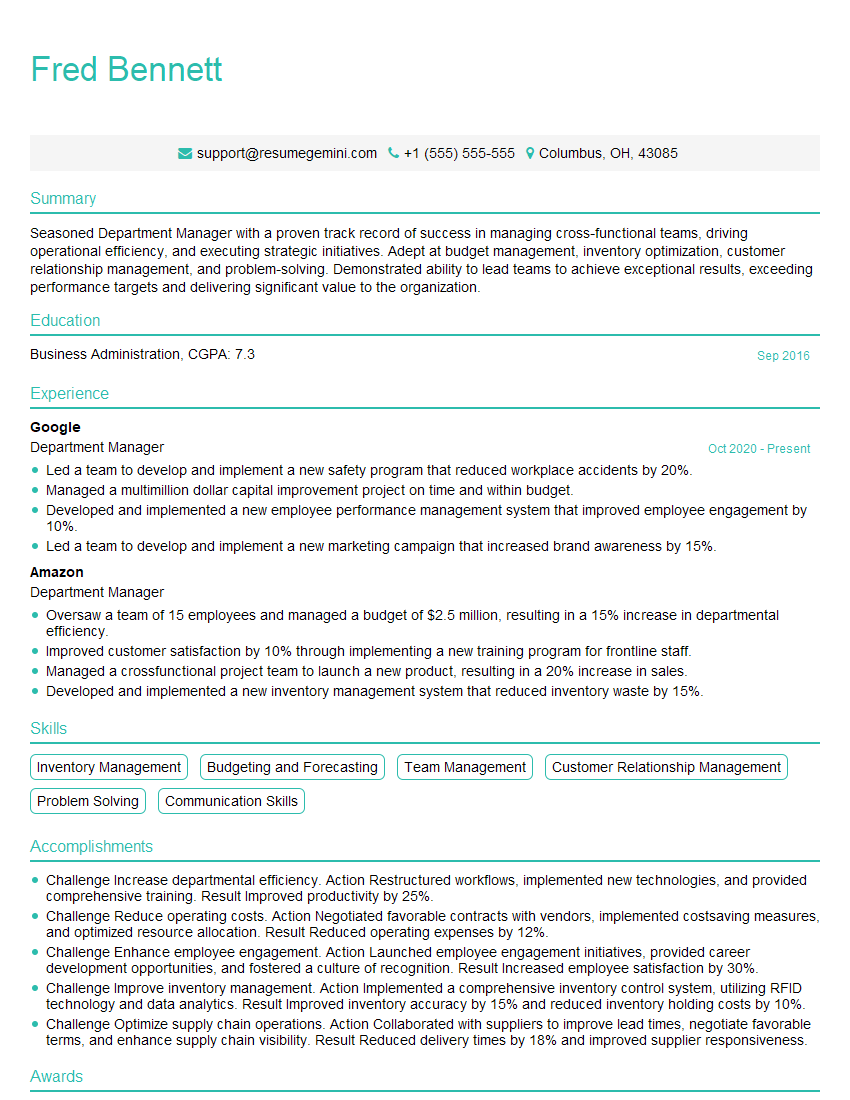
Department Manager Resume Sample
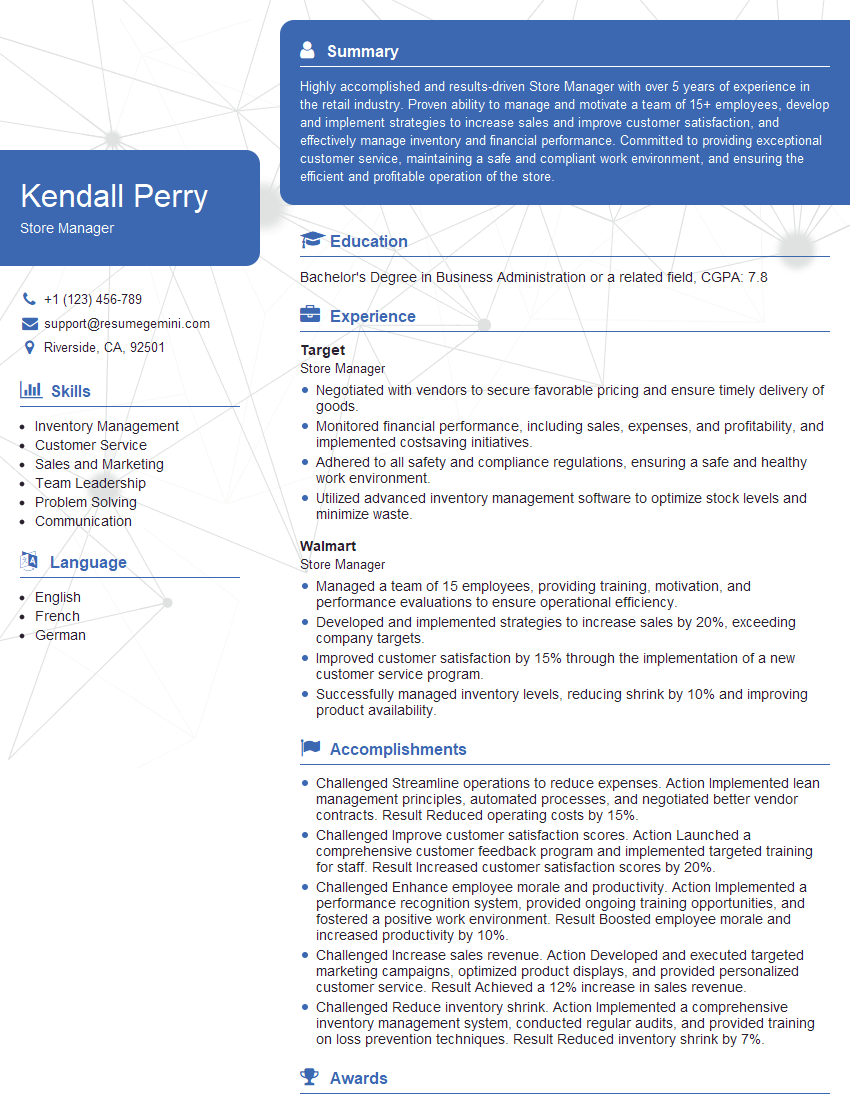
Store Manager Resume Sample
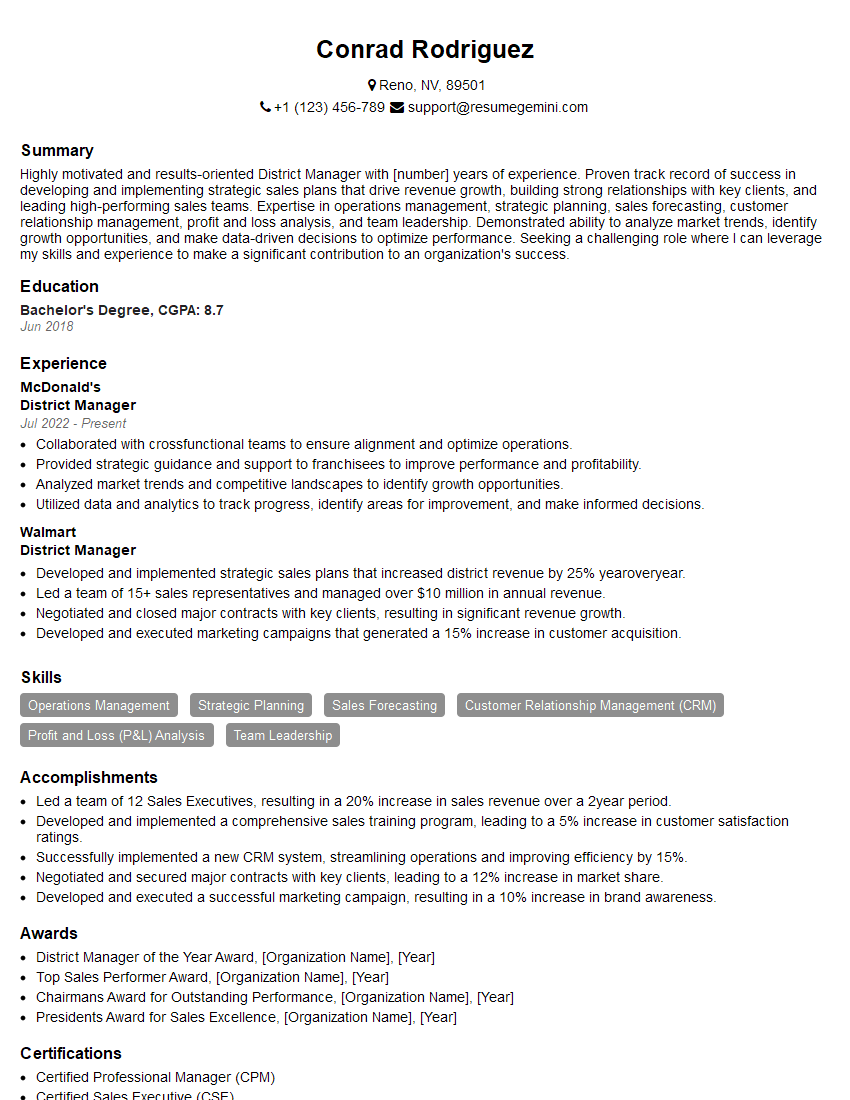
District Manager Resume Sample
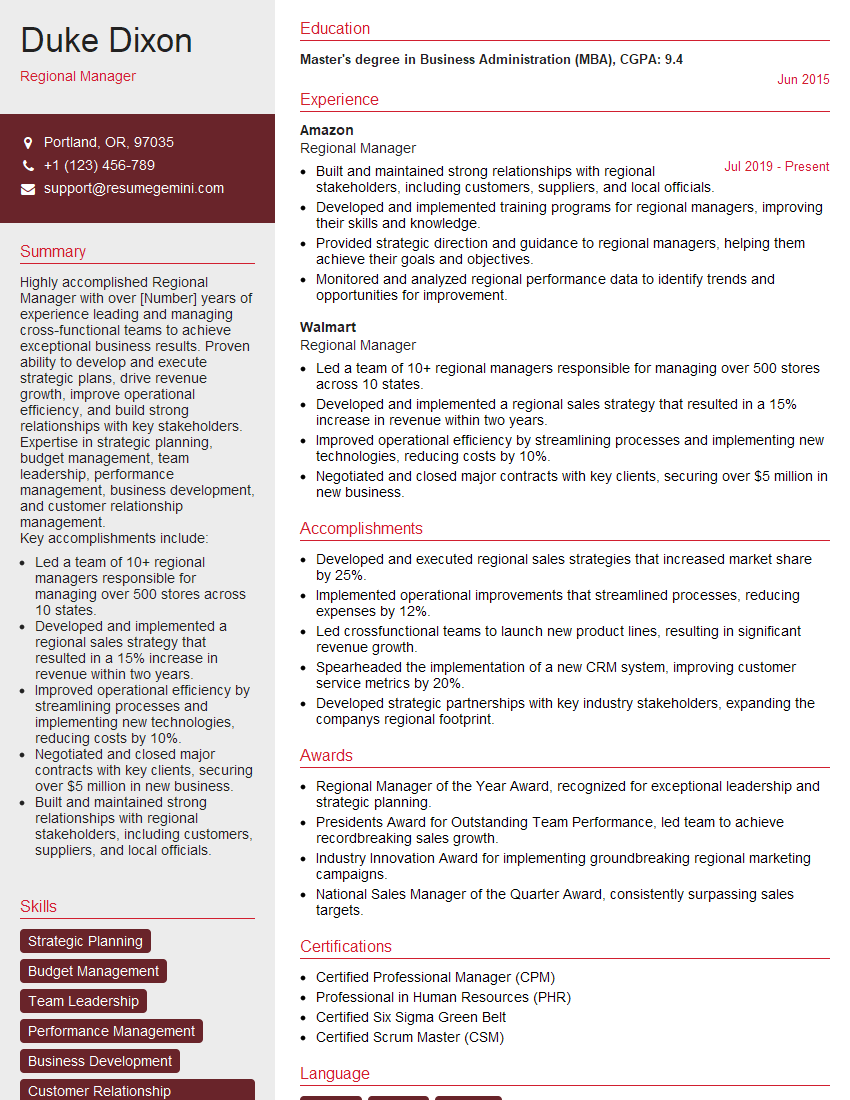
Regional Manager Resume Sample
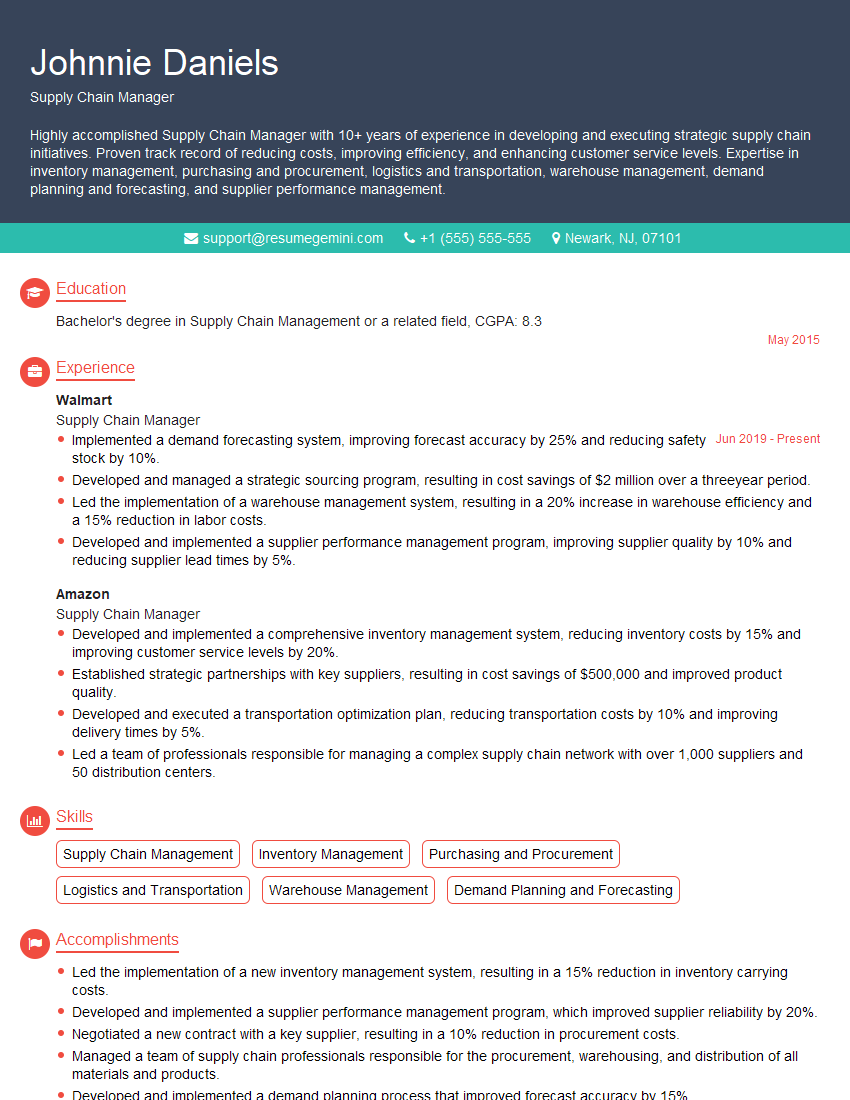
Supply Chain Manager Resume Sample
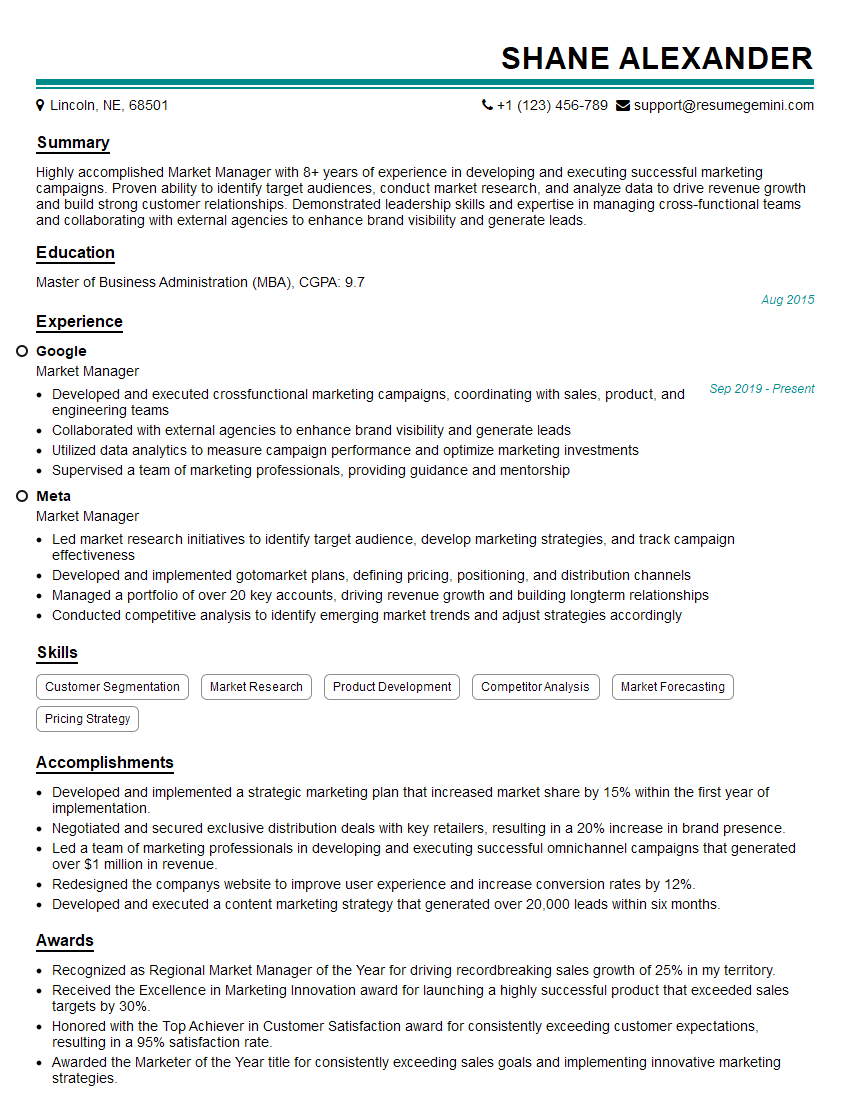
Market Manager Resume Sample
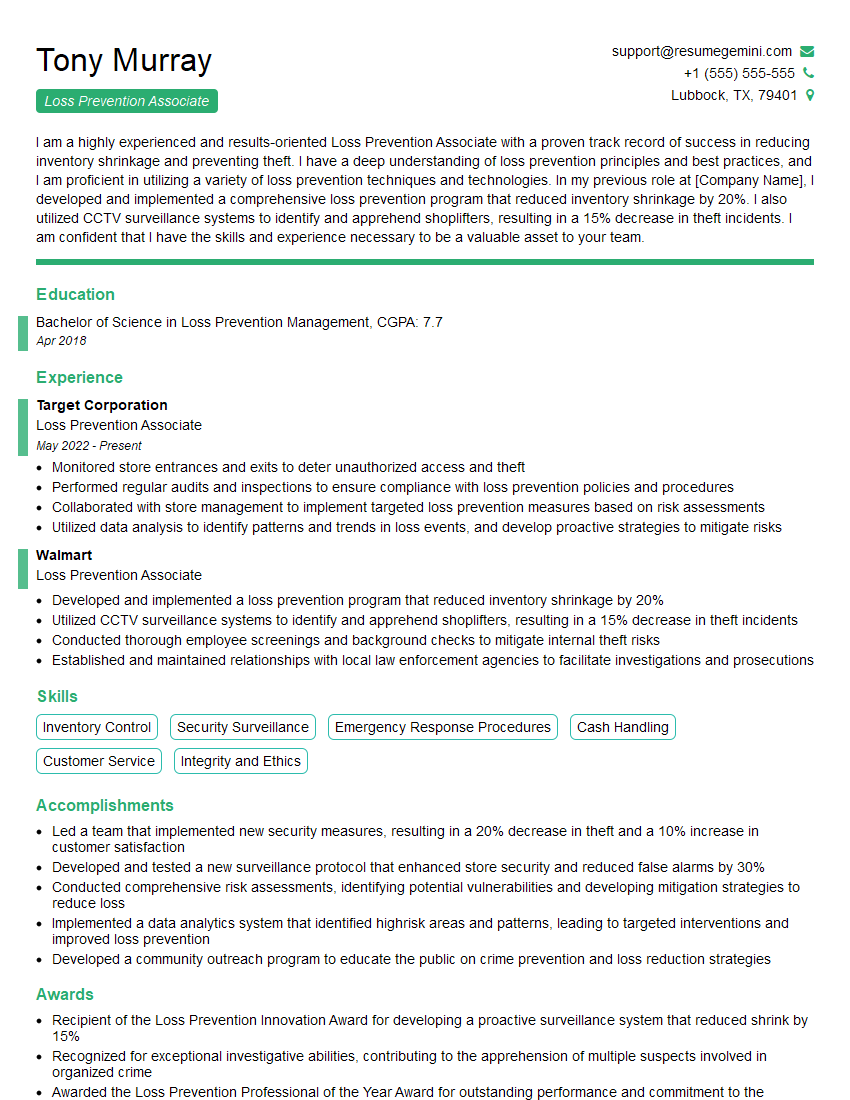
Loss Prevention Associate Resume Sample
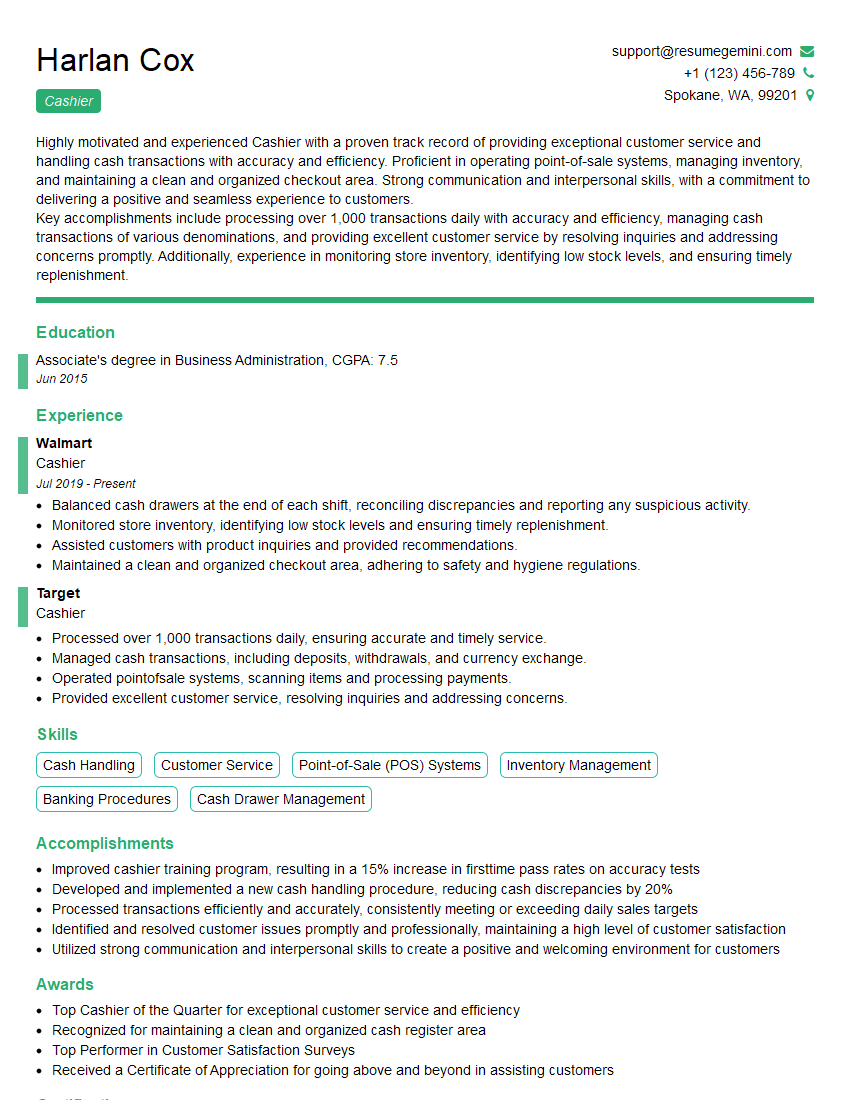
Cashier Resume Sample
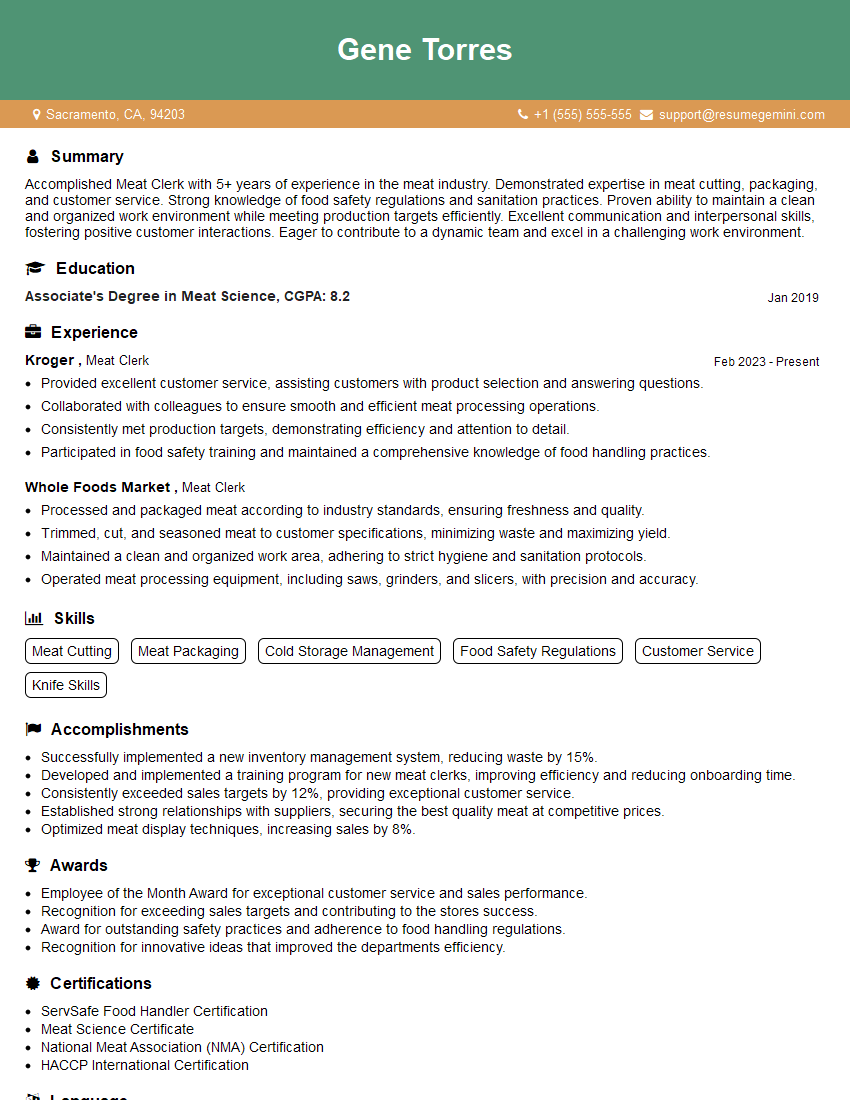
Meat Clerk Resume Sample
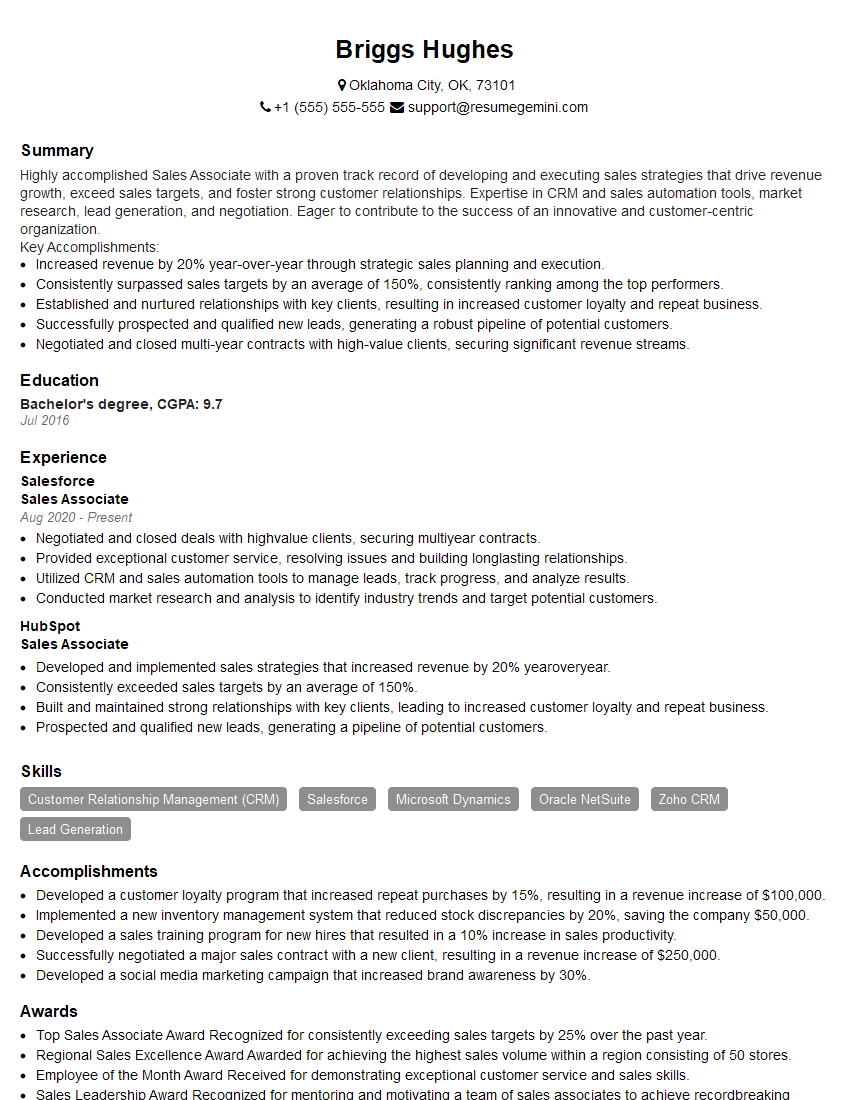
Sales Associate Resume Sample
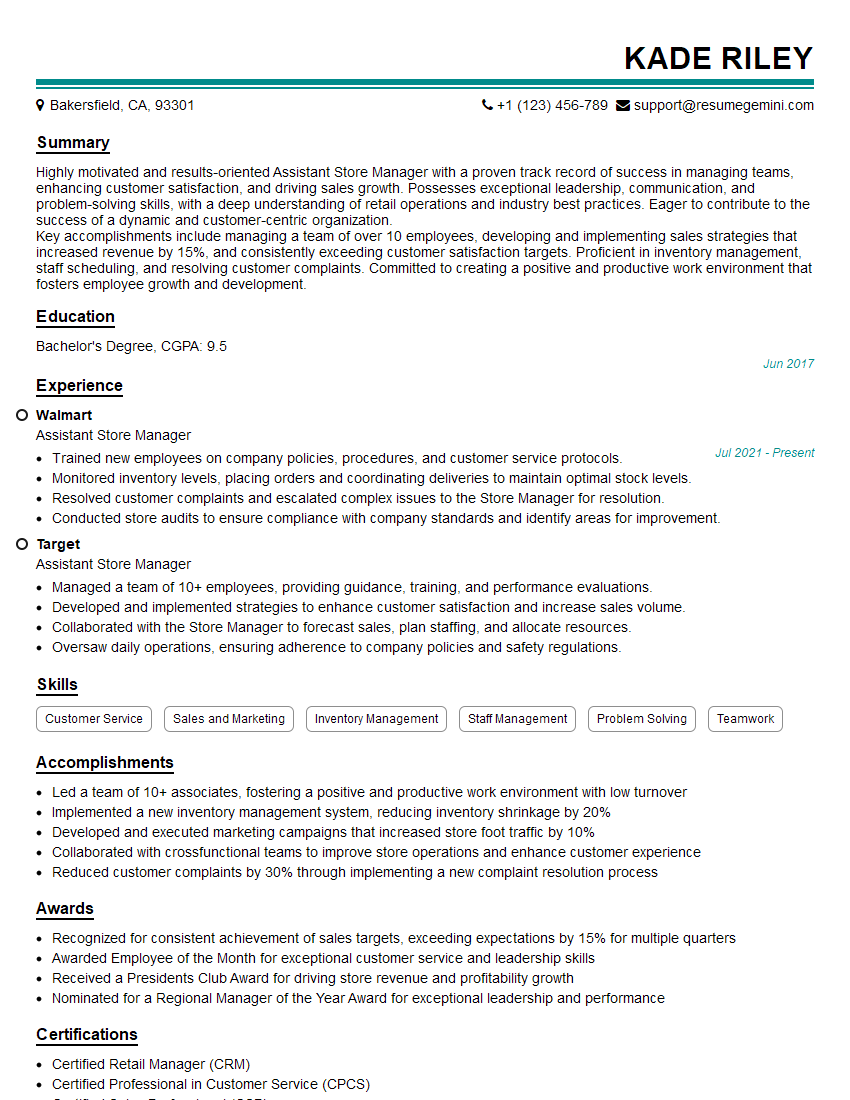
Assistant Store Manager Resume Sample
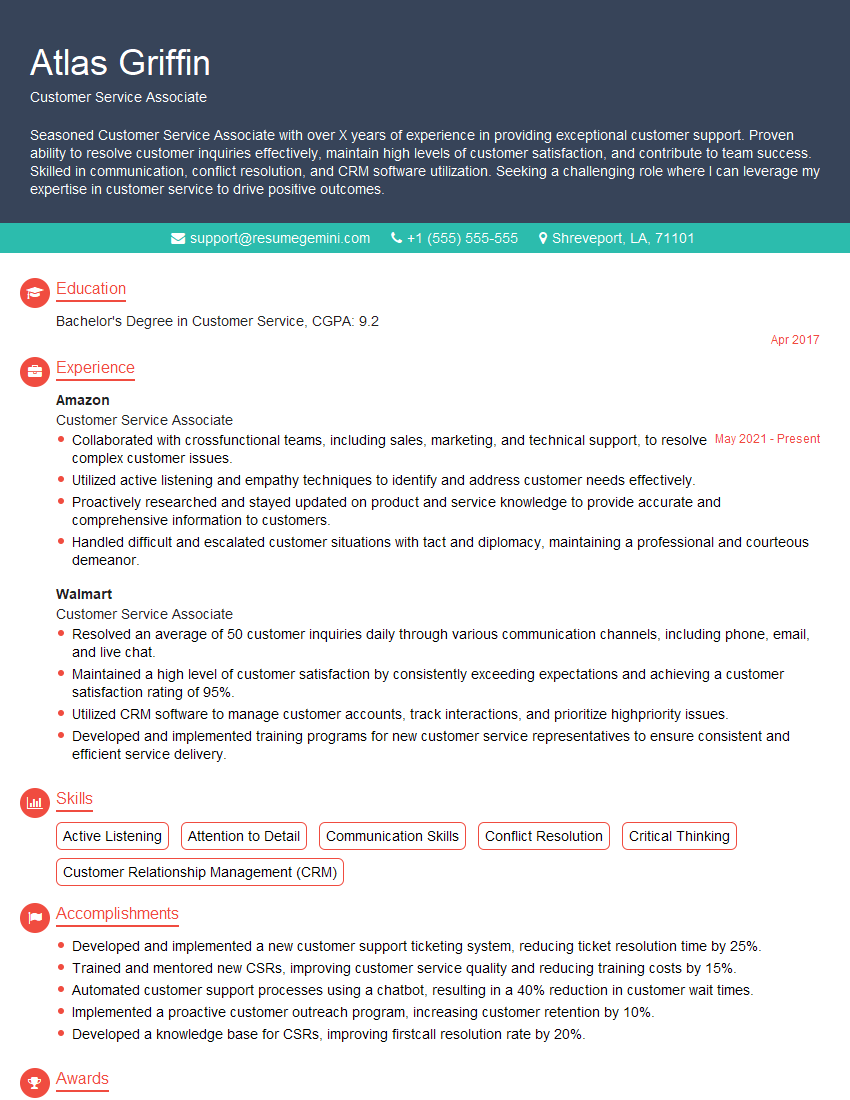
Customer Service Associate Resume Sample
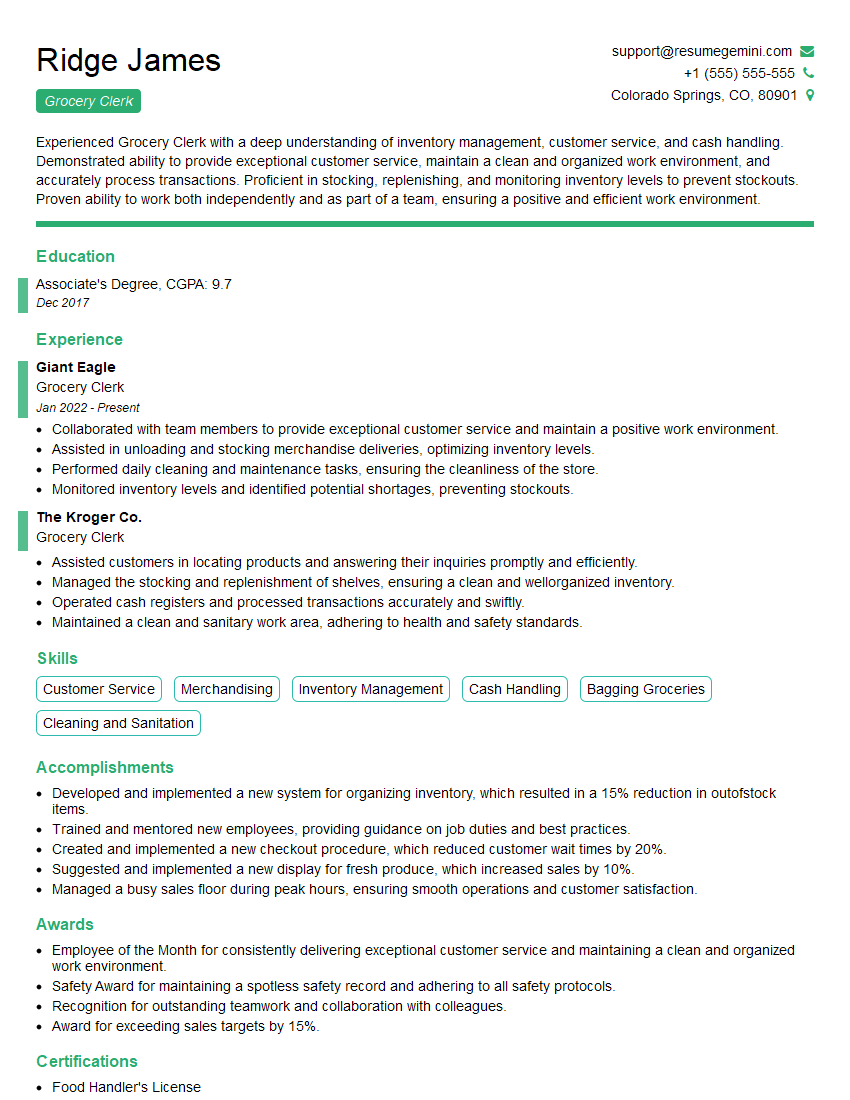
Grocery Clerk Resume Sample
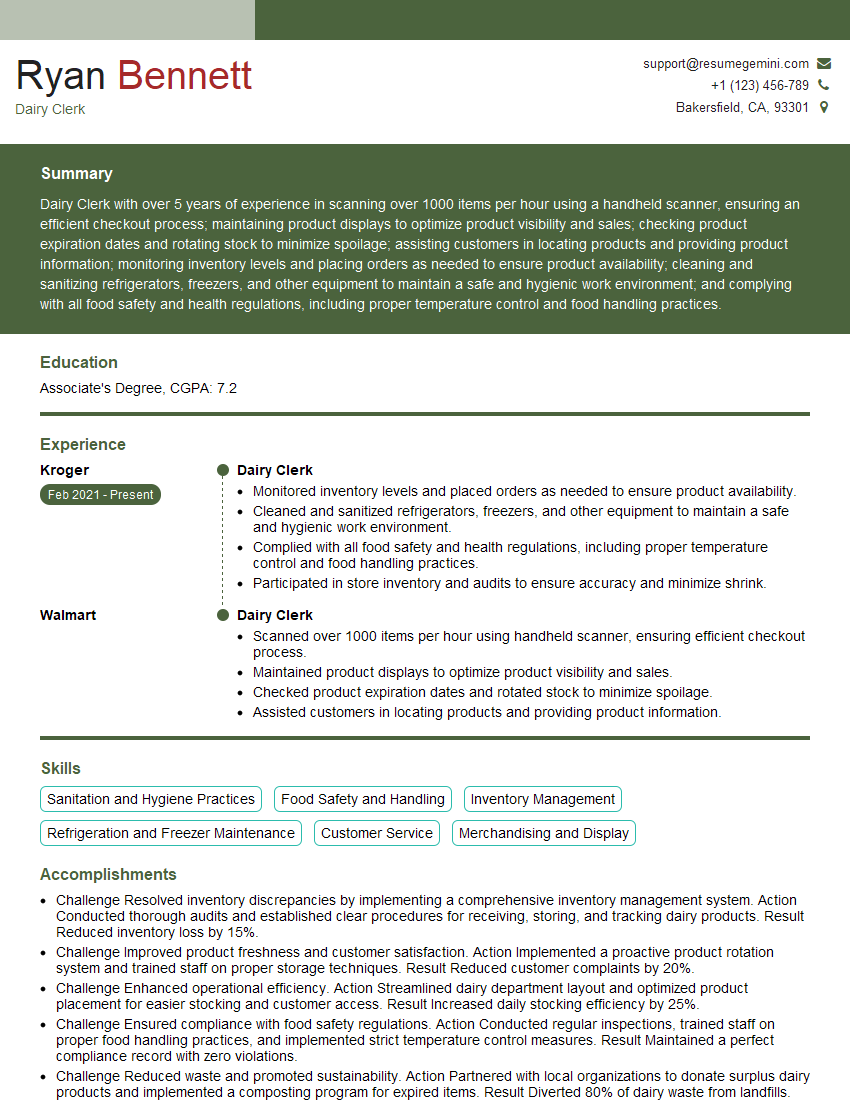
Dairy Clerk Resume Sample
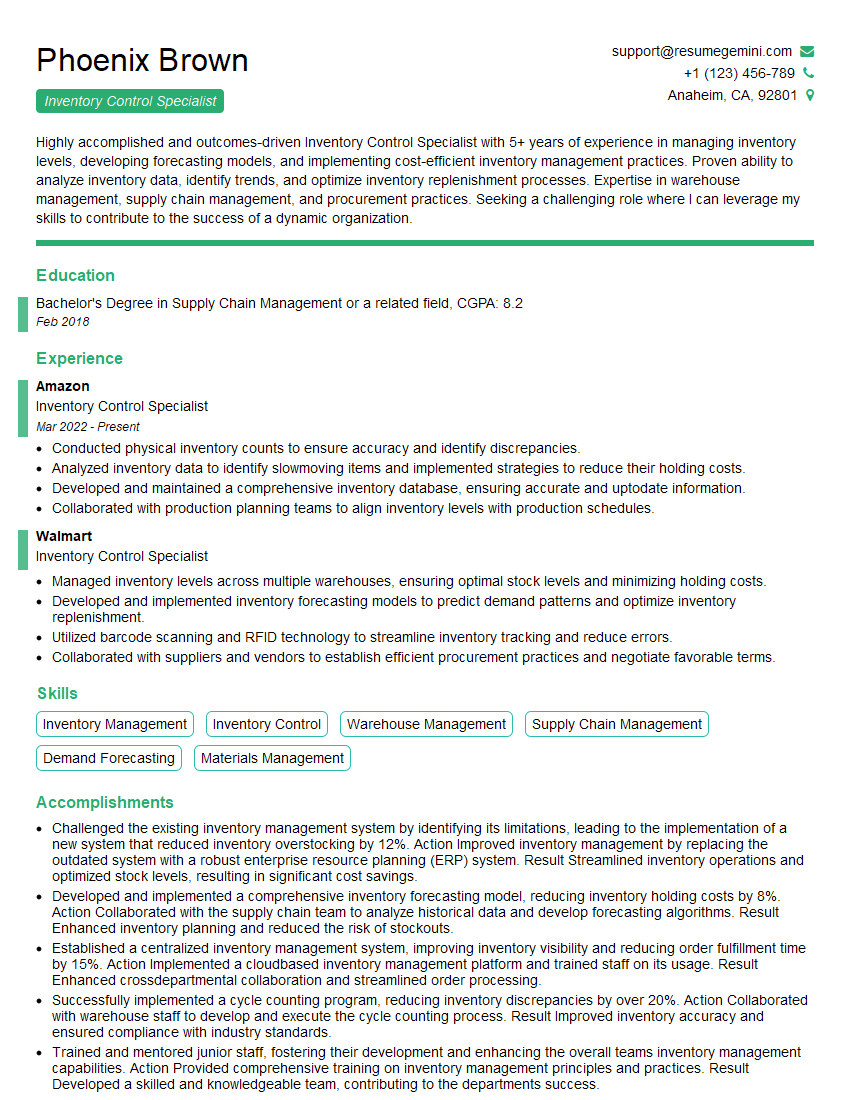
Inventory Control Specialist Resume Sample
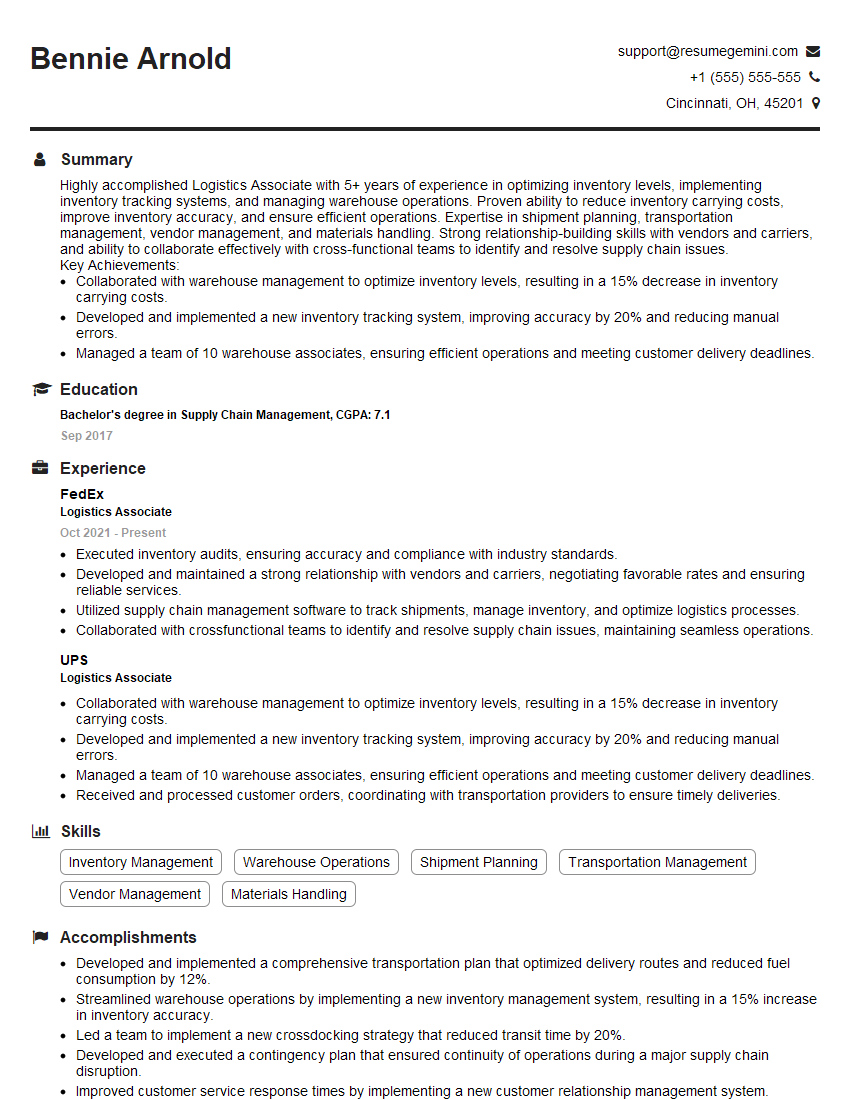
Logistics Associate Resume Sample

Produce Clerk Resume Sample
- Department Manager
- Store Manager
- District Manager
- Regional Manager
- Supply Chain Manager
- Market Manager
- Loss Prevention Associate
- Cashier
- Meat Clerk
- Sales Associate
- Assistant Store Manager
- Customer Service Associate
- Grocery Clerk
- Dairy Clerk
- Inventory Control Specialist
- Logistics Associate
- Produce Clerk
Explore more articles
Users Rating of Our Blogs
Share Your Experience
We value your feedback! Please rate our content and share your thoughts (optional).
What Readers Say About Our Blog
Attention music lovers!
Wow, All the best Sax Summer music !!!
Spotify: https://open.spotify.com/artist/6ShcdIT7rPVVaFEpgZQbUk
Apple Music: https://music.apple.com/fr/artist/jimmy-sax-black/1530501936
YouTube: https://music.youtube.com/browse/VLOLAK5uy_noClmC7abM6YpZsnySxRqt3LoalPf88No
Other Platforms and Free Downloads : https://fanlink.tv/jimmysaxblack
on google : https://www.google.com/search?q=22+AND+22+AND+22
on ChatGPT : https://chat.openai.com?q=who20jlJimmy20Black20Sax20Producer
Get back into the groove with Jimmy sax Black
Best regards,
Jimmy sax Black
www.jimmysaxblack.com
Hi I am a troller at The aquatic interview center and I suddenly went so fast in Roblox and it was gone when I reset.
Hi,
Business owners spend hours every week worrying about their website—or avoiding it because it feels overwhelming.
We’d like to take that off your plate:
$69/month. Everything handled.
Our team will:
Design a custom website—or completely overhaul your current one
Take care of hosting as an option
Handle edits and improvements—up to 60 minutes of work included every month
No setup fees, no annual commitments. Just a site that makes a strong first impression.
Find out if it’s right for you:
https://websolutionsgenius.com/awardwinningwebsites
Hello,
we currently offer a complimentary backlink and URL indexing test for search engine optimization professionals.
You can get complimentary indexing credits to test how link discovery works in practice.
No credit card is required and there is no recurring fee.
You can find details here:
https://wikipedia-backlinks.com/indexing/
Regards
NICE RESPONSE TO Q & A
hi
The aim of this message is regarding an unclaimed deposit of a deceased nationale that bears the same name as you. You are not relate to him as there are millions of people answering the names across around the world. But i will use my position to influence the release of the deposit to you for our mutual benefit.
Respond for full details and how to claim the deposit. This is 100% risk free. Send hello to my email id: [email protected]
Luka Chachibaialuka
Hey interviewgemini.com, just wanted to follow up on my last email.
We just launched Call the Monster, an parenting app that lets you summon friendly ‘monsters’ kids actually listen to.
We’re also running a giveaway for everyone who downloads the app. Since it’s brand new, there aren’t many users yet, which means you’ve got a much better chance of winning some great prizes.
You can check it out here: https://bit.ly/callamonsterapp
Or follow us on Instagram: https://www.instagram.com/callamonsterapp
Thanks,
Ryan
CEO – Call the Monster App
Hey interviewgemini.com, I saw your website and love your approach.
I just want this to look like spam email, but want to share something important to you. We just launched Call the Monster, a parenting app that lets you summon friendly ‘monsters’ kids actually listen to.
Parents are loving it for calming chaos before bedtime. Thought you might want to try it: https://bit.ly/callamonsterapp or just follow our fun monster lore on Instagram: https://www.instagram.com/callamonsterapp
Thanks,
Ryan
CEO – Call A Monster APP
To the interviewgemini.com Owner.
Dear interviewgemini.com Webmaster!
Hi interviewgemini.com Webmaster!
Dear interviewgemini.com Webmaster!
excellent
Hello,
We found issues with your domain’s email setup that may be sending your messages to spam or blocking them completely. InboxShield Mini shows you how to fix it in minutes — no tech skills required.
Scan your domain now for details: https://inboxshield-mini.com/
— Adam @ InboxShield Mini
Reply STOP to unsubscribe
Hi, are you owner of interviewgemini.com? What if I told you I could help you find extra time in your schedule, reconnect with leads you didn’t even realize you missed, and bring in more “I want to work with you” conversations, without increasing your ad spend or hiring a full-time employee?
All with a flexible, budget-friendly service that could easily pay for itself. Sounds good?
Would it be nice to jump on a quick 10-minute call so I can show you exactly how we make this work?
Best,
Hapei
Marketing Director
Hey, I know you’re the owner of interviewgemini.com. I’ll be quick.
Fundraising for your business is tough and time-consuming. We make it easier by guaranteeing two private investor meetings each month, for six months. No demos, no pitch events – just direct introductions to active investors matched to your startup.
If youR17;re raising, this could help you build real momentum. Want me to send more info?
Hi, I represent an SEO company that specialises in getting you AI citations and higher rankings on Google. I’d like to offer you a 100% free SEO audit for your website. Would you be interested?
Hi, I represent an SEO company that specialises in getting you AI citations and higher rankings on Google. I’d like to offer you a 100% free SEO audit for your website. Would you be interested?