Every successful interview starts with knowing what to expect. In this blog, we’ll take you through the top Warm-Up and Cool-Down Protocols interview questions, breaking them down with expert tips to help you deliver impactful answers. Step into your next interview fully prepared and ready to succeed.
Questions Asked in Warm-Up and Cool-Down Protocols Interview
Q 1. Explain the physiological benefits of a proper warm-up.
A proper warm-up is crucial for preparing your body for physical activity. It’s not just about feeling less stiff; it’s about optimizing your physiological systems for peak performance and injury prevention. Physiologically, a warm-up increases your body temperature, heart rate, and blood flow to muscles. This enhanced blood flow delivers more oxygen and nutrients to working muscles, improving their efficiency and reducing the risk of muscle tears or strains. Furthermore, a warm-up gradually increases your nervous system’s responsiveness, improving neuromuscular coordination and reaction time. Think of it like warming up your car engine before a long drive – it prevents unnecessary wear and tear and ensures optimal performance.
Specifically, a warm-up increases muscle elasticity and reduces muscle viscosity, making them more pliable and less prone to injury. This is partly due to an increase in synovial fluid, which lubricates your joints. Finally, a warm-up mentally prepares you for the workout, improving focus and concentration.
Q 2. Describe the difference between a general warm-up and a specific warm-up.
While both aim to prepare the body for exercise, general and specific warm-ups differ in their focus. A general warm-up involves light cardio activities that increase your heart rate and body temperature without stressing specific muscle groups. Examples include brisk walking, jogging, jumping jacks, or cycling. This prepares your cardiovascular system and increases blood flow. Think of it as a gentle wake-up call for your body.
In contrast, a specific warm-up focuses on movements similar to those you’ll perform during your main workout. For example, if you’re going for a run, your specific warm-up might include dynamic stretches like leg swings and arm circles, along with some light jogging. This prepares the specific muscles and joints for the demands of the workout. It’s like a rehearsal before a performance.
A complete warm-up usually incorporates both general and specific components.
Q 3. What are the key components of an effective warm-up for a high-intensity workout?
An effective warm-up for a high-intensity workout needs to be comprehensive and tailored to the activity. It should consist of:
- General Warm-up (5-10 minutes): Light cardio like jogging or jumping jacks to elevate heart rate and blood flow.
- Dynamic Stretching (5-10 minutes): Movement-based stretches that improve range of motion and prepare the muscles for activity. Examples include arm circles, leg swings, torso twists, and high knees. Avoid static stretches (holding a stretch) during the warm-up as they can decrease muscle power.
- Specific Warm-up (5-10 minutes): Perform movements similar to your workout at a lower intensity. For example, if you’re lifting weights, perform a few sets of lighter weight with higher repetitions. If you are sprinting, do some short, slow sprints.
The duration of each component will depend on the intensity and duration of the high-intensity workout.
Q 4. How would you modify a warm-up for an elderly client?
Modifying a warm-up for an elderly client requires careful consideration of their physical limitations and potential health concerns. The key is to prioritize safety and gradual progression.
- Reduced Intensity: Start with very low-intensity cardio, such as a slow walk or seated arm and leg movements.
- Shorter Duration: Keep the warm-up shorter, perhaps 5-7 minutes total, to avoid fatigue.
- Focus on Mobility: Emphasize range of motion exercises and gentle stretches to improve flexibility and joint mobility. Avoid deep stretches or quick movements.
- Controlled Movements: Incorporate exercises that focus on controlled and balanced movements to prevent falls or injuries.
- Consider Individual Needs: Always consult with the client’s physician or physical therapist to understand any specific limitations or conditions and tailor the warm-up accordingly.
For instance, instead of jumping jacks, an elderly client might perform seated marches or arm raises. Instead of lunges, they might perform step-ups onto a low platform.
Q 5. What are the risks of inadequate warm-up?
Inadequate warm-up carries significant risks, including:
- Increased Risk of Injury: Cold, tight muscles are more susceptible to strains, tears, and sprains. This is because they are less elastic and have reduced blood flow, hindering the ability to withstand stress.
- Reduced Performance: Without proper preparation, muscles won’t be able to perform at their optimal level, leading to decreased strength, speed, and endurance.
- Muscle Soreness: Improperly prepared muscles experience more micro-tears during exercise, resulting in increased muscle soreness and recovery time.
- Increased Risk of Cardiovascular Events: Sudden, strenuous activity without a warm-up can put a strain on the heart, particularly in individuals with pre-existing conditions.
Think of it as trying to sprint immediately after waking up – the risk of injury and poor performance is significantly higher compared to a well-executed warm-up.
Q 6. Explain the physiological benefits of a proper cool-down.
A proper cool-down is just as important as a warm-up. It helps your body transition gradually from intense exercise back to a resting state. Physiologically, it promotes gradual reduction in heart rate and blood pressure, preventing a sudden drop that can lead to dizziness or fainting. It also helps remove metabolic waste products from the muscles, reducing muscle soreness and stiffness. By continuing blood flow to muscles after exercise, a cool-down facilitates nutrient delivery and waste removal, supporting muscle recovery and repair. Finally, it lowers your body temperature gradually.
Q 7. What are the components of an effective cool-down?
An effective cool-down typically involves:
- Light Cardio (5-10 minutes): Continue the activity at a very low intensity, such as slow walking or cycling. This gradually lowers your heart rate and breathing.
- Static Stretching (10-15 minutes): Hold each stretch for 20-30 seconds. Focus on major muscle groups used during the workout. Examples include hamstring stretches, quadriceps stretches, and shoulder stretches. This improves flexibility, reduces muscle soreness, and helps prevent stiffness.
The purpose is to gradually reduce the intensity of the activity and help the body return to its resting state. Avoid sudden stops after intense exercise. Think of it as gently winding down after a busy day.
Q 8. How does static stretching differ from dynamic stretching in a cool-down?
The key difference between static and dynamic stretching in a cool-down lies in the type of muscle contraction involved. Static stretching involves holding a stretch in a stationary position, lengthening the muscle to its point of mild discomfort and holding for a period of time (typically 15-30 seconds). This is generally less suitable for cool-downs as it can decrease muscle performance after intense activity. Dynamic stretching, on the other hand, involves controlled movements that take your joints and muscles through their full range of motion. Think arm circles, leg swings, or torso twists. In a cool-down, dynamic stretching is preferred because it promotes continued blood flow and gradually reduces muscle temperature without significantly compromising strength or power. Imagine trying to sprint immediately after holding a deep hamstring stretch – it wouldn’t feel right! Dynamic stretches, however, help the body transition smoothly back to a resting state.
Q 9. When is it appropriate to use PNF stretching in a cool-down?
PNF (Proprioceptive Neuromuscular Facilitation) stretching, a technique involving contracting and relaxing muscles, is generally not recommended for cool-downs. PNF stretching is more intensive and requires active muscle engagement. Cool-downs aim for relaxation and recovery. Using PNF at this stage could lead to muscle soreness or even injury. Its place is during warm-ups or separate sessions aimed at improving flexibility, not during the recovery phase.
Q 10. What are the risks of inadequate cool-down?
Inadequate cool-downs can lead to several negative consequences. Firstly, it can hinder the body’s natural recovery process, potentially resulting in increased muscle soreness, stiffness, and even delayed-onset muscle soreness (DOMS). The sudden cessation of activity causes blood to pool in the extremities, slowing the removal of metabolic waste products that contribute to soreness. Secondly, it can increase the risk of injury as muscles remain tight and less adaptable to subsequent movements. Thirdly, failure to gradually reduce heart rate and breathing rate can stress the cardiovascular system. Finally, it can negatively impact performance in subsequent workouts. A proper cool-down aids in the dissipation of lactic acid, facilitating faster recovery for the next training session. Think of it like letting a hot engine gradually cool down instead of abruptly shutting it off – it protects the system and prevents damage.
Q 11. How do you assess a client’s readiness for exercise to determine appropriate warm-up intensity?
Assessing a client’s readiness involves a multi-faceted approach. It starts with a thorough health history and current physical activity level. Then, I’d use a combination of methods to gauge their readiness for exercise and to determine appropriate warm-up intensity:
- Subjective Assessment: We’ll have a conversation about how they feel that day – their energy levels, any pre-existing pain or discomfort, and their sleep quality. This provides a holistic view of their readiness.
- Rating of Perceived Exertion (RPE): I’ll use the Borg scale (0-10) or similar scale to help the client quantify their exertion during initial low-intensity movement. This enables me to adjust the intensity based on their feedback in real-time.
- Heart Rate Monitoring: Resting heart rate and heart rate response to light activity help determine cardiovascular preparedness and guide the intensity of the warm-up. This would not be necessary for all clients but offers a valuable objective measure.
- Physical Observation: I’ll assess their posture, movement quality, and general readiness for movement.
Q 12. Describe a warm-up protocol for a client with lower back pain.
A warm-up for a client with lower back pain needs to prioritize spinal mobility and muscle activation without exacerbating the pain. Here’s a sample protocol:
- Light Cardio (5 minutes): Start with gentle cardio like walking or cycling on a stationary bike at a low intensity to increase blood flow and prepare the body for movement.
- Spinal Mobility Exercises (5 minutes): Include pelvic tilts, cat-cow stretches, gentle spinal rotations. These help improve spinal flexibility and reduce stiffness.
- Dynamic Stretching (5 minutes): Focus on lower body dynamic stretches like leg swings (forward and side) and torso twists, ensuring that movement does not cause any lower back pain.
- Muscle Activation (5 minutes): Engage core muscles with bird-dog exercises, planks (modified if necessary), and glute bridges. These help stabilize the spine and reduce the strain on the lower back during subsequent exercises.
Q 13. Design a cool-down routine for a marathon runner.
A cool-down for a marathon runner needs to be thorough to aid in recovery and prevent post-race problems. This routine would follow a 20-30 minute period of walking after the race is completed:
- Slow Jog (5-10 minutes): Gradual reduction in pace to allow the heart rate to return towards its resting rate.
- Dynamic Stretching (5-10 minutes): Focus on large muscle groups used during running, including leg swings, arm circles, and torso twists. This helps increase blood flow and reduce muscle stiffness.
- Static Stretching (5-10 minutes): Hold stretches for the major leg muscles (hamstrings, quads, calves, hip flexors) for 20-30 seconds each.
- Hydration and Nutrition: Replenish fluids and electrolytes lost during the race. A light carbohydrate snack can help restore energy stores.
Q 14. How would you adapt a warm-up for a client with hypertension?
Adapting a warm-up for a client with hypertension requires careful attention to avoid sudden increases in blood pressure. Here’s a modified approach:
- Avoid Intense Cardio Initially: Begin with very light cardio, such as a slow walk, for a shorter duration (e.g., 3-5 minutes) to gradually elevate heart rate. Avoid activities that cause rapid spikes in blood pressure.
- Focus on Range of Motion: Prioritize dynamic stretching exercises that improve flexibility and joint mobility without significantly increasing heart rate. The focus should be gentle movement and controlled breathing.
- Monitor Blood Pressure: If possible, monitor blood pressure both before and after the warm-up, providing data for informed decision-making for future sessions.
- Incorporate Breathing Exercises: Controlled breathing techniques can help regulate blood pressure and reduce stress, contributing to a safer and more effective warm-up.
- Short, Frequent Intervals: If a longer warm-up is necessary, divide it into shorter intervals to prevent sustained increases in blood pressure and heart rate.
Q 15. How would you adapt a cool-down for a client with arthritis?
Adapting a cool-down for a client with arthritis requires a focus on gentle movements that maintain mobility and reduce joint stiffness, while avoiding any actions that could exacerbate pain. We want to promote blood flow to reduce inflammation and improve range of motion, but very slowly.
Instead of intense stretching, I would incorporate low-impact range-of-motion exercises. For example, slow, controlled arm circles or leg swings, keeping movements within a comfortable pain-free range. Gentle wrist and ankle rotations would also be beneficial.
I’d also include light cardio, such as a slow walk or stationary cycling for 5-10 minutes. This helps to gradually decrease heart rate and breathing, but is important for circulation in their joints as well.
Following this gentle activity, I’d utilize static stretches, holding each for only 15-20 seconds. This allows the muscles to relax without causing additional stress on inflamed joints. I’d focus on major joints – such as shoulders, hips, knees and ankles, avoiding any deep stretching that might cause discomfort. Finally, it’s crucial to listen to the client’s feedback throughout the cool-down and adjust accordingly. If any movement causes pain, we immediately stop and try a different, gentler alternative.
Career Expert Tips:
- Ace those interviews! Prepare effectively by reviewing the Top 50 Most Common Interview Questions on ResumeGemini.
- Navigate your job search with confidence! Explore a wide range of Career Tips on ResumeGemini. Learn about common challenges and recommendations to overcome them.
- Craft the perfect resume! Master the Art of Resume Writing with ResumeGemini’s guide. Showcase your unique qualifications and achievements effectively.
- Don’t miss out on holiday savings! Build your dream resume with ResumeGemini’s ATS optimized templates.
Q 16. What are the signs and symptoms of overtraining, and how can warm-up and cool-down protocols help mitigate them?
Overtraining, a state where the body’s demands exceed its recovery capacity, manifests through several signs and symptoms. These can include persistent muscle soreness, fatigue, decreased performance, mood swings, sleep disturbances, increased risk of illness, and even injuries.
Proper warm-up and cool-down protocols are crucial in mitigating these risks. A well-designed warm-up increases blood flow to muscles, prepares the neuromuscular system, and elevates body temperature, priming the body for exercise and reducing injury risk. This can be thought of as lubricating the engine of a car before you take it for a long drive.
Conversely, a thorough cool-down helps to gradually return the body to a resting state. It aids in removing metabolic waste products from muscles, reduces muscle soreness, and promotes relaxation. This is similar to letting your car engine cool down gradually after a long drive. By addressing both the preparation and recovery phases, we can significantly reduce the likelihood of overtraining syndrome.
Q 17. Explain the role of neuromuscular preparation in a warm-up.
Neuromuscular preparation is a critical component of any effective warm-up. It focuses on improving the communication between your nervous system and your muscles, enhancing coordination, power, and reducing injury risk. Think of it as ‘waking up’ your muscles and nervous system before more intense work. It’s not just about raising your heart rate.
This is achieved through activities like dynamic stretching (controlled movements through a range of motion, such as arm circles, leg swings, torso twists), and balance drills (single-leg stances, wobble board exercises) improving stability and proprioception (your body’s awareness of its position in space). Additionally, light cardiovascular activity like jogging or jumping jacks helps increase blood flow and prepare your muscles for activity.
For example, before a weight training session, performing dynamic stretches for the legs and shoulders will improve the body’s responsiveness before the lifting exercise. Doing so will improve motor recruitment (efficiency) and reduce the chance of muscular tears. This improves the quality of your workout and helps prevent injury.
Q 18. How do you incorporate mobility drills into a warm-up?
Mobility drills are seamlessly integrated into a warm-up to enhance flexibility and range of motion. These are not your static stretches but active movements, and they should be done dynamically before the more intense portions of exercise.
Examples include:
- Arm circles: Forward and backward circles to improve shoulder mobility.
- Leg swings: Forward, backward, and side-to-side swings to loosen up hip and hamstring muscles.
- Torso twists: Gentle rotations of the torso to increase spinal mobility.
- Cat-cow: A yoga-based movement that gently stretches the spine and improves flexibility.
The number of repetitions and sets of each drill depend on the individual’s fitness level and the intensity of the subsequent workout. Always prioritize quality over quantity, ensuring each movement is controlled and pain-free.
Q 19. How do you progress the intensity of a warm-up based on client response?
Progressing warm-up intensity is highly individualized and depends entirely on the client’s response. It’s not just about adhering to a pre-set plan. We start with low-intensity exercises and gradually increase the intensity based on the client’s feedback.
I would start by observing their body language. Do they appear relaxed and ready to proceed? Are they reporting any discomfort? This would inform the increase of intensity. It’s a step-wise approach; for instance, starting with light cardio, then progressing to slightly more intense cardio, and subsequently incorporating dynamic stretching, then finally adding some body weight exercises.
If the client displays signs of fatigue or discomfort at any point, the intensity should be lowered immediately. It’s better to err on the side of caution. We would then reduce the intensity or the duration of the workout. The goal is to ensure the warm-up prepares the body for the workout without overstressing it. Regular communication and observation are key.
Q 20. What are the contraindications for certain types of stretching in warm-up and cool-down?
Certain stretches have contraindications, meaning they shouldn’t be performed in specific circumstances. These contraindications can vary based on the type of stretch and the individual’s condition.
For instance, ballistic stretches (bouncing movements) should generally be avoided during warm-ups, especially for those with joint issues or a history of injuries. These can cause undue stress on the joints and muscles. Similarly, deep stretches, held for extended periods, are better suited for cool-downs, after muscles are already warm, because they could be too stressful at the beginning of a workout.
Individuals with conditions like osteoporosis, recent fractures, or acute muscle injuries may need to avoid certain stretches completely. Any existing injury or health condition needs to be taken into account when planning warm-up and cool-down routines. A proper assessment of the individual and their current physical state is critical, and tailoring the protocols accordingly is paramount.
Q 21. How do you modify warm-up and cool-down routines for clients with different fitness levels?
Modifying warm-up and cool-down routines for clients with different fitness levels is essential for safety and effectiveness. We will never have a “one-size fits all” approach.
For beginners, I would recommend a shorter warm-up focusing on basic movements with minimal intensity. This would include gentle cardio, like a brisk walk, followed by simple dynamic stretches. The cool-down would be similarly less intense, focusing on gentle static stretches held for shorter durations.
For more experienced clients, the warm-up could be longer and more intense, incorporating more challenging dynamic stretches and higher-intensity cardio. The cool-down would involve a longer period of stretching with a greater range of motion, possibly incorporating foam rolling or self-massage.
In both cases, we would listen to the client’s body and be prepared to adjust the intensity and duration of the warm-up and cool-down as needed. It’s always about progress, not perfection. Continuous assessment of the client’s response and adapting the exercise plan are critical to safe and effective training.
Q 22. Explain the importance of hydration in warm-up and cool-down protocols.
Hydration is paramount in warm-up and cool-down protocols because it directly impacts performance and recovery. Think of your body as a high-performance engine; it needs the right fuel (water) to operate efficiently. Dehydration, even mild, reduces blood volume, impacting oxygen delivery to muscles. This can lead to decreased performance during exercise and slower recovery afterward.
During a warm-up, adequate hydration ensures muscles receive enough oxygen and nutrients, improving flexibility and reducing the risk of injury. During the cool-down, sufficient hydration helps flush out metabolic waste products, like lactic acid, which accumulate during exercise and contribute to muscle soreness.
Practical Application: Encourage clients to drink water before, during, and after exercise. The amount varies by individual factors like body weight, intensity, and duration of activity, but a good rule of thumb is to drink consistently throughout the day, and especially before, during, and after exercise sessions.
Q 23. How do you assess the effectiveness of a warm-up and cool-down?
Assessing the effectiveness of warm-up and cool-down routines involves a multi-faceted approach. We should look at both subjective and objective measures.
- Subjective Measures: These rely on the individual’s feedback. Did they feel properly prepared for the activity? Did they feel less stiff or sore after the cool-down? Asking questions like, “How did your body feel during the workout?” and “How do you feel now, after the cool-down?” provides valuable insight.
- Objective Measures: These involve measurable data. For example, we might track heart rate recovery (how quickly the heart rate returns to resting levels after exercise). A faster recovery rate generally indicates a more effective cool-down. Range of motion (ROM) testing before and after can also assess the impact of the warm-up and cool-down on flexibility.
Example: If a client reports feeling stiff and sore after a workout despite a cool-down, it suggests the routine might be inadequate. We might then adjust it, adding more stretching or self-myofascial release (SMR).
Q 24. What are some common mistakes people make in their warm-up and cool-down routines?
Many common mistakes compromise the effectiveness of warm-up and cool-down routines. These include:
- Insufficient Duration: A rushed warm-up doesn’t adequately prepare the body, increasing injury risk. Similarly, a short cool-down allows lactic acid to accumulate, resulting in soreness.
- Static Stretching Before Exercise: Static stretching (holding a stretch) before activity can inhibit muscle performance. It’s better suited for the cool-down.
- Ignoring Individual Needs: Warm-up and cool-down routines should be tailored to the individual’s fitness level, activity, and any pre-existing conditions. A marathon runner will have a different warm-up than a beginner.
- Neglecting the Cool-Down: Many skip the cool-down altogether, which is a serious error. The cool-down is just as crucial as the warm-up for recovery and injury prevention.
Q 25. Describe the importance of self-myofascial release (SMR) in warm-up and cool-down.
Self-myofascial release (SMR), often using tools like foam rollers or massage balls, plays a significant role in both warm-up and cool-down. It involves applying pressure to tight areas of muscle tissue to release tension and improve blood flow.
In Warm-Up: SMR can help increase muscle temperature and flexibility, preparing the muscles for exercise. Think of it as loosening up the engine before driving.
In Cool-Down: SMR helps alleviate muscle soreness and stiffness by reducing inflammation and flushing out metabolic waste products. It promotes faster recovery and reduces the risk of delayed onset muscle soreness (DOMS).
Example: Before a leg workout, a client might use a foam roller to target the quads and hamstrings. After the workout, the same SMR techniques can be used to address any tension or soreness.
Q 26. How do you address client concerns or questions regarding warm-up and cool-down procedures?
Addressing client concerns and questions about warm-up and cool-down routines requires empathy, clear communication, and a willingness to personalize approaches.
I start by actively listening to their concerns. If they express discomfort or find a specific element challenging, I explore the reason. Is it due to a lack of understanding, physical limitations, or something else? Once I understand the root cause, I can offer tailored solutions. For example, if a client struggles with hamstring flexibility, we might incorporate specific stretches and SMR techniques to gradually improve it. I always emphasize the importance of proper technique and listening to their body.
Providing educational materials or resources, such as handouts or videos demonstrating proper warm-up and cool-down exercises, can further alleviate concerns and boost confidence.
Q 27. How can you use technology (e.g., heart rate monitors) to guide warm-up and cool-down intensity?
Heart rate monitors provide valuable objective data for guiding warm-up and cool-down intensity. They allow for a more personalized and data-driven approach.
Warm-Up: The goal during the warm-up is to gradually increase heart rate to a moderate level, typically 50-70% of maximum heart rate (MHR). Using a heart rate monitor ensures the client doesn’t start too intensely, which could lead to injury. We can adjust the intensity of the warm-up exercises based on the heart rate response.
Cool-Down: During the cool-down, the goal is to gradually decrease the heart rate. The heart rate monitor helps ensure the client isn’t overexerting themselves during the cool-down, which could hinder recovery. We look for a gradual decrease towards resting heart rate.
Example: A client aims for a 60% MHR during a warm-up. If the heart rate exceeds this, we reduce the intensity; if it’s below, we can slightly increase it. This ensures optimal preparation without overexertion.
Q 28. Explain the difference between active and passive recovery in a cool-down.
Active and passive recovery are two distinct approaches to the cool-down phase. They differ in how they reduce heart rate and promote recovery.
- Active Recovery: Involves low-intensity movements, such as light jogging or walking, to gradually reduce heart rate and blood pressure. This helps remove metabolic waste products and promotes blood flow, aiding in recovery. Think of it like gently decelerating a car instead of slamming on the brakes.
- Passive Recovery: This focuses on complete rest and relaxation. It might involve static stretching, foam rolling, or simply resting. Passive recovery allows the body to passively recover and reduces the demand on the cardiovascular system. This approach is best suited for individuals who are highly fatigued or have completed intense workouts.
Choosing the Right Approach: The best approach depends on the intensity and duration of the workout. High-intensity workouts generally benefit from a period of active recovery before transitioning to passive recovery (stretching and relaxation). Less intense workouts might require only passive recovery.
Key Topics to Learn for Warm-Up and Cool-Down Protocols Interview
- Physiological Principles: Understanding the impact of warm-up on muscle temperature, blood flow, and joint mobility; the role of cool-down in reducing muscle soreness and promoting recovery.
- Warm-up Techniques: Analyzing different warm-up strategies (general, specific, dynamic); applying appropriate warm-up protocols based on activity type and intensity.
- Cool-down Techniques: Evaluating various cool-down methods (static stretching, active recovery); understanding the benefits of each and selecting appropriate techniques for different activities.
- Practical Application: Designing individualized warm-up and cool-down protocols for specific populations (athletes, elderly, individuals with injuries); adapting protocols based on environmental conditions (heat, cold).
- Injury Prevention: Discussing the role of proper warm-up and cool-down in reducing the risk of muscle strains, sprains, and other common injuries.
- Performance Enhancement: Explaining how effective warm-up and cool-down routines contribute to improved athletic performance, including increased power, speed, and agility.
- Monitoring and Adjustment: Describing methods for monitoring the effectiveness of warm-up and cool-down protocols; adapting protocols based on individual responses and feedback.
- Research and Evidence-Based Practice: Demonstrating familiarity with current research and best practices in warm-up and cool-down protocols.
Next Steps
Mastering warm-up and cool-down protocols is crucial for demonstrating a comprehensive understanding of fitness and injury prevention, significantly enhancing your career prospects in related fields. A strong resume is your first step towards showcasing this expertise. Creating an ATS-friendly resume is essential for getting your application noticed. To help you build a compelling and effective resume, we encourage you to use ResumeGemini, a trusted resource for crafting professional resumes. Examples of resumes tailored to highlight expertise in Warm-Up and Cool-Down Protocols are available to guide you.

Wellness Coach Resume Sample
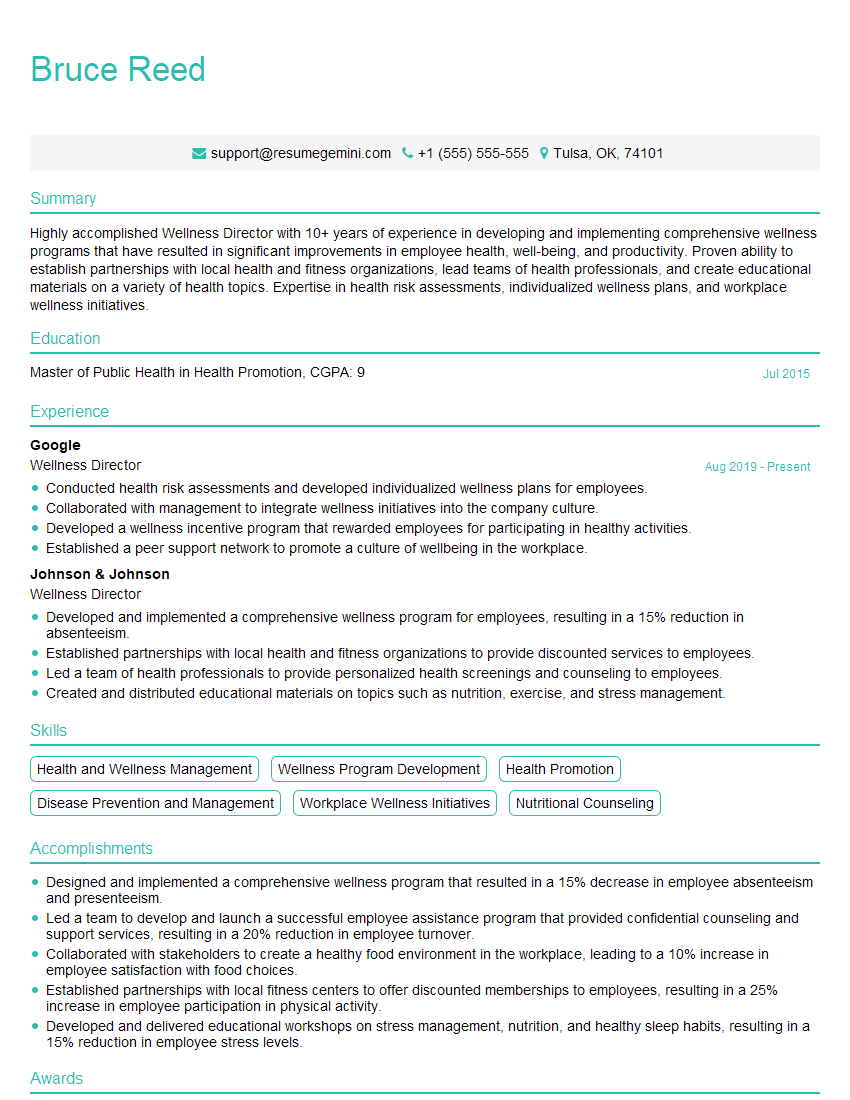
Wellness Director Resume Sample
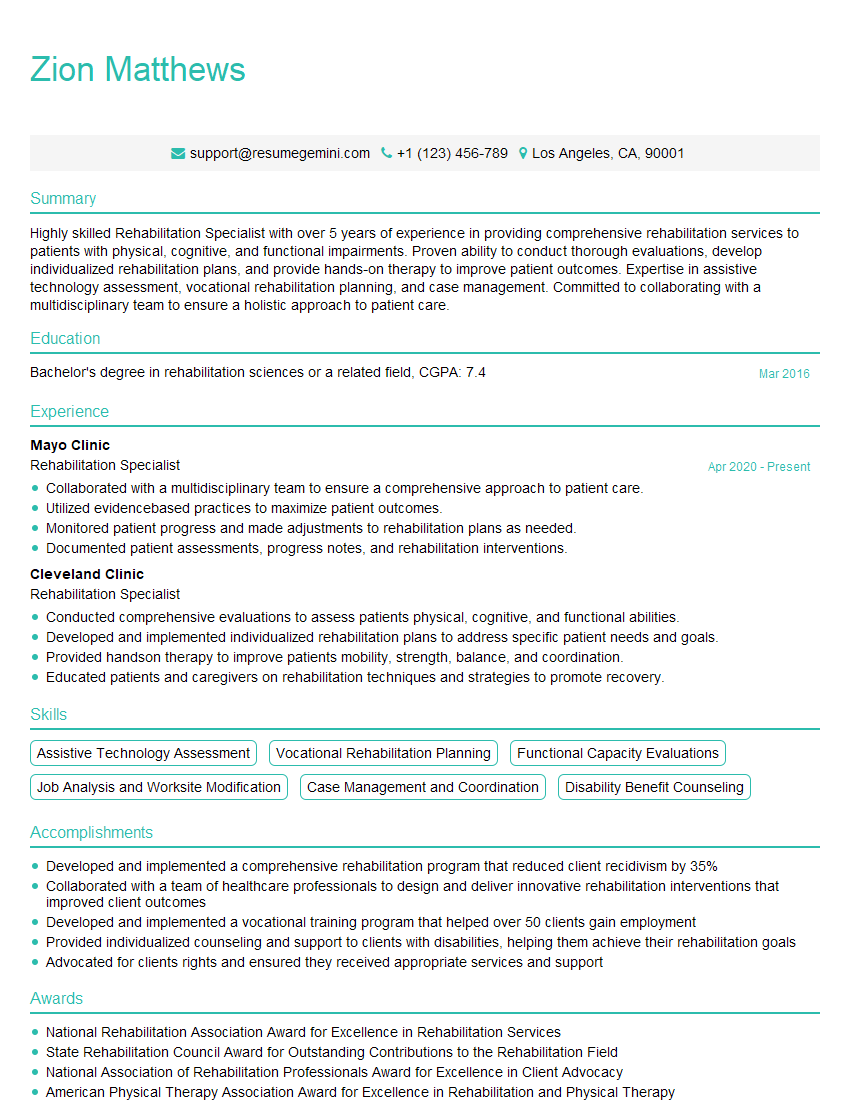
Rehabilitation Specialist Resume Sample
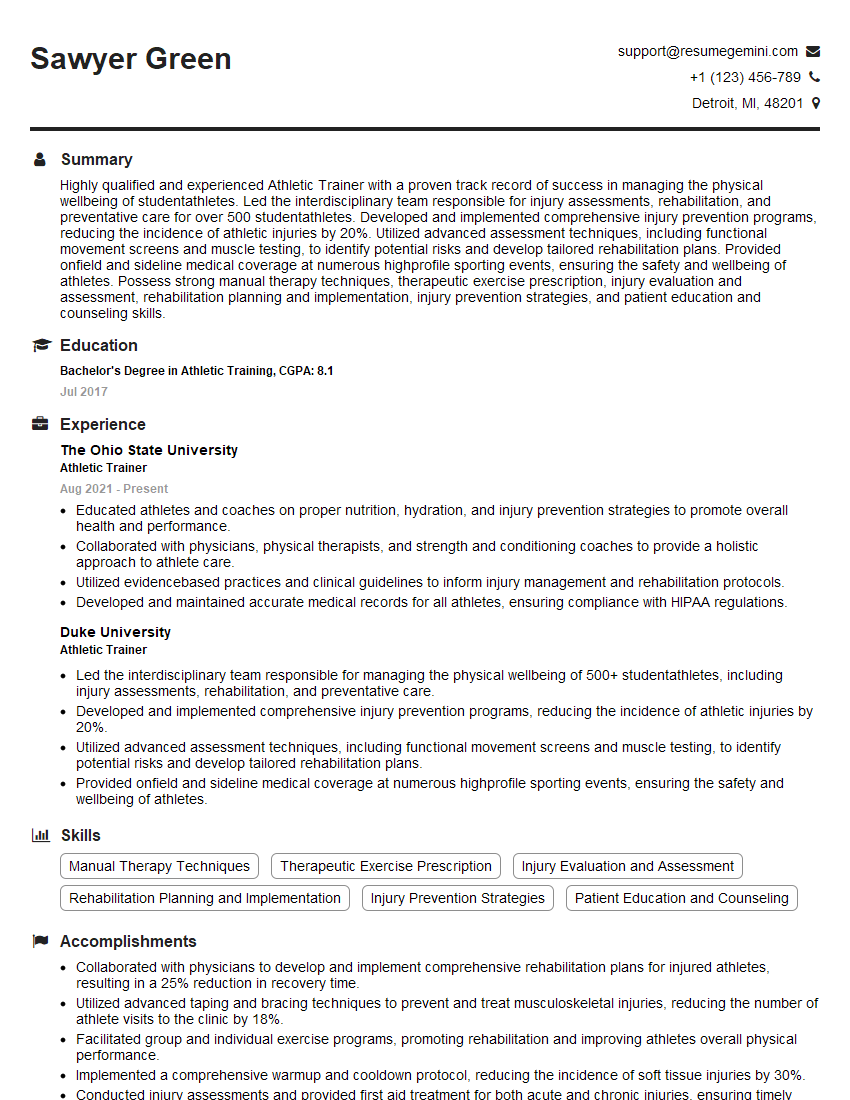
Athletic Trainer Resume Sample
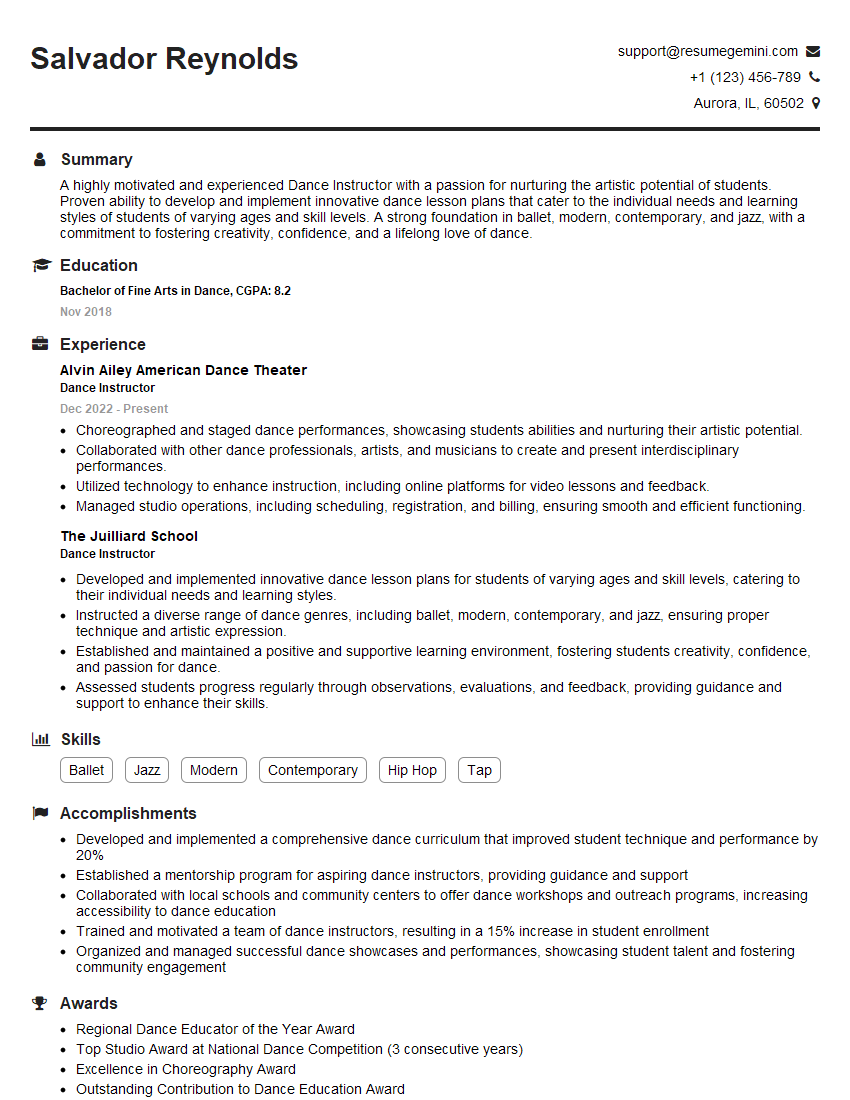
Dance Instructor Resume Sample
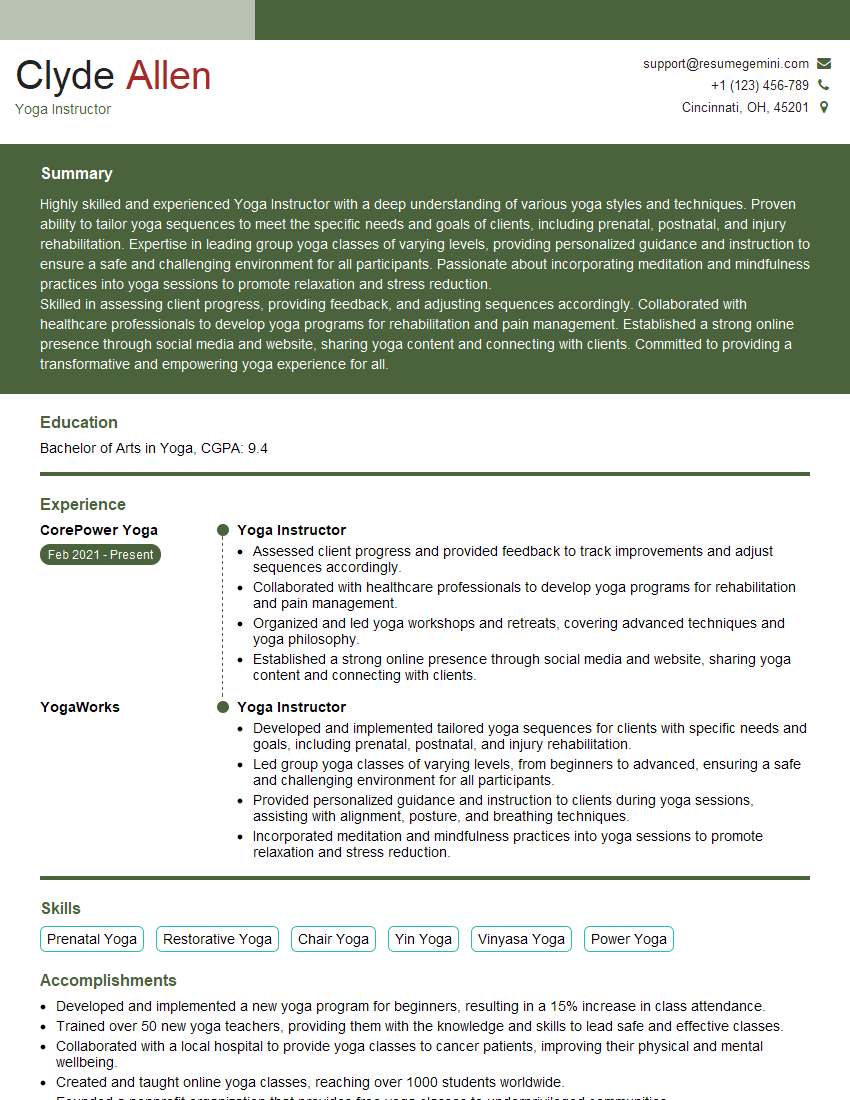
Yoga Instructor Resume Sample
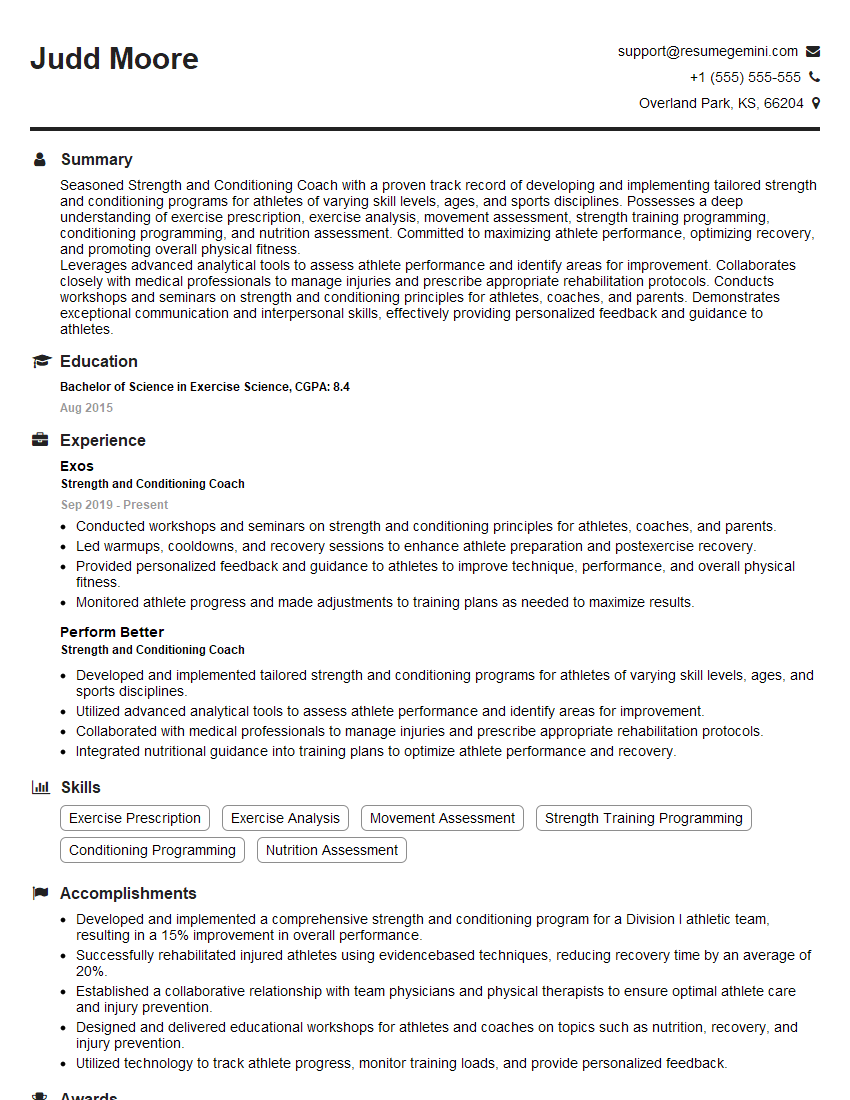
Strength and Conditioning Coach Resume Sample
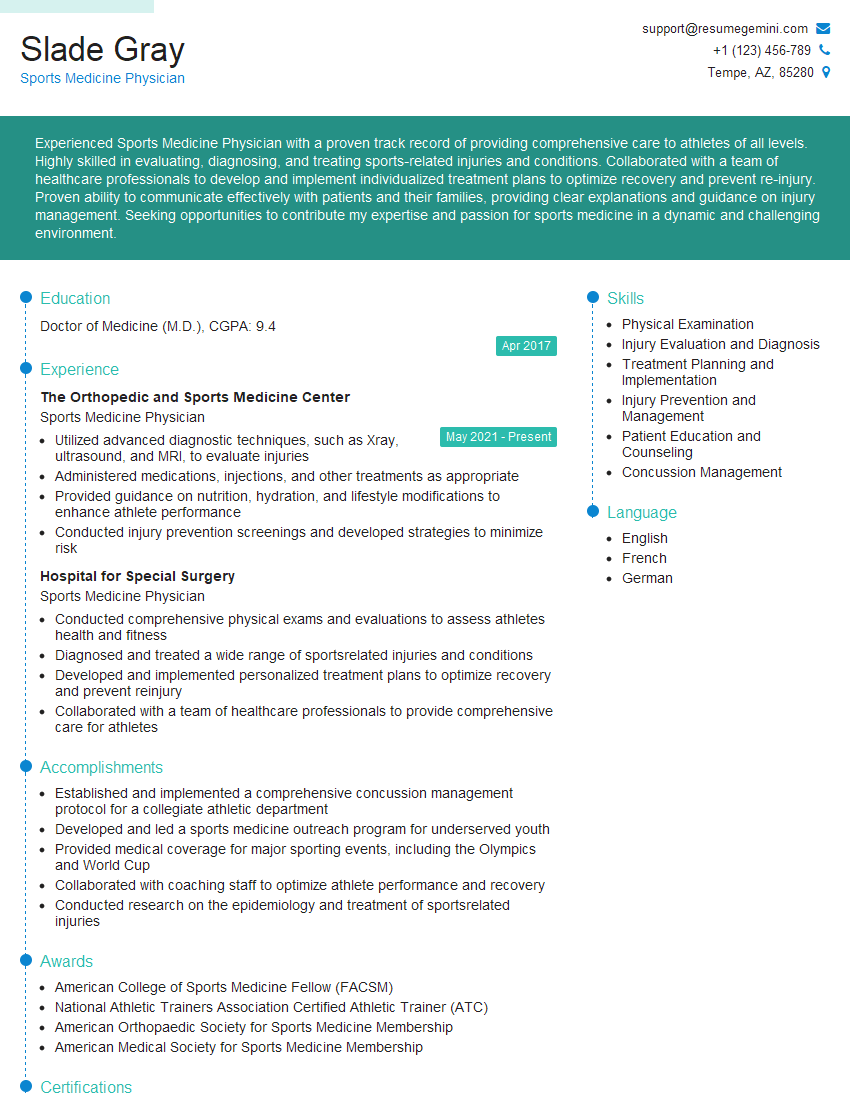
Sports Medicine Physician Resume Sample
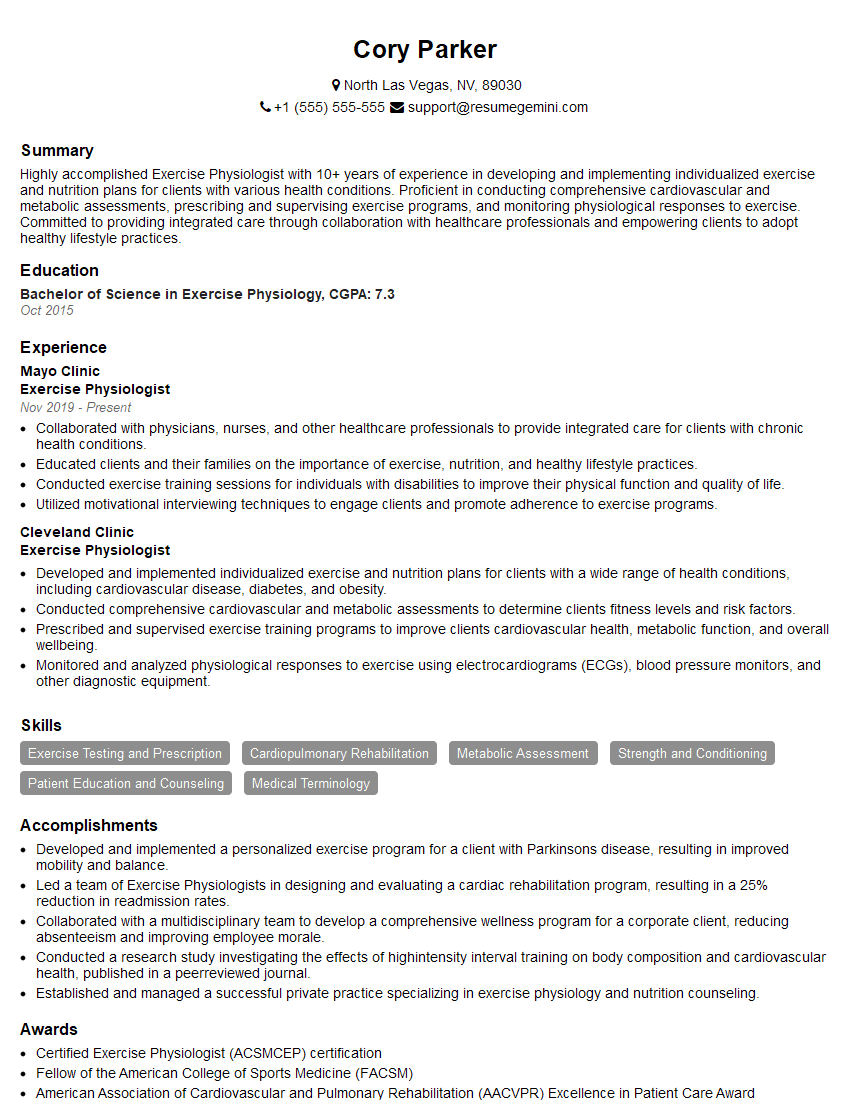
Exercise Physiologist Resume Sample
Kinesiologist Resume Sample
Occupational Therapist Resume Sample
Fitness Trainer Resume Sample
Group Fitness Instructor Resume Sample
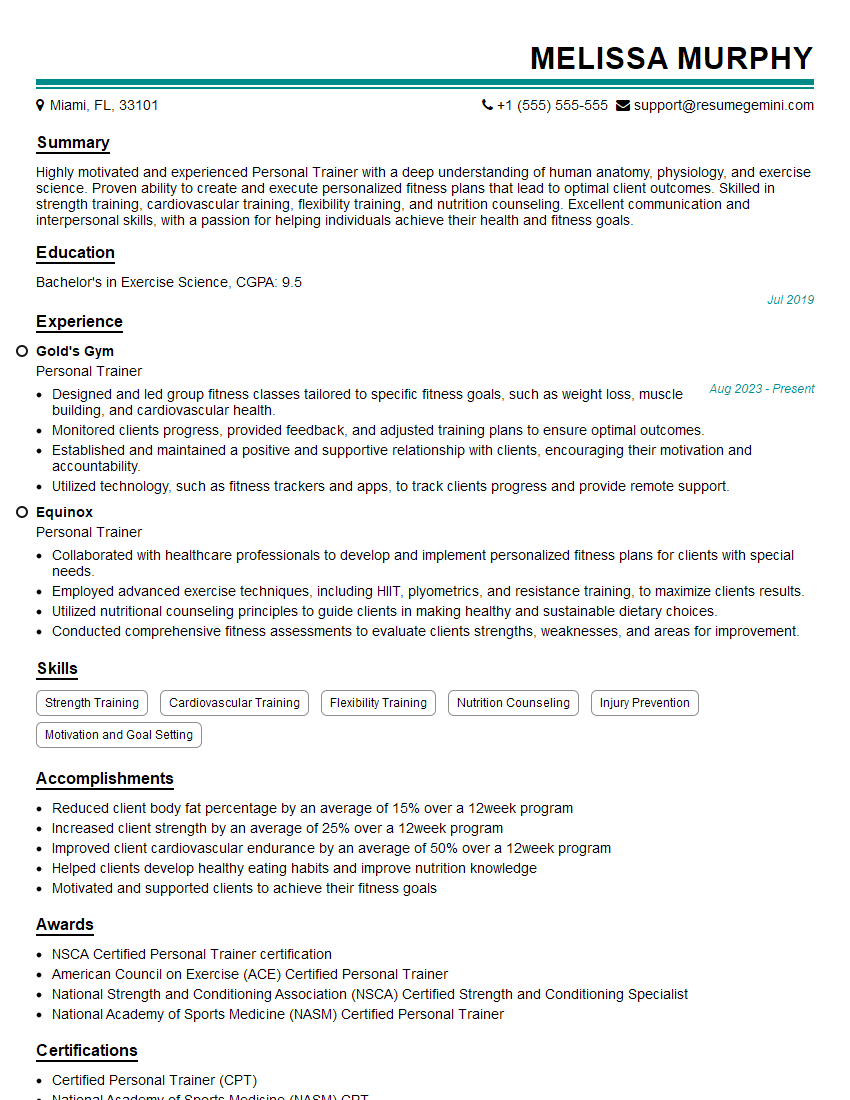
Personal Trainer Resume Sample
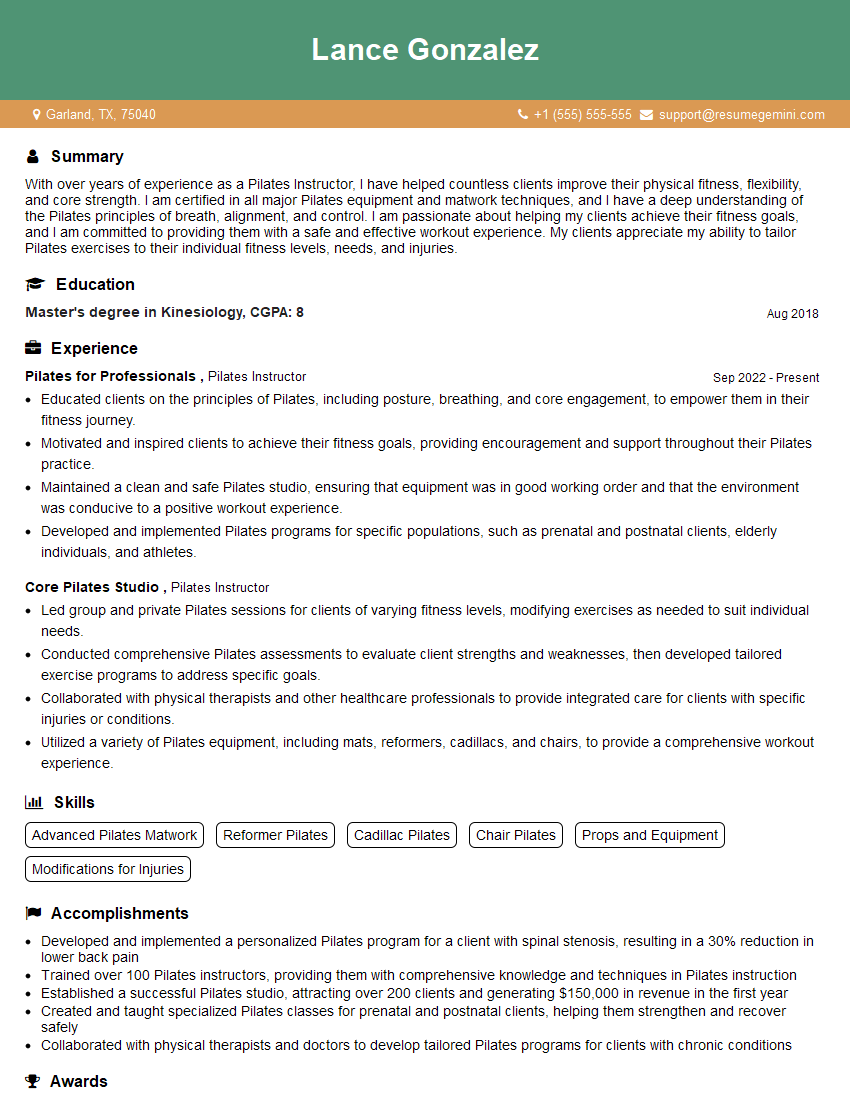
Pilates Instructor Resume Sample
- Wellness Coach
- Wellness Director
- Rehabilitation Specialist
- Athletic Trainer
- Dance Instructor
- Yoga Instructor
- Strength and Conditioning Coach
- Sports Medicine Physician
- Exercise Physiologist
- Kinesiologist
- Occupational Therapist
- Fitness Trainer
- Group Fitness Instructor
- Personal Trainer
- Pilates Instructor
Explore more articles
Users Rating of Our Blogs
Share Your Experience
We value your feedback! Please rate our content and share your thoughts (optional).
What Readers Say About Our Blog
Attention music lovers!
Wow, All the best Sax Summer music !!!
Spotify: https://open.spotify.com/artist/6ShcdIT7rPVVaFEpgZQbUk
Apple Music: https://music.apple.com/fr/artist/jimmy-sax-black/1530501936
YouTube: https://music.youtube.com/browse/VLOLAK5uy_noClmC7abM6YpZsnySxRqt3LoalPf88No
Other Platforms and Free Downloads : https://fanlink.tv/jimmysaxblack
on google : https://www.google.com/search?q=22+AND+22+AND+22
on ChatGPT : https://chat.openai.com?q=who20jlJimmy20Black20Sax20Producer
Get back into the groove with Jimmy sax Black
Best regards,
Jimmy sax Black
www.jimmysaxblack.com
Hi I am a troller at The aquatic interview center and I suddenly went so fast in Roblox and it was gone when I reset.
Hi,
Business owners spend hours every week worrying about their website—or avoiding it because it feels overwhelming.
We’d like to take that off your plate:
$69/month. Everything handled.
Our team will:
Design a custom website—or completely overhaul your current one
Take care of hosting as an option
Handle edits and improvements—up to 60 minutes of work included every month
No setup fees, no annual commitments. Just a site that makes a strong first impression.
Find out if it’s right for you:
https://websolutionsgenius.com/awardwinningwebsites
Hello,
we currently offer a complimentary backlink and URL indexing test for search engine optimization professionals.
You can get complimentary indexing credits to test how link discovery works in practice.
No credit card is required and there is no recurring fee.
You can find details here:
https://wikipedia-backlinks.com/indexing/
Regards
NICE RESPONSE TO Q & A
hi
The aim of this message is regarding an unclaimed deposit of a deceased nationale that bears the same name as you. You are not relate to him as there are millions of people answering the names across around the world. But i will use my position to influence the release of the deposit to you for our mutual benefit.
Respond for full details and how to claim the deposit. This is 100% risk free. Send hello to my email id: lukachachibaialuka@gmail.com
Luka Chachibaialuka
Hey interviewgemini.com, just wanted to follow up on my last email.
We just launched Call the Monster, an parenting app that lets you summon friendly ‘monsters’ kids actually listen to.
We’re also running a giveaway for everyone who downloads the app. Since it’s brand new, there aren’t many users yet, which means you’ve got a much better chance of winning some great prizes.
You can check it out here: https://bit.ly/callamonsterapp
Or follow us on Instagram: https://www.instagram.com/callamonsterapp
Thanks,
Ryan
CEO – Call the Monster App
Hey interviewgemini.com, I saw your website and love your approach.
I just want this to look like spam email, but want to share something important to you. We just launched Call the Monster, a parenting app that lets you summon friendly ‘monsters’ kids actually listen to.
Parents are loving it for calming chaos before bedtime. Thought you might want to try it: https://bit.ly/callamonsterapp or just follow our fun monster lore on Instagram: https://www.instagram.com/callamonsterapp
Thanks,
Ryan
CEO – Call A Monster APP
To the interviewgemini.com Owner.
Dear interviewgemini.com Webmaster!
Hi interviewgemini.com Webmaster!
Dear interviewgemini.com Webmaster!
excellent
Hello,
We found issues with your domain’s email setup that may be sending your messages to spam or blocking them completely. InboxShield Mini shows you how to fix it in minutes — no tech skills required.
Scan your domain now for details: https://inboxshield-mini.com/
— Adam @ InboxShield Mini
support@inboxshield-mini.com
Reply STOP to unsubscribe
Hi, are you owner of interviewgemini.com? What if I told you I could help you find extra time in your schedule, reconnect with leads you didn’t even realize you missed, and bring in more “I want to work with you” conversations, without increasing your ad spend or hiring a full-time employee?
All with a flexible, budget-friendly service that could easily pay for itself. Sounds good?
Would it be nice to jump on a quick 10-minute call so I can show you exactly how we make this work?
Best,
Hapei
Marketing Director
Hey, I know you’re the owner of interviewgemini.com. I’ll be quick.
Fundraising for your business is tough and time-consuming. We make it easier by guaranteeing two private investor meetings each month, for six months. No demos, no pitch events – just direct introductions to active investors matched to your startup.
If youR17;re raising, this could help you build real momentum. Want me to send more info?
Hi, I represent an SEO company that specialises in getting you AI citations and higher rankings on Google. I’d like to offer you a 100% free SEO audit for your website. Would you be interested?
Hi, I represent an SEO company that specialises in getting you AI citations and higher rankings on Google. I’d like to offer you a 100% free SEO audit for your website. Would you be interested?