Cracking a skill-specific interview, like one for Water and Wastewater Treatment Troubleshooting, requires understanding the nuances of the role. In this blog, we present the questions you’re most likely to encounter, along with insights into how to answer them effectively. Let’s ensure you’re ready to make a strong impression.
Questions Asked in Water and Wastewater Treatment Troubleshooting Interview
Q 1. Explain the process of coagulation and flocculation in water treatment.
Coagulation and flocculation are crucial steps in water treatment designed to remove suspended solids and improve water clarity. Imagine trying to clean a muddy pond – you wouldn’t just try to filter it directly, right? You’d first need to clump the mud particles together.
Coagulation is the first stage. We add a chemical coagulant, like alum or ferric chloride, to the water. These chemicals neutralize the charges on the tiny suspended particles (like clay and silt), allowing them to overcome their natural repulsion and start to clump together. Think of it like adding a glue that makes the particles stick.
Flocculation follows coagulation. Gentle mixing is applied to encourage the small coagulated particles to collide and grow into larger, heavier flocs. These flocs are much larger and easier to remove. This gentle mixing is usually done in a flocculation basin with slow-moving paddles. Imagine gently stirring the muddy water to encourage the clumps to grow even bigger.
The process is complete when the flocs are large enough to settle readily in a clarifier.
Q 2. Describe the different types of filtration used in water treatment.
Water treatment plants utilize several types of filtration to remove remaining suspended solids, pathogens, and other impurities after coagulation and flocculation. These include:
- Rapid Sand Filtration (RSF): This is a common method using a bed of sand through which the water flows. The sand traps the remaining flocs and other suspended particles. Think of it like a very fine sieve.
- Dual Media Filtration: This uses a bed of anthracite coal over sand. The anthracite provides a larger surface area for trapping smaller particles, improving the efficiency of filtration.
- Multimedia Filtration: This enhances the dual-media approach by adding layers of other materials, like garnet or crushed shells, to optimize particle removal across a broader size range.
- Membrane Filtration (Microfiltration, Ultrafiltration, Nanofiltration, Reverse Osmosis): These use membranes with progressively smaller pore sizes to remove even smaller particles, bacteria, and dissolved substances. Reverse osmosis is the most effective, capable of removing dissolved salts and other impurities.
The choice of filtration method depends on the desired water quality and the characteristics of the source water.
Q 3. How do you troubleshoot a malfunctioning clarifier in a wastewater treatment plant?
Troubleshooting a malfunctioning clarifier requires a systematic approach. First, we need to identify the specific problem: is it poor settling, sludge bulking, or something else?
Steps to troubleshoot:
- Observe the clarifier: Check the sludge blanket height, the clarity of the effluent, and the presence of any unusual floc characteristics. Are there any signs of short-circuiting (water flowing directly through the clarifier without proper treatment)?
- Review operational data: Examine flow rates, chemical dosages, and effluent quality parameters over time. Any significant changes that correlate with the problem?
- Check the influent quality: High influent turbidity or changes in the characteristics of the influent wastewater will impact clarifier performance.
- Inspect mechanical components: Check for issues with the sludge removal mechanisms (scrapers, pumps), ensuring they’re functioning correctly and aren’t causing blockages.
- Analyze sludge characteristics: Perform laboratory tests to determine the sludge volume index (SVI) and other properties. A high SVI often indicates sludge bulking, a common problem that impedes settling.
- Adjust operational parameters: Based on the findings, adjust chemical dosages, flow rates, or other operational parameters to optimize performance. For example, if sludge bulking is suspected, adjusting the dissolved oxygen levels or the return sludge rate might help.
Remember, a combination of careful observation, data analysis, and laboratory testing is crucial for effective clarifier troubleshooting.
Q 4. What are the common causes of high turbidity in treated water?
High turbidity in treated water indicates that the treatment process hasn’t effectively removed suspended solids. Several factors could be responsible:
- Ineffective coagulation and flocculation: Insufficient coagulant dosage, poor mixing, or inadequate flocculation time can leave many small particles suspended.
- Clarifier problems: Issues such as sludge bulking, short-circuiting, or inadequate settling in the clarifier can result in the passage of suspended solids into the treated water.
- Filter problems: Clogged or damaged filters, or filters that are not backwashed regularly or efficiently, can allow suspended solids to pass through.
- High influent turbidity: If the raw water has extremely high turbidity, the treatment plant may struggle to remove it completely, even with optimal operations.
- Equipment malfunction: Problems with pumps, valves, or other equipment can disrupt the treatment process and lead to higher turbidity.
Identifying the root cause requires a thorough investigation, checking all stages of the treatment process.
Q 5. Explain the activated sludge process in wastewater treatment.
The activated sludge process is a widely used biological wastewater treatment method that relies on microorganisms to break down organic matter. Imagine a tiny ecosystem within the treatment plant.
Wastewater enters an aeration tank where it’s mixed with activated sludge (a concentrated mixture of microorganisms). Oxygen is continuously supplied (via aeration), allowing the microorganisms to aerobically consume the organic pollutants in the wastewater. This process produces a cleaner effluent and excess sludge, which is removed via settling.
The key components are:
- Aeration tank: Where the wastewater and sludge mix and aerobic digestion occurs.
- Clarifier (secondary clarifier): Where the treated wastewater separates from the activated sludge.
- Return activated sludge (RAS): A portion of the settled sludge is recycled back to the aeration tank to maintain a high concentration of microorganisms.
- Waste activated sludge (WAS): Excess sludge is removed from the system.
The process is continuous, with microorganisms breaking down organic matter and producing a clearer effluent.
Q 6. How do you monitor and control dissolved oxygen levels in an activated sludge process?
Dissolved oxygen (DO) levels are critical in the activated sludge process because aerobic microorganisms need oxygen to function. Maintaining optimal DO is achieved through a combination of monitoring and control.
Monitoring: DO levels are continuously monitored using DO probes located in the aeration tank. Data is often displayed on a supervisory control and data acquisition (SCADA) system, allowing operators to observe trends and identify any deviations from setpoints.
Control: DO levels are controlled by adjusting the aeration system. This might involve:
- Adjusting air flow: Increasing or decreasing the amount of air supplied to the aeration tank.
- Controlling diffuser operation: Ensuring that diffusers are operating correctly and delivering air evenly.
- Using advanced control strategies: Implementing feedback control loops that automatically adjust air flow based on real-time DO measurements. For example, if the DO drops below the setpoint, the system automatically increases the air flow.
Proper DO control is essential for efficient organic matter removal, stable sludge activity, and prevention of sludge bulking.
Q 7. Describe the different types of disinfection methods used in water and wastewater treatment.
Disinfection is the final step in water and wastewater treatment, aimed at inactivating or killing harmful pathogens. Several methods are employed:
- Chlorination: Chlorine gas or hypochlorite solutions are commonly used to disinfect water. Chlorine is a powerful disinfectant but requires careful control to avoid excessive residual chlorine.
- UV disinfection: Ultraviolet light inactivates microorganisms by damaging their DNA. This method is effective and doesn’t leave harmful byproducts.
- Ozone disinfection: Ozone is a strong oxidizing agent that effectively inactivates pathogens. However, it’s less stable than chlorine and requires on-site generation.
- Chloramination: A combination of chlorine and ammonia creates chloramine, a longer-lasting disinfectant. This is sometimes used to maintain disinfection in distribution systems.
The choice of disinfection method depends on factors such as water quality, cost, and regulatory requirements. Wastewater disinfection is usually less stringent than drinking water disinfection.
Q 8. What are the common causes of high ammonia levels in wastewater?
High ammonia levels in wastewater are a common issue, often stemming from inadequate treatment processes or influent characteristics. Think of ammonia like a stubborn guest that refuses to leave the party. It’s primarily caused by the decomposition of organic nitrogenous materials, such as proteins and urea, found in domestic sewage and industrial wastewaters. The breakdown of these materials releases ammonia into the water.
- Insufficient Biological Treatment: If the nitrification process (where ammonia is converted to nitrate by bacteria) isn’t functioning effectively, due to factors like low dissolved oxygen, insufficient biomass, or poor mixing, ammonia will accumulate. Imagine a party where the cleaning crew isn’t doing their job – the mess (ammonia) builds up.
- Industrial Discharges: Certain industries, like food processing or fertilizer plants, discharge wastewater with high ammonia concentrations directly into the system. This is like a group of messy party-goers showing up late with additional trash.
- Infiltration/Inflow (I/I): Leaks in the sewer system can introduce stormwater or groundwater containing ammonia into the wastewater stream. It’s like a leak in the party venue that brings in unwanted elements.
- High Organic Loading: An excessive load of organic material can overwhelm the treatment plant’s ability to process the ammonia effectively. This is like overcrowding the party – there are too many guests for the resources available.
Addressing high ammonia levels typically involves improving biological treatment efficiency (checking oxygen levels, ensuring adequate nutrients for bacteria), pre-treatment of industrial influents, and repairing sewer system leaks. Regular monitoring and analysis are crucial for early detection and prompt corrective action.
Q 9. How do you troubleshoot a malfunctioning pump in a water or wastewater treatment plant?
Troubleshooting a malfunctioning pump in a water or wastewater treatment plant is a critical task. It requires a systematic approach, starting with safety precautions. First, always isolate the pump electrically before starting any physical inspection. Think of it like disconnecting the power source to a faulty appliance at home – safety first!
- Visual Inspection: Begin with a thorough visual inspection of the pump, checking for leaks, loose connections, or visible damage. Are there any obvious signs of problems, like a broken belt or damaged impeller?
- Check Power Supply: Verify that power is reaching the pump by checking circuit breakers, fuses, and motor starters. You might find the problem is as simple as a blown fuse.
- Verify Control System: Ensure the pump’s control system is functioning correctly. Check the level sensors, pressure switches, and automated controls. A faulty sensor might be falsely signalling the pump to shut down.
- Pressure and Flow Measurements: Measure the pressure and flow at the pump’s inlet and outlet. Low pressure or flow could indicate a blockage in the piping system or an issue with the pump itself.
- Check Bearings and Seals: If mechanical issues are suspected, listen for unusual noises (like grinding or squealing) that indicate bearing wear. Leaks around the shaft seals are common signs of problems.
- Lubrication: Check the lubrication level and condition. Inadequate lubrication is a major cause of pump failures.
Following these steps often pinpoints the issue. If the problem isn’t easily identified, calling in specialized pump technicians is necessary. They can perform more advanced diagnostics and repairs.
Q 10. Explain the importance of pH control in water and wastewater treatment.
pH control is paramount in water and wastewater treatment. Think of pH as a balancing act – maintaining the right level is essential for the efficient operation of various treatment processes. The optimal pH range varies depending on the specific treatment process, but generally, maintaining the correct pH is crucial for the efficiency and efficacy of treatment processes.
- Optimizing Chemical Processes: Many chemical processes, such as coagulation, flocculation, disinfection, and precipitation, are highly pH-dependent. For instance, optimal coagulation often occurs within a specific pH range. Outside this range, the coagulants may not work effectively, leading to poor water quality.
- Protecting Equipment: Maintaining the correct pH protects treatment plant equipment from corrosion. Highly acidic or alkaline conditions can damage pipes, pumps, and other infrastructure.
- Biological Processes: In wastewater treatment, pH plays a critical role in supporting the growth and activity of beneficial microorganisms. Different microorganisms thrive at different pH levels, so maintaining the optimal range ensures efficient biological treatment.
- Effluent Quality: Proper pH control ensures that the treated effluent meets regulatory discharge standards. Discharging water with extreme pH values can have adverse environmental impacts.
pH is continuously monitored using sensors and adjusted by adding acids (e.g., sulfuric acid, hydrochloric acid) or bases (e.g., sodium hydroxide, lime) as needed. Automated control systems are often employed to maintain the desired pH level within a narrow range.
Q 11. How do you monitor and control the sludge level in a clarifier?
Monitoring and controlling sludge levels in a clarifier is essential for efficient solids separation and prevent overflow. Clarifiers use gravity to settle solids, and if the sludge layer gets too thick it impairs the settling process. Imagine it like a layered cake; if you overload one layer, the whole structure becomes unstable.
- Level Sensors: Various types of level sensors, such as ultrasonic, pressure, or radar sensors, are commonly used to monitor the sludge blanket level. These sensors continuously provide real-time data on the sludge accumulation.
- Sludge Scrapers: A rotating mechanism, the sludge scraper, continuously moves settled sludge towards the clarifier’s center or a sludge hopper for removal. This prevents the build-up of thick sludge layers.
- Sludge Withdrawal: The collected sludge is periodically withdrawn from the clarifier using pumps or gravity. The frequency of sludge withdrawal depends on the sludge characteristics and production rate.
- Visual Inspection: Regular visual inspections are important to verify the sensor readings and identify any unusual patterns or irregularities in the sludge layer.
A well-controlled sludge blanket allows for effective settling of suspended solids and maintains efficient clarifier operation. Effective monitoring and control prevent sludge from overflowing the clarifier and disrupting the treatment process.
Q 12. What are the common causes of odor problems in wastewater treatment?
Odor problems in wastewater treatment are common complaints, often stemming from the decomposition of organic matter and the production of volatile organic compounds (VOCs). Think of it as a party where food is left out – it will eventually spoil and smell unpleasant.
- Anaerobic Decomposition: In areas with insufficient oxygen, anaerobic bacteria break down organic matter, releasing foul-smelling gases like hydrogen sulfide (rotten egg smell) and methane.
- Septic Conditions: Areas with stagnant wastewater or sludge buildup are prone to septic conditions, creating a breeding ground for odor-producing bacteria.
- Insufficient Aeration: In activated sludge processes, inadequate aeration leads to anaerobic zones, contributing to odor problems. Lack of sufficient oxygen is like a party where the ventilation is poor.
- Biological Growth on Surfaces: The growth of biofilm on surfaces (e.g., pipes, tanks) can lead to the accumulation of odor-producing compounds.
Addressing odor problems often involves improved aeration, enhanced sludge management, regular cleaning, and the use of odor control technologies like biofilters or chemical treatments (e.g., chlorine, ozone). Regular monitoring and maintenance are key to preventing odor issues.
Q 13. Describe your experience with troubleshooting SCADA systems in water/wastewater treatment.
My experience with SCADA (Supervisory Control and Data Acquisition) systems in water/wastewater treatment spans several years. I’ve been involved in troubleshooting various issues, from minor software glitches to major hardware failures. A SCADA system is the central nervous system of the plant, so keeping it healthy is critical.
I’ve used my expertise in SCADA to diagnose problems involving:
- Data Acquisition Errors: I’ve worked on situations where sensors were malfunctioning, providing incorrect data leading to operational inefficiencies or even safety hazards. These errors were tracked down by analyzing the data logs and validating sensor readings against physical measurements.
- Communication Network Issues: In one instance, a communication failure between remote sites and the central SCADA server caused significant operational disruption. Troubleshooting involved checking network connectivity, identifying and fixing cabling problems, and verifying the network configuration.
- Software Glitches and Programming Errors: I’ve reviewed and debugged SCADA software code to address unexpected shutdowns or erroneous control actions. This required a solid understanding of the SCADA software architecture and programming principles.
- Alarm Management and Reporting: Improving the SCADA system’s alarm management was crucial for effective real-time operational monitoring and efficient response to process anomalies. This involved optimizing alarm thresholds, filtering out false alarms, and developing more informative alarm messages.
My proficiency with troubleshooting SCADA systems relies on a systematic approach—starting with data analysis, checking network connectivity, and verifying software functionality. I regularly use HMI (Human-Machine Interface) screens and data logging capabilities to identify trends and patterns that point towards underlying problems.
Q 14. How do you identify and address biological fouling in water treatment membranes?
Biological fouling in water treatment membranes is a significant challenge, hindering their performance and lifespan. Imagine it like unwanted guests settling in your house and making a mess – they need to be removed for your home to function properly. It involves the accumulation of microorganisms, algae, and other biological matter on the membrane surface.
- Regular Cleaning: Chemical cleaning is a common approach, using various cleaning agents depending on the type of fouling. This is like cleaning your house regularly to keep the unwanted guests from settling in.
- Membrane Selection: Choosing membranes with inherent resistance to biological fouling is crucial. This is like choosing quality building materials to prevent infestations.
- Pre-treatment: Effective pre-treatment of the water, removing a significant portion of suspended solids and organic matter, reduces the likelihood of fouling. This is like adding a filter to your door to prevent unwanted guests from entering.
- Operational Optimization: Optimizing membrane operating parameters, such as transmembrane pressure and cross-flow velocity, can reduce fouling. This is like managing the environment of your home to deter unwanted guests.
- Monitoring and Control: Regular monitoring of membrane performance parameters, such as flux and pressure drop, allows for early detection of fouling and timely intervention. This is like regularly checking your house for any signs of unwanted guests.
Identifying the type of biological fouling is crucial for selecting the appropriate cleaning strategy. Microscopic examination of membrane samples can help identify the dominant organisms and guide the choice of cleaning chemicals. A combination of approaches is often necessary for effective long-term membrane performance.
Q 15. Explain your experience with different types of water meters and their maintenance.
Water meters are crucial for accurately measuring water consumption. I have extensive experience with several types, including:
- Positive Displacement Meters: These meters measure water flow by counting the number of times a specific volume of water passes through a chamber. They’re highly accurate for low-flow applications but can be susceptible to wear and tear, requiring periodic maintenance like lubrication and parts replacement. I’ve worked with several models from various manufacturers and learned to identify common issues such as leaks or damaged gears through careful inspection and testing.
- Velocity Meters: These meters measure the speed of water flow and calculate the volume based on the pipe diameter. They’re generally more suitable for higher flow rates. Maintenance involves regular cleaning to prevent build-up that can obstruct the flow sensor. I’ve experienced situations where inaccurate readings were traced to debris affecting the sensor, highlighting the need for timely cleaning.
- Electromagnetic Meters: These meters utilize Faraday’s law to measure flow by detecting the voltage induced by the water’s movement through a magnetic field. They’re known for their accuracy and ability to handle various water types, but require careful calibration and periodic testing to ensure accuracy. One case I dealt with involved a malfunctioning sensor which was addressed by replacing the faulty part and recalibrating the meter.
Routine maintenance includes regular inspections, leak checks, and calibration to ensure accurate readings and prolong the lifespan of the meters. Preventive maintenance significantly reduces the risk of failures and ensures continuous monitoring of water usage.
Career Expert Tips:
- Ace those interviews! Prepare effectively by reviewing the Top 50 Most Common Interview Questions on ResumeGemini.
- Navigate your job search with confidence! Explore a wide range of Career Tips on ResumeGemini. Learn about common challenges and recommendations to overcome them.
- Craft the perfect resume! Master the Art of Resume Writing with ResumeGemini’s guide. Showcase your unique qualifications and achievements effectively.
- Don’t miss out on holiday savings! Build your dream resume with ResumeGemini’s ATS optimized templates.
Q 16. How do you interpret water quality test results (e.g., turbidity, chlorine residual, BOD, COD)?
Interpreting water quality test results is essential for monitoring treatment effectiveness and compliance with regulations. Parameters like turbidity, chlorine residual, BOD, and COD provide valuable insights into the water’s quality:
- Turbidity: Measures the cloudiness of water. High turbidity indicates the presence of suspended solids and can affect disinfection. Acceptable levels are usually dictated by regulations and a significant increase signals a problem, like a filter failure or a surge in influent solids.
- Chlorine Residual: Measures the amount of free chlorine remaining after disinfection. A sufficient residual is crucial for maintaining disinfection throughout the distribution system. Low levels suggest inadequate disinfection, possibly due to chlorine depletion or a malfunctioning chlorination system. I’ve used this as a crucial indicator for identifying problems in the chlorination process, initiating prompt adjustments or repairs.
- BOD (Biochemical Oxygen Demand): Measures the amount of oxygen consumed by microorganisms during the decomposition of organic matter in water. High BOD indicates high organic pollution and can lead to oxygen depletion in receiving waters. This is a key indicator of wastewater treatment efficiency. For example, a sudden spike in BOD could point to an issue in the activated sludge process requiring immediate investigation.
- COD (Chemical Oxygen Demand): Measures the amount of oxygen required for chemical oxidation of organic and inorganic matter. COD gives a broader measure of the total organic load than BOD. A high COD suggests a need to improve treatment efficiency or adjust treatment strategies.
By analyzing these parameters in context with other operational data, we can identify the source of issues and implement effective solutions. Trends and patterns in these results are particularly important in identifying potential problems before they become major issues.
Q 17. Describe your experience with troubleshooting chemical feed systems.
Chemical feed systems are critical for various treatment processes. Troubleshooting these systems requires a systematic approach. My experience includes:
- Identifying the problem: This often involves checking for low chemical levels, lack of chemical feed, or inconsistent feed rate. Sometimes, a simple check of the chemical level in the storage tank is all it takes to troubleshoot a basic issue.
- Inspecting the equipment: This involves examining pumps, flow meters, sensors, and control systems for any signs of malfunction. I’ve regularly checked tubing for blockages, recalibrated flow meters to ensure accurate dosages and examined the pumps for leakage or motor failures.
- Analyzing the control system: This involves checking the programmable logic controller (PLC) or other control systems for errors or malfunctions and verifying that the system is receiving accurate signals from sensors. In one specific scenario, I addressed a problem in the PLC that was misinterpreted as a pump failure, saving costly replacement.
- Restoring operation: After identifying and addressing the problem, I’ve worked on reinstating the chemical feed system, checking all parameters to confirm correct functioning and ensuring safety standards are met. This often includes careful calibration and testing to prevent any subsequent issues.
Proper documentation and preventative maintenance are essential in minimizing problems with chemical feed systems. A well-maintained system reduces downtime and ensures consistent treatment performance.
Q 18. What are the safety procedures you follow when working in a water or wastewater treatment plant?
Safety is paramount in water and wastewater treatment plants. My safety procedures always prioritize hazard identification and risk mitigation:
- Personal Protective Equipment (PPE): Consistent use of appropriate PPE, including safety glasses, gloves, respirators (depending on the task), and safety footwear, is non-negotiable. This is especially critical when handling chemicals or working near heavy machinery.
- Lockout/Tagout (LOTO): Before undertaking any maintenance or repair work on equipment, I always utilize LOTO procedures to ensure the equipment is safely de-energized and prevents accidental start-up.
- Confined Space Entry: For confined space entry, I follow strict procedures, including atmospheric testing, proper ventilation, and use of safety harnesses and rescue equipment. This is not only for my personal safety but also for the safety of the rescue team.
- Emergency Procedures: I’m always familiar with the plant’s emergency procedures and know how to react appropriately in case of spills, fires, or other emergencies. Having readily available emergency showers and eye wash stations are also crucial to address any event.
- Training and Awareness: Continuous training and updates on safety regulations and best practices is vital. I always stay informed of any updates to minimize potential risks and ensure the implementation of new safety measures.
A culture of safety is essential. I always believe in reporting near misses and safety concerns promptly to prevent future accidents.
Q 19. How do you manage and dispose of sludge from a wastewater treatment plant?
Sludge management and disposal is a critical aspect of wastewater treatment. My experience involves:
- Thickening: Reducing the water content of the sludge using gravity or mechanical methods like belt presses or centrifuges improves handling and reduces transportation costs. I’ve worked with various thickening technologies and have optimized operations to maximize solids concentration.
- Digestion: Aerobic or anaerobic digestion reduces the volume and stabilizes the sludge, reducing its potential for odor and pathogen release. Monitoring digestion processes to achieve optimal reduction and biogas production has been a key part of my role.
- Dewatering: Further reducing the moisture content of the digested sludge through processes like belt filter presses or centrifuges to create a cake that is easier to handle and transport. I’ve overseen this process to ensure adherence to discharge limits and environmental regulations.
- Disposal: Disposal methods vary based on local regulations and environmental considerations. Options include land application (as fertilizer), incineration, landfilling, or use in construction materials. I have experience in selecting and managing appropriate disposal methods to minimize environmental impact.
Sludge management requires careful planning and monitoring to ensure compliance with environmental regulations and efficient resource utilization. Monitoring sludge properties such as moisture content, solids concentration, and volatile solids is crucial for optimization and appropriate disposal choices.
Q 20. Explain your experience with different types of wastewater treatment processes (e.g., MBR, rotating biological contactors).
I have experience with various wastewater treatment processes:
- Activated Sludge Process: A common biological treatment method that uses microorganisms to break down organic matter. I’ve optimized this process by controlling aeration, sludge retention time, and mixed liquor suspended solids (MLSS) to achieve optimal effluent quality.
- Membrane Bioreactor (MBR): Combines biological treatment with membrane filtration, producing a higher quality effluent. I’ve monitored membrane performance, cleaned membranes, and addressed issues like membrane fouling and flux decline in this system. Specific situations have involved optimizing cleaning cycles to extend membrane lifespan.
- Rotating Biological Contactors (RBCs): A biological treatment method that utilizes rotating media to support biofilm growth. I’ve worked on RBC maintenance, including cleaning and replacement of damaged media. I’ve also adjusted the rotation speed and ensured proper media submergence to maximize efficiency.
- Anaerobic Digestion: A biological process that breaks down organic matter in the absence of oxygen, producing biogas. I’ve monitored digester performance, controlled temperature and pH, and addressed issues such as foaming and scum formation.
Selecting the appropriate process depends on factors such as influent characteristics, effluent quality requirements, available space, and budget. My experience allows me to assess each scenario and recommend the most suitable and efficient process.
Q 21. Describe your experience with preventative maintenance programs in water/wastewater treatment.
Preventative maintenance programs are crucial for ensuring the reliability and longevity of water and wastewater treatment plants. My experience in developing and implementing these programs involves:
- Developing a schedule: A detailed schedule based on equipment manufacturer’s recommendations, operational experience, and risk assessments is developed. This schedule covers routine inspections, lubrication, cleaning, and part replacements.
- Implementing the program: Training operators to perform routine maintenance tasks and documenting all maintenance activities is crucial. This ensures consistent application of the schedule and accurate record-keeping.
- Monitoring equipment performance: Regular monitoring of key equipment parameters (e.g., pump performance, motor currents, flow rates) allows for early detection of potential problems. Anomaly detection from this monitoring triggers immediate maintenance actions.
- Spare parts management: Maintaining an adequate inventory of spare parts helps minimize downtime during repairs. We use data analysis to predict future maintenance needs and efficiently manage our spare parts inventory.
- Data analysis and optimization: Analyzing maintenance data helps identify trends, optimize maintenance schedules, and improve the overall effectiveness of the program. This allows us to prioritize maintenance based on risk and potential impact.
A well-structured preventative maintenance program significantly reduces the risk of unexpected failures, minimizes downtime, extends the lifespan of equipment, and improves overall plant efficiency and reliability.
Q 22. How do you address a sudden increase in influent flow to a wastewater treatment plant?
A sudden surge in influent flow to a wastewater treatment plant can overwhelm the system, leading to poor treatment and potential environmental violations. My approach involves a multi-pronged strategy focusing on immediate response and long-term solutions.
Immediate Actions: First, I’d verify the flow increase using multiple flow meters to rule out sensor malfunctions. Then, I’d assess the plant’s capacity to handle the increased load. This might involve diverting some flow temporarily to a bypass system (if available and permitted), increasing aeration rates in the activated sludge process to maintain oxygen levels, and adjusting chemical dosages to compensate for the larger volume.
Troubleshooting the Cause: Concurrently, a thorough investigation into the cause of the increased flow is crucial. This might involve contacting relevant parties like industrial dischargers to check for unusual releases or inspecting the collection system for infiltration/inflow (I/I) issues such as cracks in pipes or overflowing manholes. Rainfall patterns would also be reviewed to rule out stormwater infiltration.
Long-Term Solutions: Once the immediate crisis is managed, I’d implement measures to prevent future occurrences. This could include upgrading the plant’s capacity, implementing a more robust I/I control program (including lining or replacing aging pipes), or collaborating with industrial dischargers to develop strategies for peak flow management.
For example, during a heavy rainfall event, we experienced a significant influent flow increase. By carefully monitoring the system, increasing aeration, and temporarily bypassing some flow, we prevented a major treatment failure. Post-event, we initiated a comprehensive I/I assessment and implemented a pipe rehabilitation plan to mitigate future risks.
Q 23. How do you troubleshoot a malfunctioning aeration system in an activated sludge process?
A malfunctioning aeration system in an activated sludge process is a serious issue, as it directly impacts the biological treatment process. Troubleshooting involves systematically checking different components.
Assess Air Supply: I’d start by verifying adequate air supply to the blowers. This includes checking blower operation, pressure gauges, air flow meters, and electrical connections. A simple check could be comparing the actual air flow to the design specifications.
Inspect Diffusers: Next, I’d examine the diffusers, the components that release air into the aeration tank. Clogged or damaged diffusers significantly reduce oxygen transfer efficiency. I’d visually inspect for blockages and potentially use a diving inspection camera to assess their condition. In some cases, cleaning or replacing diffusers might be necessary.
Check for Leaks: Air leaks in the piping system reduce the effective air supply to the aeration tanks. A thorough visual inspection of all piping and connections is crucial. Pressure testing may also be used to identify leaks.
Monitor Dissolved Oxygen: Continuously monitoring dissolved oxygen (DO) levels in the aeration tank is essential. Low DO indicates insufficient aeration, pointing to a problem within the system. Online DO meters provide real-time data, guiding the troubleshooting process.
Imagine a situation where DO levels suddenly dropped. By systematically checking the blowers, diffusers, and piping, we discovered a significant air leak in a section of pipe. Repairing this leak immediately restored adequate DO levels and prevented a treatment failure.
Q 24. Explain your experience with regulatory compliance in water/wastewater treatment.
Regulatory compliance is paramount in water and wastewater treatment. My experience encompasses a wide range of regulations, including the Clean Water Act (CWA), Safe Drinking Water Act (SDWA), and state-specific permits. I’m proficient in understanding and adhering to permit limits for various parameters (BOD, TSS, nutrients, etc.) and reporting requirements.
Permitting and Reporting: I’m experienced in preparing and submitting permit applications, monitoring compliance with permit conditions, and generating accurate and timely discharge monitoring reports (DMRs). I am familiar with various reporting softwares and data management systems.
Compliance Audits and Inspections: I’ve participated in numerous compliance audits and inspections, ensuring the plant’s operations meet all regulatory requirements. This involves proactive measures to prevent violations and addressing any identified issues promptly.
Data Management and Tracking: Maintaining accurate and complete records is vital. I’m adept at utilizing data management systems to track critical parameters, ensuring proper documentation for compliance purposes.
In a previous role, I successfully navigated a permit renewal process, ensuring that the plant’s operations aligned with updated regulations and receiving the renewed permit without any issues. This involved meticulous record-keeping and proactive communication with the regulatory agency.
Q 25. How do you handle emergency situations in a water or wastewater treatment plant?
Handling emergency situations requires a calm, decisive, and systematic approach. My experience includes developing and implementing emergency response plans, including handling spills, equipment failures, and power outages.
Emergency Response Plan: A well-defined emergency response plan is critical. This plan outlines procedures for various scenarios, including communication protocols, emergency shutdown procedures, and personnel responsibilities. Regular drills are essential to ensure that the plan is effective and that personnel are adequately trained.
Rapid Assessment: In an emergency, the first step is a rapid assessment of the situation to identify the nature and extent of the problem. This might involve assessing the immediate risks to personnel and the environment, and determining the necessary immediate actions.
Containment and Mitigation: The focus then shifts to containment and mitigation. This might involve isolating affected areas, containing spills, and initiating repair or replacement of damaged equipment. If necessary, contacting emergency services is a key step.
Communication: Effective communication is essential throughout the response. This includes informing personnel, regulatory agencies, and potentially the public as needed.
For example, we once experienced a power outage that threatened to compromise the entire treatment process. By promptly implementing the emergency response plan, utilizing backup generators, and communicating effectively, we minimized disruption and prevented a major environmental incident.
Q 26. Describe your experience with data logging and analysis in water/wastewater treatment.
Data logging and analysis are essential for optimizing plant performance and ensuring regulatory compliance. My experience includes utilizing various SCADA (Supervisory Control and Data Acquisition) systems and other data management software to collect, store, and analyze operational data.
Data Acquisition: I’m proficient in configuring and using SCADA systems to monitor key parameters such as flow rates, DO levels, pH, chemical dosages, and effluent quality indicators. This involves setting up appropriate data logging frequencies and alarm thresholds.
Data Analysis: I use statistical analysis and data visualization techniques to identify trends, anomalies, and areas for improvement. This might involve developing control charts to track process parameters or using statistical software packages to analyze historical data.
Process Optimization: Data analysis helps in optimizing plant processes, improving efficiency, and reducing operating costs. For instance, analyzing historical data on energy consumption can identify opportunities to optimize aeration strategies.
In one instance, by analyzing historical data on aeration tank performance, I identified a correlation between aeration tank mixing patterns and the efficiency of the biological treatment process. Based on this analysis, I made recommendations to optimize mixing, which resulted in a significant reduction in energy consumption and improved effluent quality.
Q 27. How do you identify and address the causes of high biological oxygen demand (BOD) in wastewater?
High biological oxygen demand (BOD) in wastewater indicates a high concentration of biodegradable organic matter. Identifying and addressing the causes requires a systematic approach.
Characterize the Wastewater: The first step is a thorough characterization of the wastewater, including detailed laboratory testing to determine the BOD, COD (chemical oxygen demand), TSS (total suspended solids), and other relevant parameters. This will provide insights into the nature and source of the organic load.
Identify Potential Sources: Potential sources of high BOD need investigation. This could involve reviewing industrial discharge records, inspecting the collection system for illicit connections, and assessing the impact of seasonal variations or rainfall events.
Process Optimization: Once the source(s) are identified, addressing the problem requires process optimization. This might involve adjusting aeration rates, sludge retention time, or the addition of specialized microbial cultures to enhance biodegradation. For industrial discharges, collaboration with the dischargers is crucial.
Pre-treatment: In some cases, pre-treatment of the influent wastewater might be necessary to remove a significant portion of the BOD before it enters the main treatment process.
We once experienced consistently high BOD levels. Through a combination of wastewater characterization, industrial discharge monitoring, and process optimization, we identified a specific industrial discharger contributing to the problem and collaborated with them to implement effective pretreatment measures, resulting in a significant reduction in BOD levels.
Q 28. Explain your experience with the use of advanced oxidation processes (AOPs) in water treatment.
Advanced oxidation processes (AOPs) are powerful techniques used in water treatment to remove recalcitrant contaminants that are resistant to conventional treatment methods. My experience includes working with several AOP technologies, including UV/H₂O₂, O₃/H₂O₂, and photocatalysis.
UV/H₂O₂: This process uses UV radiation to generate hydroxyl radicals from hydrogen peroxide, which are highly reactive and can oxidize a wide range of organic and inorganic contaminants. I have experience optimizing the dosage of H₂O₂ and UV intensity to achieve desired treatment goals.
O₃/H₂O₂: Ozone is a powerful oxidant that can also be combined with H₂O₂ to enhance its oxidizing capacity. This combination generates even more hydroxyl radicals, leading to efficient contaminant removal.
Photocatalysis: Photocatalysis utilizes semiconductor materials, such as TiO₂, to catalyze the generation of hydroxyl radicals under UV or visible light irradiation. I’ve worked on projects involving reactor design and optimization for photocatalytic AOPs.
Applications: AOPs can be applied to various water treatment scenarios, such as treating industrial wastewater containing persistent organic pollutants, removing pharmaceuticals and endocrine disruptors from municipal wastewater, and disinfection.
In a recent project, we used UV/H₂O₂ to remove a specific pharmaceutical contaminant from a municipal wastewater effluent. By carefully optimizing the UV intensity and H₂O₂ dosage, we achieved a significant reduction in the contaminant concentration, meeting the stringent effluent discharge limits.
Key Topics to Learn for Water and Wastewater Treatment Troubleshooting Interview
- Process Control & Instrumentation: Understanding SCADA systems, PLC programming, and sensor technologies crucial for monitoring and controlling treatment processes. Practical application: Diagnosing malfunctions in a chlorine dosing system based on sensor readings and control system logs.
- Hydraulics and Fluid Mechanics: Applying principles of flow, pressure, and level control to troubleshoot issues in pumping systems, clarifiers, and filters. Practical application: Identifying the cause of reduced flow in a pipe network using pressure readings and understanding pipe friction losses.
- Biological Processes: Deep understanding of activated sludge, membrane bioreactors, and other biological treatment processes. Troubleshooting issues related to biomass growth, oxygen transfer, and nutrient removal. Practical application: Diagnosing poor effluent quality by analyzing microbial populations and operational parameters.
- Chemical Processes: Knowledge of coagulation, flocculation, disinfection, and other chemical treatment processes. Troubleshooting issues related to chemical feed systems, pH control, and chemical reactions. Practical application: Correcting high turbidity in treated water by adjusting coagulant dosage and identifying causes of ineffective coagulation.
- Troubleshooting Methodologies: Mastering systematic approaches to problem-solving, including root cause analysis, fault tree analysis, and 5 Whys. Practical application: Effectively using a structured approach to isolate the cause of recurring pump failures.
- Safety and Regulations: Understanding relevant safety protocols, environmental regulations (e.g., discharge permits), and emergency response procedures. Practical application: Developing a safe and compliant procedure for handling a chemical spill.
- Data Analysis and Interpretation: Proficiency in analyzing operational data, interpreting lab results, and using statistical methods to identify trends and anomalies. Practical application: Identifying a pattern of increased energy consumption using historical data analysis.
Next Steps
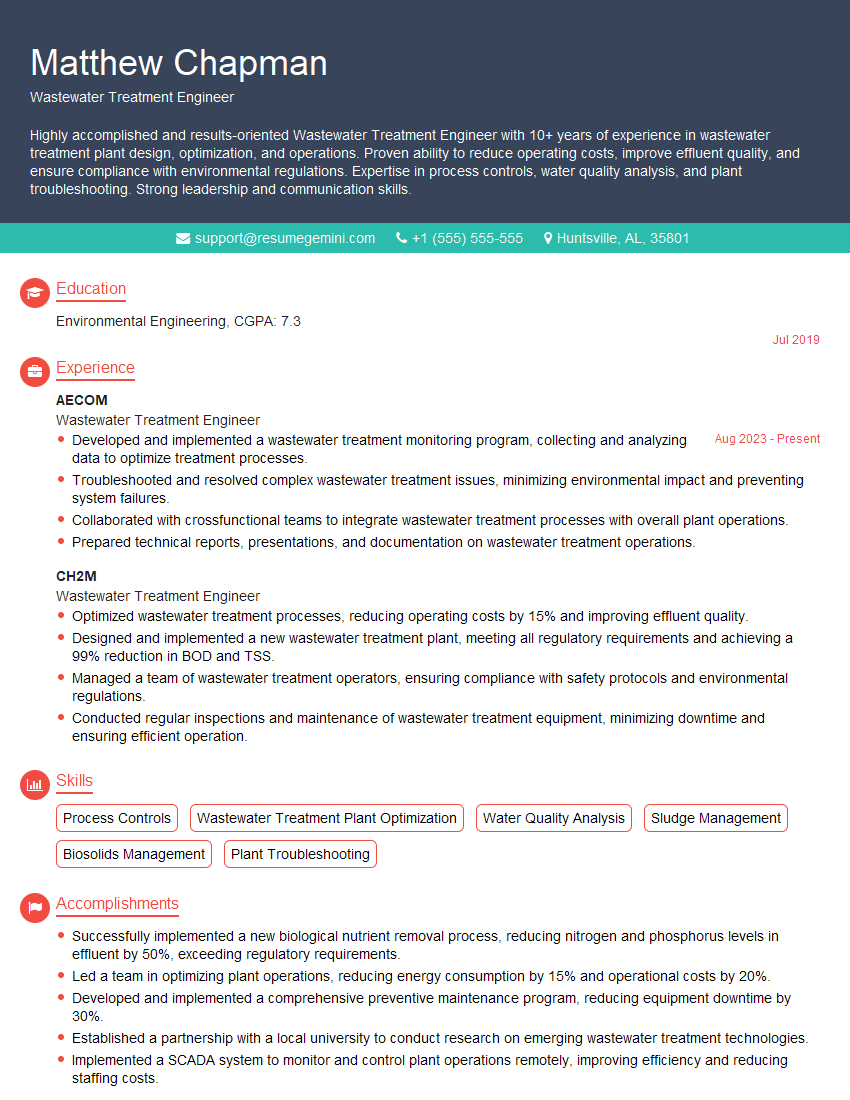
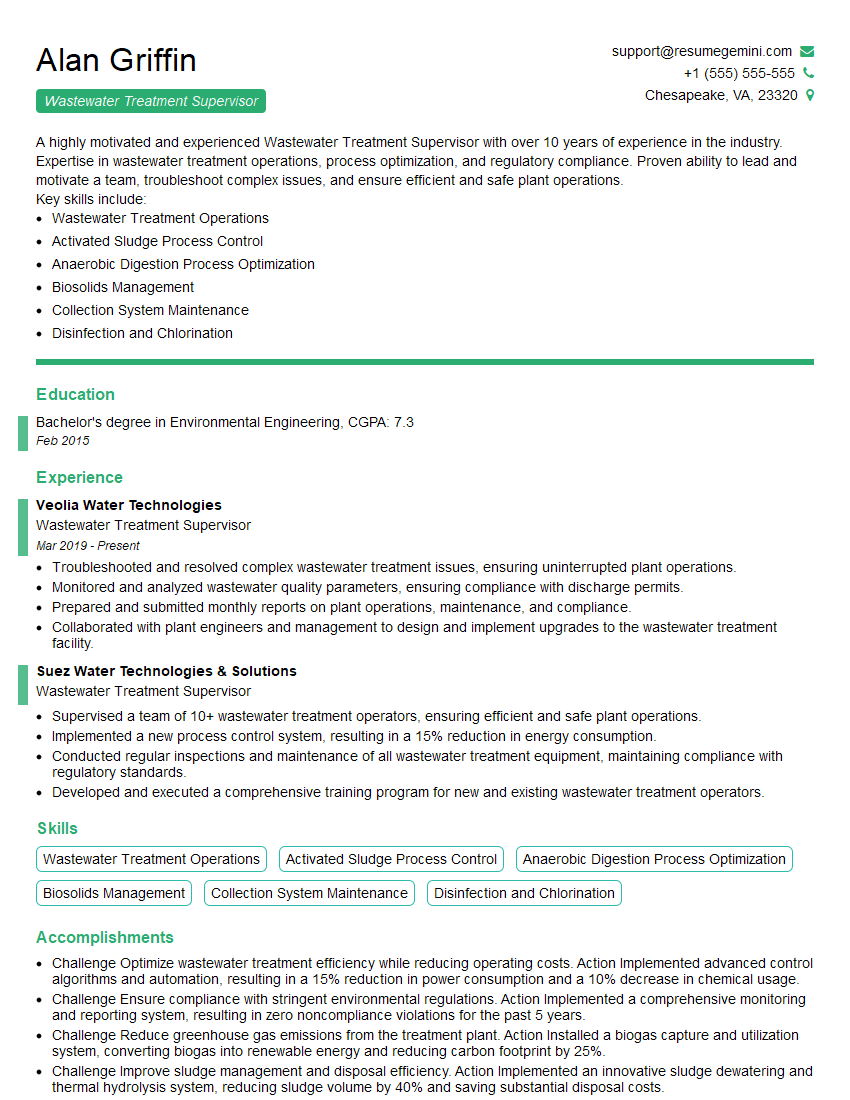
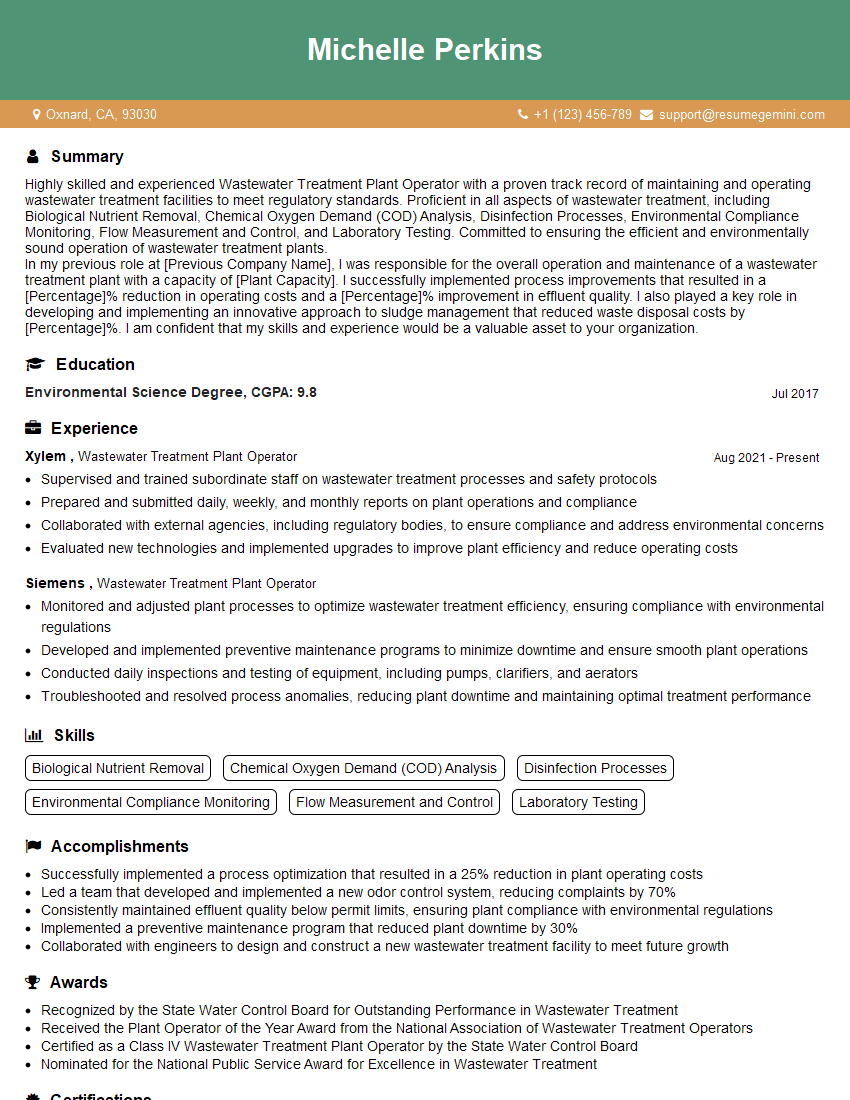
Mastering Water and Wastewater Treatment Troubleshooting is crucial for career advancement in this essential field. It demonstrates a high level of technical expertise and problem-solving ability, opening doors to more challenging and rewarding roles. To maximize your job prospects, creating an ATS-friendly resume is vital. This ensures your qualifications are effectively highlighted to hiring managers and Applicant Tracking Systems. We highly recommend using ResumeGemini to build a professional, impactful resume. ResumeGemini provides examples of resumes tailored to Water and Wastewater Treatment Troubleshooting to guide you, helping you showcase your skills and experience effectively.
Explore more articles
Users Rating of Our Blogs
Share Your Experience
We value your feedback! Please rate our content and share your thoughts (optional).
What Readers Say About Our Blog
Attention music lovers!
Wow, All the best Sax Summer music !!!
Spotify: https://open.spotify.com/artist/6ShcdIT7rPVVaFEpgZQbUk
Apple Music: https://music.apple.com/fr/artist/jimmy-sax-black/1530501936
YouTube: https://music.youtube.com/browse/VLOLAK5uy_noClmC7abM6YpZsnySxRqt3LoalPf88No
Other Platforms and Free Downloads : https://fanlink.tv/jimmysaxblack
on google : https://www.google.com/search?q=22+AND+22+AND+22
on ChatGPT : https://chat.openai.com?q=who20jlJimmy20Black20Sax20Producer
Get back into the groove with Jimmy sax Black
Best regards,
Jimmy sax Black
www.jimmysaxblack.com
Hi I am a troller at The aquatic interview center and I suddenly went so fast in Roblox and it was gone when I reset.
Hi,
Business owners spend hours every week worrying about their website—or avoiding it because it feels overwhelming.
We’d like to take that off your plate:
$69/month. Everything handled.
Our team will:
Design a custom website—or completely overhaul your current one
Take care of hosting as an option
Handle edits and improvements—up to 60 minutes of work included every month
No setup fees, no annual commitments. Just a site that makes a strong first impression.
Find out if it’s right for you:
https://websolutionsgenius.com/awardwinningwebsites
Hello,
we currently offer a complimentary backlink and URL indexing test for search engine optimization professionals.
You can get complimentary indexing credits to test how link discovery works in practice.
No credit card is required and there is no recurring fee.
You can find details here:
https://wikipedia-backlinks.com/indexing/
Regards
NICE RESPONSE TO Q & A
hi
The aim of this message is regarding an unclaimed deposit of a deceased nationale that bears the same name as you. You are not relate to him as there are millions of people answering the names across around the world. But i will use my position to influence the release of the deposit to you for our mutual benefit.
Respond for full details and how to claim the deposit. This is 100% risk free. Send hello to my email id: lukachachibaialuka@gmail.com
Luka Chachibaialuka
Hey interviewgemini.com, just wanted to follow up on my last email.
We just launched Call the Monster, an parenting app that lets you summon friendly ‘monsters’ kids actually listen to.
We’re also running a giveaway for everyone who downloads the app. Since it’s brand new, there aren’t many users yet, which means you’ve got a much better chance of winning some great prizes.
You can check it out here: https://bit.ly/callamonsterapp
Or follow us on Instagram: https://www.instagram.com/callamonsterapp
Thanks,
Ryan
CEO – Call the Monster App
Hey interviewgemini.com, I saw your website and love your approach.
I just want this to look like spam email, but want to share something important to you. We just launched Call the Monster, a parenting app that lets you summon friendly ‘monsters’ kids actually listen to.
Parents are loving it for calming chaos before bedtime. Thought you might want to try it: https://bit.ly/callamonsterapp or just follow our fun monster lore on Instagram: https://www.instagram.com/callamonsterapp
Thanks,
Ryan
CEO – Call A Monster APP
To the interviewgemini.com Owner.
Dear interviewgemini.com Webmaster!
Hi interviewgemini.com Webmaster!
Dear interviewgemini.com Webmaster!
excellent
Hello,
We found issues with your domain’s email setup that may be sending your messages to spam or blocking them completely. InboxShield Mini shows you how to fix it in minutes — no tech skills required.
Scan your domain now for details: https://inboxshield-mini.com/
— Adam @ InboxShield Mini
support@inboxshield-mini.com
Reply STOP to unsubscribe
Hi, are you owner of interviewgemini.com? What if I told you I could help you find extra time in your schedule, reconnect with leads you didn’t even realize you missed, and bring in more “I want to work with you” conversations, without increasing your ad spend or hiring a full-time employee?
All with a flexible, budget-friendly service that could easily pay for itself. Sounds good?
Would it be nice to jump on a quick 10-minute call so I can show you exactly how we make this work?
Best,
Hapei
Marketing Director
Hey, I know you’re the owner of interviewgemini.com. I’ll be quick.
Fundraising for your business is tough and time-consuming. We make it easier by guaranteeing two private investor meetings each month, for six months. No demos, no pitch events – just direct introductions to active investors matched to your startup.
If youR17;re raising, this could help you build real momentum. Want me to send more info?
Hi, I represent an SEO company that specialises in getting you AI citations and higher rankings on Google. I’d like to offer you a 100% free SEO audit for your website. Would you be interested?
Hi, I represent an SEO company that specialises in getting you AI citations and higher rankings on Google. I’d like to offer you a 100% free SEO audit for your website. Would you be interested?