Cracking a skill-specific interview, like one for Weapon Employment, requires understanding the nuances of the role. In this blog, we present the questions you’re most likely to encounter, along with insights into how to answer them effectively. Let’s ensure you’re ready to make a strong impression.
Questions Asked in Weapon Employment Interview
Q 1. Explain the principles of projectile motion and their impact on weapon accuracy.
Projectile motion is the curved path followed by an object launched into the air, influenced by gravity and air resistance. Understanding these principles is crucial for weapon accuracy because it dictates where the projectile will land. The path is determined by the projectile’s initial velocity, launch angle, and the effects of gravity.
Gravity pulls the projectile downwards, causing it to arc towards the earth. The higher the launch angle (up to 45 degrees for maximum range, ignoring air resistance), the higher the projectile will travel, but this also increases the time it’s affected by gravity and air resistance. Air resistance (drag) opposes the projectile’s motion, slowing it down and altering its trajectory. This effect is more significant at higher velocities and with less aerodynamic projectiles.
For accurate weapon employment, we need to account for these factors. This is often done using ballistics calculations, which consider gravity, air density, wind speed and direction, and even the spin of the projectile (for rifled weapons). Failure to do so leads to significant misses, especially at longer ranges. Imagine throwing a ball – a slight change in angle or force drastically changes its landing point; the same principle applies, but on a much larger scale with weapons.
Q 2. Describe different types of weapon guidance systems and their advantages/disadvantages.
Weapon guidance systems are crucial for precision strikes. Different types exist, each with advantages and disadvantages:
- Command Guidance: The weapon receives continuous instructions from an external source (e.g., a person or a computer) throughout its flight. This requires constant communication and is susceptible to jamming or interference. Advantage: High precision. Disadvantage: Vulnerable to disruption; limited range.
- Beam Rider Guidance: The weapon stays within a beam of energy (e.g., laser or radar) that guides it to the target. Advantage: Relatively simple and reliable. Disadvantage: Requires a continuous line of sight between the guidance source and the target; susceptible to atmospheric conditions affecting the beam.
- Inertial Guidance: The weapon uses internal sensors (accelerometers and gyroscopes) to measure its acceleration and rotation, calculating its position and trajectory. Advantage: Autonomous, unaffected by external interference. Disadvantage: Accuracy degrades over time due to sensor drift; requires precise initial positioning and velocity data.
- GPS Guidance: The weapon uses GPS signals to determine its location and navigate to a pre-programmed target location. Advantage: Relatively inexpensive, accurate, and long-range. Disadvantage: Susceptible to GPS jamming or spoofing.
- Active Homing Guidance: The weapon actively searches for and locks onto the target’s signal (e.g., radar or infrared emissions). Advantage: Ability to track moving targets. Disadvantage: Susceptible to countermeasures (decoys).
The choice of guidance system depends on various factors, including mission requirements, cost, and the environment.
Q 3. How do environmental factors (wind, temperature, humidity) affect weapon accuracy?
Environmental factors significantly impact weapon accuracy. They affect projectile trajectory through various mechanisms:
- Wind: Wind pushes the projectile off course, causing drift. The stronger the wind, and the longer the projectile’s flight time, the greater the drift. This effect is particularly pronounced for longer-range weapons and lighter projectiles.
- Temperature: Temperature influences air density. Hot air is less dense than cold air, leading to reduced air resistance and potentially increased range. Conversely, cold, dense air causes increased air resistance, reducing range. Temperature also affects propellant performance, impacting muzzle velocity.
- Humidity: Humidity affects air density, albeit less than temperature. High humidity can slightly increase air density, causing increased resistance and reduced range.
To compensate for these environmental factors, weapon systems use meteorological data (wind speed, temperature, and pressure) and sophisticated ballistic calculators to adjust firing solutions for accurate targeting. Ignoring these factors can result in significant errors, especially at longer ranges.
Q 4. What are the safety procedures for handling and storing different types of weapons?
Safety procedures for handling and storing weapons vary depending on the type of weapon, but some general principles apply:
- Always treat every weapon as if it were loaded: This is the fundamental rule of firearm safety. Never point a weapon at anything you don’t intend to shoot.
- Keep your finger off the trigger until ready to shoot: Accidental discharges are often caused by a finger resting on the trigger.
- Be sure of your target and what is beyond it: Ensure you know what you are shooting at and what is in the vicinity to prevent collateral damage or injury.
- Store weapons securely: Weapons should be stored in a locked container, out of reach of children and unauthorized individuals.
- Regular inspections: Periodic inspections for proper functionality and maintenance are necessary.
- Ammunition storage: Ammunition should be stored separately from weapons, in a cool, dry place.
Specific procedures for handling different types of weapons (e.g., handguns, rifles, artillery) are detailed in their respective manuals and training programs. Adherence to these procedures is paramount to prevent accidents.
Q 5. Explain the concept of effective range and factors influencing it.
Effective range is the maximum distance at which a weapon can consistently hit a target with acceptable accuracy. It’s not simply the maximum distance a projectile can travel, but rather the distance within which the weapon can reliably achieve its intended purpose.
Factors influencing effective range include:
- Weapon characteristics: Muzzle velocity, projectile weight, and ballistic coefficient all significantly impact range and accuracy.
- Ammunition type: Different ammunition types have varying ballistic properties, directly affecting effective range.
- Environmental conditions: Wind, temperature, and humidity, as discussed earlier, affect trajectory and accuracy.
- Target size and type: Larger, more easily visible targets have longer effective ranges than smaller, harder-to-hit targets.
- Weapon platform: For weapons mounted on vehicles or aircraft, the platform’s stability and motion influence accuracy and thus effective range.
- Shooter skill: A skilled shooter can consistently achieve higher accuracy at greater distances than an unskilled shooter.
Effective range is often determined through testing and practical experience, and the stated effective range should not be considered absolute but rather a guideline under ideal conditions.
Q 6. Describe the process of weapon system maintenance and troubleshooting.
Weapon system maintenance and troubleshooting is a critical aspect of ensuring operational readiness and safety. It involves a systematic process:
- Regular cleaning and lubrication: Removing fouling from the weapon and lubricating moving parts prevents malfunctions and extends the weapon’s lifespan. The frequency of cleaning depends on the weapon type and usage.
- Functional checks: Regularly checking all mechanisms, ensuring proper operation of sights, triggers, safety mechanisms, and other components.
- Component inspections: Identifying any signs of wear, damage, or corrosion on critical components. This often involves visual inspection and sometimes specialized tools.
- Troubleshooting malfunctions: When a malfunction occurs, following established troubleshooting procedures to diagnose the cause and implement the necessary repair or replacement.
- Scheduled maintenance: More extensive maintenance tasks, such as replacing worn parts, are performed at scheduled intervals.
- Record keeping: Maintaining accurate records of all maintenance activities, including dates, performed actions, and any parts replaced.
Troubleshooting often involves a step-by-step process of elimination, starting with simple checks (e.g., ammunition, trigger function) and moving to more complex diagnostics if necessary. Comprehensive documentation and training are essential for effective weapon system maintenance.
Q 7. What are the different types of ammunition and their applications?
Ammunition types are diverse, each designed for specific applications:
- Full metal jacket (FMJ): A bullet with a lead core encased in a metal jacket. Commonly used for target practice and military applications due to its relatively low cost and consistent performance. Often limited penetration capabilities against hard targets.
- Hollow point (HP): A bullet with a hollow cavity in the tip. Designed to expand upon impact, causing increased trauma and stopping power. Used frequently for self-defense and law enforcement.
- Armor-piercing (AP): Designed to penetrate armor or other hard materials. Can be used against armored vehicles or fortified structures.
- Tracer ammunition: Contains a chemical compound that glows or leaves a trail, allowing the shooter to see the path of the bullet. Used primarily for training and targeting at night or in limited visibility conditions.
- Incendiary ammunition: Contains a substance that burns intensely upon impact. Used to ignite fires or damage materials.
- Explosive ammunition: Contains an explosive charge, capable of causing significant damage. Used in various applications, from grenades to artillery shells.
The appropriate ammunition choice depends on the mission, target, and desired effect. Selecting the wrong ammunition can compromise effectiveness and potentially cause harm.
Q 8. How do you calculate the trajectory of a projectile?
Calculating a projectile’s trajectory involves understanding the forces acting upon it, primarily gravity and air resistance. We simplify this using ballistics, often modeling it as a two-dimensional problem. The basic formula ignores air resistance (a simplification useful for shorter ranges and heavier projectiles), and relies on initial velocity and launch angle.
The key components are:
- Initial Velocity (v0): The speed at which the projectile is launched.
- Launch Angle (θ): The angle above the horizontal at which the projectile is launched.
- Gravity (g): The acceleration due to gravity (approximately 9.8 m/s² on Earth).
We can break the initial velocity into horizontal (v0x = v0cosθ) and vertical (v0y = v0sinθ) components. The horizontal distance (range, R) and maximum height (H) can be calculated as follows (ignoring air resistance):
Range (R) = (v0² * sin(2θ)) / g
Maximum Height (H) = (v0² * sin²(θ)) / (2g)
More complex calculations incorporate air resistance (drag), which depends on factors like projectile shape, size, and velocity. These calculations often require numerical methods, as analytical solutions are difficult to obtain. Different ballistic models exist (e.g., the Siacci method) offering various levels of accuracy based on the complexity of the factors considered.
Example: Imagine firing a cannonball with an initial velocity of 100 m/s at a 45-degree angle. Ignoring air resistance, the range would be approximately 1020 meters.
Q 9. Explain the concept of weapon zeroing and its importance.
Weapon zeroing is the process of adjusting a firearm’s sights to ensure the point of impact (POI) matches the point of aim (POA) at a specific distance. It’s crucial for accuracy because manufacturing tolerances and environmental factors can cause discrepancies between where you aim and where the bullet lands.
Importance: Without zeroing, your shots will consistently miss the target, even if you’re a skilled shooter. Zeroing establishes a baseline for consistent accuracy. Different weapons and calibers require zeroing at different distances. Rifles are often zeroed at 100 or 200 yards/meters, while handguns may be zeroed at 25 yards/meters. The zeroing process involves firing several shots at a target, observing the group of impacts, and then adjusting the sights (usually windage and elevation) to bring the group closer to the bullseye. This iterative process continues until the POI and POA align.
Practical Application: A soldier in combat needs their weapon zeroed to effectively engage targets at various ranges. A hunter needs accurate zeroing for a clean, ethical kill. A competitive shooter requires precise zeroing for optimal performance.
Q 10. Describe the different types of weapon sights and their functionalities.
Weapon sights are systems used to align the firearm with the target. Various types exist, each with specific functionalities:
- Iron Sights: These consist of a front sight post and a rear sight aperture (or notch). They are simple, rugged, and reliable, requiring no batteries or external power. They are effective at close to medium ranges.
- Optical Sights: These utilize lenses to magnify the target, enhancing precision at longer ranges. They range from simple red dot sights, which provide a small illuminated aiming point, to high-powered telescopic sights with variable magnification.
- Reflex Sights: These project a reticle onto a lens, allowing for quick target acquisition and both-eyes-open shooting. They are commonly used in close-quarters combat (CQC).
- Holographic Sights: Similar to reflex sights, but use holographic technology to project the reticle. They generally offer wider fields of view.
- Laser Sights: These project a visible or infrared laser beam onto the target, aiding in target acquisition, particularly in low-light conditions.
Functionalities: Each sight type offers different advantages and disadvantages concerning magnification, field of view, light gathering capability, durability, and weight. The choice depends on the specific weapon system, mission requirements, and user preferences.
Q 11. How does weapon platform stability affect accuracy?
Weapon platform stability is paramount for accuracy. Any movement or instability during the shot will affect the bullet’s trajectory, leading to dispersion and reduced accuracy. Instability arises from various sources.
- Recoil: The backward force of the weapon after firing significantly impacts stability, especially in larger calibers. Heavier weapons generally manage recoil better.
- Weapon Platform: The support for the weapon, whether a shoulder rest, bipod, tripod, or simply a handhold, drastically influences stability. A stable platform minimizes movement during the shot.
- Shooter Factors: The shooter’s posture, breathing, and trigger control all contribute to stability. Proper shooting techniques minimize unwanted movement.
- Environmental Factors: Wind can deflect bullets, and uneven ground can cause instability. These should be considered when aiming and choosing a firing position.
Example: Firing a rifle from a prone position with a stable bipod will result in significantly better accuracy than firing it from a standing position without support.
Q 12. What are the key considerations for selecting a weapon system for a specific mission?
Selecting a weapon system for a specific mission requires careful consideration of several critical factors:
- Mission Objectives: What is the primary goal? Is it close-quarters combat, long-range precision shooting, area suppression, or something else?
- Threat Assessment: What are the enemy’s capabilities, such as range, armor, and cover? This directly influences the weapon’s required range, firepower, and lethality.
- Environment: The operational environment – urban, jungle, desert – impacts weapon choice. Some weapons are better suited to specific conditions.
- Logistical Considerations: Weight, ammunition availability, maintainability, and the size of the weapon are critical for practicality and operational effectiveness. A heavy weapon may be powerful but impractical for long patrols.
- Personnel Capabilities: The weapon should be manageable by the user. Factors such as the user’s experience level and physical condition should be taken into account.
- Cost-Effectiveness: The acquisition and life-cycle costs must be considered alongside capability.
Example: A special forces team conducting a nighttime raid in an urban environment would require different weapons than a sniper team operating in open terrain.
Q 13. Explain the concept of lethality and its relationship to weapon effectiveness.
Lethality refers to a weapon’s ability to inflict harm or cause death. It’s a key aspect of weapon effectiveness, but not the sole determinant. Effectiveness considers lethality alongside factors such as accuracy, range, reliability, and rate of fire. A highly lethal weapon may be ineffective if it’s inaccurate or unreliable.
Relationship to Weapon Effectiveness: Lethality contributes to overall effectiveness, but it must be balanced with other factors. For instance, a weapon with extremely high lethality but low accuracy is less effective than a less lethal weapon that is more accurate and reliable. The best weapon for a mission is the one that maximizes the overall probability of mission success. This often involves considering the balance between lethality, range, accuracy, and reliability.
Example: A high-explosive round may have high lethality due to its blast radius and fragmentation, but its reduced accuracy compared to a precision-guided munition might render it less effective in certain scenarios.
Q 14. Describe the process of target acquisition and engagement.
Target acquisition and engagement is a multi-step process crucial for successful combat operations. It typically involves:
- Detection: Identifying a potential target, either visually, through sensors, or via intelligence reports.
- Location: Pinpointing the target’s exact position – its range, bearing, and elevation.
- Identification: Determining whether the target is hostile and verifying its identity to avoid fratricide (friendly fire).
- Selection: Prioritizing the target based on its threat level and mission objectives. Multiple targets may require a prioritization scheme.
- Engagement: Employing the weapon system to neutralize or destroy the target. This includes calculating necessary adjustments for range, wind, and other environmental factors.
- Assessment: Evaluating the effectiveness of the engagement, confirming the target’s destruction or neutralization.
Example: A sniper team detects a hostile sniper using a spotting scope. They then identify the sniper’s location and confirm his hostile status. After range finding, they adjust their weapon sights, compensating for wind conditions, and fire a shot. Finally, they assess the effectiveness of the shot using observation tools, such as binoculars or spotters.
Q 15. What are the different types of weapon malfunctions and how are they addressed?
Weapon malfunctions can be broadly categorized into stoppages, misfires, and failures. Stoppages prevent the weapon from firing altogether, often due to a failure in feeding ammunition or a problem with the firing mechanism. Misfires occur when the weapon fails to fire despite the trigger being pulled, usually due to a faulty primer or cartridge. Failures encompass a broader range of issues that could impact the weapon’s function. Addressing these requires a systematic approach.
Stoppages: These are usually addressed by applying the ‘immediate action’ drill, often summarized as ‘tap, rack, and assess’ – tapping the magazine to ensure rounds are seated correctly, racking the charging handle to clear any obstructions, and then assessing the situation to see if the weapon is operational.
Misfires: In case of a misfire, the standard procedure is to keep the weapon pointed in a safe direction, remove the magazine, lock the slide or bolt to the rear, and wait a few seconds before carefully clearing the weapon. If a misfire persists, the weapon should be reported to the armorer for inspection and repair.
Failures: More complex failures often require expert diagnosis and repair by qualified personnel. This typically involves a thorough inspection and potential replacement of damaged parts.
Remember, weapon safety is paramount. Proper training and familiarization are crucial to address malfunctions safely and efficiently. Improper handling can lead to serious injury or death.
Career Expert Tips:
- Ace those interviews! Prepare effectively by reviewing the Top 50 Most Common Interview Questions on ResumeGemini.
- Navigate your job search with confidence! Explore a wide range of Career Tips on ResumeGemini. Learn about common challenges and recommendations to overcome them.
- Craft the perfect resume! Master the Art of Resume Writing with ResumeGemini’s guide. Showcase your unique qualifications and achievements effectively.
- Don’t miss out on holiday savings! Build your dream resume with ResumeGemini’s ATS optimized templates.
Q 16. Explain the concept of collateral damage and how to minimize it.
Collateral damage refers to unintended harm or injury inflicted on people or property during a military operation. Minimizing collateral damage is a critical aspect of effective and ethical warfare. It necessitates a careful assessment of the situation, including the identification of potential civilian presence, the use of precision-guided munitions whenever possible, and strict adherence to the Rules of Engagement (ROE).
Intelligence Gathering: Accurate intelligence regarding the target and its surrounding environment is critical in minimizing collateral damage. This may involve using reconnaissance assets like drones or satellites to ascertain the location of civilians or critical infrastructure.
Precision Weapons: Employing guided munitions (such as laser-guided bombs or precision-guided missiles) instead of unguided weapons significantly reduces the risk of harming unintended targets. Their accuracy allows for targeted strikes with minimal collateral effects.
Strict ROE: The ROE provide legal and ethical guidelines on the use of force. Adherence to these rules is paramount to ensure the proportionality of force used and the protection of non-combatants.
Post-Strike Assessment: After a strike, a thorough assessment is conducted to evaluate the effectiveness of the operation and identify any unintended consequences or collateral damage.
Minimizing collateral damage is not just an ethical imperative; it’s also tactically advantageous. Reducing civilian casualties and damage to infrastructure promotes public support, minimizes long-term instability, and reduces the risk of future conflict.
Q 17. How do you assess the risk associated with weapon employment?
Assessing the risk associated with weapon employment is a multi-faceted process that involves evaluating various factors that could influence the success and safety of the operation. This involves a thorough risk assessment matrix, considering factors like the weapon system itself, the environment, the target, and potential threats.
Weapon System Reliability: This includes the weapon’s accuracy, its operational reliability, and the ammunition’s quality.
Environmental Conditions: Weather, terrain, and visibility can all affect weapon accuracy and effectiveness. Consider wind speed, visibility, precipitation, temperature, and the terrain’s impact on weapon deployment and trajectory.
Target Analysis: Understanding the target’s location, size, and potential defenses is essential to assessing risk. What are the target’s vulnerabilities and defenses? What is the potential for civilian casualties?
Threat Assessment: Identifying potential enemy response, including counter-fire, is crucial. This could involve assessing enemy capabilities, troop strength, and potential defenses.
Legal and Ethical Considerations: Ensuring that the employment of the weapon conforms to the law and ethical standards such as proportionality of force and discrimination between combatants and non-combatants.
The risk assessment process typically involves a risk matrix which prioritizes the assessed risks and outlines appropriate mitigation strategies. This helps decision-makers weigh the potential benefits against the risks involved before authorizing weapon employment.
Q 18. Describe the role of weapon employment in different military branches.
The role of weapon employment varies significantly across different military branches, reflecting their unique missions and capabilities.
Army: The Army focuses on land warfare, employing a wide range of weapons systems, from small arms to artillery, tanks, and missiles. Their weapon employment doctrine emphasizes combined arms operations, coordinating the use of different weapon systems to achieve tactical objectives.
Navy: The Navy’s weapon employment centers around naval power projection. This includes employing naval guns, missiles (both ship-launched and aircraft-launched), and torpedoes. Their focus is on maritime warfare, protecting naval assets, and projecting power from the sea.
Air Force: The Air Force’s weapon employment relies heavily on air superiority and precision strikes. They utilize a vast array of aircraft, drones, and missiles for air-to-air, air-to-ground, and strategic bombing operations. Their doctrine emphasizes precision and effectiveness.
Marines: The Marines’ weapon employment combines aspects of both Army and Navy operations. They employ a variety of weapons systems for both land and sea operations, focusing on expeditionary warfare and amphibious landings.
Across all branches, effective weapon employment demands strict adherence to safety procedures, rigorous training, and a clear understanding of the target and the operational environment.
Q 19. What are the ethical considerations related to weapon employment?
Ethical considerations related to weapon employment are paramount. These considerations revolve around proportionality, discrimination, and the minimization of collateral damage. The use of force must be proportionate to the threat, meaning that the response should be appropriate to the level of aggression encountered.
Proportionality: The use of force should be proportionate to the military advantage gained. Excessive force, even if militarily effective, is unethical.
Discrimination: Efforts must be made to distinguish between combatants and non-combatants. Attacks targeting civilians are strictly prohibited under international humanitarian law.
Collateral Damage Minimization: All feasible precautions must be taken to minimize collateral damage to civilian populations and property. This involves careful target selection, precise weapon employment, and intelligence gathering.
Accountability: Those responsible for weapon employment must be held accountable for their actions, ensuring that any violations of international humanitarian law are investigated and addressed.
Ethical considerations guide the development and implementation of Rules of Engagement and significantly impact the strategic decision-making process regarding weapon employment.
Q 20. How do you stay current with advancements in weapon technology?
Staying current with advancements in weapon technology is a continuous process. This requires active participation in professional development opportunities and engagement with the latest information and research.
Professional Development Courses: Attending advanced training courses, seminars, and conferences focused on weapon technology and employment tactics provides up-to-date knowledge.
Professional Journals and Publications: Subscribing to and actively reading professional journals and publications in the field keeps me abreast of the latest advancements.
Industry Events and Conferences: Participating in relevant industry events, trade shows, and conferences allows for networking and exposure to the latest innovations.
Online Resources and Databases: Utilizing online resources, professional networks, and government-sponsored databases provides access to a wealth of information and research.
By actively pursuing these avenues, I ensure that my knowledge remains current and relevant, allowing me to make informed decisions and effectively contribute to weapon employment strategies.
Q 21. Describe your experience with weapon system simulations and training.
I have extensive experience with weapon system simulations and training, utilizing both individual and collective training exercises.
Individual Training: I’ve participated in numerous simulations focusing on individual weapon handling, marksmanship, and malfunction clearing drills, using advanced simulators to replicate real-world scenarios.
Collective Training: I’ve taken part in larger-scale simulations involving teams and units, practicing coordinated weapon employment tactics, communication protocols, and battle management procedures within realistic operational environments. This often involves virtual or augmented reality environments that provide immersive and realistic training experiences.
After-Action Reviews (AARs): Following simulations, we conduct thorough AARs to analyze performance, identify areas for improvement, and refine tactical procedures. This iterative process is crucial in improving skills and proficiency.
Software and Hardware: My experience spans various weapon system simulators, from those focused on individual weapon systems to those modeling entire battlespaces, with diverse levels of fidelity. This encompasses experience with both software-based simulations and hardware-in-the-loop simulations.
Weapon system simulations are invaluable tools in enhancing proficiency, improving decision-making under pressure, and fostering teamwork. The realistic scenarios and feedback mechanisms they offer are essential for effective weapon employment.
Q 22. How do you ensure the security and accountability of weapons and ammunition?
Ensuring the security and accountability of weapons and ammunition is paramount. It’s a multi-layered process involving strict adherence to established protocols and diligent record-keeping. This begins with secure storage, utilizing facilities with controlled access, robust alarm systems, and environmental controls to prevent degradation. Each weapon and its accompanying ammunition must be uniquely identified through serial numbers and meticulously logged into a secure database. Regular inventory checks, ideally conducted by multiple personnel, verify the accuracy of records and detect any discrepancies promptly. Furthermore, personnel handling weapons and ammunition undergo rigorous training on safe handling procedures, storage regulations, and accountability measures. This training emphasizes the importance of chain of custody – meticulously documenting who handled each item and when – to prevent loss, theft, or misuse. Any anomalies are immediately reported through established channels. Finally, regular audits, both internal and external, ensure that procedures are consistently followed and security measures remain effective. Think of it like a high-security bank vault; multiple layers of protection and strict accounting procedures prevent unauthorized access and maintain a clear audit trail.
Q 23. What is your experience with weapon system integration and testing?
My experience with weapon system integration and testing spans over a decade, encompassing various platforms and weapon types. This includes extensive work on integrating new sensor systems with existing weapon platforms, ensuring seamless data transfer and optimal performance. I’ve led and participated in numerous test programs, from initial design verification to final operational testing, using both simulation and live-fire exercises. A key project involved integrating a new targeting system onto a legacy helicopter platform. This required meticulous coordination between software engineers, mechanical engineers, and weapons specialists to ensure compatibility, reliability, and safety. The process involved rigorous testing in simulated environments to identify and resolve integration issues before proceeding to live-fire tests, prioritizing safety at each step. These tests rigorously evaluated the system’s accuracy, range, and reliability under varying conditions. Successful integration resulted in significantly improved targeting capabilities and enhanced operational effectiveness. Throughout this experience, I’ve utilized various testing methodologies, including statistical analysis of test data to identify trends and optimize system performance.
Q 24. Explain the concept of rate of fire and its implications.
Rate of fire (ROF) refers to the number of projectiles a weapon can discharge in a given timeframe, typically measured in rounds per minute (RPM). It’s a crucial factor in determining a weapon’s effectiveness in different combat scenarios. A high ROF allows for a rapid suppression of enemy fire, increasing the chances of neutralizing targets quickly. However, a high ROF also leads to increased ammunition consumption and potentially reduced accuracy due to the difficulty of maintaining precise aim at high firing rates. For example, a machine gun with a high ROF might be ideal for suppressing enemy movement, while a sniper rifle with a low ROF prioritizes accuracy over sheer volume of fire. The optimal ROF depends on the specific weapon, its intended purpose, and the tactical situation. Factors such as the weapon’s mechanism, ammunition type, and the skill of the operator all influence the effective ROF that can be consistently achieved.
Q 25. Describe different weapon firing techniques and their effectiveness.
Various weapon firing techniques exist, each optimized for specific circumstances.
- Single Shot: Used for precise targeting at long ranges, emphasizing accuracy over speed. Common with sniper rifles.
- Burst Fire: Short bursts of shots, balancing accuracy and speed. Effective in close-quarters combat.
- Automatic Fire: Continuous firing, ideal for suppressing enemy fire and covering movement. Requires careful control to avoid wasting ammunition.
- Controlled bursts: Short controlled bursts of fire with pauses allowing for readjustment. Aims to reduce recoil and improve accuracy.
- Double tap: Rapid firing of two shots; the second shot intended to hit a target missed by the first.
Q 26. How do you analyze weapon effectiveness data?
Analyzing weapon effectiveness data involves a multi-step process. First, we collect data from various sources, such as live-fire exercises, simulations, and operational reports. This data typically includes metrics like hit probability, range accuracy, malfunction rates, and ammunition consumption. Next, we use statistical methods to analyze the data, identifying trends and patterns. This could involve calculating averages, standard deviations, and correlations to determine the weapon’s performance under various conditions. Sophisticated statistical models can further analyze factors such as environmental conditions (wind, temperature), target type, and shooter proficiency. For example, we might use regression analysis to determine the relationship between range and accuracy, or survival analysis to model the weapon’s reliability over time. Finally, we interpret the results to make informed recommendations for improvements or modifications to the weapon system. This data-driven approach allows for objective evaluation and continual optimization of weapon performance. We may also compare the analyzed weapon’s performance against similar systems to gauge its competitive standing.
Q 27. Explain your understanding of relevant weapon laws and regulations.
My understanding of weapon laws and regulations is comprehensive and up-to-date. I am familiar with both national and international laws governing the possession, use, and transportation of weapons. This includes licensing requirements, storage regulations, and restrictions on specific weapon types. I’m also knowledgeable about export controls and international arms treaties. For example, I understand the stringent regulations surrounding the handling of explosives and the legal requirements for conducting live-fire exercises. Compliance is crucial, and maintaining detailed records of weapon handling and transfer is essential to avoid legal repercussions. Staying informed about evolving regulations and legislation through professional development and continuous learning is a critical part of maintaining my expertise in this field.
Q 28. Describe your experience working within a team on weapon-related tasks.
I have extensive experience working collaboratively on weapon-related tasks within multidisciplinary teams. This includes working closely with engineers, technicians, logisticians, and military personnel. My experience has taught me the value of clear communication, proactive collaboration, and mutual respect. A particular example involved working on a project to improve the accuracy of a long-range artillery system. This required close collaboration between ballistic engineers, weapon technicians, and range safety officers. Effective teamwork ensured that all aspects of the project, from data analysis to live-fire testing, were executed safely and efficiently. Successful collaboration relies on effective communication channels, shared goals, and a strong understanding of each team member’s role and expertise. This collaborative approach not only accelerates project completion but also fosters a positive and productive work environment leading to enhanced outcomes.
Key Topics to Learn for Weapon Employment Interview
- Weapon Systems Fundamentals: Understanding the operational principles of various weapon systems, including their capabilities, limitations, and maintenance requirements.
- Tactical Employment Strategies: Developing and applying effective strategies for deploying weapons systems in diverse operational environments, considering factors like terrain, enemy capabilities, and mission objectives. This includes understanding different tactical doctrines and their implications.
- Ammunition and Explosives Handling: Safe and proper handling, storage, and utilization of ammunition and explosives, adhering to strict safety protocols and regulations.
- Marksmanship and Weapon Proficiency: Demonstrating a high level of skill and accuracy in the use of various weapons systems. This includes understanding factors affecting accuracy and precision.
- Risk Assessment and Mitigation: Identifying and assessing potential risks associated with weapon employment and developing effective mitigation strategies to minimize casualties and collateral damage.
- Communication and Coordination: Effective communication and coordination with team members during weapon employment operations, ensuring seamless integration and optimal performance.
- Legal and Ethical Considerations: Understanding and adhering to all relevant laws, regulations, and ethical guidelines related to the use of force and weapon employment.
- Technological Advancements: Keeping abreast of the latest technological advancements in weapon systems and their implications for tactical employment.
- Problem-solving and Decision-Making under Pressure: Demonstrating the ability to analyze complex situations, make sound judgments, and solve problems effectively under pressure.
Next Steps
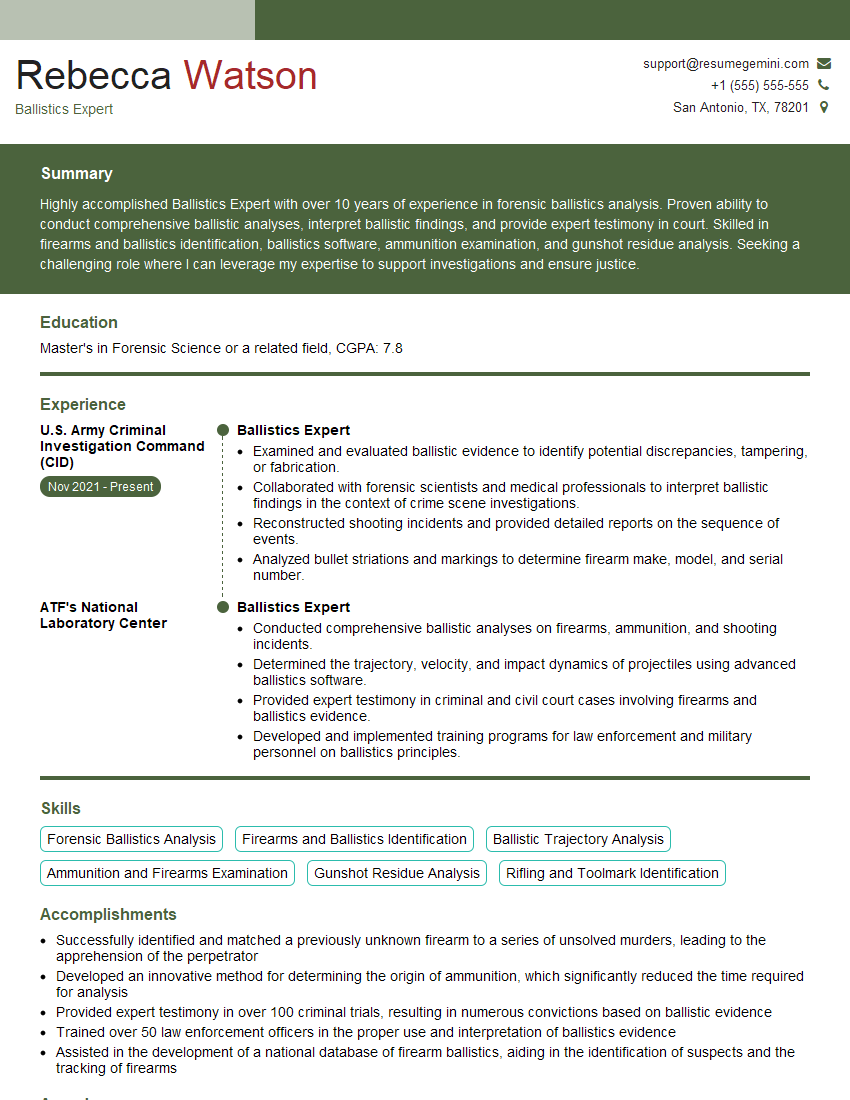
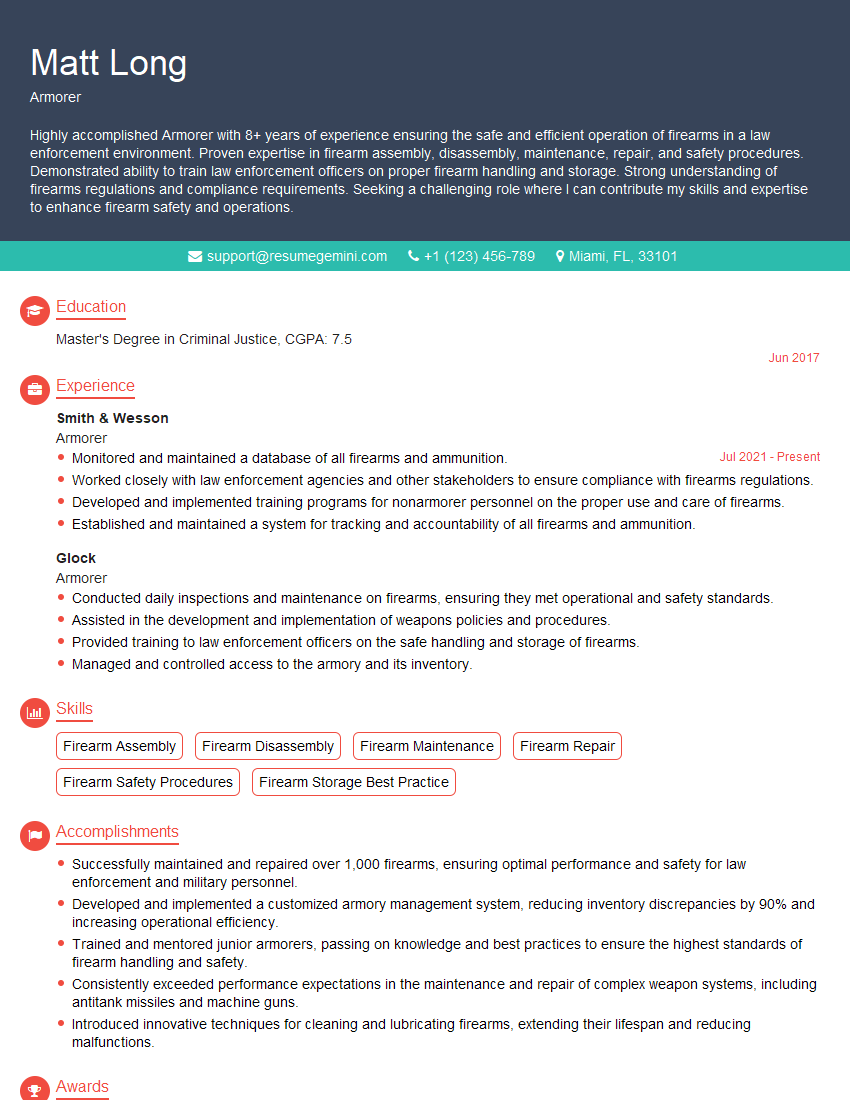
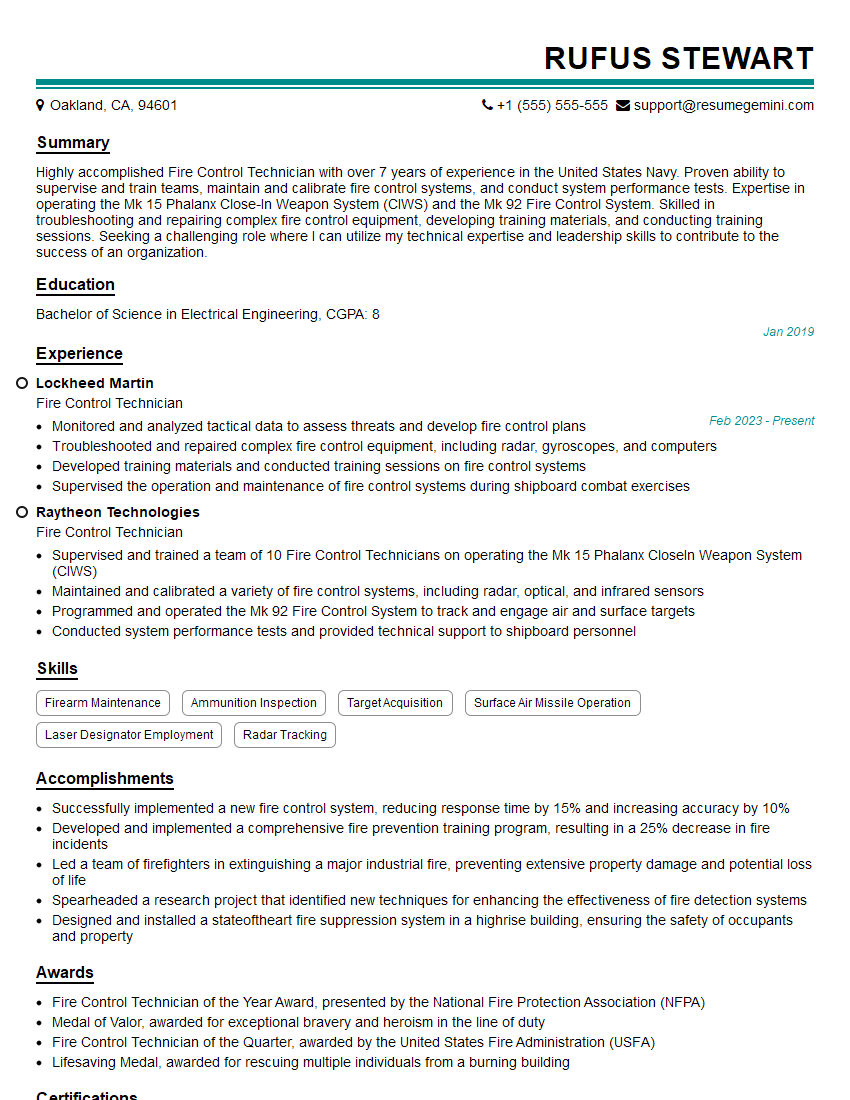
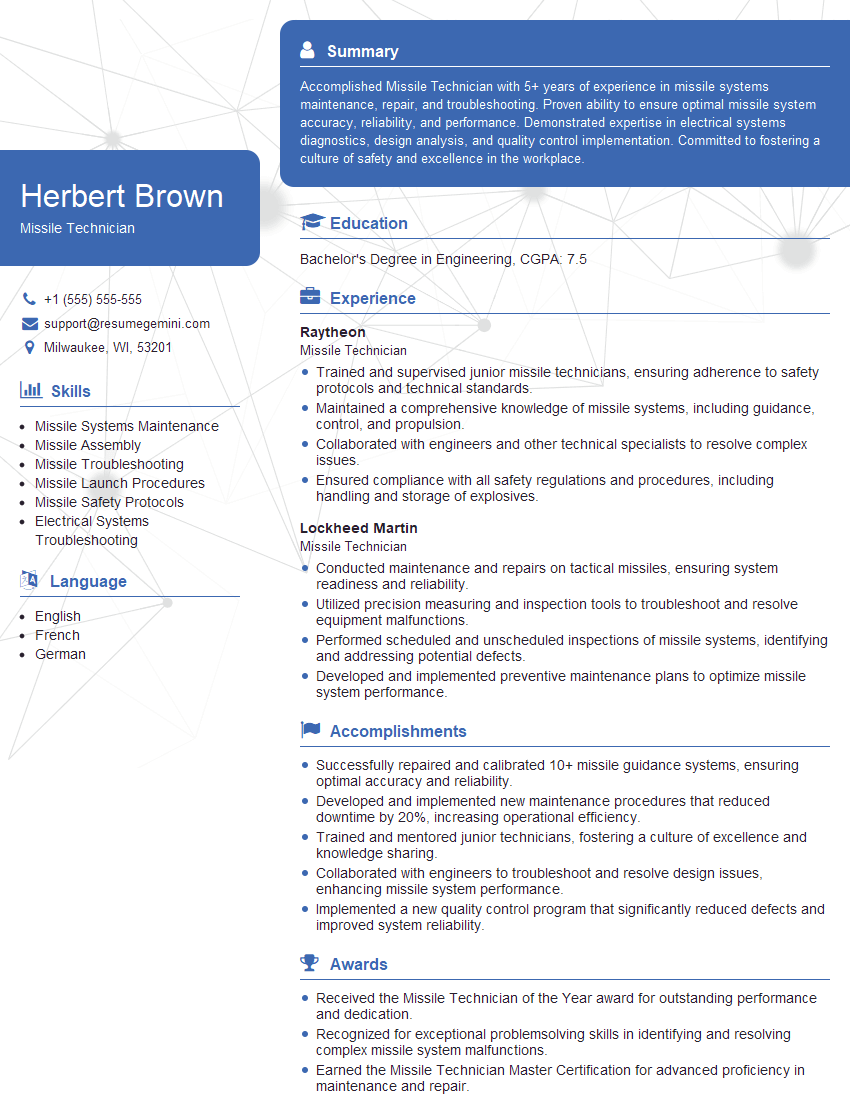
Mastering Weapon Employment opens doors to exciting and impactful career opportunities, offering a chance to contribute significantly to national security and defense. To maximize your job prospects, creating a strong, ATS-friendly resume is crucial. ResumeGemini can be your trusted partner in this process, helping you build a compelling resume that showcases your skills and experience effectively. ResumeGemini provides examples of resumes tailored specifically for Weapon Employment roles, giving you a head start in crafting your own.
Explore more articles
Users Rating of Our Blogs
Share Your Experience
We value your feedback! Please rate our content and share your thoughts (optional).
What Readers Say About Our Blog
Hello,
we currently offer a complimentary backlink and URL indexing test for search engine optimization professionals.
You can get complimentary indexing credits to test how link discovery works in practice.
No credit card is required and there is no recurring fee.
You can find details here:
https://wikipedia-backlinks.com/indexing/
Regards
NICE RESPONSE TO Q & A
hi
The aim of this message is regarding an unclaimed deposit of a deceased nationale that bears the same name as you. You are not relate to him as there are millions of people answering the names across around the world. But i will use my position to influence the release of the deposit to you for our mutual benefit.
Respond for full details and how to claim the deposit. This is 100% risk free. Send hello to my email id: [email protected]
Luka Chachibaialuka
Hey interviewgemini.com, just wanted to follow up on my last email.
We just launched Call the Monster, an parenting app that lets you summon friendly ‘monsters’ kids actually listen to.
We’re also running a giveaway for everyone who downloads the app. Since it’s brand new, there aren’t many users yet, which means you’ve got a much better chance of winning some great prizes.
You can check it out here: https://bit.ly/callamonsterapp
Or follow us on Instagram: https://www.instagram.com/callamonsterapp
Thanks,
Ryan
CEO – Call the Monster App
Hey interviewgemini.com, I saw your website and love your approach.
I just want this to look like spam email, but want to share something important to you. We just launched Call the Monster, a parenting app that lets you summon friendly ‘monsters’ kids actually listen to.
Parents are loving it for calming chaos before bedtime. Thought you might want to try it: https://bit.ly/callamonsterapp or just follow our fun monster lore on Instagram: https://www.instagram.com/callamonsterapp
Thanks,
Ryan
CEO – Call A Monster APP
To the interviewgemini.com Owner.
Dear interviewgemini.com Webmaster!
Hi interviewgemini.com Webmaster!
Dear interviewgemini.com Webmaster!
excellent
Hello,
We found issues with your domain’s email setup that may be sending your messages to spam or blocking them completely. InboxShield Mini shows you how to fix it in minutes — no tech skills required.
Scan your domain now for details: https://inboxshield-mini.com/
— Adam @ InboxShield Mini
Reply STOP to unsubscribe
Hi, are you owner of interviewgemini.com? What if I told you I could help you find extra time in your schedule, reconnect with leads you didn’t even realize you missed, and bring in more “I want to work with you” conversations, without increasing your ad spend or hiring a full-time employee?
All with a flexible, budget-friendly service that could easily pay for itself. Sounds good?
Would it be nice to jump on a quick 10-minute call so I can show you exactly how we make this work?
Best,
Hapei
Marketing Director
Hey, I know you’re the owner of interviewgemini.com. I’ll be quick.
Fundraising for your business is tough and time-consuming. We make it easier by guaranteeing two private investor meetings each month, for six months. No demos, no pitch events – just direct introductions to active investors matched to your startup.
If youR17;re raising, this could help you build real momentum. Want me to send more info?
Hi, I represent an SEO company that specialises in getting you AI citations and higher rankings on Google. I’d like to offer you a 100% free SEO audit for your website. Would you be interested?
Hi, I represent an SEO company that specialises in getting you AI citations and higher rankings on Google. I’d like to offer you a 100% free SEO audit for your website. Would you be interested?
good