Every successful interview starts with knowing what to expect. In this blog, we’ll take you through the top Willingness to work overtime and on weekends interview questions, breaking them down with expert tips to help you deliver impactful answers. Step into your next interview fully prepared and ready to succeed.
Questions Asked in Willingness to work overtime and on weekends Interview
Q 1. Describe a time you had to work overtime to meet a deadline. What was the outcome?
During my previous role at Acme Corporation, we faced a critical deadline for a major software release. The initial timeline was ambitious, and despite diligent planning, unforeseen technical challenges emerged in the final stages. This required the entire team, including myself, to work significant overtime for three consecutive weeks. We were averaging 12-hour days, including weekends. The outcome was overwhelmingly positive; we not only met the deadline but also delivered a product that exceeded expectations, receiving significant praise from clients and internal stakeholders. The experience solidified the importance of proactive problem-solving and collaborative teamwork under pressure. The extra effort paid off both professionally and in terms of team cohesion.
Q 2. Are you comfortable working weekends on a regular basis?
My comfort level with working weekends depends heavily on the context. Regular, scheduled weekend work is something I’d need to understand better within the overall scope of the role. While I’m adaptable and understand the occasional need for weekend work in project-based roles, consistent weekend work would require careful consideration of work-life balance and a clear understanding of the long-term expectations. Open communication about workload distribution and the overall project goals would be essential to ensure sustainable and effective performance.
Q 3. How do you manage your time and energy when working long hours?
Managing time and energy during long hours involves a multifaceted approach. Firstly, effective time management techniques like time blocking and prioritization are crucial. I use tools like Trello or Asana to visually organize my tasks and deadlines. Secondly, I prioritize sufficient sleep and regular breaks. Stepping away from the screen to stretch, walk, or have a healthy snack improves focus and prevents burnout. Thirdly, I maintain a healthy diet and exercise routine. This sustains my energy levels throughout extended work periods. Finally, I utilize the Pomodoro Technique, working in focused bursts with short breaks in between to maintain concentration and prevent mental fatigue. It’s a balancing act between productivity and self-care.
Q 4. What strategies do you use to maintain productivity during overtime?
Maintaining productivity during overtime necessitates strategic planning and self-awareness. I focus on breaking down large tasks into smaller, manageable units. This makes progress more visible and less daunting. Regular short breaks help maintain concentration, and I avoid multitasking, focusing on one critical task at a time. I also make use of collaboration tools to ensure effective communication and prevent duplicated effort. Regular self-assessment helps me identify potential bottlenecks and adjust my strategy accordingly. Open communication with my supervisor about workload and potential roadblocks is crucial for proactive problem-solving.
Q 5. Have you ever had to sacrifice personal commitments to meet work demands?
Yes, there have been instances where I had to temporarily adjust personal commitments to meet urgent work demands. For example, during the launch phase of a new product at my previous company, I had to reschedule a family trip to ensure I was available for critical support. However, I always strive to maintain open communication with my loved ones and ensure that such sacrifices are temporary and justified by the overall importance of the project. It’s a delicate balance, requiring transparency and careful consideration of both professional and personal responsibilities.
Q 6. How do you prioritize tasks when facing tight deadlines and overtime?
Prioritization under tight deadlines and overtime requires a systematic approach. I use the Eisenhower Matrix (urgent/important), categorizing tasks based on their urgency and importance. Urgent and important tasks receive immediate attention, while important but not urgent tasks are scheduled strategically. Less important tasks are delegated or eliminated where possible. This method ensures that I focus my energy on the tasks that have the greatest impact on meeting the deadline. This process is iterative, with regular reassessment as new information or priorities emerge.
Q 7. Describe your experience working weekends in previous roles.
In my previous role at Beta Solutions, weekend work was occasionally required, particularly during project sprints or critical launch phases. I found that having a clear plan, effective communication with the team, and a well-defined scope of work for each weekend were essential to manage the workload effectively and maintain a sense of work-life balance. I ensured that any additional hours were compensated appropriately and that the overall workload was distributed fairly amongst the team. My experience showed that proactive planning and collaborative efforts are key to success in situations requiring weekend work.
Q 8. How do you balance work and personal life when working extended hours?
Balancing work and personal life during extended hours requires a proactive and structured approach. It’s not about squeezing personal life into the remaining gaps, but rather integrating both seamlessly. This involves careful planning, setting boundaries, and prioritizing self-care.
- Prioritization & Planning: I utilize time management techniques like the Eisenhower Matrix (urgent/important) to allocate time effectively, ensuring both work and personal commitments receive adequate attention. This might involve scheduling specific time slots for family, hobbies, or exercise, just as I would schedule meetings.
- Setting Boundaries: It’s crucial to disconnect from work during designated personal time. This means turning off notifications, avoiding checking emails late at night, and actively engaging in non-work activities. Communicating these boundaries to colleagues helps establish expectations and respect for my personal time.
- Self-Care: Maintaining physical and mental well-being is non-negotiable. This includes sufficient sleep, healthy eating, regular exercise, and pursuing hobbies that provide relaxation and rejuvenation. Neglecting self-care can lead to burnout, impacting both work performance and personal relationships.
For example, I might schedule a family dinner every Wednesday evening, even if it means working a bit later on other days to compensate. This ensures consistent quality time with loved ones.
Q 9. What are your expectations regarding overtime compensation?
My expectations regarding overtime compensation are fair and aligned with industry standards and company policy. I believe compensation should reflect the additional time and effort invested. This could involve overtime pay at a premium rate, compensatory time off (comp time), or other mutually agreed-upon arrangements.
Transparency and clear communication are key. I expect open discussion about overtime compensation before undertaking extended work hours to avoid any misunderstandings or disputes later. I’m also open to considering flexible arrangements, such as working fewer hours on other days to balance the extra hours worked.
Q 10. What are your personal limits regarding overtime and weekend work?
My personal limits regarding overtime and weekend work are driven by a need to maintain a healthy work-life balance and prevent burnout. While I am dedicated and willing to go the extra mile when needed, I recognize that sustained extended hours are unsustainable. My limits aren’t fixed numbers but rather a function of context and workload.
I prefer to be informed in advance about the necessity of overtime to allow for adequate planning and to communicate any potential scheduling conflicts. Consistency is also important. Regularly working excessive overtime is something I’d need to discuss, perhaps suggesting ways to improve efficiency or workload distribution to make it more manageable long term.
Q 11. How do you handle unexpected overtime requests?
Handling unexpected overtime requests requires flexibility and clear communication. My initial response involves assessing the urgency and impact of the request. If it’s truly urgent and critical, I’m generally willing to accommodate. However, I always communicate my availability and any potential constraints or conflicts.
If the request is manageable within my capacity and aligns with my personal limits, I will gladly assist. However, if the request is excessive or conflicts with prior commitments, I will discuss alternative solutions or timelines with my supervisor, perhaps suggesting re-prioritization of tasks or seeking help from colleagues.
Q 12. How do you ensure you maintain focus and avoid burnout during extended work hours?
Maintaining focus and avoiding burnout during extended work hours requires a multifaceted approach emphasizing both mental and physical well-being.
- Regular Breaks: I schedule short breaks throughout the day to rest my eyes, stretch, and clear my head. Stepping away from the screen, even for 5-10 minutes, can significantly improve focus and reduce fatigue.
- Mindfulness & Meditation: Incorporating brief mindfulness exercises or meditation can help reduce stress and improve concentration. Even a few minutes of deep breathing can make a difference.
- Healthy Diet & Hydration: I maintain a healthy diet and stay hydrated throughout the day. Proper nutrition and hydration are essential for maintaining energy levels and cognitive function.
- Adequate Sleep: Prioritizing sufficient sleep is critical. Lack of sleep impairs judgment, increases errors, and contributes to burnout.
For instance, I use the Pomodoro Technique – working in focused 25-minute intervals with short breaks in between. This method is incredibly effective for maintaining concentration and preventing mental fatigue.
Q 13. What steps do you take to avoid making errors when working overtime?
Preventing errors during overtime requires a heightened awareness of potential pitfalls and proactive measures to mitigate them.
- Double-Checking Work: I consistently double-check my work, especially during periods of extended hours. This involves reviewing calculations, verifying data accuracy, and ensuring that all tasks are completed thoroughly.
- Taking Breaks: Regular breaks are crucial to maintain focus and avoid errors caused by fatigue. Short breaks allow for mental refreshment and prevent mistakes from creeping in.
- Prioritizing Tasks: I prioritize tasks based on their criticality and complexity. Tackling the most important and challenging tasks when my energy levels are highest helps reduce the risk of errors.
- Seeking Clarification: If I am unsure about anything, I always seek clarification to avoid making assumptions that could lead to mistakes.
For example, before submitting a critical report after a long day, I will always have a colleague review it, providing a fresh perspective and catching potential oversights.
Q 14. Describe a time you successfully managed a heavy workload including weekends.
During a particularly demanding project launch, we faced a critical deadline that required working extended hours, including weekends. The project involved integrating a new software system with existing infrastructure, a complex process with potential for unforeseen issues.
To manage the heavy workload, we implemented a clear project plan with detailed tasks and responsibilities. We utilized collaborative tools to share updates and track progress in real-time, minimizing misunderstandings and ensuring everyone was on the same page. We also scheduled regular team check-ins to address challenges and adjust our approach as needed. Crucially, we built in time for rest and recovery, ensuring everyone had breaks and didn’t push themselves to the point of burnout. The launch was successful, demonstrating the effectiveness of our collaborative approach and commitment to a balanced workload.
Q 15. How do you stay motivated when facing long hours or consecutive workdays?
Maintaining motivation during long hours requires a multifaceted approach. It’s not just about willpower; it’s about proactively managing energy and setting yourself up for success. Think of it like running a marathon, not a sprint. You need pacing, hydration, and the right fuel.
Clear Goals & Breaks: Breaking down large tasks into smaller, manageable chunks with regular short breaks helps prevent burnout. Setting daily, achievable goals provides a sense of accomplishment and keeps momentum going. Think of it as celebrating mini-victories along the way.
Self-Care: Prioritizing sleep, healthy eating, and regular exercise is crucial. These aren’t luxuries; they’re essential tools for sustaining energy and focus. Neglecting them is like trying to run a marathon on an empty tank.
Positive Mindset: Focusing on the positive aspects of the work, celebrating achievements, and practicing gratitude can significantly impact motivation levels. Remembering the overall purpose and impact of your work can be a powerful motivator.
Open Communication: Talking to my supervisor about workload and potential adjustments can prevent feeling overwhelmed. This shows proactive problem-solving and a commitment to collaboration.
Career Expert Tips:
- Ace those interviews! Prepare effectively by reviewing the Top 50 Most Common Interview Questions on ResumeGemini.
- Navigate your job search with confidence! Explore a wide range of Career Tips on ResumeGemini. Learn about common challenges and recommendations to overcome them.
- Craft the perfect resume! Master the Art of Resume Writing with ResumeGemini’s guide. Showcase your unique qualifications and achievements effectively.
- Don’t miss out on holiday savings! Build your dream resume with ResumeGemini’s ATS optimized templates.
Q 16. How do you communicate your availability for overtime or weekend work?
Communicating availability for overtime or weekend work requires clear, proactive, and respectful communication. It’s about being dependable while also protecting your personal time.
Proactive Approach: I generally let my manager know my availability in advance, perhaps during our regular check-ins or via email. This shows initiative and allows for better planning.
Transparent Communication: I clearly state my availability, including any limitations or constraints. For instance, “I’m available for overtime on Tuesdays and Thursdays, but weekends are generally unavailable unless it’s a critical project.”
Confirmation: I always follow up to confirm the arrangement and any specifics, such as the expected duration and compensation. This ensures everyone is on the same page and avoids misunderstandings.
Respectful Boundaries: While being willing to go the extra mile, it’s essential to establish clear boundaries to avoid overcommitment and maintain a healthy work-life balance. Saying “no” when necessary is perfectly acceptable and professional.
Q 17. Can you provide an example of a situation where you went above and beyond your regular duties?
During a critical product launch, we faced a significant technical challenge just days before the deadline. The primary developer was unexpectedly unavailable. Recognizing the urgency, I stepped up, even though it was outside my direct responsibilities. I spent many extra hours learning the necessary codebase and collaborating with other team members to troubleshoot and implement a solution. We successfully launched the product on time, avoiding significant financial and reputational damage. This demonstrated my commitment to the team’s success and my ability to adapt quickly to unexpected challenges.
Q 18. What measures do you take to ensure your work quality remains high during overtime?
Maintaining high work quality during overtime demands conscious effort and strategic planning. It’s about working smarter, not harder.
Prioritization: I meticulously prioritize tasks, focusing on the most crucial ones first to ensure the highest impact. Using a task management system helps.
Regular Breaks: Short, frequent breaks are essential for maintaining focus and preventing errors. Stepping away from the screen for a few minutes can significantly improve productivity and concentration.
Quality Checks: I incorporate rigorous quality checks throughout the process, reviewing my work at each stage to catch potential issues early. A second pair of eyes can also help identify potential errors.
Self-Awareness: Recognizing my own fatigue levels and adjusting my work accordingly is key. If I notice a decline in performance, I take a longer break or delegate tasks if possible.
Q 19. How do you handle stress and pressure associated with extended work hours?
Managing stress and pressure during extended work hours requires a proactive and holistic approach. It’s about building resilience and establishing healthy coping mechanisms.
Time Management: Effective time management techniques minimize stress by ensuring I’m not constantly scrambling to meet deadlines.
Mindfulness & Relaxation: I incorporate mindfulness practices like meditation or deep breathing exercises into my routine to manage stress effectively.
Healthy Lifestyle: Maintaining a healthy diet, exercising regularly, and getting sufficient sleep are crucial for stress management and overall well-being.
Boundaries: Setting boundaries between work and personal life is critical to prevent burnout. This could involve disconnecting after work hours or scheduling dedicated downtime.
Q 20. How do you delegate tasks effectively during periods of high workload?
Effective delegation during periods of high workload is crucial for maximizing efficiency and minimizing stress. It’s about distributing tasks strategically, not just dumping work.
Assess Capabilities: I assess each team member’s skills and experience to determine who is best suited for specific tasks.
Clear Instructions: I provide clear, concise instructions, ensuring each team member understands expectations, deadlines, and resources available.
Empowerment: I empower team members to take ownership of their tasks and solve problems independently, fostering a sense of responsibility and engagement.
Regular Check-ins: I conduct regular check-ins to monitor progress, provide support, and address any challenges or roadblocks.
Q 21. Are you comfortable with flexible work schedules that may include irregular hours?
Yes, I am comfortable with flexible work schedules that may include irregular hours. My adaptability is a strength. I understand that certain roles require flexibility to meet project demands or client needs, and I’m prepared to adjust my schedule accordingly, provided appropriate notice and reasonable considerations for work-life balance are maintained. However, open communication is key to ensure that these flexible schedules are mutually beneficial and don’t lead to burnout.
Q 22. What are your expectations regarding communication during overtime or weekend work?
Clear and consistent communication is paramount when working overtime or on weekends. My expectation is proactive, transparent communication from my supervisor regarding the need for extra hours, the scope of work, and the expected timeline. This should ideally include a heads-up, whenever possible, to allow for adequate planning. I also expect prompt responses to any questions or concerns I may have regarding tasks or project updates. Conversely, I commit to keeping my supervisor informed of my progress and any roadblocks encountered during those extended work hours. Think of it like a well-oiled machine – everyone needs to know their role and how it connects to the whole project.
For instance, if I anticipate needing clarification on a task or if I’m facing an unexpected delay, I will promptly reach out to the team leader to prevent further issues. Similarly, regular check-ins via email or short meetings would be helpful to ensure everything is running smoothly.
Q 23. How do you handle conflict with colleagues when working during non-standard hours?
Conflict resolution during non-standard hours requires a calm, professional approach. My strategy involves focusing on the task at hand and finding mutually agreeable solutions. If conflict arises, I prioritize direct, respectful communication with my colleagues, aiming to understand their perspective before offering my own. If a resolution isn’t immediately possible, I might suggest delaying the discussion to a more appropriate time, allowing everyone to approach the issue with a fresh perspective. The goal is always to maintain a collaborative work environment even when working outside of regular business hours.
For example, I’ve had instances where differing opinions on the best approach to a project emerged during an evening work session. Instead of arguing, I suggested we table the discussion until the next morning, allowing each of us to consider all viewpoints and come prepared with solutions. This approach avoided escalating the conflict and led to a more productive and collaborative resolution.
Q 24. Describe your experience with using project management tools during busy periods.
I’m proficient in using various project management tools, including Jira, Asana, and Trello, to track progress, manage tasks, and collaborate with team members even during busy periods. My experience has shown me how crucial these tools are for maintaining organization and transparency during peak times. I’m adept at creating and updating tasks, assigning responsibilities, setting deadlines, and monitoring progress within these platforms. This allows for efficient collaboration and ensures that everyone is on the same page, regardless of the time of day or day of the week.
For instance, during a recent product launch, we relied heavily on Jira to track bugs and feature requests. This allowed us to efficiently prioritize tasks and ensure that all team members knew which issues to focus on, even during weekend sprints. The platform’s reporting features helped us effectively communicate progress to stakeholders, despite the pressure of tight deadlines.
Q 25. How do you plan for personal downtime when working extended hours?
Maintaining a work-life balance while working extended hours necessitates careful planning and prioritization. I build in specific downtime into my schedule, ensuring that I get enough sleep, exercise, and time to relax. This might involve scheduling specific times for breaks, setting boundaries to avoid working late into the night without sufficient rest, and making sure I engage in activities I enjoy outside of work to recharge. Treating downtime as a crucial part of my workflow – not as an afterthought – is key to preventing burnout and maintaining productivity.
For example, I block out specific times for exercise and family time, treating those appointments as seriously as I would a meeting. This helps ensure I maintain my mental and physical well-being while managing a busy work schedule, even when extended hours are involved.
Q 26. What type of overtime compensation are you seeking?
My expectation regarding overtime compensation aligns with the company’s standard policy. Ideally, I would prefer compensation at a premium rate for all hours worked beyond my standard working hours, including weekends, reflecting the added commitment and disruption to my personal time. A fair and competitive rate is essential, and I’m open to discussing specific rates based on the company’s standard practices and the complexity of the tasks required.
Q 27. How much overtime are you comfortable working per month?
My comfort level with overtime varies depending on the project’s urgency and importance. I am generally comfortable working up to 10 hours of overtime per month, provided it is spread out reasonably and does not consistently disrupt my work-life balance. However, I’m also flexible and willing to discuss adjustments based on project needs and adequate advance notice.
Q 28. Have you ever refused overtime or weekend work? If so, why?
Yes, there have been instances where I’ve respectfully declined overtime or weekend work. These situations usually arise when the request is made with insufficient notice, when the additional work significantly compromises my personal commitments, or when the workload is already unsustainable and accepting additional tasks would lead to a decline in the quality of my work. In such scenarios, I prioritize clear and respectful communication to explain my limitations while offering to explore alternative solutions, such as delegating tasks or prioritizing existing commitments.
For example, I once declined a last-minute request to work a weekend shift because I had already made prior commitments. Instead of simply refusing, I offered to assist in the prioritization of tasks and help find a colleague who could fill the shift, ensuring project continuity.
Key Topics to Learn for Willingness to work overtime and on weekends Interview
- Understanding Employer Needs: Explore why companies require overtime and weekend availability in different industries and roles. Consider the impact of deadlines, project urgency, and business needs.
- Balancing Work and Life: Develop strategies for managing your time effectively to accommodate potential overtime and weekend work without compromising your well-being. Discuss healthy boundaries and self-care techniques.
- Professionalism and Teamwork: Highlight your commitment to teamwork and your ability to contribute positively to a team’s success, even when working outside of standard hours. Emphasize your reliability and dedication.
- Communication and Responsiveness: Demonstrate your ability to communicate your availability clearly and respond promptly to requests for overtime or weekend work. Showcase your proactive approach to problem-solving.
- Compensation and Benefits: Understand the compensation structure regarding overtime and weekend work (overtime pay, compensatory time off, etc.) and how this fits within your overall career goals.
- Situational Examples: Prepare examples from your past experiences (volunteer work, previous jobs, academic projects) that illustrate your willingness to go the extra mile to achieve results, even if it means working outside regular hours.
Next Steps
Mastering your approach to overtime and weekend work demonstrates dedication and commitment—qualities highly valued by employers and crucial for career advancement. A well-crafted resume highlighting these qualities is key to securing interviews. Building an ATS-friendly resume significantly increases your chances of getting noticed by recruiters. ResumeGemini is a trusted resource to help you create a professional and effective resume that showcases your willingness and ability to work flexibly. Examples of resumes tailored to highlight willingness to work overtime and on weekends are available to guide you.
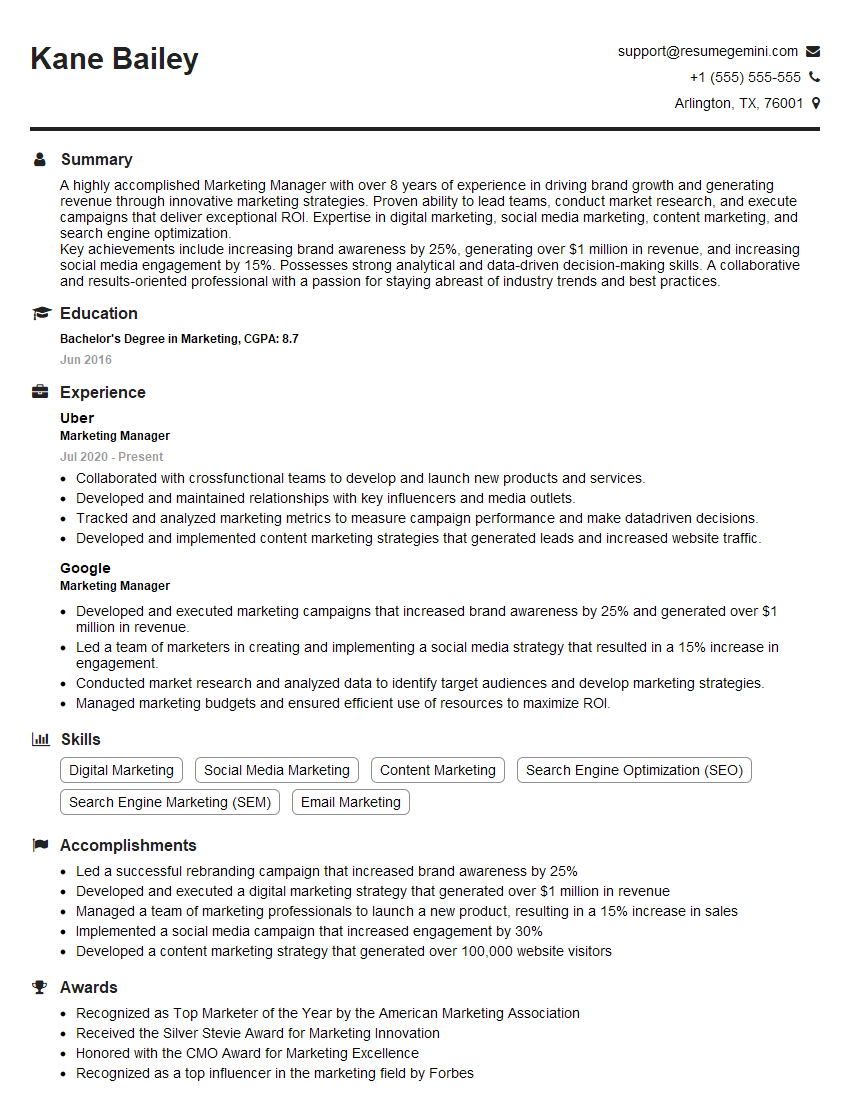
Marketing Manager Resume Sample
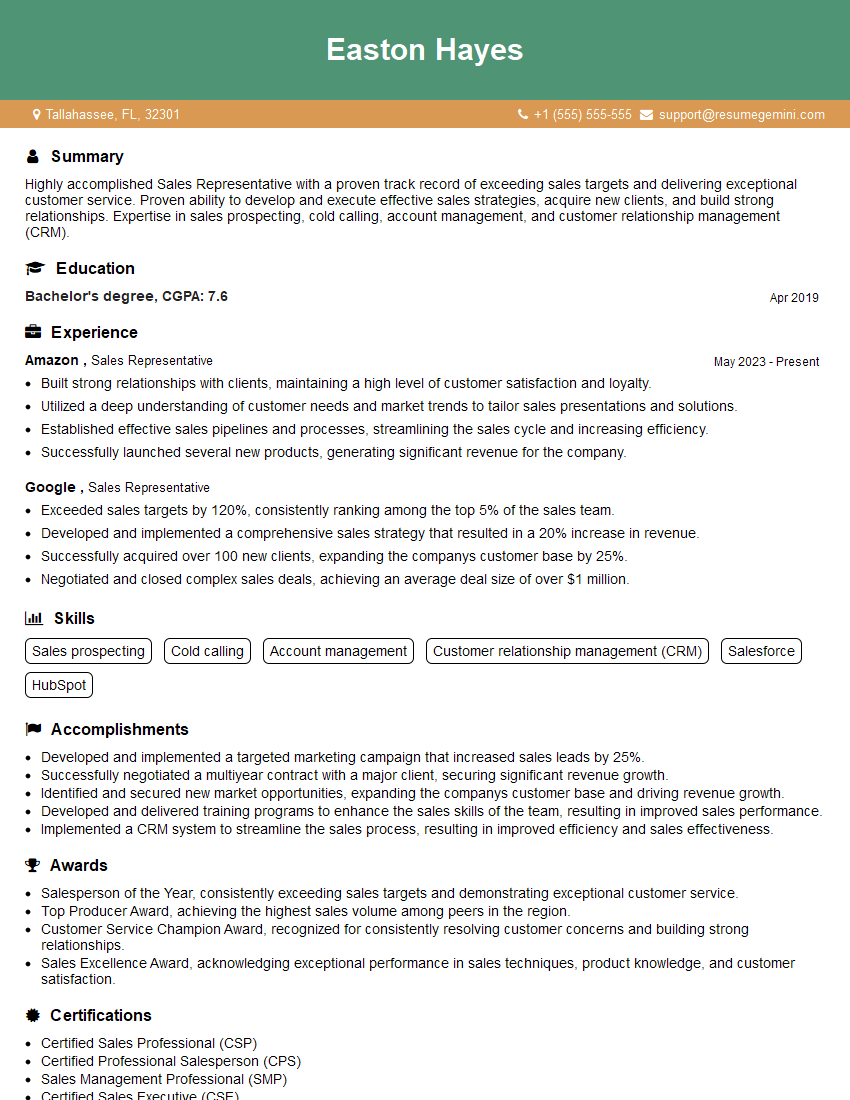
Sales Representative Resume Sample
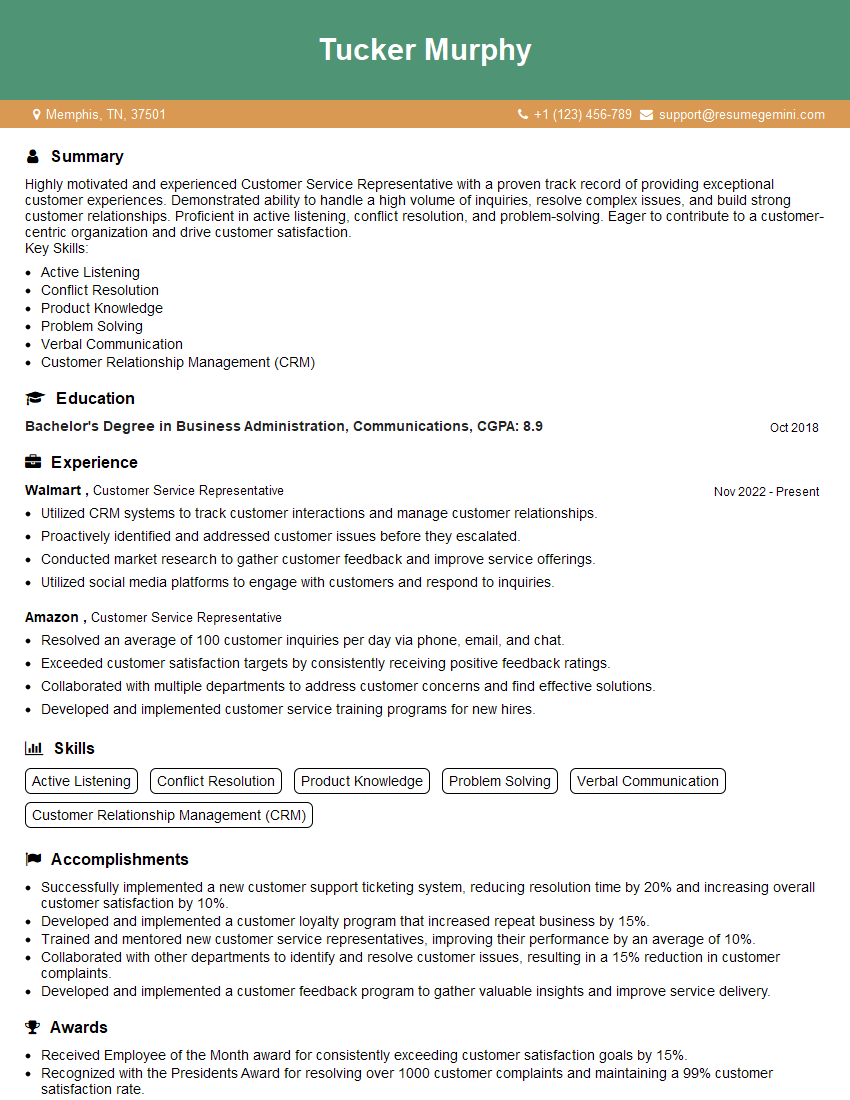
Customer Service Representative Resume Sample
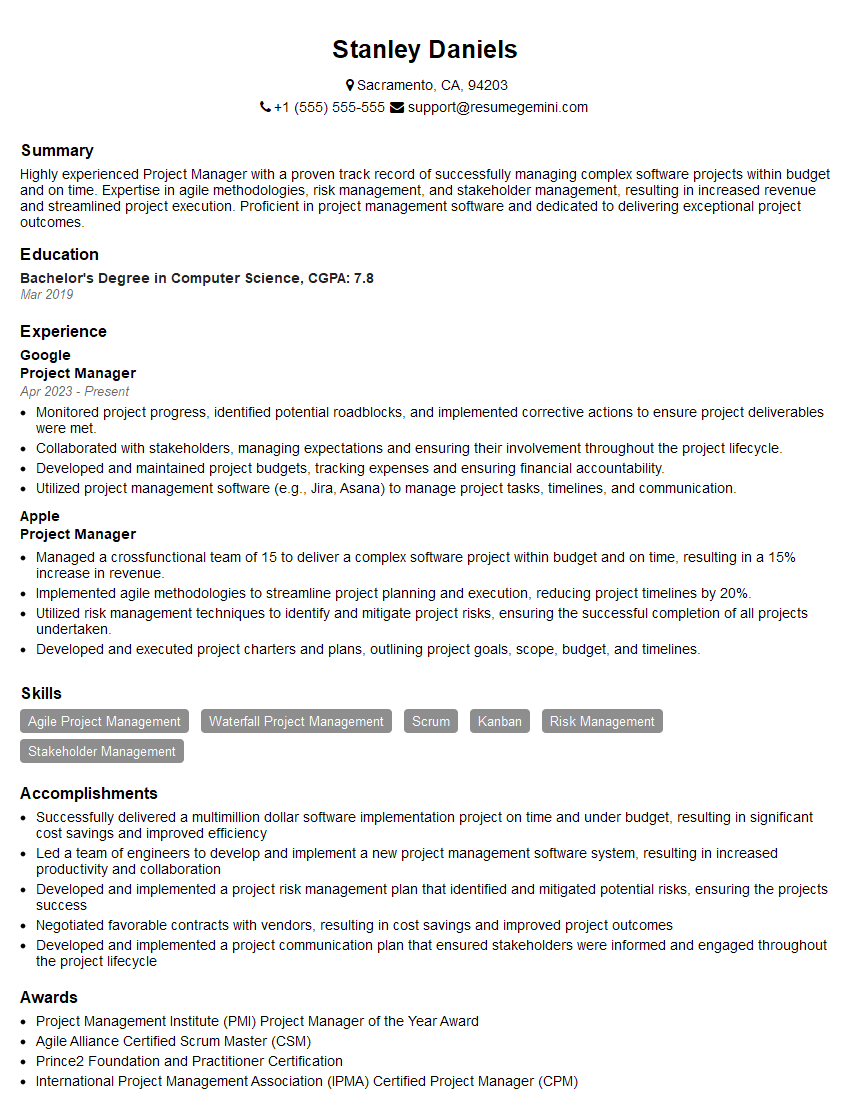
Project Manager Resume Sample
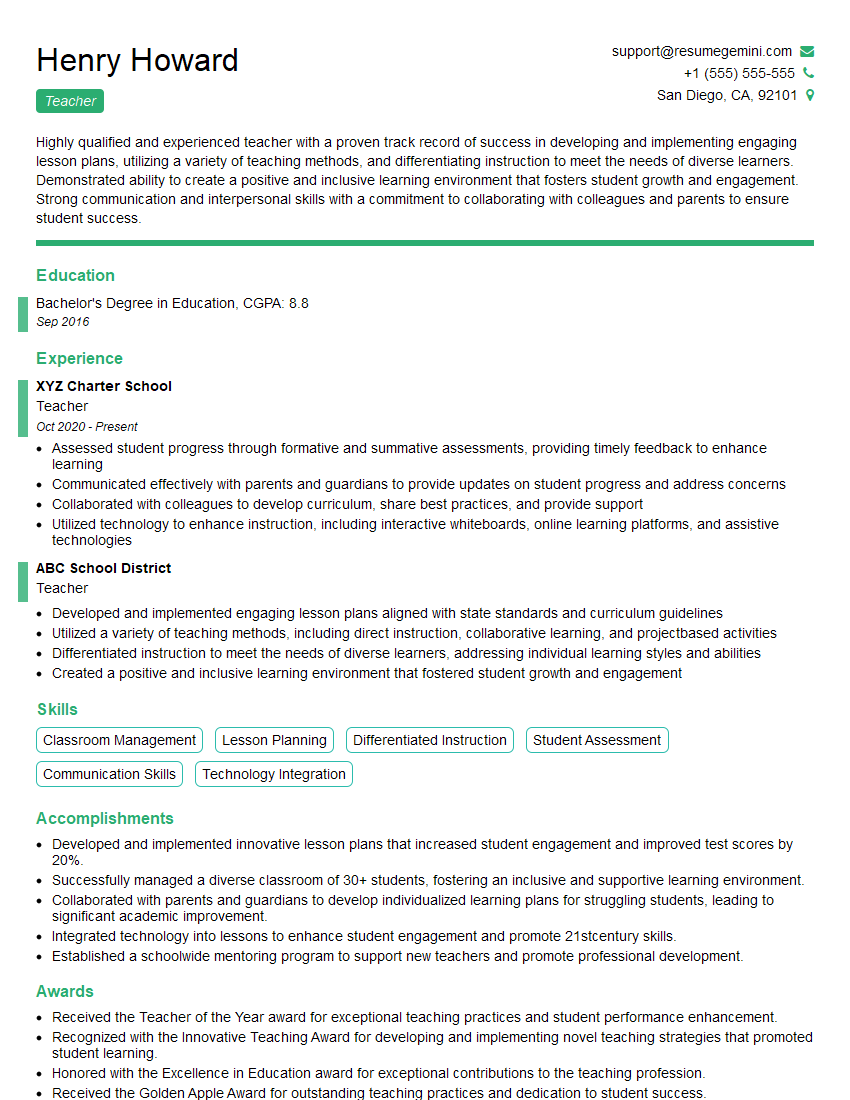
Teacher Resume Sample

Professor Resume Sample
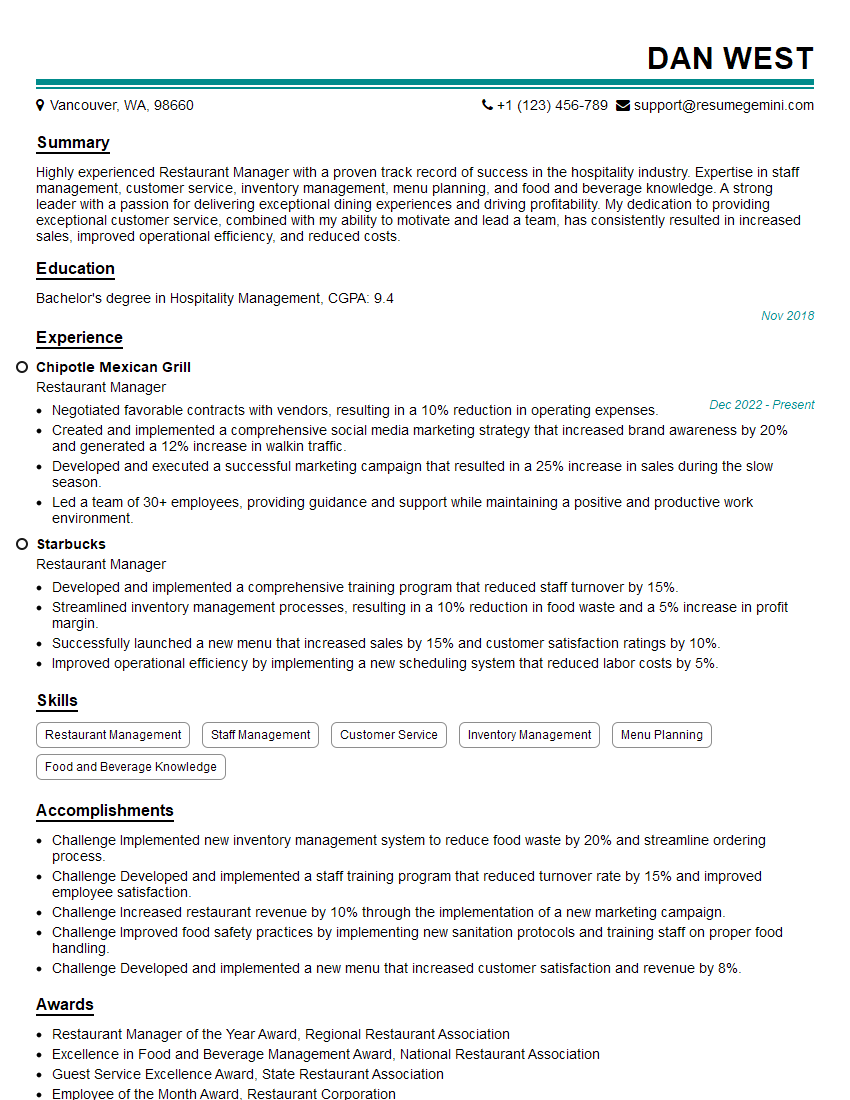
Restaurant Manager Resume Sample
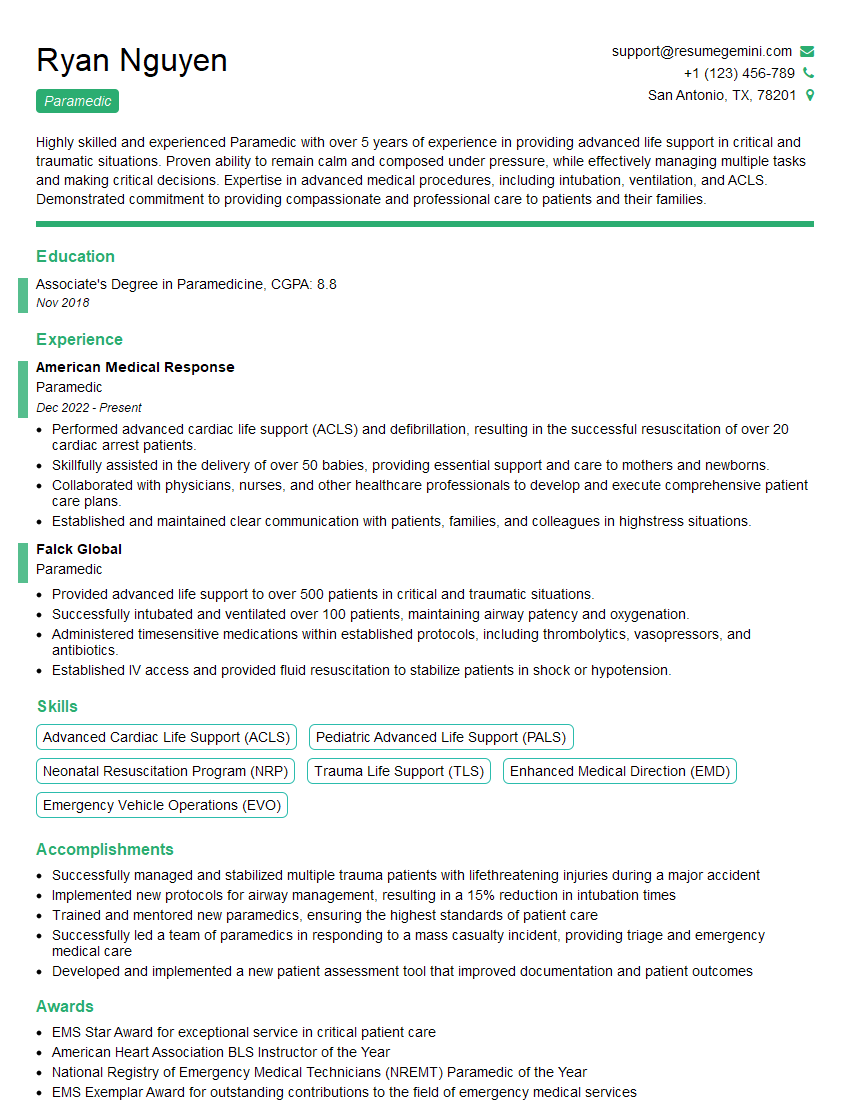
Paramedic Resume Sample
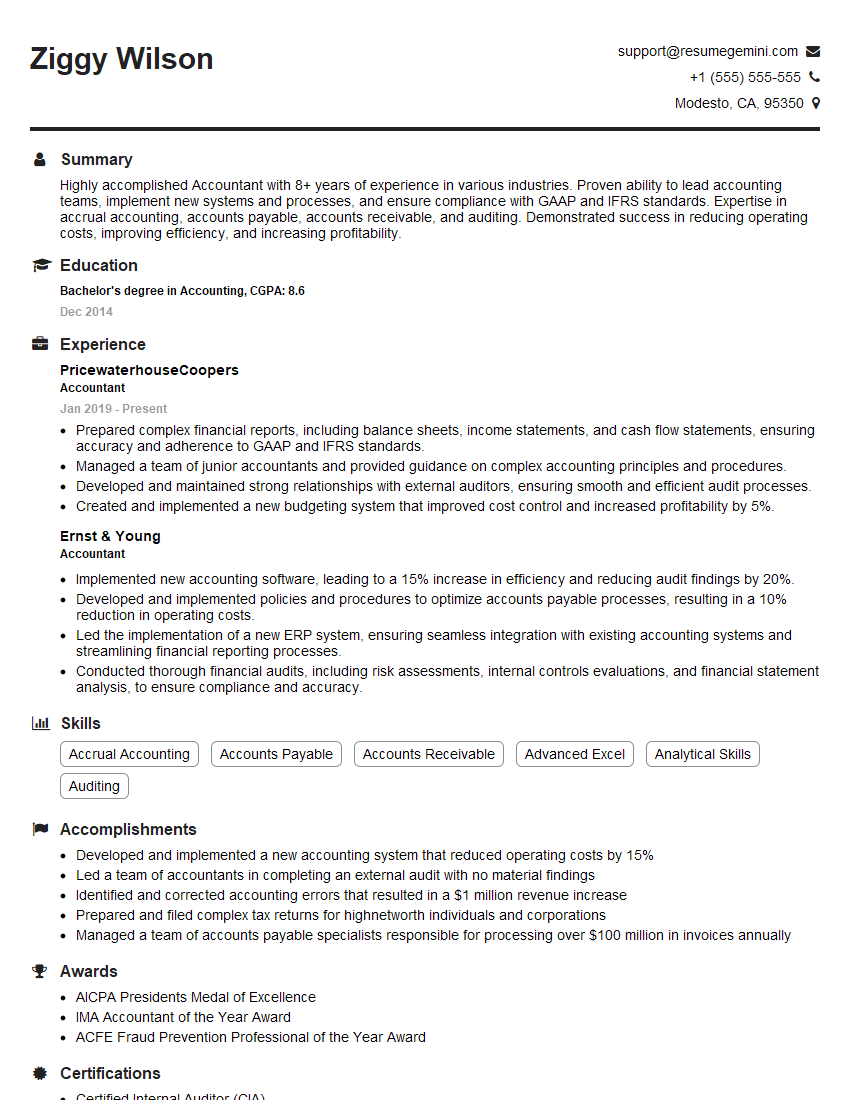
Accountant Resume Sample
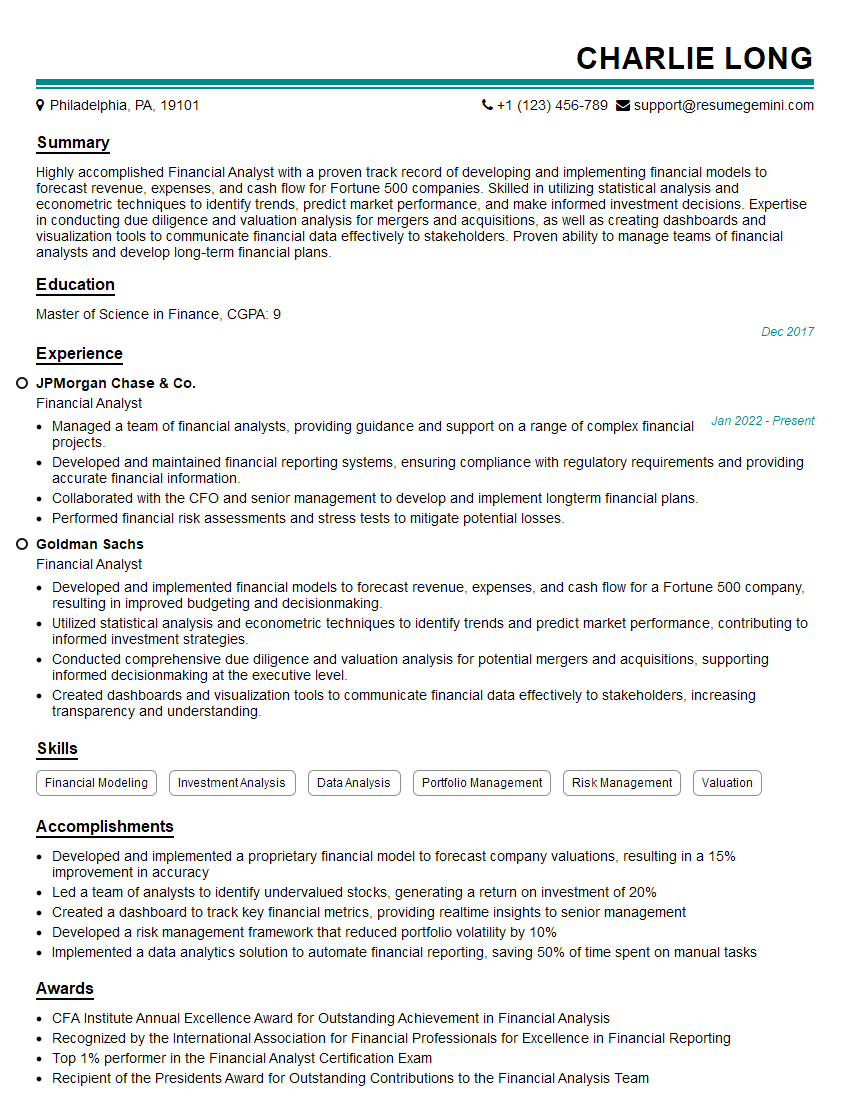
Financial Analyst Resume Sample
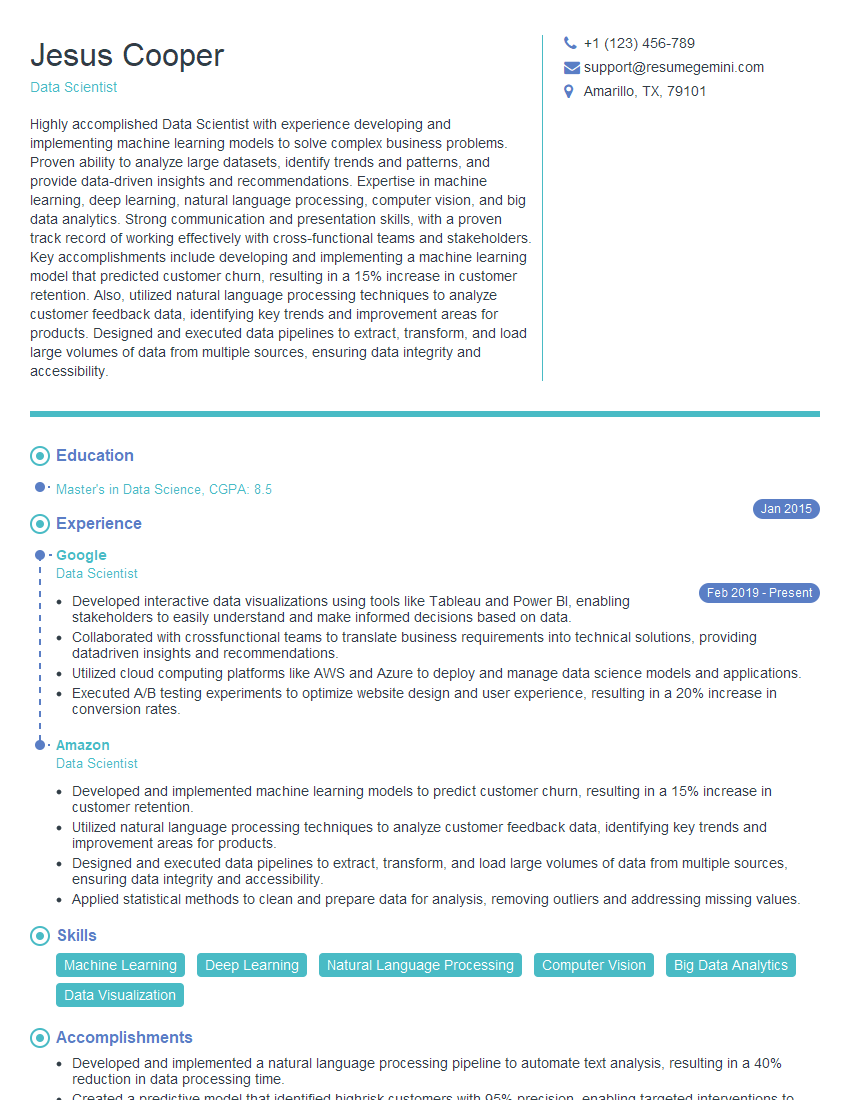
Data Scientist Resume Sample
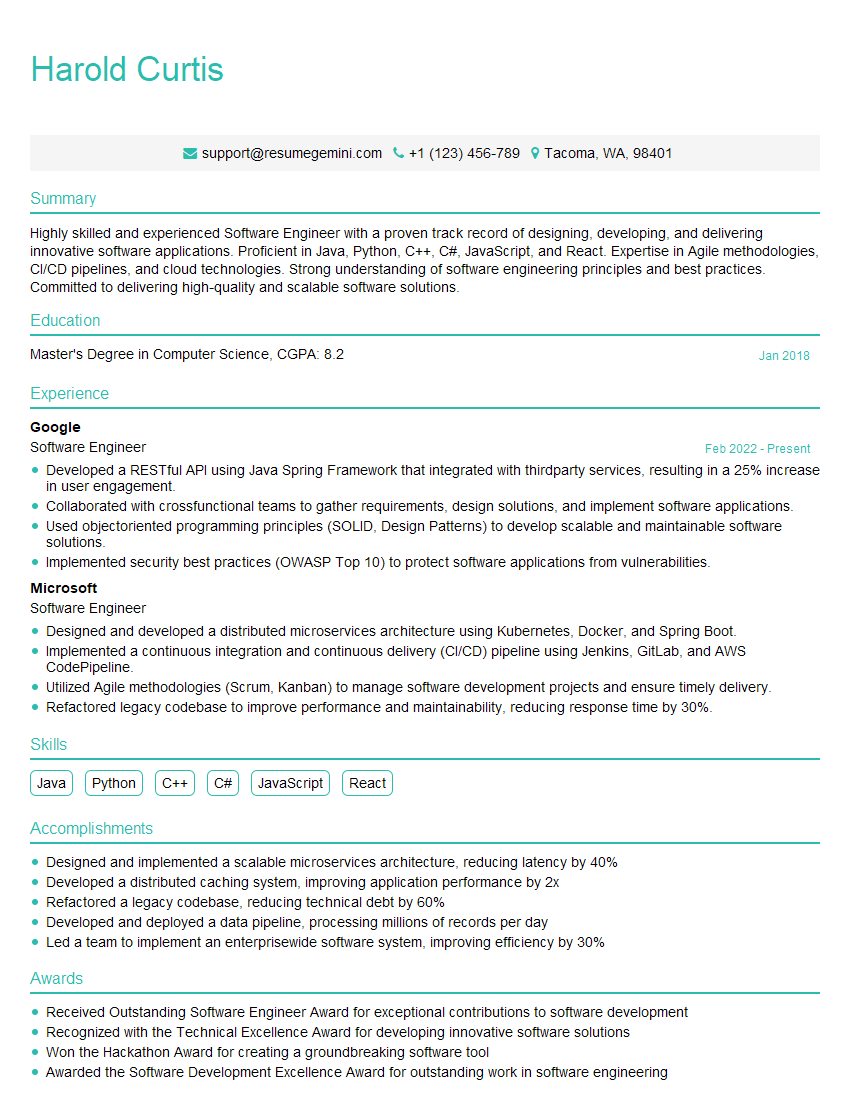
Software Engineer Resume Sample
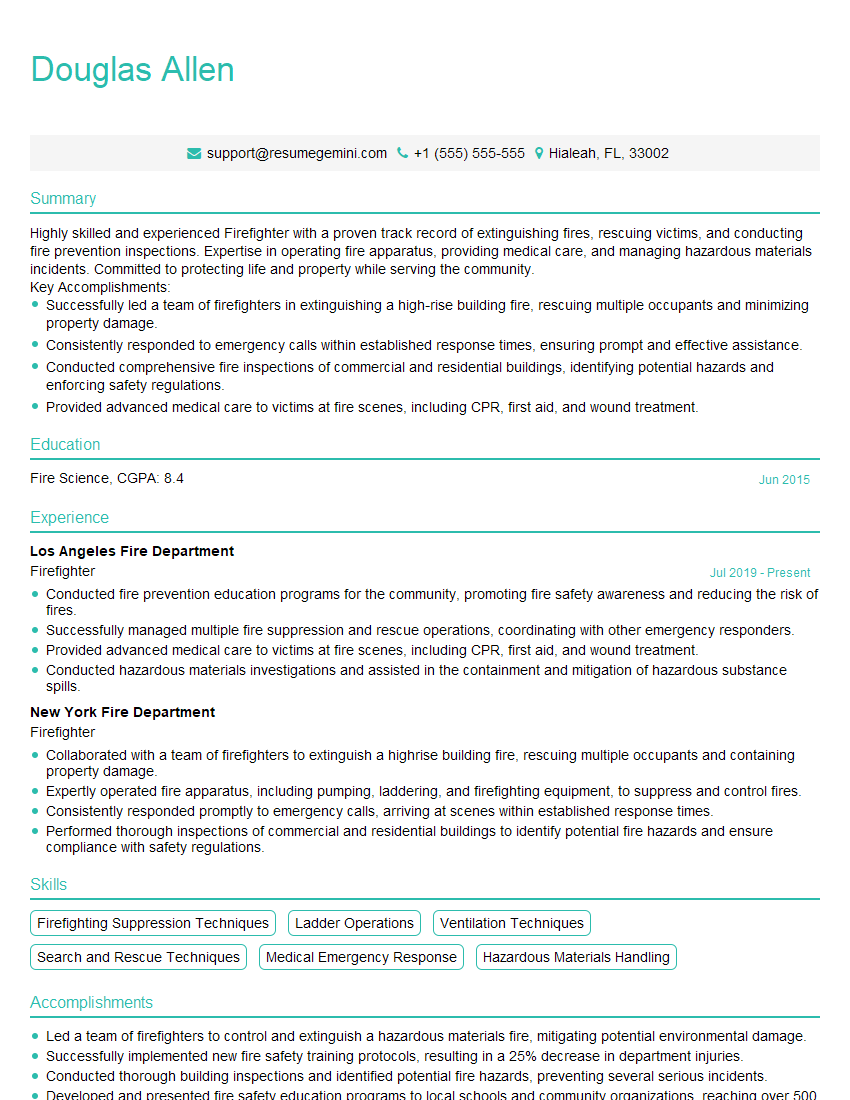
Firefighter Resume Sample
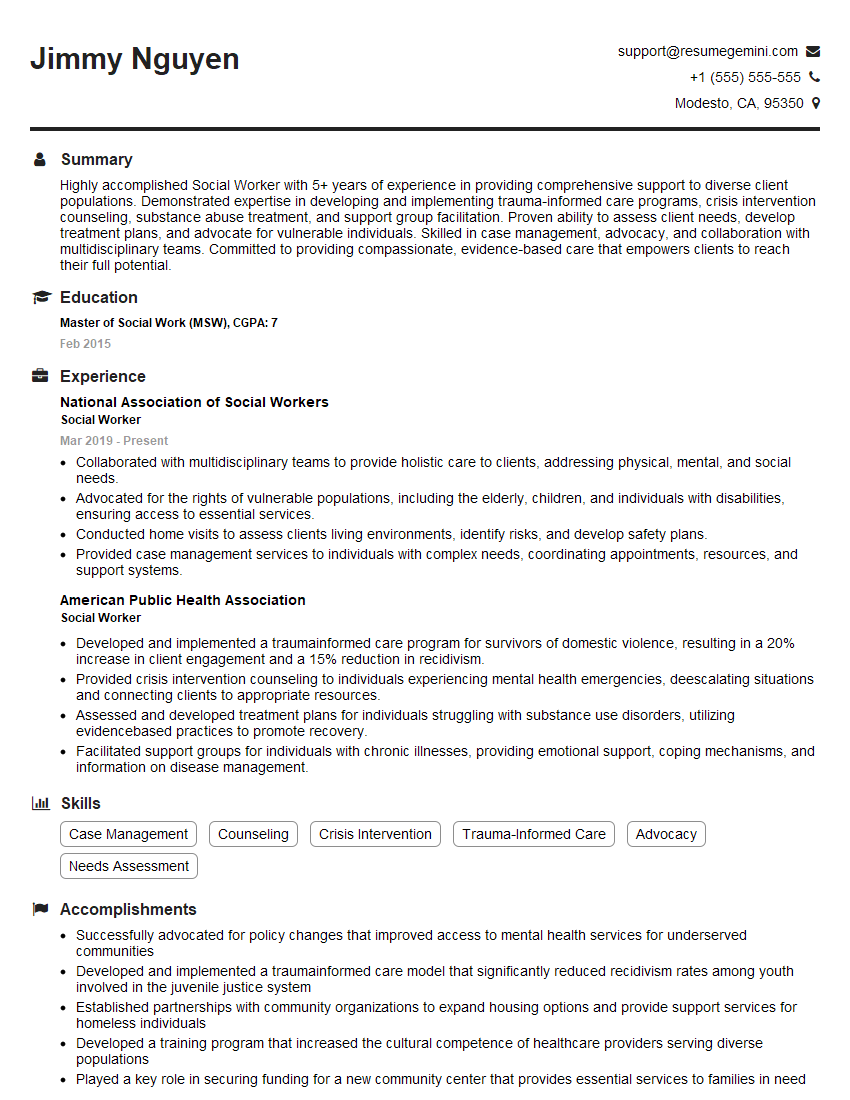
Social Worker Resume Sample
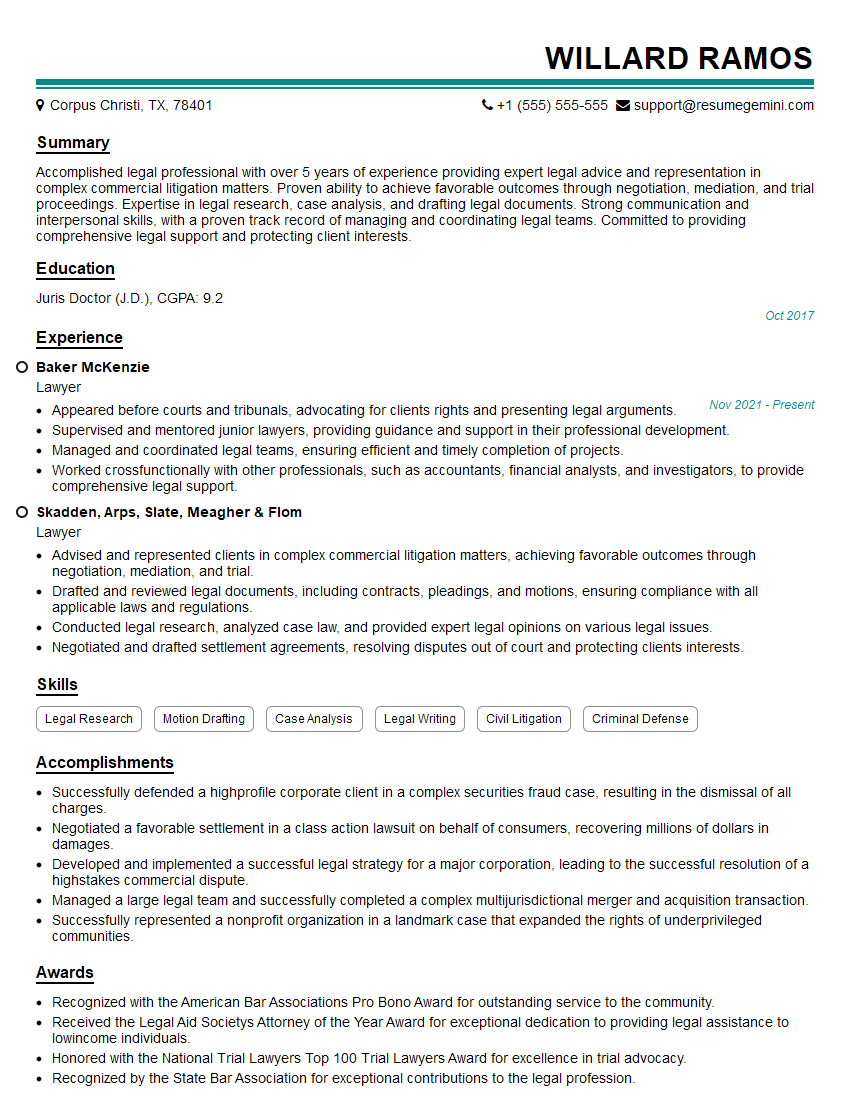
Lawyer Resume Sample
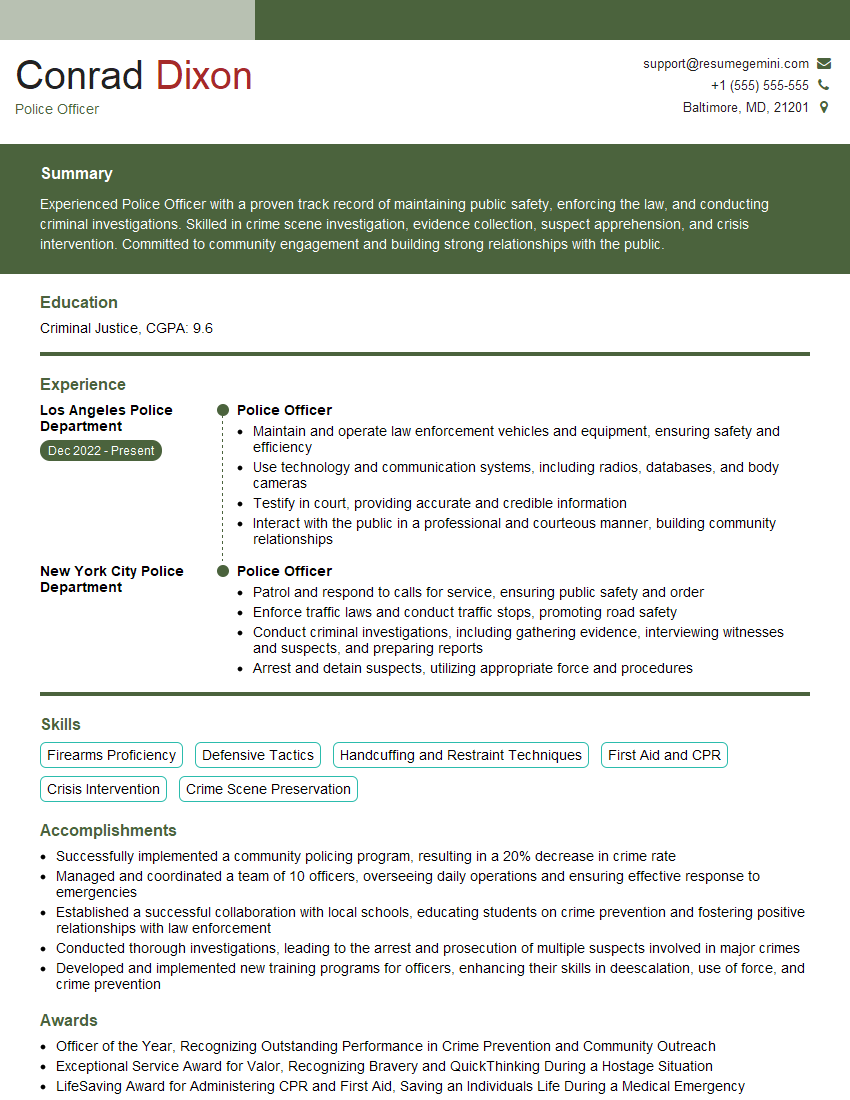
Police Officer Resume Sample
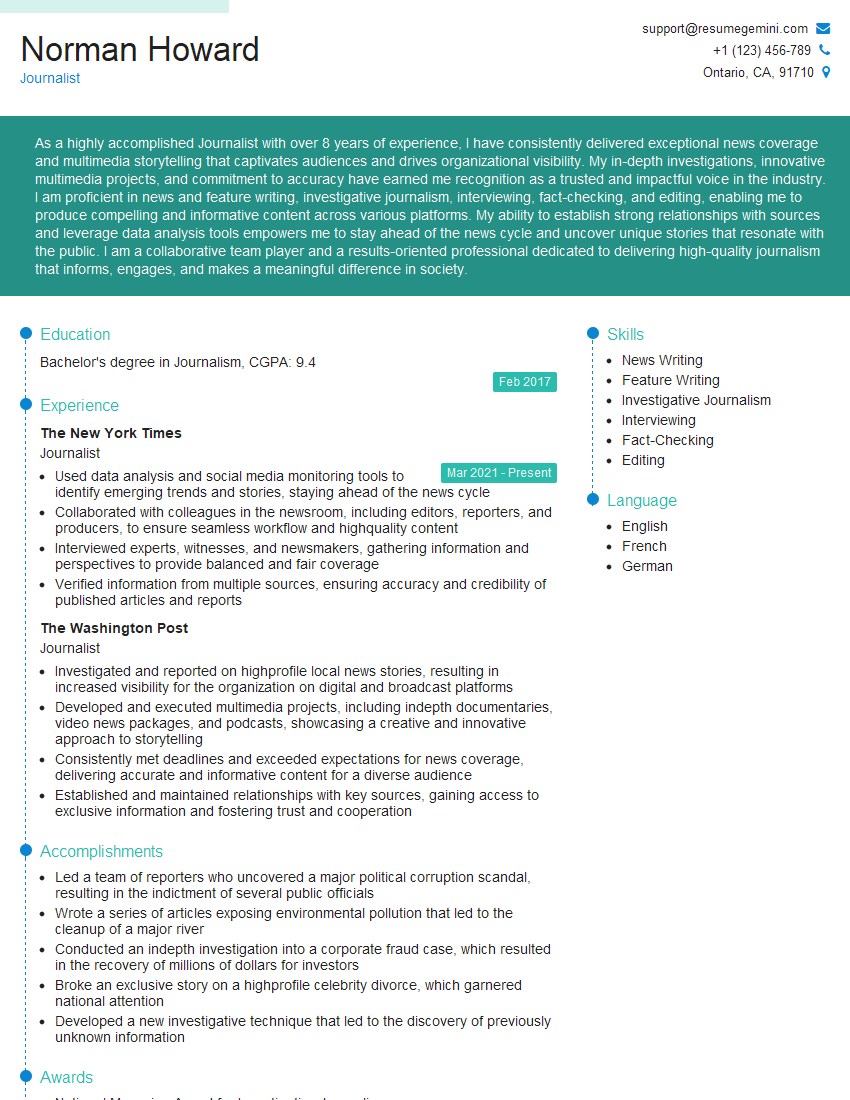
Journalist Resume Sample
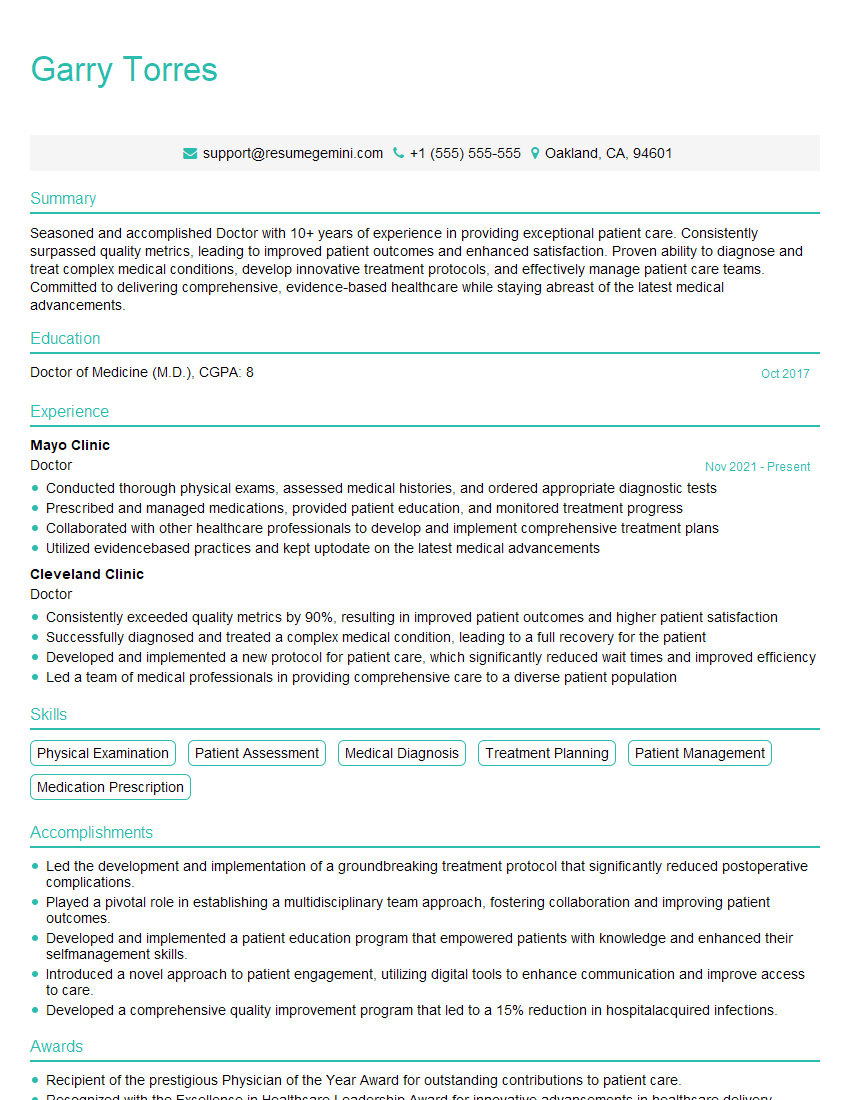
Doctor Resume Sample
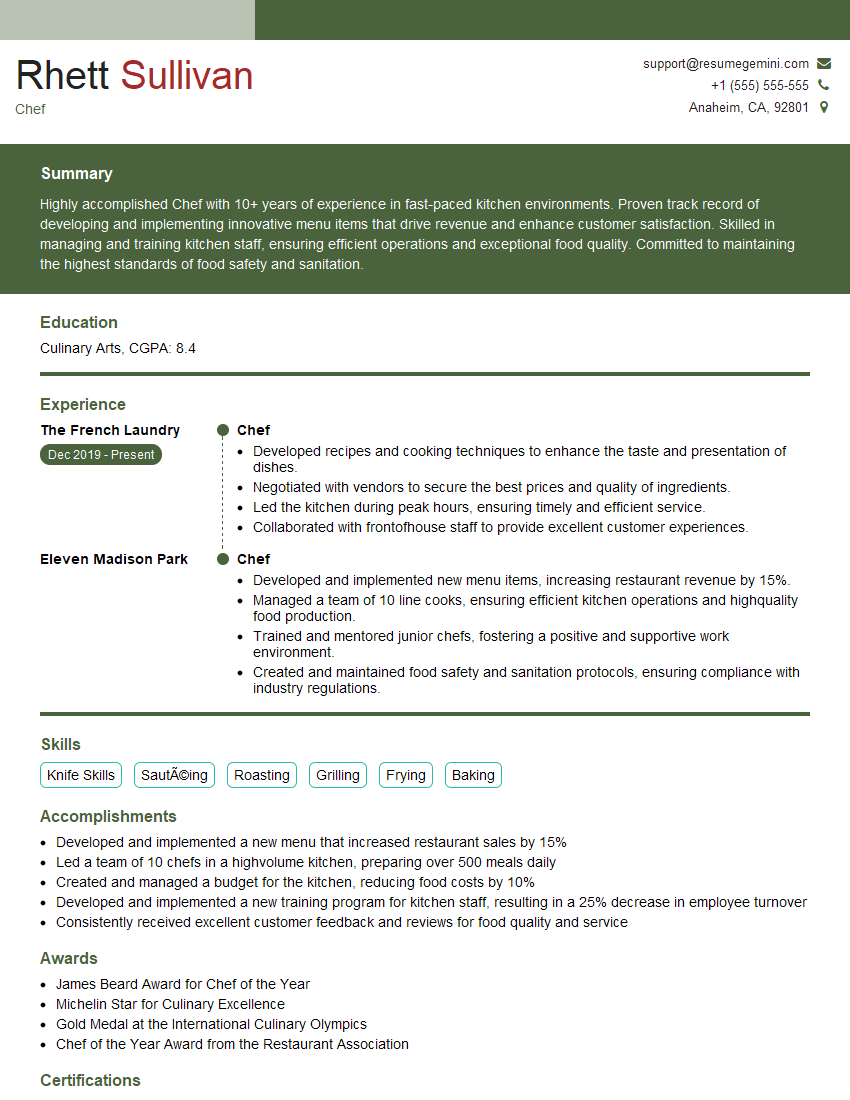
Chef Resume Sample
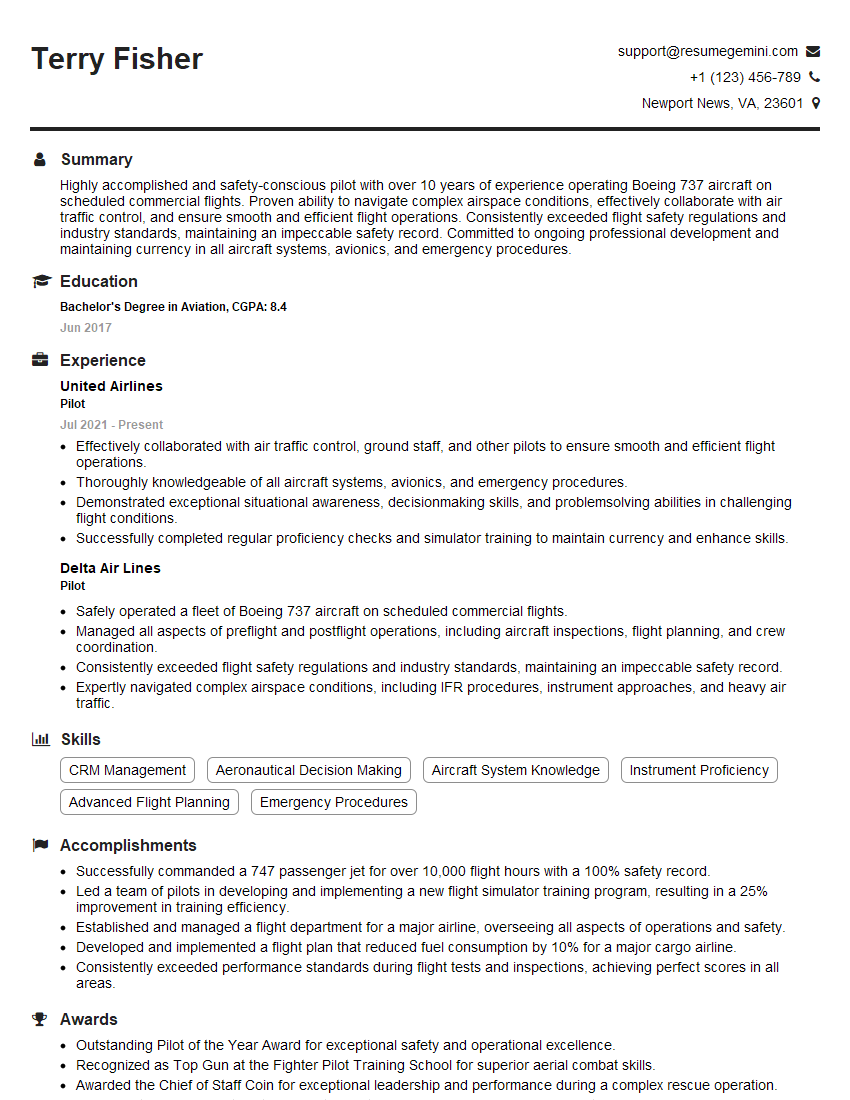
Pilot Resume Sample
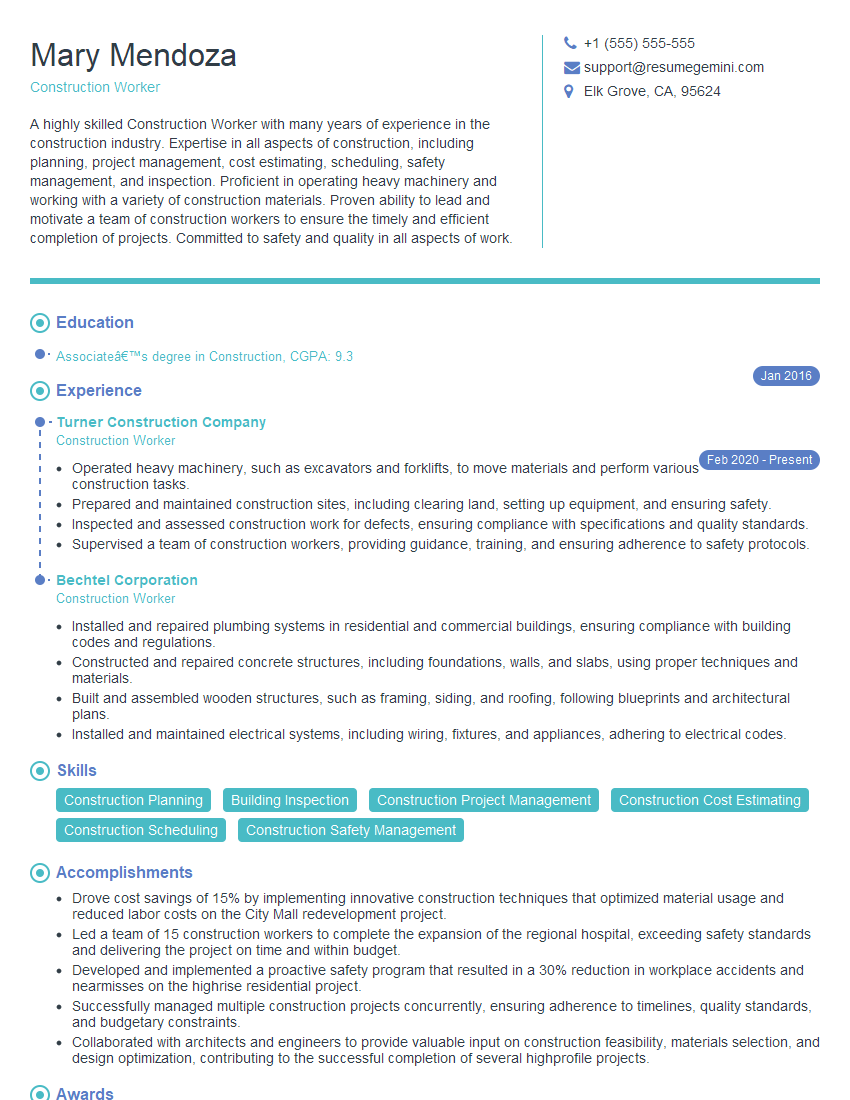
Construction Worker Resume Sample
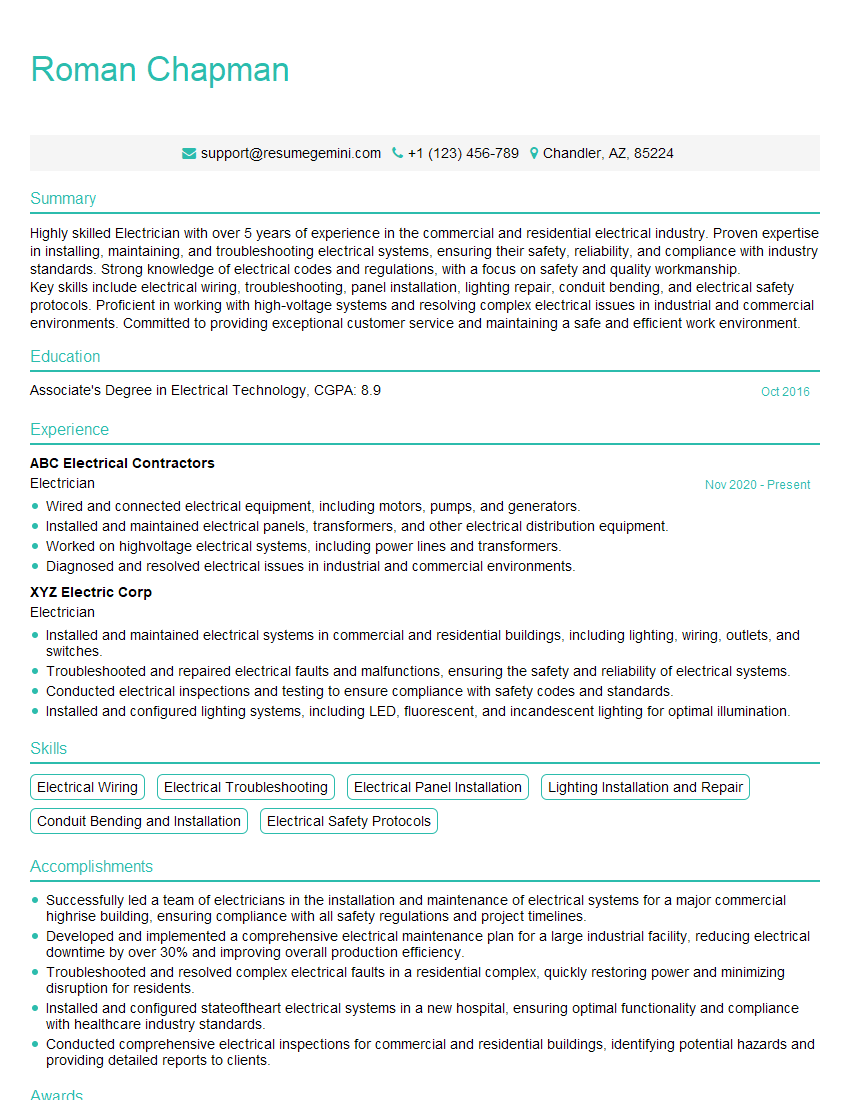
Electrician Resume Sample
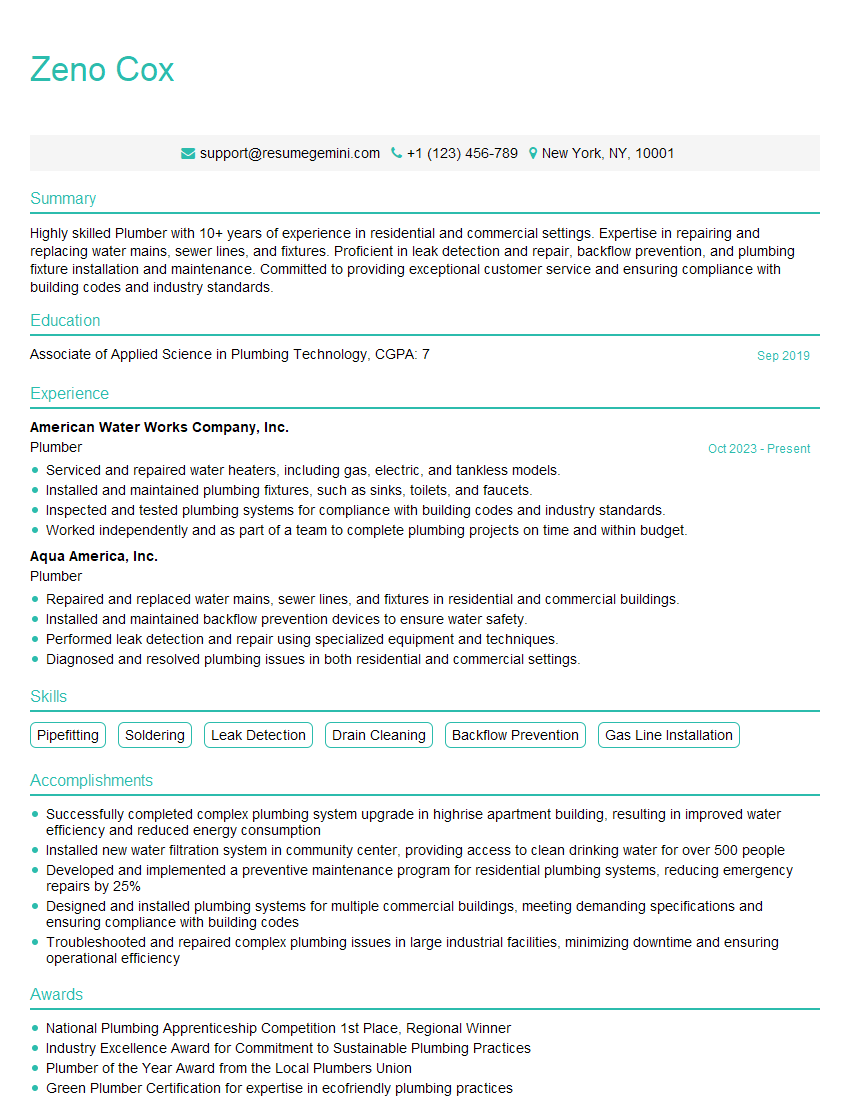
Plumber Resume Sample
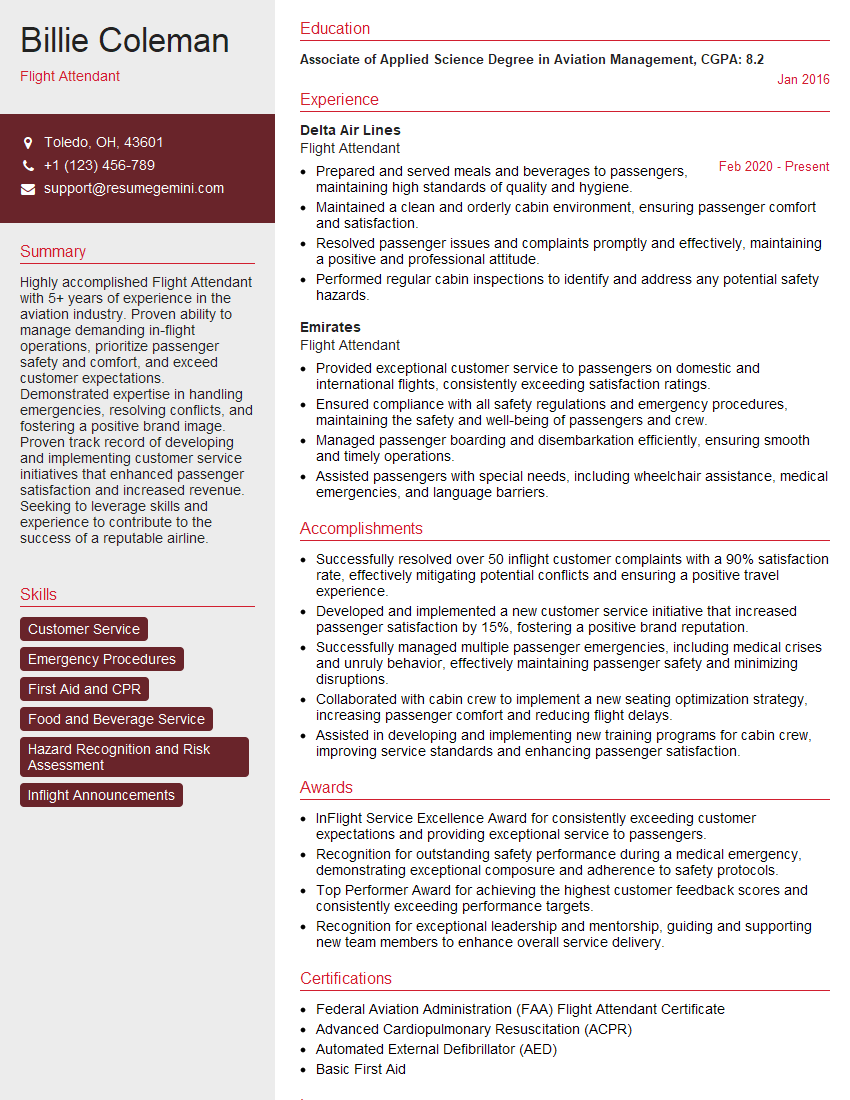
Flight Attendant Resume Sample
- Marketing Manager
- Sales Representative
- Customer Service Representative
- Project Manager
- Teacher
- Professor
- Restaurant Manager
- Paramedic
- Accountant
- Financial Analyst
- Data Scientist
- Software Engineer
- Firefighter
- Social Worker
- Lawyer
- Police Officer
- Journalist
- Doctor
- Chef
- Pilot
- Construction Worker
- Electrician
- Plumber
- Flight Attendant
Explore more articles
Users Rating of Our Blogs
Share Your Experience
We value your feedback! Please rate our content and share your thoughts (optional).
What Readers Say About Our Blog
Hello,
we currently offer a complimentary backlink and URL indexing test for search engine optimization professionals.
You can get complimentary indexing credits to test how link discovery works in practice.
No credit card is required and there is no recurring fee.
You can find details here:
https://wikipedia-backlinks.com/indexing/
Regards
NICE RESPONSE TO Q & A
hi
The aim of this message is regarding an unclaimed deposit of a deceased nationale that bears the same name as you. You are not relate to him as there are millions of people answering the names across around the world. But i will use my position to influence the release of the deposit to you for our mutual benefit.
Respond for full details and how to claim the deposit. This is 100% risk free. Send hello to my email id: [email protected]
Luka Chachibaialuka
Hey interviewgemini.com, just wanted to follow up on my last email.
We just launched Call the Monster, an parenting app that lets you summon friendly ‘monsters’ kids actually listen to.
We’re also running a giveaway for everyone who downloads the app. Since it’s brand new, there aren’t many users yet, which means you’ve got a much better chance of winning some great prizes.
You can check it out here: https://bit.ly/callamonsterapp
Or follow us on Instagram: https://www.instagram.com/callamonsterapp
Thanks,
Ryan
CEO – Call the Monster App
Hey interviewgemini.com, I saw your website and love your approach.
I just want this to look like spam email, but want to share something important to you. We just launched Call the Monster, a parenting app that lets you summon friendly ‘monsters’ kids actually listen to.
Parents are loving it for calming chaos before bedtime. Thought you might want to try it: https://bit.ly/callamonsterapp or just follow our fun monster lore on Instagram: https://www.instagram.com/callamonsterapp
Thanks,
Ryan
CEO – Call A Monster APP
To the interviewgemini.com Owner.
Dear interviewgemini.com Webmaster!
Hi interviewgemini.com Webmaster!
Dear interviewgemini.com Webmaster!
excellent
Hello,
We found issues with your domain’s email setup that may be sending your messages to spam or blocking them completely. InboxShield Mini shows you how to fix it in minutes — no tech skills required.
Scan your domain now for details: https://inboxshield-mini.com/
— Adam @ InboxShield Mini
Reply STOP to unsubscribe
Hi, are you owner of interviewgemini.com? What if I told you I could help you find extra time in your schedule, reconnect with leads you didn’t even realize you missed, and bring in more “I want to work with you” conversations, without increasing your ad spend or hiring a full-time employee?
All with a flexible, budget-friendly service that could easily pay for itself. Sounds good?
Would it be nice to jump on a quick 10-minute call so I can show you exactly how we make this work?
Best,
Hapei
Marketing Director
Hey, I know you’re the owner of interviewgemini.com. I’ll be quick.
Fundraising for your business is tough and time-consuming. We make it easier by guaranteeing two private investor meetings each month, for six months. No demos, no pitch events – just direct introductions to active investors matched to your startup.
If youR17;re raising, this could help you build real momentum. Want me to send more info?
Hi, I represent an SEO company that specialises in getting you AI citations and higher rankings on Google. I’d like to offer you a 100% free SEO audit for your website. Would you be interested?
Hi, I represent an SEO company that specialises in getting you AI citations and higher rankings on Google. I’d like to offer you a 100% free SEO audit for your website. Would you be interested?
good