Interviews are more than just a Q&A session—they’re a chance to prove your worth. This blog dives into essential Window Display Design interview questions and expert tips to help you align your answers with what hiring managers are looking for. Start preparing to shine!
Questions Asked in Window Display Design Interview
Q 1. Describe your experience creating window displays for different retail environments.
My experience spans a diverse range of retail environments, from high-end boutiques to large department stores and pop-up shops. I’ve designed displays for clothing retailers, showcasing seasonal collections and highlighting key pieces; for cosmetic brands, emphasizing product features and creating an aspirational atmosphere; and for home goods stores, focusing on lifestyle settings and creating visually engaging vignettes. Each environment demands a unique approach. For example, a high-end boutique might necessitate a minimalist, sophisticated display, while a department store window display requires a more vibrant, attention-grabbing design to compete with surrounding visual noise. I adapt my design approach based on the target audience, the brand’s aesthetic, and the specific architectural constraints of the retail space. I consider factors such as window size, lighting conditions, and pedestrian traffic flow to maximize visual impact.
Q 2. Explain your process for translating a brand’s identity into a compelling window display.
Translating a brand’s identity into a compelling window display is a meticulous process that requires a deep understanding of the brand’s values, target audience, and current marketing campaigns. My process typically involves these steps:
- Brand Research: I begin by thoroughly researching the brand’s history, mission, and aesthetic. I analyze their logo, color palette, typography, and existing marketing materials to understand their visual identity.
- Target Audience Analysis: Identifying the target audience is crucial. This helps me determine the overall style and messaging of the display, ensuring it resonates with the intended consumers.
- Concept Development: Based on the brand research and target audience analysis, I develop several creative concepts. I brainstorm ideas that effectively communicate the brand’s essence while also being visually engaging and memorable.
- Sketching & Mood Boards: I create detailed sketches and mood boards to visualize the display concepts. This allows me to refine the designs and ensure all elements work harmoniously.
- Material Selection & Sourcing: I select materials that align with the brand’s aesthetic and the overall design concept. This could involve sourcing unique props, fabrics, or lighting solutions.
- Production & Installation: I oversee the production and installation of the display, ensuring it’s implemented according to the approved design.
For example, when designing a window display for an eco-conscious clothing brand, I would prioritize using sustainable materials and incorporate natural elements like wood and plants to reflect their values.
Q 3. How do you stay current with the latest trends in window display design?
Staying current in window display design requires a multi-faceted approach. I regularly attend industry trade shows and conferences, such as the D&D Building events in New York, to see the latest innovations in materials, technology, and display techniques. I follow influential designers and brands on social media platforms like Instagram and Pinterest, gaining inspiration from their work and staying ahead of emerging trends. I also subscribe to design magazines and online publications dedicated to retail design and visual merchandising. Additionally, I visit retail spaces and analyze successful displays from various brands and industries, dissecting what makes them effective and identifying innovative approaches.
Q 4. What software or tools are you proficient in using for window display design?
My proficiency spans a range of software and tools. I’m adept at using Adobe Photoshop and Illustrator for creating detailed designs, 3D modeling software like SketchUp for visualizing complex displays, and InDesign for preparing presentations and technical specifications. I also use project management software like Asana to organize and track progress across multiple projects. Furthermore, I am experienced with various hand-sketching techniques for initial concept development, which I often find beneficial for quickly developing and refining ideas.
Q 5. Describe a time you had to overcome a challenge in designing a window display.
One challenging project involved designing a window display for a high-end jewelry brand during a period of significant construction outside the store. The noise and disruption from the construction made it difficult to attract attention to the display. To overcome this, I designed a display that incorporated interactive elements and dynamic lighting. Instead of relying solely on visual appeal, I created a small touchscreen kiosk that displayed high-resolution images of the jewelry and played short videos showcasing the craftsmanship. The dynamic lighting created a sense of excitement and energy, helping the display stand out despite the external distractions. The interactive element effectively engaged passersby, converting a potential drawback into a unique advantage, boosting engagement and foot traffic.
Q 6. How do you manage your time effectively when working on multiple window display projects?
Effective time management is crucial when handling multiple window display projects. I use a project management system (Asana, for example) to meticulously track deadlines, milestones, and assigned tasks for each project. I break down larger projects into smaller, manageable tasks, assigning specific timelines to each. Prioritization is key; I focus on the most urgent and critical tasks first, employing techniques like time blocking to dedicate focused periods to specific projects. Regular communication with clients and the installation team is essential for ensuring that the projects remain on schedule and any unforeseen issues are addressed promptly.
Q 7. How do you incorporate lighting and props effectively in your window displays?
Lighting and props are indispensable elements in effective window displays. They enhance the visual storytelling and create the desired atmosphere. Lighting can dramatically transform a display. Spotlights can highlight key products, while backlighting creates depth and dimension. I often use a combination of ambient, accent, and task lighting to achieve a balanced and visually appealing effect. Props are carefully selected to complement the overall design and tell a story. They can evoke a specific mood, create a sense of scale, or add texture and visual interest. For instance, a display for a clothing brand might utilize mannequins, furniture, and accessories, carefully chosen to complement the style of clothing and create an immersive shopping experience. The interplay between lighting and props is crucial; lighting emphasizes the textures, colors, and forms of the props, creating visual harmony and guiding the viewer’s eye through the display.
Q 8. How do you ensure your window displays are visually appealing and engaging?
Creating visually appealing and engaging window displays hinges on understanding the principles of visual merchandising and storytelling. It’s about more than just showcasing products; it’s about crafting a compelling narrative that draws customers in and evokes emotion. I achieve this through a multi-faceted approach:
- Strong Visual Hierarchy: I strategically use size, color, and placement to guide the viewer’s eye through the display, highlighting key products and creating a clear focal point. Think of it like a well-written story; you need a beginning, middle, and end that keeps the reader engaged.
- Thematic Storytelling: Each display tells a story, whether it’s showcasing a new collection, highlighting a seasonal trend, or conveying a brand’s personality. For example, a winter display might focus on cozy textures and warm lighting to create a feeling of comfort and warmth.
- Lighting and Color Psychology: Strategic lighting can dramatically impact the mood and atmosphere of a display. Warm lighting can create a welcoming atmosphere, while cooler lighting can feel more sophisticated. I carefully select colors based on their psychological impact and their ability to complement the products and overall theme. For instance, using calming blues and greens for a spa-themed display.
- Props and Accessories: I use props and accessories to add depth, texture, and visual interest to the display. This could include anything from mannequins and furniture to plants, artwork, or even unique objects that enhance the story. For example, using vintage suitcases and maps to create a travel-themed display.
- Cleanliness and Organization: A well-maintained and organized display is crucial. Products should be neatly arranged, and the overall display should be free of clutter. Think of it like a beautifully decorated room; everything should have its place and purpose.
Q 9. Describe your experience working with different materials and budgets.
My experience spans a wide range of materials and budgets. I’ve worked on high-end displays using luxurious materials like reclaimed wood, hand-blown glass, and bespoke props, as well as more budget-friendly displays that leverage creative repurposing and DIY techniques.
For high-budget projects, I’ve collaborated with artisans and fabricators to create custom pieces that perfectly reflect the brand’s aesthetic. For example, I once designed a display that incorporated a custom-built, illuminated backdrop made from laser-cut acrylic.
In lower-budget scenarios, my focus shifts to resourceful design. I might utilize readily available materials like cardboard, repurposed pallets, or fabric scraps to create impactful and visually interesting displays. I’m adept at finding creative solutions to budgetary constraints without compromising on the visual impact or the overall message. For example, I once transformed simple cardboard boxes into eye-catching architectural elements for a display focusing on sustainable packaging.
Q 10. How do you balance creativity and practicality in your designs?
Balancing creativity and practicality is essential in window display design. It’s about finding the sweet spot between a visually stunning design and a feasible implementation. I approach this by:
- Understanding the Constraints: Before even sketching a concept, I carefully assess the available space, budget, timeline, and any technical limitations. For instance, are there weight restrictions for hanging displays? What’s the store’s lighting capacity?
- Prioritizing Key Elements: I focus my creative energy on the elements that will have the most impact, ensuring that they align with the brand’s message and the target audience. I might prioritize a unique and memorable focal point while keeping the rest of the display more streamlined and cost-effective.
- Iterative Design Process: I employ an iterative design process, constantly evaluating the practicality and cost-effectiveness of my ideas. This often involves creating multiple sketches and mock-ups to explore different options before settling on a final design.
- Material Selection: Choosing the right materials is crucial. I select materials that are both aesthetically pleasing and durable, taking into account factors like weather resistance, ease of maintenance, and longevity. For example, opting for weatherproof materials for outdoor displays or durable materials for high-traffic areas.
Q 11. How do you measure the success of a window display?
Measuring the success of a window display goes beyond simply observing foot traffic. It requires a multifaceted approach involving quantitative and qualitative data.
- Foot Traffic Analysis: Using store cameras or people counters, I can track the number of people stopping to look at the display, or even comparing foot traffic before and after the display change.
- Sales Data: Monitoring sales of the featured products directly provides insight into whether the display effectively influenced purchasing decisions. For example, did sales of products prominently featured in the display increase significantly after the display change?
- Customer Feedback: Collecting customer feedback through surveys, social media monitoring, or in-store interactions provides valuable qualitative data on the display’s impact and customer perception. For example, did customers comment positively about the display on social media?
- Social Media Engagement: If the display is photographed and shared on social media platforms, the number of likes, shares, and comments provides a measure of its virality and influence.
By combining these different metrics, a more comprehensive understanding of the display’s success can be determined.
Q 12. Describe your understanding of color theory and its application in window displays.
Color theory is fundamental to effective window display design. Understanding color psychology—how colors evoke emotions and influence behavior—is crucial in creating displays that resonate with the target audience.
I use color in several ways:
- Color Harmonies: I utilize different color schemes (e.g., analogous, complementary, triadic) to create visually appealing and balanced displays. Analogous colors create a sense of harmony and tranquility, while complementary colors provide more contrast and visual excitement.
- Brand Identity: Color choices are carefully aligned with the brand’s existing color palette to maintain brand consistency and recognition. For instance, a brand known for its vibrant red might incorporate this into their displays to maintain a unified visual language.
- Color Psychology: I understand how specific colors affect customer emotions. Warm colors (reds, oranges, yellows) can stimulate energy and excitement, while cool colors (blues, greens, purples) can evoke calmness and serenity. These are applied strategically to create the desired emotional response.
- Contrast and Emphasis: I use contrasting colors to highlight key products or elements within the display, ensuring that the viewer’s eye is drawn to the most important features. For example, using a bold color for a focal point against a more neutral background.
Q 13. How do you adapt your window displays to different seasons and holidays?
Adapting window displays to different seasons and holidays is crucial for maintaining relevance and attracting customers. This involves understanding the cultural significance of the season and translating that into a visual narrative.
My approach involves:
- Seasonal Themes: I develop concepts that reflect the prevailing season or holiday. For example, a summer display might feature bright colors, lightweight materials, and beach-themed props, while a winter display might utilize warm colors, cozy textures, and holiday-specific decorations.
- Relevant Products: I highlight products that are appropriate for the season or holiday. For example, showcasing winter coats and accessories during the winter season or swimwear and summer clothing during the summer months.
- Color Palettes: I adjust the color palette to reflect the seasonal mood. Warm colors are often favored during autumn and winter, while cooler colors are more common during spring and summer.
- Materials and Textures: I choose materials and textures that evoke the feeling of the season. For example, using natural materials like wood and wool during autumn and winter or lighter materials like linen and cotton during spring and summer.
- Lighting: Lighting plays a crucial role in setting the mood. Warm, ambient lighting is often used during winter, while brighter lighting might be preferred during summer.
Q 14. Explain your knowledge of spatial design and its importance in retail environments.
Spatial design is the art of arranging elements within a three-dimensional space to create a functional and aesthetically pleasing environment. In retail environments, this is crucial for influencing customer behavior and creating a positive shopping experience.
My understanding of spatial design includes:
- Layout and Flow: I strategically arrange products and displays to create a natural flow that guides customers through the store, maximizing their exposure to merchandise. Consider pathways, sightlines, and traffic patterns to ensure a comfortable and efficient shopping experience.
- Product Placement: I know that product placement is strategic; high-demand items are typically placed in high-visibility areas, while impulse purchases are often located near checkouts. This also includes the spacing of products and ensuring clear sightlines.
- Vertical Space Utilization: I use vertical space effectively to maximize display area and create visual interest. Shelving, hanging displays, and creative vertical arrangements are essential strategies.
- Focal Points: I create focal points to draw customers’ attention to key products or areas. This might involve using lighting, color, or unique display elements to highlight specific areas.
- Balance and Proportion: Maintaining balance and proportion is essential for creating a harmonious and visually pleasing display. This involves strategically arranging elements to avoid overwhelming or under-utilizing the space.
Q 15. How do you collaborate effectively with other team members, such as marketing and store managers?
Effective collaboration is the cornerstone of successful window display design. I believe in a proactive, communicative approach. With marketing, I start by deeply understanding their campaign goals – target audience, key messages, and sales objectives. This ensures the window display directly supports their marketing efforts. For example, if a new perfume is launching, I’ll work with marketing to determine the desired mood and aesthetic, incorporating elements from their advertising campaign into the display. With store managers, I involve them early in the design process. Their input on practical considerations like store layout, foot traffic patterns, and local clientele preferences is invaluable. Regular progress meetings and open communication channels ensure everyone is on the same page, resolving potential conflicts proactively. For instance, if a manager expresses concern about the structural integrity of a proposed element, we’ll explore alternative designs together. A collaborative spirit fostered through transparent communication and mutual respect ensures a cohesive and effective final product.
Career Expert Tips:
- Ace those interviews! Prepare effectively by reviewing the Top 50 Most Common Interview Questions on ResumeGemini.
- Navigate your job search with confidence! Explore a wide range of Career Tips on ResumeGemini. Learn about common challenges and recommendations to overcome them.
- Craft the perfect resume! Master the Art of Resume Writing with ResumeGemini’s guide. Showcase your unique qualifications and achievements effectively.
- Don’t miss out on holiday savings! Build your dream resume with ResumeGemini’s ATS optimized templates.
Q 16. Describe your experience in creating thematic or story-driven window displays.
I thrive on creating thematic and story-driven window displays. They’re far more engaging than simply showcasing products. For instance, for a fall fashion collection, I might design a window depicting a cozy autumn scene—perhaps a rustic cabin with a model dressed in the new line, surrounded by warm lighting and fall foliage. This creates an immersive experience that connects emotionally with the viewer. Another example: for a children’s toy store, I once created a window showcasing a whimsical fairy tale scene, complete with miniature castles, handcrafted props, and strategically placed toys integrated seamlessly into the narrative. The key to success lies in meticulous planning. I begin by developing a clear concept, outlining the narrative arc and visual elements. This involves mood boards, sketches, and detailed storyboards to map out the flow and visual progression. Then, selecting the appropriate props, mannequins, and lighting is crucial to bring this story to life. The final touch is attention to detail; every element should contribute to the overall narrative, creating a compelling and unforgettable visual story for the viewer.
Q 17. How do you handle unexpected setbacks or changes during the installation of a window display?
Unexpected setbacks are inevitable in window display design. My approach is built on preparedness and adaptability. Having a contingency plan is crucial. This might include having backup materials on hand, alternative design solutions prepared, or established relationships with reliable contractors for quick repairs. For example, if a crucial prop is damaged during transit, I’ll immediately assess the situation, identify alternative options (perhaps a similar prop from our inventory, or a quickly produced substitute), and adjust the design accordingly, minimizing downtime. Effective communication is also key. Keeping store management and marketing informed about any delays or changes ensures everyone understands the situation and can make informed decisions. Open communication, problem-solving skills, and a proactive approach to challenges ensure that even unexpected setbacks are handled efficiently and effectively, minimizing disruption and maintaining the overall quality of the final display.
Q 18. What is your process for selecting appropriate mannequins and props for a window display?
Selecting the right mannequins and props is critical for effectively communicating the brand and the story. I start by considering the overall theme and target audience of the window display. The mannequins should reflect the brand’s style and the target demographic. For a high-fashion boutique, I might choose elegant, stylized mannequins. For a more casual brand, I’d opt for mannequins with a more natural or relatable pose. Props are equally important. They must support the narrative and enhance the visual appeal. I often source props from various places – antique stores, prop houses, even creating custom pieces. The selection process is iterative. I create mock-ups and test different combinations of mannequins and props before finalizing the choices. This allows me to visualize the overall effect and make adjustments as needed, ensuring that each element contributes to a cohesive and visually stunning display. It’s essential to remember that the mannequins and props should work together to tell a story; they shouldn’t overshadow the merchandise itself.
Q 19. How do you ensure your window displays comply with safety regulations?
Safety is paramount. I meticulously adhere to all relevant safety regulations throughout the design and installation process. This includes ensuring that all materials used are non-flammable and meet fire safety codes. I also ensure that any structural elements are securely installed, preventing potential hazards like falling objects. For instance, when using elevated platforms or suspended elements, I work with qualified professionals to ensure their structural integrity and stability. Proper lighting is also essential. I use low-voltage lighting where necessary and ensure that wiring is concealed and safe. Regular inspections throughout the display’s lifespan help catch potential issues before they become major hazards. All of this is carefully documented; this includes a thorough risk assessment for each design before installation begins, ensuring compliance and minimizing the potential for accidents.
Q 20. How do you maintain the visual appeal of a window display over time?
Maintaining a display’s visual appeal over time requires consistent attention to detail. Regular dusting and cleaning are fundamental. This prevents the accumulation of dirt and ensures that the display remains vibrant and clean. I also regularly check for any damage to props, mannequins, or lighting, making necessary repairs or replacements promptly. Subtle adjustments might be needed to maintain freshness. For example, periodically changing the arrangement of merchandise or adding seasonal elements can keep the display feeling updated and relevant. It’s important to consider the natural wear and tear on the display. A regular maintenance schedule, involving light cleaning and checks for damage, is essential to preserving its original impact and preventing any deterioration that could impact the brand’s image.
Q 21. How do you incorporate technology, like digital signage, into window displays?
Technology, especially digital signage, significantly enhances window displays. I incorporate it to create dynamic and engaging experiences that capture attention. For example, I might use a high-resolution screen to showcase product videos or animations, making the display more interactive and informative. This could include a loop of models showcasing the clothing line or a short animation highlighting the product’s features. Another use could be incorporating interactive elements, such as touchscreens that allow customers to learn more about the products or access exclusive online content. The key to successful integration is seamless design. The technology should enhance the display without overpowering it. It’s crucial that the digital elements complement the overall aesthetic and narrative, rather than distracting from it. The integration should be fluid and unnoticeable to the casual observer.
Q 22. Describe your experience working with sustainability in window display design.
Sustainability is paramount in modern window display design. It’s no longer enough to create a visually appealing display; we must also consider the environmental impact of our choices. My approach involves a multi-pronged strategy focusing on material selection, sourcing, and display lifecycle.
- Material Selection: I prioritize using recycled and repurposed materials whenever possible. This could involve using reclaimed wood, recycled cardboard, or even upcycled clothing. For example, I recently created a stunning holiday display using discarded Christmas trees, transforming them into a whimsical forest scene.
- Sourcing: I actively seek out suppliers committed to sustainable practices. This includes looking for locally sourced materials to reduce transportation emissions and working with companies that use eco-friendly manufacturing processes. I recently collaborated with a local artist who creates stunning displays using sustainably harvested bamboo.
- Display Lifecycle: I design displays with longevity and reusability in mind. Modular designs allow elements to be easily swapped out and re-purposed for future campaigns, minimizing waste. For instance, a simple background structure can be reused with different props and lighting to create entirely new looks.
Ultimately, my aim is to create beautiful and effective window displays that minimize our environmental footprint and align with the growing consumer demand for ethical and sustainable practices.
Q 23. How do you handle feedback from clients or management regarding your window display designs?
Handling feedback is a crucial aspect of my design process. I view feedback as an opportunity for growth and improvement, not as criticism. My approach is collaborative and iterative.
- Active Listening: I carefully listen to the client’s or management’s concerns, asking clarifying questions to ensure I fully understand their perspective.
- Open Communication: I maintain open and honest communication throughout the process, explaining my design choices and rationale. This helps build trust and ensures everyone is on the same page.
- Iterative Design: I am comfortable incorporating feedback into the design process, creating revised mockups or prototypes based on suggestions. I always aim to find solutions that satisfy both the client’s needs and the design’s artistic integrity. For example, if a client felt a display was too minimalist, we might add some subtle textural elements or strategic lighting to enhance the visual impact without compromising the overall aesthetic.
- Documentation: I maintain detailed records of all feedback and design revisions, facilitating a smooth and transparent design process.
Ultimately, my goal is to deliver a window display that not only meets the client’s expectations but also exceeds them, creating a truly impactful and successful campaign.
Q 24. What are your salary expectations for this role?
My salary expectations are in line with the industry standard for a senior window display designer with my experience and expertise. Based on my research and considering the specific requirements of this role, I am seeking a salary range of [Insert Salary Range Here]. I am, however, flexible and open to discussing this further based on the complete compensation package and the overall opportunities offered.
Q 25. Why are you interested in this specific position and company?
I am incredibly interested in this position because of [Company Name]’s reputation for innovation and its commitment to [mention specific company values or projects that resonate with you]. The opportunity to contribute to such a forward-thinking company, and work on projects that align with my passion for sustainable and impactful design, is particularly exciting. The specific challenges outlined in the job description, such as [mention specific responsibilities or projects], align perfectly with my skills and experience, and I am confident I can make a significant contribution to your team.
Q 26. What are your long-term career goals in window display design?
My long-term career goals involve becoming a leading figure in sustainable window display design. I aspire to lead and mentor teams, developing innovative and environmentally responsible solutions for high-profile clients. I also envision myself contributing to the industry through publications, workshops, and potentially teaching, sharing my knowledge and passion for this field with the next generation of designers.
Q 27. Describe a time you had to adapt your design based on unexpected constraints.
In one project, I designed an elaborate, multi-level display featuring cascading fabrics. However, during installation, we discovered the ceiling height was significantly lower than specified. Instead of scrapping the design entirely, I quickly adapted by redesigning the structure to be more compact and using different hanging techniques to maintain the visual impact. We ended up using shorter, sturdier rods and rearranging the fabric panels to create a more concentrated, yet equally visually stunning, display. This experience taught me the importance of flexibility and quick thinking in overcoming unexpected constraints.
Q 28. How do you stay inspired and innovative in your window display designs?
Staying inspired and innovative requires a conscious effort. I employ several strategies to keep my creative juices flowing:
- Continuous Learning: I regularly attend industry events, workshops, and webinars to stay abreast of the latest trends and techniques. I also follow influential designers and brands on social media for inspiration.
- Exploration and Observation: I dedicate time to exploring different environments and observing everyday objects. This helps me develop new perspectives and identify unique design opportunities. I might visit art museums, explore nature, or even simply wander through a bustling city street, looking for inspiration.
- Collaboration: I actively seek out collaborations with artists, photographers, and other creative professionals. The exchange of ideas and perspectives can be incredibly stimulating.
- Experimentation: I regularly experiment with new materials and techniques, pushing boundaries and exploring uncharted territory. This allows me to develop a unique design style and consistently deliver fresh and innovative ideas.
By consistently pursuing these strategies, I ensure my window displays remain fresh, engaging, and reflective of the ever-evolving landscape of retail design.
Key Topics to Learn for Window Display Design Interview
- Visual Merchandising Principles: Understanding the psychology of visual communication, including color theory, lighting, and space planning to create impactful displays.
- Design Software Proficiency: Demonstrating practical skills in relevant software such as Adobe Photoshop, Illustrator, and InDesign to create and present design concepts.
- Trend Analysis & Forecasting: Ability to research and interpret current fashion, retail, and design trends to create innovative and relevant window displays.
- Budgeting & Resource Management: Understanding the cost implications of materials and labor, and the ability to efficiently manage resources within budgetary constraints.
- Technical Skills: Proficiency in display construction techniques, material selection, and safe handling of equipment.
- Communication & Collaboration: Ability to effectively communicate design ideas to a team and collaborate with visual merchandisers, store managers, and other stakeholders.
- Project Management: Experience planning, executing, and managing window display projects from concept to completion, including adherence to deadlines.
- Problem-Solving & Adaptability: Demonstrating the ability to quickly adapt to changing briefs, solve logistical challenges, and troubleshoot technical issues on the job.
- Retail Strategy & Branding: Understanding how window displays contribute to overall brand identity and retail strategy, driving customer engagement and sales.
- Sustainability & Ethical Practices: Awareness of sustainable material sourcing and environmentally conscious display construction techniques.
Next Steps
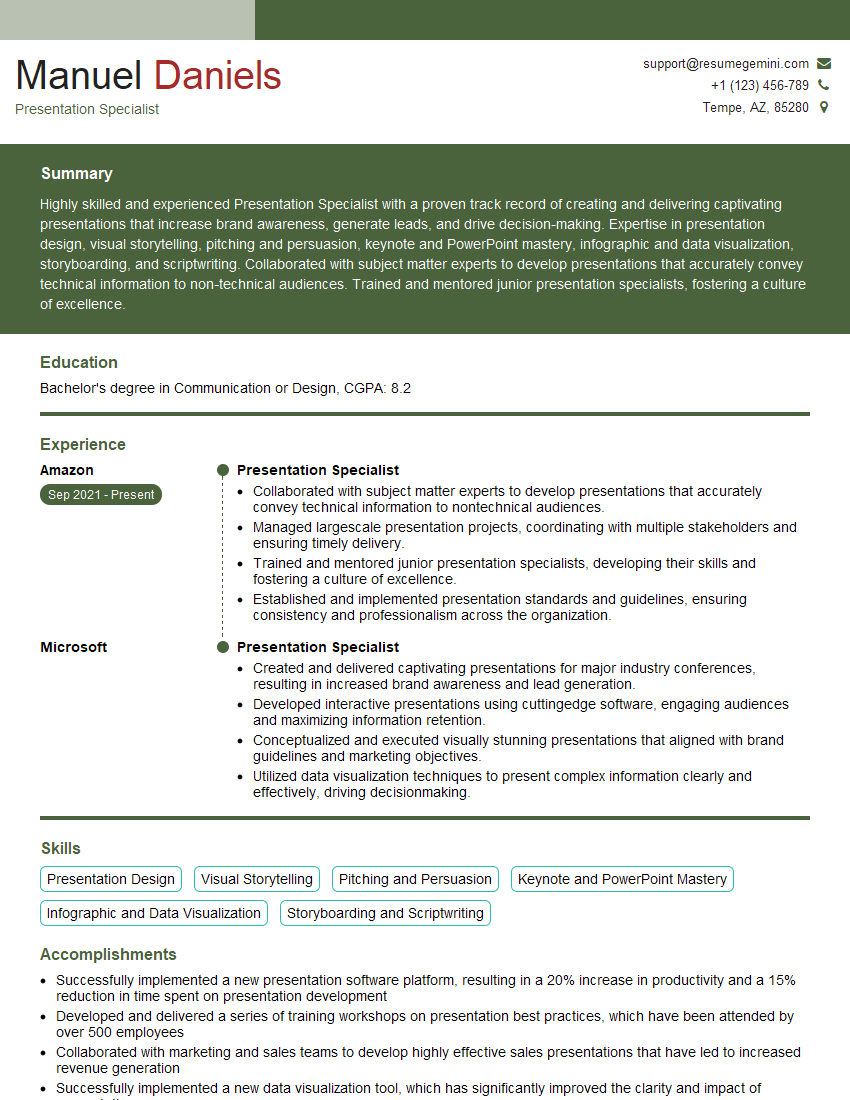
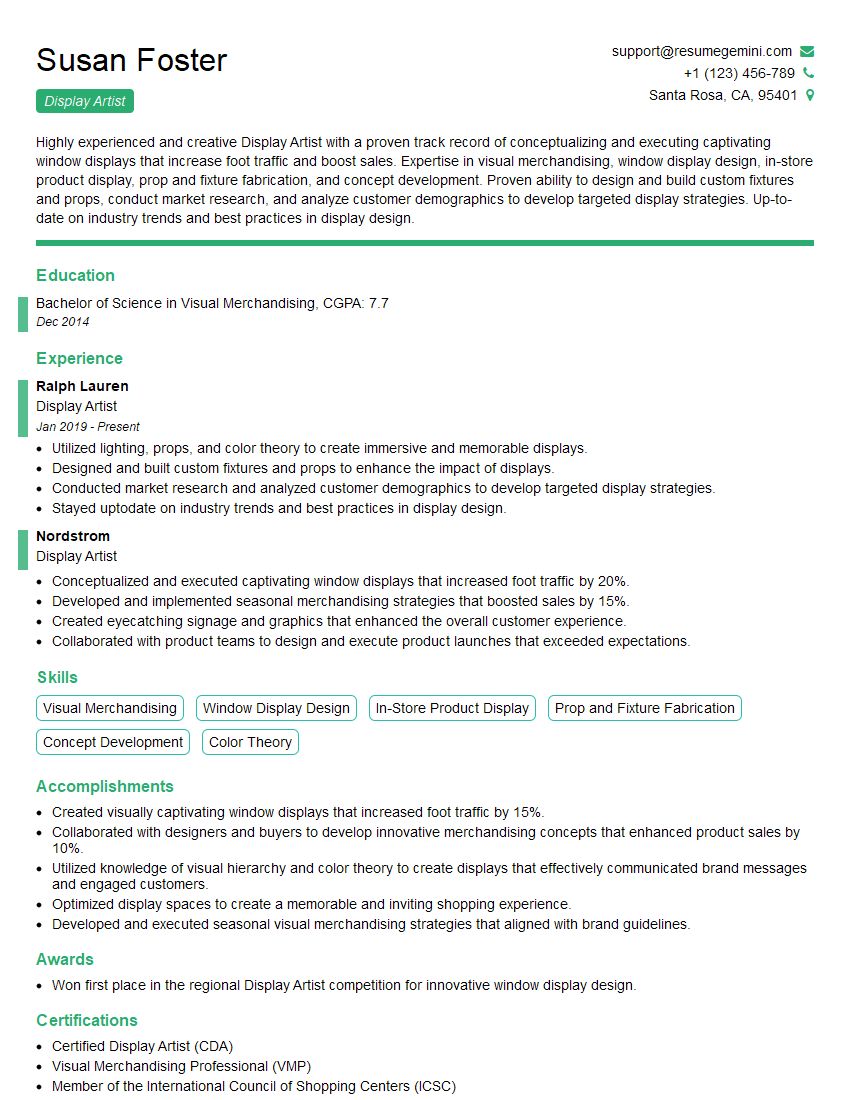
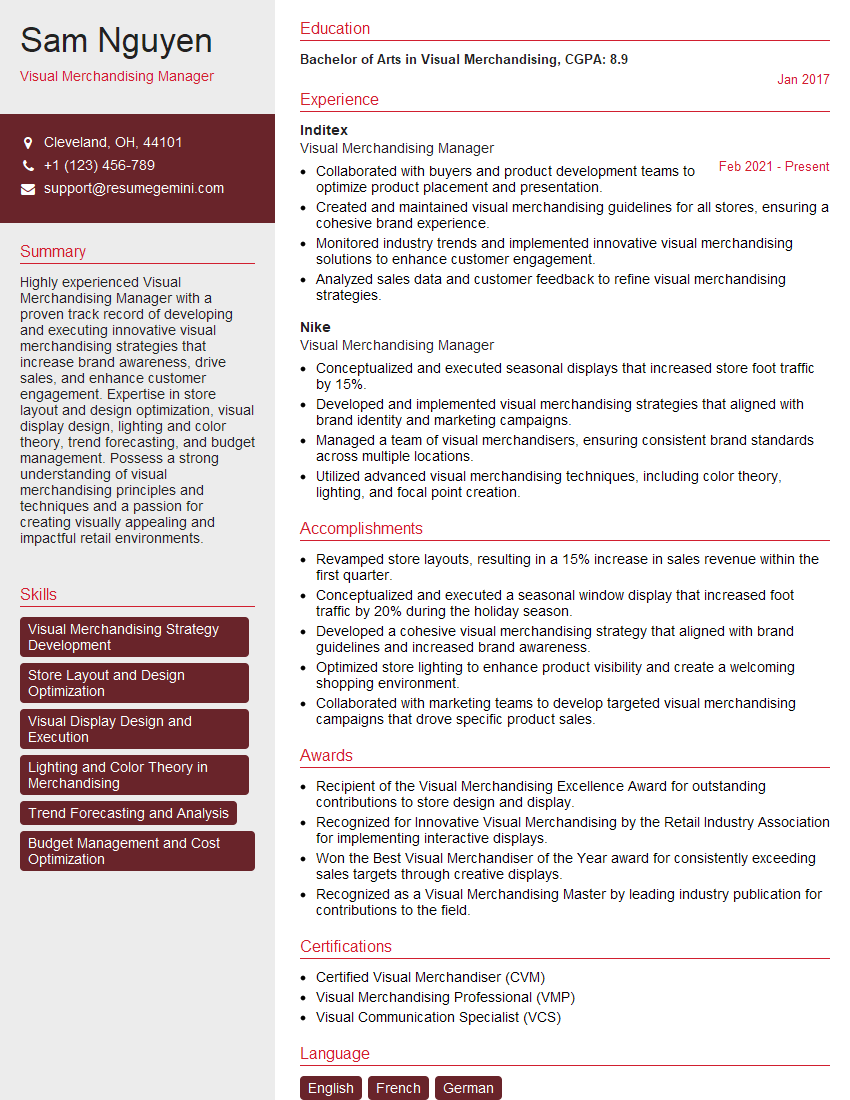
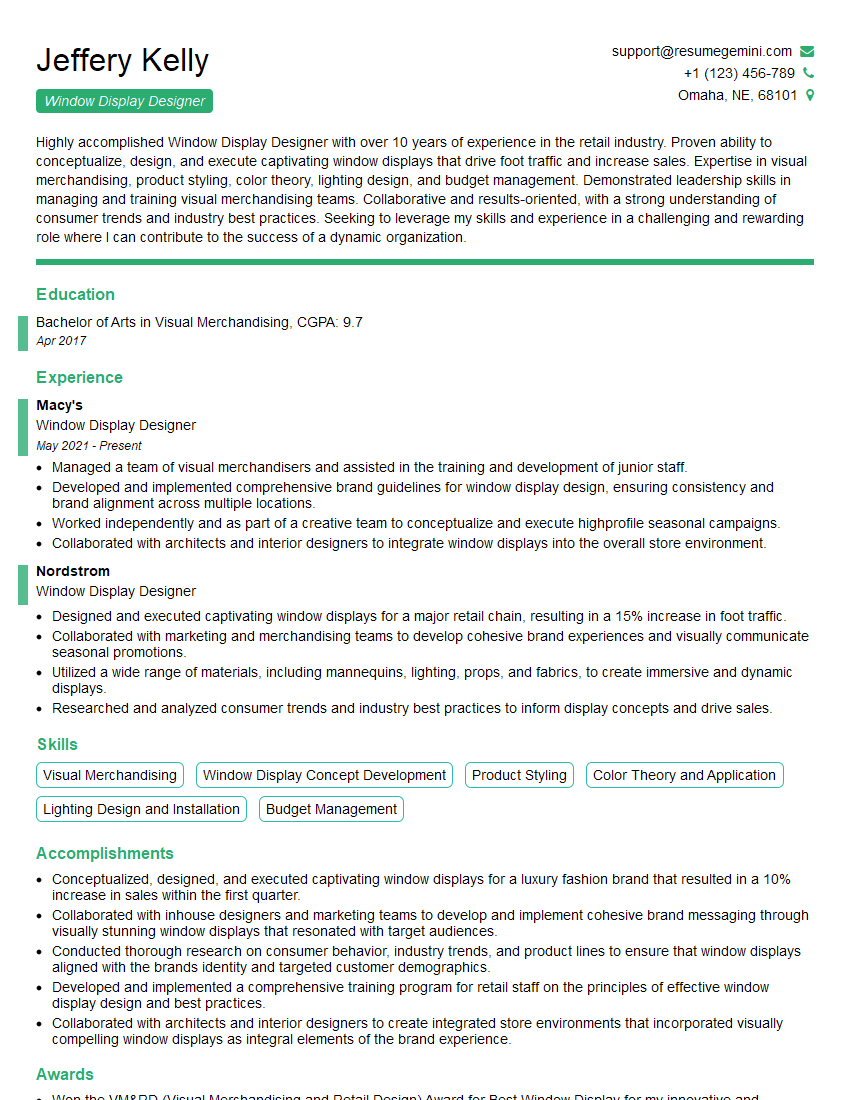
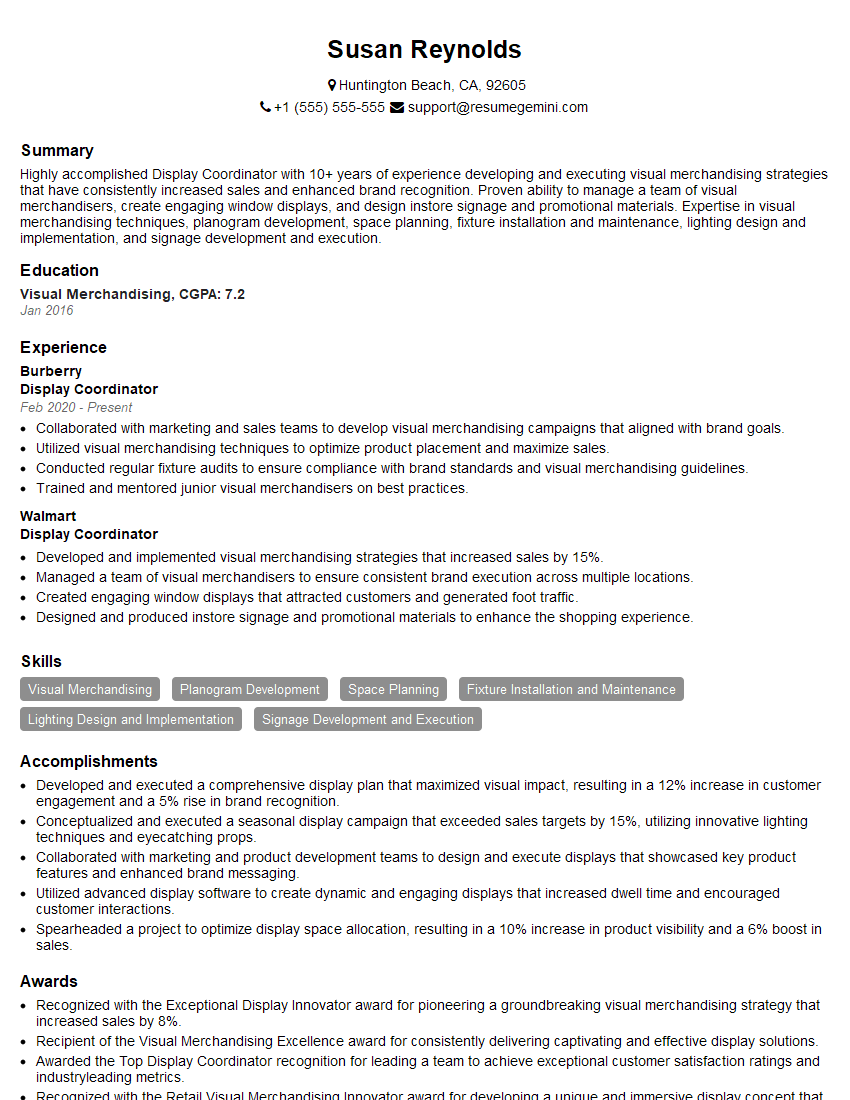
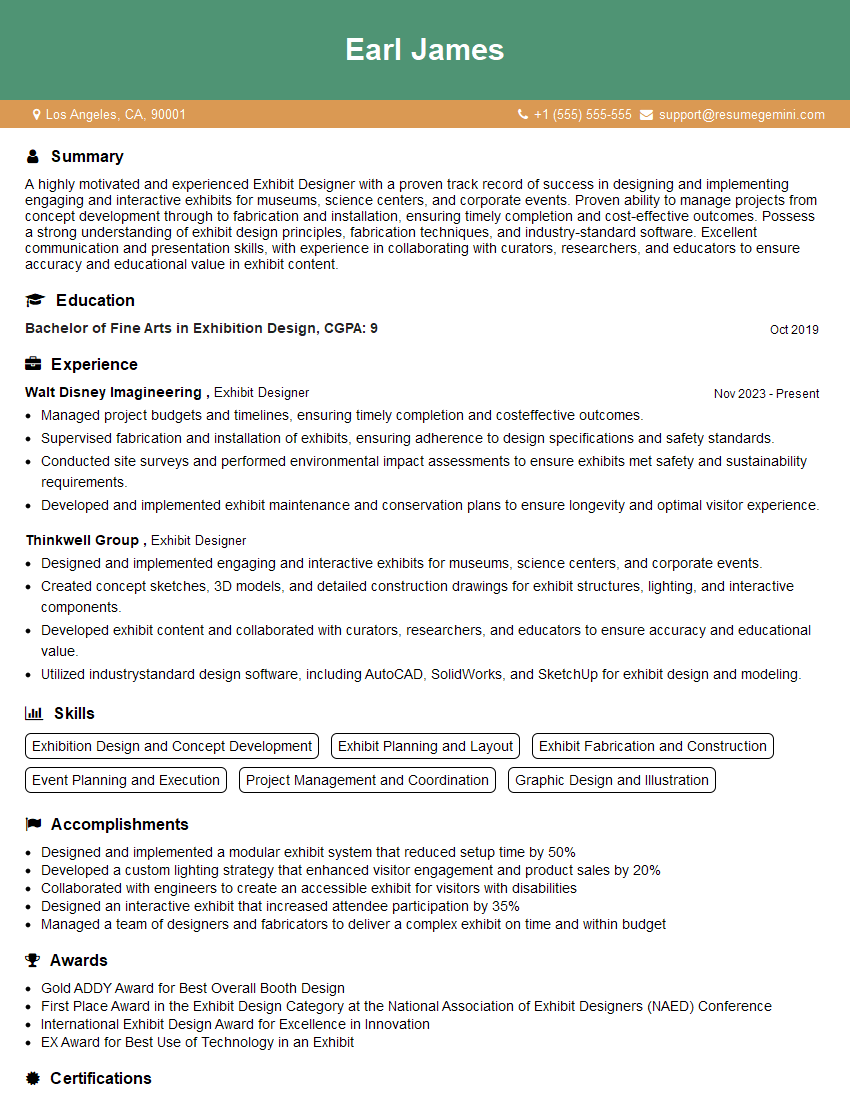
Mastering Window Display Design opens doors to exciting career opportunities in the dynamic world of retail and visual merchandising. A strong portfolio is crucial, but a compelling resume is your first impression. To maximize your job prospects, create an ATS-friendly resume that highlights your skills and experience effectively. ResumeGemini is a trusted resource that can help you build a professional and impactful resume, tailored to the specific requirements of the Window Display Design field. Examples of resumes tailored to Window Display Design are available to guide you.
Explore more articles
Users Rating of Our Blogs
Share Your Experience
We value your feedback! Please rate our content and share your thoughts (optional).
What Readers Say About Our Blog
Hello,
we currently offer a complimentary backlink and URL indexing test for search engine optimization professionals.
You can get complimentary indexing credits to test how link discovery works in practice.
No credit card is required and there is no recurring fee.
You can find details here:
https://wikipedia-backlinks.com/indexing/
Regards
NICE RESPONSE TO Q & A
hi
The aim of this message is regarding an unclaimed deposit of a deceased nationale that bears the same name as you. You are not relate to him as there are millions of people answering the names across around the world. But i will use my position to influence the release of the deposit to you for our mutual benefit.
Respond for full details and how to claim the deposit. This is 100% risk free. Send hello to my email id: [email protected]
Luka Chachibaialuka
Hey interviewgemini.com, just wanted to follow up on my last email.
We just launched Call the Monster, an parenting app that lets you summon friendly ‘monsters’ kids actually listen to.
We’re also running a giveaway for everyone who downloads the app. Since it’s brand new, there aren’t many users yet, which means you’ve got a much better chance of winning some great prizes.
You can check it out here: https://bit.ly/callamonsterapp
Or follow us on Instagram: https://www.instagram.com/callamonsterapp
Thanks,
Ryan
CEO – Call the Monster App
Hey interviewgemini.com, I saw your website and love your approach.
I just want this to look like spam email, but want to share something important to you. We just launched Call the Monster, a parenting app that lets you summon friendly ‘monsters’ kids actually listen to.
Parents are loving it for calming chaos before bedtime. Thought you might want to try it: https://bit.ly/callamonsterapp or just follow our fun monster lore on Instagram: https://www.instagram.com/callamonsterapp
Thanks,
Ryan
CEO – Call A Monster APP
To the interviewgemini.com Owner.
Dear interviewgemini.com Webmaster!
Hi interviewgemini.com Webmaster!
Dear interviewgemini.com Webmaster!
excellent
Hello,
We found issues with your domain’s email setup that may be sending your messages to spam or blocking them completely. InboxShield Mini shows you how to fix it in minutes — no tech skills required.
Scan your domain now for details: https://inboxshield-mini.com/
— Adam @ InboxShield Mini
Reply STOP to unsubscribe
Hi, are you owner of interviewgemini.com? What if I told you I could help you find extra time in your schedule, reconnect with leads you didn’t even realize you missed, and bring in more “I want to work with you” conversations, without increasing your ad spend or hiring a full-time employee?
All with a flexible, budget-friendly service that could easily pay for itself. Sounds good?
Would it be nice to jump on a quick 10-minute call so I can show you exactly how we make this work?
Best,
Hapei
Marketing Director
Hey, I know you’re the owner of interviewgemini.com. I’ll be quick.
Fundraising for your business is tough and time-consuming. We make it easier by guaranteeing two private investor meetings each month, for six months. No demos, no pitch events – just direct introductions to active investors matched to your startup.
If youR17;re raising, this could help you build real momentum. Want me to send more info?
Hi, I represent an SEO company that specialises in getting you AI citations and higher rankings on Google. I’d like to offer you a 100% free SEO audit for your website. Would you be interested?
Hi, I represent an SEO company that specialises in getting you AI citations and higher rankings on Google. I’d like to offer you a 100% free SEO audit for your website. Would you be interested?
good