Unlock your full potential by mastering the most common Wire Stripping Machine Operation interview questions. This blog offers a deep dive into the critical topics, ensuring you’re not only prepared to answer but to excel. With these insights, you’ll approach your interview with clarity and confidence.
Questions Asked in Wire Stripping Machine Operation Interview
Q 1. What types of wire stripping machines have you operated?
Throughout my career, I’ve had extensive experience operating a variety of wire stripping machines. This includes both manual and automated systems. Specifically, I’m proficient with rotary stripping machines, which are excellent for high-volume production, and precision stripping machines, crucial for delicate wires and intricate applications. I’ve also worked with semi-automatic models that offer a balance between speed and precision. Each machine type has its strengths and is suited to different wire types and production needs.
- Rotary Strippers: Ideal for mass production, handling large quantities of consistent wire sizes efficiently.
- Precision Strippers: Necessary for intricate work, ensuring clean, accurate stripping on delicate or specialized wires.
- Semi-Automatic Strippers: Provide a good compromise – faster than fully manual operations but allowing for greater control than fully automated machines.
Q 2. Describe your experience with different wire stripping methods (e.g., rotary, precision, etc.)
My experience encompasses several wire stripping methods. Rotary stripping uses a rotating blade to remove insulation, best for consistent wire diameters. Precision stripping, often employing a crimping or cutting mechanism, offers exceptional accuracy for various wire gauges and types, minimizing damage. I’ve also used machines that utilize abrasive stripping, suitable for removing insulation from specialized coatings. The choice of method depends largely on the wire’s characteristics and the desired outcome. For instance, a delicate sensor wire would demand precision stripping to prevent damage to the conductor, whereas bulk cabling might be effectively handled by rotary stripping.
Q 3. How do you ensure the accuracy and consistency of wire stripping?
Accuracy and consistency in wire stripping are paramount. I achieve this through meticulous attention to detail across several stages. This starts with proper machine setup and calibration, carefully adjusting settings to match the specific wire gauge and insulation type. Regular checks are vital, using both visual inspection and calibrated measurement tools like micrometers to verify strip length and consistency. I also regularly inspect the stripping blades or components for wear and tear; dull or damaged tools are a leading cause of inconsistency. Maintaining a clean machine further minimizes errors. Finally, using a quality control sample at regular intervals allows for immediate correction of any deviations from the specified strip length.
Q 4. Explain the process of setting up and calibrating a wire stripping machine.
Setting up and calibrating a wire stripping machine is a methodical process. First, I consult the machine’s operating manual for specific instructions. Then, I carefully install the correct stripping blades or tools for the given wire type and gauge. Next, I input the required strip length into the machine’s control panel (if applicable). Calibration involves using sample wires and making fine adjustments to the machine settings until the stripped length precisely matches the desired specification. This process often involves iterative adjustments – strip, measure, adjust – until the perfect setting is achieved. A precise calibration minimizes waste and ensures high-quality output.
Q 5. How do you identify and troubleshoot common malfunctions in a wire stripping machine?
Troubleshooting malfunctions requires a systematic approach. I always start by checking the obvious: power supply, wire feeding mechanism, and blade condition. Common issues include inconsistent stripping, blade slippage, or complete failure to strip. Inconsistent stripping often points to blade wear or improper calibration. Blade slippage might indicate a problem with the clamping mechanism. Complete failure usually points to a power issue or a jammed mechanism. I use a troubleshooting flowchart, if provided, to guide the process. If the issue persists despite my efforts, I consult the machine’s manual or contact qualified technicians for assistance.
Q 6. What safety precautions do you take when operating a wire stripping machine?
Safety is my top priority. I always wear appropriate personal protective equipment (PPE), including safety glasses and cut-resistant gloves, before operating any wire stripping machine. Loose clothing and jewelry are avoided to prevent entanglement. I ensure the machine is properly grounded and that the work area is free of clutter. I always follow the manufacturer’s safety instructions diligently. Before beginning operation, I always check that all safety guards are in place and functioning correctly. Regular maintenance helps prevent unexpected malfunctions that could lead to accidents. A safe workspace contributes to efficiency and reduces risk.
Q 7. How do you maintain and clean a wire stripping machine?
Regular maintenance and cleaning extend the machine’s lifespan and ensure optimal performance. This involves daily cleaning of debris and wire scraps from around the blades and feeding mechanism using compressed air or a brush. I regularly lubricate moving parts according to the manufacturer’s recommendations. Periodically, a more thorough cleaning may be necessary, including dismantling certain parts for deeper cleaning. Blade inspection and replacement is also crucial. Dull or damaged blades not only compromise the quality of work but also present a safety hazard. Following a scheduled maintenance plan minimizes downtime and guarantees consistently high-quality results.
Q 8. What are the different types of wire and cable you have experience stripping?
My experience encompasses a wide variety of wires and cables, ranging from single-conductor hook-up wire to multi-conductor shielded cables. I’ve worked with various materials including copper, aluminum, and stranded conductors. Insulation types have included PVC, Teflon, silicone, and various specialized coatings. Specific examples include stripping wires used in automotive harnesses (typically smaller gauges with PVC insulation), communication cables (often featuring twisted pairs and shielded constructions), and power cables (larger gauges with thicker insulation layers). The diversity of materials and constructions requires careful attention to the machine settings and blade selection.
Q 9. How do you handle different wire gauges and insulation materials?
Handling different wire gauges and insulation materials requires adjusting the wire stripping machine’s settings. Wire gauge impacts the stripping force needed – larger gauges (like 10 AWG) require more force than smaller gauges (like 24 AWG). Different insulation materials have varying hardness and thicknesses. For instance, Teflon insulation is much tougher than PVC, so a machine needs to be set to apply more pressure and potentially use a different blade. I always start with the manufacturer’s recommendations as a baseline and then fine-tune the settings based on trial runs, ensuring a clean strip without damaging the conductor. It’s about finding the balance between sufficient force for a clean strip and avoiding excessive force that can damage the wire.
Q 10. Describe your experience with different types of wire stripping blades.
My experience includes working with various blade types, including rotary blades, scissor blades, and stripping wheels. Rotary blades are ideal for high-volume stripping of consistent wire types, providing a clean cut. Scissor blades excel with precision stripping, particularly useful for delicate wires or when precise length control is critical. Stripping wheels are fantastic for handling a larger range of wire gauges within a single setup but require more careful adjustment. The choice often depends on the production volume, wire types, and desired precision. I’ve also worked with blades designed for specific insulation materials, like those optimized for stripping Teflon or high-temperature wires.
Q 11. How do you select the appropriate blade for a specific wire type?
Selecting the appropriate blade is crucial for successful wire stripping. The process begins with identifying the wire gauge and insulation material. I consult the blade manufacturer’s charts or the machine’s manual to find a blade compatible with those specifics. For example, a hard Teflon insulation will require a sharper blade with greater cutting force than a softer PVC. A larger gauge wire requires a blade with a larger cutting diameter. If there are multiple suitable blades, I will conduct a small test run to determine which provides the cleanest and most consistent strip without wire damage. It’s a combination of understanding the material properties and making informed choices based on manufacturer’s specifications and practical testing.
Q 12. How do you determine the appropriate stripping length?
Determining the appropriate stripping length depends on the application. The length is often dictated by the wire’s intended use and the connector or termination method. For instance, a wire going into a crimp connector needs a specific stripped length to ensure proper crimping and contact. If the strip is too short, the crimp will be insufficient; too long, and the wire might be damaged during insertion or create short circuits. I usually consult the project’s schematics or connector specifications to define the appropriate length. The wire stripping machine allows precise adjustment of the stripping length, ensuring consistent and accurate stripping across multiple wires.
Q 13. How do you inspect stripped wires for quality?
Inspecting stripped wires for quality is a critical step. I visually inspect each wire, checking for several things. First, I ensure the insulation is removed cleanly, leaving no strands of insulation on the conductor. Secondly, I examine the conductor for any nicks, cuts, or damage that could compromise the wire’s integrity. Finally, I check the stripping length to ensure it’s consistent and matches the required length. In high-volume situations, I’ll often implement a sampling inspection process, checking a specific percentage of the stripped wires. The goal is to ensure the electrical connection will be reliable and safe.
Q 14. What are the common causes of wire stripping errors?
Common causes of wire stripping errors include incorrect machine settings, dull or damaged blades, and improper wire feeding. Incorrect settings (such as incorrect stripping length, pressure, or speed) are often the culprit. Dull or damaged blades result in inconsistent stripping, nicked conductors, or incomplete insulation removal. Improper wire feeding—such as feeding the wire at an angle—can lead to uneven stripping or damage. Regular blade maintenance, careful machine calibration, and proper training are essential to prevent these errors. Regularly checking the blades for sharpness and replacing them when necessary is a key part of preventative maintenance.
Q 15. How do you diagnose and resolve wire stripping errors?
Diagnosing wire stripping errors involves a systematic approach. First, I identify the type of error: is the wire being cut too short, too long, nicked, or not stripped at all? Then, I examine the machine’s settings. Incorrect blade adjustments, for example, can lead to inconsistent stripping. I check the wire’s gauge and material – different materials require different stripping settings. A common issue is dull or misaligned blades; I’d inspect and replace them if necessary. Finally, I consider the wire feed mechanism; a malfunctioning feed could cause inconsistent stripping. For example, if the wire is feeding erratically, I’d check the rollers for wear or debris. Troubleshooting is a blend of careful observation, understanding the machine’s mechanics, and knowing the characteristics of different wire types. If the problem persists, I would refer to the machine’s manual and possibly consult with a specialist.
Career Expert Tips:
- Ace those interviews! Prepare effectively by reviewing the Top 50 Most Common Interview Questions on ResumeGemini.
- Navigate your job search with confidence! Explore a wide range of Career Tips on ResumeGemini. Learn about common challenges and recommendations to overcome them.
- Craft the perfect resume! Master the Art of Resume Writing with ResumeGemini’s guide. Showcase your unique qualifications and achievements effectively.
- Don’t miss out on holiday savings! Build your dream resume with ResumeGemini’s ATS optimized templates.
Q 16. How do you handle damaged or defective wires?
Handling damaged or defective wires begins with careful inspection. I’d identify the type of damage – nicks, kinks, broken strands, or insulation defects. Damaged wires are immediately rejected from the process to prevent downstream issues. The extent of the damage dictates the next step. Minor imperfections might be acceptable, depending on the application, while severely damaged wires are scrapped. Documentation of the issue is crucial – this informs quality control and helps identify potential issues with wire sourcing or handling. I’d also communicate with the supplier about any recurrent defects. Think of it like a doctor assessing a patient – a thorough examination leads to an accurate diagnosis and the right course of action.
Q 17. What are your experiences with different control systems for wire stripping machines?
My experience encompasses various control systems, from simple manual adjustments to sophisticated PLC (Programmable Logic Controller) based systems. Manual systems offer direct control but require more operator skill and are prone to inconsistencies. PLC-controlled systems, on the other hand, offer precise control, repeatable results, and data logging capabilities, allowing for efficient optimization and troubleshooting. I’ve worked with systems using touchscreens for intuitive operation and those relying on more traditional control panels. Each system requires a different level of training and understanding. For example, troubleshooting a PLC system involves familiarity with ladder logic and diagnostic tools; a manual system requires more hands-on familiarity with mechanical adjustments. The choice of control system often depends on the production volume and required precision.
Q 18. Describe your experience with using automated wire stripping systems.
My experience with automated wire stripping systems is extensive. I’ve worked with machines capable of handling high volumes with remarkable precision and consistency. These systems typically integrate features like automatic wire feeding, length measurement, and stripping action, often incorporating vision systems to ensure quality. The benefits include increased efficiency, reduced labor costs, and improved consistency. However, setting up and maintaining automated systems demands a higher level of technical expertise. For instance, programming and calibrating the system often requires specialized software and knowledge of robotic mechanics. Preventative maintenance is also key to ensuring smooth, uninterrupted operation. One memorable project involved integrating a new automated system into our production line; the initial setup was challenging but resulted in a significant increase in output and reduction in defects.
Q 19. What is your experience with preventative maintenance on wire stripping machines?
Preventative maintenance is vital for ensuring the longevity and reliable performance of wire stripping machines. My routine includes regular inspections of blades for wear and tear, cleaning the machine of debris, lubricating moving parts, and checking the wire feed mechanism for smooth operation. I also periodically check the control system for any error messages or unusual behavior. A schedule is established, including daily checks and more in-depth inspections on a weekly or monthly basis, depending on the usage frequency. I maintain detailed logs recording maintenance activities and any observed anomalies. Imagine it as regularly servicing a car – it prevents major breakdowns and keeps it running optimally. Ignoring preventative maintenance can lead to costly repairs, production downtime, and potentially unsafe operating conditions.
Q 20. How do you handle production targets and deadlines?
Meeting production targets and deadlines requires efficient planning and execution. I begin by understanding the requirements, including the volume, wire type, stripping specifications, and the deadline. I then assess the machine’s capacity and any potential constraints. This might involve optimizing machine settings, ensuring sufficient supplies, and allocating resources effectively. Throughout the production run, I monitor progress, addressing any bottlenecks or issues promptly. Communication is crucial – I keep my supervisor informed of progress and any potential delays. I utilize data analysis from the machine’s control system to identify areas for improvement and predict potential challenges. Think of it like a project manager overseeing a team – careful planning, efficient resource allocation, and proactive communication are key to successful project completion.
Q 21. What is your experience with different types of wire termination?
My experience spans various wire termination methods, including crimping, soldering, and insulation displacement connection (IDC). Crimping involves using a crimping tool to securely attach connectors to the wire, often used for terminals and connectors. Soldering provides a strong, durable connection but requires more skill and precision. IDC connectors create a connection by displacing the wire insulation, offering a quick and efficient method. The choice of termination method depends on several factors, such as wire type, connector type, application requirements, and the desired level of reliability. For example, crimping is suitable for high-volume applications where speed and consistency are vital, while soldering might be preferred for applications requiring high current carrying capacity. Understanding the strengths and limitations of each method is crucial for selecting the appropriate technique for the task.
Q 22. Describe your understanding of quality control procedures in wire stripping.
Quality control in wire stripping is crucial for ensuring the reliability and safety of the final product. It involves a multi-step process to verify that the stripped wires meet the required specifications. This starts with inspecting the incoming wire spools for defects like inconsistencies in diameter, insulation quality, and potential damage.
During the stripping process itself, regular checks are performed using visual inspection tools and sometimes automated measurement systems to verify that the stripping length is accurate, the insulation removal is clean and complete, and there’s no damage to the conductor. Sampling methods are employed, where a percentage of the stripped wires are thoroughly examined for defects. Statistical Process Control (SPC) charts can be used to monitor the process and identify potential issues before they escalate. Documentation of all inspections and measurements is critical, forming an audit trail to trace any problems back to their source. Any deviation from the specified standards triggers corrective actions, which may involve machine recalibration, adjustment of parameters, or even replacement of faulty components. Finally, we implement stringent quality checks at the end of the line, often involving functional testing to ensure the stripped wires meet the end application’s requirements.
For example, if we find inconsistent stripping lengths, we would investigate the machine settings, check for wear and tear on the blades, and potentially adjust the feed rate to resolve the problem. Proper documentation of this issue and resolution prevents it from recurring.
Q 23. What are the common safety hazards related to wire stripping machines?
Wire stripping machines present several safety hazards. The most prominent is the risk of injury from moving parts. The blades are sharp and powerful, posing a significant risk of cuts or lacerations if proper safety procedures aren’t followed. Electric shock is another major concern, especially when working with energized wires. Even seemingly deactivated machines can retain residual electricity. Noise pollution from the machine’s operation can lead to hearing damage over extended periods without proper hearing protection. Furthermore, flying debris, such as small pieces of insulation, can cause eye injuries if appropriate eye protection isn’t worn. Finally, repetitive strain injuries (RSI), like carpal tunnel syndrome, are a risk due to the repetitive nature of the work. Therefore, strict adherence to safety protocols, including the use of personal protective equipment (PPE) such as safety glasses, gloves, and hearing protection, along with regular machine maintenance and operator training, is crucial to mitigate these risks.
Q 24. How do you prioritize tasks and manage multiple jobs simultaneously?
Prioritizing tasks and managing multiple jobs involves a structured approach. I generally employ a system that combines urgency and importance. I use a task management system (either digital or physical) where I list all the jobs, assigning each a priority based on deadlines, order requirements, and the potential impact of delays. For example, a large order with a tight deadline would naturally take precedence over a smaller, less urgent order. I break down large jobs into smaller, more manageable tasks to make the overall process less overwhelming. I frequently review and adjust the priority list throughout the day, adapting to unexpected changes or urgent requests. This flexibility ensures that the most critical tasks are always addressed promptly.
Time management techniques such as the Pomodoro Technique—working in focused bursts with short breaks—enhance productivity. This method helps maintain focus and prevent burnout, contributing to consistent, high-quality work across multiple jobs.
Q 25. What is your experience with documentation and record-keeping related to wire stripping?
My experience with documentation and record-keeping is extensive. I understand that accurate and complete records are essential for traceability, quality control, and compliance. I meticulously document all aspects of the wire stripping process, including machine settings, the type and quantity of wire processed, any quality control checks performed, and any identified issues or corrective actions taken. This documentation typically involves using digital logs (often integrated into the machine’s control system), creating spreadsheets, or maintaining paper-based logs, depending on the workplace’s requirements. I am proficient in using various software to manage and analyze this data, allowing for trend identification and continuous improvement. This thorough approach ensures efficient troubleshooting, facilitates problem resolution, and promotes accountability.
For instance, if a batch of stripped wires fails a quality check, the detailed records allow us to immediately trace back the issue to the specific machine settings, time of day, or even a specific roll of wire, enabling prompt corrective action and prevention of similar problems in the future.
Q 26. How do you stay updated on the latest advancements in wire stripping technology?
Staying updated on advancements in wire stripping technology requires a proactive approach. I regularly read industry publications, attend trade shows and conferences, and participate in online forums and webinars focused on wire processing and automation. I also actively seek out information from manufacturers and suppliers about new machine models, improved stripping techniques, and innovative quality control methods. This ongoing learning allows me to remain informed about the latest advancements in automation, precision, and efficiency. I also investigate new materials and their effect on the stripping process. This keeps my skill set current and enables me to adapt to emerging industry trends and implement best practices in my work.
Q 27. Describe a time you had to solve a complex problem related to wire stripping.
In a previous role, we experienced a significant increase in wire breakage during the stripping process. This led to production delays and increased costs. After initial troubleshooting, which involved checking the machine settings and blade sharpness, we realized that the problem wasn’t with the machine itself but with the wire’s quality. The supplier had recently changed their manufacturing process, resulting in a batch of wire with internal inconsistencies. We identified the problem by systematically testing different wire batches and analyzing the breakage points. This involved meticulously documenting the wire source, the machine settings, and the number of breaks occurring. The solution involved contacting the supplier, providing them with the data, and working collaboratively to identify and resolve the manufacturing flaw. The situation highlighted the importance of thorough documentation, supplier relationships, and systematic problem-solving techniques. This experience improved my ability to diagnose complex issues by adopting a structured, data-driven approach and emphasizing collaborative problem-solving.
Q 28. What is your experience working within a team environment?
I thrive in team environments. I believe in open communication and collaboration. I actively participate in team discussions, share my knowledge and expertise, and readily assist colleagues. I’m adept at contributing to a positive team dynamic, fostering mutual respect and support among team members. My experience has shown that teamwork is essential in handling complex tasks and ensuring efficiency. I’m comfortable both leading and supporting team members, depending on the situation and the project’s requirements. My approach focuses on shared goals, efficient resource allocation, and clear communication to achieve successful outcomes. For example, in a recent project involving a new wire stripping machine installation, I worked closely with the engineering team to ensure a smooth integration and efficient training of the operating personnel. This involved providing technical expertise, participating in training sessions, and contributing to the development of operating procedures. The successful implementation underscored the importance of collaboration and communication in achieving shared goals.
Key Topics to Learn for Wire Stripping Machine Operation Interview
- Machine Setup and Calibration: Understanding the various settings and adjustments needed for different wire gauges and insulation types. This includes blade adjustment, stripping length calibration, and feed rate optimization.
- Safe Operating Procedures: Mastering safety protocols, including proper lockout/tagout procedures, personal protective equipment (PPE) usage, and emergency shutdown procedures. Practical application involves demonstrating a thorough understanding of these procedures and how to apply them in various scenarios.
- Troubleshooting and Maintenance: Identifying common malfunctions such as blade dulling, wire jams, and inconsistent stripping. This includes knowing preventative maintenance tasks and basic troubleshooting steps to resolve issues quickly and efficiently.
- Quality Control and Inspection: Understanding the importance of consistent wire stripping quality. This involves techniques for inspecting stripped wires for damage, ensuring proper stripping length, and identifying defects. Practical application includes demonstrating effective inspection methods.
- Different Wire Stripping Techniques: Familiarize yourself with various stripping methods employed by different machines and the advantages and disadvantages of each. This includes understanding the impact of different wire types and insulation materials on the stripping process.
- Production Efficiency and Optimization: Understanding how to maximize output while maintaining quality. This includes efficient workflow management, minimizing downtime, and identifying areas for improvement in the stripping process.
Next Steps
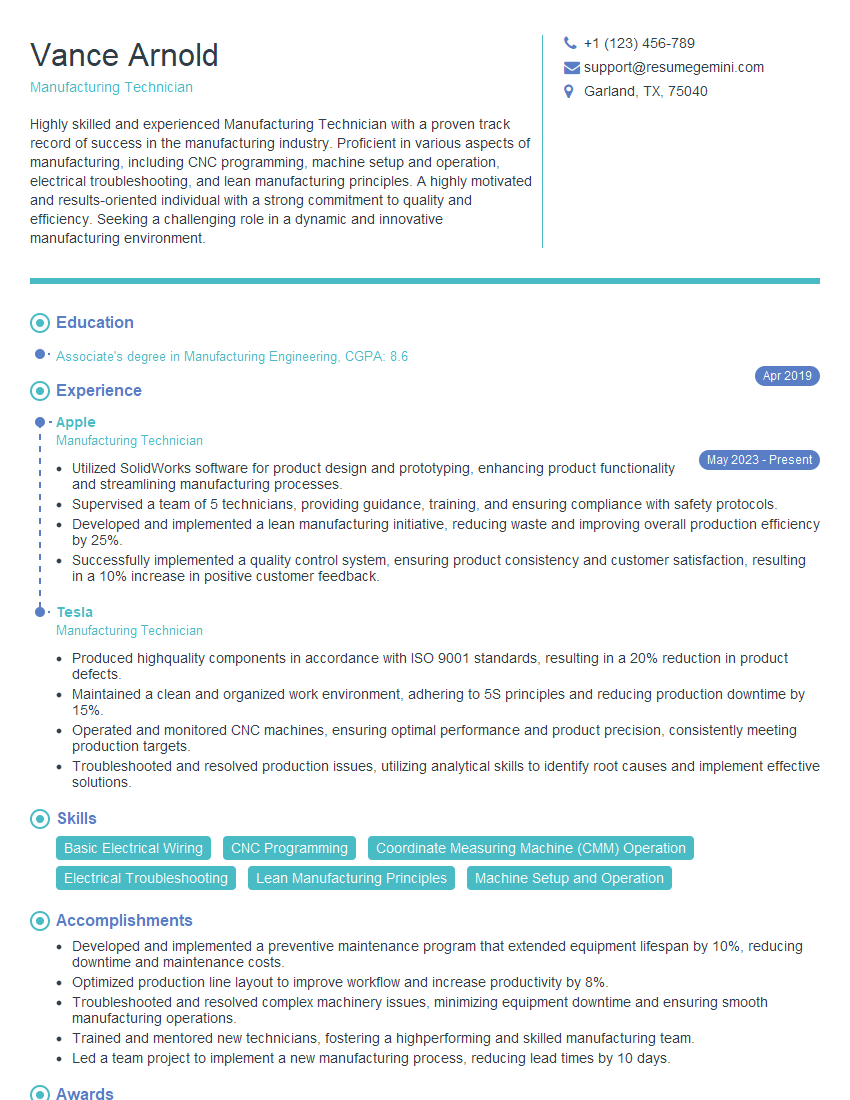
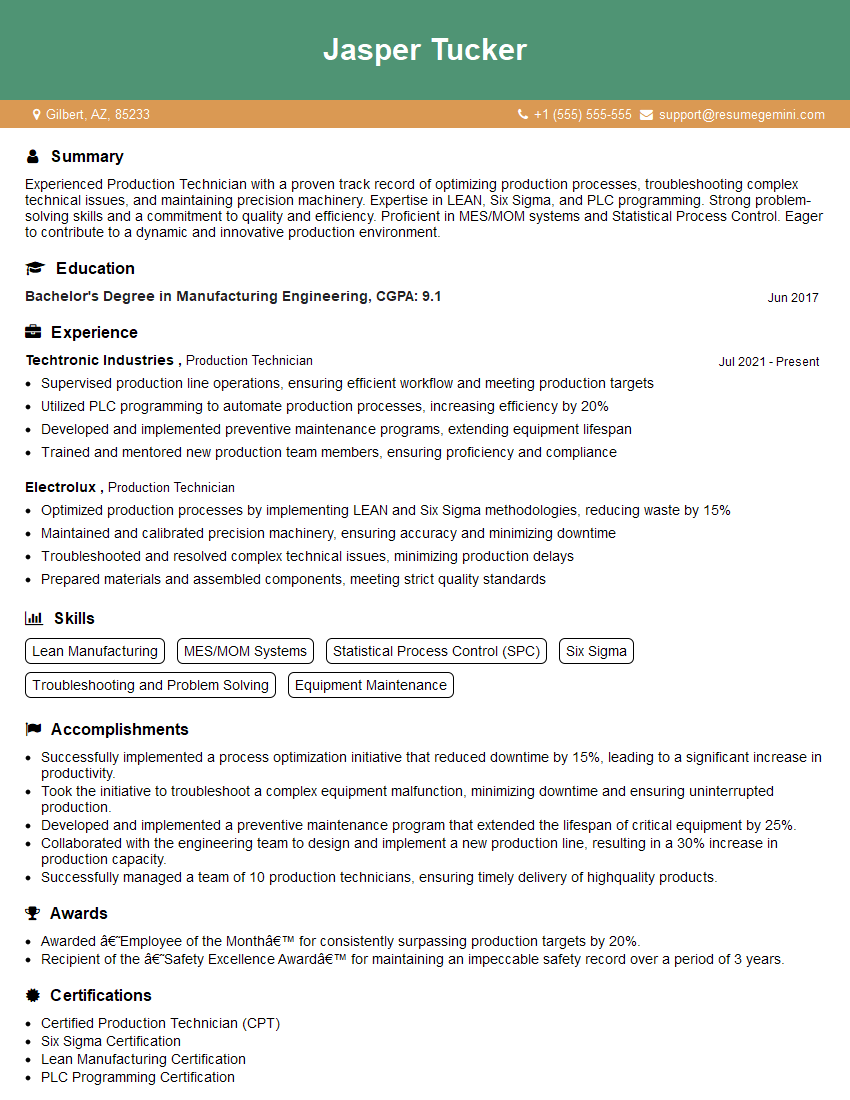
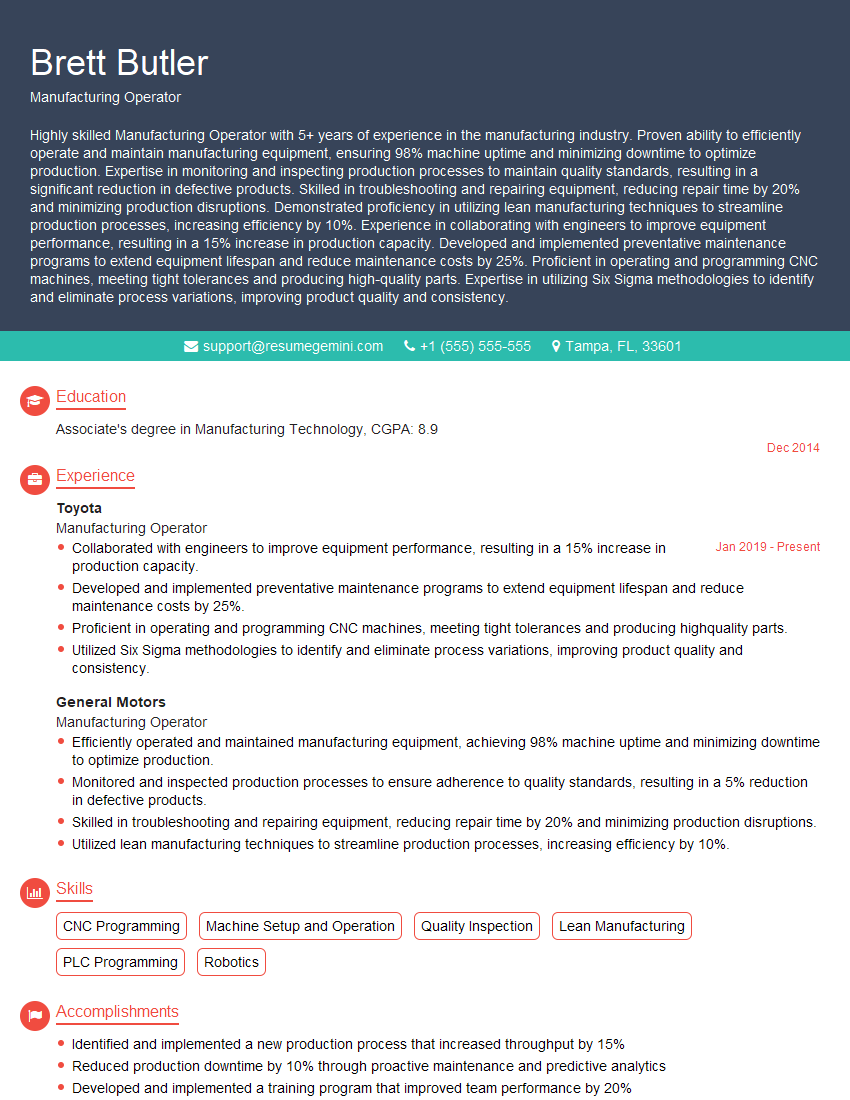
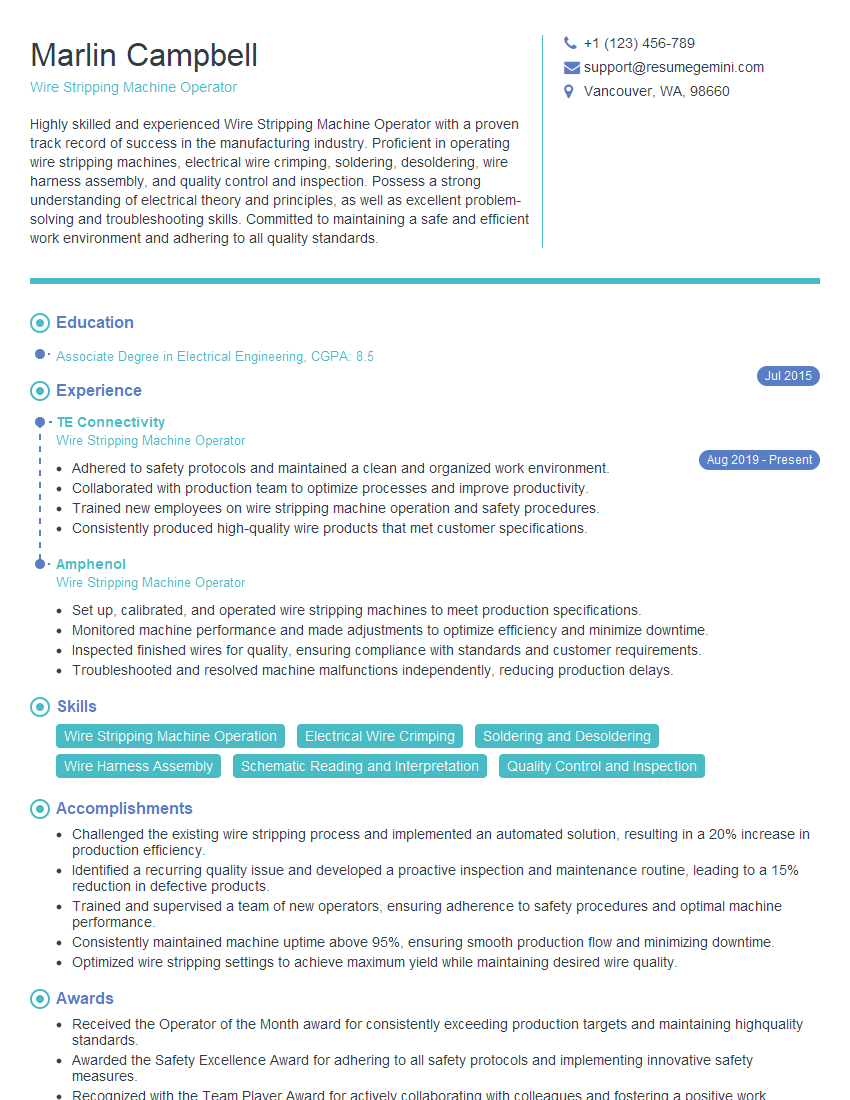
Mastering Wire Stripping Machine Operation opens doors to a rewarding career in manufacturing and related industries, offering opportunities for advancement and specialized skill development. To maximize your job prospects, it’s crucial to present your skills effectively. Creating an ATS-friendly resume is essential for getting your application noticed by recruiters and hiring managers. ResumeGemini is a trusted resource to help you build a professional and impactful resume tailored to your experience. We provide examples of resumes specifically tailored for Wire Stripping Machine Operators to help you get started. Invest time in crafting a strong resume; it’s your first impression on potential employers.

Explore more articles
Users Rating of Our Blogs
Share Your Experience
We value your feedback! Please rate our content and share your thoughts (optional).
What Readers Say About Our Blog
Attention music lovers!
Wow, All the best Sax Summer music !!!
Spotify: https://open.spotify.com/artist/6ShcdIT7rPVVaFEpgZQbUk
Apple Music: https://music.apple.com/fr/artist/jimmy-sax-black/1530501936
YouTube: https://music.youtube.com/browse/VLOLAK5uy_noClmC7abM6YpZsnySxRqt3LoalPf88No
Other Platforms and Free Downloads : https://fanlink.tv/jimmysaxblack
on google : https://www.google.com/search?q=22+AND+22+AND+22
on ChatGPT : https://chat.openai.com?q=who20jlJimmy20Black20Sax20Producer
Get back into the groove with Jimmy sax Black
Best regards,
Jimmy sax Black
www.jimmysaxblack.com
Hi I am a troller at The aquatic interview center and I suddenly went so fast in Roblox and it was gone when I reset.
Hi,
Business owners spend hours every week worrying about their website—or avoiding it because it feels overwhelming.
We’d like to take that off your plate:
$69/month. Everything handled.
Our team will:
Design a custom website—or completely overhaul your current one
Take care of hosting as an option
Handle edits and improvements—up to 60 minutes of work included every month
No setup fees, no annual commitments. Just a site that makes a strong first impression.
Find out if it’s right for you:
https://websolutionsgenius.com/awardwinningwebsites
Hello,
we currently offer a complimentary backlink and URL indexing test for search engine optimization professionals.
You can get complimentary indexing credits to test how link discovery works in practice.
No credit card is required and there is no recurring fee.
You can find details here:
https://wikipedia-backlinks.com/indexing/
Regards
NICE RESPONSE TO Q & A
hi
The aim of this message is regarding an unclaimed deposit of a deceased nationale that bears the same name as you. You are not relate to him as there are millions of people answering the names across around the world. But i will use my position to influence the release of the deposit to you for our mutual benefit.
Respond for full details and how to claim the deposit. This is 100% risk free. Send hello to my email id: lukachachibaialuka@gmail.com
Luka Chachibaialuka
Hey interviewgemini.com, just wanted to follow up on my last email.
We just launched Call the Monster, an parenting app that lets you summon friendly ‘monsters’ kids actually listen to.
We’re also running a giveaway for everyone who downloads the app. Since it’s brand new, there aren’t many users yet, which means you’ve got a much better chance of winning some great prizes.
You can check it out here: https://bit.ly/callamonsterapp
Or follow us on Instagram: https://www.instagram.com/callamonsterapp
Thanks,
Ryan
CEO – Call the Monster App
Hey interviewgemini.com, I saw your website and love your approach.
I just want this to look like spam email, but want to share something important to you. We just launched Call the Monster, a parenting app that lets you summon friendly ‘monsters’ kids actually listen to.
Parents are loving it for calming chaos before bedtime. Thought you might want to try it: https://bit.ly/callamonsterapp or just follow our fun monster lore on Instagram: https://www.instagram.com/callamonsterapp
Thanks,
Ryan
CEO – Call A Monster APP
To the interviewgemini.com Owner.
Dear interviewgemini.com Webmaster!
Hi interviewgemini.com Webmaster!
Dear interviewgemini.com Webmaster!
excellent
Hello,
We found issues with your domain’s email setup that may be sending your messages to spam or blocking them completely. InboxShield Mini shows you how to fix it in minutes — no tech skills required.
Scan your domain now for details: https://inboxshield-mini.com/
— Adam @ InboxShield Mini
support@inboxshield-mini.com
Reply STOP to unsubscribe
Hi, are you owner of interviewgemini.com? What if I told you I could help you find extra time in your schedule, reconnect with leads you didn’t even realize you missed, and bring in more “I want to work with you” conversations, without increasing your ad spend or hiring a full-time employee?
All with a flexible, budget-friendly service that could easily pay for itself. Sounds good?
Would it be nice to jump on a quick 10-minute call so I can show you exactly how we make this work?
Best,
Hapei
Marketing Director
Hey, I know you’re the owner of interviewgemini.com. I’ll be quick.
Fundraising for your business is tough and time-consuming. We make it easier by guaranteeing two private investor meetings each month, for six months. No demos, no pitch events – just direct introductions to active investors matched to your startup.
If youR17;re raising, this could help you build real momentum. Want me to send more info?
Hi, I represent an SEO company that specialises in getting you AI citations and higher rankings on Google. I’d like to offer you a 100% free SEO audit for your website. Would you be interested?
Hi, I represent an SEO company that specialises in getting you AI citations and higher rankings on Google. I’d like to offer you a 100% free SEO audit for your website. Would you be interested?