Are you ready to stand out in your next interview? Understanding and preparing for Working in a fastpaced environment. interview questions is a game-changer. In this blog, we’ve compiled key questions and expert advice to help you showcase your skills with confidence and precision. Let’s get started on your journey to acing the interview.
Questions Asked in Working in a fastpaced environment. Interview
Q 1. Describe your experience working in a high-pressure, fast-paced environment.
My experience in fast-paced environments spans several years, encompassing roles with demanding deadlines and high-stakes projects. For example, during my time at [Previous Company Name], I worked on a product launch where we faced immense pressure to deliver a high-quality product within a tight three-month timeframe. This involved juggling multiple responsibilities, including coordinating with various teams, managing resources, and ensuring adherence to stringent quality control standards. The environment was demanding, but I thrived under the pressure, successfully contributing to the on-time launch of a product that exceeded expectations.
Another instance involved a critical system failure that required immediate resolution. Working alongside a team of engineers, we employed agile methodologies to identify the root cause quickly and deploy a fix within hours, minimizing service disruption. These experiences honed my ability to work effectively under pressure, prioritize efficiently, and remain calm and focused in crisis situations.
Q 2. How do you prioritize tasks in a fast-paced setting with competing deadlines?
Prioritizing tasks in a fast-paced setting requires a structured approach. I typically use a combination of methods, starting with a clear understanding of project goals and deadlines. I then employ a prioritization matrix, often using the Eisenhower Matrix (urgent/important), to categorize tasks. This allows me to focus on high-impact, time-sensitive tasks first, delegating or postponing less critical items where possible. I also use project management tools like [mention specific tools e.g., Trello, Asana, Jira] to visually track progress, deadlines, and dependencies, providing a dynamic overview of my workload.
For instance, if I had a critical presentation due tomorrow and a less urgent report due next week, the presentation would clearly take precedence. I would break down the presentation preparation into smaller, manageable tasks, assigning specific time blocks to each, ensuring I meet the final deadline. This allows for efficient progress tracking and timely adjustments.
Q 3. Describe a time you had to quickly adapt to a significant change in your work environment.
In a previous role, we underwent a significant restructuring that completely changed our team dynamics and reporting structure. Initially, this was unsettling, but I actively sought to understand the rationale behind the changes and adapt quickly. I attended all relevant meetings, proactively communicated with my new manager and colleagues, and embraced the new workflow processes. I viewed this change not as a threat, but as an opportunity to learn and grow, ultimately contributing positively to the new team structure and achieving successful results in the revised organizational setup.
My approach focused on continuous learning, open communication, and a proactive mindset. By remaining flexible and adaptable, I navigated the transition smoothly and contributed significantly to the success of the team despite the initial disruption.
Q 4. How do you handle multiple projects simultaneously with overlapping deadlines?
Managing multiple projects with overlapping deadlines necessitates meticulous planning and organization. I utilize project management tools to map out each project’s tasks, dependencies, and timelines. This visual representation provides a clear overview of my workload and helps identify potential conflicts. I break down large projects into smaller, manageable tasks, assigning specific time blocks for each. I regularly review my schedule and adjust priorities as needed, ensuring I’m always working on the most critical tasks first.
For example, if I have two projects, one with a deadline in a week and another in two weeks, I would allocate more time to the project with the closer deadline. However, I would also schedule dedicated blocks of time for the second project, ensuring steady progress. Regular communication with stakeholders is crucial to manage expectations and proactively address any potential roadblocks.
Q 5. What strategies do you use to manage your time effectively in a busy environment?
Effective time management in a busy environment requires a multifaceted approach. I begin by prioritizing tasks based on their importance and urgency, as previously discussed. Then, I utilize time-blocking techniques, scheduling specific time slots for focused work on particular tasks. This minimizes context switching and enhances productivity. I also incorporate short breaks throughout the day to avoid burnout and maintain focus. Regular review of my schedule and task list allows for flexibility and adjustment based on unexpected events or changes in priorities. Utilizing tools like calendar apps and to-do lists aids in maintaining a clear overview of my commitments.
I also actively avoid multitasking, finding that focusing on one task at a time leads to significantly improved accuracy and efficiency. I often leverage the Pomodoro Technique, working in focused bursts with short breaks in between, to maintain concentration and prevent fatigue.
Q 6. How do you maintain focus and productivity when faced with frequent interruptions?
Frequent interruptions can significantly impact focus and productivity. To mitigate this, I employ several strategies. First, I communicate my need for focused work blocks to colleagues, politely requesting they avoid unnecessary interruptions during these periods. Secondly, I utilize noise-canceling headphones to create a more focused work environment. Thirdly, I leverage technology – using email filters, disabling notifications, and employing focused work apps – to minimize distractions. When interruptions do occur, I quickly acknowledge them, make a note of the issue, and then return to my primary task to maintain momentum. Regular breaks also help me reset and return to my work refreshed.
For example, I might schedule two hours of focused work in the morning, informing my team of my unavailability during that time. This creates dedicated time for concentrated effort on critical tasks. During these focused sessions I minimize distractions, focusing on the completion of specific, manageable tasks.
Q 7. Describe your approach to problem-solving in a fast-paced environment.
Problem-solving in a fast-paced environment requires a structured and efficient approach. My process typically involves the following steps: 1) Quickly identify and define the problem. 2) Gather relevant information from multiple sources to understand the context thoroughly. 3) Brainstorm potential solutions and evaluate their feasibility considering time constraints and resource availability. 4) Select the most promising solution and implement it quickly. 5) Monitor the results and make adjustments if necessary. I emphasize clear communication throughout the process, keeping stakeholders informed and collaborating effectively to achieve a timely resolution. Focusing on quick wins and iterative improvements is key in high-pressure situations.
For instance, if a critical system malfunction occurs, I wouldn’t spend hours researching obscure causes. Instead, I’d prioritize identifying the immediate impact, gather essential diagnostic data, and collaborate with the team to implement a short-term fix, while simultaneously working towards a more permanent solution.
Q 8. How do you identify and delegate tasks efficiently in a high-pressure situation?
Efficient task delegation in a high-pressure environment hinges on a clear understanding of team members’ strengths, weaknesses, and current workload. It’s not just about assigning tasks; it’s about optimizing resource allocation.
- Prioritization: I begin by prioritizing tasks based on urgency and impact using methods like the Eisenhower Matrix (urgent/important). This ensures critical tasks are addressed first.
- Assessment: I assess each team member’s capabilities and current workload. This involves understanding their skills, experience, and current project commitments to avoid overloading anyone.
- Clear Communication: Delegation isn’t a simple task dump. I provide clear instructions, deadlines, expected outcomes, and necessary resources. I also ensure there’s a clear communication channel for updates and support.
- Monitoring and Support: I actively monitor progress, provide support, and address roadblocks promptly. Regular check-ins prevent issues from escalating and ensure tasks stay on track.
For instance, during a product launch, I might delegate content creation to the strongest writer, social media promotion to the marketing expert, and technical troubleshooting to the lead developer, ensuring each person is optimally utilized and minimizing potential bottlenecks.
Q 9. How do you handle unexpected setbacks or urgent requests that disrupt your workflow?
Unexpected setbacks are inevitable in fast-paced environments. My approach emphasizes proactive problem-solving and effective communication.
- Assess the Impact: The first step is to quickly assess the impact of the setback or urgent request on existing projects and deadlines. This helps prioritize responses.
- Re-prioritize Tasks: I re-evaluate the project timeline and re-prioritize tasks to accommodate the new situation. This might involve adjusting deadlines, reassigning resources, or seeking additional support.
- Communicate Effectively: Open and transparent communication is vital. I inform relevant stakeholders about the change in plans, explaining the reasons for the adjustment and outlining the revised timeline.
- Problem-Solving: I collaborate with the team to brainstorm solutions. This often involves identifying root causes of the setback and implementing measures to prevent similar issues in the future.
For example, if a critical supplier delays a shipment, I would immediately explore alternative suppliers, inform the team, revise the project schedule, and communicate the delay to clients to mitigate negative impact.
Q 10. Describe a time you had to make a quick decision under pressure. What was the outcome?
During a major website redesign, we discovered a critical bug in the new code just hours before the scheduled launch. This was high-pressure, but the experience taught me the importance of decisive action under stress.
I immediately assembled the development team and we analyzed the bug, prioritizing a fix over aesthetics. We decided to roll back non-critical features to ensure a stable launch. This meant delaying some planned functionalities but guaranteed a functioning website on launch day. While the perfect launch was delayed, the quick decision prevented a catastrophic failure.
The outcome was a successful, albeit slightly scaled-back, launch. The delayed features were implemented in subsequent updates, minimizing negative client impact and demonstrating the value of decisive decision-making under stress.
Q 11. How do you stay organized and manage information effectively in a fast-paced environment?
Staying organized in a fast-paced environment requires a multi-faceted approach that combines digital and analog tools.
- Project Management Software: Tools like Asana, Trello, or Jira are invaluable for managing tasks, deadlines, and team collaboration. They provide centralized information and visual tracking of progress.
- Detailed Notes and Documentation: I meticulously document decisions, actions, and progress. This ensures accountability and facilitates seamless handoffs.
- Time Management Techniques: Techniques such as the Pomodoro Technique (working in focused bursts) help manage time and avoid burnout.
- Regular Clean-Ups: I dedicate time to regularly declutter my digital and physical workspace. This ensures I can easily find what I need when I need it.
I use a combination of these methods to maintain a clear picture of ongoing projects, prevent information overload, and streamline workflows.
Q 12. What tools or techniques do you use to improve efficiency and productivity?
Improving efficiency and productivity requires the right tools and techniques.
- Project Management Software (Asana, Trello, Jira): For task management, collaboration, and progress tracking.
- Communication Tools (Slack, Microsoft Teams): For instant communication and streamlined team collaboration.
- Note-Taking Apps (Evernote, OneNote): For capturing ideas, meeting minutes, and important information.
- Time Blocking: Scheduling specific blocks of time for focused work on particular tasks.
- Automation Tools (Zapier, IFTTT): Automating repetitive tasks to free up time for higher-priority activities.
By strategically using these tools, I can streamline my workflow, minimize interruptions, and focus my energy on the most critical tasks.
Q 13. How do you proactively anticipate potential problems and mitigate risks?
Proactive risk mitigation is crucial in fast-paced environments. My approach is based on anticipation and planning.
- Risk Assessment: I regularly assess potential problems that could disrupt projects, including resource constraints, technical issues, or external factors.
- Contingency Planning: For identified risks, I develop contingency plans outlining alternative solutions or mitigation strategies.
- Communication and Collaboration: I openly communicate potential risks and mitigation plans with the team, fostering shared responsibility and proactive problem-solving.
- Regular Monitoring: I continuously monitor project progress, looking for early warning signs of potential issues.
For example, before a product launch, I might assess the risk of server overload and plan for scaling resources or implementing load balancing to ensure stability.
Q 14. How do you collaborate effectively with others in a fast-paced, team-oriented setting?
Effective collaboration in a fast-paced environment relies on clear communication, mutual respect, and a shared understanding of goals.
- Regular Team Meetings: Frequent, concise meetings keep everyone informed and aligned on progress and challenges.
- Clear Communication Channels: Utilizing tools like Slack or Microsoft Teams ensures timely and efficient communication.
- Shared Goals and Responsibilities: Establishing a shared understanding of project goals and individual responsibilities minimizes confusion and conflict.
- Constructive Feedback: Providing and receiving constructive feedback helps the team learn and improve.
- Trust and Support: Building a strong foundation of trust and mutual support is essential for navigating challenges and achieving success.
During a crisis, open communication and collaborative problem-solving are crucial to achieving quick solutions and minimizing negative impacts.
Q 15. How do you handle stress and maintain a positive attitude in a high-pressure job?
Maintaining a positive attitude and handling stress in a high-pressure environment is crucial for success. It’s not about eliminating stress entirely – that’s unrealistic – but about developing effective coping mechanisms and a resilient mindset. My approach is multifaceted and involves proactive strategies and reactive responses.
- Proactive Strategies: This includes prioritizing self-care. I ensure I get enough sleep, eat nutritious meals, and incorporate regular exercise into my routine. These aren’t luxuries; they’re essential fuel for sustained performance under pressure. I also practice mindfulness techniques, like brief meditation or deep breathing exercises, throughout the day to stay centered. Finally, I proactively plan and organize my workload to avoid last-minute rushes.
- Reactive Strategies: When stress does arise (and it inevitably will!), I employ techniques like time management strategies (the Pomodoro Technique, for example), breaking down large tasks into smaller, manageable chunks. I also actively communicate with my team and supervisors if I’m facing roadblocks. Open communication prevents small problems from snowballing into larger crises. I also prioritize tasks based on urgency and importance, using tools like Eisenhower Matrix to help me focus on what truly matters.
For example, during a particularly busy product launch, I utilized the Pomodoro Technique to focus intensely on specific tasks for 25 minutes, followed by short breaks. This prevented burnout and allowed me to maintain a positive attitude despite the pressure. Open communication with my team ensured everyone was aware of potential delays and we could collaboratively find solutions.
Career Expert Tips:
- Ace those interviews! Prepare effectively by reviewing the Top 50 Most Common Interview Questions on ResumeGemini.
- Navigate your job search with confidence! Explore a wide range of Career Tips on ResumeGemini. Learn about common challenges and recommendations to overcome them.
- Craft the perfect resume! Master the Art of Resume Writing with ResumeGemini’s guide. Showcase your unique qualifications and achievements effectively.
- Don’t miss out on holiday savings! Build your dream resume with ResumeGemini’s ATS optimized templates.
Q 16. Describe your experience using project management software or methodologies.
I have extensive experience using various project management software and methodologies, adapting my approach based on project needs. My experience encompasses Agile methodologies (Scrum, Kanban), Waterfall, and hybrid approaches.
- Agile (Scrum): I’ve successfully used Jira and Trello for task management, sprint planning, and progress tracking within Scrum teams. I’m proficient in creating user stories, managing sprint backlogs, and facilitating daily stand-up meetings. This allowed for flexibility and quick adaptation to changing requirements in fast-paced projects.
- Waterfall: While less common in my recent roles, I’ve used MS Project for larger, more structured projects where a sequential approach was necessary. This provided a clear overview of project timelines and dependencies.
- Hybrid approaches: Many projects blend Agile and Waterfall elements. I’m adept at integrating these different aspects, often employing Kanban boards within a larger Waterfall framework to track individual tasks and their progress more dynamically.
For example, in a recent project, we used Jira to manage our sprints, with daily stand-up meetings to address roadblocks and adjust priorities. The transparency provided by the system allowed the entire team to stay aligned and ensured we were working towards the same goals, even in a highly dynamic environment.
Q 17. How do you measure your success in a fast-paced environment?
Measuring success in a fast-paced environment requires a nuanced approach. It’s not solely about meeting deadlines, although that’s certainly a key component. My measurement considers several factors:
- On-time and within-budget delivery: Meeting project deadlines and staying within allocated resources are fundamental.
- Quality of deliverables: Meeting deadlines shouldn’t come at the expense of quality. Thorough testing and quality assurance are essential.
- Client satisfaction: Ultimately, the success of a project often hinges on client satisfaction. This includes effective communication and responsiveness to their needs.
- Team collaboration and morale: In a high-pressure environment, maintaining a positive and collaborative team is crucial for long-term success.
- Continuous improvement: Identifying areas for improvement and implementing changes to optimize processes is crucial for sustained success.
For instance, on a recent project, we successfully delivered a complex software feature on time and within budget. Client feedback was positive, and the team maintained high morale throughout the process – a true measure of our success.
Q 18. What are your strengths when working under pressure?
My strengths under pressure stem from a combination of skills and personality traits. I thrive in fast-paced settings due to:
- Adaptability: I can quickly adjust to changing priorities and unexpected challenges.
- Prioritization skills: I excel at identifying critical tasks and focusing my energy on what matters most.
- Problem-solving abilities: I approach challenges methodically, breaking them down into smaller, manageable steps.
- Decision-making under uncertainty: I can make informed decisions even with incomplete information, recognizing the trade-offs involved.
- Effective communication: Clear and concise communication with my team and stakeholders is vital during high-pressure situations.
For example, during a critical system outage, I quickly assessed the situation, prioritized the most urgent tasks, and coordinated the team’s efforts to resolve the problem efficiently, minimizing downtime and client impact.
Q 19. What are your weaknesses when working under pressure?
While I generally perform well under pressure, I’m aware of areas where I can improve. Under extreme pressure, I sometimes tend to:
- Overlook minor details: My focus on the bigger picture can sometimes lead to overlooking less crucial yet still important details.
- Become overly focused: While focused attention is good, excessive focus can cause tunnel vision, potentially overlooking alternative solutions or perspectives.
I actively mitigate these weaknesses by using checklists and regularly reviewing my work for accuracy. I also actively solicit feedback from team members to gain diverse perspectives and ensure I haven’t missed anything crucial. I’m also working on improving my delegation skills to lighten my workload and better manage time effectively under pressure.
Q 20. How do you handle conflicting priorities?
Conflicting priorities are a common occurrence in fast-paced environments. My approach involves a structured process:
- Clarify priorities: I begin by clarifying the relative importance of each task. This often involves discussions with stakeholders to understand the implications of prioritizing one task over another.
- Assess dependencies: I determine whether tasks are dependent on each other. If so, this influences the prioritization order.
- Utilize prioritization frameworks: I employ techniques like the Eisenhower Matrix (urgent/important) or MoSCoW method (Must have/Should have/Could have/Won’t have) to systematically evaluate competing priorities.
- Communicate and negotiate: I openly communicate the conflict and potential trade-offs to relevant stakeholders, negotiating solutions and timelines.
- Delegate when possible: If feasible, I delegate tasks to team members with the necessary skills, freeing up my time to focus on critical items.
For instance, I once faced conflicting priorities involving an urgent bug fix and the completion of a new feature. After assessing their relative importance and dependencies, I delegated parts of the new feature to other team members while personally focusing on the bug fix. This ensured we addressed the urgent issue promptly and minimized any delay to the feature’s launch.
Q 21. Describe a time you failed to meet a deadline. What did you learn from the experience?
In a previous role, I once missed a deadline due to an unforeseen technical challenge. A critical component of the system failed unexpectedly, and fixing it took longer than anticipated. While frustrating, the experience was valuable.
- Root Cause Analysis: We conducted a thorough post-mortem to understand the root cause of the failure, identifying gaps in our testing procedures and contingency planning.
- Improved Contingency Planning: We implemented a more robust contingency plan, including additional testing and fallback solutions to mitigate similar issues in the future.
- Enhanced Communication: We improved our communication protocols to ensure timely updates to stakeholders in case of unexpected delays.
- Refined Risk Management: We incorporated more rigorous risk assessment into our project planning, proactively identifying potential challenges and developing mitigation strategies.
This experience highlighted the importance of proactive risk management and thorough contingency planning in high-pressure environments. It also underscored the value of transparency and open communication with stakeholders during challenging times.
Q 22. How do you communicate effectively in a fast-paced environment?
Effective communication in a fast-paced environment hinges on clarity, conciseness, and the right channel. I prioritize clear and direct language, avoiding jargon unless absolutely necessary. For quick updates, I use instant messaging or short emails; for complex issues, I opt for brief meetings or phone calls. I also ensure to actively listen and confirm understanding to prevent misunderstandings. Think of it like a well-oiled machine – every part needs to be communicating efficiently for optimal performance. For example, during a recent product launch, we used a dedicated Slack channel for immediate updates, questions, and problem-solving, ensuring everyone remained informed and aligned.
- Prioritize clarity and conciseness.
- Choose the appropriate communication channel.
- Confirm understanding.
- Active listening is crucial.
Q 23. How do you ensure accuracy and attention to detail in a high-pressure setting?
Maintaining accuracy and attention to detail in a high-pressure setting requires a structured approach and self-discipline. I employ checklists, double-checking mechanisms, and prioritize tasks based on their criticality and potential for error. Taking short breaks to clear my head also improves focus. It’s like building a sturdy house – attention to detail in the foundation is crucial for a strong and lasting structure. For instance, before sending any critical report, I always perform a thorough review, using a checklist to ensure all necessary elements are included and accurate. I also frequently utilize version control systems to track changes and avoid errors.
- Use checklists.
- Implement double-checking procedures.
- Prioritize tasks based on criticality.
- Take short breaks for improved focus.
- Utilize version control systems.
Q 24. How do you stay updated on new information and changes in your field?
Staying updated in a dynamic field requires proactive engagement. I subscribe to relevant industry newsletters and journals, attend webinars and conferences, and actively participate in online communities and professional organizations. Networking with colleagues and experts through industry events is also invaluable. Think of it as continuous learning – constant knowledge updates are essential for professional growth and staying ahead of the curve. For example, I regularly attend industry meetups and subscribe to several leading publications in my field to stay informed about the latest technological advancements and best practices.
- Subscribe to industry newsletters and journals.
- Attend webinars and conferences.
- Engage in online communities.
- Network with colleagues and experts.
Q 25. How do you balance speed and quality of work?
Balancing speed and quality is a delicate act, requiring effective prioritization and time management. I use techniques like the Eisenhower Matrix (urgent/important) to focus on high-impact tasks first. Automation tools, where applicable, are employed to streamline repetitive tasks. Breaking down large tasks into smaller, more manageable chunks also helps maintain quality while ensuring timely completion. Think of it like a marathon, not a sprint – pacing and endurance are vital. For instance, in a recent project, we utilized project management software to track progress, allocate resources efficiently, and ensure timely delivery without compromising the quality of our deliverables.
- Prioritize tasks effectively.
- Utilize automation tools.
- Break down large tasks into smaller chunks.
- Employ project management tools.
Q 26. How do you handle feedback, both positive and negative, in a fast-paced setting?
Handling feedback in a fast-paced environment requires a proactive and receptive approach. I actively seek feedback, both positive and negative, viewing it as an opportunity for growth. I analyze constructive criticism objectively, focusing on actionable improvements. Positive feedback is acknowledged and used to reinforce effective practices. I respond promptly to all feedback, ensuring the sender feels heard and valued. Think of feedback as a navigational tool – it guides you toward improvement. For example, after a recent presentation, I received constructive criticism on the clarity of my slides. I immediately revised them based on the feedback, ensuring future presentations are more impactful.
- Actively seek feedback.
- Analyze constructive criticism objectively.
- Acknowledge and utilize positive feedback.
- Respond promptly to all feedback.
Q 27. How do you build and maintain effective working relationships with colleagues in a busy environment?
Building and maintaining strong working relationships in a busy environment involves proactive communication, mutual respect, and collaboration. I prioritize open communication, actively listening to colleagues’ concerns and perspectives. I offer help and support when needed, and celebrate team successes. Building trust and mutual respect fosters a collaborative atmosphere where everyone feels valued and supported. Think of it as a team sport – everyone needs to work together effectively to win. In my previous role, I initiated weekly team meetings to discuss progress, address challenges, and foster a sense of camaraderie, ultimately improving overall team performance.
- Prioritize open communication.
- Offer help and support to colleagues.
- Celebrate team successes.
- Foster a collaborative environment.
Q 28. Give an example of a time you successfully navigated a complex or ambiguous situation under pressure.
During a major system upgrade, a critical bug emerged just hours before the scheduled launch. The situation was highly stressful and ambiguous because the root cause wasn’t immediately apparent. I quickly convened a virtual emergency meeting with the development and testing teams, assigning specific roles and responsibilities to diagnose and solve the issue. We utilized a structured problem-solving approach, systematically testing different components until we identified the faulty code. Through effective collaboration and efficient problem-solving techniques, we resolved the bug within the deadline, ensuring a successful launch. This experience reinforced the importance of clear communication, efficient problem-solving, and collaboration under pressure.
Key Topics to Learn for Working in a Fast-Paced Environment Interview
- Prioritization and Time Management: Understanding techniques like Eisenhower Matrix (urgent/important) and time-blocking to effectively manage competing deadlines and tasks.
- Adaptability and Flexibility: Demonstrating the ability to adjust to changing priorities, unexpected challenges, and shifting deadlines with a positive attitude and proactive problem-solving.
- Communication & Collaboration: Highlighting effective communication strategies in a fast-paced setting, including concise updates, active listening, and efficient collaboration with team members.
- Stress Management & Resilience: Discussing strategies for managing stress and maintaining productivity under pressure, showcasing examples of how you’ve handled high-pressure situations.
- Proactive Problem-Solving: Emphasizing your ability to identify potential issues, propose solutions quickly, and take initiative to prevent problems before they escalate.
- Organization & Attention to Detail: Showcasing your ability to remain organized and detail-oriented amidst the chaos, ensuring accuracy and efficiency in your work.
- Technology & Tool Proficiency: Highlighting familiarity with relevant software and tools used for project management, communication, and task automation in fast-paced settings.
- Decision-Making Under Pressure: Demonstrating your ability to make informed decisions quickly and efficiently, even with incomplete information, while weighing potential risks and benefits.
Next Steps
Mastering the skills necessary to thrive in a fast-paced environment is crucial for career advancement. It demonstrates your ability to handle pressure, adapt to change, and contribute effectively to high-performing teams. Building an ATS-friendly resume is essential to maximizing your job prospects. To ensure your resume highlights your strengths and experience in a compelling and effective way, we encourage you to use ResumeGemini. ResumeGemini offers a user-friendly platform to create professional resumes, and we provide examples of resumes tailored to showcasing experience in fast-paced environments to help you get started.

Operations Manager Resume Sample
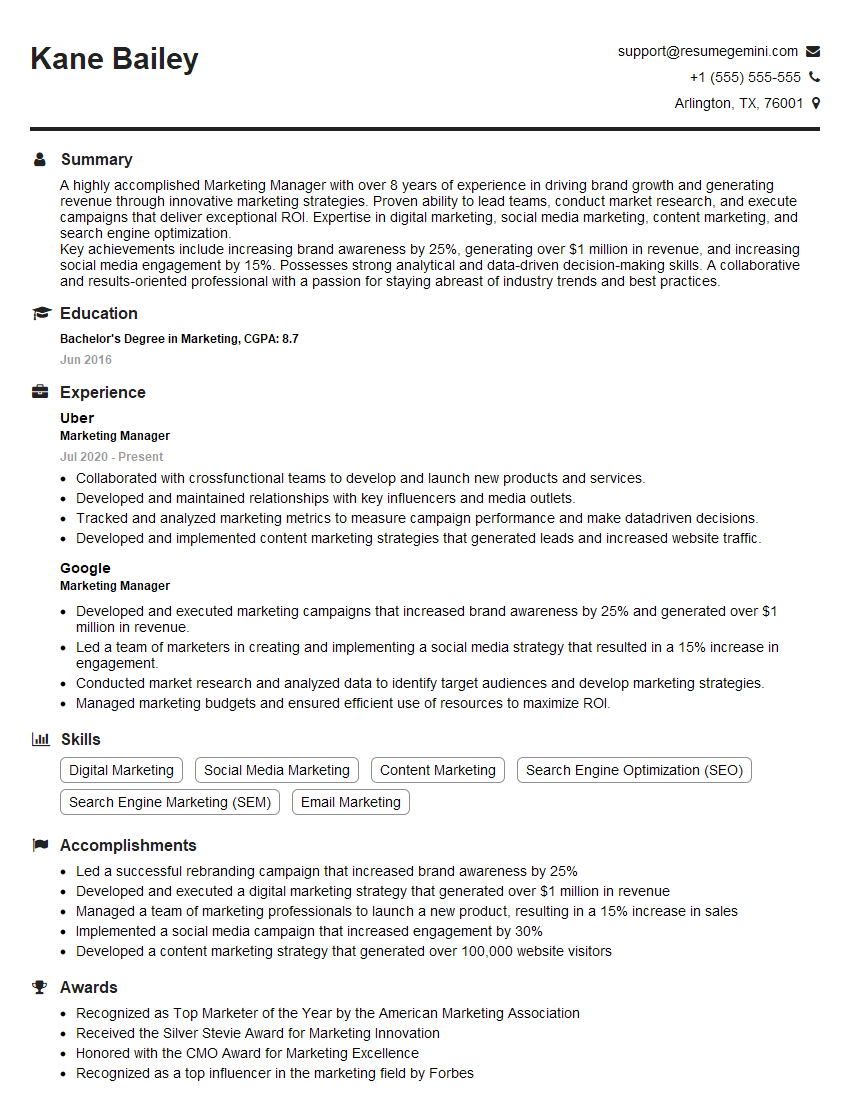
Marketing Manager Resume Sample
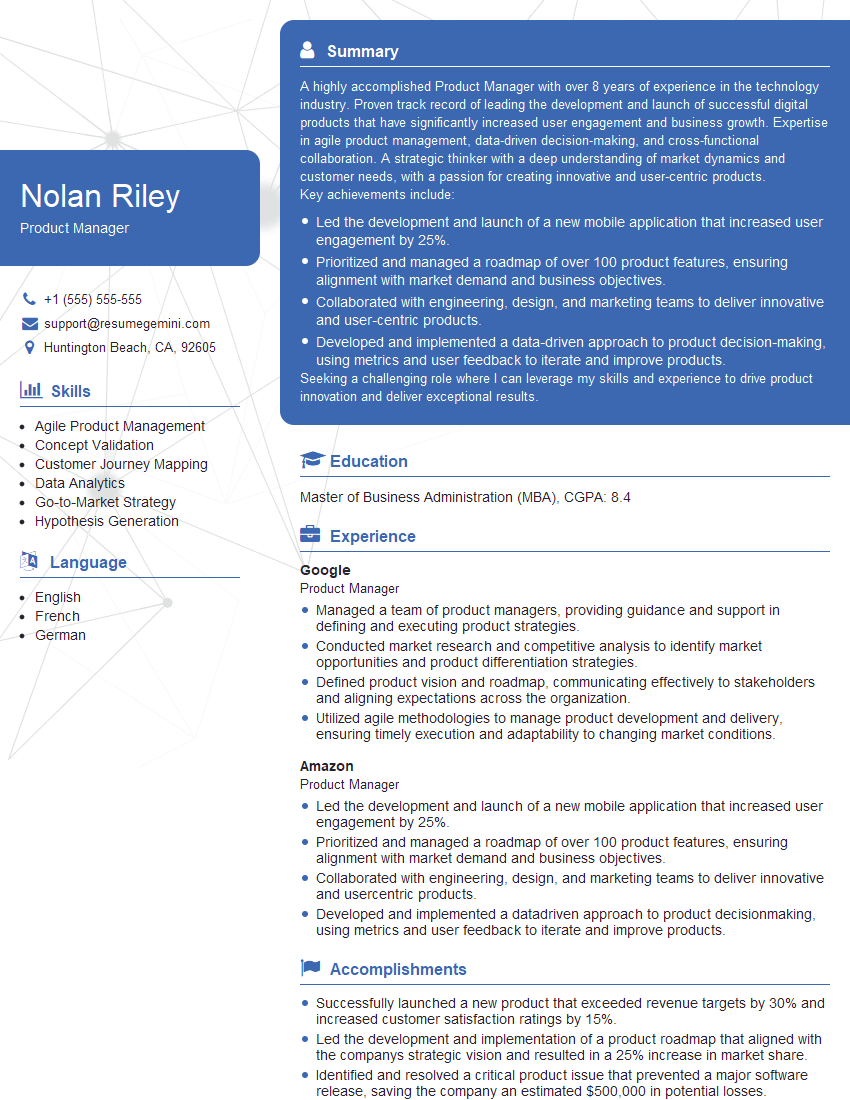
Product Manager Resume Sample
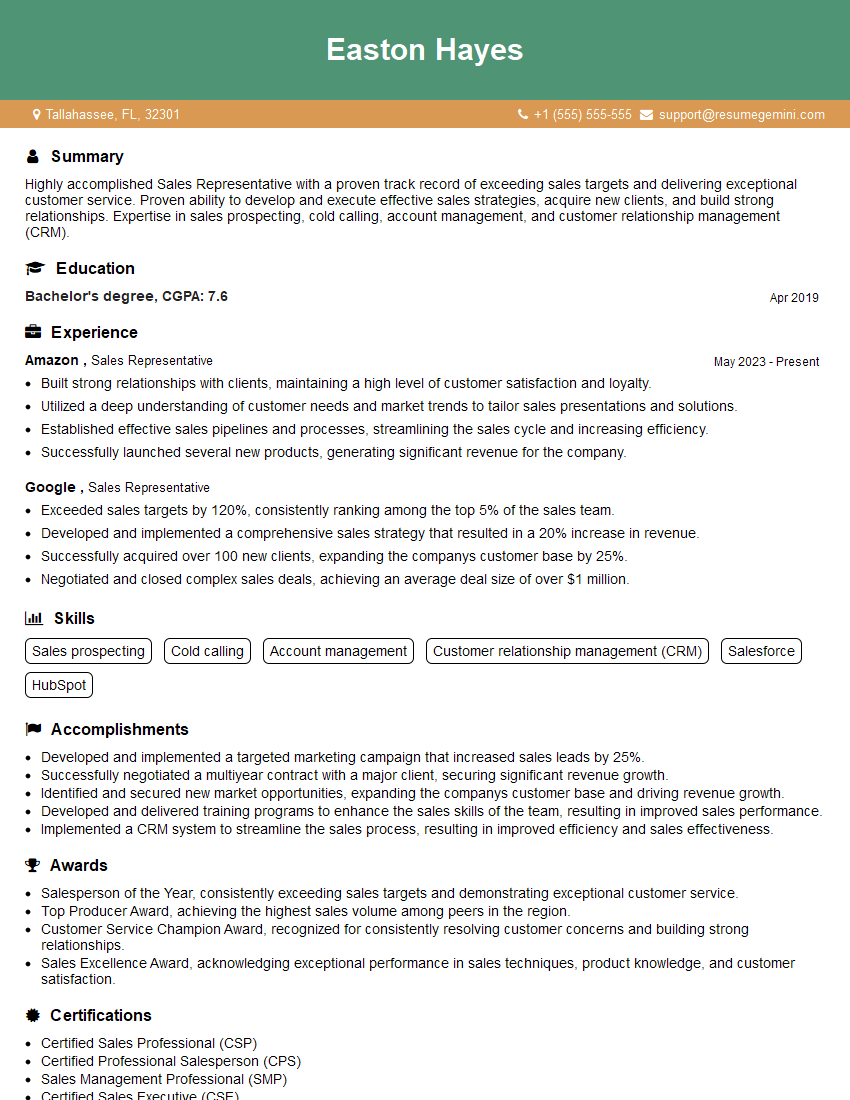
Sales Representative Resume Sample

Customer Service Manager Resume Sample

Supply Chain Manager Resume Sample
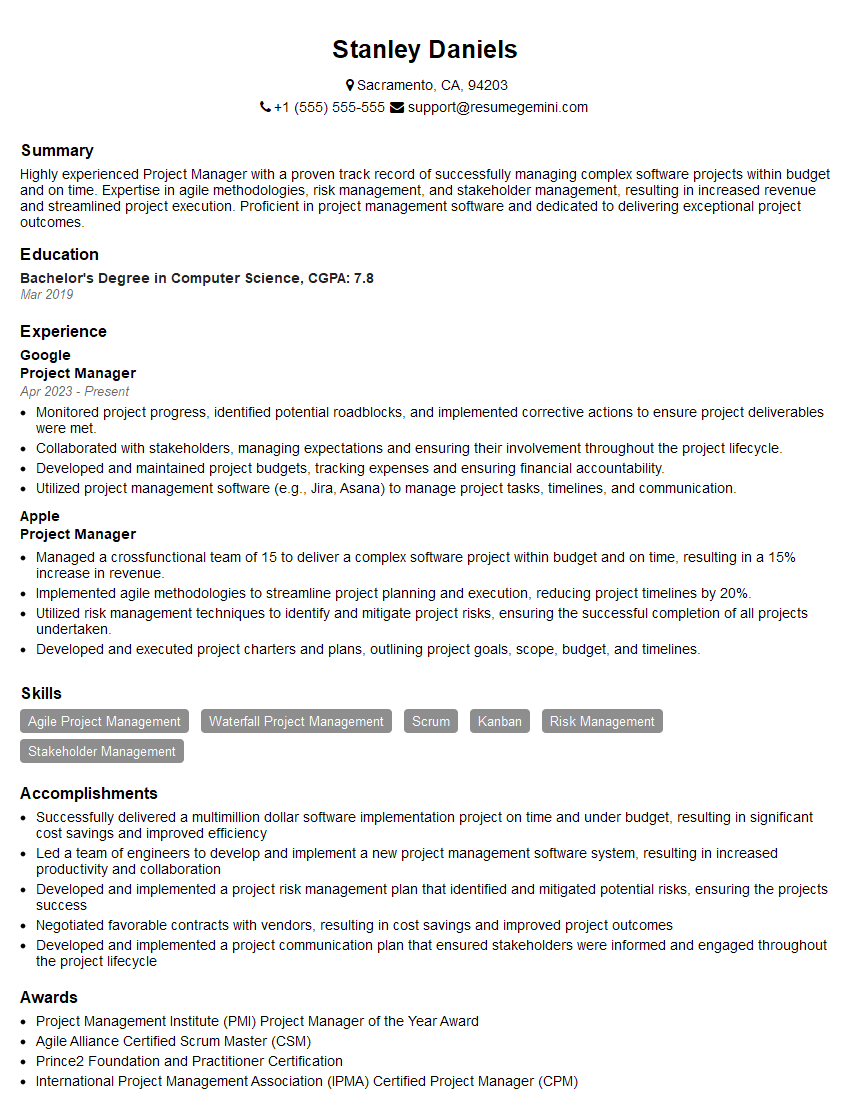
Project Manager Resume Sample
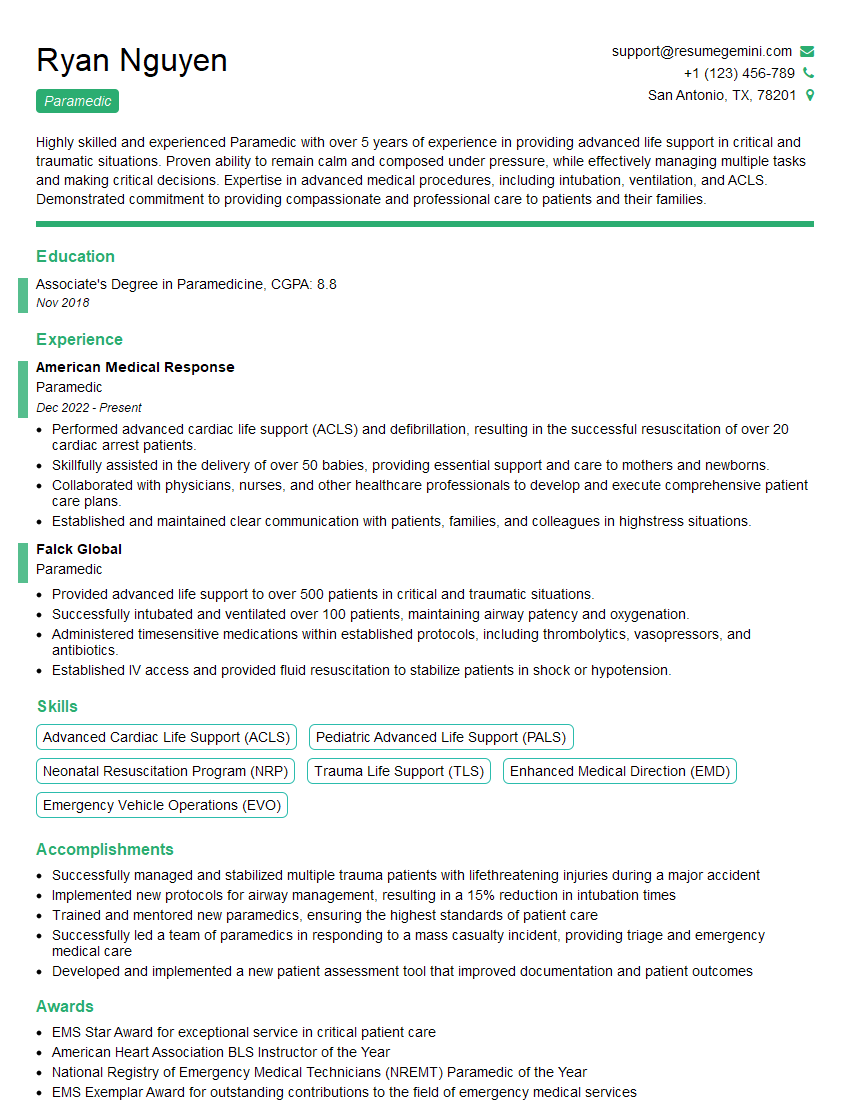
Paramedic Resume Sample
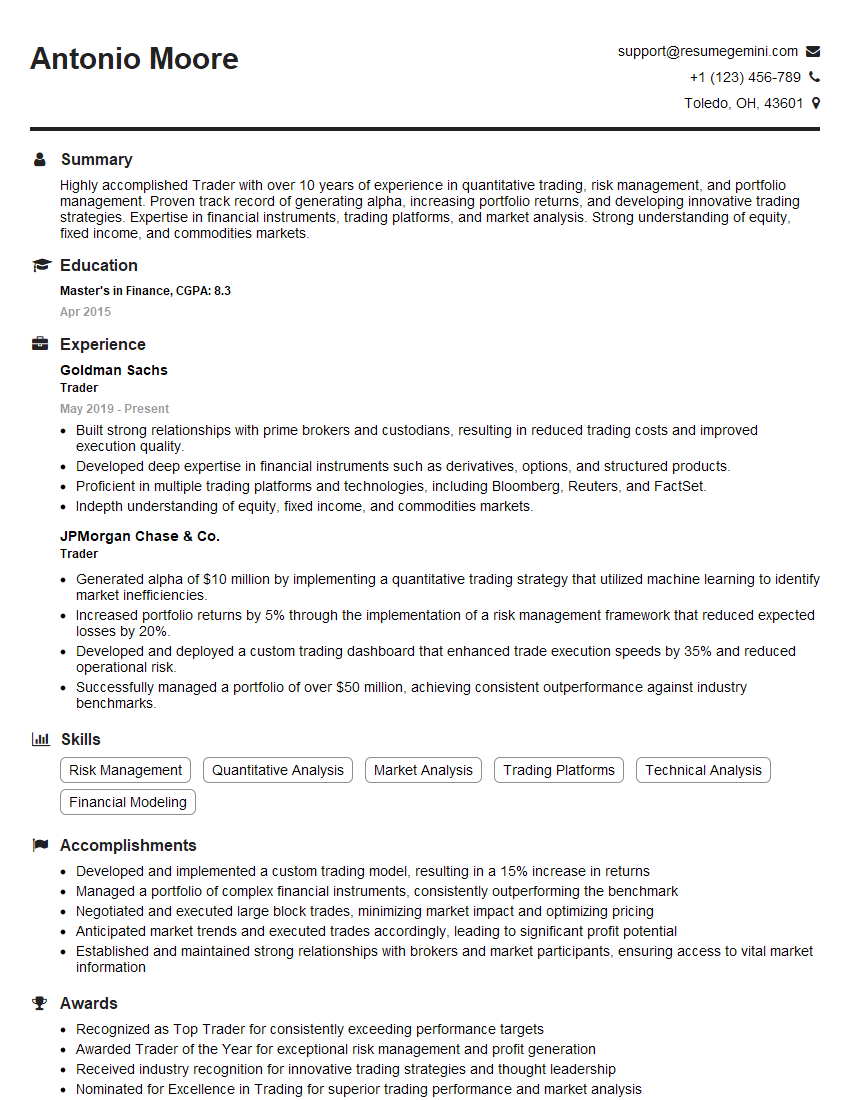
Trader Resume Sample
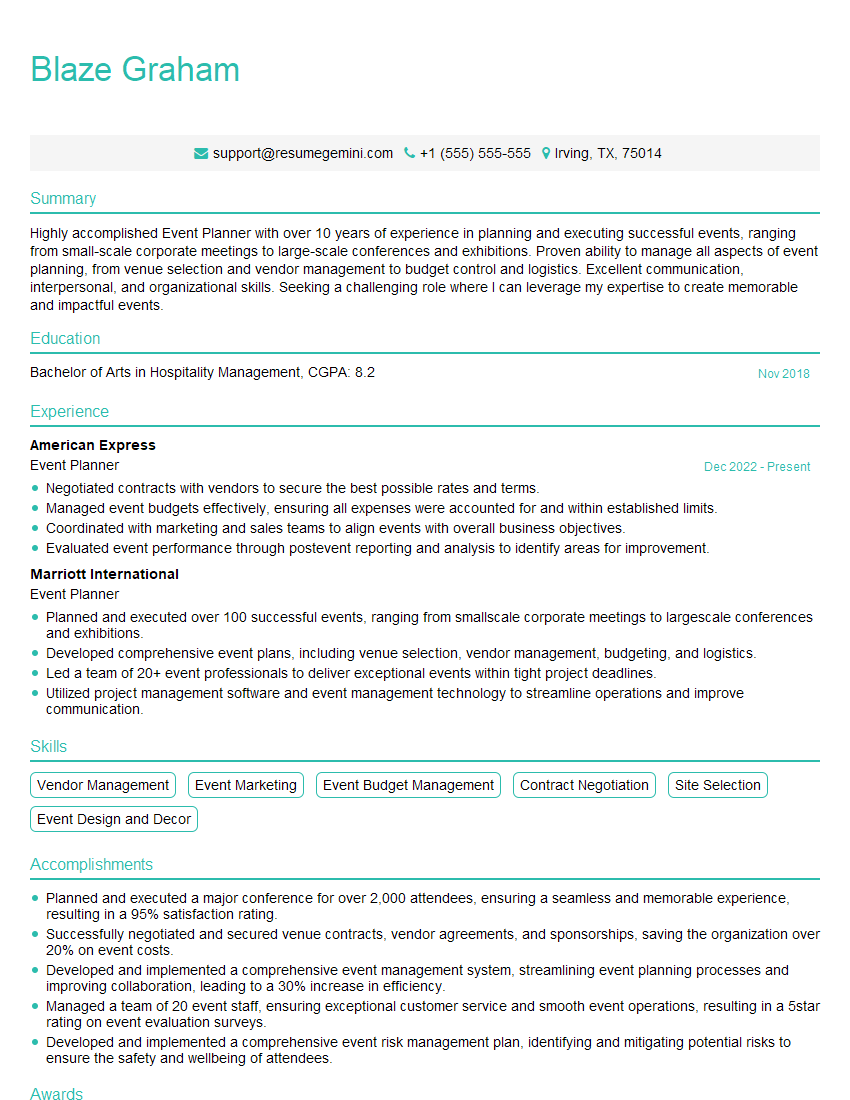
Event Planner Resume Sample
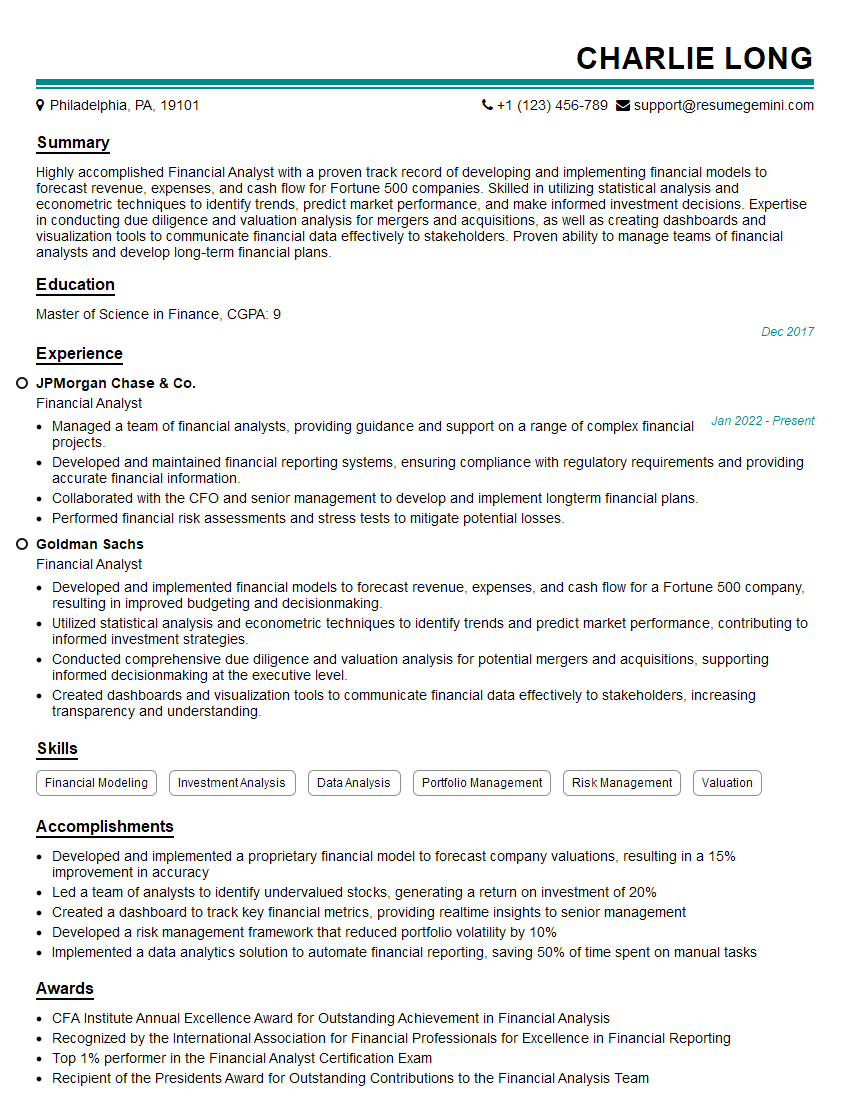
Financial Analyst Resume Sample
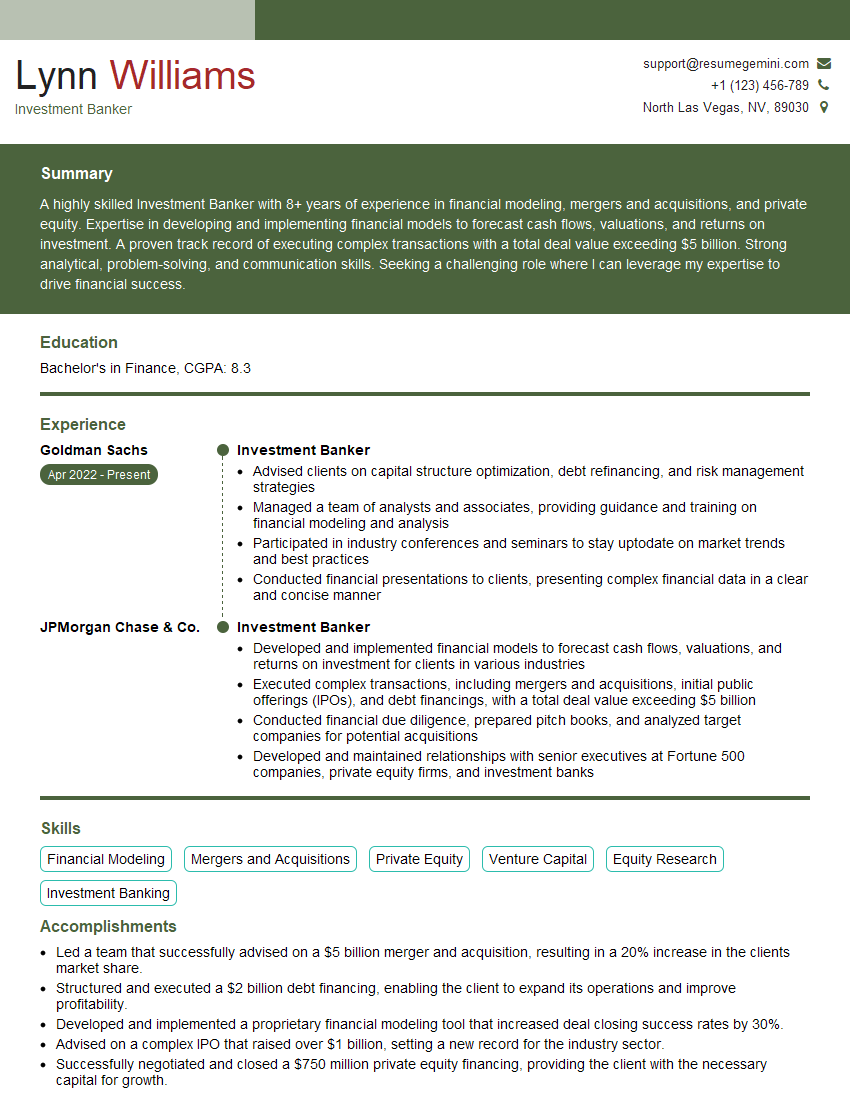
Investment Banker Resume Sample
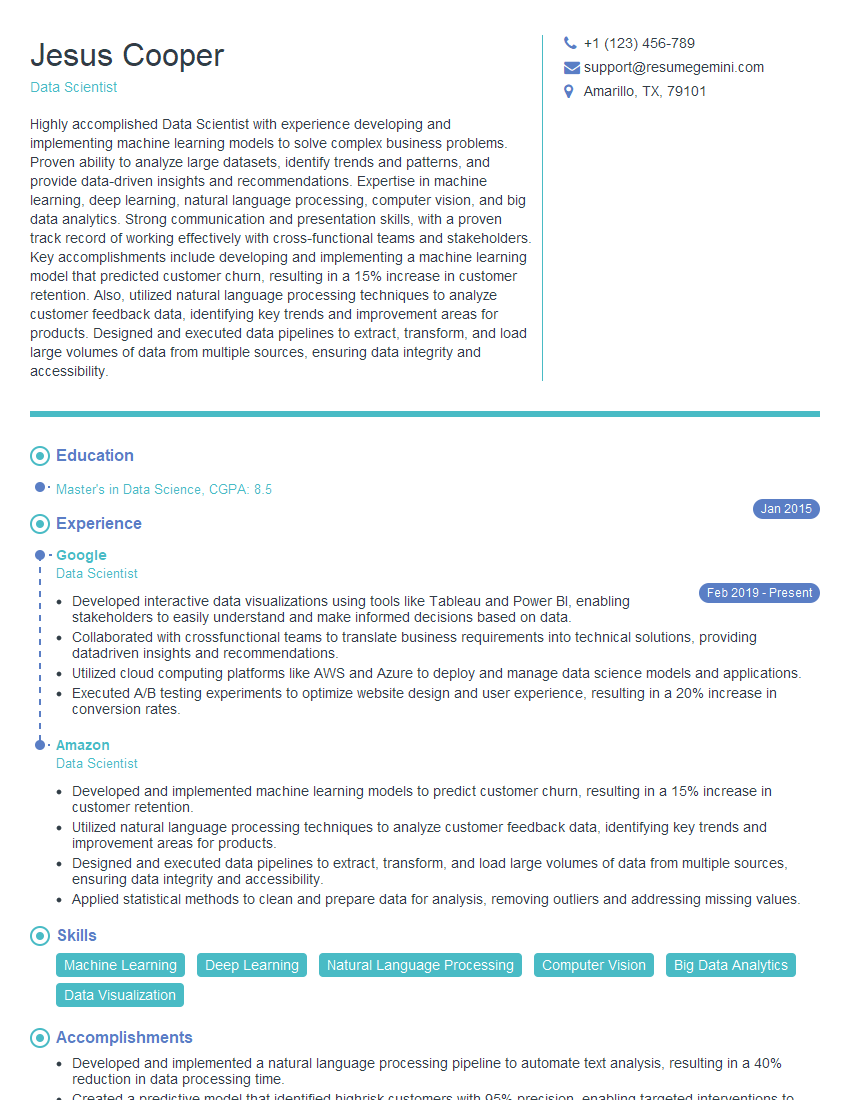
Data Scientist Resume Sample
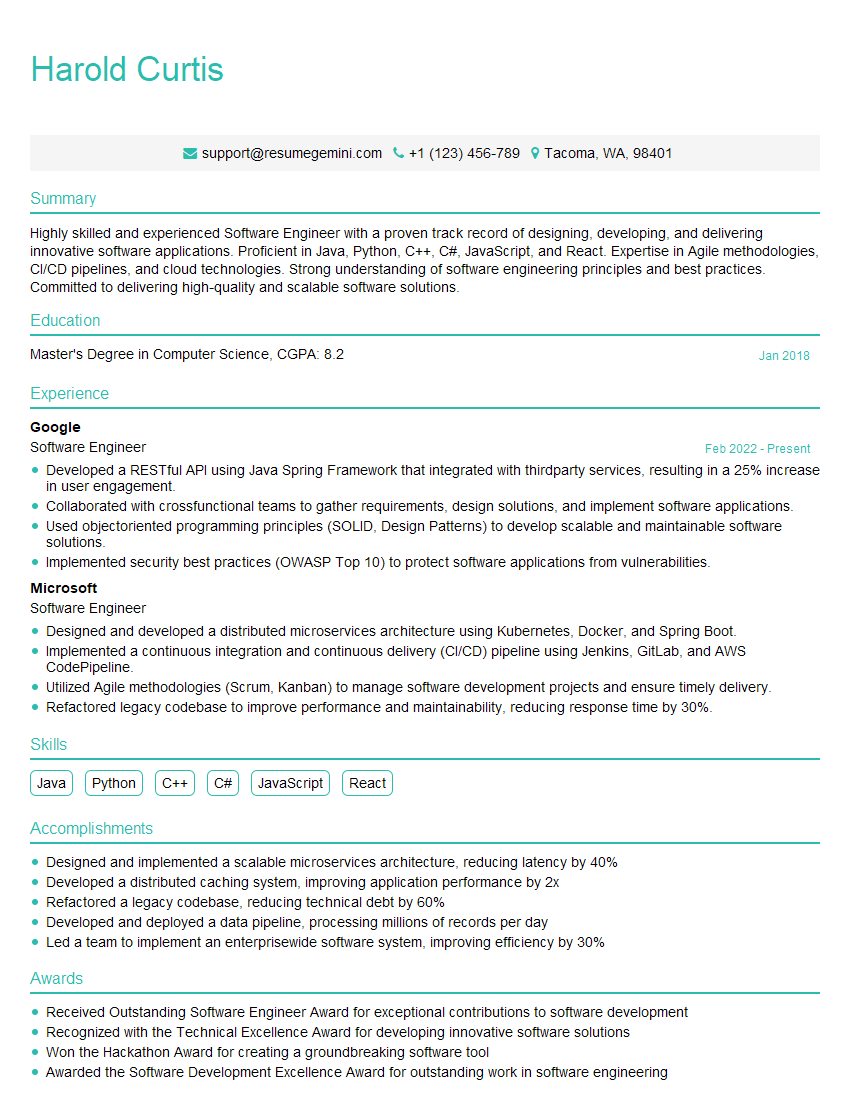
Software Engineer Resume Sample
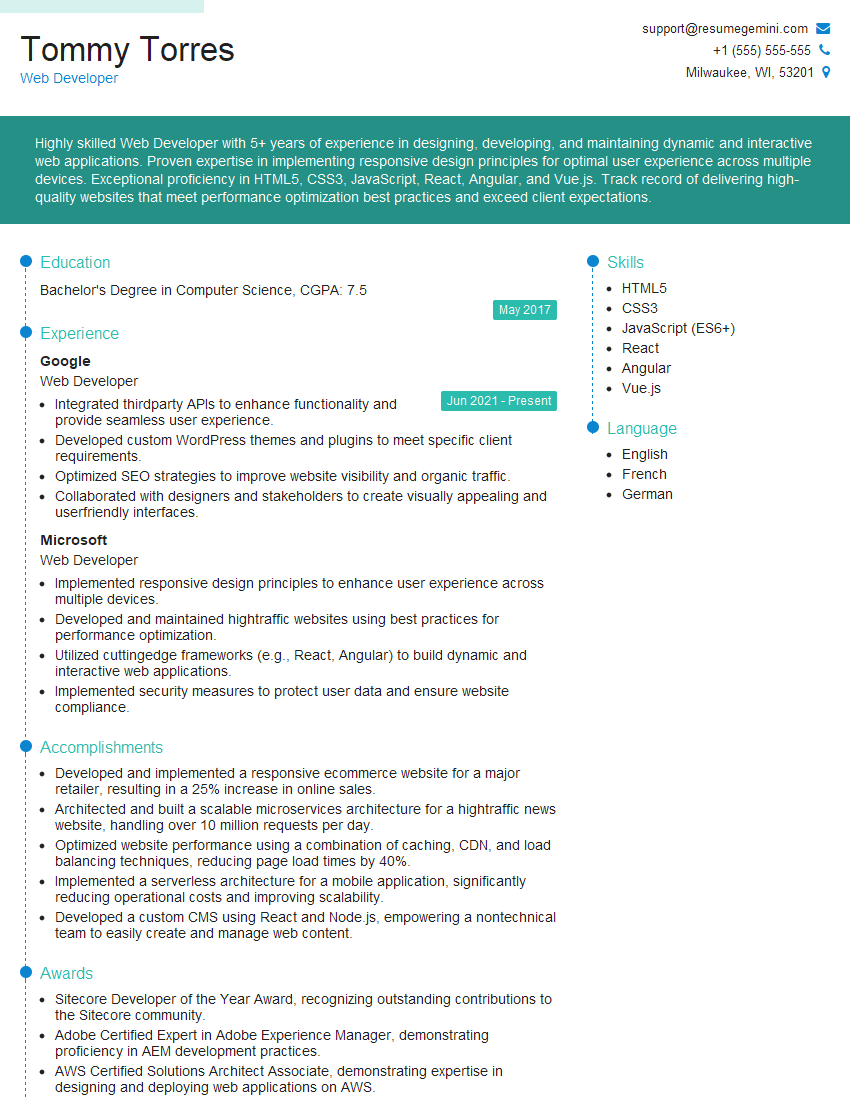
Web Developer Resume Sample
Actuary Resume Sample
Firefighter Resume Sample
Paralegal Resume Sample
Police Officer Resume Sample
News Producer Resume Sample
Journalist Resume Sample
Emergency Room Nurse Resume Sample
Executive Assistant Resume Sample
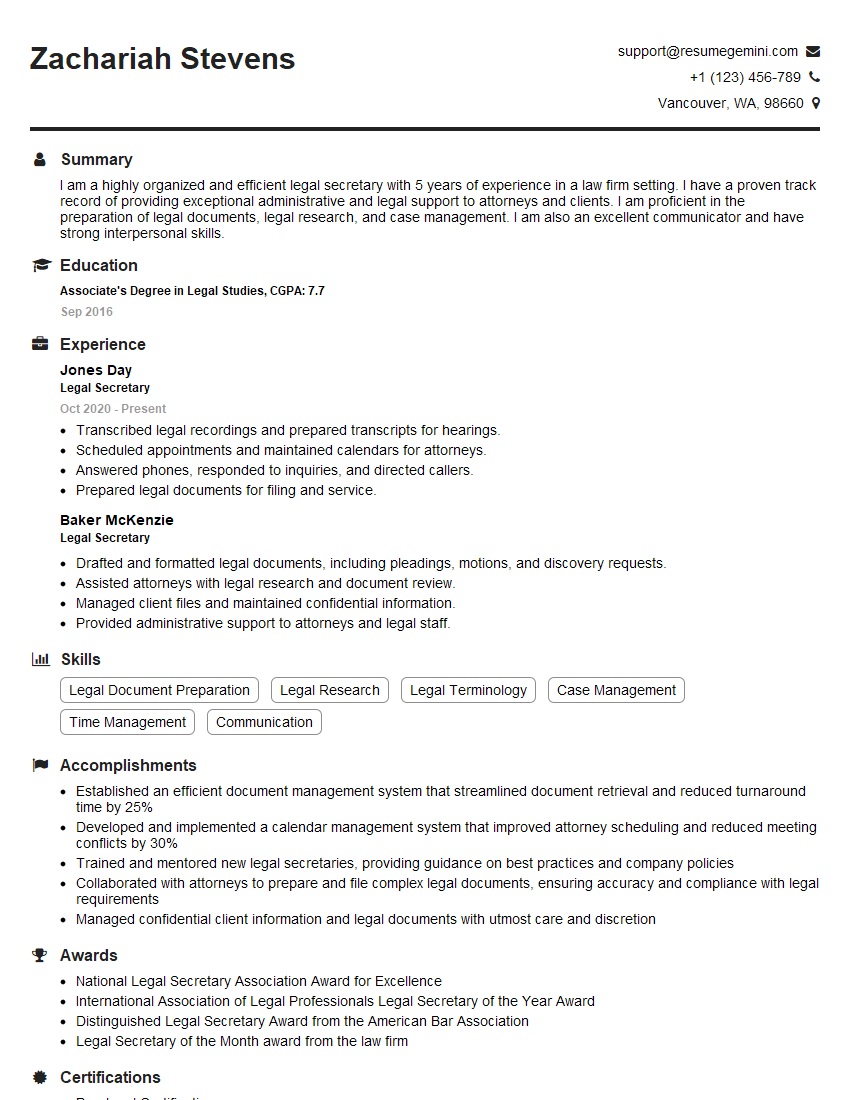
Legal Secretary Resume Sample
- Operations Manager
- Marketing Manager
- Product Manager
- Sales Representative
- Customer Service Manager
- Supply Chain Manager
- Project Manager
- Paramedic
- Trader
- Event Planner
- Financial Analyst
- Investment Banker
- Data Scientist
- Software Engineer
- Web Developer
- Actuary
- Firefighter
- Paralegal
- Police Officer
- News Producer
- Journalist
- Emergency Room Nurse
- Executive Assistant
- Legal Secretary
Explore more articles
Users Rating of Our Blogs
Share Your Experience
We value your feedback! Please rate our content and share your thoughts (optional).
What Readers Say About Our Blog
Hello,
we currently offer a complimentary backlink and URL indexing test for search engine optimization professionals.
You can get complimentary indexing credits to test how link discovery works in practice.
No credit card is required and there is no recurring fee.
You can find details here:
https://wikipedia-backlinks.com/indexing/
Regards
NICE RESPONSE TO Q & A
hi
The aim of this message is regarding an unclaimed deposit of a deceased nationale that bears the same name as you. You are not relate to him as there are millions of people answering the names across around the world. But i will use my position to influence the release of the deposit to you for our mutual benefit.
Respond for full details and how to claim the deposit. This is 100% risk free. Send hello to my email id: [email protected]
Luka Chachibaialuka
Hey interviewgemini.com, just wanted to follow up on my last email.
We just launched Call the Monster, an parenting app that lets you summon friendly ‘monsters’ kids actually listen to.
We’re also running a giveaway for everyone who downloads the app. Since it’s brand new, there aren’t many users yet, which means you’ve got a much better chance of winning some great prizes.
You can check it out here: https://bit.ly/callamonsterapp
Or follow us on Instagram: https://www.instagram.com/callamonsterapp
Thanks,
Ryan
CEO – Call the Monster App
Hey interviewgemini.com, I saw your website and love your approach.
I just want this to look like spam email, but want to share something important to you. We just launched Call the Monster, a parenting app that lets you summon friendly ‘monsters’ kids actually listen to.
Parents are loving it for calming chaos before bedtime. Thought you might want to try it: https://bit.ly/callamonsterapp or just follow our fun monster lore on Instagram: https://www.instagram.com/callamonsterapp
Thanks,
Ryan
CEO – Call A Monster APP
To the interviewgemini.com Owner.
Dear interviewgemini.com Webmaster!
Hi interviewgemini.com Webmaster!
Dear interviewgemini.com Webmaster!
excellent
Hello,
We found issues with your domain’s email setup that may be sending your messages to spam or blocking them completely. InboxShield Mini shows you how to fix it in minutes — no tech skills required.
Scan your domain now for details: https://inboxshield-mini.com/
— Adam @ InboxShield Mini
Reply STOP to unsubscribe
Hi, are you owner of interviewgemini.com? What if I told you I could help you find extra time in your schedule, reconnect with leads you didn’t even realize you missed, and bring in more “I want to work with you” conversations, without increasing your ad spend or hiring a full-time employee?
All with a flexible, budget-friendly service that could easily pay for itself. Sounds good?
Would it be nice to jump on a quick 10-minute call so I can show you exactly how we make this work?
Best,
Hapei
Marketing Director
Hey, I know you’re the owner of interviewgemini.com. I’ll be quick.
Fundraising for your business is tough and time-consuming. We make it easier by guaranteeing two private investor meetings each month, for six months. No demos, no pitch events – just direct introductions to active investors matched to your startup.
If youR17;re raising, this could help you build real momentum. Want me to send more info?
Hi, I represent an SEO company that specialises in getting you AI citations and higher rankings on Google. I’d like to offer you a 100% free SEO audit for your website. Would you be interested?
Hi, I represent an SEO company that specialises in getting you AI citations and higher rankings on Google. I’d like to offer you a 100% free SEO audit for your website. Would you be interested?
good