Unlock your full potential by mastering the most common Ability to Interpret Data and Generate Reports interview questions. This blog offers a deep dive into the critical topics, ensuring you’re not only prepared to answer but to excel. With these insights, you’ll approach your interview with clarity and confidence.
Questions Asked in Ability to Interpret Data and Generate Reports Interview
Q 1. Explain your process for cleaning and preparing a messy dataset.
Cleaning a messy dataset is crucial for accurate analysis. My process involves several steps, beginning with data inspection. I use descriptive statistics and visualizations to understand the data’s structure, identify missing values, and detect inconsistencies. This initial overview helps me formulate a cleaning strategy.
Next, I address missing values. The approach depends on the data: for small amounts of missing data, I might use imputation techniques like mean/median/mode substitution or more sophisticated methods like k-Nearest Neighbors. For larger amounts, I might explore deletion or model-based imputation. The choice depends on the nature of the data and the potential bias introduced by each method.
Then, I handle outliers (discussed in more detail in the next question). I also look for inconsistent data types, e.g., a column intended for numbers containing text, and convert or remove them accordingly. Data transformation might also be necessary – for example, standardizing or normalizing values to improve model performance.
Finally, I validate the cleaned dataset. I re-run descriptive statistics and visualizations to ensure the cleaning process hasn’t introduced new issues or distorted the data’s underlying patterns. This iterative approach allows for continuous refinement.
For example, in a sales dataset, I might discover missing values in the ‘region’ column. After investigating, I might discover that these missing values represent online sales. I’d then add a new category – ‘Online’ – to the ‘region’ column instead of removing or imputing those values.
Q 2. How do you identify outliers in a dataset and handle them?
Outliers are data points significantly different from other observations. Identifying them is key to ensuring the accuracy of analyses. I use a combination of techniques. Visual inspection using box plots, scatter plots, and histograms is a great starting point; these methods allow quick identification of extreme values.
Statistical methods provide a more rigorous approach. I often calculate Z-scores or use the Interquartile Range (IQR) method. Z-scores measure how many standard deviations a data point is from the mean; values exceeding a threshold (often ±3) are flagged as outliers. The IQR method identifies outliers as values outside 1.5 times the IQR below the first quartile or above the third quartile.
Handling outliers depends on their cause and impact. If outliers represent genuine extreme values and are integral to the analysis (e.g., the highest-earning customer), I might leave them. However, if they’re due to errors or data entry issues, I might correct them. If neither correction nor retention is suitable, I’ll remove them from the dataset. Robust statistical methods (less sensitive to outliers) like median instead of mean can also be used.
For example, imagine analyzing house prices. A house priced at $10 million in a neighborhood with average prices around $500,000 might be an outlier. I’d investigate to see if it’s a legitimate data point (a mansion) or an error. If it’s an error, I’d correct it or remove it; otherwise, I’d consider its impact on my analysis and might utilize robust statistical methods.
Q 3. What are the key differences between descriptive, predictive, and prescriptive analytics?
These three types of analytics offer different perspectives on data:
- Descriptive Analytics: This summarizes historical data to understand what happened. It uses techniques like mean, median, mode, and visualizations to illustrate patterns and trends. Think of a sales report showing total revenue, average order value, and sales by region over the past year. This helps to explain the past.
- Predictive Analytics: This uses historical data and statistical modeling to forecast future outcomes. Techniques include regression, classification, and time series analysis. For example, predicting future sales based on past trends and seasonal factors. This answers the question, what might happen next?
- Prescriptive Analytics: This goes beyond prediction; it suggests optimal actions to achieve desired outcomes. This often involves optimization algorithms and simulation modeling. An example would be recommending the optimal pricing strategy to maximize revenue or suggesting inventory levels that minimize costs while maintaining sufficient stock. This answers the question what should we do?
In essence, descriptive analytics explains the past, predictive analytics anticipates the future, and prescriptive analytics recommends the best course of action.
Q 4. Describe your experience with different data visualization techniques.
My experience encompasses a wide range of data visualization techniques, tailored to the specific data and the insights I aim to convey. I’m proficient in using:
- Bar charts and histograms for categorical and numerical data distributions.
- Scatter plots to show correlations between two numerical variables.
- Line charts to visualize trends over time.
- Area charts to showcase proportions over time.
- Pie charts to display proportions of a whole.
- Box plots to illustrate data distribution, including outliers.
- Heatmaps for visualizing correlation matrices or geographical data.
- Geographic maps for visualizing location-based data.
- Network graphs to display relationships between entities.
Beyond these basic charts, I also leverage more advanced techniques like interactive dashboards and geographic information systems (GIS) for more comprehensive and engaging data presentations. The choice of technique is always driven by the data and its intended audience. For example, when explaining data to a business executive, simplicity and ease of interpretation are crucial, whereas when presenting to technical colleagues, more complexity is permissible.
Q 5. Which data visualization tools are you most proficient in?
I’m highly proficient in several data visualization tools. My top choices include:
- Tableau: Excellent for creating interactive dashboards and visualizations with a drag-and-drop interface, suitable for both simple and complex analyses.
- Power BI: Another strong contender, offering similar capabilities to Tableau with strong integration within the Microsoft ecosystem. I appreciate its ability to connect to various data sources with ease.
- Python libraries (Matplotlib, Seaborn): For more programmatic control and customization, I utilize Python’s rich visualization libraries. These offer flexibility for generating publication-quality figures and exploring data in greater depth.
The specific tool I choose depends on the project’s requirements, the complexity of the data, and the needs of the end-user. For example, for quick explorations of small datasets, I might use Python; for creating interactive dashboards for stakeholders, Tableau or Power BI would be more appropriate.
Q 6. How do you choose the appropriate chart or graph for a specific dataset?
Choosing the right chart depends on the type of data and the message you want to convey. My selection process involves understanding:
- Data type: Is the data categorical, numerical, or temporal? Different chart types are suited to different data types.
- Objective: What story do you want to tell with the data? Do you want to show trends, compare values, highlight correlations, or demonstrate distributions?
- Audience: Who is the intended audience? A technical audience might appreciate a more complex chart, while a non-technical audience might benefit from a simpler, easier-to-interpret visual.
For instance, to compare sales across different regions, a bar chart is ideal; to illustrate the trend in sales over time, a line chart is better; to show the distribution of customer ages, a histogram works well. A poor choice of chart can lead to misinterpretations. For example, using a pie chart to compare many categories can be confusing if the categories are numerous.
Q 7. How do you ensure the accuracy and reliability of your data analysis?
Ensuring accuracy and reliability is paramount. I employ a multi-faceted approach:
- Data validation: I thoroughly check data quality at each stage – from cleaning to analysis – using descriptive statistics, visualizations, and data profiling techniques to detect inconsistencies and potential errors.
- Cross-validation: I use multiple methods to analyze the data and compare the results. Discrepancies prompt further investigation.
- Source verification: I carefully document data sources and ensure their reliability and validity. If possible, I’ll obtain data from multiple sources to cross-reference and ensure consistency.
- Peer review: I share my analysis and findings with colleagues for review, critique, and to gain additional insights.
- Documentation: I meticulously document the entire analytical process, including data cleaning steps, methods used, assumptions made, and limitations of the analysis. This allows for reproducibility and transparency.
Rigorous attention to these steps builds confidence in the results and enhances the credibility of my reports. For example, if analyzing customer churn, I would validate the churn definitions, checking for accuracy and consistency across various data sources such as CRM and billing systems.
Q 8. Describe your experience working with SQL or other database query languages.
My experience with SQL and other database query languages is extensive. I’ve used SQL extensively throughout my career to extract, transform, and load (ETL) data from various relational databases like MySQL, PostgreSQL, and SQL Server. I’m proficient in writing complex queries involving joins, subqueries, aggregations (SUM(), AVG(), COUNT()), and window functions to answer specific business questions. For example, in a previous role, I used SQL to analyze customer purchase history, identifying high-value customers and their purchasing patterns. This involved joining several tables – customer demographics, order details, and product information – to create a comprehensive view of customer behavior. Beyond SQL, I’ve also worked with NoSQL databases like MongoDB, utilizing their query languages for specific tasks involving unstructured or semi-structured data. My familiarity extends to data manipulation languages like Python’s Pandas library, which allows for efficient data cleaning, transformation, and analysis, particularly when dealing with larger datasets that might be cumbersome to manage solely within a relational database.
Q 9. Explain your approach to interpreting complex statistical results.
Interpreting complex statistical results requires a methodical approach. First, I always begin by understanding the context of the analysis: what questions are we trying to answer? What are the limitations of the data? Next, I thoroughly examine the statistical measures themselves, ensuring I understand the methodology used. I pay close attention to p-values, confidence intervals, effect sizes, and visualizations to assess the statistical significance and practical implications of the findings. For instance, a statistically significant result might have a small effect size, rendering it less practically relevant. I also look for potential biases or confounding variables that could influence the results. Crucially, I avoid overinterpreting results; I focus on communicating the findings in a clear and concise manner, emphasizing uncertainty and limitations where necessary. I often use visualizations – such as bar charts, scatter plots, or heatmaps – to make complex results more accessible and intuitive for both technical and non-technical audiences.
Q 10. How do you communicate data insights effectively to both technical and non-technical audiences?
Effective communication of data insights requires tailoring the message to the audience. When presenting to technical audiences, I can delve into the specifics of the methodology, statistical significance, and underlying assumptions. For non-technical audiences, however, I focus on the key takeaways, using clear and concise language, visualizations, and compelling narratives to illustrate the findings. For example, instead of saying “The p-value is less than 0.05, indicating statistical significance,” I might say “Our analysis shows a strong correlation between X and Y, suggesting that…” This approach ensures that everyone understands the key message and its implications. I often use storytelling techniques, incorporating real-world examples and analogies to make the data relatable and engaging.
Q 11. How do you handle conflicting data from different sources?
Handling conflicting data requires a systematic approach. First, I identify the source of the conflict – are there errors in data entry, inconsistencies in data definitions, or biases in data collection? I then investigate each source to determine its reliability and validity. This often involves assessing data quality metrics, examining data provenance, and understanding the methodology used in data collection. If the discrepancies are minor, I might use data aggregation or averaging techniques to reconcile the data. However, if the conflicts are significant, I need to determine which source is most reliable and justify my choice. In some cases, I may need to consult with subject matter experts or conduct further data validation to resolve the conflict. Proper documentation of the data reconciliation process is vital to ensure transparency and reproducibility of the analysis.
Q 12. What are some common pitfalls to avoid when generating reports?
Several common pitfalls can lead to misleading or inaccurate reports. One common mistake is neglecting to properly clean and validate the data before analysis. This can lead to inaccurate conclusions due to outliers, missing values, or inconsistent data formats. Another pitfall is failing to adequately address potential biases in the data or analysis methodology. Over-interpreting results or drawing conclusions that are not supported by the evidence is also a significant issue. Finally, neglecting to clearly define key metrics and ensure the report is visually appealing and easy to understand can diminish its impact. To avoid these pitfalls, I employ a rigorous quality control process throughout the entire reporting lifecycle, from data collection to final report delivery. This includes thorough data validation, sensitivity analysis, and peer review to ensure the accuracy and reliability of the findings.
Q 13. How do you prioritize different data analysis tasks?
Prioritizing data analysis tasks involves considering several factors. The most urgent tasks, those directly impacting critical business decisions or deadlines, always take precedence. I also consider the potential impact of each task – which analysis has the potential to generate the greatest insights or influence the most significant decisions? I use a combination of methods such as MoSCoW analysis (Must have, Should have, Could have, Won’t have) or a simple prioritization matrix based on urgency and importance to rank tasks effectively. I also regularly communicate with stakeholders to ensure alignment on priorities and to adjust the task list as needed. This dynamic approach allows me to adapt to changing business needs and allocate resources efficiently.
Q 14. Describe your experience with data mining techniques.
My experience with data mining techniques is broad, encompassing various methods for uncovering hidden patterns and insights from large datasets. I’m proficient in applying association rule mining (e.g., Apriori algorithm) to identify relationships between items in transactional data, like recommending products based on past purchases. I’ve used clustering techniques (e.g., k-means, hierarchical clustering) to group similar data points, facilitating customer segmentation or anomaly detection. Classification methods (e.g., decision trees, logistic regression, support vector machines) have also been applied to predict outcomes based on various features. For example, I once used a decision tree to predict customer churn, allowing the company to proactively address at-risk customers. In addition to these techniques, I’m familiar with dimensionality reduction methods (like PCA) to simplify complex datasets and make them easier to analyze. I leverage these techniques depending on the specific business problem and characteristics of the data, always ensuring that the chosen methodology is appropriate and the results are carefully interpreted.
Q 15. How do you measure the success of a data analysis project?
Measuring the success of a data analysis project goes beyond simply producing a report. It requires a clear understanding of the project’s objectives from the outset. We need to define Key Performance Indicators (KPIs) that directly align with those objectives. These KPIs will act as our success metrics. For example, if the goal is to improve website conversion rates, a key KPI would be the percentage increase in conversions after implementing the analysis’s recommendations.
Beyond KPIs, successful projects also demonstrate a clear impact on business decisions. Did the analysis lead to actionable insights that resulted in tangible improvements? Did it help the organization avoid potential losses or identify new opportunities? A successful project also showcases clear communication of findings. The report should be easily understandable by the intended audience, regardless of their technical expertise, and should effectively communicate the story behind the data. Finally, the process itself should be documented and repeatable for future use, demonstrating the project’s long-term value.
For instance, in a recent project analyzing customer churn, our KPI was a reduction in churn rate. By identifying key factors contributing to churn through regression analysis, we were able to recommend targeted marketing campaigns resulting in a 15% reduction in churn within six months. This demonstrable impact, coupled with a well-structured report, solidified the project’s success.
Career Expert Tips:
- Ace those interviews! Prepare effectively by reviewing the Top 50 Most Common Interview Questions on ResumeGemini.
- Navigate your job search with confidence! Explore a wide range of Career Tips on ResumeGemini. Learn about common challenges and recommendations to overcome them.
- Craft the perfect resume! Master the Art of Resume Writing with ResumeGemini’s guide. Showcase your unique qualifications and achievements effectively.
- Don’t miss out on holiday savings! Build your dream resume with ResumeGemini’s ATS optimized templates.
Q 16. How do you stay up-to-date with the latest advancements in data analysis and reporting?
Staying current in the rapidly evolving field of data analysis requires a multi-pronged approach. I regularly engage with online resources such as reputable data science blogs, journals, and online courses offered by platforms like Coursera and edX. These platforms provide access to the latest research and methodologies. Attending industry conferences and webinars, like those hosted by professional organizations such as the American Statistical Association, allows me to network with peers and learn about cutting-edge tools and techniques. I also actively participate in online communities and forums where data scientists discuss current challenges and innovative solutions. Furthermore, I regularly review the documentation and updates for my preferred data analysis software packages to ensure I’m leveraging the latest features and improvements.
Reading publications from organizations like the International Machine Learning Society (IMLS) and keeping abreast of new developments in machine learning algorithms and deep learning techniques are also important. This helps me adopt best practices and adapt to new analytical challenges.
Q 17. Describe your experience with A/B testing or other statistical modeling techniques.
I have extensive experience with A/B testing and other statistical modeling techniques. A/B testing, a cornerstone of experimentation, involves comparing two versions of a webpage, advertisement, or other element to determine which performs better. I’ve used it to optimize website design, email campaigns, and product features. The process involves carefully defining a hypothesis, randomly assigning users to different groups (A and B), tracking key metrics, and then using statistical tests like chi-squared or t-tests to determine if the differences observed between the groups are statistically significant.
Beyond A/B testing, I’m proficient in various statistical modeling techniques including linear regression, logistic regression, and time series analysis. For example, I used logistic regression to predict customer churn based on factors like tenure, usage patterns, and customer support interactions. This model allowed the company to proactively identify at-risk customers and implement retention strategies.
Q 18. How familiar are you with various statistical distributions?
My understanding of statistical distributions is fundamental to my work. I’m familiar with a wide range of distributions, including the normal distribution, binomial distribution, Poisson distribution, exponential distribution, and many others. Understanding these distributions allows me to choose the appropriate statistical tests and models for a given problem.
For example, the normal distribution is crucial in many hypothesis tests, while the Poisson distribution is often used to model count data, such as the number of website visits in a given time period. The choice of distribution depends heavily on the nature of the data and the research question.
Q 19. Explain your understanding of regression analysis.
Regression analysis is a powerful statistical method used to model the relationship between a dependent variable and one or more independent variables. It helps us understand how changes in the independent variables are associated with changes in the dependent variable. The most common type is linear regression, which assumes a linear relationship between the variables. The goal is to find the best-fitting line that minimizes the difference between the observed and predicted values of the dependent variable.
For instance, we might use linear regression to model the relationship between advertising spend (independent variable) and sales revenue (dependent variable). The analysis would provide an equation showing how much revenue is expected to increase for each dollar spent on advertising. Other types of regression analysis, like logistic regression (predicting probabilities), polynomial regression (modeling non-linear relationships), and multiple regression (handling multiple independent variables), offer additional flexibility depending on the data and the research question.
Q 20. How do you handle missing data in a dataset?
Handling missing data is a critical aspect of data analysis. Ignoring missing data can lead to biased results and flawed conclusions. The best approach depends on the nature and extent of the missing data, as well as the characteristics of the dataset. There are several techniques I employ:
- Deletion: Listwise deletion (removing rows with any missing data) or pairwise deletion (using available data for each analysis) are simple but can lead to significant data loss and bias if data is not missing completely at random (MCAR).
- Imputation: This involves replacing missing values with estimated values. Simple imputation methods include using the mean, median, or mode of the available data for the variable. More sophisticated methods include multiple imputation (creating multiple plausible datasets with imputed values), k-nearest neighbor imputation (using the values of similar data points), or model-based imputation (using regression models to predict missing values).
The choice of method is crucial. For example, in a clinical trial where participants drop out, simple imputation might be inappropriate. Multiple imputation, which accounts for the uncertainty associated with imputed values, would be a more robust approach.
Q 21. What is your experience with data storytelling?
Data storytelling is the art of communicating data insights effectively to an audience. It’s about transforming raw data into a compelling narrative that resonates with the audience and drives action. It goes beyond simply presenting charts and graphs; it involves crafting a clear message, selecting the right visuals, and delivering the information in an engaging way.
My experience in data storytelling includes creating interactive dashboards, presentations, and written reports. I focus on understanding my audience and tailoring the story to their needs and level of understanding. This often involves simplifying complex information, using clear and concise language, and incorporating visuals that are both informative and visually appealing. I frequently use narratives that highlight patterns, trends, and anomalies in the data to support the overall message. For instance, I recently created a dashboard showing the growth trajectory of a company’s customer base, highlighting key milestones and correlating them to marketing campaigns. This visual narrative was instrumental in securing additional funding for the marketing department.
Q 22. Describe a time you had to explain complex data to a non-technical stakeholder.
Explaining complex data to a non-technical audience requires translating technical jargon into plain language and focusing on the story the data tells. I once had to present churn rate analysis to a board of directors with limited data science knowledge. Instead of focusing on statistical models, I used a simple analogy: imagine a leaky bucket representing our customer base. Each drop leaving represents a lost customer. I then showed them a visually clear graph highlighting the rate at which the drops were leaving, explaining how reducing that rate—the churn rate—directly impacts our revenue.
I further simplified the complex statistical analysis by focusing on key takeaways: the primary reasons for customer churn (as identified by the data) and the projected impact of different proposed solutions on the churn rate. I also used clear visualizations like bar charts and pie charts instead of intricate graphs and tables. The key was to present actionable insights that the board could easily understand and use to make informed decisions, focusing on the ‘so what?’ of the data rather than the technical ‘how’.
Q 23. How do you ensure the security and privacy of sensitive data?
Data security and privacy are paramount. My approach involves a multi-layered strategy. First, I adhere strictly to company policies and relevant regulations like GDPR and CCPA. This includes utilizing strong access controls to limit data access only to authorized personnel and implementing robust encryption both in transit and at rest. We use data masking techniques to protect sensitive information during testing and development.
Second, I prioritize data minimization—only collecting and storing the data absolutely necessary. Third, regular security audits and penetration testing are essential to identify and address vulnerabilities proactively. Finally, employee training on data security best practices ensures everyone understands their role in protecting sensitive information. For example, I’ve been involved in implementing two-factor authentication and regular security awareness training across our team.
Q 24. What are the ethical considerations when handling and interpreting data?
Ethical considerations in data handling are crucial and underpin my entire approach. The principles of fairness, transparency, and accountability are central. This means ensuring data is used responsibly and avoiding biased outcomes. For example, using algorithms that disproportionately impact certain demographics is unethical. I always strive for transparency in data collection and usage. Data subjects should be informed about how their data is being used, and they should have the right to access, correct, or delete their data. Furthermore, avoiding misrepresentation or manipulation of data to support pre-determined conclusions is vital. My commitment to ethical data handling includes staying up-to-date with evolving best practices and ethical guidelines in data science.
Q 25. How do you utilize automated reporting tools?
Automated reporting tools are essential for efficiency and scalability. I have extensive experience with tools like Tableau Server, Power BI, and SSRS. I leverage these tools to create automated dashboards and reports that update dynamically, eliminating manual data extraction and report generation. This allows for timely decision-making and frees up time for more in-depth analysis. For example, I automated a weekly sales performance report using Power BI, pulling data directly from our database and distributing it automatically to relevant stakeholders every Monday morning. This not only saved countless hours but also ensured everyone had access to the most up-to-date information.
Q 26. Describe your experience creating dashboards and reports using BI tools.
I have considerable experience building dashboards and reports in various BI tools. I’ve used Tableau to create interactive dashboards visualizing complex sales data, allowing users to drill down into specific regions, product categories, and time periods. In Power BI, I’ve developed reports tracking key performance indicators (KPIs) across different departments, enabling data-driven decision making. My approach involves understanding the user’s needs, designing intuitive and visually appealing interfaces, and selecting appropriate chart types to communicate the data effectively. For instance, in a recent project, I designed a Power BI dashboard to monitor real-time customer service metrics, enabling immediate identification and resolution of potential service issues.
Q 27. How do you identify and address bias in data?
Identifying and addressing bias in data is crucial for drawing accurate and fair conclusions. I begin by understanding potential sources of bias: sampling bias (e.g., non-representative samples), measurement bias (e.g., flawed survey questions), and reporting bias (e.g., selective reporting of results). I use techniques such as data visualization to explore potential patterns indicative of bias. For instance, if a specific demographic is consistently underrepresented or overrepresented in the data, it flags a potential bias. I also employ statistical methods to test for bias and apply appropriate corrections or adjustments, where possible. For example, I might use weighted averages to compensate for an oversampling of a particular group. Transparency about potential biases and limitations in the data is also key in my reporting.
Q 28. What are your preferred methods for validating data analysis results?
Validating data analysis results is a critical step. My approach involves a combination of methods. First, I rigorously check the data for accuracy and consistency, often employing automated checks and validation rules. Second, I cross-validate results using different analytical techniques. If I’m using regression analysis, I might also explore correlation analysis to confirm the findings. Third, I compare my findings to external data sources, if available, to ensure consistency. Finally, I critically examine the assumptions underlying my analysis, ensuring they are justified and appropriate for the data. Documenting all steps and assumptions, along with clearly stating any limitations of the analysis, builds trust and transparency in my conclusions.
Key Topics to Learn for Ability to Interpret Data and Generate Reports Interview
- Data Cleaning and Preparation: Understanding techniques for handling missing data, outliers, and inconsistencies to ensure data accuracy and reliability for analysis and reporting.
- Descriptive Statistics: Calculating and interpreting measures of central tendency (mean, median, mode), dispersion (variance, standard deviation), and visualizing data distributions using histograms and box plots. Practical application: Identifying key trends and patterns in sales data to inform business decisions.
- Data Visualization Techniques: Selecting appropriate chart types (bar charts, line graphs, pie charts, scatter plots) to effectively communicate insights from data. Understanding the strengths and weaknesses of different visualization methods.
- Inferential Statistics (Basic): Understanding concepts like hypothesis testing and confidence intervals at a high level. Knowing when to apply statistical tests to draw meaningful conclusions from data.
- Report Writing and Structure: Creating clear, concise, and well-organized reports that effectively communicate findings to both technical and non-technical audiences. This includes proper formatting, use of visuals, and a strong narrative structure.
- Data Analysis Tools and Software: Familiarity with common data analysis software (e.g., Excel, SQL, Tableau, Power BI) and the ability to discuss your experience with these tools. Focusing on your proficiency in manipulating and analyzing data within chosen platforms.
- Problem-Solving and Analytical Thinking: Demonstrating the ability to approach data-driven problems systematically, identify key questions, and develop solutions based on data analysis and interpretation.
- Data Storytelling: Crafting a compelling narrative around your data analysis findings to make your reports engaging and memorable. This includes the ability to identify key takeaways and explain their significance to stakeholders.
Next Steps
Mastering the ability to interpret data and generate insightful reports is crucial for career advancement in virtually any field. It showcases critical thinking, problem-solving skills, and the ability to communicate complex information effectively. To significantly boost your job prospects, create an ATS-friendly resume that highlights your relevant skills and experience. ResumeGemini is a trusted resource that can help you build a professional and impactful resume. We provide examples of resumes tailored to showcase expertise in Ability to Interpret Data and Generate Reports; these are available to help guide your resume creation process.
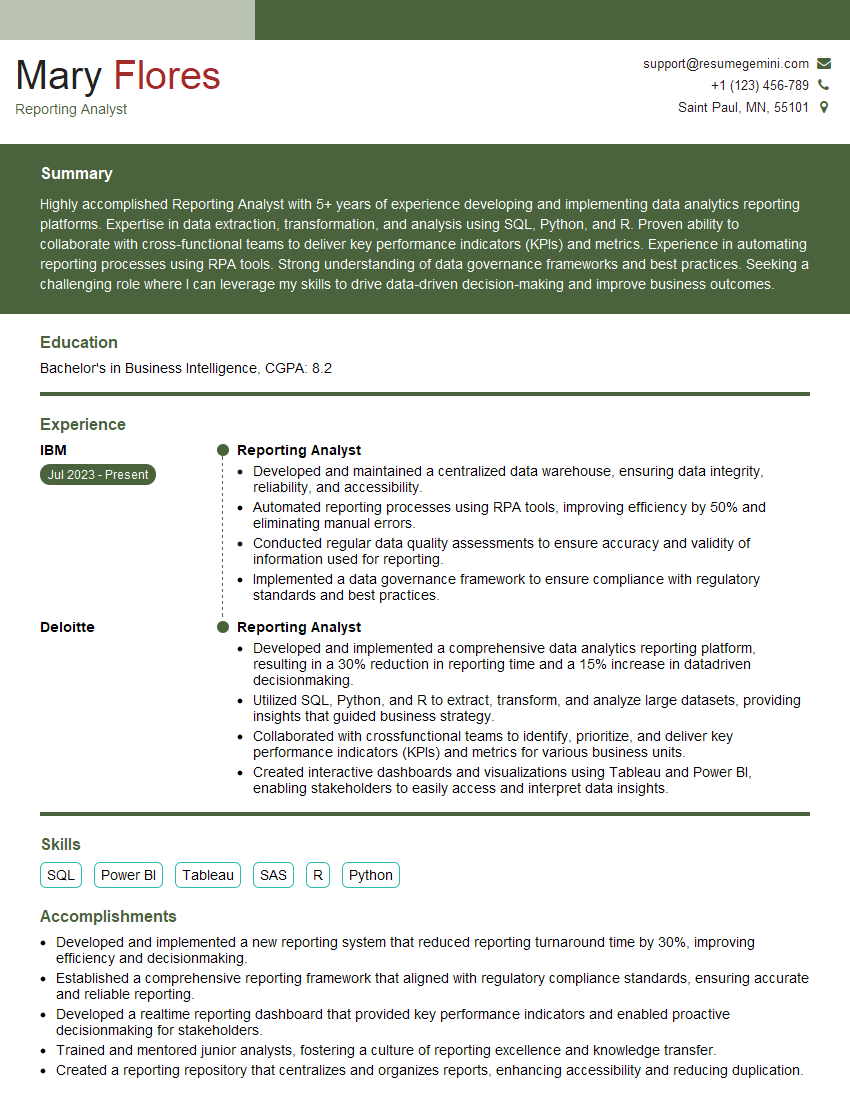
Reporting Analyst Resume Sample
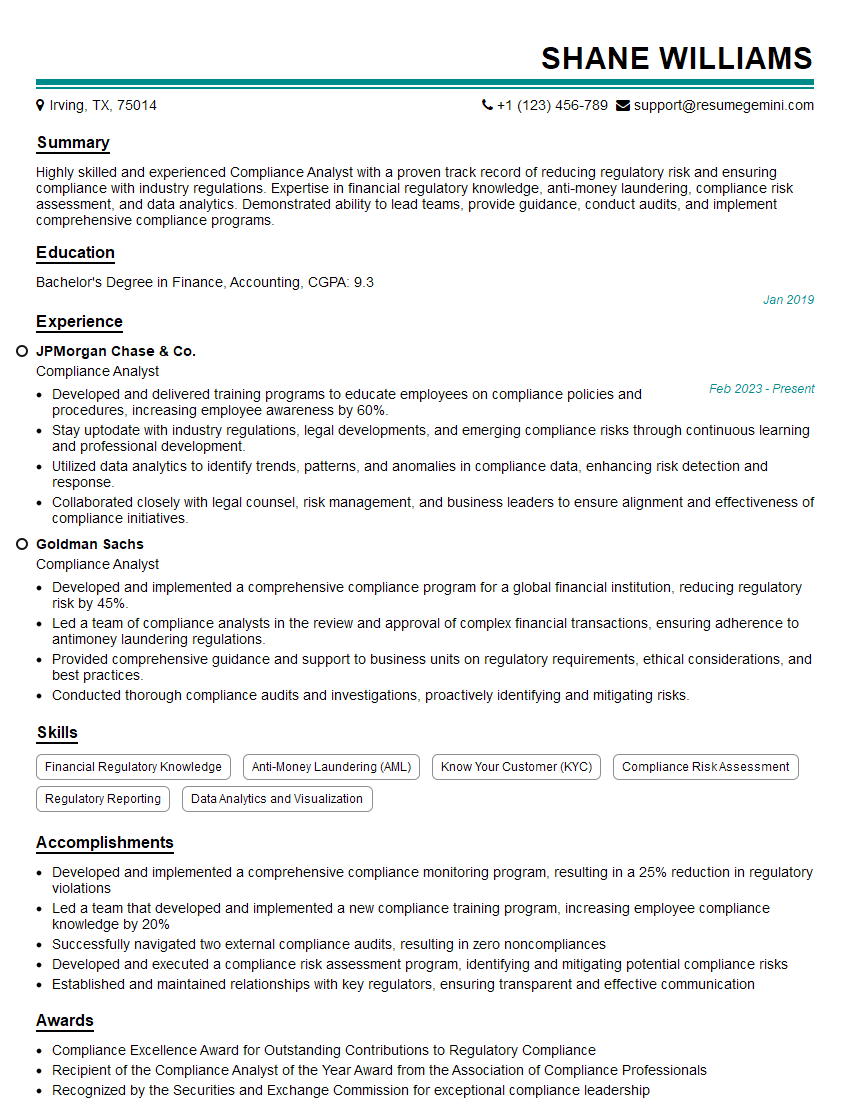
Compliance Analyst Resume Sample
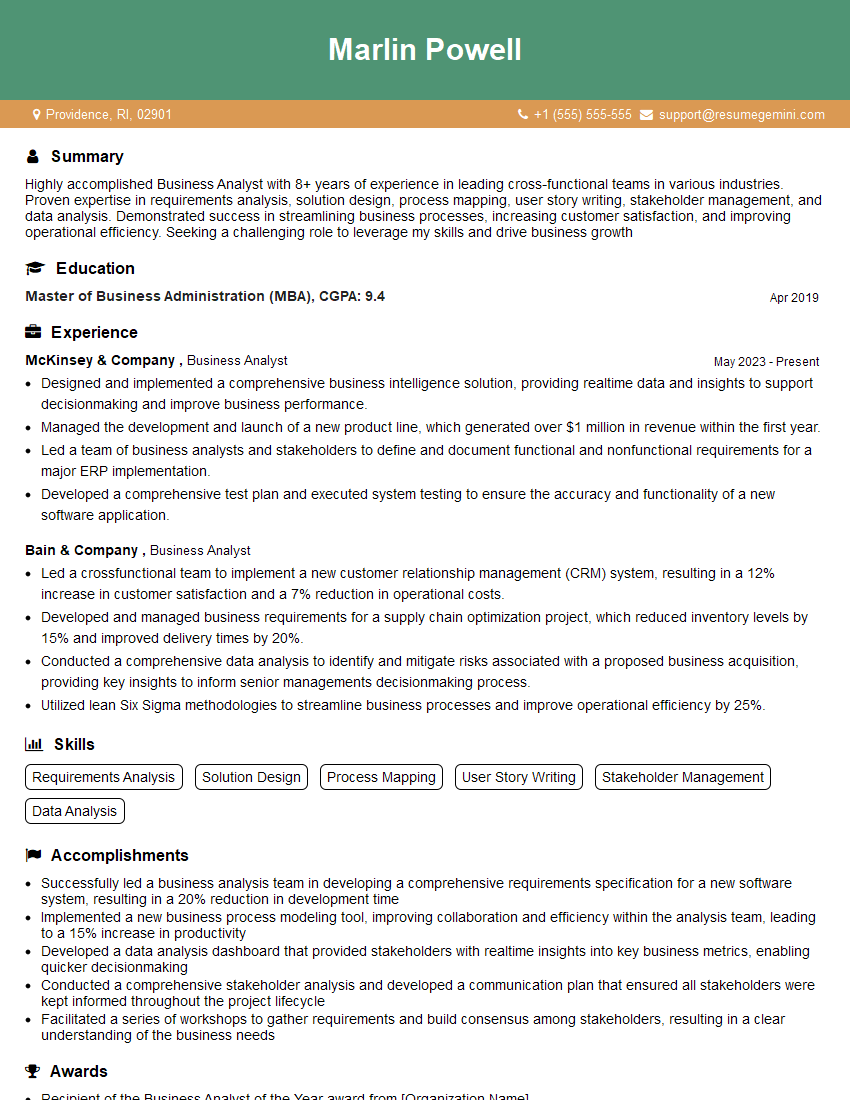
Business Analyst Resume Sample
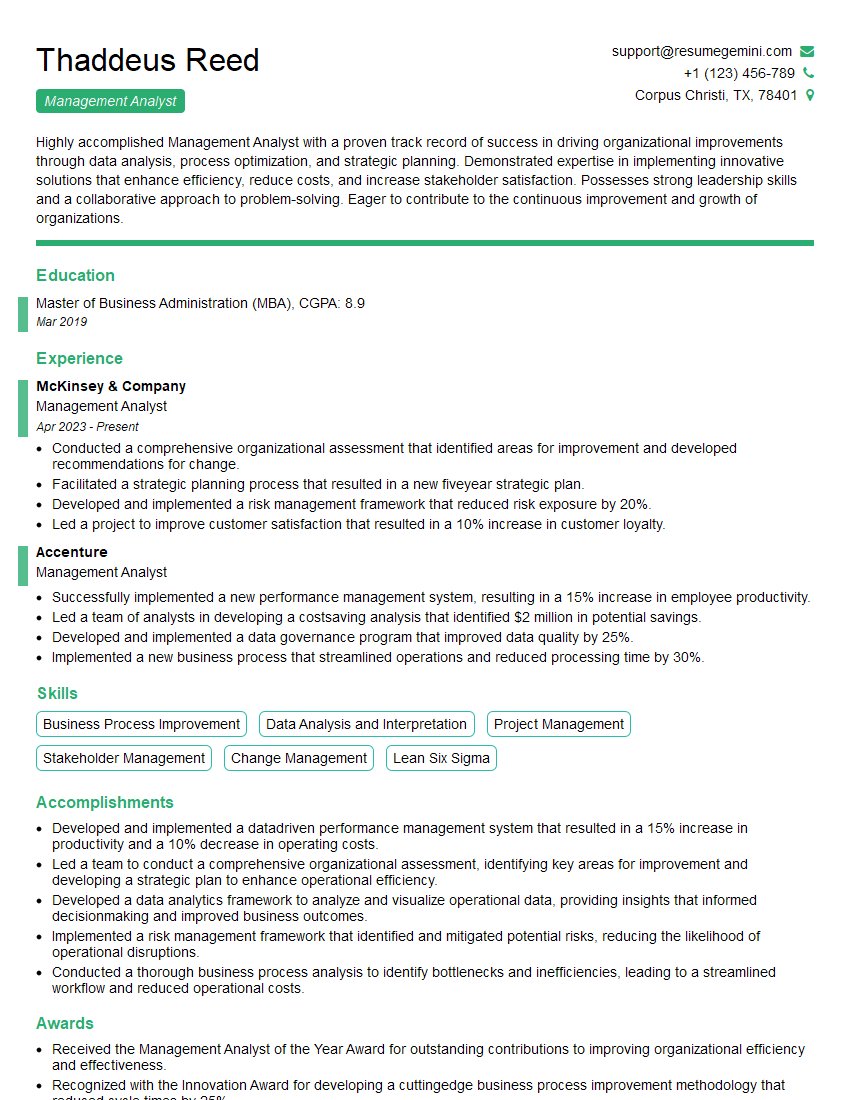
Management Analyst Resume Sample
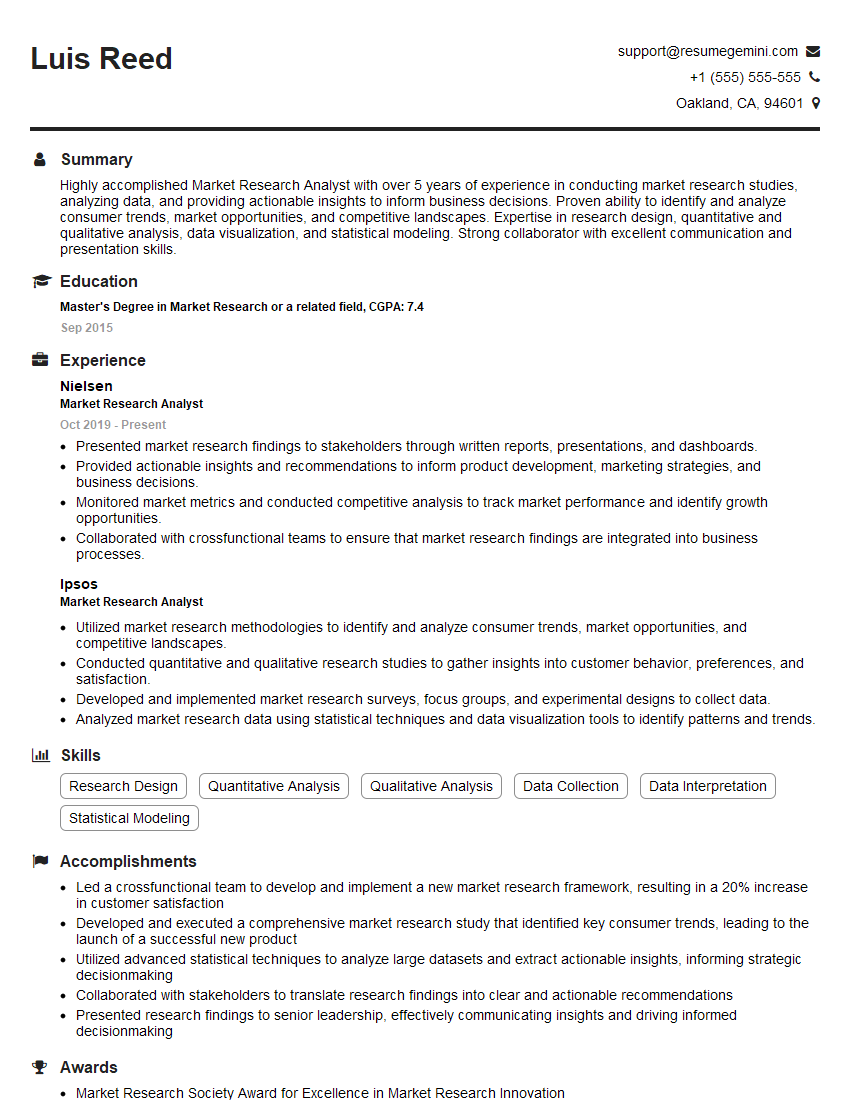
Market Research Analyst Resume Sample
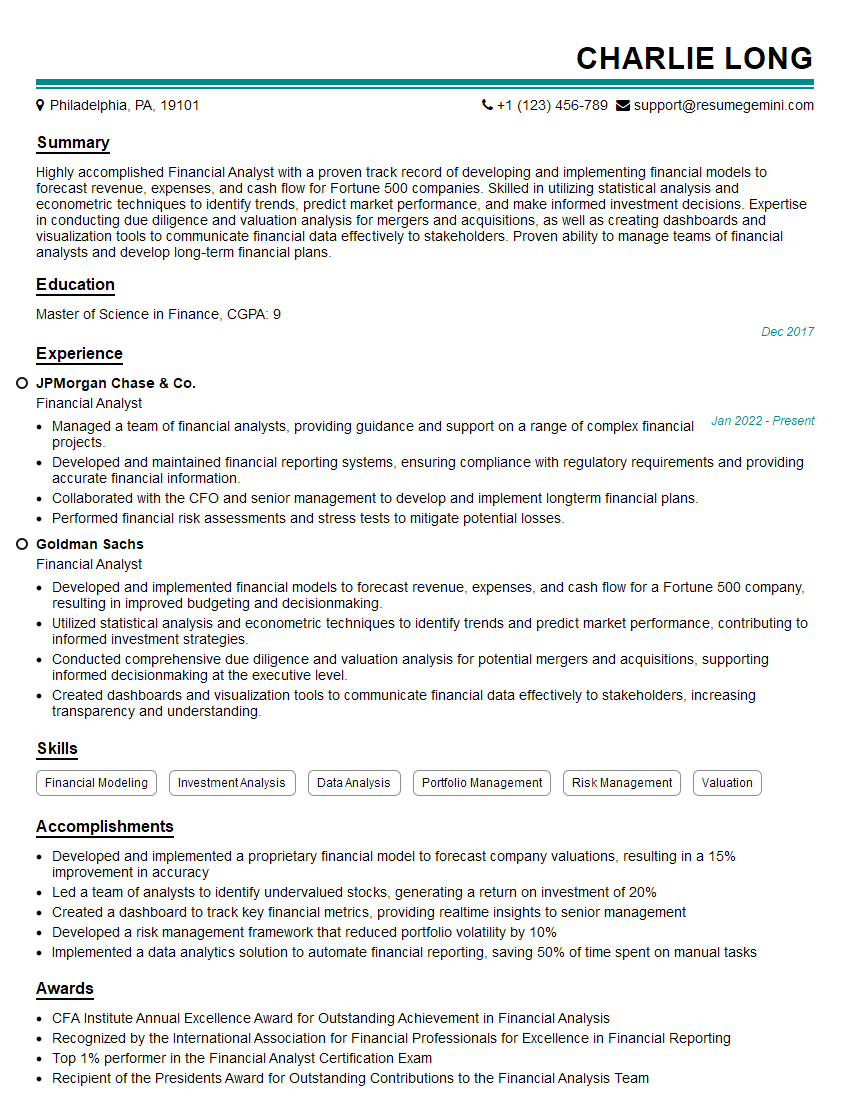
Financial Analyst Resume Sample
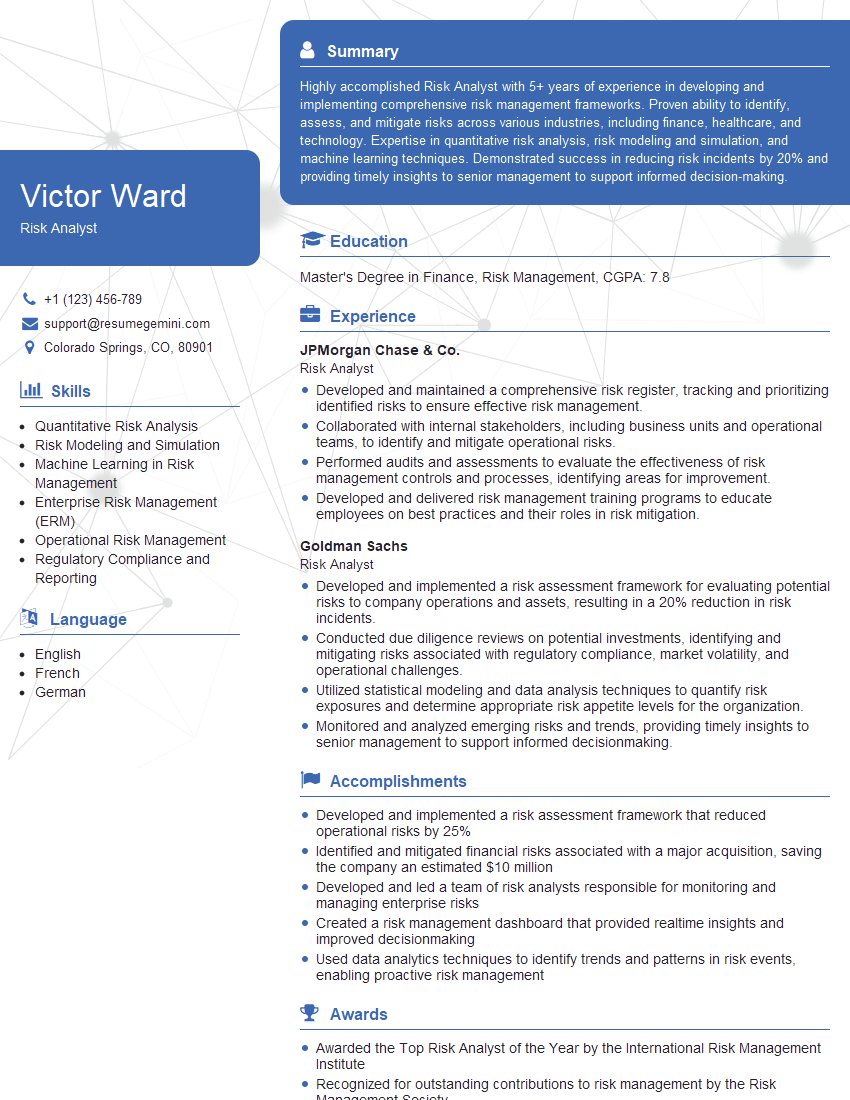
Risk Analyst Resume Sample
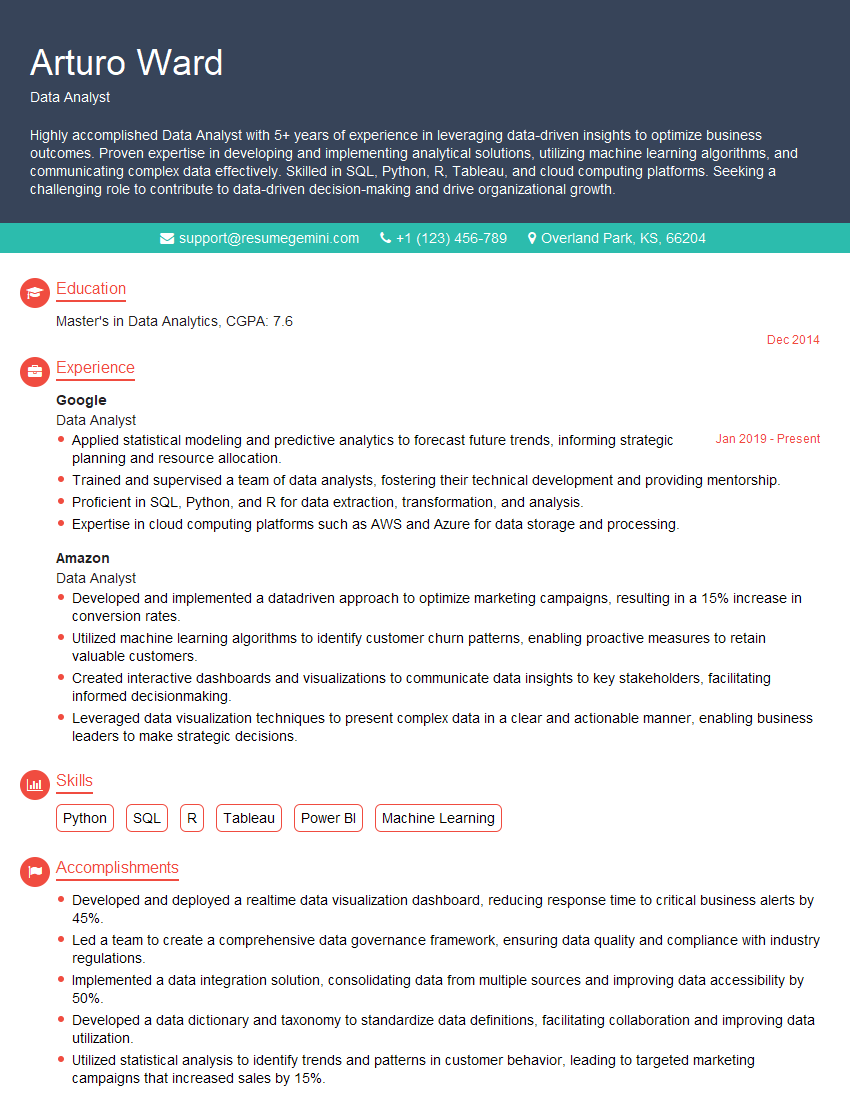
Data Analyst Resume Sample
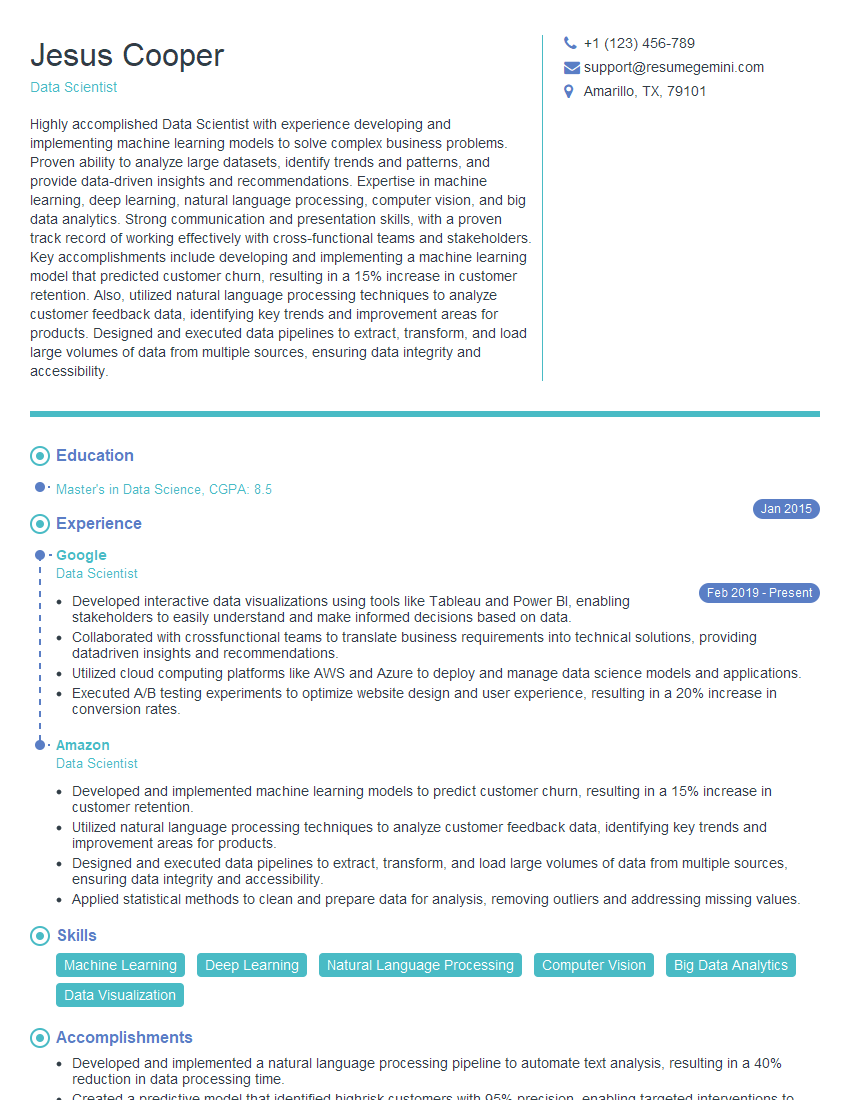
Data Scientist Resume Sample
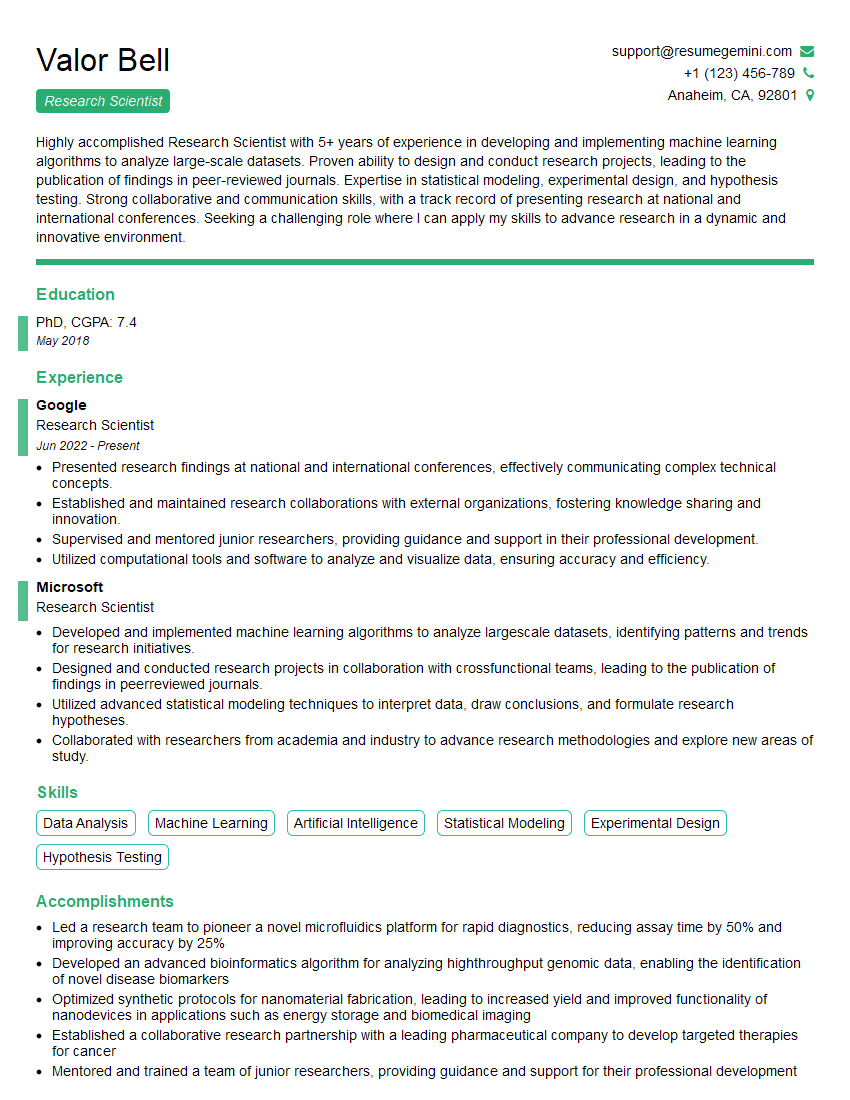
Research Scientist Resume Sample
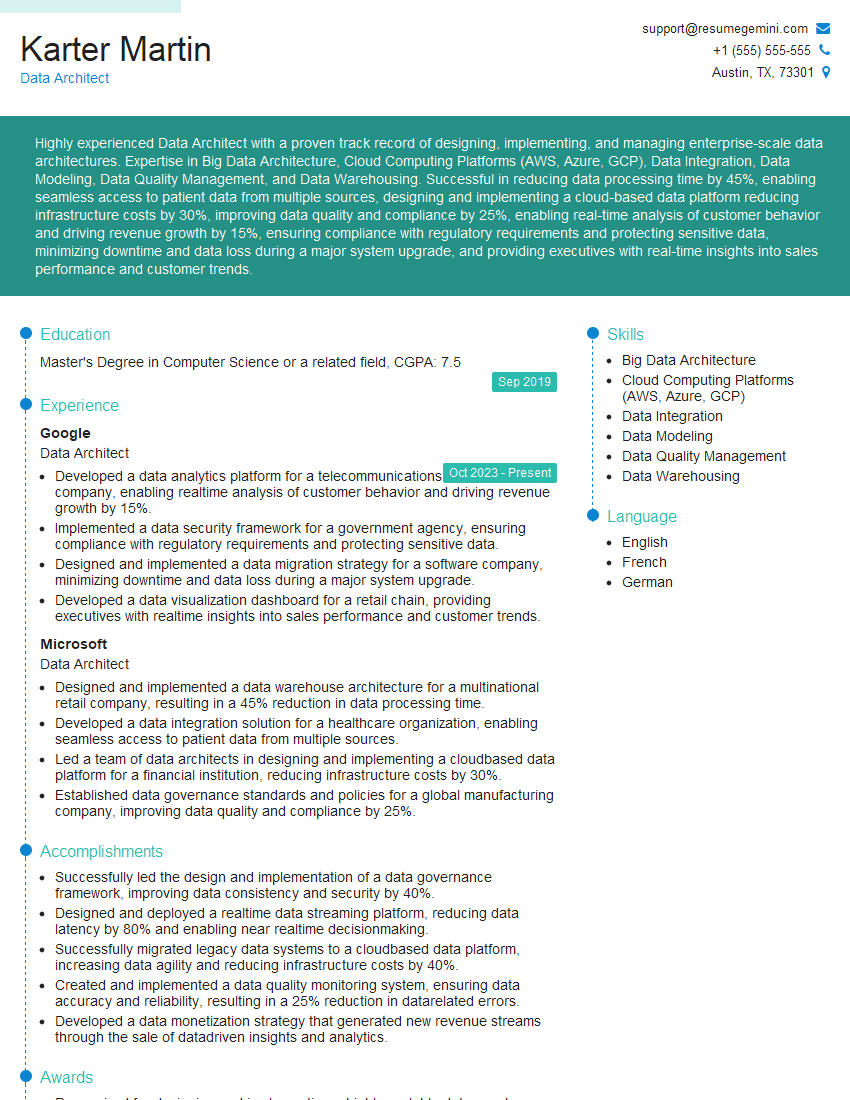
Data Architect Resume Sample
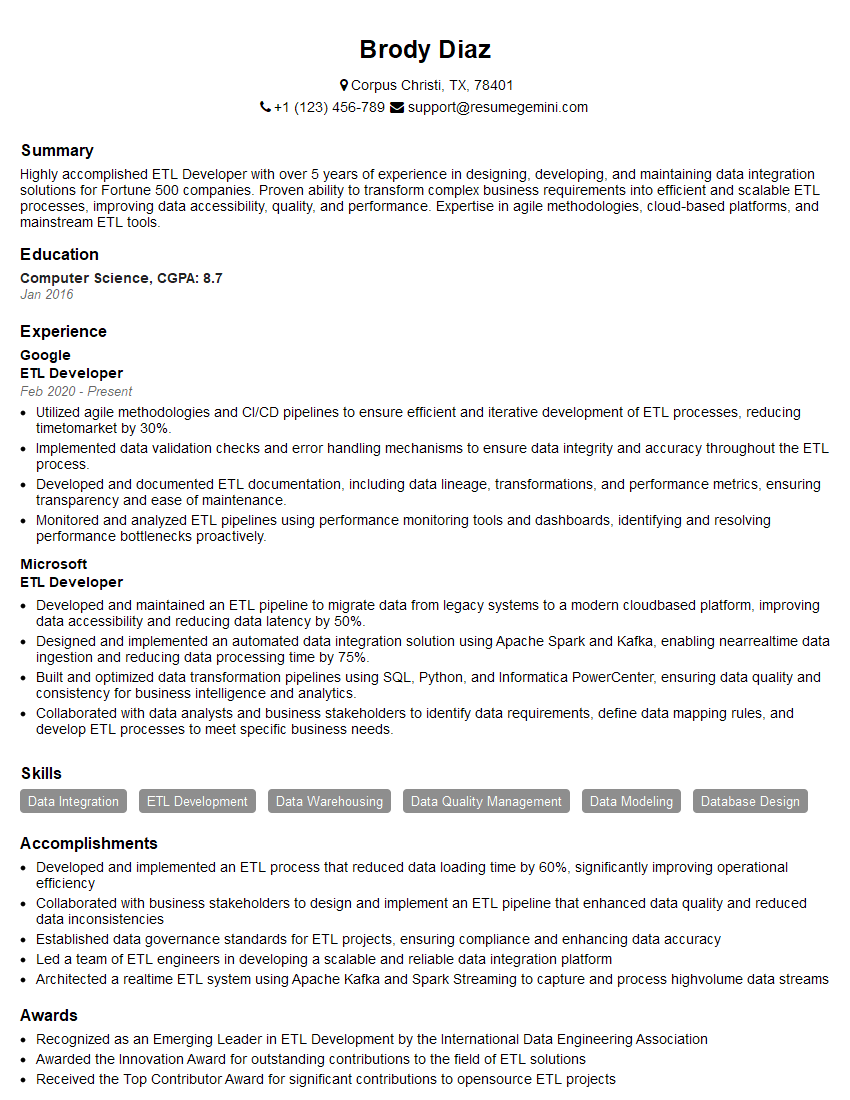
ETL Developer Resume Sample
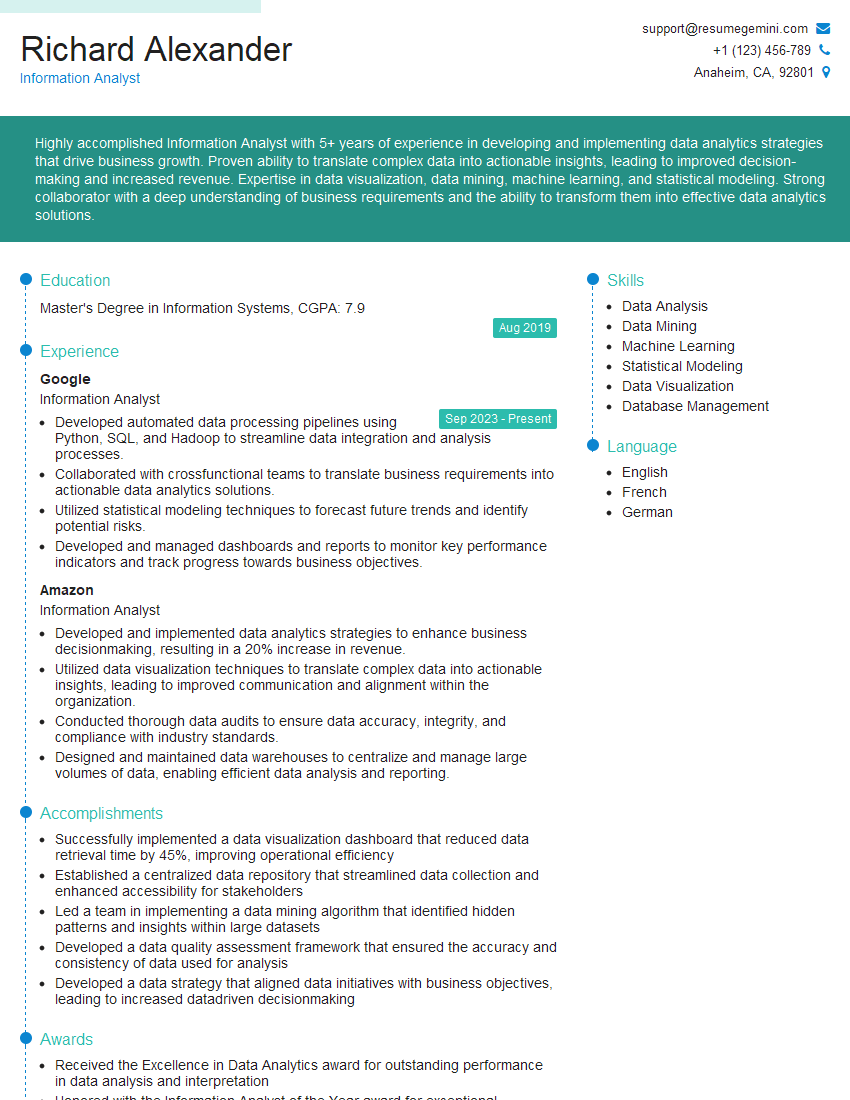
Information Analyst Resume Sample
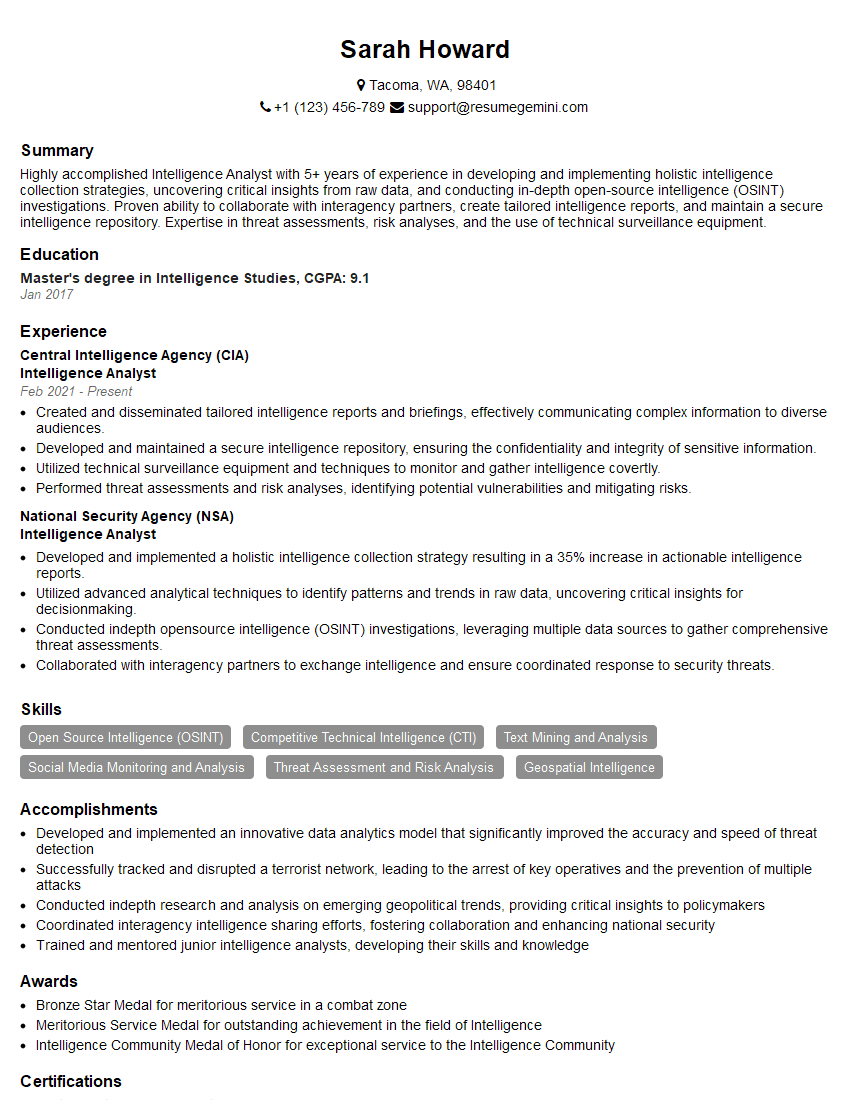
Intelligence Analyst Resume Sample
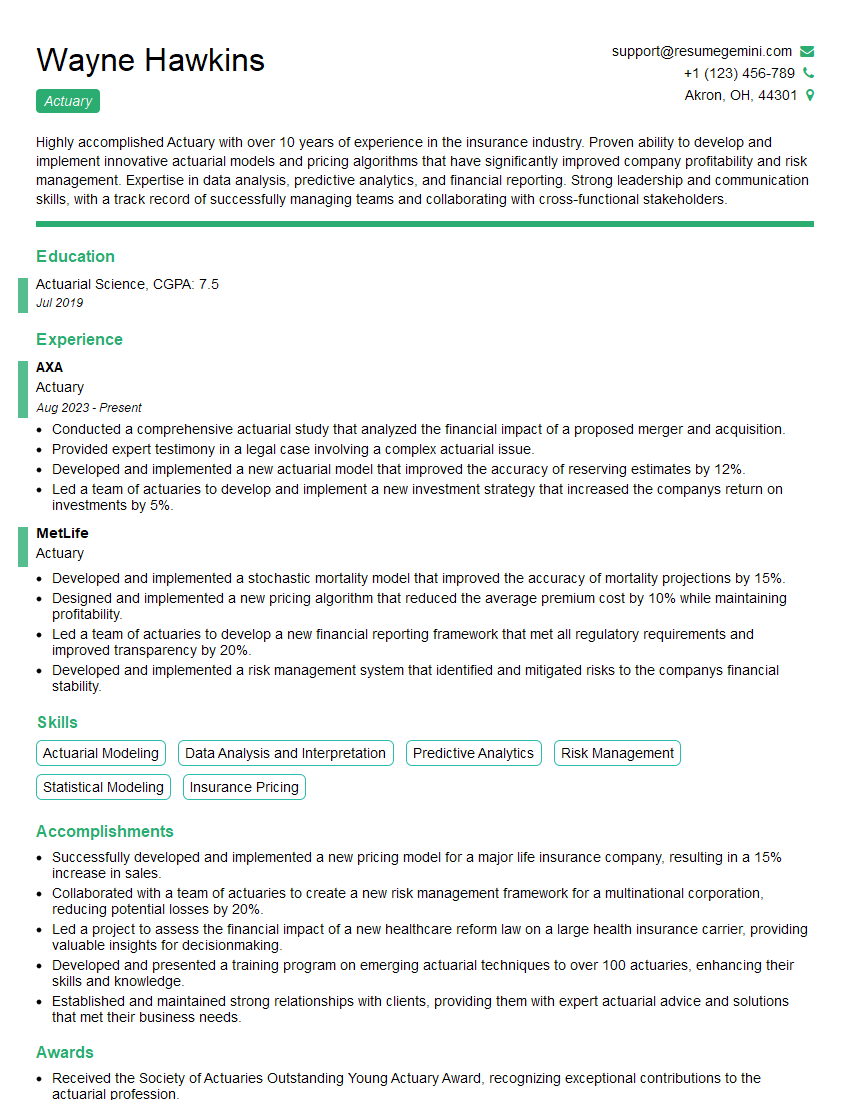
Actuary Resume Sample
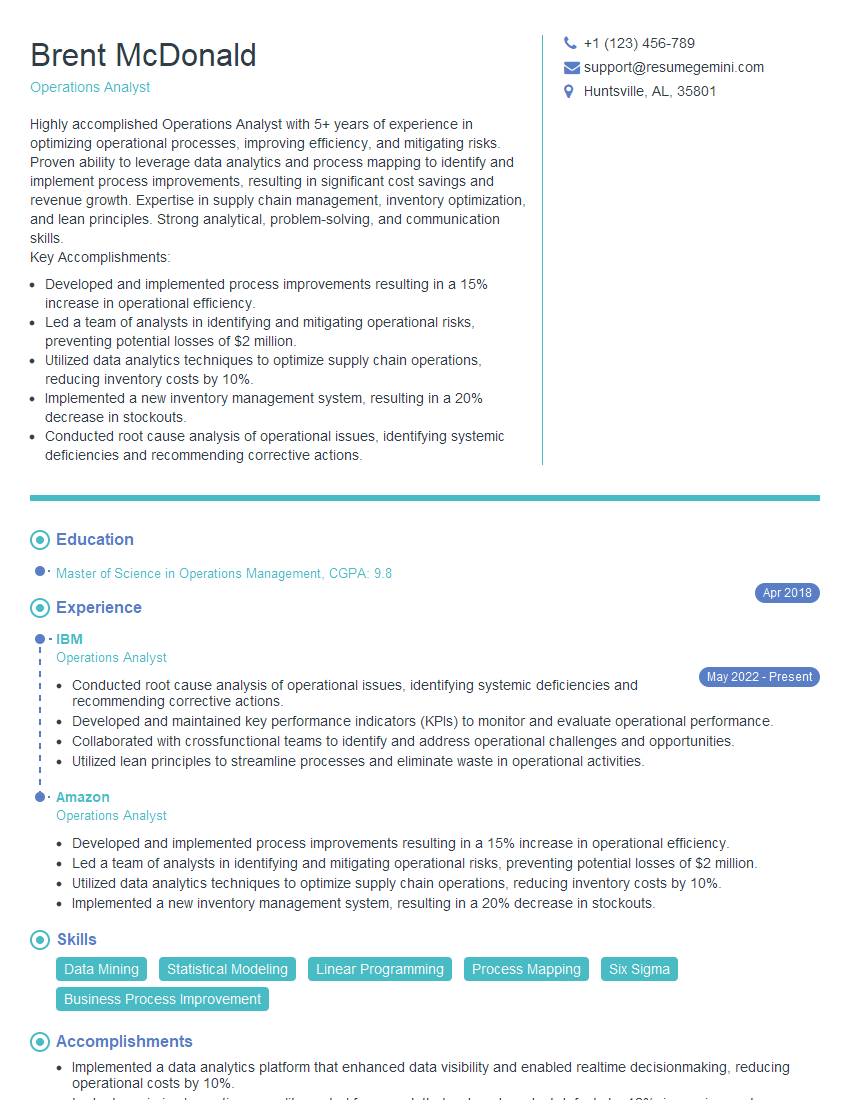
Operations Analyst Resume Sample
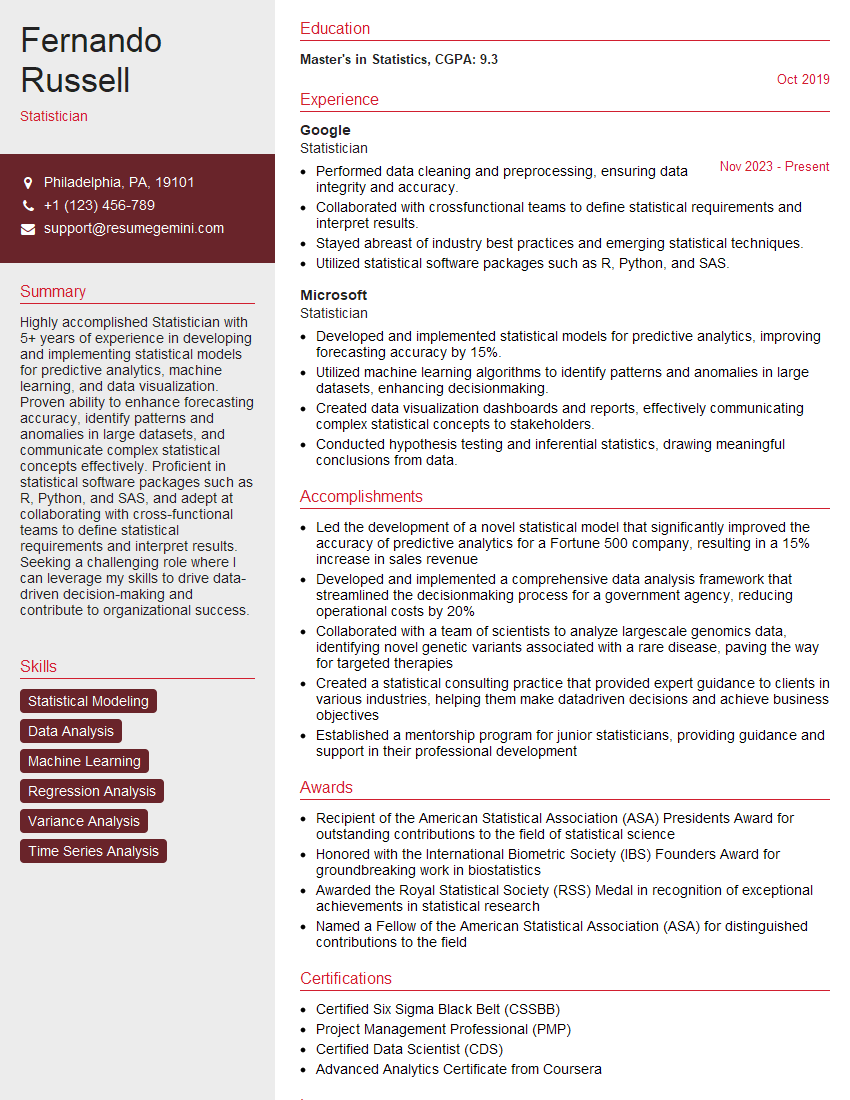
Statistician Resume Sample
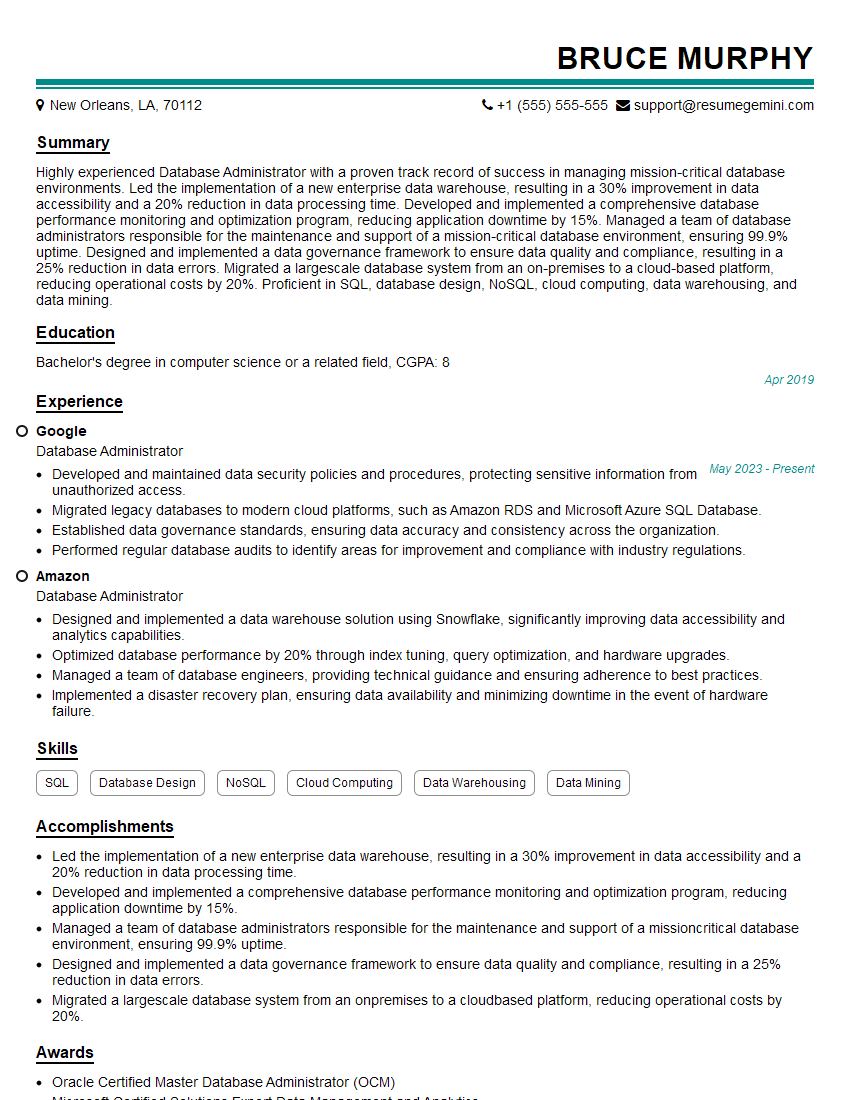
Database Administrator Resume Sample
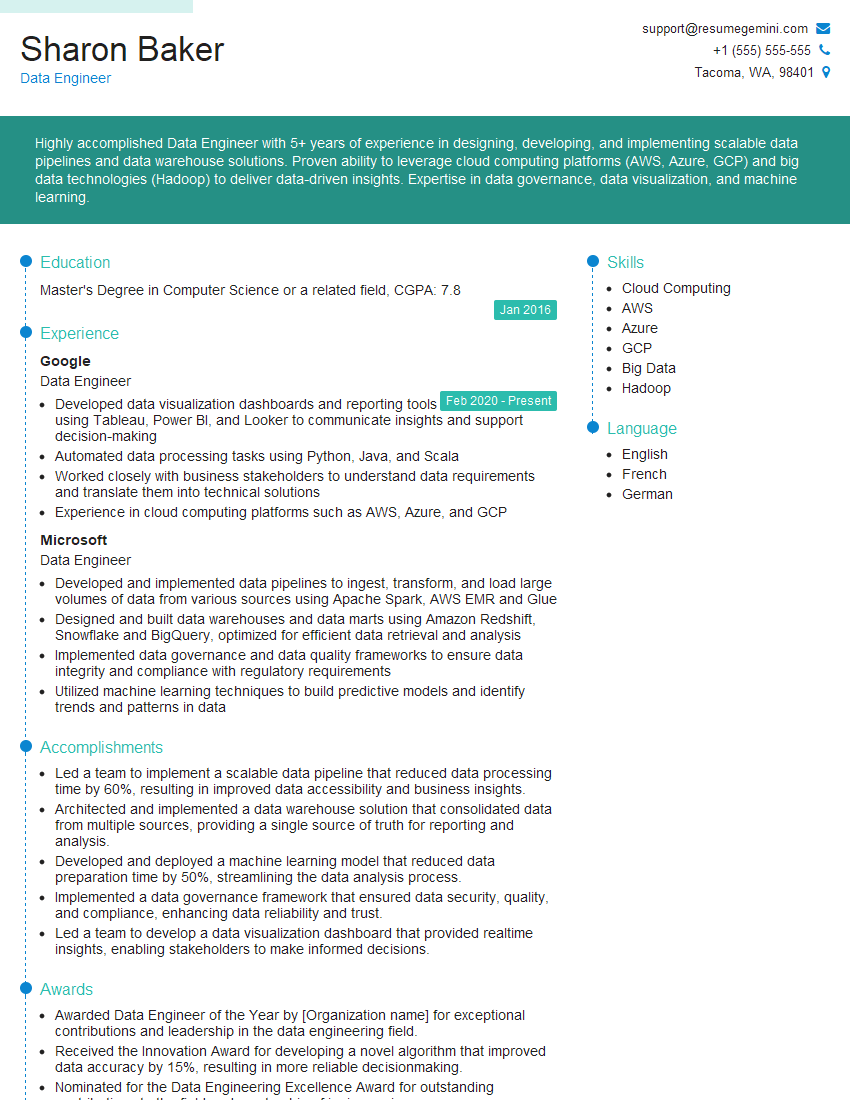
Data Engineer Resume Sample
- Reporting Analyst
- Compliance Analyst
- Business Analyst
- Management Analyst
- Market Research Analyst
- Financial Analyst
- Risk Analyst
- Data Analyst
- Data Scientist
- Research Scientist
- Data Architect
- ETL Developer
- Information Analyst
- Intelligence Analyst
- Actuary
- Operations Analyst
- Statistician
- Database Administrator
- Data Engineer
Explore more articles
Users Rating of Our Blogs
Share Your Experience
We value your feedback! Please rate our content and share your thoughts (optional).
What Readers Say About Our Blog
Very informative content, great job.
good