Interviews are more than just a Q&A session—they’re a chance to prove your worth. This blog dives into essential Conveyor Speed Control interview questions and expert tips to help you align your answers with what hiring managers are looking for. Start preparing to shine!
Questions Asked in Conveyor Speed Control Interview
Q 1. Explain the different methods for controlling conveyor speed.
Conveyor speed control methods vary depending on the application and desired level of precision. The most common approaches include:
- Mechanical methods: These involve adjusting the drive components directly, such as changing pulley sizes or using geared motors. This is simple but offers limited control and flexibility. Think of adjusting the gears on a bicycle – you have a few set speeds.
- Variable Frequency Drives (VFDs): These are electronic devices that adjust the frequency of the power supplied to the conveyor motor, thereby controlling the motor speed. This is the most common and versatile method, offering precise speed control and efficient operation. Imagine a car’s accelerator – smooth and precise control over speed.
- Closed-loop control systems: These systems use sensors to monitor the conveyor speed and compare it to a setpoint (desired speed). A controller then adjusts the motor speed to maintain the desired speed. This is much more accurate and responsive than open-loop methods. Consider a cruise control system in a car; it automatically adjusts the throttle to maintain a set speed.
The choice of method depends on factors like required accuracy, budget, complexity of the system, and maintenance needs.
Q 2. Describe the role of a Variable Frequency Drive (VFD) in conveyor speed control.
A Variable Frequency Drive (VFD) is the heart of most modern conveyor speed control systems. It acts as an electronic ‘gearbox’, allowing for precise and stepless adjustment of the motor’s speed without mechanically changing gears. The VFD changes the frequency of the AC power supplied to the motor. By altering the frequency, it changes the rotational speed of the motor, and thus the conveyor belt. This offers significant advantages over mechanical methods, including:
- Precise speed control: VFDs can achieve very fine adjustments in conveyor speed.
- Energy efficiency: By reducing motor speed for lighter loads, VFDs significantly reduce energy consumption.
- Soft starts and stops: VFDs prevent sudden jolts and jerky movements, extending the lifespan of the conveyor and reducing wear and tear.
- Improved control: They offer features such as speed ramping, automatic braking, and fault detection.
For example, in a bottling plant, a VFD allows the conveyor to smoothly adjust speed based on the production line demands, minimizing product damage and optimizing throughput.
Q 3. How do you troubleshoot a conveyor system that is running too fast or too slow?
Troubleshooting a conveyor running too fast or too slow requires a systematic approach. Here’s a step-by-step guide:
- Check the VFD settings: Verify the setpoint speed matches the desired speed. Check for any errors or fault codes displayed on the VFD.
- Inspect the motor: Look for any visible damage, overheating, or binding. Check the motor’s nameplate to verify it’s correctly sized for the load.
- Examine the mechanical components: Check for belt slippage, misalignment of pulleys, or bearing wear. A worn belt or misaligned pulleys can cause speed discrepancies.
- Verify sensor readings (if applicable): If a closed-loop system is used, check the speed sensor for accuracy and proper connection. A faulty sensor can provide incorrect feedback, leading to incorrect speed adjustments.
- Check power supply: Ensure the power supply voltage is stable and within the acceptable range for the motor and VFD.
- Test the load: If the conveyor is overloaded, it might run slower than expected. Reducing the load might resolve the issue. Alternatively, if the system is running too fast, the load might be too light.
If the problem persists after these checks, you may need specialized tools or the assistance of a qualified technician to diagnose more complex electrical or mechanical issues.
Q 4. What are the safety considerations when adjusting conveyor speed?
Safety is paramount when adjusting conveyor speeds. Here are key considerations:
- Lockout/Tagout (LOTO) procedures: Before making any adjustments, always follow established LOTO procedures to prevent accidental starts or unexpected movement. This ensures no one is injured during maintenance or adjustments.
- Proper training: Only trained and authorized personnel should adjust conveyor speeds.
- Emergency stops: Ensure that emergency stop buttons are readily accessible and in working order. These are critical for immediate shutdown in case of an emergency.
- Clear communication: Communicate speed changes to personnel working near the conveyor to prevent accidents. A clear warning system before any speed changes is essential.
- Personal Protective Equipment (PPE): Ensure appropriate PPE, such as safety glasses and gloves, is worn during maintenance or adjustment.
- Speed limits: Adhere to any speed limits established for the conveyor system to prevent overload or damage to equipment or products.
Neglecting these safety measures can lead to serious accidents, injuries, or equipment damage.
Q 5. Explain the concept of closed-loop control in conveyor systems.
Closed-loop control uses feedback from a sensor to maintain the conveyor’s speed at a desired setpoint. Imagine a thermostat: it measures the room temperature (feedback) and adjusts the heating or cooling (control action) to maintain the desired temperature (setpoint). Similarly, in a conveyor system:
- A sensor measures the actual conveyor speed.
- A controller compares the actual speed to the desired speed (setpoint).
- The controller sends a signal to the VFD to adjust the motor speed, reducing or increasing the speed until it matches the setpoint.
This continuous feedback loop ensures accurate speed control, regardless of variations in load or other factors. This precision is crucial for applications requiring accurate product spacing or timing, such as automated packaging lines.
Q 6. What are the common sensors used for conveyor speed monitoring and feedback?
Several sensors are used for conveyor speed monitoring and feedback in closed-loop control systems:
- Tachometers: These measure the rotational speed of the motor shaft or a pulley. They can be contact or non-contact type.
- Encoders: These provide high-resolution speed and position feedback, often using optical or magnetic techniques. They’re particularly useful for applications requiring precise positioning.
- Photoelectric sensors: These detect the passage of markers or objects on the conveyor belt to calculate speed. This is a common method when direct motor speed measurement isn’t feasible.
- Ultrasonic sensors: These measure the speed by detecting the Doppler shift of sound waves reflected from the moving belt.
The choice of sensor depends on factors such as required accuracy, cost, environmental conditions, and the type of conveyor system.
Q 7. How do you calibrate a conveyor speed sensor?
Calibrating a conveyor speed sensor involves ensuring the sensor’s readings accurately reflect the actual conveyor speed. The procedure varies depending on the sensor type, but generally involves these steps:
- Establish a reference speed: Use a stopwatch or other accurate timing device to measure the conveyor speed over a known distance. This provides a benchmark.
- Adjust the sensor’s settings: Most sensors have adjustable parameters, such as scaling factors or offset values. These allow you to fine-tune the sensor’s output to match the reference speed.
- Compare readings: After making adjustments, re-measure the conveyor speed using both the sensor and the reference method. Iteratively adjust the sensor settings until the readings closely match.
- Document settings: Record the final sensor settings for future reference. This is crucial for maintenance and troubleshooting.
Calibration should be performed regularly, especially after maintenance or replacement of the sensor. Regular calibration maintains the accuracy of the speed control system and prevents problems caused by inaccurate sensor readings.
Q 8. Describe different types of conveyor belts and how their properties affect speed control.
Conveyor belts come in various types, each impacting speed control differently. The material of the belt itself (rubber, PVC, fabric), its construction (ply rating, thickness), and the type of drive system all play significant roles.
- Rubber belts are common for heavy-duty applications and offer good traction but can be susceptible to stretching and wear, affecting speed consistency. Precise tensioning is crucial for maintaining speed.
- PVC belts are often chosen for food processing or applications requiring sanitation, offering good durability and cleanability. However, they can be less resilient to extreme temperatures or heavy loads. Speed control often needs to account for potential material expansion or contraction with temperature changes.
- Fabric belts are lightweight and flexible, suitable for lighter loads and applications requiring intricate routing. They may have lower tensile strength, demanding more careful speed regulation to prevent slippage.
- Drive systems can be geared motors, variable frequency drives (VFDs), or even direct-drive systems. Each has different speed control capabilities and response times. VFDs offer the finest control over speed and acceleration.
For instance, a high-speed, heavy-duty rubber belt system might require a robust VFD with precise feedback mechanisms to ensure consistent speed, whereas a slower fabric belt system could be adequately controlled with a simpler geared motor and a less sophisticated control system.
Q 9. How do you handle emergency stops and safety interlocks in a conveyor system?
Emergency stops and safety interlocks are paramount in conveyor systems. They prevent accidents and damage. Emergency stops should be readily accessible and clearly marked. Multiple emergency stop buttons strategically placed along the conveyor system are common. Safety interlocks are designed to halt conveyor operation if a safety condition is violated.
- Emergency Stop Buttons: These are typically connected to a safety relay that instantly cuts power to the conveyor motor and any associated equipment.
- Safety Interlocks: These can include light curtains that detect the presence of personnel in a hazardous area, limit switches that prevent the conveyor from operating outside its safe range of travel, or pressure sensors that monitor load or belt tension.
- Safety PLCs: Programmable Logic Controllers (PLCs) play a critical role in coordinating these safety functions. They monitor the status of the interlocks and emergency stops, and initiate safe shutdown procedures.
Imagine a scenario where an operator needs to clear a jam in a conveyor system. The emergency stop ensures the immediate cessation of belt movement, preventing injury. Then, safety interlocks keep the system locked off until the operator releases the interlock, completing the process safely.
Q 10. What are the common causes of conveyor belt slippage and how are they addressed?
Conveyor belt slippage stems from several factors. Addressing them requires careful diagnosis and appropriate corrective actions.
- Insufficient Belt Tension: A loosely tensioned belt will slip under load. Tensioning mechanisms need to be adjusted.
- Wear and Tear: A worn belt, with reduced friction coefficient, is prone to slippage. Belt replacement may be necessary.
- Incorrect Pulley Alignment: Misaligned pulleys cause uneven stress on the belt, leading to slippage. Pulley alignment should be meticulously checked and corrected.
- Excessive Load: Overloading the conveyor beyond its design capacity results in slippage. Reducing the load or upgrading the conveyor is needed.
- Contaminants: Oil, grease, or other substances reduce friction and cause slippage. Thorough cleaning is crucial.
Consider a situation where a conveyor carrying heavy boxes starts slipping. The first step is to check the belt tension and pulley alignment. If those are fine, we’d then inspect the belt for wear and tear and check for any contaminants. If the slippage persists, the system load must be examined, and if necessary, the conveyor upgraded.
Q 11. Explain the importance of proper tensioning in conveyor belt operation and speed control.
Proper tensioning is vital for efficient and safe conveyor belt operation. It directly impacts speed control and overall system performance.
- Maintaining Consistent Speed: Optimal tension ensures the belt runs smoothly without slippage, providing consistent conveying speeds.
- Preventing Slippage: Sufficient tension creates enough friction between the belt and the drive pulley, preventing slippage and power loss.
- Reducing Wear and Tear: Proper tension distributes the load evenly across the belt, reducing localized stress and extending its lifespan.
- Improving Tracking: Correct tension helps the belt track correctly along the rollers, avoiding misalignment and potential damage.
Think of a bicycle chain: if it’s too loose, it slips on the sprockets. A conveyor belt is similar; proper tension is crucial for effective power transfer and maintaining consistent speed. Incorrect tension can lead to poor speed regulation, increased wear, and even belt breakage.
Q 12. How do you program a PLC to control conveyor speed based on different operating modes?
Programming a PLC to control conveyor speed involves using the PLC’s built-in functions and potentially integrating with a VFD.
The PLC receives commands from the HMI (Human Machine Interface) or other control systems, specifying the desired operating mode. The PLC then uses these inputs to set the desired speed and other parameters for the VFD. The VFD, in turn, adjusts the motor speed to match.
Example (Ladder Logic):
//Input: Operating Mode (e.g., 0 = Stop, 1 = Low Speed, 2 = High Speed) //Input: Emergency Stop (1 = Stopped) //Output: VFD Speed Setpoint (Analog Output) IF (Operating Mode = 1 AND NOT Emergency Stop) THEN VFD Speed Setpoint = 50% //Set Low Speed ELSE IF (Operating Mode = 2 AND NOT Emergency Stop) THEN VFD Speed Setpoint = 100% //Set High Speed ELSE VFD Speed Setpoint = 0% //Set to Stop ENDIF This is a simplified example; real-world implementations would involve more complex logic for safety, error handling, and potentially feedback from the conveyor system (e.g., speed sensors) to ensure precise control.
Q 13. Describe your experience with different communication protocols used in conveyor control systems (e.g., Profibus, Ethernet/IP).
I have extensive experience with various communication protocols used in conveyor control systems. The choice of protocol depends on factors like distance, speed requirements, and network size.
- Profibus: A widely used fieldbus protocol offering robust communication in industrial environments. I’ve used it in systems requiring real-time control with deterministic timing for conveyor synchronization across multiple sections.
- Ethernet/IP: A common industrial Ethernet protocol providing high bandwidth and flexible networking capabilities. It’s advantageous for larger, more complex systems requiring extensive data exchange and integration with other plant automation systems. I used this in a project integrating a high-speed sorting conveyor system with a warehouse management system.
- Profinet: Another industrial Ethernet protocol known for its real-time capabilities and suitability for complex industrial automation tasks. I’ve incorporated this protocol in conveyor systems requiring precise speed and position control in automated assembly lines.
Each protocol has its advantages and disadvantages. For example, Profibus is known for its reliability in noisy industrial environments, while Ethernet/IP offers greater flexibility in network topology and integration capabilities. The choice depends on the specifics of the conveyor system and the overall plant automation architecture.
Q 14. How do you diagnose and resolve issues with conveyor speed inconsistencies?
Diagnosing inconsistent conveyor speeds requires a systematic approach. The process involves data collection, analysis, and targeted troubleshooting.
- Data Acquisition: Gather data from various points in the system, including speed sensors, motor current readings, and VFD parameters. Check for error logs in the PLC and VFD.
- Pattern Recognition: Analyze the data to identify patterns or trends indicating the root cause. Is the inconsistency consistent or intermittent? Is it related to load, environmental conditions, or time of day?
- Targeted Troubleshooting: Based on the analysis, focus your efforts on the most likely culprits. Check belt tension, pulley alignment, motor condition, VFD settings, and sensors for accuracy and calibration. Inspect for mechanical issues such as worn rollers or misaligned components.
- Verification and Testing: Implement corrections and verify that the speed inconsistencies are resolved. Perform system testing to ensure stable and consistent performance.
For example, if the speed inconsistencies are intermittent and tied to specific load variations, we might need to adjust the VFD control algorithm or implement a feedback loop to dynamically adjust the motor speed based on load changes. If the problem is related to belt slippage, it implies a need to check belt tension and condition. A systematic approach ensures efficient problem resolution.
Q 15. What is the role of PID controllers in conveyor speed control?
PID controllers are the workhorses of precise conveyor speed control. They’re essentially feedback loops that continuously adjust the conveyor motor’s speed to match a desired setpoint. The acronym stands for Proportional, Integral, and Derivative. The Proportional term responds directly to the error (difference between desired and actual speed). The larger the error, the stronger the correction. The Integral term addresses persistent errors, accumulating the error over time to eliminate drift. Finally, the Derivative term anticipates future errors based on the rate of change of the error, preventing overshoot and oscillations. Think of it like driving a car: the proportional part is like gently pressing the gas or brake, the integral part adjusts for gradual uphill or downhill changes, and the derivative part helps you smoothly navigate a curve.
For example, if the conveyor is running slightly slower than the setpoint, the proportional term increases the motor speed. If it continues to run slow despite this adjustment, the integral term kicks in, providing an additional boost. The derivative term helps prevent overshooting the speed and oscillating around the setpoint.
Career Expert Tips:
- Ace those interviews! Prepare effectively by reviewing the Top 50 Most Common Interview Questions on ResumeGemini.
- Navigate your job search with confidence! Explore a wide range of Career Tips on ResumeGemini. Learn about common challenges and recommendations to overcome them.
- Craft the perfect resume! Master the Art of Resume Writing with ResumeGemini’s guide. Showcase your unique qualifications and achievements effectively.
- Don’t miss out on holiday savings! Build your dream resume with ResumeGemini’s ATS optimized templates.
Q 16. Explain how to tune a PID controller for optimal conveyor speed performance.
Tuning a PID controller is an iterative process, often involving trial and error, but also guided principles. There isn’t one magic solution; optimal tuning depends on the specific conveyor system, its load characteristics, and the desired response time. Popular methods include Ziegler-Nichols and manual tuning. Ziegler-Nichols involves finding the ultimate gain (Ku) and ultimate period (Tu) through a step response test, then using these values to calculate initial PID gains. Manual tuning involves systematically adjusting the P, I, and D gains, observing the system’s response, and making iterative adjustments.
Generally, you start by adjusting the proportional gain (Kp). A high Kp results in a fast response but may lead to oscillations. Then, adjust the integral gain (Ki) to eliminate steady-state error. Finally, fine-tune the derivative gain (Kd) to damp oscillations and improve settling time. Each adjustment requires monitoring the system’s response, looking for stability and minimal overshoot. Data logging and visualization tools are extremely helpful in this process. For example, I’ve used software that plots the speed versus time, clearly showing the impact of each gain adjustment.
Q 17. Describe your experience with different types of conveyor control systems (e.g., centralized vs. decentralized).
I’ve worked extensively with both centralized and decentralized conveyor control systems. Centralized systems manage multiple conveyors from a single control panel or PLC (Programmable Logic Controller). This approach offers streamlined monitoring and control, but a single point of failure can significantly impact the entire system. For example, in a large warehouse, a centralized system might control all the conveyors used for order fulfillment. Decentralized systems, on the other hand, use individual controllers for each conveyor or a smaller group of conveyors. This approach enhances resilience as failure in one section doesn’t necessarily affect others, but requires more complex programming and coordination. Imagine a manufacturing line where each stage has its own independent conveyor control, allowing for more localized adjustments and reduced downtime if one section experiences a problem.
My experience spans both, and the best choice depends heavily on the application’s complexity, scale, and desired level of redundancy.
Q 18. How do you ensure the accuracy and precision of conveyor speed measurements?
Accurate conveyor speed measurement is critical for precise control. This typically involves using sensors like encoders (optical or magnetic) directly coupled to the conveyor drive shaft, providing high-resolution speed feedback. Tachometers provide speed information via non-contact measurement; they’re less precise but suitable in certain applications. For less demanding applications, simple speed sensors that measure the rotational speed might suffice.
Ensuring accuracy involves regular calibration of the sensors, checking for signal noise, and verifying the sensor’s alignment and mounting. The chosen method must also consider environmental factors such as temperature, vibration, and potential interference. Using redundant sensors can add a layer of fault tolerance and improve overall accuracy.
Q 19. What are the common maintenance tasks related to conveyor speed control components?
Regular maintenance is crucial for reliable conveyor speed control. This includes:
- Sensor inspection and cleaning: Dirt, debris, and misalignment can significantly affect sensor readings.
- Motor lubrication and inspection: Proper lubrication ensures efficient operation and prevents premature wear.
- Belt tension checks: Incorrect tension can affect speed and stability.
- Wiring and connection inspection: Loose connections can cause intermittent errors.
- PID controller parameter verification: Regular checks to ensure the controller settings remain optimal.
- VFD (Variable Frequency Drive) inspection: This involves checking for overheating, unusual noises, and verifying proper cooling.
A preventive maintenance schedule, based on the conveyor’s operating conditions and manufacturer recommendations, is crucial. Proactive maintenance minimizes downtime and prevents costly repairs.
Q 20. Describe your experience with troubleshooting and repairing VFDs.
Troubleshooting and repairing VFDs requires a systematic approach. I start by checking for obvious problems like loose connections, blown fuses, and overheating components. Next, I’ll use diagnostic tools provided by the VFD manufacturer, examining error codes and parameter settings to pinpoint the fault. This may involve using multimeters to test voltage levels, current flow, and ground continuity. In more complex cases, I might use specialized VFD analyzers to diagnose internal issues.
For example, I once dealt with a VFD that was intermittently shutting down. After thorough testing, we found a faulty capacitor causing intermittent voltage spikes. Replacing the capacitor resolved the issue. Proper safety precautions, like lockout/tagout procedures, are always paramount when working with high-voltage equipment.
Q 21. How do you integrate conveyor speed control with other manufacturing processes?
Integrating conveyor speed control with other manufacturing processes usually involves using a supervisory control system, often a PLC or SCADA (Supervisory Control and Data Acquisition) system. This system allows for coordination between different machines and processes. For example, the speed of a conveyor might be synchronized with the output rate of a filling machine or packaging system.
This integration might involve using communication protocols such as Profibus, Ethernet/IP, or Modbus to exchange data between the conveyor’s PLC and other systems. Logic programs within the PLC control the conveyor speed based on signals from other machines or sensors. For instance, if a downstream machine is temporarily stopped, the conveyor speed can be adjusted or completely halted to prevent a backlog. This improves the overall efficiency and prevents bottlenecks in the manufacturing process.
Q 22. Explain the impact of conveyor speed on product quality and throughput.
Conveyor speed is a critical parameter influencing both product quality and throughput. Think of it like baking a cake: too fast, and it might burn; too slow, and it might be undercooked. Similarly, incorrect conveyor speed can lead to several issues.
- Product Quality: Too high a speed can cause damage to fragile products, leading to breakage, spills, or inaccurate packaging. For example, imagine transporting eggs on a high-speed conveyor – they’ll likely crack. Conversely, a speed that’s too slow can result in product degradation due to prolonged exposure to environmental factors like heat or humidity, or it could lead to uneven distribution of coatings or adhesives.
- Throughput: Throughput, or the rate of production, is directly proportional to conveyor speed. A faster speed generally increases throughput, provided that other process steps can keep pace. However, excessively high speeds can lead to bottlenecks further down the line, as other equipment may not be able to handle the increased flow. Optimizing speed requires a delicate balance between maximizing throughput and maintaining product quality.
In my experience, careful analysis of product characteristics and downstream processing capabilities is essential for determining the optimal conveyor speed. I’ve worked on projects where we used sophisticated simulations to model different speed scenarios and predict their impact on both quality and throughput, guiding our selection of the ideal speed range.
Q 23. Describe your experience with different types of conveyor belt materials and their impact on speed control.
The choice of conveyor belt material significantly affects speed control. Different materials exhibit varying levels of friction, elasticity, and resistance to wear and tear. This influences the system’s ability to maintain consistent speed and necessitates adjustments to the control system.
- Rubber belts: These are versatile and commonly used. However, different rubber compounds offer different frictional characteristics, affecting speed control precision and requiring appropriate tensioning adjustments.
- Plastic belts (PVC, Polyurethane): These offer superior chemical resistance and often smoother surfaces leading to better speed consistency but can have different temperature sensitivities impacting their operational speed range.
- Metal belts (Steel, Stainless Steel): Excellent for high temperatures and heavy loads but often require more sophisticated speed control mechanisms due to higher inertia and potential for slippage.
I’ve encountered scenarios where a change in belt material was necessary due to product compatibility or operational requirements. For instance, a client switched from rubber to a food-grade polyurethane belt to meet hygiene standards. This change necessitated recalibrating the speed control system to account for the different belt material’s frictional properties.
Q 24. How do you ensure the safe and efficient operation of high-speed conveyor systems?
Ensuring safe and efficient high-speed conveyor operation requires a multi-pronged approach focusing on mechanical integrity, control system reliability, and safety protocols.
- Regular Maintenance: Preventative maintenance, including belt tracking adjustments, lubrication, and component inspections, is crucial. This minimizes downtime and prevents unexpected failures that could compromise safety.
- Emergency Stop Systems: Multiple emergency stop buttons strategically positioned along the conveyor system are essential. These should be readily accessible and linked to a reliable emergency stop circuit. Additionally, light curtains or other proximity sensors can automatically halt the conveyor if a person or object enters the danger zone.
- Speed Limiting and Monitoring: Advanced speed control systems with built-in safety features are vital. These systems should incorporate speed limits and alarms to prevent excessive speed and automatically halt operation in case of malfunctions.
- Operator Training: Thorough training for operators is vital to ensure they understand the system’s operation, safety protocols, and emergency procedures. Regular refresher training is recommended.
One instance involved optimizing a high-speed bottling line. Implementing a PLC-based control system with precise speed control and integrated safety features significantly improved efficiency and safety. We also integrated a sophisticated monitoring system that allowed for real-time detection of anomalies and proactive maintenance scheduling.
Q 25. What are the considerations for designing a conveyor system with variable speed control?
Designing a conveyor system with variable speed control requires careful consideration of several factors. The key is to balance performance, cost, and safety.
- Motor Selection: AC motors with variable frequency drives (VFDs) offer excellent control and efficiency. The motor’s power rating should be sufficient to handle the load at maximum speed and acceleration.
- Drive System: VFDs provide precise speed control, allowing for smooth acceleration and deceleration. They are essential for minimizing product damage and improving energy efficiency.
- Feedback Control: Integrating feedback sensors, such as encoders or tachometers, allows for precise speed regulation and error correction. This ensures consistent speed regardless of variations in load or other environmental factors.
- Belt Tensioning: Appropriate belt tensioning mechanisms are crucial for maintaining consistent belt tracking and preventing slippage at varying speeds. The system should allow for dynamic adjustments as needed.
- Safety Features: As mentioned previously, incorporating safety features like emergency stops, light curtains, and speed limits is paramount.
In a recent project, we designed a variable-speed conveyor system for a food processing plant. The design incorporated a VFD-controlled motor, encoder feedback for precise speed regulation, and safety features to meet stringent food safety standards. The result was a system with improved throughput, reduced product damage, and enhanced safety.
Q 26. Describe your experience with using SCADA systems for monitoring and controlling conveyor speed.
SCADA (Supervisory Control and Data Acquisition) systems are invaluable for monitoring and controlling conveyor speed. They provide a centralized interface for managing multiple conveyor systems, allowing for real-time data visualization, remote control, and historical trend analysis.
- Real-time Monitoring: SCADA displays real-time data such as conveyor speed, motor current, belt tension, and other critical parameters. This allows for quick identification and resolution of potential issues.
- Remote Control: SCADA systems enable remote control of conveyor speed and other system parameters, allowing for adjustments from a central control room. This is crucial in large facilities where multiple conveyors need coordinated control.
- Data Logging and Reporting: SCADA systems automatically log historical data, enabling trend analysis and performance optimization. This data is vital for preventative maintenance scheduling and identifying areas for improvement.
- Alarm Management: SCADA systems can be configured to trigger alarms based on predefined thresholds, alerting operators to potential problems before they escalate. This enhances safety and reduces downtime.
In one project, we integrated a SCADA system into a large distribution center’s conveyor network. This allowed for centralized monitoring and control of hundreds of conveyors, significantly improving efficiency and reducing downtime. The system also generated reports on conveyor performance, which helped optimize system configuration and maintenance scheduling.
Q 27. How do you document and maintain records of conveyor speed control system configurations and maintenance?
Proper documentation and maintenance of conveyor speed control system configurations and maintenance records are essential for ensuring smooth operation and regulatory compliance.
- Configuration Management: Detailed documentation of the system’s configuration, including hardware specifications, software versions, and control parameters, is crucial. This ensures that the system can be easily replicated or repaired.
- Maintenance Logs: Regular maintenance logs should record all maintenance activities, including dates, performed tasks, parts replaced, and any observations. This information is vital for tracking system health and predicting potential failures.
- System Diagrams: Clear system diagrams showing the layout of the conveyor system, components, wiring diagrams, and control logic are essential for troubleshooting and maintenance.
- Calibration Records: Records of sensor calibrations and other system calibrations are crucial for maintaining accuracy and reliability. These records should include calibration procedures, dates, and results.
We utilize a computerized maintenance management system (CMMS) to manage all documentation related to our conveyor systems. This system allows for automated generation of reports, alerts for scheduled maintenance, and streamlined tracking of spare parts. This approach enhances efficiency and minimizes the risk of errors.
Key Topics to Learn for Conveyor Speed Control Interview
- Sensor Technologies: Understanding various sensor types (e.g., optical, ultrasonic, inductive) used for speed detection and their respective advantages and limitations.
- Control Algorithms: Familiarize yourself with PID control, its tuning parameters, and how it’s applied to maintain consistent conveyor speed despite variations in load or friction.
- Motor Control Techniques: Explore different motor types (AC, DC, servo) and their control methods relevant to conveyor systems. Understand speed regulation techniques using VFDs (Variable Frequency Drives).
- Safety Systems and Emergency Stops: Learn about safety protocols and emergency stop mechanisms integral to conveyor operation and their integration with the speed control system.
- Troubleshooting and Diagnostics: Develop your ability to identify and solve common problems related to conveyor speed inconsistencies, including sensor malfunctions, motor issues, and control system errors.
- System Integration and Networking: Understand how conveyor speed control systems interact with other elements within a larger industrial automation system (PLCs, SCADA, etc.).
- Energy Efficiency Considerations: Explore techniques for optimizing conveyor speed control to minimize energy consumption without compromising performance.
- Practical Applications: Consider real-world examples like package handling, manufacturing lines, and material transportation systems where precise speed control is crucial.
Next Steps
Mastering Conveyor Speed Control opens doors to exciting career opportunities in automation, manufacturing, and logistics. A strong understanding of these systems demonstrates valuable technical skills highly sought after by employers. To maximize your job prospects, focus on creating an ATS-friendly resume that highlights your relevant skills and experience. ResumeGemini is a trusted resource that can help you build a professional and effective resume. Examples of resumes tailored to Conveyor Speed Control are available to help guide you. Invest time in crafting a compelling resume—it’s your first impression on potential employers.

Operations Manager Resume Sample
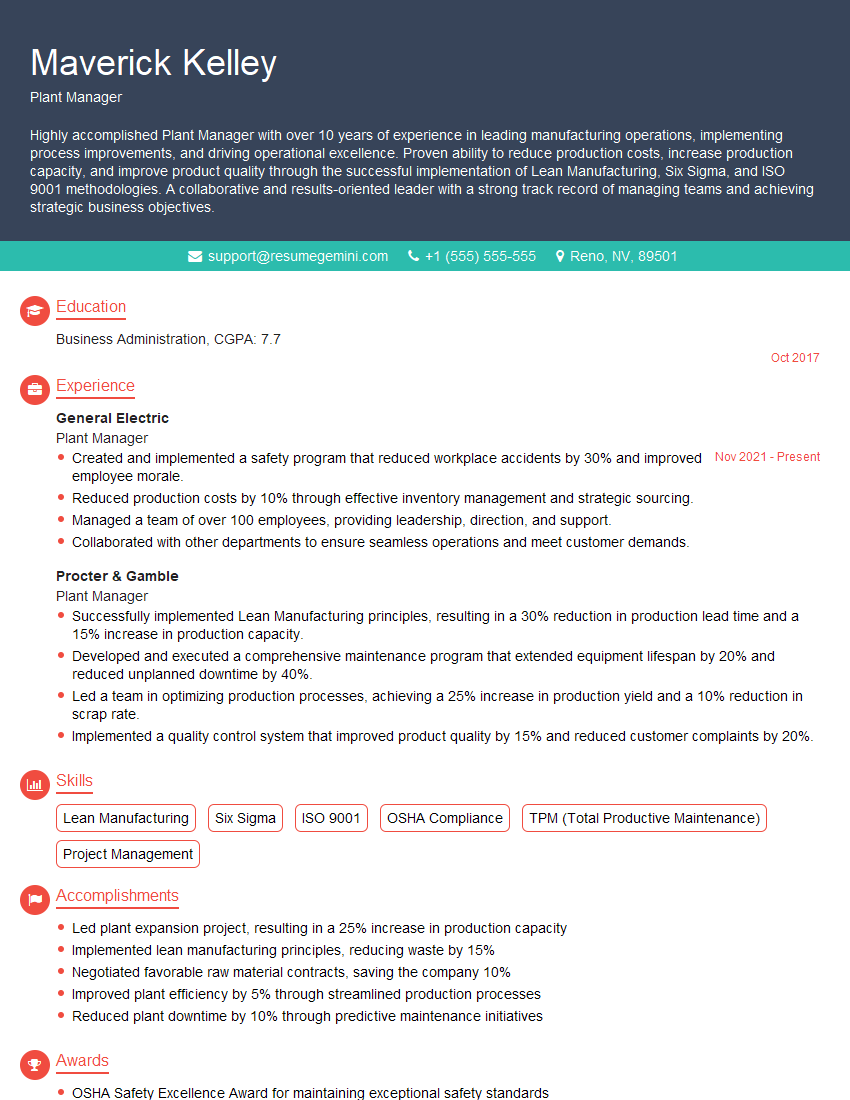
Plant Manager Resume Sample

Maintenance Supervisor Resume Sample

Production Supervisor Resume Sample

Engineering Manager Resume Sample

Project Engineer Resume Sample
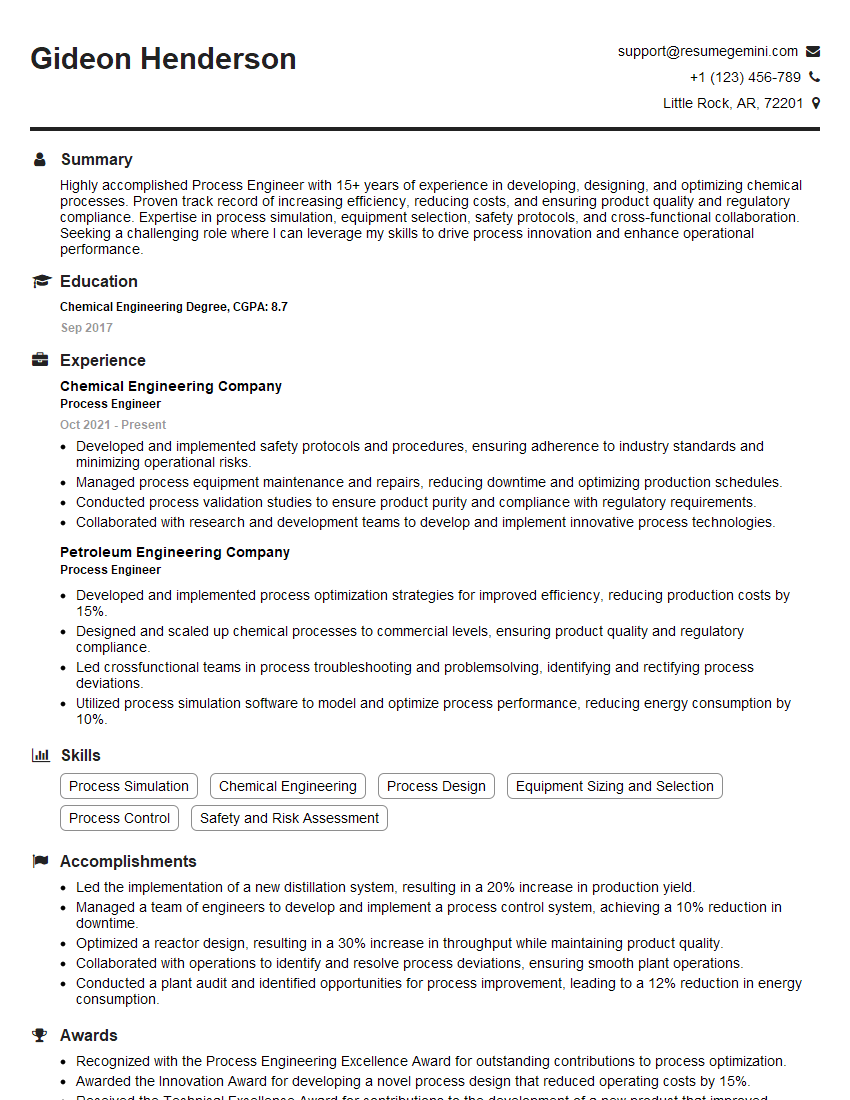
Process Engineer Resume Sample

Automation Engineer Resume Sample
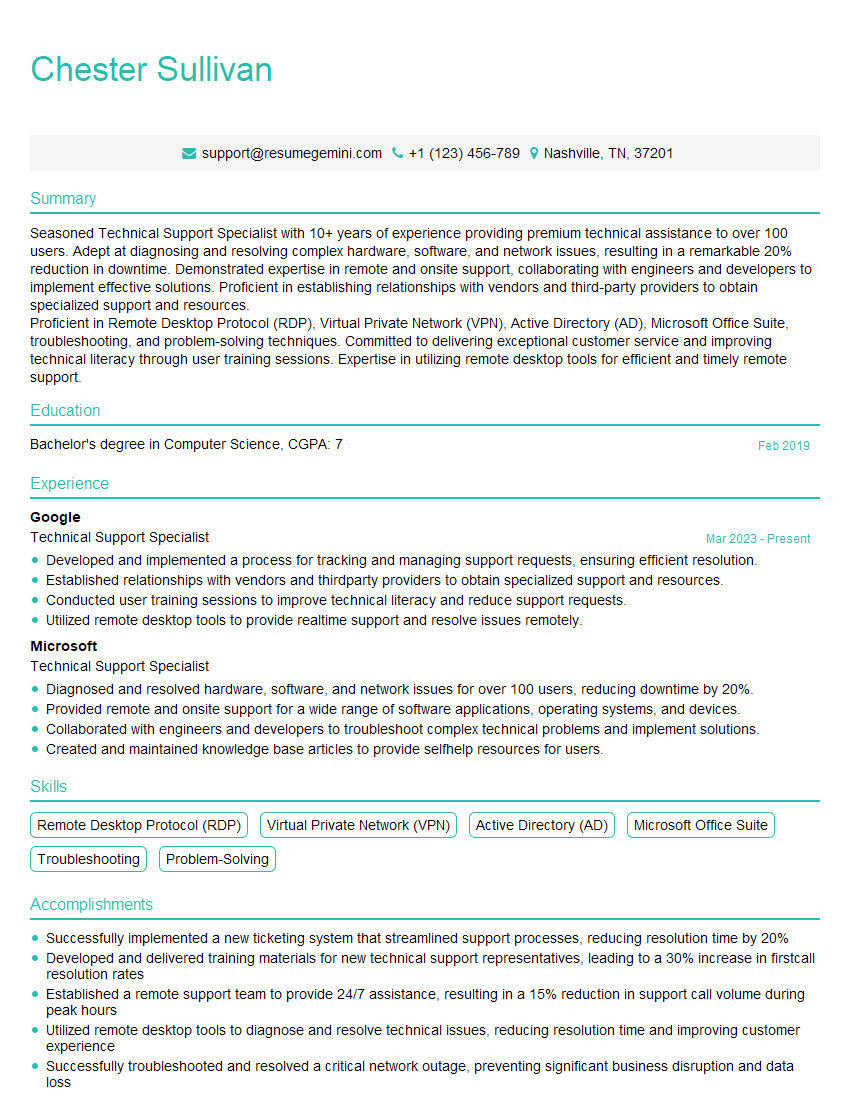
Technical Support Specialist Resume Sample

Integration Engineer Resume Sample
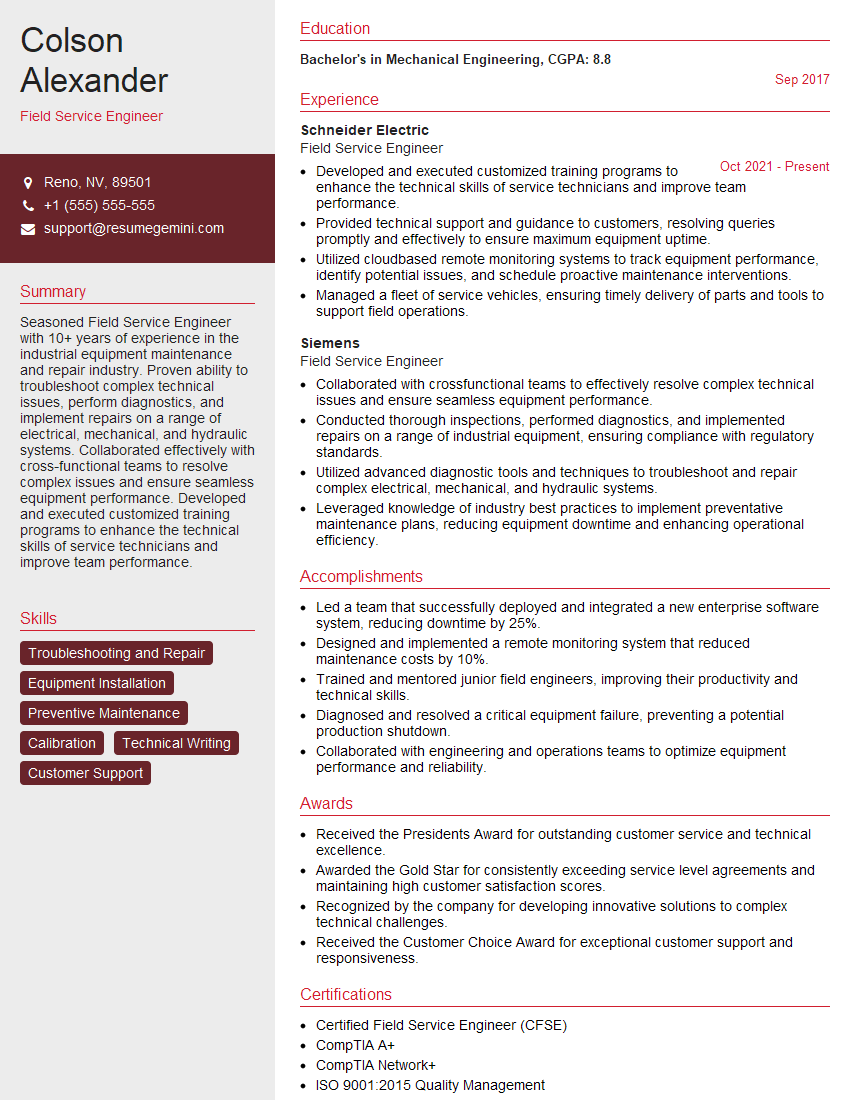
Field Service Engineer Resume Sample
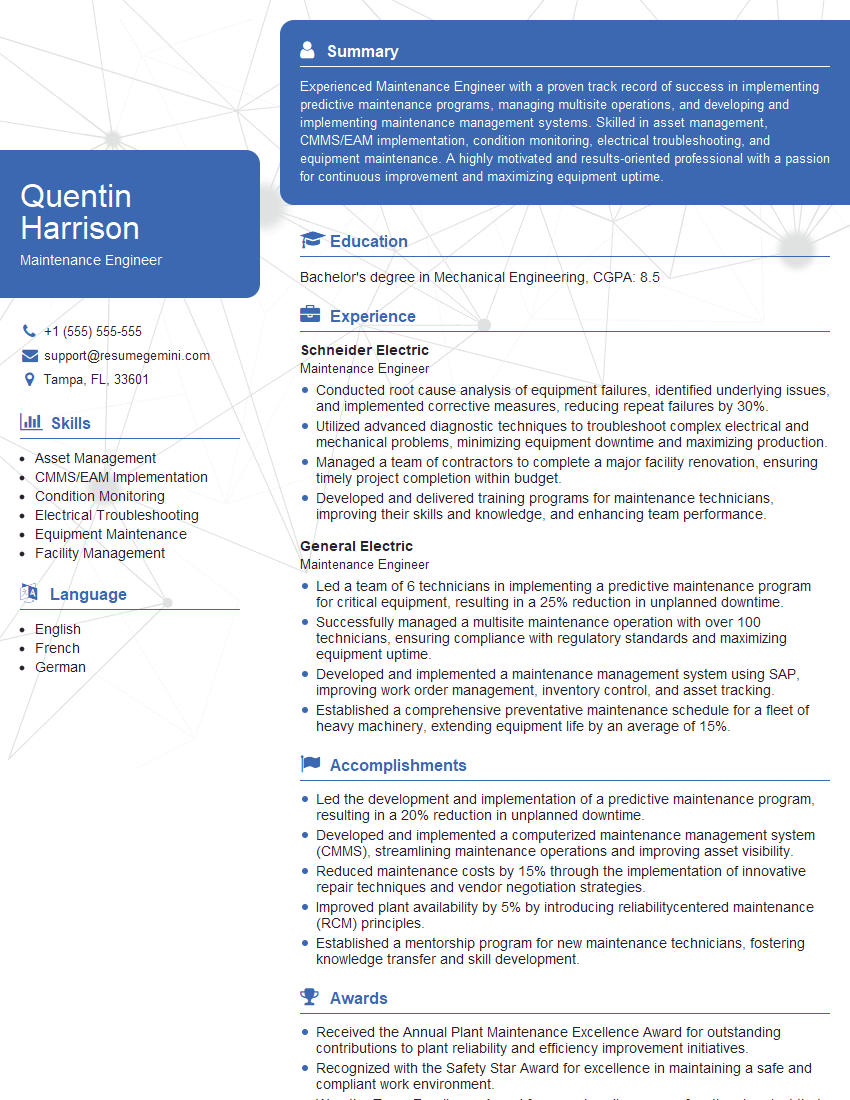
Maintenance Engineer Resume Sample

Electrical Engineer Resume Sample
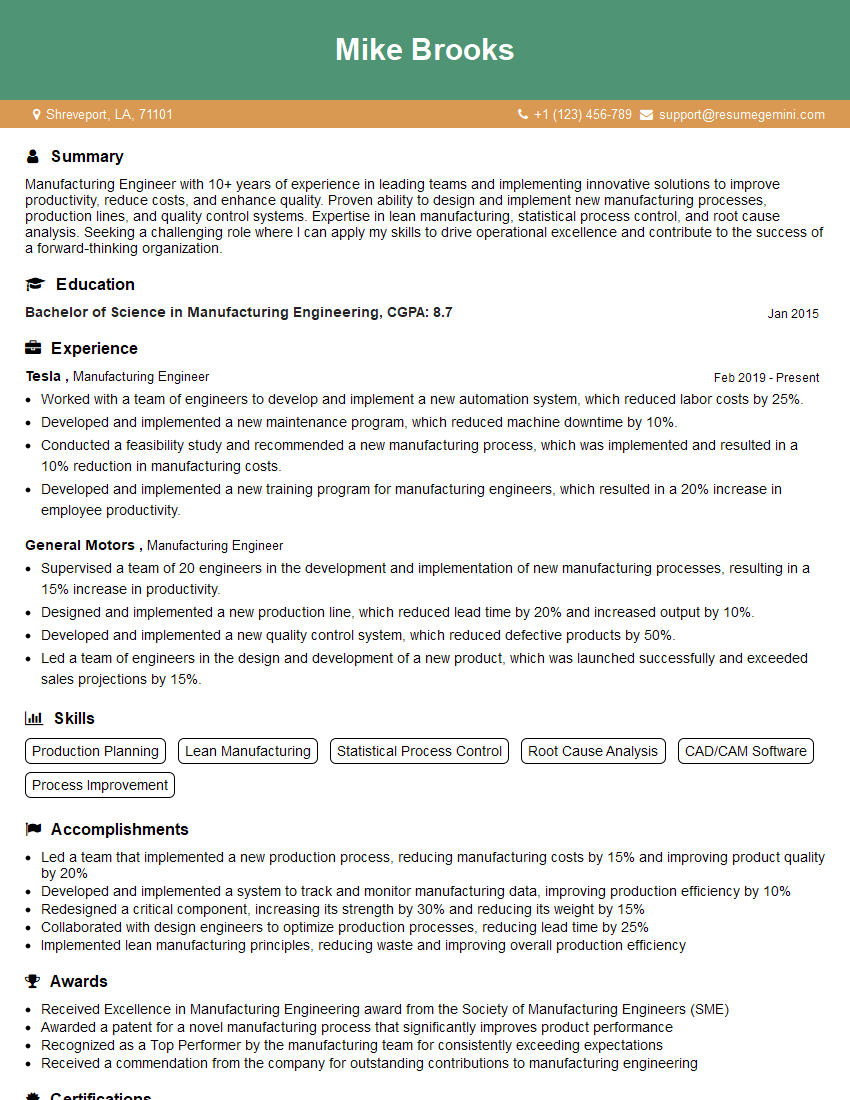
Manufacturing Engineer Resume Sample

Control Systems Engineer Resume Sample

Mechatronics Engineer Resume Sample

Robotics Engineer Resume Sample
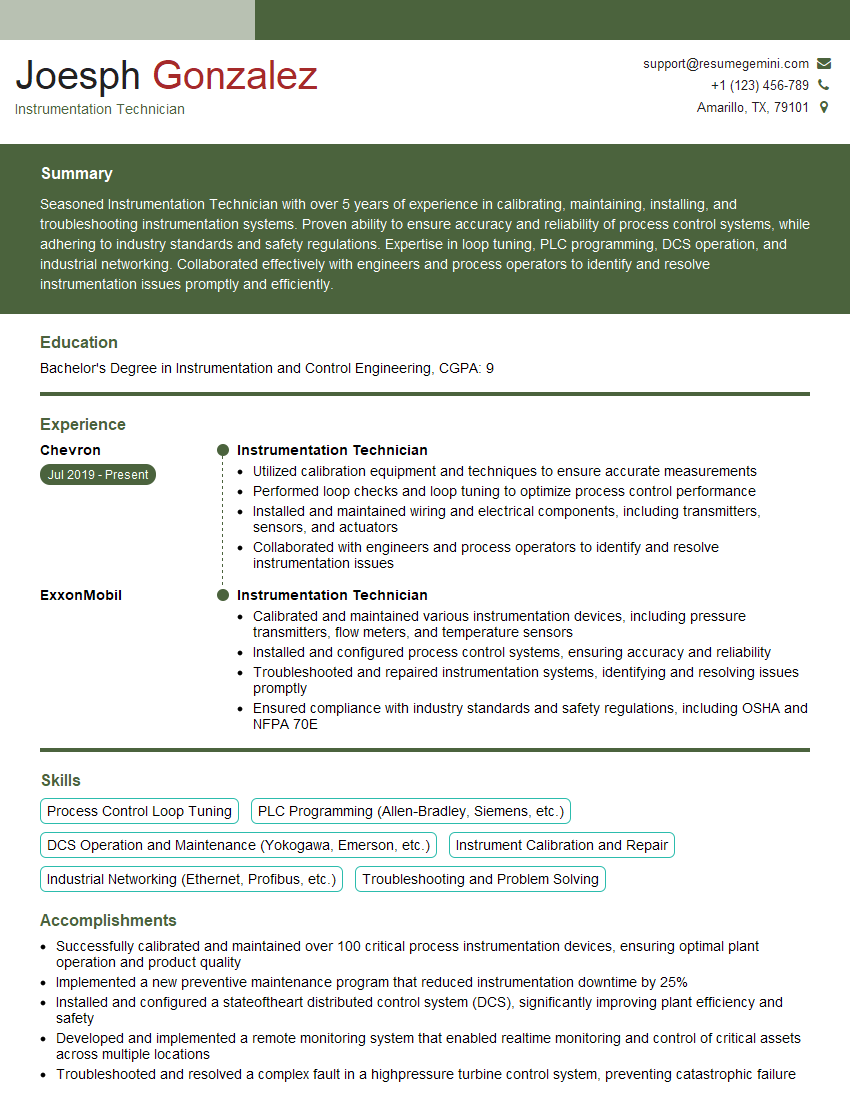
Instrumentation Technician Resume Sample

Control Systems Technician Resume Sample
- Operations Manager
- Plant Manager
- Maintenance Supervisor
- Production Supervisor
- Engineering Manager
- Project Engineer
- Process Engineer
- Automation Engineer
- Technical Support Specialist
- Integration Engineer
- Field Service Engineer
- Maintenance Engineer
- Electrical Engineer
- Manufacturing Engineer
- Control Systems Engineer
- Mechatronics Engineer
- Robotics Engineer
- Instrumentation Technician
- Control Systems Technician
Explore more articles
Users Rating of Our Blogs
Share Your Experience
We value your feedback! Please rate our content and share your thoughts (optional).
What Readers Say About Our Blog
Very informative content, great job.
good