Interviews are more than just a Q&A session—they’re a chance to prove your worth. This blog dives into essential Health and Disease Control interview questions and expert tips to help you align your answers with what hiring managers are looking for. Start preparing to shine!
Questions Asked in Health and Disease Control Interview
Q 1. Explain the epidemiological triad.
The epidemiological triad is a fundamental model used to understand the etiology of infectious diseases. It describes the interaction between three key elements: the agent (the disease-causing organism, like a virus or bacteria), the host (the susceptible individual or population), and the environment (external factors that influence the interaction between agent and host, such as climate, sanitation, and vector presence). Think of it like a three-legged stool – if any leg is weak or missing, the stool (disease transmission) collapses.
For example, consider malaria: the agent is the Plasmodium parasite, the host is a human, and the environment includes the presence of Anopheles mosquitoes (vectors) and suitable breeding grounds for them. Controlling malaria requires addressing all three elements – treating infected individuals (host), eliminating the parasite (agent), and reducing mosquito populations (environment).
Q 2. Describe the different types of epidemiological studies.
Epidemiological studies are broadly classified into two main categories: observational and experimental.
- Observational studies don’t involve intervention; researchers observe and analyze existing data. There are several subtypes:
- Descriptive studies describe the distribution of disease in terms of person, place, and time (e.g., a case report detailing a single instance of a rare disease).
- Analytical studies try to identify risk factors and causes. These include:
- Case-control studies compare individuals with the disease (cases) to those without (controls) to identify risk factors.
- Cohort studies follow a group of individuals over time to observe disease development and identify risk factors.
- Cross-sectional studies measure exposure and disease at a single point in time, offering a snapshot of the relationship between them.
- Experimental studies involve intervention by the researcher, allowing for a stronger inference of causality. The most common type is a randomized controlled trial (RCT), where participants are randomly assigned to an intervention group and a control group to test the effectiveness of a treatment or preventative measure.
Choosing the appropriate study design depends on the research question, available resources, and ethical considerations.
Q 3. What are the key steps in a disease outbreak investigation?
Investigating a disease outbreak involves a systematic approach. Key steps include:
- Confirm the outbreak: Verify the increase in cases is genuine, not just an artifact of improved surveillance.
- Verify the diagnosis: Ensure cases are accurately diagnosed, ruling out similar illnesses.
- Define and count cases: Establish a case definition (criteria for inclusion) and systematically identify cases.
- Describe the cases: Characterize cases according to person (age, sex, occupation), place (geographic location), and time (onset dates) to identify patterns.
- Develop a hypothesis: Based on the descriptive epidemiology, formulate hypotheses about the source and mode of transmission.
- Test the hypothesis: Gather evidence to support or refute hypotheses (e.g., environmental sampling, laboratory testing).
- Implement control measures: Take steps to prevent further spread (e.g., quarantine, vaccination, disinfection).
- Communicate findings: Share results with relevant stakeholders (public health officials, healthcare providers, the community).
- Evaluate control measures: Monitor the effectiveness of implemented strategies.
Each step is crucial and often requires collaboration among various healthcare professionals and agencies.
Q 4. How do you calculate incidence and prevalence rates?
Incidence and prevalence are key measures in epidemiology, describing the frequency of disease in a population.
- Incidence rate measures the number of *new* cases of a disease that occur during a specified period in a defined population. It’s calculated as:
Incidence rate = (Number of new cases during a specific time period / Population at risk during the same time period) x 1000 (or another multiplier for easier interpretation)- Prevalence rate measures the proportion of the population *currently* affected by a disease at a specific point in time or period. It’s calculated as:
Prevalence rate = (Number of existing cases at a specific time / Total population at the same time) x 1000 (or another multiplier)For example, if there were 100 new cases of influenza in a town of 10,000 people over a month, the monthly incidence rate would be 10 per 1000 population. If 200 people had influenza in that town on a particular day, the prevalence rate on that day would be 20 per 1000 population.
Q 5. What are the different levels of disease prevention?
Disease prevention is categorized into three levels:
- Primary prevention aims to prevent disease occurrence before it begins. This includes measures like vaccination, health education, promoting healthy lifestyles (e.g., diet and exercise), and environmental sanitation to reduce exposure to risk factors.
- Secondary prevention aims to detect disease early, at a pre-symptomatic or early symptomatic stage, and initiate treatment to reduce its severity and prevent progression. Examples include screening programs (e.g., mammograms, Pap smears), early diagnosis and treatment of infections, and contact tracing during an outbreak.
- Tertiary prevention aims to reduce the impact of established disease and improve quality of life. This focuses on managing chronic conditions, rehabilitation after injury or illness, and palliative care for individuals with incurable diseases. Examples include cardiac rehabilitation after a heart attack, diabetes management programs, and physical therapy.
A comprehensive approach to public health involves strategies across all three levels.
Q 6. Explain the concept of herd immunity.
Herd immunity (or community immunity) is a form of indirect protection from infectious disease that occurs when a large percentage of a population is immune to an infection, thereby making the spread of the disease from person to person unlikely. Even individuals who aren’t immune are indirectly protected because the disease has difficulty finding susceptible hosts.
This concept is crucial for controlling infectious diseases, especially those for which vaccination is available. The required percentage of the population that needs to be immune to achieve herd immunity varies depending on the disease and its mode of transmission. For example, measles, highly contagious, requires a very high vaccination rate (around 95%) to achieve herd immunity, while other diseases might have lower thresholds.
However, herd immunity is not a guarantee of complete protection. It’s essential to remember that vulnerable populations (e.g., immunocompromised individuals) may still be at risk even in highly immunized communities.
Q 7. What are the challenges in controlling infectious diseases?
Controlling infectious diseases presents numerous challenges:
- Emergence of drug-resistant pathogens: The overuse and misuse of antibiotics and antivirals are leading to the emergence of drug-resistant strains, making infections harder to treat.
- Global travel and trade: Rapid international travel and trade facilitate the quick spread of infectious diseases across geographical boundaries, making containment difficult.
- Climate change: Changing climate patterns can expand the geographic range of disease vectors, such as mosquitoes, increasing the risk of infections like malaria and dengue fever.
- Poverty and inequality: Poverty, inadequate sanitation, and limited access to healthcare contribute to higher rates of infectious diseases and make control measures more challenging to implement.
- Vaccine hesitancy: Misinformation and distrust in vaccines can lead to lower vaccination rates, hindering the achievement of herd immunity.
- Lack of resources: Insufficient funding and infrastructure in many parts of the world limit the ability to implement effective surveillance, prevention, and control programs.
Addressing these challenges requires a multi-pronged approach, including improved surveillance systems, responsible antibiotic use, development of new drugs and vaccines, public health education, and international collaboration.
Q 8. Describe different methods of disease surveillance.
Disease surveillance is the ongoing, systematic collection, analysis, interpretation, and dissemination of data regarding the health of a population. It’s like a detective constantly monitoring a city for signs of trouble, allowing us to identify outbreaks early and prevent widespread harm. There are several methods employed:
- Passive Surveillance: This is like having neighborhood watch groups reporting incidents. Healthcare providers report cases of notifiable diseases (e.g., measles, influenza) to local health departments. It’s relatively inexpensive but might miss less obvious or under-reported cases.
- Active Surveillance: This is more like a police investigation – actively seeking out cases. Public health officials directly contact healthcare facilities and conduct surveys to identify cases, even those not typically reported. It’s more resource-intensive but offers more comprehensive data.
- Sentinel Surveillance: This focuses on specific groups or locations, like monitoring influenza cases in a select group of doctors’ offices. It’s useful for detecting early warning signs of an outbreak or assessing the effectiveness of interventions in a particular population.
- Syndromic Surveillance: This uses data from various sources, such as emergency room visits, pharmacy sales of over-the-counter medications, and school absenteeism, to identify patterns that may indicate an outbreak before official diagnoses are available. This is like using social media trends to gauge public sentiment, but in the health arena.
- Laboratory-based Surveillance: This involves monitoring laboratory data, such as the number of positive tests for specific pathogens, to track the prevalence of diseases. This offers a more objective measure of disease spread.
Choosing the right method often depends on the disease, resources available, and the goals of the surveillance system. A multi-pronged approach, combining several methods, is often the most effective.
Q 9. How do you assess the effectiveness of a public health intervention?
Assessing the effectiveness of a public health intervention requires a robust evaluation plan. It’s not enough to just implement a program; we need to measure its impact. This usually involves a comparison between a group that receives the intervention and a control group that doesn’t.
We can use various methods:
- Quantitative methods: These involve measuring changes in numerical data, such as the incidence rate of a disease before and after the intervention. For example, if we implement a handwashing campaign to reduce the incidence of diarrhea in schools, we compare the rates of diarrhea in the intervention schools against similar schools without the campaign.
- Qualitative methods: These methods provide in-depth understanding of peoples’ experiences and perspectives. This might include interviews with community members or focus groups to gather feedback on the intervention’s acceptability and impact on health behaviors.
- Cost-effectiveness analysis: This evaluates the cost of the intervention in relation to the health benefits achieved. This helps to determine whether the intervention is a worthwhile investment of resources.
A well-designed evaluation should consider factors like the target population, intervention design, and potential confounding variables. Statistical analysis is often crucial to determine the significance of observed changes and to adjust for these confounders.
For example, consider a vaccination campaign. We would compare the vaccination rates and incidence of the targeted disease in the vaccinated group versus a control group. A rigorous evaluation might also account for factors like age, socioeconomic status, and underlying health conditions.
Q 10. What are the ethical considerations in public health practice?
Ethical considerations in public health are paramount. Our interventions often involve individual liberties and societal well-being, necessitating careful consideration of values and principles. Key ethical considerations include:
- Beneficence and Non-maleficence: We must act in the best interests of the population while minimizing harm. This means weighing the benefits of an intervention against potential risks.
- Justice and Equity: Interventions must be fair and equitable, ensuring that all segments of the population have access to needed services. We cannot disproportionately impact vulnerable populations.
- Respect for Persons: We must respect individual autonomy and privacy. This means providing informed consent for interventions and protecting sensitive health information.
- Transparency and Accountability: Public health decisions should be transparent and accountable to the public. This builds trust and encourages community participation.
- Privacy and Confidentiality: Protecting individual privacy and the confidentiality of health data is critical. This requires careful data management and adherence to ethical guidelines and regulations.
A classic example involves mandatory vaccination programs. While beneficial for public health, they can raise concerns about individual autonomy and potential adverse effects. A careful balance needs to be struck, weighing societal benefits against individual rights. Often, this involves robust public education campaigns and careful consideration of exemptions.
Q 11. Explain the importance of data analysis in disease control.
Data analysis is the backbone of disease control. It allows us to understand patterns of disease, identify risk factors, evaluate interventions, and predict future outbreaks. Without data analysis, our efforts would be largely unguided.
Here are some key applications:
- Identifying disease trends: Analyzing data on disease incidence and prevalence helps us track outbreaks, identify high-risk populations, and monitor the effectiveness of control measures.
- Risk factor identification: Statistical methods like regression analysis allow us to determine the association between certain exposures (e.g., smoking, diet) and disease risk, informing preventive strategies.
- Intervention evaluation: Data analysis is crucial for assessing the effectiveness of interventions, such as vaccination campaigns or public health education programs.
- Outbreak investigation: In the event of an outbreak, data analysis helps us determine the source, spread, and severity of the outbreak, guiding containment efforts.
- Resource allocation: Data analysis helps to determine resource allocation for disease prevention and control activities, optimizing impact.
For instance, if we see a spike in hospital admissions for respiratory illnesses in a particular region, data analysis can reveal if it’s a novel strain of influenza or a seasonal surge, guiding appropriate responses.
Q 12. Describe your experience with statistical software (e.g., R, SAS, SPSS).
I have extensive experience with various statistical software packages, including R, SAS, and SPSS. My proficiency extends beyond basic data manipulation and includes advanced statistical modeling and visualization techniques.
In R, I am comfortable using packages like ggplot2 for data visualization, dplyr for data manipulation, and survival for survival analysis. I frequently use glm() for generalized linear models and lme4 for mixed-effects models to analyze epidemiological data.
In SAS, I am proficient in PROC FREQ, PROC MEANS, PROC GLM, and PROC REG for analyzing descriptive statistics and fitting various regression models. I have also used SAS to manage large datasets and create reports.
With SPSS, I have experience conducting descriptive statistics, t-tests, ANOVA, and regression analysis. I’ve used it for surveys analysis and data exploration.
My choice of software often depends on the specific research question, data structure, and project requirements. I am adept at choosing the most appropriate tools to ensure accurate and efficient analysis.
Q 13. How do you communicate complex health information to the public?
Communicating complex health information to the public requires careful consideration of the audience, the message, and the channel of communication. My approach centers on simplification and personalization.
I use the following strategies:
- Plain language: I avoid technical jargon and use simple, everyday language that is easy for the public to understand.
- Storytelling: I use real-life stories and examples to make the information relatable and memorable.
- Visual aids: I utilize infographics, charts, and videos to present information in an engaging and accessible manner.
- Multiple channels: I utilize various communication channels, such as social media, websites, and community events, to reach the widest possible audience.
- Tailoring the message: I adjust the message to meet the needs and understanding of specific target audiences (e.g., using different language for children versus adults).
- Feedback mechanisms: I incorporate mechanisms for feedback from the public to evaluate the effectiveness of communication efforts and make necessary adjustments.
For example, instead of explaining the intricacies of disease transmission, I might use an analogy like a chain reaction, emphasizing the importance of breaking the chain to prevent spread. Using visuals to depict this concept further improves understanding.
Q 14. What are the key elements of a successful health communication campaign?
A successful health communication campaign requires a multi-faceted approach focusing on several key elements:
- Clear Objectives: Defining clear, measurable, achievable, relevant, and time-bound (SMART) objectives is crucial. What do we want the public to know, believe, or do as a result of the campaign?
- Target Audience: Understanding the target audience’s characteristics, needs, and communication preferences is crucial for tailoring messages effectively.
- Compelling Message: The message should be simple, memorable, and emotionally resonant. It should address the audience’s concerns and offer practical solutions.
- Multiple Channels: Utilizing a mix of communication channels (social media, TV, radio, print, community events) to maximize reach and engagement.
- Community Engagement: Involving community leaders and trusted figures in the campaign can build trust and increase credibility.
- Evaluation and Monitoring: Tracking campaign reach, engagement, and impact using appropriate metrics is crucial for evaluating success and making adjustments.
- Sustainability: Building long-term capacity for health communication within the community is essential for sustained positive impacts.
For example, a campaign promoting handwashing could use catchy jingles on radio, informative videos on social media, and engaging workshops in schools to reach different audiences effectively. Ongoing monitoring would then track changes in handwashing behavior to evaluate the campaign’s impact.
Q 15. Explain the role of risk assessment in disease control.
Risk assessment is the cornerstone of effective disease control. It’s a systematic process of identifying, analyzing, and evaluating the likelihood and potential severity of adverse health events. Think of it as a preemptive strike against disease outbreaks. We meticulously examine factors that influence the spread of disease – things like the agent’s virulence (how harmful it is), the number of susceptible individuals, the mode of transmission (airborne, contact, etc.), and environmental conditions.
For example, during a flu season, we would assess the circulating strains’ virulence, the vaccination rate, and the population’s overall immunity to determine the potential impact. This data informs resource allocation and intervention strategies. A high risk assessment might lead to increased surveillance, public health messaging, or even the distribution of antiviral medications. Conversely, a low-risk assessment might signify that routine surveillance is sufficient.
- Identifying Hazards: Pinpointing specific diseases or threats.
- Analyzing Risk: Determining the probability of occurrence and potential consequences.
- Evaluating Risk: Weighing the likelihood and severity to prioritize interventions.
- Risk Communication: Effectively conveying risk information to relevant stakeholders.
Career Expert Tips:
- Ace those interviews! Prepare effectively by reviewing the Top 50 Most Common Interview Questions on ResumeGemini.
- Navigate your job search with confidence! Explore a wide range of Career Tips on ResumeGemini. Learn about common challenges and recommendations to overcome them.
- Craft the perfect resume! Master the Art of Resume Writing with ResumeGemini’s guide. Showcase your unique qualifications and achievements effectively.
- Don’t miss out on holiday savings! Build your dream resume with ResumeGemini’s ATS optimized templates.
Q 16. How do you prioritize public health interventions based on limited resources?
Prioritizing public health interventions with limited resources requires a strategic approach. We often use frameworks like the ‘Cost-Effectiveness Analysis’ to compare different interventions. This involves calculating the cost per life saved or disability-adjusted life year (DALY) averted for each intervention. We also consider factors such as the potential impact, feasibility, and equity implications.
Imagine we’re combating an opioid crisis. We might use a decision-making matrix to weigh the effectiveness of various interventions, such as expanding addiction treatment centers versus increasing law enforcement efforts. The matrix would consider factors like cost, effectiveness in reducing overdose deaths, and its impact on different populations (considering geographical disparities and socioeconomic factors). We’d prioritize the interventions that yield the greatest health benefits per dollar spent and address the highest burden of disease.
Furthermore, we often use a data-driven approach, examining epidemiological data to pinpoint the most pressing health needs of the population. It’s about finding the sweet spot where we maximize positive health outcomes within budget constraints.
Q 17. Describe your experience with health policy development or implementation.
I have extensive experience in health policy development and implementation, particularly in the area of infectious disease control. During a recent outbreak of a novel virus, I was instrumental in developing and implementing a comprehensive public health response strategy. This involved drafting policy recommendations on isolation protocols, contact tracing, and community testing strategies. My role included collaborating with various stakeholders such as public health officials, healthcare providers, and government agencies to ensure policy alignment and effective implementation. We had to navigate legal, ethical and logistical challenges to ensure the timely rollout of these policies, which involved significant adaptation and refinement as we gathered more data throughout the outbreak.
A key success was the swift adoption of our contact tracing strategy, resulting in a significant reduction in transmission rates within the first two months of the outbreak. This involved not just writing the policy, but working with communities to provide education, address misinformation and build trust. I am a strong proponent of evidence-based policy making, ensuring the policies are backed by data and regularly evaluated for effectiveness.
Q 18. What is your understanding of health disparities and health equity?
Health disparities refer to the preventable differences in the burden of disease, injury, violence, or opportunities to achieve optimal health that are experienced by socially disadvantaged populations. Health equity, on the other hand, is the absence of avoidable, unfair, or remediable differences among groups of people, whether those groups are defined socially, economically, demographically, or geographically. It’s about ensuring everyone has a fair and just opportunity to be healthy.
For instance, we frequently observe disparities in access to healthcare, quality of care, and health outcomes between different racial and ethnic groups, socioeconomic classes, and geographic locations. These disparities often stem from systemic inequities in factors such as education, housing, employment, and environmental exposures. Addressing health disparities requires dismantling these systemic barriers to create a more equitable and just health system.
Q 19. How do you address health disparities in your work?
Addressing health disparities requires a multi-pronged approach. In my work, I focus on community engagement, culturally sensitive health interventions, and addressing the root causes of inequities. For instance, in a project addressing high rates of diabetes in a low-income community, we didn’t just focus on providing clinical care. We also implemented community-based education programs tailored to the specific cultural norms and needs of that population. These programs focused on health literacy, nutrition education, and physical activity promotion. Further, we advocated for policies that increase access to affordable healthy food options within the community and improve access to safe spaces for physical activity.
Data is key. We systematically track health outcomes by different demographics to identify disparities and measure the impact of our interventions. This data informs policy recommendations and resource allocation decisions, ensuring that our efforts are targeted and effective.
Q 20. Explain the importance of collaboration in public health.
Collaboration is absolutely essential in public health. Public health issues are complex and rarely confined to a single sector. Effective disease control requires the concerted effort of diverse stakeholders including healthcare providers, researchers, policymakers, community leaders, and the public itself. Collaboration enhances our ability to share information, resources, and expertise to create impactful, sustainable solutions.
Think of a pandemic response: effective collaboration between epidemiologists, healthcare professionals, communication specialists, and government officials is paramount to rapidly control the spread of disease and mitigate its impact. Each stakeholder brings a unique perspective and skillset that contributes to the overall success of the response.
Q 21. Describe your experience working in a multidisciplinary team.
I have extensive experience working in multidisciplinary teams, particularly in outbreak investigations and public health program development. In one instance, I worked with a team comprising epidemiologists, clinicians, laboratory scientists, and communication specialists to investigate a foodborne illness outbreak. The diversity of expertise allowed for a thorough investigation that effectively identified the source of the outbreak, prevented further illness, and shaped improved food safety regulations.
Effective communication and shared decision-making were crucial to our success. We established clear roles and responsibilities, utilized regular team meetings to discuss progress, and employed transparent communication channels to share information with all relevant stakeholders. My role involved coordinating activities, integrating findings from different disciplines, and translating complex scientific information into actionable recommendations. The collaborative environment fostered trust, mutual respect, and facilitated efficient problem-solving.
Q 22. How do you handle conflicting priorities or competing demands in your work?
Prioritization is crucial in public health, where resources are often limited and demands are numerous. I approach conflicting priorities using a structured framework. First, I clearly define all competing demands, outlining their urgency and impact. Then, I employ a matrix, ranking each task based on urgency (immediate, short-term, long-term) and importance (critical, high, medium, low). This allows for a visual representation, enabling strategic allocation of resources and my time. For example, during a flu season, while long-term planning for future pandemics is important, immediate attention must be given to managing the current outbreak. This matrix helps ensure critical tasks receive prompt attention while less urgent, yet still important, tasks are scheduled effectively. Finally, I regularly review and adjust the prioritization matrix as new information or circumstances arise.
Q 23. Describe your experience with outbreak response and management.
My experience in outbreak response includes leading teams during a significant measles outbreak in a rural community. Our response followed established protocols: rapid case identification through active surveillance, contact tracing utilizing digital mapping tools, and implementation of targeted vaccination campaigns. We faced challenges like limited healthcare infrastructure and vaccine hesitancy, which were addressed through community engagement and collaborative efforts with local leaders. We utilized data analytics to identify high-risk areas and allocate resources effectively. The outbreak was successfully contained within three months, significantly reducing the infection rate and demonstrating the efficacy of a multi-faceted approach. A key learning was the importance of clear, consistent, and culturally sensitive communication with the affected community to foster trust and cooperation.
Q 24. What are the key challenges in global health?
Global health faces numerous interconnected challenges. One significant challenge is the inequitable distribution of healthcare resources, creating disparities in access to essential services and preventative care. This is exacerbated by factors like poverty, conflict, and climate change. Another critical challenge is the emergence and rapid spread of infectious diseases, particularly antibiotic-resistant bacteria and novel viruses. The interconnectedness of the global community means an outbreak anywhere can quickly become a global crisis. Addressing these challenges requires strengthening health systems in low-resource settings, promoting global cooperation and collaboration on research and development, and investing in surveillance and preparedness. Furthermore, tackling climate change and its impact on health is essential. These issues are intertwined; solutions must be holistic and address the root causes of health inequities.
Q 25. How do you stay up-to-date on current trends and best practices in public health?
Staying current in public health requires a multifaceted approach. I actively participate in professional organizations such as the CDC and WHO, attending conferences and webinars to learn about emerging trends and best practices. I subscribe to reputable journals like the Lancet and the New England Journal of Medicine, ensuring continuous access to peer-reviewed research and cutting-edge findings. Furthermore, I regularly engage with online resources like the WHO website and utilize online databases such as PubMed to access the latest research. Keeping up-to-date involves a commitment to lifelong learning and a proactive approach to accessing relevant information.
Q 26. What are your strengths and weaknesses in this field?
My strengths lie in my analytical and problem-solving skills, combined with my strong communication and leadership abilities. I excel at translating complex data into actionable insights and building consensus among diverse stakeholders. A weakness, which I am actively working to improve, is delegation. I have a tendency to take on too much responsibility, but I am consciously learning to trust and empower my team members, allowing them to grow their expertise while optimizing efficiency.
Q 27. How do you approach problem-solving in complex public health situations?
In complex public health situations, my problem-solving approach is systematic. I begin by defining the problem clearly, gathering comprehensive data through surveillance and stakeholder consultation. Next, I analyze the data, identifying root causes and potential contributing factors. I develop several possible solutions, assessing their feasibility, costs, and potential impacts. Finally, I select the most effective and ethically sound solution, implementing it with continuous monitoring and evaluation. This iterative process allows for adjustments and refinements based on real-time feedback and emerging data. For instance, during an outbreak, initially focusing on rapid containment might be necessary, but later shifting focus to long-term prevention and community education could be vital.
Q 28. Describe a time you had to make a difficult decision related to public health.
During a significant foodborne illness outbreak, I faced a difficult decision regarding resource allocation. We had limited testing kits, forcing a choice between prioritizing widespread screening with less precise tests or targeted testing on a smaller population with more accurate but limited tests. After careful consideration, weighing ethical concerns and potential public health consequences, we chose targeted testing. This approach allowed for quicker identification of the source of the outbreak, enabling rapid intervention and preventing further spread, even though it meant a slower overall testing pace. While this decision was difficult, post-outbreak analysis confirmed its effectiveness in controlling the situation.
Key Topics to Learn for Health and Disease Control Interview
- Epidemiology: Understanding disease transmission, outbreak investigation, surveillance methods, and data analysis techniques. Practical application: Designing and implementing a public health intervention to control a disease outbreak.
- Public Health Policy and Law: Knowledge of relevant regulations, ethical considerations, and policy development processes. Practical application: Analyzing the impact of a new health policy on a vulnerable population.
- Disease Surveillance and Prevention: Mastering techniques for monitoring disease trends, predicting outbreaks, and implementing preventative measures. Practical application: Developing a risk assessment strategy for a specific infectious disease.
- Health Communication and Education: Effective strategies for disseminating health information to diverse communities. Practical application: Designing a public health campaign to promote vaccination uptake.
- Data Analysis and Interpretation: Proficiency in using statistical software and interpreting epidemiological data to inform decision-making. Practical application: Analyzing mortality rates and identifying contributing factors.
- Global Health Issues: Understanding international health challenges, such as infectious disease outbreaks and health disparities. Practical application: Developing a plan to address a global health crisis.
- Environmental Health: The impact of environmental factors on public health, including water quality, air pollution, and climate change. Practical application: Assessing environmental risk factors related to a specific health outcome.
- Health Informatics and Technology: Utilizing technology and data management systems for improved public health outcomes. Practical application: Implementing a new electronic health record system for a public health agency.
Next Steps
Mastering Health and Disease Control principles is crucial for a successful and impactful career in public health. It opens doors to diverse and rewarding opportunities, allowing you to make a real difference in people’s lives. To maximize your job prospects, it’s vital to present your skills and experience effectively. Creating an ATS-friendly resume is key to getting your application noticed by employers. We strongly recommend using ResumeGemini to build a professional and compelling resume that highlights your qualifications. ResumeGemini provides helpful tools and resources, including examples of resumes tailored to Health and Disease Control, to help you stand out from the competition.
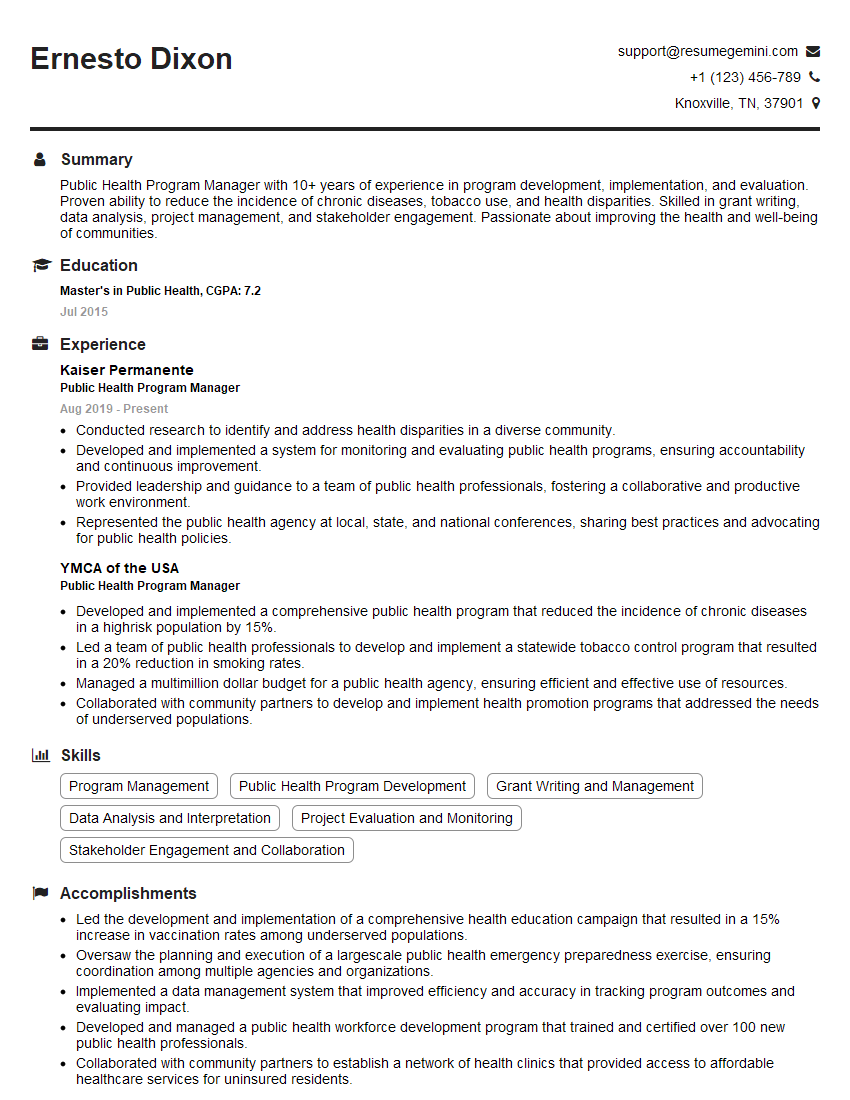
Public Health Program Manager Resume Sample
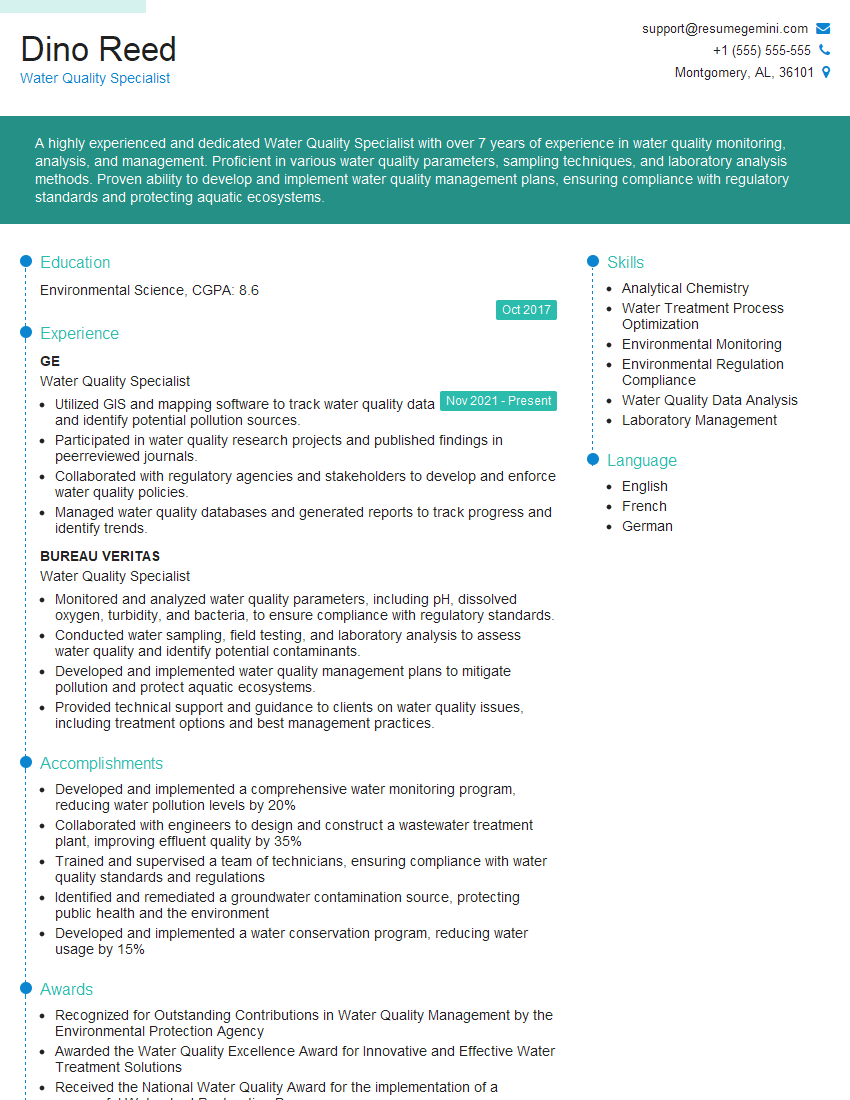
Water Quality Specialist Resume Sample
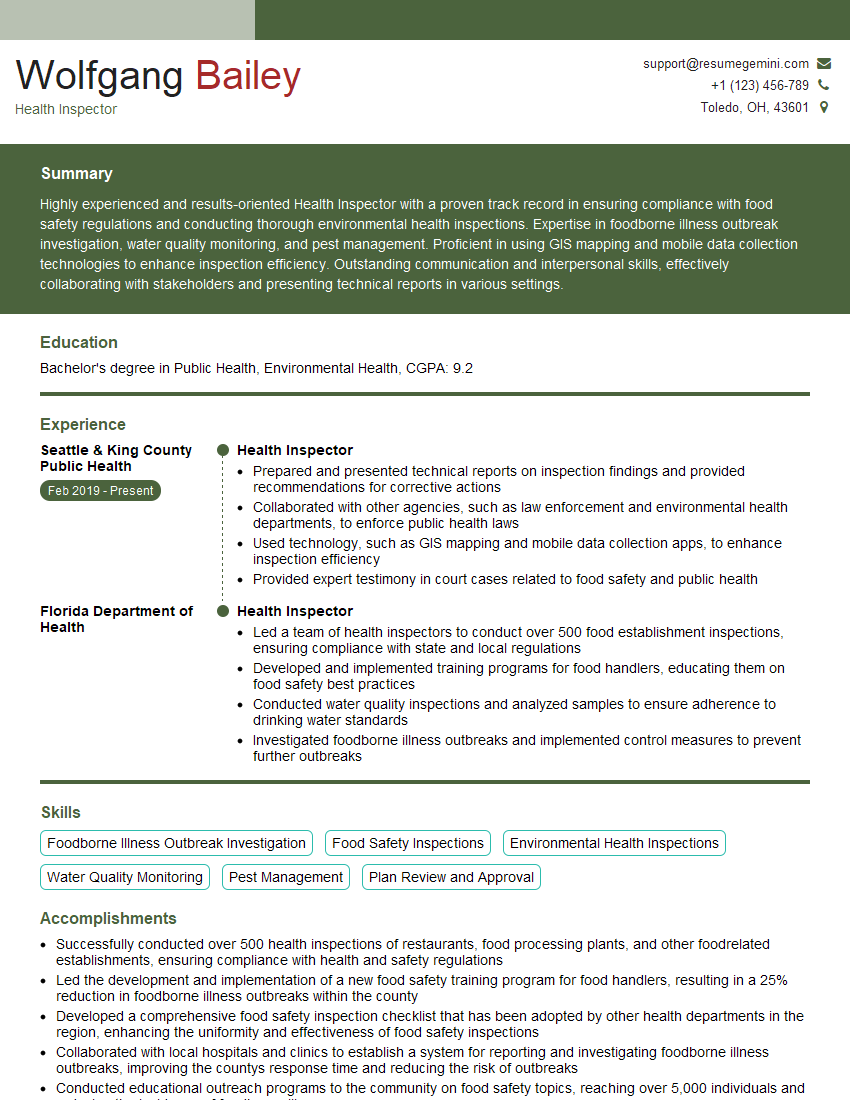
Health Inspector Resume Sample
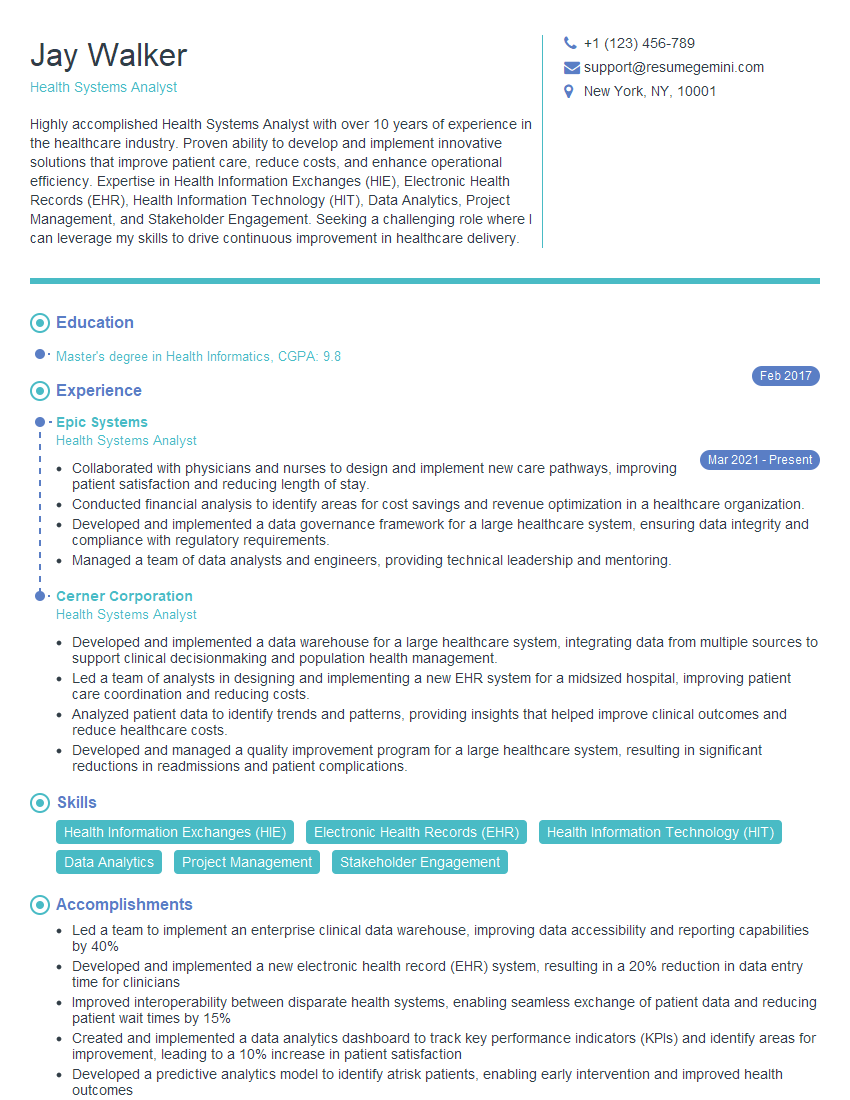
Health Systems Analyst Resume Sample
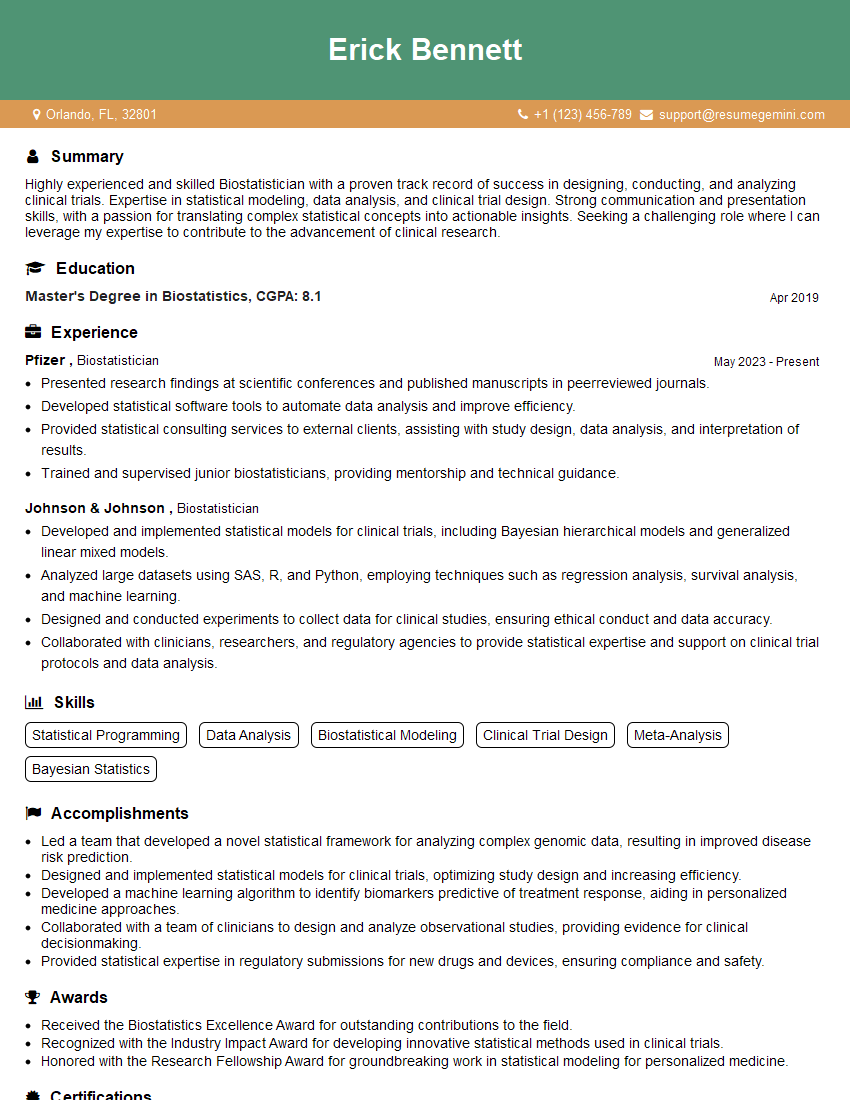
Biostatistician Resume Sample
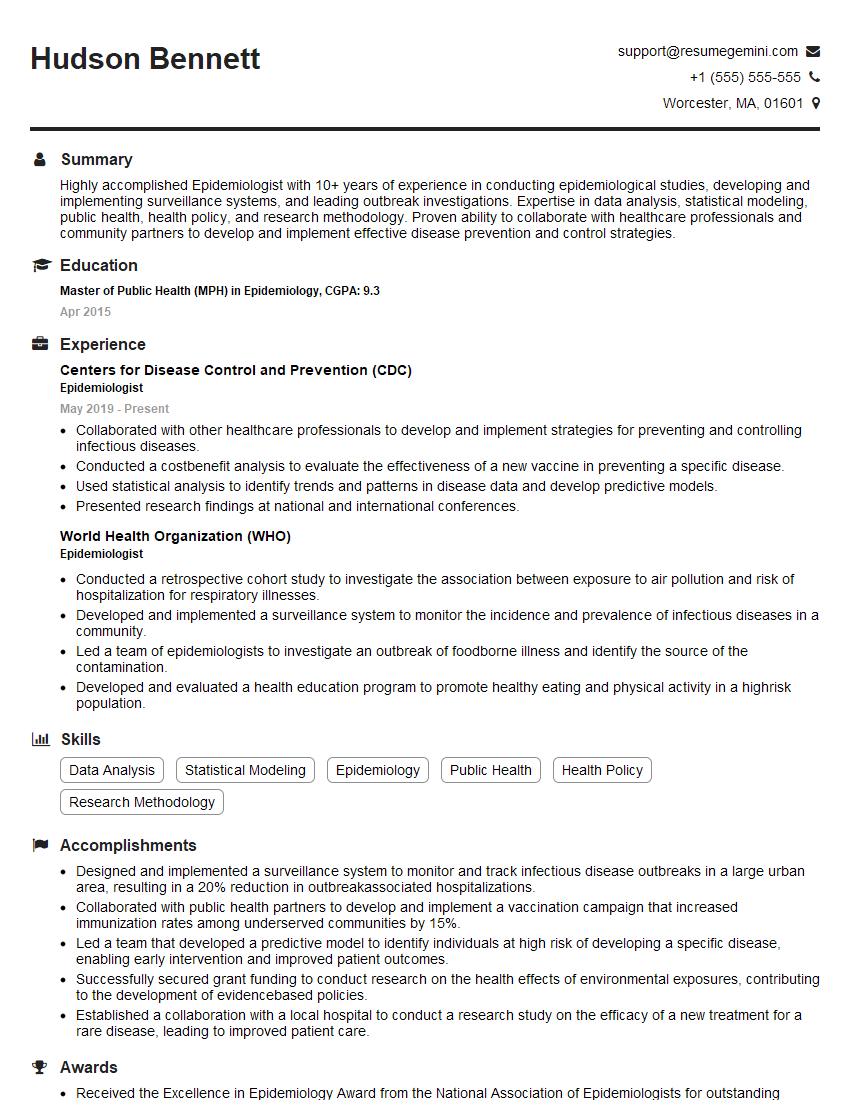
Epidemiologist Resume Sample
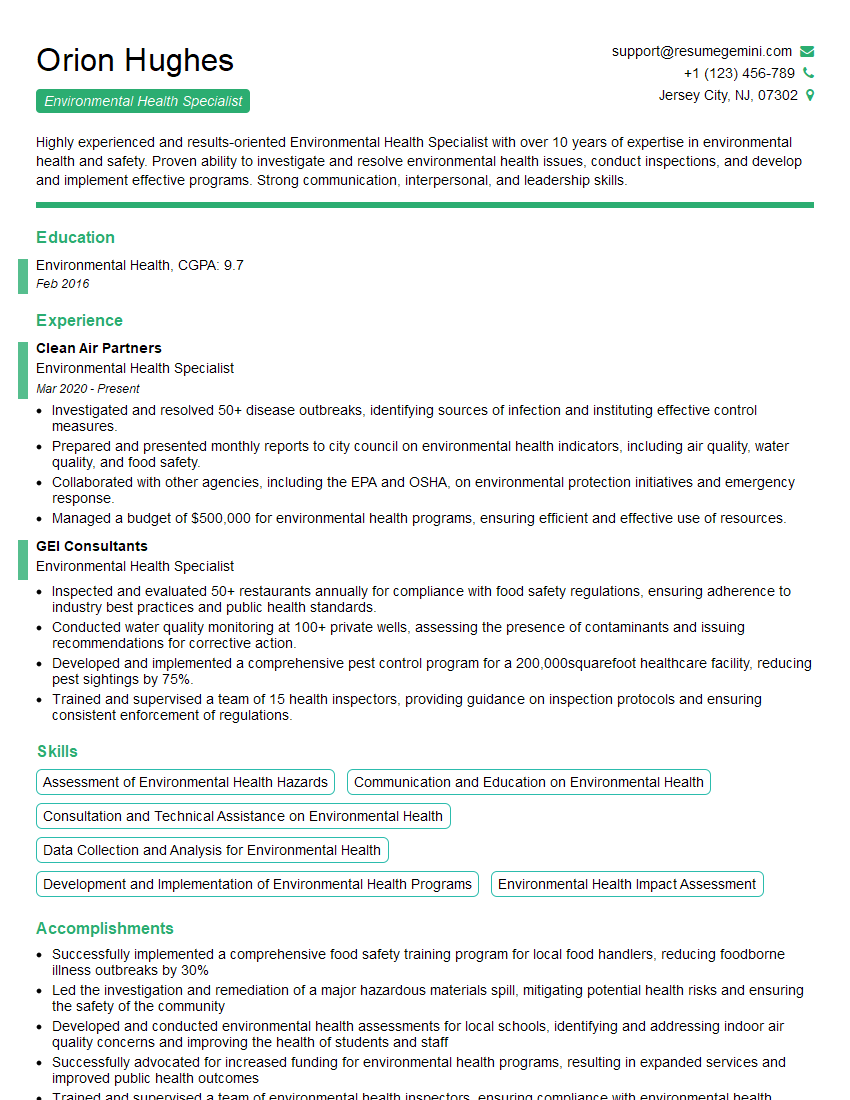
Environmental Health Specialist Resume Sample
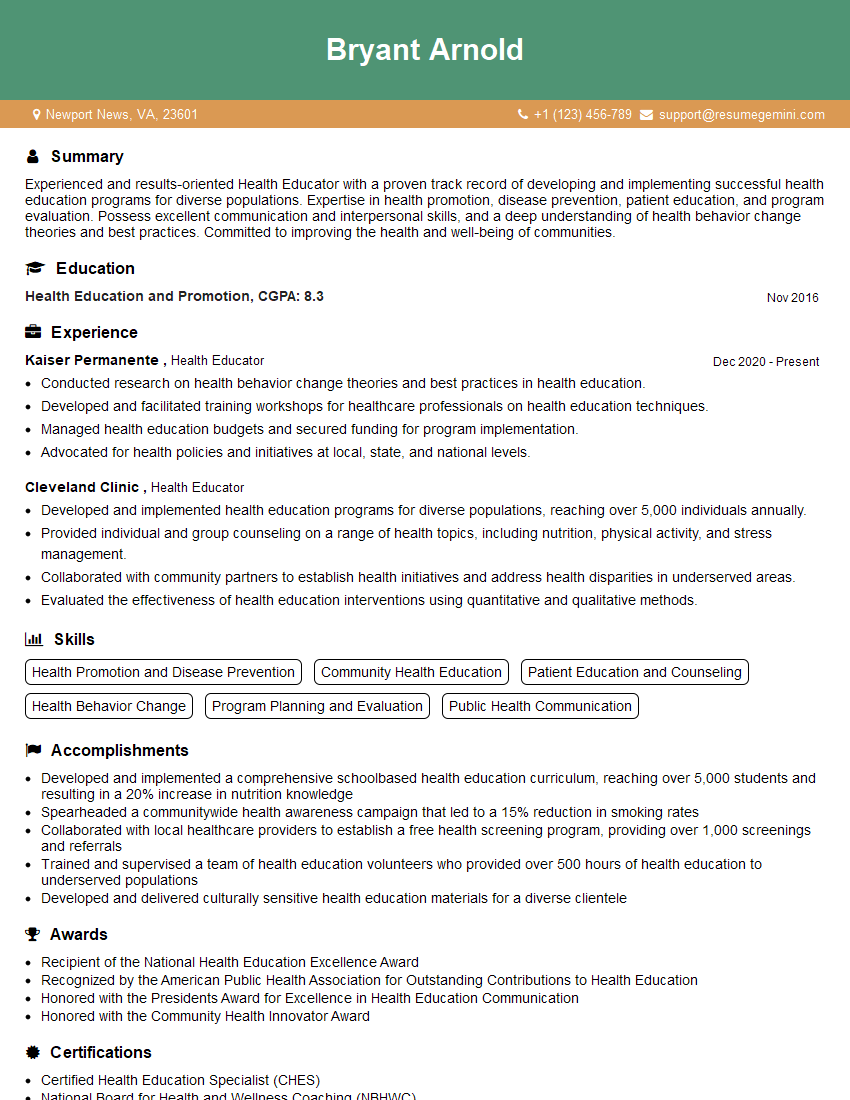
Health Educator Resume Sample
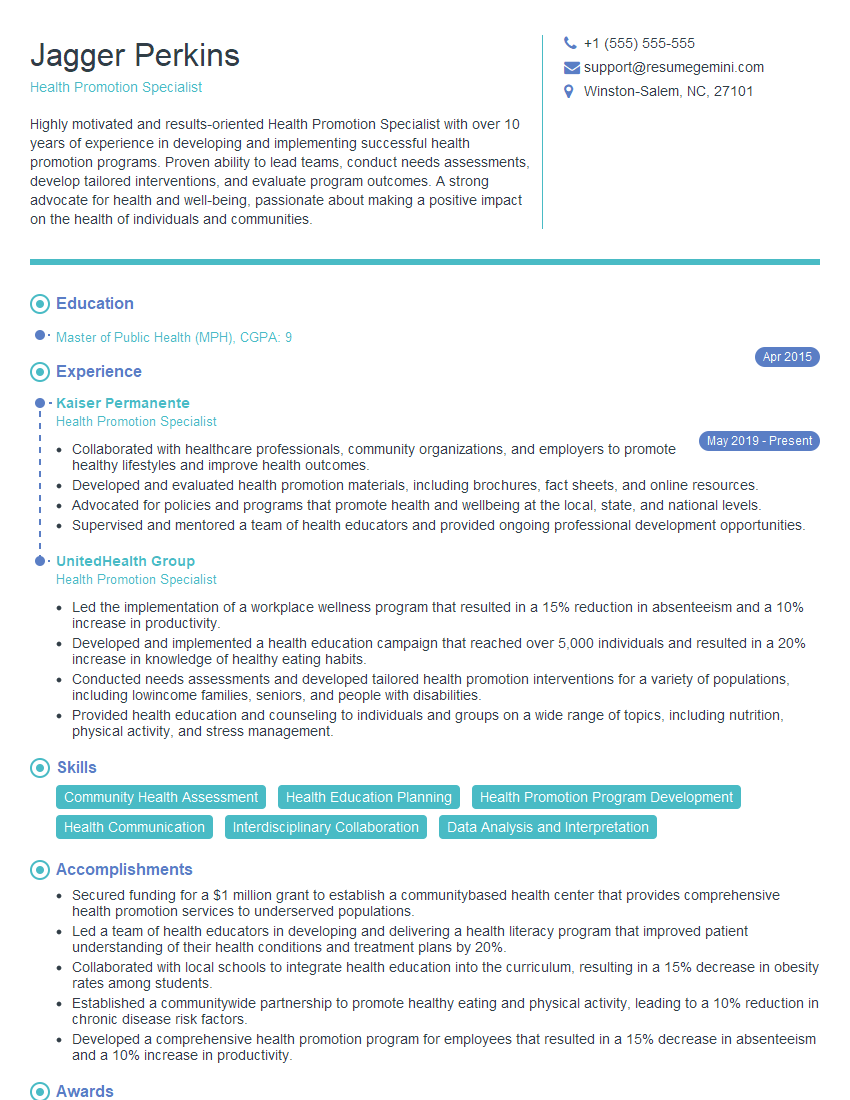
Health Promotion Specialist Resume Sample
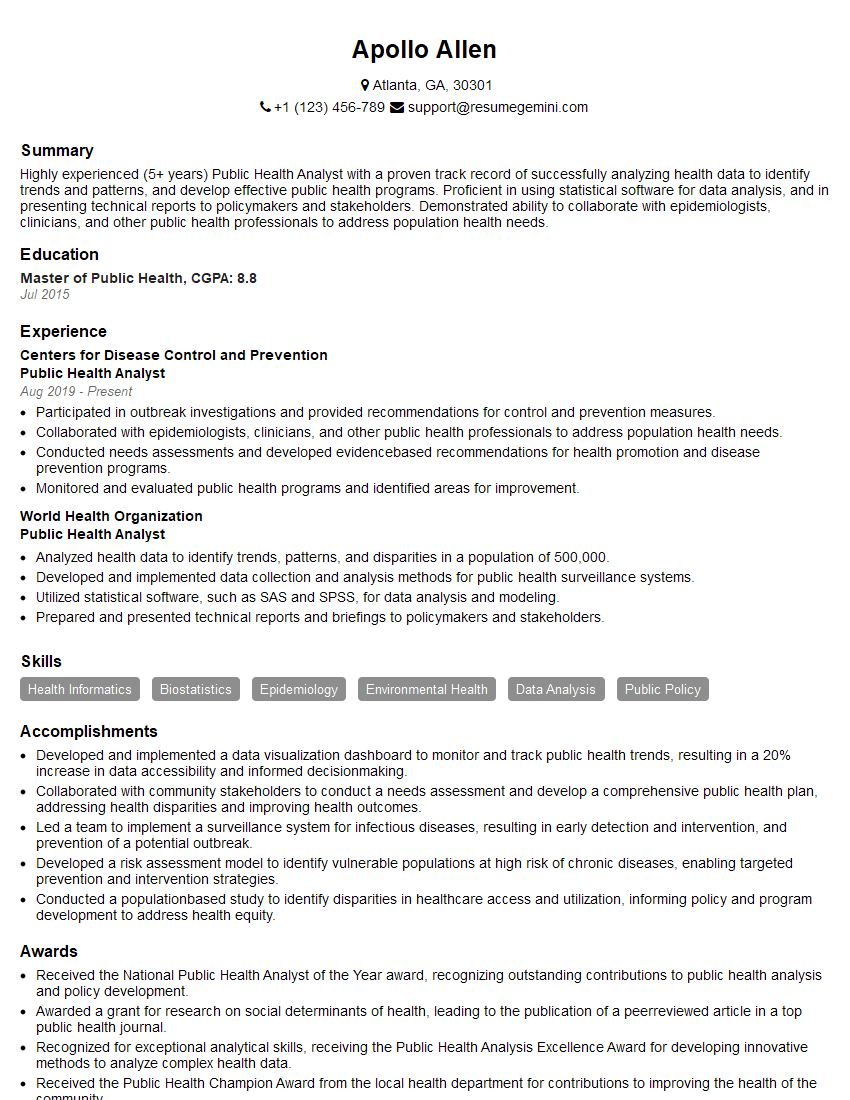
Public Health Analyst Resume Sample
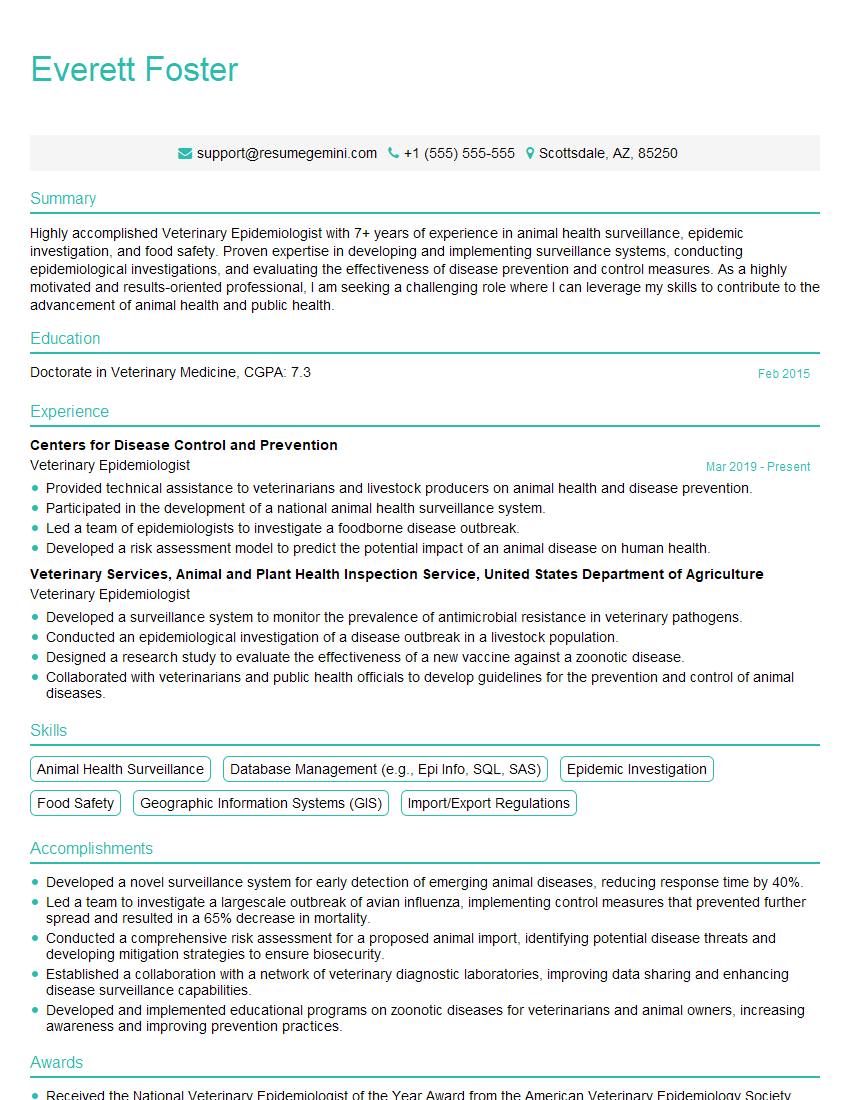
Veterinary Epidemiologist Resume Sample
Explore more articles
Users Rating of Our Blogs
Share Your Experience
We value your feedback! Please rate our content and share your thoughts (optional).
What Readers Say About Our Blog
Very informative content, great job.
good