Cracking a skill-specific interview, like one for Tool use, requires understanding the nuances of the role. In this blog, we present the questions you’re most likely to encounter, along with insights into how to answer them effectively. Let’s ensure you’re ready to make a strong impression.
Questions Asked in Tool use Interview
Q 1. Describe your experience with different types of hand tools.
My experience with hand tools spans decades, encompassing a wide range of applications from woodworking and metalworking to basic repairs and maintenance. I’m proficient with tools like hammers, screwdrivers (Phillips and flathead, various sizes), wrenches (open-end, box-end, adjustable), pliers (needle-nose, slip-joint), saws (hacksaw, hand saw, coping saw), chisels, planes, and levels. I understand the nuances of each tool – the proper grip, the optimal angle of attack, and the limitations of each. For example, I’ve used a mallet to carefully set stonework, ensuring precision, and employed a claw hammer to swiftly remove stubborn nails without damaging the surrounding material. My experience extends to selecting the right tool for the job based on material hardness, desired finish, and the overall project goals.
- Woodworking: I’ve used chisels and planes to shape wood, requiring a keen understanding of wood grain and tool sharpness.
- Metalworking: My experience with hacksaws and files necessitates careful control and precision to achieve desired shapes and tolerances.
- General Repairs: I regularly utilize screwdrivers and wrenches for assembling and disassembling furniture, appliances, and other household items.
Q 2. Explain the safety procedures you follow when using power tools.
Safety is paramount when using power tools. My approach is built around a layered safety system: preparation, execution, and post-use.
- Preparation: This involves assessing the workspace for hazards, ensuring proper lighting, wearing appropriate personal protective equipment (PPE) – safety glasses, hearing protection, dust mask, and work gloves – and having a clear understanding of the tool’s operation and limitations. I always inspect the power cord, ensuring there are no frays or damage before plugging it in.
- Execution: I maintain a firm grip on the tool, avoiding distractions, and never reaching across the cutting path. I ensure the workpiece is securely clamped or held to prevent kickback. I operate tools at their recommended speeds and feed rates and follow the manufacturer’s instructions meticulously.
- Post-use: After completing the task, I immediately disconnect the power tool from the source, allow the tool to cool down before cleaning, and store it safely, away from children and unauthorized personnel. I inspect the tool for any damage before putting it away.
For example, when using a circular saw, I always use a push stick for closer cuts to avoid accidental contact with the blade. Similarly, when using a router, I always use a router table, enabling me to work with the material safely and accurately.
Q 3. How do you maintain and troubleshoot common hand tools?
Maintaining and troubleshooting hand tools is essential for both safety and efficiency. Regular cleaning and lubrication are crucial. For example, I keep the blades of my chisels and planes sharp by using honing stones and sharpening steel. Regularly oiling moving parts of tools such as hinges and locking mechanisms prevents rust and ensures smooth operation. Troubleshooting typically involves identifying the problem – a loose head, a dull blade, or a broken part. I might need to tighten screws, sharpen the tool, or replace a broken component. For instance, if my hammer head becomes loose, I’d check the wedge and possibly re-secure it. If a screwdriver tip is damaged, I’d replace it or the entire screwdriver.
I also believe in preventative maintenance. I store tools properly to prevent damage and rust; this might mean oiling metal parts and keeping wooden-handled tools in a dry place. This approach helps extend the life of the tools and minimize the frequency of repairs.
Q 4. What are the different types of measuring tools you are familiar with?
My experience encompasses a wide array of measuring tools, including:
- Rulers: Standard rulers, steel rulers, and folding rulers for various applications.
- Tape measures: For measuring larger distances and lengths.
- Calipers: Both vernier calipers and digital calipers for precise measurements of internal and external dimensions.
- Micrometers: For extremely precise measurements, often used in machining and manufacturing.
- Levels: Spirit levels for ensuring surfaces are level and plumb.
- Squares: Try squares and combination squares for checking angles and squareness.
- Protractors: For measuring angles.
The choice of measuring tool depends largely on the task at hand. For example, a tape measure is suitable for large construction projects, while a micrometer is essential when dealing with tiny components in precision engineering.
Q 5. Describe your experience with CNC machines and their operation.
I have extensive experience operating various CNC (Computer Numerical Control) machines, including milling machines, lathes, and routers. My experience includes programming these machines using CAM (Computer-Aided Manufacturing) software like Mastercam and Fusion 360. This involves creating toolpaths based on 3D models and blueprints, simulating the machining process, and then transferring the program to the CNC machine. I’m proficient in setting up the machine, including tool changes, workholding, and material preparation. I’m also skilled in troubleshooting issues such as tool breakage, machine malfunctions, and inaccurate cuts. Understanding the machine’s limitations and optimal cutting parameters for various materials is crucial. This includes knowledge of feed rates, spindle speeds, and the use of different cutting tools for different materials and finishes.
For instance, I once had to troubleshoot a CNC router where the finished product wasn’t matching the design. Through careful examination of the toolpath and the machine settings, I discovered an error in the feed rate that was causing the inaccurate cut. By adjusting this parameter and rerunning the program, the problem was resolved.
Q 6. How do you interpret technical drawings and blueprints related to tool use?
Interpreting technical drawings and blueprints is fundamental to effective tool use. My approach involves a systematic breakdown of the drawing:
- Understanding the Views: I begin by identifying the different views (orthographic projections) – front, top, and side – to understand the three-dimensional shape of the object.
- Identifying Dimensions: I carefully note all the dimensions, including lengths, widths, heights, and angles. I pay attention to tolerances and units of measurement.
- Understanding Symbols and Annotations: I understand the meaning of various symbols and annotations (e.g., surface finish, material specifications, etc.) to understand the requirements of the project.
- Selecting the Right Tools: Based on the material, dimensions, and tolerances, I select the appropriate tools and machinery for the task.
For example, a blueprint specifying a tight tolerance might require the use of precision measuring tools and machining techniques, while a less demanding design might allow for simpler hand tools.
Q 7. What are the key considerations for selecting the appropriate tool for a specific task?
Selecting the appropriate tool for a specific task hinges on several key considerations:
- Material: The type of material being worked on (wood, metal, plastic, etc.) dictates the tool’s type and strength. A chisel is suitable for wood, while a metal file is needed for metal.
- Task: The specific task influences tool selection. For example, cutting, shaping, measuring, or fastening all require different tools.
- Precision and Tolerance: The required level of precision dictates the tool’s accuracy. High-precision work necessitates tools like micrometers and precision drills.
- Accessibility and Safety: The accessibility of the work area and safety regulations also factor into tool selection. A small screwdriver may be preferred for confined spaces, while a power drill may be faster but requires additional safety precautions.
- Power Source: The availability of power sources (electricity, compressed air) influences the choice between hand tools and power tools.
For example, when assembling a delicate piece of electronics, I would carefully select small, precise hand tools to avoid damage. But when building a wooden frame for a large structure, a power saw and nail gun might be both efficient and necessary.
Q 8. Explain your experience with preventative maintenance of tools and equipment.
Preventative maintenance is crucial for ensuring the longevity and safe operation of tools and equipment. It’s like regular check-ups for your car – preventing small problems from becoming major breakdowns. My approach involves a multi-step process:
- Regular Inspections: I visually inspect tools for wear and tear, loose parts, damage to cords or cables, and signs of corrosion. For example, I’d check a power drill for cracks in the casing or damage to the chuck.
- Cleaning and Lubrication: Tools are cleaned thoroughly after each use to remove debris. Moving parts, like hinges or gears, receive appropriate lubrication to prevent friction and wear. I use the correct lubricants specified by the manufacturer – using the wrong lubricant can cause damage.
- Functional Testing: After cleaning and lubrication, I perform functional tests to ensure the tool operates as expected. This includes checking the speed, torque, accuracy, and overall performance of the tool. For example, I might calibrate a digital caliper to ensure it provides accurate measurements.
- Storage: Tools are stored properly in designated areas, preventing damage from moisture, impact, or theft. I ensure that tools are stored in a clean, dry environment to protect from corrosion.
- Record Keeping: I maintain detailed records of all preventative maintenance activities, including dates, types of maintenance performed, and any observed issues. This helps me track tool lifespan and predict potential problems.
This proactive approach minimizes downtime, extends the lifespan of tools, and importantly, reduces the risk of accidents caused by malfunctioning equipment.
Q 9. How do you identify and address potential hazards associated with tool use?
Identifying and addressing potential hazards associated with tool use is paramount for safety. My approach is based on a risk assessment framework:
- Hazard Identification: I carefully analyze the task at hand, identifying potential hazards related to the tools being used and the work environment. This could include electrical hazards, sharp edges, moving parts, or exposure to hazardous materials.
- Risk Assessment: For each identified hazard, I assess the likelihood and severity of potential injury or damage. I consider factors such as the experience level of the user, the condition of the tools, and the work environment.
- Control Measures: Based on the risk assessment, I implement appropriate control measures. These might include using personal protective equipment (PPE) like safety glasses, gloves, or hearing protection; using lockout/tagout procedures for electrical tools; ensuring proper ventilation in case of hazardous fumes; and providing adequate training to users.
- Emergency Preparedness: I ensure that emergency procedures are in place, including having readily available first-aid kits and knowing how to respond to various types of accidents. This includes knowing the location of emergency exits and safety showers.
For example, when using a chainsaw, I would assess the risk of kickback, implement measures like using the correct safety equipment (chain brake, safety chaps) and ensuring a safe working distance.
Q 10. Describe your experience with using specialized tools in a specific industry.
In my previous role in the automotive industry, I extensively used specialized tools for engine repair and maintenance. This included:
- Torque Wrenches: These tools are critical for tightening engine bolts to the manufacturer’s specified torque. Incorrect torque can lead to engine damage. I’ve used both digital and click-type torque wrenches, ensuring regular calibration for accuracy.
- Engine Hoists and Stands: These are essential for safely removing and installing engines. Proper use and secure placement are vital to prevent accidents and damage to the vehicle or equipment.
- Diagnostic Scanners: These electronic tools allow technicians to read and interpret diagnostic trouble codes (DTCs) from the engine’s computer, aiding in quick and accurate diagnosis of problems.
- Specialized Socket Sets and Wrenches: These tools are designed to access specific fasteners in engines, often in tight spaces. Using the incorrect tool could lead to damage to the fastener or the engine.
My experience ensures I can select, use, and maintain these tools effectively, prioritizing safety and efficiency.
Q 11. How do you ensure the accuracy and precision of your work when using tools?
Ensuring accuracy and precision is critical for quality work. My methods include:
- Tool Selection: Choosing the right tool for the job is paramount. Using the wrong tool compromises accuracy and potentially damages the workpiece or tool itself.
- Proper Technique: I employ correct techniques for each tool, paying close attention to instructions and best practices. This includes maintaining proper posture and using the tool’s full capacity safely.
- Calibration and Verification: Regularly calibrating measuring tools like calipers, micrometers, and levels ensures accurate measurements. I maintain calibration records to meet industry standards.
- Double-Checking: I always double-check my work to catch any errors before moving on. This helps identify and correct discrepancies promptly.
- Use of Jigs and Fixtures: When necessary, I use jigs and fixtures to ensure consistent and repeatable results. These aids can minimize human error and improve accuracy.
For example, when drilling holes, I use a center punch to accurately mark the location and a drill guide to maintain the hole’s diameter and straightness.
Q 12. What is your experience with calibration and verification of measuring tools?
Calibration and verification of measuring tools are essential for maintaining accuracy and reliability. My experience includes:
- Understanding Calibration Standards: I understand the importance of adhering to relevant industry standards and calibration procedures for specific tools. I know when and how often to recalibrate based on usage and manufacturer recommendations.
- Calibration Equipment: I’m familiar with using various calibration equipment, including gauge blocks, master gauges, and electronic calibration systems, depending on the type of tool being calibrated.
- Calibration Procedures: I follow established calibration procedures meticulously, recording all data and documenting any discrepancies. This includes performing the necessary adjustments if the tool is out of tolerance.
- Maintaining Calibration Records: I maintain accurate and up-to-date calibration records for all measuring tools, ensuring traceability and compliance with regulatory requirements.
For instance, I’ve calibrated dial indicators using master gauges, documenting the results and adjusting the indicator as needed to maintain accuracy within the acceptable tolerance range.
Q 13. Describe your troubleshooting skills when a tool malfunctions.
Troubleshooting malfunctioning tools requires a systematic approach:
- Safety First: I ensure the tool is disconnected from any power source before attempting any repairs or troubleshooting. Safety is always the primary concern.
- Visual Inspection: I begin with a thorough visual inspection of the tool, checking for obvious signs of damage, loose connections, or obstructions.
- Check Power Source: I verify that the power source (battery, electrical outlet) is functioning correctly. A seemingly faulty tool could simply have a dead battery or a tripped breaker.
- Test Components: If the problem isn’t immediately apparent, I may test individual components to pinpoint the source of the malfunction. This might involve checking switches, motors, or other internal parts.
- Consult Manuals and Documentation: I refer to the tool’s operating manual or online resources for troubleshooting guidance, diagrams, or specifications.
- Seek Expert Assistance: If I’m unable to identify and fix the problem, I seek assistance from a qualified technician or contact the manufacturer for support.
For example, if a power drill stops working, I would first check the power cord, then the battery charge, and then inspect the motor brushes for wear before considering more complex internal issues.
Q 14. How do you handle unexpected problems or challenges during tool operation?
Handling unexpected problems during tool operation requires a calm and methodical approach:
- Assess the Situation: I first assess the nature and severity of the problem, prioritizing safety. Is it a minor inconvenience, or does it pose a safety hazard?
- Implement Immediate Safety Measures: If the problem poses a safety risk (e.g., a tool malfunction causing sparks or broken parts flying), I immediately take steps to secure the area and prevent further incidents.
- Problem Solving: I systematically analyze the problem, considering possible causes and solutions. I might need to consult manuals, seek advice from colleagues, or use alternative tools to complete the task.
- Document the Incident: After resolving the problem, I document the issue, the corrective actions taken, and any lessons learned to prevent similar incidents in the future. This is vital for continuous improvement.
- Report and Follow-up: If the problem requires further investigation or repair (beyond my immediate capabilities), I report the incident to the appropriate personnel and follow up to ensure it’s addressed.
For example, if a critical tool breaks unexpectedly on a job site, I would first ensure the safety of myself and others, then determine if a suitable replacement or workaround is available to continue the project. Afterwards, I would report the incident and initiate the repair or replacement process.
Q 15. Explain your experience with different types of power tools (e.g., drills, saws, grinders).
My experience with power tools spans over 15 years, encompassing a wide range of applications in construction, woodworking, and metalworking. I’m proficient with various drills, from cordless impact drivers for heavy-duty fastening to precision micro-drills for intricate detail work. My experience with saws includes circular saws for quick cuts in lumber, jigsaws for intricate curves, and miter saws for precise angled cuts. I’m also skilled in operating grinders, both angle grinders for material removal and bench grinders for sharpening tools. For example, I recently used a combination of a drill press and a router to create precisely sized and shaped holes in a custom furniture project, requiring a high level of accuracy and control.
- Drills: I’m comfortable using various drill bits (wood, metal, masonry), understanding bit selection based on material type and application. I’ve worked extensively with both corded and cordless models, appreciating the advantages of each in different contexts.
- Saws: I’m adept at selecting the appropriate saw for different materials and cuts, prioritizing safety measures like proper blade selection and guarding. I routinely perform blade changes and maintenance.
- Grinders: I understand the importance of using appropriate safety gear (eye protection, dust masks) when using grinders, as well as employing proper techniques to prevent kickback and ensure consistent results.
Career Expert Tips:
- Ace those interviews! Prepare effectively by reviewing the Top 50 Most Common Interview Questions on ResumeGemini.
- Navigate your job search with confidence! Explore a wide range of Career Tips on ResumeGemini. Learn about common challenges and recommendations to overcome them.
- Craft the perfect resume! Master the Art of Resume Writing with ResumeGemini’s guide. Showcase your unique qualifications and achievements effectively.
- Don’t miss out on holiday savings! Build your dream resume with ResumeGemini’s ATS optimized templates.
Q 16. How familiar are you with different types of cutting tools and their applications?
My familiarity with cutting tools extends beyond power tools to encompass hand tools as well. I understand the nuances of different blade types and their applications. For instance, I know the difference between a rip saw (for cutting with the grain) and a crosscut saw (for cutting across the grain) in woodworking, and how to choose the right blade for various metals when using a hacksaw or band saw. The selection process always considers the material being cut, the desired cut quality, and the overall efficiency required.
- Hand Saws: I’m proficient in using various hand saws (hacksaws, coping saws, tenon saws) for precise and controlled cuts, particularly in situations where power tools aren’t suitable or safe to use.
- Chisels & Gouges: I understand the importance of proper sharpening and use of chisels and gouges for woodworking and carving applications.
- Rotary Cutters: I’m comfortable using rotary cutters for various materials, understanding the importance of speed and pressure control for precise cuts.
Choosing the right cutting tool isn’t just about the type of tool; it’s also about the blade or bit. For example, a dull blade can lead to uneven cuts, more effort, and even injury. Regular maintenance and sharpening are crucial.
Q 17. What is your experience with using pneumatic or hydraulic tools?
My experience with pneumatic and hydraulic tools is significant, particularly in demolition and heavy construction work. I’ve operated pneumatic nail guns, impact wrenches, and jackhammers, appreciating their power and efficiency in specific tasks. Hydraulic tools, such as hydraulic shears and presses, require a different approach, emphasizing safety due to the higher power and pressure involved. I’m trained in the proper maintenance and safety procedures specific to these tools, understanding the potential hazards of improper use or maintenance.
- Pneumatic Tools: I understand the importance of air pressure regulation and maintenance of air compressors.
- Hydraulic Tools: I’m familiar with hydraulic system components (pumps, cylinders, hoses) and safety protocols to avoid potential hazards from high pressure lines.
For example, using a pneumatic nail gun requires understanding the proper nail depth and angle to avoid damaging the material or injuring yourself. With hydraulic tools, safety is paramount; checking for leaks, ensuring proper pressure, and following lockout/tagout procedures are vital aspects of safe operation.
Q 18. How do you ensure the proper storage and organization of tools?
Proper tool storage and organization are paramount for safety and efficiency. My approach prioritizes a system that ensures tools are easily accessible, well-maintained, and stored securely to prevent damage or accidental injury. I typically use a combination of methods: wall-mounted storage systems for frequently used tools, labeled drawers for smaller tools, and designated areas for larger equipment. Tools are cleaned and inspected after each use, and any damaged tools are repaired or replaced promptly.
Using a clearly defined system, such as color-coding or numerical labeling, aids in quick identification and efficient workflow. Furthermore, regular inventory checks prevent losses and ensure that all tools are accounted for.
Think of it like this: A cluttered toolbox is a recipe for frustration and lost time. A well-organized system minimizes search time, promotes better tool maintenance, and significantly improves overall efficiency.
Q 19. Describe your experience with safety regulations related to tool use in your workplace.
Throughout my career, I’ve adhered strictly to all workplace safety regulations concerning tool use. This includes mandatory safety training, regular refresher courses, and consistent adherence to company policies. I’m familiar with OSHA regulations and best practices related to personal protective equipment (PPE), proper tool handling, lockout/tagout procedures, and emergency response protocols. I understand the potential hazards associated with each tool and consistently utilize appropriate safeguards, including eye protection, hearing protection, and respirators when necessary. For example, understanding the kickback potential of a chainsaw and implementing proper techniques, as well as wearing protective gear, is non-negotiable.
Compliance with safety regulations isn’t merely a matter of following rules; it’s a fundamental aspect of ensuring a healthy and productive work environment for myself and my colleagues.
Q 20. How do you contribute to a safe and efficient working environment when using tools?
I actively contribute to a safe and efficient working environment by consistently following safety regulations, maintaining tools properly, and proactively identifying and addressing potential hazards. This includes being mindful of my surroundings and the actions of colleagues, and promptly reporting any unsafe conditions or damaged equipment. I actively participate in safety meetings, offer suggestions for improving safety procedures, and serve as a positive example to others through my own adherence to safety protocols.
A safe and efficient environment isn’t solely the responsibility of management; it requires the collective effort of everyone on the team. I believe in fostering a culture of mutual respect and safety awareness through proactive participation and open communication.
Q 21. What software or applications are you familiar with that support tool use (e.g., CAD, CAM)?
While my primary expertise lies in the practical application of tools, I’m familiar with software applications that support tool use and design. I’ve worked with CAD (Computer-Aided Design) software, such as AutoCAD, to create detailed drawings and blueprints for projects. This allows for precise planning and visualization before any physical work commences. While not directly involved in CAM (Computer-Aided Manufacturing) programming, I understand its role in automating manufacturing processes and optimizing toolpaths for CNC machines. I’ve collaborated with engineers and technicians who use CAM software, providing feedback on the designs’ practicality and feasibility from a hands-on perspective.
The integration of CAD and practical tool use is critical for ensuring that designs are both aesthetically pleasing and practically achievable. For example, CAD software allows me to accurately visualize the dimensions and cuts required for a complex woodworking project, which is subsequently translated into practical action through skilled tool usage.
Q 22. Explain your process for selecting the appropriate safety equipment for specific tool use.
Selecting the right safety equipment for tool use is paramount. My process is a three-step risk assessment: first, I identify the hazards associated with the specific tool and task. This involves considering potential impacts like flying debris (e.g., from a grinder), electrical shock (e.g., from a power drill), or pinch points (e.g., from a table saw). Second, I evaluate the severity and likelihood of each hazard. A high-severity, high-likelihood hazard necessitates more stringent safety measures. Finally, I select the appropriate personal protective equipment (PPE) to mitigate these risks. This might include safety glasses, hearing protection, respirators, gloves, steel-toe boots, and appropriate clothing. For example, when using a chainsaw, I would always wear safety chaps, eye protection, and hearing protection. Failure to do so would be unacceptable. The selection of PPE is not arbitrary; it’s a careful consideration of the potential dangers.
Q 23. How do you document tool usage and maintenance procedures?
Tool usage and maintenance are meticulously documented. I utilize a combination of digital and physical methods. For each tool, I maintain a detailed log, either in a dedicated software program or a well-organized binder. This log includes the tool’s identification number, purchase date, manufacturer, model, and any relevant specifications. Critically, it also records the dates and details of each use, including the project, duration of use, and any maintenance performed. Maintenance procedures are documented with specific dates, types of maintenance (cleaning, lubrication, sharpening, repairs), and the names of individuals who performed the work. Photos are often included to further document any repairs or significant wear and tear. This rigorous documentation ensures tool accountability, traceability, and extends their lifespan through preventative maintenance.
Q 24. Describe your experience with tool sharpening and repair techniques.
Tool sharpening and repair are essential skills. My experience encompasses a variety of techniques depending on the tool. For hand tools like chisels and plane blades, I use sharpening stones, honing guides, and strops to achieve a keen edge. Power tool maintenance is equally important; I regularly inspect and clean power tools, ensuring proper lubrication and replacing worn parts promptly. For instance, I can replace worn carbon brushes in a power drill or repair damaged cords on electrical tools. I’m also proficient in diagnosing and fixing simple mechanical issues. Experience has taught me that preventative maintenance is key; addressing small issues before they become major problems saves both time and money. Improperly maintained tools are a safety hazard.
Q 25. What types of materials are you experienced in working with using various tools?
My experience working with various materials using diverse tools is extensive. I’m comfortable working with wood (softwoods and hardwoods), various metals (steel, aluminum, brass), plastics, composites, and masonry. I have used a wide array of tools in processing these materials: hand saws and power saws for wood, milling machines and lathes for metal, routers and shapers for intricate woodwork, and masonry drills and saws for brick and concrete. My skills allow me to select the appropriate tool for a given material and task, ensuring efficient and safe operation. For example, understanding the grain direction of wood is crucial when using a hand saw to avoid splintering, while using the correct drill bit is crucial for successfully drilling into different materials.
Q 26. How do you stay updated on new tools and technologies in your field?
Staying current in the field of tools and technologies is crucial. I achieve this through several avenues: trade publications (both print and online) and industry-specific journals keep me informed about new products and techniques. Attending workshops, conferences, and training sessions provides hands-on experience with the latest innovations. Furthermore, networking with other professionals through industry groups and online forums allows for an exchange of knowledge and insights. I also regularly search online databases for new tools and technologies, paying close attention to product reviews and independent testing results. Continuous learning is critical in this rapidly evolving field.
Q 27. Explain a time you had to improvise or adapt a tool to solve a problem.
During a recent project, I needed to create a specialized jig for a particular woodworking task. The standard jigs were either too large or didn’t fit the specific dimensions needed. Instead of ordering a custom-made jig, which would have taken weeks, I improvised. I used readily available materials: scrap wood, clamps, and some strategically placed screws. I designed and constructed a functional jig in under an hour. This solution solved the immediate problem, saving time and cost. This illustrates my ability to think creatively and resourcefully under pressure and find effective solutions with limited resources. The success of this improvisation also reinforced the importance of strong foundational skills in design and construction.
Q 28. Describe your experience working with a team to complete a project involving tool use.
I recently worked on a team to construct a large-scale wooden display for a trade show. The project involved multiple stages: design, material selection, cutting, assembly, finishing, and transportation. Effective teamwork was paramount. We established clear roles and responsibilities, ensuring everyone understood their part in the process. Regular communication and coordination were crucial, especially during the assembly phase. We held daily briefings to track progress, address challenges, and ensure consistent quality. My contribution focused on tool selection, ensuring that each team member had the appropriate tool for their task. Through meticulous planning and collaborative work, we successfully completed the project on time and to the client’s specifications. This experience underscored the importance of strong communication, task delegation, and mutual respect within a team environment.
Key Topics to Learn for Tool Use Interview
- Tool Proficiency: Demonstrate a deep understanding of the specific tools relevant to the job description. This includes knowing their functionalities, limitations, and best practices for use.
- Safety Procedures: Highlight your knowledge and experience in adhering to safety regulations and protocols associated with the tools. Be prepared to discuss preventative measures and emergency response.
- Maintenance and Troubleshooting: Showcase your ability to maintain tools in optimal condition, perform basic troubleshooting, and identify when professional maintenance is required. This demonstrates responsibility and cost-effectiveness.
- Practical Application & Case Studies: Be ready to discuss past projects where you’ve utilized these tools, highlighting your problem-solving skills and ability to achieve specific outcomes. Quantify your accomplishments whenever possible.
- Workflow Optimization: Explain how you integrate tool use into a larger workflow to maximize efficiency and productivity. Discuss your strategies for streamlining processes.
- Emerging Technologies: Research and understand any new or emerging technologies related to the tools you’ll be using. Showing awareness of industry advancements demonstrates your commitment to professional development.
- Teamwork and Collaboration: Discuss how you collaborate with others effectively when using tools as part of a team. This highlights your soft skills and ability to work in a professional environment.
Next Steps
Mastering tool use is crucial for career advancement in many fields, opening doors to higher-paying roles and increased responsibility. A strong, ATS-friendly resume is your key to unlocking these opportunities. To ensure your resume effectively showcases your skills and experience, we strongly recommend using ResumeGemini. ResumeGemini offers a streamlined process for creating professional, impactful resumes, and we provide examples specifically tailored to tool use professions to help you get started. Invest time in crafting a compelling resume – it’s your first impression with potential employers.

Facilities Manager Resume Sample

Maintenance Manager Resume Sample

Production Supervisor Resume Sample
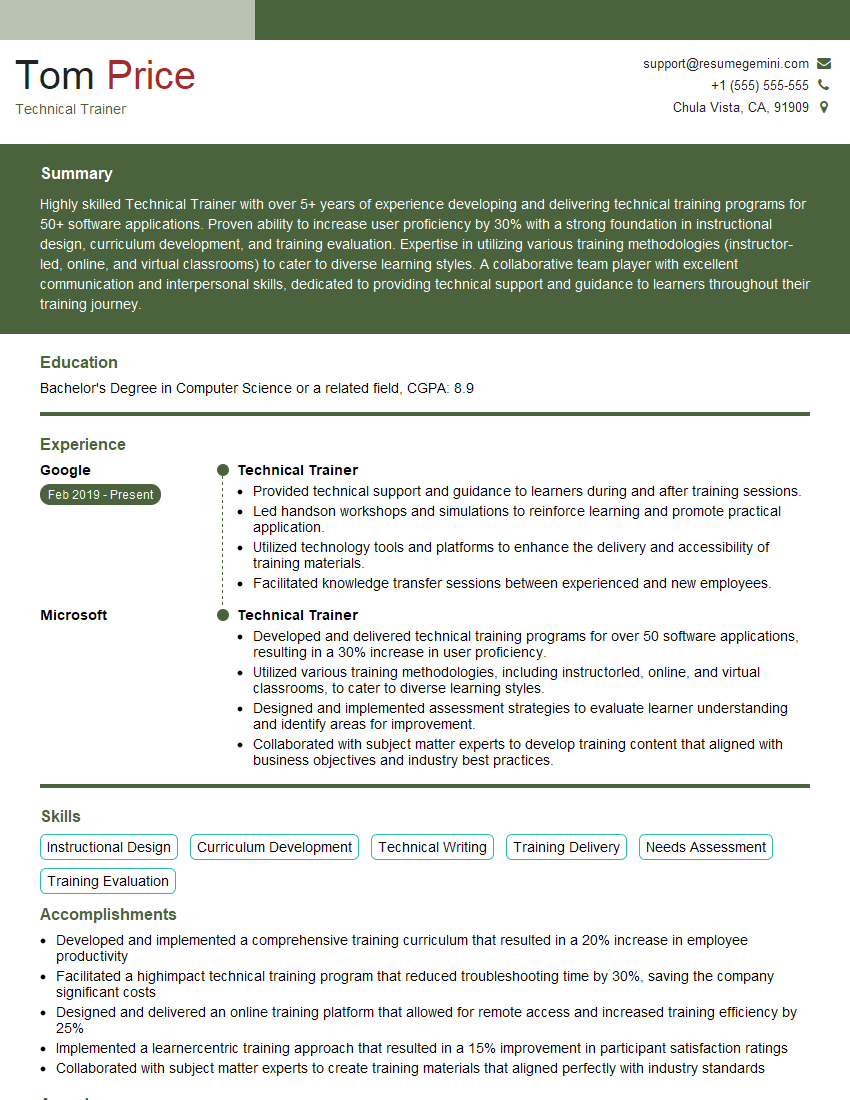
Technical Trainer Resume Sample

Automation Engineer Resume Sample

Maintenance Technician Resume Sample

Manufacturing Engineer Resume Sample

Tool Designer Resume Sample

Field Service Technician Resume Sample

Robotics Technician Resume Sample

Machinist Resume Sample

Equipment Operator Resume Sample
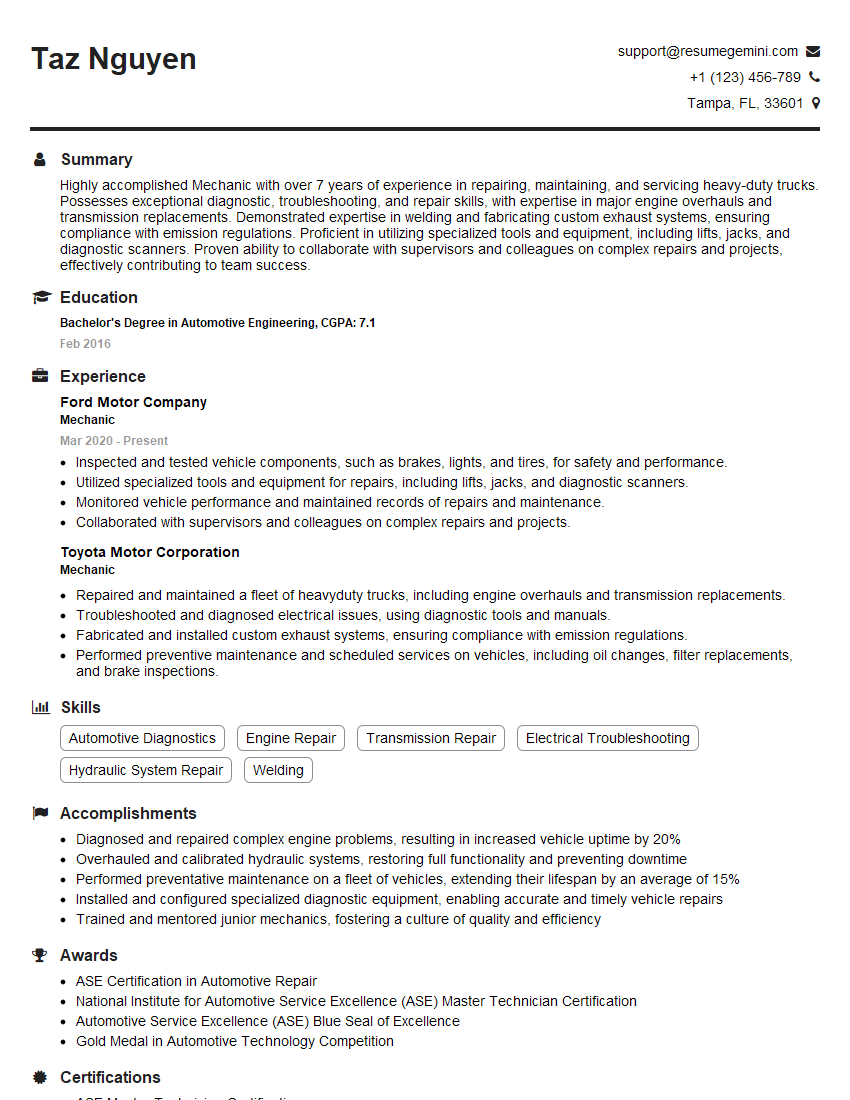
Mechanic Resume Sample
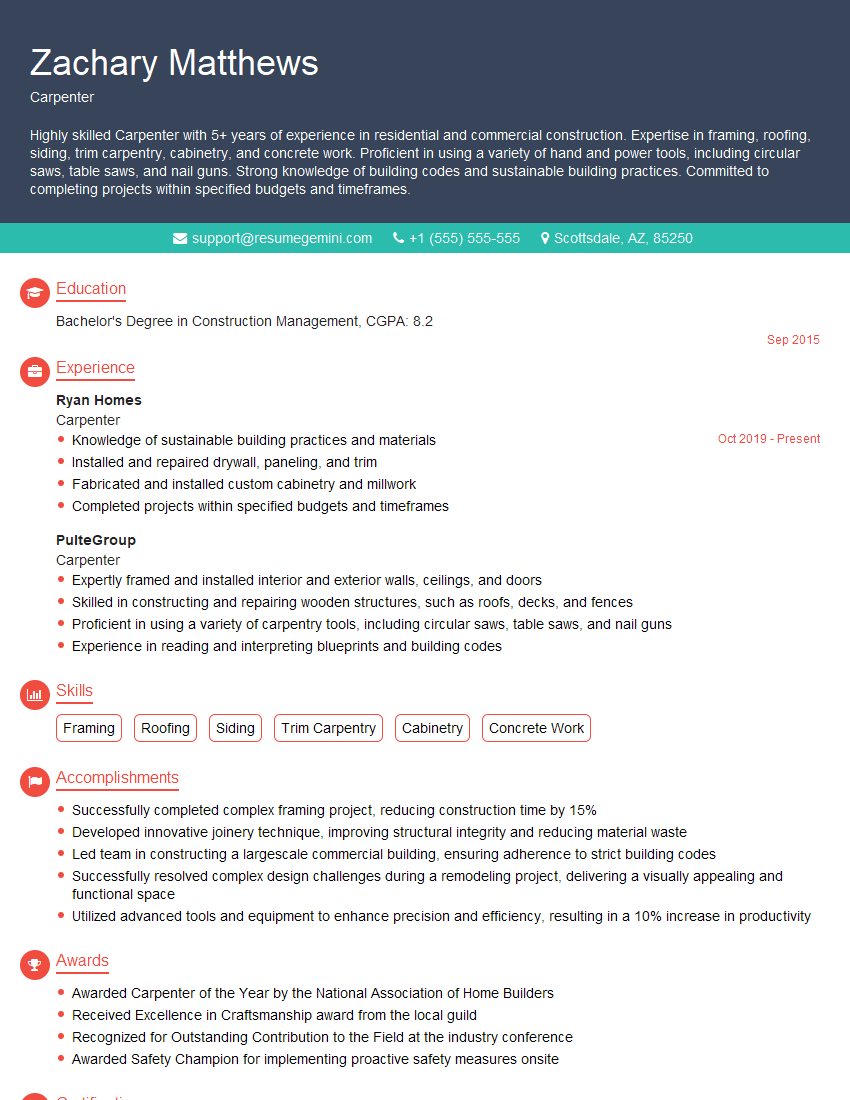
Carpenter Resume Sample

Electrician Resume Sample

Plumber Resume Sample
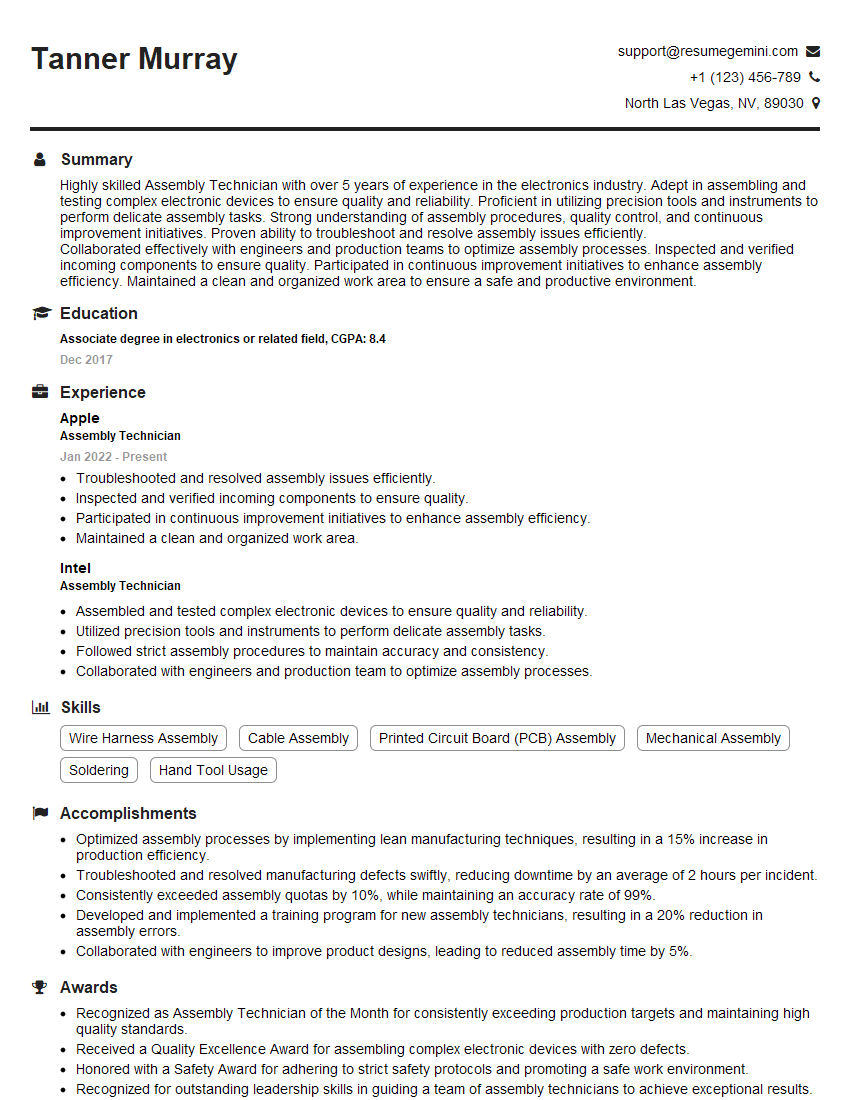
Assembly Technician Resume Sample

Welder Resume Sample

Industrial Mechanic Resume Sample

Precision Instrument Maker Resume Sample
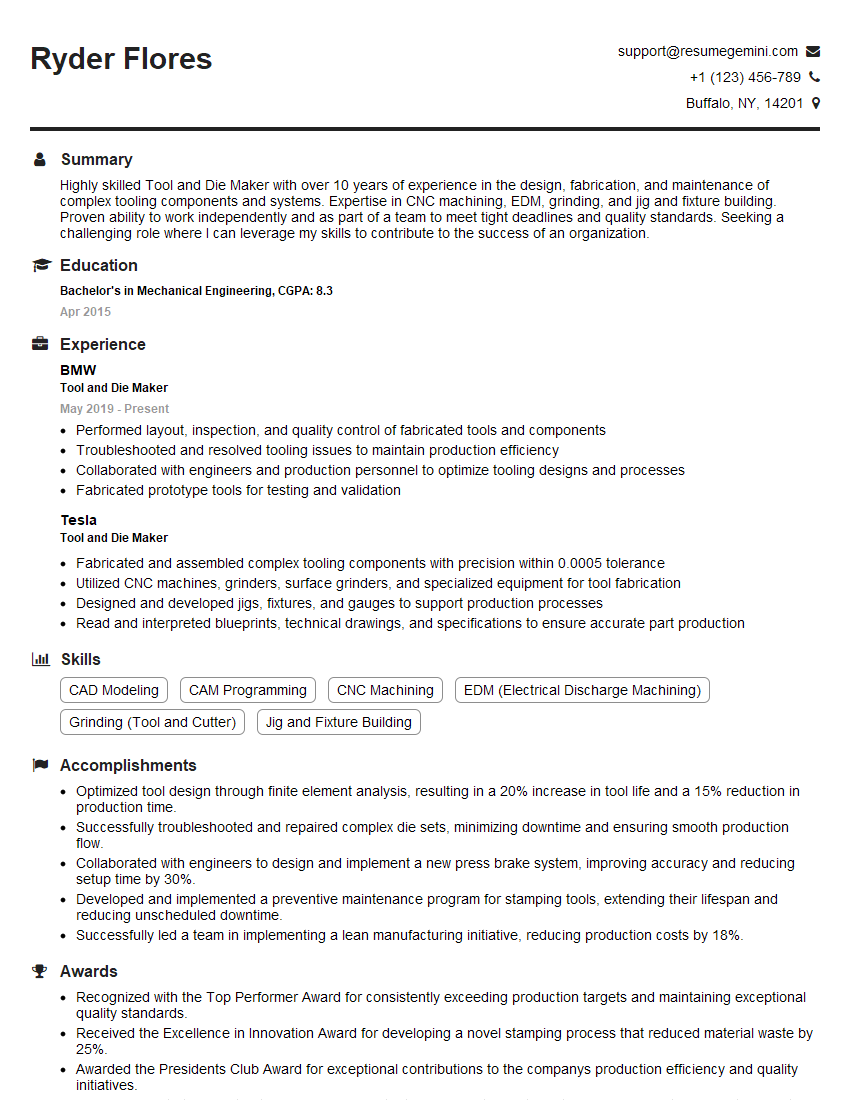
Tool and Die Maker Resume Sample

Quality Control Inspector Resume Sample
- Facilities Manager
- Maintenance Manager
- Production Supervisor
- Technical Trainer
- Automation Engineer
- Maintenance Technician
- Manufacturing Engineer
- Tool Designer
- Field Service Technician
- Robotics Technician
- Machinist
- Equipment Operator
- Mechanic
- Carpenter
- Electrician
- Plumber
- Assembly Technician
- Welder
- Industrial Mechanic
- Precision Instrument Maker
- Tool and Die Maker
- Quality Control Inspector
Explore more articles
Users Rating of Our Blogs
Share Your Experience
We value your feedback! Please rate our content and share your thoughts (optional).
What Readers Say About Our Blog
Very informative content, great job.
good