Feeling uncertain about what to expect in your upcoming interview? We’ve got you covered! This blog highlights the most important Genetic Analysis interview questions and provides actionable advice to help you stand out as the ideal candidate. Let’s pave the way for your success.
Questions Asked in Genetic Analysis Interview
Q 1. Explain the difference between genotype and phenotype.
Genotype and phenotype are two fundamental concepts in genetics that describe different aspects of an organism’s genetic makeup and its observable traits. Think of it like this: your genotype is the code, and your phenotype is the finished product.
Genotype refers to the complete set of genes or genetic material present in an organism. This includes the specific alleles (different versions of a gene) an individual carries. For example, a person might have a genotype of BB for a gene controlling eye color (where B represents the allele for brown eyes), or Bb (one brown eye allele and one blue eye allele), or bb (two blue eye alleles).
Phenotype, on the other hand, refers to the observable characteristics or traits of an organism. These are the physical expressions of the genotype, influenced by both the genes and the environment. In the eye color example, the phenotype could be brown eyes (for genotypes BB and Bb) or blue eyes (for genotype bb). However, environmental factors could theoretically affect the intensity or expression of the color.
The relationship between genotype and phenotype is not always straightforward. Some traits are determined by a single gene (monogenic traits), while others are influenced by multiple genes (polygenic traits) and environmental factors. This interaction makes genetic analysis complex and fascinating.
Q 2. Describe different DNA sequencing technologies.
DNA sequencing technologies are methods used to determine the precise order of nucleotides (adenine, guanine, cytosine, and thymine) within a DNA molecule. Several technologies exist, each with strengths and weaknesses:
- Sanger Sequencing (dideoxy chain termination): This is a classic method, still used for its accuracy and reliability, especially for smaller DNA fragments. It involves using chain-terminating dideoxynucleotides to stop DNA synthesis at specific points, creating fragments of varying lengths that can be separated by electrophoresis to determine the sequence.
- Next-Generation Sequencing (NGS): This umbrella term covers a range of high-throughput technologies that allow for the sequencing of millions or billions of DNA fragments simultaneously. Examples include Illumina sequencing (most widely used), Ion Torrent sequencing, and SOLiD sequencing. These methods are crucial for large-scale projects like whole-genome sequencing.
- Third-Generation Sequencing: These technologies, such as PacBio SMRT sequencing and Oxford Nanopore sequencing, allow for the sequencing of longer reads compared to NGS, which improves the assembly of complex genomes and detection of structural variations. They are becoming increasingly important but are still somewhat more expensive and prone to higher error rates compared to NGS.
The choice of technology depends on the specific application, the budget, and the required level of accuracy and throughput. For example, Sanger sequencing might be suitable for validating a specific mutation found in NGS, while NGS is preferred for large-scale genome-wide association studies.
Q 3. What are the limitations of PCR?
Polymerase Chain Reaction (PCR) is a powerful technique used to amplify specific DNA sequences, but it has several limitations:
- Primer Design Challenges: Designing effective PCR primers requires careful consideration of factors like specificity (avoiding off-target amplification), melting temperature (optimizing annealing), and length (avoiding hairpin formation). Inefficient primer design leads to poor amplification or no amplification.
- Contamination: PCR is highly sensitive, and even trace amounts of contaminating DNA can lead to false-positive results. Strict aseptic techniques are crucial to prevent contamination.
- Amplicon Length Limitations: PCR is typically limited to amplifying DNA fragments of a relatively short length (up to around 10 kb). Larger fragments are difficult to amplify efficiently due to the limitations of DNA polymerase processivity and the risk of polymerase errors.
- DNA Degradation: If the starting DNA is significantly degraded, PCR may not yield any results.
- Bias During Amplification: Certain DNA sequences might be amplified more efficiently than others, leading to biases in the representation of the original DNA sample.
Overcoming these limitations often involves optimizing the PCR conditions, using appropriate controls, and employing techniques like nested PCR or long-range PCR for longer fragments. Understanding these limitations is crucial for the proper design and interpretation of PCR experiments.
Q 4. Explain the principles of linkage analysis.
Linkage analysis is a method used to map genes based on their relative locations on chromosomes. It exploits the fact that genes that are physically close together on a chromosome are more likely to be inherited together than genes that are far apart. This tendency to be inherited together is called linkage.
The principle lies in observing the frequency of co-segregation of two or more genes in families. If two genes are linked, they will show a higher frequency of co-occurrence in offspring than expected by chance. The closer two genes are, the stronger the linkage and the lower the recombination frequency (the probability that a crossover event will occur between them during meiosis). Recombination frequency is inversely proportional to the distance between genes. A recombination frequency of 1% is typically defined as 1 centimorgan (cM).
Linkage analysis is used to:
- Construct genetic maps: Determining the order and distance between genes on a chromosome.
- Identify disease genes: By identifying genetic markers linked to a disease, researchers can narrow down the location of the disease-causing gene.
- Study genetic evolution: Examining linkage patterns can provide insights into the evolutionary relationships between genes and populations.
Historically, linkage analysis was heavily reliant on microsatellite markers and other polymorphic markers, but modern approaches often integrate linkage information with genome-wide association studies for increased power.
Q 5. Describe different types of genetic mutations.
Genetic mutations are permanent alterations in the DNA sequence. These changes can range from single nucleotide changes to large-scale chromosomal rearrangements. Several types of mutations exist:
- Point mutations: These are changes affecting a single nucleotide. Types include:
- Substitution: One nucleotide is replaced by another (e.g., A replaced by G).
- Insertion: One or more nucleotides are added.
- Deletion: One or more nucleotides are removed.
- Indels: These are combined insertions and deletions, often resulting from strand slippage during replication.
- Frameshift mutations: Insertions or deletions that are not multiples of three nucleotides shift the reading frame of a gene, altering the amino acid sequence downstream of the mutation and often resulting in a non-functional protein.
- Chromosomal mutations: These are large-scale mutations involving changes in chromosome structure or number.
- Deletion: Loss of a chromosome segment.
- Duplication: Replication of a chromosome segment.
- Inversion: A segment is flipped and re-inserted.
- Translocation: A segment is moved to a different chromosome.
- Aneuploidy: An abnormal number of chromosomes (e.g., trisomy 21, Down syndrome).
The impact of a mutation can vary greatly. Some are silent (no effect on protein function), while others can lead to altered protein function, loss of function, or gain of function. Harmful mutations can cause genetic disorders, while some mutations might even be beneficial, providing an advantage in certain environments.
Q 6. How does CRISPR-Cas9 work?
CRISPR-Cas9 is a revolutionary gene-editing technology derived from a bacterial defense system against viruses. It works by targeting specific DNA sequences and precisely cutting the DNA, allowing for the introduction of changes or modifications at that site.
The system comprises two key components:
- guide RNA (gRNA): A short RNA molecule designed to be complementary to the target DNA sequence. This molecule guides the Cas9 enzyme to the precise location on the genome.
- Cas9 enzyme: An endonuclease (an enzyme that cuts DNA) that creates a double-stranded break at the target site guided by the gRNA.
The process begins with designing a gRNA that matches the target DNA sequence. The gRNA and Cas9 enzyme are then delivered into the cell, where the gRNA binds to the target DNA. Cas9 then makes a double-stranded break. The cell’s natural DNA repair mechanisms then take over. These mechanisms can be used to introduce specific changes, either through non-homologous end joining (NHEJ), which often introduces small insertions or deletions, or through homology-directed repair (HDR), which allows for precise gene replacement using a provided DNA template.
CRISPR-Cas9 has huge potential in various applications, including gene therapy, disease modeling, and agricultural improvement. However, ethical considerations and potential off-target effects need careful management.
Q 7. What are GWAS studies and how are they conducted?
Genome-wide association studies (GWAS) are powerful tools used to identify genetic variants associated with complex traits or diseases. Unlike linkage analysis that focuses on families, GWAS investigates the association between genetic variations across the entire genome and a trait in a large population of unrelated individuals.
A typical GWAS involves the following steps:
- Sample Collection: A large number of individuals (cases with the trait/disease and controls without) are recruited and genotyped.
- Genotyping: Millions of single nucleotide polymorphisms (SNPs) across the genome are analyzed for each individual using high-throughput technologies like microarrays or next-generation sequencing.
- Statistical Analysis: Statistical tests are used to identify SNPs that show a significant association with the trait or disease. The association is typically measured by odds ratio or relative risk.
- Replication: Findings from the initial GWAS are replicated in independent cohorts to ensure robustness and rule out false positives.
- Functional Annotation: Associated SNPs are then investigated to understand their functional implications. This often involves exploring whether they are located within genes, regulatory regions, or affect protein expression.
GWAS have been successful in identifying numerous genetic variants associated with various complex traits, including height, weight, diseases, and responses to medications. However, GWAS typically identify SNPs with relatively small effect sizes, meaning each SNP individually contributes only slightly to the overall risk. Furthermore, GWAS results might not be generalizable across different populations.
Q 8. Explain the concept of Hardy-Weinberg equilibrium.
The Hardy-Weinberg equilibrium principle describes a theoretical population where allele and genotype frequencies remain constant from generation to generation, provided certain conditions are met. Imagine a perfectly stable gene pool, unchanging over time. This is a baseline model, useful for comparing real-world populations.
These conditions include:
- No mutation: No new alleles are introduced into the population.
- Random mating: Individuals mate randomly, without any preference for certain genotypes.
- No gene flow: No migration of individuals into or out of the population.
- No genetic drift: The population is large enough that random fluctuations in allele frequencies are negligible (think of it like a huge ocean versus a small puddle; the puddle’s composition can change more readily with minor shifts).
- No natural selection: All genotypes have equal survival and reproductive rates.
The principle is expressed mathematically as: p² + 2pq + q² = 1, where ‘p’ represents the frequency of one allele and ‘q’ represents the frequency of the other allele (for a gene with two alleles). p² represents the frequency of homozygous dominant individuals, 2pq represents the frequency of heterozygous individuals, and q² represents the frequency of homozygous recessive individuals. Deviations from this equilibrium suggest evolutionary forces are at play.
For example, if we observe a population with significantly fewer heterozygotes than predicted by the Hardy-Weinberg equation, it could indicate non-random mating, such as assortative mating (individuals with similar genotypes mating more often).
Q 9. How are phylogenetic trees constructed?
Phylogenetic trees are diagrams that depict the evolutionary relationships among different species or groups of organisms. Imagine them as family trees for life on Earth. They are constructed using various methods, primarily focusing on shared characteristics (traits).
Common approaches include:
- Morphological data: Comparing physical characteristics, like bone structure, leaf shape, or flower morphology. This is a more traditional approach, useful when molecular data is unavailable.
- Molecular data: Analyzing DNA or protein sequences. This is widely used now because it provides a more precise and quantitative measure of evolutionary distance. The more similar the sequences, the more closely related the species are considered to be.
The process generally involves:
- Data collection: Gathering data on the chosen characteristics for each organism.
- Data alignment (for molecular data): Arranging sequences so that homologous positions are aligned.
- Phylogenetic analysis: Employing algorithms (like maximum likelihood, Bayesian inference, or neighbor-joining) to infer the evolutionary relationships based on the data. These algorithms use mathematical models to assess the probability of different tree topologies.
- Tree construction: Building the phylogenetic tree based on the results of the analysis, showing the branching patterns of evolution.
- Tree evaluation: Assessing the reliability of the tree using statistical methods, like bootstrap analysis.
For example, comparing the cytochrome c gene sequences across various mammals can reveal their evolutionary relationships, with closely related species showing more similar sequences. The resulting phylogenetic tree would then visually represent these relationships.
Q 10. What are the ethical considerations of genetic testing?
Genetic testing presents significant ethical considerations, touching upon individual rights, societal implications, and potential misuse. These tests can reveal predispositions to diseases, carrier status, ancestry, and even personality traits.
Key ethical concerns include:
- Informed consent: Ensuring individuals fully understand the test’s implications, limitations, and potential consequences before undergoing testing.
- Privacy and confidentiality: Protecting the sensitive genetic information from unauthorized access and misuse. Genetic information can reveal not just an individual’s traits, but also those of their relatives.
- Genetic discrimination: Preventing discrimination in employment, insurance, or other areas based on an individual’s genetic makeup. This is a significant concern, as some genetic variants may predispose individuals to certain conditions.
- Reproductive implications: Addressing the ethical concerns related to prenatal genetic testing, such as the potential for selective abortion based on the results.
- Psychological impact: Considering the potential emotional distress that may result from receiving unexpected or distressing genetic information. Genetic counselors play a crucial role in supporting individuals through this process.
- Direct-to-consumer genetic testing (DTC): Addressing the limitations in accuracy and interpretation, as well as the potential for misinterpretations and unsubstantiated claims.
For instance, a person undergoing testing for a predisposition to a late-onset disease might face significant anxiety and uncertainty about their future health, even if the risk is low. Strict regulations and ethical guidelines are crucial to navigate these complexities.
Q 11. Describe different methods for gene expression analysis.
Gene expression analysis aims to determine which genes are active (expressed) in a cell or tissue at a given time. This provides insights into cellular processes, disease mechanisms, and responses to external stimuli. Various methods exist, broadly categorized into:
1. Transcriptional level analysis: Measuring the abundance of messenger RNA (mRNA) transcripts. This reflects the rate of gene transcription.
- Microarray analysis: A high-throughput method that measures the expression levels of thousands of genes simultaneously. It relies on hybridization of labeled cDNA to probes on a chip.
- RNA sequencing (RNA-Seq): A more recent and powerful technique that directly sequences the mRNA molecules, providing greater sensitivity and dynamic range than microarrays. It allows for detection of novel transcripts and splice variants.
- Quantitative PCR (qPCR): A highly sensitive method to measure the abundance of a specific mRNA transcript. It uses fluorescent dyes or probes to quantify the amount of amplified DNA.
2. Translational level analysis: Examining the abundance of proteins. This represents the translated mRNA.
- Western blotting: Detects specific proteins using antibodies. This method provides information about protein abundance and size.
- Proteomics: A comprehensive approach to analyze the entire protein complement of a cell or tissue, typically using mass spectrometry.
3. Post-translational level analysis: Studying protein modifications and interactions.
- Phosphoproteomics: Specifically analyzes protein phosphorylation, a key post-translational modification involved in many cellular processes.
The choice of method depends on the research question, available resources, and the type of information required. For example, qPCR is ideal for studying the expression of a small number of specific genes, while RNA-Seq is better suited for comprehensive gene expression profiling.
Q 12. Explain the concept of genetic drift.
Genetic drift refers to random fluctuations in allele frequencies within a population, particularly prominent in smaller populations. Imagine a small island population with a rare allele. By chance, individuals carrying that allele might have more offspring than others, leading to a higher frequency of that allele in the next generation, even if it provides no selective advantage. This is purely a matter of chance.
Two primary mechanisms drive genetic drift:
- Bottleneck effect: A drastic reduction in population size due to an event like a natural disaster, disease, or human intervention. The surviving population may have a different allele frequency than the original population.
- Founder effect: A new population is established by a small number of individuals from a larger population. The allele frequencies in the new population may not reflect those of the original population, simply because the founders happened to carry a particular subset of alleles.
Genetic drift can lead to:
- Loss of genetic variation: Rare alleles are more likely to be lost through drift, reducing the population’s ability to adapt to environmental changes.
- Increased homozygosity: The proportion of homozygous individuals increases, potentially exposing recessive deleterious alleles.
For example, the endangered cheetah population has experienced a severe bottleneck effect, resulting in extremely low genetic diversity and increased susceptibility to diseases.
Q 13. What is a haplotype?
A haplotype is a combination of alleles at multiple linked loci (locations) on a chromosome that are inherited together. Imagine a group of genes located close together on a chromosome; they tend to be inherited as a block. This block of linked alleles is called a haplotype. These alleles are less likely to be separated by recombination during meiosis (cell division that produces gametes).
Haplotypes are important because:
- They help in disease association studies: Identifying haplotypes associated with specific diseases can pinpoint genomic regions harboring disease-causing genes.
- They are useful in population genetics: Studying haplotype frequencies can reveal patterns of migration, genetic diversity, and population structure.
- They are crucial in pharmacogenomics: Haplotypes can influence individual responses to drugs, helping tailor treatment strategies.
For instance, the HLA (human leukocyte antigen) genes are highly polymorphic, and specific HLA haplotypes are associated with susceptibility to various autoimmune diseases. Understanding these haplotypes is crucial for both disease diagnosis and treatment.
Q 14. Describe different types of genomic variations.
Genomic variations encompass any difference in DNA sequence between individuals or populations. These variations are the foundation of genetic diversity and drive evolution. They range in size and effect, from single nucleotide changes to large-scale chromosomal rearrangements.
Common types include:
- Single nucleotide polymorphisms (SNPs): The most common type, involving a single nucleotide change (A, T, C, or G) at a specific location in the genome. SNPs can be silent (no effect on protein sequence), missense (change in amino acid), or nonsense (premature stop codon).
- Insertions and deletions (Indels): Additions or removals of one or more nucleotides in the DNA sequence. These can cause frameshift mutations if they occur in protein-coding regions.
- Copy number variations (CNVs): Variations in the number of copies of a specific DNA segment. This can range from a few nucleotides to entire genes, and can be associated with various genetic disorders and complex traits.
- Structural variations (SVs): Large-scale variations involving rearrangements of DNA segments, such as inversions, translocations, and duplications. These often affect large genomic regions and can disrupt gene function.
- Microsatellites (Short Tandem Repeats, STRs): Short sequences of DNA repeated multiple times in tandem. The number of repeats can vary between individuals, forming a highly polymorphic marker used in DNA fingerprinting and paternity testing.
These variations can have diverse effects, ranging from no observable consequences to severe genetic disorders. For example, a SNP in a gene involved in cholesterol metabolism can increase an individual’s risk of heart disease.
Q 15. How can you identify candidate genes associated with a disease?
Identifying candidate genes for a disease involves a multi-step process leveraging various approaches. We can start with linkage analysis, particularly useful in families with a strong history of the disease. This method examines the co-segregation of a disease phenotype with genetic markers across generations to pinpoint chromosomal regions harboring the causative gene. Genome-wide association studies (GWAS), on the other hand, are powerful for identifying common variants associated with a disease in large populations. GWAS scans the entire genome for single nucleotide polymorphisms (SNPs) showing statistical association with the disease trait.
Another powerful technique is candidate gene approach, where we focus on genes that are biologically plausible based on our understanding of the disease mechanism. For instance, if a disease involves a specific metabolic pathway, we’d examine genes encoding enzymes in that pathway. Finally, exome sequencing and whole-genome sequencing, allowing us to examine the entire protein-coding region or the entire genome respectively, are increasingly powerful approaches. By comparing the sequence of affected individuals to unaffected controls, we can identify potentially disease-causing variants. The strength of each approach depends on the specific disease and available resources. For rare diseases with strong family history, linkage analysis may be ideal, while for complex common diseases with multiple genetic factors, GWAS might be more appropriate.
Career Expert Tips:
- Ace those interviews! Prepare effectively by reviewing the Top 50 Most Common Interview Questions on ResumeGemini.
- Navigate your job search with confidence! Explore a wide range of Career Tips on ResumeGemini. Learn about common challenges and recommendations to overcome them.
- Craft the perfect resume! Master the Art of Resume Writing with ResumeGemini’s guide. Showcase your unique qualifications and achievements effectively.
- Don’t miss out on holiday savings! Build your dream resume with ResumeGemini’s ATS optimized templates.
Q 16. Explain the process of gene cloning.
Gene cloning is the process of isolating and making many copies of a specific gene. Imagine it like photocopying a single page from a very large book (the genome). The most common method involves inserting the gene of interest into a vector, typically a plasmid—a small, circular DNA molecule that can replicate independently within a host cell, usually bacteria. This is done using restriction enzymes, which act like molecular scissors, cutting the DNA at specific sequences. The gene and the plasmid are cut with the same enzymes, then joined together using DNA ligase, acting like molecular glue.
This recombinant plasmid is then introduced into host cells (e.g., bacterial cells), where it replicates along with the host’s own DNA, creating many copies of the gene. The cloned gene can then be extracted and studied, or the host cells can be used to produce large quantities of the gene product (e.g., a protein). This technique has revolutionized biological research, allowing scientists to study gene function, produce therapeutic proteins, and engineer organisms for various purposes. For instance, the production of human insulin for diabetics relies heavily on gene cloning in bacteria.
Q 17. What is a QTL and how are they mapped?
A quantitative trait locus (QTL) is a region of DNA associated with a particular complex trait. Unlike Mendelian traits controlled by a single gene, complex traits, like height or blood pressure, are influenced by multiple genes and environmental factors. QTL mapping aims to identify chromosomal regions influencing these traits. The process usually begins with identifying genetic markers across the genome (SNPs, microsatellites) in a population exhibiting variations in the complex trait.
We then analyze the association between the marker genotypes and the trait values using statistical methods like interval mapping or composite interval mapping. These analyses pinpoint chromosomal regions where the genetic markers and the trait values show a strong statistical correlation – those regions are the QTLs. The higher the statistical significance, the stronger the evidence suggesting a QTL within that region. Imagine it as searching for treasure on a map. The QTL mapping is like the treasure hunt – we narrow down the treasure location with genetic markers as clues. The strength of the signal helps decide the ‘treasure’ (QTL influence) size.
Q 18. Describe different bioinformatics tools for genetic analysis.
Bioinformatics tools are indispensable for genetic analysis. They enable us to manage, analyze, and interpret vast amounts of genomic data. Examples include:
- Sequence alignment tools (BLAST, ClustalW): These compare DNA or protein sequences to identify similarities and evolutionary relationships.
- Genome browsers (UCSC Genome Browser, Ensembl): These provide interactive visualizations of genomes, allowing researchers to explore gene annotations, variations, and other genomic features.
- Gene prediction tools (GeneMark, AUGUSTUS): These predict the location of genes within genomic sequences.
- Variant annotation tools (ANNOVAR, SIFT): These predict the functional impact of genetic variations.
- Phylogenetic analysis tools (MEGA, PhyML): These reconstruct evolutionary relationships among species or genes based on sequence data.
- GWAS analysis tools (PLINK, GCTA): These perform genome-wide association studies to identify genetic variants associated with complex traits.
These tools are crucial for tasks ranging from identifying disease-causing mutations to understanding evolutionary processes. They are typically used in conjunction with each other and form a critical part of a modern genetic analysis pipeline.
Q 19. How do you interpret a Manhattan plot?
A Manhattan plot is a visual representation of results from a genome-wide association study (GWAS). The x-axis represents the genome, typically organized by chromosome, and the y-axis represents the negative logarithm of the p-value for each SNP (single nucleotide polymorphism) tested. The p-value indicates the statistical significance of the association between the SNP and the trait of interest. The higher the y-value, the stronger the association.
The plot gets its name from the visual resemblance to the Manhattan skyline, with tall peaks representing SNPs showing strong association with the disease. Each point represents an SNP; a point significantly above the suggestive or genome-wide significance threshold (typically -log10(p) > 7.3) indicates a potential association. We then examine SNPs near the top points to identify candidate genes and regions in the genome that could be causing or contributing to the disease.
Q 20. Explain different methods for analyzing next-generation sequencing data.
Analyzing next-generation sequencing (NGS) data involves several steps, starting with quality control. This involves assessing the quality of the raw sequence reads, removing low-quality reads or adapter sequences, and assessing overall sequencing depth. Next is read mapping, aligning the sequence reads to a reference genome. This helps us to identify where in the genome each read originates.
Then comes variant calling, where we identify differences between the sequenced genome and the reference genome. These differences can be SNPs, insertions, deletions, or structural variations. Finally, we annotate the identified variants, determining their potential functional consequences. This might involve predicting the impact on protein function, determining if the variant is known to be associated with a particular disease, and considering the population frequency of the variant. Popular software packages used for these analyses include BWA, Bowtie2 (mapping), GATK (variant calling), ANNOVAR (annotation). Different algorithms and parameters are used for different sequencing applications, whether it’s whole-genome sequencing, exome sequencing, or RNA sequencing.
Q 21. What are copy number variations (CNVs)?
Copy number variations (CNVs) are differences in the number of copies of a DNA sequence compared to a reference genome. These variations can range from a few kilobases to several megabases and can involve duplications or deletions of genetic material. Think of it like having extra or missing pages in a book (the genome). CNVs can affect gene expression and function, and they have been implicated in various diseases and conditions.
They can arise from errors during DNA replication or recombination and are relatively common in the human genome. Methods for detecting CNVs include array comparative genomic hybridization (aCGH) and NGS-based approaches. aCGH compares the DNA copy number of a test sample to a reference sample, while NGS approaches analyze read depth and paired-end mapping information to identify regions of duplication or deletion. The analysis of CNVs is important for understanding genomic diversity, disease susceptibility, and evolutionary processes.
Q 22. How do you identify and analyze single nucleotide polymorphisms (SNPs)?
Single nucleotide polymorphisms (SNPs) are variations in a single nucleotide that occur at a specific position in the genome. Identifying and analyzing them is crucial in understanding genetic diversity and disease susceptibility. We typically use several methods:
Genotyping technologies: Microarray-based technologies and next-generation sequencing (NGS) are widely used. Microarrays utilize probes that bind to specific SNP sites, allowing for high-throughput analysis of many SNPs simultaneously. NGS provides a more comprehensive view, sequencing entire genomes or specific regions to identify SNPs and other genetic variations.
Bioinformatics analysis: Once the raw data is obtained, sophisticated bioinformatics tools are used to align reads (NGS) or analyze hybridization signals (microarrays) to identify SNPs. These tools filter out noise, detect variations, and compare them to reference genomes. Software like GATK (Genome Analysis Toolkit) and SAMtools are commonly employed.
Statistical analysis: Statistical methods are used to assess the frequency of SNPs within a population, identify associations between SNPs and traits or diseases (genome-wide association studies or GWAS), and determine the linkage disequilibrium (LD) between SNPs. LD refers to the non-random association of alleles at different loci.
For example, in a study investigating the genetic basis of a specific disease, we might use GWAS to identify SNPs significantly associated with the disease phenotype. This allows us to pinpoint regions of the genome potentially harboring genes involved in the disease mechanism.
Q 23. Explain the central dogma of molecular biology.
The central dogma of molecular biology describes the flow of genetic information within a biological system. It posits that DNA (deoxyribonucleic acid) is transcribed into RNA (ribonucleic acid), which is then translated into protein.
DNA Replication: The DNA molecule duplicates itself, ensuring the genetic information is passed on to daughter cells.
Transcription: The DNA sequence is transcribed into messenger RNA (mRNA) by RNA polymerase. This mRNA molecule carries the genetic code from the DNA to the ribosome.
Translation: The mRNA sequence is translated into a protein at the ribosome. Transfer RNA (tRNA) molecules bring specific amino acids to the ribosome based on the mRNA codons, resulting in the synthesis of a polypeptide chain that folds into a functional protein.
Think of it like this: DNA is the master blueprint, RNA is a working copy, and proteins are the actual building blocks and machinery of the cell. Understanding this flow is foundational to all genetic analysis.
Q 24. Describe the process of gene editing.
Gene editing is a powerful technology that allows scientists to modify the DNA sequence of an organism. Several techniques exist, but the most prominent is CRISPR-Cas9.
CRISPR-Cas9: This system uses a guide RNA (gRNA) to target a specific DNA sequence. The Cas9 enzyme, acting as molecular scissors, cuts the DNA at the targeted location. This double-stranded break can then be repaired by the cell’s natural repair mechanisms. By providing a DNA template, researchers can introduce specific changes, such as gene knockouts (disrupting gene function), knockins (inserting new genetic material), or corrections of mutations.
Other methods: Other gene editing tools include zinc finger nucleases (ZFNs) and transcription activator-like effector nucleases (TALENs). These methods also employ targeted DNA cleavage but rely on different protein domains for sequence-specific targeting.
Gene editing has profound implications for treating genetic diseases, developing disease models, and improving agricultural crops. For example, CRISPR-Cas9 has shown promise in correcting genetic defects responsible for conditions like cystic fibrosis and sickle cell anemia.
Q 25. What are the applications of genetic analysis in personalized medicine?
Genetic analysis plays a transformative role in personalized medicine, tailoring medical decisions to an individual’s genetic makeup.
Pharmacogenomics: Identifying genetic variations that influence drug response helps clinicians choose the most effective medications and dosages, minimizing adverse effects. For example, some individuals have genetic variations that affect how they metabolize certain drugs, leading to either reduced efficacy or increased risk of toxicity.
Predictive medicine: Genetic testing can identify individuals at increased risk of developing specific diseases, allowing for proactive interventions such as lifestyle modifications or early screening. For instance, individuals with BRCA1/2 mutations have a significantly higher risk of breast and ovarian cancer.
Diagnostics: Genetic tests can diagnose inherited diseases and cancers, improving diagnostic accuracy and enabling early intervention. Identifying specific disease-causing mutations can guide treatment decisions.
Cancer treatment: Genetic profiling of tumors can reveal the specific mutations driving cancer growth, guiding treatment choices (e.g., targeted therapies). For example, the presence of a specific EGFR mutation in lung cancer can determine the effectiveness of EGFR inhibitors.
Personalized medicine ultimately aims to improve health outcomes by tailoring medical care to individual genetic profiles.
Q 26. How do you handle missing data in genetic datasets?
Missing data is a common challenge in genetic datasets. Several strategies can be employed:
Imputation: This method infers missing genotypes based on known genotypes in the dataset and population-level allele frequencies. Imputation algorithms use linkage disequilibrium information to estimate the most probable genotype at missing loci.
Deletion: In some cases, individuals or SNPs with excessive missing data can be removed from the analysis. This is usually done if the amount of missing data is substantial, and imputation would significantly compromise the results. However, this approach can reduce the power of the study.
Multiple imputation: This technique creates multiple plausible imputed datasets, allowing for the analysis of the uncertainty associated with the imputation process. This can provide a more robust estimate of the results.
The best strategy depends on factors like the amount and pattern of missing data, the study design, and the analytical goals. The choice often involves a trade-off between bias and loss of information.
Q 27. Explain different methods for quality control in genetic data.
Quality control (QC) is essential in genetic analysis to ensure data accuracy and reliability. Several steps are involved:
Genotyping error rate assessment: Assessing the error rate of genotyping platforms is critical. This often involves using replicate samples or assessing concordance rates with known genotypes.
SNP call rate: Removing SNPs with low call rates (proportion of successfully genotyped individuals) ensures that only reliable SNPs are included in the analysis.
Minor allele frequency (MAF): Filtering out SNPs with low MAF prevents the inclusion of rare variants that are not informative and can create statistical problems.
Hardy-Weinberg equilibrium (HWE): Assessing whether genotype frequencies conform to HWE expectations helps identify SNPs that may be subject to genotyping errors or selection pressures. Deviation from HWE suggests potential problems and might indicate the need for further investigation.
Population stratification: Accounting for population structure is crucial to avoid false-positive associations in GWAS. Techniques like principal component analysis (PCA) are used to identify and correct for population stratification.
Relatedness analysis: Identifying and removing related individuals from the analysis helps avoid inflation of statistical significance due to non-independence of samples.
Proper QC is critical to minimize bias and enhance the validity of genetic analyses.
Q 28. Describe your experience with statistical methods used in genetic analysis.
My experience encompasses a wide range of statistical methods used in genetic analysis. I’m proficient in:
Linear regression and generalized linear models: These methods are frequently used to study associations between genotypes and phenotypes. I have extensively applied these in GWAS and other association studies.
Survival analysis: When dealing with time-to-event data (e.g., time until disease onset or death), I employ techniques like Cox proportional hazards models to assess the impact of genotypes on survival outcomes.
Mixed-effects models: These models are vital when dealing with hierarchical data structures (e.g., individuals nested within families) to account for correlation among related individuals.
Dimensionality reduction techniques (PCA, factor analysis): I use these methods for handling high-dimensional genetic data, identifying population structure, and reducing redundancy.
Bayesian methods: I have experience using Bayesian approaches, particularly for the analysis of rare variants or in scenarios where prior information is available.
Machine learning algorithms: I’m comfortable employing machine learning approaches like support vector machines or random forests for prediction of disease risk or classification of genotypes.
I’m also proficient in using statistical software packages like R and Python, with packages such as PLINK, GCTA, and BGENIE. My statistical expertise allows me to appropriately select and interpret statistical results in the context of genetic studies.
Key Topics to Learn for Genetic Analysis Interview
- Genomic Sequencing and Assembly: Understanding different sequencing technologies (e.g., Illumina, PacBio), read mapping, genome assembly algorithms, and quality control metrics.
- Practical Application: Analyzing next-generation sequencing data to identify disease-causing mutations or variations in a clinical setting.
- Variant Calling and Annotation: Mastering variant detection algorithms, understanding the impact of variations (e.g., SNPs, INDELS, CNVs), and utilizing annotation databases like dbSNP and ClinVar.
- Bioinformatics Tools and Software: Familiarity with commonly used bioinformatics software (e.g., SAMtools, BWA, GATK) and their applications in genomic analysis.
- Practical Application: Using bioinformatics pipelines to process large-scale genomic datasets and identify patterns indicative of disease or other biological phenomena.
- Population Genetics and Evolutionary Analysis: Understanding concepts like Hardy-Weinberg equilibrium, linkage disequilibrium, and phylogenetic tree construction.
- Practical Application: Studying population-specific genetic variations and their relationship to disease susceptibility or drug response.
- Gene Expression Analysis: Understanding techniques like microarrays and RNA sequencing (RNA-Seq) for analyzing gene expression patterns.
- Practical Application: Identifying differentially expressed genes in disease states or in response to environmental stimuli.
- Statistical Genetics and Data Analysis: Applying statistical methods to analyze genetic data, including hypothesis testing, regression analysis, and machine learning techniques.
- Ethical Considerations: Understanding the ethical implications of genetic analysis, including data privacy, informed consent, and genetic discrimination.
Next Steps
Mastering genetic analysis opens doors to exciting careers in research, pharmaceuticals, diagnostics, and more. A strong foundation in this field significantly enhances your career prospects. To maximize your chances, create an ATS-friendly resume that highlights your skills and experience effectively. ResumeGemini is a trusted resource that can help you build a professional resume that truly showcases your capabilities. We provide examples of resumes tailored to Genetic Analysis to help guide you. Invest in your future – craft a compelling resume that reflects your expertise and makes you stand out from the competition.
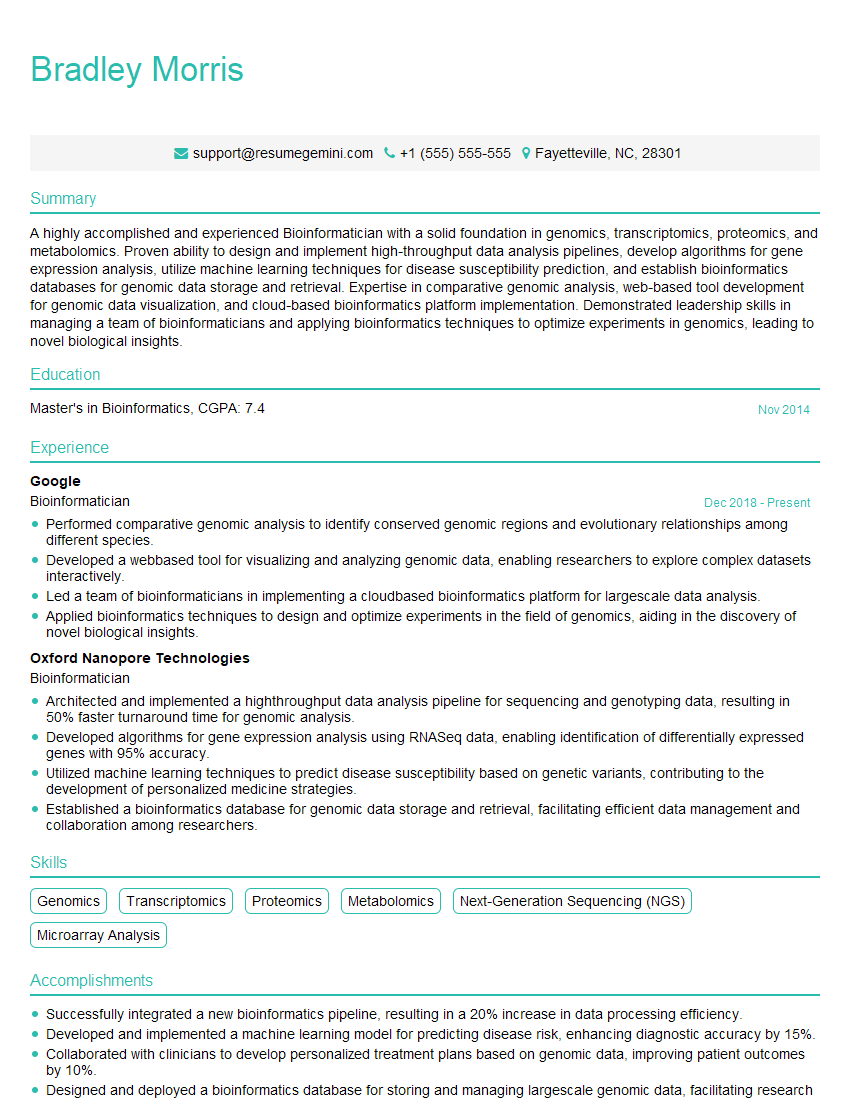
Bioinformatician Resume Sample

Genetic Engineer Resume Sample

Molecular Biologist Resume Sample
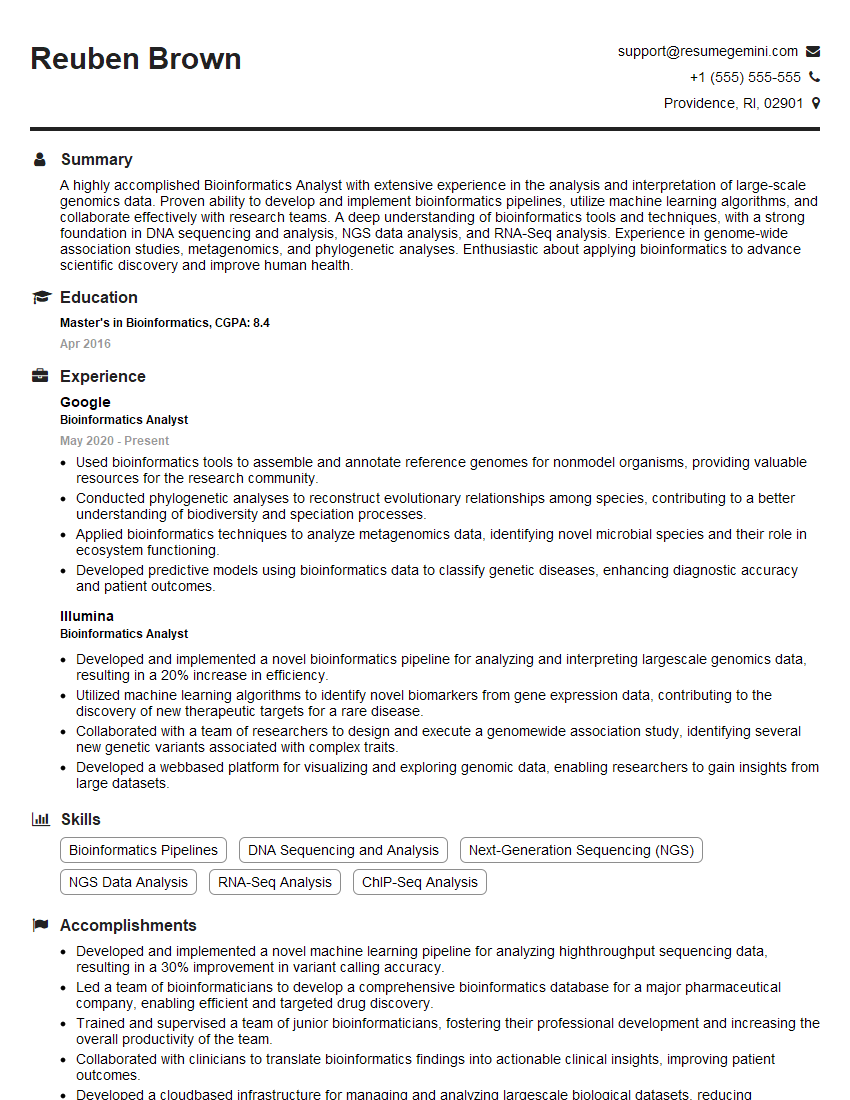
Bioinformatics Analyst Resume Sample
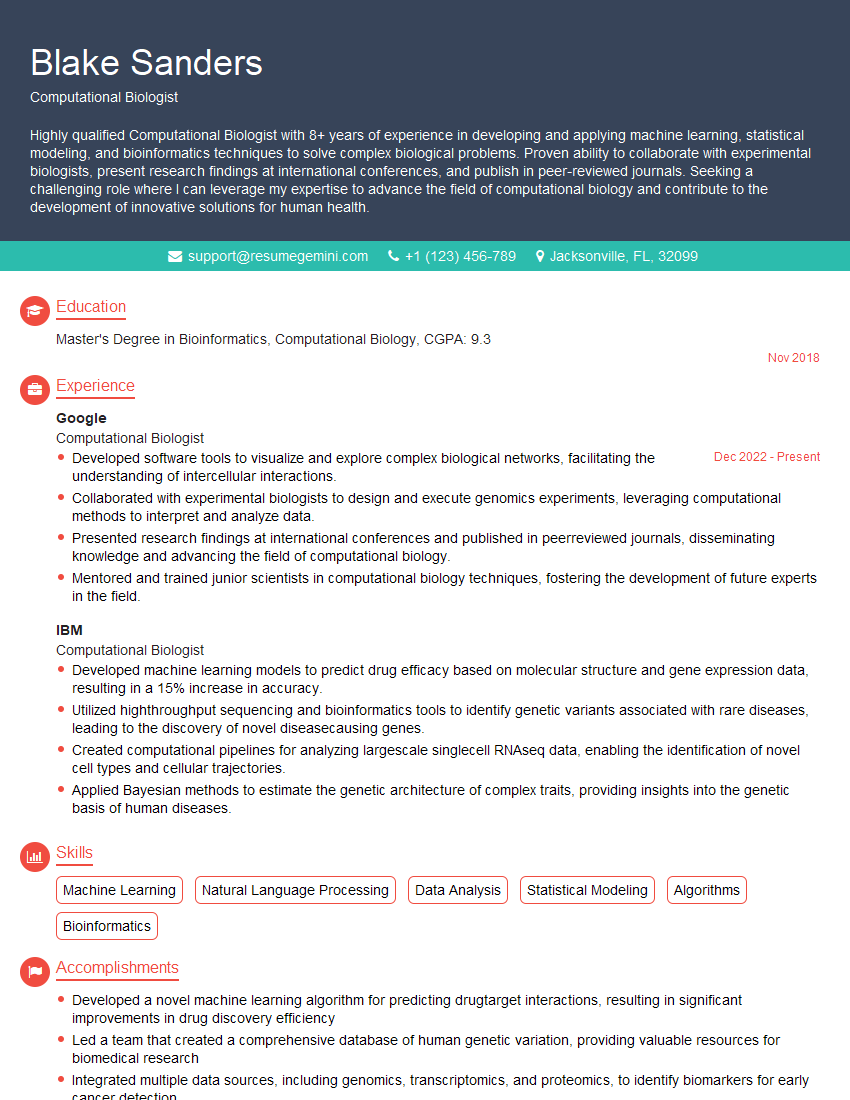
Computational Biologist Resume Sample
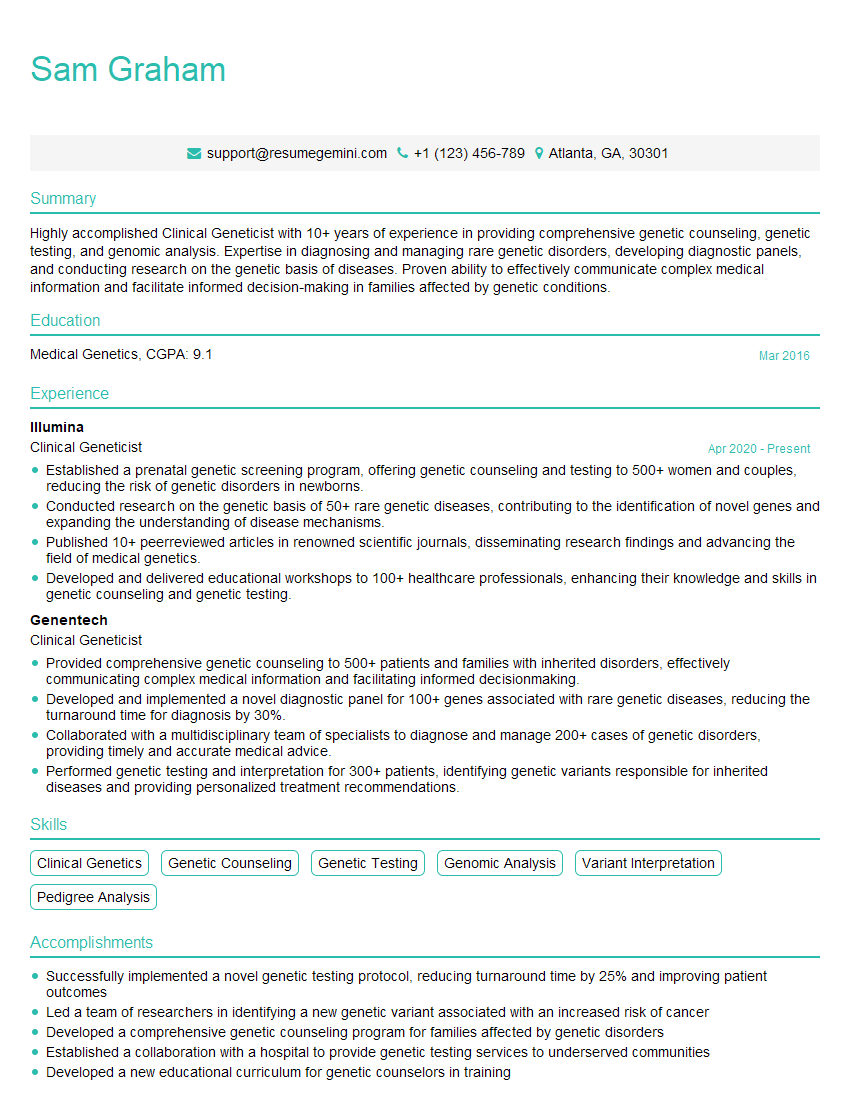
Clinical Geneticist Resume Sample
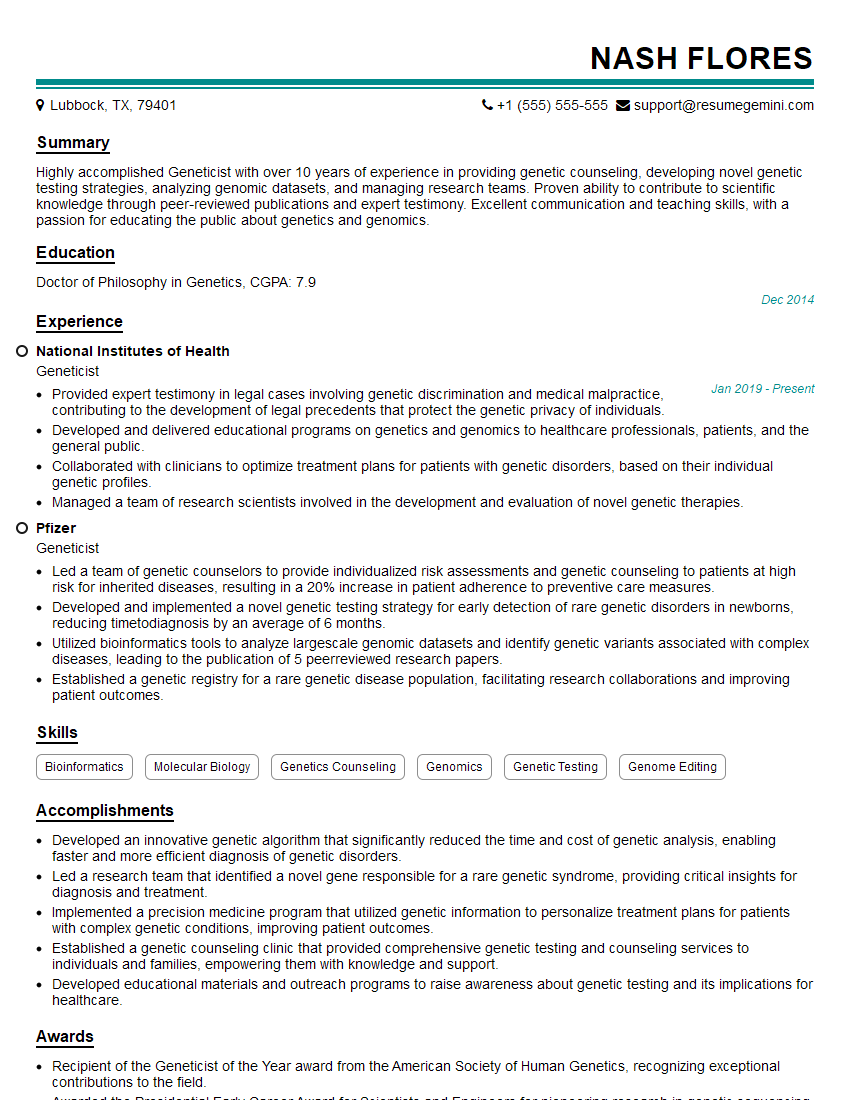
Geneticist Resume Sample
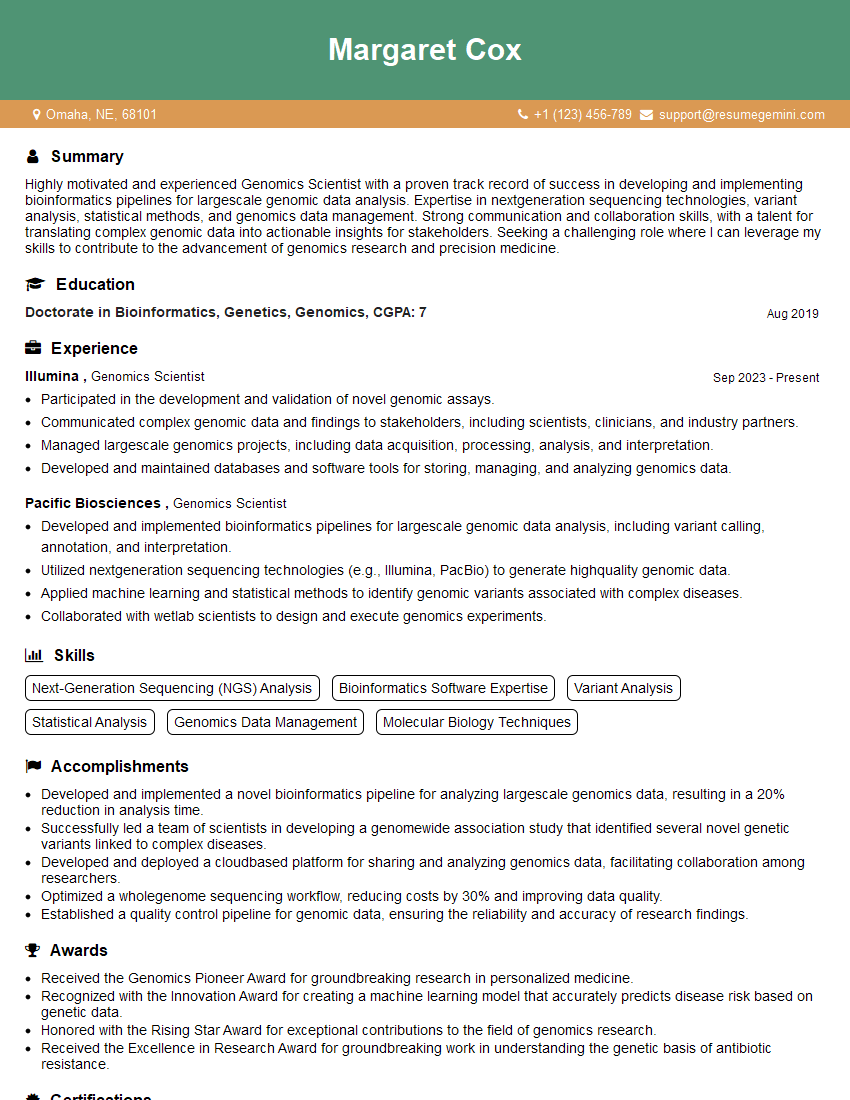
Genomics Scientist Resume Sample
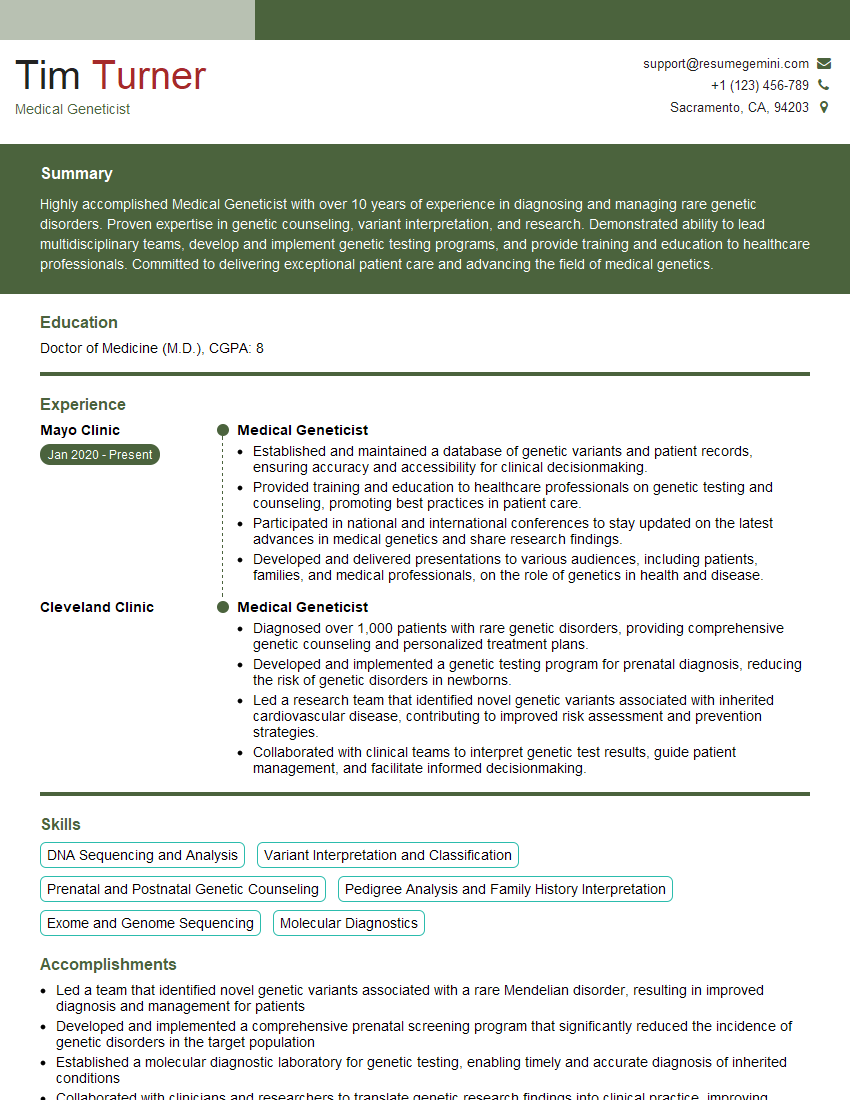
Medical Geneticist Resume Sample
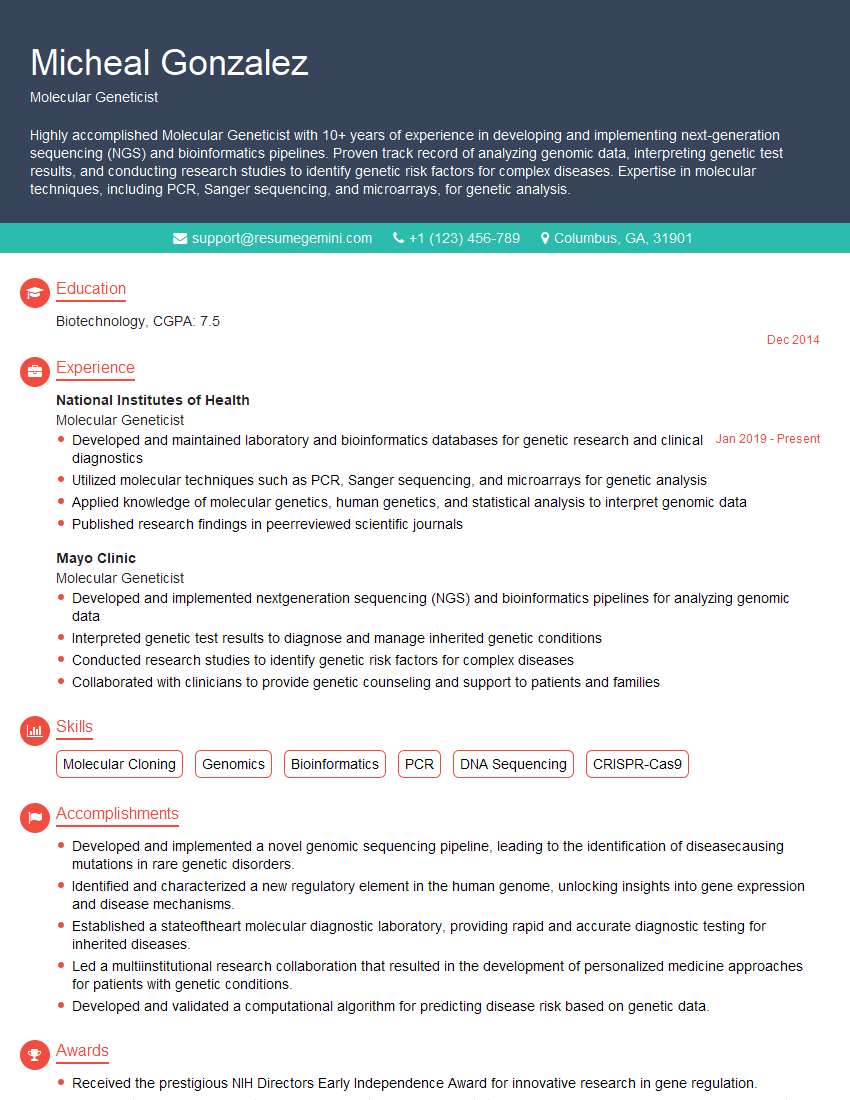
Molecular Geneticist Resume Sample
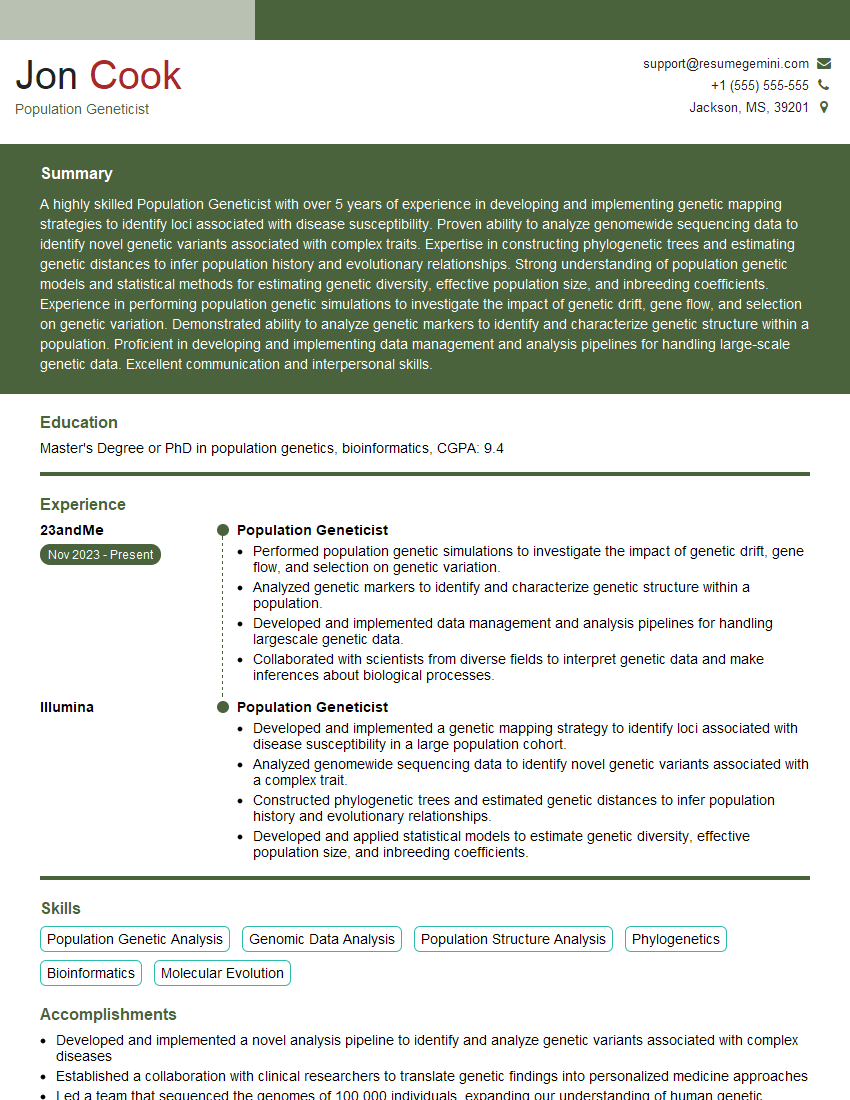
Population Geneticist Resume Sample
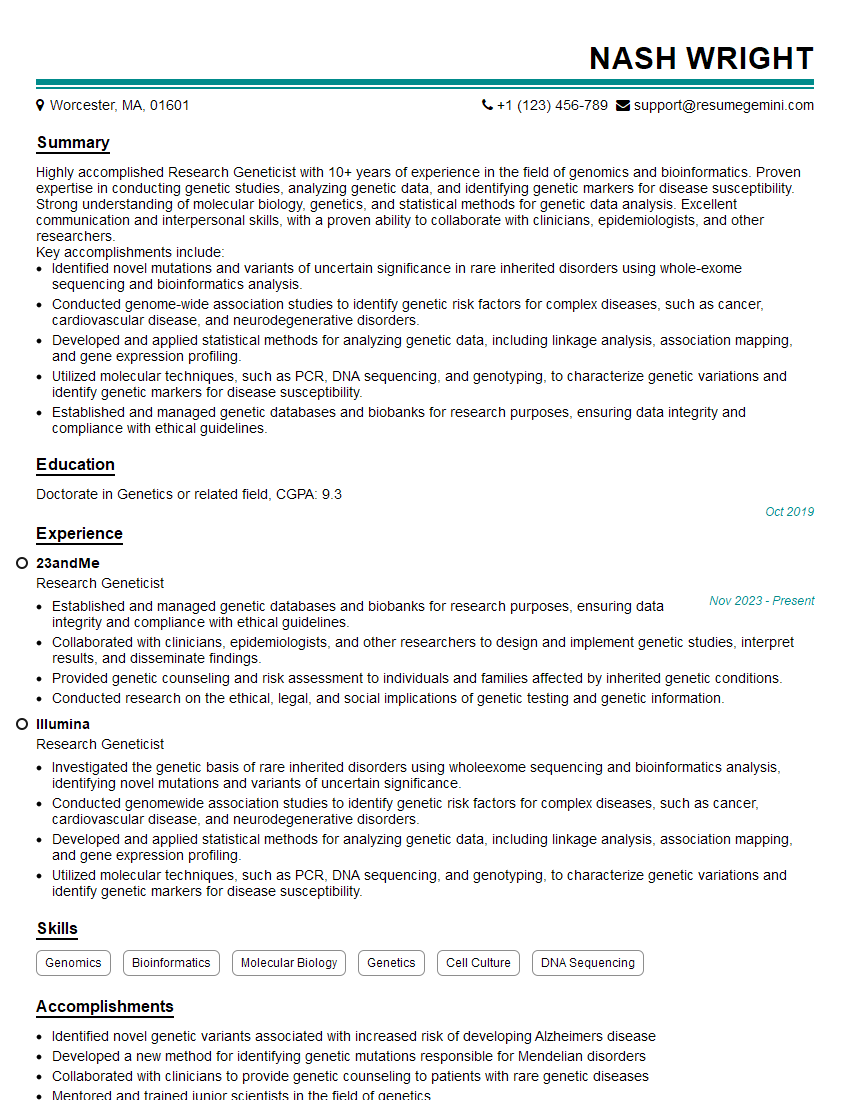
Research Geneticist Resume Sample
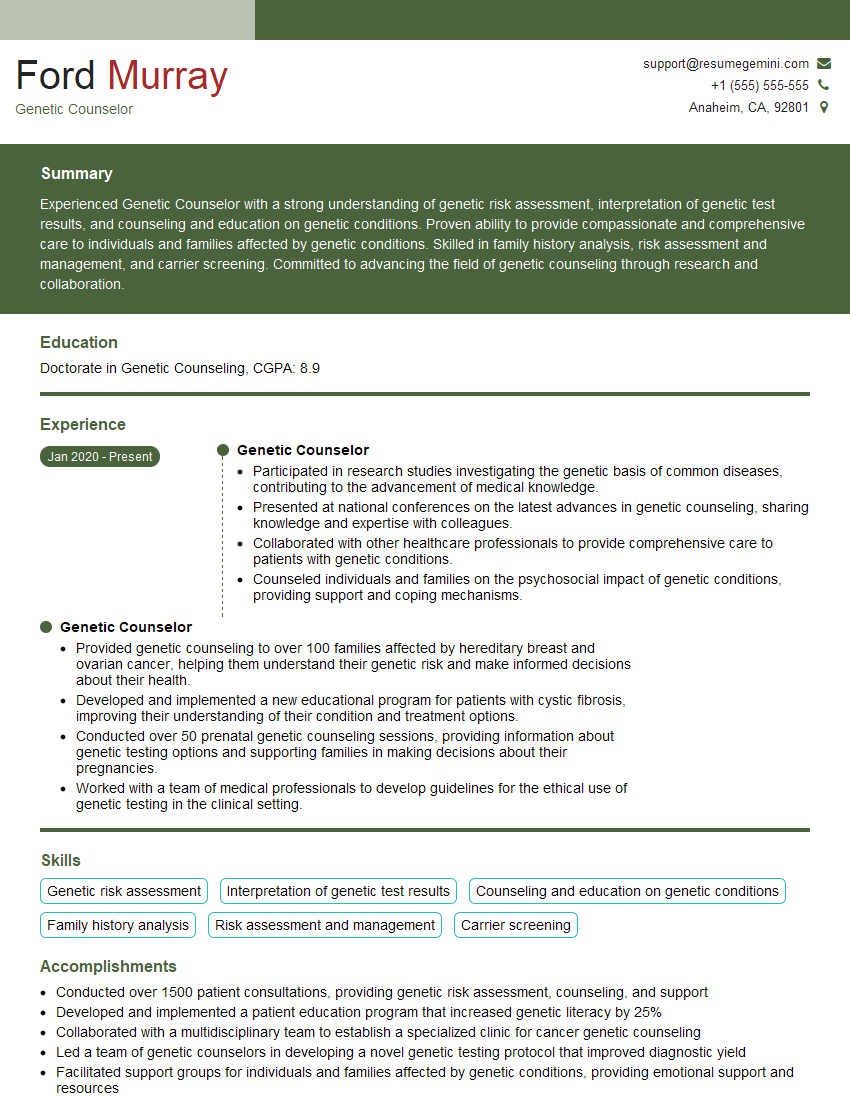
Genetic Counselor Resume Sample
Explore more articles
Users Rating of Our Blogs
Share Your Experience
We value your feedback! Please rate our content and share your thoughts (optional).
What Readers Say About Our Blog
Very informative content, great job.
good