Unlock your full potential by mastering the most common Familiar with Aviation Industry Standards interview questions. This blog offers a deep dive into the critical topics, ensuring you’re not only prepared to answer but to excel. With these insights, you’ll approach your interview with clarity and confidence.
Questions Asked in Familiar with Aviation Industry Standards Interview
Q 1. Explain the significance of ICAO Annex 6.
ICAO Annex 6, titled ‘Operation of Aircraft’, is a cornerstone of international aviation safety. It establishes global standards for the licensing of personnel, the operation of aircraft, and the provision of air navigation services. Think of it as the international rulebook for safely getting planes in the air and keeping them there. It’s broken down into several volumes, each covering a specific aspect of aircraft operation, ensuring a consistent level of safety worldwide. For example, Volume I deals with personnel licensing, while Volume II covers the operation of commercial air transport aircraft. Non-compliance can lead to serious safety repercussions and international repercussions for airlines and states.
Q 2. Describe the differences between Part 121 and Part 135 operations (FAA).
Part 121 and Part 135 of the Federal Aviation Regulations (FARs) in the US govern different types of air operations. Part 121 covers large commercial air carriers – think your major airlines like American, Delta, United etc. These operations are subject to stringent regulations covering everything from pilot qualifications and training to maintenance procedures and flight operations. Part 135, on the other hand, covers smaller commercial operators, such as charter flights, air taxis, and corporate aviation. The regulations are less stringent than Part 121 but still maintain a high level of safety. Imagine a large, scheduled flight from New York to Los Angeles versus a small, on-demand flight for a business trip; the first would fall under Part 121, while the second might be Part 135. The key difference lies in the scale and complexity of operations.
- Part 121: Large, scheduled air carriers; stricter regulations, more rigorous oversight.
- Part 135: Smaller operators; less stringent regulations than Part 121, but still safety-focused.
Q 3. What is the role of an Airworthiness Certificate?
An Airworthiness Certificate is like a ‘passport’ for an aircraft, demonstrating that it meets all the safety standards required for flight. Issued by a competent authority (like the FAA or EASA), it verifies that the aircraft is in a safe and airworthy condition. This certificate ensures that the aircraft’s design, construction, maintenance, and modifications adhere to the regulations. Without a valid Airworthiness Certificate, an aircraft cannot legally fly. Think of it as proof that the plane has passed all the necessary checks and is safe to operate.
Q 4. Explain the concept of ‘Continuing Airworthiness’ and its importance.
Continuing Airworthiness is the ongoing process of ensuring that an aircraft remains airworthy throughout its operational life. It’s not just about a one-time check; it’s a continuous effort to maintain the aircraft’s safety. This involves regular inspections, maintenance checks (both scheduled and unscheduled), modifications, and the meticulous record-keeping of all actions performed. Failure to maintain continuing airworthiness can result in serious safety hazards and can ground the aircraft. A key component is having a robust maintenance program that follows all the mandated checks and also accounts for any unique situations or issues detected during the operation.
Q 5. Describe the process of a Maintenance Release.
A Maintenance Release is a formal document signed by a licensed aircraft maintenance engineer (AME) or mechanic certifying that specific maintenance tasks have been completed correctly and that the aircraft is safe for flight. It’s essentially a declaration of airworthiness following maintenance. The release details the work performed, the aircraft’s identification, and the AME’s certification. This document is crucial as it confirms the aircraft’s safety before it can be flown. Without a proper maintenance release for any work done, flying the aircraft would be illegal and incredibly dangerous.
The process involves:
- Inspection: Thoroughly checking the aircraft system(s) after maintenance.
- Verification: Ensuring all work is done to the required standards.
- Documentation: Recording the work performed in the aircraft’s logbook and preparing a release form.
- Release: The AME signs the release, signifying the aircraft is airworthy for flight.
Q 6. What are the key elements of a Safety Management System (SMS)?
A Safety Management System (SMS) is a proactive approach to managing safety risks within an aviation organization. It’s not just about reacting to accidents; it’s about preventing them. Key elements include:
- Safety Policy: A formal statement outlining the organization’s commitment to safety.
- Safety Risk Management: Identifying, analyzing, and mitigating safety hazards.
- Safety Assurance: Monitoring safety performance and effectiveness of the SMS.
- Safety Promotion: Fostering a safety culture within the organization through training and communication.
- Accident/Incident Reporting and Investigation: A robust system for reporting and investigating incidents to learn from mistakes and prevent recurrences.
A well-implemented SMS uses data-driven decision making to identify and address potential safety concerns before they lead to accidents. It’s a continuous cycle of improvement focused on preventing rather than reacting.
Q 7. How do you ensure compliance with EASA regulations?
Ensuring compliance with EASA (European Union Aviation Safety Agency) regulations requires a multi-faceted approach. It begins with understanding the applicable regulations and ensuring that all operations, maintenance procedures, and personnel training meet these standards. This includes:
- Regular Audits and Inspections: Submitting to and passing regular audits and inspections by EASA or a designated authority.
- Maintaining Documentation: Meticulous record-keeping of all maintenance activities, training records, and operational data.
- Training Programs: Implementing comprehensive training programs for all personnel involved in flight operations and maintenance to meet EASA requirements.
- Continuous Improvement: Proactively identifying areas for improvement and implementing changes to enhance safety and compliance.
- Staying Updated: Keeping abreast of changes and updates to EASA regulations through official publications and advisories.
Non-compliance can lead to significant penalties, including operational restrictions or even suspension of the Air Operators Certificate (AOC).
Q 8. What are the reporting requirements for incidents and accidents?
Aviation incident and accident reporting is crucial for continuous safety improvement. The specific requirements vary by country and regulatory authority (like the FAA in the US or EASA in Europe), but generally involve prompt notification to the relevant authorities. The process typically involves submitting a detailed report outlining the circumstances, contributing factors, and any resulting damage or injuries. For example, a minor incident like a bird strike might require a less extensive report than a major accident involving fatalities. The level of detail required increases with the severity of the event.
Key aspects usually included in these reports are:
- Date, time, and location of the event.
- Aircraft type, registration, and flight number (if applicable).
- Description of the incident or accident, including sequence of events.
- Personnel involved and their roles.
- Weather conditions.
- Details of any damage to the aircraft or property.
- Injuries or fatalities.
- Preliminary findings and contributing factors (if known).
Failure to report incidents or accidents as required can result in significant penalties.
Q 9. Explain the importance of risk assessment in aviation maintenance.
Risk assessment in aviation maintenance is paramount for ensuring safety and preventing accidents. It’s a systematic process of identifying hazards, analyzing their potential risks, and implementing control measures to mitigate those risks. Think of it as a proactive approach to safety, identifying potential problems *before* they cause incidents.
A typical risk assessment process might include:
- Hazard identification: This involves identifying potential hazards associated with specific maintenance tasks, such as working at heights, handling hazardous materials, or using specialized tools.
- Risk analysis: Assessing the likelihood and severity of each identified hazard. For example, a high likelihood of a minor injury might be rated as a moderate risk, while a low likelihood of a serious injury would also be a moderate risk. A high likelihood of a serious injury would be rated as a high risk.
- Risk control: Developing and implementing control measures to reduce or eliminate the risks. This could involve using personal protective equipment (PPE), implementing specific work procedures, or providing additional training.
- Risk review: Regularly reviewing and updating the risk assessment to reflect changes in procedures, technology, or environment.
Example: Replacing a high-pressure hydraulic line. The hazard is high-pressure fluid escaping, causing injury. Risk control would include using proper tools and PPE, and ensuring a controlled environment to minimize the likelihood of injury.
Q 10. What are the different classes of airworthiness directives (ADs)?
Airworthiness Directives (ADs) are mandatory instructions issued by aviation authorities (like the FAA or EASA) to address safety issues related to aircraft or components. They aren’t categorized into distinct classes in a uniform way across all authorities, but the urgency and required action often imply a level of seriousness. While there isn’t a formal ‘class’ system, we can consider the level of urgency and the type of action needed:
Based on the urgency and required action, we can differentiate ADs by their implications:
- Urgent/Emergency ADs: These demand immediate action due to an imminent safety risk. They often require immediate grounding or modification to prevent catastrophic failure. Think of a critical component found to be prone to failure leading to a crash.
- Routine ADs: These address known issues that, while not immediately life-threatening, require corrective action to maintain airworthiness and prevent future problems. This may involve regular inspections or component replacements.
- Deferred ADs: In some cases, an AD might allow for a delay in compliance, often due to limited availability of parts or scheduling constraints. These often come with strict monitoring requirements.
The language of the AD itself will always clearly state the required actions and timelines for compliance.
Q 11. How do you handle discrepancies found during an inspection?
Discrepancies found during an inspection require careful documentation and resolution. This ensures aircraft maintain airworthiness standards. The process generally involves these steps:
- Identify and Document: Carefully record the discrepancy using a standardized form. Include the location, nature, and severity of the problem, along with any relevant observations.
- Categorize: Determine the severity of the discrepancy (e.g., minor, major, critical) and its potential impact on flight safety. A visual inspection defect will be treated differently to a major structural defect.
- Consult Maintenance Manual: Check the aircraft maintenance manual for guidance on handling the specific discrepancy. This may outline corrective actions or repair procedures.
- Determine Corrective Action: Based on the severity and maintenance manual guidance, decide on the appropriate corrective action. Options might include repair, replacement, or temporary grounding.
- Complete Repair/Action: Carry out the necessary repair or corrective action, ensuring that all work is documented properly, including part numbers, work performed, and associated documentation.
- Verification: Inspect the completed work to ensure that it was performed correctly and meets the required standards. The discrepancy should be confirmed as rectified.
- Record Keeping: Maintain accurate records of all inspections, discrepancies, corrective actions, and verifications. This may involve logging the information into a digital maintenance tracking system (CMMS).
Example: Discovering a crack in a control cable during a pre-flight inspection. This is a critical discrepancy requiring immediate attention. It would be documented, grounded, repaired or replaced, and then the completed repair process verified.
Q 12. Explain your understanding of human factors in aviation safety.
Human factors are critical in aviation safety. It considers the psychological and physiological aspects of human performance and their impact on safety. It recognizes that human beings are fallible and prone to errors, and it aims to design systems and procedures that minimize the likelihood of those errors leading to accidents.
Key areas of human factors include:
- Workload Management: Managing the pilot’s mental and physical workload to prevent overload and errors.
- Situational Awareness: Maintaining a clear understanding of the aircraft’s status, surrounding environment, and any potential hazards. A pilot failing to maintain good situational awareness could lead to collisions.
- Decision Making: Employing effective decision-making strategies in time-sensitive scenarios. A pilot may need to quickly make an informed decision during an emergency.
- Communication: Effective communication between flight crew members and air traffic control is paramount for safety.
- Fatigue: Pilot fatigue increases the risk of error. Procedures to manage fatigue need to be in place.
- Stress Management: Understanding and managing stress in the cockpit. A pilot under severe stress may make poor decisions.
By understanding human limitations and designing systems that account for them, we can create a safer aviation environment.
Q 13. Describe the process for conducting a pre-flight inspection.
A pre-flight inspection is a critical safety check performed before each flight to ensure the aircraft is airworthy. It’s a visual and sometimes hands-on check, typically guided by a checklist. The thoroughness depends on the type of aircraft and the regulations.
A typical pre-flight inspection might include:
- Exterior Inspection: Checking for damage to the fuselage, wings, tail, and control surfaces. Inspecting for leaks, corrosion, or any unusual wear and tear. This also includes checking the tires, landing gear, and propeller (if applicable).
- Interior Inspection: Verifying the operation of instruments, controls, and safety equipment. Ensuring that all seats and seatbelts are securely fastened and in good working order.
- Fluid Levels: Checking the levels of engine oil, hydraulic fluid, and other essential fluids.
- Control Surfaces: Moving control surfaces (ailerons, elevators, rudder) to check their freedom of movement.
- Engine Inspection: A visual check of the engine and its components for any visible damage or leaks. This may also include a check of the engine oil, and fuel.
- Emergency Equipment: Checking the availability and functionality of emergency equipment, such as fire extinguishers, first-aid kits, and emergency exits.
The pilot or designated maintenance personnel then records any discrepancies that may require further action.
Q 14. What is your understanding of the principles of CRM (Crew Resource Management)?
Crew Resource Management (CRM) is a teamwork approach emphasizing effective communication, leadership, and decision-making within a flight crew. It recognizes that effective teamwork is crucial for flight safety. It’s not just about the technical skills of the crew but also their ability to work together efficiently, handle stress, and address potential problems proactively.
Key principles of CRM include:
- Clear Communication: Using standard phrases and clear, concise language to exchange information effectively.
- Leadership: A shared leadership approach where the captain and other crew members contribute and share responsibilities.
- Situational Awareness: Ensuring that all crew members have a good understanding of the flight’s status and any potential hazards.
- Decision Making: Employing a structured approach to decision-making, including considering all options and discussing potential risks.
- Error Management: Implementing strategies to detect, prevent, and correct errors.
CRM training helps pilots and other crew members develop these skills, leading to improved communication, teamwork, and ultimately, enhanced aviation safety.
Q 15. How do you handle a conflict between a regulatory requirement and company policy?
When a regulatory requirement clashes with company policy, it’s crucial to prioritize safety and compliance. The regulatory requirement always takes precedence. Think of it like this: regulations are the law; company policy is a guideline built upon that law. If they conflict, the law must be followed.
My approach involves:
- Identifying the conflict: Clearly define the discrepancy between the regulation (e.g., FAA Part 145 for maintenance) and the internal policy.
- Escalation: Reporting the conflict immediately to my supervisor and relevant stakeholders. This ensures transparency and a collaborative approach to finding a solution.
- Documentation: Meticulously documenting the conflict, the regulatory requirement, and the steps taken to resolve it. This includes dates, personnel involved, and the final decision.
- Implementation of the Regulatory Requirement: Following the regulatory requirement, even if it means modifying company policy. We might need to revise procedures or training to ensure full compliance.
- Long-Term Solution: Working with the relevant departments to align company policy with the regulatory requirement, preventing future conflicts.
For example, if a company policy suggests a certain maintenance interval that falls short of the mandated interval in an FAA regulation, the FAA regulation must be adhered to. The company policy needs revision, not the other way around. This ensures the highest level of safety is maintained.
Career Expert Tips:
- Ace those interviews! Prepare effectively by reviewing the Top 50 Most Common Interview Questions on ResumeGemini.
- Navigate your job search with confidence! Explore a wide range of Career Tips on ResumeGemini. Learn about common challenges and recommendations to overcome them.
- Craft the perfect resume! Master the Art of Resume Writing with ResumeGemini’s guide. Showcase your unique qualifications and achievements effectively.
- Don’t miss out on holiday savings! Build your dream resume with ResumeGemini’s ATS optimized templates.
Q 16. Explain the difference between preventative and corrective maintenance.
Preventative maintenance (PM) focuses on preventing issues before they occur, whereas corrective maintenance (CM) addresses issues after they’ve already arisen. Imagine a car: PM is like regularly changing the oil to prevent engine damage; CM is fixing a flat tire after it’s already happened.
Preventative Maintenance: This involves scheduled inspections, lubrication, component replacements (before failure), and other actions designed to extend the lifespan of equipment and maintain its airworthiness. Examples include scheduled engine inspections, replacing parts that are nearing their service life, and conducting regular cabin safety checks.
Corrective Maintenance: This is reactive maintenance performed after a fault or malfunction has been detected. Examples include replacing a failed part, repairing a damaged component, or troubleshooting a system malfunction. Corrective maintenance often requires more time, resources, and may lead to longer aircraft downtime.
Both are essential for aviation safety and are often documented in the aircraft’s maintenance manual and the company’s maintenance program. A well-balanced program incorporates both PM and CM to ensure optimal aircraft reliability and safety.
Q 17. Describe your experience with aviation safety audits.
I have extensive experience participating in and conducting aviation safety audits, both internal and external. These audits, often based on standards like ISO 9001 or industry-specific best practices, are critical for identifying weaknesses and ensuring consistent safety levels.
My experience includes:
- Preparing for Audits: Gathering necessary documentation, ensuring compliance with relevant regulations and internal procedures, and conducting internal pre-audits to identify potential issues before external auditors arrive.
- Participating in Audits: Responding to auditor questions, providing evidence of compliance, and actively participating in corrective action planning.
- Conducting Audits: I’ve led audits, evaluating the effectiveness of safety management systems, maintenance programs, and operational procedures. This involves reviewing records, observing processes, and interviewing personnel.
- Reporting and Follow-up: Compiling audit reports, summarizing findings, and identifying areas for improvement. I then actively follow up on corrective actions to ensure implementation and effectiveness.
A recent audit I conducted highlighted a deficiency in our training program regarding a specific emergency procedure. This led to revised training materials, additional hands-on training sessions, and improved documentation, significantly enhancing our safety protocols.
Q 18. What are the common causes of aviation accidents?
Aviation accidents are complex events, rarely caused by a single factor. The majority result from a combination of contributing factors, often categorized as human factors, mechanical factors, and environmental factors.
Human Factors: This is a significant contributor and includes pilot error (e.g., poor decision-making, inadequate training), air traffic control errors, maintenance errors (missed or incorrectly performed maintenance), and inadequate communication.
Mechanical Factors: These relate to aircraft malfunctions, including engine failure, structural failure, system malfunctions, and inadequate maintenance.
Environmental Factors: These are external factors such as weather conditions (e.g., icing, severe turbulence), terrain, and wildlife strikes.
Investigating accidents often reveals a chain of events, where a seemingly minor issue interacts with other factors to create a catastrophic outcome. The investigation will focus on identifying all contributing factors and recommending actions to prevent future occurrences. For example, a seemingly minor mechanical fault may be exacerbated by pilot error during a critical phase of flight resulting in an accident.
Q 19. What are your strategies for mitigating risk in your area of responsibility?
Risk mitigation is central to aviation safety. My strategies focus on proactive identification, assessment, and control of potential hazards in my area of responsibility.
My approach includes:
- Hazard Identification: Regularly reviewing processes and procedures to identify potential hazards, using techniques like HAZOP (Hazard and Operability Study) or FMEA (Failure Mode and Effects Analysis).
- Risk Assessment: Evaluating the likelihood and severity of identified hazards, prioritizing those with the highest potential impact.
- Risk Control: Implementing measures to reduce or eliminate risks. This may involve engineering controls (modifying equipment), administrative controls (changing procedures), or personal protective equipment (PPE).
- Monitoring and Review: Continuously monitoring the effectiveness of risk controls and reviewing the risk assessment process regularly to adapt to changing circumstances.
For example, if I identify a high risk associated with a specific maintenance procedure, I might implement a new checklist, provide additional training, or introduce a peer review system to ensure the task is performed correctly and consistently.
Q 20. How do you stay up-to-date on changes in aviation regulations?
Staying current with aviation regulations is paramount for maintaining compliance and safety. I utilize several strategies:
- Regulatory Publications: Regularly reviewing official publications from regulatory bodies like the FAA (in the US) or EASA (in Europe), subscribing to newsletters and alerts for updates.
- Industry Publications and Conferences: Staying informed through industry journals, attending conferences and seminars, and networking with other professionals to share information and best practices.
- Online Resources: Utilizing reputable online resources and databases to access the latest regulations, advisories, and safety information.
- Training Courses: Participating in recurrent training courses that incorporate updated regulations and procedures.
This multi-faceted approach ensures I’m aware of any changes and can incorporate them into my work promptly. Staying informed is not just about compliance; it’s about proactive safety enhancement.
Q 21. Describe your understanding of the importance of documentation in aviation maintenance.
Documentation is the backbone of aviation maintenance. It provides a verifiable record of all maintenance actions, ensuring traceability and accountability. Accurate and complete documentation is essential for demonstrating airworthiness, complying with regulations, and preventing accidents.
The importance stems from:
- Airworthiness Certification: Demonstrates that maintenance has been performed correctly and that the aircraft meets airworthiness standards.
- Regulatory Compliance: Meets requirements set by regulatory bodies (like the FAA) for record-keeping.
- Safety and Preventative Maintenance: Allows for tracking maintenance history, predicting potential failures, and scheduling preventative maintenance.
- Troubleshooting and Investigations: Provides crucial information for diagnosing malfunctions and conducting investigations in case of accidents or incidents.
- Legal and Liability: Serves as a legal record in case of disputes or litigation.
Failure to properly document maintenance can have severe consequences, leading to safety issues, regulatory violations, and legal liabilities. Therefore, attention to detail and accuracy is paramount in maintaining these records.
Q 22. Explain the principles of weight and balance calculations for aircraft.
Weight and balance calculations are crucial for safe flight operations. They ensure the aircraft remains within its certified center of gravity (CG) limits throughout the flight. These limits are defined by the aircraft manufacturer and are critical for maintaining stability and control. The process involves accurately determining the total weight of the aircraft, including passengers, baggage, fuel, and cargo, and then calculating the CG location. This calculation is critical because an aircraft that is too nose-heavy or tail-heavy can become difficult or impossible to control.
The calculation typically uses a moment arm approach. Each item’s weight is multiplied by its distance from a reference datum point (usually a point on the aircraft’s fuselage). These moments are summed to find the total moment, which is then divided by the total weight to determine the CG location. For example, imagine a small plane. We’d measure the distance of the pilot’s weight, the fuel weight, and the baggage weight from the datum. We then multiply each by their respective weights. The sum of those calculations is the total moment. The CG is then calculated by dividing the total moment by the total weight.
Software applications and charts are frequently used to simplify these calculations, particularly for larger aircraft with many variables. Deviation from the CG limits can lead to handling difficulties, reduced control authority, and potentially catastrophic accidents. Regular weight and balance checks are therefore a mandatory aspect of pre-flight procedures.
Q 23. What is your experience with aircraft maintenance tracking systems?
I have extensive experience with various aircraft maintenance tracking systems, both computerized and manual. I’m proficient in using systems such as AMOS (Aircraft Maintenance Management System), Trax, and other industry-standard software. My experience encompasses data entry, generating maintenance reports, tracking aircraft components’ lifecycles, and ensuring compliance with regulatory requirements. I’ve also worked with manual logbooks and spreadsheets in less technologically advanced contexts. This broad experience gives me a well-rounded understanding of how these systems help maintain aircraft airworthiness.
For example, in a previous role, I was responsible for utilizing AMOS to schedule and track maintenance events, ensuring that all required inspections and repairs were completed on time and in accordance with the aircraft’s maintenance program. I used the system to generate reports for regulatory audits and to proactively identify potential maintenance issues before they could impact flight safety.
Q 24. How familiar are you with the use of maintenance manuals and technical publications?
My familiarity with maintenance manuals and technical publications is comprehensive. I’m adept at interpreting complex technical documentation, including Illustrated Parts Catalogs (IPCs), wiring diagrams, maintenance schedules, and service bulletins. These manuals are essential for carrying out aircraft maintenance, troubleshooting problems, and ensuring that repairs are performed correctly and to the manufacturer’s specifications. This involves understanding the specific instructions, diagrams, and safety precautions outlined in these publications.
For instance, I’ve used these manuals to diagnose a faulty component on an aircraft. By cross-referencing information across multiple sections of the manual, I pinpointed the issue and then followed the prescribed maintenance procedures to ensure a safe and efficient repair. My ability to quickly and effectively interpret these documents is a critical aspect of my role.
Q 25. What is your experience with aircraft performance calculations?
Aircraft performance calculations are vital for safe and efficient flight operations. They involve using various factors such as aircraft weight, altitude, temperature, wind speed, and runway length to determine critical parameters, including takeoff and landing distances, fuel requirements, and climb performance. I have a deep understanding of these principles and use them frequently in my work.
For example, I’ve used performance calculation software and charts to determine the optimal takeoff speed and climb rate for various aircraft types and conditions. I also have experience in calculating fuel requirements for flights of various durations and considering factors such as wind and anticipated headwinds. This skill helps optimize fuel consumption and reduce operational costs. Accurate performance calculations are key to ensuring operational safety and avoiding accidents.
Q 26. Describe your understanding of aviation security protocols.
My understanding of aviation security protocols is extensive, encompassing both passenger and cargo security. This involves familiarity with international regulations like ICAO Annex 17 and national security directives. I understand the importance of thorough screening procedures for passengers and baggage, cargo security measures, and the critical role of security personnel in maintaining aviation security. I am familiar with various threat levels and how security protocols are adjusted in response to them.
For example, I’m aware of the procedures for handling suspicious packages or individuals, and I’m familiar with various technologies employed in airport security screening, such as X-ray machines and metal detectors. Moreover, I understand the concepts of layered security, risk assessment, and the crucial role of continuous vigilance in maintaining the security of the aviation industry.
Q 27. What are some of the ethical considerations relevant to your role in aviation?
Ethical considerations are paramount in aviation. Safety is always the top priority, and my work must adhere to the highest ethical standards. This includes accurately reporting maintenance findings, honestly documenting all work performed, and acting with integrity in all aspects of my job. It also involves prioritizing safety even when faced with pressure to complete tasks quickly or under budget.
A key ethical challenge involves the potential conflict between cost-saving measures and maintenance requirements. It is crucial to maintain a balance, ensuring that safety is never compromised for economic reasons. This involves advocating for necessary maintenance even if it results in increased costs. I have a strong ethical compass and would always prioritize safety over potentially short-term economic gains.
Q 28. Describe your experience with aviation accident investigation processes.
My experience with aviation accident investigation processes involves understanding the various stages of an investigation, from the initial response to the final report. This includes gathering evidence, interviewing witnesses, analyzing flight data recorders (FDRs) and cockpit voice recorders (CVRs), and applying accident investigation methodologies. I understand the importance of objectivity, thoroughness, and the application of safety principles in identifying contributing factors and recommending corrective actions. The goal is to prevent similar accidents in the future.
For example, I have participated in simulated accident investigations, which have given me practical experience in applying investigative techniques. This involved working with teams to reconstruct accident sequences, analyze data from various sources, and develop safety recommendations. Understanding the process is vital for improving safety within the industry.
Key Topics to Learn for Familiar with Aviation Industry Standards Interview
- Aviation Safety Regulations: Understand key regulations like FAA regulations (or equivalent international standards) and their practical implications in various aviation roles. Consider the impact of non-compliance.
- Maintenance and Repair: Familiarize yourself with industry best practices for aircraft maintenance, including documentation, reporting, and adherence to manufacturer guidelines. Be prepared to discuss troubleshooting scenarios.
- Quality Assurance and Control: Understand the importance of quality management systems in aviation, including processes for auditing, inspection, and continuous improvement. Think about how these principles ensure safety and efficiency.
- Human Factors in Aviation: Explore the role of human error in aviation incidents and how safety protocols mitigate risk. Discuss crew resource management (CRM) and its application in team dynamics.
- Aviation Meteorology: Gain a basic understanding of weather patterns and their effect on flight operations. Consider how weather impacts decision-making in flight planning and execution.
- Operational Procedures and Documentation: Review standard operating procedures (SOPs) and their importance in maintaining consistency and safety. Understand the critical role of accurate and complete documentation.
- Risk Management in Aviation: Learn about different risk assessment methodologies used in the industry and how they contribute to proactive safety management. Consider case studies of risk mitigation strategies.
Next Steps
Mastering aviation industry standards is crucial for career advancement in this highly regulated and safety-critical field. It demonstrates your commitment to safety and your understanding of the complexities of the industry. To significantly boost your job prospects, create a compelling and ATS-friendly resume that highlights your relevant skills and experience. ResumeGemini is a trusted resource to help you build a professional and impactful resume that stands out. Examples of resumes tailored to showcasing familiarity with aviation industry standards are available to guide you through the process.
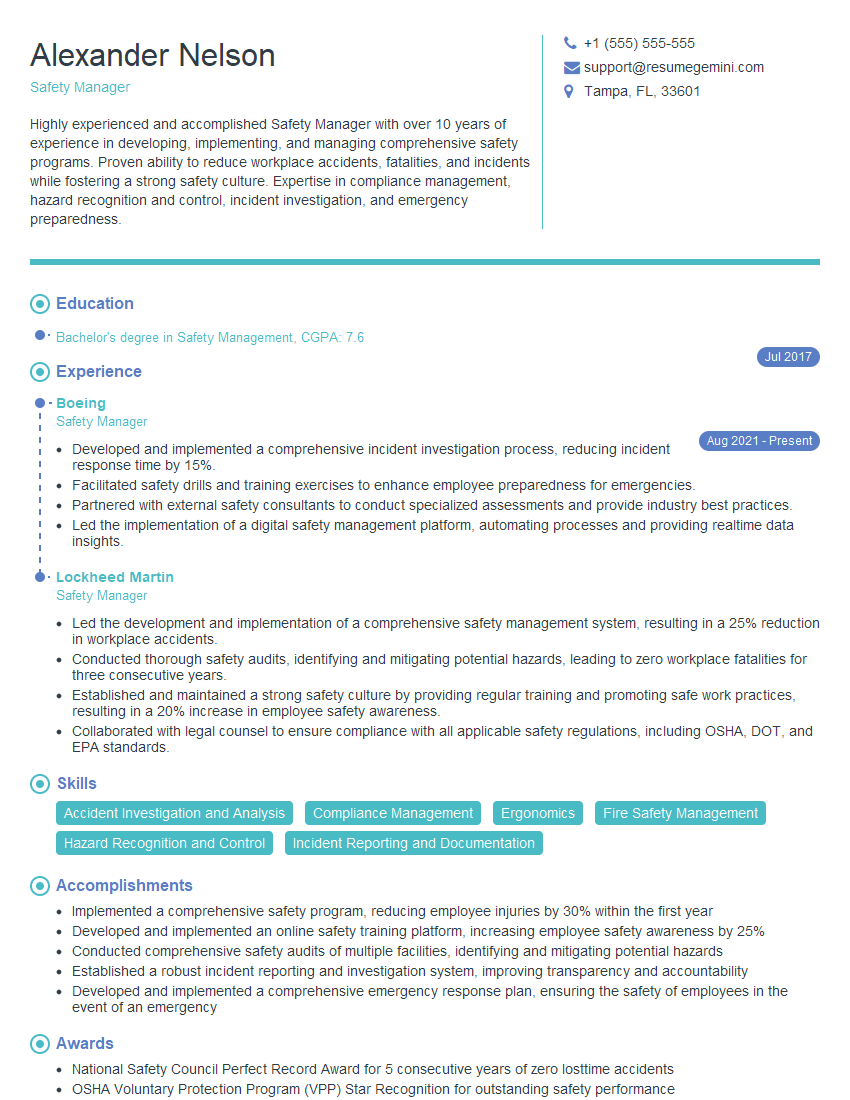
Safety Manager Resume Sample
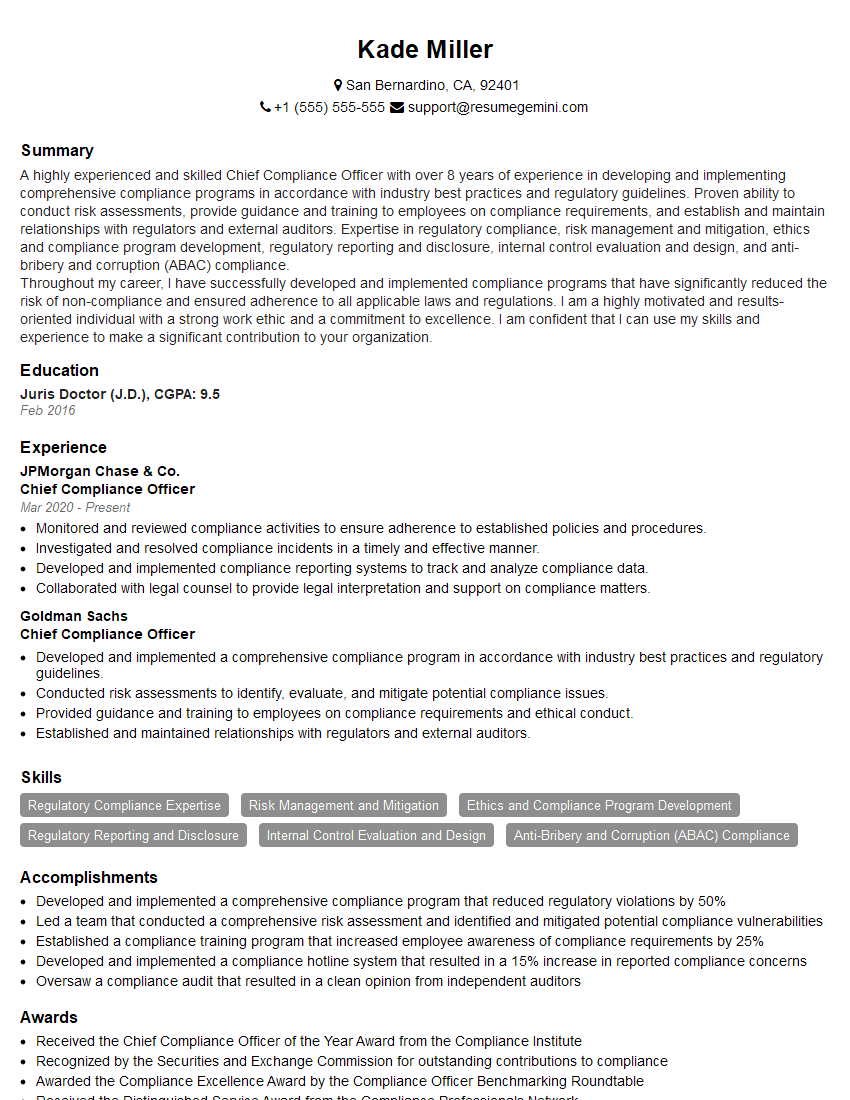
Chief Compliance Officer Resume Sample

Compliance Officer Resume Sample
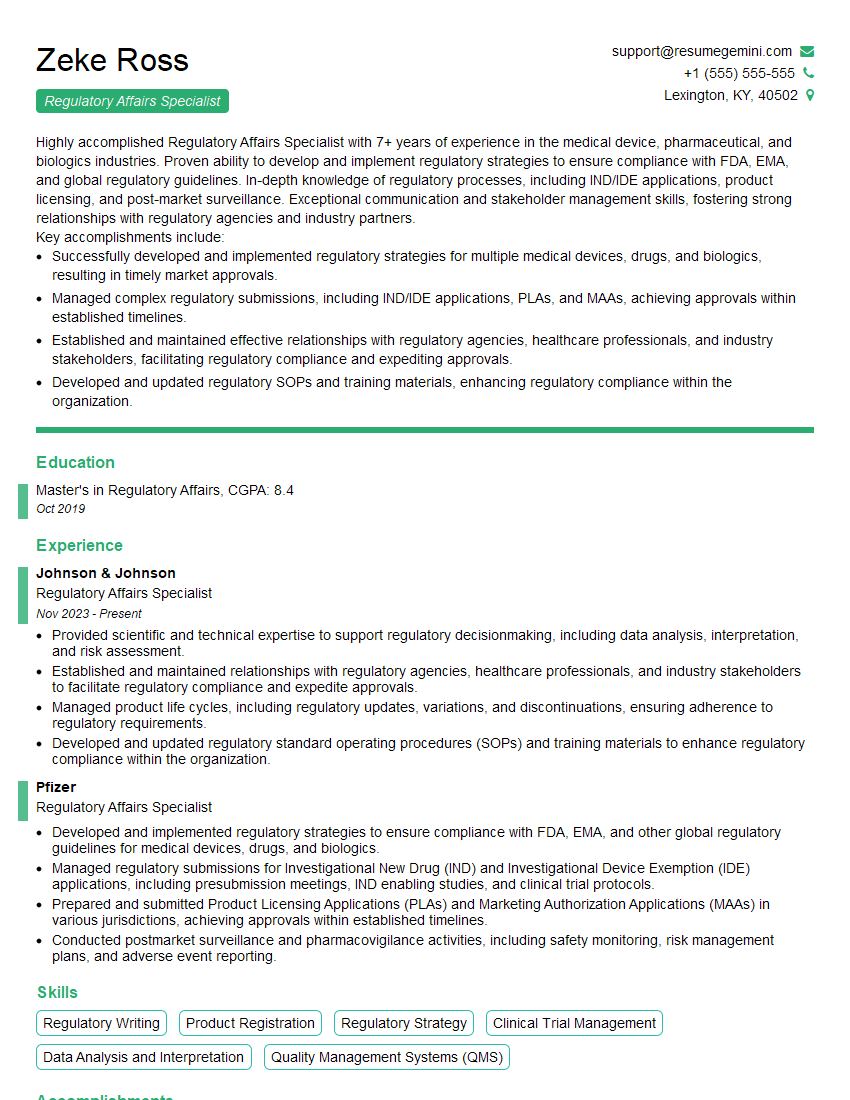
Regulatory Affairs Specialist Resume Sample
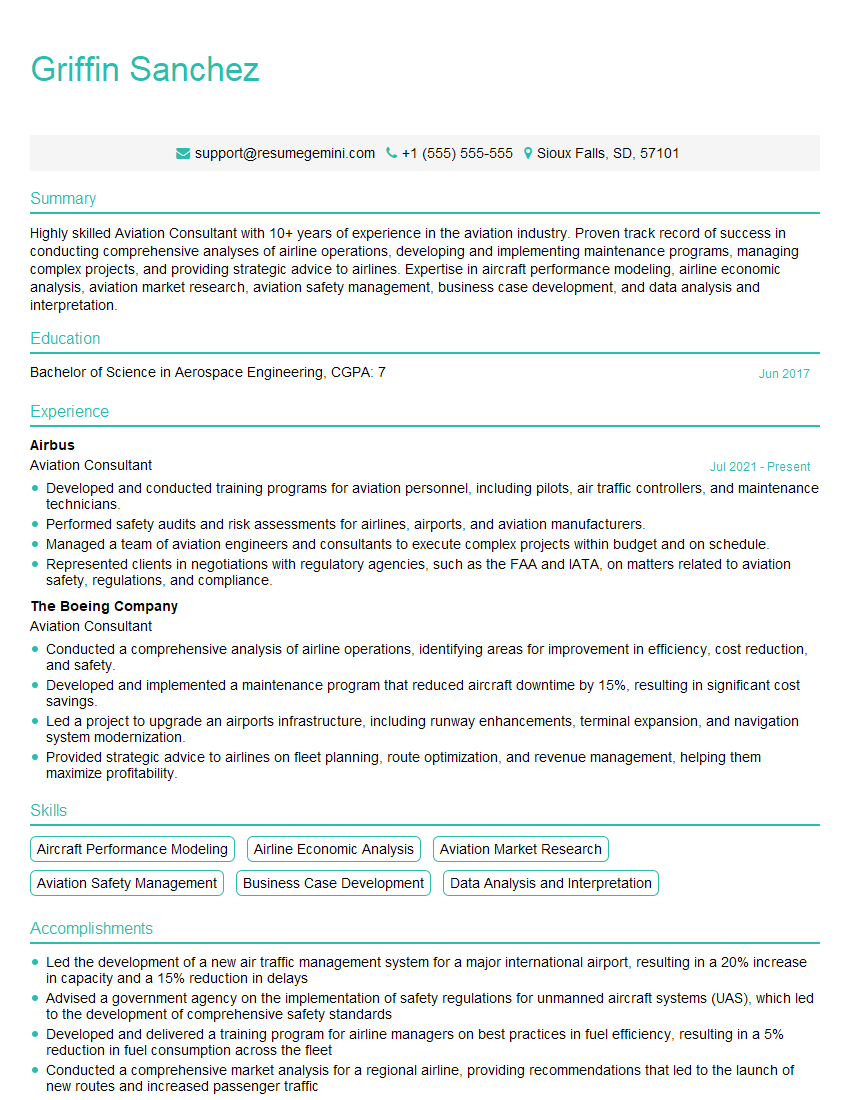
Aviation Consultant Resume Sample
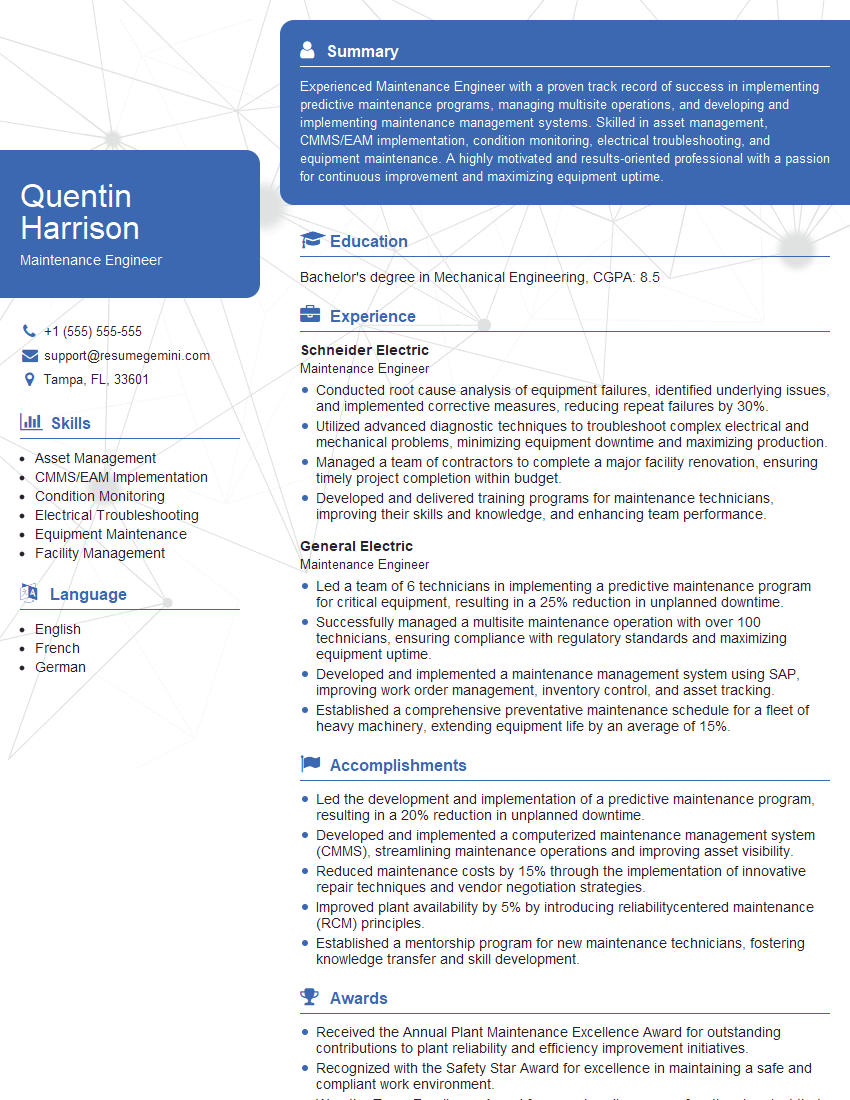
Maintenance Engineer Resume Sample
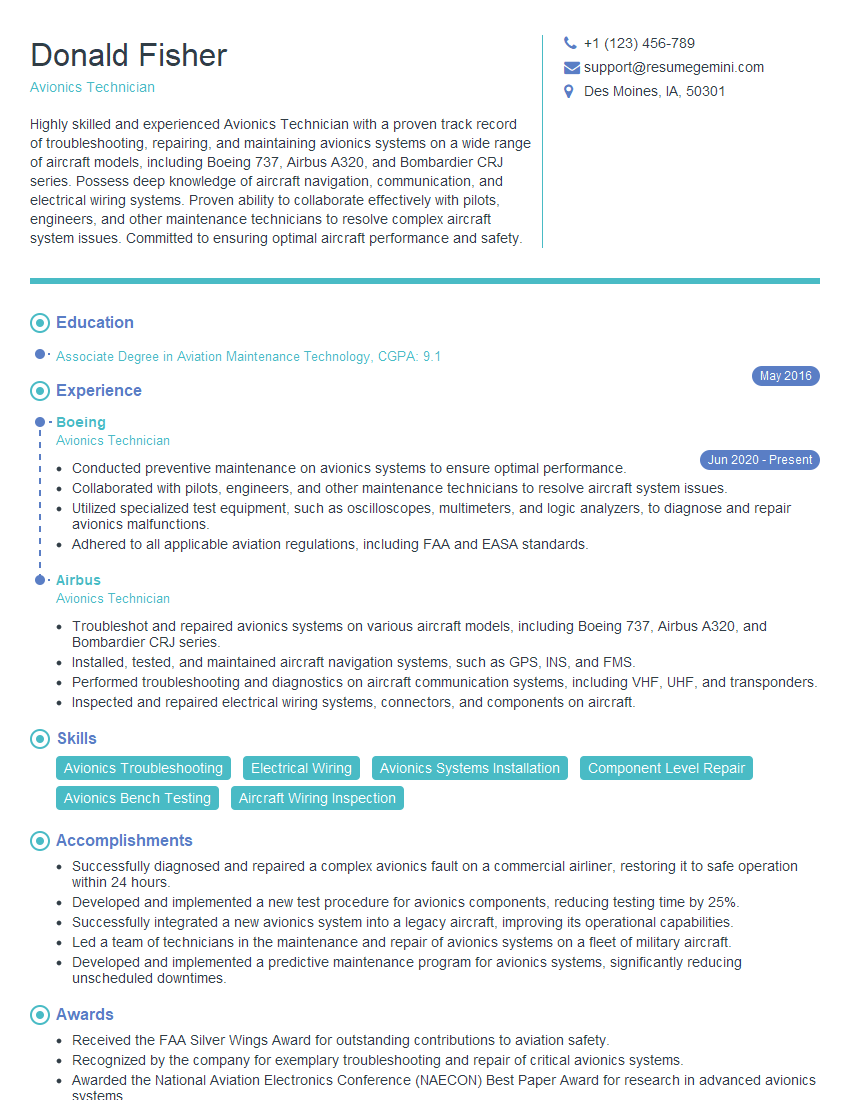
Avionics Technician Resume Sample
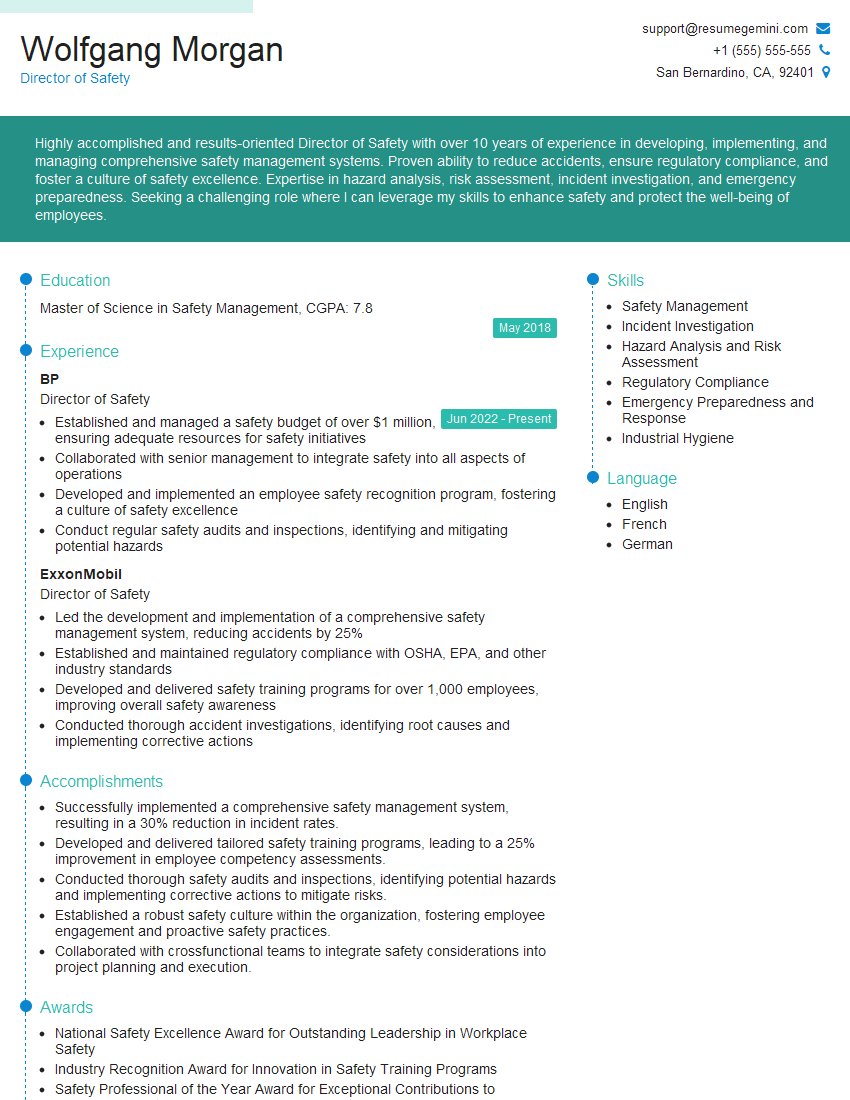
Director of Safety Resume Sample
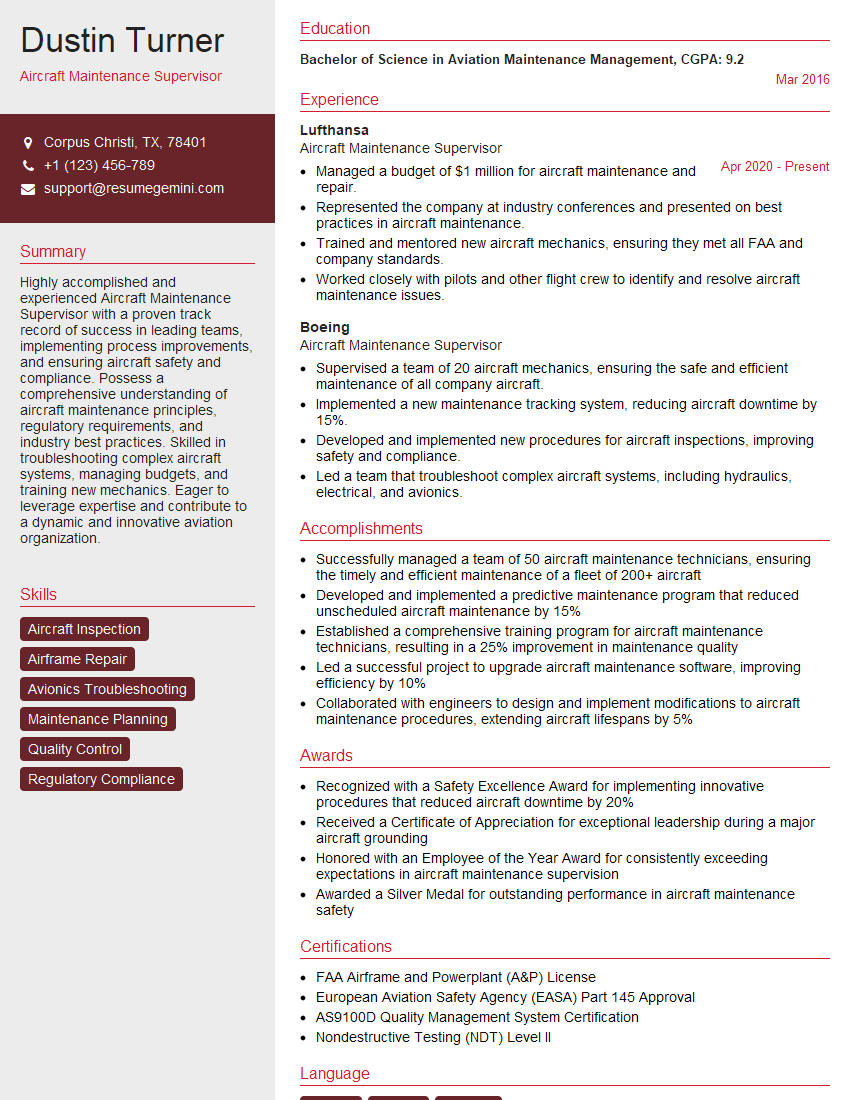
Aircraft Maintenance Supervisor Resume Sample
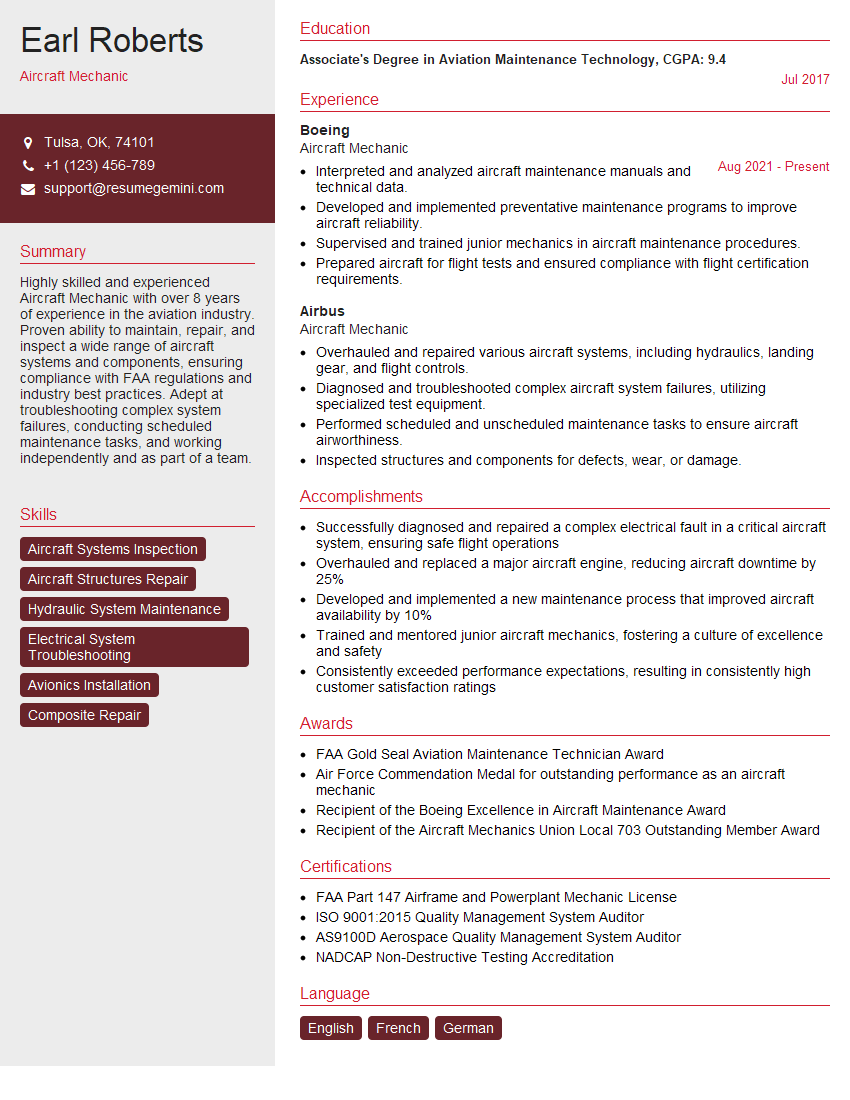
Aircraft Mechanic Resume Sample
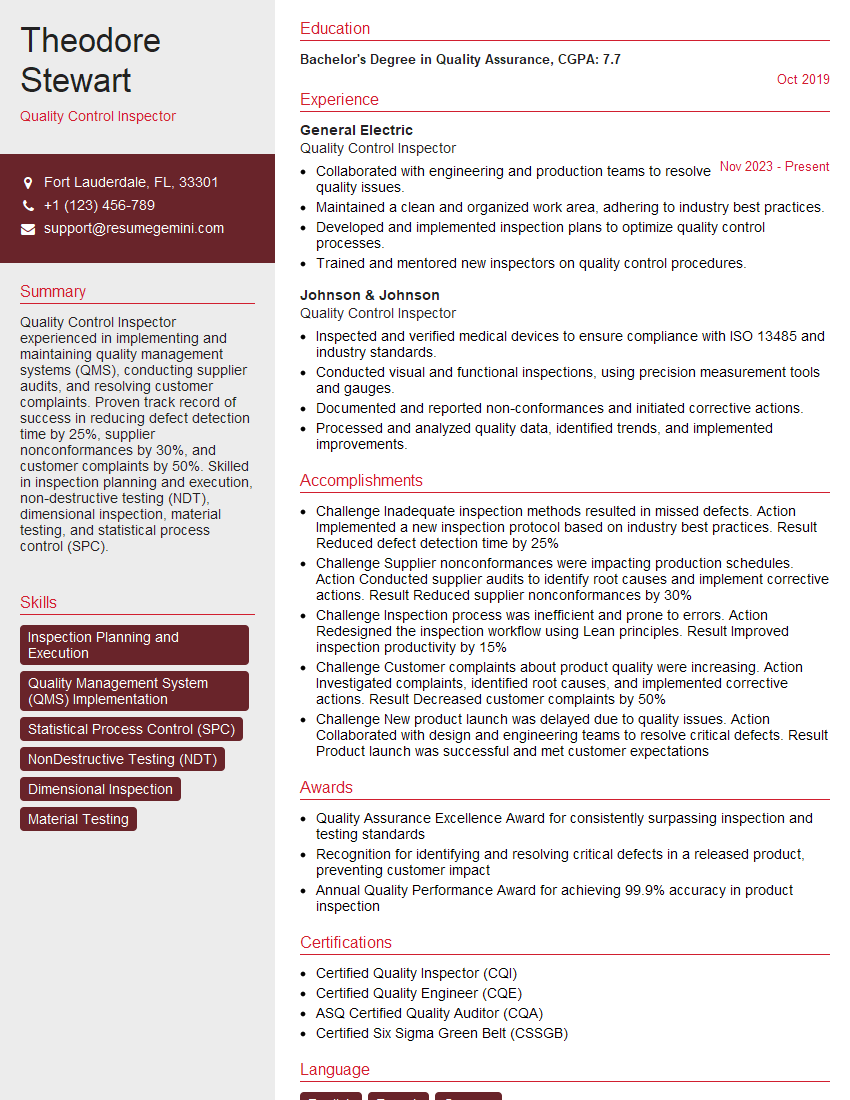
Quality Control Inspector Resume Sample
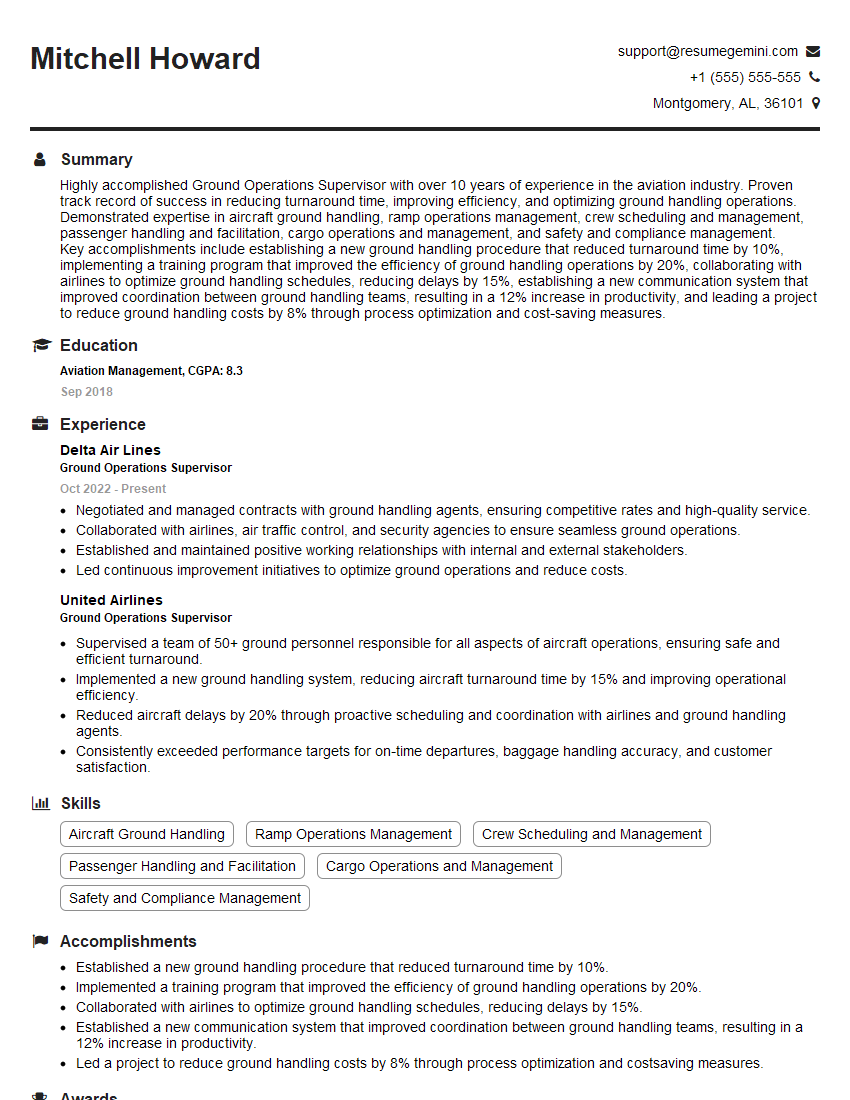
Ground Operations Supervisor Resume Sample
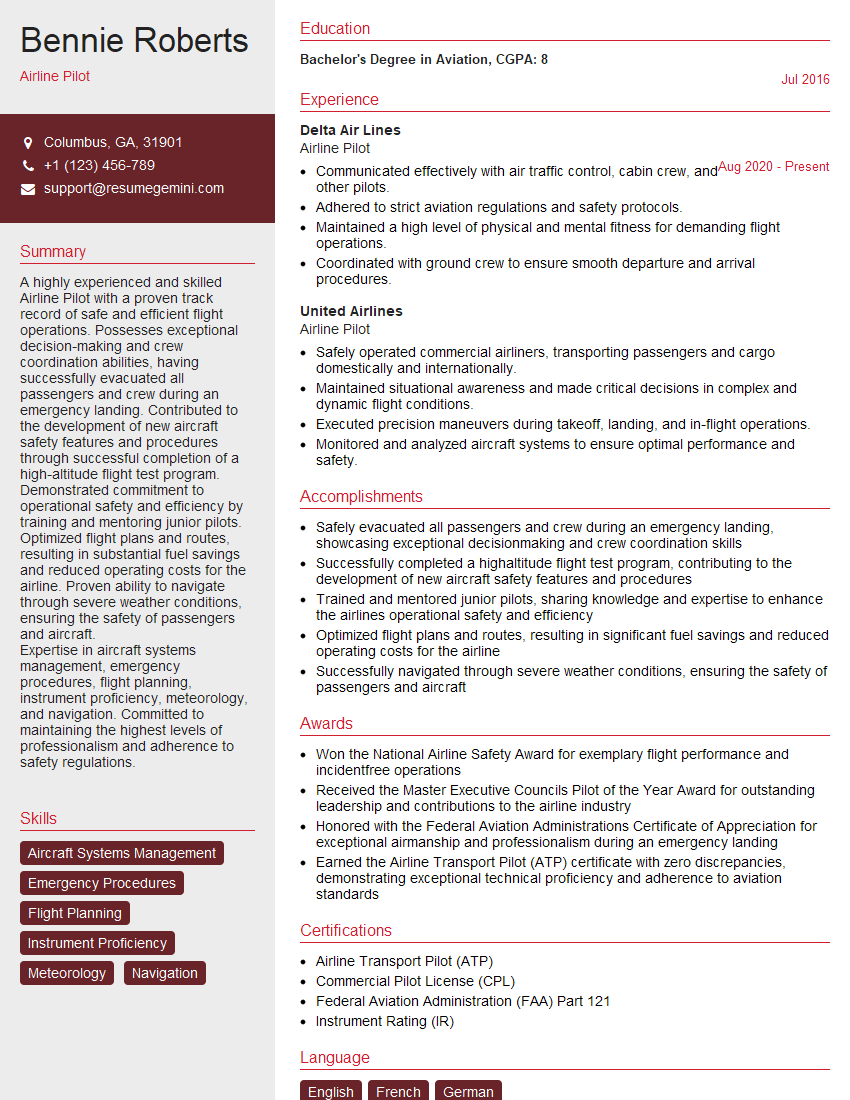
Airline Pilot Resume Sample
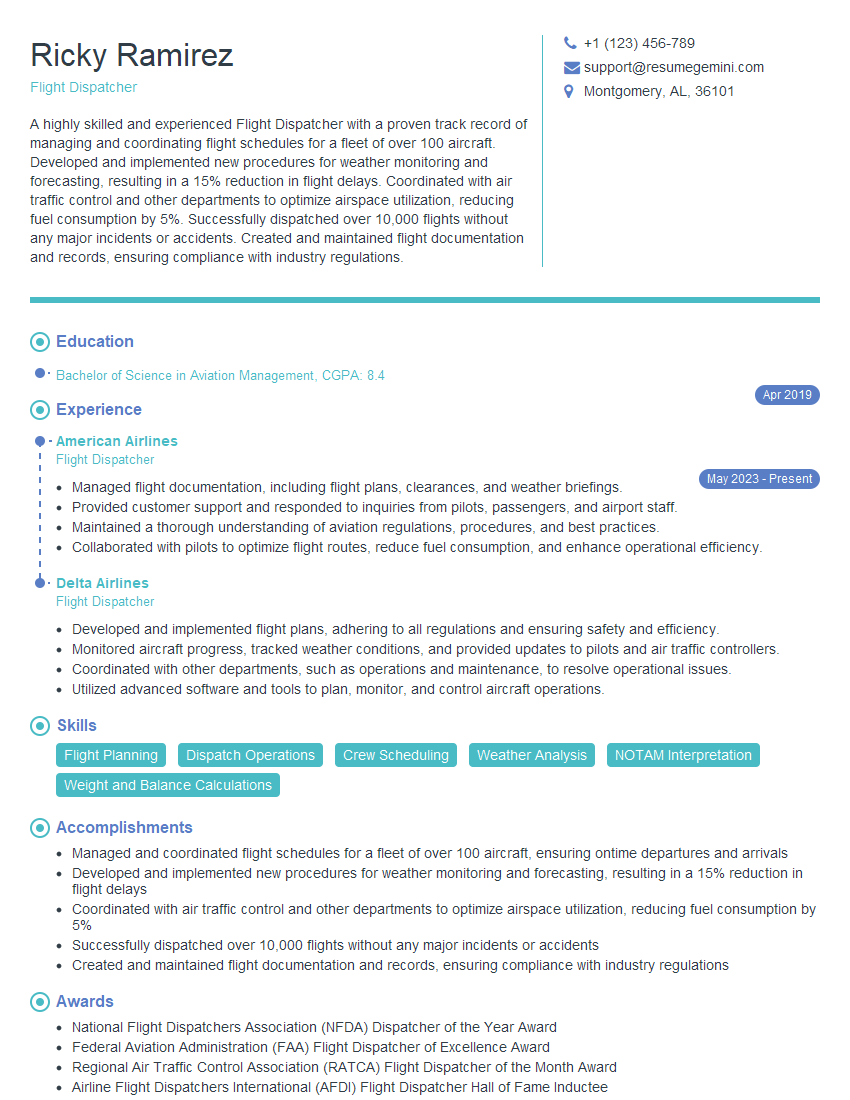
Flight Dispatcher Resume Sample
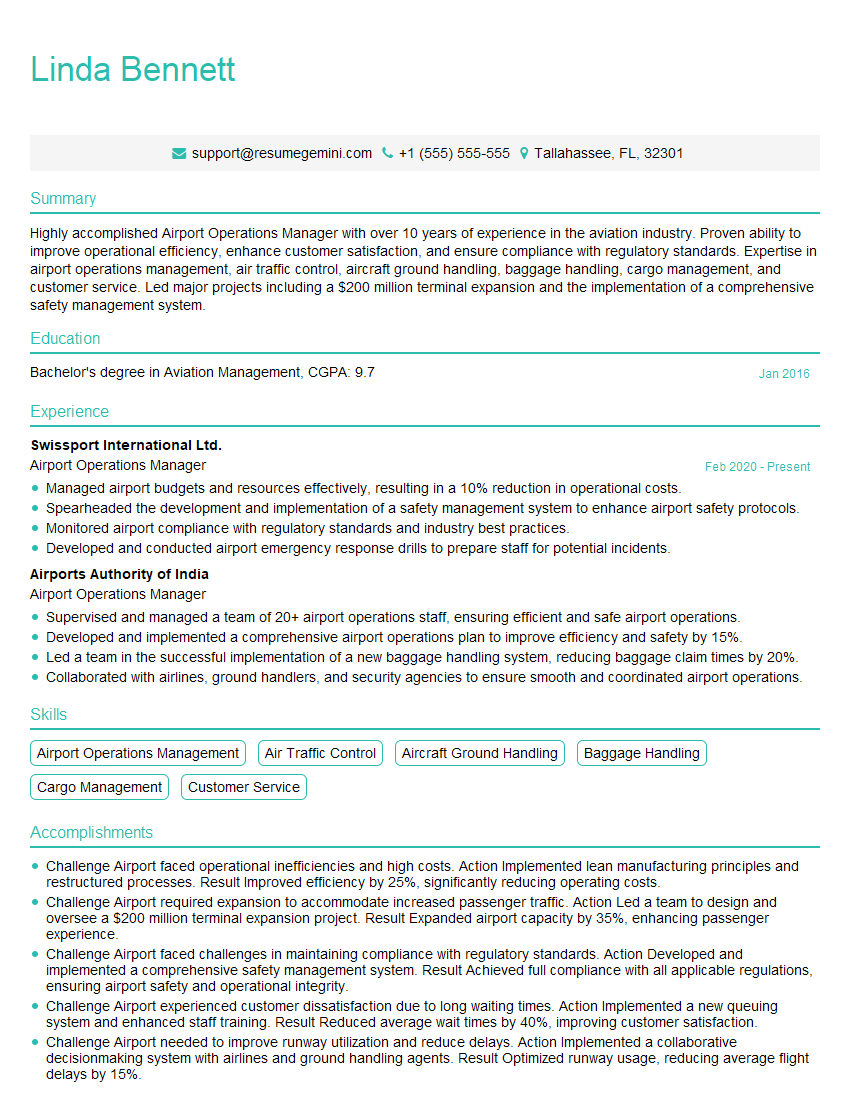
Airport Operations Manager Resume Sample
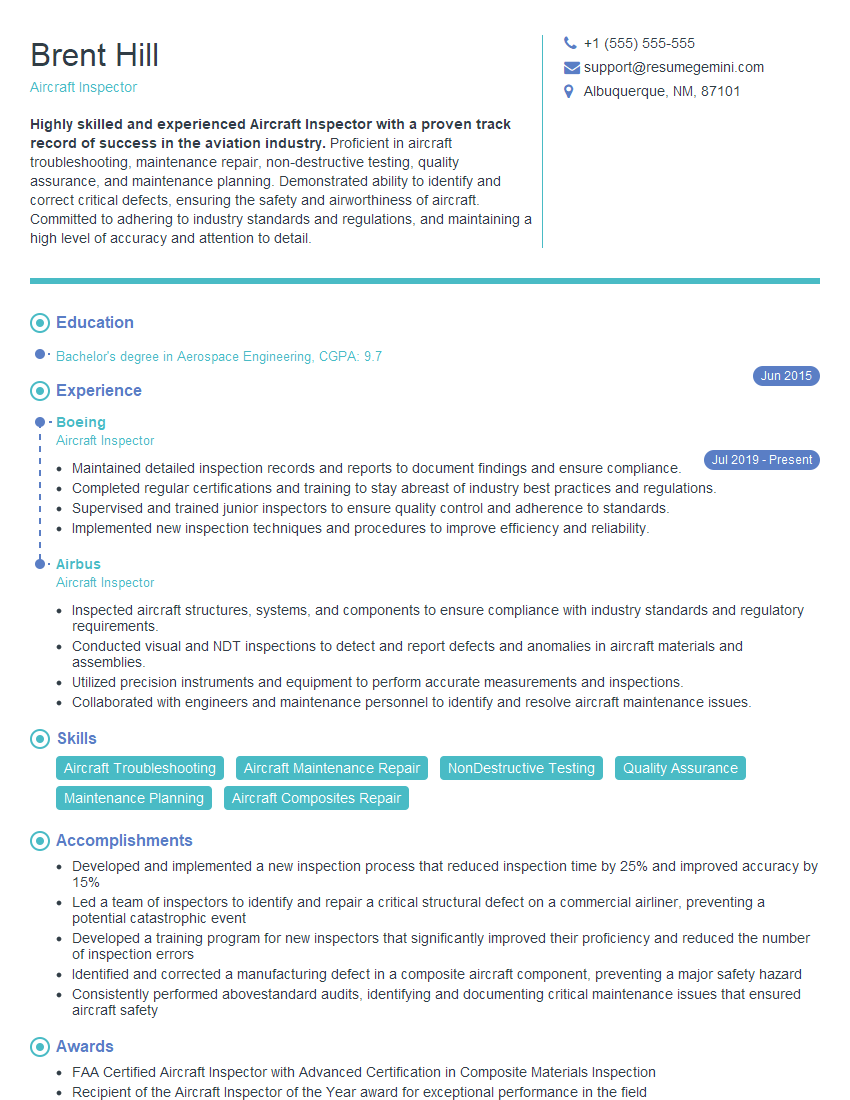
Aircraft Inspector Resume Sample
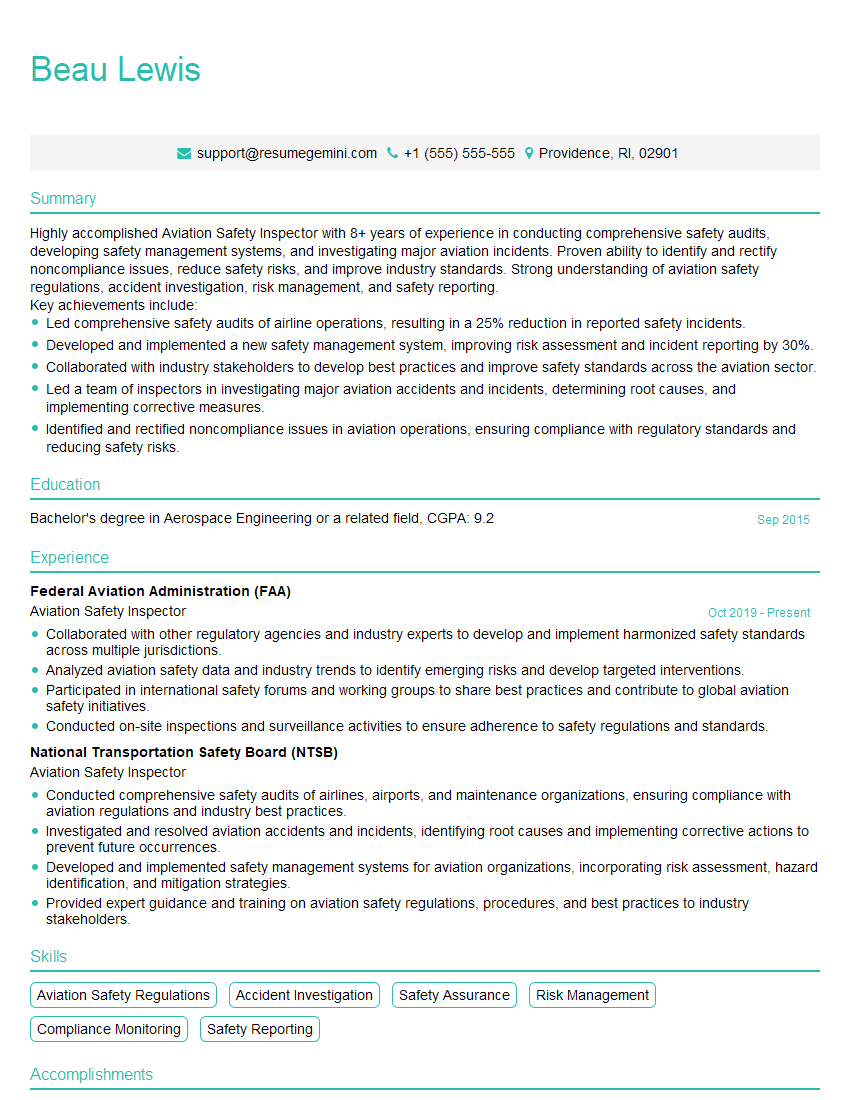
Aviation Safety Inspector Resume Sample
- Safety Manager
- Chief Compliance Officer
- Compliance Officer
- Regulatory Affairs Specialist
- Aviation Consultant
- Maintenance Engineer
- Avionics Technician
- Director of Safety
- Aircraft Maintenance Supervisor
- Aircraft Mechanic
- Quality Control Inspector
- Ground Operations Supervisor
- Airline Pilot
- Flight Dispatcher
- Airport Operations Manager
- Aircraft Inspector
- Aviation Safety Inspector
Explore more articles
Users Rating of Our Blogs
Share Your Experience
We value your feedback! Please rate our content and share your thoughts (optional).
What Readers Say About Our Blog
Very informative content, great job.
good