The thought of an interview can be nerve-wracking, but the right preparation can make all the difference. Explore this comprehensive guide to Kitten Adoption and Placement interview questions and gain the confidence you need to showcase your abilities and secure the role.
Questions Asked in Kitten Adoption and Placement Interview
Q 1. Describe your experience with kitten handling and socialization.
My experience with kitten handling and socialization is extensive, spanning over 10 years. It’s crucial to approach each kitten with gentle confidence, understanding their unique personality and developmental stage. Newborn kittens require minimal handling, focusing on warmth and providing nourishment. As they grow, introducing positive interactions like gentle petting, playing with toys (like feather wands or crinkle balls), and handling during routine care (nail trims, ear cleaning) becomes increasingly important.
Socialization is paramount; it involves exposing kittens to various sights, sounds, smells, and textures, and importantly, to human interaction of different ages and genders. For example, I’ve successfully integrated shy kittens into playful groups, gradually introducing them to more confident littermates. This process fosters emotional development and creates well-adjusted, friendly cats ready for loving homes. I’ve also used positive reinforcement techniques, rewarding calm behavior with treats and praise to create positive associations with humans.
I’ve even designed and implemented a structured socialization program involving age-appropriate play sessions and controlled exposure to different stimuli, meticulously documenting the progress of each kitten. This structured approach ensures that even the most timid kittens develop the necessary social skills for successful adoption.
Q 2. What are the common health concerns for kittens in shelter environments?
Kittens in shelter environments face unique health challenges. Common concerns include upper respiratory infections (URIs), often manifested as sneezing, coughing, and nasal discharge. These are highly contagious and require prompt veterinary attention, often involving isolation and medication. Parasites, both internal (like worms) and external (like fleas and mites), are another significant problem. Regular deworming and flea/mite treatments are essential.
Nutritional deficiencies can also occur if kittens aren’t provided with a balanced diet. This can lead to stunted growth and compromised immune systems. In addition, kittens can be susceptible to various other illnesses like panleukopenia (feline distemper), a highly contagious and often fatal viral disease; feline leukemia virus (FeLV), and feline immunodeficiency virus (FIV). Therefore, thorough veterinary screening upon intake, vaccination programs, and meticulous hygiene practices are vital to maintain a healthy shelter population.
For instance, I once had a kitten arrive with a severe URI. By isolating it, providing supportive care, and administering antibiotics prescribed by our vet, we successfully nursed it back to health, showing that diligent care can overcome these challenges.
Q 3. How do you assess a potential adopter’s suitability for a kitten?
Assessing a potential adopter’s suitability involves a multi-faceted approach. It starts with a thorough application process (discussed further in the next answer) which gathers key information about their lifestyle, experience with pets, and living situation. A phone interview allows for deeper exploration of their understanding of pet ownership responsibilities and expectations.
Beyond the application, a home visit is crucial to assess the living environment for safety and suitability. For example, we verify secure fencing, the absence of toxins, and the availability of safe spaces for the kitten. We also discuss their lifestyle, work schedules, and ability to provide appropriate care, including veterinary attention, food, litter, and enrichment. We observe their interaction with the kitten during a meet-and-greet session, looking for signs of genuine affection and understanding of the kitten’s needs. The goal is to ensure a harmonious and long-lasting match, preventing potential returns and ensuring the kitten’s well-being.
For example, a family with young children might not be suitable for a very timid kitten. Conversely, an elderly individual may not be able to manage a highly energetic kitten.
Q 4. Explain your experience with kitten adoption application processing.
Our kitten adoption application process is designed to be thorough yet user-friendly. It begins with an online application form that captures essential information such as contact details, lifestyle, pet history (including references), housing situation, and reasons for adopting a kitten. This data helps us quickly assess preliminary suitability.
Once submitted, we carefully review each application, paying attention to consistency, completeness, and any potential red flags. We then conduct a phone interview to clarify any uncertainties and delve deeper into their commitment to responsible pet ownership. This provides an opportunity to address potential concerns and gauge their understanding of kitten care, including cost considerations. We also check references to verify previous pet ownership experience and responsibility.
Following the interview, suitable applicants proceed to a home visit. Finally, after a successful home visit and meet-and-greet with the chosen kitten, we finalize the adoption, providing necessary paperwork, post-adoption support, and resources.
Q 5. What are the key elements of a successful kitten adoption event?
A successful kitten adoption event requires meticulous planning and execution. Key elements include a visually appealing and welcoming venue, well-socialized and healthy kittens, and a dedicated and knowledgeable adoption team. We ensure that all kittens are properly identified, vaccinated, and have received appropriate veterinary care.
Engaging information displays describing kitten care, responsible pet ownership, and the shelter’s mission are essential. We provide potential adopters with comprehensive information packets, ensuring they understand the commitment and responsibilities involved. We also conduct informative sessions or Q&A’s.
Interactive elements like kitten play areas (under supervision) create a positive and memorable experience. Refreshments and comfortable seating enhance the overall atmosphere. Post-event follow-up with adopters, addressing any concerns and offering continued support, is equally important to ensure a smooth transition for the kitten into their new home.
Q 6. How do you manage difficult adoptions or returns?
Difficult adoptions or returns are handled with empathy and a problem-solving approach. If an adoption seems to be failing, we initiate a conversation with the adopter, actively listening to their concerns and attempting to identify the root cause. This might involve providing additional support, such as behavioral advice or access to affordable veterinary care. We want to work collaboratively to find solutions and avoid unnecessary returns.
In cases of returns, we conduct a thorough assessment, taking into account both the adopter’s circumstances and the kitten’s behavior. We reassess the kitten’s temperament and health, ensuring that any underlying issues are addressed before re-homing. We may need to adjust the matching process to better suit the kitten’s temperament and the prospective adopter’s lifestyle. Every returned kitten undergoes a full reassessment to understand the reasons behind the return and prevent similar scenarios in the future. Transparency and open communication are paramount throughout the process.
Q 7. Describe your approach to matching kittens with suitable homes.
Matching kittens with suitable homes is a crucial aspect of my role. It involves a holistic approach, considering both the kitten’s personality and the adopter’s lifestyle and preferences. We meticulously observe each kitten’s temperament, noting their energy levels, playfulness, sociability, and tolerance for handling. This information is documented in detailed profiles.
We then match these profiles with potential adopters, considering their living situation, experience with cats, and desired kitten characteristics. For example, a highly energetic kitten might not thrive in a home with elderly individuals or those with very busy schedules. Conversely, a shy kitten might do better in a calm and quiet environment without young children.
We facilitate meet-and-greets to allow kittens and potential adopters to interact in a controlled environment, observing their body language and interactions. This ensures the match is harmonious, promoting long-term success. We prioritize ethical matching, always considering the well-being of the kitten as our primary concern.
Q 8. How do you address behavioral issues in shelter kittens?
Addressing behavioral issues in shelter kittens requires a multifaceted approach focusing on understanding the root cause and providing appropriate interventions. Many behavioral problems stem from fear, stress, or lack of socialization during crucial developmental periods.
- Assessment: We begin with a thorough behavioral assessment, noting any signs of aggression, fear, anxiety, or inappropriate elimination. This includes observing their interactions with people and other cats.
- Environmental Enrichment: Creating a calm and stimulating environment is crucial. This involves providing hiding places, climbing structures, toys, and a consistent routine to reduce stress. For example, a shy kitten might benefit from a quiet room with soft bedding and a scratching post, while a more playful kitten might enjoy interactive toys and a cat tree.
- Positive Reinforcement Training: We use positive reinforcement techniques, rewarding desired behaviors with treats, praise, and gentle petting. This avoids punishment-based methods, which can exacerbate fear and anxiety. For instance, rewarding a kitten for approaching a hand is far more effective than trying to force interaction.
- Socialization: Proper socialization is paramount, especially for kittens who haven’t had adequate interaction with humans or other cats. This involves gradual and controlled introductions, always monitoring for signs of stress. We might start with short sessions, slowly increasing the duration and intensity of interaction.
- Medication (when necessary): In some cases, medication might be recommended by a veterinarian to help manage severe anxiety or aggression, but this is always a last resort and used in conjunction with behavioral modification.
For example, a kitten exhibiting excessive biting might be responding to fear or lack of socialization. We’d address this by providing a safe space, using positive reinforcement to reward gentle behavior, and gradually introducing the kitten to human interaction through calm, gentle handling.
Q 9. What is your understanding of FIV and FeLV in kittens?
Feline Immunodeficiency Virus (FIV) and Feline Leukemia Virus (FeLV) are retroviruses that can significantly impact a kitten’s health. FIV weakens the immune system, making cats more susceptible to infections, while FeLV can cause various cancers and immune deficiencies.
- Transmission: Both viruses are primarily transmitted through saliva during biting, although FeLV can also spread through shared resources like food and water bowls.
- Testing: Kittens are routinely tested for FIV and FeLV using a blood test. This is a critical part of the intake process at any reputable shelter or rescue.
- Management: Kittens testing positive for FIV or FeLV require careful management. FIV-positive cats can often live long, healthy lives with proper veterinary care, while FeLV-positive cats have a more variable prognosis, depending on the severity of the infection. Adopters need to understand the implications and be prepared to provide ongoing care.
- Adoption Considerations: Many shelters and rescues will adopt FIV-positive kittens to experienced cat owners who understand the disease. However, FeLV-positive kittens are often less likely to be adopted and might be kept in a separate quarantine area for the duration of their stay.
It’s vital to inform potential adopters about the implications of FIV and FeLV, providing resources and support to manage these conditions. Transparency is paramount to ensure responsible pet ownership.
Q 10. How do you handle potential health problems during the adoption process?
Handling potential health problems during the adoption process involves proactive measures to ensure the well-being of both the kitten and the adopter. Our approach starts with a thorough initial veterinary examination for all kittens.
- Comprehensive Veterinary Check-up: Each kitten undergoes a comprehensive veterinary exam, including vaccinations, deworming, and testing for common feline illnesses. This identifies any existing health issues early on.
- Quarantine Procedures: Newly arrived kittens are often kept in quarantine to monitor for signs of illness and prevent the spread of infection to other animals.
- Treatment and Medication: Any identified health problems are addressed through appropriate veterinary treatment, including medication, before the kitten is made available for adoption.
- Transparency with Adopters: We are completely transparent with potential adopters, disclosing any known or suspected health issues, along with associated treatment plans and ongoing care requirements.
- Post-Adoption Support: We provide post-adoption support, encouraging adopters to contact us if they notice any changes in their kitten’s health. We may also offer resources like veterinary referrals.
For example, if a kitten shows signs of upper respiratory infection, we’ll treat it with appropriate medication, fully recover the kitten before placing it for adoption, and disclose the prior illness to the adopter, emphasizing the importance of monitoring and potential follow-up care.
Q 11. What are the ethical considerations in kitten adoption?
Ethical considerations in kitten adoption are paramount to ensuring the well-being of the animals and responsible pet ownership. Our core values are centered around responsible breeding, proper care, and finding appropriate homes for every kitten.
- Preventing Overpopulation: We actively promote responsible pet ownership, encouraging spaying and neutering to prevent unwanted litters. This helps control pet overpopulation and reduces the number of kittens ending up in shelters.
- Matching Kittens with Suitable Homes: We carefully screen potential adopters to ensure they’re prepared for the responsibilities of pet ownership. This includes assessing their lifestyle, experience with cats, and understanding of kitten needs.
- Transparency and Honesty: We are transparent about the kittens’ health, temperament, and any known behavioral issues. We avoid misleading adopters or withholding crucial information.
- Preventing Puppy Mills and Irresponsible Breeders: We refuse to work with breeders who engage in unethical practices. We actively promote adoption and discourage supporting businesses that contribute to the pet overpopulation problem.
- Prioritizing Kitten Welfare: The welfare of each kitten is our utmost priority. We won’t place a kitten into a home that we deem unsuitable, even if it means the kitten remains in the shelter longer.
For example, if an adopter isn’t fully prepared for the demands of a young, playful kitten, we might suggest a more mature cat or encourage further preparation before adoption, rather than rushing the process. This ensures a successful adoption and prevents the kitten from returning to the shelter later.
Q 12. How do you maintain accurate records in a kitten adoption program?
Maintaining accurate records is crucial for efficient operation and responsible animal care in a kitten adoption program. We use a comprehensive database system to track all aspects of each kitten’s journey.
- Intake Records: Detailed records are kept at the time of intake, including the kitten’s age, breed (if known), health status, vaccinations, any behavioral notes, and where they came from.
- Medical Records: We meticulously document all veterinary care, including treatments, medications, and test results.
- Adoption Records: We record the details of each adoption, including the adopter’s information, the kitten’s ID, the date of adoption, and a post-adoption agreement for ongoing care.
- Fostering Records: If the kitten goes into foster care, we track the foster parent’s information, their interactions with the kitten, and any progress updates.
- Database System: We utilize a sophisticated database system—often a cloud-based solution—for easy access, backup, and secure storage of all these records.
This comprehensive record-keeping allows us to track the health and welfare of each kitten, manage our resources effectively, and ensure accountability in our adoption process. It also makes it possible to analyze trends and improve our programs over time.
Q 13. What is your experience with fostering kittens?
Fostering kittens is an invaluable component of our adoption program. Foster parents provide temporary care, enabling us to manage kitten populations effectively and socialize kittens in a home environment before adoption.
- Benefits of Fostering: Fostering offers many advantages. It allows us to care for vulnerable kittens, provides a more comfortable environment for them, enables socialization, and gives us more space in our shelter for new intakes.
- Foster Parent Selection: We carefully select foster parents based on their experience, resources, and commitment to providing the best possible care. We provide thorough training and ongoing support.
- Foster Care Documentation: We maintain detailed records of each foster kitten’s progress, including behavioral observations, health updates, and any milestones reached. This information is crucial for matching the kitten with the most suitable adopter.
- Post-Fostering Support: We offer support to foster parents during their experience and post-fostering, encouraging them to share their experiences and seek further assistance whenever necessary.
For example, a shy or sick kitten might thrive in a foster home, allowing them to gain confidence and receive specialized care before being placed with a permanent family. I personally have fostered numerous kittens over the years, and it has been one of the most rewarding aspects of my work.
Q 14. Describe your strategies for marketing kittens for adoption.
Marketing kittens for adoption requires a multi-pronged approach to reach a wide audience and connect the right kittens with the right adopters. We utilize various strategies to maximize our reach and increase adoption rates.
- Online Presence: We maintain an active website and social media presence (Facebook, Instagram, etc.), showcasing adorable photos and videos of the kittens. Engaging content such as stories about their personalities helps humanize the kittens and increase interest.
- Adoption Events: We participate in adoption events at pet stores, community centers, and other public venues. These events offer face-to-face interaction with potential adopters.
- Partnerships: Collaborating with local veterinary clinics, pet supply stores, and animal welfare organizations increases our visibility and expands our reach.
- Targeted Advertising: We might use targeted online advertising to reach specific demographics interested in adopting kittens. We would target audiences based on their interest in animals, location, and other relevant factors.
- Public Relations: We proactively engage in public relations efforts, sharing our story with local media and participating in community events to raise awareness and foster positive connections.
For example, a video showcasing a playful kitten’s antics on social media, coupled with a compelling adoption profile, can attract many interested potential adopters. Successful marketing is about showcasing the kittens’ unique personalities and making them feel relatable.
Q 15. How do you work collaboratively with shelter staff and volunteers?
Collaboration with shelter staff and volunteers is crucial for successful kitten adoption. I believe in fostering a transparent and communicative environment. This involves regular team meetings to discuss kitten intakes, health updates, adoption progress, and any challenges encountered. I actively participate in volunteer training, ensuring everyone understands adoption procedures, kitten handling techniques, and the importance of accurate record-keeping. For example, I’ve developed a shared online calendar and task management system to streamline scheduling for kitten socialization sessions and adoption events, eliminating confusion and maximizing efficiency. Open communication also extends to addressing concerns and celebrating successes together, which builds morale and strengthens our collective commitment to the kittens’ welfare.
Career Expert Tips:
- Ace those interviews! Prepare effectively by reviewing the Top 50 Most Common Interview Questions on ResumeGemini.
- Navigate your job search with confidence! Explore a wide range of Career Tips on ResumeGemini. Learn about common challenges and recommendations to overcome them.
- Craft the perfect resume! Master the Art of Resume Writing with ResumeGemini’s guide. Showcase your unique qualifications and achievements effectively.
- Don’t miss out on holiday savings! Build your dream resume with ResumeGemini’s ATS optimized templates.
Q 16. What are your strategies for managing adoption waitlists?
Managing adoption waitlists requires a fair and organized approach. I use a first-come, first-served system, prioritizing applications based on the order they are received, combined with a thorough assessment of each applicant’s suitability. This involves a detailed application form assessing lifestyle, experience with pets, and commitment to providing a loving home. For instance, we prioritize applicants who have experience caring for kittens or have a secure, safe environment. Furthermore, I maintain a waitlist database (often utilizing spreadsheet software or dedicated pet adoption software), regularly updating it to reflect application status, withdrawals, and successful adoptions. Transparency is key—adopters receive regular updates on their position in the queue and the reasons for any delays. We also utilize a tiered system, giving preference to applications that match specific kitten needs (e.g., a senior kitten needing a quieter home).
Q 17. How do you deal with challenging adopters or difficult situations?
Dealing with challenging adopters or difficult situations requires patience, empathy, and clear communication. My approach focuses on active listening and understanding their concerns. For example, if an adopter is struggling with a kitten’s behavior, I offer resources such as behaviorist consultations or training materials. In cases of reported neglect or abuse, I follow strict procedures, which include contacting animal control if necessary. Ethical considerations guide all my actions—the kitten’s welfare remains paramount. Clear boundaries are crucial; I explain adoption policies firmly but respectfully, ensuring the conversation remains professional. I’ve found that proactively addressing potential issues (e.g., discussing realistic expectations of kitten behavior during the adoption process) often prevents future conflicts.
Q 18. What is your understanding of the legal requirements for animal adoption?
My understanding of legal requirements for animal adoption encompasses various aspects, including health and safety regulations. This includes ensuring that all kittens are vaccinated, dewormed, and tested for common diseases before adoption, adhering to local ordinances regarding age of adoption, and ensuring proper documentation (e.g., adoption contracts) is in place. I stay updated on all relevant state and local laws and regulations, understanding requirements for licensing, permits, and reporting. I collaborate with animal welfare agencies and legal counsel when necessary to ensure compliance. For example, knowledge of specific regulations about transporting animals across state lines is crucial for out-of-state adoptions.
Q 19. How do you ensure the safety and well-being of kittens in your care?
The safety and well-being of kittens in my care are top priorities. This involves providing a clean, safe, and stimulating environment. Kittens are housed in appropriately sized cages or enclosures, with access to food, water, litter boxes, and enrichment items like toys and scratching posts. Regular veterinary check-ups are conducted to monitor their health and prevent disease outbreaks. Quarantine procedures are followed for new arrivals, and strict hygiene protocols are maintained to minimize the risk of infections. I also closely monitor their behavior for signs of illness or stress, ensuring prompt veterinary intervention when needed. We actively promote socialization to enhance their adaptability and prepare them for successful adoption.
Q 20. What is your experience with post-adoption support?
Post-adoption support is critical for a successful transition for both the kitten and the adopter. I provide ongoing support through phone calls, emails, or scheduled check-ins. We answer questions about kitten care, behavior, and common issues. I offer resources like training guides, links to reputable veterinary services, and referrals to pet behaviorists if needed. I’ve developed a comprehensive post-adoption guide that covers essential information, such as nutrition, litter box training, and socialization tips. The goal is to build a supportive relationship with the adopter, ensuring a smooth adjustment for the kitten in their new home. We also encourage feedback to continuously improve our processes and support systems.
Q 21. How do you communicate effectively with adopters and potential adopters?
Effective communication is essential. I utilize various channels to reach adopters and potential adopters. This includes a user-friendly website, social media platforms (like Facebook and Instagram) featuring adorable kitten photos and videos to capture potential adopters’ attention, and email newsletters providing updates. I use clear and concise language, tailoring my communication to the audience. For example, when dealing with children, I ensure the information is easily understood. I promptly respond to inquiries, providing detailed and accurate information. In-person interactions are crucial, providing opportunities for building rapport, answering questions, and assessing the suitability of potential adopters. Openness and honesty are core principles, fostering trust and transparency.
Q 22. Describe your approach to managing a high volume of kitten intakes.
Managing a high volume of kitten intakes requires a systematic and efficient approach. Think of it like running a well-oiled machine – each step needs to be precise and coordinated. We begin with a thorough intake process: each kitten receives a health assessment, including vaccinations, parasite treatment, and a basic check-up. Simultaneously, we categorize kittens based on age, health status, and temperament to determine immediate needs. For example, kittens requiring urgent medical attention are prioritized. Next, we utilize a robust database system to track each kitten’s progress, vaccination schedule, and adoption status. This prevents overcrowding and ensures proper allocation of resources. Finally, we actively network with foster families and partner organizations to rapidly find suitable temporary housing while we prepare the kittens for adoption.
For instance, during a particularly busy kitten season, we might leverage social media and local news outlets to alert potential fosters of the urgent need for temporary homes. This strategy allows us to quickly alleviate the stress of overcrowding and focus resources on ensuring each kitten’s health and wellbeing.
Q 23. How do you prioritize the needs of different kittens in your care?
Prioritizing kitten needs involves a tiered approach, much like a hospital’s triage system. Kittens with immediate medical needs, such as those suffering from severe illness or injury, receive top priority. This often involves immediate veterinary care and intensive nursing. Next, we focus on kittens with less urgent medical needs, but still requiring attention like routine vaccinations and parasite treatment. Finally, we concentrate on socialization and enrichment to prepare them for adoption. We prioritize kittens who are less adoptable, perhaps due to shyness or a minor medical condition, to give them the best possible chance of finding a loving home. For example, a kitten with a minor eye infection will be treated while also receiving extra socialization to ensure it is comfortable during the adoption process.
Imagine a kitten with a broken leg versus a kitten with mild upper respiratory infection. Obviously, the broken leg requires immediate veterinary intervention, while the URI can be treated on a slightly less urgent schedule, allowing us to effectively manage our resources and ensure every kitten receives the care it needs.
Q 24. What are some of the common challenges faced in kitten adoption programs?
Common challenges in kitten adoption programs are multifaceted. One major hurdle is the sheer volume of kittens, especially during breeding season. This can lead to resource constraints, such as limited space and staff. Another challenge is matching kittens with the right adopters. Some kittens require specific care or homes based on their health or temperament. Ensuring all kittens receive appropriate veterinary care and proper socialization before adoption is crucial. Educating potential adopters about the responsibilities of kitten ownership, including long-term care and commitment, is also vital to prevent returns or neglect. Finally, fundraising and securing ongoing financial support can be a significant challenge for many organizations.
For example, finding loving homes for kittens with special needs, such as those with disabilities or chronic illnesses, can be more difficult. We often need to reach out to more specialized rescue organizations or foster networks with the resources and experience to care for these kittens appropriately.
Q 25. What is your experience with community outreach to promote kitten adoption?
Community outreach is crucial for successful kitten adoption. We utilize a multi-pronged approach. We participate in local events, like pet adoption days and community festivals, to directly interact with potential adopters and showcase our adorable kittens. We maintain a strong online presence through our website and social media, using engaging content like kitten photos and videos to attract attention. Collaborating with local media, such as newspapers and television stations, helps raise awareness about our program and the importance of responsible pet ownership. We also partner with veterinary clinics and pet supply stores to distribute adoption flyers and promote our program. We actively build relationships with local schools and community groups to educate the public about responsible pet ownership and the importance of spaying/neutering.
For example, one successful outreach program involved a partnership with a local radio station to air a weekly segment featuring adoptable kittens. This resulted in a significant increase in adoption applications.
Q 26. How do you identify and mitigate potential risks in kitten adoption?
Identifying and mitigating risks in kitten adoption involves a thorough screening process. We conduct detailed interviews with potential adopters to assess their lifestyle, experience with pets, and understanding of kitten care. We verify their contact information and home environment. We provide thorough pre-adoption counseling, covering topics like vaccination schedules, nutrition, and common health problems. Post-adoption follow-ups are essential to ensure the kitten is thriving in its new home. We have clear policies regarding returns and rehoming, offering support when necessary. We also screen for adopters that align with the temperament and needs of each kitten.
For instance, we would not place a shy kitten in a home with young, energetic children, recognizing the potential for stress and negative behavioral outcomes for the kitten. A thorough home visit and a detailed pre-adoption interview are key steps in mitigating potential risks.
Q 27. What are your strategies for building strong relationships with adopters?
Building strong relationships with adopters begins before the adoption even occurs. We emphasize open communication and transparency throughout the entire process, providing potential adopters with comprehensive information about each kitten’s personality, health history, and needs. We answer questions thoroughly and patiently. Following adoption, we maintain contact through email and phone calls, offering support and guidance. We often provide resources such as helpful articles and links to veterinary services. We actively encourage communication regarding any concerns the adopter may have. We sometimes organize adopter meetups or events to foster a sense of community and shared experience.
For example, we send a welcome package to new adopters that includes information on kitten care, a small gift for the kitten, and a personalized thank you note. This small gesture goes a long way in making adopters feel valued and supported.
Q 28. Describe your experience with volunteer management in an animal shelter setting.
Volunteer management is crucial for the success of any animal shelter. We have a robust system for recruiting, training, and supervising volunteers. We begin with a clear volunteer handbook outlining responsibilities, expectations, and safety protocols. We organize regular training sessions that cover areas like animal handling, cleaning protocols, and interacting with the public. We assign tasks based on individual skills and experience, ensuring each volunteer has a role that they are comfortable and capable of performing. We maintain open communication channels and provide regular feedback. We organize team-building activities and appreciation events to maintain morale and engagement. A crucial element is ensuring a safe and supportive environment for both volunteers and the animals in our care.
For instance, we might have one group of volunteers dedicated to kitten socialization, another to cleaning and sanitation, and yet another to administrative tasks like answering phone calls and managing adoption applications. This division of labor helps to maximize efficiency and utilize the diverse skills of our volunteers effectively.
Key Topics to Learn for Kitten Adoption and Placement Interview
- Understanding Kitten Behavior and Temperament: Learn to assess kitten personalities, identifying signs of stress, illness, or playfulness to match them with appropriate adopters.
- Health and Welfare: Familiarize yourself with common kitten health issues, vaccination schedules, parasite prevention, and recognizing signs requiring veterinary attention. Practical application includes understanding quarantine protocols and post-adoption health monitoring.
- Adoption Process and Procedures: Master the steps involved in the adoption process, from initial inquiries to post-adoption follow-up. This includes screening potential adopters, completing adoption paperwork accurately, and managing expectations.
- Matching Kittens with Suitable Homes: Develop skills in assessing potential adopters’ lifestyles and needs to ensure a successful placement. Understand factors like living space, experience with cats, and commitment to long-term care.
- Communication and Client Relations: Practice effective communication with potential adopters, answering their questions patiently and professionally, addressing concerns empathetically, and managing difficult conversations.
- Shelter Management and Organization: Understand the daily operations of a shelter or rescue organization, including record-keeping, inventory management, volunteer coordination, and maintaining a clean and safe environment for the kittens.
- Marketing and Outreach: Learn strategies for promoting kitten adoptions, including utilizing social media, networking with community partners, and creating engaging content to attract potential adopters.
- Ethical Considerations: Understand the ethical responsibilities associated with kitten adoption and placement, such as prioritizing the well-being of the kittens, ensuring responsible ownership, and addressing difficult situations with integrity.
Next Steps
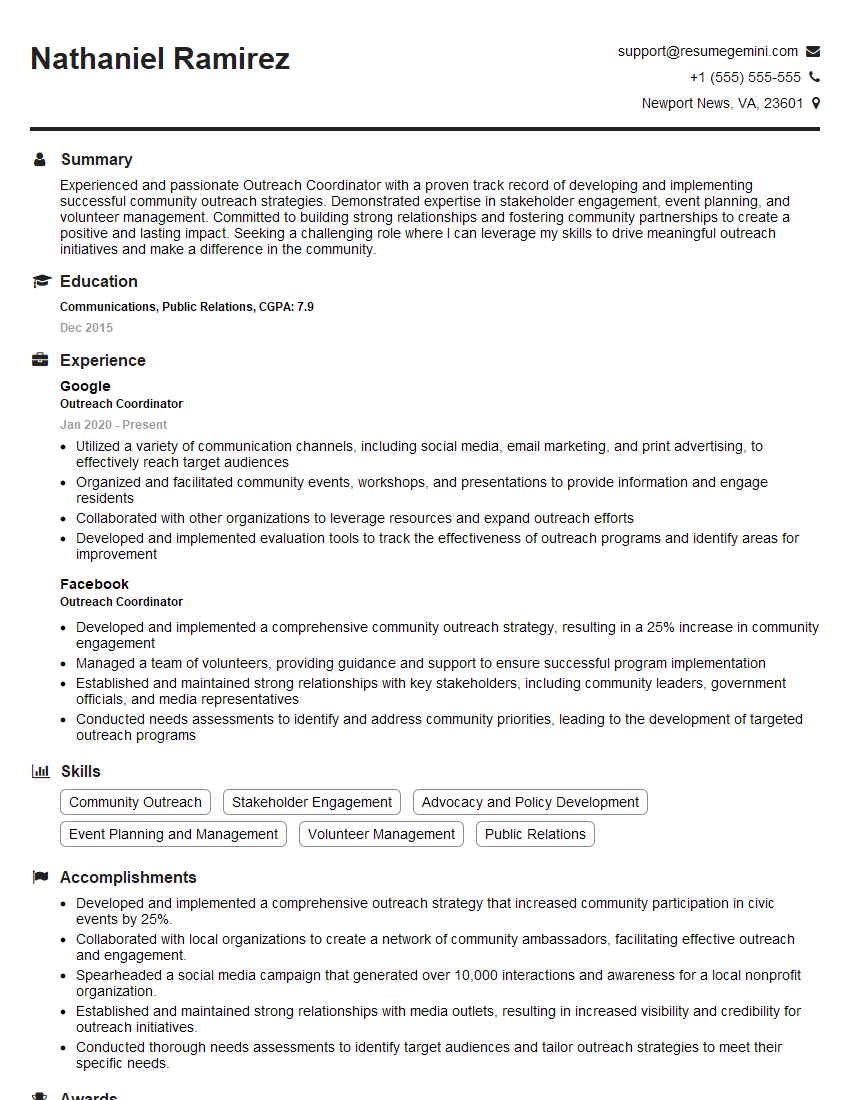
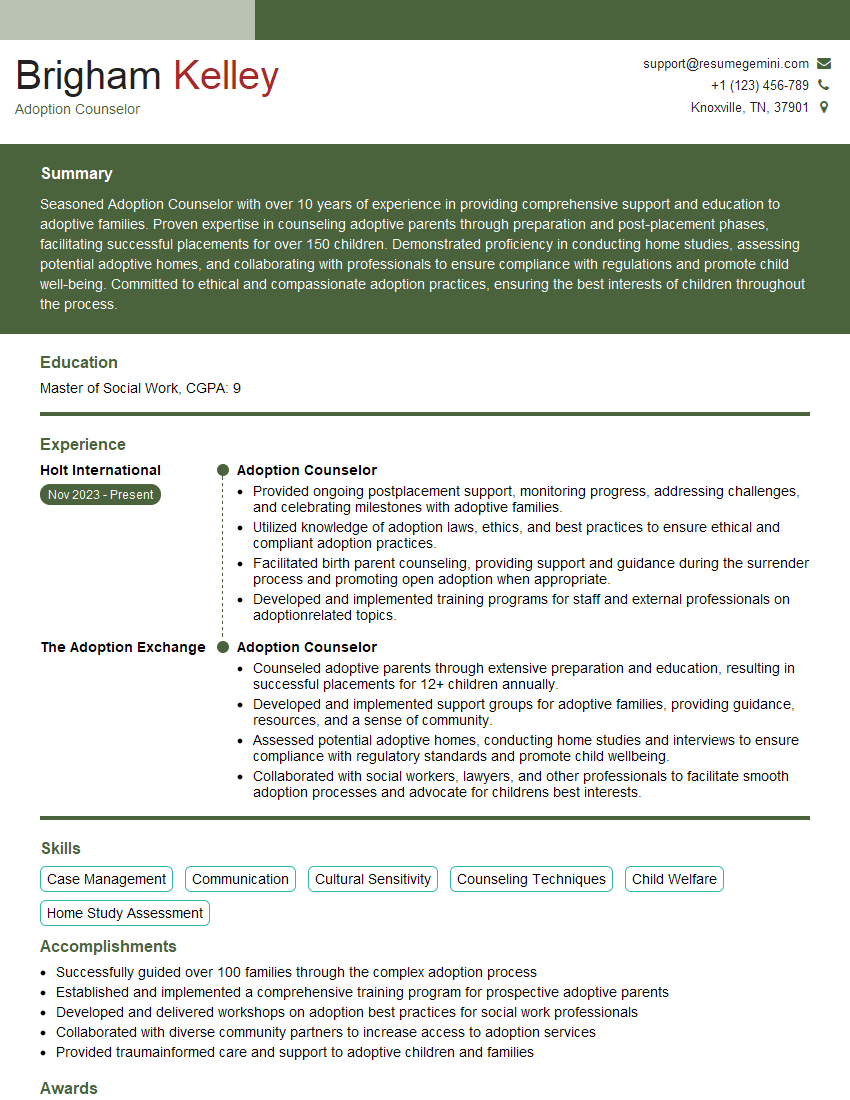
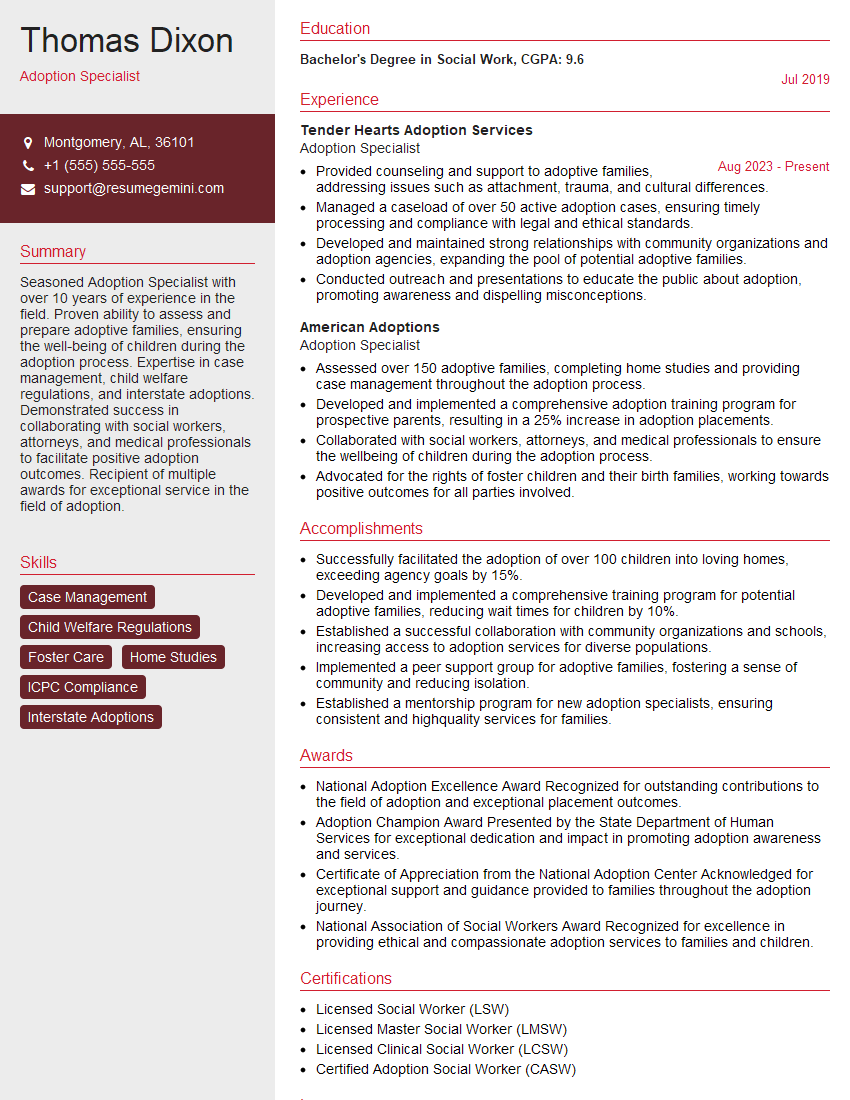
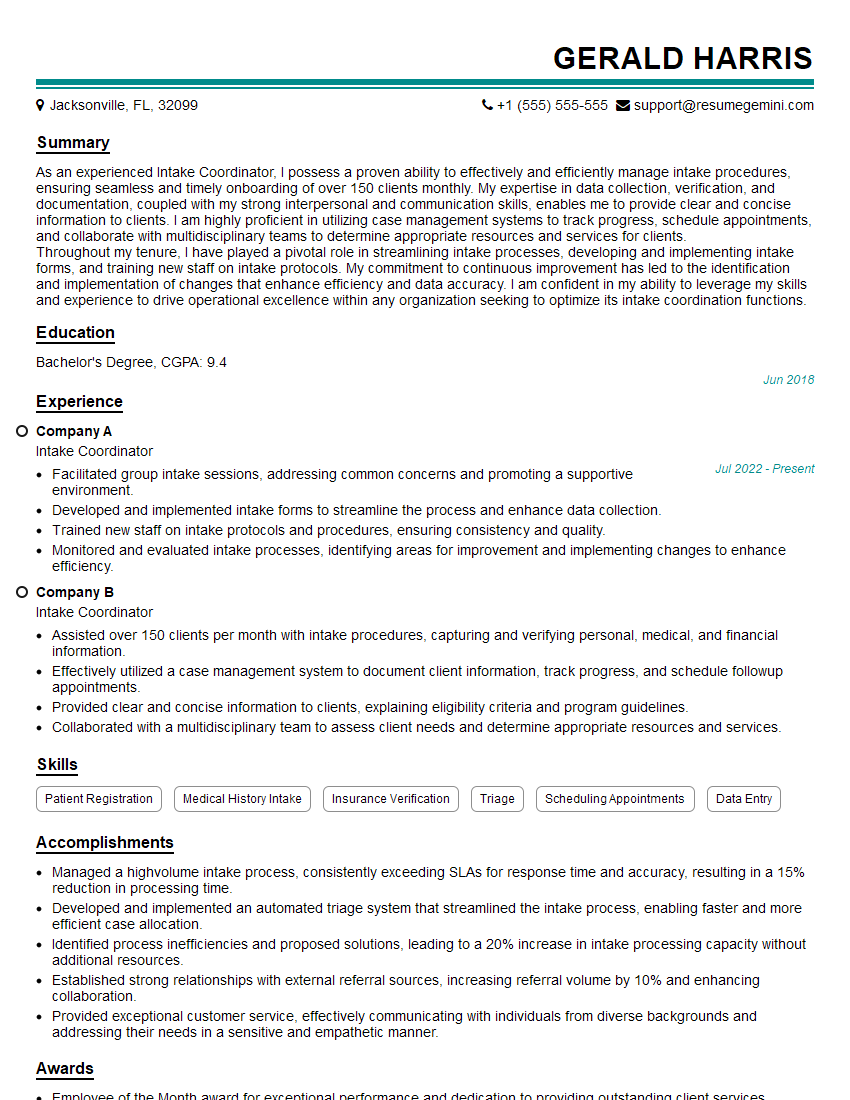
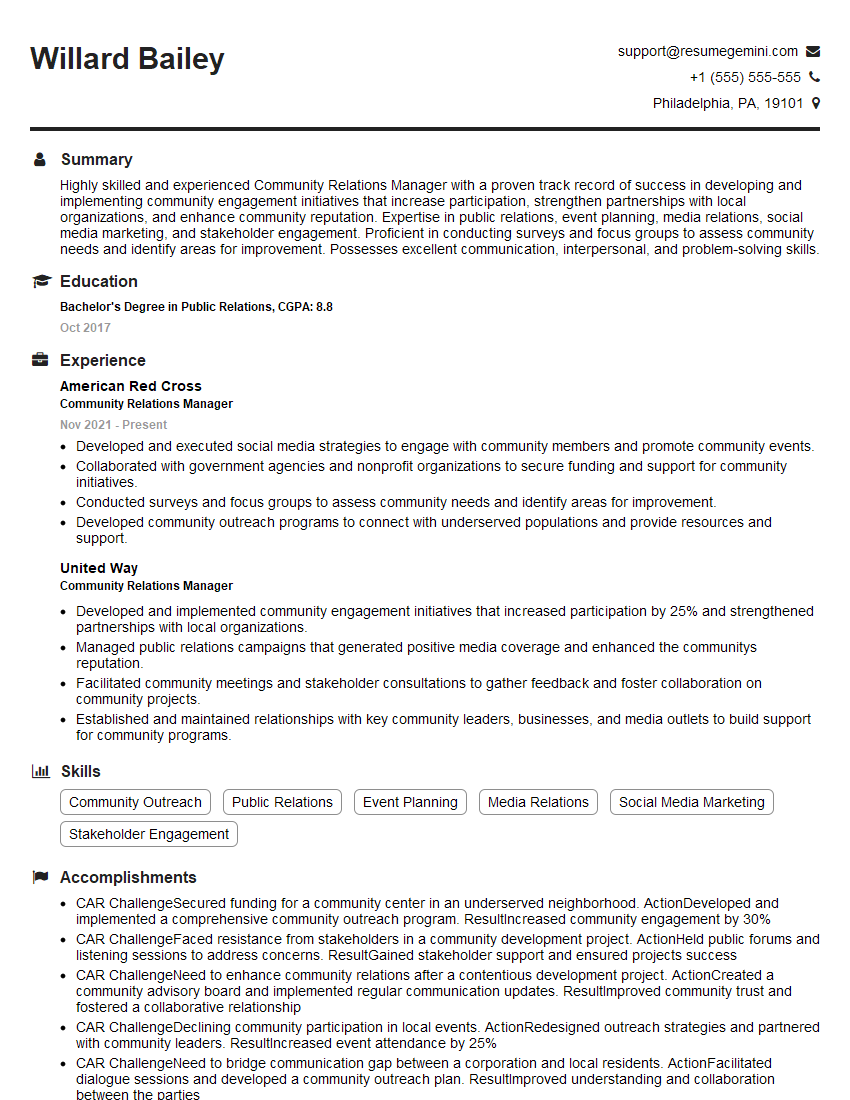
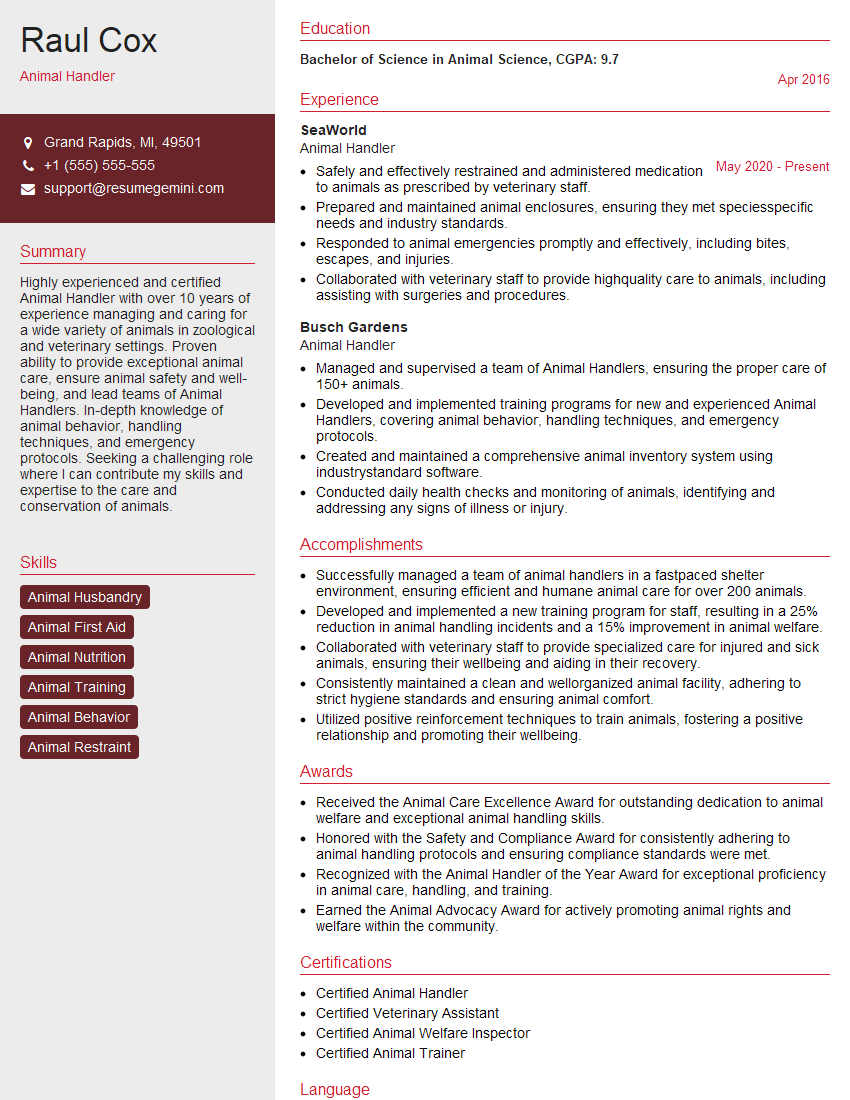
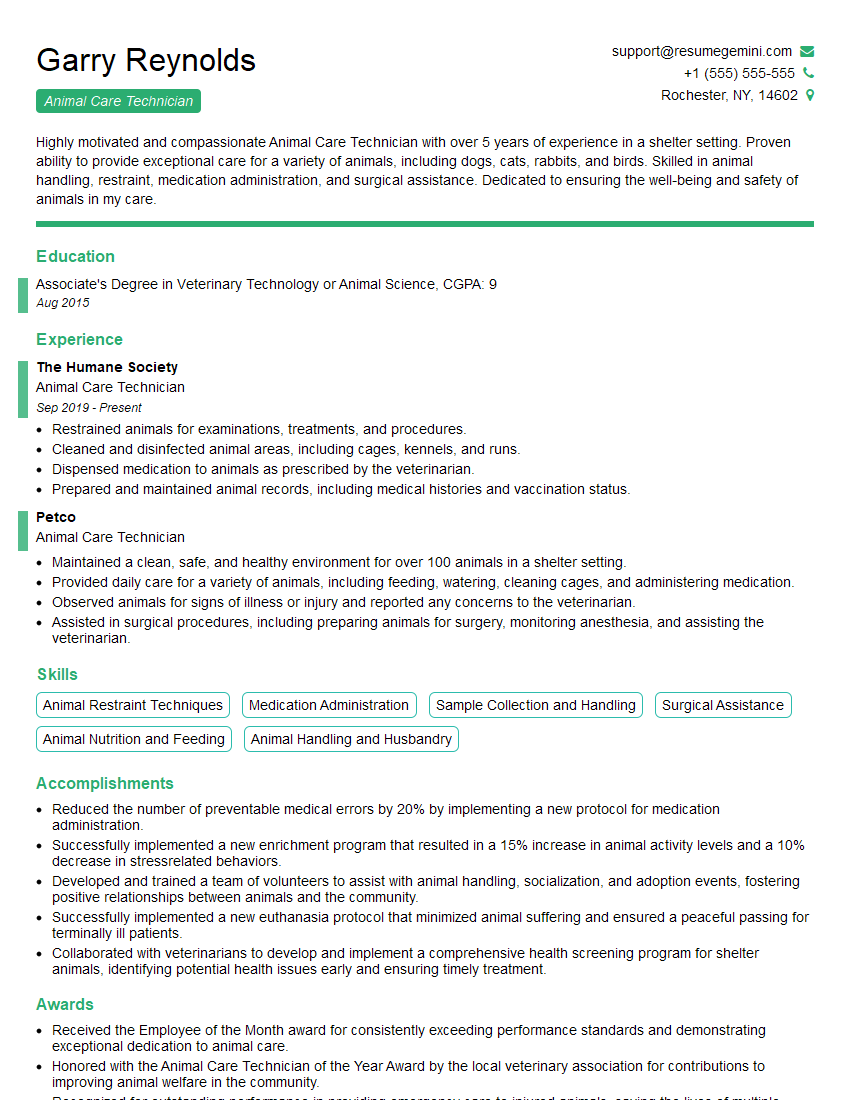
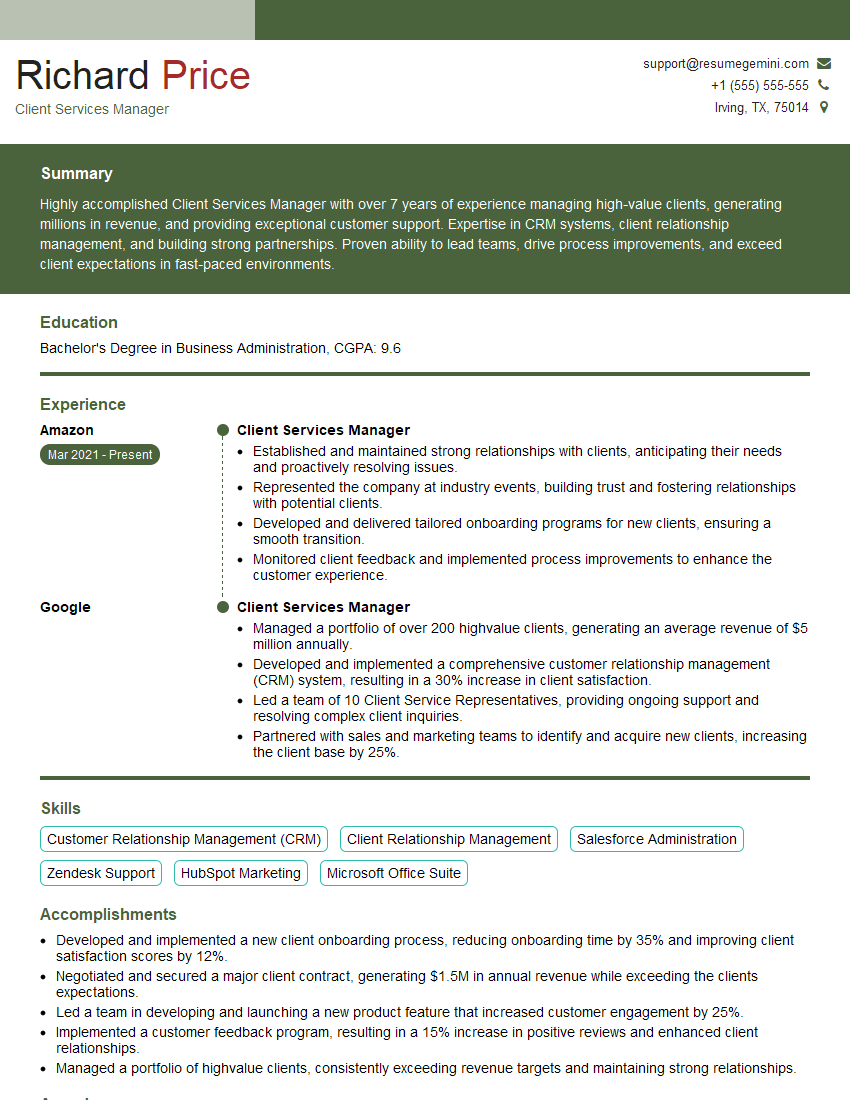
Mastering Kitten Adoption and Placement demonstrates your compassion, organizational skills, and commitment to animal welfare—highly valued qualities in many fields. A strong resume is crucial for showcasing these skills to potential employers. Creating an ATS-friendly resume significantly increases your chances of getting noticed by recruiters. ResumeGemini is a trusted resource for building professional and impactful resumes that get results. Take advantage of their tools and resources, including the examples of resumes tailored to Kitten Adoption and Placement, to craft a resume that highlights your unique qualifications and experience.
Explore more articles
Users Rating of Our Blogs
Share Your Experience
We value your feedback! Please rate our content and share your thoughts (optional).
What Readers Say About Our Blog
Very informative content, great job.
good