Interviews are opportunities to demonstrate your expertise, and this guide is here to help you shine. Explore the essential Hazard Communication (HAZCOM) interview questions that employers frequently ask, paired with strategies for crafting responses that set you apart from the competition.
Questions Asked in Hazard Communication (HAZCOM) Interview
Q 1. Explain the Globally Harmonized System of Classification and Labelling of Chemicals (GHS).
The Globally Harmonized System of Classification and Labelling of Chemicals (GHS) is an internationally agreed-upon system created by the United Nations to bring consistency to the classification and communication of chemical hazards worldwide. Think of it as a global language for chemical safety. Before GHS, different countries had different systems, leading to confusion and potential safety risks during international trade and transportation. GHS standardizes how we classify chemicals based on their hazards (e.g., flammability, toxicity) and how we communicate those hazards through labels, safety data sheets (SDSs), and training programs. This uniformity helps protect workers and consumers globally.
Key aspects of GHS include:
- Classification of Chemicals: Chemicals are categorized based on their inherent hazards using standardized criteria.
- Labeling: Each chemical container must have a label with standardized pictograms, signal words, hazard statements, and precautionary statements.
- Safety Data Sheets (SDS): Detailed information about the chemical’s hazards, safe handling, and emergency procedures are provided in a standardized SDS format.
- Training: Employers are responsible for training employees on how to safely handle chemicals based on the information provided in the labels and SDSs.
Q 2. Describe the key elements of a Safety Data Sheet (SDS).
A Safety Data Sheet (SDS) is a comprehensive document that provides detailed information about a hazardous chemical. Imagine it as a chemical’s resume, highlighting its potential dangers and how to handle it safely. It’s crucial for workers to understand and access this information. The SDS is divided into 16 sections, each addressing a specific aspect of the chemical’s properties and safety. Key elements include:
- Identification: Product name, manufacturer information, emergency contact details.
- Hazard Identification: Classification of the chemical according to GHS, including hazard statements and pictograms.
- Composition/Information on Ingredients: Chemical identity and concentration of hazardous components.
- First-aid measures: Immediate steps to take in case of exposure.
- Fire-fighting measures: Appropriate extinguishing media and procedures.
- Accidental release measures: Procedures for handling spills and leaks.
- Handling and storage: Safe handling practices and storage conditions.
- Exposure controls/personal protection: Engineering controls, work practices, and personal protective equipment (PPE).
- Physical and chemical properties: Appearance, boiling point, melting point, flammability, etc.
- Stability and reactivity: Chemical stability, potential hazards, incompatibility with other substances.
- Toxicological information: Health effects associated with exposure.
- Ecological information: Environmental effects of the chemical.
- Disposal considerations: Safe disposal methods.
- Transport information: Transportation regulations and requirements.
- Regulatory information: Relevant regulations and legal requirements.
- Other information: Additional relevant information, such as revision dates.
Q 3. How do you ensure compliance with OSHA’s Hazard Communication Standard (HCS)?
Ensuring compliance with OSHA’s Hazard Communication Standard (HCS) involves a multi-faceted approach. It’s not a one-time task but an ongoing process requiring vigilance and proactive measures. Here’s a step-by-step approach:
- Develop a comprehensive hazard communication program: This should include written procedures for hazard identification, SDS management, label review, employee training, and emergency response.
- Identify and classify all hazardous chemicals in the workplace: Use the GHS criteria to determine the hazard classes of each chemical.
- Prepare and distribute SDSs: Ensure readily accessible SDSs are available to all employees who handle hazardous chemicals.
- Develop and implement appropriate labels: All containers must be properly labeled with GHS pictograms, signal words, hazard and precautionary statements.
- Provide comprehensive employee training: Train employees on how to recognize and avoid hazards, use SDSs and labels correctly, and use PPE. This training should be documented and repeated periodically.
- Implement engineering and administrative controls: Implement controls to minimize exposure, such as ventilation systems, substitution of less hazardous materials, and safe work practices.
- Conduct regular inspections and audits: Periodically review compliance by inspecting labels, SDS access, and employee knowledge.
- Maintain accurate records: Keep records of chemical inventories, SDSs, training records, and inspections.
- Stay updated on changes to the HCS: OSHA periodically updates the HCS, so stay informed about any changes in regulations.
Think of it like maintaining a well-oiled machine – regular inspection, maintenance, and updates are essential to ensure everything runs smoothly and safely.
Q 4. What are the different hazard classes defined under GHS?
The GHS defines numerous hazard classes, broadly categorized into physical hazards, health hazards, and environmental hazards. Here are some key examples:
- Physical Hazards: Explosives, flammable gases, flammable liquids, self-reactive substances, pyrophoric liquids, self-heating substances, oxidizing gases, oxidizing liquids, organic peroxides, corrosive substances, gases under pressure.
- Health Hazards: Acute toxicity (oral, dermal, inhalation), skin corrosion/irritation, serious eye damage/irritation, respiratory sensitization, skin sensitization, germ cell mutagenicity, carcinogenicity, reproductive toxicity, specific target organ toxicity (single exposure), specific target organ toxicity (repeated exposure), aspiration hazard.
- Environmental Hazards: Aquatic toxicity (acute, chronic).
The specific hazard classes assigned to a chemical will depend on its properties and potential for causing harm.
Q 5. Explain the difference between pictograms and signal words.
Pictograms and signal words are essential components of chemical labels, working together to convey hazard information quickly and effectively. Think of them as visual and verbal cues that grab attention and warn of potential dangers.
- Pictograms: These are graphical symbols representing specific hazard classes. They’re like visual shorthand—a universally understood symbol indicating the type of hazard (e.g., flame for flammability, skull and crossbones for acute toxicity). They immediately alert individuals to potential dangers.
- Signal words: These are words that indicate the severity of the hazard. There are two signal words: ‘Danger’ and ‘Warning’. ‘Danger’ signifies a more severe hazard, while ‘Warning’ indicates a less severe hazard. They provide a hierarchical warning system, helping users understand the level of caution required.
For example, a highly flammable liquid might have a flame pictogram and the signal word ‘Danger’, while a moderately irritating substance might have an exclamation mark pictogram and the signal word ‘Warning’. The combination of pictograms and signal words provides a clear and concise hazard communication message.
Q 6. How do you identify and evaluate workplace hazards?
Identifying and evaluating workplace hazards involves a systematic approach. It’s not just about looking for obvious dangers; it’s about anticipating potential risks. A proactive approach is key. Here’s a structured method:
- Walkthrough Surveys/Inspections: Physically walk through the workplace, observing processes, equipment, and work areas. Note potential hazards, such as spills, exposed wiring, or inadequate lighting.
- Job Hazard Analysis (JHA): Step-by-step analysis of a specific job task to identify potential hazards associated with each step. This is particularly useful for high-risk tasks.
- Checklists and Questionnaires: Use pre-designed checklists to systematically identify hazards in specific areas or for specific types of equipment.
- Incident/Accident Investigation: Analyze past incidents to determine underlying causes and identify recurring hazards. This is a valuable tool for identifying potential future risks.
- Employee Input: Encourage employees to report hazards they observe, as they often have the most intimate knowledge of their work processes. This fosters a safety-conscious culture.
- Hazard and Operability Study (HAZOP): A rigorous and systematic technique used in the process industries to identify potential hazards and operational problems.
- What-if Analysis: A brainstorming technique to identify potential hazards and risks by asking “What if?” questions about various scenarios and equipment failures.
After identifying hazards, the next step is to assess their risk level. This involves considering the likelihood of the hazard occurring and the severity of potential consequences.
Q 7. What methods do you use to communicate hazards to employees?
Communicating hazards effectively to employees is vital for a safe work environment. A multi-pronged approach ensures that everyone understands the risks. Methods include:
- Labels and SDSs: As previously mentioned, proper labeling of chemicals and readily accessible SDSs are fundamental to hazard communication.
- Training Programs: Comprehensive training programs are essential to educate employees on hazard recognition, safe work practices, and emergency procedures. Training must be tailored to the specific hazards present in the workplace.
- Safety Meetings: Regular safety meetings provide a forum to discuss safety issues, share best practices, and address concerns.
- Posters and Signage: Using clear and concise posters and signage to reinforce safety messages throughout the workplace. Visual cues can be very effective.
- Emergency Response Plans: Clear and well-rehearsed emergency response plans can significantly reduce the impact of accidents and injuries.
- Regular Communication: Maintain open communication channels so employees can report potential hazards without fear of reprisal. Active feedback mechanisms are crucial.
- Near Miss Reporting: Encouraging employees to report near misses helps identify potential hazards before they result in incidents.
Effective hazard communication isn’t a one-size-fits-all solution, it requires tailoring the methods used to the specific needs and understanding of the employees.
Q 8. Describe your experience developing and delivering HAZCOM training programs.
Developing and delivering effective HAZCOM training is crucial for a safe workplace. My approach focuses on a blended learning model, combining interactive online modules with hands-on practical sessions and scenario-based exercises. For example, I’ve developed a training program using interactive simulations that put employees in realistic situations, such as a chemical spill, forcing them to apply their knowledge of PPE and emergency procedures. The online modules cover regulatory requirements, hazard identification, SDS interpretation, and proper handling procedures, while the in-person sessions allow for Q&A, practical demonstrations (like proper respirator fitting), and focused group discussions. Post-training assessments and regular refresher courses ensure ongoing compliance and knowledge retention. I tailor my training to the specific hazards present in the workplace, ensuring relevance and engagement. For instance, a manufacturing plant would require different training than a laboratory setting.
Q 9. How do you manage changes to chemical inventory and SDS updates?
Managing changes to chemical inventory and SDS updates requires a robust system. We utilize a centralized database to track all chemicals used, their SDSs, and inventory levels. This database is linked to our chemical procurement system, automatically updating SDS information when new batches or chemicals are added. We also employ an automated alert system, notifying relevant personnel via email or text message when a new SDS is issued for a chemical already in use. This system ensures that updates are immediately available, and retraining is provided when necessary. Think of it like a library catalog for chemicals, always up to date and easily searchable. This system helps maintain a consistently updated and readily accessible collection of Safety Data Sheets. We then conduct regular audits to validate the accuracy of this information.
Q 10. How would you handle a situation where an employee is exposed to a hazardous chemical?
Responding to a hazardous chemical exposure requires immediate and decisive action. The first step is to ensure the employee’s safety by removing them from the exposure source. Next, we administer first aid according to the established protocols, this would include following the steps indicated on the SDS and, if needed, contacting emergency medical services immediately. Simultaneously, we isolate the area to prevent further exposure, initiate the incident investigation, and notify regulatory agencies as required. Documentation is critical, including the incident report, medical records, and SDS review. Following the incident, we review our safety procedures and implement improvements to prevent recurrence. For instance, if the exposure resulted from inadequate PPE, we’d review and update our PPE policy and training materials.
Q 11. What are the components of a comprehensive HAZCOM program?
A comprehensive HAZCOM program is multifaceted and includes several key components. First, a thorough hazard identification and assessment is necessary, identifying all hazardous chemicals present in the workplace and their associated risks. This informs the development of a written HAZCOM program that details procedures for handling, storage, and emergency response. This program also covers employee training, ensuring all employees receive appropriate training on handling hazardous chemicals. The program must also address the proper use and maintenance of personal protective equipment (PPE). Finally, robust record-keeping and regular audits are essential to ensure ongoing compliance and program effectiveness. Think of it as building a house; you need a strong foundation (hazard identification), a detailed blueprint (written program), skilled workers (trained employees), protective gear (PPE), and regular inspections (audits and record-keeping) to create a safe and secure structure.
Q 12. Explain your understanding of the role of labels and labeling in HAZCOM.
Labels and labeling are the cornerstone of HAZCOM, providing immediate and clear communication of chemical hazards to employees. Labels must adhere to OSHA’s requirements, including identification of the chemical, hazard warnings (e.g., ‘flammable’, ‘corrosive’), precautionary statements outlining safe handling procedures, and supplier information. The information on the label should be immediately noticeable. Labels are the first line of defense, providing crucial information to those handling the chemical. If a chemical doesn’t have a label or it’s damaged or unreadable, it is unsafe to handle and needs to be immediately reported to the supervisor. This is critical for preventing accidents and informing proper handling practices.
Q 13. How do you ensure that non-English speaking employees understand hazard information?
Ensuring non-English-speaking employees understand hazard information requires a multi-pronged approach. SDSs and labels must be translated into the employees’ native languages. We use certified translation services to ensure accuracy. Training materials should also be translated, and training should be delivered in a language the employees understand. Visual aids, such as pictograms, can enhance understanding regardless of language. We also use bilingual trainers or utilize interpreters when necessary to allow for any questions and reinforce learning. Communication is key; making sure everyone understands is paramount for workplace safety.
Q 14. Describe your experience with auditing a HAZCOM program.
Auditing a HAZCOM program involves a systematic review to ensure compliance with regulations and effectiveness in preventing accidents. This is an important process that will allow for ongoing improvement and compliance. My approach includes a review of all written procedures, training records, chemical inventory, SDS availability, and employee understanding of safety procedures. I conduct both document reviews and on-site observations, including verifying proper labeling, storage practices, and PPE use. This audit helps identify gaps in compliance and areas for improvement. For instance, an audit might reveal a lack of training for a specific chemical or inadequate storage practices. The audit results are used to create a corrective action plan which addresses all shortcomings and ensures continued safety in the workplace.
Q 15. What are some common HAZCOM violations you’ve encountered?
Common HAZCOM violations often stem from a lack of understanding or negligence. In my experience, some of the most frequently encountered issues include:
- Incomplete or missing Safety Data Sheets (SDS): Companies failing to provide readily accessible and up-to-date SDSs for all hazardous chemicals used in the workplace. I’ve seen instances where SDSs were outdated, missing crucial sections, or simply not available to employees.
- Inadequate labeling: Labels on containers not adhering to OSHA’s requirements, such as missing hazard pictograms, signal words (Danger or Warning), or precautionary statements. A common example is using generic labels instead of chemical-specific ones.
- Insufficient employee training: Workers lacking adequate training on the hazards of the chemicals they handle, the location of SDSs, and proper use of PPE. I’ve encountered situations where employees were unaware of the potential dangers of certain substances or the procedures to follow in case of an emergency.
- Poor chemical hygiene practices: Failure to follow proper storage and handling procedures, including mixing incompatible chemicals, improper disposal, or inadequate spill response protocols. This often leads to accidents and exposures.
- Lack of a comprehensive HAZCOM program: Some companies completely lack a written HAZCOM program outlining their procedures and policies regarding chemical safety. This makes consistent compliance difficult.
Addressing these violations requires a multifaceted approach: thorough training, robust record-keeping, regular audits, and a strong emphasis on a safety-first culture.
Career Expert Tips:
- Ace those interviews! Prepare effectively by reviewing the Top 50 Most Common Interview Questions on ResumeGemini.
- Navigate your job search with confidence! Explore a wide range of Career Tips on ResumeGemini. Learn about common challenges and recommendations to overcome them.
- Craft the perfect resume! Master the Art of Resume Writing with ResumeGemini’s guide. Showcase your unique qualifications and achievements effectively.
- Don’t miss out on holiday savings! Build your dream resume with ResumeGemini’s ATS optimized templates.
Q 16. How do you handle discrepancies between the SDS and the actual product?
Discrepancies between the SDS and the actual product are extremely serious and demand immediate action. This situation poses a significant risk to worker safety. My approach involves these steps:
- Verification: First, I would verify the discrepancy. This might involve comparing the lot number or batch code on the product with the SDS to see if there’s a mismatch. I’d also visually inspect the product for any differences, like a change in color or consistency that might signal a problem.
- Notification: I would immediately notify the supplier, clearly explaining the discrepancy. Providing detailed photos or even samples can be helpful. Internally, I would also inform management and potentially the safety committee, depending on company protocols.
- Product Segregation and Labeling: The affected product would be immediately segregated from other chemicals and clearly labeled as “Do Not Use – Discrepancy with SDS.” This prevents accidental use until the situation is resolved.
- Investigation: A thorough investigation would be launched to determine the root cause of the discrepancy. Was it a labeling error, a change in formulation, or a problem with the SDS itself?
- Corrective Actions: Based on the investigation’s findings, appropriate corrective actions are taken. This could range from receiving a corrected SDS to returning the product to the supplier. The focus is on ensuring the safety and accuracy of information going forward.
- Employee Communication: Keeping employees informed throughout the process is critical. They need to know the potential risks and the steps taken to mitigate them.
Think of it like this: imagine a recipe calling for sugar, but the actual ingredient is salt. That’s the level of discrepancy we’re dealing with; the potential consequences are severe.
Q 17. Describe your experience with managing emergency response related to HAZCOM incidents.
My experience with emergency response related to HAZCOM incidents emphasizes preparedness and decisive action. I’ve been involved in several scenarios ranging from minor chemical spills to more serious events.
My approach always starts with the established emergency response plan. This typically involves:
- Immediate evacuation and isolation of the affected area. Safety of personnel is paramount.
- Contacting emergency services (fire department, HAZMAT team) as necessary. The speed and accuracy of this communication is vital.
- Implementing containment measures. This could include using spill kits, absorbents, or other specialized equipment, depending on the nature of the spilled chemical.
- Providing first aid and medical attention to those affected. This includes decontaminating anyone exposed to hazardous materials.
- Post-incident investigation. A thorough investigation is conducted to determine the root cause of the incident and to identify opportunities for improvement in safety procedures.
- Documentation of all activities. This is essential for legal compliance, insurance claims, and future incident prevention.
One notable incident involved a spill of a corrosive liquid. Our pre-planned response ensured swift containment, preventing further spread and protecting personnel. Post-incident review led to improved spill response training and more robust containment procedures.
Q 18. How would you create a comprehensive chemical inventory?
Creating a comprehensive chemical inventory requires a systematic approach. I’d employ these steps:
- Establish a system for tracking chemicals: This could involve a spreadsheet, a database, or a dedicated chemical inventory software. The system should record key information such as chemical name, CAS number, location, quantity, date of receipt, and SDS location.
- Conduct a physical inventory: Go through each area of the workplace where chemicals are stored and record the details of each container.
- Verify SDS availability: Ensure an up-to-date SDS is available for every hazardous chemical listed in the inventory.
- Implement regular updates: The inventory should be updated regularly, whenever new chemicals are received or existing ones are used, disposed of, or transferred.
- Assign responsibility: A designated person or team should be responsible for maintaining the accuracy and completeness of the inventory.
- Consider using barcodes or QR codes: This can greatly streamline the inventory process and reduce the risk of errors.
A well-maintained inventory isn’t just a compliance requirement; it’s a critical element of proactive risk management. It allows for effective tracking of hazardous materials, improved safety procedures, and better preparedness in emergencies.
Q 19. Explain your knowledge of different types of Personal Protective Equipment (PPE).
Personal Protective Equipment (PPE) is crucial for protecting workers from hazardous chemicals. Different types of PPE offer protection against specific hazards:
- Respiratory Protection: Includes respirators (e.g., N95 masks, half-mask respirators, full-face respirators) that protect against inhaling hazardous airborne substances. The choice of respirator depends on the specific chemical and its concentration.
- Eye and Face Protection: Safety glasses, goggles, and face shields protect eyes and face from splashes, fumes, and impacts. The level of protection needed depends on the chemical’s properties.
- Hand Protection: Gloves made of various materials (e.g., nitrile, neoprene, butyl rubber) offer protection against chemical contact. The selection is crucial, as some chemicals can permeate certain glove materials.
- Body Protection: Aprons, coveralls, and Tyvek suits protect skin from splashes and spills. The choice of material depends on the chemical’s properties.
- Foot Protection: Safety shoes or boots protect feet from spills and impacts.
It’s critical to understand that PPE is a last line of defense. Engineering controls (ventilation, enclosed systems) and administrative controls (safe work practices) should always be prioritized. Proper training on the selection, use, and limitations of PPE is essential.
Q 20. How do you ensure proper storage and handling of hazardous materials?
Proper storage and handling of hazardous materials is paramount for preventing accidents and protecting worker health. Key aspects include:
- Segregation: Incompatible chemicals should never be stored together. For example, oxidizers and flammables should be kept far apart to prevent dangerous reactions.
- Compatibility of storage containers: Containers must be compatible with the stored chemicals. Using the wrong container can lead to leaks or reactions.
- Proper labeling: Containers must be clearly labeled with the chemical name, hazard warnings, and appropriate hazard pictograms.
- Ventilation: Adequate ventilation should be provided in storage areas to prevent the buildup of hazardous vapors.
- Temperature control: Some chemicals require specific temperature ranges for safe storage.
- Spill control measures: Spill kits with appropriate absorbents should be readily available.
- Secondary containment: Storage areas should ideally have secondary containment (e.g., spill pallets, berms) to prevent spills from spreading.
- Training: Employees must be trained on the proper handling and storage procedures for hazardous materials.
Think of it like storing food – you wouldn’t put milk next to meat. The same principle applies to chemicals: proper storage prevents reactions and keeps the workplace safe.
Q 21. What is your experience with developing and implementing emergency response plans?
Developing and implementing emergency response plans is a crucial part of HAZCOM management. My experience involves a structured approach, including:
- Hazard Identification and Risk Assessment: A thorough assessment identifies potential hazards and assesses the risks associated with each chemical used in the workplace.
- Plan Development: This involves creating a detailed plan outlining procedures for various emergency scenarios (e.g., chemical spills, fires, exposures). The plan should include roles, responsibilities, communication protocols, evacuation routes, and emergency contact information.
- Training and Drills: Regular training and drills are essential to ensure that employees are familiar with the plan and know how to respond effectively in an emergency.
- Plan Review and Updates: The emergency response plan should be reviewed and updated regularly to reflect changes in the workplace, new chemicals, or lessons learned from past incidents.
- Communication: Effective communication is critical. Employees must know where to find the plan, how to contact emergency services, and who their designated emergency contacts are.
A well-developed and regularly practiced emergency response plan is not just a document; it’s a safety net, a roadmap that guides actions during times of crisis, helping ensure the safety of workers and the protection of the environment.
Q 22. How do you communicate effectively with management about HAZCOM compliance?
Communicating HAZCOM compliance effectively with management requires a proactive and data-driven approach. I begin by translating complex technical information into clear, concise language that focuses on the business implications of non-compliance – such as potential fines, production downtime, or reputational damage.
I utilize visual aids like charts and graphs showing the current state of compliance, identifying areas of strength and weakness. For example, I might present data on the number of completed training modules, the frequency of safety incidents, or the effectiveness of implemented control measures. I then propose practical solutions and a timeline for addressing any identified gaps. This proactive approach, coupled with regular updates and open communication channels, fosters a collaborative environment and ensures management’s buy-in.
Finally, I emphasize the cost-benefit analysis of implementing robust HAZCOM procedures, highlighting how proactive measures save money in the long run by preventing accidents and associated expenses.
Q 23. Describe your proficiency in using HAZCOM software or databases.
My proficiency in HAZCOM software and databases extends beyond basic data entry. I’m adept at using various systems to manage Safety Data Sheets (SDS), track employee training records, and generate compliance reports. I have experience with software such as [mention specific software names if you have experience with them, e.g., ‘Chemwatch,’ ‘Intelex,’ or ‘other relevant software’]. I’m comfortable navigating complex databases, extracting relevant information, and using this data to improve our HAZCOM program.
For instance, I can use software to analyze incident reports to identify trends and patterns, which then helps us pinpoint weaknesses in our safety protocols and improve training effectiveness. This proactive use of data enables us to make informed decisions based on factual data rather than assumptions.
Q 24. How do you stay updated on changes and revisions to HAZCOM regulations?
Staying current on HAZCOM regulations is paramount. I subscribe to relevant publications such as OSHA’s website and newsletters from professional organizations like AIHA (American Industrial Hygiene Association) and NSC (National Safety Council). I also actively participate in industry conferences and webinars focused on HAZCOM updates.
Furthermore, I maintain a network of contacts within the safety field – including other professionals and regulatory agencies – to facilitate a rapid response to emerging issues or changes in legislation. This multi-pronged approach ensures that our HAZCOM program remains compliant and aligned with best practices.
Q 25. Explain your understanding of the hierarchy of hazard controls.
The hierarchy of hazard controls is a fundamental principle in HAZCOM, prioritizing the elimination of hazards whenever possible. It follows a specific order of preference:
- Elimination: The most effective control; removing the hazard entirely from the workplace (e.g., substituting a hazardous chemical with a less hazardous alternative).
- Substitution: Replacing a hazardous substance with a less hazardous one that achieves the same purpose.
- Engineering Controls: Implementing physical changes to the workplace to reduce exposure (e.g., installing ventilation systems, using enclosed systems to prevent spills).
- Administrative Controls: Implementing work practices or procedures to minimize exposure (e.g., implementing work permits, reducing exposure time, improving hygiene practices).
- Personal Protective Equipment (PPE): The last line of defense, providing personal protection (e.g., gloves, respirators, eye protection). PPE should only be used when other controls are insufficient.
Imagine a scenario where workers are exposed to airborne dust. Elimination would be removing the process that creates the dust entirely. Substitution might involve using a different material that produces less dust. Engineering controls would include installing a ventilation system. Administrative controls would be things like work rotation schedules to minimize exposure time. PPE, such as respirators, would be the last resort.
Q 26. How do you incorporate HAZCOM principles into risk assessments?
HAZCOM principles are crucial in conducting thorough risk assessments. When identifying hazards, I start by compiling a comprehensive list of all chemicals and substances present in the workplace, referencing their corresponding SDSs. This data informs the evaluation of potential exposure routes (inhalation, ingestion, skin contact, etc.), the severity of potential health effects, and the likelihood of exposure.
For example, when assessing the risk of working with a particular solvent, I would consider factors such as the concentration of the solvent, the duration of exposure, the presence of ventilation, and the availability of appropriate PPE. This holistic approach, incorporating HAZCOM data, allows for a precise risk evaluation which enables the implementation of appropriate control measures based on the hierarchy of controls.
Q 27. How would you address a situation where an employee refuses to follow safety procedures?
Addressing an employee’s refusal to follow safety procedures requires a multi-step approach that prioritizes safety and understanding. First, I would engage in a private conversation with the employee to understand the reasons behind their refusal. Is there a lack of understanding? Are there concerns about the practicality or comfort of the safety procedures? Are there underlying issues affecting their behavior?
Next, I would reiterate the importance of adhering to safety procedures, explaining the potential consequences of non-compliance. If the issue is a lack of understanding, I would provide further training or clarification. If there are concerns about the practicality of the procedures, I would explore alternative solutions, seeking input from the employee. If the issue persists, progressive discipline, as outlined in company policy, would be followed, potentially involving HR and management.
Documentation of all interactions and training is crucial throughout this process. Open communication and a focus on resolving the issue collaboratively are key to achieving compliance and ensuring workplace safety.
Q 28. Describe a time you had to resolve a complex HAZCOM-related issue.
In a previous role, we faced a complex issue involving the mislabeling of a hazardous chemical. This led to a potential exposure incident. The immediate priority was to isolate the affected area, preventing further exposure. We then conducted a thorough investigation, including an audit of our SDS management system and employee training records. This revealed a breakdown in our chemical handling and labeling procedures.
To resolve the issue, we implemented several corrective actions: a comprehensive retraining program for all employees involved in chemical handling, stricter protocols for chemical labeling and inventory management (including regular audits), and the installation of a new inventory management system with automated alerts for outdated or missing labels. We also updated our incident reporting system to ensure that similar incidents could be detected early on. Following these actions, we saw a significant improvement in our chemical handling processes and prevented similar incidents in the future. The experience highlighted the importance of robust procedures, thorough training, and a strong emphasis on continuous improvement in safety management.
Key Topics to Learn for Hazard Communication (HAZCOM) Interview
- Hazard Identification and Classification: Understanding the different hazard classes (physical, health, environmental), and methods for classifying chemicals according to GHS criteria. Practical application: Interpreting Safety Data Sheets (SDS) and correctly classifying substances based on provided information.
- Written Hazard Communication Program: Developing and implementing a comprehensive HAZCOM program that meets OSHA standards. Practical application: Designing a program that addresses employee training, labeling, SDS access, and emergency response procedures.
- Labeling and Safety Data Sheets (SDS): Correctly interpreting and utilizing SDS information, understanding the required elements of chemical labels, and ensuring compliance with regulations. Practical application: Identifying potential hazards from a label and SDS, and determining appropriate control measures.
- Employee Training and Communication: Developing and delivering effective training programs to educate employees about chemical hazards and safe handling procedures. Practical application: Designing training materials and assessing employee understanding of HAZCOM principles.
- Hazard Control Measures: Implementing engineering controls (ventilation, isolation), administrative controls (work practices, procedures), and personal protective equipment (PPE) to minimize exposure to hazardous chemicals. Practical application: Evaluating the effectiveness of different control measures and selecting the most appropriate options for a given hazard.
- Recordkeeping and Compliance: Maintaining accurate records of chemical inventory, training records, and incident reports to demonstrate compliance with OSHA regulations. Practical application: Implementing a system for tracking and managing HAZCOM documentation.
- Emergency Response Procedures: Developing and implementing procedures for handling chemical spills, leaks, and other emergencies. Practical application: Creating a detailed emergency response plan that includes evacuation procedures, first aid measures, and communication protocols.
Next Steps
Mastering Hazard Communication is crucial for advancing your career in any industry handling chemicals. A strong understanding of HAZCOM demonstrates your commitment to safety and compliance, making you a valuable asset to any organization. To boost your job prospects, focus on creating an ATS-friendly resume that highlights your skills and experience. ResumeGemini is a trusted resource that can help you build a professional and effective resume. They even provide examples of resumes tailored to Hazard Communication (HAZCOM) roles to give you a head start. Take the next step towards your dream job – craft a compelling resume today!
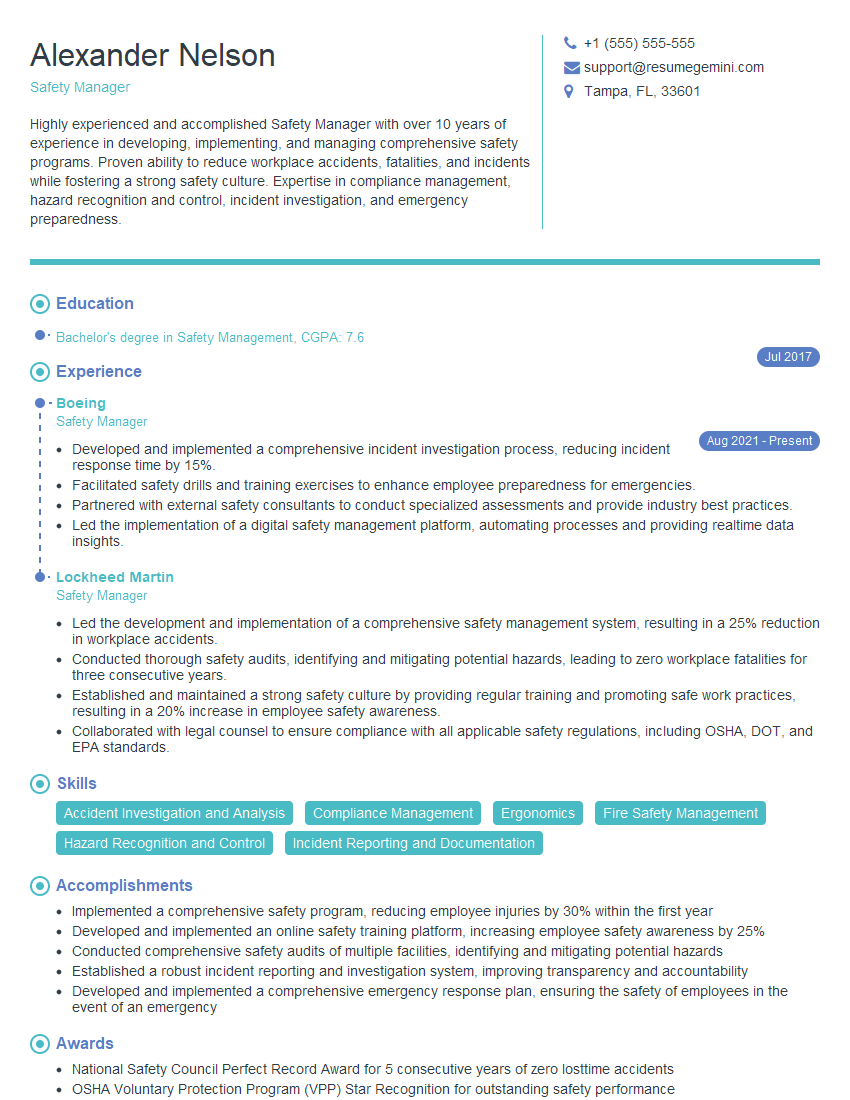
Safety Manager Resume Sample
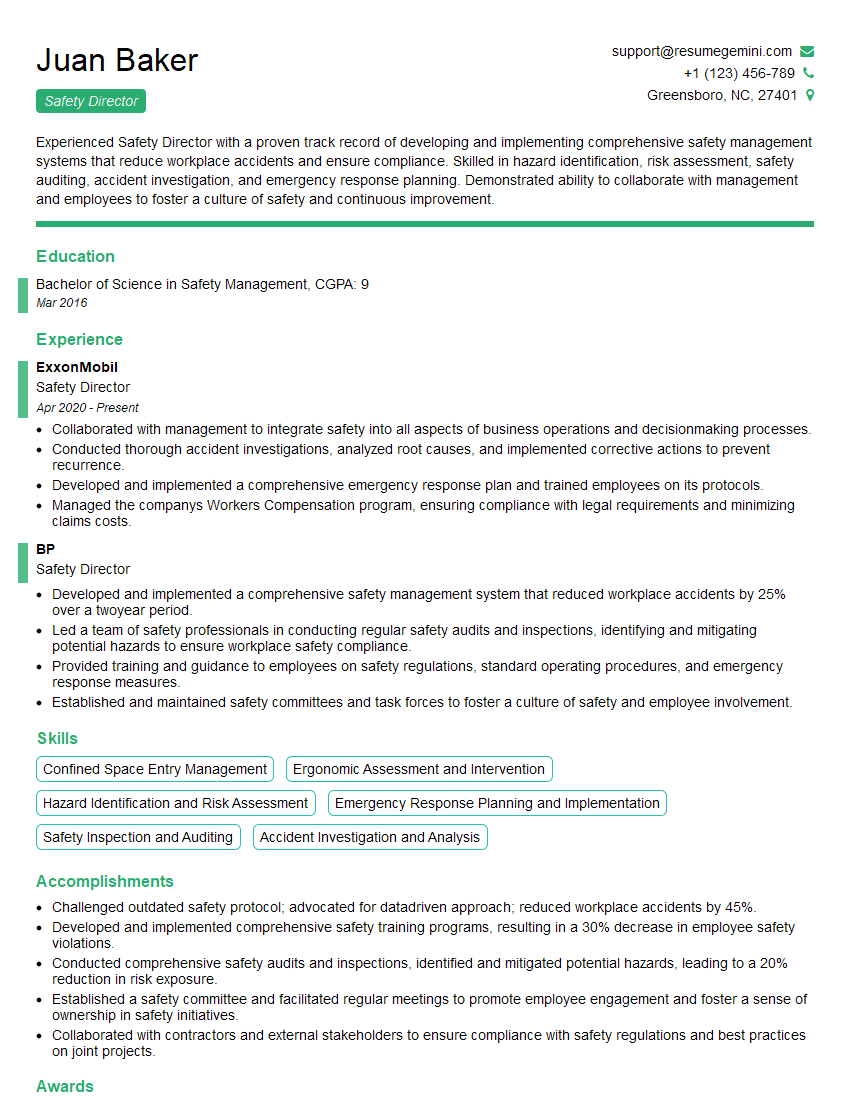
Safety Director Resume Sample
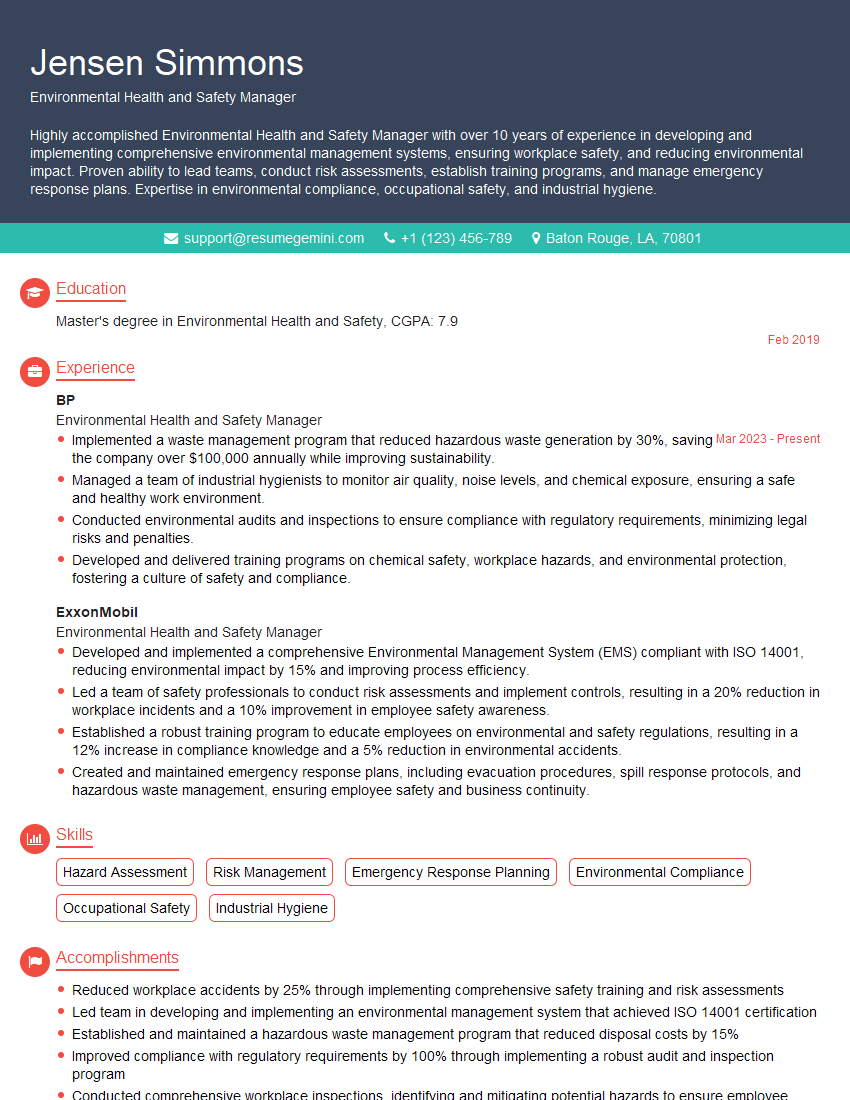
Environmental Health and Safety Manager Resume Sample

Compliance Manager Resume Sample
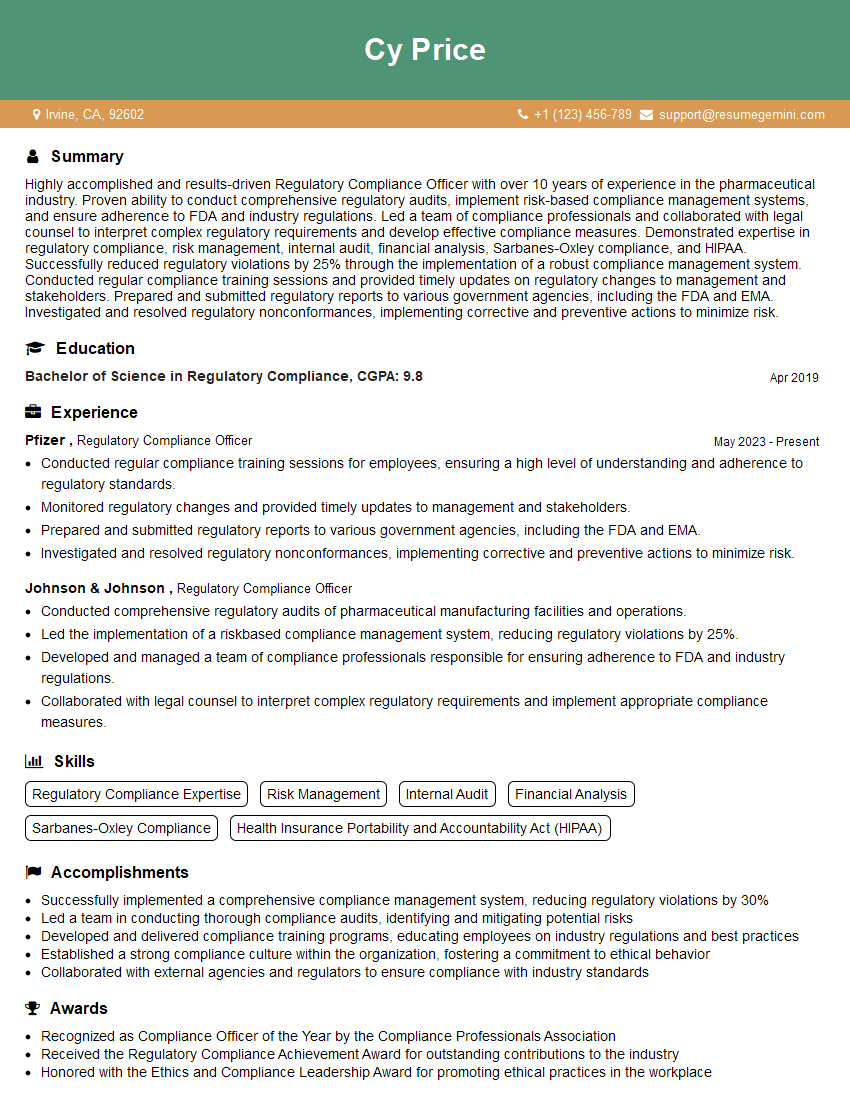
Regulatory Compliance Officer Resume Sample

Risk Manager Resume Sample
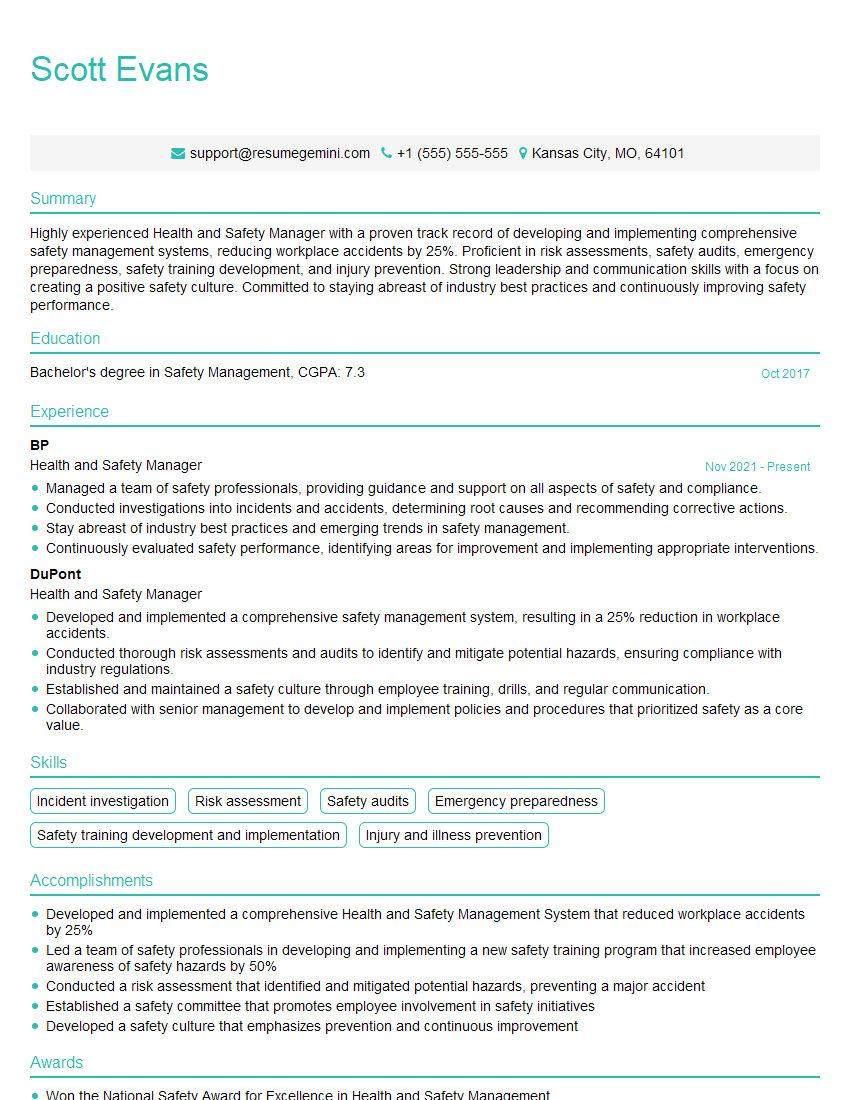
Health and Safety Manager Resume Sample
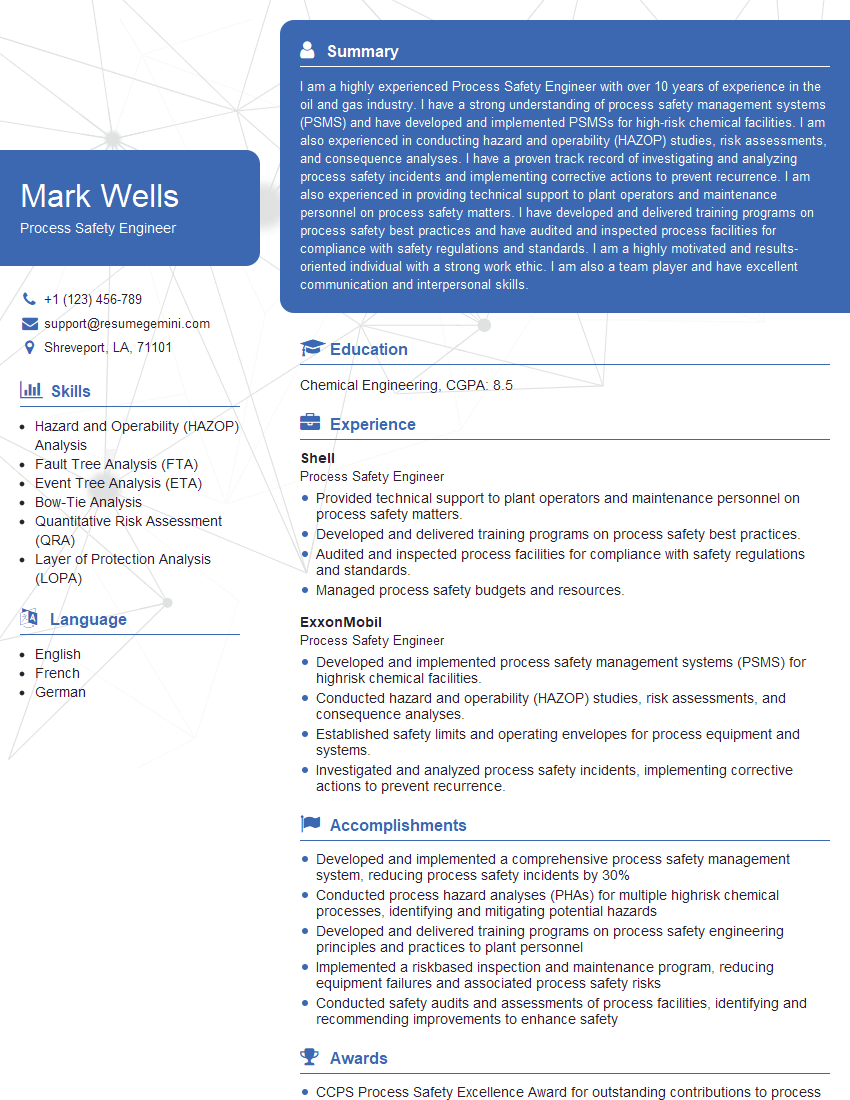
Process Safety Engineer Resume Sample
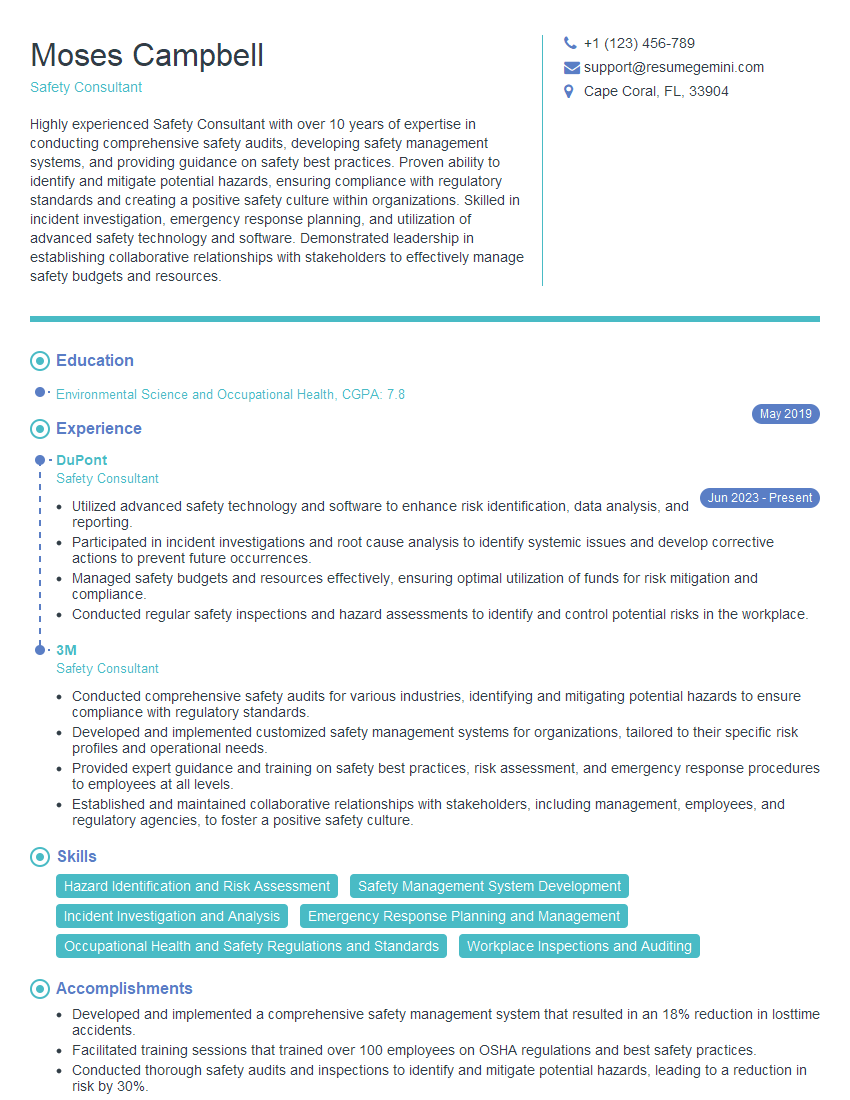
Safety Consultant Resume Sample

Safety Engineer Resume Sample
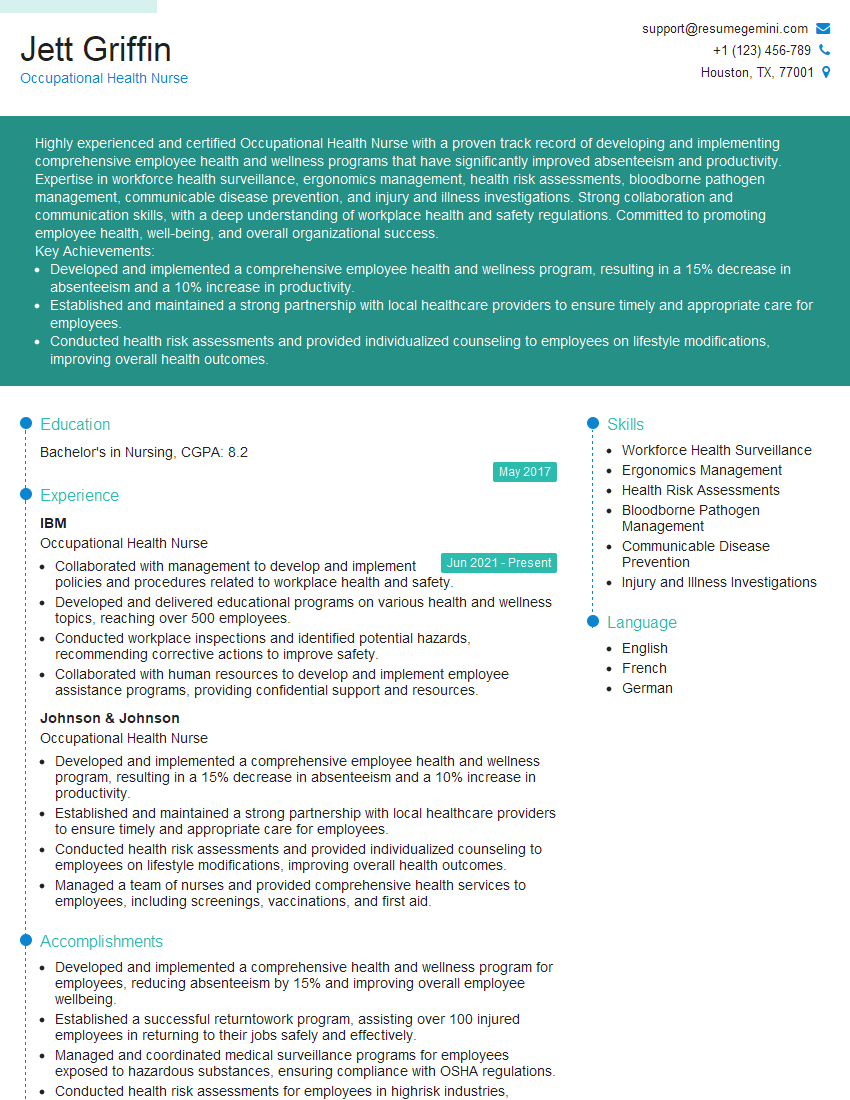
Occupational Health Nurse Resume Sample
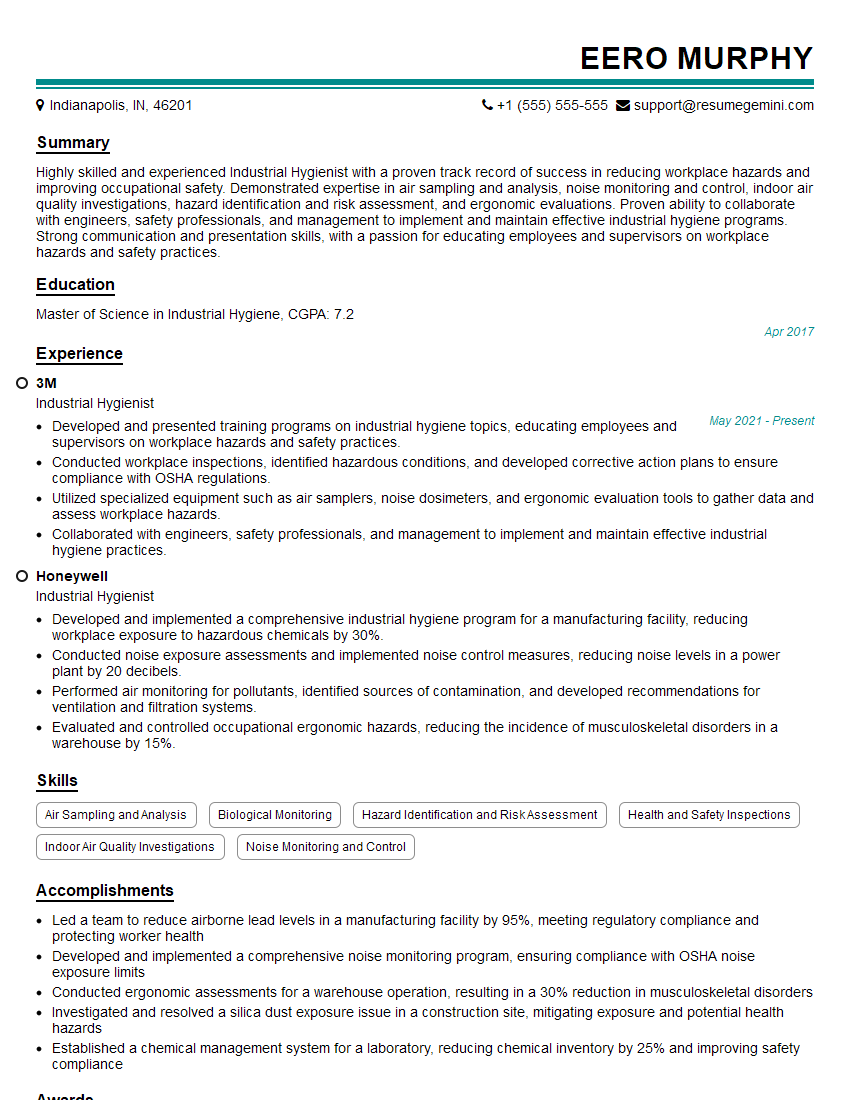
Industrial Hygienist Resume Sample
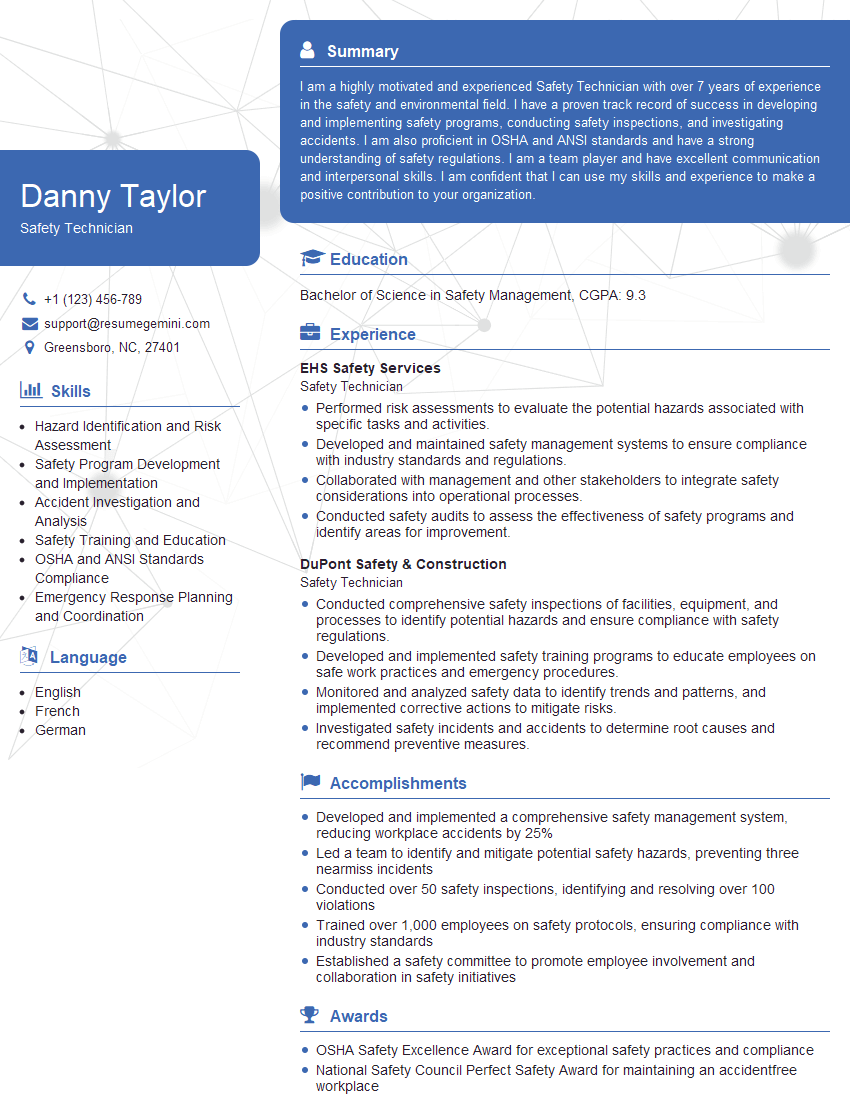
Safety Technician Resume Sample
Explore more articles
Users Rating of Our Blogs
Share Your Experience
We value your feedback! Please rate our content and share your thoughts (optional).
What Readers Say About Our Blog
Very informative content, great job.
good