The right preparation can turn an interview into an opportunity to showcase your expertise. This guide to Passion for Current Events interview questions is your ultimate resource, providing key insights and tips to help you ace your responses and stand out as a top candidate.
Questions Asked in Passion for Current Events Interview
Q 1. Explain the significance of the recent developments in the Ukraine conflict.
The Ukraine conflict, initiated by Russia’s full-scale invasion in February 2022, represents a significant geopolitical shift with far-reaching consequences. Its significance stems from several key factors:
- Territorial Integrity and Sovereignty: The invasion is a blatant violation of Ukraine’s sovereignty and territorial integrity, challenging the post-Cold War international order based on respect for national borders.
- Humanitarian Crisis: The conflict has caused a massive humanitarian crisis, displacing millions of Ukrainians and resulting in significant loss of life and widespread suffering. This has created immense strain on neighboring countries and international aid organizations.
- Geopolitical realignment: The conflict has led to a significant realignment of global power dynamics, strengthening alliances like NATO and prompting a reevaluation of security strategies across Europe and beyond. We are seeing a revitalization of transatlantic cooperation in a way not seen since the Cold War.
- Economic Impact: The war has had a profound impact on the global economy, causing disruptions to energy supplies, food security, and supply chains, leading to increased inflation and economic uncertainty worldwide. The sanctions imposed on Russia have also had significant economic repercussions.
- Nuclear Threat: Russia’s implicit and explicit threats of nuclear escalation have heightened global anxieties and raised concerns about the potential for unintended escalation.
Understanding these interconnected factors is crucial to comprehending the long-term consequences of the conflict, which will likely shape the global landscape for years to come.
Q 2. Analyze the impact of rising inflation on global economies.
Rising inflation, a sustained increase in the general price level of goods and services in an economy over a period of time, significantly impacts global economies in several ways:
- Reduced Purchasing Power: As prices rise, consumers’ purchasing power decreases, leading to reduced demand for goods and services. This can trigger a slowdown in economic growth as businesses respond to weaker demand.
- Increased Interest Rates: Central banks often respond to inflation by raising interest rates to cool down the economy. Higher interest rates increase borrowing costs for businesses and consumers, potentially slowing investment and consumption.
- Wage-Price Spiral: Inflation can lead to a wage-price spiral, where rising prices prompt workers to demand higher wages, further fueling inflation. This creates a challenging cycle for businesses and policymakers.
- Social and Political Instability: High inflation can lead to social unrest and political instability, as people struggle to afford basic necessities. This can have serious consequences for societal stability.
- Global Disruptions: Inflation in one country can quickly spread to others due to interconnected global supply chains and trade relationships. A major inflationary event in one key country can destabilize the global economy.
For example, the recent surge in inflation globally, partly fueled by supply chain disruptions and increased energy prices following the Ukraine conflict, has led to significant economic challenges in many countries, including decreased consumer spending and increased government intervention to manage the situation.
Q 3. Discuss the key players and issues in the ongoing climate change debate.
The climate change debate involves numerous key players and complex issues. The primary players include:
- Governments: National governments are crucial in setting policies, regulations, and targets to reduce greenhouse gas emissions. International cooperation is also essential for global action.
- Businesses: Corporations play a major role as significant emitters of greenhouse gases. Their transition to sustainable practices is vital for mitigating climate change. This includes investment in renewable energies and adopting sustainable business models.
- Scientists: Scientists provide crucial data and research to inform policy decisions and public understanding of climate change. Their work provides the evidence base for the need for urgent action.
- Civil Society: Non-governmental organizations (NGOs), activists, and community groups play a crucial role in advocating for climate action, raising awareness, and holding governments and businesses accountable.
- International Organizations: Organizations like the United Nations (UN) play a vital role in coordinating international efforts to address climate change, facilitating negotiations, and providing platforms for collaboration.
Key issues in the debate include the urgency of action, the distribution of responsibilities between developed and developing countries, the economic costs of mitigation and adaptation, and the effectiveness of different policy instruments. Finding common ground and achieving global consensus on these issues is critical to addressing the climate crisis effectively.
Q 4. What are the potential consequences of the current technological advancements in AI?
Advancements in Artificial Intelligence (AI) present both immense opportunities and significant potential consequences:
- Job Displacement: Automation driven by AI could lead to significant job displacement across various sectors, requiring workforce retraining and adaptation.
- Algorithmic Bias: AI systems trained on biased data can perpetuate and amplify existing societal inequalities. Mitigating bias in algorithms is a crucial challenge.
- Privacy Concerns: The increasing use of AI for data collection and analysis raises significant privacy concerns, requiring robust data protection measures.
- Autonomous Weapons Systems: The development of autonomous weapons systems (AWS) raises ethical and security concerns, prompting international discussions on their regulation and control.
- Economic Inequality: The benefits of AI may not be evenly distributed, potentially exacerbating existing economic inequalities. Policies are needed to ensure equitable access to the benefits of AI.
- Existential Risks: While still a topic of debate, some experts warn about potential existential risks associated with advanced AI, highlighting the need for careful development and oversight.
Addressing these potential consequences requires a proactive and multi-faceted approach, involving collaboration between governments, industry, researchers, and civil society to ensure responsible AI development and deployment. This includes ethical guidelines, regulatory frameworks, and investment in education and retraining programs.
Q 5. How has the COVID-19 pandemic reshaped global politics and economics?
The COVID-19 pandemic has profoundly reshaped global politics and economics in several ways:
- Nationalism and Protectionism: The pandemic initially led to a surge in nationalism and protectionism, as countries prioritized their own interests in securing medical supplies and implementing border controls.
- Increased Government Intervention: Governments played a significantly larger role in managing economies and societies during the pandemic, leading to increased government spending and intervention in various sectors.
- Supply Chain Disruptions: The pandemic exposed vulnerabilities in global supply chains, leading to significant disruptions and shortages of essential goods.
- Accelerated Digital Transformation: The pandemic accelerated the adoption of digital technologies across various sectors, including healthcare, education, and business.
- Geopolitical Tensions: The pandemic exacerbated existing geopolitical tensions, with countries blaming each other for the spread of the virus or for unequal access to vaccines.
- Shift in Global Power Dynamics: The pandemic may lead to shifts in global power dynamics, as countries with effective responses and robust healthcare systems enhance their influence.
The long-term effects of the pandemic are still unfolding, but it is clear that it has fundamentally altered the global landscape, requiring adjustments to existing political and economic structures and frameworks.
Q 6. Describe the major challenges facing developing nations today.
Developing nations face numerous interconnected challenges:
- Poverty and Inequality: High levels of poverty and inequality remain a significant hurdle, limiting access to essential services and opportunities.
- Lack of Infrastructure: Inadequate infrastructure, including transportation, energy, and communication networks, hinders economic development and social progress.
- Climate Change: Developing nations are disproportionately vulnerable to the impacts of climate change, facing increased risks from extreme weather events and environmental degradation.
- Health Challenges: Infectious diseases, malnutrition, and limited access to healthcare remain major concerns.
- Conflict and Instability: Political instability, conflict, and violence disrupt economic development and undermine social cohesion.
- Debt Burden: High levels of external debt can constrain a country’s ability to invest in essential services and infrastructure.
- Lack of Education and Skills Development: Limited access to quality education and skills development hinders economic productivity and human capital development.
Addressing these challenges requires a multi-pronged approach that includes investments in human capital, infrastructure development, sustainable economic growth, and effective governance. International cooperation and support are also crucial for developing nations to overcome these obstacles.
Q 7. Summarize the current state of the global energy market.
The global energy market is currently characterized by several key features:
- High Energy Prices: Energy prices, particularly for oil and natural gas, have remained elevated, driven by factors such as geopolitical instability, supply chain disruptions, and increased demand. This has significant implications for inflation and economic growth.
- Energy Security Concerns: The Ukraine conflict has highlighted the vulnerability of many countries to energy supply disruptions, prompting a focus on energy security and diversification of energy sources.
- Transition to Renewable Energy: There is a growing global shift towards renewable energy sources, driven by concerns about climate change and energy security. This involves investments in solar, wind, and other renewable energy technologies.
- Geopolitical Competition: The global energy market is increasingly shaped by geopolitical competition, with countries vying for influence and control over energy resources.
- Technological Advancements: Advancements in energy technologies, including battery storage and smart grids, are playing a key role in shaping the energy landscape.
The future of the global energy market will likely involve a complex interplay of these factors, with a continued focus on energy security, sustainable energy development, and the transition to a low-carbon economy. The pace and direction of this transition will have significant implications for global energy markets and the global economy.
Q 8. Analyze the impact of social media on political discourse.
Social media’s impact on political discourse is multifaceted and complex. On one hand, it’s democratized information access, allowing citizens to engage directly with political figures and movements. Think of the Arab Spring, where social media played a crucial role in organizing protests and disseminating information.
However, this democratization also comes with significant downsides. The spread of misinformation and disinformation, often referred to as ‘fake news,’ is rampant. Algorithmic amplification can create echo chambers, reinforcing pre-existing biases and hindering productive dialogue. We’ve seen this with the spread of conspiracy theories and the polarization of political opinions.
- Increased Participation: Social media allows for broader citizen participation in political debates.
- Spread of Misinformation: The ease of sharing false information poses a major threat to informed political discourse.
- Echo Chambers: Algorithmic filtering reinforces existing beliefs, limiting exposure to diverse viewpoints.
- Political Polarization: The ease of targeted messaging can further deepen divides between different political groups.
Understanding these dual aspects is crucial for navigating the modern political landscape. Combating misinformation requires media literacy education and proactive efforts from social media platforms themselves. Promoting constructive dialogue necessitates fostering a culture of respectful engagement and critical thinking.
Q 9. Explain the different perspectives on the future of globalization.
The future of globalization is a topic of considerable debate. Optimists highlight the potential for continued economic growth through interconnectedness, increased trade, and technological advancements. They envision a future of greater cooperation on global challenges such as climate change and pandemics. Think of the potential for international collaborations on research and development to tackle pressing global issues.
Conversely, pessimists express concerns about growing economic inequality, the potential for exploitation of developing nations, and the risks associated with excessive interdependence. They highlight the resurgence of nationalism and protectionist policies in several countries as a sign of potential deglobalization. The recent disruptions caused by the COVID-19 pandemic also illustrate the vulnerabilities inherent in a highly interconnected global system.
A third perspective suggests a shift towards a ‘multipolar’ world, where power is distributed more evenly among several major players, rather than dominated by a single hegemon. This scenario implies a more fragmented and complex global system, with both opportunities and challenges for international cooperation.
Ultimately, the future of globalization will depend on how effectively nations can navigate the complex interplay between economic integration, political stability, and social equity.
Q 10. Discuss the role of international organizations in addressing global issues.
International organizations play a vital role in addressing global issues by providing platforms for multilateral cooperation, setting international standards, and coordinating responses to crises. The United Nations, for example, serves as a central forum for diplomacy and conflict resolution, while the World Health Organization (WHO) coordinates global efforts to combat pandemics.
These organizations often provide crucial resources and technical expertise to developing countries, assisting in areas such as poverty reduction, healthcare, and education. They also play a key role in monitoring compliance with international treaties and agreements, helping to ensure accountability and transparency.
- Diplomacy and Conflict Resolution: UN peacekeeping missions and mediation efforts contribute to peace and security worldwide.
- Resource Allocation: Organizations like the World Bank and IMF provide financial assistance and technical expertise to developing nations.
- Standard Setting: International organizations establish norms and standards in various sectors, promoting cooperation and consistency.
- Crisis Response: Organizations coordinate international responses to crises such as natural disasters and humanitarian emergencies.
However, international organizations face limitations, including bureaucratic inefficiencies, political biases, and limited enforcement powers. Their effectiveness also depends significantly on the willingness of member states to cooperate and abide by international rules and norms.
Q 11. What are the key factors influencing the current geopolitical landscape?
The current geopolitical landscape is shaped by a complex interplay of factors. The rise of China as a global power is a significant driver, challenging the established US-led order. This creates strategic competition across various domains, including economic, technological, and military spheres.
The ongoing war in Ukraine has fundamentally reshaped the European security architecture and created new fault lines in global alliances. It also highlighted the vulnerability of global supply chains and the importance of energy security.
Climate change poses a growing threat to global stability, exacerbating existing tensions and creating new conflicts over resources. Finally, the increasing prevalence of cyber warfare and information operations adds another layer of complexity, making it harder to distinguish between legitimate and malicious actors.
- Rise of China: China’s growing economic and military power is reshaping the global balance of power.
- War in Ukraine: The conflict has significantly altered the geopolitical landscape in Europe and beyond.
- Climate Change: Climate change acts as a threat multiplier, exacerbating existing tensions and creating new ones.
- Technological Competition: Competition in areas like artificial intelligence and 5G technology is shaping geopolitical strategies.
These factors interact in intricate ways, making the current geopolitical situation highly fluid and uncertain. Understanding these dynamics is crucial for anticipating future trends and formulating effective foreign policy strategies.
Q 12. Explain the significance of a recent Supreme Court ruling (provide context).
A significant recent Supreme Court ruling (context dependent, for example, *Dobbs v. Jackson Women’s Health Organization*) fundamentally altered the legal landscape regarding abortion rights in the United States. The ruling overturned *Roe v. Wade*, a landmark decision that had established a woman’s constitutional right to an abortion.
The *Dobbs* decision effectively returned the authority to regulate abortion to individual states, leading to a patchwork of laws across the country. Some states have enacted near-total bans on abortion, while others have maintained or expanded access.
The ruling sparked significant public protests and intensified the long-standing debate over abortion rights in the US. It also raised broader questions about the role of the Supreme Court in interpreting constitutional rights and the potential implications for other precedents.
This ruling has had profound social, political, and legal ramifications, and its consequences will continue to unfold for years to come.
Q 13. How has recent legislation impacted a specific industry (provide context)?
(Context dependent, for example, the impact of the Inflation Reduction Act on the renewable energy industry). The Inflation Reduction Act (IRA) in the United States significantly impacted the renewable energy industry by providing substantial tax credits and incentives for clean energy technologies.
This legislation has led to increased investment in solar, wind, and other renewable energy projects. It’s expected to accelerate the transition to cleaner energy sources and boost job creation in the renewable energy sector. Furthermore, it’s stimulated innovation and competition within the industry.
However, the long-term impacts are still unfolding, and there are ongoing debates about the effectiveness and equity of the IRA’s provisions. For instance, some critics argue that the IRA’s benefits are unevenly distributed and may not sufficiently address issues of environmental justice.
Q 14. Describe the current economic climate in a specific region (provide context).
(Context dependent, for example, the current economic climate in the Eurozone). The Eurozone is currently facing a complex economic climate marked by high inflation, slowing growth, and geopolitical uncertainty stemming from the war in Ukraine. Inflation, driven by energy price shocks and supply chain disruptions, remains a significant challenge, impacting consumer spending and business investment.
Economic growth has slowed considerably, with some countries facing the risk of recession. The European Central Bank (ECB) has implemented monetary policy tightening measures, such as interest rate hikes, to combat inflation, but these actions could further dampen economic activity.
The ongoing energy crisis, exacerbated by the war in Ukraine, poses a significant threat to the Eurozone’s economy, creating energy insecurity and driving up energy prices. Addressing these challenges requires a coordinated approach involving both monetary and fiscal policy, alongside efforts to enhance energy security and diversify energy sources.
Q 15. Summarize the main points of a recent international treaty or agreement.
The recent agreement on the conservation of marine biodiversity in areas beyond national jurisdiction (BBNJ), finalized in June 2023, is a landmark achievement in international environmental law. Its main points center around establishing a robust legal framework for protecting the ocean’s high seas.
- Marine Protected Areas (MPAs): The treaty establishes a mechanism for creating MPAs in the high seas, allowing for the protection of vulnerable ecosystems and species. This will involve a transparent process for proposing, evaluating, and establishing these protected areas, considering scientific data and equitable access for all nations.
- Environmental Impact Assessments (EIAs): The agreement mandates that states conduct EIAs before undertaking activities in the high seas that could negatively impact biodiversity. This ensures that potential harm is assessed and mitigated before projects commence.
- Capacity Building and Technology Transfer: Recognizing that developing nations often lack the resources to participate fully, the treaty includes provisions for capacity building and technology transfer. This is crucial for ensuring equitable implementation and participation by all nations.
- Benefit-Sharing: A crucial element is the sharing of benefits derived from marine genetic resources in the high seas. This means a portion of profits or knowledge from the use of genetic material will be shared with the international community.
In essence, the BBNJ agreement represents a significant step towards safeguarding the health of our oceans and promoting sustainable practices for future generations. Its success hinges on effective implementation and international cooperation.
Career Expert Tips:
- Ace those interviews! Prepare effectively by reviewing the Top 50 Most Common Interview Questions on ResumeGemini.
- Navigate your job search with confidence! Explore a wide range of Career Tips on ResumeGemini. Learn about common challenges and recommendations to overcome them.
- Craft the perfect resume! Master the Art of Resume Writing with ResumeGemini’s guide. Showcase your unique qualifications and achievements effectively.
- Don’t miss out on holiday savings! Build your dream resume with ResumeGemini’s ATS optimized templates.
Q 16. What is your opinion on the effectiveness of a particular foreign policy strategy?
The effectiveness of the United States’ policy of targeted sanctions, often used to pressure rogue regimes or combat terrorism, is a complex issue with no easy answer. While such sanctions aim to weaken targeted governments economically and politically, their impact is often debated.
Arguments for effectiveness often center on the ability to cripple specific sectors of the targeted economy, thereby limiting the regime’s ability to fund its activities (e.g., Iran’s nuclear program). For instance, sanctions on oil exports have significantly impacted revenues for certain states.
Arguments against effectiveness highlight the unintended consequences. Sanctions can hurt innocent civilians, fostering resentment and potentially strengthening the targeted regime through nationalist sentiment. Furthermore, they can be easily circumvented through black markets or proxy states, reducing their impact. The success of sanctions frequently depends on robust enforcement, multilateral support, and clearly defined objectives. A clear example of limitations is the limited impact of sanctions on North Korea, demonstrating the difficulty of enforcing sanctions against a highly isolated regime.
Overall, the effectiveness of targeted sanctions depends heavily on the specific context and careful consideration of unintended consequences. A more nuanced strategy often involving a combination of carrots and sticks might prove more productive than sanctions alone.
Q 17. Explain the pros and cons of a specific economic policy.
Let’s examine the pros and cons of quantitative easing (QE), a monetary policy where a central bank injects liquidity into the economy by purchasing assets.
- Pros:
- Increased liquidity: QE injects money into the financial system, lowering interest rates and boosting lending. This stimulates economic activity, particularly during recessions.
- Reduced borrowing costs: Lower interest rates make it cheaper for businesses to invest and for consumers to borrow, leading to increased spending and economic growth.
- Asset price inflation: QE often leads to increased asset prices (stocks, bonds, real estate), boosting investor confidence and wealth.
- Cons:
- Inflation: Increased money supply can lead to inflation, eroding purchasing power if not managed carefully. This can be particularly problematic if the increased money supply is not matched by increased production.
- Asset bubbles: QE can inflate asset bubbles, creating financial instability. When these bubbles burst, it can trigger economic crises.
- Inequality: The benefits of QE often disproportionately accrue to asset holders (wealthy individuals and institutions), widening the gap between rich and poor.
- Reduced central bank independence: QE can lead to accusations of central bank overreach and interfere with its independence.
QE, like any economic policy, is a double-edged sword. Its success depends heavily on careful implementation, monitoring, and a well-defined exit strategy. The 2008 financial crisis saw widespread use of QE, with varying degrees of success across different economies; highlighting the importance of context and careful management.
Q 18. Discuss the ethical implications of a recent technological development.
The ethical implications of artificial intelligence (AI), particularly concerning facial recognition technology, are profound and multifaceted. This technology raises significant concerns regarding privacy, bias, and potential misuse.
Privacy: Facial recognition technology’s ability to identify individuals without their knowledge or consent raises serious privacy concerns. The potential for mass surveillance and tracking of individuals without their consent is a major ethical challenge.
Bias: AI algorithms are trained on data, and if this data reflects existing societal biases (e.g., racial, gender), the resulting AI system will perpetuate and even amplify these biases. This can lead to discriminatory outcomes, such as misidentification or unfair targeting of certain groups.
Misuse: The technology can be misused by governments or other actors for oppressive purposes, such as tracking dissidents, suppressing protests, or targeting specific communities. This potential for abuse necessitates strong ethical guidelines and regulatory oversight.
Addressing these ethical challenges requires a multi-pronged approach, including robust regulations, algorithmic transparency, and ongoing audits to ensure fairness and accountability. The development and deployment of ethical AI requires careful consideration of its impact on individuals and society as a whole.
Q 19. How would you explain a complex political issue to a non-expert audience?
Let’s explain the complexities of the Israeli-Palestinian conflict to a non-expert audience. At its core, it’s a dispute over land and self-determination.
Imagine two families, each claiming ownership of the same piece of land. Both families have historical ties to the land, and both have compelling reasons for wanting to live there. One family (representing the Palestinians) has lived there for generations, but has seen its land increasingly controlled by the other (representing the Israelis). The other family, facing historical persecution and seeking a homeland, has established a state in the area.
This dispute is further complicated by religious significance, political ambitions, and historical grievances, all of which contribute to a deeply rooted conflict. Various peace proposals have been made, but they often get stuck on fundamental issues like borders, settlements, and the status of Jerusalem, a city sacred to both sides. Understanding the conflict requires acknowledging the perspectives and historical experiences of both sides, and recognizing the complexities involved in finding a lasting solution.
The analogy, though simplistic, helps illustrate the key aspects: competing claims to land, historical grievances, and the challenges of negotiation and compromise.
Q 20. What are the major challenges facing democratic societies today?
Democratic societies today face a multitude of challenges, many of which are interconnected.
- Political Polarization: Increasing political division and ideological extremism make consensus-building difficult, hindering effective governance and eroding trust in institutions.
- Disinformation and Misinformation: The spread of false or misleading information through social media and other channels undermines informed public discourse and weakens democratic processes.
- Economic Inequality: Growing disparities in wealth and income can lead to social unrest, instability, and a sense of injustice, threatening the legitimacy of democratic systems.
- Erosion of Trust in Institutions: Declining public trust in government, media, and other key institutions weakens democratic accountability and makes it harder to address societal challenges.
- Threats to Free and Fair Elections: Attempts to manipulate or undermine electoral processes, through voter suppression, foreign interference, or cyberattacks, pose a direct threat to the integrity of democracy.
- Climate Change: The urgency of addressing climate change requires international cooperation and domestic policy changes, testing the ability of democracies to respond effectively to global crises.
These challenges necessitate a proactive and multifaceted approach involving strengthening democratic institutions, promoting media literacy, addressing economic inequality, and fostering inclusive dialogue.
Q 21. How do you stay updated on current events?
Staying updated on current events requires a multi-faceted approach, combining various sources and methods.
- Reputable News Outlets: I rely heavily on a variety of well-established and respected news organizations with a strong track record of accuracy and fact-checking, such as the Associated Press, Reuters, and BBC News. I consciously try to consume news from diverse perspectives to avoid filter bubbles.
- Specialized Publications and Journals: For deeper insights into specific areas, I consult specialized publications and academic journals that offer in-depth analysis and expert commentary.
- Podcasts and Radio Broadcasts: Podcasts and radio programs offer a different angle on news stories, often featuring interviews with experts and on-the-ground reporting.
- Social Media (with caution): While social media can be a quick source of information, I use it cautiously, verifying information from trusted sources before accepting it at face value. It is often best for identifying developing stories, but rarely for in-depth analysis.
- Direct engagement: This involves speaking with people in different sectors and attending relevant conferences and seminars. This helps understand the human aspect of events.
It’s vital to be a critical consumer of information, verifying facts and being aware of potential biases present in any news source. A diverse range of sources helps to paint a more complete picture of current events.
Q 22. What sources do you rely on for reliable information?
For reliable information on current events, I rely on a diversified portfolio of sources, avoiding reliance on any single news outlet. My approach prioritizes fact-checking and cross-referencing.
- Reputable News Organizations: I utilize established news agencies like the Associated Press (AP), Reuters, and Agence France-Presse (AFP), known for their journalistic standards and commitment to factual reporting. These agencies often serve as the foundation for many other news stories.
- Established Media Outlets with Strong Fact-Checking Processes: I consult newspapers and news magazines with a long history of accuracy and rigorous fact-checking, such as The New York Times, The Wall Street Journal, and the BBC. Their editorial processes help ensure accuracy.
- Peer-Reviewed Academic Journals and Research Papers: For in-depth analysis and understanding of complex issues, I turn to academic sources. These provide rigorous data and evidence-based conclusions, crucial for nuanced perspectives.
- Government and International Organization Reports: Official reports from organizations like the UN, the World Bank, and national governments offer primary source information and data that can be essential to understanding policy and events.
- Multiple Perspectives: It’s critical to consult sources representing diverse viewpoints, understanding that no single source provides a completely unbiased narrative. Comparing and contrasting reports from different sources helps expose potential biases and build a more complete understanding.
This multi-faceted approach helps me synthesize information and identify potential biases, ultimately leading to a more well-rounded understanding of any given current event.
Q 23. Describe a time you had to analyze a complex news story.
Recently, I had to analyze the complex implications of rising global food prices. This wasn’t a simple story of supply and demand; it involved multiple interwoven factors.
My analysis began by identifying the key contributing factors: the war in Ukraine impacting grain exports, climate change affecting harvests, and supply chain disruptions. I then cross-referenced data from the UN’s Food and Agriculture Organization (FAO), reports from the World Bank, and articles from reputable news sources.
The challenge was synthesizing this diverse information into a coherent narrative. I constructed a timeline of events, charting the escalation of prices alongside shifts in geopolitical events and weather patterns. This allowed me to identify correlations and causal links, ultimately concluding that the price increases were a result of a complex interplay of geopolitical instability, climate change, and economic factors, rather than a single cause.
The process highlighted the importance of not only understanding individual factors but also appreciating their interconnectedness when tackling such complex stories.
Q 24. How do you form your own opinions on current events?
Forming informed opinions on current events requires a deliberate and critical approach. It’s not about immediate reactions, but about thoughtful consideration of multiple perspectives and evidence.
- Evidence-Based Reasoning: My opinions are grounded in facts and evidence gathered from diverse and credible sources. I avoid forming judgments based solely on emotion or personal biases.
- Critical Analysis: I evaluate the credibility and potential biases of sources, questioning assumptions and looking for counterarguments. This ensures I don’t accept information at face value.
- Considering Multiple Perspectives: I actively seek out diverse perspectives and viewpoints, even those that differ from my own. This helps me develop a more comprehensive and nuanced understanding of the issue at hand.
- Openness to Changing My Mind: I recognize that new information may challenge my existing beliefs. I’m willing to revise my opinions if presented with compelling evidence to the contrary.
This systematic approach ensures my opinions are well-reasoned, informed, and open to revision based on new information or analysis.
Q 25. Discuss the importance of critical thinking when evaluating news sources.
Critical thinking is paramount when evaluating news sources. It’s the cornerstone of responsible information consumption in today’s media landscape.
Identifying Bias: Critical thinking helps identify potential biases inherent in news reporting. This includes recognizing the source’s potential motives, funding, or affiliations. For example, a news outlet heavily funded by a particular industry might present information favorable to that industry.
Evaluating Evidence: Critical thinking helps to assess the validity of evidence presented. Are claims supported by verifiable data and credible sources? Are there alternative explanations? The absence of proper evidence or the use of anecdotal evidence should raise red flags.
Recognizing Logical Fallacies: Being able to recognize logical fallacies, such as confirmation bias, ad hominem attacks, and straw man arguments, is essential to prevent misleading narratives from influencing your interpretation of events.
Fact-Checking: Critical thinking encourages active fact-checking. By verifying information from multiple independent sources, you can identify inconsistencies and misinformation.
In essence, critical thinking equips us with the tools to navigate the complex world of news and information, ensuring we form opinions based on a solid foundation of verifiable evidence rather than conjecture or manipulation.
Q 26. How would you respond to misinformation or biased reporting?
When encountering misinformation or biased reporting, my response is multi-pronged.
- Identify and Document: The first step is to clearly identify the misinformation or bias. This includes noting the source, the specific claims, and the evidence (or lack thereof) presented. I often take screenshots or save links for future reference.
- Investigate and Fact-Check: Next, I use reliable fact-checking websites and credible news sources to verify the accuracy of the information. I look for evidence that contradicts the claims.
- Contextualize: Understanding the context in which misinformation is presented is important. Why is it being spread? Who benefits from it? This helps to understand the motivations behind the spread of falsehoods.
- Address the Misinformation: Depending on the context (e.g., a social media post, a conversation, a published article), I will respond appropriately. This could involve politely correcting the misinformation, sharing accurate information from credible sources, or reporting the misinformation to the relevant platform.
- Promote Media Literacy: A key element of combating misinformation is promoting media literacy, encouraging others to be critical consumers of information and to evaluate sources carefully.
Addressing misinformation requires a proactive and multi-layered approach, focusing on both correcting the falsehoods and preventing their further spread.
Q 27. What are the ethical considerations for journalists covering current events?
Ethical considerations for journalists covering current events are crucial for maintaining public trust and ensuring responsible reporting.
- Accuracy and Fairness: Journalists have an ethical obligation to report accurately and fairly, presenting all sides of a story and avoiding bias. This includes verifying information, citing sources correctly, and correcting errors promptly.
- Independence and Objectivity: Maintaining independence from political, economic, and other influences is essential. Objectivity doesn’t mean presenting every viewpoint equally, but rather striving for factual accuracy and avoiding the manipulation of information.
- Privacy and Confidentiality: Protecting the privacy of individuals involved in news stories is vital. Journalists should consider the potential harm their reporting may cause and exercise caution in disclosing personal information.
- Transparency and Accountability: Being transparent about sources, methods, and potential conflicts of interest builds trust with the audience. Journalists should be accountable for their work and willing to correct errors.
- Avoiding Harm: Journalists have a responsibility to avoid causing unnecessary harm to individuals or society through their reporting. This is particularly important in sensitive areas like war reporting or coverage of sensitive social issues.
Adherence to these ethical principles is crucial for maintaining the integrity of journalism and the public’s trust in the media.
Q 28. Describe your approach to staying objective when discussing controversial topics.
Maintaining objectivity when discussing controversial topics demands a conscious effort and specific strategies.
- Acknowledge Personal Biases: The first step is recognizing my own potential biases and actively working to mitigate their influence. This is an ongoing process of self-reflection.
- Focus on Facts and Evidence: My discussions center on verifiable facts and evidence, avoiding emotionally charged language or subjective opinions. I present multiple perspectives, showcasing differing viewpoints supported by evidence.
- Use Neutral Language: I strive to use neutral and unbiased language, avoiding loaded terms or phrases that could sway the audience’s opinion. This ensures clarity and prevents the introduction of unintended bias.
- Emphasize Understanding, Not Persuasion: The goal is to foster understanding, not to persuade others to adopt a particular viewpoint. This involves actively listening to others’ perspectives, even if they differ from my own.
- Seek Diverse Perspectives: I actively seek and incorporate diverse perspectives in my discussions, demonstrating the complexity of the issue and avoiding oversimplification.
Objectivity is an ideal, not always perfectly attainable, but by consciously employing these strategies, we can approach sensitive conversations in a more informed and balanced way.
Key Topics to Learn for Passion for Current Events Interview
- Global Affairs Analysis: Understanding geopolitical dynamics, international relations, and their impact on various sectors.
- Economic Trends and Policies: Analyzing economic indicators, fiscal and monetary policies, and their influence on global markets.
- Social and Cultural Issues: Examining societal shifts, cultural trends, and their implications for businesses and communities.
- Technological Advancements and Disruption: Evaluating the impact of new technologies on various industries and societies.
- Environmental Concerns and Sustainability: Understanding environmental challenges and the importance of sustainable practices.
- Critical Thinking and Analysis: Developing the ability to evaluate information from diverse sources, identify biases, and form well-reasoned opinions.
- Communication Skills: Articulating complex information clearly and concisely, both verbally and in writing.
- Problem-Solving and Strategic Thinking: Applying knowledge of current events to identify and propose solutions to real-world challenges.
- Adaptability and Continuous Learning: Demonstrating a commitment to staying informed about evolving global issues.
Next Steps
Mastering your understanding of current events is crucial for career success in today’s dynamic world. It demonstrates critical thinking, adaptability, and a global perspective – highly valued attributes across numerous industries. To significantly improve your job prospects, creating an ATS-friendly resume is essential. ResumeGemini is a trusted resource that can help you build a professional and effective resume tailored to highlight your knowledge and passion for current events. Examples of resumes tailored to this field are available to guide you. Take the next step in your career journey – build a compelling resume that showcases your expertise.
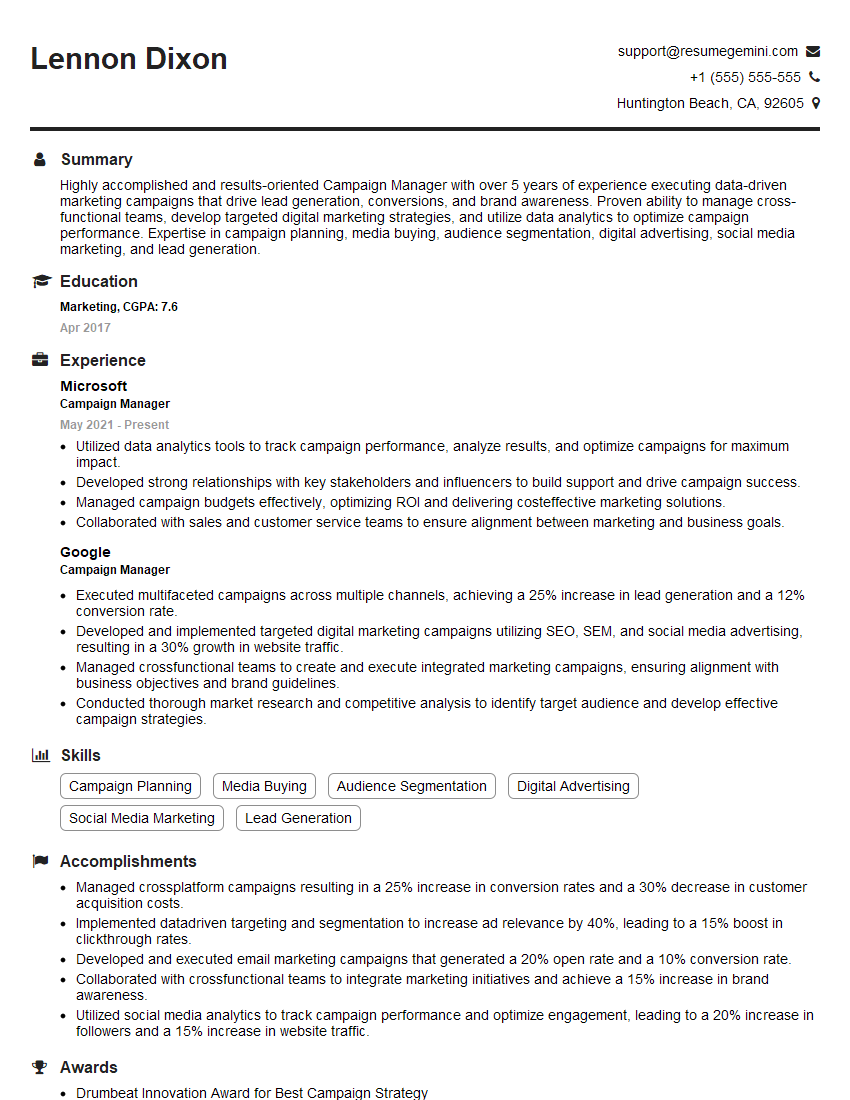
Campaign Manager Resume Sample
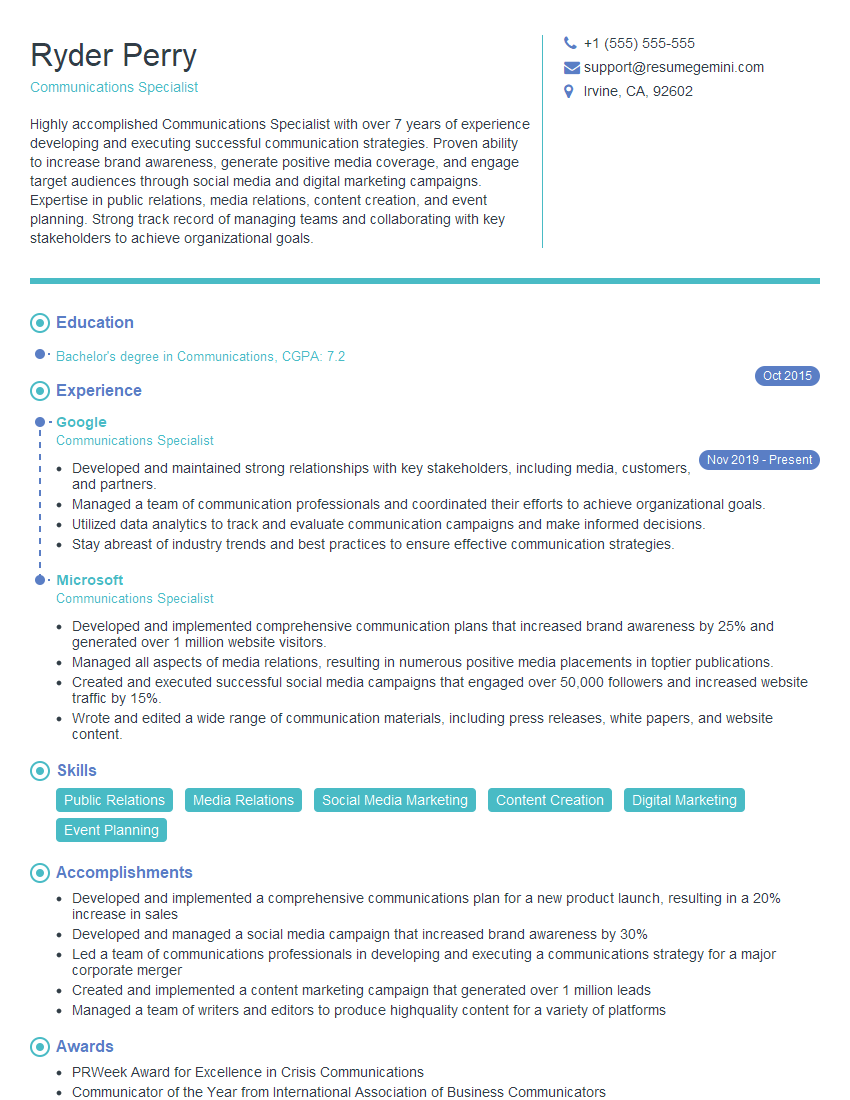
Communications Specialist Resume Sample
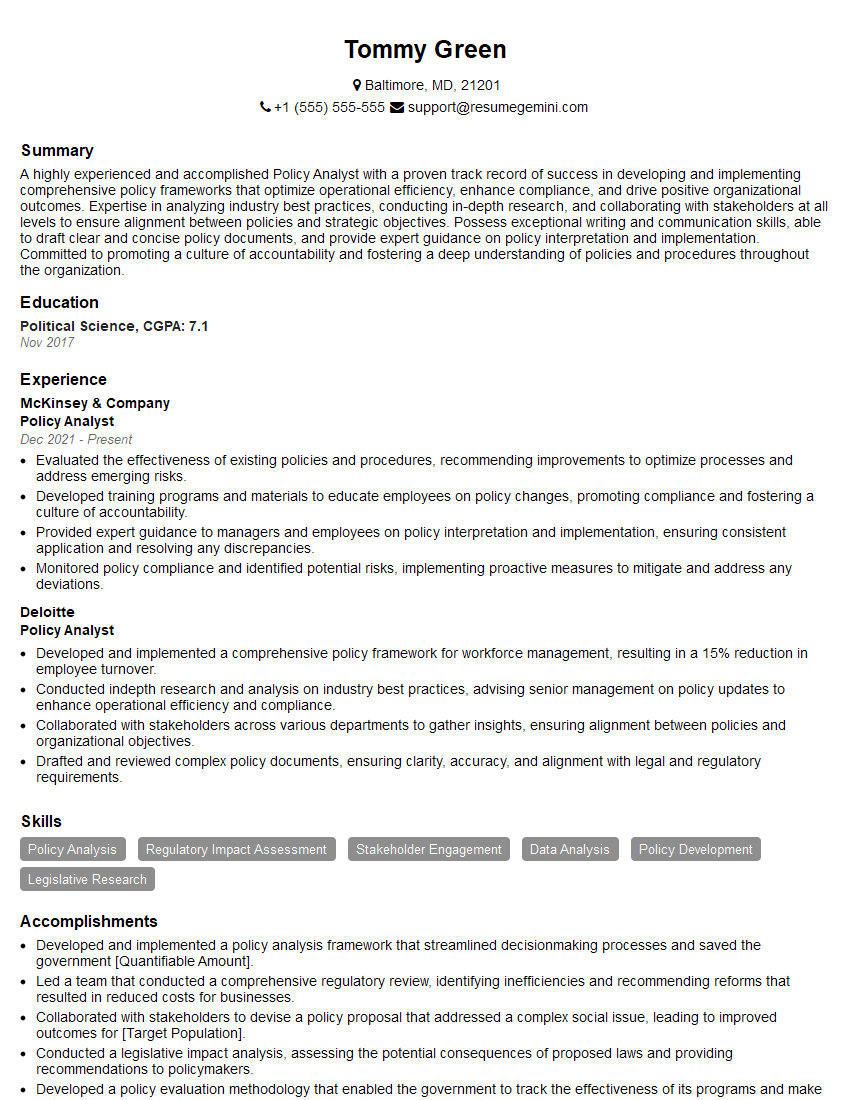
Policy Analyst Resume Sample
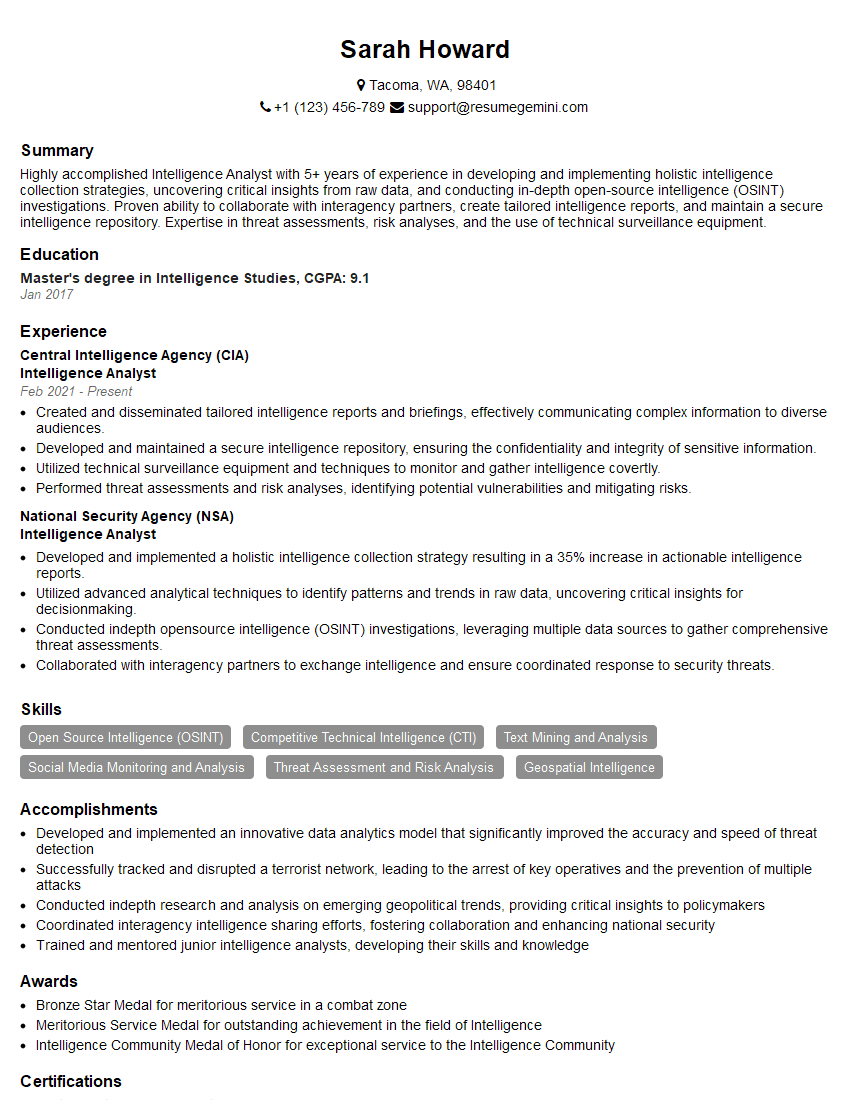
Intelligence Analyst Resume Sample
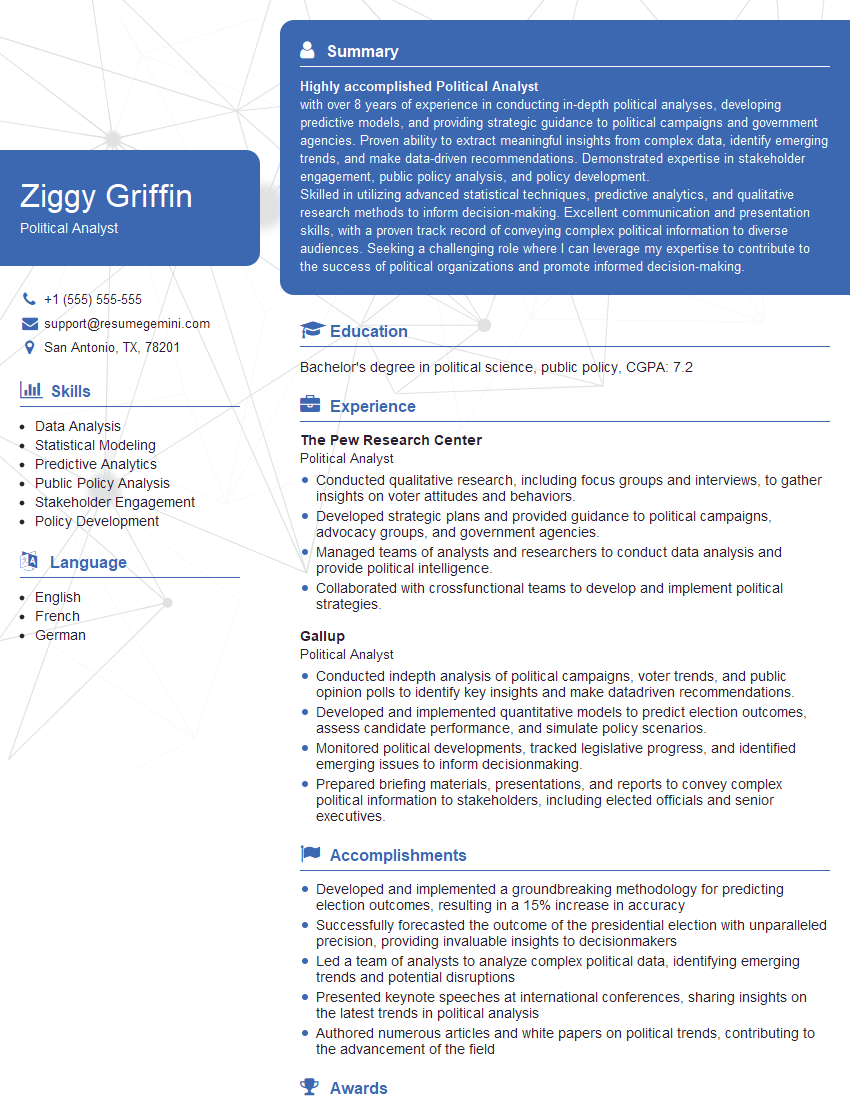
Political Analyst Resume Sample
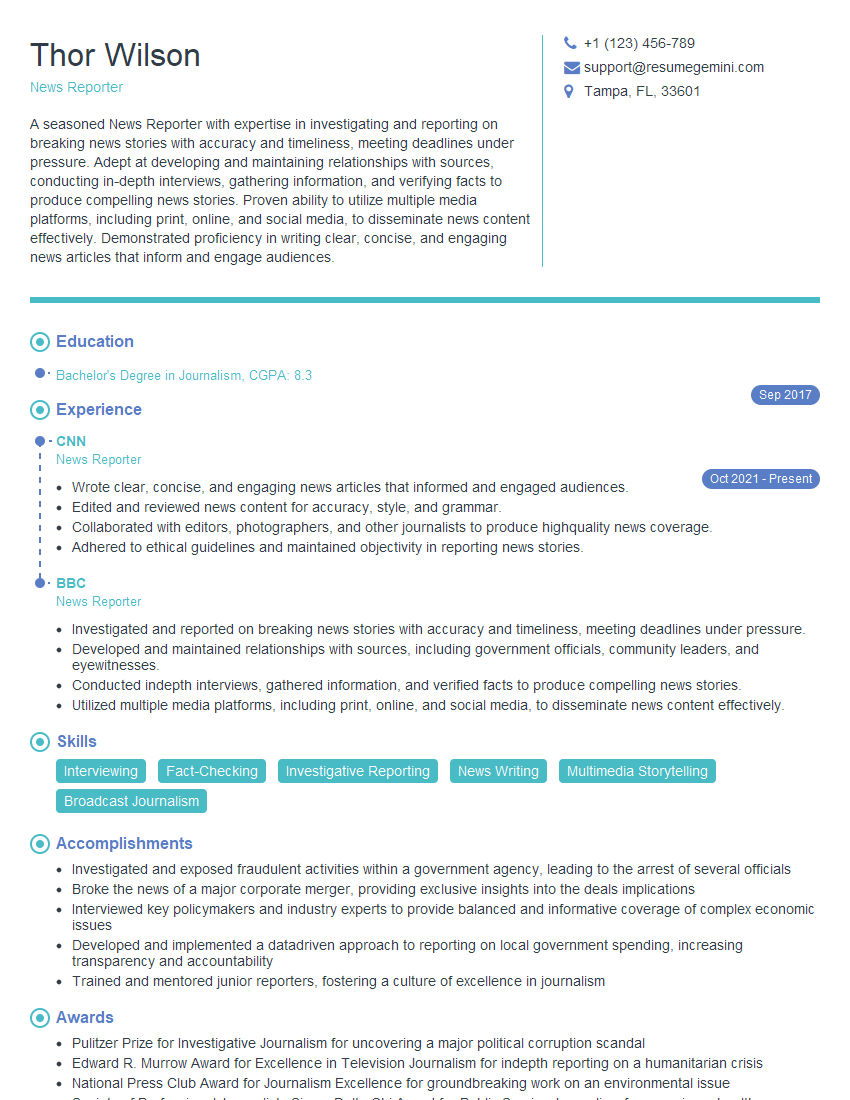
News Reporter Resume Sample
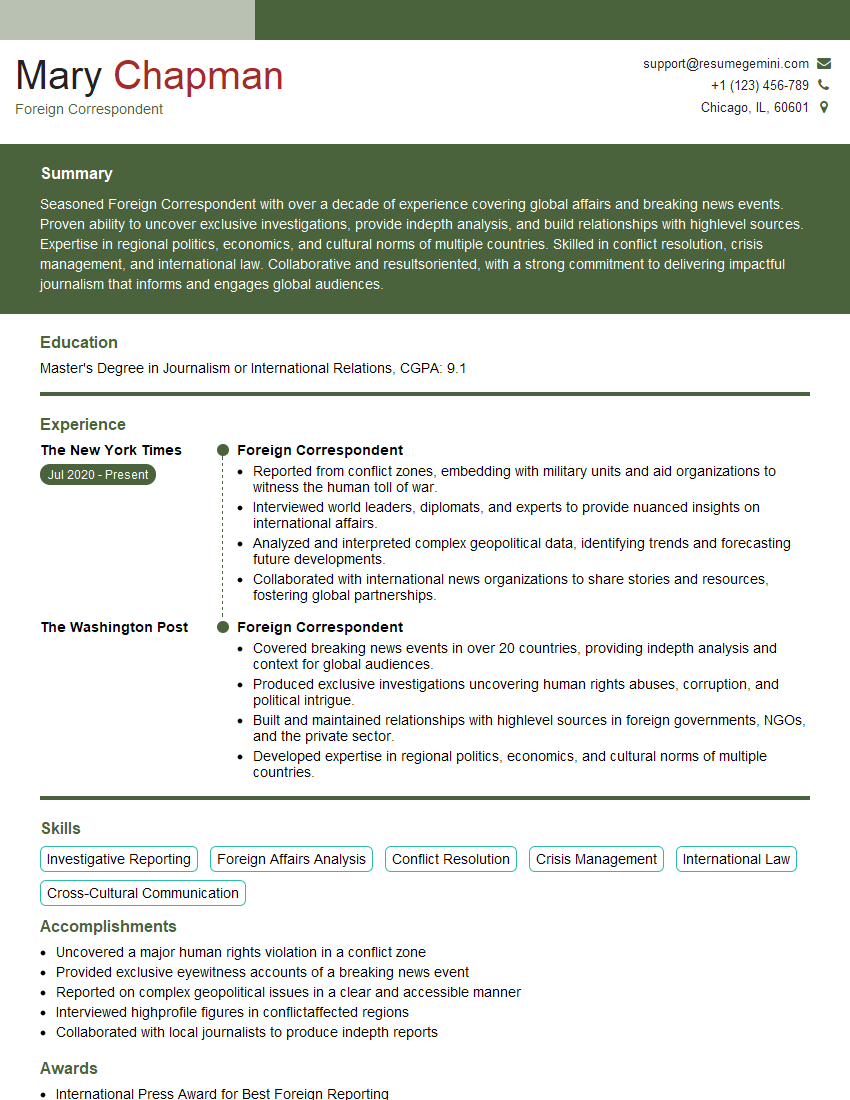
Foreign Correspondent Resume Sample
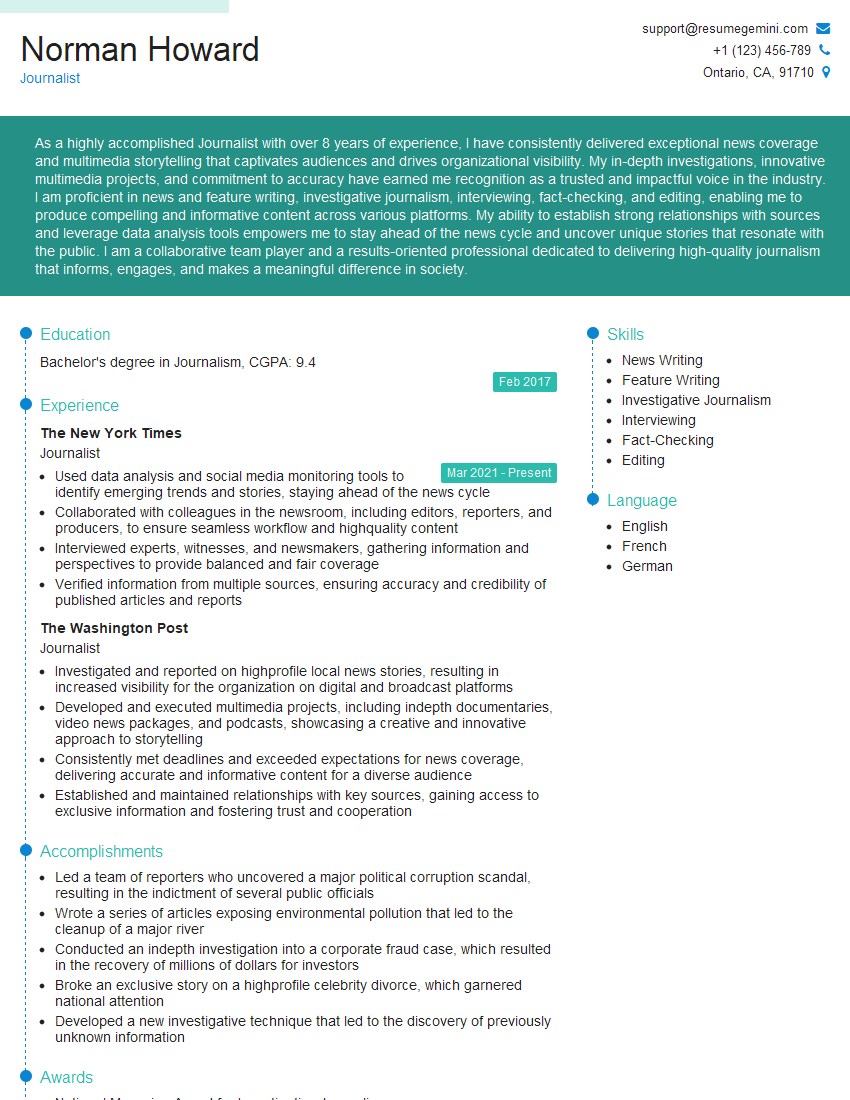
Journalist Resume Sample

Lobbyist Resume Sample
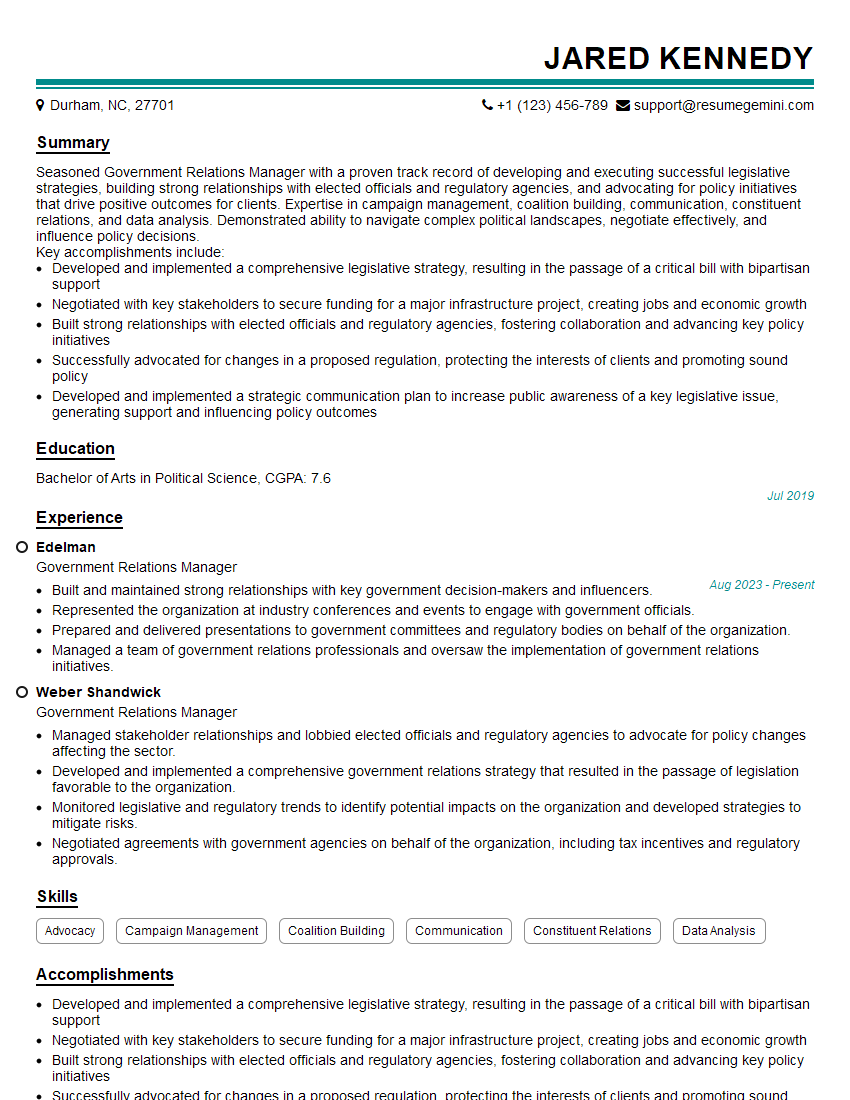
Government Relations Manager Resume Sample
Explore more articles
Users Rating of Our Blogs
Share Your Experience
We value your feedback! Please rate our content and share your thoughts (optional).
What Readers Say About Our Blog
Very informative content, great job.
good