Cracking a skill-specific interview, like one for Firefighter Safety, requires understanding the nuances of the role. In this blog, we present the questions you’re most likely to encounter, along with insights into how to answer them effectively. Let’s ensure you’re ready to make a strong impression.
Questions Asked in Firefighter Safety Interview
Q 1. Describe the NFPA standards relevant to firefighter safety.
The National Fire Protection Association (NFPA) publishes numerous standards crucial for firefighter safety. These standards cover everything from personal protective equipment (PPE) to training procedures and emergency response protocols. Some of the most important include:
- NFPA 1404: Standard on Standard on the use of Breathing Apparatus: This outlines procedures for the proper selection, care, and use of SCBA. Imagine trying to fight a fire without an adequate air supply – it’s simply not possible. This standard ensures that firefighters have the necessary equipment and training to breathe safely in hazardous environments.
- NFPA 1500: Standard on Fire Department Occupational Safety and Health Program: This comprehensive standard addresses various aspects of firefighter health and safety, including medical programs, training, risk management, and emergency response protocols. Think of this as the overarching safety guideline for a fire department.
- NFPA 1582: Standard on Selection, Fitting, and Use of Personal Protective Equipment for Structural Firefighting and Proximity Firefighting: This standard sets detailed requirements for the selection and fitting of PPE, ensuring that firefighters have the appropriate gear for their tasks. The importance of correctly fitting gear cannot be overstated; ill-fitting gear can significantly increase injury risk.
- NFPA 1001: Standard for Fire Fighter Professional Qualifications: This standard outlines the essential knowledge and skills firefighters must possess, emphasizing the critical role of training in safety.
These standards aren’t just suggestions; they are benchmarks for safe and effective firefighting operations. Regular updates to these standards reflect the evolving understanding of risks and best practices within the profession. Adherence to these standards saves lives.
Q 2. Explain the importance of personal protective equipment (PPE) in firefighting.
Personal Protective Equipment (PPE) is absolutely paramount in firefighting. It’s the firefighter’s first line of defense against the extreme heat, toxic gases, and other hazards encountered at fire scenes. Imagine facing a raging inferno without the protection of a proper turnout coat – the consequences would be devastating. PPE includes:
- Structural firefighting turnout gear: This includes the coat, pants, helmet, gloves, and boots, designed to protect firefighters from heat, flames, and cuts.
- Self-contained breathing apparatus (SCBA): This provides a supply of breathable air in oxygen-deficient or toxic atmospheres.
- Eye protection: Goggles or face shields protect the eyes from heat, debris, and chemicals.
- Hearing protection: Ear plugs or muffs protect hearing from loud noises associated with firefighting activities.
The quality, fit, and proper use of PPE are critical. Regular inspections, maintenance, and proper fitting ensure the gear functions as intended and provides the necessary protection. Failing to properly maintain or use PPE can have serious, potentially fatal consequences.
Q 3. What are the common causes of firefighter injuries and fatalities?
Firefighter injuries and fatalities are tragically common, and often stem from a combination of factors. Some of the most frequent causes include:
- Building collapse: Unexpected structural failures during firefighting operations are a major risk.
- Exposure to smoke and toxic gases: Inhalation injuries are a leading cause of death and long-term health problems. Even seemingly minor exposure over time can have significant consequences.
- Burns: Thermal burns are common, with the potential for severe injury and disfigurement.
- Traumatic injuries: Falls, impacts with objects, and vehicle accidents can lead to serious injuries. Consider the chaotic nature of a fire scene – the possibility for unexpected injuries is high.
- Heart attacks and strokes: The physically demanding nature of firefighting can strain the cardiovascular system, leading to medical emergencies.
- Stress and PTSD: The psychological toll of witnessing traumatic events and dealing with intense situations can have lasting effects on mental health.
A proactive approach to safety, including thorough risk assessment, appropriate PPE, and comprehensive training, is vital to mitigating these risks. A common thread is a lack of situational awareness; a firefighter must always be aware of their surroundings and the ever-changing conditions at a fire scene.
Q 4. How do you conduct a pre-incident plan for a high-rise building?
A pre-incident plan for a high-rise building is a detailed, proactive strategy to prepare for potential emergencies. It’s a crucial document that guides response strategies before an incident occurs. Think of it as a roadmap for success.
Conducting the plan involves these steps:
- Building walkthrough: Thoroughly inspect the building, identifying potential hazards, water sources, access points, layout, fire protection systems (sprinklers, standpipes), and evacuation routes. Take notes, photos, and sketches.
- Identify building occupants: Determine the number of occupants, their locations within the building, and special needs populations. This is essential for efficient evacuation planning.
- Assess fire protection systems: Examine the functionality and capacity of sprinkler systems, fire alarms, and standpipes. Understand their limitations.
- Mapping: Create detailed maps showing floor plans, access points, and potential hazards.
- Develop tactical plans: Develop strategies for different scenarios, including fire location, occupant rescue, and deployment of resources. Pre-planned staging areas and communication channels are essential.
- Communication plan: Outline communication protocols among firefighters, dispatchers, building management, and other emergency responders. This also should address communication with building occupants.
- Review and update: Regularly review and update the plan as the building’s conditions or occupancy change.
This plan is not static; it’s a living document that needs continuous updating. Regular training exercises using the pre-incident plan solidify strategies and ensure effective response capabilities.
Q 5. Outline the procedures for responding to a hazardous materials incident.
Responding to a hazardous materials (HazMat) incident requires a systematic approach emphasizing safety and controlled procedures. The acronym PLAN helps break down this process:
- Planning: Prior to arrival, gather information regarding the material involved, its properties, and potential hazards. This often involves contacting HazMat specialists and utilizing resources like the Emergency Response Guidebook (ERG).
- Location: Isolate the area and control access to prevent further exposure and contamination.
- Action: Establish a command post, and implement appropriate actions such as containment, evacuation, decontamination, and rescue. The actions depend on the nature of the material.
- Notify: Notify relevant agencies like the Environmental Protection Agency (EPA), and potentially other jurisdictions, to ensure coordinated efforts.
Key considerations include:
- Personal protective equipment (PPE): Selecting and wearing the appropriate level of PPE is crucial, and this depends on the specific hazardous material involved.
- Decontamination: Establish a decontamination zone to remove hazardous materials from personnel and equipment. This is a critical process.
- Monitoring: Continuous monitoring of air quality and hazardous material levels is essential to assess risks and guide actions.
- Safety: The safety of responders is paramount. Never rush into a hazardous material incident without appropriate training, resources, and PPE.
Remember, every HazMat incident is unique, demanding a flexible and adaptable approach based on the specifics of the situation. The importance of detailed training and ongoing updates in HazMat response cannot be overstated.
Q 6. Describe the role of risk assessment in firefighter safety.
Risk assessment is foundational to firefighter safety. It’s a systematic process of identifying, analyzing, and evaluating potential hazards to determine the likelihood and severity of potential harm. It’s more than just guessing—it’s about making informed decisions.
The process typically involves:
- Hazard identification: Identifying potential hazards at the scene, such as structural instability, fire spread, presence of hazardous materials, and environmental conditions.
- Risk analysis: Evaluating the likelihood and severity of each hazard. For instance, a structural collapse might be unlikely but have severe consequences, while a minor burn might be more likely but have less severe consequences.
- Risk evaluation: Weighing the risks against the benefits of the actions being considered. Are the risks outweighed by the potential to save lives?
- Risk control: Implementing measures to mitigate risks, including the use of PPE, employing appropriate firefighting techniques, and implementing safety protocols.
A well-conducted risk assessment allows for informed decision-making, prioritization of actions, and the deployment of resources effectively. It’s not just about avoiding risk entirely; it’s about managing it to ensure that the risks are acceptable and within defined parameters.
Q 7. Explain the different types of breathing apparatus and their limitations.
Several types of breathing apparatus (BA) exist, each with its strengths and weaknesses:
- Self-contained breathing apparatus (SCBA): This is the most common type, providing a self-contained supply of breathable air. They are essential for entering immediately dangerous to life and health (IDLH) environments. However, they have limitations; they are bulky, can be physically demanding to wear, and the air supply is limited by the size of the air cylinder.
- Open-circuit SCBA: This is the most common type of SCBA; exhaled air is released into the atmosphere. They are effective but have limitations including weight and the duration of the air supply.
- Closed-circuit SCBA: These units recirculate exhaled air after removing carbon dioxide and adding oxygen. This extends the duration of the air supply, but they are more complex, heavier, and more expensive.
- Supplied-air respirators (SARs): These provide air from an external source, offering a potentially unlimited supply. However, they require a continuous air supply line, limiting the mobility of the firefighter and introducing a potential tripping hazard.
The choice of BA depends on the specific needs of the situation. For example, SCBA is ideal for interior structural firefighting where the atmosphere may be toxic or oxygen-deficient. SARs might be more appropriate for long-duration operations in situations where a continuous air supply is available.
It’s crucial that firefighters are trained in the proper selection, use, and limitations of each type of BA. A firefighter’s life can depend on understanding these differences.
Q 8. How do you ensure the safety of firefighters during structural firefighting operations?
Ensuring firefighter safety during structural firefighting is paramount and relies on a multi-layered approach. It begins with rigorous training and extends to meticulous risk assessment and adherence to strict protocols at every stage of the operation.
Pre-Incident Planning: Thorough pre-fire plans, including building layouts, potential hazards, and access points, are crucial. This minimizes surprises and allows for strategic deployment of resources.
Risk Assessment: Before entering a burning structure, a rapid risk assessment is conducted to identify immediate threats like fire spread, structural instability, and potential hazards such as downed power lines. This informs the incident commander’s decisions on tactics and safety precautions.
Two-in, Two-out Rule: This fundamental rule mandates that at least two firefighters enter a burning structure together, with two more remaining outside as a backup team ready for immediate rescue if needed. This minimizes the risk of firefighters becoming trapped or injured.
Personal Protective Equipment (PPE): Firefighters must wear appropriate PPE, including self-contained breathing apparatus (SCBA), fire-resistant turnout gear, helmets, and gloves. Regular inspection and maintenance of PPE are vital to ensure its effectiveness.
Communication: Clear and constant communication between firefighters inside and outside the structure, using radios, is essential for coordination and immediate response to emergencies. This prevents confusion and ensures efficient rescue operations.
Accountability: A buddy system or accountability system ensures that every firefighter’s location and status are known. This is crucial for rapid rescue in case of an emergency.
For example, imagine a situation where a firefighter becomes separated from their team. The accountability system allows for a swift search and rescue operation, minimizing potential harm. The combination of these elements creates a robust safety net for firefighters operating in dangerous conditions.
Q 9. Describe the safety procedures for working at heights.
Working at heights during firefighting operations, such as rescuing individuals from elevated structures or performing roof operations, requires stringent safety protocols. The core principle is minimizing the risk of falls, which can have catastrophic consequences.
Fall Protection: This includes the use of harnesses, lifelines, and anchor points securely attached to strong, stable structures. The equipment must be inspected regularly and maintained to the highest standards.
Proper Training: Firefighters involved in high-angle rescue or roof operations must receive specialized training on the use of fall protection equipment and rescue techniques. This training covers everything from proper harness fitting to emergency procedures.
Safe Access and Egress: Access to elevated areas must be via safe and stable routes, such as sturdy ladders or appropriately designed platforms. Egress plans should be in place to account for potential emergencies and ensure a safe return to the ground.
Environmental Considerations: Weather conditions, such as high winds or icy surfaces, significantly impact safety. Work at heights should be suspended if conditions are unsafe.
Regular Inspections: Before any work at heights, a thorough inspection of the equipment and the work area is crucial to identify and mitigate potential hazards.
For instance, if a firefighter is rescuing someone from a multi-story building, a robust system of lifelines and harnesses is essential. Regular inspections ensure that the equipment remains functional, minimizing the chances of equipment failure during a rescue operation. The combination of training, equipment, and careful planning significantly reduces the risk of falls.
Q 10. What are the key elements of a comprehensive fire safety training program?
A comprehensive fire safety training program is the cornerstone of firefighter safety. It must be a continuous process, adapting to new technologies and evolving challenges. The key elements include:
Initial Training: This provides a foundation in firefighting techniques, safety procedures, and the use of personal protective equipment (PPE). It often includes classroom instruction, practical drills, and simulations.
Continuing Education: Regular refresher courses and advanced training are essential to maintain proficiency and stay updated on new techniques, technologies, and safety standards. This may include specialized training in hazardous materials, high-angle rescue, or confined space operations.
Skills Maintenance: Regular drills and practice sessions are crucial for maintaining skills and improving response times. This includes realistic scenario-based training to simulate real-life situations.
Physical Fitness: Firefighting is physically demanding, requiring significant strength, endurance, and agility. Training programs must incorporate physical fitness components to ensure firefighters are in peak condition.
Health and Wellness: Addressing the mental and emotional well-being of firefighters is vital. Training should include components on stress management, critical incident stress management (CISM), and mental health resources.
Emergency Response Procedures: Training must cover emergency response procedures, including rapid evacuation, emergency communication, and self-rescue techniques.
For example, a realistic simulation exercise could involve a multi-story building fire scenario, forcing firefighters to apply their knowledge of search and rescue, fire suppression, and emergency communication under pressure. A robust training program makes the difference between competence and confident, safe operation.
Q 11. How do you manage stress and fatigue among firefighters?
Managing stress and fatigue among firefighters is critical for maintaining safety and operational effectiveness. The job is inherently stressful and physically demanding, leading to burnout if not properly addressed.
Stress Management Training: Providing firefighters with stress management techniques, such as mindfulness, relaxation exercises, and coping mechanisms, is crucial. This can help them manage the psychological toll of the job.
Peer Support Programs: Creating a supportive environment where firefighters can share their experiences and receive emotional support from their colleagues is invaluable. Peer support groups provide a safe space for emotional processing.
Access to Mental Health Services: Providing easy access to mental health professionals and resources is essential. Removing the stigma associated with mental health concerns is crucial for encouraging firefighters to seek help when needed.
Adequate Rest and Recovery: Ensuring firefighters have sufficient rest and recovery time between shifts is vital. Overwork and fatigue significantly increase the risk of accidents and injuries.
Rotation of Duties: Varying work assignments can help prevent burnout and maintain firefighter motivation.
Wellness Programs: Comprehensive wellness programs that include physical fitness initiatives, healthy eating programs, and stress management workshops can significantly improve the overall health and well-being of firefighters.
For example, implementing a peer support program allows firefighters to process traumatic events in a safe and supportive setting, reducing the long-term psychological impact. Prioritizing rest and wellness is not just about reducing risk, it is about valuing the people who risk their lives to save others.
Q 12. Explain the importance of post-incident analysis for improving safety.
Post-incident analysis (PIA) is a critical component of improving firefighter safety. By meticulously reviewing incidents, we can identify areas for improvement and prevent future accidents.
Incident Reconstruction: A detailed reconstruction of the event helps identify the sequence of events, contributing factors, and potential areas of failure.
Identification of Contributing Factors: This involves pinpointing contributing factors, such as equipment malfunctions, inadequate training, or lapses in safety procedures.
Lessons Learned: This process extracts valuable lessons from the incident, identifying areas where improvements can be made in training, equipment, or procedures.
Implementation of Corrective Actions: This involves implementing specific actions based on the lessons learned, addressing the identified weaknesses and preventing similar incidents in the future.
Documentation and Communication: The findings of the PIA are documented thoroughly and communicated to all relevant personnel to ensure that the lessons learned are shared and implemented across the department.
For example, if a PIA reveals that a malfunctioning piece of equipment contributed to a firefighter injury, the department can take immediate action to replace or repair the equipment, ensuring that such incidents are avoided in the future. PIA is a proactive approach that helps prevent future incidents and maintain a high level of firefighter safety.
Q 13. Describe your experience with incident command systems and their role in safety.
Incident Command Systems (ICS) are crucial for maintaining safety and efficiency during large-scale emergencies. ICS provides a standardized, organized approach to managing incidents, ensuring clear communication and accountability.
Unified Command: In multi-agency incidents, ICS facilitates collaboration and coordination through a unified command structure, ensuring a cohesive approach to safety and resource management.
Resource Management: ICS efficiently manages resources, including personnel, equipment, and supplies, ensuring that firefighters have the necessary support to operate safely.
Clear Communication: ICS establishes clear communication channels, ensuring effective information flow between all personnel involved in the incident.
Accountability: The hierarchical structure of ICS ensures that every firefighter is assigned a role and is accountable for their actions, enhancing safety and operational efficiency.
Safety Officer: A dedicated safety officer is often part of the ICS structure, responsible for monitoring safety conditions, enforcing safety protocols, and providing recommendations to the incident commander.
For example, in a large-scale wildfire, ICS ensures that different firefighting agencies can work together seamlessly, sharing resources and coordinating their efforts to mitigate risks and ensure the safety of all personnel. The standardized approach of ICS ensures a consistent and safe operational framework, regardless of the specific nature of the incident.
Q 14. How do you handle conflicts between safety procedures and operational needs?
Conflicts between safety procedures and operational needs can arise, but safety must always be the paramount consideration. It’s crucial to find a balance that minimizes risk without compromising operational effectiveness.
Risk Assessment: A thorough risk assessment helps evaluate the potential risks associated with deviating from safety procedures. This assessment should weigh the potential benefits against the risks involved.
Communication and Collaboration: Open communication between the incident commander, safety officer, and other personnel involved is crucial for finding solutions that balance safety and operational needs.
Mitigation Strategies: If a deviation from safety procedures is deemed necessary, appropriate mitigation strategies should be implemented to minimize the risks involved.
Documentation: Any deviations from standard safety procedures must be documented, including the rationale for the deviation, the mitigation strategies employed, and the outcome.
Post-Incident Review: After the incident, a review should be conducted to assess the effectiveness of the strategies employed and to identify any areas for improvement in procedures or training.
For example, if a rapid intervention is needed to rescue a trapped victim and deviating slightly from a standard procedure is deemed necessary by the Incident Commander, this should be done only after weighing all risks and with appropriate mitigation strategies in place. A thorough post-incident analysis ensures similar circumstances are better managed in the future. Ultimately, safety should not be sacrificed for speed, but intelligent risk management allows for decisive action when appropriate.
Q 15. What are the signs of heat stress and how should they be addressed?
Heat stress is a serious risk for firefighters, leading to potentially fatal conditions like heat exhaustion and heat stroke. Recognizing the signs is crucial for prevention. Early signs of heat stress can include heavy sweating, weakness, dizziness, headache, nausea, and muscle cramps. As the condition worsens, you might see confusion, seizures, loss of consciousness, and a rapid, weak pulse—indicative of heat stroke.
Addressing heat stress requires immediate action. The first step is to move the affected individual to a cool environment, ideally with shade and air circulation. Next, remove excess clothing and encourage them to drink cool water (unless they’re exhibiting symptoms that suggest they shouldn’t drink, such as nausea). Cooling techniques such as applying cool, wet cloths to the skin, especially the neck, groin, and armpits, are vital. Monitor their vital signs, and if symptoms are severe or worsening, immediately call for emergency medical services. Prevention is key. This involves staying hydrated throughout the day, wearing appropriate protective gear, and taking frequent breaks in the shade during strenuous work. Proper acclimatization to the heat is also important; gradually increasing exposure to heat over time allows the body to adapt.
Career Expert Tips:
- Ace those interviews! Prepare effectively by reviewing the Top 50 Most Common Interview Questions on ResumeGemini.
- Navigate your job search with confidence! Explore a wide range of Career Tips on ResumeGemini. Learn about common challenges and recommendations to overcome them.
- Craft the perfect resume! Master the Art of Resume Writing with ResumeGemini’s guide. Showcase your unique qualifications and achievements effectively.
- Don’t miss out on holiday savings! Build your dream resume with ResumeGemini’s ATS optimized templates.
Q 16. Explain the importance of regular equipment inspections and maintenance.
Regular equipment inspections and maintenance are non-negotiable for firefighter safety. Faulty equipment can mean the difference between life and death in a high-pressure situation. Imagine your SCBA malfunctioning during a building fire – the consequences are catastrophic. Therefore, a meticulous inspection process, including visual checks, functional tests, and preventative maintenance schedules, are vital.
These inspections cover everything from self-contained breathing apparatus (SCBA) and protective clothing to hoses, ladders, and other tools. We check for wear and tear, damage, proper function of components, and ensure all equipment meets safety standards. Regular maintenance involves cleaning, repairs, and timely replacements of worn-out parts. Detailed records are maintained for each piece of equipment, documenting inspections, repairs, and any issues found. This systematic approach ensures that all equipment is in optimal working condition, reducing the risk of equipment failure during emergencies. A strong culture of maintenance is paramount; each member is responsible for inspecting their own gear before each call, fostering a personal commitment to safety.
Q 17. Describe your experience with confined space rescue procedures.
Confined space rescue is inherently dangerous, requiring specialized training and procedures. My experience includes participation in numerous confined space rescue training exercises and real-world deployments. These scenarios often involve underground spaces, tanks, trenches, or other environments with limited access and potential hazards like oxygen deficiency, toxic gases, and structural instability.
Our procedures always begin with a thorough risk assessment. This includes identifying potential hazards, developing a rescue plan, and assigning roles to team members. We utilize atmospheric monitoring equipment to ensure a safe working environment before entry. Specialized equipment, including harnesses, ropes, and winches, is essential. Before any rescue attempt, a ‘buddy system’ is implemented, meaning rescuers never work alone and maintain constant communication. The rescue itself might involve techniques like hoisting, dragging, or using specialized retrieval devices. After the rescue, a thorough debriefing session ensures lessons learned are captured and incorporated into future training. A recent successful rescue involved a worker trapped in a grain silo. Our team’s methodical approach, starting with atmospheric monitoring and using specialized retrieval equipment, enabled us to safely extract the worker and minimize risks.
Q 18. How do you communicate effectively with other firefighters regarding safety concerns?
Effective communication is the cornerstone of firefighter safety. On the scene of an emergency, the environment is chaotic and communication breakdowns can have lethal consequences. We use a variety of methods to ensure clear and concise communication, prioritizing both verbal and non-verbal cues.
During emergency responses, clear and concise radio communications are essential. We use established protocols for relaying information, including location, hazards, and the status of victims. Hand signals are critical in noisy environments, especially during complex rescue operations where direct speech may be difficult. Pre-incident planning is key to effective communication, establishing clear roles, responsibilities, and communication channels before the emergency even begins. Regular training exercises simulate real-world scenarios to hone communication skills and build team cohesion. A strong team culture where everyone feels comfortable raising safety concerns, no matter their rank, is critical. Building trust and respect amongst team members enables open and honest communication regarding any safety issue.
Q 19. What are the legal responsibilities regarding firefighter safety?
Legal responsibilities regarding firefighter safety are multifaceted and vary depending on jurisdiction, but core principles remain consistent. Employers have a legal duty of care to provide a safe working environment, including providing appropriate training, equipment, and protective gear. This also includes adherence to safety regulations and standards.
Firefighters have responsibilities too. They must receive and follow training, use equipment properly, and report any unsafe conditions or equipment malfunctions. Failure to do so can expose both the firefighter and their department to legal liability. Laws mandate regular safety inspections, documentation of these inspections, and a system for addressing safety concerns promptly. Agencies must comply with regulations regarding confined spaces, hazardous materials, and other high-risk situations. Non-compliance can result in severe penalties, including fines and even criminal charges in cases of negligence resulting in injury or death. Regular audits and inspections are conducted to maintain compliance and to verify adherence to these regulations. It’s a shared responsibility where both the employer and the employee play a crucial role in ensuring compliance and promoting a culture of safety.
Q 20. Explain your understanding of fire behavior and its impact on safety.
Understanding fire behavior is fundamental to firefighter safety. Fire dynamics, including fuel type, oxygen availability, heat, and chain reaction, directly impact the risks faced during suppression efforts. A small seemingly contained fire can rapidly escalate in the presence of sufficient fuel and oxygen, leading to flashover or backdraft, posing extremely dangerous situations.
We learn to recognize the signs of changing fire behavior, such as increased heat, smoke color changes, or shifts in flame patterns. This understanding allows us to adjust our tactics and strategies accordingly, minimizing exposure to high-risk environments. Training incorporates simulations that teach us how to predict fire behavior, choose safe entry and exit points, and develop efficient strategies for controlling a fire’s progression. Understanding the relationship between ventilation and fire spread is crucial; improper ventilation can dramatically alter fire dynamics and increase risk. For instance, opening a door to a room with a smoldering fire can lead to a rapid influx of oxygen, causing the fire to flash over and become far more intense. Our safety is intricately linked to a deep comprehension of fire dynamics.
Q 21. How do you ensure the safety of civilians during emergency response?
Ensuring civilian safety is our paramount concern. Our actions must balance effective fire suppression with protecting the lives and well-being of those caught in the emergency. This starts with a rapid and coordinated response, focusing on efficient evacuation and rescue.
We establish safe zones away from the incident, guiding civilians to these areas. Our communication techniques include clear and concise instructions, using simple language to avoid confusion, particularly for those who may be experiencing fear or stress. We prioritize vulnerable populations, such as the elderly, disabled, or young children, providing assistance as needed. Once the immediate danger is under control, we work to stabilize the scene, assessing needs and ensuring access for medical personnel. Post-incident support is also vital, providing comfort and assistance to those affected, both physically and emotionally. A recent example saw us using a coordinated search and rescue operation to evacuate dozens of residents from a burning apartment building. Clear communication, a structured approach, and prioritizing the safety of civilians allowed us to complete the rescue successfully with no civilian injuries.
Q 22. Describe your experience with fire investigation and its role in preventing future incidents.
Fire investigation is crucial for understanding the cause and origin of fires, which directly informs prevention strategies. My experience involves meticulously examining fire scenes, collecting evidence (like burn patterns, material samples, and witness statements), and applying scientific principles to reconstruct the events leading to the fire. This process often involves using specialized equipment and techniques, such as gas chromatography-mass spectrometry to identify accelerants.
For instance, I once investigated a fire in a commercial building that initially appeared accidental. Through detailed analysis of the burn patterns and witness accounts, we discovered evidence of arson, leading to the arrest of a disgruntled employee. This investigation not only solved a crime but also highlighted the vulnerability of the building’s security system, prompting changes in fire safety protocols and employee background checks. The findings directly contributed to developing more robust security measures for similar businesses in the area, thus preventing future incidents.
Q 23. What are the key elements of a successful fire escape plan?
A successful fire escape plan hinges on three key elements: clear communication, designated escape routes, and regular practice.
- Clear Communication: This involves easily understood alarm systems (both audible and visual), well-marked escape routes, and pre-designated assembly points. Everyone in the building should know what the alarm sounds like and where to go. Think of it like a well-rehearsed play; everyone knows their part.
- Designated Escape Routes: Multiple escape routes are essential, providing alternative paths in case one is blocked by fire or debris. These routes need to be regularly inspected and kept clear of obstructions. Think of it as having multiple exits from a maze, ensuring everyone can find a way out.
- Regular Practice: Drills are not just about memorization; they build muscle memory and confidence. Regular fire drills, tailored to the specific building and its occupants, ensure that people react effectively in an emergency. They should simulate real-life scenarios, including dealing with smoke and potential obstacles.
A well-executed fire escape plan is the difference between a manageable emergency and a catastrophic loss of life.
Q 24. Explain your familiarity with different types of fire suppression systems.
I am familiar with various fire suppression systems, including:
- Water-based systems: These are the most common, using sprinklers or hoses to extinguish fires by cooling the burning material below its ignition temperature. They are effective for Class A fires (ordinary combustibles).
- Foam systems: Foam systems create a layer that separates the fuel from the oxygen, suppressing combustion. They are effective against Class B fires (flammable liquids).
- Dry chemical systems: These systems release a dry chemical powder that interferes with the chemical chain reaction of the fire, inhibiting combustion. They’re versatile and can be used for Class A, B, and C fires (electrical fires).
- Gas suppression systems: These systems use inert gases like carbon dioxide or Argonite to displace oxygen, suffocating the fire. They are commonly used in sensitive areas like server rooms or data centers, protecting equipment from water damage.
- Wet chemical systems: These systems are designed for kitchen fires, using a potassium acetate-based solution to extinguish grease fires quickly and efficiently.
The choice of fire suppression system depends on the type of fire hazard present, the building’s occupancy, and other factors. A comprehensive risk assessment is vital to selecting the appropriate system.
Q 25. How do you address the psychological impacts of traumatic events on firefighters?
Addressing the psychological impact of traumatic events on firefighters is paramount. It requires a multi-faceted approach, incorporating immediate support and long-term strategies.
Immediate Support: This includes providing access to critical incident stress debriefings (CISD) shortly after a traumatic event. CISD facilitates a supportive environment for sharing experiences and processing emotions. It’s crucial to avoid forcing participation; support must be voluntary and respectful.
Long-term Strategies: This involves promoting a culture of open communication where firefighters feel comfortable discussing their experiences without fear of judgment. This may involve access to mental health professionals, peer support programs, and employee assistance programs (EAPs). Regular check-ins and wellness programs are also valuable preventative measures. We often use analogies like a team of athletes; their physical training is critical, but so is their mental and emotional wellness.
Early intervention is key. Ignoring the psychological toll can lead to burnout, PTSD, and other serious mental health issues.
Q 26. Describe your approach to promoting a positive safety culture within a fire department.
Promoting a positive safety culture involves fostering a proactive environment where safety is everyone’s responsibility. This begins with strong leadership that prioritizes safety above all else. It involves:
- Open Communication: Establishing channels for reporting near misses and hazards without fear of retribution is crucial. This allows for early identification and correction of potential dangers.
- Training and Education: Regular training on safety procedures, equipment use, and emergency response is essential. This should include both classroom learning and hands-on practice.
- Accountability: Clear guidelines, policies, and procedures should be established and consistently enforced. Everyone should understand their roles and responsibilities in maintaining a safe work environment.
- Recognition and Rewards: Recognizing and rewarding safe work practices reinforces positive behaviors and motivates employees to prioritize safety. This can include formal awards, team recognition, or simply verbal praise.
Think of it like building a strong team; every member must understand their role and work together to achieve a common goal—a safe and productive workplace. It’s a continuous process requiring consistent effort and commitment.
Q 27. What strategies do you employ to prevent and mitigate workplace accidents?
Preventing and mitigating workplace accidents is a proactive process requiring a layered approach:
- Hazard Identification and Risk Assessment: Regularly identifying potential hazards through inspections, risk assessments, and job safety analysis is the cornerstone. This involves systematically evaluating the risks associated with various tasks and developing control measures.
- Engineering Controls: Implementing engineering controls to eliminate or reduce hazards at their source is crucial. This might include installing guardrails, improving ventilation, or using safer equipment.
- Administrative Controls: Developing and implementing safe work procedures, providing adequate training, and establishing clear lines of communication are vital administrative controls. This minimizes human error, a leading cause of accidents.
- Personal Protective Equipment (PPE): Providing and ensuring the proper use of PPE, such as self-contained breathing apparatus (SCBA), protective clothing, and eye protection, is non-negotiable. This safeguards firefighters against direct exposure to hazards.
- Regular Inspections and Maintenance: Regular inspections of equipment, vehicles, and the work environment ensure that everything is in proper working order and that any potential hazards are identified and addressed promptly.
The process of preventing accidents is continuous and iterative; it demands regular review and improvement.
Q 28. Explain your understanding of OSHA regulations related to firefighter safety.
My understanding of OSHA regulations related to firefighter safety is comprehensive. OSHA’s 29 CFR 1910.134 covers respiratory protection, mandating proper selection, fit testing, and training for SCBA. Other relevant standards include those addressing hazardous materials handling (29 CFR 1910.120), confined space entry (29 CFR 1910.146), and personal protective equipment (29 CFR 1910 Subpart I).
Compliance with these regulations is not merely about avoiding penalties; it’s about safeguarding the health and safety of firefighters. I regularly review and update my knowledge of these regulations to ensure that our department’s practices align with the latest standards. We conduct regular training sessions to ensure our personnel are up-to-date with the latest OSHA requirements. Furthermore, staying informed about updates and interpretations is a continuous process.
Key Topics to Learn for Firefighter Safety Interview
- Personal Protective Equipment (PPE): Understanding the types, proper use, limitations, and maintenance of PPE, including SCBA, turnout gear, and other safety equipment. Practical application: Describe a scenario where incorrect PPE use could lead to injury and how to mitigate the risk.
- Incident Command System (ICS): Knowledge of ICS principles, roles, and responsibilities within a fire incident. Practical application: Explain how effective communication and teamwork, facilitated by ICS, enhance safety during complex fire events.
- Hazardous Materials (HazMat) Awareness: Understanding the identification, hazards, and initial response procedures for various hazardous materials. Practical application: Describe your approach to a situation where you suspect a hazardous material release.
- Fire Behavior and Control: Knowledge of fire dynamics, including the fire triangle, stages of fire development, and various suppression techniques. Practical application: Explain how understanding fire behavior informs safe and effective firefighting strategies.
- Building Construction and Fire Spread: Understanding different building materials and their impact on fire behavior, as well as common fire spread pathways. Practical application: Discuss how knowledge of building construction helps in developing a safe entry and attack plan.
- Emergency Medical Services (EMS) Integration: Understanding the role of firefighters in providing basic emergency medical care and working effectively with EMS personnel. Practical application: Describe a situation requiring coordination between fire and EMS teams to ensure patient safety.
- Safety Regulations and Compliance: Familiarity with relevant safety regulations, standards, and reporting procedures. Practical application: Explain how adherence to safety protocols minimizes risk and ensures compliance.
- Accountability and Risk Management: Understanding the importance of accountability in maintaining safety standards, and implementing effective risk management strategies. Practical application: Describe a situation where you identified a safety hazard and the steps you took to address it.
Next Steps
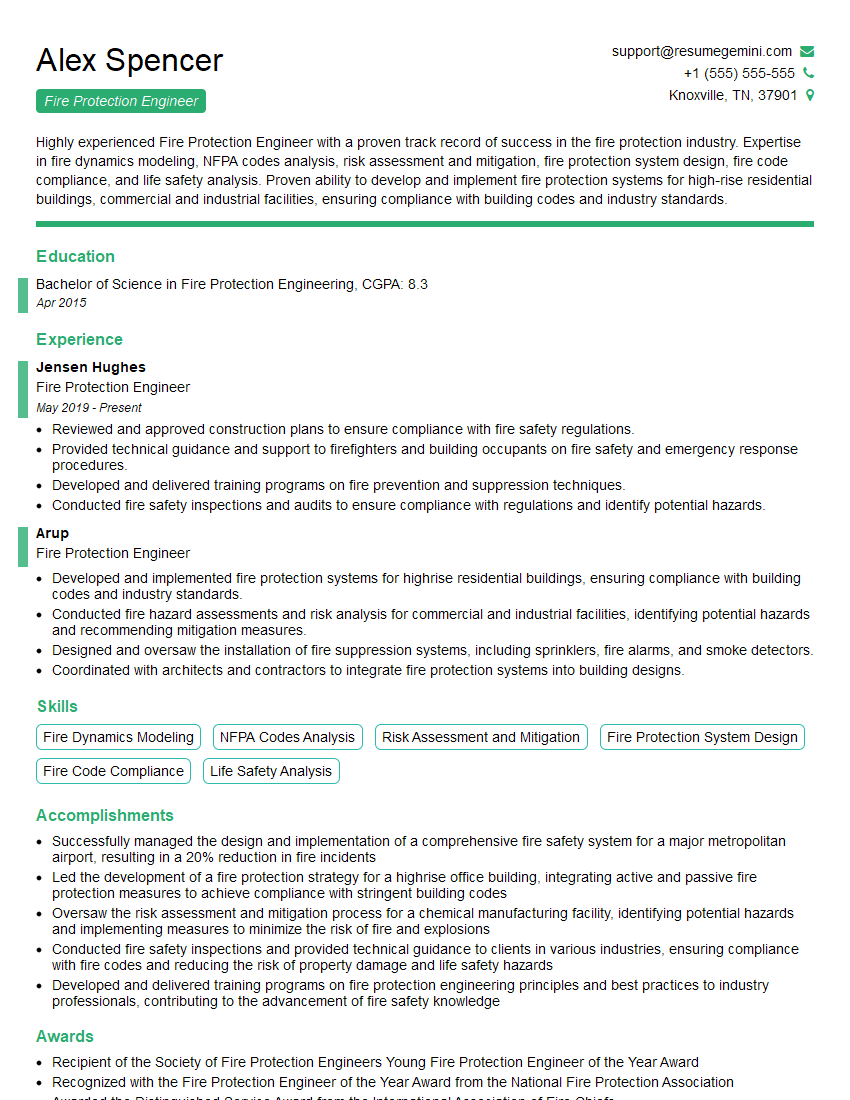
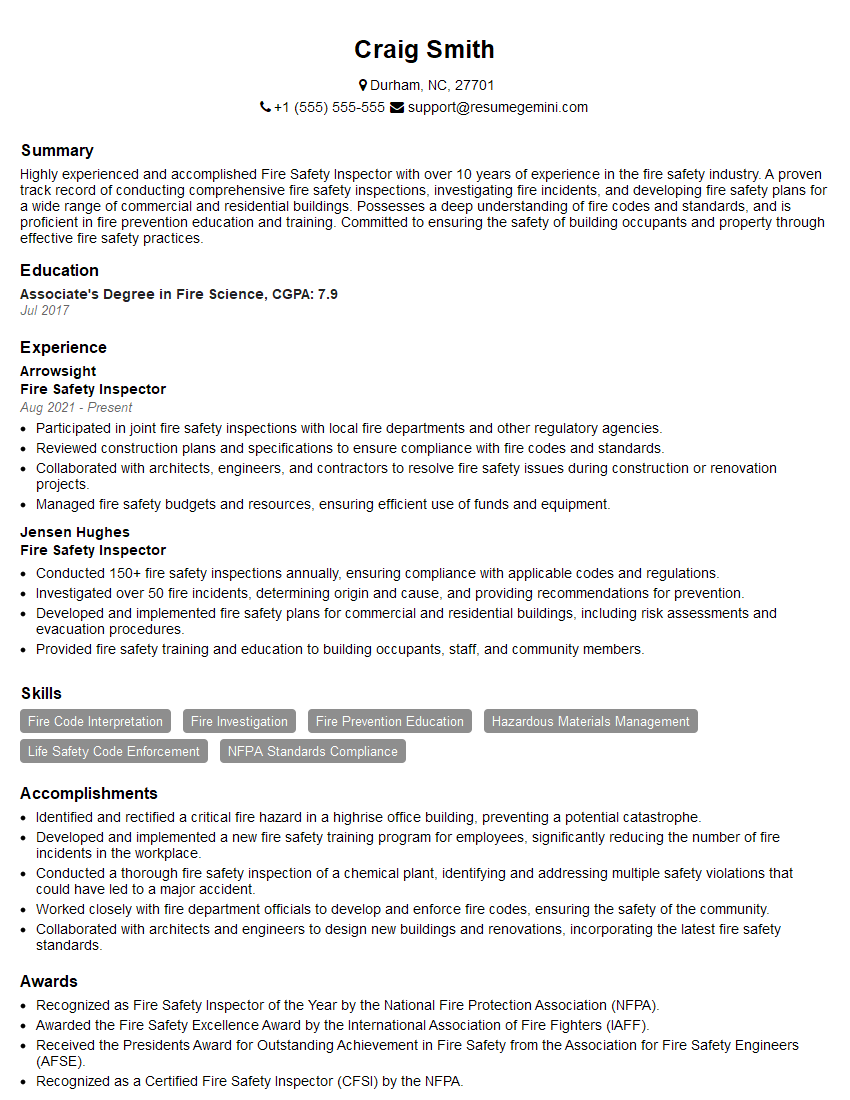
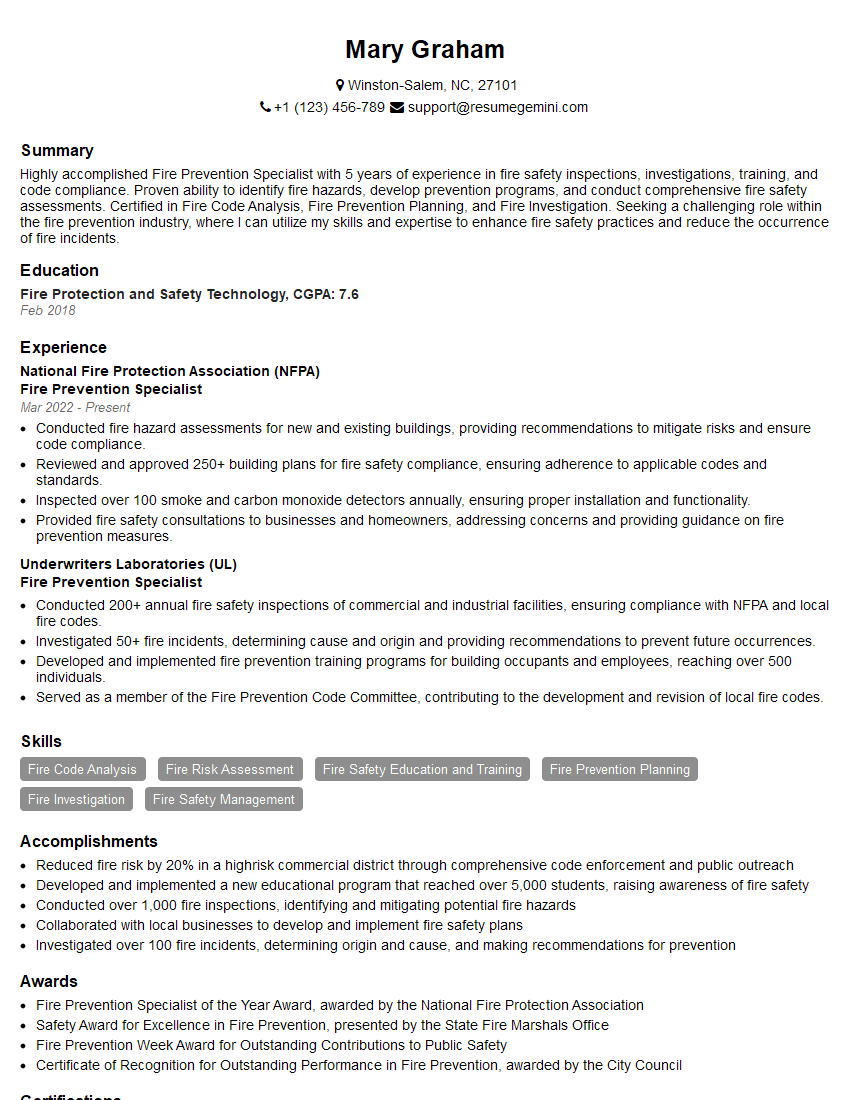
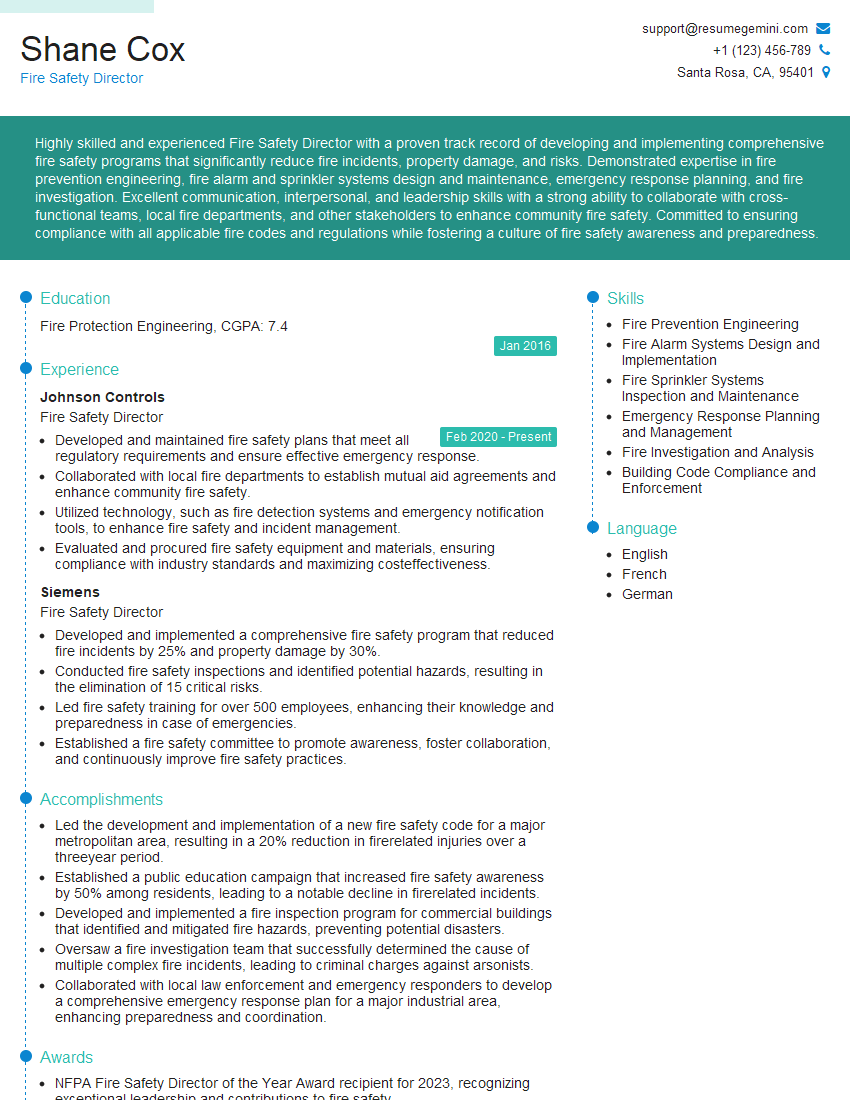
Mastering Firefighter Safety is crucial for a successful and fulfilling career. It demonstrates your commitment to both your own well-being and the safety of your team and the community. To significantly improve your job prospects, creating an ATS-friendly resume is essential. This ensures your application gets noticed by potential employers. We recommend using ResumeGemini, a trusted resource for building professional and effective resumes. ResumeGemini offers examples of resumes tailored specifically to Firefighter Safety roles, helping you showcase your skills and experience in the best possible light.
Explore more articles
Users Rating of Our Blogs
Share Your Experience
We value your feedback! Please rate our content and share your thoughts (optional).
What Readers Say About Our Blog
Very informative content, great job.
good