Unlock your full potential by mastering the most common Neonatal Care and Puppy Development interview questions. This blog offers a deep dive into the critical topics, ensuring you’re not only prepared to answer but to excel. With these insights, you’ll approach your interview with clarity and confidence.
Questions Asked in Neonatal Care and Puppy Development Interview
Q 1. Describe the stages of neonatal respiratory distress syndrome.
Neonatal Respiratory Distress Syndrome (RDS), also known as Hyaline Membrane Disease, is a condition affecting premature infants, primarily those born before 34 weeks gestation. It’s characterized by the lungs’ inability to fully inflate due to a deficiency in surfactant, a substance that reduces surface tension in the alveoli (tiny air sacs in the lungs). This deficiency leads to alveolar collapse and significant respiratory difficulty.
Stages can be described as progressive:
- Early Stage: Tachypnea (rapid breathing), grunting, nasal flaring, and retractions (inward pulling of the chest wall during breathing) are common. The infant may appear restless and have a slightly bluish tint to their skin (cyanosis).
- Moderate Stage: Respiratory distress intensifies. The infant’s breathing becomes increasingly labored, cyanosis worsens, and there may be periods of apnea (cessation of breathing). The heart rate can increase significantly to compensate for the reduced oxygen levels.
- Severe Stage: The infant exhibits profound respiratory distress. There may be significant cyanosis, apnea spells, and a drop in blood pressure. Without immediate intervention, respiratory failure and death can occur.
Important Note: The progression isn’t always linear; some infants may deteriorate rapidly, while others show a slower decline. Early recognition and intervention are crucial.
Q 2. What are the common causes of hypothermia in neonates?
Hypothermia in neonates, a body temperature below 36.5°C (97.7°F), is a serious concern, as it can lead to metabolic acidosis, respiratory distress, and increased risk of infection. Several factors contribute to this:
- Immature Thermoregulation: Newborns, particularly preterm infants, have a limited ability to regulate their body temperature. Their small body surface area relative to their body mass makes them susceptible to heat loss.
- Cold Environment: Exposure to cold ambient temperatures during delivery, transport, or in the nursery can lead to hypothermia. This is especially true if the infant is wet or isn’t properly wrapped.
- Inadequate Drying: Failure to thoroughly dry the newborn immediately after birth leads to significant heat loss through evaporation.
- Low Birth Weight: Smaller babies have less body fat, which provides insulation against cold, making them more vulnerable to hypothermia.
- Infections: Sepsis (severe infection) can suppress the body’s ability to maintain temperature, leading to hypothermia.
- Perinatal Asphyxia: Lack of oxygen during birth can impair thermoregulation.
Think of it like this: Imagine a tiny bird exposed to a cold winter storm. It needs to stay warm to survive, but it lacks the feathers (body fat and thermoregulatory mechanisms) to do so effectively.
Q 3. Explain the Apgar scoring system.
The Apgar score is a quick assessment of a newborn’s physical condition at 1 and 5 minutes after birth. It helps determine how well the baby is transitioning to life outside the womb. Five parameters are scored from 0 to 2, with a total score ranging from 0 to 10.
- Heart Rate (HR): 0 = absent, 1 = below 100 bpm, 2 = above 100 bpm
- Respiratory Effort (RR): 0 = absent, 1 = slow or irregular, 2 = good, crying
- Muscle Tone (MT): 0 = flaccid, 1 = some flexion, 2 = active motion
- Reflex Irritability (RI): 0 = no response, 1 = grimace, 2 = cough or sneeze
- Color (C): 0 = blue/pale, 1 = blue extremities, 2 = pink
Scoring Example: An infant with a HR of 110, RR of good cry, MT of active motion, RI of cough, and C of pink would receive a perfect score of 10 (2+2+2+2+2). A score below 7 usually indicates that the baby needs some assistance to adjust to life outside the womb. It’s crucial to remember that the Apgar score is just one part of a comprehensive newborn assessment.
Q 4. How do you manage neonatal jaundice?
Neonatal jaundice, characterized by yellow discoloration of the skin and eyes, is caused by a buildup of bilirubin, a byproduct of red blood cell breakdown. Management depends on the severity and cause.
- Phototherapy: This is the most common treatment for mild to moderate jaundice. Special lights emit blue light that converts bilirubin into a water-soluble form, which can be excreted. Infants are typically placed under the lights, with their eyes protected.
- Exchange Transfusion: This is a more involved procedure used for severe jaundice where bilirubin levels are dangerously high. Infected blood is removed and replaced with fresh, compatible blood.
- Hydration: Increasing fluid intake helps flush out bilirubin through the kidneys.
- Monitoring: Frequent monitoring of bilirubin levels is essential to assess the effectiveness of treatment and detect any potential complications.
Practical Example: A baby is diagnosed with mild jaundice. The healthcare provider may recommend phototherapy, keeping the baby well-hydrated and monitoring the bilirubin levels. If the jaundice doesn’t improve or worsens, more aggressive treatment may be needed.
Q 5. What are the signs of neonatal sepsis?
Neonatal sepsis, a systemic infection in newborns, is a serious condition. Signs can be subtle and vary depending on the severity and causative organism. They may include:
- Temperature Instability: Fever or hypothermia
- Lethargy or Poor Feeding: The infant may be unusually sleepy or uninterested in feeding.
- Respiratory Distress: Rapid or labored breathing, grunting, nasal flaring.
- Apnea (Pauses in Breathing): This can be a life-threatening sign.
- Jaundice: Yellow discoloration of the skin and eyes.
- Vomiting or Diarrhea: These can be signs of gastrointestinal involvement.
- Pallor or Cyanosis: Paleness or bluish discoloration of the skin
- Irritability or Jitteriness: The baby may be unusually fussy or have tremors.
Important Note: The absence of overt symptoms doesn’t rule out sepsis. A high index of suspicion is crucial, particularly in premature infants or those with risk factors.
Q 6. Detail the process of administering intravenous fluids to a neonate.
Administering intravenous (IV) fluids to a neonate requires meticulous attention to detail and precise technique due to their small size and delicate veins. Here’s a step-by-step process:
- Preparation: Gather all necessary equipment including appropriate-sized IV cannula, saline solution, antiseptic solution, gloves, tape, and appropriate dressings.
- Site Selection: Select a suitable vein, often in the hands or feet. The veins are very superficial in neonates, and care should be taken to avoid puncturing arteries or nerves.
- Skin Preparation: Cleanse the chosen site thoroughly with antiseptic solution.
- Cannulation: Insert the IV cannula with a gentle, smooth motion. Avoid excessive force which could cause damage to the veins.
- Securement: Secure the IV line using appropriate tape to prevent dislodgement.
- Fluid Administration: Connect the IV line to the fluid bag and start the infusion at the prescribed rate using an infusion pump calibrated to deliver the correct dosage.
- Monitoring: Closely monitor the infusion site for signs of infiltration (leakage of fluid into surrounding tissue), infection, or phlebitis (inflammation of the vein). Observe vital signs and urine output frequently to assess hydration status.
Safety is paramount: This procedure should only be performed by trained healthcare professionals. The precise technique and appropriate size of equipment are crucial to preventing complications.
Q 7. What are the critical components of neonatal resuscitation?
Neonatal resuscitation is a life-saving procedure that aims to restore spontaneous breathing and circulation in newborns experiencing respiratory or circulatory problems. Critical components include:
- Initial Assessment: Quickly assess the infant’s heart rate, respiratory effort, muscle tone, and color. Apgar scoring is often utilized at this stage.
- Warmth: Prevent hypothermia by ensuring the infant is kept warm using radiant warmers or pre-warmed blankets.
- Airway Management: Establish a clear airway by positioning the head appropriately and suctioning any secretions.
- Positive Pressure Ventilation (PPV): If the infant is not breathing effectively, PPV with appropriate sized bag-mask device and oxygen is administered.
- Chest Compressions: If the heart rate remains low despite PPV, chest compressions are initiated.
- Medications: Medications such as epinephrine may be administered in cases of persistent bradycardia (slow heart rate).
- Ongoing Assessment: Continuously monitor heart rate, respiratory effort, and oxygen saturation throughout the resuscitation process.
Teamwork and training are essential: Neonatal resuscitation is usually conducted by a multidisciplinary team including obstetricians, pediatricians, nurses, and respiratory therapists who are highly trained in this process.
Q 8. How do you assess gestational age in a neonate?
Assessing gestational age in a neonate, or determining how far along the pregnancy was at birth, is crucial for providing appropriate care. It’s not just about the number of weeks; it’s about understanding the baby’s developmental maturity. We use several methods, often in combination:
- Gestational age assessment based on the mother’s last menstrual period (LMP): This is the simplest method but least reliable, as it relies on accurate recall and consistent menstrual cycles.
- Physical examination: A detailed physical exam assesses various physical characteristics, such as the baby’s size, weight, head circumference, skin texture (e.g., presence of lanugo hair, vernix caseosa), ear cartilage firmness, and neurological reflexes. For example, a very premature baby might lack sufficient subcutaneous fat, have thin, translucent skin, and minimal reflexes. Specific scoring systems like the New Ballard Score are used for standardization.
- Ultrasound: Prenatal ultrasounds are the gold standard for establishing gestational age during pregnancy. While not directly used *after* birth, if available, these records provide a key piece of information.
For instance, a neonate with a Ballard Score indicating 28 weeks gestational age will require very different care compared to one scoring 38 weeks, even if their birth weight is similar. The differences in respiratory, thermoregulatory, and digestive systems are significant. The assessment guides decisions on respiratory support, feeding methods, and overall neonatal intensive care.
Q 9. Discuss the importance of kangaroo care.
Kangaroo care is a powerful intervention with profound benefits for both premature and full-term infants. It involves skin-to-skin contact between the parent and the baby, typically placing the baby’s bare chest against the parent’s skin. Think of it as a natural incubator.
- Thermoregulation: The parent’s body heat helps regulate the infant’s temperature, reducing the need for incubators. This is especially important for preterm babies who have difficulty maintaining their body temperature.
- Improved Heart Rate and Breathing: Kangaroo care stabilizes heart rate and breathing patterns, enhancing oxygen saturation and reducing apnea episodes (pauses in breathing).
- Enhanced Bonding and Breastfeeding: The close physical contact promotes a strong parent-infant bond and facilitates breastfeeding, promoting the release of oxytocin and other hormones important for bonding and milk production.
- Reduced Stress and Crying: The comforting warmth and closeness reduce stress hormones in the infant, leading to less crying and improved sleep patterns.
- Improved Weight Gain: The enhanced feeding and overall reduced stress often lead to better weight gain in infants.
For example, I’ve witnessed countless instances where a fussy, irritable preterm infant calms immediately upon being placed skin-to-skin with their parent. The positive impact on both the parent and the infant is remarkable. It’s a cost-effective and readily available intervention with significant benefits.
Q 10. Explain the nutritional needs of a premature infant.
Premature infants have unique nutritional needs due to their immature digestive systems and increased energy requirements. Their nutritional needs vary greatly depending on their gestational age and birth weight.
- Breast milk is ideal: Mother’s milk is uniquely suited to the preterm infant’s needs. It contains antibodies, growth factors, and other nutrients essential for healthy development, including prebiotics and fatty acids essential for brain development. If mother’s milk isn’t sufficient, donor human milk is the next best option.
- Specialized formulas: Fortifier is often added to breast milk or formula to increase the caloric and protein content. Specialized formulas for preterm infants are designed to meet their specific needs, including higher levels of protein, vitamins, and minerals.
- Feeding techniques: Feeding methods must be tailored to the infant’s gestational age and ability to suck, swallow, and breathe. This might include gavage feeding (feeding via a tube into the stomach) in very premature infants before they are ready for breastfeeding or bottle-feeding. Careful monitoring of weight gain and stool patterns is essential.
- Nutritional monitoring and adjustments: Regular monitoring of growth parameters, including weight, length, and head circumference is critical. The nutritional plan is adjusted based on the infant’s response to feeding and growth.
For example, a very low birth weight infant might initially receive parenteral nutrition (intravenous feeding) to ensure sufficient nutrient delivery while their digestive system matures. Transitioning to enteral feeding (feeding through the gut) is a gradual process carefully monitored to minimize the risk of complications.
Q 11. What are the common vaccinations for puppies?
Puppy vaccination schedules vary slightly depending on the veterinarian and geographical location, but a core set of vaccinations is standard to protect against common and potentially life-threatening diseases. The timing is usually determined by the age of the puppy, not just the time since birth, to match the development of their immune system.
- Canine Distemper Virus (CDV): This is a highly contagious virus that can cause respiratory, gastrointestinal, and neurological problems.
- Canine Adenovirus Type 2 (CAV-2): Protects against hepatitis and other infectious diseases.
- Canine Parvovirus (CPV): This virus is especially dangerous for puppies, causing severe gastrointestinal illness.
- Canine Parainfluenza Virus (CPI): Often included in combination vaccines, helps protect against kennel cough.
- Rabies: A legally required vaccine in most regions, protecting against a fatal viral disease.
- Leptospirosis: A bacterial disease transmitted through contaminated urine, water and soil.
Vaccination timing usually begins around 6-8 weeks of age, with booster shots administered at intervals specified by your vet. Early vaccination is crucial, especially given their underdeveloped immune systems. It’s vital to follow your veterinarian’s guidance precisely for the best protection. Discuss any concerns you have about vaccines and the potential side effects.
Q 12. Describe the socialization process for puppies.
Socialization is the process of exposing a puppy to a variety of sights, sounds, smells, people, and other animals in a positive and controlled manner. This is critical for developing a well-adjusted, confident, and friendly adult dog.
- Early exposure is key: The socialization period typically extends from 3 to 14 weeks of age, a crucial window where puppies learn to interact with their environment.
- Positive experiences are vital: Avoid overwhelming the puppy or forcing interactions that cause fear or anxiety. The goal is to build positive associations.
- Controlled introductions: Gradually introduce your puppy to new people, animals, and places. Start with short, positive interactions and gradually increase the duration and intensity.
- Variety of experiences: Expose your puppy to a wide range of stimuli, including different types of surfaces, sounds (traffic, vacuum cleaners), and other dogs.
- Positive reinforcement: Use treats, praise, and other forms of positive reinforcement to reward appropriate behavior.
For instance, taking your puppy to a quiet park for short walks to meet other well-behaved dogs is a great way to socialize them in a controlled way. Conversely, exposing them prematurely to aggressive dogs can create fear and potentially long-lasting behavioural problems. Socialization is an ongoing process, but the early period is most impactful.
Q 13. Explain the stages of puppy development.
Puppy development is a fascinating journey divided into several key stages, although these are not rigid and overlap slightly.
- Neonatal Period (0-2 weeks): The puppy is completely dependent on its mother for warmth, nourishment, and elimination. Its senses are still developing.
- Transitional Period (2-3 weeks): The puppies’ eyes and ears begin to open; they start to explore their surroundings and become more mobile. Teeth begin to emerge.
- Socialization Period (3-14 weeks): This is the most crucial period for socialization; puppies learn appropriate interactions with humans and other dogs. Fear responses can become ingrained if they have negative experiences.
- Juvenile Period (14 weeks-6 months): Puppies become more independent and playful. They continue to learn and develop their social skills. This is where training becomes really important.
- Adolescence (6 months-18 months): This is a period of hormonal changes and behavioral challenges. Consistency and patience are essential during this phase.
- Adulthood (18 months onwards): The dog’s physical and behavioral development is mostly complete; they reach full maturity.
Understanding these stages allows for appropriate training and management at each phase. For example, toilet training is only realistically started once puppies begin to become mobile and capable of controlling their bladder and bowels (after 3 weeks).
Q 14. How do you identify and manage puppy separation anxiety?
Puppy separation anxiety is a common problem characterized by distress when the puppy is left alone. It manifests in various ways, from barking and howling to destructive chewing and house soiling. Early intervention is key.
- Identify the triggers: Observe when the anxiety occurs—is it when you leave the house, or at specific times? This helps focus management.
- Gradual desensitization: Start by leaving the puppy alone for very short periods, gradually increasing the duration. Reward calm behavior.
- Create a safe and comfortable space: Provide a den or crate where the puppy feels secure. This should not be used as punishment.
- Ignore the barking/howling: Don’t reinforce the behavior by reacting to it. Rewarding calm behaviour helps create positive associations.
- Enrichment activities: Provide engaging activities such as chew toys, puzzle feeders, or interactive games to distract the puppy during your absence.
- Professional help: If the anxiety is severe or doesn’t respond to home management, seek professional help from a certified veterinary behaviorist or a qualified dog trainer.
For example, a puppy consistently destroying furniture only when left alone likely has separation anxiety. A gradual desensitization plan (starting with 1-minute absences, then 2, and so on), combined with rewarding calm behaviour, often works effectively. In severe cases, medication may be necessary under veterinary guidance.
Q 15. What are the signs of canine parvovirus?
Canine parvovirus is a highly contagious viral disease affecting dogs, particularly puppies. It primarily attacks the gastrointestinal tract and bone marrow. Recognizing the signs early is crucial for prompt veterinary intervention.
- Severe vomiting and diarrhea: Often bloody or containing mucus, leading to rapid dehydration.
- Lethargy and weakness: The puppy will appear very tired and lack energy.
- Loss of appetite (anorexia): Refusal to eat or drink is a significant warning sign.
- Fever: A high temperature is common.
- Dehydration: Sunken eyes, dry gums, and lack of skin elasticity are visible indicators.
- Abdominal pain: The puppy may exhibit signs of discomfort when touched in the abdomen.
If you suspect your puppy has parvovirus, immediate veterinary care is essential. This is a life-threatening disease, and prompt treatment significantly improves the chances of survival.
Career Expert Tips:
- Ace those interviews! Prepare effectively by reviewing the Top 50 Most Common Interview Questions on ResumeGemini.
- Navigate your job search with confidence! Explore a wide range of Career Tips on ResumeGemini. Learn about common challenges and recommendations to overcome them.
- Craft the perfect resume! Master the Art of Resume Writing with ResumeGemini’s guide. Showcase your unique qualifications and achievements effectively.
- Don’t miss out on holiday savings! Build your dream resume with ResumeGemini’s ATS optimized templates.
Q 16. Discuss common canine gastrointestinal issues in puppies.
Puppies, with their developing immune systems and immature digestive tracts, are prone to various gastrointestinal issues. These can range from mild discomfort to life-threatening conditions.
- Diarrhea: Often caused by dietary indiscretion, parasitic infections (like coccidia or giardia), or viral/bacterial infections. The consistency, frequency, and color of the stool should be closely monitored.
- Vomiting: Can result from eating something they shouldn’t have, infections, or underlying medical problems. Persistent vomiting needs immediate veterinary attention.
- Constipation: Infrequent or difficult bowel movements can be caused by dehydration, dietary issues, or even stress.
- Inflammatory Bowel Disease (IBD): A chronic condition involving inflammation of the digestive tract, often requiring long-term management.
- Pancreatitis: Inflammation of the pancreas, which can cause severe vomiting, diarrhea, and abdominal pain. This is a serious condition requiring immediate veterinary intervention.
Proper nutrition, regular deworming, and prompt veterinary care are vital for preventing and managing gastrointestinal issues in puppies. Always consult a veterinarian if you see any concerning changes in your puppy’s bowel movements or appetite.
Q 17. What are the symptoms of hip dysplasia in puppies?
Hip dysplasia is a common developmental disorder affecting the hip joints. It’s characterized by an abnormal formation of the hip socket, leading to instability and eventual osteoarthritis.
- Lameness or limping: This might be intermittent initially, particularly after exercise.
- Stiffness: Difficulty rising, jumping, or climbing stairs.
- Reduced range of motion: Limited ability to extend the leg fully.
- Muscle atrophy: The muscles around the hip might appear smaller or underdeveloped on one side.
- Abnormal gait: A characteristic “bunny hop” gait where the hind legs move together.
- Clicking or popping sound in the hip joint: Audible during movement.
Early detection is crucial as treatment options are more effective in younger puppies. Regular veterinary checkups, including orthopedic examinations, are essential, especially for large breed puppies who are predisposed to this condition.
Q 18. How do you prevent puppy biting?
Puppy biting is a normal behavior, often stemming from teething, exploration, or playful aggression. However, it needs to be addressed early to prevent it from becoming a persistent problem.
- Positive reinforcement training: Reward calm behavior with treats and praise. Ignore or redirect biting, instead of punishing, which might create fear and anxiety.
- Teach bite inhibition: When a puppy bites too hard, let out a high-pitched yelp to mimic a puppy’s pain cry. This signals the puppy that the bite was too hard. Then ignore them for a short time.
- Provide appropriate chew toys: Offer a variety of safe and engaging chew toys to redirect biting behavior away from people.
- Socialization: Expose your puppy to different people, dogs, and environments in a safe and controlled manner. This helps them learn appropriate social interactions.
- Supervise interactions: Always supervise your puppy’s interactions with children and other animals to prevent unwanted biting.
Consistency and patience are key. Be clear about what behaviors are acceptable and unacceptable and reward the desired behavior. If biting becomes excessively aggressive, seek professional help from a certified dog trainer or veterinarian.
Q 19. Explain the importance of early deworming in puppies.
Early deworming is crucial for puppies because they are highly susceptible to various intestinal parasites. These parasites can cause malnutrition, developmental issues, and even death.
- Protection from parasitic infections: Puppies can become infected with roundworms, hookworms, whipworms, and coccidia through their mother’s milk, contaminated soil, or contact with infected feces.
- Improved nutrient absorption: Parasites compete with the puppy for nutrients, leading to poor growth and weight gain.
- Enhanced immune system development: A healthy gut allows the puppy’s immune system to properly develop.
- Prevention of secondary infections: Parasites can weaken the puppy’s immune system, making them more vulnerable to other illnesses.
Your veterinarian will recommend a deworming schedule based on the puppy’s age, breed, and risk factors. Follow their recommendations diligently for the best protection.
Q 20. Describe different methods for potty training puppies.
Potty training requires patience and consistency. There’s no one-size-fits-all approach, but several methods can be effective.
- Positive Reinforcement: Immediately reward your puppy with treats and praise whenever they eliminate outside in the designated area. This associates the desired behavior with positive reinforcement.
- Frequent Potty Breaks: Take your puppy out frequently, especially after waking up, after meals, and after playtime. Puppies have small bladders and can’t hold it for long.
- Crate Training: Puppies naturally avoid soiling their den. A crate can help contain accidents and encourage the puppy to hold it until taken outside.
- Supervision: Closely supervise your puppy, especially when they’re playing or relaxing. Watch for signs they need to go out (circling, sniffing, squatting).
- Consistency: Establish a consistent routine for potty breaks and stick to it. This creates predictability and helps the puppy learn.
Accidents happen. Clean up messes thoroughly without scolding the puppy; focus on preventing future accidents through consistent training and routine.
Q 21. What are the signs of a healthy puppy?
A healthy puppy displays a range of characteristics that indicate good health and well-being.
- Bright, alert eyes: Clear and responsive, not dull or sunken.
- Shiny coat: The fur should be smooth, soft, and shiny, not dull or matted.
- Good appetite: The puppy should eat enthusiastically and consistently.
- Regular bowel movements: Firm and well-formed stools, not watery or excessively hard.
- Energetic and playful: A healthy puppy will be active and interested in playing.
- Good weight gain: Steady and appropriate weight gain is crucial.
- Pink gums and moist nose: Though a dry nose is not uncommon, pale or blue gums could indicate an issue.
Regular veterinary check-ups are crucial for early detection of potential health problems. If you notice any changes in your puppy’s behavior or appearance, consult your veterinarian immediately.
Q 22. How do you identify and treat flea infestations in puppies?
Identifying a flea infestation in a puppy often starts with observation. Look for excessive scratching, biting, or licking, especially around the tail and belly. You might see tiny black specks (flea dirt) in their fur, which are flea droppings. A thorough examination of the coat is crucial. If you suspect fleas, don’t delay treatment.
Treatment involves a multi-pronged approach. First, you need a veterinarian-approved flea preventative, such as a topical solution or oral medication. These products are designed for puppies and will have varying strengths based on age and weight. Never use adult flea products on a puppy, as they can be toxic.
Secondly, thorough environmental cleaning is essential. Vacuum your home frequently, paying close attention to carpets, bedding, and furniture where the puppy spends time. Wash all bedding in hot water. Consider using a flea spray or fogger, but always ensure the product is safe for puppies and follow the instructions meticulously. Regular grooming, including brushing, helps remove fleas and flea dirt. This preventative approach minimizes re-infestation. Remember, consulting your vet is key to selecting the right treatment and ensuring your puppy’s safety.
Q 23. How do you handle aggression in a puppy?
Puppy aggression can manifest in various ways, from growling and snapping to biting. Understanding the root cause is paramount before addressing it. Is it fear-based aggression, resource guarding (food, toys, or even people), or play aggression misinterpretations?
Managing puppy aggression requires consistent training and socialization. Never punish a puppy for aggressive behavior, as this can worsen the problem. Instead, focus on positive reinforcement. For example, if your puppy growls when you approach its food bowl, start by gradually approaching the bowl while giving it high-value treats. This creates a positive association with your presence.
Socialization is critical. Exposing your puppy to various people, dogs, and environments from a young age (while taking appropriate precautions) helps build confidence and reduce fear-based aggression. Professional guidance from a certified dog trainer or veterinary behaviorist is invaluable in developing a tailored behavior modification plan. They can help you identify the triggers and teach appropriate coping mechanisms. Early intervention is key to preventing aggression from becoming a serious problem. Never underestimate the importance of professional help when handling aggression issues.
Q 24. Describe the best practices for feeding a puppy.
Feeding a puppy involves selecting the right food, portioning it correctly, and establishing a consistent feeding schedule. The type of food depends on the puppy’s breed, age, and activity level. High-quality puppy food formulated for their specific needs is crucial for healthy growth and development. These foods generally have higher levels of protein and fat than adult dog food.
Portion control is essential to prevent obesity. Follow the feeding guidelines on the food packaging, adjusting based on your puppy’s activity level and weight. Overfeeding can lead to various health problems later in life. A regular feeding schedule is also recommended – usually two or three times daily for younger puppies, gradually decreasing as they grow older. Always provide fresh, clean water.
Avoid feeding table scraps or human food; many are toxic to puppies. Monitor your puppy’s weight and adjust food portions as needed. If you have concerns about your puppy’s weight or feeding habits, consult your veterinarian. They can provide guidance based on your puppy’s individual needs.
Q 25. Explain the importance of regular veterinary checkups for puppies.
Regular veterinary checkups are crucial for the health and well-being of your puppy. These visits are not just about vaccinations; they’re about preventative care and early detection of potential problems.
Puppies undergo rapid growth and development, making them susceptible to various health issues. Regular checkups allow the vet to monitor their growth, assess their overall health, and detect any underlying conditions early on. Vaccinations are essential to protect against contagious diseases, and deworming medication may be required.
Early detection of health problems can significantly improve treatment outcomes and prevent more serious complications later. The veterinarian can also provide guidance on nutrition, training, and other aspects of puppy care, ensuring your puppy thrives. Think of these checkups as an investment in your puppy’s long-term health and happiness.
Q 26. How do you recognize and address common puppy behavioral problems?
Common puppy behavioral problems include excessive barking, chewing, house soiling, and separation anxiety. Recognizing these behaviors early is crucial for effective intervention.
Excessive barking might stem from boredom, anxiety, or a lack of training. Consistent training, providing adequate exercise and mental stimulation, and using appropriate training tools can help manage barking. Chewing is a natural behavior, but destructive chewing needs redirecting. Provide appropriate chew toys and supervise your puppy. House soiling often indicates inadequate housetraining or medical issues. Establish a consistent potty-training schedule, use positive reinforcement, and consult a vet to rule out medical causes.
Separation anxiety can manifest as excessive barking, destructive behavior, or house soiling when left alone. Gradual desensitization, using calming aids (with veterinary approval), and providing a safe and comfortable space can help. If you suspect a serious behavioral problem, consulting a certified dog trainer or veterinary behaviorist is always recommended.
Q 27. What are the ethical considerations when breeding puppies?
Ethical considerations in puppy breeding center around the health and well-being of the parent dogs and puppies. Responsible breeders prioritize the health and temperament of their breeding dogs, ensuring they are free from genetic diseases through appropriate health testing. They avoid overbreeding and carefully select breeding pairs to minimize the risk of genetic problems in offspring.
Ethical breeders provide proper socialization and care for puppies, ensuring they are healthy and well-adjusted before going to new homes. They are transparent about the puppies’ lineage and any known health concerns. They thoroughly screen potential adopters to ensure the puppies go to loving and responsible homes. They are committed to the life-long well-being of their dogs, even after the puppies have been placed in homes. Puppy mills and irresponsible breeders disregard these ethical considerations, leading to significant welfare issues for the parent dogs and puppies.
Q 28. What are the differences in care between a premature puppy and a full-term puppy?
Premature puppies require significantly more intensive care than full-term puppies. Their underdeveloped organ systems necessitate specialized interventions. Premature puppies often have difficulty regulating their body temperature, requiring incubator care and frequent monitoring. They may need assistance with feeding, using specialized feeding tubes or techniques, and may require respiratory support. They also have a higher risk of infections and other complications.
Full-term puppies, while still needing care, are generally more robust and require less intensive intervention. They can typically regulate their body temperature and can feed normally. However, both need regular veterinary check-ups, vaccinations, deworming, and proper nutrition. The difference lies in the degree of intensive medical support and intervention required. A premature puppy’s care is more akin to neonatal intensive care for human babies, while a full-term puppy’s care is more straightforward.
Key Topics to Learn for Neonatal Care and Puppy Development Interview
- Neonatal Care: Understanding gestational age assessment, thermoregulation techniques, respiratory support (including oxygen therapy and ventilation), and the management of common neonatal conditions (hypoglycemia, hypocalcemia, sepsis).
- Puppy Development: Knowledge of typical growth milestones, nutritional requirements at different life stages, socialization and early learning techniques, and recognizing signs of illness or developmental delays.
- Practical Application (Neonatal Care): Describe your experience with administering medications, performing physical exams, interpreting lab results, and communicating effectively with parents or owners.
- Practical Application (Puppy Development): Explain your experience in designing and implementing socialization plans, advising owners on appropriate nutrition and exercise, and addressing behavioral concerns.
- Problem-Solving (Neonatal Care): Discuss your approach to troubleshooting complex cases, such as managing respiratory distress or addressing feeding difficulties in neonates. Highlight your critical thinking and decision-making skills.
- Problem-Solving (Puppy Development): Outline your strategies for addressing behavioral issues, such as aggression or house-training challenges. Emphasize your ability to assess the root cause and develop effective solutions.
- Ethical Considerations: Understanding the ethical implications of decision-making in both neonatal and puppy care, including end-of-life decisions and balancing the needs of the animal with the wishes of the owner.
- Record Keeping and Documentation: Demonstrate your proficiency in maintaining accurate and comprehensive medical records for both neonates and puppies.
Next Steps
Mastering Neonatal Care and Puppy Development is crucial for a successful and fulfilling career in veterinary or animal care. A strong understanding of these areas demonstrates a commitment to providing high-quality care and positions you as a valuable asset to any team. To significantly improve your job prospects, focus on creating an ATS-friendly resume that highlights your skills and experience effectively. ResumeGemini is a trusted resource for building professional, impactful resumes that catch the eye of recruiters. We provide examples of resumes tailored to Neonatal Care and Puppy Development to help you create the best possible representation of your qualifications.
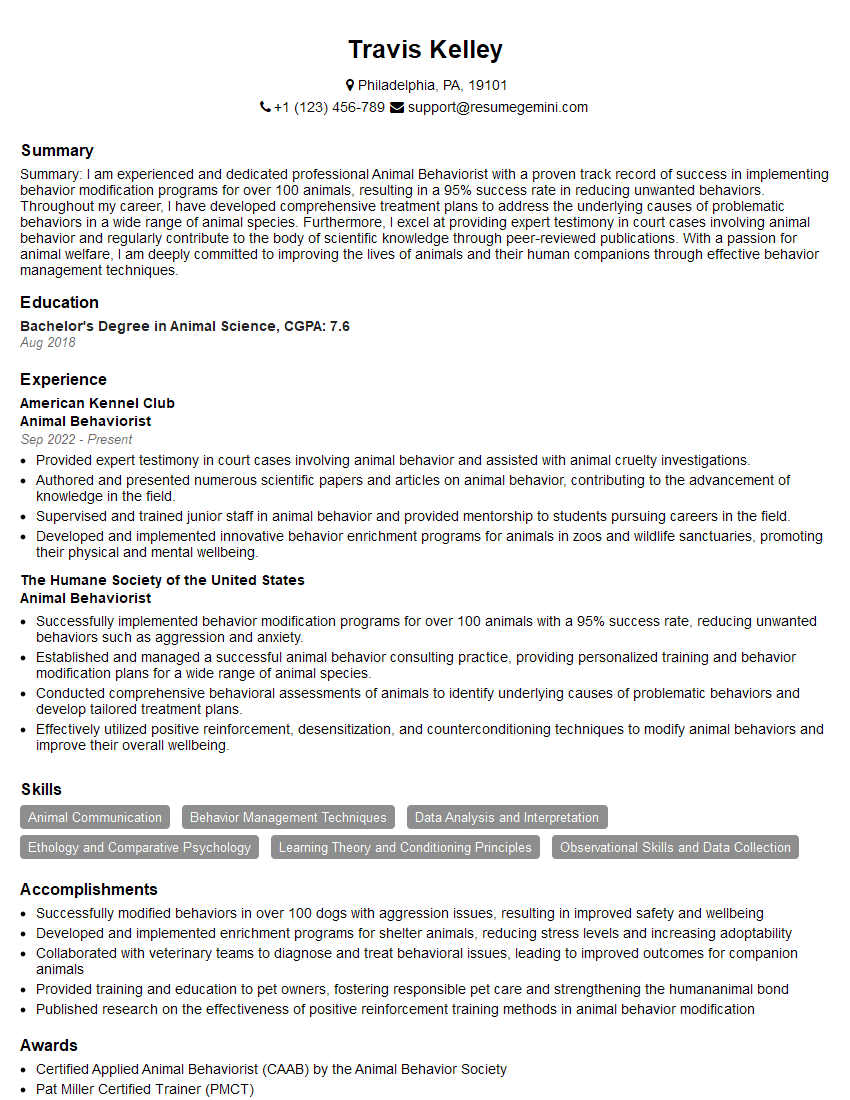
Animal Behaviorist Resume Sample
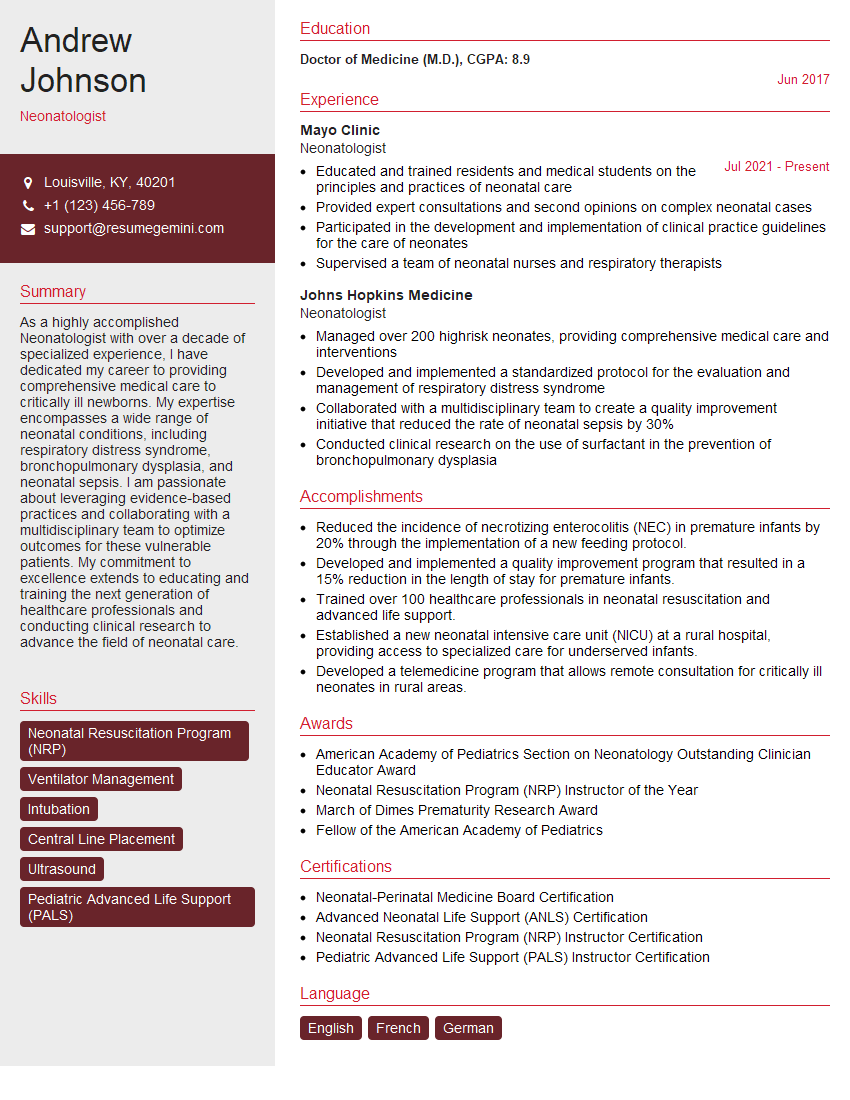
Neonatologist Resume Sample
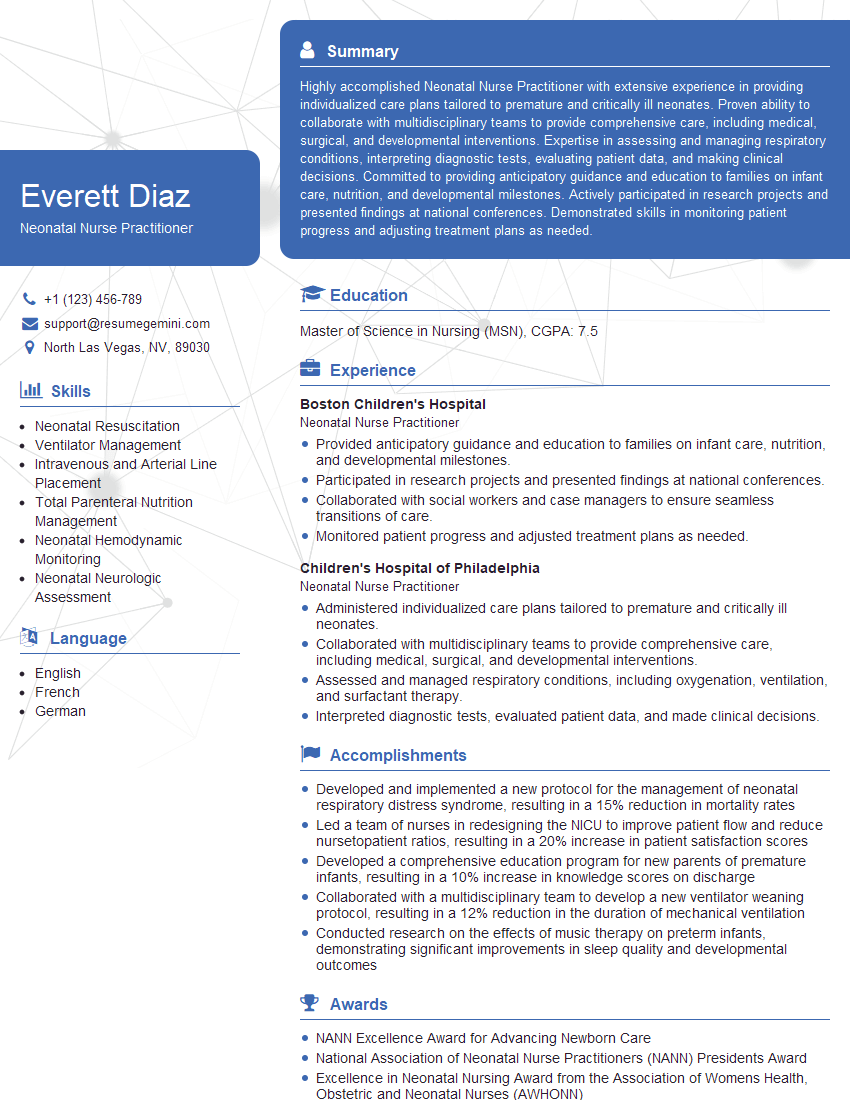
Neonatal Nurse Practitioner Resume Sample
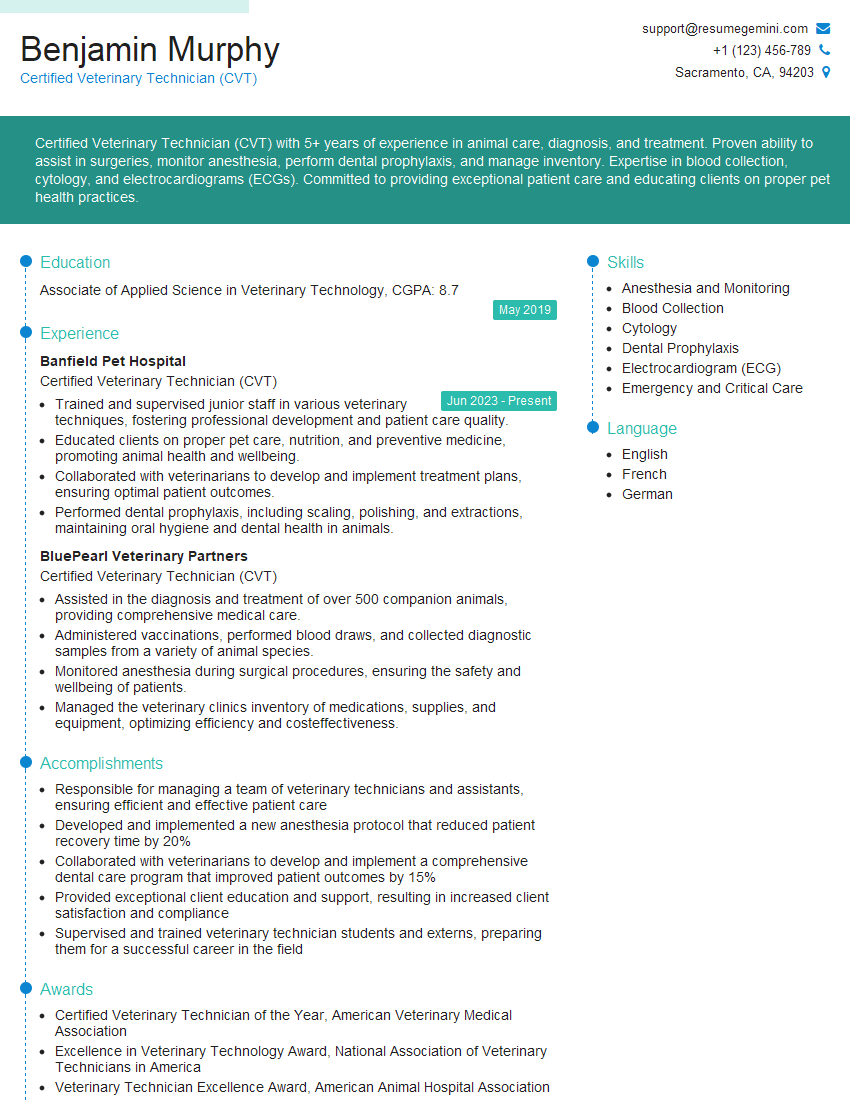
Certified Veterinary Technician (CVT) Resume Sample
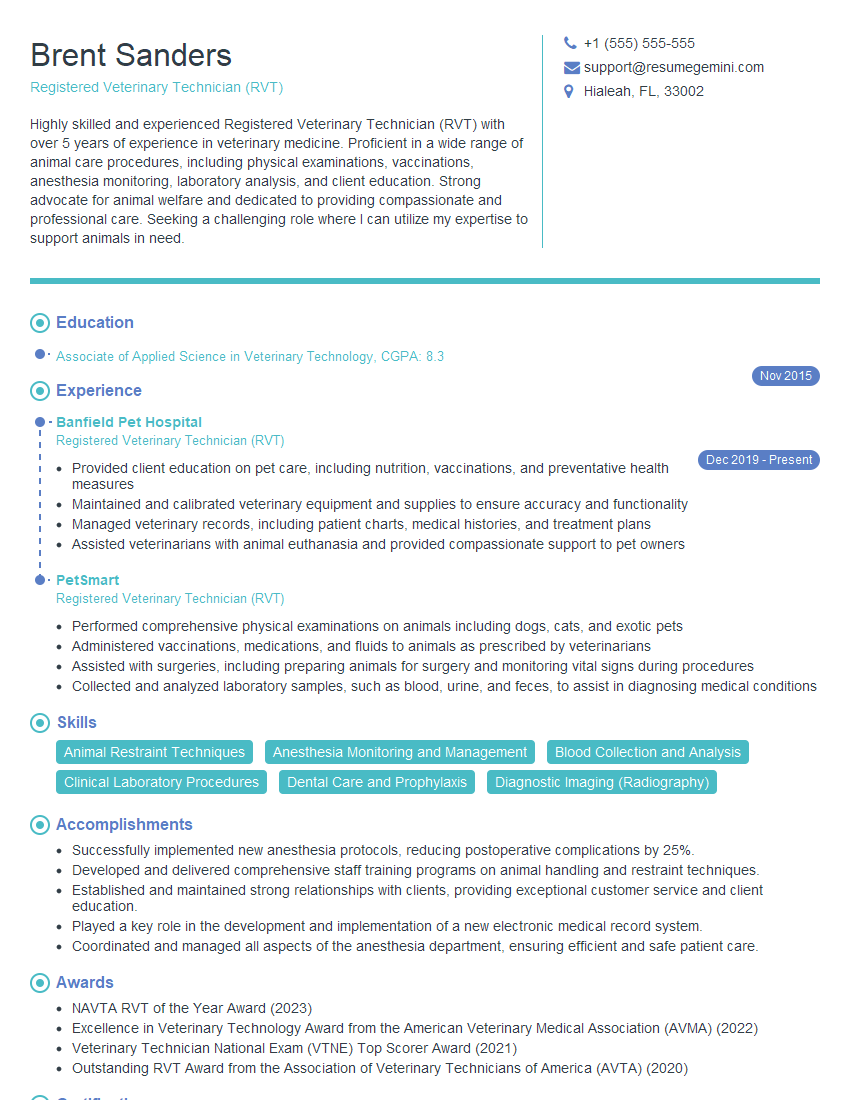
Registered Veterinary Technician (RVT) Resume Sample
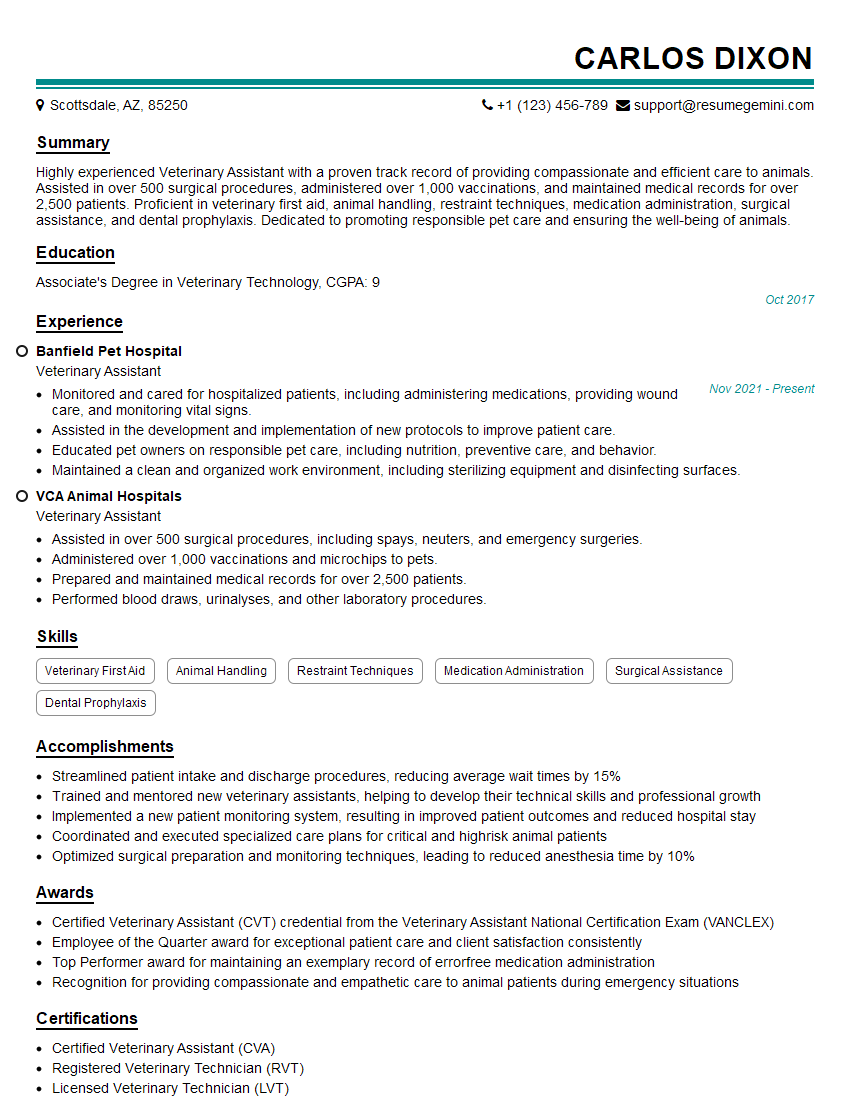
Veterinary Assistant Resume Sample
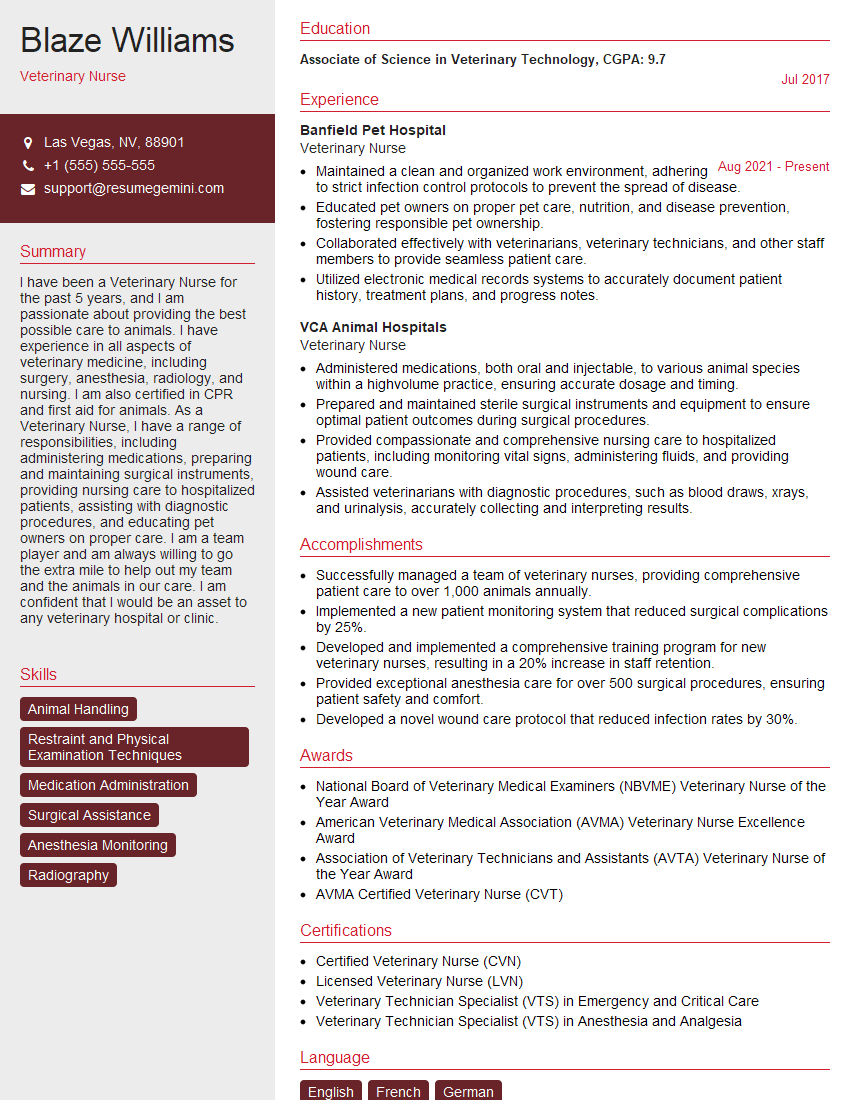
Veterinary Nurse Resume Sample
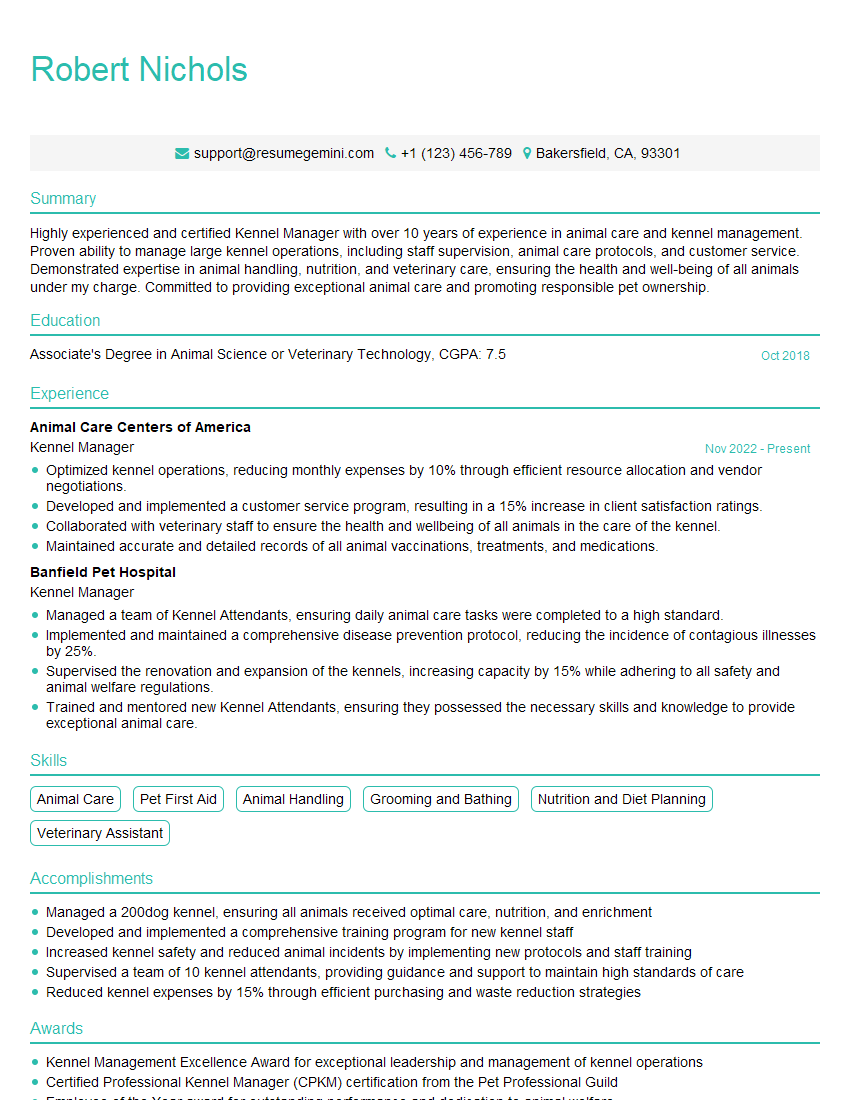
Kennel Manager Resume Sample
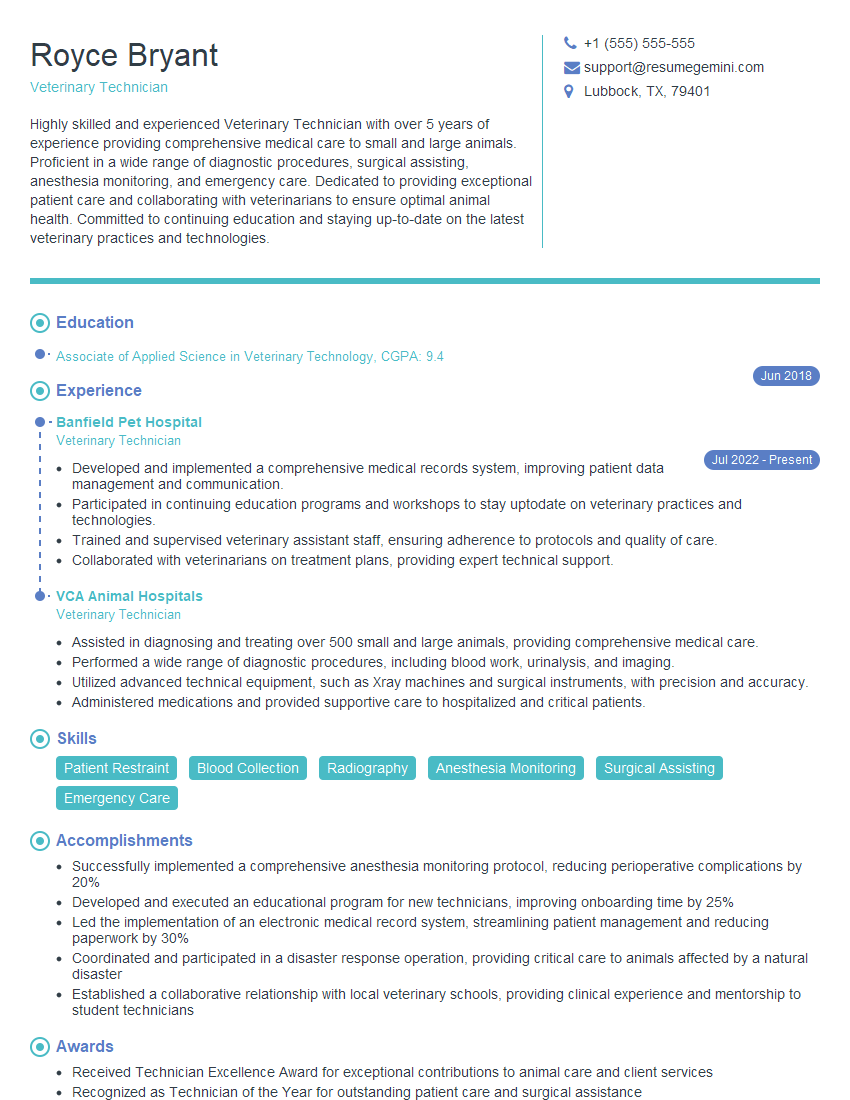
Veterinary Technician Resume Sample
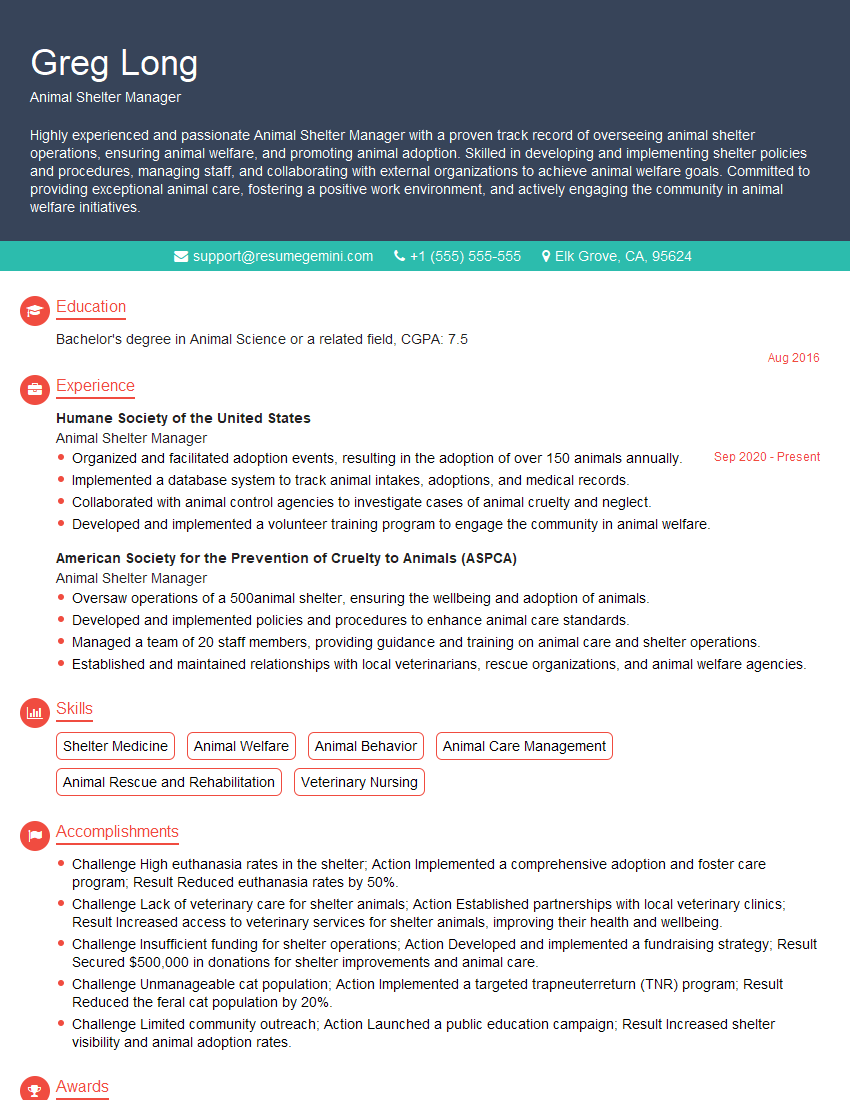
Animal Shelter Manager Resume Sample
Explore more articles
Users Rating of Our Blogs
Share Your Experience
We value your feedback! Please rate our content and share your thoughts (optional).
What Readers Say About Our Blog
Very informative content, great job.
good