Every successful interview starts with knowing what to expect. In this blog, we’ll take you through the top DNA Testing and Analysis interview questions, breaking them down with expert tips to help you deliver impactful answers. Step into your next interview fully prepared and ready to succeed.
Questions Asked in DNA Testing and Analysis Interview
Q 1. Explain the difference between PCR and qPCR.
Both PCR (Polymerase Chain Reaction) and qPCR (quantitative PCR) are powerful molecular biology techniques used to amplify DNA, making millions of copies from a tiny starting sample. Think of it like photocopying a single document to create hundreds of identical copies. However, they differ significantly in their purpose and methodology.
PCR is a qualitative technique; it tells you if a specific DNA sequence is present in your sample. It amplifies the target DNA over multiple cycles, resulting in a detectable amount. You visualize the amplified product through gel electrophoresis, observing the presence or absence of bands.
qPCR, on the other hand, is quantitative. It measures how much of a specific DNA sequence is present. This is achieved by incorporating fluorescent probes into the reaction. The fluorescence intensity, measured in real-time during the amplification cycles, is directly proportional to the amount of target DNA. This allows for precise quantification of the DNA in the initial sample, useful for applications like measuring gene expression levels or detecting pathogens.
In short: PCR is like asking, ‘Is it there?’, while qPCR asks, ‘How much is there?’.
Example: PCR might be used to screen for a specific gene mutation in a patient’s DNA sample. qPCR might be used to quantify viral load in a blood sample, providing crucial information for disease management.
Q 2. Describe the process of DNA extraction from a blood sample.
DNA extraction from a blood sample involves separating the DNA from other cellular components like proteins and lipids. It’s a crucial first step in many downstream applications, including forensic analysis, genetic testing, and research. Imagine it as carefully sifting sand to isolate gold nuggets.
The process typically involves several steps:
- Lysis: Blood cells are lysed (broken open) using a detergent solution to release the DNA from the nucleus.
- Protein removal: Proteases are used to digest proteins, further purifying the DNA.
- DNA precipitation: Cold ethanol or isopropanol is added to precipitate the DNA, making it separate from the solution.
- Washing: The DNA pellet is washed to remove any remaining contaminants.
- Resuspension: The purified DNA is resuspended in a buffer solution, ready for subsequent analysis.
Different methods exist, using kits optimized for speed, efficiency, and the scale of the extraction. Automated systems are frequently used for high-throughput processing in clinical laboratories or research settings.
Example: In a forensic investigation, DNA is extracted from a bloodstain found at a crime scene. The extracted DNA is then analyzed to generate a DNA profile for comparison with suspects.
Q 3. What are the different types of DNA sequencing technologies?
DNA sequencing technologies have evolved significantly over the years, offering various approaches to determine the precise order of nucleotides (A, T, C, and G) in a DNA molecule. Think of it as deciphering the ‘letters’ that make up the genetic code.
Historically, Sanger sequencing was the gold standard. Now, next-generation sequencing (NGS) technologies dominate, offering high-throughput and cost-effective sequencing. Key examples include:
- Sanger Sequencing (dideoxy chain termination): A method that utilizes chain-terminating dideoxynucleotides to generate DNA fragments of varying lengths, which are then separated by electrophoresis to determine the sequence. It’s accurate but relatively low-throughput.
- Illumina Sequencing (sequencing by synthesis): This widely used NGS technology uses fluorescently labeled nucleotides to sequence millions of DNA fragments simultaneously. It offers high-throughput and relatively low cost.
- Ion Torrent Sequencing (semiconductor sequencing): This method detects the release of hydrogen ions during DNA synthesis, providing a direct signal for base identification.
- Nanopore Sequencing: This technology measures changes in electrical current as DNA passes through a nanopore, allowing for direct, real-time sequencing of long DNA fragments.
Each technology has its strengths and weaknesses concerning read length, accuracy, cost, and throughput, making certain technologies better suited to specific applications.
Q 4. Explain the principles of STR analysis in forensic science.
Short Tandem Repeat (STR) analysis is a powerful technique used in forensic science to identify individuals based on variations in the number of short, repeated DNA sequences. Imagine it as comparing the unique patterns of repeating bars in a barcode.
STRs are short (2-7 base pairs) DNA sequences repeated multiple times consecutively at specific locations (loci) within the genome. The number of repeats at each locus varies widely among individuals, creating a unique genetic fingerprint. In forensic science, we examine several STR loci simultaneously, greatly enhancing the power of discrimination.
The process involves extracting DNA from a sample (e.g., blood, saliva, hair), amplifying the STR regions using PCR, separating the amplified products by capillary electrophoresis, and determining the allele sizes (number of repeats) at each locus. A DNA profile is then generated, showing the combination of alleles at each of the analyzed loci.
Example: A DNA sample from a crime scene is compared to the DNA profile of a suspect. If the STR profiles match, it provides strong evidence linking the suspect to the crime. The probability of a random match is calculated to assess the strength of the evidence.
Q 5. How do you interpret a DNA electrophoresis gel?
DNA electrophoresis gels are used to separate DNA fragments based on their size. Imagine it as a race where smaller fragments run faster and travel further down the gel.
The gel, typically agarose or polyacrylamide, acts as a sieve. DNA samples are loaded into wells at one end of the gel, and an electric field is applied. Negatively charged DNA fragments migrate towards the positive electrode. Smaller fragments move faster and farther through the gel’s pores than larger fragments. After electrophoresis, the DNA fragments are visualized using DNA stains, producing bands representing different DNA fragment sizes.
Interpretation: The position of the bands on the gel indicates the size of the DNA fragments. Larger fragments are closer to the well, while smaller fragments are further down. The intensity of the bands reflects the amount of DNA present. This allows for the analysis of PCR products, restriction fragment length polymorphisms (RFLPs), or other DNA fragments.
Example: In PCR analysis, the expected size of the amplified product can be confirmed by comparing the position of the band on the gel to a DNA ladder (a mixture of DNA fragments of known sizes) with which it is run alongside.
Q 6. What are SNPs and how are they used in genetic analysis?
Single Nucleotide Polymorphisms (SNPs) are variations in a single nucleotide (A, T, C, or G) at a specific position in the genome. They are the most common type of genetic variation among individuals and are distributed throughout the entire genome. Imagine SNPs as tiny spelling differences in the genetic code.
SNPs are used extensively in genetic analysis for various purposes:
- Genome-Wide Association Studies (GWAS): SNPs are used to identify genetic variations associated with particular traits or diseases. By analyzing the association between SNPs and a phenotype (observable characteristic), researchers can pinpoint genetic regions influencing susceptibility to disease.
- Pharmacogenomics: SNPs can affect how individuals respond to drugs. Analyzing SNPs can help predict an individual’s response to a particular medication and optimize drug selection and dosage.
- Genetic ancestry testing: SNPs are useful markers to trace an individual’s ancestry by analyzing their distribution across populations.
- Forensic applications: Although less frequently used than STRs, SNPs can be applied to DNA analysis in cases where DNA is highly degraded.
Example: A GWAS might reveal that a specific SNP is associated with an increased risk of developing type 2 diabetes. This information can be crucial for developing targeted preventative strategies or therapies.
Q 7. Describe the process of microarray analysis.
Microarray analysis is a powerful technique used to study the expression of thousands of genes simultaneously. Imagine it as a high-throughput tool to measure the activity levels of many genes in a single experiment.
A microarray is a solid surface (glass slide or chip) containing thousands of DNA probes, each corresponding to a specific gene or genomic region. The probes are short, single-stranded DNA sequences that bind to complementary sequences in a sample. Total RNA extracted from a sample is converted into cDNA and labeled with fluorescent dye. The labeled cDNA is hybridized to the microarray, allowing the probes to bind to their complementary sequences in the sample.
After washing away unbound cDNA, the fluorescence intensity at each probe location is measured, indicating the abundance of the corresponding mRNA in the original sample. High fluorescence intensity suggests high gene expression, while low fluorescence indicates low expression.
Applications: Microarrays are used in various fields, including gene expression profiling, disease diagnostics, drug discovery, and genetic research. They provide a snapshot of the gene expression landscape under specific conditions.
Example: A microarray experiment might be used to compare gene expression patterns in cancer cells versus normal cells, helping researchers identify genes involved in cancer development and progression.
Q 8. Explain the concept of copy number variation (CNV).
Copy number variation (CNV) refers to differences in the number of copies of a particular DNA segment among individuals. Instead of the usual two copies (one from each parent) of a gene or DNA region, some individuals might have one copy (deletion), three copies (duplication), or even more. These variations can range in size from a single gene to large chromosomal segments.
Imagine a library where each book represents a gene. Normally, you’d expect to find two copies of each book. A CNV is like finding a shelf with only one copy of a certain book (deletion), or a shelf overflowing with three copies of another (duplication). These variations can significantly impact gene expression and function.
CNVs are implicated in a wide array of human diseases and traits. For example, deletions in certain genes can lead to genetic disorders, while duplications might be associated with increased susceptibility to certain cancers. Detecting and analyzing CNVs is crucial in genetic diagnostics and research, often using techniques like array comparative genomic hybridization (aCGH) and next-generation sequencing (NGS).
Q 9. What are the ethical considerations of DNA testing?
Ethical considerations surrounding DNA testing are multifaceted and crucial. The most prominent concern revolves around privacy. Genetic information is highly personal and sensitive, and its unauthorized access or disclosure can have significant consequences for individuals and their families.
- Informed consent is paramount – individuals must fully understand the implications of undergoing DNA testing before proceeding. They need to know what information will be collected, how it will be used, and who will have access to it.
- Data security is vital to prevent breaches and misuse of genetic data. Robust security measures must be in place to protect this sensitive information.
- Genetic discrimination is another significant concern. Individuals may face discrimination in employment, insurance, or other areas based on their genetic predisposition to certain diseases. Laws and regulations are necessary to prevent such discrimination.
- Incidental findings – DNA testing might reveal unexpected information about an individual’s health or ancestry, raising complex ethical dilemmas about whether and how to disclose these findings.
- Psychological impact – Receiving unexpected or distressing genetic information can have a profound impact on an individual’s mental health and well-being, necessitating careful counseling and support.
Addressing these ethical considerations requires a multi-pronged approach, including stringent regulations, robust data security measures, and responsible practices by testing providers and researchers.
Q 10. How do you ensure the accuracy and reliability of DNA testing results?
Ensuring the accuracy and reliability of DNA testing results is paramount. This involves meticulous attention to detail throughout the entire process, starting with sample collection and ending with data interpretation.
- Sample quality control is crucial; samples must be properly collected, stored, and handled to prevent contamination or degradation.
- Validation of assays is essential – the chosen methods must be rigorously validated to ensure their accuracy and reproducibility. Positive and negative controls are necessary to monitor performance.
- Data analysis pipelines should be validated and regularly updated to incorporate the latest advancements in bioinformatics. Quality control metrics should be implemented at every step of the data analysis process.
- Multiple independent analyses of the same sample can increase confidence in the results. This reduces the risk of errors or artifacts influencing the interpretation.
- Proper interpretation of results requires careful consideration of the limitations of the technology used and the specific context of the test.
- Accreditation and certification of laboratories and testing facilities help ensure adherence to rigorous quality standards.
For example, in parentage testing, multiple markers are analyzed to enhance the accuracy and reliability of the results, going far beyond a single genetic marker for confidence.
Q 11. What are the limitations of current DNA sequencing technologies?
While DNA sequencing technologies have made remarkable strides, limitations still exist:
- Cost: Whole-genome sequencing remains expensive, limiting accessibility for many individuals and research projects.
- Data analysis: Analyzing the vast amounts of data generated by high-throughput sequencing technologies requires sophisticated computational resources and expertise. Interpretation of complex variants remains challenging.
- Coverage and completeness: Current technologies might not capture all genomic regions equally, leading to potential biases and incomplete information.
- Error rates: Sequencing technologies are not perfect; errors can occur, and these need to be carefully managed during data analysis.
- Ethical and privacy concerns: As mentioned before, the ethical implications of widespread DNA sequencing require careful consideration.
- Rare variant detection: Identifying and characterizing low-frequency or rare variants requires specialized analysis and might be challenging using standard pipelines.
Addressing these limitations requires continued technological advancements, improvements in bioinformatics algorithms, and a greater focus on ethical considerations.
Q 12. Explain the difference between somatic and germline mutations.
The distinction between somatic and germline mutations is fundamental in genetics. Germline mutations are present in the reproductive cells (sperm and eggs) and are heritable; they are passed from parents to offspring and are present in every cell of the offspring’s body. Somatic mutations, on the other hand, occur in non-reproductive cells and are not inherited. They arise during an individual’s lifetime, often due to environmental factors or errors during DNA replication.
Think of it this way: germline mutations are like errors in the master blueprint of the organism, affecting all future copies. Somatic mutations are like errors made during the construction of the building based on the blueprint; these errors only affect a part of the building and are not passed on to future structures built from the same blueprint.
Germline mutations can cause inherited diseases, while somatic mutations are primarily associated with cancer and aging. Understanding the type of mutation is crucial for both genetic counseling and treatment strategies.
Q 13. Describe the role of bioinformatics in DNA analysis.
Bioinformatics plays a pivotal role in DNA analysis, bridging the gap between raw sequence data and biological insights. It involves the development and application of computational tools and algorithms to analyze large genomic datasets.
Think of bioinformatics as the interpreter that translates the language of DNA into meaningful information. It allows us to:
- Assemble genomes: Piece together fragmented DNA sequence data to reconstruct complete genomes.
- Identify genes and regulatory elements: Pinpoint the locations of genes, promoters, and other functional elements within the genome.
- Detect variations: Identify single nucleotide polymorphisms (SNPs), insertions, deletions, and CNVs.
- Predict gene function: Infer the function of genes based on sequence homology and other computational approaches.
- Analyze gene expression: Study how gene expression levels change in different conditions or tissues.
- Develop phylogenetic trees: Infer evolutionary relationships between different organisms.
Bioinformatics tools employ sophisticated algorithms and statistical methods to sift through vast quantities of data and identify patterns that would be impossible to detect manually. The field is constantly evolving to keep pace with the rapid growth of genomic data.
Q 14. How do you handle and interpret large genomic datasets?
Handling and interpreting large genomic datasets is a significant challenge in modern genomics. It requires a combination of computational resources, specialized software, and statistical expertise.
Here’s a step-by-step approach:
- Data storage and management: Use specialized databases and file formats to store and organize large genomic datasets efficiently. Cloud-based solutions are often preferred for managing massive datasets.
- Data preprocessing: Clean and filter the raw data to remove noise, errors, and low-quality reads. This might involve quality control checks, adapter trimming, and read alignment.
- Variant calling: Identify genetic variations (SNPs, INDELS, CNVs) by comparing the sequenced genomes to a reference genome. Tools like GATK are commonly used for this purpose.
- Annotation: Interpret the identified variants by associating them with known genes, functional elements, and disease phenotypes. Databases such as dbSNP and ClinVar are valuable resources.
- Statistical analysis: Apply statistical methods to identify significant associations between genetic variations and traits of interest. This might involve association studies, gene set enrichment analysis, or pathway analysis.
- Visualization and interpretation: Visualize the results using interactive tools and graphs to facilitate interpretation and communication of findings.
The entire process typically involves using a combination of command-line tools and specialized software packages. The complexity of the analysis depends on the specific research question and the type of data being analyzed. Careful planning and execution are crucial for efficient and accurate data analysis.
Q 15. Explain different DNA fingerprinting techniques.
DNA fingerprinting, also known as DNA profiling, uses variations in DNA sequences to distinguish individuals. Several techniques achieve this, each with its strengths and weaknesses.
- Restriction Fragment Length Polymorphism (RFLP): This older method involves cutting DNA with restriction enzymes, creating fragments of varying lengths. These fragments are then separated by gel electrophoresis, visualized, and compared. While robust, RFLP is time-consuming and requires large amounts of high-quality DNA.
- Polymerase Chain Reaction (PCR)-based methods: PCR amplifies specific DNA regions, making analysis possible even with degraded or limited DNA samples. Common PCR-based methods include:
- Short Tandem Repeats (STR) analysis: This widely used technique analyzes short, repeating sequences of DNA that vary greatly between individuals. The number of repeats at specific STR loci is determined, creating a unique profile. It’s highly sensitive, relatively fast, and requires less DNA than RFLP.
- Variable Number Tandem Repeats (VNTR) analysis: Similar to STRs, but VNTRs are longer repeating sequences. This method offers higher discrimination power than STRs but is less adaptable to degraded samples.
- Single Nucleotide Polymorphism (SNP) analysis: This method focuses on variations in single nucleotides within the genome. While less discriminatory than STRs for individual identification, SNP analysis is valuable for population studies and tracing ancestry.
For example, in a paternity case, STR analysis of the child’s, mother’s, and alleged father’s DNA would reveal matching alleles to determine parentage. In forensic investigations, DNA fingerprinting from crime scene evidence helps link suspects to the crime.
Career Expert Tips:
- Ace those interviews! Prepare effectively by reviewing the Top 50 Most Common Interview Questions on ResumeGemini.
- Navigate your job search with confidence! Explore a wide range of Career Tips on ResumeGemini. Learn about common challenges and recommendations to overcome them.
- Craft the perfect resume! Master the Art of Resume Writing with ResumeGemini’s guide. Showcase your unique qualifications and achievements effectively.
- Don’t miss out on holiday savings! Build your dream resume with ResumeGemini’s ATS optimized templates.
Q 16. What are the applications of DNA testing in medicine?
DNA testing has revolutionized medicine, offering numerous applications:
- Diagnostic testing: Identifying genetic mutations responsible for diseases like cystic fibrosis, Huntington’s disease, and various cancers. Early detection allows for timely intervention and management.
- Pharmacogenomics: Tailoring drug treatment based on an individual’s genetic makeup. This helps optimize drug efficacy and minimize adverse effects.
- Prenatal testing: Screening for genetic disorders in fetuses, enabling informed decisions during pregnancy. Examples include amniocentesis and chorionic villus sampling.
- Carrier screening: Identifying individuals who carry recessive genes for genetic diseases, allowing them to make informed reproductive decisions.
- Cancer diagnostics and prognosis: Analyzing tumor DNA to identify specific mutations driving cancer growth, guiding treatment strategies, and predicting disease progression.
- Infectious disease diagnosis: Rapid and accurate identification of pathogens, enabling faster and more targeted treatment of bacterial, viral, and parasitic infections.
Imagine a scenario where a patient presents with symptoms suggesting a particular genetic disorder. DNA testing can confirm the diagnosis, guiding treatment choices and potentially improving their quality of life.
Q 17. How do you identify and address contamination in a DNA lab?
Contamination is a significant concern in DNA labs, potentially leading to inaccurate results. Strict protocols are essential to minimize risk:
- Dedicated areas: Separating pre- and post-PCR areas to prevent cross-contamination of amplified DNA.
- Reagent quality control: Using high-quality, contamination-free reagents and regularly testing them.
- Personal protective equipment (PPE): Lab coats, gloves, and masks are mandatory to prevent DNA transfer from personnel.
- Regular cleaning and decontamination: Using UV light and appropriate disinfectants to regularly clean work surfaces and equipment.
- Positive and negative controls: Including positive controls (known DNA samples) and negative controls (no DNA samples) in every PCR reaction to detect contamination.
- Air filtration systems: Maintaining clean air quality in the laboratory to minimize airborne contamination.
If contamination is suspected, a thorough investigation must be conducted, possibly involving repeating the testing process with strict attention to aseptic techniques. If the contamination persists, identifying the source through detailed record-keeping and process review is paramount. A positive control could help identify the source if the same contamination pattern is observed.
Q 18. Explain the principle of next-generation sequencing (NGS).
Next-Generation Sequencing (NGS) is a high-throughput technology that allows for massively parallel sequencing of DNA or RNA. Unlike Sanger sequencing, which sequences individual DNA fragments one at a time, NGS sequences millions of fragments simultaneously.
The principle involves fragmenting DNA, attaching adapters, and amplifying the fragments. Then, the fragments are sequenced in parallel on a flow cell containing millions of microscopic wells. Each well contains a single DNA fragment that undergoes sequencing by synthesis, where fluorescently labeled nucleotides are incorporated, and their signal is detected. This process is repeated for each nucleotide in the fragment, generating massive amounts of sequence data that is assembled using bioinformatics software.
The advantage of NGS is its speed, high-throughput capacity, and lower cost per base, making it ideal for large-scale genomic projects like whole-genome sequencing and exome sequencing.
Q 19. What are the advantages and disadvantages of different DNA amplification methods?
Several methods amplify DNA, each with advantages and disadvantages:
- Polymerase Chain Reaction (PCR): Highly sensitive, specific, and versatile, enabling amplification of specific DNA regions. However, PCR can be susceptible to contamination and requires knowledge of the target DNA sequence.
- Multiple Displacement Amplification (MDA): Suitable for whole-genome amplification from small starting amounts of DNA, especially useful for ancient DNA or single-cell genomics. However, it’s prone to higher error rates compared to PCR.
- Helical Amplification (nicking enzyme amplification): Generates multiple copies of a target region, ideal when starting material is very limited. However, it’s relatively slower than PCR and can be less efficient.
Choosing the appropriate method depends on the application and the quantity and quality of the available DNA. For example, PCR is ideal for STR analysis in forensic science due to its high specificity and sensitivity, while MDA is preferable for whole-genome amplification from ancient DNA due to its ability to amplify from extremely low quantities.
Q 20. Describe your experience with specific DNA analysis software.
I have extensive experience with various DNA analysis software packages, including:
- Geneious Prime: A user-friendly software for assembling, annotating, and analyzing genomic sequences. I’ve used it for tasks ranging from sequence alignment to phylogenetic tree construction.
- CLC Genomics Workbench: A powerful platform for NGS data analysis, including read mapping, variant calling, and gene expression analysis. I’ve utilized this for analyzing whole-genome sequencing data from cancer patients.
- BioNumerics: Specialized software for analyzing microbial diversity through techniques like amplified fragment length polymorphism (AFLP) and restriction fragment length polymorphism (RFLP) analysis.
My proficiency in these packages extends to data preprocessing, statistical analysis, and result interpretation, allowing for accurate and efficient analysis of diverse genomic data.
Q 21. How do you interpret a phylogenetic tree?
A phylogenetic tree is a branching diagram showing the evolutionary relationships among different species or groups of organisms. Interpreting a phylogenetic tree involves understanding its structure and the information it conveys.
The branching points (nodes) represent common ancestors. The length of branches often reflects the evolutionary distance (e.g., number of mutations) between species. The tips of the branches represent the extant species or taxa. Closely related species share more recent common ancestors and therefore have shorter evolutionary distances.
For example, a phylogenetic tree showing the relationship between primates might group humans and chimpanzees together on a closely related branch, indicating their close evolutionary relationship. A more distant branch might include orangutans, reflecting their more ancient divergence from the human-chimpanzee lineage. Understanding the tree’s scale and the methods used to construct it (e.g., maximum likelihood, Bayesian inference) is crucial for accurate interpretation.
Q 22. Explain the concept of linkage disequilibrium.
Linkage disequilibrium (LD) refers to the non-random association of alleles at different loci. Imagine two genes located close together on a chromosome. Because they’re close, they’re less likely to be separated during recombination (the shuffling of genes that occurs during meiosis). Therefore, alleles at these linked loci tend to be inherited together more often than expected by chance. This is linkage disequilibrium.
For example, let’s say we have two genes, Gene A and Gene B, with alleles A1/A2 and B1/B2 respectively. If A1 and B1 are frequently found together in a population, and A2 and B2 are also frequently found together, while A1/B2 and A2/B1 combinations are rare, then we have LD. This is useful in genome-wide association studies (GWAS) because if a marker locus (like a SNP) shows LD with a disease-causing gene, we can use that marker to identify individuals at higher risk for the disease, even without directly knowing the disease-causing gene itself. The strength of LD is measured by D’ and r2, and it decays over time due to recombination.
Q 23. Describe different types of DNA mutations and their effects.
DNA mutations are alterations in the DNA sequence. They can range from single nucleotide changes to large-scale chromosomal rearrangements. Here are some types:
- Point mutations: These involve changes in a single nucleotide. They can be further categorized into:
- Substitution: One nucleotide is replaced by another (e.g., A to G). This can be a synonymous mutation (no change in amino acid) or a nonsynonymous mutation (change in amino acid).
- Insertion: One or more nucleotides are added to the sequence.
- Deletion: One or more nucleotides are removed from the sequence.
- Indels: These are insertions or deletions of nucleotides, often causing frameshift mutations if they are not multiples of three.
- Chromosomal mutations: These are large-scale changes affecting whole chromosomes. Examples include:
- Deletion: A segment of a chromosome is lost.
- Duplication: A segment of a chromosome is copied and inserted.
- Inversion: A segment of a chromosome is flipped and reinserted.
- Translocation: A segment of a chromosome is moved to a different chromosome.
The effects of mutations can vary widely. Some are silent and have no effect on the organism. Others can be beneficial, providing an advantage in a given environment. Many mutations are detrimental, causing diseases such as cystic fibrosis (caused by a point mutation in the CFTR gene) or certain cancers (caused by various mutations, including chromosomal rearrangements).
Q 24. How do you validate the results of a DNA analysis experiment?
Validating DNA analysis results is crucial to ensure accuracy and reliability. We employ several strategies:
- Positive controls: Using samples with known genotypes to ensure the assay works as expected.
- Negative controls: Using samples without the target DNA to detect contamination.
- Replicates: Repeating the experiment multiple times to check for reproducibility and reduce experimental error. Ideally, technical replicates (same sample, same run) and biological replicates (different samples from the same source) should be conducted.
- Statistical analysis: Performing statistical tests to assess the significance of findings and account for variation.
- Comparison with independent methods: Verifying results using a different technique (e.g., confirming a SNP identified by PCR with Sanger sequencing).
- External validation: Sending samples to an independent lab for analysis to confirm our findings. This is particularly important for high-stakes analyses, such as forensic DNA analysis.
For example, in a PCR experiment, we’d run positive controls with the target DNA sequence and negative controls without template DNA to check for contamination. Ideally, we aim for consistent results across replicates.
Q 25. What quality control measures do you implement in your workflow?
Quality control is paramount in our workflow. We implement measures at each stage:
- Sample handling: Strict protocols to prevent contamination, including using sterile equipment, maintaining cold chain integrity for samples, and employing appropriate PPE.
- DNA extraction: Using validated kits and methods, followed by quantification and quality assessment (e.g., using spectrophotometry or fluorometry to determine DNA concentration and purity). We regularly check the efficiency of our extraction methods.
- PCR setup: Using master mixes to minimize pipetting errors and automated liquid handling systems to ensure consistent reaction volumes and avoid cross-contamination. Regular maintenance and calibration of equipment is essential.
- Data analysis: Employing robust bioinformatics pipelines with automated quality checks and manual review of results. We use quality control metrics during sequence alignment and variant calling.
- Regular audits: Our processes are regularly audited both internally and (occasionally) by external bodies to maintain ISO accreditation standards, ensuring that our work consistently meets high quality standards.
Q 26. Describe your experience with different DNA sample types.
My experience encompasses a wide range of DNA sample types including blood, saliva, buccal swabs, hair follicles, and even degraded samples from ancient remains. Each sample type presents unique challenges. For example, blood samples often require specialized lysis buffers for efficient DNA extraction, while saliva samples may contain inhibitors that need to be addressed during downstream processes. Degraded DNA requires specialized extraction methods and more sensitive detection techniques like digital PCR. Each step in handling different sample types – from collection and storage to extraction and analysis – is meticulously adjusted to maximize the efficiency and yield of high-quality DNA.
Q 27. Explain how you would troubleshoot a failed PCR reaction.
Troubleshooting a failed PCR reaction is a common occurrence. A systematic approach is crucial:
- Check reagents: Ensure all reagents (DNA template, primers, dNTPs, polymerase, buffer) are fresh and stored correctly. A positive control should be included in every run.
- Primer design: Verify primer sequences, annealing temperature, and concentration. Poorly designed primers are a frequent cause of failure.
- Template quality: Check DNA concentration and purity. Too little DNA can lead to no amplification, while inhibitors can suppress the reaction. Analyze the quality using spectrophotometry.
- Thermal cycler: Verify that the thermal cycler is functioning correctly and that the correct program is used. Occasionally, faulty thermal blocks may cause uneven heating. Calibration and maintenance of this equipment are vital.
- Contamination: Check for contamination by performing a negative control (no template). This helps rule out false positives.
- MgCl2 concentration: Optimize the MgCl2 concentration as it affects polymerase activity. Too little MgCl2 might decrease efficiency while too much inhibits the reaction.
By systematically investigating these aspects, we can typically pinpoint the cause of failure and optimize the PCR reaction for success. Keeping detailed records of experimental conditions is essential for efficient troubleshooting.
Q 28. How would you approach the analysis of a complex genetic disorder?
Analyzing a complex genetic disorder requires a multi-faceted approach. These disorders are often caused by multiple genes, gene-environment interactions, and epigenetic modifications. Here’s a strategy:
- Literature review: Thoroughly research the disorder, including known genes, associated mutations, inheritance patterns, and phenotypic variability.
- Family history: Gather detailed family history to identify inheritance patterns and potential carriers. Pedigree analysis is useful in visualizing inheritance.
- Whole-exome sequencing (WES) or whole-genome sequencing (WGS): These technologies provide comprehensive coverage of the genome, allowing for detection of both known and novel variants. WES focuses on coding regions, while WGS covers the entire genome.
- Variant filtering and annotation: Utilize bioinformatics tools and databases to filter out common variants and focus on those that are potentially disease-causing, considering factors such as allele frequency, conservation across species, and predicted functional impact.
- Functional validation: If possible, perform experiments to validate the functional effects of identified variants, such as in vitro assays or animal models.
- Data integration: Combine genetic data with clinical information, including symptoms, medical history, and environmental exposures, to arrive at a comprehensive diagnosis.
- Genetic counseling: Provide genetic counseling to patients and their families to explain findings, discuss implications, and offer appropriate management options.
Analyzing complex disorders involves interpreting massive datasets and integrating diverse information, requiring a collaborative effort between geneticists, clinicians, and bioinformaticians.
Key Topics to Learn for DNA Testing and Analysis Interview
- DNA Extraction and Purification: Understanding various methods (e.g., phenol-chloroform, magnetic bead-based) and their applications in different sample types (blood, saliva, tissue).
- PCR and its Applications: Mastering the principles of Polymerase Chain Reaction, including different types (qPCR, RT-PCR), optimization, and troubleshooting. Practical application: understanding its use in disease diagnosis and forensic science.
- Gel Electrophoresis and Capillary Electrophoresis: Knowing the principles behind these techniques, their applications in DNA fragment separation and analysis, and interpreting results.
- DNA Sequencing Technologies: Familiarity with Next-Generation Sequencing (NGS) and Sanger sequencing, their advantages and limitations, and their roles in genome analysis.
- Bioinformatics and Data Analysis: Understanding basic bioinformatics concepts, including sequence alignment, variant calling, and genomic data interpretation. Practical application: analyzing sequencing data to identify mutations or genetic variations.
- Genetic Markers and Polymorphisms: Knowledge of different types of genetic markers (SNPs, STRs, etc.) and their use in various applications, such as parentage testing and disease association studies.
- Quality Control and Assurance in DNA Testing: Understanding the importance of quality control measures at each step of the process to ensure accurate and reliable results. This includes understanding potential sources of error and how to mitigate them.
- Ethical Considerations and Legal Frameworks: Familiarity with ethical considerations surrounding DNA testing, data privacy, and relevant legal frameworks.
- Troubleshooting and Problem-Solving: Demonstrating the ability to identify and solve common problems encountered in DNA testing and analysis workflows.
Next Steps
Mastering DNA testing and analysis opens doors to exciting career opportunities in diverse fields like pharmaceuticals, forensics, and research. To maximize your job prospects, creating a strong, ATS-friendly resume is crucial. ResumeGemini is a trusted resource to help you build a professional and impactful resume that showcases your skills and experience effectively. Examples of resumes tailored to DNA Testing and Analysis are available to help you get started.
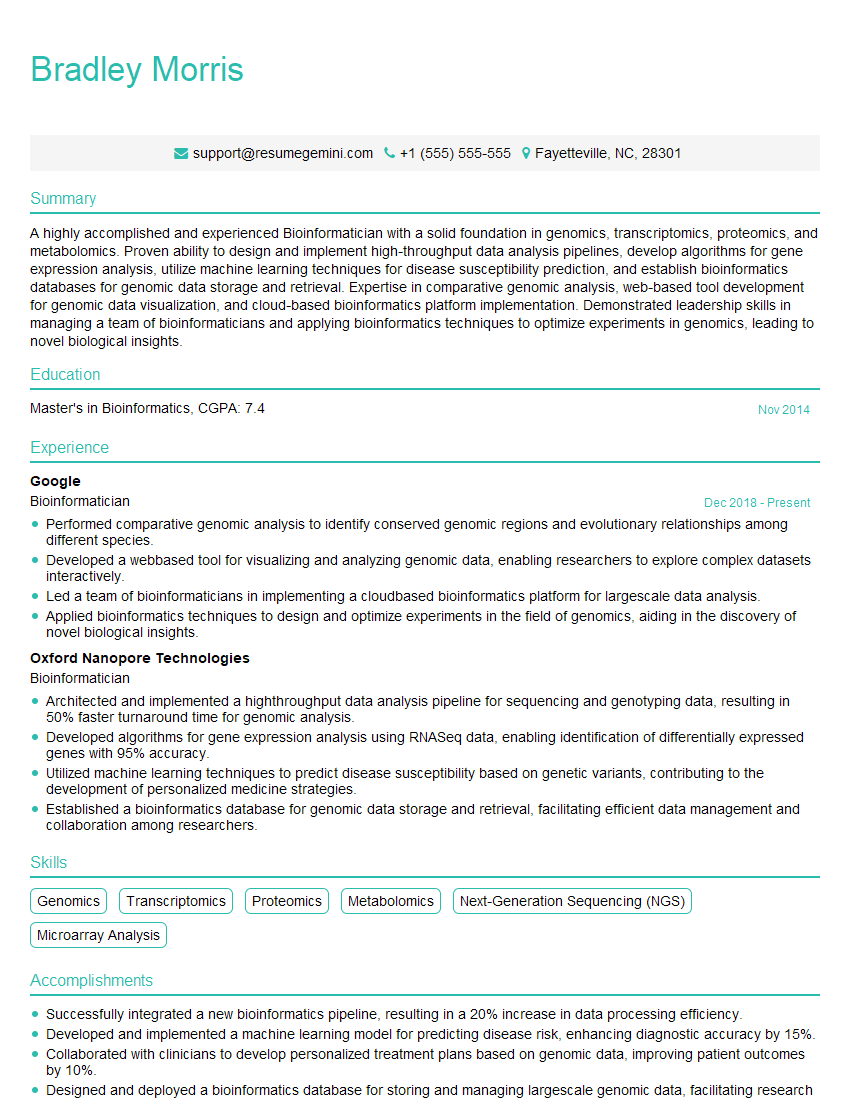
Bioinformatician Resume Sample
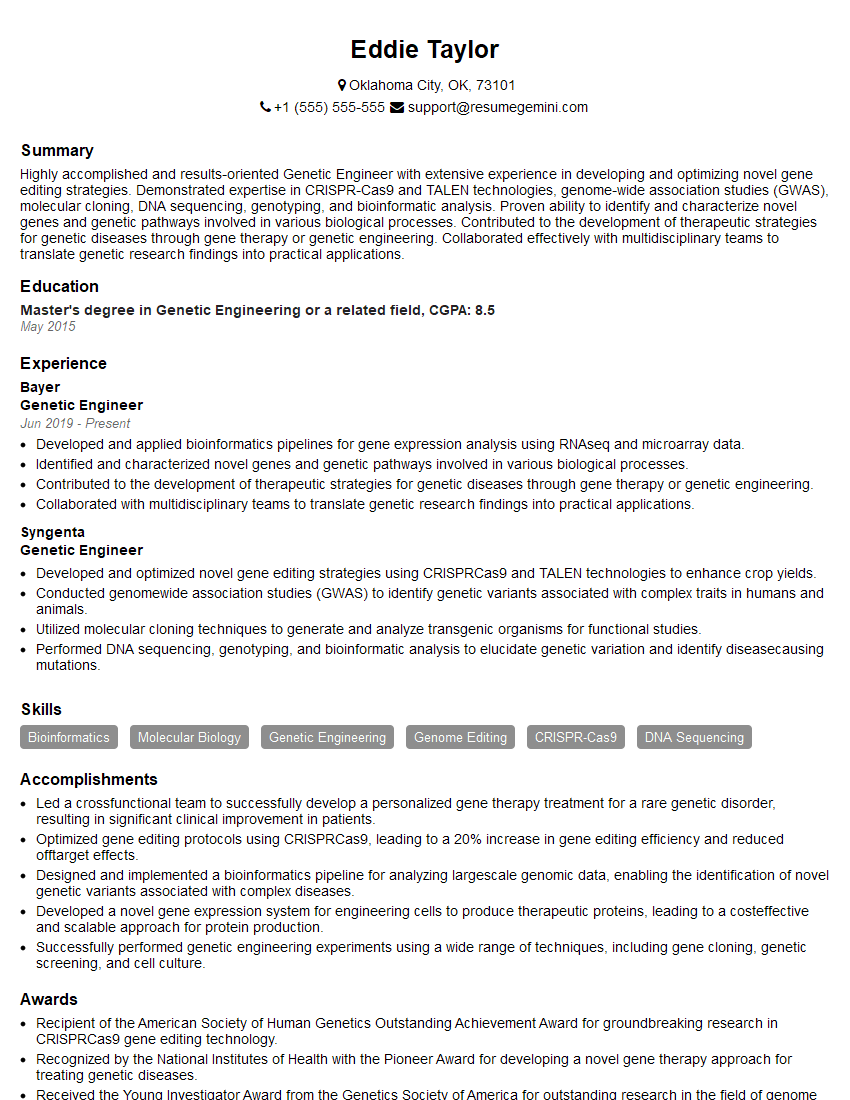
Genetic Engineer Resume Sample
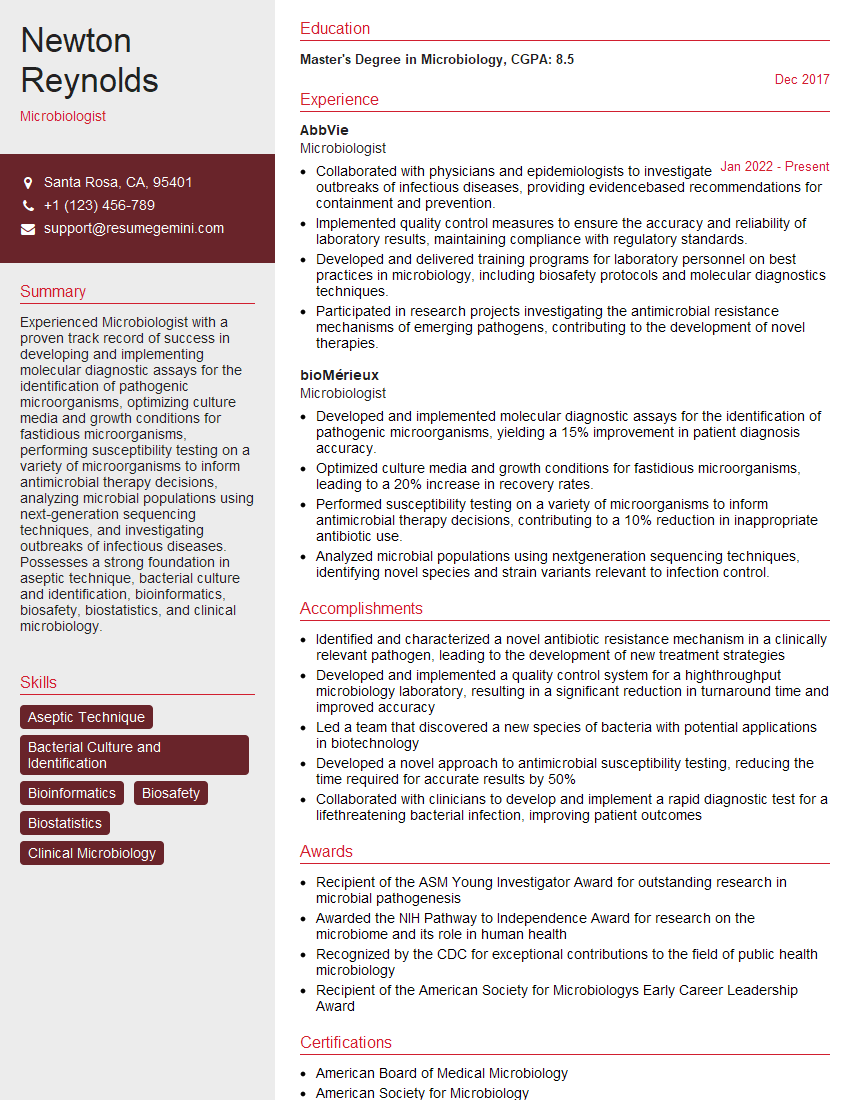
Microbiologist Resume Sample

Molecular Biologist Resume Sample
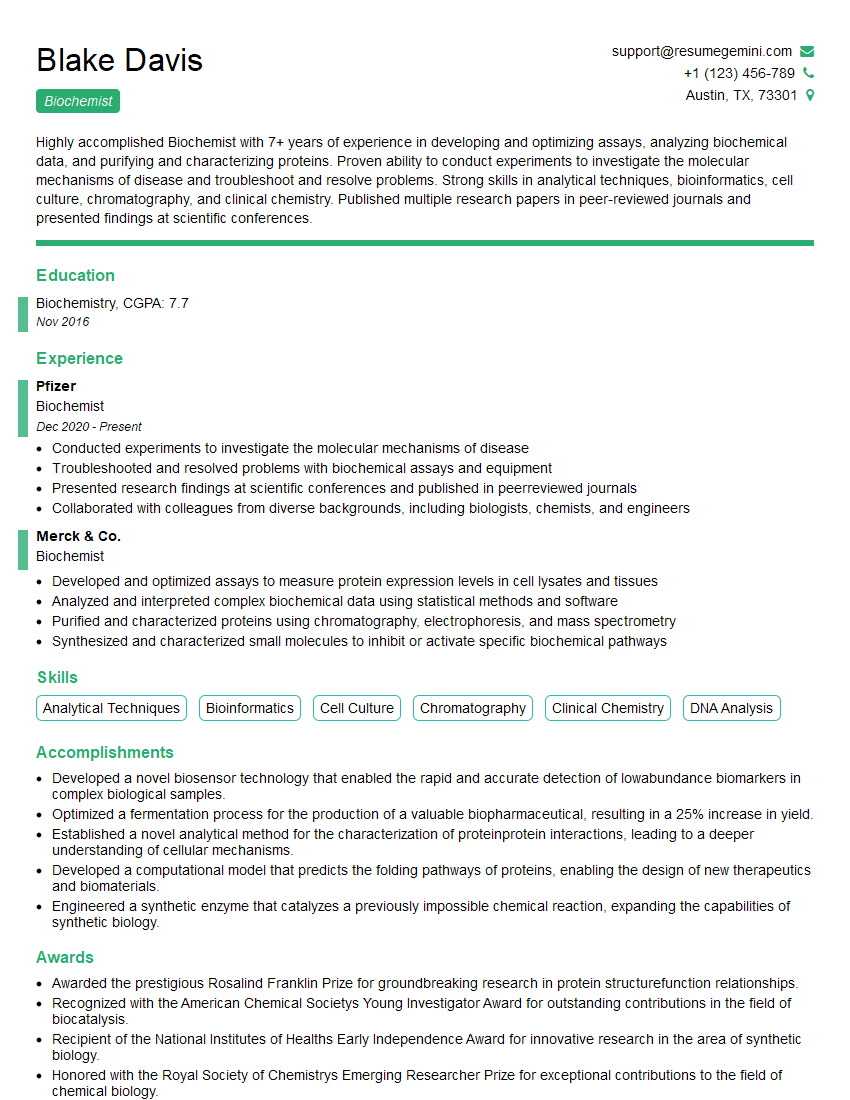
Biochemist Resume Sample
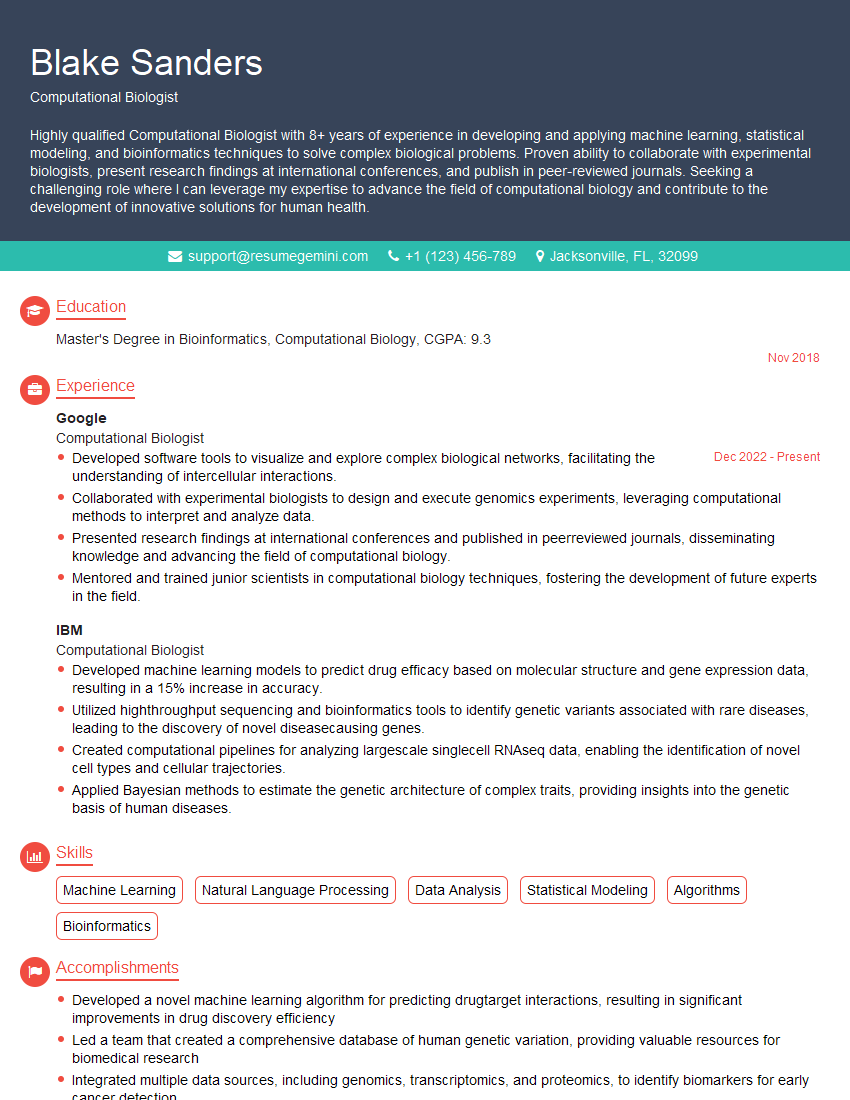
Computational Biologist Resume Sample
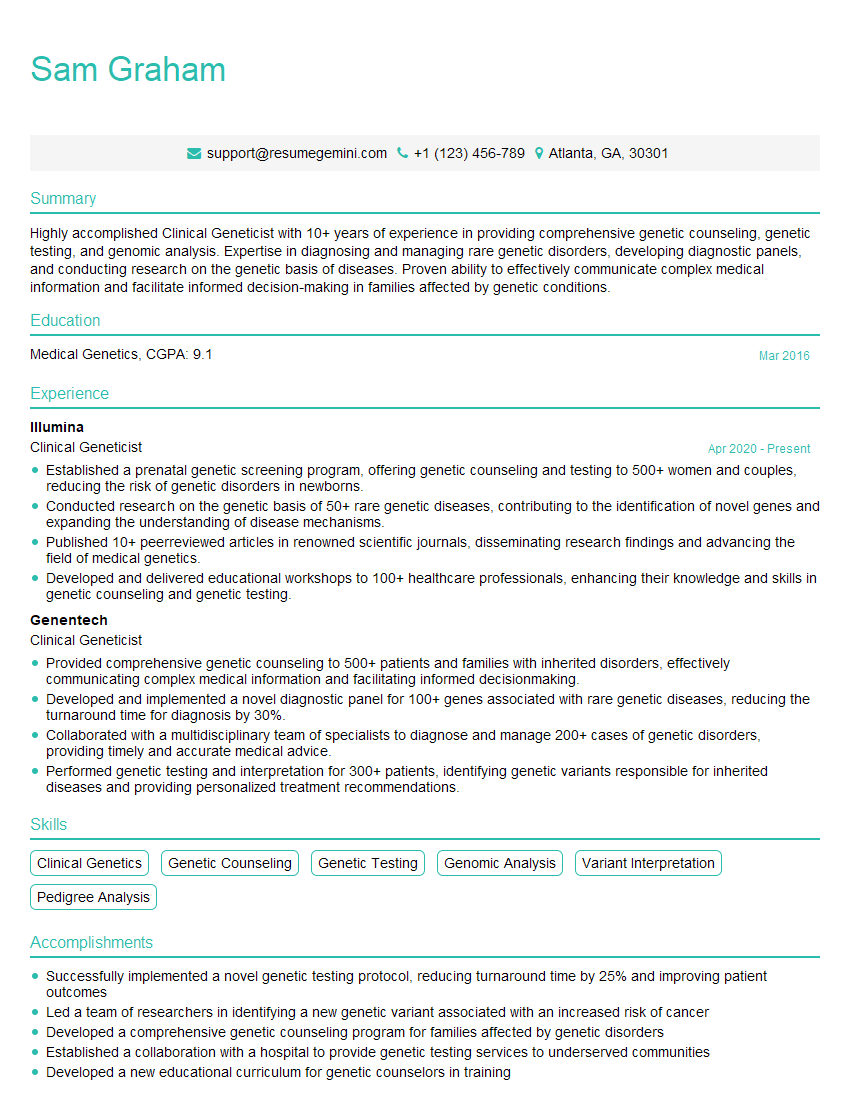
Clinical Geneticist Resume Sample
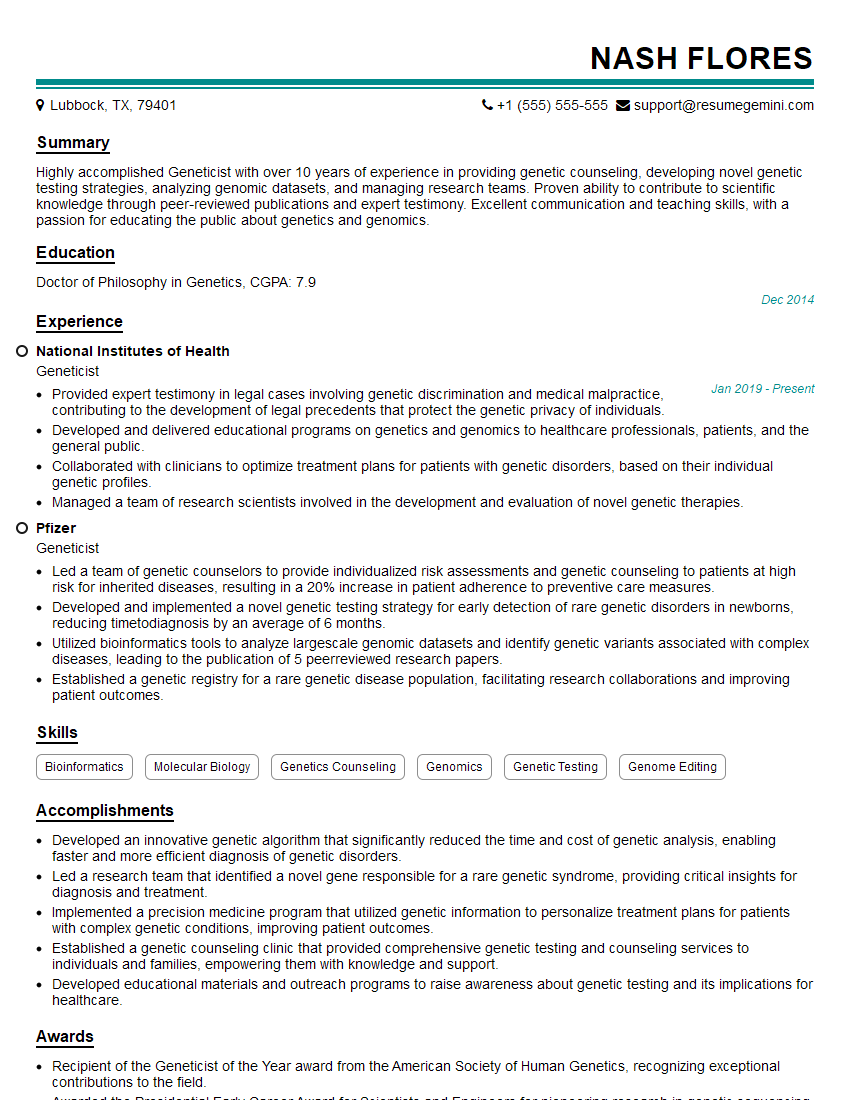
Geneticist Resume Sample
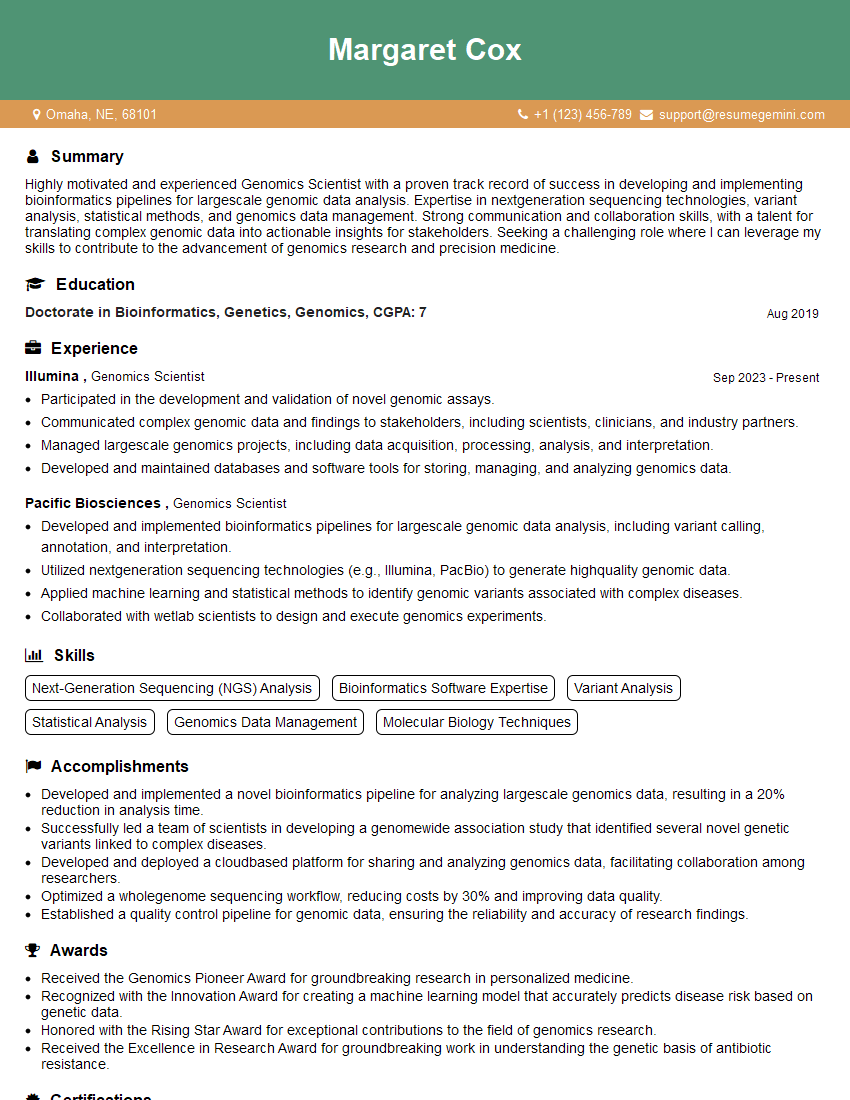
Genomics Scientist Resume Sample
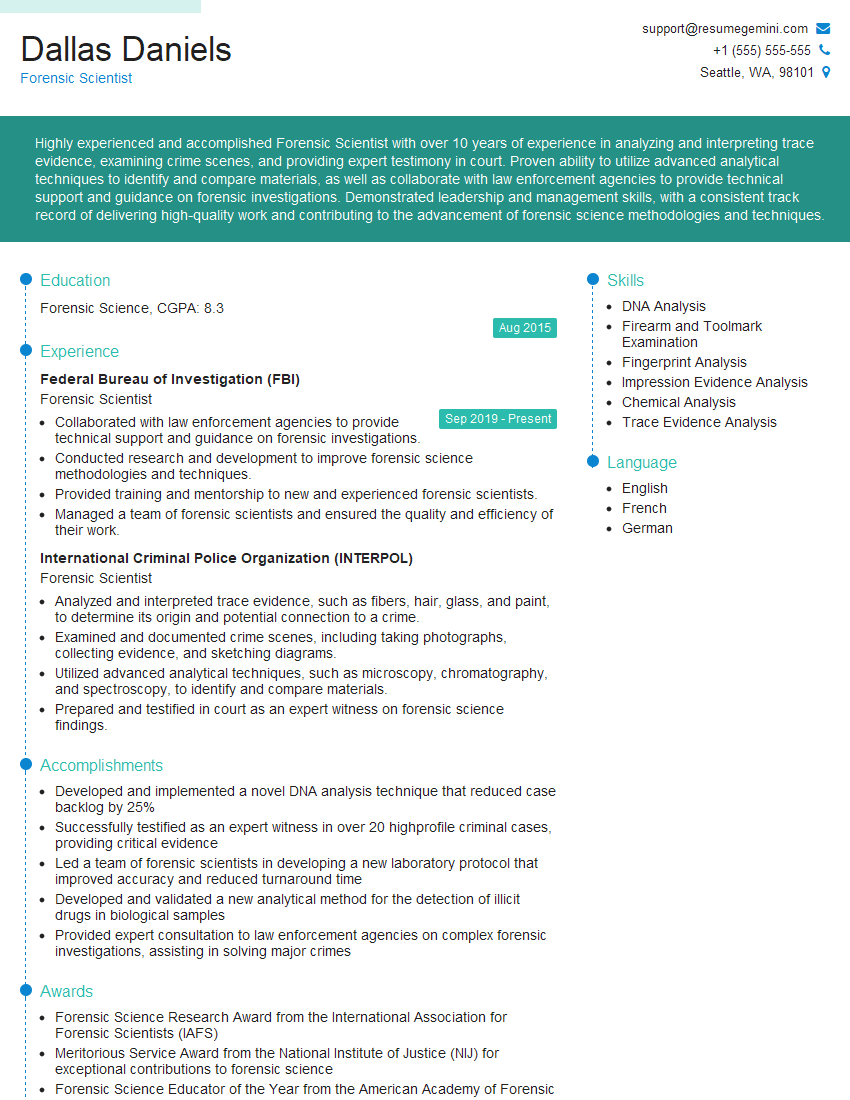
Forensic Scientist Resume Sample
Explore more articles
Users Rating of Our Blogs
Share Your Experience
We value your feedback! Please rate our content and share your thoughts (optional).
What Readers Say About Our Blog
Very informative content, great job.
good