Every successful interview starts with knowing what to expect. In this blog, we’ll take you through the top Material Hardness Testing interview questions, breaking them down with expert tips to help you deliver impactful answers. Step into your next interview fully prepared and ready to succeed.
Questions Asked in Material Hardness Testing Interview
Q 1. Explain the difference between Brinell, Rockwell, and Vickers hardness testing methods.
Brinell, Rockwell, and Vickers are all indentation hardness tests, meaning they measure hardness by the resistance of a material to indentation under a static load. However, they differ in the indenter used, the load applied, and how hardness is calculated.
- Brinell Hardness Test: Uses a hard, spherical indenter (usually a hardened steel ball or carbide ball) and a large load. The hardness number is determined by measuring the diameter of the indentation. It’s suitable for relatively soft materials and provides an average hardness over a larger area. Think of it like pressing a large marble into a soft clay – the bigger the impression, the softer the clay.
- Rockwell Hardness Test: Employs a smaller indenter (either a diamond cone or a hardened steel ball) and uses a pre-load followed by a major load. The hardness value is determined by the difference in depth of penetration between the pre-load and the major load. It’s a faster method and suitable for a wide range of materials, from very hard to relatively soft. Imagine using a pointed tool to press into a material; the depth of the penetration is directly linked to hardness.
- Vickers Hardness Test: Uses a square-based diamond pyramid indenter and a variety of loads. The hardness number is calculated from the diagonal length of the indentation, making it highly precise. It’s versatile and applicable to a wide range of materials, including very hard ones. This method is like using a very sharp, square-based pyramid to create a small, precise indentation.
The key differences lie in the indenter geometry (sphere, cone, or pyramid), the load applied, and the method of calculating hardness. Each method has its own scale (e.g., HB for Brinell, HRC for Rockwell C, HV for Vickers), making direct comparison between them sometimes difficult.
Q 2. Describe the principle behind Rockwell hardness testing.
Rockwell hardness testing is based on the depth of penetration of an indenter into the material under a specified load. It’s a relatively simple concept. First, a minor load (pre-load) is applied to seat the indenter and ensure consistent contact. Then, a major load is applied, causing further indentation. Finally, the major load is removed, and the depth of the permanent indentation is measured. This depth of penetration is directly related to the material’s hardness. A deeper penetration indicates a softer material, and a shallower penetration indicates a harder material. The Rockwell hardness number is determined directly from this depth measurement, eliminating the need for tedious optical measurements of the indentation diameter or diagonal, as needed in Brinell and Vickers tests. The specific scale used (Rockwell A, B, C, etc.) depends on the material being tested and the load and indenter used. The different scales allow for consistent readings across a broad range of hardness values.
Q 3. What are the advantages and disadvantages of each common hardness testing method?
Each hardness testing method has its own strengths and weaknesses:
- Brinell:
- Advantages: Relatively simple, large indentation area gives average hardness representation, suitable for soft metals.
- Disadvantages: Time-consuming, requires large test surface, less precise than Vickers.
- Rockwell:
- Advantages: Fast, simple, suitable for a wide range of materials, directly measures depth of penetration.
- Disadvantages: Smaller indentation area may not be representative for heterogeneous materials, less accurate for very thin samples.
- Vickers:
- Advantages: Highly precise, smaller indentation size allows for testing thin sheets or small parts, versatile across a wide range of materials.
- Disadvantages: Requires careful calibration and microscope measurements, more expensive equipment.
The choice of method depends on factors like material properties, test surface area, desired precision, and the available equipment. For example, Brinell is ideal for testing large castings, while Vickers is preferred for precise measurements of thin films. Rockwell is popular for its speed and versatility in industrial applications.
Q 4. How do you select the appropriate hardness testing method for a specific material?
Selecting the appropriate hardness testing method involves considering several factors:
- Material Type: The hardness range of the material dictates the appropriate scale and indenter. Very hard materials require a diamond indenter, whereas softer materials may use a steel ball.
- Specimen Size and Shape: The size of the specimen dictates the size of the indenter and load. A small specimen may only accommodate a small indenter, limiting the choice to methods like Vickers. Large, thick castings are often tested with Brinell.
- Required Accuracy: Vickers offers higher accuracy than Rockwell or Brinell due to the precise nature of its measurement.
- Test Speed: Rockwell is the fastest, suitable for high-throughput applications.
- Surface Finish: Rough surfaces may require careful surface preparation before testing. Vickers may be preferred as the indentation is smaller and less affected by surface irregularities.
- Cost and Availability of Equipment: Rockwell testers are typically more widely available and less expensive than Vickers or Brinell equipment.
For instance, testing a thin sheet of steel might favor Vickers, while testing a large steel casting might favor Brinell. Selecting the right method is critical to obtaining reliable and meaningful results.
Q 5. Explain the significance of the indenter used in hardness testing.
The indenter plays a crucial role in hardness testing. Its geometry directly influences the shape and size of the indentation, which is the basis for hardness calculation. Different indenters are designed for different materials and hardness ranges. The most common indenters are:
- Steel Ball: Used for softer materials in Brinell and Rockwell tests. Different diameters are available for varying material hardness.
- Diamond Cone (Rockwell): A diamond cone is typically used for harder materials in Rockwell testing.
- Diamond Pyramid (Vickers): A precisely made square-based diamond pyramid is used in Vickers testing. Its geometry is crucial for accurate hardness calculation. The angle is precisely controlled to maintain consistency.
The choice of indenter is critical for accurate and meaningful results. An inappropriate indenter can lead to inaccurate or unreliable hardness readings. The materials used for the indenter must be much harder than the material being tested to prevent any deformation of the indenter during testing.
Q 6. How does load affect hardness values?
Load significantly influences hardness values. A higher load will generally result in a lower hardness number, while a lower load will lead to a higher hardness number. This is because a larger load creates a larger indentation, indicating a lower resistance to penetration, hence a lower hardness value. The relationship isn’t always perfectly linear and depends on the material’s properties and the chosen testing method. The load is always specified as part of the hardness test, e.g., a 10 kg load in Vickers testing. Different hardness scales use different standard loads. The load selection is crucial and must match the material’s hardness range and the chosen method’s specifications. Using the wrong load can result in inaccurate or meaningless results. For example, applying a very high load on a brittle material might cause cracking, leading to an inaccurate hardness reading.
Q 7. What is the impact of surface preparation on hardness test results?
Surface preparation is paramount for accurate hardness testing. Imperfections, such as scratches, oxides, or coatings, can significantly affect the indentation and thus the hardness values. The surface must be smooth and free of defects to obtain reliable and reproducible results. The degree of surface preparation depends on the material and the testing method:
- Polishing: Fine grinding and polishing are often needed to create a smooth, defect-free surface, especially for Vickers and Rockwell hardness testing, where the indentation is relatively small.
- Cleaning: The surface must be thoroughly cleaned to remove any debris or contaminants that could interfere with the indentation process.
- Method-Specific Preparation: Some methods may require specific surface preparation techniques. For example, certain materials might require etching to remove surface layers before testing.
Ignoring surface preparation can lead to significant errors in hardness measurements. For example, a surface scratch can interfere with the indentation, resulting in a lower hardness value than the true material hardness. Therefore, the appropriate surface preparation is essential to ensuring the validity and accuracy of the hardness testing results. The amount of surface preparation is a balance; excessive removal of material could bias the result.
Q 8. How do you interpret hardness test results?
Interpreting hardness test results involves understanding the numerical value obtained and relating it to the material’s properties and performance. The hardness number itself represents the material’s resistance to indentation or scratching. Different hardness scales (Rockwell, Brinell, Vickers) provide different numerical values, but all represent the same underlying property.
For instance, a higher Rockwell C scale hardness value indicates greater resistance to indentation than a lower value. We must always specify the scale used (e.g., 60 HRC) for accurate comparison. Beyond the numerical value, we should also consider the distribution of hardness readings from multiple tests on a single sample. A consistent, narrow range suggests homogeneity, while a wide range might point to inconsistencies in the material’s microstructure or processing.
Imagine comparing the hardness of a nail to a piece of rubber. The nail will have a significantly higher hardness value because it resists indentation much better. Analyzing the data requires considering the material’s intended application. A high hardness value might be desirable for a cutting tool but could make a material brittle and prone to cracking.
Q 9. Describe the factors that influence the hardness of a material.
Several factors influence a material’s hardness. These can be broadly categorized into intrinsic and extrinsic factors.
- Intrinsic Factors (Material Properties): These are inherent to the material’s composition and structure.
- Chemical Composition: The types and proportions of elements present significantly affect hardness. For example, adding carbon to iron increases its hardness.
- Microstructure: The arrangement of grains, phases, and precipitates within the material strongly influences its hardness. Fine-grained materials are generally harder than coarse-grained materials.
- Crystal Structure: Different crystal structures exhibit varying hardness. For instance, BCC (Body-Centered Cubic) structures can be harder than FCC (Face-Centered Cubic) structures at room temperature.
- Extrinsic Factors (Processing and Environmental Factors): These relate to how the material is processed and the surrounding environment.
- Heat Treatment: Processes like quenching and tempering significantly alter the microstructure and hence the hardness.
- Cold Working: Deforming a metal at room temperature increases its hardness (work hardening) by introducing dislocations.
- Temperature: Hardness generally decreases with increasing temperature.
Q 10. What are the common sources of error in hardness testing?
Errors in hardness testing can arise from various sources, impacting the accuracy and reliability of results. These errors can be broadly classified as:
- Operator Error: Incorrect test procedure, improper machine setup, poor indentation selection, inaccurate reading of the scale, and insufficient force application can all lead to errors.
- Specimen Preparation: Poor surface finish (e.g., scratches, surface roughness), incorrect sample orientation, and improper cleaning can significantly affect measurements. The surface must be representative of the bulk material.
- Machine Calibration and Maintenance: Incorrect calibration of the hardness testing machine, worn indenter tips, and lack of regular maintenance are crucial sources of errors. Regular calibration against certified standards is vital.
- Environmental Factors: Temperature fluctuations, vibrations, and uneven loading can also contribute to errors.
For example, using a dull indenter can lead to an artificially lower hardness value because the contact area increases. Similarly, a scratched surface may give a lower reading because the scratches interfere with the accurate measurement.
Q 11. How do you ensure the accuracy and reliability of hardness testing results?
Ensuring accurate and reliable hardness testing involves a multi-pronged approach focusing on standardization and meticulousness.
- Proper Calibration: Regularly calibrate the hardness testing machine using certified standards to ensure accuracy. The frequency of calibration depends on usage and the machine’s specifications.
- Specimen Preparation: Follow standardized procedures for preparing the test specimens. This includes proper surface finishing, cleaning, and ensuring the sample is representative of the bulk material.
- Standardized Testing Procedures: Adhere strictly to the relevant ASTM or ISO standards for the chosen hardness test method to maintain consistency and reduce errors.
- Multiple Measurements: Perform multiple hardness tests at different locations on the same specimen to account for material inhomogeneities and obtain a statistically representative measurement.
- Operator Training: Ensure that the operators are well-trained and proficient in the use of the hardness testing machine and the related procedures.
- Regular Maintenance: Maintain the hardness testing machine according to the manufacturer’s recommendations. This includes regular cleaning, lubrication, and replacement of worn parts.
Think of it like a finely tuned instrument—regular checks, proper handling, and experienced use are vital to get accurate readings.
Q 12. Explain the concept of hardness conversion between different scales.
Hardness values obtained from different scales (Rockwell, Brinell, Vickers) are not directly comparable. Conversion between these scales is necessary for meaningful comparisons. This involves using empirical conversion tables or formulas that account for the differences in the indenter geometry, load, and indentation depth. These conversions are approximate because they often rely on empirical data and assumptions about material behavior.
Several conversion tables and software packages are available to assist in the conversion process. It’s crucial to choose an appropriate conversion method depending on the specific material and hardness range. The conversion accuracy may vary depending on the material’s properties and the chosen conversion method. Using standardized conversion tables and methodologies is vital for consistency.
For example, a material with a hardness of 60 HRC (Rockwell C) will have a different numerical value when expressed in Brinell or Vickers scales. Direct comparison without conversion would be misleading. Accurate conversion allows for meaningful data comparison across different testing methodologies and materials.
Q 13. How do you handle outliers in hardness test data?
Outliers in hardness test data can significantly impact the interpretation of results. They could indicate measurement errors or genuine material variations.
The initial step involves identifying outliers. Statistical methods, such as the standard deviation or box plot analysis, are commonly used. Outliers falling outside a certain range (e.g., three standard deviations from the mean) are typically flagged.
Once identified, investigation is key. We examine if there is a plausible explanation, such as a flaw in the specimen, a mistake in the test procedure, or environmental effects. If a clear error is identified (e.g., operator error), the outlier can be removed. If no specific cause can be identified, and there is no valid reason to dismiss the outlier, it should usually be retained in the analysis, potentially using methods that are robust to outliers such as the median instead of the mean. Reporting should explicitly mention the handling of outliers to maintain data transparency.
Q 14. What is the role of statistical analysis in hardness testing?
Statistical analysis plays a crucial role in hardness testing, particularly when dealing with multiple measurements. This is not just about finding the average hardness. It helps quantify the variability, assess the reliability, and make sound inferences about the material’s properties.
- Descriptive Statistics: Calculating measures such as mean, median, standard deviation, and range provides a summary of the hardness data and quantifies its variability. A larger standard deviation indicates higher variability in the material’s hardness.
- Inferential Statistics: Hypothesis testing and confidence intervals can be used to compare the hardness of different materials or batches, and to assess whether differences are statistically significant. This helps make informed decisions about material acceptance or rejection based on objective criteria.
- Control Charts: These are used in quality control to monitor the hardness over time and identify trends or shifts that might indicate problems in the manufacturing process or material inconsistencies.
For instance, a control chart can highlight a sudden increase in hardness variability, prompting investigation into possible causes such as changes in the production process or raw material quality. Statistical analysis ensures that interpretations are based on sound statistical principles, promoting confidence and objectivity in the results.
Q 15. Describe your experience with hardness testing equipment calibration and maintenance.
Hardness testing equipment calibration and maintenance are crucial for ensuring accurate and reliable results. Think of it like regularly servicing your car – neglecting it leads to poor performance and potential breakdowns. My experience encompasses calibrating various hardness testers, including Rockwell, Brinell, and Vickers, using certified standards and traceable calibration procedures. This involves verifying the accuracy of the indenter, load application, and measurement systems. Maintenance procedures I’ve performed include regular cleaning of the machine, lubrication of moving parts, and replacement of worn components like indenter tips. I meticulously document all calibration and maintenance activities, adhering to ISO standards and internal company protocols, ensuring traceability and compliance.
For example, during a recent calibration of a Rockwell hardness tester, I used a set of certified Rockwell hardness blocks to verify the machine’s accuracy across various scales. Any deviations were documented and corrective actions implemented, including adjustments to the machine’s settings if necessary. Regular maintenance, such as cleaning the anvils and ensuring proper lubrication, prevents premature wear and tear and extends the lifespan of the equipment, thus avoiding costly repairs and downtime.
Career Expert Tips:
- Ace those interviews! Prepare effectively by reviewing the Top 50 Most Common Interview Questions on ResumeGemini.
- Navigate your job search with confidence! Explore a wide range of Career Tips on ResumeGemini. Learn about common challenges and recommendations to overcome them.
- Craft the perfect resume! Master the Art of Resume Writing with ResumeGemini’s guide. Showcase your unique qualifications and achievements effectively.
- Don’t miss out on holiday savings! Build your dream resume with ResumeGemini’s ATS optimized templates.
Q 16. How would you troubleshoot a hardness testing machine malfunction?
Troubleshooting a malfunctioning hardness testing machine requires a systematic approach. I typically start by checking the most obvious things first – power supply, proper connections, and whether any error messages are displayed on the machine’s interface. Next, I’d visually inspect the machine for any signs of physical damage or loose components. If the problem persists, I’d consult the machine’s operation manual for troubleshooting guides and diagnostic codes. This is similar to using a car’s diagnostic system to pinpoint a problem.
For instance, if the hardness readings are consistently inaccurate, I’d investigate potential issues like a worn or damaged indenter, faulty load application mechanism, or inaccurate measurement system. I might also test the machine with certified standard blocks to isolate the source of error. If mechanical issues are suspected, I would perform a thorough inspection to see if parts need replacing or adjusting. Detailed records are kept at each stage, and if necessary, I’d consult with the equipment manufacturer for more advanced troubleshooting.
Q 17. Explain the relationship between hardness and other material properties (e.g., tensile strength).
Hardness is strongly correlated with other material properties, particularly tensile strength. Hardness represents a material’s resistance to indentation or scratching, while tensile strength measures its resistance to being pulled apart. Generally, a harder material will also possess higher tensile strength. Think of it like this: a harder, more resistant surface is also likely to be stronger overall. However, the relationship is not always linear and depends on various factors such as the material type, microstructure, and processing conditions. Other factors like ductility (ability to deform plastically) and toughness (ability to absorb energy before fracture) also exhibit correlations, but again, the specifics depend greatly on the material.
For example, high-carbon steel, known for its high hardness, also exhibits high tensile strength. In contrast, a softer material like aluminum will generally have lower tensile strength. However, understanding the precise correlation requires considering other factors and using empirical data. For instance, a heat treatment process can significantly affect both hardness and tensile strength. Thus, while they correlate, it’s essential to remember it’s not a simple one-to-one relationship and individual testing for each property is important for complete material characterization.
Q 18. Describe your experience with different types of hardness testers (e.g., portable, automated).
My experience spans various types of hardness testers, including portable, automated, and benchtop models. Portable hardness testers are invaluable for on-site testing, particularly in field applications or quality control inspections where moving the material is impractical. They’re generally less precise than lab-based machines, though. Automated hardness testers, often found in larger labs or manufacturing settings, significantly improve throughput and minimize human error through automated sample handling and data logging. They are ideal for high-volume testing applications. Benchtop models provide a balance between portability and precision, often found in quality control labs.
I’ve worked extensively with Rockwell, Brinell, and Vickers hardness testers. For instance, I’ve used portable Rockwell testers on construction sites to assess the hardness of welds, automated Vickers machines in a metallurgical lab to perform precise measurements on small samples, and benchtop Brinell testers for testing large components. Each tester type has its strengths and is selected based on the specific application and required accuracy.
Q 19. How do you document and report hardness test results?
Documenting and reporting hardness test results is critical for maintaining data integrity and traceability. I ensure that all test reports include essential information such as the tester type, test method used (e.g., Rockwell C scale, Brinell 10/500), indenter type, applied load, number of indentations per sample, and the actual hardness values obtained for each indentation. Along with the hardness readings, the date, time of testing, sample identification (including batch and heat numbers if relevant), and the operator’s initials are recorded. Any deviations from standard procedures or unusual observations are carefully noted. This documentation allows for future analysis and verification of the results.
The results are typically presented in a clear and concise manner, often in tabular form or using specialized software for data analysis. In many cases, statistical analysis (like calculating mean and standard deviation) is performed to summarise the data. Furthermore, I ensure compliance with relevant industry standards like ASTM or ISO standards. For instance, a typical report would include a header with details about the tested material and a table showing individual hardness readings, averages, and possibly even histograms. The report would be signed and dated to ensure traceability and authenticity.
Q 20. What are the safety precautions associated with hardness testing?
Safety is paramount in hardness testing. The primary hazards involve the high forces generated during indentation. Eye protection is mandatory to prevent potential injury from flying debris, particularly when working with brittle materials which can shatter under load. Appropriate hearing protection may also be necessary depending on the machine. Proper handling of test samples is critical; for large or heavy samples, mechanical handling aids should be utilized to prevent injuries from manual handling. Furthermore, regular maintenance and calibration are critical for preventing machine malfunctions which might cause hazards.
I always ensure that the work area is kept clean and organized to prevent accidents. Before operating any machine, I verify that all safety guards and interlocks are properly functioning. In addition, training for all personnel using the testing equipment is a crucial safety measure, including covering proper procedures for sample preparation, machine operation, and emergency shutdowns. Clear and accessible safety procedures are always posted in the testing area.
Q 21. How would you interpret a hardness test result that falls outside the expected range?
A hardness test result outside the expected range is a signal that something might be amiss and requires careful investigation. Several reasons might explain this: there might be errors in the testing procedure itself, issues with the material itself (e.g., inhomogeneity, defects), or problems with the testing equipment. The first step is to meticulously review the testing procedure and verify that all steps were followed correctly. This involves cross-checking the applied load, indenter type, and duration of indentation.
Next, I’d examine the material sample itself to identify any surface imperfections, inclusions, or other defects that could affect the hardness measurement. If the equipment is suspected as the source of the error, the machine should be recalibrated against certified standards, and its condition examined for issues. If the discrepancy still persists, I’d suggest repeating the test on multiple samples from different locations to rule out any localized anomalies. Additional tests, like microscopic analysis, might be needed to thoroughly characterize the material and identify the root cause of the deviation. The result and its cause need to be documented clearly in the final report.
Q 22. Describe your experience with different material types and their hardness characteristics.
My experience spans a wide range of materials, from ferrous metals like steels and cast irons to non-ferrous metals such as aluminum alloys, copper alloys, and titanium alloys. I’ve also worked extensively with polymers, ceramics, and composites. Each material exhibits unique hardness characteristics. For instance, hardened steels possess significantly higher hardness than annealed steels due to differences in their microstructure. Similarly, different aluminum alloys show varying hardness depending on their composition and heat treatment. Understanding these variations is critical for selecting appropriate testing methods and interpreting results. For example, a very hard ceramic would require a different indentation method (like Knoop) compared to a softer polymer (which might use Shore Durometer). I’ve also worked with materials exhibiting complex microstructures, leading to variations in hardness across different regions, a point I will expand on in the next answer.
Q 23. How do you handle non-homogeneous materials during hardness testing?
Handling non-homogeneous materials requires a strategic approach. Simply performing a single hardness test doesn’t provide a representative value. Instead, I employ a statistically sound sampling method, ensuring tests are conducted at multiple locations across the material’s surface and, if necessary, at varying depths. The number of tests needed depends on the material’s variability and the required precision. For instance, for a highly inhomogeneous material like a composite, I might conduct multiple tests across different phases (e.g., fiber and matrix) and then report the range and distribution of hardness values, rather than a single average. Data analysis, including the calculation of standard deviations and confidence intervals, is key to capturing the full picture of hardness variation. In cases of extreme heterogeneity, advanced techniques like microhardness testing, allowing for hardness measurement at very localized points, are essential.
Q 24. What are the limitations of hardness testing?
Hardness testing, while powerful, has limitations. Firstly, it’s an indirect measurement of material properties; it doesn’t directly measure strength or toughness. A hard material isn’t necessarily strong or tough. Secondly, surface conditions significantly affect results. Surface roughness, residual stresses, and prior surface treatments can all skew hardness readings. Thirdly, the method itself influences the outcome. Different hardness scales (Rockwell, Brinell, Vickers, etc.) yield different numerical values, even for the same material, due to differences in indenter geometry and force. Lastly, interpreting results requires careful consideration of the material’s microstructure and its response to the indentation process. For instance, very thin coatings might not yield accurate results with conventional methods.
Q 25. Explain how hardness testing contributes to quality control and product assurance.
Hardness testing is fundamental to quality control and product assurance. It helps verify that materials meet specified requirements, ensuring consistent product performance and reliability. In manufacturing, hardness testing is used at various stages, from incoming raw materials inspection to finished product verification. For example, in the automotive industry, hardness testing ensures that critical components like gears and axles possess the necessary hardness to withstand operational stresses, preventing premature failure. By monitoring hardness throughout the manufacturing process, potential defects are identified early, preventing costly rework or product recalls. The data generated from hardness testing forms a critical part of the overall quality assurance documentation.
Q 26. Describe a time you had to solve a problem related to hardness testing.
During a project involving the production of high-strength steel components, we encountered inconsistencies in hardness readings. Initial tests indicated hardness below the specified range. We systematically investigated possible causes, including: incorrect machine calibration, improper sample preparation (surface roughness), operator error, and variations in the heat treatment process. After eliminating the first three possibilities through recalibration, thorough surface preparation, and operator training, we identified the root cause as subtle variations in the heat treatment cycle. By optimizing the heat treatment parameters, we achieved consistent hardness values meeting the required specifications, thereby ensuring the structural integrity of the final components. This situation highlighted the importance of a methodical approach to troubleshooting, eliminating potential sources of error one by one.
Q 27. What are the latest advancements and trends in hardness testing technology?
Recent advancements in hardness testing include the development of automated and robotic systems that significantly increase testing throughput and reduce human error. Micro and nanoindentation techniques allow for high-resolution hardness mapping of materials at the microscale and nanoscale, offering valuable insights into the mechanical behavior of materials with complex microstructures. Advances in image analysis software aid in automating the measurement of indentations and data analysis. Furthermore, the integration of hardness testing with other characterization methods, such as microscopy and X-ray diffraction, provides a more holistic understanding of the material’s properties. The use of portable hardness testers enhances on-site testing capabilities and is particularly valuable in field applications.
Q 28. How do you stay updated on the latest developments in material science and hardness testing?
To stay current, I regularly attend conferences and workshops related to materials science and mechanical testing. I actively read peer-reviewed journals such as Materials Science and Engineering and Journal of Materials Research. I also participate in professional organizations like ASM International (formerly the American Society for Metals), which provides access to a wealth of information and networking opportunities. Online resources, including databases of technical papers and standards organizations like ASTM International, are invaluable sources of information. Continuous learning is critical in this field, as new materials and testing techniques are constantly being developed.
Key Topics to Learn for Material Hardness Testing Interview
- Hardness Scales and their Significance: Understand the differences between Rockwell, Brinell, Vickers, and Shore hardness scales, their respective applications, and the limitations of each method. Be prepared to discuss the conversion between scales and the selection criteria for appropriate testing.
- Indentation Theory and its Practical Applications: Grasp the fundamental principles behind indentation hardness testing. Be able to explain how force, indentation size, and material properties relate. Discuss the influence of factors like test load, time, and surface finish on the accuracy of results.
- Equipment and Calibration Procedures: Familiarize yourself with the operation and maintenance of various hardness testing machines. Understand the importance of proper calibration, standardization, and quality control procedures to ensure reliable and repeatable test results. Discuss troubleshooting common equipment issues.
- Material Microstructure and Hardness Relationship: Explore the correlation between the microstructure of a material (e.g., grain size, phase composition) and its hardness. Explain how different processing techniques (heat treatment, cold working) affect material hardness.
- Data Analysis and Interpretation: Develop your skills in analyzing hardness data, identifying outliers, and interpreting results in the context of material properties and performance. Practice presenting your findings clearly and concisely, both verbally and visually.
- Non-Destructive Hardness Testing Methods: Explore alternative hardness testing methods, such as ultrasonic or rebound hardness testing. Understand their advantages, limitations, and applications compared to traditional indentation methods.
- Applications in Various Industries: Be ready to discuss the role of hardness testing in different industries like aerospace, automotive, manufacturing, and construction. Provide examples of how hardness testing contributes to quality control, material selection, and failure analysis.
Next Steps
Mastering material hardness testing opens doors to exciting career opportunities in materials science, engineering, and quality control. A strong understanding of this field is highly valued by employers. To maximize your job prospects, create an ATS-friendly resume that effectively highlights your skills and experience. ResumeGemini is a trusted resource that can help you build a professional and impactful resume tailored to the specific requirements of material hardness testing roles. Examples of resumes tailored to this field are available to guide you. Invest time in crafting a compelling resume – it’s your first impression and a crucial step in securing your dream job.

Quality Control Manager Resume Sample

Process Engineer Resume Sample

Research Scientist Resume Sample

Test Engineer Resume Sample

Geotechnical Engineer Resume Sample
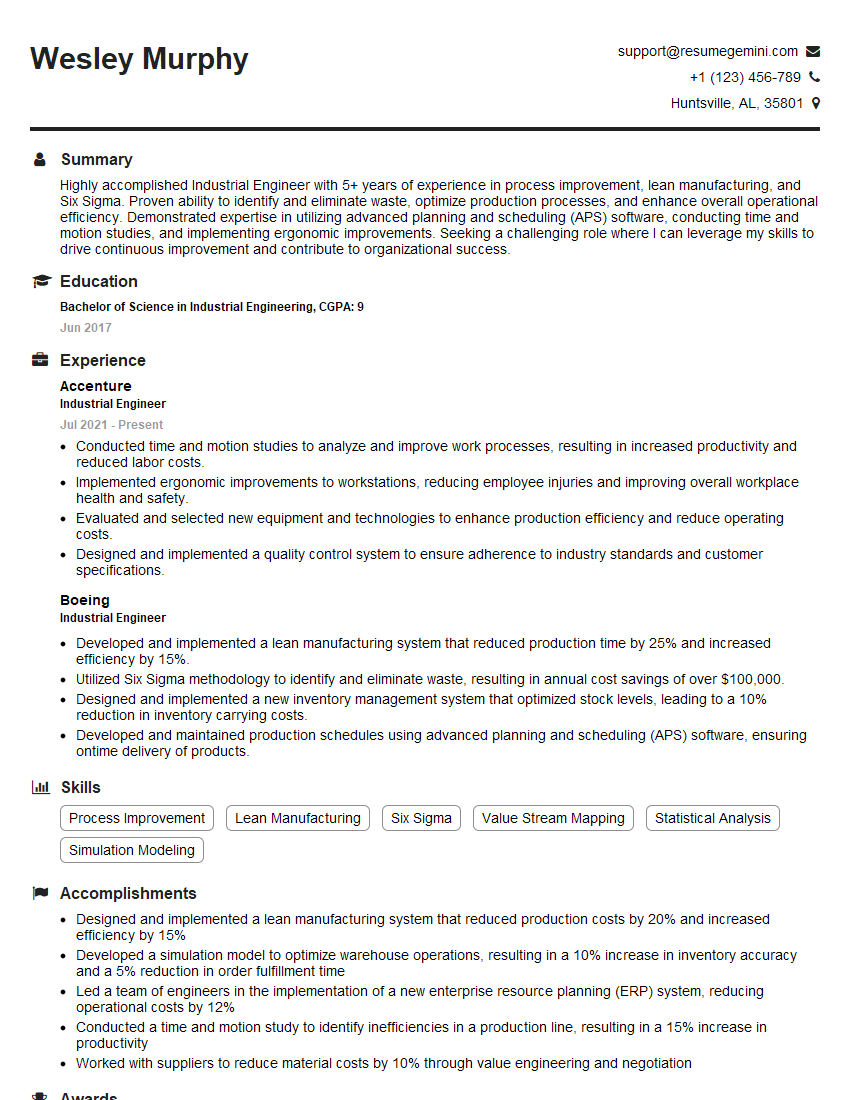
Industrial Engineer Resume Sample

Manufacturing Engineer Resume Sample

Metrologist Resume Sample

Production Engineer Resume Sample

Corrosion Engineer Resume Sample

Materials Engineer Resume Sample

Metallurgical Engineer Resume Sample

Welding Engineer Resume Sample
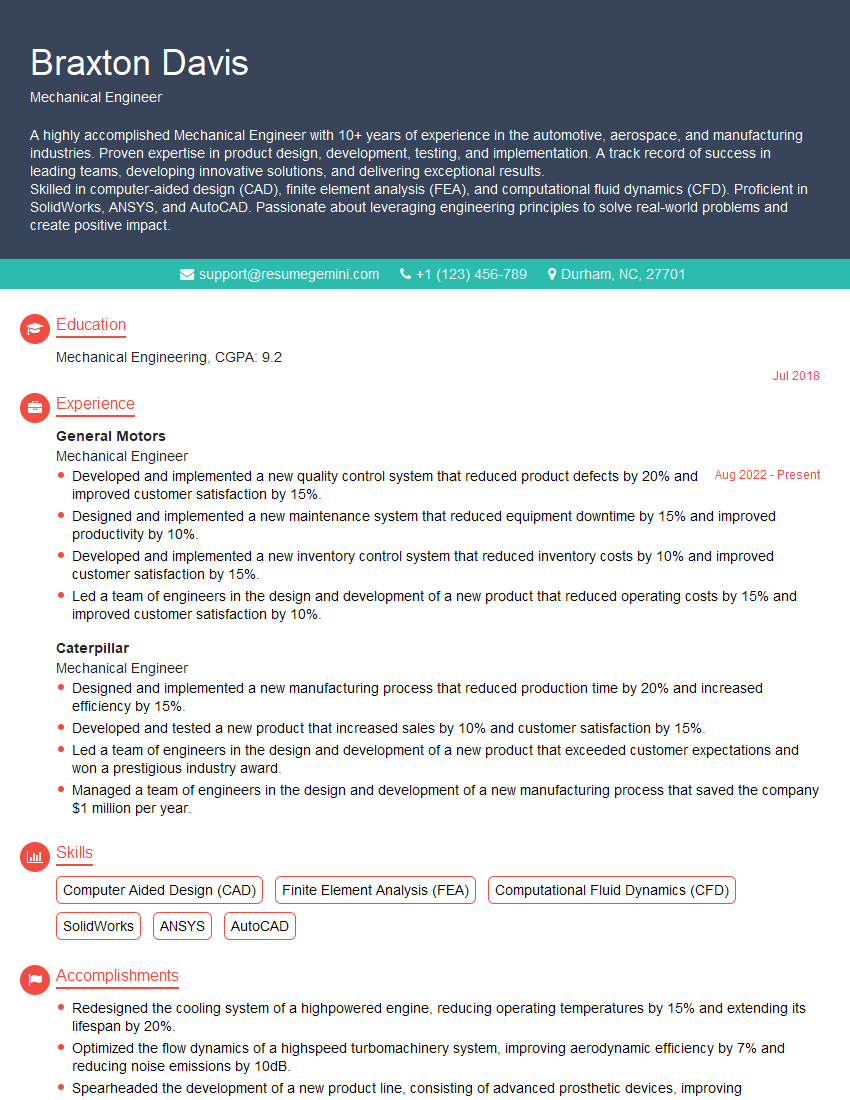
Mechanical Engineer Resume Sample

Quality Assurance Engineer Resume Sample

Lab Technician Resume Sample

Materials Scientist Resume Sample

Quality Control Inspector Resume Sample
- Quality Control Manager
- Process Engineer
- Research Scientist
- Test Engineer
- Geotechnical Engineer
- Industrial Engineer
- Manufacturing Engineer
- Metrologist
- Production Engineer
- Corrosion Engineer
- Materials Engineer
- Metallurgical Engineer
- Welding Engineer
- Mechanical Engineer
- Quality Assurance Engineer
- Lab Technician
- Materials Scientist
- Quality Control Inspector
Explore more articles
Users Rating of Our Blogs
Share Your Experience
We value your feedback! Please rate our content and share your thoughts (optional).
What Readers Say About Our Blog
Very informative content, great job.
good