Preparation is the key to success in any interview. In this post, we’ll explore crucial Working with Clients interview questions and equip you with strategies to craft impactful answers. Whether you’re a beginner or a pro, these tips will elevate your preparation.
Questions Asked in Working with Clients Interview
Q 1. Describe your experience managing client expectations.
Managing client expectations is about setting realistic goals and maintaining open communication throughout a project. It’s crucial to avoid over-promising and under-delivering. My approach involves a three-step process: Clarify, Document, and Communicate.
- Clarify: At the outset, I meticulously discuss project scope, timelines, deliverables, and potential challenges with the client. I use active listening to fully understand their needs and objectives, asking clarifying questions to avoid ambiguity. For example, if a client requests a ‘modern website,’ I’d ask about their specific vision – what elements constitute ‘modern’ to them? What kind of functionality do they require?
- Document: We collaboratively create a detailed project plan or contract that outlines all agreed-upon aspects. This document acts as a reference point for both the client and myself, preventing misunderstandings later on. This might include specific milestones, deadlines, and acceptance criteria for each deliverable.
- Communicate: Regular updates are key. I provide consistent progress reports, addressing any potential delays or changes proactively. This fosters transparency and keeps the client informed, preventing frustration and managing their expectations effectively. I prefer using a combination of email, project management software, and regular calls depending on client preference and project complexity.
Q 2. How do you handle difficult client conversations?
Difficult client conversations require empathy, active listening, and a structured approach. My strategy involves understanding, validating, and finding solutions.
- Understanding: I start by actively listening to the client’s concerns without interrupting. I aim to understand the root cause of their dissatisfaction, even if it’s an emotional response. Asking open-ended questions like, ‘Can you tell me more about what’s bothering you?’ helps me gain clarity.
- Validating: I acknowledge their feelings, even if I don’t necessarily agree with their perspective. Phrases like, ‘I understand your frustration,’ or ‘I can see why you’d feel that way,’ can diffuse tension.
- Finding Solutions: Once I understand their concerns, I collaboratively work towards a solution. This may involve proposing alternative approaches, offering concessions where appropriate, or explaining the rationale behind existing decisions. The goal is to find a mutually acceptable outcome that satisfies both parties. I always document the agreed-upon solution to avoid future conflicts. For example, if a client is unhappy with a design element, I’d offer revisions based on their feedback, or explain the design choices made based on best practices.
Q 3. Explain your approach to building rapport with clients.
Building rapport with clients is about establishing trust and a strong working relationship. It’s about more than just completing a project; it’s about understanding their business and goals. I focus on personal connection, understanding their business, and professional reliability.
- Personal Connection: I start by taking the time to get to know the client on a personal level. I find out what motivates them, their company culture and their overall work style. A simple question like, ‘What’s the most exciting thing happening in your business right now?’ can open the door to a meaningful conversation.
- Understanding Their Business: I invest time in understanding their industry, their competitors, and their unique challenges. This demonstrates my genuine interest in their success and helps me tailor my solutions to meet their specific needs.
- Professional Reliability: Consistent communication, meeting deadlines, and providing high-quality work are crucial for building trust. I always follow through on my commitments and proactively address any potential problems.
Q 4. How do you prioritize multiple client requests simultaneously?
Prioritizing multiple client requests involves a structured approach and efficient time management. I use a combination of project management tools and strategic prioritization techniques.
- Project Management Tools: I utilize project management software (e.g., Asana, Trello) to track tasks, deadlines, and progress across all projects. This allows me to visualize my workload and easily identify competing priorities.
- Prioritization Techniques: I employ methodologies like the Eisenhower Matrix (urgent/important) to categorize tasks based on their urgency and importance. This ensures that I focus on the most critical tasks first. For example, I might prioritize a client’s urgent request for a bug fix over a less urgent feature request, even if the feature request was scheduled earlier.
- Communication: Open communication with clients is essential. If I anticipate delays, I proactively inform them and work collaboratively to adjust timelines or expectations.
Q 5. What strategies do you use to identify and address client needs?
Identifying and addressing client needs involves a combination of active listening, observation, and proactive inquiry.
- Active Listening: I carefully listen to what clients explicitly say, paying attention to their tone and body language. I ask clarifying questions to ensure I fully understand their requirements.
- Observation: I observe their business operations, their marketing materials, and their interactions with customers to gain insights into their unspoken needs.
- Proactive Inquiry: I regularly ask open-ended questions to uncover hidden needs. For example, I might ask, ‘What are your biggest challenges in achieving your business goals?’, or ‘What are your expectations for the return on investment of this project?’
By combining these techniques, I can identify both explicit and implicit needs, allowing me to deliver solutions that truly exceed client expectations.
Q 6. Describe a time you exceeded a client’s expectations.
In a recent project for a small startup, I was tasked with developing their e-commerce website. The initial scope was straightforward, but during the development process, I noticed they lacked a robust marketing strategy to support the launch. I proactively offered to help them develop a basic social media marketing plan as a bonus. This involved creating sample posts, suggesting hashtags, and even scheduling the first few weeks of their content calendar. They were incredibly grateful for this extra effort, as it significantly reduced their workload and helped them achieve a successful launch. This exceeded their expectations and strengthened our working relationship. They even provided a strong testimonial based on this experience.
Q 7. How do you handle client complaints or feedback?
Handling client complaints or feedback involves a structured approach focused on listening, understanding, and resolving the issue.
- Listen Empathetically: I first actively listen to the client’s complaint, letting them express their concerns without interruption. I acknowledge their feelings and validate their perspective.
- Understand the Root Cause: I aim to understand the underlying cause of the complaint. This may involve asking clarifying questions or investigating the issue myself.
- Propose a Solution: Based on my understanding of the root cause, I propose a solution that addresses the client’s concerns. This may involve offering a refund, providing a revised deliverable, or explaining the situation and outlining steps to prevent similar issues in the future.
- Follow Up: After resolving the issue, I follow up with the client to ensure they are satisfied and to gather feedback on my response. This demonstrates my commitment to client satisfaction and helps build stronger relationships.
Q 8. How do you proactively identify potential client issues?
Proactively identifying potential client issues involves a blend of attentive listening, meticulous data analysis, and proactive communication. It’s not about waiting for problems to arise; it’s about anticipating them.
- Regular Check-ins: I schedule regular check-in calls or meetings, not just to discuss immediate tasks, but also to gauge overall project health and client satisfaction. These conversations allow for open dialogue and early detection of potential roadblocks.
- Data Analysis: I closely monitor project timelines, deliverables, and key performance indicators (KPIs). Any deviation from established targets or unexpected trends serve as early warning signs. For example, a sudden drop in engagement on a social media campaign might indicate a need for a course correction.
- Active Listening: During meetings and communication, I pay close attention not just to what clients say, but also to what they don’t say. Subtle cues like hesitant responses or avoidance of certain topics can signal underlying concerns.
- Feedback Mechanisms: I implement regular feedback mechanisms, such as surveys or informal feedback sessions, to directly solicit client input and identify areas for improvement or potential issues before they escalate.
For example, in a recent project, by regularly monitoring client website traffic alongside sales data, I noticed a decline in conversions shortly after a website redesign. This proactive monitoring allowed us to quickly address the underlying usability issues before they significantly impacted sales.
Q 9. Explain your experience using CRM software.
I have extensive experience using CRM software, primarily Salesforce and HubSpot. My expertise extends beyond simply inputting data; I leverage CRM systems to streamline workflows, improve client communication, and ultimately enhance client relationships.
- Contact Management: I meticulously maintain client information, including contact details, communication history, project milestones, and important notes. This ensures consistent and personalized communication.
- Pipeline Management: I effectively utilize CRM tools to track the sales pipeline, forecast revenue, and manage project deadlines. This proactive approach prevents missed deadlines and ensures projects stay on track.
- Reporting and Analytics: I leverage CRM reporting features to generate insights into client behavior, campaign effectiveness, and overall business performance. This data-driven approach helps inform strategic decisions and improve client service.
- Automation: I utilize automation features to streamline repetitive tasks, such as email sequences and appointment reminders, freeing up time to focus on high-value client interactions.
For instance, using HubSpot’s automation features, I automated email follow-ups after client meetings, ensuring consistent communication and timely updates without manually sending dozens of emails. This significantly improved response rates and client engagement.
Q 10. How do you measure client satisfaction?
Measuring client satisfaction is crucial for continuous improvement. My approach is multifaceted and incorporates both quantitative and qualitative data.
- Client Surveys: I regularly send out satisfaction surveys following project completion or at key milestones. These surveys use a mix of rating scales and open-ended questions to capture both quantitative and qualitative feedback.
- Net Promoter Score (NPS): I utilize NPS surveys to gauge client loyalty and identify areas requiring improvement. A high NPS indicates strong client satisfaction and advocacy.
- Regular Check-ins: Informal check-ins and conversations provide valuable insights into client sentiment and identify potential issues early on. These interactions allow for open and honest feedback.
- Project Reviews: Thorough project reviews provide an opportunity to reflect on accomplishments, challenges, and areas for future improvement, aligning client expectations with deliverables.
For example, in one project, low scores on a post-project survey revealed a misunderstanding about project deliverables. This feedback allowed us to refine our communication and project scoping processes to ensure clearer expectations in the future.
Q 11. How do you adapt your communication style to different clients?
Adapting communication style is essential for building rapport and trust with diverse clients. I tailor my approach based on factors such as personality, communication preferences, and industry background.
- Communication Preferences: I assess whether a client prefers email, phone calls, or in-person meetings. I adapt my communication style to match their preferred mode of contact.
- Personality Styles: I observe clients’ communication styles – are they direct and concise or more collaborative and detailed? I adjust my approach to match their preferences, ensuring clear and effective communication.
- Industry Knowledge: I tailor my language and technical details to match the client’s level of understanding and industry expertise, avoiding jargon when necessary.
- Active Listening: I actively listen to understand the client’s communication style and adapt accordingly; demonstrating empathy and understanding builds trust.
For example, with a highly technical client, I focused on data-driven reports and detailed technical explanations, while with a less technical client, I used simpler language and visuals to ensure clarity and comprehension.
Q 12. Describe your experience presenting to clients.
I have extensive experience presenting to clients, ranging from small informal updates to large-scale presentations to senior management. My approach centers around clarity, engagement, and building consensus.
- Preparation: I meticulously research the audience and tailor the presentation to their specific needs and interests. I ensure the content is clear, concise, and visually appealing.
- Storytelling: I incorporate storytelling techniques to make the presentation engaging and memorable. Real-world examples and case studies add context and credibility.
- Visual Aids: I utilize visually appealing presentations with clear charts, graphs, and images. This ensures information is easily digestible and memorable.
- Q&A: I allocate sufficient time for questions and answers, actively listening to client concerns and addressing them thoughtfully.
In one presentation, I successfully convinced a skeptical client to adopt a new strategy by presenting a compelling case study illustrating the successful implementation of similar strategies with other clients, emphasizing quantifiable results.
Q 13. How do you maintain strong client relationships over time?
Maintaining strong client relationships requires consistent effort and a commitment to exceeding expectations. It’s a continuous process, not a one-time event.
- Regular Communication: I maintain consistent and proactive communication, providing regular updates and proactively addressing concerns.
- Value-Added Services: I go the extra mile by providing value-added services, such as offering advice beyond the scope of the original project or sharing relevant industry insights.
- Personalized Approach: I strive to understand each client’s individual needs and tailor my approach accordingly. Building personal rapport helps strengthen relationships.
- Feedback and Follow-Up: I consistently solicit client feedback and follow up to address any concerns or issues promptly and effectively.
For example, I maintain contact with past clients even after project completion, offering them relevant resources and industry updates, which has led to repeat business and referrals.
Q 14. How do you handle conflict resolution with clients?
Conflict resolution is an inevitable part of client management. My approach is centered around empathy, active listening, and finding mutually beneficial solutions.
- Active Listening: I begin by actively listening to the client’s perspective and concerns, ensuring they feel heard and understood.
- Empathy and Understanding: I demonstrate empathy and understanding, acknowledging the client’s frustration and validating their feelings.
- Collaborative Problem-Solving: I work collaboratively with the client to identify the root cause of the conflict and explore potential solutions together. This fosters a sense of partnership and shared responsibility.
- Win-Win Outcomes: I strive to find solutions that are mutually beneficial, balancing the client’s needs with the project’s constraints and objectives.
In one instance, a client was unhappy with a project delay. Instead of becoming defensive, I actively listened to their concerns, acknowledged their frustration, and then collaboratively worked out a revised timeline that addressed their concerns while keeping the project on track. This transparent approach helped preserve the relationship and rebuild trust.
Q 15. Describe your process for onboarding new clients.
My client onboarding process is designed to ensure a smooth transition and establish a strong working relationship from the outset. It’s a multi-stage process:
- Initial Consultation: We begin with a detailed discussion to understand the client’s needs, goals, and expectations. This involves asking clarifying questions to identify potential challenges and uncover unspoken needs. For example, I might ask about past marketing successes or failures to get a sense of their approach.
- Project Scope Definition: We collaboratively define the project scope, outlining deliverables, timelines, and key performance indicators (KPIs). This stage includes creating a clear contract that outlines responsibilities and payment terms, ensuring everyone is on the same page.
- Resource Allocation: Based on the project scope, we allocate the necessary resources, including personnel and tools. This ensures we have the right expertise and support to deliver the project successfully.
- Kick-off Meeting: We hold a kick-off meeting with the client to review the project plan, introduce the team, and answer any remaining questions. This serves as a formal start to the project and solidifies the collaborative approach.
- Ongoing Communication: Throughout the project, we maintain open and regular communication with the client, providing updates and seeking feedback.
This structured approach minimizes misunderstandings and ensures we’re aligned with client objectives from day one.
Career Expert Tips:
- Ace those interviews! Prepare effectively by reviewing the Top 50 Most Common Interview Questions on ResumeGemini.
- Navigate your job search with confidence! Explore a wide range of Career Tips on ResumeGemini. Learn about common challenges and recommendations to overcome them.
- Craft the perfect resume! Master the Art of Resume Writing with ResumeGemini’s guide. Showcase your unique qualifications and achievements effectively.
- Don’t miss out on holiday savings! Build your dream resume with ResumeGemini’s ATS optimized templates.
Q 16. How do you track client progress and deliverables?
Tracking client progress and deliverables is crucial for successful project management. I utilize a combination of tools and techniques:
- Project Management Software: Tools like Asana, Trello, or Monday.com allow for centralized task management, progress tracking, and deadline monitoring. Each task is assigned, deadlines are set, and progress is updated regularly, keeping everyone informed. This also facilitates easy sharing of files and documentation.
- Regular Check-ins: Scheduled meetings (weekly or bi-weekly, depending on the project) provide opportunities to review progress, discuss roadblocks, and ensure alignment. This fosters open communication and early problem-solving.
- Reporting & Dashboards: I regularly generate reports and dashboards visualizing key metrics, like task completion rates, budget status, and KPI progress. These help both me and the client understand where we stand and identify potential issues proactively.
- Client Portals: Secure client portals provide a central location for document sharing, communication, and progress updates, offering a transparent view into the project for the client.
By combining these methods, I ensure that both the client and I have a clear understanding of the project’s status at all times.
Q 17. How do you manage client budgets?
Managing client budgets requires careful planning and meticulous tracking. I typically follow these steps:
- Detailed Budget Proposal: I create a comprehensive budget proposal outlining all anticipated costs, including labor, materials, and other expenses. This proposal is presented to the client for approval before the project begins. Transparency is key here.
- Regular Budget Reviews: Throughout the project, I conduct regular budget reviews to track expenses against the approved budget. Any significant deviations are flagged immediately and discussed with the client.
- Time Tracking: Accurate time tracking is essential for monitoring labor costs. I use time tracking software to record the time spent on each task, ensuring accurate billing and budget control.
- Change Management: Any changes to the project scope that might impact the budget are documented, discussed with the client, and a revised budget is agreed upon. This prevents unexpected cost overruns.
- Transparent Billing: I provide clients with clear and detailed invoices, explaining all charges. This ensures transparency and builds trust.
This approach ensures that projects remain within budget, and any potential cost overruns are identified and addressed early.
Q 18. How do you handle client requests outside of your scope of work?
When a client requests something outside of the agreed-upon scope of work, I handle it professionally and transparently:
- Acknowledge and Clarify: I first acknowledge the client’s request and ensure I understand their needs fully. I ask clarifying questions to fully grasp the request.
- Assess Feasibility: I assess whether the request is feasible given my expertise and available resources.
- Determine Scope and Cost: If feasible, I determine the impact on the project scope and estimate the additional cost involved. This might involve additional research or time investment.
- Present Options: I present the client with options, including the potential cost implications and adjusted timelines. This might include incorporating the request as an addendum to the original contract or suggesting it for a future project.
- Obtain Approval: I obtain the client’s approval before proceeding with any work outside the initial scope. This avoids future disputes and ensures everyone is on the same page.
This approach ensures that the client understands any additional costs and timelines involved, maintaining a clear and professional relationship.
Q 19. What are your strategies for retaining clients?
Client retention is paramount. My strategies focus on building strong, long-term relationships:
- Exceptional Service: Delivering consistently high-quality work that exceeds expectations is the foundation of client retention. This includes attention to detail, meeting deadlines, and proactive communication.
- Proactive Communication: Maintaining regular communication, even outside of project updates, demonstrates ongoing care and partnership. This could be a simple check-in or sharing relevant industry news.
- Relationship Building: Building genuine relationships with clients goes beyond just the professional aspects. Understanding their business and personal goals helps create a stronger connection.
- Value-Added Services: Offering additional services or advice beyond the initial contract demonstrates commitment and adds value. This could include suggesting improvements or offering insights.
- Feedback & Improvement: Regularly seeking client feedback allows for continuous improvement and demonstrates a willingness to adapt and meet evolving needs.
By focusing on these strategies, I cultivate lasting relationships based on trust, mutual respect, and a shared commitment to success.
Q 20. How do you measure the success of your client relationships?
I measure the success of client relationships through multiple metrics:
- Client Satisfaction: Regular feedback surveys and informal check-ins provide valuable insights into client satisfaction levels. This allows for identifying areas for improvement.
- Project Success: The successful completion of projects on time and within budget is a key indicator of a strong working relationship. Meeting or exceeding KPIs is crucial.
- Client Retention Rate: A high client retention rate demonstrates the effectiveness of my approach and the strength of the relationships I build. This shows the lasting value I provide.
- Referrals: Positive client experiences often lead to referrals, which is a testament to the quality of service and the strength of the relationship.
- Long-Term Partnerships: Developing long-term partnerships with clients shows the value and trust built over time. These relationships are more than just transactions.
By tracking these metrics, I can identify areas of strength and areas needing improvement, allowing me to continually enhance my approach to client management.
Q 21. Describe a time you had to manage a challenging client.
I once worked with a client who was extremely demanding and micromanaged every aspect of the project. They had a tendency to change their mind frequently, leading to delays and increased workload.
My approach was to:
- Maintain Professionalism: I remained calm and professional throughout, even when faced with frustrating requests or criticisms.
- Establish Clear Communication Protocols: I implemented a more structured communication plan with regular check-ins and documented approvals for any changes, minimizing misunderstandings.
- Empathetic Understanding: I tried to understand their underlying concerns, acknowledging their perspectives while firmly standing my ground on project management principles.
- Collaborative Problem-Solving: I actively involved them in finding solutions to challenges, fostering a sense of collaboration and ownership.
- Set Boundaries: While being responsive to their needs, I also set clear boundaries regarding timelines and communication protocols. This helped manage expectations and prevent unreasonable demands.
While challenging, the situation helped me refine my skills in conflict resolution and proactive communication. The project was ultimately delivered successfully, and despite the initial difficulties, we managed to build a respectful working relationship.
Q 22. How do you ensure clear and consistent communication with clients?
Clear and consistent communication is the bedrock of any successful client relationship. It’s about ensuring everyone is on the same page, understanding expectations, and preventing misunderstandings. I achieve this through a multi-pronged approach.
- Establish a communication plan upfront: At the project’s outset, I discuss preferred communication methods (email, phone, project management software), response times, and meeting frequency with the client. This sets clear expectations from the start.
- Use a central communication hub: I leverage project management tools like Asana or Monday.com to centralize all communication, files, and updates. This keeps everything organized and easily accessible for both myself and the client.
- Regular check-ins: I schedule regular check-in meetings or calls, even short ones, to discuss progress, address concerns, and proactively identify potential roadblocks. These aren’t just about reporting; they’re opportunities to build rapport and foster a collaborative environment.
- Document everything: I meticulously document all communication, decisions, and changes. This not only ensures clarity but also serves as a valuable record for future reference.
- Active listening and clear articulation: I make a conscious effort to listen attentively to clients’ needs and concerns, asking clarifying questions to ensure complete understanding. I then articulate my responses clearly and concisely, avoiding jargon.
For example, with a previous client who preferred concise email updates, I implemented a daily email summarizing progress, challenges and next steps. This tailored approach ensured transparency without overwhelming them.
Q 23. How do you handle client deadlines and pressure?
Managing client deadlines and pressure requires a proactive and organized approach. It’s not just about meeting deadlines; it’s about managing expectations and mitigating potential risks.
- Proactive planning: I create detailed project plans with realistic timelines, factoring in potential delays and unforeseen circumstances. This involves breaking down large projects into smaller, manageable tasks.
- Open communication about deadlines: I clearly communicate deadlines to the client from the start, explaining the rationale and potential consequences of delays. I also regularly update them on progress, highlighting any potential issues early on.
- Risk assessment and mitigation: I identify potential risks that could impact deadlines and develop contingency plans. This might involve building buffer time into the schedule or having backup resources available.
- Prioritization and delegation: When facing multiple deadlines, I prioritize tasks based on urgency and importance. I also delegate tasks where appropriate, ensuring that responsibilities are clearly assigned.
- Transparent communication during delays: If a delay is unavoidable, I immediately communicate it to the client, explaining the reasons and proposing a revised timeline. Honesty and transparency are key here.
For instance, when faced with a tight deadline on a crucial marketing campaign, I proactively communicated potential challenges and collaborated with the client to prioritize essential elements, ensuring a successful, albeit slightly modified, launch.
Q 24. Describe your experience with different client communication methods (email, phone, video conferencing).
I’m comfortable using various communication methods tailored to the client’s preferences and the situation’s needs.
- Email: Ideal for formal communication, sharing documents, and maintaining a written record. I ensure my emails are concise, clear, and professional, using subject lines that accurately reflect the content.
- Phone calls: Best for quick updates, addressing urgent issues, or having more in-depth discussions. I aim for efficient calls, keeping them focused and productive.
- Video conferencing: Excellent for collaborative sessions, presentations, or when building stronger rapport. I ensure a good internet connection and a professional background to maintain a positive impression.
I’ve found that combining these methods often works best. For instance, I might use email to send a project update, follow up with a phone call to address any questions, and schedule a video conference for a more detailed review.
Q 25. How do you use data to inform your client management strategies?
Data plays a crucial role in informing my client management strategies. By tracking key metrics, I can gain valuable insights into client behavior, project performance, and overall effectiveness.
- Project tracking: I use data to monitor project progress, identify bottlenecks, and measure performance against established targets. This helps in proactive problem-solving and ensures projects stay on track.
- Client engagement metrics: I monitor metrics such as response times, meeting attendance, and client feedback to gauge engagement levels and identify areas for improvement in communication or service delivery.
- Sales data: Analyzing sales data helps in understanding client purchasing patterns, identifying opportunities for upselling or cross-selling, and personalizing marketing efforts.
- Customer satisfaction surveys: Regular feedback surveys provide valuable insights into client satisfaction, allowing me to identify areas for improvement and address any concerns promptly.
For example, by analyzing client feedback from surveys, I identified a recurring issue with a specific feature of our product. This allowed me to address the issue through a product update and improve overall client satisfaction.
Q 26. How do you identify opportunities for upselling or cross-selling to existing clients?
Identifying upselling and cross-selling opportunities requires a deep understanding of the client’s needs and a proactive approach.
- Active listening and needs assessment: I pay close attention to conversations with clients to identify their unmet needs or areas where we can add value.
- Product/service knowledge: I possess a thorough understanding of our offerings to effectively match them with client needs.
- Relationship building: Strong client relationships create trust and open communication, making it easier to identify and propose relevant upgrades or additional services.
- Strategic timing: I present upselling or cross-selling opportunities at the appropriate time, such as during a project review or when a new product/service aligns with a client’s current goals.
- Value proposition: I clearly articulate the value proposition of the upgrade or additional service, demonstrating how it addresses the client’s specific needs and delivers a positive return on investment.
For instance, after successfully completing a website design project, I identified the client’s need for SEO services and proposed a package that incorporated these services, resulting in a successful upsell.
Q 27. What are your strengths and weaknesses when working with clients?
Like any professional, I have both strengths and weaknesses when working with clients.
- Strengths: My strengths lie in my strong communication skills, ability to build rapport, and proactive problem-solving abilities. I’m adept at managing expectations, delivering on promises, and maintaining long-term relationships. I am highly organized and detail-oriented.
- Weaknesses: Sometimes, my desire to please clients can lead to taking on too much work, potentially affecting my time management. I’m actively working on delegating effectively and setting clear boundaries to mitigate this.
I’m constantly striving to improve my weaknesses through ongoing self-reflection and seeking feedback from colleagues and clients. For example, I now use project management tools more effectively to better manage my workload and set realistic expectations.
Q 28. How do you stay organized when managing multiple clients?
Staying organized while managing multiple clients is essential for efficiency and client satisfaction. My approach relies on a combination of tools and strategies.
- Project management software: I utilize project management software (e.g., Asana, Trello, Monday.com) to track projects, deadlines, tasks, and communication for each client. This centralized system allows me to see everything at a glance.
- Client relationship management (CRM) system: A CRM (e.g., Salesforce, HubSpot) helps me manage client information, communication history, and interactions. This ensures I have readily available client details and insights.
- Time blocking and scheduling: I use time blocking to allocate specific time slots for working with individual clients or on specific tasks related to their projects. This minimizes context switching and increases focus.
- Regular review and prioritization: I set aside time each week to review my workload, prioritize tasks, and address any potential bottlenecks. This ensures I stay on top of things and allocate resources effectively.
- Clear documentation and communication: I maintain detailed project documentation and communication records for each client to ensure clarity and avoid misunderstandings.
By combining these techniques, I can effectively manage multiple clients without sacrificing quality or client satisfaction. It’s like conducting an orchestra; each instrument (client) needs attention, but the conductor (me) ensures a harmonious performance.
Key Topics to Learn for Working with Clients Interview
- Understanding Client Needs: Active listening techniques, identifying unspoken needs, and asking clarifying questions to ensure a shared understanding of project goals.
- Effective Communication: Tailoring communication styles to different client personalities, delivering updates proactively, and handling difficult conversations professionally and constructively.
- Building Rapport and Trust: Establishing strong working relationships, demonstrating empathy, and consistently exceeding expectations to foster client loyalty.
- Project Management & Collaboration: Utilizing project management methodologies (Agile, Waterfall etc.), setting clear expectations and deadlines, and managing client feedback effectively.
- Conflict Resolution: Identifying potential conflicts early, using negotiation and mediation skills, and finding mutually beneficial solutions.
- Client Onboarding & Offboarding: Creating a seamless onboarding process, ensuring smooth project transitions, and maintaining positive relationships post-project completion.
- Negotiation & Contract Management: Understanding contract terms, negotiating favorable agreements, and managing client expectations within contractual boundaries.
- Client Feedback & Improvement: Actively soliciting and analyzing client feedback, implementing improvements based on feedback, and demonstrating a commitment to continuous learning.
Next Steps
Mastering the art of working with clients is crucial for career advancement. Strong client relationships are the foundation of success in many roles, leading to increased responsibility, higher earning potential, and enhanced career satisfaction. To maximize your job prospects, focus on creating an ATS-friendly resume that showcases your relevant skills and experience. ResumeGemini is a trusted resource that can help you build a professional and impactful resume. We provide examples of resumes tailored to highlight expertise in Working with Clients; review those examples to gain inspiration and guidance in crafting your own compelling resume.
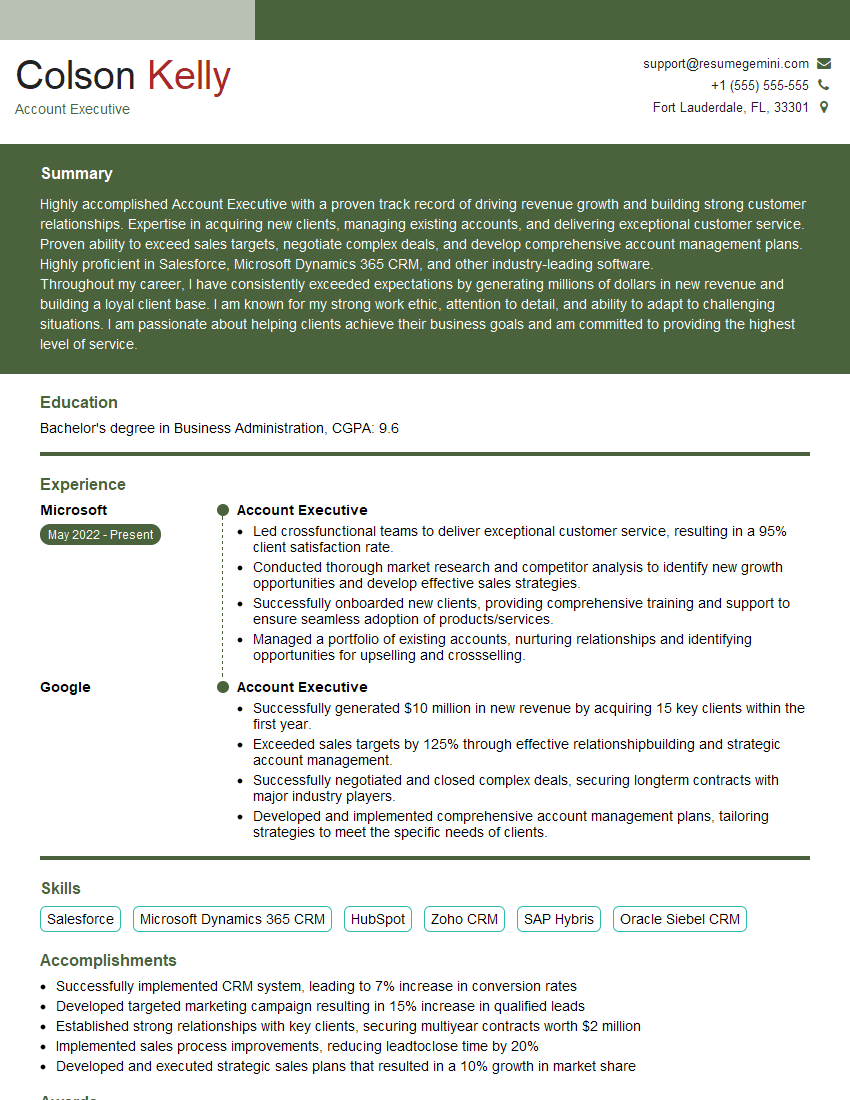
Account Executive Resume Sample
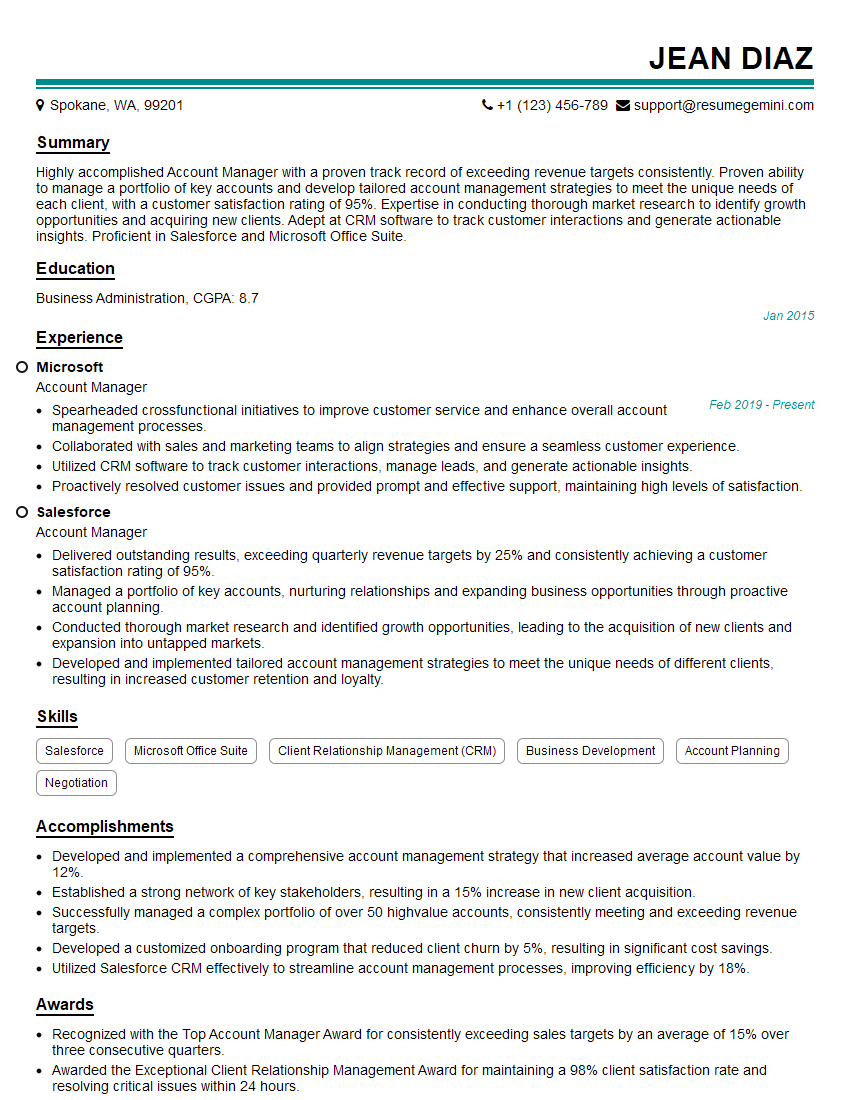
Account Manager Resume Sample
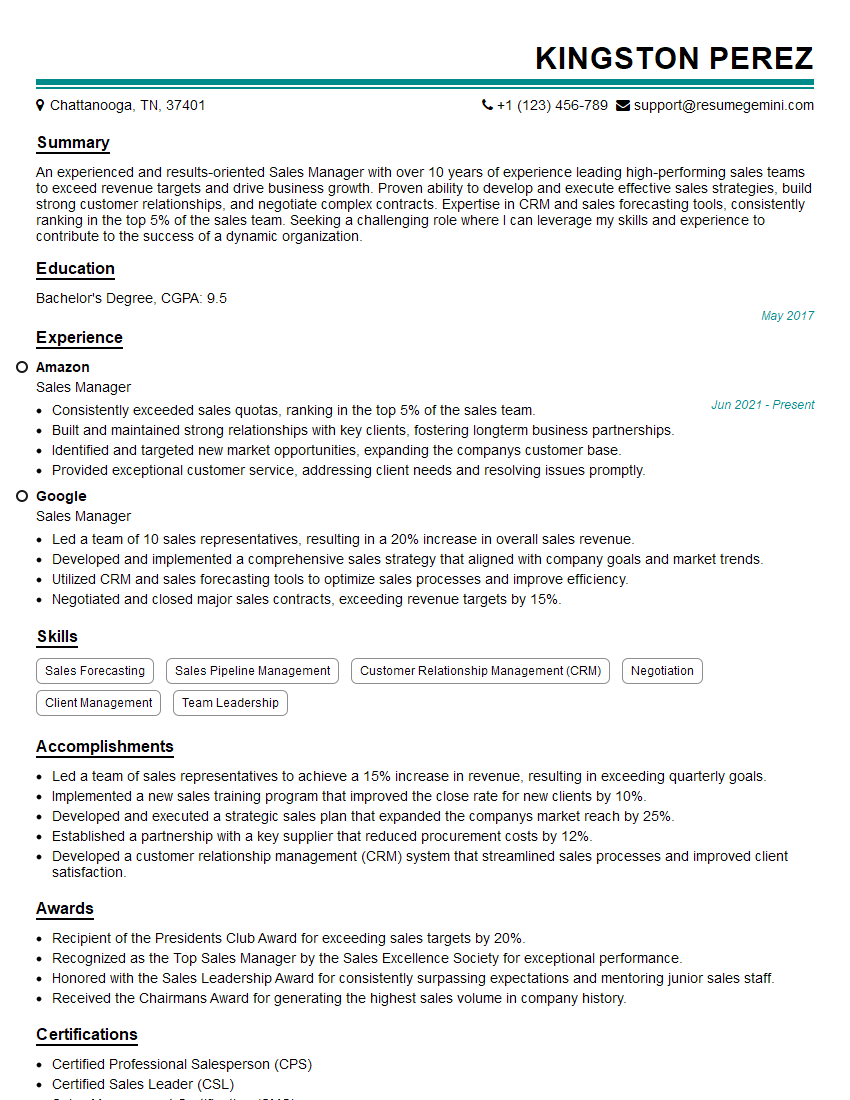
Sales Manager Resume Sample
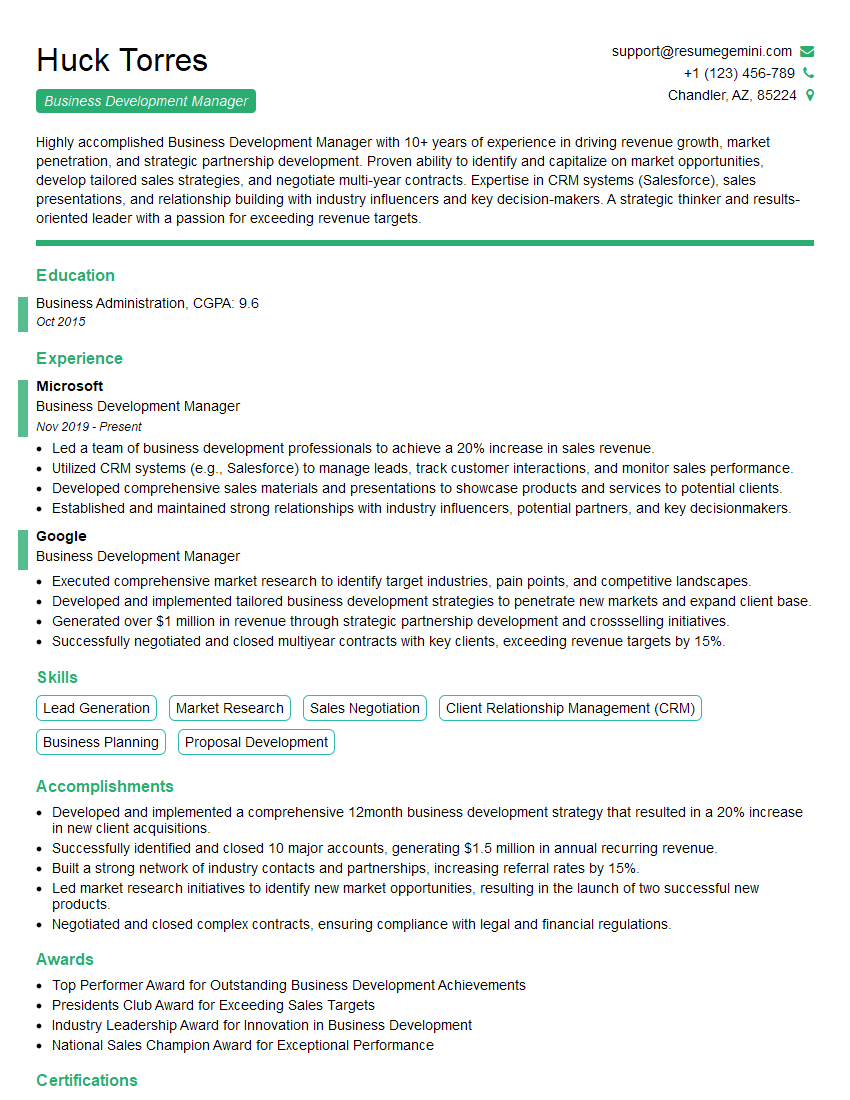
Business Development Manager Resume Sample
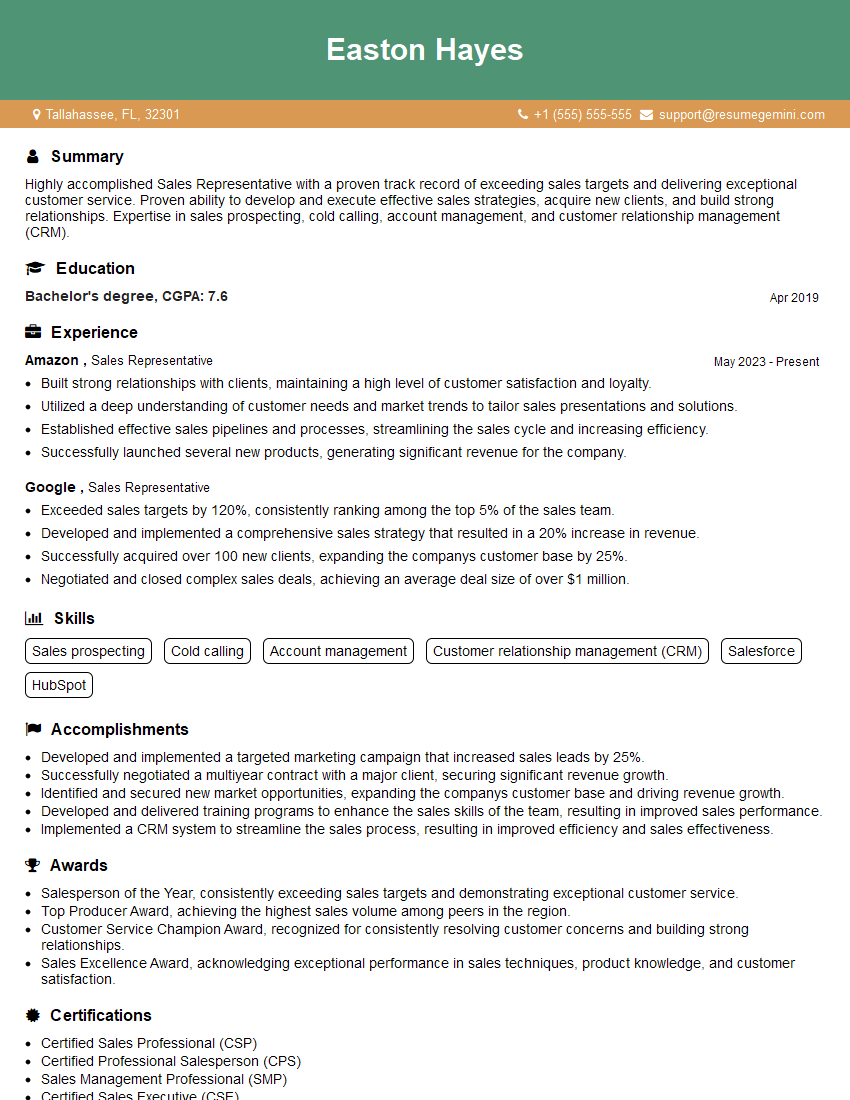
Sales Representative Resume Sample

Customer Service Manager Resume Sample
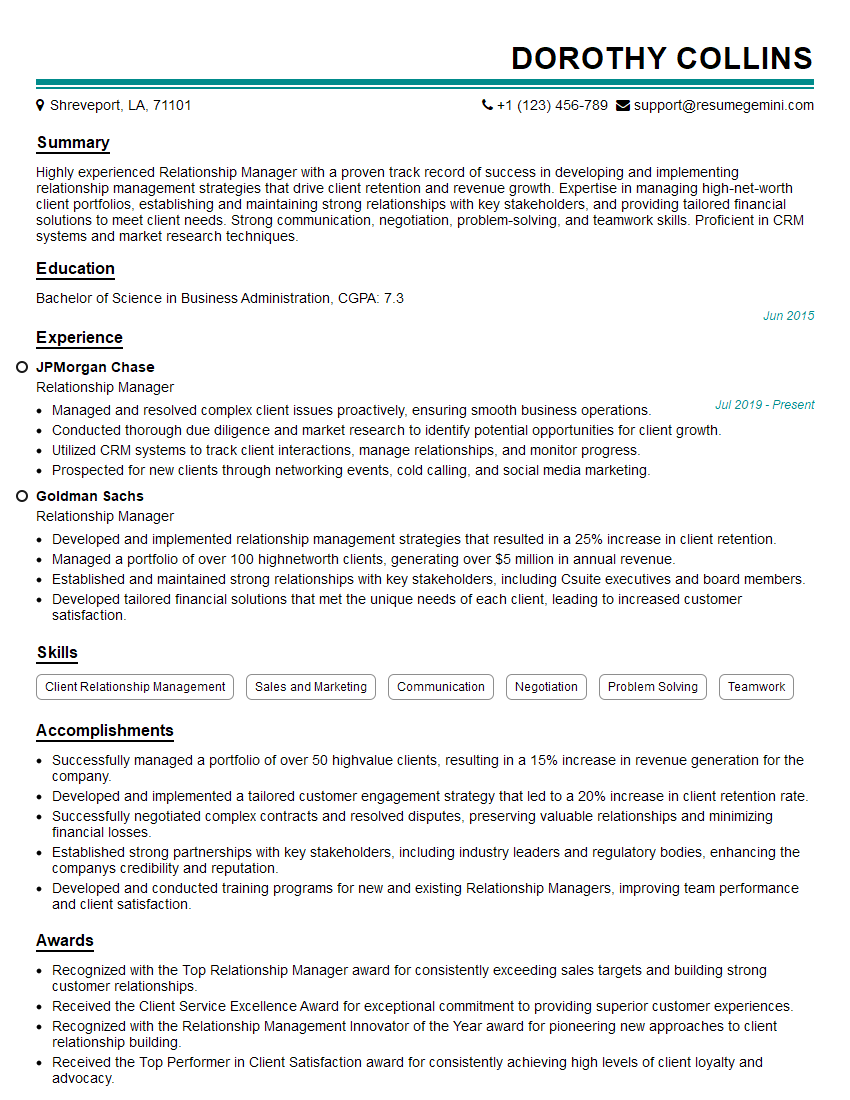
Relationship Manager Resume Sample

Project Manager Resume Sample
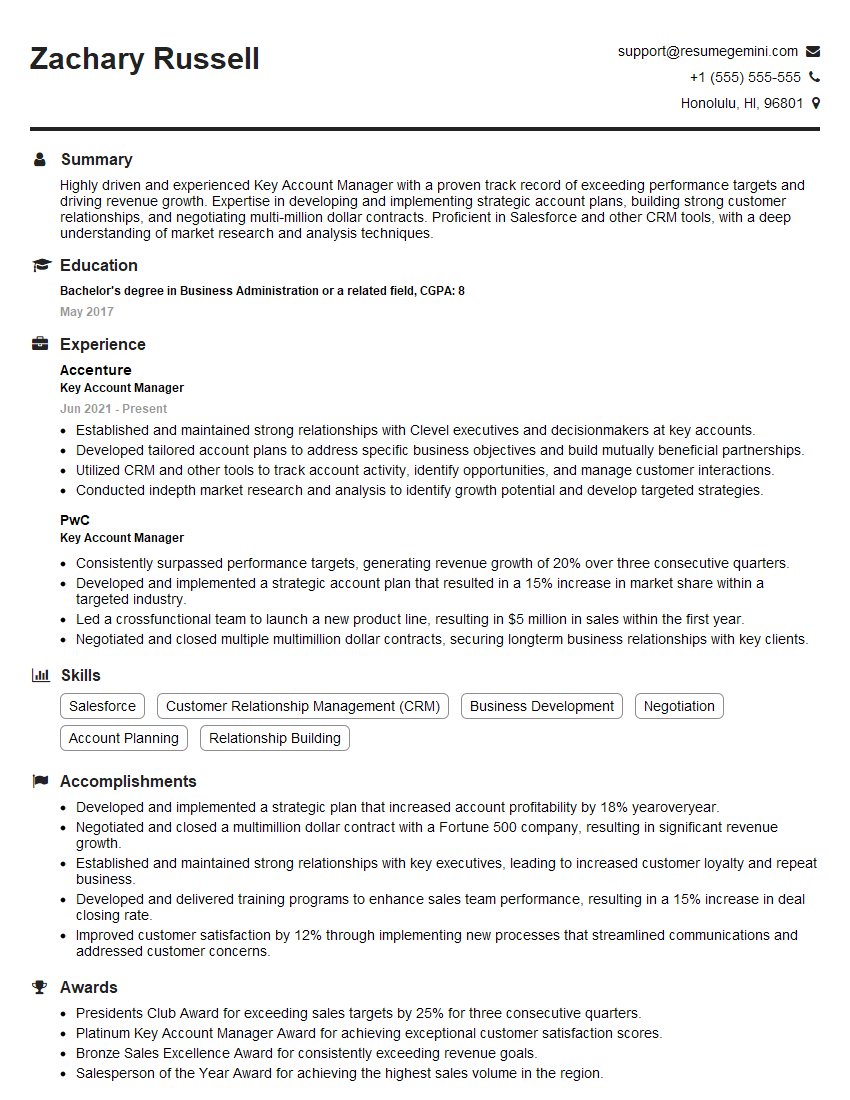
Key Account Manager Resume Sample
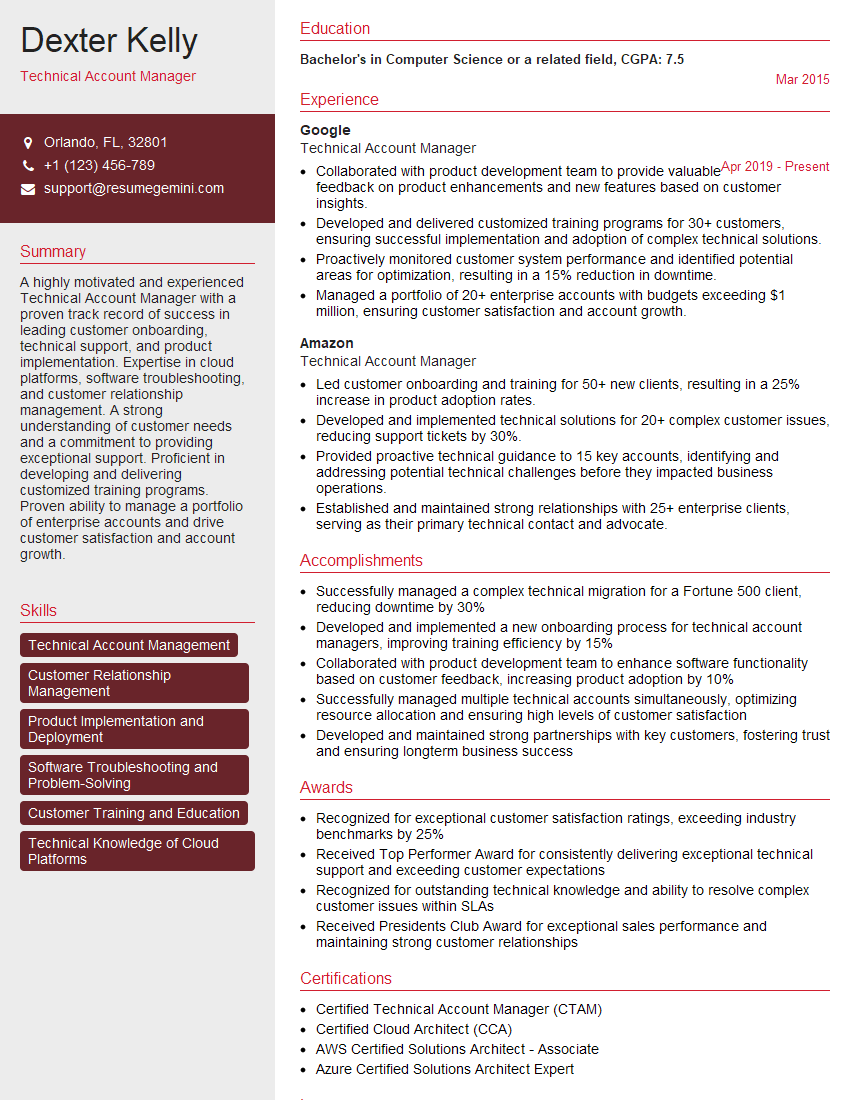
Technical Account Manager Resume Sample
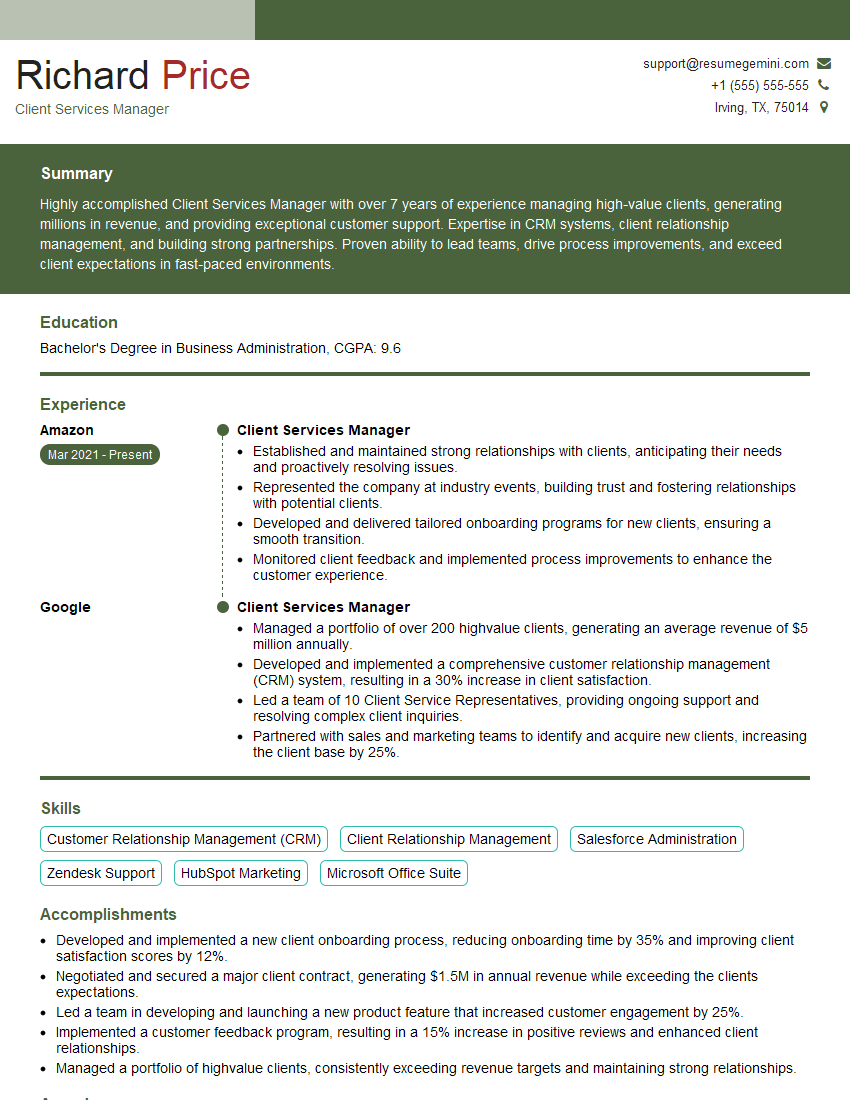
Client Services Manager Resume Sample
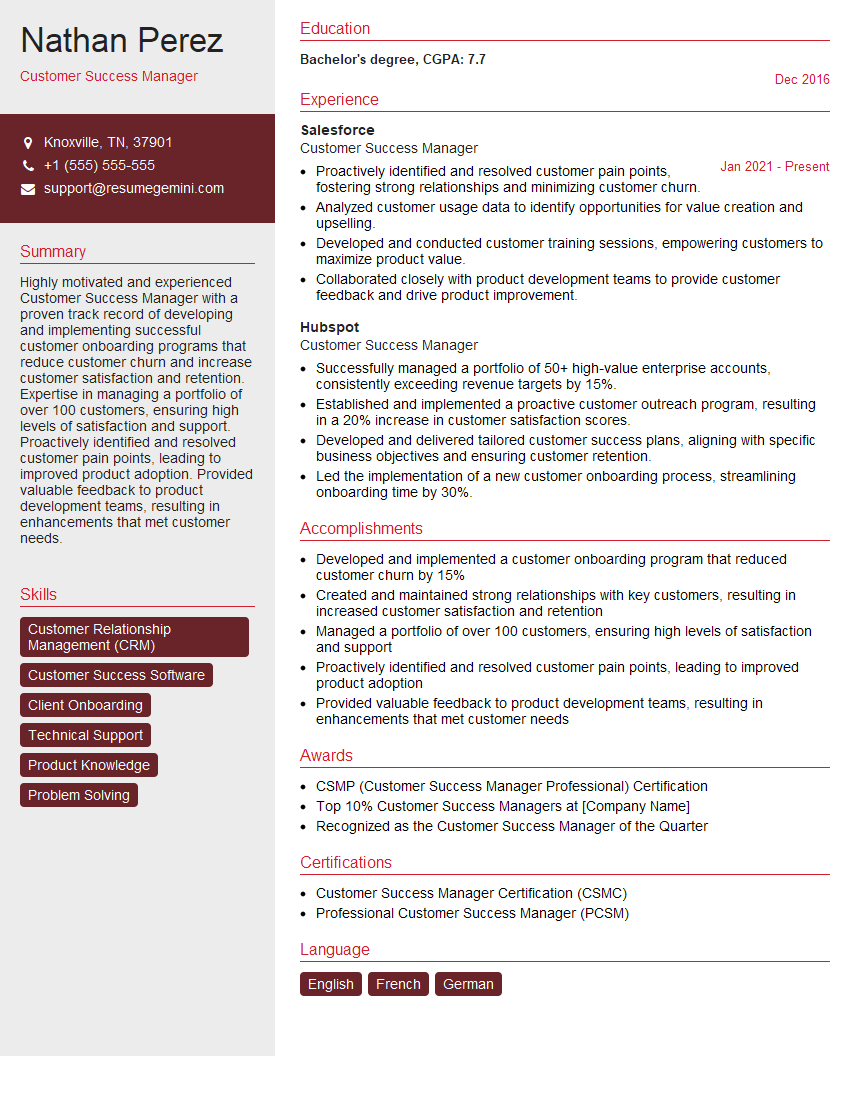
Customer Success Manager Resume Sample
Explore more articles
Users Rating of Our Blogs
Share Your Experience
We value your feedback! Please rate our content and share your thoughts (optional).
What Readers Say About Our Blog
Hi,
Business owners spend hours every week worrying about their website—or avoiding it because it feels overwhelming.
We’d like to take that off your plate:
$69/month. Everything handled.
Our team will:
Design a custom website—or completely overhaul your current one
Take care of hosting as an option
Handle edits and improvements—up to 60 minutes of work included every month
No setup fees, no annual commitments. Just a site that makes a strong first impression.
Find out if it’s right for you:
https://websolutionsgenius.com/awardwinningwebsites
Hello,
we currently offer a complimentary backlink and URL indexing test for search engine optimization professionals.
You can get complimentary indexing credits to test how link discovery works in practice.
No credit card is required and there is no recurring fee.
You can find details here:
https://wikipedia-backlinks.com/indexing/
Regards
NICE RESPONSE TO Q & A
hi
The aim of this message is regarding an unclaimed deposit of a deceased nationale that bears the same name as you. You are not relate to him as there are millions of people answering the names across around the world. But i will use my position to influence the release of the deposit to you for our mutual benefit.
Respond for full details and how to claim the deposit. This is 100% risk free. Send hello to my email id: [email protected]
Luka Chachibaialuka
Hey interviewgemini.com, just wanted to follow up on my last email.
We just launched Call the Monster, an parenting app that lets you summon friendly ‘monsters’ kids actually listen to.
We’re also running a giveaway for everyone who downloads the app. Since it’s brand new, there aren’t many users yet, which means you’ve got a much better chance of winning some great prizes.
You can check it out here: https://bit.ly/callamonsterapp
Or follow us on Instagram: https://www.instagram.com/callamonsterapp
Thanks,
Ryan
CEO – Call the Monster App
Hey interviewgemini.com, I saw your website and love your approach.
I just want this to look like spam email, but want to share something important to you. We just launched Call the Monster, a parenting app that lets you summon friendly ‘monsters’ kids actually listen to.
Parents are loving it for calming chaos before bedtime. Thought you might want to try it: https://bit.ly/callamonsterapp or just follow our fun monster lore on Instagram: https://www.instagram.com/callamonsterapp
Thanks,
Ryan
CEO – Call A Monster APP
To the interviewgemini.com Owner.
Dear interviewgemini.com Webmaster!
Hi interviewgemini.com Webmaster!
Dear interviewgemini.com Webmaster!
excellent
Hello,
We found issues with your domain’s email setup that may be sending your messages to spam or blocking them completely. InboxShield Mini shows you how to fix it in minutes — no tech skills required.
Scan your domain now for details: https://inboxshield-mini.com/
— Adam @ InboxShield Mini
Reply STOP to unsubscribe
Hi, are you owner of interviewgemini.com? What if I told you I could help you find extra time in your schedule, reconnect with leads you didn’t even realize you missed, and bring in more “I want to work with you” conversations, without increasing your ad spend or hiring a full-time employee?
All with a flexible, budget-friendly service that could easily pay for itself. Sounds good?
Would it be nice to jump on a quick 10-minute call so I can show you exactly how we make this work?
Best,
Hapei
Marketing Director
Hey, I know you’re the owner of interviewgemini.com. I’ll be quick.
Fundraising for your business is tough and time-consuming. We make it easier by guaranteeing two private investor meetings each month, for six months. No demos, no pitch events – just direct introductions to active investors matched to your startup.
If youR17;re raising, this could help you build real momentum. Want me to send more info?
Hi, I represent an SEO company that specialises in getting you AI citations and higher rankings on Google. I’d like to offer you a 100% free SEO audit for your website. Would you be interested?
Hi, I represent an SEO company that specialises in getting you AI citations and higher rankings on Google. I’d like to offer you a 100% free SEO audit for your website. Would you be interested?
good