Are you ready to stand out in your next interview? Understanding and preparing for ISO 18436 interview questions is a game-changer. In this blog, we’ve compiled key questions and expert advice to help you showcase your skills with confidence and precision. Let’s get started on your journey to acing the interview.
Questions Asked in ISO 18436 Interview
Q 1. Explain the scope and application of ISO 18436.
ISO 18436 is a family of international standards that provides a framework for personnel certification and qualification in non-destructive testing (NDT). Its scope encompasses the competence of individuals performing NDT, ensuring consistent quality and reliability across various industries. It doesn’t specify the NDT methods themselves, but rather the competency of those using them. The application is broad, ranging from aerospace and manufacturing to construction and energy, wherever NDT is critical for ensuring safety and quality.
Think of it as a driver’s license for NDT professionals. Just like a driver’s license ensures a certain level of driving skill, ISO 18436 ensures a certain level of competency in performing NDT inspections.
Q 2. What are the different NDT methods covered by ISO 18436?
ISO 18436 doesn’t prescribe specific NDT methods, but the certification schemes developed under its guidance cover a wide range of techniques. These include, but aren’t limited to:
- Visual Inspection (VT)
- Liquid Penetrant Testing (LPT)
- Magnetic Particle Testing (MT)
- Ultrasonic Testing (UT)
- Radiographic Testing (RT)
- Eddy Current Testing (ECT)
- Acoustic Emission Testing (AE)
The specific methods covered will depend on the certification scheme and the industry requirements. For instance, an aerospace company might require certification in UT and RT, while a pipeline company may focus on MT and ECT.
Q 3. Describe the personnel certification requirements outlined in ISO 18436.
ISO 18436 outlines a multi-level personnel certification system based on the individual’s knowledge, skills, and experience. The levels typically range from Level 1 (basic) to Level 3 (expert). Level 1 personnel typically perform inspections under close supervision, Level 2 personnel work with more autonomy, and Level 3 personnel are responsible for developing and approving procedures and training other personnel. Certification requires demonstrating competence through examinations and practical assessments.
The process involves initial training, practical examination, and ongoing professional development to maintain certification. A Level 3 certification, for example, requires significant experience and expertise, typically including significant practical experience and proven competency in procedure development and interpretation of complex results. This rigorous process ensures that qualified individuals are performing the NDT work.
Q 4. Explain the importance of calibration and its role in NDT.
Calibration is absolutely crucial in NDT because it ensures the accuracy and reliability of the measurement equipment. Without regular calibration, the readings might be inaccurate, leading to incorrect interpretations and potentially disastrous consequences. Imagine a scale used to weigh ingredients for a cake – if the scale is not calibrated, the cake will not turn out right.
Calibration involves comparing the readings of NDT equipment against traceable standards. This verifies the equipment’s performance and identifies any deviations from the acceptable limits. For example, an ultrasonic testing device’s accuracy might be verified using standard test blocks with known characteristics. Regular calibration ensures that the equipment continues to meet the required accuracy and precision throughout its operational life, thus maintaining the reliability of the NDT inspection.
Q 5. How do you ensure the integrity of NDT equipment and procedures?
Maintaining the integrity of NDT equipment and procedures requires a multi-faceted approach. This includes:
- Regular Calibration and Verification: As discussed earlier, calibration ensures accuracy. Verification involves checking the equipment’s overall functionality.
- Preventive Maintenance: Regular servicing and maintenance prevent equipment failure and extend its lifespan.
- Proper Handling and Storage: Protecting equipment from damage through proper handling and storage extends its operational life.
- Documented Procedures: Well-defined, documented procedures ensure consistency and traceability of inspections.
- Qualified Personnel: Trained and certified personnel are essential for proper use and maintenance of equipment and adherence to procedures.
A well-maintained NDT program includes a comprehensive schedule for calibration, maintenance, and documentation, all regularly reviewed and updated to meet evolving needs and technological advancements.
Q 6. What are the common sources of error in NDT inspections?
Several sources of error can affect the accuracy and reliability of NDT inspections. These include:
- Operator Error: Improper technique, incorrect interpretation of results, or inadequate training can lead to errors.
- Equipment Malfunction: Faulty equipment or improper calibration can produce inaccurate readings.
- Material Factors: Surface conditions, material composition, or complex geometries can affect inspection results.
- Environmental Factors: Temperature, humidity, or electromagnetic interference can influence the outcome.
- Procedure Deficiencies: Inadequate or poorly written procedures can lead to inconsistencies and inaccuracies.
Careful planning, thorough training, rigorous equipment maintenance, and adherence to standardized procedures help to minimize these errors. A robust quality control system is crucial to ensure the reliability of the inspections.
Q 7. How do you interpret and document NDT results?
Interpreting NDT results requires expertise and a thorough understanding of the method used. The results must be carefully analyzed to determine the presence, location, size, and type of any defects. Documentation is critical, as it forms the basis for decision-making regarding the component’s fitness for service.
Documentation should include detailed records of the inspection procedure, equipment used, calibration details, the observed results (including images and data), and the interpretation of the results. A clear and concise report that states the findings, conclusions, and recommendations should be prepared and archived for future reference. Clear, unambiguous, and complete reporting is essential for regulatory compliance and maintaining the integrity of the inspection process.
Q 8. What are the ethical considerations for NDT personnel?
Ethical considerations for NDT personnel are paramount, underpinning the integrity of inspections and the safety of structures and systems. ISO 18436 emphasizes impartiality, honesty, and objectivity. This means inspectors must avoid conflicts of interest, accurately report findings regardless of pressure, and maintain confidentiality. For example, an inspector who is friends with the facility manager cannot compromise the objectivity of their report to favor their friend. They must present the facts even if unfavorable. Further ethical considerations include maintaining competency through continuous professional development, adhering to applicable codes and standards, and using appropriate equipment and techniques. Failing to do so could lead to catastrophic consequences, emphasizing the responsibility of NDT professionals in ensuring public safety.
- Impartiality: Making objective assessments free from bias or influence.
- Honesty: Reporting findings truthfully and completely, even if unfavorable.
- Confidentiality: Protecting proprietary information obtained during inspections.
- Competency: Maintaining and updating skills and knowledge.
Q 9. Explain the difference between Level II and Level III NDT personnel.
The difference between Level II and Level III NDT personnel lies primarily in their responsibility and scope of work. Level II personnel perform NDT examinations under the guidance of a Level III. They’re skilled in performing specific NDT methods and interpreting results, but their decision-making authority is limited. Think of them as skilled technicians proficient in executing techniques. They can troubleshoot minor issues with equipment but would refer major issues to Level III.
Level III personnel, on the other hand, are responsible for the overall quality of NDT programs and procedures. They interpret complex results, establish inspection procedures, and train Level II personnel. They’re essentially the experts and supervisors, responsible for the entire program’s technical integrity. Level III’s have extensive theoretical knowledge alongside practical skills, acting as quality control managers for NDT operations. Analogy: A Level II is a skilled carpenter, building a structure according to the architect’s plans. The Level III is the architect who designs the structure, oversees the carpenter’s work, and ensures the structure’s quality and safety.
Q 10. Describe your experience with a specific NDT method (e.g., Ultrasonic Testing).
My experience with Ultrasonic Testing (UT) spans over 10 years, encompassing a variety of applications in various industries. I’ve utilized UT extensively for detecting flaws in welds, castings, and pressure vessels. I’m proficient in various UT techniques including pulse-echo, through-transmission, and phased array methods. For example, I once used phased array UT to detect minute cracks in a critical weld within a nuclear reactor pressure vessel, preventing a potentially catastrophic failure. The phased array technique allowed us to scan and visualize the weld volume with high resolution revealing subtle variations and subtle cracking that would have been missed by conventional UT methods. Beyond basic flaw detection, I’m comfortable with data analysis, report generation, and equipment calibration as per ISO 18436 standards. The project involved detailed documentation, maintaining a chain of custody for the process.
Q 11. How do you handle disagreements with other inspectors or engineers?
Handling disagreements is crucial in NDT, where safety is paramount. My approach involves professional and collaborative communication. I begin by clearly articulating my findings and the reasoning behind them, providing supporting evidence and data. Then, I actively listen to the other inspector or engineer’s perspective, seeking to understand their point of view. The goal is not to ‘win’ the argument, but to reach a consensus based on objective evidence. If the disagreement persists, I suggest involving a senior inspector or a qualified Level III to mediate and reach a mutually agreeable solution. We always document the disagreement and the resolution reached to avoid future misunderstandings and maintain transparency within the project.
Q 12. How do you manage conflicting priorities in a fast-paced inspection environment?
Managing conflicting priorities in a fast-paced environment requires effective prioritization skills. I utilize a structured approach based on risk assessment and urgency. I identify the most critical tasks—those posing the highest risk to safety or project timelines—and prioritize them accordingly. For instance, if I have a critical weld inspection and a less critical component inspection, I’ll tackle the weld inspection first. I also communicate openly with stakeholders, managing expectations and ensuring everyone understands the prioritized tasks. This might involve explaining any delays on less urgent tasks and providing realistic timelines.
Q 13. Describe a time you had to troubleshoot a problem with NDT equipment.
During a recent Magnetic Particle Inspection (MPI) job, the equipment’s demagnetization coil failed, preventing us from properly demagnetizing inspected components. This presented a safety hazard. My troubleshooting began with a systematic inspection of the coil, checking connections and power supply. I discovered a blown fuse, a simple fix. However, before replacing the fuse, I carefully checked the entire electrical system for any underlying problems. Once the fuse was replaced and the system was tested, I checked the coil’s performance with a calibrated gaussmeter and proceeded with the demagnetization. The entire process, including the documentation of the fault and repair, was recorded according to ISO standards.
Q 14. How do you stay up-to-date with the latest developments in NDT?
Staying current with NDT advancements is essential for maintaining competency and ensuring the highest quality inspections. I actively participate in professional organizations such as ASNT (American Society for Nondestructive Testing), attending conferences and workshops to learn about new techniques, technologies, and industry best practices. I also subscribe to relevant journals and regularly review technical literature. Further, I’m committed to continued education, frequently taking online courses and attending training sessions to update my certifications. Keeping my certifications current is paramount to maintaining my proficiency according to ISO 18436 guidelines and ensures I can implement the most up-to-date procedures and techniques.
Q 15. Explain the role of quality control in the context of ISO 18436.
Quality control in the context of ISO 18436, which pertains to non-destructive testing (NDT) personnel certification, is paramount. It ensures that NDT inspections are performed competently and reliably, leading to accurate assessments of material integrity. This involves establishing and maintaining a system of procedures and checks to verify the accuracy and consistency of the NDT process. Think of it as the backbone of trust in the inspection’s results. This includes verifying the calibration and proper functioning of equipment, the competence of personnel (as outlined by the standard itself), and the adherence to standardized procedures. Without robust quality control, the results of NDT inspections could be unreliable, leading to potentially costly consequences, such as structural failures or safety hazards.
For example, regular calibration checks of ultrasonic testing equipment are critical to ensure accurate measurements of flaw sizes. Similarly, a quality control system would mandate regular audits of inspection reports to check for consistency and adherence to reporting guidelines.
Career Expert Tips:
- Ace those interviews! Prepare effectively by reviewing the Top 50 Most Common Interview Questions on ResumeGemini.
- Navigate your job search with confidence! Explore a wide range of Career Tips on ResumeGemini. Learn about common challenges and recommendations to overcome them.
- Craft the perfect resume! Master the Art of Resume Writing with ResumeGemini’s guide. Showcase your unique qualifications and achievements effectively.
- Don’t miss out on holiday savings! Build your dream resume with ResumeGemini’s ATS optimized templates.
Q 16. How do you ensure compliance with ISO 18436 standards?
Ensuring compliance with ISO 18436 requires a multi-faceted approach. First, organizations must establish a documented quality management system that incorporates the standard’s requirements. This system needs to cover personnel qualification, equipment calibration, procedure adherence, and reporting protocols. This involves training personnel to the required level of competence as defined in the standard and ensuring that all NDT procedures are aligned with recognized best practices and codes.
Secondly, regular audits and internal checks are crucial. These audits should assess the effectiveness of the established quality management system and identify any areas needing improvement. External audits by certified bodies can provide independent verification of compliance. Finally, maintaining detailed records of inspections, calibrations, and personnel certifications is essential for demonstrating compliance to regulatory bodies and clients. Think of it as building a clear and transparent audit trail of every step of the NDT process.
For example, a company might implement a system of regular equipment calibration checks documented in a dedicated log, along with a training program for personnel to meet ISO 18436 requirements. This ensures that both equipment and personnel are consistently operating at peak performance, supporting quality control.
Q 17. What are the different types of discontinuities that can be detected by NDT?
Non-destructive testing (NDT) methods can detect a wide array of discontinuities. These can be broadly categorized into:
- Voids and Inclusions: These are internal discontinuities like porosity, shrinkage cavities, and inclusions of foreign materials within the base material. Imagine tiny air bubbles trapped inside a metal casting.
- Cracks: These are breaks in the material’s continuity, ranging from surface cracks to internal fatigue cracks. They can be caused by stress, corrosion, or manufacturing defects.
- Lack of Fusion: This is incomplete bonding between weld layers in a weldment, creating a weak point. Think of it like poorly glued layers in a laminate.
- Surface Imperfections: These include scratches, gouges, and other surface damage that could affect the material’s performance or appearance.
- Laminations: These are thin, flat, and often parallel separations within a material. They resemble layers within a material that don’t bond correctly.
- Corrosion: This involves the deterioration of a material due to chemical or electrochemical reactions. Rust is a common example.
The specific types of discontinuities detectable depend heavily on the NDT method employed. For example, while visual inspection can reveal surface imperfections, ultrasound is more effective in detecting internal flaws.
Q 18. Explain the limitations of each NDT method.
Each NDT method has its own set of limitations. Understanding these limitations is crucial for selecting the appropriate technique and interpreting the results accurately. Let’s consider a few common methods:
- Visual Inspection (VT): Limited to surface discontinuities, accessibility is key; requires good lighting and may miss small or hidden flaws.
- Liquid Penetrant Testing (LPT): Detects surface-breaking flaws but cannot assess internal flaws; cleaning of the surface is critical for accurate results; surface finish can influence results.
- Magnetic Particle Testing (MT): Limited to ferromagnetic materials; surface and near-surface flaws only; surface conditions may interfere with the inspection.
- Ultrasonic Testing (UT): Can detect internal flaws but interpretation requires skill; surface coupling is critical; complex geometries can be challenging to inspect.
- Radiographic Testing (RT): Can detect internal flaws but requires specialized equipment and training; radiation safety precautions are necessary; complex geometries can make interpretation challenging.
It’s important to remember that these limitations highlight why choosing the right NDT method is critical and that combining multiple methods (multi-method approach) can provide more comprehensive and reliable results.
Q 19. How do you select the appropriate NDT method for a specific application?
Selecting the appropriate NDT method depends on several factors:
- Type of Material: Ferromagnetic materials lend themselves to magnetic particle testing, while ultrasonic testing is suitable for a wider range of materials.
- Type of Discontinuity: Surface flaws are best detected with liquid penetrant testing or visual inspection, while internal flaws require methods like ultrasonic or radiographic testing.
- Accessibility: Some methods require access to the entire surface (e.g., liquid penetrant testing), while others can inspect through coatings or limited access areas (e.g., ultrasonic testing).
- Cost and Time Constraints: Different methods have varying costs and inspection times. The budget and the project timeline will play a role in the decision.
- Required Sensitivity: The sensitivity needed to detect the smallest relevant flaws will dictate the method’s capabilities.
For example, if you need to inspect a welded joint for internal cracks, ultrasonic testing would be a suitable choice. If you need to inspect a non-ferromagnetic surface for surface cracks, liquid penetrant testing would be more appropriate.
Often, a combination of methods (e.g., UT and RT) will be used to ensure a comprehensive assessment. This is especially true in critical applications where the consequences of failure are significant.
Q 20. What are the safety precautions you take while conducting NDT inspections?
Safety is paramount during NDT inspections. Precautions vary depending on the method but common practices include:
- Personal Protective Equipment (PPE): This includes eye protection, gloves, hearing protection (especially for ultrasonic testing), and radiation protection gear (for radiographic testing).
- Safe Handling of Materials: Proper handling of hazardous materials, such as chemicals used in liquid penetrant testing, is crucial.
- Radiation Safety (for RT): Strict adherence to radiation safety regulations, including proper shielding and radiation monitoring, is mandatory.
- Electrical Safety: Care must be taken when working with electrical equipment, such as those used in magnetic particle testing.
- Ergonomics: Proper posture and lifting techniques should be employed to prevent musculoskeletal injuries.
- Environmental Considerations: Proper ventilation and waste disposal are important for some NDT methods.
A thorough risk assessment should be carried out before any NDT inspection to identify potential hazards and implement appropriate control measures.
For example, when performing radiographic testing, personnel must wear lead aprons and follow strict procedures to minimize radiation exposure. Similarly, when using liquid penetrant, proper ventilation is necessary to prevent the inhalation of potentially harmful chemicals.
Q 21. Explain the importance of proper documentation in NDT inspections.
Proper documentation in NDT inspections is critical for several reasons:
- Legal and Regulatory Compliance: Documentation provides evidence of compliance with relevant standards, regulations, and contractual requirements. It’s a crucial element in demonstrating due diligence.
- Traceability and Auditability: Complete documentation allows for the tracing of the entire NDT process, from initial planning to final reporting, ensuring that all steps have been followed correctly.
- Verification of Results: Detailed records allow for the verification of the inspection results and the identification of any potential errors or discrepancies.
- Historical Data: Well-maintained records provide valuable historical data that can be used to monitor trends, predict potential failures, and optimize NDT processes. This is essential for predictive maintenance.
- Communication and Collaboration: Clear and consistent documentation facilitates communication among various stakeholders, including inspectors, engineers, and clients.
Documentation should include detailed inspection plans, equipment calibration records, inspection procedures, results, and reports. Using standardized forms and software can help ensure consistency and accuracy. A failure to document NDT procedures fully can lead to legal difficulties and potential safety issues down the road. Think of it as the permanent record of your quality assurance efforts.
Q 22. How do you interpret and report inspection results?
Interpreting and reporting inspection results under ISO 18436 involves a meticulous process ensuring clarity, accuracy, and traceability. It begins with a thorough understanding of the inspection scope, the method used (e.g., ultrasonic testing, radiography), and the acceptance criteria defined by the relevant standard or client specifications.
The report should clearly state the inspected item, the date and time of inspection, the NDT technique(s) employed, the personnel involved (including their certifications), and any limitations of the inspection. The findings are documented precisely, including any indications detected, their location, size, and orientation. Each indication is then assessed against the acceptance criteria.
Example: If inspecting a weld for cracks using ultrasonic testing, the report would detail the location of each detected flaw (e.g., ’25mm from the weld toe, 10mm deep’), its size, and whether it exceeds the acceptable flaw size based on the relevant welding code. Photographic or schematic evidence should accompany the description of any significant flaw. A final conclusion stating whether the inspected item is acceptable or requires further action is essential. The report must be signed and dated by the qualified NDT personnel.
Crucially, any deviations from standard procedures or unexpected findings must be clearly highlighted and explained. The report should be readily understandable to non-NDT specialists, focusing on clear, concise language and avoiding unnecessary technical jargon.
Q 23. Describe your experience with NDT reports and data analysis.
My experience with NDT reports and data analysis encompasses a wide range of techniques and applications. I’m proficient in reviewing and interpreting data from various NDT methods, including ultrasonic testing (UT), radiographic testing (RT), magnetic particle inspection (MPI), and liquid penetrant testing (LPT). This includes not just evaluating individual test results but also identifying trends and patterns across multiple inspections to assess the overall condition of an asset.
Data analysis might involve using statistical methods to assess the reliability of the data, identifying outliers, and evaluating the overall integrity of the asset. For instance, I’ve used statistical process control (SPC) charts to track the performance of NDT equipment and the consistency of inspector performance over time. I’ve also used software to analyze images from radiographic testing to precisely measure flaw dimensions.
Example: In a recent project involving the inspection of a pipeline, I analyzed ultrasonic data from multiple locations along the pipeline to create a profile of wall thickness variations. This allowed for a better understanding of corrosion patterns and the prediction of remaining pipeline lifespan. This analysis was crucial in informing maintenance decisions and preventing potential failures.
Q 24. How do you handle situations where NDT results are inconclusive?
Inconclusive NDT results require careful consideration and a systematic approach. The first step is to thoroughly review the inspection procedure and the data obtained to identify potential sources of ambiguity. This may involve checking for equipment malfunctions, ensuring proper calibration, reviewing the inspector’s technique, or re-examining the test piece for possible interference.
If the cause of the inconclusive result cannot be identified, additional testing might be necessary. This could involve employing a different NDT method (for example, using RT to confirm indications identified by UT), using a higher-resolution technique, or increasing the area of inspection. It’s often helpful to consult with senior NDT personnel or specialists to get a second opinion.
Example: If an ultrasonic inspection yields ambiguous results due to material complexities, radiographic testing could be performed to provide independent verification. Clear documentation of the inconclusive results, the subsequent steps taken, and the final conclusion is crucial. In some cases, destructive testing (like cutting a sample for metallurgical examination) might be required as a last resort. However, this is avoided if possible due to the impact on the component.
It’s important to emphasize that documenting all efforts to clarify the situation is essential for maintaining a record of integrity and transparency.
Q 25. Describe your experience with audits related to NDT practices.
My experience with NDT audits has been extensive, both conducting audits and being subject to them. I understand the importance of audits in ensuring compliance with ISO 18436 and other relevant standards, ensuring the quality and reliability of NDT activities. I have participated in internal and external audits, performing systematic checks on various aspects of the NDT processes.
Audits I’ve conducted cover several key areas, including: personnel qualifications and certifications, equipment calibration and maintenance, procedures and work instructions, the quality of inspection reports, and the overall effectiveness of the NDT program. I’ve used checklists and audit forms to ensure thoroughness, and I focus on identifying any gaps or non-conformances to ensure corrective actions are implemented promptly.
Example: During an external audit of an NDT provider, I observed that their equipment calibration records were not properly maintained. This was highlighted as a non-conformance, and the NDT provider was required to implement corrective actions to improve their record-keeping processes. I also check for evidence of continuous improvement initiatives, looking for documented improvement efforts.
I always emphasize collaboration during the audit process, providing constructive feedback and working with the auditee to identify and address any areas needing improvement.
Q 26. How would you train a new employee on proper NDT techniques?
Training a new employee on proper NDT techniques requires a structured approach, starting with a thorough understanding of the underlying principles of the chosen method. This would then involve both theoretical classroom instruction and extensive hands-on practical training. The training program must adhere to ISO 18436 guidelines.
The theoretical component would cover the fundamental principles of the technique (e.g., how ultrasound waves propagate through materials in UT), the equipment involved, different types of testing configurations, and the interpretation of results. The practical training involves guided practice, starting with supervised exercises using known test samples before progressing to real-world inspections under experienced supervision. The training progresses to more complex scenarios as the trainee’s competence increases. Regular assessments and testing would be integral.
Example: For ultrasonic testing, training would start with the principles of sound wave propagation and reflection. Then, trainees would learn how to operate the equipment, perform various scans (e.g., straight beam, angle beam), and interpret the resulting signals. They would begin on known test blocks to familiarize themselves with the characteristic signals produced by flaws of known sizes and types. After this, they would progress to inspections of simple components under supervision, gradually increasing the complexity of the components as their skills improve. Record keeping and documentation practices are emphasized throughout.
Continuous mentoring and feedback are vital throughout the entire process, ensuring the trainee attains the necessary level of competency before undertaking independent inspections.
Q 27. How do you ensure the traceability of NDT equipment and materials?
Ensuring traceability of NDT equipment and materials is crucial for maintaining the reliability and validity of inspection results. This involves a robust system of identification, calibration, and record-keeping. Each piece of equipment must be uniquely identified (e.g., with serial numbers or asset tags), and its calibration history meticulously documented.
Calibration records should include the date of calibration, the equipment used for calibration, the results of the calibration, and the name and qualifications of the person performing the calibration. These records must be readily accessible and retained for the required duration specified by the relevant standards or company procedures. Similarly, consumables like penetrant fluids should be tracked from acquisition to disposal.
Example: An ultrasonic testing device would have a unique serial number, and its calibration certificates would be stored in a central database accessible to authorized personnel. This database should be able to demonstrate traceability from the calibration of the device to the specific inspections it was used on. Any repairs or modifications made to the equipment must also be documented to maintain traceability.
A well-structured system helps avoid confusion, ensures compliance with standards, and facilitates investigations if any issues arise with the test results.
Q 28. What are the key differences between ISO 18436 and other relevant ISO standards?
ISO 18436 focuses specifically on the qualification and certification of personnel performing non-destructive testing (NDT). It establishes a framework for ensuring the competence of NDT personnel, defining the requirements for training, examination, and certification across various NDT methods. Other relevant ISO standards, such as ISO 9712 (also addressing personnel qualification but mainly for specific NDT methods), might focus on particular NDT techniques or aspects of the inspection process, or quality management systems (ISO 9001).
The key difference lies in the scope. ISO 18436 provides a comprehensive approach to NDT personnel qualification and certification, while other standards might focus on specific aspects. ISO 18436 emphasizes competence and qualification, while other standards might focus on the methods themselves or the quality management system within which NDT is performed. It ensures that all personnel involved meet a minimum standard of competence and therefore increases the reliability of NDT results.
Example: ISO 9712 might specify the requirements for certification in radiographic testing (RT), while ISO 18436 defines the overall framework for qualification and certification of personnel across numerous methods, including RT. ISO 18436 provides the umbrella framework for certifying personnel, while other standards such as those focusing on specific methods, like ISO 9712, operate under its broader guidelines.
Key Topics to Learn for ISO 18436 Interview
- Competency Frameworks: Understanding the structure and application of competency frameworks within the ISO 18436 standard. Consider how different frameworks might be applied in various organizational contexts.
- Assessment Methods: Familiarize yourself with various assessment methods used for competence evaluation (e.g., observation, testing, portfolio review). Be prepared to discuss the strengths and weaknesses of each method and their suitability for different scenarios.
- Evidence Gathering and Verification: Master the principles of gathering valid and reliable evidence to demonstrate competence. Understand how to verify evidence and ensure its authenticity.
- Record Keeping and Documentation: Learn the importance of meticulous record-keeping and documentation in complying with ISO 18436. This includes understanding the requirements for maintaining competence records.
- Developing and Implementing Competence Management Systems: Explore the practical steps involved in designing, implementing, and maintaining a competence management system aligned with ISO 18436. Discuss challenges and solutions.
- Auditing and Compliance: Understand the processes involved in auditing a competence management system for compliance with ISO 18436. This includes identifying potential non-conformances and recommending corrective actions.
- Continuous Improvement: Discuss strategies for continuously improving a competence management system to ensure ongoing compliance and effectiveness. This includes methods for identifying areas for improvement and implementing changes.
Next Steps
Mastering ISO 18436 demonstrates a commitment to professional excellence and opens doors to exciting career opportunities in various sectors. A strong understanding of this standard is highly valued by employers seeking individuals capable of building and managing robust competence systems. To maximize your job prospects, it’s crucial to present your skills effectively. Creating an ATS-friendly resume is key to getting your application noticed. We strongly recommend leveraging ResumeGemini, a trusted resource for building professional resumes that highlight your expertise. ResumeGemini provides examples of resumes tailored to ISO 18436 to help you showcase your qualifications effectively. Invest time in crafting a compelling resume – it’s your first impression on potential employers.

Quality Assurance Manager Resume Sample
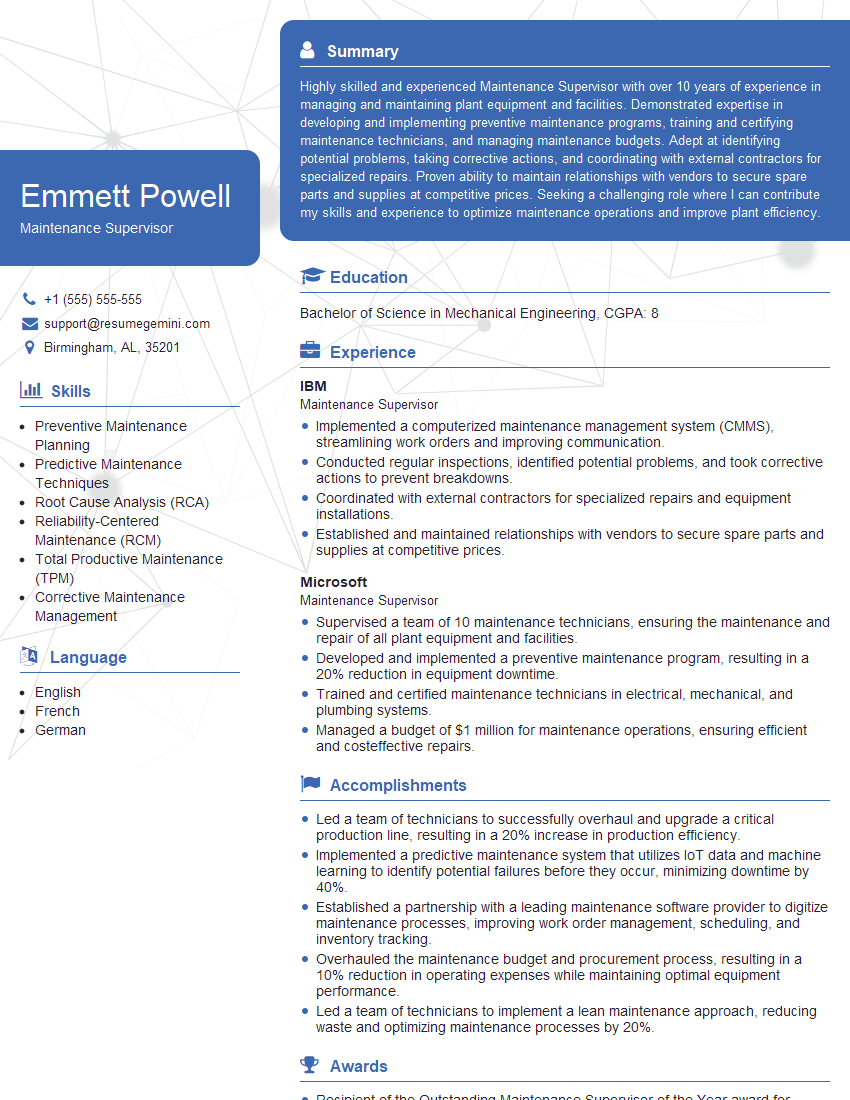
Maintenance Supervisor Resume Sample

Project Engineer Resume Sample

Compliance Manager Resume Sample
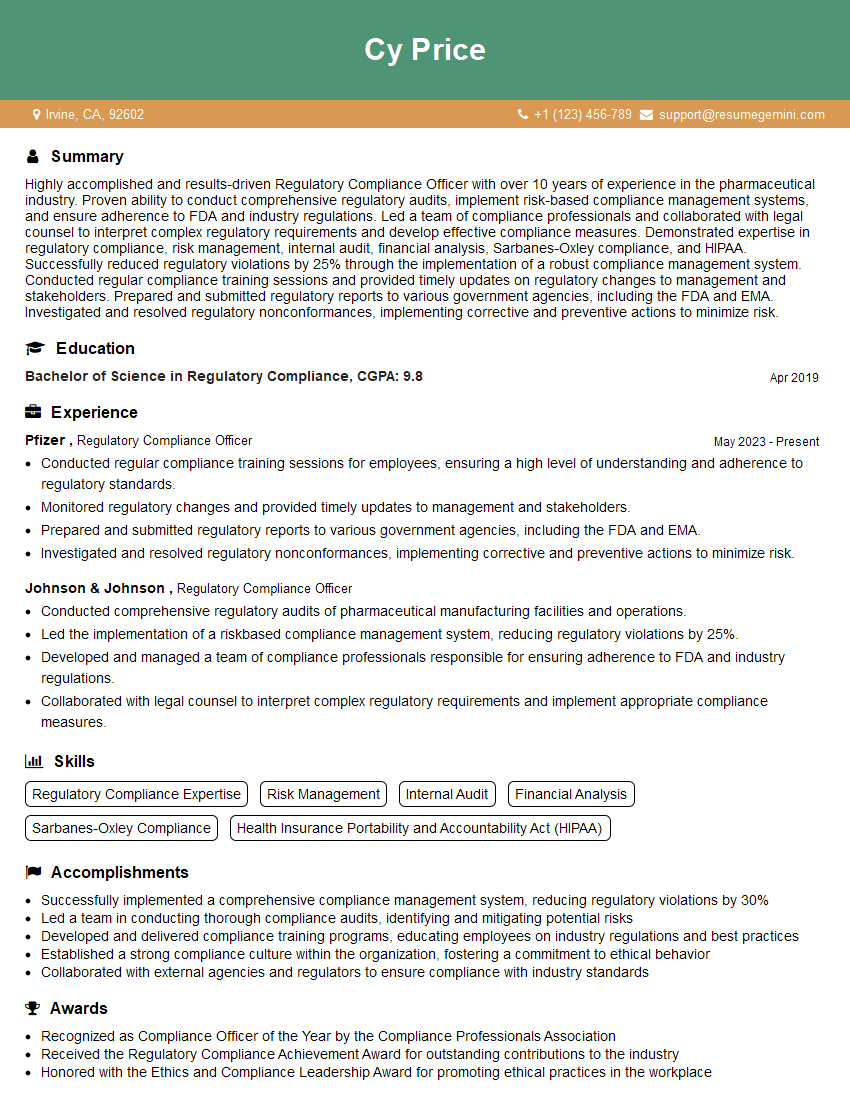
Regulatory Compliance Officer Resume Sample
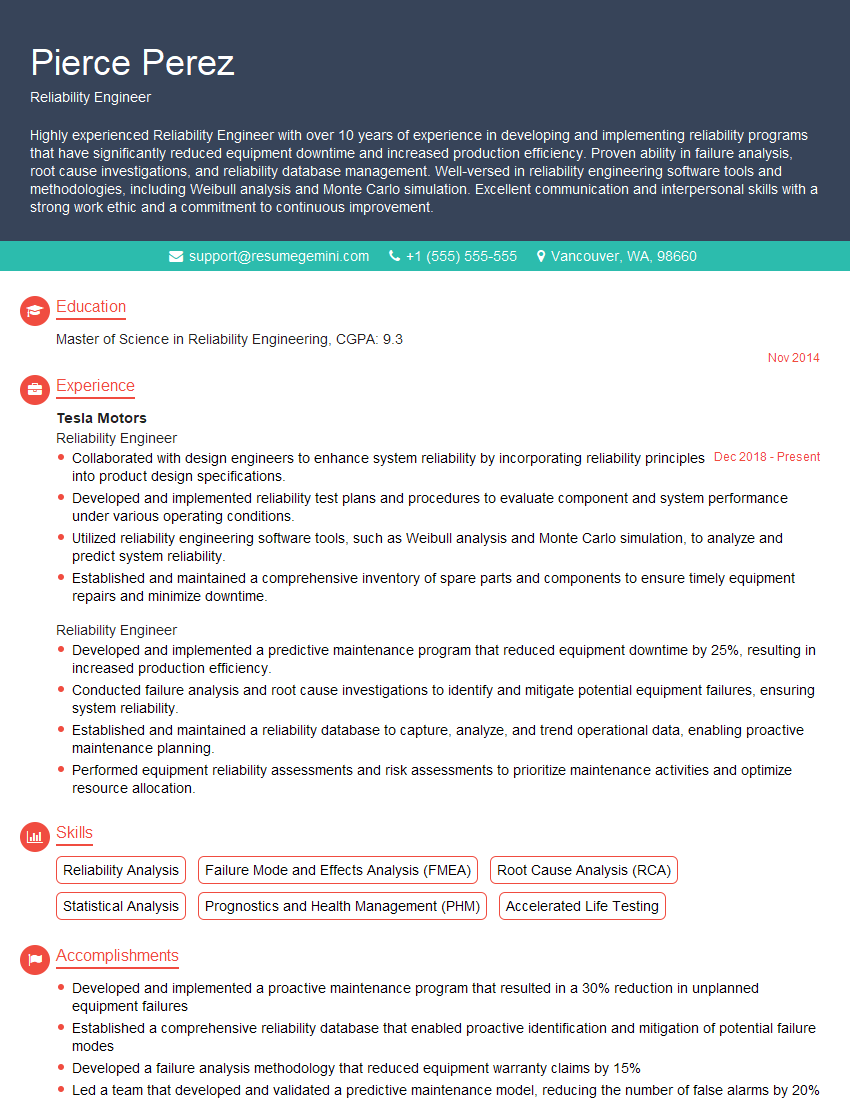
Reliability Engineer Resume Sample

Process Engineer Resume Sample

Quality Systems Manager Resume Sample

Manufacturing Engineer Resume Sample

Quality Control Engineer Resume Sample

Materials Engineer Resume Sample
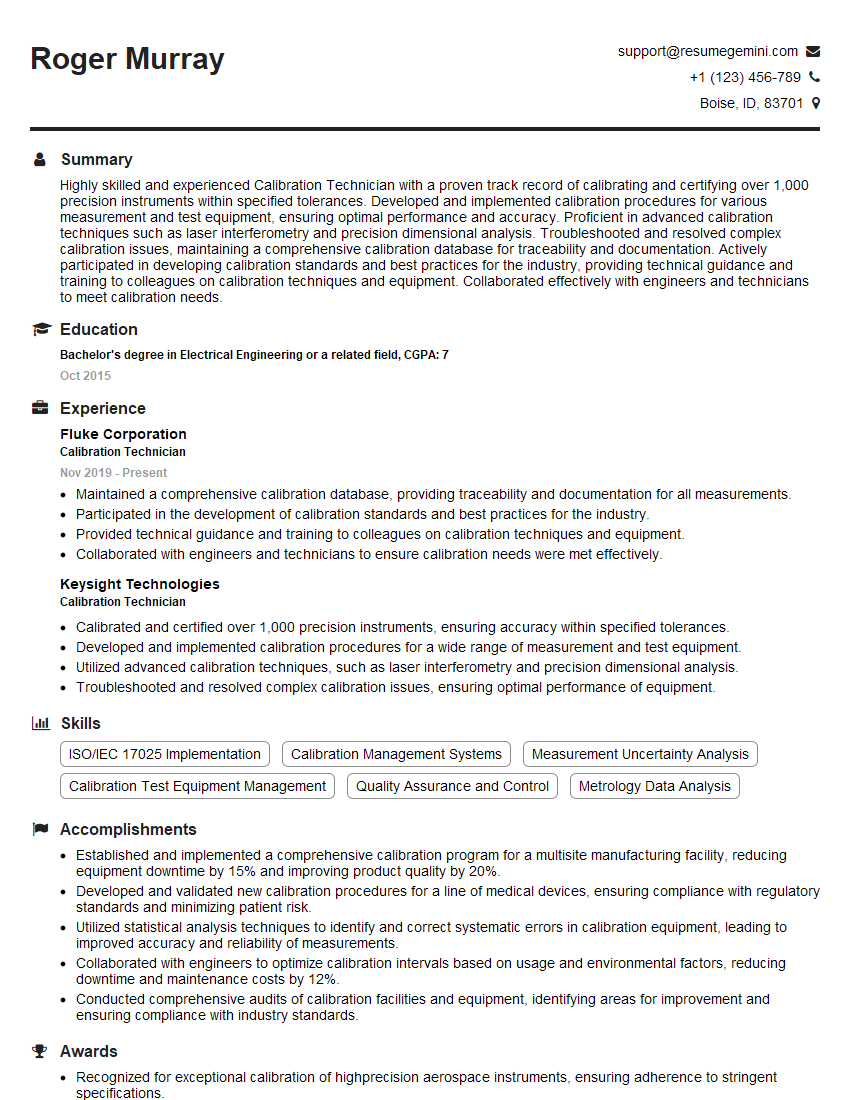
Calibration Technician Resume Sample

Inspection Supervisor Resume Sample

Quality Control Inspector Resume Sample
- Quality Assurance Manager
- Maintenance Supervisor
- Project Engineer
- Compliance Manager
- Regulatory Compliance Officer
- Reliability Engineer
- Process Engineer
- Quality Systems Manager
- Manufacturing Engineer
- Quality Control Engineer
- Materials Engineer
- Calibration Technician
- Inspection Supervisor
- Quality Control Inspector
Explore more articles
Users Rating of Our Blogs
Share Your Experience
We value your feedback! Please rate our content and share your thoughts (optional).
What Readers Say About Our Blog
Very informative content, great job.
good