Unlock your full potential by mastering the most common Chiller Operation interview questions. This blog offers a deep dive into the critical topics, ensuring you’re not only prepared to answer but to excel. With these insights, you’ll approach your interview with clarity and confidence.
Questions Asked in Chiller Operation Interview
Q 1. Explain the different types of chillers and their operating principles.
Chillers are refrigeration systems used to cool water for air conditioning, industrial processes, or other applications. Several types exist, each with its own operating principle:
- Absorption Chillers: These use heat as the energy source to drive the refrigeration cycle, often utilizing a heat source like steam or hot water. They’re less efficient than other types but can be advantageous where waste heat is readily available. Think of it like a reverse heat pump—instead of using electricity to move heat, they use heat to move heat.
- Centrifugal Chillers: These employ a high-speed impeller to compress refrigerant, resulting in a large cooling capacity. They’re efficient at larger cooling loads and are often found in large buildings or industrial settings. Imagine a powerful fan rapidly spinning to compress and cool the refrigerant.
- Reciprocating Chillers: These utilize piston-driven compressors to compress refrigerant. They’re suitable for smaller cooling loads and are known for their simplicity and ease of maintenance, but they can be less energy-efficient than centrifugal chillers.
- Screw Chillers: These chillers use rotating screws to compress the refrigerant. They offer a good balance between capacity, efficiency, and reliability, making them popular in a variety of applications.
- Scroll Chillers: These employ a scroll compressor, characterized by two spiral-shaped components that compress the refrigerant. Scroll chillers are known for their quiet operation and relatively high efficiency.
The choice of chiller type depends on factors such as cooling load, energy costs, available heat sources (for absorption chillers), and space constraints. For example, a large office building might use a centrifugal chiller for efficiency, while a small shop might opt for a smaller, reciprocating chiller.
Q 2. Describe the refrigeration cycle in a chiller.
The refrigeration cycle in a chiller is a continuous process involving four key stages:
- Evaporation: Refrigerant absorbs heat from the chilled water, changing from a liquid to a gas. This is the cooling stage.
- Compression: The gaseous refrigerant is compressed, raising its temperature and pressure.
- Condensation: The high-pressure, high-temperature refrigerant releases heat to the outside environment (typically through a condenser), changing from a gas back into a liquid.
- Expansion: The liquid refrigerant is throttled through an expansion valve, causing a significant pressure drop and a corresponding temperature reduction, preparing it for the evaporation stage again. This forms a continuous cycle.
This cycle relies on the refrigerant’s properties to absorb and release heat effectively at different temperatures and pressures. The continuous loop maintains the chilled water supply at a consistent temperature.
Q 3. What are the key components of a chiller, and what are their functions?
Key components of a chiller and their functions:
- Compressor: The heart of the chiller, compressing the refrigerant.
- Condenser: Dissipates heat from the high-pressure refrigerant to the environment.
- Evaporator: Absorbs heat from the chilled water, causing the refrigerant to evaporate.
- Expansion Valve: Controls the flow of refrigerant, reducing its pressure before entering the evaporator.
- Chilled Water Pump: Circulates chilled water throughout the system.
- Cooling Tower (for most chillers): Dissipates heat from the condenser water, which is crucial for condenser cooling efficiency.
- Control System: Monitors and regulates chiller operation, ensuring optimal performance and safety. This often includes sensors measuring temperature, pressure, and flow rate.
Each component plays a critical role in the efficient and reliable operation of the chiller. Malfunction in any part can impact the entire system.
Q 4. How do you troubleshoot a chiller that is not producing cold water?
Troubleshooting a chiller not producing cold water requires a systematic approach:
- Check the chilled water temperature: Is it significantly warmer than the setpoint? If so, the cooling process is compromised.
- Inspect the cooling tower operation: Is it working correctly? A malfunctioning cooling tower prevents effective condenser cooling.
- Examine refrigerant levels and pressure: Low refrigerant or unusual pressure readings suggest leaks or other refrigerant-related problems. This requires specialized knowledge and equipment.
- Check the condenser water flow and temperature: Insufficient flow or high temperature indicates a condenser problem.
- Inspect the evaporator: Look for fouling or scaling, which can hinder heat transfer.
- Verify the operation of the compressor, expansion valve, and pumps: Listen for unusual sounds (like rattling or knocking), or check for low flow rates.
- Examine the control system: Is the chiller running according to its programming? Are there any error codes?
This process often requires specialized tools and knowledge of refrigeration systems. If the problem persists, call a qualified HVAC technician.
Q 5. Explain the importance of proper water treatment in a chiller system.
Proper water treatment is vital for chiller system efficiency and longevity. Untreated water can lead to:
- Scale formation: Mineral deposits reduce heat transfer efficiency, increasing energy consumption and potentially leading to equipment failure.
- Corrosion: Water impurities can corrode metal components, reducing their lifespan.
- Biological fouling: Microorganisms can clog pipes and heat exchangers, hindering performance.
- Increased maintenance costs: Regular cleaning and repairs become necessary to address the issues caused by untreated water.
Water treatment involves processes such as filtration, chemical treatment (to control scale and corrosion), and regular monitoring of water quality parameters. This prevents costly repairs and ensures optimum chiller performance. Think of it as regular maintenance to keep your car running smoothly—preventative maintenance is always cheaper than emergency repairs.
Q 6. What are the common causes of chiller inefficiency?
Common causes of chiller inefficiency include:
- Fouling and scaling: Deposits on heat exchangers reduce heat transfer.
- Refrigerant leaks: Reduced refrigerant charge decreases cooling capacity.
- Inefficient cooling tower operation: Problems here reduce condenser efficiency.
- Poor water treatment: Leads to scale, corrosion, and biological fouling.
- Compressor issues: A failing compressor consumes more energy and performs poorly.
- Malfunctioning control system: Improper control can result in inefficient operation.
- Improper pump operation: Low flow rates reduce heat transfer.
Regular maintenance, including cleaning, inspection, and water treatment, is crucial for preventing these issues and maintaining high efficiency. A well-maintained chiller will save significantly on energy costs.
Q 7. How do you interpret chiller performance indicators (e.g., COP, EER)?
Chiller performance indicators provide critical insights into the system’s efficiency and operation:
- Coefficient of Performance (COP): The ratio of cooling output to energy input. A higher COP indicates better efficiency (e.g., a COP of 4 means that for every 1 kW of energy consumed, the chiller produces 4 kW of cooling). Think of this as miles per gallon for your car.
- Energy Efficiency Ratio (EER): Similar to COP, but typically used for air conditioners and often specified under specific conditions (e.g., 95°F outside air temperature). This is a standardized measure for comparison.
By monitoring these indicators, you can identify potential problems and opportunities for improvement. For instance, a consistently low COP might indicate a refrigerant leak or fouling, warranting investigation and maintenance.
Q 8. Describe the process of performing a chiller preventative maintenance check.
Preventative maintenance on a chiller is crucial for ensuring its longevity and optimal performance. Think of it like a regular car checkup – you catch small issues before they become major headaches. A typical preventative maintenance check involves several key steps:
- Visual Inspection: Checking for leaks, corrosion, and any signs of physical damage on the chiller’s components, including piping, valves, and the condenser.
- Pressure Checks: Verifying refrigerant pressures to ensure they are within the manufacturer’s specified range. Low pressure could indicate a leak, while high pressure might suggest an issue with the compressor.
- Temperature Readings: Measuring the temperature at various points in the chiller’s cycle – such as the entering and leaving water temperatures – to detect anomalies and inefficiencies.
- Vibration Analysis: Checking for excessive vibrations, which often indicate problems with bearings or other moving parts. Excessive vibration can be a sign of impending failure.
- Electrical Checks: Inspecting electrical connections, ensuring proper grounding, and checking for any signs of overheating or arcing. This includes verifying motor currents are within safe operating parameters.
- Cleaning: Cleaning condenser coils to remove dirt and debris that can reduce efficiency. Think of it like cleaning the radiator fins on a car.
- Lubrication: Lubricating moving parts as recommended by the manufacturer. This helps to reduce friction and wear.
- Log Book Review and Update: Reviewing existing maintenance records and documenting current readings, findings, and any corrective actions taken.
Regular preventative maintenance, typically scheduled monthly or quarterly depending on usage, can significantly extend the lifespan of a chiller, minimize costly repairs, and ensure reliable cooling.
Q 9. What are the safety precautions when working on a chiller?
Safety is paramount when working on a chiller. These machines handle high pressures, high voltages, and potentially hazardous refrigerants. Here are some crucial safety precautions:
- Lockout/Tagout Procedures: Always follow strict lockout/tagout procedures before performing any maintenance or repairs. This ensures the chiller is completely de-energized and prevents accidental startup.
- Personal Protective Equipment (PPE): Wear appropriate PPE, including safety glasses, gloves, and safety shoes. Depending on the refrigerant used, respiratory protection might also be necessary.
- Refrigerant Handling: If handling refrigerant, follow all safety regulations and use appropriate equipment. Some refrigerants are flammable or toxic. Proper ventilation is critical.
- Electrical Safety: Never work on electrical components while the chiller is energized. Always use insulated tools and follow proper electrical safety procedures.
- Confined Space Entry: If working in a confined space (e.g., inside the chiller), follow all confined space entry procedures, including proper ventilation, atmospheric monitoring, and having a standby person.
- Awareness of Hot Surfaces: Be aware of hot surfaces on the chiller, especially the condenser. Avoid contact to prevent burns.
- Proper Training: Only trained and qualified personnel should work on chillers. Improper handling can lead to serious injury or death.
Remember, safety should always be the top priority. If you are unsure about any procedure, seek guidance from a qualified professional.
Q 10. Explain the role of a chiller in a building’s HVAC system.
In a building’s HVAC (Heating, Ventilation, and Air Conditioning) system, the chiller plays a vital role as the primary cooling source. It’s essentially a large refrigeration system that produces chilled water. This chilled water is then circulated throughout the building to air handling units (AHUs) and fan coil units (FCUs).
Here’s how it works: The chiller absorbs heat from the water, lowering its temperature. This chilled water is pumped through a network of pipes to various cooling devices in the building. These devices use the chilled water to cool the air, which is then distributed to different zones to maintain comfortable indoor temperatures. Think of it as the heart of the building’s cooling system, providing the cold water that the rest of the system uses to cool the air.
Q 11. How do you identify and address chiller leaks?
Identifying and addressing chiller leaks is crucial to prevent damage and maintain efficiency. Leaks can occur in various parts of the chiller, including the refrigerant circuit, the water circuit, or even in the piping system.
Identification:
- Visual Inspection: Regular visual inspections can help identify leaks by spotting wet spots, discoloration, or refrigerant frost on pipes and components.
- Pressure Monitoring: A decrease in refrigerant or water pressure in the system indicates a possible leak.
- Leak Detection Equipment: Specialized equipment like electronic leak detectors can help pinpoint the exact location of a leak, especially for refrigerant leaks which are often difficult to see visually.
Addressing Leaks:
- Minor Leaks: Small leaks might be repairable with specialized sealant or by tightening connections.
- Major Leaks: Larger leaks typically require professional repair, potentially involving replacing damaged components or sections of piping.
- Refrigerant Leaks: Refrigerant leaks must be addressed immediately, as refrigerants can be harmful to the environment and human health. Professional service is always required for refrigerant handling and repair.
Promptly addressing leaks is vital to prevent environmental damage, avoid costly repairs from larger leaks, and maintain the efficiency of the entire cooling system.
Q 12. How does a chiller’s control system work?
A chiller’s control system manages various aspects of its operation, ensuring efficient and safe performance. This system typically involves a combination of sensors, actuators, and a controller (often a Programmable Logic Controller or PLC). These components work together to regulate parameters like:
- Refrigerant Pressure and Temperature: Sensors monitor these parameters, and the controller adjusts the compressor speed and other components to maintain optimal operating conditions.
- Chilled Water Temperature: Sensors measure the temperature of the chilled water leaving the chiller, and the controller adjusts the chiller’s capacity to meet the building’s cooling demand.
- Compressor Operation: The controller manages the compressor’s operation, including starting, stopping, and adjusting its speed to meet the cooling load.
- Safety Interlocks: The control system incorporates safety interlocks that shut down the chiller if critical parameters exceed safe limits, preventing damage and ensuring safety.
The controller uses algorithms and logic to make decisions based on sensor inputs, adjusting the various components to maintain the desired operating conditions. Modern chiller control systems often incorporate advanced features such as predictive maintenance and energy-saving strategies.
Q 13. What are the different types of chiller control strategies?
Chillers employ various control strategies to optimize their performance and energy efficiency. These strategies focus on managing the chiller’s capacity to match the building’s cooling demand:
- On/Off Control: This is the simplest strategy, where the chiller either runs at full capacity or is completely off. It’s less efficient because it leads to cycling and can cause temperature fluctuations.
- Capacity Modulation: This strategy allows the chiller to operate at varying capacities, adjusting its output to match the cooling load. This improves efficiency by avoiding unnecessary full-capacity operation.
- Lead-Lag Control: This strategy uses multiple chillers, with one chiller leading and another lagging to optimize efficiency and prevent simultaneous operation at full capacity.
- Variable Speed Drives (VSDs): Using VSDs on the chiller’s pumps and compressors enables precise control over their speeds, resulting in smoother operation and better energy efficiency.
- Advanced Control Strategies: More sophisticated control systems may incorporate artificial intelligence (AI) or machine learning (ML) to optimize chiller operation based on building usage patterns and weather conditions.
The selection of the most appropriate control strategy depends on several factors, including the size of the chiller, the building’s cooling load profile, and the desired level of energy efficiency.
Q 14. Explain the concept of chiller capacity control.
Chiller capacity control is the process of adjusting the chiller’s cooling output to match the building’s current cooling demand. Imagine your refrigerator – it doesn’t run at full power all the time; it adjusts its cooling based on the inside temperature. Chillers work similarly.
This is achieved through various methods, such as adjusting the compressor speed (using VSDs), varying the flow rate of the chilled water, or using multiple chillers in a lead-lag configuration. Accurate capacity control is essential for maximizing energy efficiency by preventing over-cooling and unnecessary energy consumption. For example, during periods of low occupancy or cooler weather, the chiller can reduce its capacity to provide only the necessary cooling, saving significant energy costs. The goal is to always match the cooling output to the actual need, minimizing waste.
Q 15. How do you perform a chiller load test?
A chiller load test determines the actual cooling capacity of a chiller under specific operating conditions. It’s crucial for verifying performance, identifying potential issues, and ensuring the chiller meets the building’s cooling demands. Think of it like a yearly checkup for your car – you want to ensure everything is running smoothly before problems arise.
The process generally involves:
- Establishing Baseline Conditions: Record ambient temperature, water flow rates (both chilled and condenser water), and chiller operating parameters (e.g., compressor amps, head pressure, suction pressure).
- Applying a Known Load: This could involve using calibrated flow meters to precisely control the amount of chilled water flowing to a simulated load (like a large water tank with heating elements), or by analyzing the cooling load of an occupied building section.
- Monitoring Performance: Continuously monitor all parameters mentioned above during the test. Look for any anomalies – unusual temperature differences, fluctuating pressures, or high amperage draw.
- Calculating Capacity: Use the collected data (water flow rate, temperature differential, etc.) and appropriate formulas to calculate the chiller’s actual cooling capacity in tons of refrigeration (TR).
- Comparing to Rated Capacity: Compare the calculated capacity to the manufacturer’s rated capacity for the chiller. A significant deviation indicates a potential problem that requires further investigation.
For example, if a chiller is rated at 500 TR but only delivers 400 TR during the load test, it signifies a 20% performance deficit, prompting a thorough inspection of the system’s components.
Career Expert Tips:
- Ace those interviews! Prepare effectively by reviewing the Top 50 Most Common Interview Questions on ResumeGemini.
- Navigate your job search with confidence! Explore a wide range of Career Tips on ResumeGemini. Learn about common challenges and recommendations to overcome them.
- Craft the perfect resume! Master the Art of Resume Writing with ResumeGemini’s guide. Showcase your unique qualifications and achievements effectively.
- Don’t miss out on holiday savings! Build your dream resume with ResumeGemini’s ATS optimized templates.
Q 16. What are the common types of chiller failures?
Chiller failures can stem from various causes. Common types include:
- Compressor Failures: These are often the most costly and disruptive. Causes can include refrigerant leaks, motor winding failures, and bearing wear.
- Refrigerant Leaks: Leaks reduce cooling capacity and can damage the compressor. Finding and repairing leaks requires specialized equipment and training.
- Condenser Fouling: Dirty condenser coils reduce heat transfer efficiency, decreasing the chiller’s capacity and potentially leading to compressor overheating.
- Pump Problems: Malfunctioning chilled water or condenser water pumps can severely impact chiller performance. Issues can range from simple impeller damage to motor failures.
- Control System Failures: Problems with sensors, controllers, or PLCs can lead to inefficient operation or complete system shutdown. These are often diagnosed through careful analysis of control system logs and fault codes.
- Heat Exchanger Issues: Fouling or damage to the evaporator or condenser heat exchangers can hinder efficient heat transfer.
Identifying the specific type of failure involves a systematic approach, starting with visual inspections and progressing to more advanced diagnostic tools like pressure gauges, temperature sensors, and refrigerant analyzers.
Q 17. How do you diagnose and repair a chiller compressor failure?
Diagnosing a chiller compressor failure involves a multi-step process. It’s crucial to prioritize safety—always disconnect power before any hands-on work.
- Visual Inspection: Check for external signs of damage, such as leaks, unusual noise, or overheating.
- Pressure Readings: Measure suction and discharge pressures. Abnormal readings can indicate problems like refrigerant leaks or a faulty valve.
- Temperature Readings: Monitor compressor head and suction temperatures. High temperatures suggest overheating, which can be due to refrigerant issues or condenser fouling.
- Amperage Readings: Excessive amperage draw signifies an overloaded motor, possibly due to mechanical issues or refrigerant shortages.
- Vibration Analysis: Using specialized instruments, measure vibration levels on the compressor. High levels might indicate bearing wear or other mechanical problems.
- Refrigerant Analysis: Check the refrigerant charge and quality. Moisture or non-condensables in the refrigerant can significantly impair compressor performance.
Repairing the compressor often involves replacing faulty components (motor windings, bearings, valves) or, in severe cases, replacing the entire compressor. This requires specialized knowledge and training, and should only be undertaken by qualified technicians. Often, an assessment from a chiller manufacturer or qualified service provider is the first step. Improper repair can lead to further damage or safety hazards. Imagine working on a car engine – you’d ideally have the skills, the right tools, and a service manual to guide you. Chiller compressor repair is similar in complexity and demands the same level of precision.
Q 18. What are the environmental concerns related to chiller operation?
Chiller operation has significant environmental implications. The primary concerns revolve around:
- Refrigerant Emissions: Many older chillers use refrigerants with high global warming potentials (GWPs). Leaks can significantly contribute to climate change. Modern chillers often utilize lower-GWP refrigerants, but proper maintenance and leak detection are still critical.
- Energy Consumption: Chillers are major energy consumers in buildings. Inefficient operation contributes to greenhouse gas emissions and increased operating costs. Efficient chiller design, proper maintenance, and optimized control strategies are necessary to minimize energy use.
- Water Consumption: Chillers require cooling water, and excessive water usage can strain water resources. Employing water-saving technologies like efficient cooling towers and proper water treatment can reduce water consumption.
- Noise Pollution: Chillers can generate considerable noise. Proper site planning, noise reduction measures (such as enclosures), and adherence to noise emission standards are essential.
Minimizing these impacts requires a holistic approach, from selecting environmentally friendly chillers to implementing effective maintenance programs and energy-saving strategies. Choosing environmentally sound refrigerants and adopting smart building technologies are both integral to reducing environmental impact.
Q 19. Describe the importance of proper chiller documentation and record-keeping.
Proper chiller documentation and record-keeping are paramount for efficient operation, maintenance, and compliance. Comprehensive documentation provides a historical record of chiller performance, maintenance activities, and potential problems. Think of it as a medical chart for your chiller.
Important aspects include:
- Operating Logs: Regularly record key operating parameters (temperatures, pressures, flow rates, power consumption). This helps to track performance trends and identify anomalies.
- Maintenance Records: Document all preventative maintenance (PM) activities, including dates, performed tasks, and any identified issues. This is essential for scheduling future PM and assessing the effectiveness of maintenance procedures.
- Repair Records: Detailed records of all repairs, including the nature of the problem, parts replaced, and time spent. This data helps identify recurring problems and inform future maintenance strategies.
- Energy Consumption Data: Tracking energy consumption provides insights into chiller efficiency and helps to identify opportunities for energy savings.
- Refrigerant Charge Records: Keeping track of refrigerant additions and losses is crucial for leak detection and compliance with environmental regulations.
This detailed information enables proactive maintenance, faster troubleshooting, and facilitates compliance with regulations. It also aids in planning for upgrades or replacements, ensuring a longer, more efficient service life for the chiller.
Q 20. Explain the role of economizers in chiller systems.
Economizers in chiller systems use outside air to provide free cooling whenever weather conditions allow. Instead of using the chiller’s refrigeration cycle for cooling, the economizer uses cooler outside air to pre-cool the building’s water supply. Think of it as a natural, cost-effective supplement to the chiller.
The basic operation involves:
- Outside Air Sensors: The economizer uses sensors to monitor outside air temperature and humidity.
- Control Logic: A control system determines when outside air is sufficiently cool to be used for cooling.
- Damper Control: Dampers regulate the flow of outside air into the cooling system, blending it with the chiller-cooled water as needed.
Economizers significantly reduce energy consumption by reducing or eliminating the chiller’s load during favorable weather conditions. This results in lower operating costs and reduces the environmental impact of the cooling system. However, economizers must be properly designed and controlled to prevent introducing excessive humidity or contaminants into the building’s air supply.
Q 21. How do you handle a chiller emergency shutdown?
A chiller emergency shutdown requires a swift and systematic response. Safety is the paramount concern. Here’s a typical approach:
- Assess the Situation: Identify the cause of the shutdown (high-pressure alarm, low-refrigerant alarm, etc.). Check the chiller’s control panel for error codes.
- Isolate the Chiller: Immediately turn off the chiller’s power supply to prevent further damage.
- Ensure Safety: Evacuate personnel from the immediate area if necessary. Address any potential hazards, such as refrigerant leaks.
- Notify Relevant Personnel: Inform building management, maintenance personnel, and potentially the chiller’s service provider.
- Document the Event: Record the time, cause of the shutdown, any observed anomalies, and steps taken.
- Initiate Troubleshooting: Begin the diagnostic process to identify the root cause of the failure. This might involve checking pressure gauges, temperature sensors, and control system logs.
- Implement Contingency Plans: If the chiller is critical for building operation, initiate backup cooling systems or implement emergency cooling measures.
The priority is to address safety concerns, and then initiate a planned response that minimizes disruption and ensures swift resolution. Each building will have its own specific response plan, but a swift, orderly response will reduce downtime and associated issues.
Q 22. What is the difference between air-cooled and water-cooled chillers?
The primary difference between air-cooled and water-cooled chillers lies in how they reject heat to the environment. Air-cooled chillers use fans to blow ambient air across a condenser, dissipating heat directly into the atmosphere. This is simpler and often cheaper to install, but less efficient, especially in hot climates where the condenser struggles to reject heat effectively. Water-cooled chillers, on the other hand, use a continuous flow of water to carry away the heat from the condenser. This water is then typically cooled in a cooling tower before being recirculated. Water-cooled chillers are more efficient than air-cooled, especially in high ambient temperature conditions, as they can more effectively reject the heat. Think of it like this: air-cooled chillers are like sweating to cool down – effective only up to a point. Water-cooled chillers are like jumping into a cool pool – a more efficient way to regulate temperature.
In a hot, humid climate, a water-cooled chiller will generally be far more efficient and cost-effective in the long run. Conversely, in a cool, dry climate, the added complexity and expense of a water-cooled chiller might not justify the small efficiency gains. The choice depends heavily on the specific climate and operating conditions.
Q 23. Describe your experience with different types of chiller refrigerants.
My experience encompasses a wide range of chiller refrigerants, from the now-phased-out R-22 (HCFC-22) to the more environmentally friendly options prevalent today. I’ve worked extensively with HFC refrigerants like R-134a and R-410A, and more recently, with the increasingly popular low-GWP (Global Warming Potential) refrigerants like R-1234yf and R-513A. Each refrigerant has its own unique properties and operational characteristics. For example, R-22, while effective, contributed significantly to ozone depletion, leading to its phase-out under the Montreal Protocol. The newer refrigerants offer better environmental performance, but may require different compressor designs and operating pressures.
A key consideration when working with different refrigerants is their safety profile. Many modern refrigerants are flammable or toxic, necessitating strict adherence to safety protocols during handling, maintenance, and leak detection. My experience includes implementing and overseeing safety procedures related to refrigerant handling, including regular leak checks, proper recovery and recycling methods, and training personnel on safe handling practices.
Q 24. What are the benefits of using variable frequency drives (VFDs) with chillers?
Variable Frequency Drives (VFDs) are incredibly beneficial when used with chillers. They allow for precise control of the chiller’s compressor speed, enabling the chiller to modulate its output based on the actual cooling load. This contrasts with traditional on/off operation, which leads to cycling and inefficiency. With a VFD, the chiller can operate at a lower speed during periods of low cooling demand, resulting in significant energy savings. It also reduces wear and tear on the chiller components by avoiding frequent starts and stops.
For example, imagine an office building with varying cooling needs throughout the day. With a VFD, the chiller can seamlessly adjust its output to meet the precise cooling requirement at any given time. During the night, when the building is mostly unoccupied, the chiller might operate at a significantly lower speed, minimizing energy consumption. This can lead to substantial annual energy cost reductions and a smaller carbon footprint.
Q 25. Explain the concept of chiller staging.
Chiller staging refers to the method of sequentially starting and stopping multiple chillers to meet the cooling load. This is common in larger systems with multiple chiller units. Instead of running all chillers at once, irrespective of the cooling load, staging allows for optimal efficiency and redundancy. The lead chiller handles the base load, and additional chillers are brought online only when the cooling demand increases. This reduces energy consumption, extends equipment lifespan by preventing overwork of individual units, and provides backup in case of a chiller failure.
A typical staging strategy might involve a lead chiller operating continuously, with a second chiller turning on when the cooling load exceeds a certain threshold, a third when the load increases further, and so on. Conversely, chillers are shut down sequentially when the load decreases. Proper staging logic is crucial to ensure efficient operation and balanced load sharing among the chiller units.
Q 26. How do you ensure compliance with relevant safety regulations during chiller operation?
Ensuring compliance with safety regulations during chiller operation is paramount. This involves adhering to local and national codes, such as ASHRAE (American Society of Heating, Refrigerating and Air-Conditioning Engineers) standards, and following the manufacturer’s guidelines. This includes regular inspections, maintenance, and safety training for all personnel involved. Key aspects of compliance include:
- Regular inspection of safety devices, such as pressure relief valves, high and low pressure switches and safety interlocks.
- Strict adherence to lockout/tagout procedures during maintenance to prevent accidental starts.
- Proper handling and disposal of refrigerants to minimize environmental impact.
- Maintaining detailed operational logs and records to track performance and identify potential issues.
- Providing regular safety training to all operating and maintenance personnel on safe handling procedures, emergency response protocols, and risk mitigation strategies.
Non-compliance can result in accidents, environmental damage, and hefty fines. Proactive safety measures are not just a legal requirement, but a crucial aspect of responsible operation.
Q 27. Describe your experience with chiller commissioning and startup.
My experience with chiller commissioning and startup is extensive. I’ve been involved in numerous projects, ranging from small commercial installations to large-scale industrial facilities. Commissioning involves a rigorous process of testing and verification to ensure the chiller system operates as designed. This includes verifying refrigerant charges, checking electrical connections, testing safety devices, and conducting performance tests to ensure efficiency and capacity meet specifications. The startup phase involves bringing the system online gradually, monitoring parameters closely, and making any necessary adjustments. I use checklists and data loggers to document every step of the process to guarantee complete adherence to design specifications and to create a baseline for ongoing monitoring and maintenance.
A recent project involved commissioning a large water-cooled chiller for a data center. This required meticulous planning and coordination with other contractors to ensure a seamless integration into the overall facility system. Careful attention to detail was critical during the startup phase to avoid any issues that could impact the data center’s sensitive equipment. We achieved a successful startup, and the system has been performing exceptionally well since.
Q 28. How do you stay updated on the latest advancements in chiller technology?
Staying updated on the latest advancements in chiller technology is crucial for maintaining my expertise. I achieve this through several methods:
- Industry Publications and Journals: I regularly read publications like ASHRAE Journal and other industry-specific magazines to keep abreast of new technologies and best practices.
- Industry Conferences and Webinars: Attending conferences and online webinars provides opportunities to learn from leading experts and network with peers. These events offer invaluable insights into emerging trends and innovative solutions.
- Manufacturer Training Programs: I actively participate in manufacturer-sponsored training programs to stay up-to-date on the latest products and technologies. This includes hands-on experience with new equipment and software.
- Professional Organizations: Membership in professional organizations, such as ASHRAE, provides access to technical resources, standards, and networking opportunities.
Continuous learning is essential in this rapidly evolving field, and I’m committed to staying at the forefront of chiller technology.
Key Topics to Learn for Chiller Operation Interview
- Chiller Types and Components: Understanding centrifugal, screw, and absorption chillers; familiarize yourself with key components like compressors, condensers, evaporators, and expansion valves.
- Refrigerant Circuits and Thermodynamics: Grasp the principles of refrigeration cycles (e.g., vapor-compression cycle); be prepared to discuss refrigerant properties and their impact on chiller efficiency.
- Chiller Controls and Automation: Explain different control strategies (e.g., capacity control, sequencing); demonstrate understanding of PLC (Programmable Logic Controller) systems and their role in chiller operation.
- Troubleshooting and Maintenance: Discuss common chiller malfunctions and their causes; explain preventative maintenance procedures and the importance of regular inspections.
- Safety Procedures and Regulations: Highlight awareness of safety protocols related to handling refrigerants and high-pressure systems; demonstrate knowledge of relevant industry regulations and standards.
- Energy Efficiency and Optimization: Discuss strategies for maximizing chiller efficiency and minimizing energy consumption; explain the role of economizers and other energy-saving technologies.
- Water Treatment and Cooling Towers: Understand the importance of water treatment in preventing scaling and corrosion; explain the function and operation of cooling towers in the chiller system.
- Performance Monitoring and Data Analysis: Explain how to interpret chiller performance data; discuss the use of performance indicators (KPIs) to assess efficiency and identify areas for improvement.
Next Steps
Mastering chiller operation opens doors to rewarding and challenging career opportunities in HVAC and facility management. To maximize your job prospects, invest time in crafting an ATS-friendly resume that highlights your skills and experience. ResumeGemini is a trusted resource that can significantly enhance your resume-building experience, helping you create a document that effectively showcases your qualifications. Examples of resumes tailored to Chiller Operation are available to help you get started.
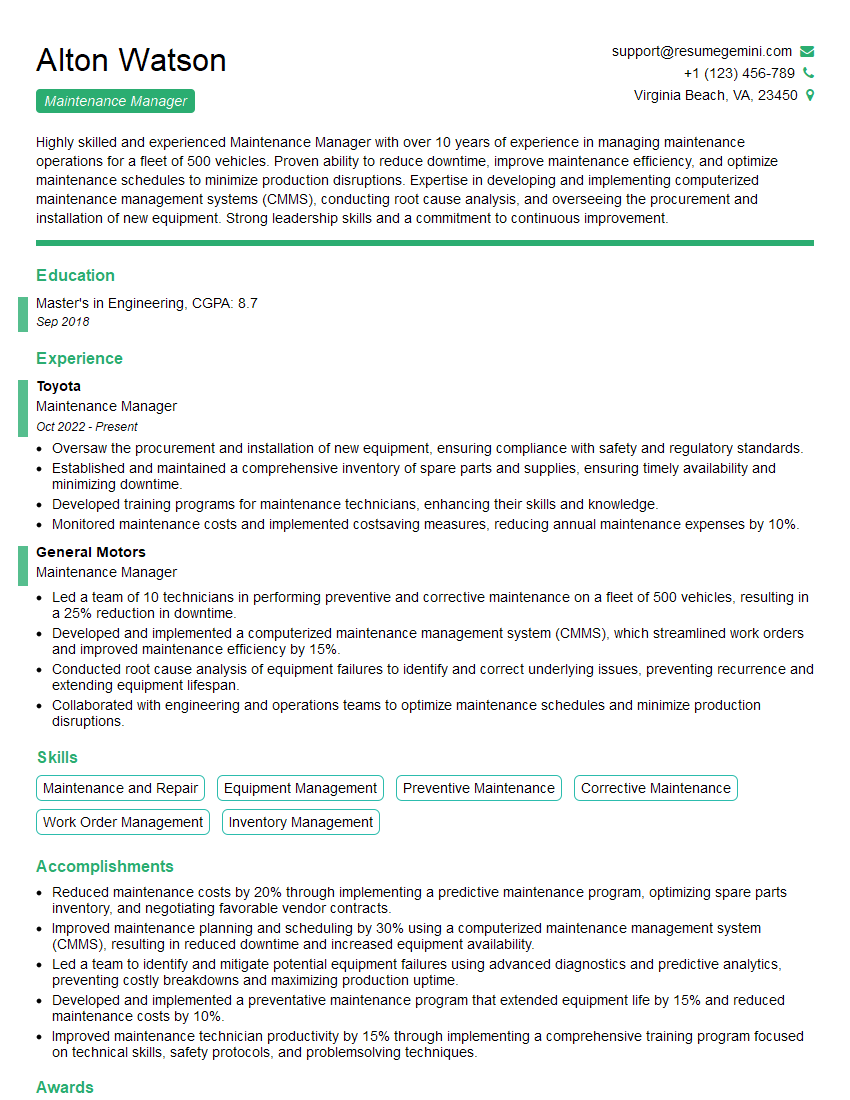
Maintenance Manager Resume Sample
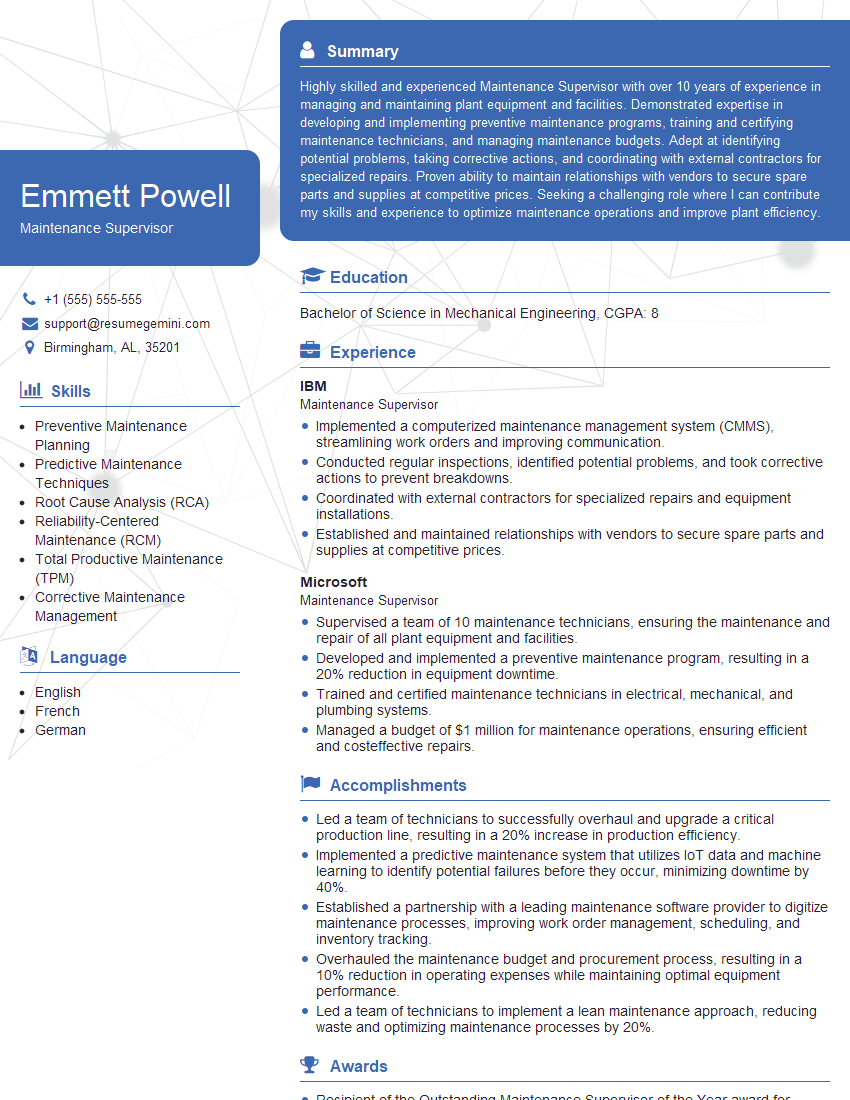
Maintenance Supervisor Resume Sample
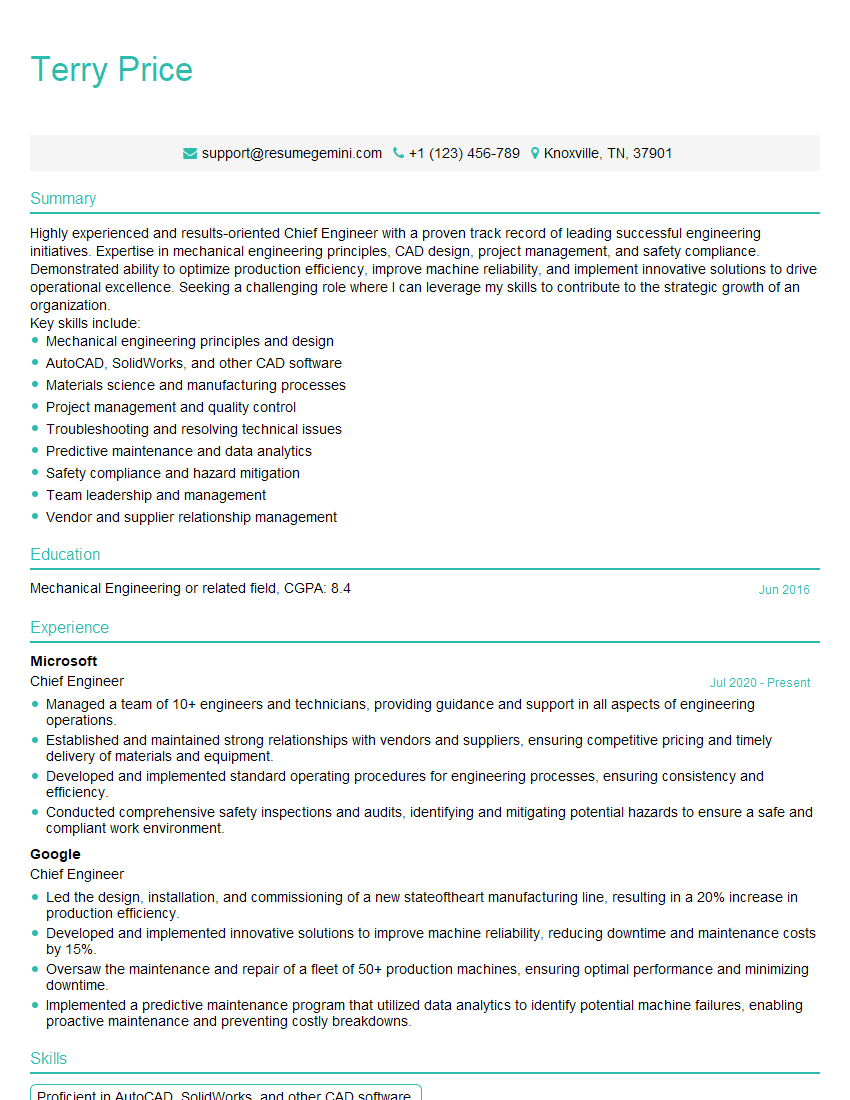
Chief Engineer Resume Sample
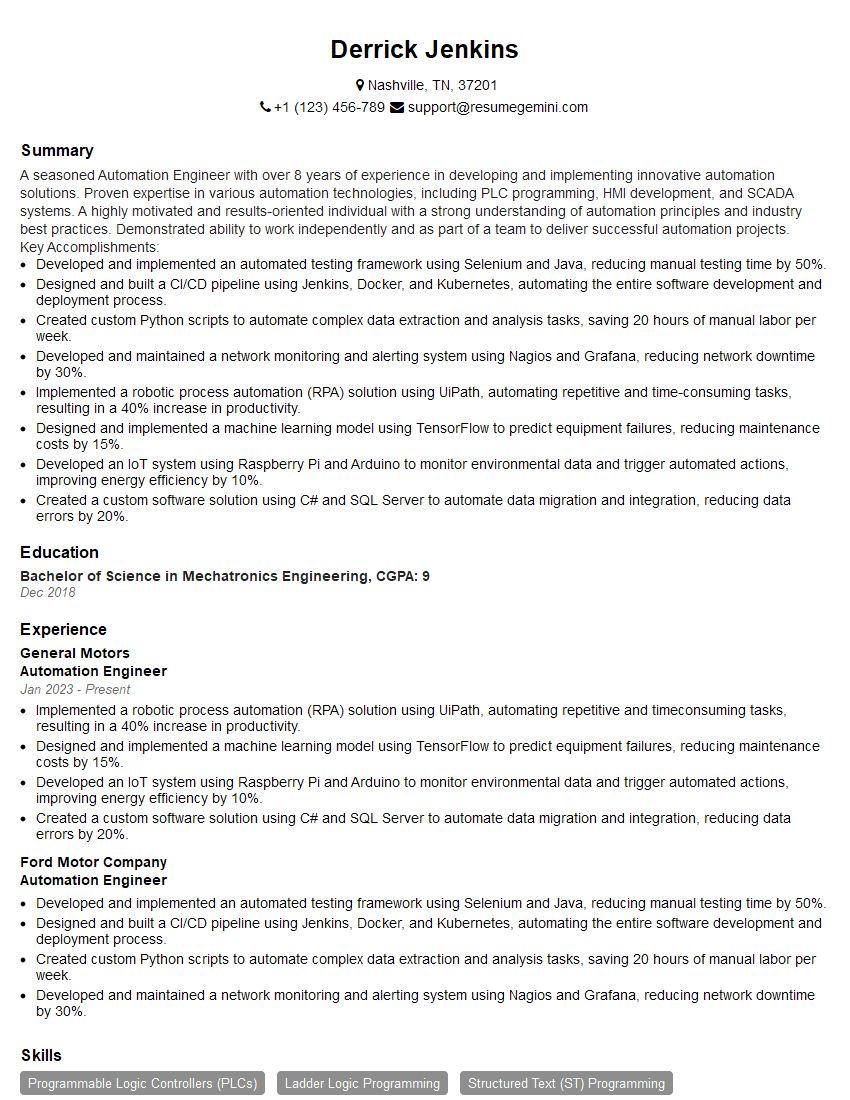
Automation Engineer Resume Sample
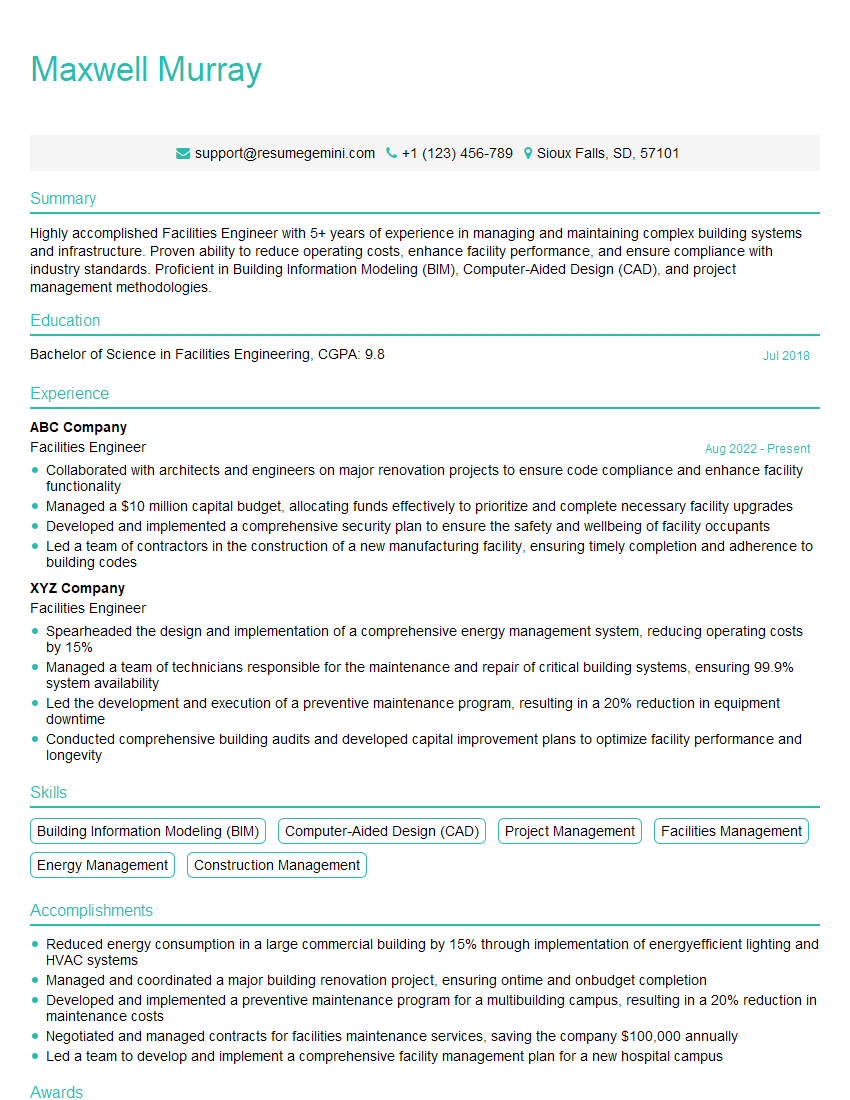
Facilities Engineer Resume Sample
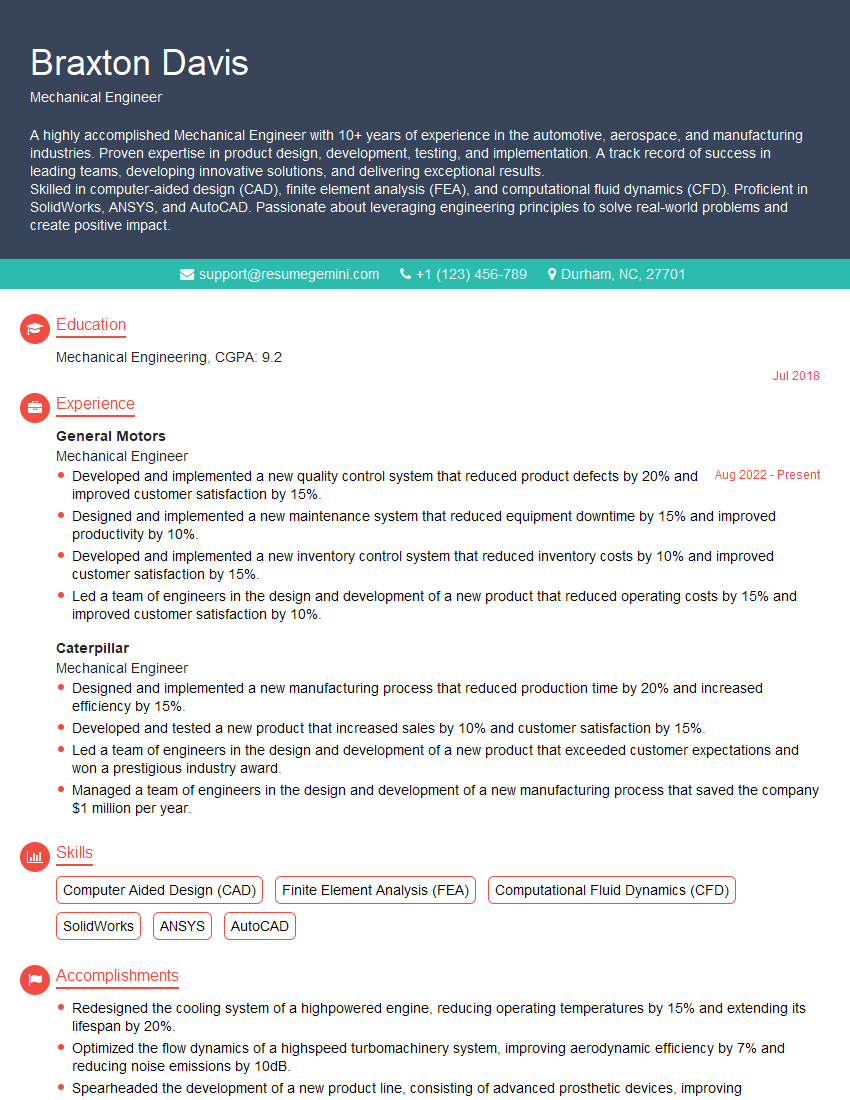
Mechanical Engineer Resume Sample
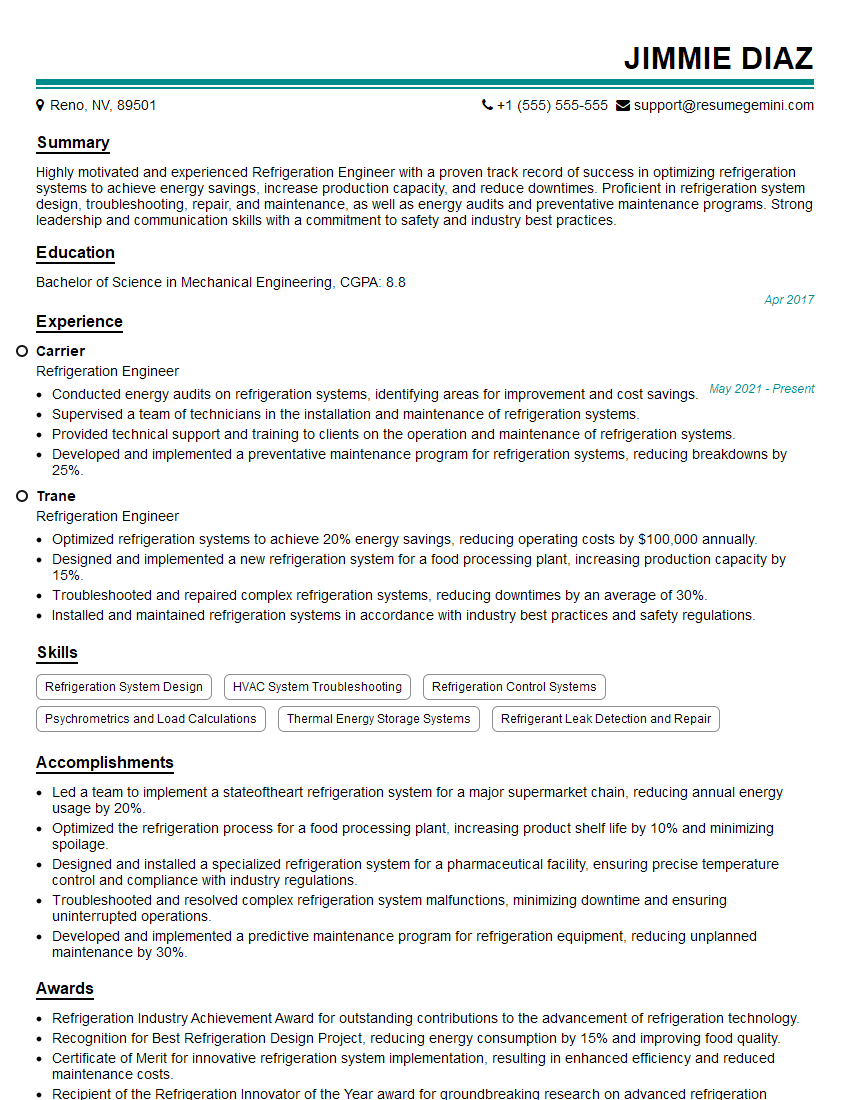
Refrigeration Engineer Resume Sample
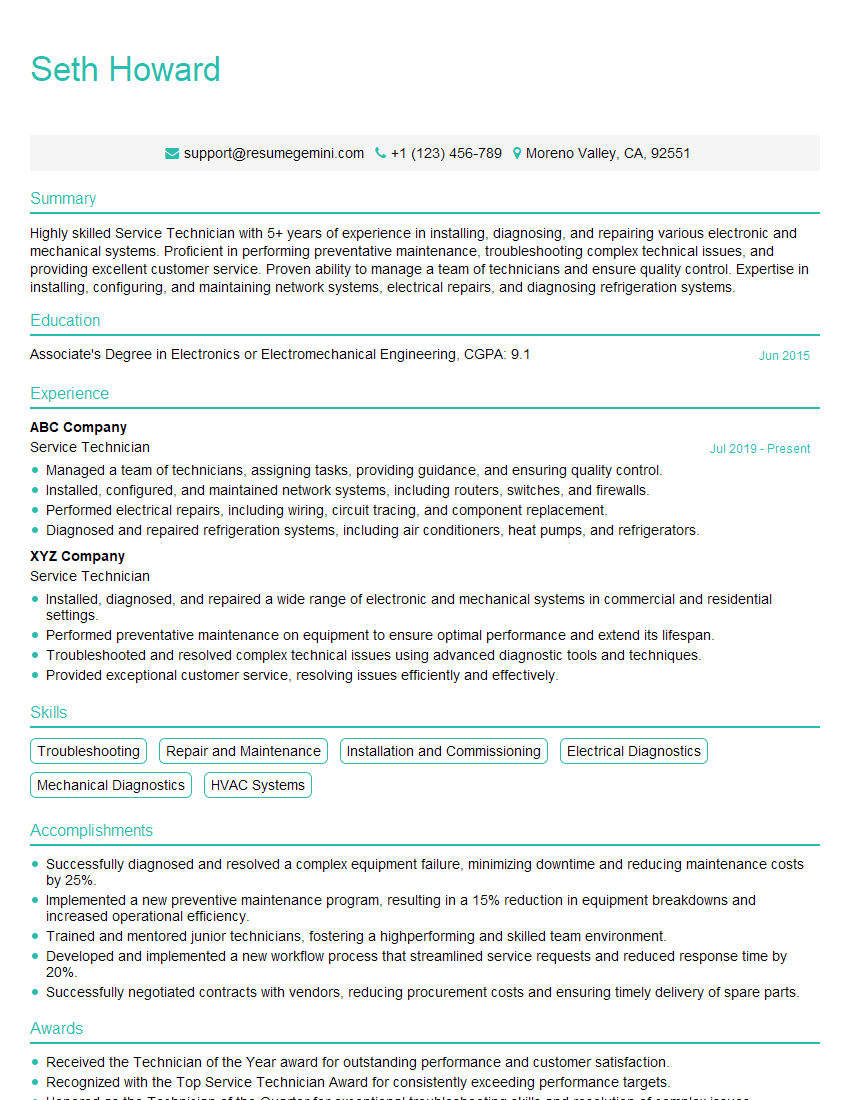
Service Technician Resume Sample
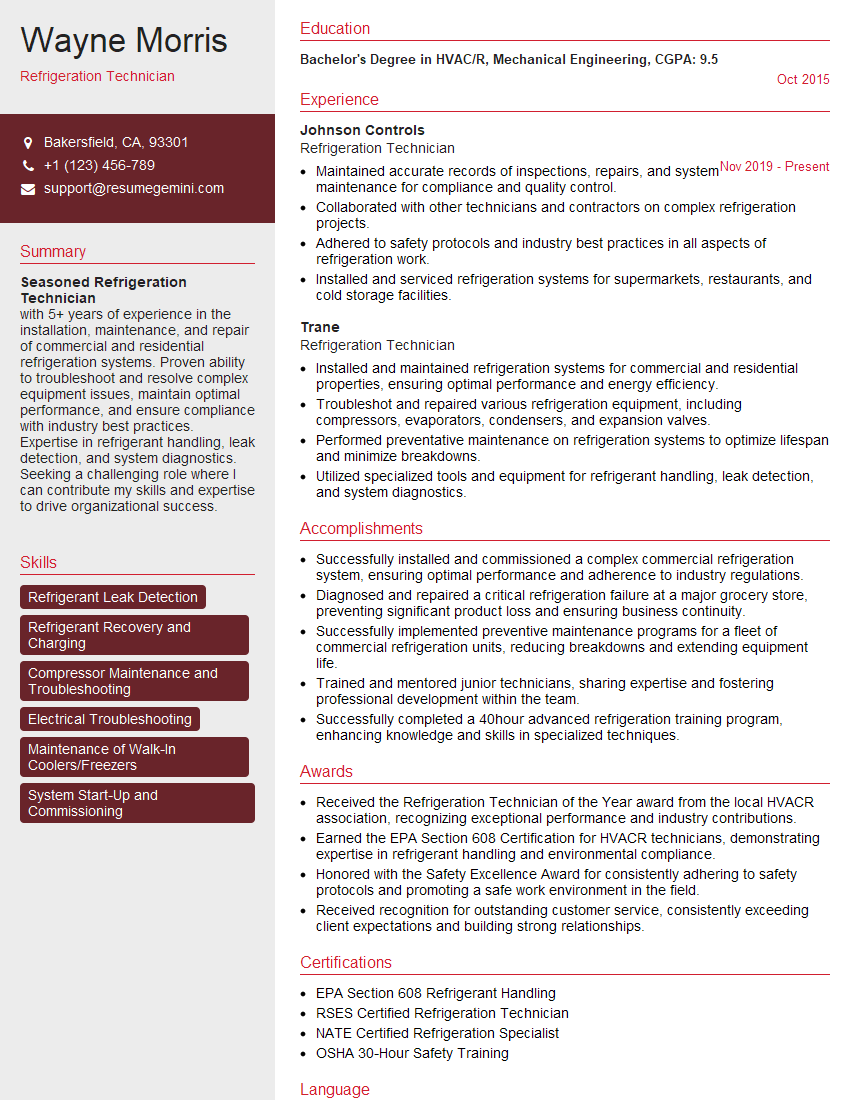
Refrigeration Technician Resume Sample
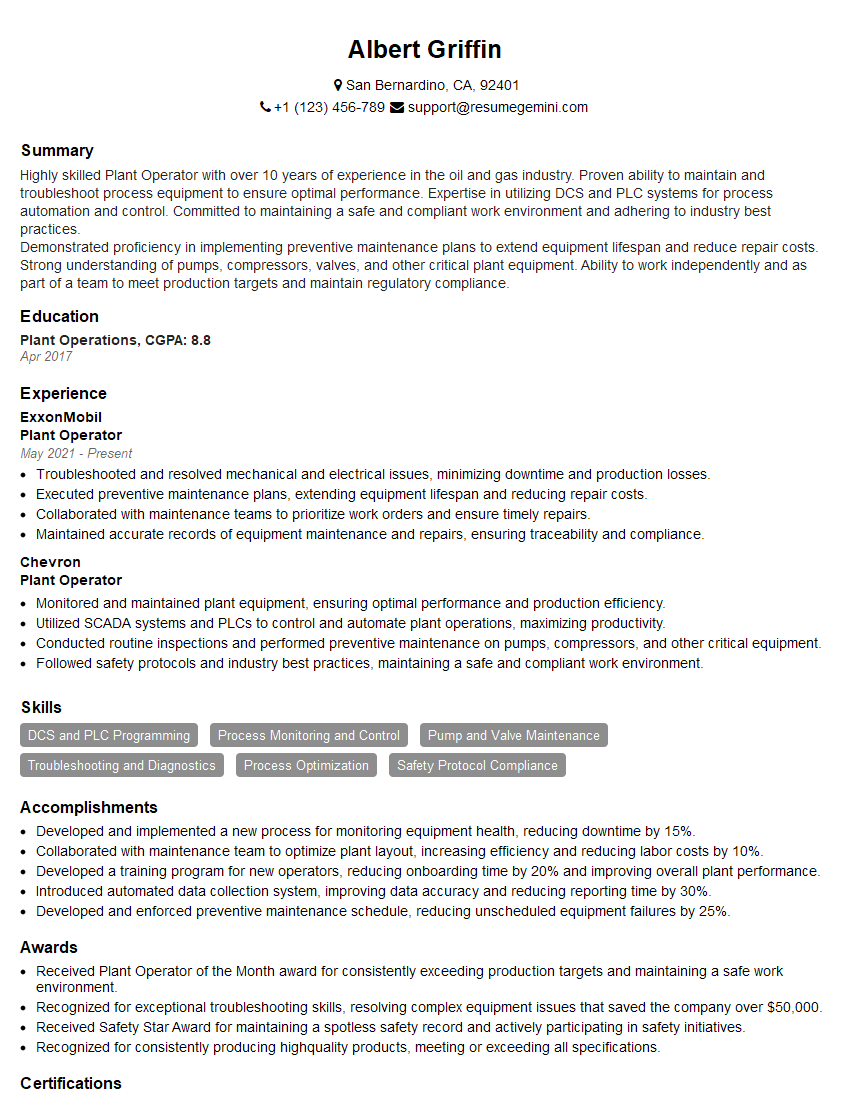
Plant Operator Resume Sample
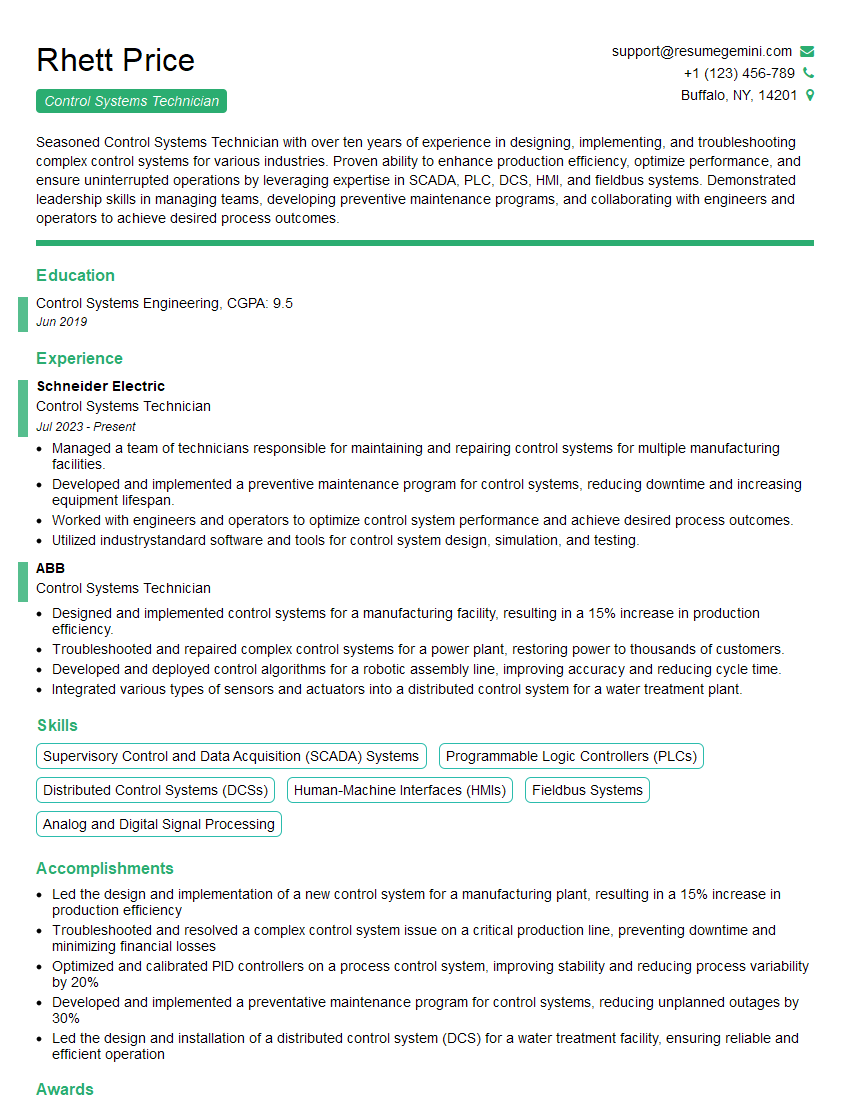
Control Systems Technician Resume Sample
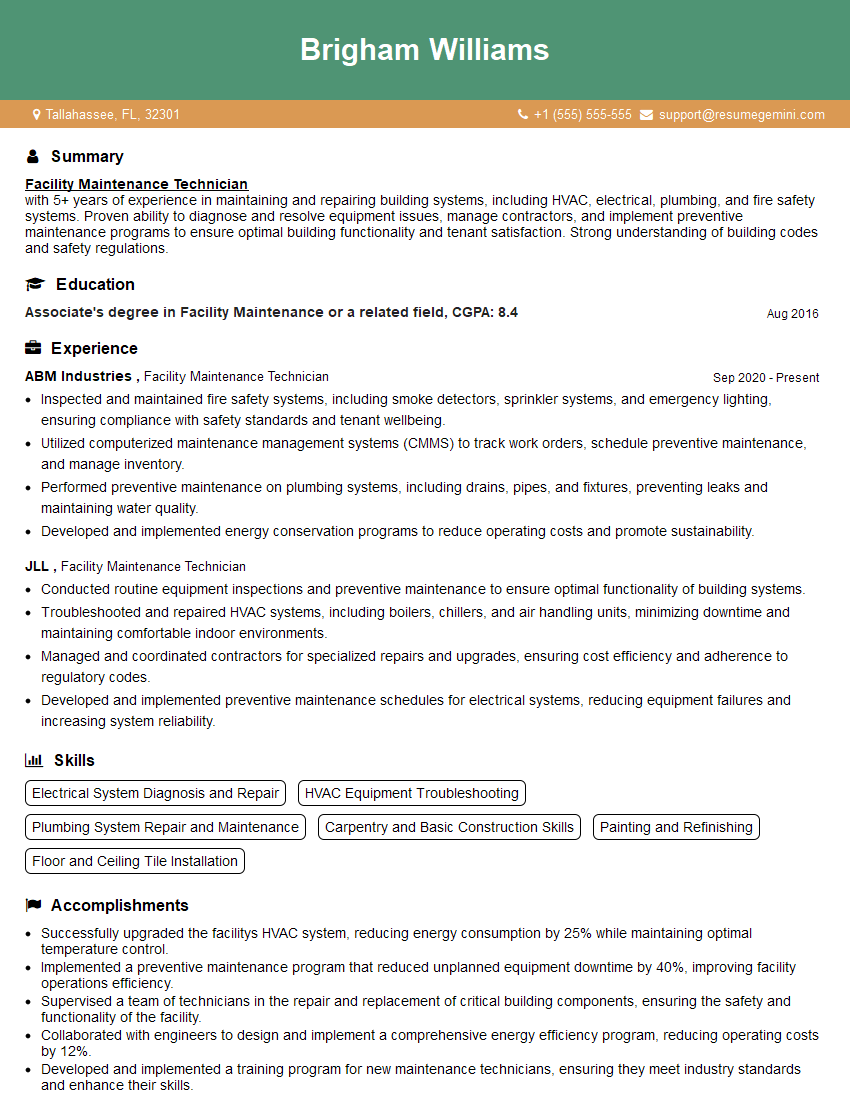
Facility Maintenance Technician Resume Sample
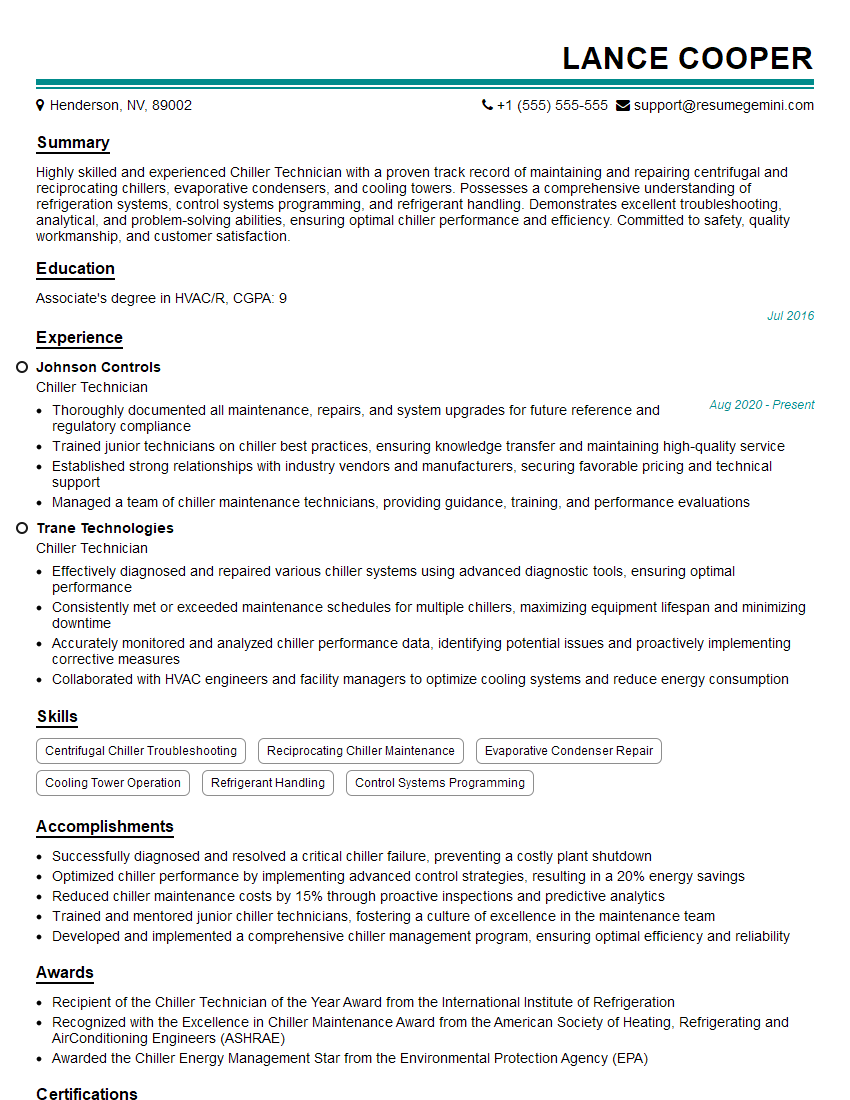
Chiller Technician Resume Sample
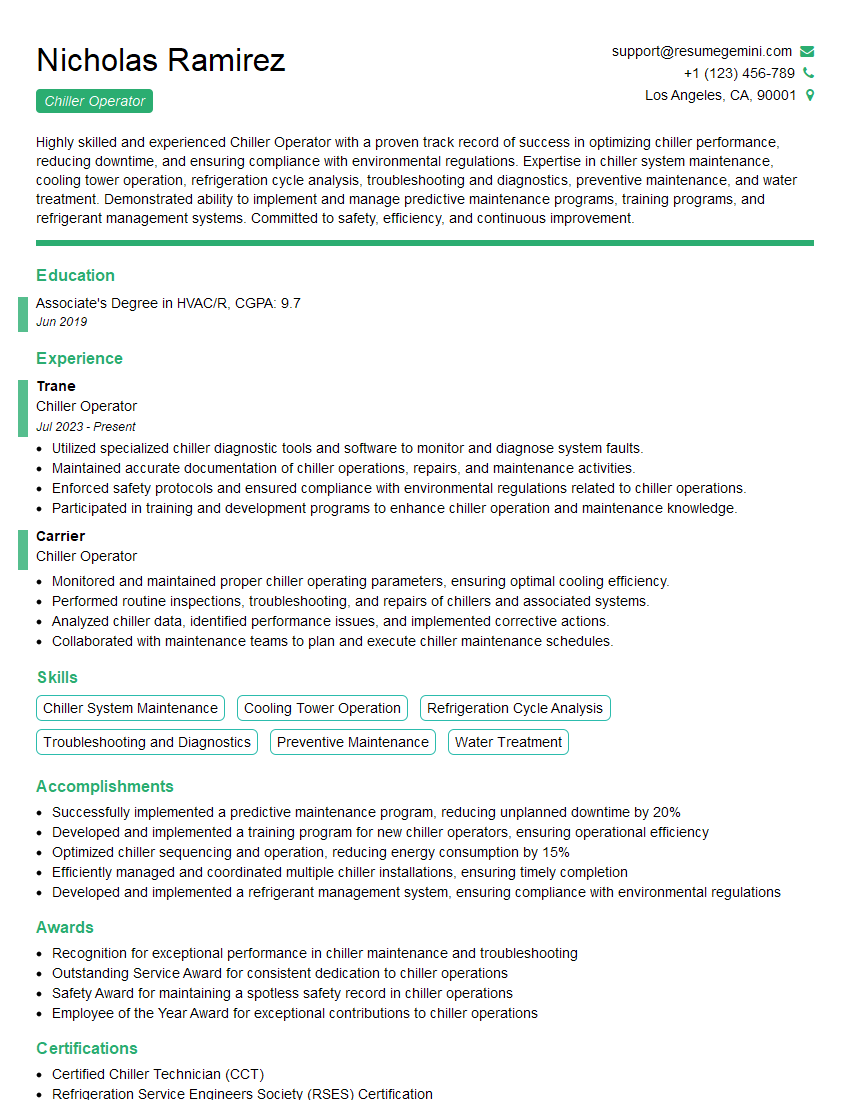
Chiller Operator Resume Sample
Explore more articles
Users Rating of Our Blogs
Share Your Experience
We value your feedback! Please rate our content and share your thoughts (optional).
What Readers Say About Our Blog
Very informative content, great job.
good