Interviews are more than just a Q&A session—they’re a chance to prove your worth. This blog dives into essential Grain ISO 9001 interview questions and expert tips to help you align your answers with what hiring managers are looking for. Start preparing to shine!
Questions Asked in Grain ISO 9001 Interview
Q 1. Explain the key principles of ISO 9001:2015.
ISO 9001:2015 is built on several key principles that guide organizations in establishing and maintaining a robust quality management system (QMS). These principles aim to improve customer satisfaction and operational efficiency.
- Customer focus: Understanding and meeting customer needs and expectations is paramount. This involves actively seeking customer feedback and incorporating it into processes.
- Leadership: Leaders at all levels must create and foster a quality-oriented culture, setting the vision and ensuring commitment to the QMS.
- Engagement of people: Empowering employees at all levels to contribute to quality improvement is crucial. This includes providing training and recognizing achievements.
- Process approach: Managing processes effectively, identifying interdependencies, and optimizing workflows are essential for efficiency and quality.
- Improvement: Continuously striving for improvement in the QMS is a core principle. This involves using data to identify areas for improvement and implementing corrective actions.
- Evidence-based decision making: Decisions should be based on the analysis of data and objective evidence, not assumptions or gut feelings. This supports consistent improvement.
- Relationship management: Building strong relationships with suppliers and other stakeholders contributes to a reliable and high-quality supply chain.
For a grain processing facility, this might mean conducting regular customer surveys to assess satisfaction with grain quality and delivery, empowering workers to report quality issues, and tracking key process metrics like moisture content and contamination levels to identify areas for improvement.
Q 2. Describe the Plan-Do-Check-Act (PDCA) cycle and its application in a grain processing facility.
The Plan-Do-Check-Act (PDCA) cycle is a continuous improvement methodology. It’s an iterative process used to systematically improve processes. In a grain processing facility, it might look like this:
- Plan: Define the objective, identify potential risks and opportunities, and develop a plan to address them. Example: Reducing grain breakage during the milling process.
- Do: Implement the plan, collect data, and monitor the process. Example: Implementing new milling techniques and monitoring breakage rates.
- Check: Analyze the data, compare results against the objective, and identify any discrepancies. Example: Reviewing breakage data and comparing it to the target reduction rate.
- Act: Take corrective actions based on the analysis, standardize best practices, and document changes. Example: Implementing the successful new milling technique across all milling lines and updating standard operating procedures.
The PDCA cycle is not a one-time event, but an ongoing process of continuous improvement. It’s applied repeatedly to various processes throughout the grain handling and processing.
Q 3. How do you ensure traceability of grain throughout the supply chain?
Traceability in the grain supply chain is crucial for ensuring food safety and meeting regulatory requirements. This is achieved through a robust system of identification and record-keeping throughout the entire process.
- Lot identification: Each batch of grain should be uniquely identified with a lot number or code from harvest through to the final product. This could involve using barcodes or RFID tags.
- Detailed records: Maintain comprehensive records detailing the movement of each lot, including origin, processing steps, storage locations, and any quality checks performed. A digital database is ideal for efficient traceability.
- Supplier relationships: Strong relationships with suppliers are vital to ensure traceability from the farm. This might involve collaborating on traceability systems and sharing data electronically.
- Regular audits: Internal and external audits are necessary to verify the effectiveness of the traceability system. This involves checking records, inspecting processes, and potentially performing sample testing.
Imagine a case where a contamination is discovered in the final product. With a well-implemented traceability system, you can quickly pinpoint the affected batch, identify the source of contamination, and prevent further distribution of the contaminated product, minimizing risks and protecting consumers.
Q 4. What are the critical control points (CCPs) in a grain handling process?
Critical Control Points (CCPs) are steps in a process where control is essential to prevent or eliminate a food safety hazard. In a grain handling process, some CCPs include:
- Receiving and inspection: Checking incoming grain for quality, moisture content, foreign materials, and signs of pests or spoilage. Failure to inspect properly could result in contamination.
- Cleaning and pre-conditioning: Removing impurities and adjusting moisture levels to prevent spoilage and improve processing efficiency.
- Storage: Maintaining appropriate temperature and humidity conditions to prevent insect infestation, mold growth, and loss of quality. Proper ventilation is key.
- Processing: Controlling parameters during milling, drying, or other processing steps to avoid hazards like overheating or cross-contamination.
- Packaging and labeling: Ensuring proper packaging to prevent contamination and providing accurate labeling to aid traceability.
Each CCP requires a clearly defined critical limit—a specific measurable value that must be met to prevent the hazard. Regular monitoring and documentation are essential to demonstrate control at these critical points.
Q 5. Describe your experience with conducting internal audits according to ISO 9001.
I have extensive experience conducting internal audits according to ISO 9001. My approach involves a structured methodology:
- Planning: Defining the audit scope, objectives, and criteria. This includes selecting audit teams and scheduling audits.
- Conducting the audit: This involves reviewing documents, observing processes, and interviewing personnel. Gathering evidence to support the findings.
- Reporting: Documenting findings, including observations of both conforming and non-conforming practices. Clearly articulating any non-conformances.
- Follow-up: Ensuring that corrective actions are implemented and verified, closing out audit findings.
In my previous role at a large grain processing facility, I led several internal audits, identifying areas for improvement in areas like document control and traceability. These resulted in process optimizations and improvements in overall quality management.
Q 6. How do you manage non-conformances and corrective actions?
Managing non-conformances and corrective actions is a crucial aspect of ISO 9001. My approach includes:
- Identification and recording: Documenting all non-conformances with detailed descriptions, including root cause analysis.
- Investigation: Investigating the root cause of the non-conformance through a thorough analysis. Understanding why things went wrong is crucial.
- Corrective action: Developing and implementing effective corrective actions to prevent recurrence. Actions should target the root cause.
- Verification: Verifying the effectiveness of implemented corrective actions and documenting the results. Ensuring the problem is truly solved.
- Preventative action: Proactively identifying potential problems before they occur and implementing preventive measures.
For instance, if a non-conformance involved high levels of moisture in a batch of grain, the corrective action might involve upgrading drying equipment and reviewing storage procedures. Preventative action might include implementing more frequent moisture checks during storage.
Q 7. Explain your understanding of risk-based thinking within the ISO 9001 framework.
Risk-based thinking is integral to the ISO 9001 framework. It emphasizes proactively identifying and mitigating potential risks that could affect the QMS and the organization’s ability to meet customer requirements.
- Risk identification: Identifying potential hazards and risks that can affect the grain processing, from crop contamination to supply chain disruptions.
- Risk analysis: Assessing the likelihood and impact of each risk using appropriate methods. Considering both the severity of the potential impact and the likelihood of occurrence.
- Risk evaluation: Evaluating the significance of each risk to determine the necessary actions. Prioritizing risks based on their potential impact.
- Risk treatment: Developing and implementing strategies to mitigate or eliminate identified risks. This may involve changes to processes, procedures, or equipment.
- Risk monitoring and review: Regularly monitoring and reviewing the effectiveness of risk treatments. Identifying new risks and updating the risk assessment process as needed.
In a grain processing facility, risk-based thinking might involve analyzing the risks of mycotoxin contamination, developing procedures to minimize the risk, and implementing monitoring systems to detect contamination early. This proactive approach helps prevent significant issues from arising.
Q 8. What are the key differences between ISO 9001 and other food safety standards (e.g., HACCP)?
ISO 9001 is a quality management system (QMS) standard focusing on establishing and maintaining a framework for consistent product quality. It’s a broad standard applicable to any industry, including grain handling. HACCP (Hazard Analysis and Critical Control Points), on the other hand, is specifically designed for food safety. While both aim to improve processes, their scopes differ significantly.
- Scope: ISO 9001 covers all aspects of quality, from design and production to customer satisfaction. HACCP concentrates specifically on identifying and controlling biological, chemical, and physical hazards that could compromise food safety.
- Approach: ISO 9001 uses a process-based approach, focusing on continuous improvement. HACCP uses a preventive approach, focusing on identifying and controlling hazards before they occur.
- Certification: Both are certifiable, but ISO 9001 certification is more common across various sectors, while HACCP implementation is often a prerequisite for food safety certifications like BRC or FSSC 22000. In the grain industry, a company might have both ISO 9001 and HACCP certifications working in synergy.
- Example: In a grain processing facility, ISO 9001 would ensure consistent quality control across all operations, including cleaning, storage, and packaging. HACCP would specifically focus on identifying and managing hazards such as mycotoxins or pest infestations that could compromise food safety.
Q 9. How do you ensure the effectiveness of the quality management system?
Ensuring the effectiveness of a QMS requires a multi-pronged approach involving regular monitoring, auditing, and continuous improvement. Think of it like maintaining a finely tuned engine – regular checks are vital.
- Internal Audits: Regular internal audits verify compliance with the QMS and identify areas needing improvement. These audits should be conducted by trained personnel and documented thoroughly. We used a schedule of planned audits, alternating between different departments to cover all aspects of the QMS.
- Management Review: This is a high-level review of the QMS performance, typically conducted by top management. It analyzes data like customer satisfaction, nonconformances, and corrective actions to identify trends and areas for improvement. I’ve found that using visual management tools like dashboards during these reviews proved incredibly helpful.
- Corrective and Preventive Actions (CAPA): A robust CAPA system is crucial. When nonconformities occur, thorough investigation is needed to identify root causes and implement effective corrective actions to prevent recurrence. This is where data analysis is key.
- Continuous Improvement: ISO 9001 emphasizes continuous improvement using methods such as PDCA (Plan-Do-Check-Act). Regularly evaluating processes and seeking ways to enhance efficiency and quality is paramount.
- Employee Involvement: Engaging employees at all levels to participate in the QMS is essential. Training, empowerment, and open communication are key to a successful system.
Q 10. Describe your experience with implementing and maintaining an ISO 9001 certified QMS.
I have extensive experience in implementing and maintaining ISO 9001 certified QMS in the grain industry. This involved everything from developing the QMS documentation to training personnel and conducting internal audits.
- Documentation Development: I was involved in creating and revising the QMS documentation, including the quality manual, procedures, and work instructions, ensuring they align with ISO 9001 requirements and the specific needs of the grain processing facility. We used a document control system to manage revisions and ensure everyone used the latest version.
- Training and Awareness: I delivered training programs to employees on their roles and responsibilities within the QMS, emphasizing the importance of adhering to established procedures and reporting any nonconformities. This was vital for building a strong culture of quality.
- Internal Audits: I conducted regular internal audits to verify the effectiveness of the QMS, identify areas for improvement, and report findings to management. This proactive approach allowed for early problem detection.
- Management Review: I actively participated in management reviews, contributing data and insights to drive continuous improvement and ensuring the QMS remained effective and relevant.
- External Audits: I coordinated with external certification bodies during the certification and surveillance audits, addressing any findings and ensuring that any necessary improvements were implemented.
For example, at one facility, we implemented a new grain cleaning process that improved product quality and reduced waste. This was documented as a process improvement and became part of the ongoing continuous improvement cycle.
Q 11. How do you handle customer complaints related to grain quality?
Handling customer complaints related to grain quality is crucial for maintaining customer satisfaction and trust. A structured approach is essential.
- Acknowledgement and Investigation: Promptly acknowledge the complaint and initiate a thorough investigation. This includes collecting samples, reviewing test results, and examining handling records to pinpoint the root cause.
- Root Cause Analysis: Use tools like 5 Whys or fishbone diagrams to delve into the root cause of the quality issue. Was it a problem with the storage conditions, cleaning process, or transportation? This step is key to developing effective solutions.
- Corrective Action: Implement corrective actions to address the root cause and prevent recurrence. This might involve changes to procedures, equipment upgrades, or staff retraining.
- Communication and Resolution: Communicate the findings of the investigation and the corrective actions taken to the customer. Offer appropriate compensation or solutions based on the severity and nature of the complaint. Transparency is crucial.
- Documentation: Meticulously document the entire complaint handling process, from initial acknowledgment to final resolution. This ensures traceability and provides valuable data for continuous improvement.
For instance, if a customer reported high moisture content in a grain shipment, we would investigate factors such as weather conditions during harvest, storage practices, and transportation methods, implementing improvements based on our findings. We’d offer a replacement shipment or partial refund, depending on the severity.
Q 12. What are the key performance indicators (KPIs) you would use to monitor the effectiveness of a grain quality management system?
Effective monitoring of a grain quality management system relies on specific KPIs that provide insights into various aspects of performance.
- Customer Complaint Rate: The number of customer complaints related to grain quality per unit of grain sold. A lower rate indicates improved quality and customer satisfaction.
- Number of Nonconformities: The number of deviations from established quality standards. This helps identify areas needing improvement within the QMS.
- Moisture Content: The average moisture content of the stored grain. Maintaining optimal moisture levels is essential for preventing spoilage and maintaining quality.
- Foreign Material Contamination: The level of foreign material found in grain samples. Low contamination levels show the effectiveness of cleaning procedures.
- Aflatoxin Levels: Regular testing for aflatoxins (toxic mycotoxins) is crucial in ensuring food safety and meeting regulatory requirements.
- Throughput Efficiency: This measures how effectively the grain is processed, reflecting operational efficiency and its impact on quality.
- Storage Loss: The percentage of grain lost during storage due to spoilage or other factors, highlighting effectiveness of storage procedures.
Tracking these KPIs through dashboards and regular reporting allows for proactive identification of trends, enabling timely interventions and continuous improvement.
Q 13. Explain your experience with document control within an ISO 9001 compliant environment.
Document control is the backbone of any ISO 9001 compliant environment. It ensures that all documents are current, accurate, and readily accessible. Imagine a library – effective organization is critical.
- Document Creation and Approval: All documents must be created and approved by authorized personnel. This includes clearly defining ownership and review processes.
- Revision Control: A system for controlling revisions is essential. Each revision should be clearly identified, and obsolete versions should be removed from circulation. We used a version control system to maintain a chronological history and prevent accidental use of older versions.
- Distribution and Access: Procedures for distributing documents to relevant personnel and ensuring access control need to be established. In our system, access levels were assigned according to employee roles.
- Storage and Retrieval: A secure and organized system for storing and retrieving documents is vital. This could involve a central document repository, either physical or digital. We used a digital system with access control.
- Obsoletion and Disposal: Procedures for managing obsolete documents, ensuring they are properly archived or disposed of to prevent confusion.
For example, a change in a cleaning procedure would require a new version of the document, clearly marked with the revision number. Obsolete versions would be removed from active use, but archived for traceability.
Q 14. How do you ensure the competency of personnel involved in grain quality management?
Ensuring personnel competency is critical for maintaining a high level of grain quality. A multi-faceted approach is needed.
- Training: Providing employees with appropriate training on their roles, responsibilities, and relevant procedures is essential. This includes training on quality management principles, relevant equipment operation, and food safety protocols. We used a combination of classroom training and on-the-job training.
- Skills Assessment: Regular skills assessments and competency evaluations help identify any gaps in knowledge or skills. This ensures that all personnel have the necessary competencies to perform their tasks effectively.
- Certification and Qualifications: Where appropriate, encourage personnel to obtain relevant certifications or qualifications. This demonstrates a commitment to professional development and enhances competence.
- Performance Evaluation: Regular performance evaluations incorporate assessment of quality-related tasks, identifying opportunities for improvement and further training.
- Mentorship and Supervision: Mentorship programs and effective supervision provide ongoing support and guidance, fostering continuous skill development.
For example, we provided training on the proper operation of grain cleaning equipment and aflatoxin testing procedures. Regular skills assessments ensured that our personnel maintained their proficiency and were capable of handling any quality-related issues.
Q 15. Describe your experience with managing a grain quality laboratory.
My experience managing a grain quality laboratory spans over eight years, encompassing all aspects from personnel management and method validation to budget control and ensuring ISO 9001 compliance. I’ve overseen teams of up to ten technicians, analysts, and support staff, successfully delivering accurate and timely results to clients. This involved developing and implementing Standard Operating Procedures (SOPs) for all testing methods, regularly reviewing and updating these procedures to reflect best practices and technological advancements. I’ve also been responsible for procuring and managing all equipment and supplies necessary for the lab’s operation. For example, during a period of significant growth, I successfully negotiated contracts with suppliers to secure better pricing on essential reagents while maintaining the highest quality standards. This not only saved the company money but also ensured the continued integrity of our testing data.
Career Expert Tips:
- Ace those interviews! Prepare effectively by reviewing the Top 50 Most Common Interview Questions on ResumeGemini.
- Navigate your job search with confidence! Explore a wide range of Career Tips on ResumeGemini. Learn about common challenges and recommendations to overcome them.
- Craft the perfect resume! Master the Art of Resume Writing with ResumeGemini’s guide. Showcase your unique qualifications and achievements effectively.
- Don’t miss out on holiday savings! Build your dream resume with ResumeGemini’s ATS optimized templates.
Q 16. How do you ensure the integrity and accuracy of testing data in a grain quality laboratory?
Ensuring the integrity and accuracy of testing data is paramount. We employ a multi-layered approach. First, meticulous adherence to validated SOPs is mandatory. This means every test follows a precisely defined protocol, leaving no room for ambiguity. Secondly, we use a robust system of internal checks and balances, including duplicate testing and inter-laboratory comparisons. Think of it like having a second pair of eyes review critical findings. Thirdly, all equipment undergoes regular calibration and maintenance (details on this in a later answer). We also participate in proficiency testing programs, allowing us to compare our results with other laboratories and identify any systematic errors. Finally, we utilize a sophisticated LIMS (Laboratory Information Management System) to track samples, manage results, and maintain a complete audit trail. This allows for full traceability of every sample and ensures the data’s integrity.
For example, if a significant deviation from expected results occurs, we initiate an investigation, reviewing the entire testing process to pinpoint the source of the discrepancy and implement corrective actions. This might involve recalibrating equipment, retraining personnel, or revising our SOPs.
Q 17. What are the common challenges in maintaining ISO 9001 certification in the grain industry?
Maintaining ISO 9001 certification in the grain industry presents several challenges. One major hurdle is the high degree of variability in the raw material itself. Grain quality fluctuates depending on factors like weather conditions, growing practices, and transportation. This variability can impact testing results and requires robust quality control measures to ensure consistency. Another significant challenge is managing and retaining competent personnel. Trained grain analysts are in high demand, and ensuring adequate staff training and retention is crucial. Additionally, keeping abreast of evolving regulations, both domestic and international, poses a significant challenge. Changes in food safety standards, for example, necessitate updates to procedures and documentation to maintain compliance. Lastly, maintaining a clean and well-organized lab is essential and managing this in the often dusty and demanding environment of a grain processing facility is challenging.
For instance, we once faced a challenge when a new food safety regulation was implemented requiring additional testing for mycotoxins. We had to quickly assess the impact, validate the new testing methods, update our SOPs, and train personnel, all while ensuring continuous operation of the lab and maintaining our ISO 9001 certification.
Q 18. How do you manage the calibration and maintenance of testing equipment?
Calibration and maintenance of testing equipment are managed through a comprehensive program. Each instrument has a defined calibration schedule based on manufacturer recommendations and our internal risk assessments. We use traceable standards to calibrate equipment and maintain meticulous records of these calibrations. These records are integral to our ISO 9001 documentation. Maintenance is equally rigorous; preventative maintenance is scheduled regularly, and any repairs are documented and authorized. We often use computerized maintenance management systems to track schedules and generate alerts for upcoming maintenance. Our technicians are trained in the proper use, maintenance, and troubleshooting of all equipment. Think of it as a preventative healthcare program for our instruments—regular checkups and timely repairs prevent major issues and downtime.
For instance, our near-infrared spectrometer undergoes calibration checks every month using certified reference materials. This ensures the accuracy of our moisture and protein determinations, critical for grain quality assessment.
Q 19. Describe your experience with root cause analysis techniques.
My experience with root cause analysis techniques is extensive. I frequently utilize tools such as the 5 Whys, fishbone diagrams (Ishikawa diagrams), and Pareto charts to investigate nonconformances and deviations from expected results. These techniques help us move beyond simply identifying a problem to understanding the underlying causes. For instance, if we see a sudden increase in the number of rejected grain samples, a 5 Whys analysis might reveal that a new batch of reagent is causing inaccurate readings, prompting a replacement of the reagent batch and a review of our supplier qualification process.
The fishbone diagram helps to visualize all potential contributing factors, facilitating a more comprehensive investigation. After identifying and addressing the root cause, we implement corrective and preventive actions to prevent recurrence. These actions are documented, monitored, and reviewed during internal audits.
Q 20. Explain your understanding of statistical process control (SPC).
Statistical Process Control (SPC) is a powerful tool used to monitor and improve the consistency of processes. In a grain quality laboratory, SPC can be applied to monitor various parameters, such as the accuracy of test results, the stability of equipment, or the efficiency of workflows. We use control charts, such as X-bar and R charts, to track key process parameters over time. These charts help us identify trends and patterns that indicate potential problems before they escalate into significant issues. Control limits are established based on historical data, helping us quickly identify any outliers or shifts in the process. The data from these charts informs decision-making regarding process improvements and helps us maintain a state of statistical control.
For example, we might use an X-bar and R chart to monitor the moisture content determination by our near-infrared spectrometer. Any point falling outside the control limits would trigger an investigation, potentially revealing a problem with calibration or instrument malfunction.
Q 21. How do you ensure the effective communication of quality information throughout the organization?
Effective communication of quality information is critical. We achieve this through several channels. Regular team meetings provide a platform to discuss results, identify potential issues, and share best practices. A well-maintained LIMS (Laboratory Information Management System) is crucial for sharing results with stakeholders in a timely and accurate manner. We also use internal reports, dashboards, and presentations to summarize key quality metrics and highlight trends. Regular internal audits help to identify gaps in communication and provide opportunities to improve information flow. Finally, open and transparent communication between the laboratory and other departments, such as production and management, ensures that everyone has the information they need to make informed decisions. This collaborative approach fosters a culture of continuous improvement.
For example, if a significant quality issue is discovered, we immediately inform relevant stakeholders through a formal nonconformance report, outlining the issue, its impact, and the corrective actions taken. This ensures transparency and timely response to any potential problems.
Q 22. What is your experience with continuous improvement methodologies (e.g., Lean, Six Sigma)?
My experience with continuous improvement methodologies like Lean and Six Sigma is extensive. In my previous role, we implemented Lean principles to optimize our grain receiving and processing workflows. This involved mapping out the entire process, identifying bottlenecks (like slow unloading times or inefficient cleaning procedures), and implementing Kaizen events – focused improvement projects – to eliminate waste and improve efficiency. We achieved a 15% reduction in processing time and a significant decrease in grain damage. With Six Sigma, we used DMAIC (Define, Measure, Analyze, Improve, Control) methodology to reduce the variation in grain moisture content during storage. This involved statistical analysis to pinpoint the root causes of moisture fluctuations and implementing control measures, such as improved temperature and humidity monitoring, resulting in less spoilage and consistent grain quality.
- Lean: Focused on eliminating waste in all forms (time, materials, effort).
- Six Sigma: Uses data-driven methods to reduce variation and improve process consistency.
I’m proficient in using tools such as value stream mapping, 5S methodology, control charts, and root cause analysis to drive continuous improvement within a quality management system.
Q 23. How do you manage supplier relationships to ensure consistent grain quality?
Managing supplier relationships to ensure consistent grain quality is crucial. It starts with a robust supplier selection process, carefully vetting potential suppliers based on their quality management systems, food safety certifications (e.g., ISO 22000), and their track record. Once a supplier is selected, we implement a system of regular communication, including:
- Regular quality audits: Both announced and unannounced audits to assess their compliance with our specifications and quality standards.
- Sampling and testing: Regular analysis of incoming grain samples to verify quality parameters such as moisture content, protein levels, and the presence of contaminants.
- Performance monitoring: Tracking key performance indicators (KPIs) like on-time delivery, defect rate, and customer satisfaction to identify areas for improvement.
- Collaborative problem-solving: Working closely with suppliers to address any quality issues proactively and implement corrective actions.
For example, if a supplier consistently delivers grain with high moisture content, we collaborate with them to identify the root cause (e.g., inadequate drying facilities) and help them implement solutions. This collaborative approach strengthens our relationship and ensures the long-term supply of high-quality grain.
Q 24. Describe your experience with conducting internal audits of supplier facilities.
My experience with conducting internal audits of supplier facilities is significant. I have led numerous audits, following a structured checklist based on our quality requirements and relevant food safety standards. This typically involves reviewing supplier documentation (e.g., quality manuals, records, test results), inspecting their facilities (including storage areas, processing equipment, and cleaning procedures), and interviewing personnel to assess their understanding of quality procedures.
A critical aspect is objective observation and documentation. For example, during an audit I found a supplier’s temperature monitoring system was malfunctioning, leading to potential spoilage. This was documented in the audit report, along with recommendations for corrective actions. This information was then shared with the supplier to ensure timely resolution. The audit process ensures compliance, identifies areas for improvement within the supplier’s operations, and ultimately protects our quality standards.
Q 25. How do you ensure compliance with relevant food safety regulations?
Ensuring compliance with relevant food safety regulations is paramount in the grain industry. We adhere to regulations like the Food Safety Modernization Act (FSMA) in the US or similar regulations in other countries. This involves implementing a robust food safety management system (FSMS), often based on the principles of HACCP (Hazard Analysis and Critical Control Points). This means conducting hazard analyses to identify potential biological, chemical, and physical hazards throughout the grain handling process, establishing critical control points to prevent or reduce these hazards, and monitoring these control points regularly.
We maintain detailed records of our food safety procedures, testing results, and corrective actions, ensuring traceability throughout the entire supply chain. We also provide regular food safety training to all our employees and conduct internal audits to verify compliance. Compliance is not just a regulatory requirement; it is fundamental to ensuring product safety and maintaining consumer trust.
Q 26. What are the key elements of a robust quality management system for grain storage?
A robust quality management system for grain storage hinges on several key elements. These include:
- Proper storage facilities: Clean, well-maintained storage structures that protect grain from pests, moisture, and other environmental factors.
- Effective pest control: A comprehensive pest management plan to prevent infestation and spoilage.
- Regular monitoring and inspection: Continuous monitoring of temperature, humidity, and grain quality parameters to detect any issues early.
- Inventory management: A system for tracking grain stocks, ensuring first-in, first-out (FIFO) rotation to prevent spoilage.
- Documentation and record-keeping: Detailed records of all aspects of grain handling, storage, and testing, to facilitate traceability and compliance.
- Emergency preparedness: Plans for handling emergencies such as fires or pest infestations.
A well-designed system integrates these elements to ensure the long-term quality and safety of the stored grain.
Q 27. How do you handle situations where quality standards are not met?
When quality standards are not met, a structured approach is essential. This begins with a thorough investigation to determine the root cause of the issue. This might involve reviewing process records, conducting further testing, and interviewing relevant personnel. Once the root cause is identified, corrective actions are implemented to prevent recurrence. These actions could range from adjusting processing parameters to replacing faulty equipment or retraining personnel.
Depending on the severity of the issue, we may need to implement immediate corrective actions to mitigate the impact on product quality. For example, if we find high levels of mycotoxins in a grain batch, we would immediately segregate the affected grain, preventing it from entering the supply chain. A detailed report documenting the incident, root cause analysis, corrective actions, and preventive actions is essential for continuous improvement and demonstrating our commitment to quality.
Key Topics to Learn for Grain ISO 9001 Interview
- Understanding the ISO 9001 Standard: Focus on the core principles and clauses relevant to grain handling and processing. This includes quality management system (QMS) requirements, documentation control, and internal audits.
- Quality Policy and Objectives: Learn how to define and implement a quality policy specifically tailored to the grain industry, setting measurable objectives and targets.
- Hazard Analysis and Critical Control Points (HACCP): Understand the application of HACCP principles within a grain processing facility to ensure food safety and quality.
- Traceability and Traceback Systems: Explore the methods and technologies used to track grain throughout the supply chain, ensuring product accountability and facilitating recalls if necessary.
- Internal Audits and Corrective Actions: Understand the process of conducting internal audits to identify areas for improvement and implementing effective corrective and preventative actions (CAPA).
- Management of Non-Conformances: Learn how to effectively identify, investigate, and rectify non-conformances to maintain the integrity of the QMS.
- Document Control and Record Management: Gain a firm grasp on the importance of accurate and accessible documentation in maintaining a compliant QMS.
- Continuous Improvement: Understand the methodologies and tools used for continuous improvement within an ISO 9001 framework, such as Plan-Do-Check-Act (PDCA).
- Practical Application: Consider real-world scenarios and case studies related to grain processing and quality management. Practice problem-solving related to common challenges in the industry.
- Regulatory Compliance: Familiarize yourself with relevant industry regulations and standards that complement ISO 9001 within the grain sector.
Next Steps
Mastering Grain ISO 9001 demonstrates a strong commitment to quality and compliance, significantly enhancing your career prospects in the grain industry. This expertise opens doors to higher-level positions and showcases your technical capabilities to potential employers. To maximize your job search success, create an ATS-friendly resume that effectively highlights your skills and experience. ResumeGemini is a trusted resource for building professional and impactful resumes. Use their tools and resources to craft a compelling resume; examples of resumes tailored to Grain ISO 9001 are available to guide you.
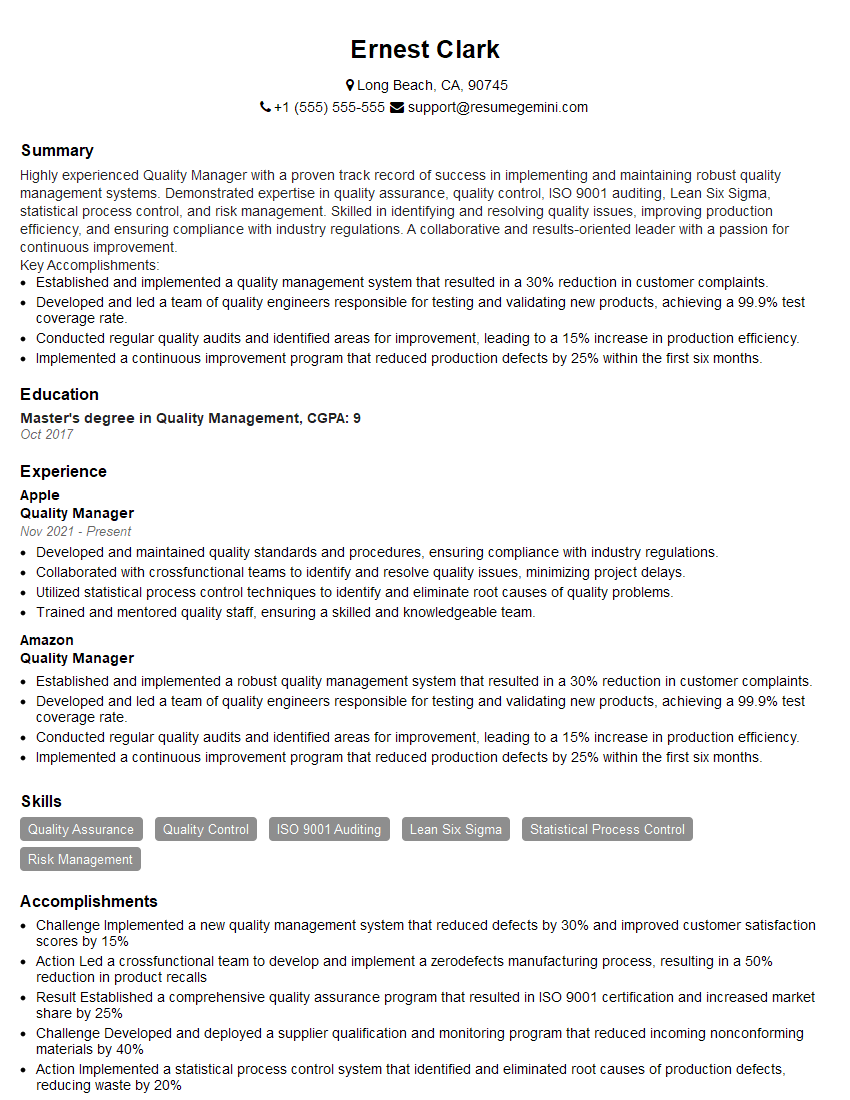
Quality Manager Resume Sample
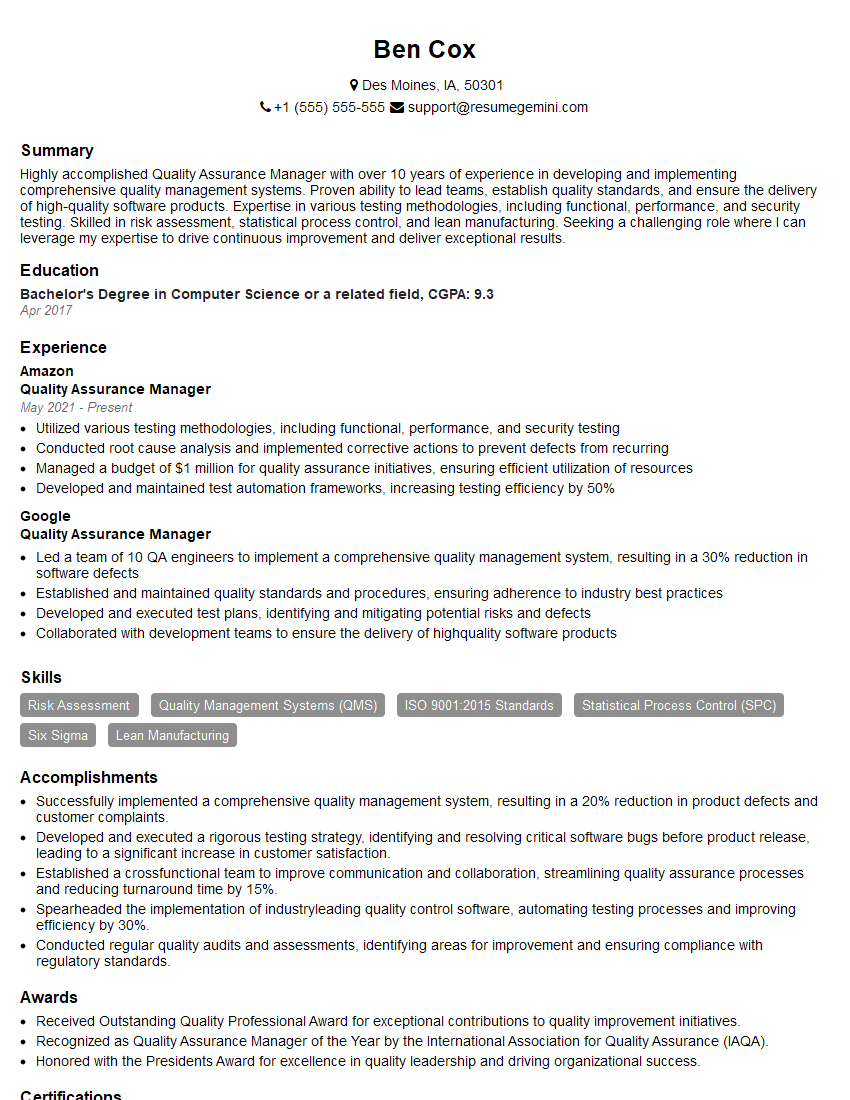
Quality Assurance Manager Resume Sample
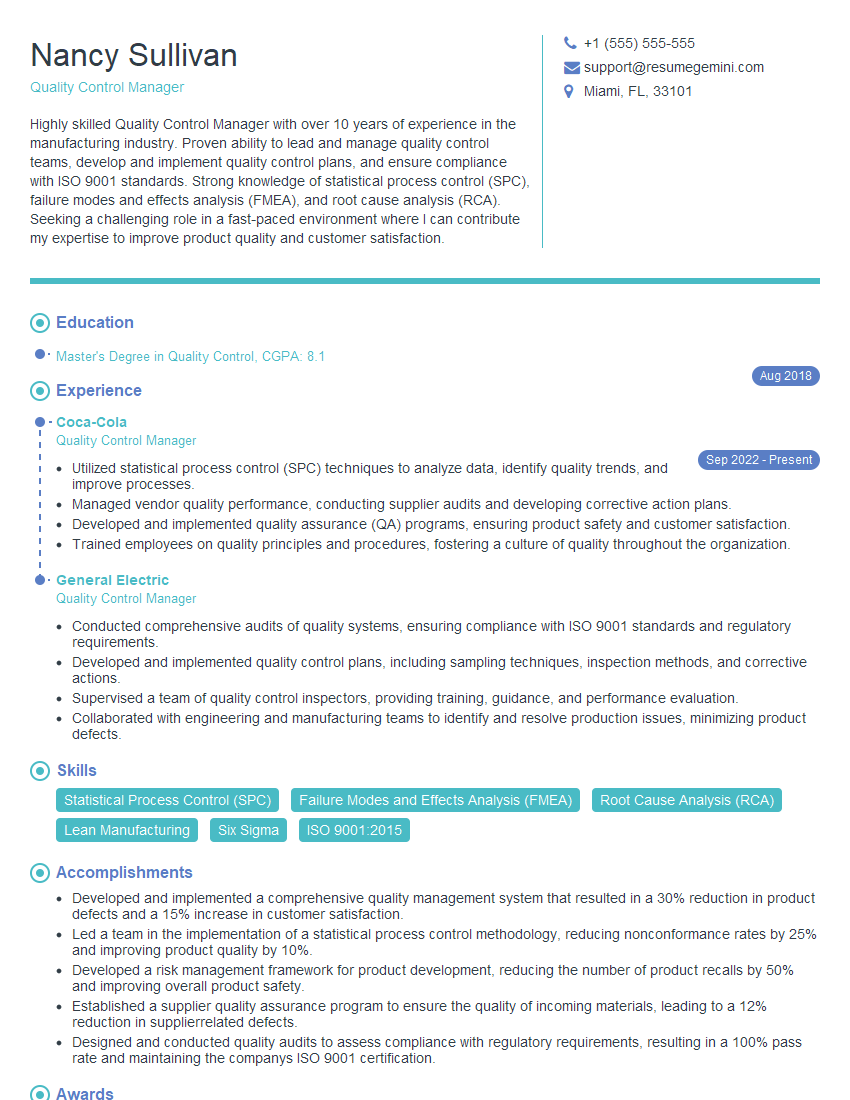
Quality Control Manager Resume Sample
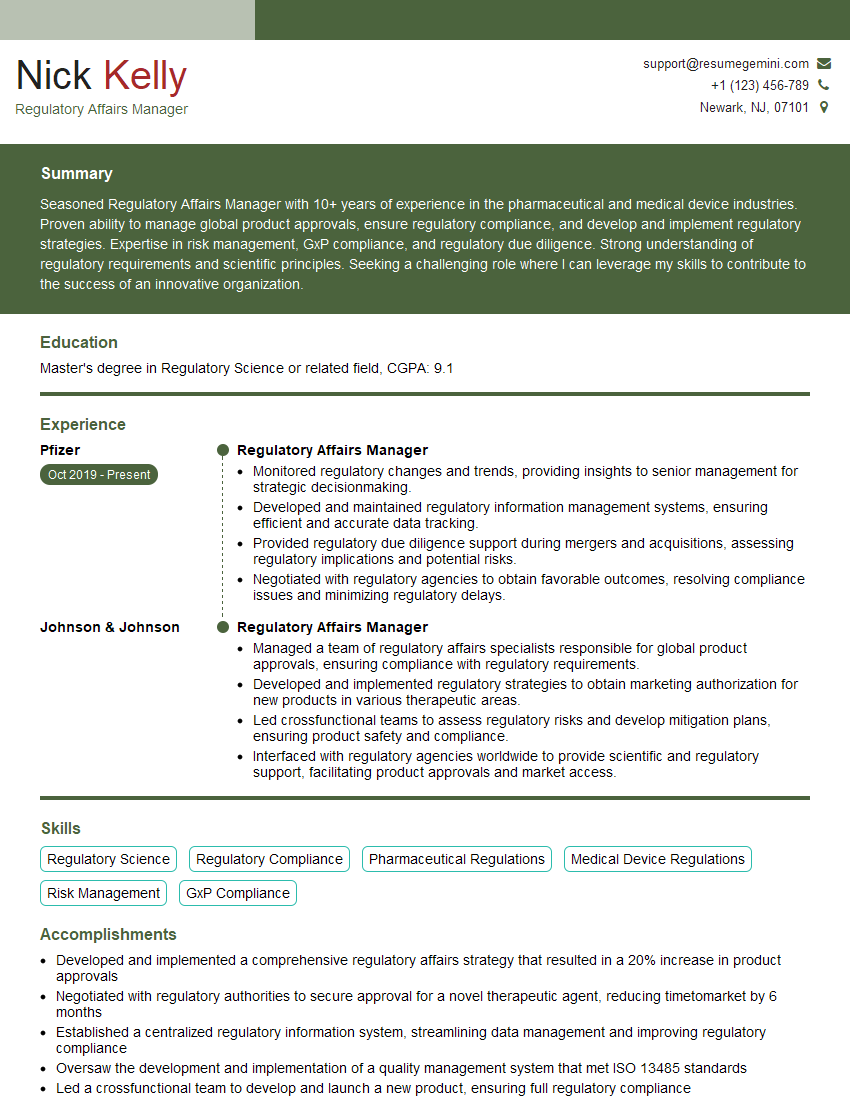
Regulatory Affairs Manager Resume Sample
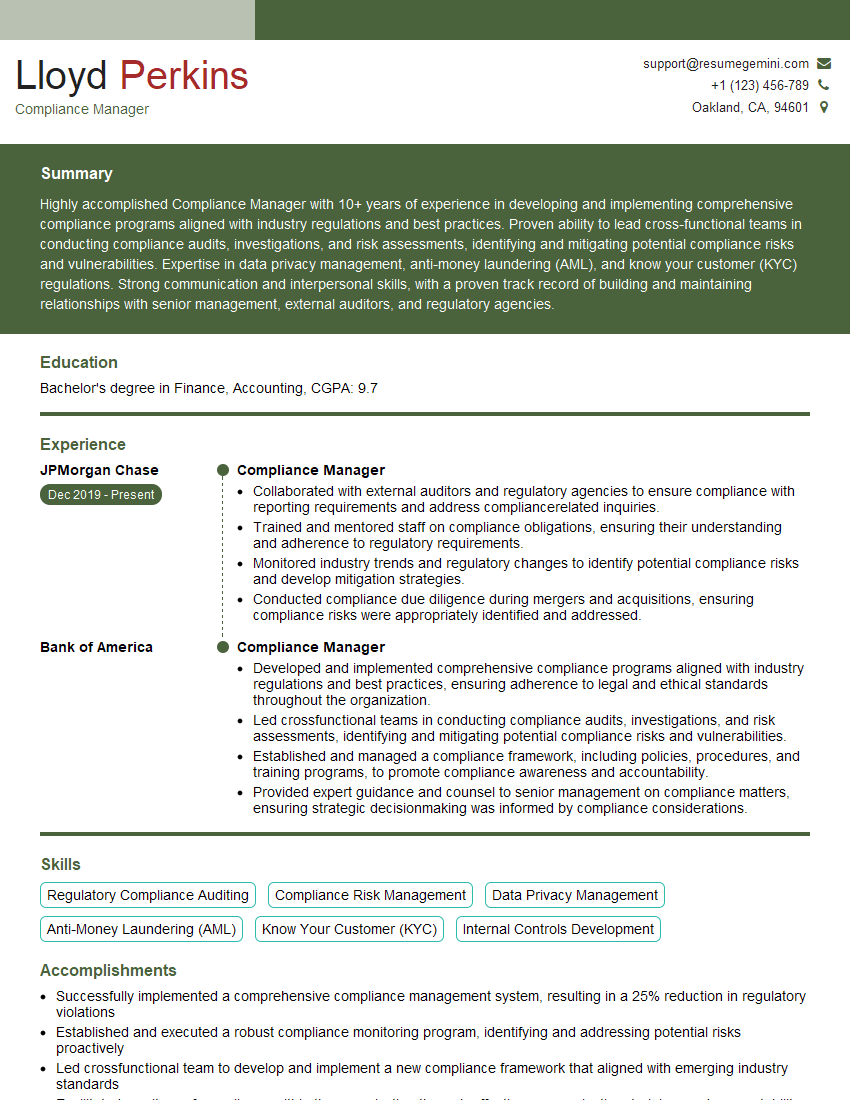
Compliance Manager Resume Sample
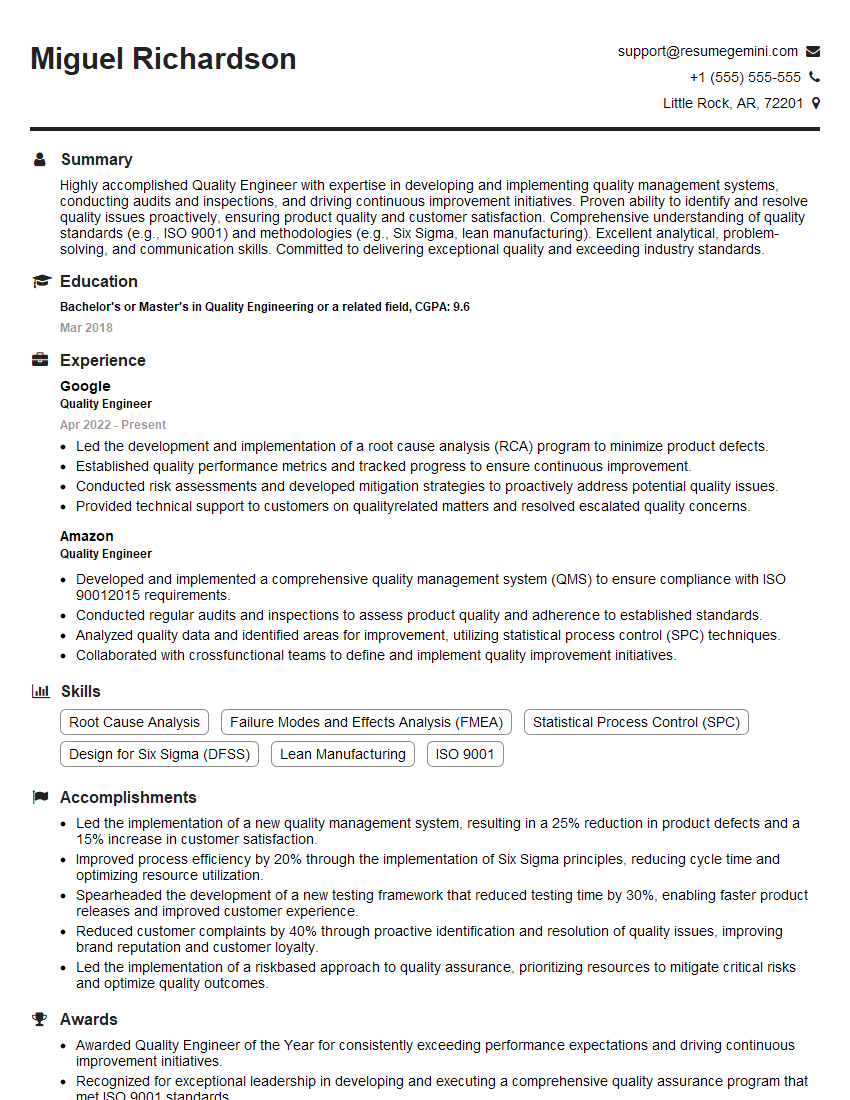
Quality Engineer Resume Sample
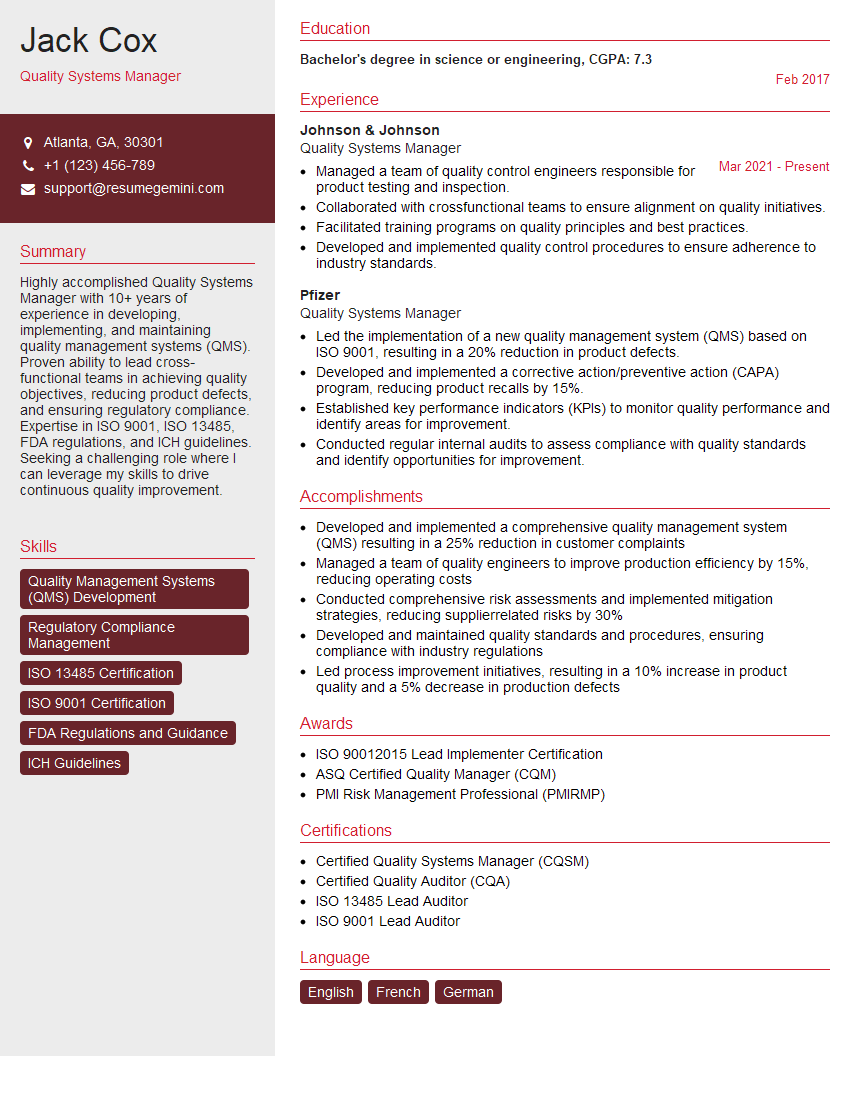
Quality Systems Manager Resume Sample

Quality Assurance Technician Resume Sample
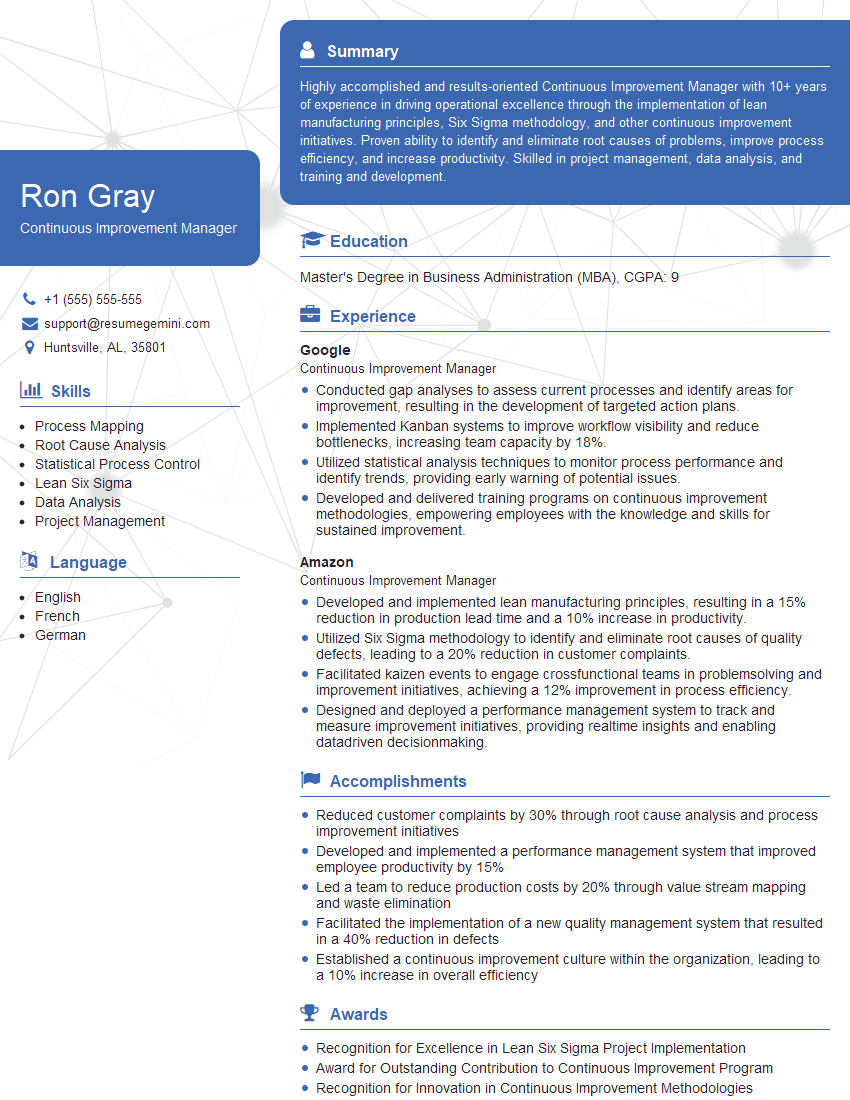
Continuous Improvement Manager Resume Sample
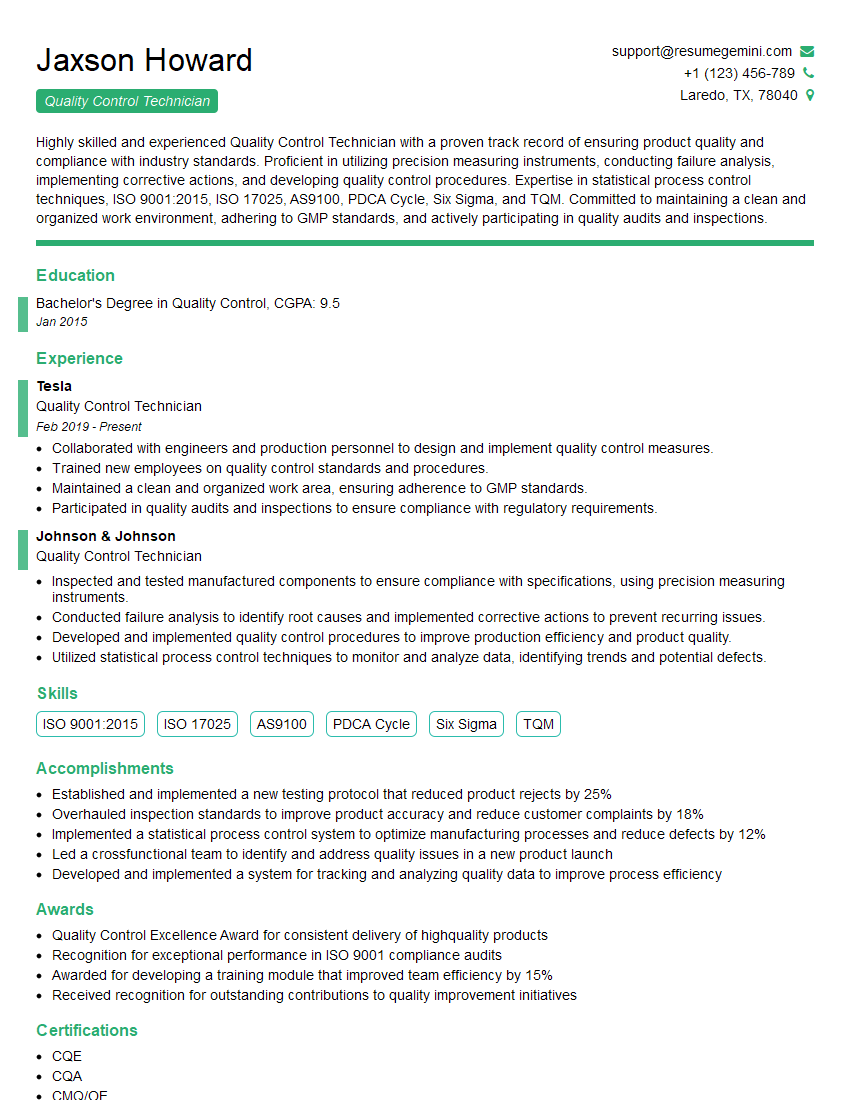
Quality Control Technician Resume Sample
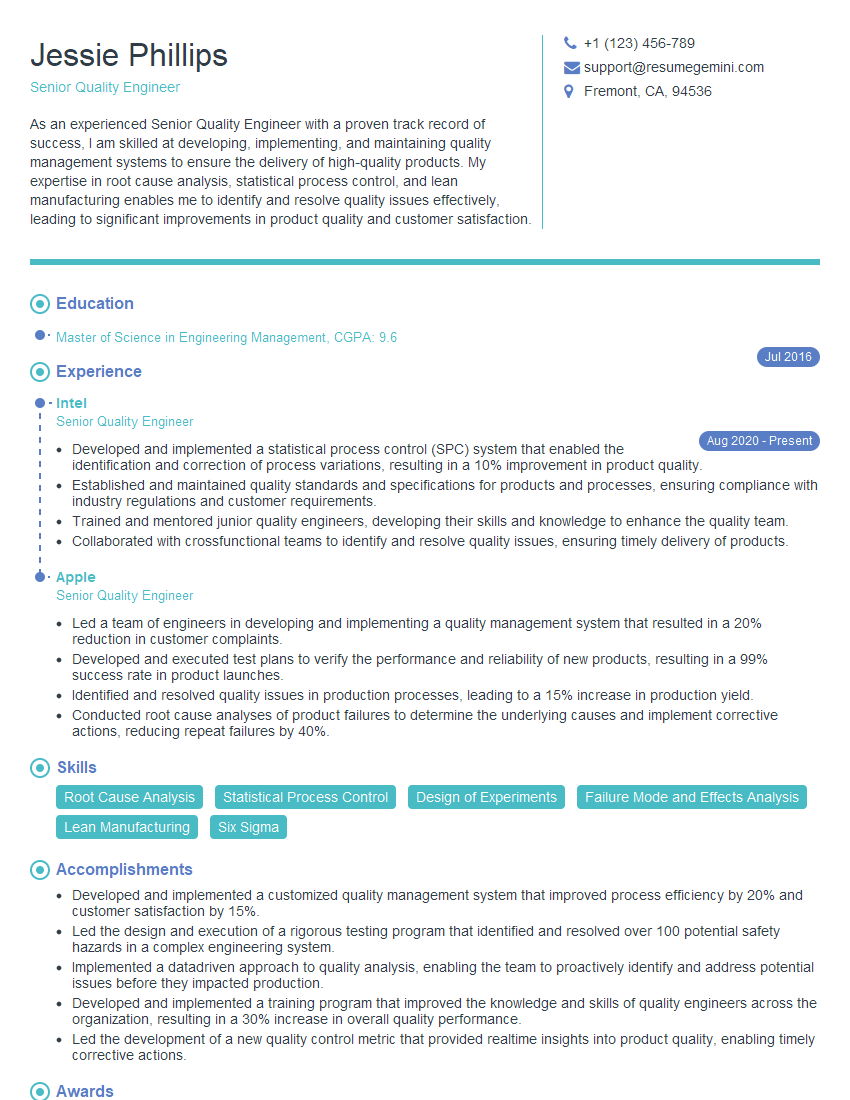
Senior Quality Engineer Resume Sample
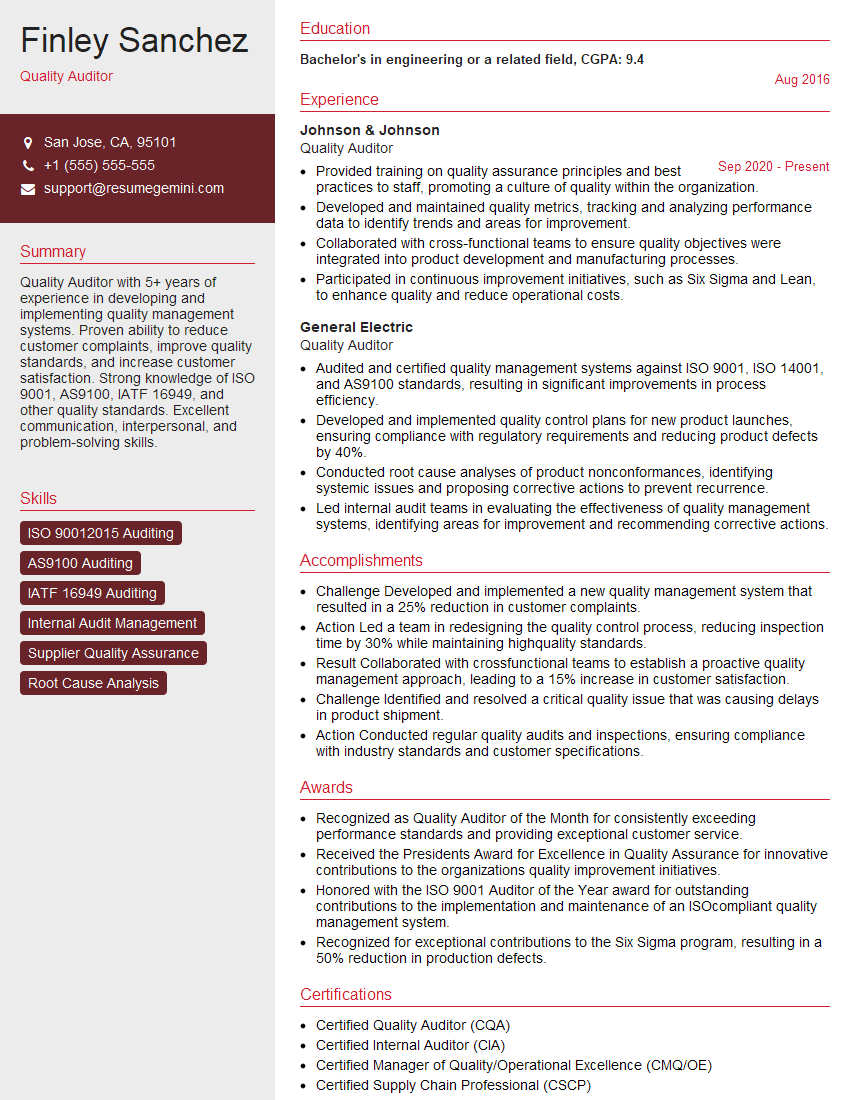
Quality Auditor Resume Sample
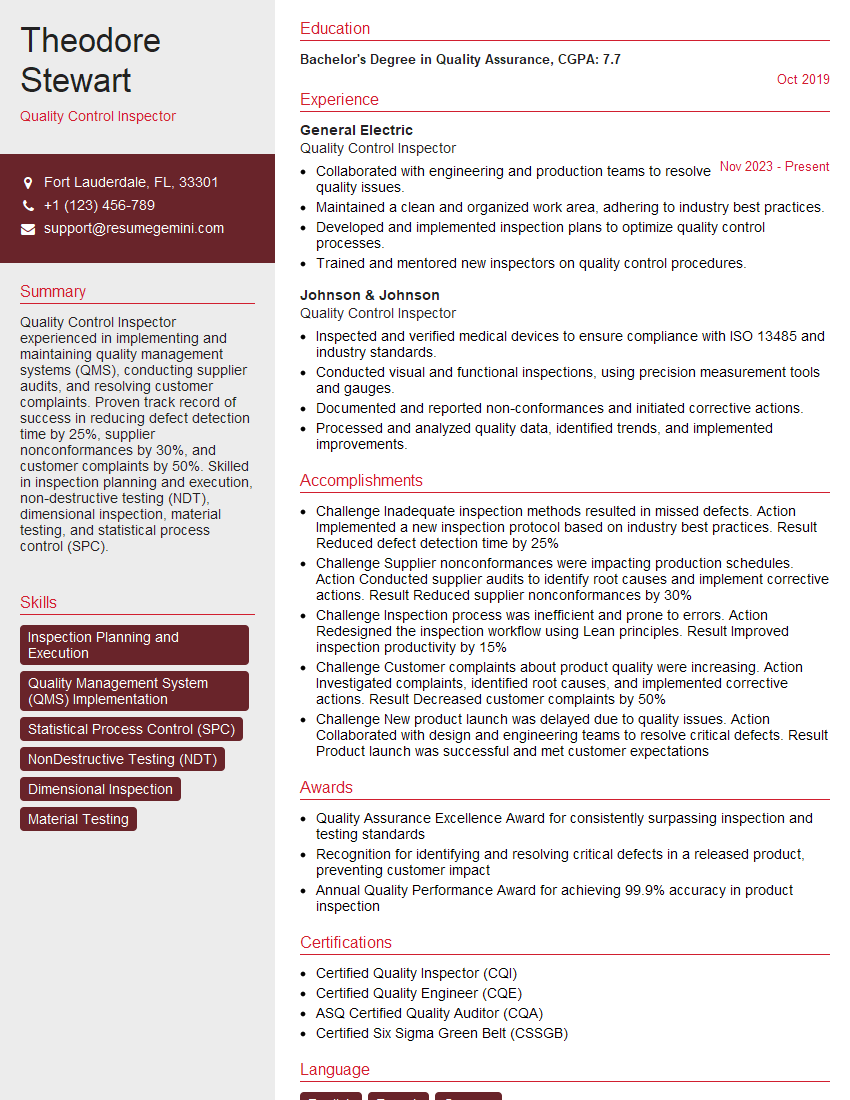
Quality Control Inspector Resume Sample
- Quality Manager
- Quality Assurance Manager
- Quality Control Manager
- Regulatory Affairs Manager
- Compliance Manager
- Quality Engineer
- Quality Systems Manager
- Quality Assurance Technician
- Continuous Improvement Manager
- Quality Control Technician
- Senior Quality Engineer
- Quality Auditor
- Quality Control Inspector
Explore more articles
Users Rating of Our Blogs
Share Your Experience
We value your feedback! Please rate our content and share your thoughts (optional).
What Readers Say About Our Blog
Very informative content, great job.
good