Every successful interview starts with knowing what to expect. In this blog, we’ll take you through the top Safety-focused interview questions, breaking them down with expert tips to help you deliver impactful answers. Step into your next interview fully prepared and ready to succeed.
Questions Asked in Safety-focused Interview
Q 1. Describe your experience conducting safety audits and inspections.
My experience in conducting safety audits and inspections spans over ten years, encompassing diverse industries such as manufacturing, construction, and healthcare. I employ a structured approach, combining pre-planned checklists with on-the-spot observations. This ensures thorough coverage of all critical areas and allows for flexibility in addressing unforeseen hazards. For example, in a recent audit of a manufacturing plant, I used a pre-defined checklist focusing on machine guarding, lockout/tagout procedures, and emergency response systems. However, during the inspection, I also noticed a tripping hazard near a loading dock, which wasn’t on the initial checklist but was immediately addressed. My audit reports are detailed, including photographic evidence, specific observations, identified violations, and recommendations for corrective actions, with follow-up inspections to ensure implementation.
Beyond checklists, I utilize techniques like walk-throughs to gain a holistic understanding of the workflow, identify potential bottlenecks, and pinpoint areas vulnerable to accidents. I also engage with workers to get their firsthand perspectives on safety concerns, fostering a collaborative environment and highlighting issues that might otherwise be missed. This participatory approach is crucial for improving safety culture.
Q 2. Explain your understanding of OSHA regulations.
My understanding of OSHA regulations is comprehensive and up-to-date. I am familiar with the General Duty Clause, which mandates employers provide a workplace free from recognized hazards. I’m also proficient in specific OSHA standards relevant to various industries, including those related to hazard communication (HazCom), personal protective equipment (PPE), machine guarding, lockout/tagout (LOTO), confined space entry, and fall protection. For example, I’m well-versed in OSHA’s requirements for creating and maintaining Safety Data Sheets (SDS) and the training employees must receive on hazardous chemicals in a workplace.
I regularly consult the OSHA website and stay current on any updates or changes to regulations. My knowledge extends to interpreting OSHA standards, conducting compliance audits, and assisting employers in developing effective safety programs to meet these standards. I understand that staying abreast of OSHA changes is essential to maintaining a safe and compliant work environment, preventing accidents, and avoiding potential penalties.
Q 3. How do you identify and assess workplace hazards?
Identifying and assessing workplace hazards is a systematic process. I use a combination of methods including job hazard analysis (JHA), which involves a step-by-step review of a specific task to identify potential hazards; workplace inspections, as described earlier; and incident investigation to learn from past events. In addition, I engage in hazard recognition training with workers which allows me to benefit from their in-the-field observations and experience.
For assessing hazards, I consider factors such as the severity of potential injuries, the probability of an incident occurring, and the exposure level of employees. I then prioritize hazards based on this risk assessment, focusing on those with the highest potential for serious harm. For example, a hazard like an unguarded machine poses a high severity risk, and if it’s frequently operated by workers, the probability is high; thus, it needs immediate attention. Less severe hazards may be addressed later. My assessments always include recommendations for control measures, such as engineering controls (e.g., machine guards), administrative controls (e.g., work procedures), and personal protective equipment (PPE).
Q 4. What safety training programs have you developed or implemented?
I have extensive experience in developing and implementing safety training programs. My approach is to tailor the training to the specific needs of the workforce, considering their job roles, the hazards they face, and their existing knowledge base. I typically use a blended learning approach, combining classroom instruction, hands-on training, and online modules.
For example, in a construction setting, I’ve developed programs covering fall protection, confined space entry, and hazard communication. These programs include theoretical instruction, practical demonstrations, and competency assessments to ensure that workers understand and can apply the training. I have also developed training materials such as interactive eLearning modules and short videos to make the learning process more engaging and accessible. Furthermore, I regularly review and update the training programs to reflect changes in regulations, technology, and best practices. Post-training evaluations and feedback sessions are crucial for continuous improvement.
Q 5. Describe your experience with incident investigation and root cause analysis.
Incident investigation and root cause analysis are critical for preventing future incidents. My approach follows a structured methodology, beginning with securing the scene (if necessary) and collecting evidence, including witness statements, photographic and video documentation, and equipment inspection. I then use a systematic approach like the “5 Whys” technique or a fishbone diagram to delve deeper and uncover the underlying causes of the event, going beyond the immediate, obvious cause to find the root problem.
For instance, if an employee suffered a laceration from a malfunctioning machine, the immediate cause might be the exposed blade. However, using root cause analysis, I might discover the underlying causes were inadequate machine guarding, lack of proper training on machine operation, and a failure in the maintenance program. My investigations always result in a detailed report outlining the findings, contributing factors, and recommendations to prevent similar incidents. These recommendations often include improvements to engineering controls, administrative procedures, worker training, and emergency response protocols.
Q 6. How do you communicate safety information to diverse workforces?
Communicating safety information effectively to diverse workforces requires a multifaceted approach. I ensure that the information is presented in a clear, concise, and easily understandable manner, avoiding technical jargon whenever possible. I tailor communication methods to the specific audience, considering factors such as language proficiency, literacy levels, and cultural backgrounds.
I utilize various communication channels, including posters, toolbox talks, email updates, safety meetings, and even short videos or interactive online modules. For example, for a workforce with limited English proficiency, I might use visual aids, translated materials, and visual instructions. For a technologically savvy workforce, an engaging eLearning module could be very effective. Regular feedback mechanisms are essential to ensuring that information is received and understood. This might include safety surveys, informal discussions with employees, or even safety committees, which gives workers a platform to express their opinions and contribute to a safer work environment.
Q 7. Explain your approach to developing and implementing safety procedures.
Developing and implementing safety procedures is a collaborative effort involving input from management, supervisors, and workers. I start by conducting a thorough hazard assessment to identify potential risks, as discussed earlier. Based on this assessment, I develop clear, concise, and easily understandable procedures that address these risks. These procedures are designed to be practical, achievable, and aligned with industry best practices and relevant regulations.
Once developed, the procedures are communicated effectively to the workforce through various channels, as mentioned previously. Training is conducted to ensure that workers understand the procedures and can apply them correctly. I also monitor compliance and conduct regular audits to ensure that the procedures are being followed. Regular review and updates are crucial to account for changes in the workplace, new technologies, or lessons learned from incident investigations. The aim is to create a safety culture where adherence to procedures becomes ingrained in daily operations, fostering a proactive and safe work environment. This is not a one-time effort but an ongoing process of improvement and adaptation.
Q 8. How do you ensure compliance with safety regulations?
Ensuring compliance with safety regulations is a multifaceted process that requires a proactive and systematic approach. It begins with a thorough understanding of all applicable regulations, which can vary depending on industry, location, and specific operations. This understanding informs the development of comprehensive safety programs and policies.
- Regular Audits and Inspections: We conduct regular internal audits and inspections to verify adherence to established safety procedures and identify any gaps or deficiencies. These audits follow a checklist based on the relevant regulations and are documented meticulously.
- Training and Education: A robust training program is crucial. Employees at all levels receive training on relevant safety regulations, emergency procedures, and the use of safety equipment. Training is regularly updated to reflect changes in regulations or best practices. For example, in a manufacturing plant, we’d provide hands-on training on operating machinery safely and using personal protective equipment (PPE).
- Documentation and Record-Keeping: Meticulous record-keeping is essential for demonstrating compliance. This includes maintaining records of safety training, inspections, incident investigations, and corrective actions. A well-organized system allows for easy retrieval of information during audits or investigations.
- Continuous Improvement: Compliance is not a one-time event. It’s an ongoing process of continuous improvement. We regularly review our safety programs and procedures, incorporating lessons learned from incidents and industry best practices. For instance, if an incident reveals a weakness in a particular safety procedure, we revise the procedure to mitigate that risk.
Ultimately, ensuring compliance requires a culture of safety, where safety is prioritized at all levels of the organization, and where employees are empowered to identify and report hazards without fear of reprisal.
Q 9. Describe your experience with safety performance metrics and reporting.
My experience with safety performance metrics and reporting involves utilizing key indicators to track progress, identify trends, and proactively address potential hazards. This data-driven approach allows us to measure the effectiveness of our safety programs and make informed decisions.
- Key Performance Indicators (KPIs): I’ve used a variety of KPIs, including incident rates (Lost Time Injury Rate – LTIR, Total Recordable Case Rate – TRCR, etc.), near-miss reporting rates, safety training completion rates, and the effectiveness of hazard controls. Each KPI is carefully selected based on the specific risks associated with the work environment.
- Data Collection and Analysis: Data collection methods include incident reports, near-miss reports, safety inspections, and observations. Data analysis involves identifying trends, pinpointing high-risk areas, and determining the root causes of incidents. We frequently use data visualization tools (like charts and graphs) to present this information effectively.
- Reporting and Communication: Regular reports are generated and disseminated to relevant stakeholders, including management, employees, and regulatory bodies. These reports provide a transparent overview of safety performance, highlighting successes and areas for improvement. For example, I’ve created monthly safety reports that are presented to senior management, summarizing key performance indicators and outlining corrective actions for identified issues.
- Benchmarking: I’ve also utilized benchmarking to compare our safety performance against industry standards and best practices. This helps us identify areas where we can improve and adopt leading safety strategies.
By using a robust system of metrics and reporting, we are able to not just react to incidents, but anticipate and prevent them, creating a safer and more productive work environment.
Q 10. How do you manage safety risks in high-risk environments?
Managing safety risks in high-risk environments requires a multi-layered approach that combines proactive risk assessment, robust control measures, and a strong safety culture. The key is to identify and mitigate hazards before they lead to incidents.
- Comprehensive Risk Assessments: We conduct thorough risk assessments using methodologies such as HAZOP (Hazard and Operability Study) and what-if analyses. These assessments identify potential hazards and evaluate their likelihood and severity. In a construction site, for example, a HAZOP would help us analyze the risks associated with crane operations and other heavy machinery.
- Hierarchy of Controls: We implement control measures based on the hierarchy of controls, prioritizing elimination, substitution, engineering controls, administrative controls, and lastly, personal protective equipment (PPE). For instance, if working with hazardous chemicals, we would first explore ways to eliminate the need for those chemicals, then substitute them with less hazardous alternatives, and only resort to PPE as a last resort.
- Permit-to-Work Systems: In high-risk situations, permit-to-work systems are crucial. These systems ensure that hazardous work is only carried out after a thorough risk assessment, the implementation of control measures, and the authorization of a competent person.
- Emergency Response Plans: Comprehensive emergency response plans are essential, outlining procedures for different types of emergencies. Regular drills and training are conducted to ensure that employees are prepared to respond effectively to emergencies.
- Monitoring and Surveillance: We actively monitor the work environment for any potential hazards. This includes regular inspections, audits, and the use of monitoring equipment to detect hazardous conditions.
Managing safety in high-risk environments demands constant vigilance and a commitment to continuous improvement. It requires a collaborative effort among management, supervisors, and employees to identify and mitigate hazards effectively.
Q 11. How familiar are you with JSA (Job Safety Analysis)?
I am very familiar with Job Safety Analysis (JSA). It’s a systematic process used to identify hazards and control measures associated with a specific task or job. It’s a crucial tool for proactively managing safety risks and preventing incidents.
A JSA typically involves a step-by-step breakdown of the job, identifying potential hazards at each step. For each hazard, control measures are identified and documented. The process often involves a team approach, with input from workers who actually perform the job. This ensures that the analysis is realistic and effective.
Example: In a JSA for operating a forklift, steps might include pre-operation checks, maneuvering the forklift, loading/unloading goods, and post-operation checks. Potential hazards associated with each step would be identified (e.g., striking an object, tipping over, falling goods), along with control measures (e.g., using mirrors, maintaining safe speeds, using load restraints).
The completed JSA document becomes a vital safety guide for the job, ensuring that workers understand the potential hazards and the measures in place to control them. It’s reviewed and updated regularly to reflect changes in the job or the work environment.
Q 12. Describe your experience with developing and delivering safety training.
Developing and delivering safety training is a key aspect of my role. My approach focuses on creating engaging, interactive training programs that are tailored to the specific needs and risks of the workplace.
- Needs Assessment: I begin by conducting a needs assessment to identify the specific training requirements of the workforce. This involves reviewing incident reports, conducting job hazard analyses, and consulting with supervisors and workers to determine knowledge and skill gaps.
- Curriculum Development: Based on the needs assessment, I develop a comprehensive training curriculum that includes both theoretical and practical components. This might include lectures, demonstrations, simulations, and hands-on exercises. For example, in a construction setting, we might conduct hands-on training for using fall protection equipment.
- Delivery Methods: I utilize various delivery methods to cater to different learning styles. This might involve classroom-based training, online modules, on-the-job training, and mentoring. Using diverse methods helps to ensure knowledge retention and application.
- Evaluation and Feedback: The effectiveness of training is evaluated through various methods, including written tests, practical demonstrations, and observations. Feedback is gathered from participants to identify areas for improvement in the training program.
- Documentation: All training records are meticulously documented, including attendance, performance evaluations, and any feedback received. This demonstrates compliance and facilitates continuous improvement.
A well-designed and delivered safety training program is not just a box to be ticked but a crucial investment in a safe and productive workplace. It empowers employees to make informed safety decisions and ultimately contributes to a strong safety culture.
Q 13. Explain your understanding of risk assessment methodologies.
My understanding of risk assessment methodologies encompasses a range of techniques used to identify, analyze, and evaluate potential hazards. The choice of methodology depends on the specific context and complexity of the situation.
- Qualitative Risk Assessment: This involves a subjective evaluation of risks based on factors like likelihood and severity. This is often used for simpler tasks or when detailed quantitative data is unavailable. A simple risk matrix is often employed, classifying risks based on a combination of likelihood and consequence.
- Quantitative Risk Assessment: This involves assigning numerical values to the likelihood and severity of risks, allowing for a more precise assessment. This is often used in situations where more precise risk estimations are needed, such as in chemical process industries.
- HAZOP (Hazard and Operability Study): This is a structured and systematic technique used to identify potential hazards and operational problems in complex systems. It involves a team of experts systematically reviewing the process, considering deviations from the intended operation.
- What-If Analysis: This involves brainstorming potential hazards by asking a series of “what-if” questions. This is a simpler, less structured approach often used for quick risk assessments.
- Failure Mode and Effects Analysis (FMEA): This technique systematically identifies potential failures in a system and assesses their effects. It is commonly used in engineering and manufacturing.
Regardless of the methodology chosen, a comprehensive risk assessment should always include identification of hazards, assessment of risks, selection and implementation of control measures, and monitoring and review. The goal is not to eliminate all risk (which is often impossible), but to reduce risk to an acceptable level.
Q 14. How do you handle conflicts or disagreements regarding safety protocols?
Handling conflicts or disagreements regarding safety protocols requires a diplomatic yet firm approach. The focus should always be on ensuring a safe working environment.
- Open Communication: The first step is to encourage open and respectful communication among all parties involved. Create a safe space for everyone to express their concerns and perspectives without fear of reprisal.
- Collaborative Problem-Solving: Frame the disagreement as a collaborative problem-solving exercise. Involve all stakeholders in identifying the root cause of the conflict and brainstorming solutions together. Consider using a structured approach, such as root cause analysis, to objectively identify the issue.
- Objective Data: Base decisions on objective data and evidence. Refer to safety regulations, risk assessments, industry best practices, and any relevant data. This prevents decisions from being based solely on opinions or assumptions.
- Escalation Procedures: Establish clear escalation procedures for resolving disagreements. If consensus cannot be reached at a lower level, the issue should be escalated to a higher authority for resolution. This ensures a fair and transparent process.
- Documentation: Meticulously document all discussions, decisions, and agreements. This provides a record of the resolution process and helps to prevent future conflicts.
Remember, the ultimate goal is to maintain a safe working environment. A collaborative and data-driven approach is crucial in resolving conflicts and ensuring that all safety protocols are implemented effectively and consistently.
Q 15. How do you motivate employees to participate in safety initiatives?
Motivating employees to actively participate in safety initiatives requires a multi-pronged approach that goes beyond simply issuing directives. It’s about fostering a culture where safety is seen as a shared responsibility, not just a management mandate.
Lead by Example: Visible commitment from leadership is paramount. If managers consistently demonstrate safe work practices and prioritize safety meetings, employees are more likely to follow suit. I’ve found that actively participating in safety inspections and training alongside the team builds trust and demonstrates genuine concern.
Incentivize and Recognize: Implementing reward systems, such as safety awards, bonuses, or public acknowledgement, can significantly boost engagement. For instance, I’ve successfully used a points-based system where teams accumulate points for safe practices, leading to team rewards like extra break time or company outings.
Empowerment and Ownership: Encourage employees to identify hazards and suggest improvements. This fosters a sense of ownership and responsibility. Creating a safe and comfortable environment for reporting near misses and incidents, without fear of blame, is crucial. I often facilitate brainstorming sessions to get employees actively involved in designing safety solutions.
Effective Communication: Regular safety meetings, newsletters, and readily accessible safety information are essential. Using various communication channels—posters, toolbox talks, emails, and even social media platforms—ensures information reaches everyone effectively. I once created a simple, engaging video explaining the proper use of lockout/tagout procedures, resulting in a significant reduction of related incidents.
Training and Education: Comprehensive safety training, tailored to different roles and responsibilities, is crucial. This training shouldn’t be a one-off event but rather an ongoing process of refresher courses and updated procedures. For example, I implemented an interactive online training module for forklift operation, which significantly improved operator competence and reduced accidents.
Career Expert Tips:
- Ace those interviews! Prepare effectively by reviewing the Top 50 Most Common Interview Questions on ResumeGemini.
- Navigate your job search with confidence! Explore a wide range of Career Tips on ResumeGemini. Learn about common challenges and recommendations to overcome them.
- Craft the perfect resume! Master the Art of Resume Writing with ResumeGemini’s guide. Showcase your unique qualifications and achievements effectively.
- Don’t miss out on holiday savings! Build your dream resume with ResumeGemini’s ATS optimized templates.
Q 16. Describe your experience with personal protective equipment (PPE).
My experience with personal protective equipment (PPE) encompasses selection, training, maintenance, and enforcement. It’s not just about providing PPE; it’s about ensuring it’s used correctly and effectively.
Selection: PPE selection is crucial and must align with the specific hazards present in each work environment. This includes conducting thorough risk assessments to identify potential hazards and selecting the appropriate PPE to mitigate those risks. For instance, in a chemical handling environment, selecting the right type of gloves, respirators, and eye protection is vital.
Training: Providing comprehensive training on proper PPE use is critical. This training must cover proper donning and doffing procedures, inspection for damage, limitations of the PPE, and disposal procedures. I’ve developed and delivered numerous training sessions, emphasizing hands-on practice and practical scenarios.
Maintenance: Regular inspection and maintenance of PPE are essential to ensure its effectiveness. Damaged or worn-out PPE should be immediately replaced. Implementing a system for tracking and maintaining PPE, including regular inspections and replacement schedules, is essential. We use a barcoding system to track PPE and ensure timely replacements.
Enforcement: Consistent enforcement of PPE usage is key to its success. This includes regular inspections, disciplinary actions for non-compliance, and promoting a culture where wearing PPE is seen as a normal and essential part of the job. We utilize a system of verbal warnings, written reprimands, and potential disciplinary actions to ensure adherence to PPE regulations.
Q 17. How do you manage safety incidents and emergencies?
Managing safety incidents and emergencies requires a structured approach that emphasizes prompt response, thorough investigation, and preventative measures.
Immediate Response: The first priority is to secure the scene, ensure the safety of personnel, and provide any necessary first aid. We have established emergency response procedures, clearly defined roles, and readily accessible emergency contact information.
Investigation: A thorough investigation is conducted to determine the root cause of the incident. This includes gathering evidence, interviewing witnesses, and analyzing the sequence of events. We utilize a standardized incident reporting form and a root cause analysis methodology to identify contributing factors and prevent future occurrences.
Corrective Actions: Once the root cause is identified, appropriate corrective and preventative actions are implemented to prevent similar incidents from happening again. This may involve modifying procedures, improving training, enhancing equipment, or implementing engineering controls. For example, after a fall from height incident, we implemented new safety harnesses and enhanced fall protection training.
Reporting and Documentation: All incidents are meticulously documented, including the details of the incident, the investigation, and the corrective actions taken. This information is used to track trends, identify areas for improvement, and inform future safety initiatives.
Communication: Clear and timely communication to all stakeholders, including employees, management, and regulatory bodies, is crucial. We utilize various communication channels, including email, meetings, and briefings to disseminate information and keep everyone informed.
Q 18. What are your strategies for promoting a strong safety culture?
Promoting a strong safety culture is an ongoing process that requires consistent effort and commitment. It’s not a one-time project but a fundamental aspect of the organizational culture.
Leadership Commitment: Visible and consistent commitment from top management is crucial. Safety must be integrated into the organization’s values and mission statement, and safety goals should be tied to performance evaluations.
Employee Engagement: Employees must be actively involved in safety initiatives. This involves empowering them to identify hazards, suggest improvements, and participate in safety meetings and training. I’ve successfully implemented employee-led safety committees that contribute significantly to identifying and resolving safety issues.
Open Communication: Creating an environment where employees feel comfortable reporting near misses and incidents without fear of reprisal is paramount. This involves establishing clear reporting procedures, providing prompt feedback, and celebrating successes.
Training and Education: Regular safety training and education are essential to keep employees informed and up-to-date on safety procedures and best practices. The training should be relevant, engaging, and tailored to the specific needs of the workforce.
Accountability: Holding individuals and teams accountable for their safety performance is critical. This involves establishing clear safety expectations, monitoring performance, and taking appropriate disciplinary action when necessary. However, it’s crucial to balance accountability with a supportive and constructive environment.
Q 19. Explain your experience with emergency response planning.
My experience with emergency response planning involves developing and implementing comprehensive plans tailored to specific hazards and potential emergencies.
Hazard Identification: The planning process begins with identifying potential hazards and assessing their likelihood and severity. This involves conducting risk assessments and identifying potential scenarios, such as fires, chemical spills, or medical emergencies.
Plan Development: Detailed emergency response plans are developed, outlining procedures for various emergency scenarios. These plans include pre-designated roles and responsibilities, communication protocols, evacuation procedures, and emergency contact information. I utilize industry best practices and regulatory requirements when developing these plans.
Training and Drills: Regular training and drills are conducted to ensure that personnel are familiar with the emergency response plans and their roles and responsibilities. These drills should simulate real-life scenarios to identify areas for improvement and enhance preparedness.
Communication: Establishing clear and effective communication protocols is crucial during emergencies. This involves using a variety of communication channels, including alarms, sirens, two-way radios, and public address systems. I have developed communication flow charts that help to ensure efficient and accurate information dissemination.
Review and Update: Emergency response plans should be regularly reviewed and updated to reflect changes in the workplace, new hazards, and lessons learned from past incidents or drills. I’ve established a regular review cycle, involving employees, management, and relevant stakeholders.
Q 20. How do you ensure that safety procedures are up to date and relevant?
Keeping safety procedures up-to-date and relevant requires a proactive and systematic approach. This involves regular review, updates based on changes, and employee involvement.
Regular Review: Safety procedures should be reviewed at least annually, or more frequently if significant changes occur in the workplace, new equipment is introduced, or new legislation is enacted. I typically schedule annual reviews of all safety procedures, involving representatives from all relevant departments.
Legislation and Standards: Staying abreast of relevant legislation, regulations, and industry best practices is crucial. Any changes to these should be promptly incorporated into the safety procedures. We subscribe to relevant industry publications and regularly check for updates to regulations.
Incident Reporting and Analysis: Using data from incident reports and near-misses to identify areas where procedures are inadequate or need improvement is critical. This analysis helps to prevent future occurrences and ensures that the procedures remain effective. We use a sophisticated incident tracking software to identify trends and areas for improvement.
Employee Feedback: Actively soliciting employee feedback on safety procedures helps to identify potential gaps and areas for improvement. This feedback can be gathered through various means, including safety meetings, surveys, and suggestion boxes. We frequently conduct employee surveys on safety procedure effectiveness.
Documentation and Communication: All updates and changes to safety procedures should be properly documented and communicated to all employees. This ensures that everyone is aware of the latest versions and can adhere to them. We use a version control system for safety documents and provide regular training updates.
Q 21. Describe your experience with safety software and technology.
My experience with safety software and technology includes using various tools to enhance safety management and improve efficiency. This includes software for incident reporting, risk assessment, training management, and safety data analysis.
Incident Reporting Software: Using software to track and manage incident reports allows for efficient data collection, analysis, and trend identification. This software often includes features such as automated reporting, data analysis tools, and integration with other safety management systems. We utilize a cloud-based incident reporting system that allows for real-time data analysis and reporting.
Risk Assessment Software: Software tools can assist in conducting comprehensive risk assessments, identifying potential hazards, and developing appropriate control measures. These tools often provide a structured framework for risk assessment, facilitating consistent and thorough evaluations. We use a software that helps map out our facilities and identify potential hazards based on location.
Training Management Systems: Software can help to manage employee safety training, ensuring that training is up-to-date, relevant, and documented. This includes features such as online training modules, tracking of employee completion, and automated reminders for refresher courses. We utilize an LMS (Learning Management System) for all safety training documentation and tracking.
Safety Data Analysis Tools: Using data analytics tools can help to identify trends in incidents, near misses, and safety performance. This data-driven approach can inform decision-making, prioritize resources, and improve overall safety performance. Our incident reporting software provides various data visualization tools to identify trends and areas for improvement.
Q 22. How do you measure the effectiveness of safety programs?
Measuring the effectiveness of safety programs isn’t simply about counting accidents; it’s about understanding the underlying trends and identifying areas for improvement. We use a multi-faceted approach, combining leading and lagging indicators.
Lagging Indicators: These measure the results of safety efforts after the fact. Examples include:
- Accident rates: Tracking the frequency and severity of incidents (Lost Time Injury Rate (LTIR), Total Recordable Incident Rate (TRIR)).
- Near-miss reports: Analyzing near-misses helps identify potential hazards before they cause accidents.
- Workers’ compensation claims: Examining the number and cost of claims reveals areas needing attention.
Leading Indicators: These measure the efforts put in place *before* an accident occurs. They are proactive measures.
- Safety training completion rates: High completion rates indicate a strong emphasis on employee training and understanding.
- Safety observation scores: Regular safety observations and audits provide insights into compliance and identify potential hazards.
- Number of safety suggestions: A high number of safety suggestions demonstrates employee engagement and proactiveness.
- Safety meeting attendance: Consistent attendance shows employee commitment to safety.
By combining lagging and leading indicators, we create a comprehensive picture of safety program effectiveness. For instance, a low accident rate (lagging) paired with high safety training completion rates (leading) shows a robust and effective program. However, a low accident rate alongside low safety training participation might indicate complacency and suggests areas for program enhancement.
Q 23. How do you stay current with changes in safety regulations and best practices?
Staying current in safety is crucial, given the constantly evolving regulations and best practices. My strategy involves a multi-pronged approach:
Professional Organizations: Active membership in organizations like OSHA, relevant industry-specific safety groups, and attending conferences keeps me updated on the latest regulations and best practices.
Industry Publications and Journals: I regularly read peer-reviewed journals and industry publications to stay abreast of new research and safety advancements. Examples include trade magazines, professional society newsletters, and government reports.
Online Resources and Webinars: Many reputable organizations offer online resources, webinars, and training courses covering the latest safety regulations and best practices. These provide convenient and up-to-date information.
Networking: Networking with other safety professionals through conferences, workshops and online forums allows for the exchange of information and best practices.
Regulatory Agency Websites: I regularly monitor websites of relevant regulatory agencies (like OSHA in the US) to check for updated guidelines, enforcement actions, and any changes in legislation.
This combination ensures I’m not just informed, but proactively adapting our safety program to stay ahead of potential challenges.
Q 24. Explain your understanding of different types of workplace hazards (physical, chemical, biological, ergonomic).
Workplace hazards can be broadly classified into four main categories:
Physical Hazards: These are hazards that can cause physical harm through contact or exposure. Examples include:
- Noise: Excessive noise levels can cause hearing damage.
- Vibration: Prolonged exposure to vibrations can cause hand-arm vibration syndrome.
- Temperature extremes: Extreme heat or cold can lead to heat stroke or hypothermia.
- Slips, trips, and falls: Poor housekeeping, inadequate lighting, and uneven surfaces contribute to slips, trips, and falls.
- Moving machinery: Entanglement or contact with moving machinery can cause serious injuries.
Chemical Hazards: These hazards involve exposure to harmful chemicals that can cause immediate or long-term health effects. Examples include:
- Toxic substances: Exposure to toxins like lead or mercury can have severe health consequences.
- Corrosive substances: Acids and bases can cause burns and tissue damage.
- Flammable substances: These materials can pose fire and explosion hazards.
Biological Hazards: These hazards involve exposure to biological agents that can cause disease or infection. Examples include:
- Bacteria and viruses: Exposure to bacteria and viruses can lead to various infections.
- Mold and fungi: Exposure can cause respiratory problems and allergic reactions.
Ergonomic Hazards: These hazards relate to the design of the workplace and tasks that can cause musculoskeletal disorders. Examples include:
- Awkward postures: Sustained awkward postures can cause strain and pain.
- Repetitive movements: Repetitive tasks can lead to carpal tunnel syndrome or other repetitive strain injuries (RSI).
- Forceful exertions: Lifting heavy objects or applying excessive force can lead to injuries.
Understanding these hazard categories is crucial for implementing effective control measures to prevent accidents and ensure a safe working environment.
Q 25. Describe your experience with lockout/tagout procedures.
Lockout/Tagout (LOTO) procedures are critical for preventing accidental energy release during maintenance or repair work on equipment. My experience involves a thorough understanding and implementation of these procedures, ensuring the safety of personnel involved.
This includes:
Pre-LOTO planning: Identifying all energy sources and isolation points before starting the process.
Energy isolation: Safely disconnecting all energy sources (electrical, hydraulic, pneumatic, etc.) from the equipment.
Lockout and Tagout application: Applying personal locks and tags to energy isolation devices to prevent accidental re-energization.
Verification of isolation: Verifying that the energy source is truly isolated before starting work.
Work authorization and communication: Ensuring proper work authorization and clear communication between all personnel involved.
Tagout removal: The person who applied the lockout/tagout is responsible for removing it after the work is completed and the equipment is inspected.
I have experience training employees in LOTO procedures, performing regular inspections to ensure compliance, and investigating any incidents where LOTO procedures were not properly followed. I understand that thorough documentation of every step in the LOTO process is essential, and any deviation from protocol must be thoroughly investigated and corrective action implemented. For example, in a past role, I implemented a new LOTO training program resulting in a significant reduction in near-miss incidents involving machinery.
Q 26. How do you work with contractors to ensure their safety compliance?
Working with contractors requires a robust safety management system to ensure their compliance with our safety standards. This involves:
Pre-qualification process: We thoroughly vet contractors based on their safety records, insurance coverage, and safety programs. This might involve reviewing their safety manuals, insurance certificates and conducting site visits.
Safety orientation and training: Contractors and their employees receive a comprehensive safety orientation that covers site-specific hazards and our safety rules.
Joint safety inspections: Regular inspections are conducted jointly with contractors to identify and address any safety hazards.
Incident reporting and investigation: Clear protocols are in place for reporting and investigating any incidents involving contractors.
Regular communication: Open communication channels are maintained to address any safety concerns promptly.
Contractual agreements: Safety requirements are explicitly stated in contracts, ensuring legal compliance and clear expectations.
For example, I’ve successfully collaborated with numerous contractors on complex projects, ensuring their compliance and preventing any safety incidents by implementing a pre-qualification checklist and a robust communication strategy. This proactive approach not only protects our employees but also ensures the smooth and safe execution of the projects.
Q 27. Explain your understanding of workers’ compensation claims.
Workers’ compensation claims are a significant aspect of occupational safety. They are legal claims made by employees who have suffered work-related injuries or illnesses. My understanding encompasses several key areas:
Reporting and Investigation: Prompt reporting of all workplace injuries and illnesses is crucial. A thorough investigation follows, determining the root cause of the incident.
Claim Management: Working with the insurance carrier to manage the claims process effectively, ensuring timely and appropriate medical care for the injured employee and adherence to regulatory requirements.
Prevention and Mitigation: Analyzing claims data to identify patterns and implement preventative measures to reduce the likelihood of future incidents. This involves a review of safety procedures and processes to eliminate or mitigate identified hazards.
Return-to-Work Programs: Developing and implementing return-to-work programs to help injured employees recover and safely return to their jobs.
Record Keeping: Meticulous record-keeping is essential, including incident reports, medical records, and claim documentation, ensuring compliance with regulatory standards.
By understanding the workers’ compensation process, we can not only provide support to injured employees but also learn from past incidents to prevent future ones. For instance, in a previous role, I helped reduce workers’ compensation costs by 15% through improved safety training, proactive hazard identification, and early intervention in injury cases.
Q 28. Describe your experience with conducting safety meetings and training sessions.
Conducting effective safety meetings and training sessions is essential for fostering a strong safety culture. My approach is based on engagement, relevance, and practical application:
Planning and Preparation: Thorough planning, including defining learning objectives, choosing appropriate methods, and selecting relevant materials, is paramount to successful training sessions.
Interactive Sessions: I avoid lecturing. Instead, I incorporate interactive elements, such as discussions, group activities, and case studies, to maximize participant engagement and retention.
Relevance and Practicality: Training is tailored to the specific job tasks and hazards relevant to the employees. Real-world examples and scenarios are used to illustrate key concepts.
Assessment and Feedback: Regular assessments are used to evaluate employee understanding and provide feedback. This feedback is used for future training program improvement.
Documentation: Attendance records, training materials, and assessment results are meticulously documented.
For example, I’ve developed and delivered numerous safety training programs on topics ranging from hazard communication to emergency response procedures. The feedback from these sessions has consistently highlighted their effectiveness in improving employee knowledge and safe work practices. I believe that successful safety training is an ongoing process, requiring regular updates and adjustments based on feedback, new regulations, and lessons learned from incidents.
Key Topics to Learn for a Safety-Focused Interview
- Hazard Identification & Risk Assessment: Understanding methodologies like HAZOP, What-If analysis, and Failure Mode and Effects Analysis (FMEA). Practical application involves explaining how you’d conduct a risk assessment in a specific scenario (e.g., a construction site, manufacturing plant).
- Safety Regulations & Compliance: Familiarity with relevant legislation (OSHA, ANSI, etc., depending on your region and industry). Demonstrate understanding of how regulations translate into practical safety procedures and protocols.
- Incident Investigation & Reporting: Mastering root cause analysis techniques to identify contributing factors to accidents and near misses. Practice explaining your approach to investigating incidents and preparing comprehensive reports.
- Safety Training & Communication: Discuss effective methods for delivering safety training to diverse audiences. Explain how you’d ensure that safety information is clearly communicated and understood.
- Emergency Response Planning & Procedures: Outline your understanding of emergency response protocols, evacuation plans, and the role of safety personnel in emergency situations. Consider including examples of practical emergency response plans.
- Personal Protective Equipment (PPE): Demonstrate knowledge of various types of PPE and their appropriate applications. Be prepared to discuss selection criteria and limitations of PPE.
- Safety Management Systems (SMS): Understanding the principles and implementation of SMS frameworks like ISO 45001. Discuss your experience or theoretical knowledge of developing and maintaining an effective SMS.
- Safety Culture & Leadership: Explain how you’d foster a positive safety culture within a team or organization. Highlight your leadership skills in promoting safety awareness and accountability.
Next Steps
Mastering safety-focused concepts is crucial for career advancement in any industry prioritizing safety. A strong understanding of these principles showcases your commitment to workplace safety and demonstrates valuable problem-solving skills to potential employers. To significantly increase your job prospects, creating an ATS-friendly resume is essential. ResumeGemini is a trusted resource that can help you build a professional and impactful resume tailored to highlight your safety expertise. Examples of resumes specifically designed for Safety-focused roles are available to guide you.
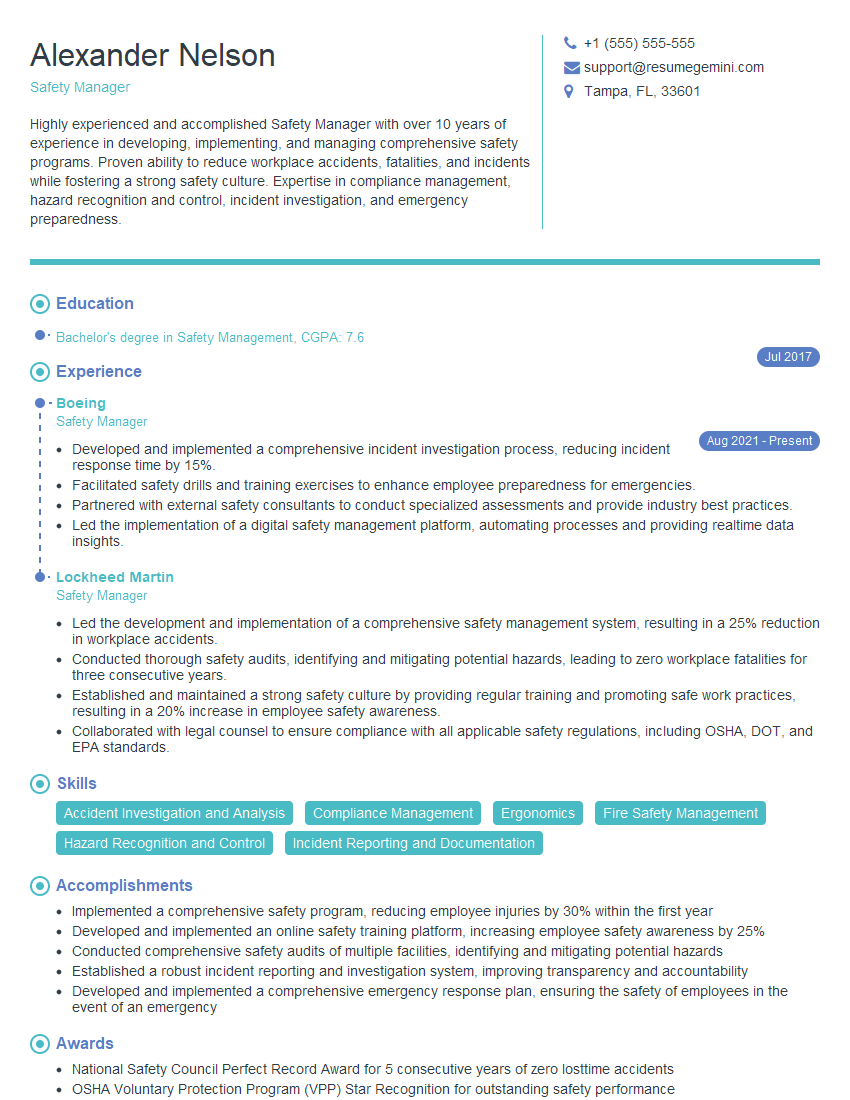
Safety Manager Resume Sample
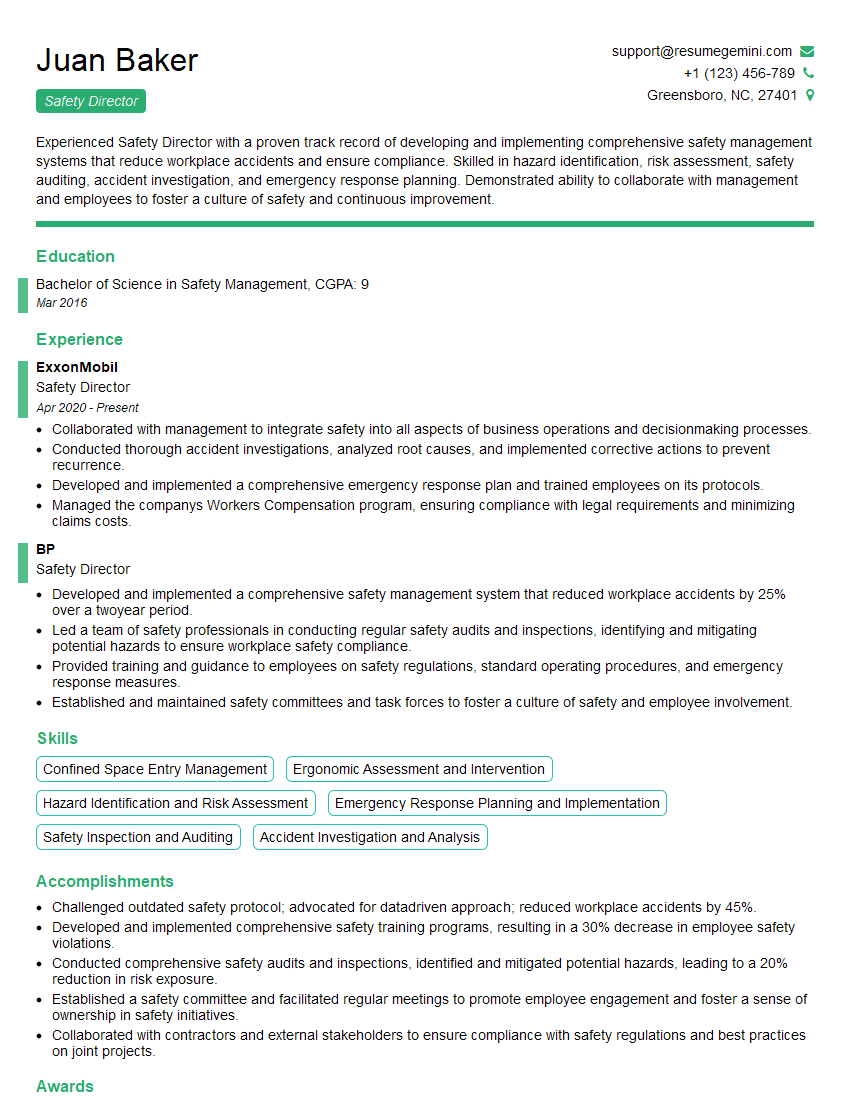
Safety Director Resume Sample
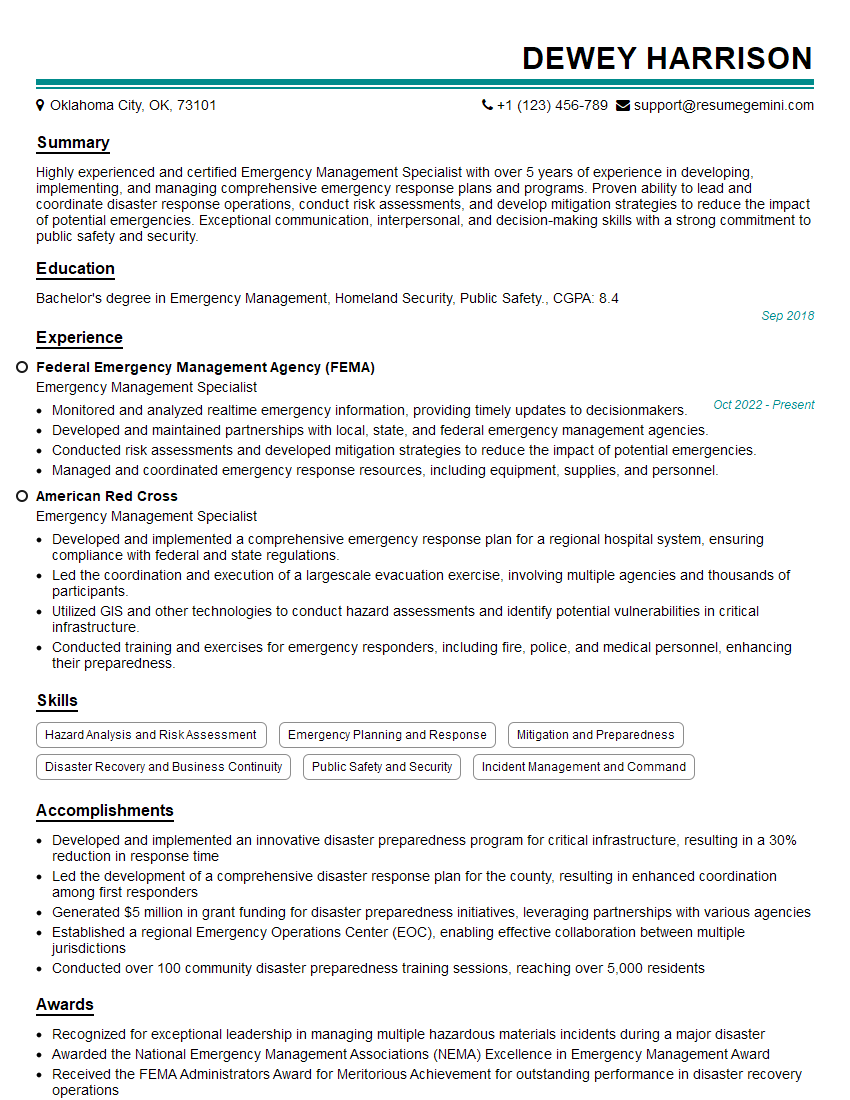
Emergency Management Specialist Resume Sample
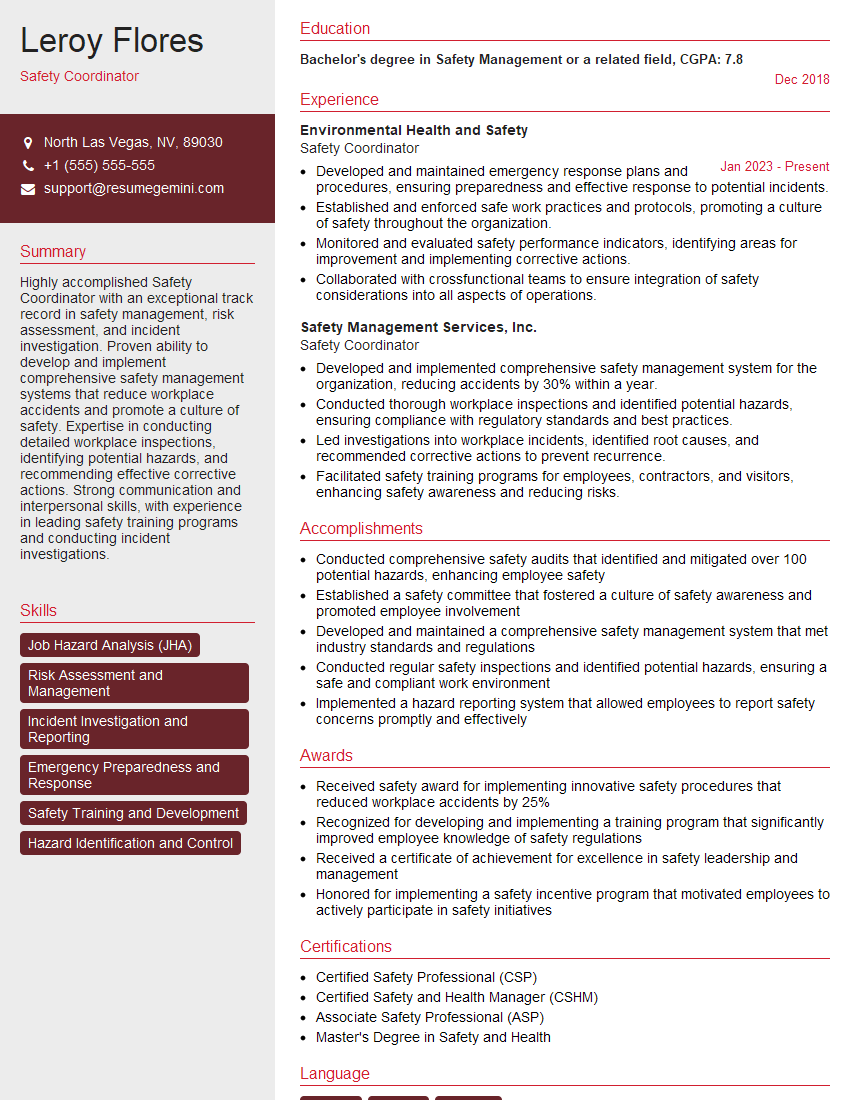
Safety Coordinator Resume Sample

Compliance Officer Resume Sample
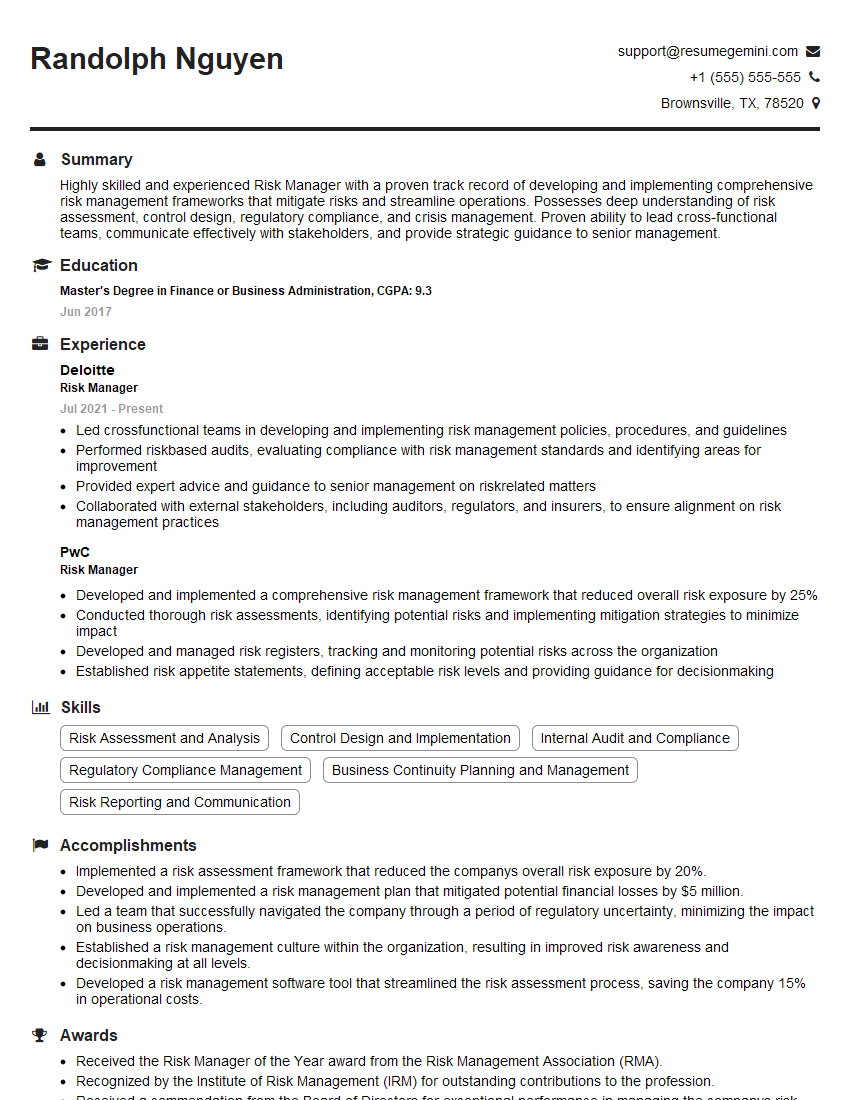
Risk Manager Resume Sample
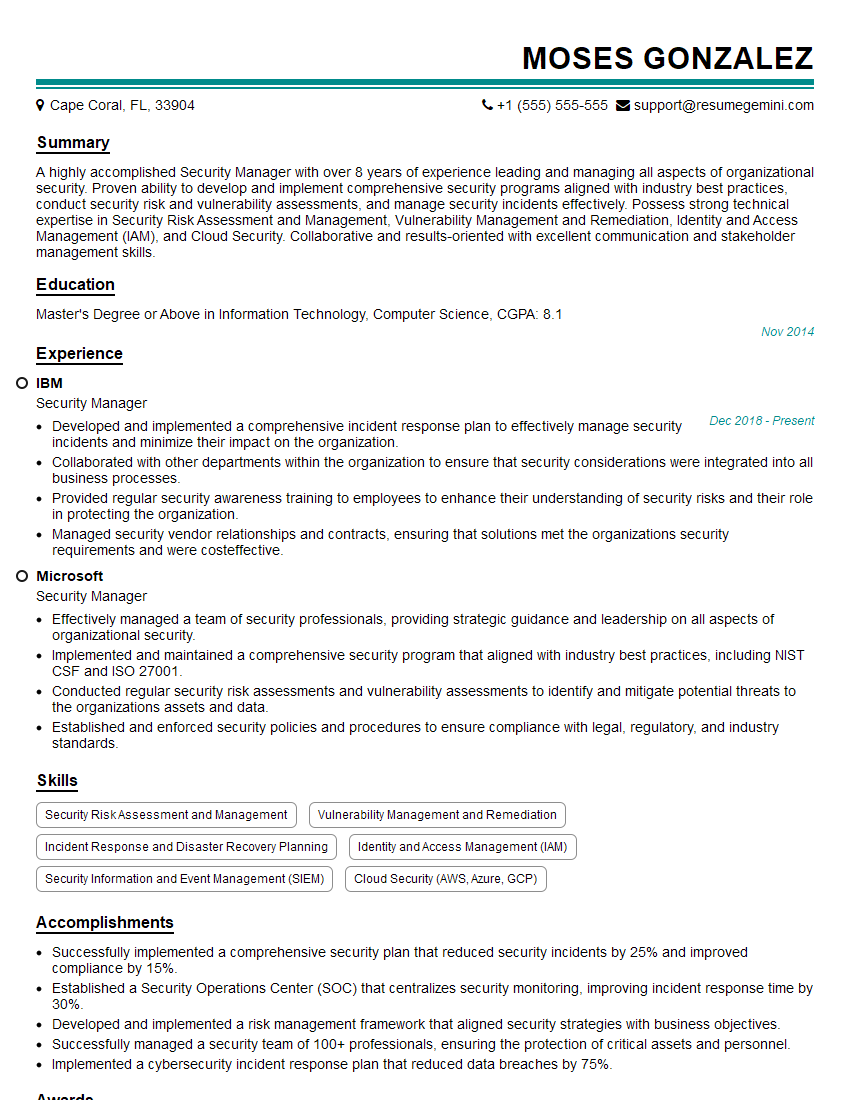
Security Manager Resume Sample
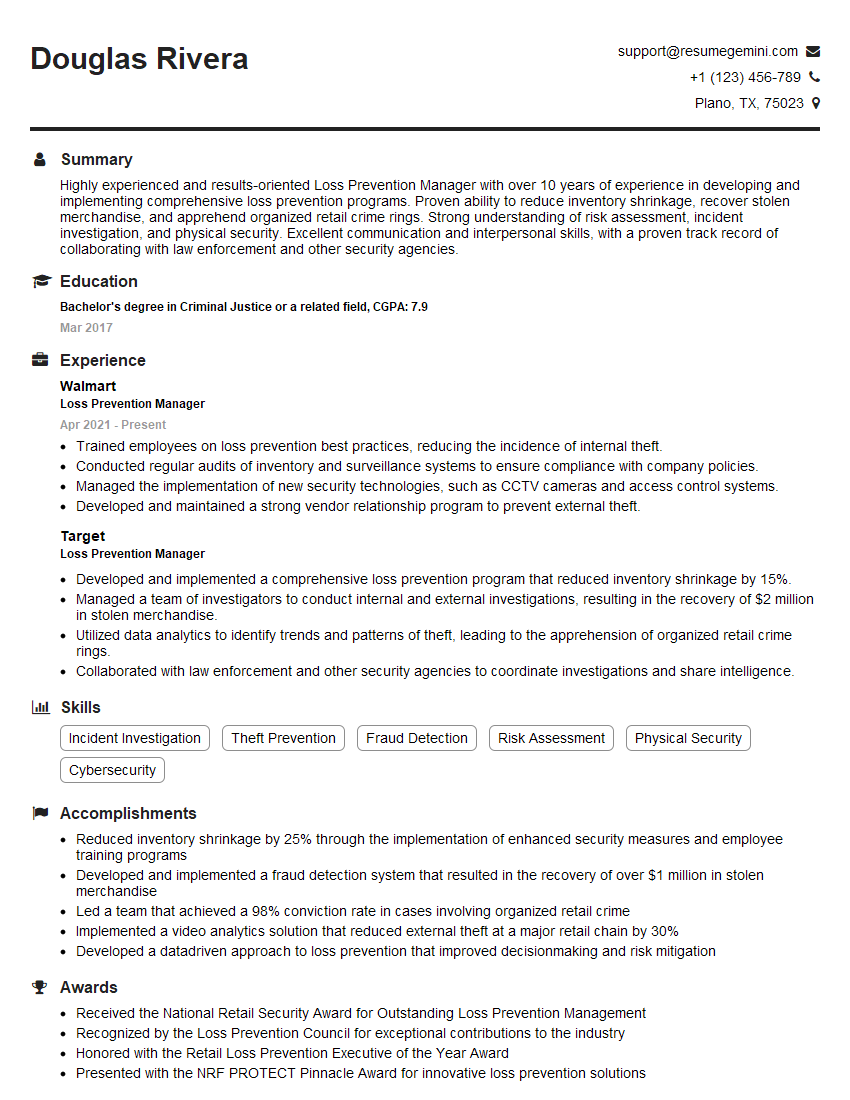
Loss Prevention Manager Resume Sample
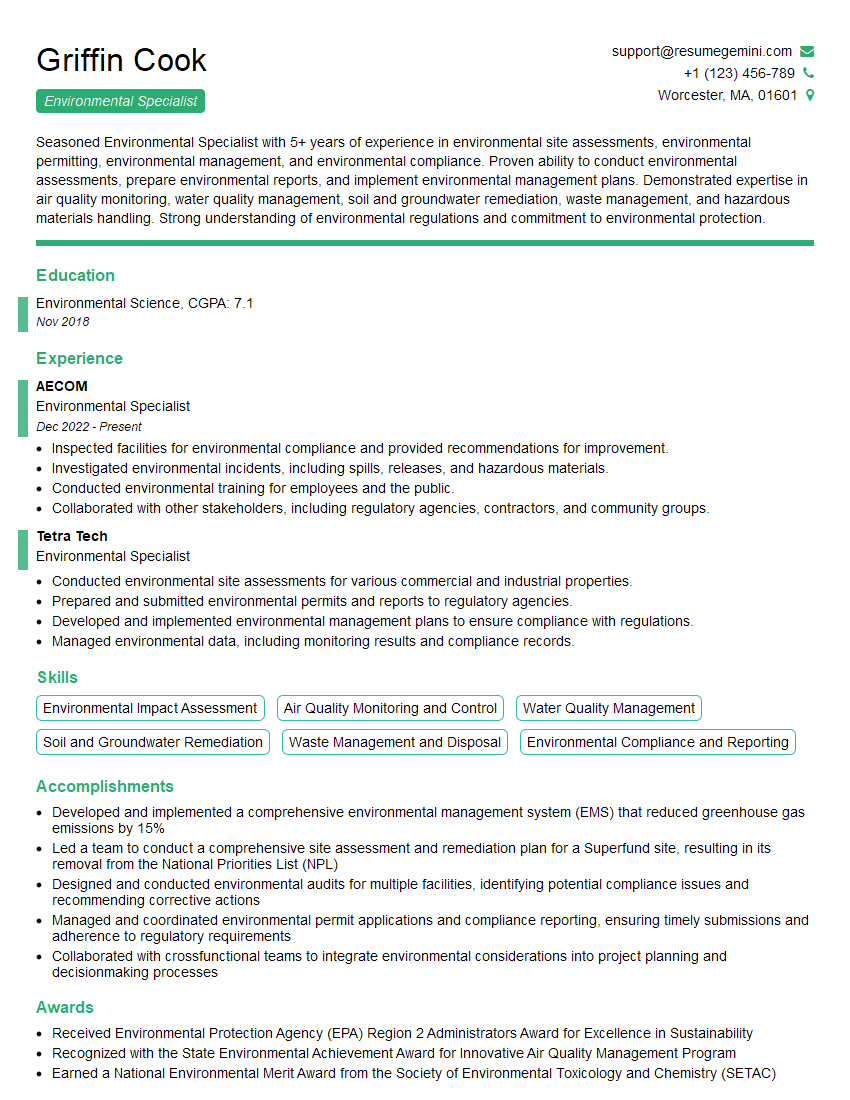
Environmental Specialist Resume Sample
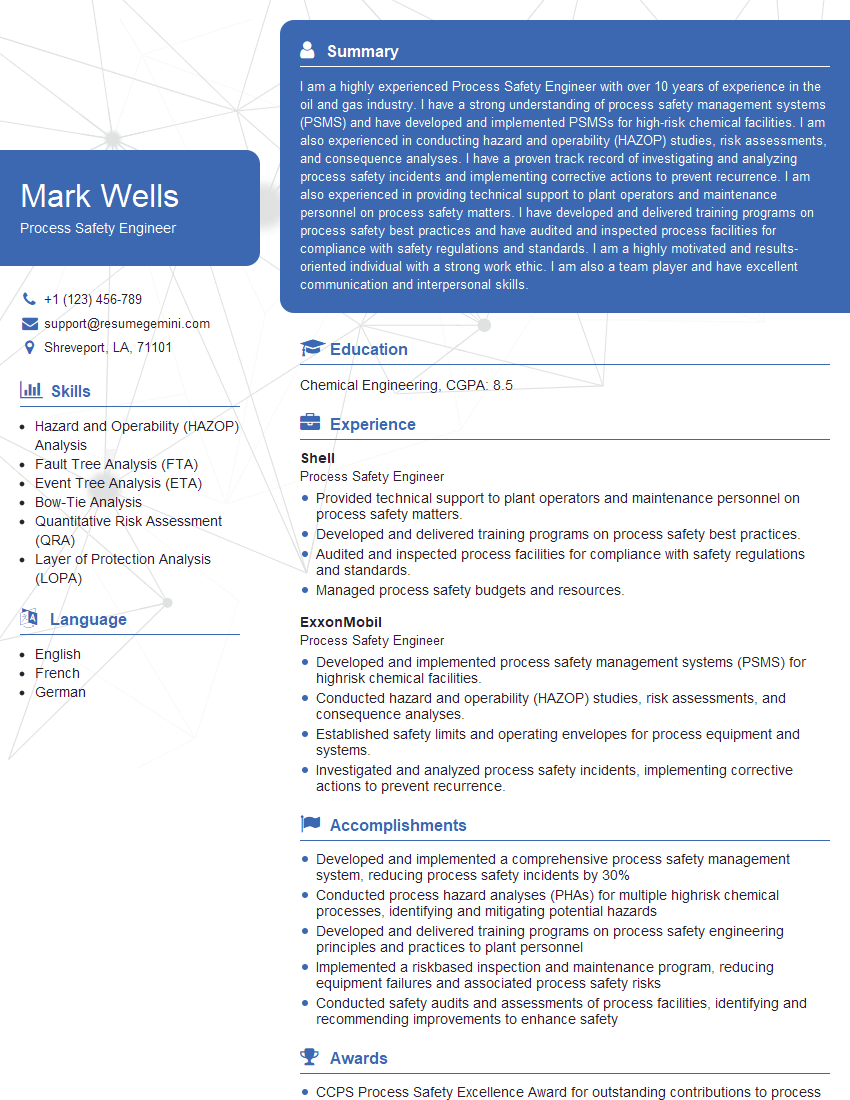
Process Safety Engineer Resume Sample
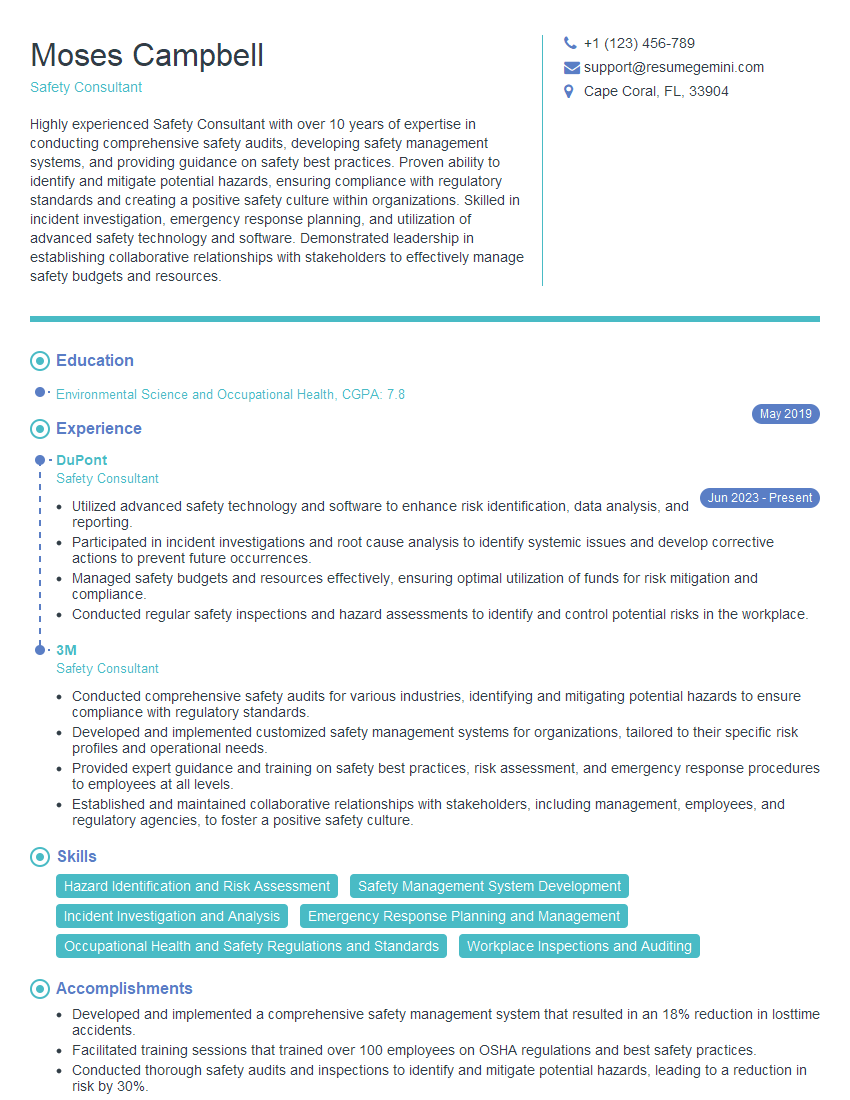
Safety Consultant Resume Sample
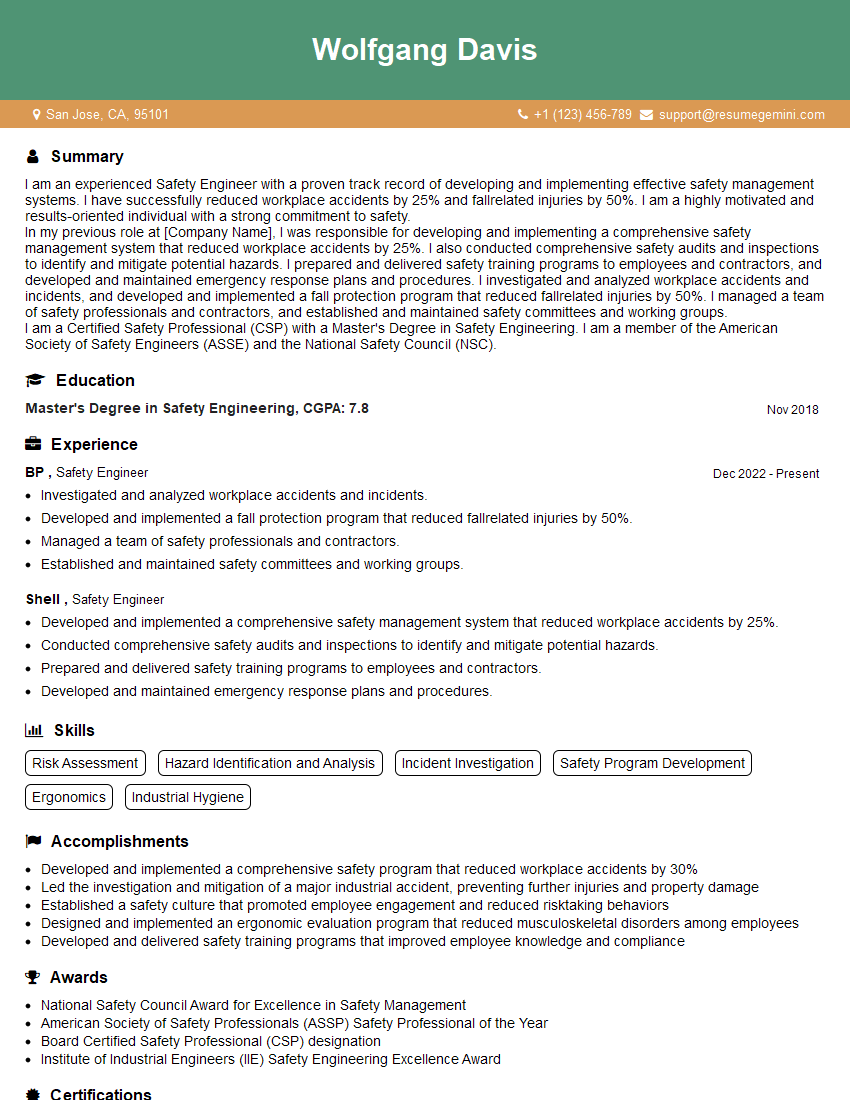
Safety Engineer Resume Sample
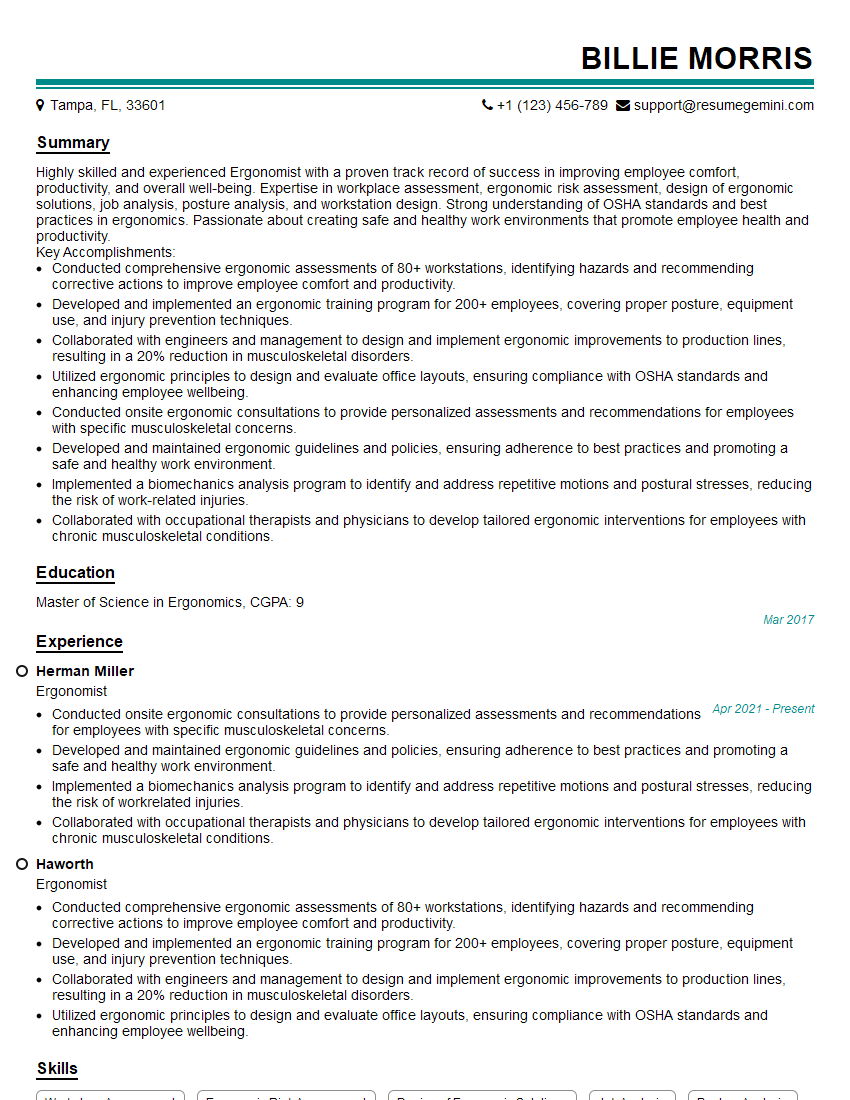
Ergonomist Resume Sample
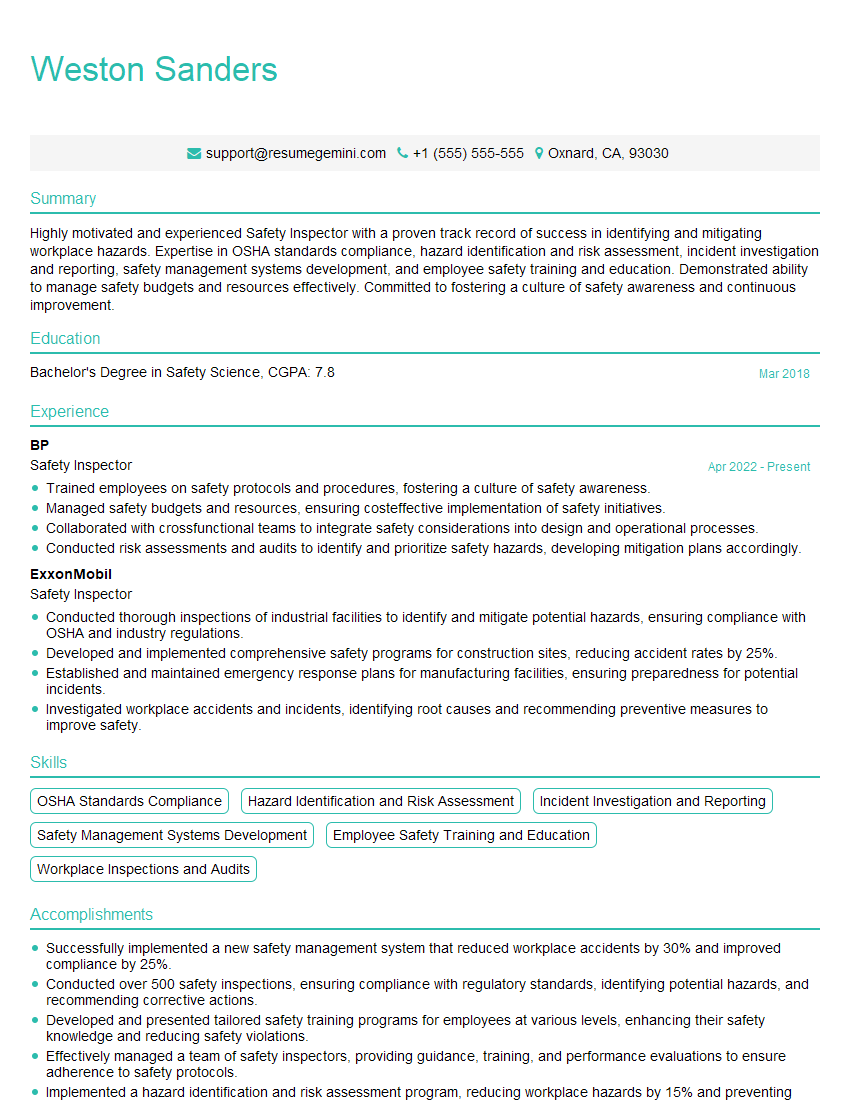
Safety Inspector Resume Sample
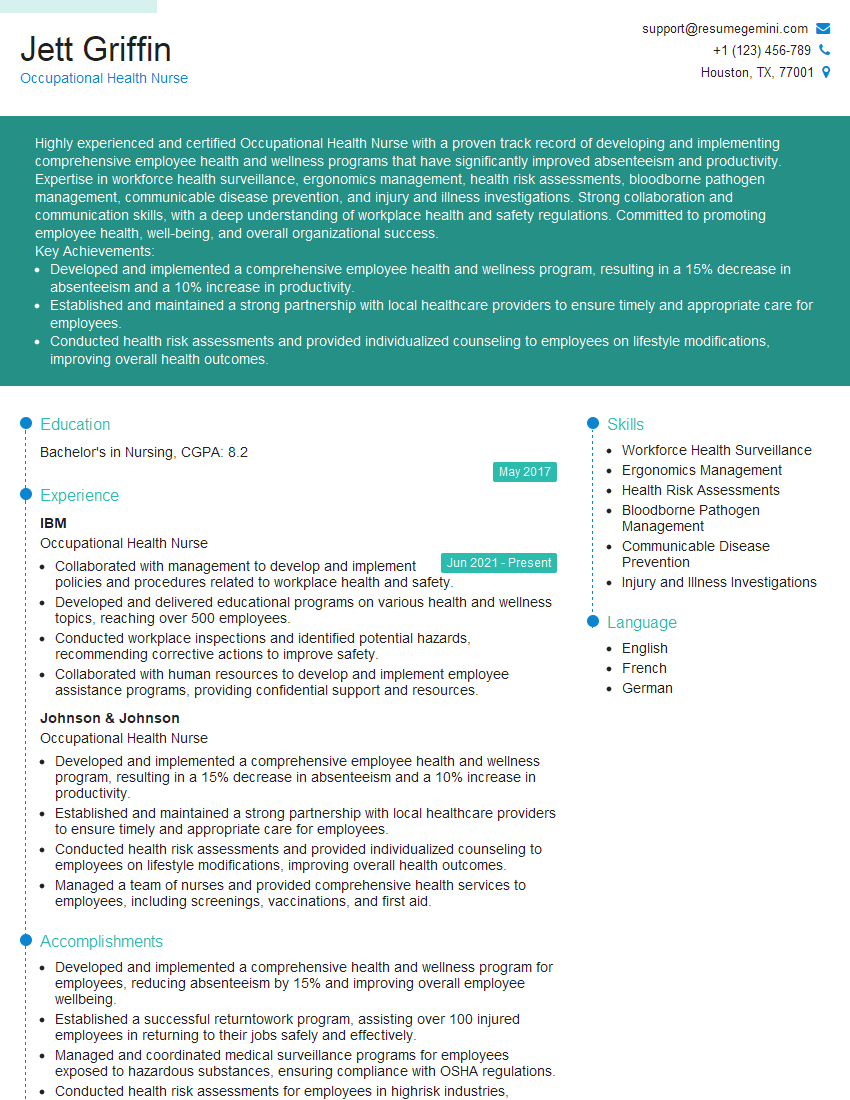
Occupational Health Nurse Resume Sample
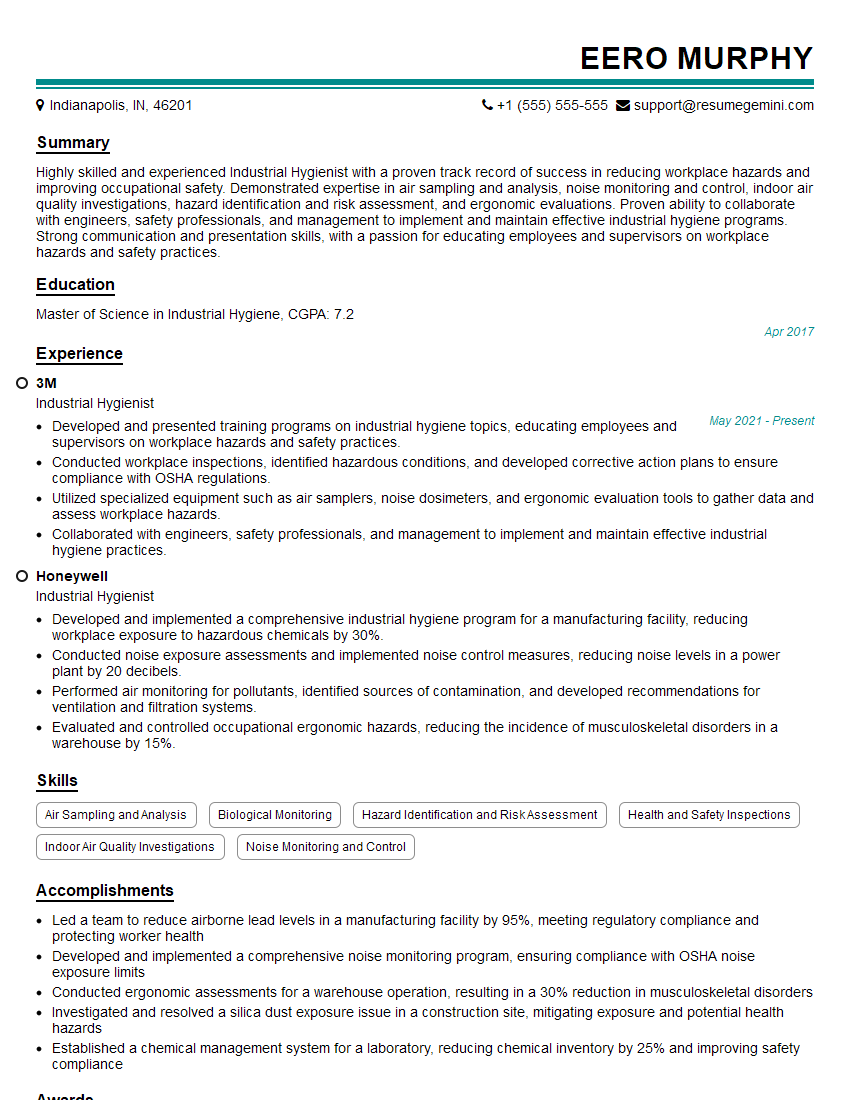
Industrial Hygienist Resume Sample
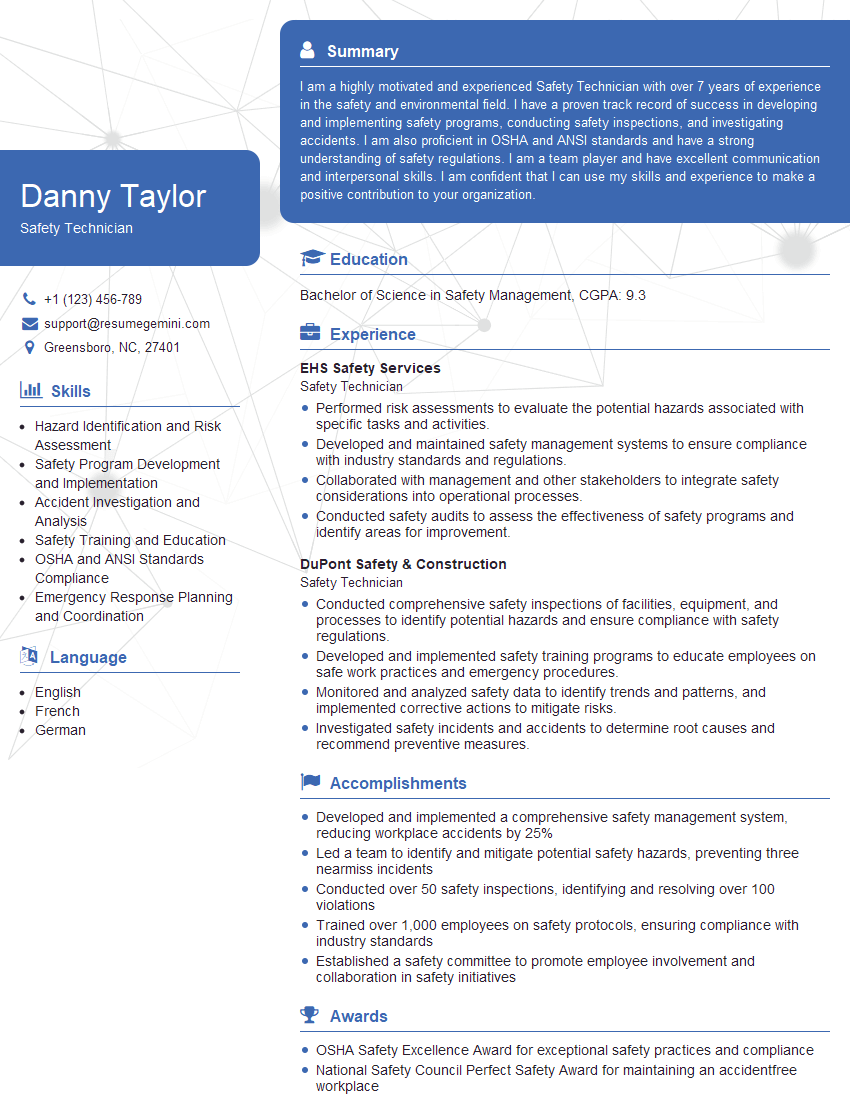
Safety Technician Resume Sample
- Safety Manager
- Safety Director
- Emergency Management Specialist
- Safety Coordinator
- Compliance Officer
- Risk Manager
- Security Manager
- Loss Prevention Manager
- Environmental Specialist
- Process Safety Engineer
- Safety Consultant
- Safety Engineer
- Ergonomist
- Safety Inspector
- Occupational Health Nurse
- Industrial Hygienist
- Safety Technician
Explore more articles
Users Rating of Our Blogs
Share Your Experience
We value your feedback! Please rate our content and share your thoughts (optional).
What Readers Say About Our Blog
Very informative content, great job.
good