Cracking a skill-specific interview, like one for Event Management and Logistics, requires understanding the nuances of the role. In this blog, we present the questions you’re most likely to encounter, along with insights into how to answer them effectively. Let’s ensure you’re ready to make a strong impression.
Questions Asked in Event Management and Logistics Interview
Q 1. Describe your experience managing event budgets.
Managing event budgets requires a meticulous approach, starting with a comprehensive understanding of all anticipated costs. This involves creating a detailed budget breakdown encompassing venue rental, catering, marketing, staffing, technology, entertainment, and contingency funds. I utilize spreadsheet software, often employing formulas for automatic calculations and tracking. For example, I might allocate a specific percentage of the total budget for each category, allowing for adjustments based on priorities and potential cost fluctuations. Then, regular monitoring against actual expenditures is crucial. I use a system of comparing budgeted versus actual spending, flagging variances for prompt action. This proactive monitoring enables cost optimization and prevents overspending. In one particular corporate event, by carefully negotiating vendor contracts and opting for cost-effective alternatives while maintaining quality, we managed to stay within budget and even secure some unexpected savings. We successfully repurposed existing assets like presentation equipment, cutting down rental fees considerably.
Q 2. How do you handle unexpected challenges during an event?
Unexpected challenges are inevitable in event management. My approach involves a three-pronged strategy: preparedness, adaptability, and communication. Preparedness involves creating detailed contingency plans for various scenarios, from equipment malfunction to unforeseen weather conditions. Adaptability requires flexibility to swiftly adjust plans when necessary. For example, if a key speaker cancels, a backup plan – perhaps a panel discussion or alternative presentation – should already be in place. Finally, clear and proactive communication with the client, vendors, and staff is paramount during crises. This ensures everyone is informed, collaborative problem-solving can occur, and trust is maintained. During a large music festival we experienced a sudden power outage. Our pre-planned contingency, involving backup generators and a coordinated communication system with the on-site crew and security, ensured minimal disruption to the event. We kept attendees informed and maintained a safe and orderly environment.
Q 3. Explain your process for vendor selection and management.
Vendor selection and management is a critical component of successful event planning. My process begins with clearly defining the needs of the event and establishing selection criteria. This includes reviewing vendor proposals, checking references, and conducting thorough due diligence to assess their reliability, experience, and insurance coverage. Once vendors are selected, a comprehensive contract outlining services, payment terms, and performance expectations is essential. Regular communication, progress updates, and performance reviews throughout the event planning process ensure alignment and address any potential issues proactively. For example, during a large-scale conference, we used a detailed vendor management spreadsheet to track key deliverables, deadlines, and contact information. This allowed us to monitor their performance and quickly resolve any discrepancies.
Q 4. What risk management strategies do you employ for events?
Risk management is crucial for mitigating potential problems. I use a proactive approach that begins with identifying potential risks specific to each event. This could include weather disruptions, security concerns, or logistical challenges. For each identified risk, I then develop mitigation strategies. This might involve purchasing insurance, employing security personnel, or having backup plans. Regular risk assessments throughout the event planning process allow for continuous monitoring and adjustments to the risk mitigation plans. A risk assessment matrix, categorizing risks by likelihood and impact, helps prioritize mitigation efforts. For a high-profile gala, we identified potential security risks. Our strategy included engaging a professional security team, establishing clear security protocols, and coordinating with local law enforcement. This ensured the safety of all attendees and minimized potential disruptions.
Q 5. How do you ensure timely event logistics and delivery?
Ensuring timely event logistics and delivery involves meticulous planning and execution. This starts with a comprehensive timeline that outlines all tasks, deadlines, and responsibilities. I use project management tools to track progress and allocate resources effectively. Furthermore, clear communication with all relevant parties, including vendors, transportation providers, and internal staff, is essential. I also incorporate buffer time into the schedule to account for potential delays. Regular progress meetings and detailed reports enable monitoring and proactive intervention. For a product launch event involving multiple shipments across different locations, we utilized a real-time logistics tracking system to monitor the status of each shipment and address any delays promptly. This ensured all materials arrived on time and according to plan.
Q 6. Describe your experience with event registration and ticketing systems.
My experience encompasses various event registration and ticketing systems, both online and offline. I’m proficient with platforms like Eventbrite, Ticketmaster, and custom-built systems. Selecting the right platform depends on the event’s scale, complexity, and audience. For a large-scale conference, an online registration platform with robust features like attendee management, payment processing, and communication tools is crucial. In contrast, a smaller event might utilize a simpler system. Regardless of the platform, data security, user-friendliness, and seamless integration with other event management tools are vital considerations. I also have experience with managing on-site registration processes, ensuring efficient check-in and badge distribution. For a recent trade show, we leveraged Eventbrite for online registration, which integrated seamlessly with our on-site check-in system, creating a streamlined experience for attendees.
Q 7. How do you track event KPIs and measure success?
Tracking Key Performance Indicators (KPIs) is vital for measuring event success. KPIs depend on the event’s objectives. They might include attendance rates, customer satisfaction scores (CSAT), lead generation, return on investment (ROI), and social media engagement. I utilize data analytics tools and surveys to collect and analyze this data. For example, post-event surveys help gauge attendee satisfaction, while social media analytics measure engagement levels. Financial data is crucial for calculating ROI. By analyzing these KPIs, I identify areas of strength and weakness, informing future event planning and improvement. In one corporate retreat, we tracked attendance, participant feedback, and cost efficiency. The results indicated strong participant engagement and cost-effectiveness, demonstrating the success of our event planning strategy.
Q 8. Explain your proficiency in event scheduling software.
My proficiency in event scheduling software extends beyond basic calendar management. I’m adept at utilizing tools like Eventbrite, Cvent, and even custom-built solutions, leveraging their features to streamline the entire event lifecycle. This includes not just scheduling sessions and speakers, but also managing registration, ticketing, waitlists, resource allocation (rooms, equipment), and generating comprehensive reports. For example, when planning a large conference, I utilize Cvent’s robust features to manage multiple tracks, assign speakers to rooms based on availability and technical requirements, and automate email communications to attendees based on their registration status. I am also experienced in integrating these platforms with other software for seamless data transfer, such as CRM systems for attendee management and marketing automation tools for promotional campaigns.
Q 9. How do you manage attendee communication and expectations?
Managing attendee communication and expectations is crucial for a successful event. I employ a multi-channel approach, starting with pre-event communications through targeted emails, confirming registrations, providing logistical details (e.g., location, parking, agenda), and building excitement. Regular updates via email newsletters or dedicated event apps are essential to keep attendees informed about any changes. Post-event, I follow up with satisfaction surveys to gather feedback, and promptly address any issues. For instance, during a recent trade show, we implemented a dedicated Slack channel for attendees and exhibitors, allowing for real-time communication, troubleshooting, and sharing of important updates. This proactive and multi-faceted communication fosters positive attendee experience and ensures expectations are managed effectively.
Q 10. Describe your experience with on-site event management.
My on-site event management experience is extensive. I excel at leading teams to ensure smooth execution, from setup and registration to speaker coordination and technical support. I’ve managed everything from intimate workshops to large-scale conferences. One memorable experience involved managing the logistics for a music festival with over 10,000 attendees. My responsibilities included overseeing volunteer management, ensuring stage transitions ran smoothly, managing vendor relationships, and addressing any on-site issues that arose. I believe in a hands-on approach, anticipating potential problems and developing contingency plans to mitigate risks. This preparedness, combined with strong leadership and problem-solving skills, allows me to maintain control and provide excellent support even under pressure.
Q 11. How do you handle event cancellations or postponements?
Handling event cancellations or postponements requires a structured approach. Immediate communication is key. I use pre-written templates and multiple communication channels (email, SMS, social media) to inform all stakeholders – attendees, speakers, vendors, and sponsors – promptly and transparently. Depending on the reason, I’ll outline options such as refunds, rescheduling, or alternative arrangements. For example, during the pandemic, I successfully managed the postponement of a large industry summit, offering attendees the option to transfer their registration to the new date or receive a full refund. Clear communication and a well-defined process minimize disruption and maintain trust.
Q 12. What is your experience with creating event marketing materials?
Creating compelling event marketing materials is a key component of my role. I’m proficient in designing visually appealing and informative materials, from flyers and brochures to social media posts and email campaigns. I leverage data analytics to understand target audiences and tailor messaging accordingly. I also work closely with marketing teams to develop a comprehensive marketing strategy, ensuring consistent branding and optimal reach. For instance, I collaborated with a marketing team to develop a video campaign for a tech conference, which significantly increased pre-registrations by highlighting key speakers and showcasing the event’s unique aspects.
Q 13. How do you manage event security and safety protocols?
Event security and safety are paramount. My approach involves a layered security plan encompassing risk assessment, emergency procedures, and staff training. This begins with a comprehensive site survey to identify potential vulnerabilities, followed by developing protocols for access control, crowd management, and emergency response. I collaborate closely with security personnel and local authorities to ensure adequate measures are in place. For instance, for a recent outdoor event, we implemented a detailed security plan including crowd control barriers, designated security personnel, and clear emergency exits, resulting in a safe and incident-free event.
Q 14. How do you prioritize tasks and manage deadlines in a fast-paced environment?
Prioritizing tasks and managing deadlines in a fast-paced environment is second nature. I employ project management methodologies like Agile, breaking down large projects into smaller, manageable tasks with clear deadlines. I use tools like Asana or Trello to track progress, assign responsibilities, and monitor deadlines. Effective communication and regular team meetings are critical for maintaining alignment and ensuring everyone stays on track. I also prioritize tasks based on urgency and impact, focusing on the most critical items first. This approach allows me to maintain control, handle unexpected issues effectively, and deliver projects successfully within tight deadlines.
Q 15. Describe your experience with post-event analysis and reporting.
Post-event analysis is crucial for evaluating success and informing future events. It involves systematically reviewing every aspect, from budgeting and logistics to attendee satisfaction and marketing impact. My approach involves a multi-stage process:
- Data Collection: Gathering data from various sources – registration numbers, attendee feedback surveys (both quantitative and qualitative), social media analytics, vendor reports, and financial statements.
- Quantitative Analysis: Analyzing numerical data like attendance figures, ROI (Return on Investment), and cost per attendee to assess the event’s financial performance and reach.
- Qualitative Analysis: Analyzing feedback from surveys and social media to understand attendee satisfaction, identify areas for improvement, and gauge the event’s overall impact.
- Reporting: Creating a comprehensive report summarizing the key findings, including both successes and areas needing improvement. This report includes actionable recommendations for future events. For example, a low satisfaction score in catering might suggest a change of vendor or menu for the next event.
- Benchmarking: Comparing performance against previous events and industry benchmarks to identify best practices and areas for optimization. For instance, comparing our event’s social media engagement to similar events in the industry.
For example, in a recent corporate conference, our post-event analysis revealed a high level of satisfaction but also identified a need for improved Wi-Fi connectivity. This feedback directly informed planning for our next event, leading to a smoother and more productive experience for attendees.
Career Expert Tips:
- Ace those interviews! Prepare effectively by reviewing the Top 50 Most Common Interview Questions on ResumeGemini.
- Navigate your job search with confidence! Explore a wide range of Career Tips on ResumeGemini. Learn about common challenges and recommendations to overcome them.
- Craft the perfect resume! Master the Art of Resume Writing with ResumeGemini’s guide. Showcase your unique qualifications and achievements effectively.
- Don’t miss out on holiday savings! Build your dream resume with ResumeGemini’s ATS optimized templates.
Q 16. What is your experience with different event types (e.g., conferences, weddings, corporate events)?
My experience spans a wide range of event types, each presenting unique challenges and rewards. I’ve successfully managed:
- Conferences: From small, intimate gatherings to large-scale international conferences, I’ve handled everything from speaker coordination and technical setups to managing sponsorships and attendee logistics. One memorable conference involved coordinating over 50 speakers and 1000 attendees, requiring meticulous scheduling and communication.
- Weddings: I understand the emotional intensity and intricate detail required for a successful wedding. This involves coordinating vendors, managing timelines, and ensuring seamless execution, all while respecting the couple’s vision and preferences. I’ve handled everything from intimate ceremonies to large-scale celebrations.
- Corporate Events: From product launches to team-building exercises and holiday parties, I’ve executed corporate events designed to achieve specific business objectives. For example, a product launch event required meticulous planning to ensure the product was unveiled effectively and media coverage was maximized.
My adaptability allows me to seamlessly transition between these different event types, tailoring my approach to meet the specific needs and requirements of each.
Q 17. How do you manage team dynamics and delegate tasks effectively?
Effective team management is paramount in event planning. I leverage a collaborative approach, focusing on clear communication and delegation. My strategy includes:
- Clearly Defined Roles: Assigning roles and responsibilities based on individual skills and experience to ensure everyone understands their contribution to the overall success of the event.
- Open Communication: Maintaining open and transparent communication channels, using regular team meetings, email updates, and project management software (like Asana or Trello) to keep everyone informed and engaged.
- Delegation & Empowerment: Delegating tasks effectively, empowering team members to own their responsibilities, and providing the necessary support and guidance to ensure successful execution.
- Regular Feedback: Providing constructive feedback regularly, both positive and constructive criticism, to foster a culture of continuous improvement and growth.
- Conflict Resolution: Addressing conflicts promptly and fairly, ensuring open dialogue and finding mutually agreeable solutions. For instance, I recently used a mediation approach to resolve a disagreement between two team members regarding a specific task, ensuring that the task was completed effectively.
I believe in building a strong team spirit where everyone feels valued and empowered, leading to greater productivity and success.
Q 18. How do you stay up-to-date on industry trends and best practices?
Staying current in the event management field is crucial. I actively employ several strategies:
- Industry Publications & Websites: Regularly reading industry publications, blogs, and websites (such as Eventbrite’s blog or industry-specific magazines) to stay abreast of the latest trends, technologies, and best practices.
- Conferences & Workshops: Attending industry conferences and workshops to network with peers and learn from experts. This includes actively participating in Q&A sessions and workshops.
- Professional Organizations: Joining professional organizations like MPI (Meeting Professionals International) to access resources, networking opportunities, and educational materials.
- Online Courses & Certifications: Enrolling in online courses and pursuing relevant certifications to enhance my knowledge and skills in specific areas, such as sustainable event planning or virtual event management.
- Networking: Actively networking with peers, sharing best practices, and participating in online communities.
This continuous learning allows me to adapt to evolving industry standards and implement innovative solutions in my work.
Q 19. What is your experience with different event venues and their capabilities?
I possess extensive experience with diverse event venues, understanding their unique capabilities and limitations. My knowledge encompasses:
- Hotel Venues: Proficient in utilizing hotel venues for conferences, weddings, and corporate events, considering factors like room capacity, catering options, and available technology.
- Convention Centers: Experienced in coordinating events in large convention centers, managing logistics, space allocation, and technical requirements.
- Unique Venues: Comfortable working with less conventional venues like museums, art galleries, historical sites, and outdoor spaces, understanding the specific requirements and challenges associated with each.
- Virtual Venues: Proficient in utilizing virtual event platforms for online conferences, webinars, and virtual meetings, understanding the technical aspects and attendee engagement strategies.
Before selecting a venue, I always assess its suitability based on the specific needs of the event, including capacity, accessibility, technical capabilities, and budget considerations. For example, a historical site may be ideal for a small, intimate wedding but not suitable for a large-scale corporate conference.
Q 20. Describe your experience with negotiating contracts with vendors.
Negotiating vendor contracts is a critical skill. My approach focuses on:
- Thorough Research: Researching various vendors to compare pricing, services, and reputation before initiating negotiations.
- Clear Communication: Clearly articulating our needs and expectations, providing detailed specifications to ensure the vendor fully understands the scope of work.
- Strategic Negotiation: Negotiating contracts strategically, balancing our needs with the vendor’s capabilities and pricing structure. This involves identifying areas for potential compromise and leveraging our understanding of market rates.
- Detailed Contracts: Ensuring contracts are comprehensive, covering all aspects of the agreement, including payment terms, deliverables, and dispute resolution mechanisms.
- Relationship Building: Building strong relationships with vendors, fostering trust and open communication for a smooth and successful collaboration.
For instance, when negotiating with a catering vendor, I ensure the contract explicitly outlines the menu, serving style, number of guests, and any dietary restrictions, while also clarifying payment schedules and cancellation policies.
Q 21. How do you manage conflicts or disagreements among team members or vendors?
Conflict resolution is an essential skill for event managers. My approach is based on:
- Prompt Intervention: Addressing conflicts promptly to prevent escalation. This often involves facilitating a discussion between the conflicting parties.
- Active Listening: Actively listening to all parties involved, understanding their perspectives, and identifying the root cause of the conflict.
- Mediation & Facilitation: Acting as a mediator to facilitate a constructive dialogue, encouraging compromise and finding mutually agreeable solutions.
- Fairness & Impartiality: Remaining fair and impartial, ensuring all parties feel heard and respected.
- Documentation: Documenting the conflict, the resolution process, and the agreed-upon solution to prevent future recurrences.
For example, if a disagreement arises between a vendor and a team member, I would facilitate a meeting to understand their perspectives, identify the source of the misunderstanding, and then work collaboratively to develop a solution that satisfies all parties involved.
Q 22. How do you ensure the event aligns with the client’s vision and objectives?
Ensuring an event aligns with a client’s vision and objectives is paramount. It begins with a thorough needs analysis – a deep dive into understanding their goals, target audience, budget, and desired outcomes. This involves more than just listening; it’s about asking insightful questions to uncover hidden expectations and potential roadblocks. For example, if a client wants to increase brand awareness, we need to explore what metrics define success for them – is it social media engagement, lead generation, or something else entirely? Once we have a clear picture, we develop a detailed event proposal outlining how our plan will achieve their objectives. This proposal acts as a living document, regularly reviewed and adjusted based on client feedback and evolving circumstances. We also establish clear communication channels and reporting mechanisms so the client remains informed and engaged throughout the entire process. For instance, we might schedule weekly progress calls and deliver monthly performance reports, detailing key metrics and deviations from the plan, ensuring we’re always on the same page and making necessary adjustments in real-time.
Q 23. Describe your experience with managing event technology (e.g., AV, registration systems).
My experience with event technology spans a wide range of tools and platforms. I’m proficient in managing AV systems, from coordinating audio-visual setups and lighting designs for keynote speeches to managing live streaming and webcasting for virtual or hybrid events. I have extensive experience with various registration platforms, such as Eventbrite and Cvent, managing attendee registration, ticketing, and data collection. I also use project management software like Asana or Monday.com to track all aspects of technology implementation for an event, ensuring seamless integration and minimal technical glitches. For instance, in a recent conference, we utilized a sophisticated RFID system for attendee tracking and engagement, integrating it with the mobile app to provide real-time updates and personalized schedules. This required close coordination with the technology vendor, meticulous testing, and on-site technical support to guarantee a smooth operation. Moreover, I always consider event technology as an integral part of the overall event strategy, ensuring its capabilities enhance the attendee experience and support the client’s objectives.
Q 24. How do you handle issues related to event logistics (e.g., transportation, accommodation)?
Effective event logistics are the backbone of a successful event. My approach begins with meticulous planning, including site selection based on accessibility, capacity, and amenities. I then develop detailed transportation plans, considering various modes of transport – shuttles, public transit, or ride-sharing – and addressing any specific needs like wheelchair accessibility. Accommodation arrangements require careful consideration of budget, location, and guest preferences. I negotiate group rates with hotels and ensure sufficient capacity to accommodate all attendees. This involves managing reservations, confirming bookings, and handling any changes or cancellations. For instance, during a large-scale conference, I managed the accommodation for over 500 attendees, coordinating with multiple hotels and addressing individual needs like dietary requirements or accessibility preferences. Detailed checklists and contingency plans are essential to proactively address potential delays or disruptions. Clear communication with all stakeholders, from transportation providers to hotel staff, is critical for maintaining a smooth workflow. Effective tracking and monitoring of all logistical aspects are essential for efficient problem-solving and ensuring the seamless execution of the event.
Q 25. What is your experience with sustainability practices in event management?
Sustainability is a core value in my event management practice. I incorporate eco-friendly practices at every stage, from planning to post-event cleanup. This involves sourcing locally-produced food and beverages, minimizing waste by using reusable materials and promoting recycling, opting for digital invitations instead of printed ones, choosing venues with sustainable practices, and offsetting carbon emissions wherever possible. For example, in a recent trade show, we implemented a robust waste management system with clear signage and designated recycling stations, resulting in a significant reduction in landfill waste. We also partnered with a local charity to donate leftover food, further minimizing environmental impact and supporting the community. Collaborating with vendors committed to sustainable practices is also crucial. By integrating these practices, we not only reduce our environmental footprint but also showcase our commitment to social responsibility and attract environmentally conscious attendees and sponsors.
Q 26. How do you ensure accessibility for all attendees during an event?
Ensuring accessibility is not just a legal requirement; it’s about creating an inclusive and welcoming environment for all attendees. This begins with careful venue selection, ensuring the venue is compliant with accessibility standards, including ramps, elevators, accessible restrooms, and designated seating areas. We also consider alternative formats for communication – providing large print materials, audio descriptions, and sign language interpreters as needed. When registering attendees, I make sure to gather necessary information to address individual accessibility needs, including dietary restrictions and mobility limitations. Pre-event communication should clearly outline accessibility features and services available, and we designate dedicated staff to assist attendees with any accessibility-related issues. For example, in a recent workshop, we provided real-time captioning and audio description of the presentations, along with wheelchair-accessible seating arrangements and designated accessible parking. This demonstrates our commitment to ensuring all attendees have equal access and can fully participate in the event.
Q 27. How would you approach a situation with low attendee turnout?
Low attendee turnout is a challenging situation, but a proactive approach can mitigate its impact. First, I would analyze the reasons behind the low turnout. Was there an issue with marketing and promotion? Were the date, time, or location inconvenient? Did the event’s content fail to resonate with the target audience? Once the root cause is identified, I’d implement corrective measures. This could involve re-evaluating the marketing strategy, offering incentives for future events, or adjusting the event’s content or format. For instance, if the event was poorly promoted, a targeted social media campaign or email marketing push could help to reach the intended audience. If the content wasn’t appealing, feedback from attendees would help to reshape future events. Open communication with the client is crucial, ensuring transparency about the situation and offering strategies for improvement. In some cases, offering partial refunds or discounts might compensate for the low attendance. The focus shifts to learning from the experience and using the insights gained to improve future events.
Q 28. How do you adapt to changing circumstances and unexpected challenges?
Adaptability is key in event management. Unexpected challenges are inevitable, from last-minute cancellations to technical glitches or even unforeseen weather conditions. My approach involves proactive risk assessment during the planning phase, identifying potential issues and developing contingency plans. For example, we might have backup venues or technology solutions in place. During the event, a dedicated team monitors potential problems and addresses them promptly and efficiently. Clear communication with the team and the client keeps everyone informed and prevents panic. I view challenges not as setbacks but as opportunities to demonstrate problem-solving skills and resourcefulness. For instance, if a speaker cancels unexpectedly, we might swiftly find a suitable replacement or adjust the schedule to accommodate the situation. Maintaining flexibility, creative thinking, and a calm demeanor are crucial for effective response and minimizing disruption during unforeseen circumstances.
Key Topics to Learn for Event Management and Logistics Interview
- Event Planning & Budgeting: Understanding the entire lifecycle of event planning, from initial concept to post-event analysis, including detailed budgeting and resource allocation.
- Venue Selection & Management: Assessing venue suitability based on event requirements, negotiating contracts, and managing venue relationships throughout the event process.
- Logistics & Operations: Mastering the coordination of all logistical aspects, including transportation, catering, staffing, equipment rentals, and technology integration.
- Risk Management & Contingency Planning: Identifying potential challenges and developing proactive strategies to mitigate risks, ensuring smooth event execution even during unforeseen circumstances.
- Vendor Management & Negotiation: Building and managing relationships with vendors, negotiating contracts, and ensuring timely delivery of services within budget.
- Marketing & Promotion: Understanding the strategies for effective event marketing, promotion, and attendee engagement, maximizing event reach and impact.
- Teamwork & Communication: Demonstrating effective communication and collaboration skills within a team environment, particularly under pressure.
- Technology Integration: Utilizing event management software and technology to streamline processes, improve efficiency, and enhance the attendee experience.
- Post-Event Analysis & Reporting: Gathering data and preparing comprehensive reports to evaluate event success, identify areas for improvement, and inform future events.
- Legal & Ethical Considerations: Understanding relevant regulations, contracts, and ethical practices in event management.
Next Steps
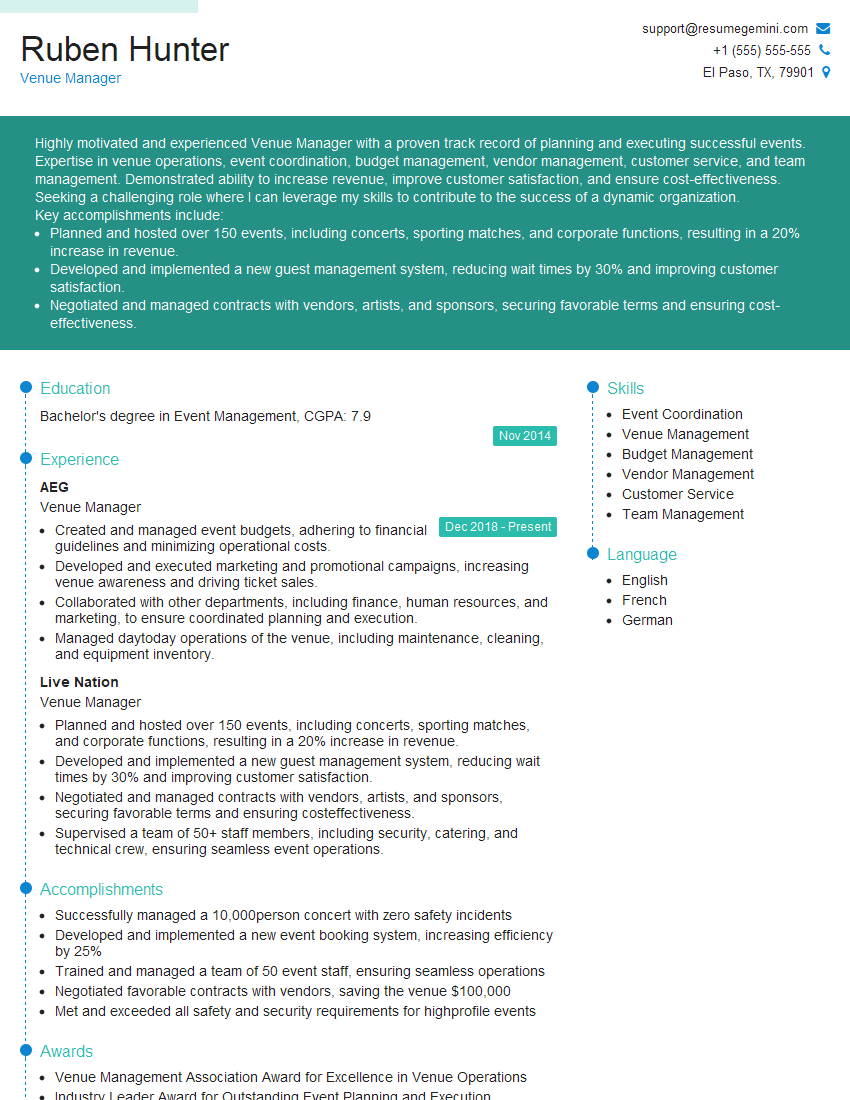
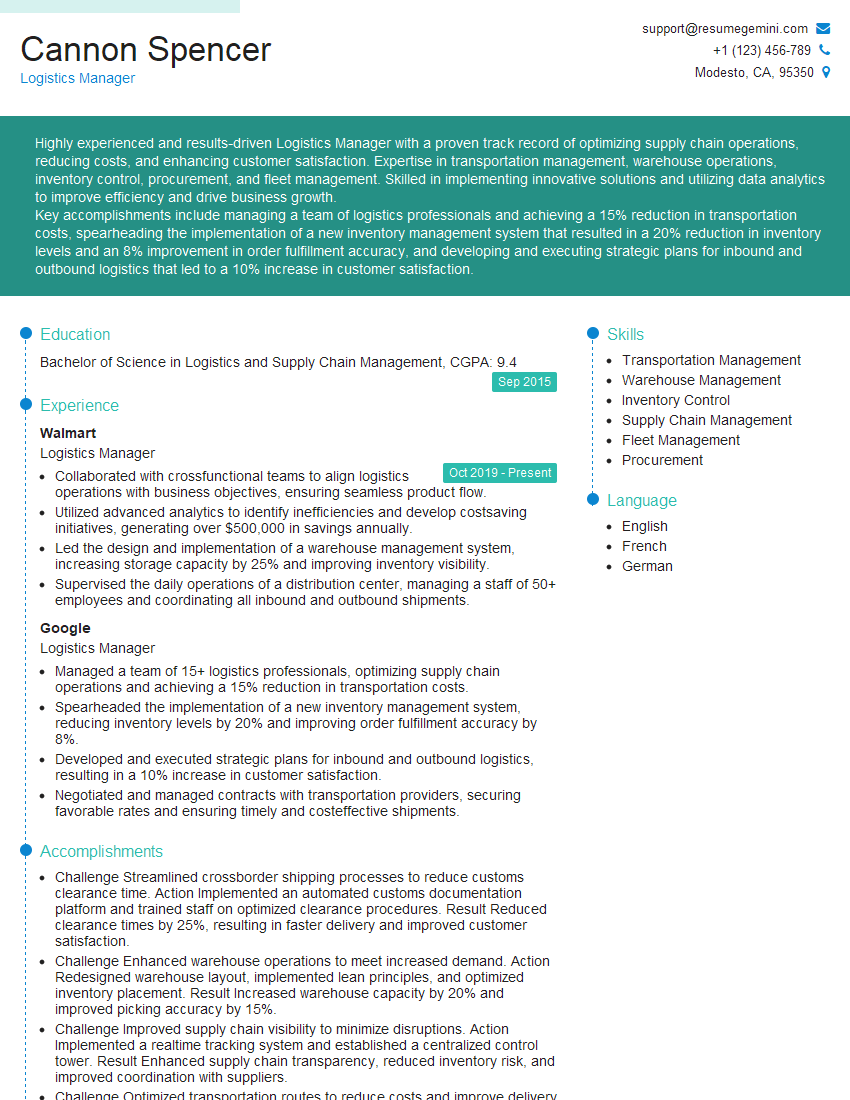
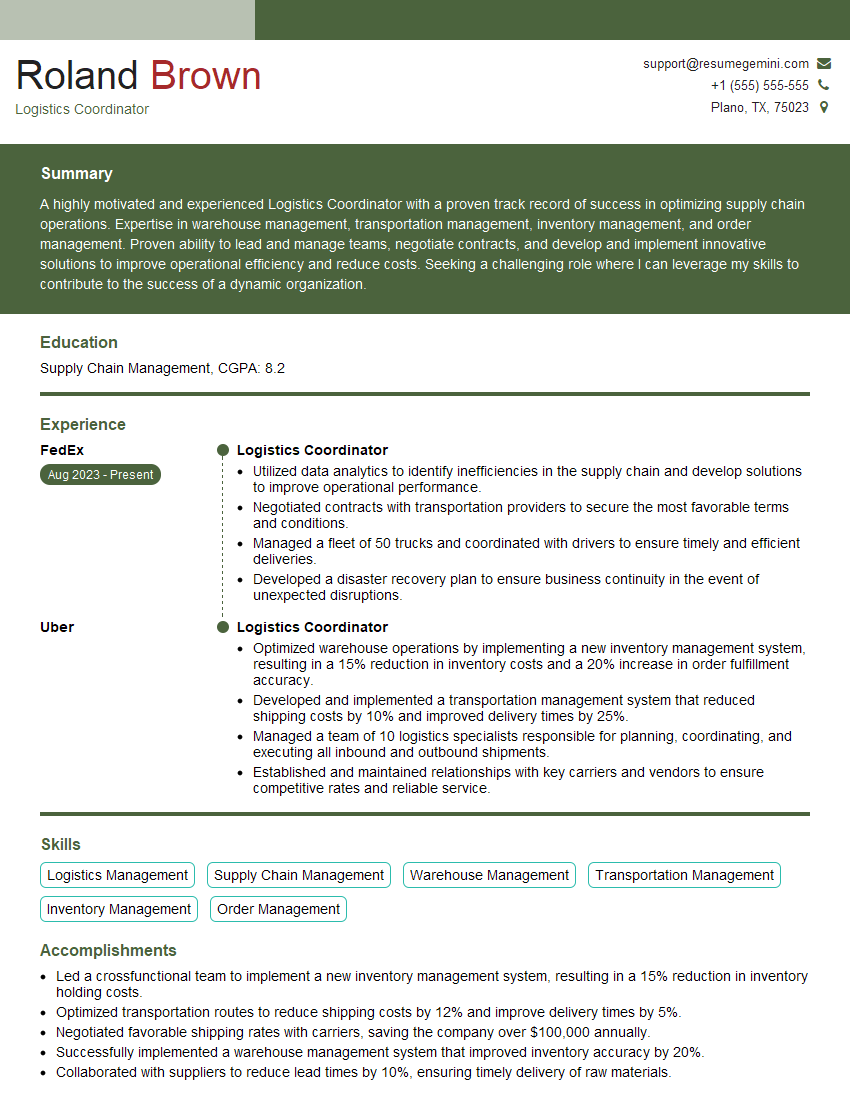
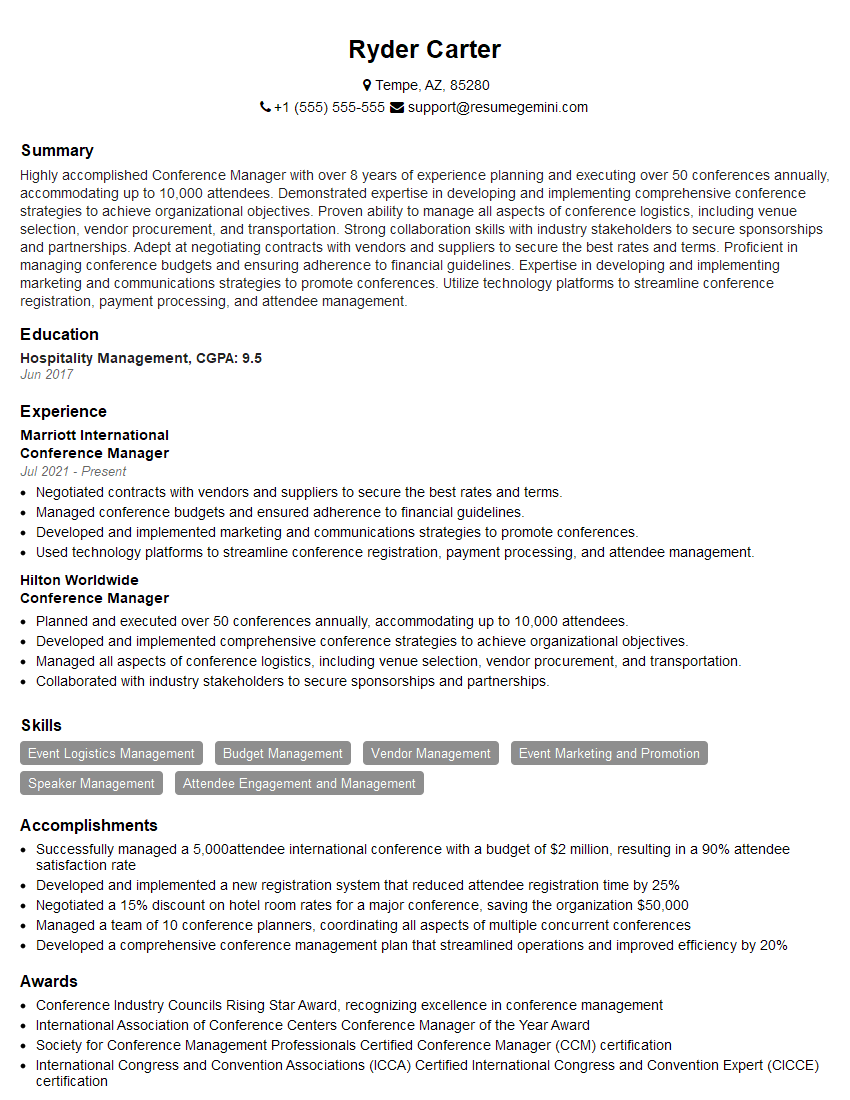
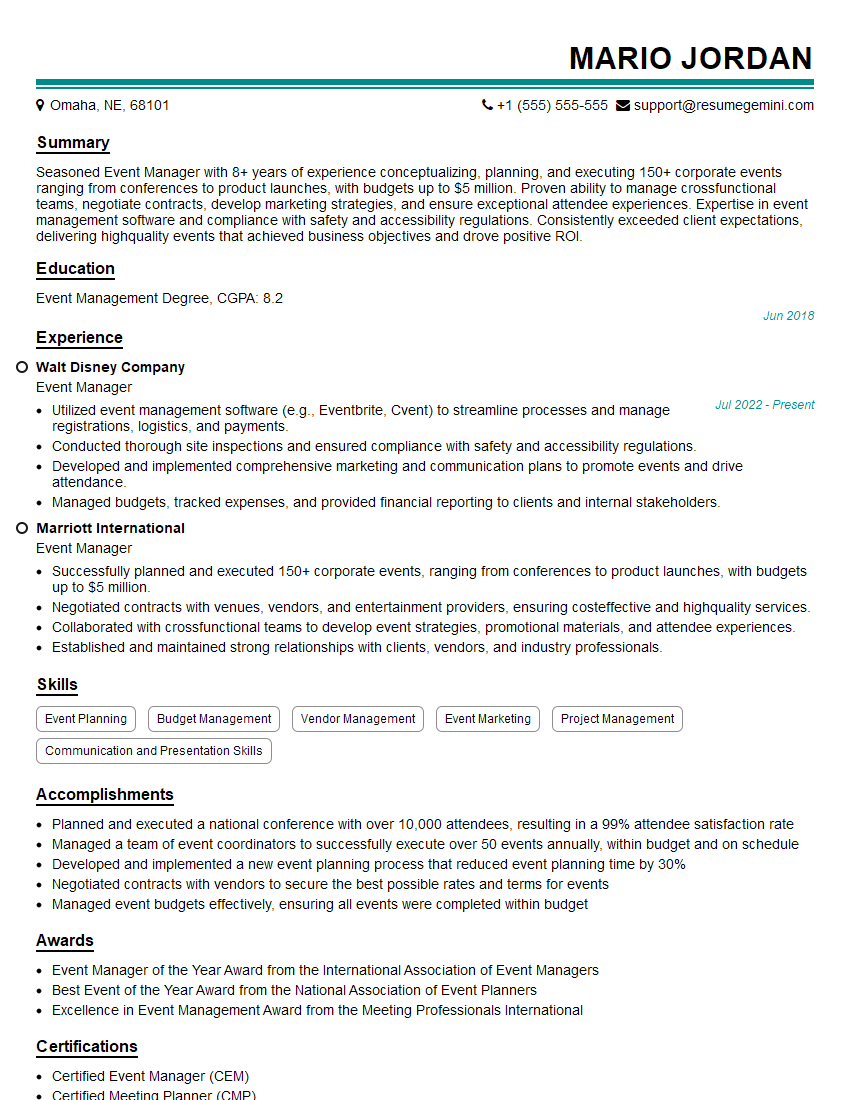
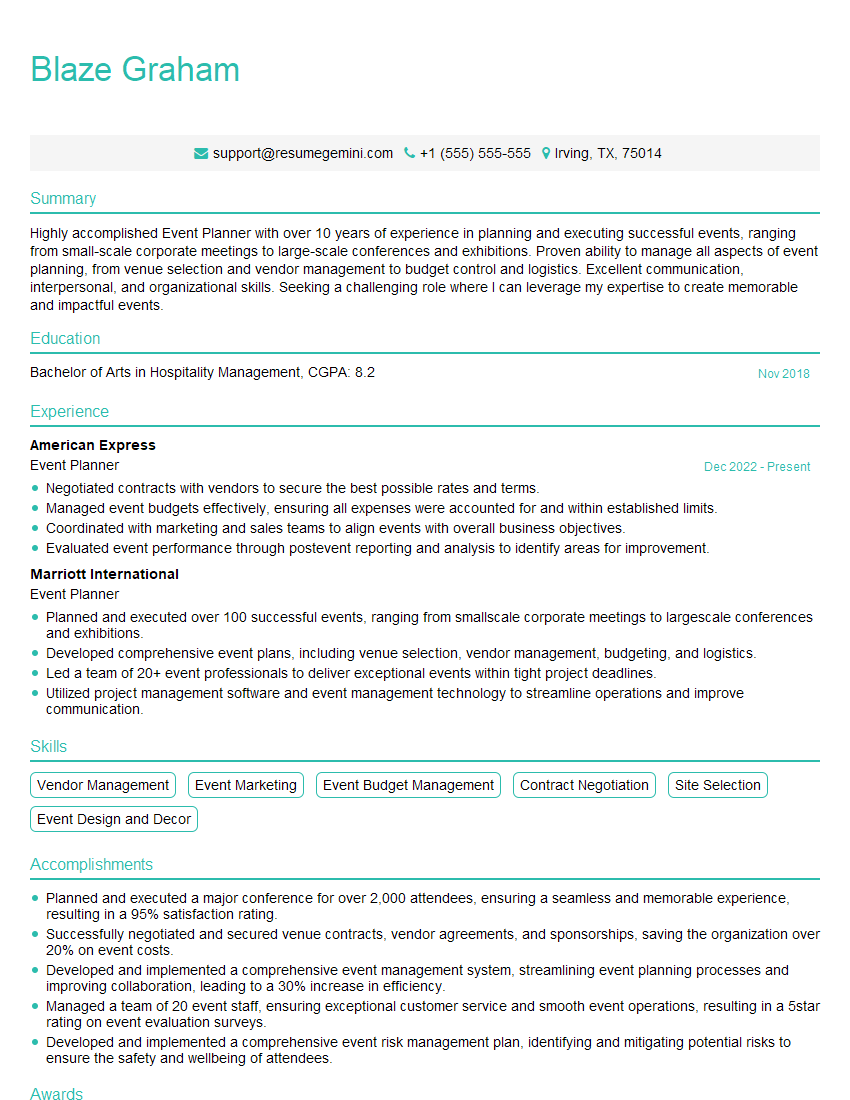
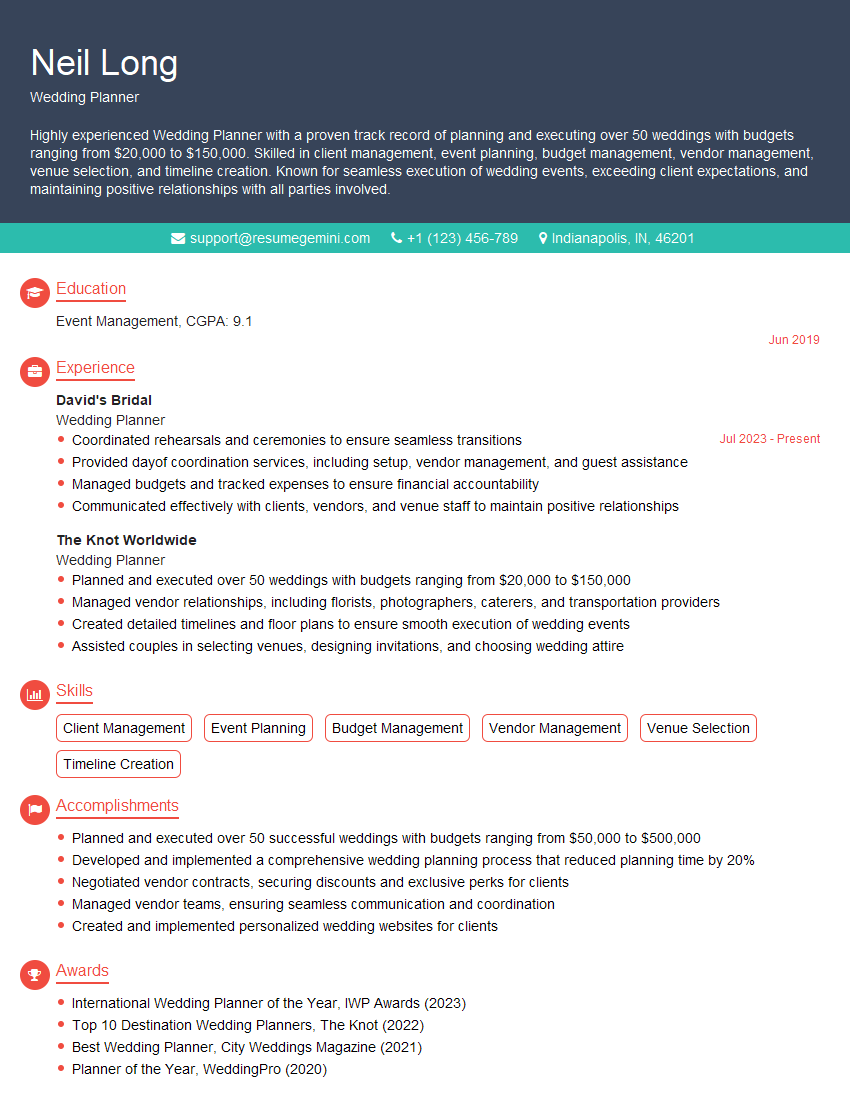
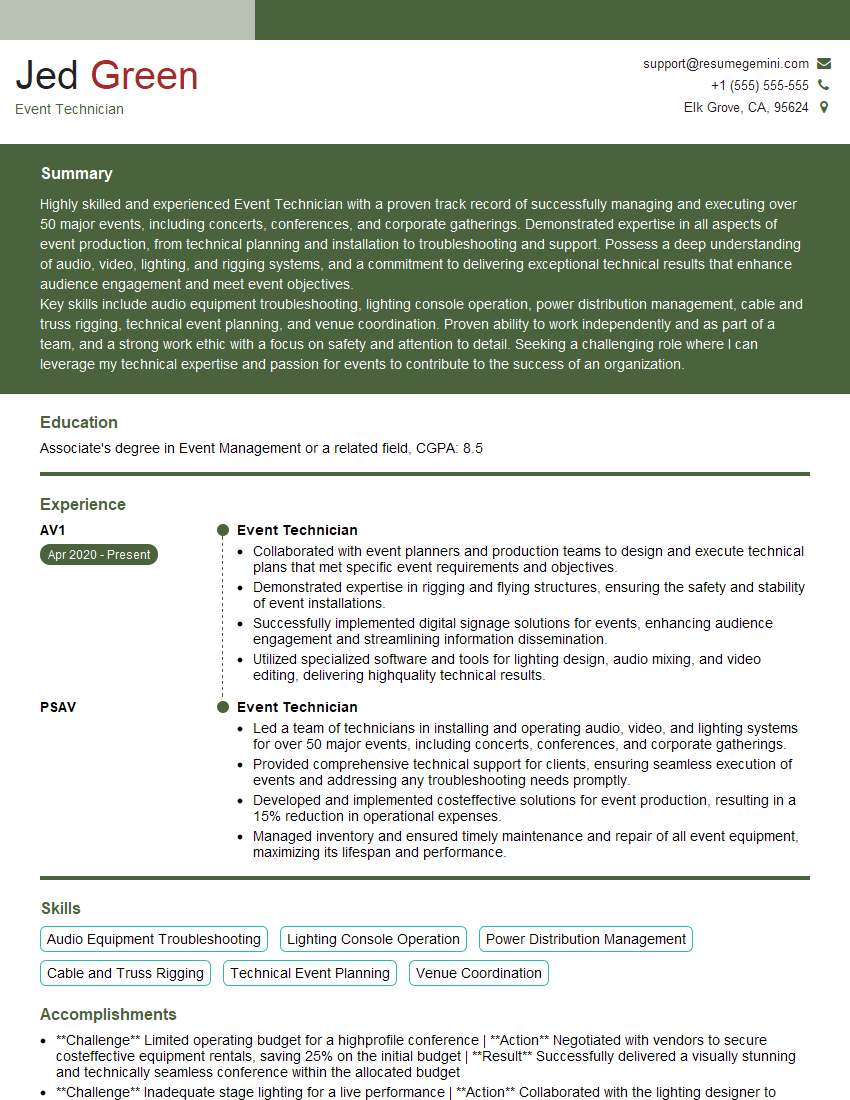
Mastering Event Management and Logistics opens doors to exciting and rewarding career opportunities, offering diverse challenges and substantial growth potential. A strong resume is your key to unlocking these opportunities. Creating an ATS-friendly resume is crucial for maximizing your job prospects. To ensure your resume effectively showcases your skills and experience, leverage the power of ResumeGemini. ResumeGemini provides a trusted platform for building professional resumes, and we offer examples of resumes tailored to Event Management and Logistics to help guide you. Take the next step in your career journey and craft a winning resume with ResumeGemini.
Explore more articles
Users Rating of Our Blogs
Share Your Experience
We value your feedback! Please rate our content and share your thoughts (optional).
What Readers Say About Our Blog
Very informative content, great job.
good