Every successful interview starts with knowing what to expect. In this blog, we’ll take you through the top Manufacturing process planning and optimization interview questions, breaking them down with expert tips to help you deliver impactful answers. Step into your next interview fully prepared and ready to succeed.
Questions Asked in Manufacturing process planning and optimization Interview
Q 1. Explain your experience with Lean manufacturing principles.
Lean manufacturing is a philosophy focused on eliminating waste and maximizing value for the customer. My experience encompasses implementing various Lean tools across diverse manufacturing environments. This includes leading Kaizen events (continuous improvement workshops), implementing 5S methodologies (Sort, Set in Order, Shine, Standardize, Sustain) to optimize workspace efficiency, and utilizing visual management systems like Kanban boards for efficient workflow control. I’ve successfully trained teams in Lean principles, fostering a culture of continuous improvement and empowering employees to identify and solve problems. For example, in a previous role, we reduced lead times by 20% by implementing a pull system using Kanban, eliminating unnecessary inventory and streamlining the production flow.
Q 2. Describe your approach to value stream mapping.
Value stream mapping is a powerful visualization tool used to analyze the flow of materials and information in a manufacturing process. My approach involves a collaborative process, starting with a thorough understanding of the current state. This involves working directly with the team on the shop floor, observing the process firsthand, and gathering data on cycle times, inventory levels, and potential bottlenecks. We then collaboratively create a visual map, identifying all steps in the process, including value-added and non-value-added activities. This map becomes a foundation for identifying areas of improvement. Once the current state is mapped, we brainstorm and develop a future state map, outlining improvements and the desired future flow. This process leverages the expertise of the entire team, ensuring buy-in and successful implementation.
For instance, in one project, we identified a significant amount of waiting time between production steps through value stream mapping. This led to a re-arrangement of the production line and a reduction in lead time of 35%.
Q 3. How do you identify and prioritize process improvement opportunities?
Identifying and prioritizing process improvement opportunities requires a systematic approach. I typically use a combination of methods, including data analysis (e.g., analyzing cycle times, defect rates, and production downtime), visual inspection (e.g., observing workflow and identifying areas of congestion), and feedback from employees who are closest to the process. I prioritize opportunities based on their potential impact (cost savings, lead time reduction, quality improvement), feasibility of implementation, and alignment with overall business objectives. This is often represented using a prioritization matrix, where impact and feasibility are plotted against each other to visualize the best opportunities. Root cause analysis tools such as the 5 Whys are also used to dig deeper into the underlying reasons for problems.
Q 4. What metrics do you use to measure process efficiency?
Measuring process efficiency involves tracking key metrics. These include:
- Overall Equipment Effectiveness (OEE): This metric measures the percentage of time a machine is producing good parts. It considers availability, performance, and quality.
- Lead Time: The time it takes to complete a process from start to finish.
- Throughput: The rate at which a process produces output.
- Defect Rate: The percentage of defective parts produced.
- Inventory Turnover: How quickly inventory is used and replenished.
- Cost per Unit: The cost of producing a single unit.
By tracking these metrics over time, we can monitor progress, identify areas for improvement, and demonstrate the impact of implemented changes. For example, a decrease in lead time and an increase in OEE are positive indicators of improved process efficiency.
Q 5. Explain your experience with Six Sigma methodologies (DMAIC/DMADV).
I have extensive experience applying Six Sigma methodologies, both DMAIC (Define, Measure, Analyze, Improve, Control) and DMADV (Define, Measure, Analyze, Design, Verify). DMAIC is used for improving existing processes, while DMADV is for designing new processes. In DMAIC, I’ve used statistical tools like control charts, histograms, and Pareto charts to identify and quantify process variations. I’ve also led teams in brainstorming sessions to generate improvement ideas, followed by rigorous testing and validation of these ideas. DMADV provides a structured approach to new product or process development, minimizing defects and ensuring robust design from the outset. For example, using DMAIC, I reduced the defect rate in a specific process by 85% by identifying and eliminating the root cause of the defects – a poorly calibrated machine setting.
Q 6. How do you handle process bottlenecks?
Addressing process bottlenecks requires a multi-pronged approach. First, I use data analysis to clearly identify the bottleneck – often this is the step with the longest cycle time or the lowest throughput. Then, I utilize various techniques depending on the root cause. This might involve:
- Investing in automation: To increase capacity and speed up the process.
- Improving equipment maintenance: Reducing downtime and improving reliability.
- Restructuring workflow: Re-sequencing steps or re-allocating resources to better balance workload.
- Training personnel: Improving skills and efficiency of operators.
- Streamlining processes: Eliminating unnecessary steps or simplifying tasks.
The solution is always tailored to the specific bottleneck and the overall context of the manufacturing system. A holistic approach ensures that solving one bottleneck doesn’t create another elsewhere in the process.
Q 7. Describe a time you improved a manufacturing process. Quantify the results.
In a previous role, we were facing significant delays in the assembly process of a key product due to a manual and time-consuming sub-assembly task. We used Lean principles and Six Sigma methodology (DMAIC) to address this. We first mapped the value stream to pinpoint the bottleneck – the manual insertion of a small component. Through data analysis, we found that the high defect rate in this step led to rework and significant delays. We then implemented a simple, low-cost solution: a jig to assist in component placement. This dramatically improved the accuracy of the task and reduced defect rate by 70%. The result? We reduced the overall assembly time by 15%, increased output by 12%, and lowered labor costs by approximately 8%. This project showcased the significant impact achievable through focused improvement efforts and data-driven decision making.
Q 8. What software/tools are you proficient in for process planning and optimization?
My proficiency in manufacturing process planning and optimization software spans a range of tools. I’m highly experienced with Delmiaworks for digital twin creation and simulation, allowing for comprehensive process validation before physical implementation. This helps identify potential bottlenecks and inefficiencies early on. I’m also adept at using Tecnomatix Plant Simulation for detailed capacity analysis and optimization, especially when dealing with complex production lines. For scheduling and resource allocation, I utilize SAP ERP and MS Project. Finally, Minitab is a key tool in my arsenal for Statistical Process Control (SPC) analysis, enabling data-driven decision-making and continuous improvement.
For example, in a previous role, I used Delmiaworks to simulate the implementation of a new robotic assembly line. The simulation identified a critical bottleneck at a specific workstation, allowing us to adjust the line layout and optimize robot movements before any capital expenditure was made, saving the company significant time and resources.
Q 9. Explain your understanding of capacity planning.
Capacity planning is the process of determining the production capacity needed to meet forecasted demand. It involves analyzing available resources – machinery, labor, space, materials – and comparing them against projected production volumes. The goal is to ensure sufficient capacity to fulfill orders while minimizing waste from overcapacity or lost sales from undercapacity.
This involves several steps: forecasting demand (using techniques like time series analysis or market research), analyzing resource availability (including equipment utilization rates and employee skills), identifying potential bottlenecks, and determining necessary investments (new equipment, training, etc.). A crucial aspect is understanding the difference between design capacity (theoretical maximum), effective capacity (considering planned downtime), and actual output. Effective capacity planning is crucial for profitability and customer satisfaction. Without proper planning, a company might face production delays, increased costs, or missed opportunities.
For instance, in a previous project involving a food processing plant, we used linear programming to optimize capacity allocation across different production lines to meet seasonal demand spikes while minimizing overtime costs.
Q 10. How do you incorporate safety considerations into process planning?
Safety is paramount and is integrated into every stage of process planning. This isn’t an afterthought; it’s a fundamental design consideration. We use a layered approach, incorporating safety procedures at the equipment level, the process level, and the overall facility level.
- Equipment Level: This includes selecting inherently safer machinery, incorporating safety interlocks and emergency stops, and implementing regular maintenance schedules to prevent malfunctions.
- Process Level: Process plans must detail safe operating procedures, including personal protective equipment (PPE) requirements, lockout/tagout procedures, and emergency response plans. We use Failure Mode and Effects Analysis (FMEA) to proactively identify potential hazards and implement mitigations.
- Facility Level: This involves ensuring proper layout for safe material handling, adequate ventilation and lighting, fire safety systems, and clear emergency exits. Regular safety audits and training programs for all personnel are crucial.
For example, in a manufacturing plant dealing with hazardous chemicals, we implemented a detailed safety protocol including color-coded piping systems, designated chemical storage areas, and comprehensive training for employees on handling and emergency procedures. This resulted in a significant reduction in workplace accidents.
Q 11. Describe your experience with scheduling and resource allocation.
My experience with scheduling and resource allocation is extensive. I’ve successfully employed various techniques, including Gantt charts, Critical Path Method (CPM), and advanced scheduling algorithms. Effective scheduling balances resource utilization with meeting deadlines. The selection of the right scheduling method depends on the complexity of the project and the nature of the resources.
Resource allocation requires careful consideration of various factors such as worker skills, machine capabilities, and material availability. I often use software tools like MS Project and SAP ERP to optimize resource allocation, minimizing idle time and maximizing efficiency. For complex scenarios, I’ve leveraged simulation software to model different scheduling strategies and identify optimal solutions.
In a recent project involving a complex assembly line, I used a combination of CPM and simulation to optimize the production schedule. This allowed us to reduce lead times by 15% while maintaining a high level of resource utilization.
Q 12. How do you manage change during process implementation?
Managing change during process implementation requires a structured approach. Effective communication and collaboration are key. I usually employ a phased rollout approach, starting with a pilot program to test the new process in a controlled environment before full-scale implementation. This allows for early identification and correction of any unforeseen issues.
Change management involves clearly communicating the reasons for the change, outlining the benefits, and addressing employee concerns. Providing adequate training and support is crucial for successful adoption. Regular monitoring and feedback mechanisms are essential to track progress, identify challenges, and make necessary adjustments. A robust change management plan helps minimize disruption and resistance while ensuring a smooth transition.
For example, when implementing a new ERP system in a manufacturing facility, I used a phased rollout, starting with a single department before expanding to the entire facility. This allowed us to address issues that arose early on and prevent larger-scale problems.
Q 13. How do you handle unexpected disruptions to the manufacturing process?
Handling unexpected disruptions requires a proactive and reactive approach. Proactive measures include robust contingency planning, which identifies potential disruptions (e.g., equipment failures, material shortages, supply chain disruptions) and develops mitigation strategies. This often involves having backup resources or alternative suppliers.
When a disruption occurs, a rapid response team is needed. This team will assess the impact, prioritize tasks, and implement the appropriate contingency plan. Communication is key – informing affected parties and adjusting the schedule as needed. Post-incident analysis is essential to understand the root cause of the disruption, prevent future occurrences, and refine the contingency plan.
For example, during a recent power outage, our pre-planned backup generator ensured minimal downtime. Our rapid response team immediately assessed the situation and adjusted the schedule, prioritizing critical tasks. Post-incident analysis revealed that improving the redundancy of the power system would enhance resilience in the future.
Q 14. Explain your understanding of Statistical Process Control (SPC).
Statistical Process Control (SPC) is a method used to monitor and control manufacturing processes by using statistical techniques. It relies on collecting data from the process, plotting it on control charts, and analyzing the data to identify patterns and trends. This helps detect variations that indicate the process is drifting out of control, allowing for timely intervention and prevention of defects.
Control charts visually represent data, showing the process mean and standard deviation over time. Common control charts include X-bar and R charts (for continuous data) and p-charts and c-charts (for attribute data). When data points fall outside the control limits, it suggests a significant change in the process, necessitating investigation. SPC empowers data-driven decision-making, leading to reduced variability, improved quality, and enhanced efficiency.
In a previous project, we used SPC to monitor the diameter of a critical component. By regularly collecting data and plotting it on a control chart, we identified a gradual increase in the variance. Investigation revealed a worn tool, which was replaced, restoring the process to its acceptable level.
Q 15. What are your preferred methods for data analysis in process optimization?
My preferred methods for data analysis in process optimization leverage a combination of statistical techniques and visualization tools. I begin by identifying key performance indicators (KPIs) relevant to the process, such as cycle time, defect rate, and throughput. Then, I employ techniques like:
- Descriptive Statistics: Calculating mean, median, mode, standard deviation, and range to understand the central tendency and variability of the data. This gives a baseline understanding of the process performance.
- Regression Analysis: To identify correlations between different process variables and the KPIs. For example, I might use regression to determine the relationship between machine speed and defect rate.
- Control Charts: To monitor process stability and identify any shifts or trends indicating potential problems. Shewhart charts and CUSUM charts are particularly useful here.
- Design of Experiments (DOE): For systematically investigating the effects of different process parameters on the output. This helps to optimize settings for maximum efficiency and quality. For example, a full factorial DOE might be used to assess the impact of temperature, pressure and feed rate on yield in a chemical process.
- Data Visualization: Tools like Tableau or Power BI are crucial for presenting findings clearly to stakeholders. Histograms, scatter plots, and control charts are frequently used to illustrate patterns and trends.
I also incorporate data mining techniques, depending on the nature and volume of data available. The choice of specific methods depends heavily on the specific challenges and the type of data involved. For instance, in a high-volume, continuous process, real-time data analysis using predictive modeling might be necessary.
Career Expert Tips:
- Ace those interviews! Prepare effectively by reviewing the Top 50 Most Common Interview Questions on ResumeGemini.
- Navigate your job search with confidence! Explore a wide range of Career Tips on ResumeGemini. Learn about common challenges and recommendations to overcome them.
- Craft the perfect resume! Master the Art of Resume Writing with ResumeGemini’s guide. Showcase your unique qualifications and achievements effectively.
- Don’t miss out on holiday savings! Build your dream resume with ResumeGemini’s ATS optimized templates.
Q 16. How do you ensure the accuracy of process data?
Ensuring data accuracy is paramount in process optimization. My approach is multi-faceted and includes:
- Data Source Validation: I meticulously verify the reliability and accuracy of the data sources. This includes checking for errors in data entry, sensor malfunctions, and inconsistencies in data collection methods.
- Data Cleaning and Transformation: Raw data often requires cleaning. This involves handling missing values, outliers, and inconsistencies. I utilize techniques like imputation for missing values and outlier detection using box plots or statistical process control (SPC) methods.
- Calibration and Verification: Regular calibration of sensors and measurement equipment is critical. I ensure that all measurement tools are properly calibrated and validated to ensure consistent and accurate readings.
- Data Reconciliation: Comparing data from different sources to identify and resolve discrepancies. For example, comparing production records with inventory data to identify potential losses or errors.
- Auditing and Traceability: Maintaining a complete audit trail of all data collected, processed, and analyzed. This allows for error tracking and facilitates verification of results.
Implementing robust data management practices ensures that the analysis is based on reliable information, leading to accurate conclusions and effective process improvements. A well-defined data governance process including documentation, review, and approval is essential.
Q 17. Explain your experience with different types of manufacturing processes (e.g., batch, continuous).
My experience encompasses a broad range of manufacturing processes, including batch, continuous, and hybrid systems.
- Batch Processing: I’ve worked extensively with batch processes, such as those found in pharmaceutical manufacturing or food processing. In these scenarios, understanding the intricacies of lot tracking, recipe management, and cleaning validation is crucial for optimizing efficiency and minimizing waste. I’ve implemented scheduling algorithms and lean manufacturing techniques to improve throughput and reduce cycle times. For example, I helped a pharmaceutical company optimize its batch process by implementing a more efficient cleaning validation procedure, reducing downtime by 15%.
- Continuous Processing: My experience with continuous processes, such as those in chemical or petroleum refining, involves optimizing process parameters for continuous operation and minimizing variability. Real-time data analysis and control systems are key elements here. In one project, I used advanced process control (APC) techniques to improve the yield of a continuous chemical reactor by 8%.
- Hybrid Systems: Many modern manufacturing systems combine aspects of both batch and continuous processing. Optimizing these requires a nuanced understanding of both approaches, often utilizing simulation modeling to analyze the interaction between different process stages. I have experience designing and implementing hybrid systems that effectively integrate different process technologies.
Understanding the unique characteristics of each process type is essential for developing effective optimization strategies.
Q 18. Describe your experience with different inventory management systems.
I’m familiar with various inventory management systems, each with its own strengths and weaknesses:
- Just-in-Time (JIT): Minimizes inventory holding costs by delivering materials only when needed. This requires close coordination with suppliers and efficient production scheduling. I’ve implemented JIT systems that resulted in significant reductions in inventory costs and improved cash flow.
- Material Requirements Planning (MRP): A system for planning and scheduling the procurement of materials based on production requirements. I’ve utilized MRP systems to ensure that materials are available when needed, avoiding production delays.
- Enterprise Resource Planning (ERP): Integrated systems that manage various aspects of a business, including inventory management, production planning, and financial accounting. I have experience integrating inventory management modules within broader ERP systems to streamline operations and improve data visibility.
- Kanban: A visual system for managing inventory flow, often used in lean manufacturing environments. I’ve implemented Kanban systems to improve efficiency and reduce waste in several projects.
The selection of the appropriate inventory management system depends on factors such as the nature of the manufacturing process, the demand variability, and the company’s overall business strategy.
Q 19. How do you ensure process compliance with industry regulations?
Process compliance is crucial. My approach involves:
- Understanding Regulations: Thorough familiarity with relevant industry regulations, such as ISO 9001, FDA regulations (for pharmaceuticals and food), and environmental regulations.
- Implementing Standard Operating Procedures (SOPs): Developing and implementing detailed SOPs that clearly define all aspects of the manufacturing process and ensure compliance with regulations.
- Documentation and Record Keeping: Maintaining meticulous records of all process parameters, quality checks, and corrective actions. This includes using electronic systems for data management and traceability.
- Regular Audits and Inspections: Conducting regular internal audits and external inspections to identify and address any compliance gaps.
- Continuous Improvement: Regularly reviewing and updating SOPs and processes to address emerging challenges and improve compliance.
Proactive compliance not only mitigates risks but also enhances the company’s reputation and customer trust.
Q 20. Explain your experience with root cause analysis techniques.
I utilize various root cause analysis techniques depending on the complexity of the problem. My toolkit includes:
- 5 Whys: A simple yet effective technique for repeatedly asking ‘why’ to uncover the root cause of a problem. This helps to drill down from symptoms to the underlying issue.
- Fishbone Diagram (Ishikawa Diagram): A visual tool for brainstorming potential causes of a problem, categorized by different factors like materials, methods, manpower, machinery, and environment.
- Pareto Analysis: Identifying the vital few causes that contribute to the majority of the problems. This helps to prioritize efforts for corrective actions. For instance, if 80% of defects are caused by two specific machines, focusing on those machines will have the biggest impact.
- Fault Tree Analysis (FTA): A deductive technique that works backward from an undesired event to identify the underlying causes. This is particularly useful for complex systems with multiple potential failure points.
Combining these techniques often provides a more comprehensive understanding of the root cause, leading to effective and sustainable solutions.
Q 21. How do you communicate process improvements to stakeholders?
Effective communication is crucial. My approach emphasizes clarity, visual aids, and active listening:
- Data-Driven Presentations: I utilize data visualizations to present findings clearly and concisely, avoiding jargon. Charts, graphs, and tables are instrumental in conveying complex information.
- Storytelling: Framing the findings within a narrative that resonates with stakeholders, highlighting the impact of the process improvements.
- Interactive Sessions: Facilitating discussions to address stakeholder questions and concerns, fostering a collaborative environment.
- Reports and Documentation: Providing comprehensive reports that document the analysis, findings, recommendations, and implementation plans. This ensures that the improvements are well-documented and easily understood.
- Regular Updates: Keeping stakeholders informed about the progress of implementation and addressing any challenges that may arise.
By tailoring communication to the audience and utilizing various methods, I ensure that everyone understands the process improvements and their benefits.
Q 22. What are your strategies for managing project timelines and budgets in process optimization projects?
Managing project timelines and budgets in process optimization projects requires a proactive, multi-faceted approach. It’s not just about setting deadlines and allocating funds; it’s about meticulous planning, constant monitoring, and adaptive adjustments.
My strategy begins with a detailed work breakdown structure (WBS), breaking down the project into smaller, manageable tasks. This allows for precise time estimation and resource allocation. I then utilize critical path method (CPM) analysis to identify the most critical tasks that directly impact the project timeline, allowing us to prioritize and mitigate potential delays.
Budget management involves creating a detailed budget encompassing all anticipated costs – software, hardware, training, consultant fees, and potential unforeseen expenses. Regular budget reviews, ideally weekly or bi-weekly, ensure early detection of any deviations and allow for proactive corrective actions. We employ earned value management (EVM) to track progress against planned costs and schedule, giving us a clear picture of our financial standing and potential risks. Finally, strong communication with stakeholders is vital – keeping them informed of progress, challenges, and any necessary budget or timeline adjustments ensures transparency and buy-in.
For instance, in a recent project optimizing a bottling line, we used CPM to identify the critical path involved in integrating a new high-speed filler. By focusing resources on this path, we successfully delivered the project on time and within budget, despite initial supply chain challenges.
Q 23. Describe your experience with implementing new technologies in manufacturing processes.
Implementing new technologies in manufacturing requires a structured approach, balancing innovation with practicality. My experience encompasses various technologies, from robotics and automation to advanced analytics and IoT (Internet of Things) solutions.
The process starts with a thorough needs assessment identifying specific areas for improvement. This often involves data analysis to pinpoint bottlenecks or inefficiencies. Then, we explore and evaluate potential technologies that address those needs, considering factors like cost, feasibility, integration challenges, and potential ROI. A proof-of-concept (POC) phase is crucial, allowing us to test the technology in a controlled environment before full-scale deployment. This minimizes risks and allows for adjustments before committing significant resources.
Training and change management are paramount. Employees need adequate training to operate and maintain the new technologies. Addressing concerns and fostering buy-in from the workforce is essential for a successful technology adoption. Finally, continuous monitoring and performance evaluation are key to ensure the technology delivers the expected improvements and to make further adjustments as needed.
For example, in a recent project, we implemented a robotic arm in a welding process. The POC phase revealed some minor integration issues with the existing conveyor system, which we resolved before full deployment, avoiding costly rework later. We also provided extensive training to the welding team, resulting in high employee acceptance and a significant increase in welding speed and quality.
Q 24. How do you balance the need for efficiency with the need for quality?
Balancing efficiency and quality is a fundamental challenge in manufacturing. It’s not a trade-off; rather, it’s about achieving both simultaneously. They are interdependent: higher efficiency often leads to improved quality and vice-versa.
My approach focuses on process capability analysis (e.g., Cp, Cpk) to measure the inherent capability of our processes to meet quality standards. This allows us to identify areas needing improvement. We then implement lean manufacturing principles, like 5S (Sort, Set in Order, Shine, Standardize, Sustain), to eliminate waste and improve process flow, enhancing efficiency without compromising quality. Similarly, statistical process control (SPC) techniques help us monitor process performance and quickly identify deviations from established quality standards, enabling timely corrective actions.
Automation, when implemented strategically, plays a crucial role. Automated processes can increase speed and consistency, leading to better quality and increased output. Regular audits and rigorous quality checks ensure that we maintain high standards at every stage of the production process. Finally, investing in employee training and empowerment empowers them to identify and solve quality issues proactively.
In one instance, we improved the efficiency of a paint finishing line by 15% by optimizing the drying process through better airflow management. Simultaneously, the improved process also led to a reduction in paint defects, improving the overall quality of the finished product.
Q 25. How do you foster a culture of continuous improvement within a manufacturing team?
Fostering a culture of continuous improvement requires a multi-pronged approach. It’s not about imposing change from above; it’s about creating an environment where improvement is valued and driven from within.
Firstly, I believe in empowering employees to identify and propose improvements. This involves providing them with the necessary training and tools to analyze processes and suggest solutions. Regular feedback sessions, brainstorming sessions, and suggestion boxes provide avenues for them to share their ideas. Secondly, implementing recognition and reward programs acknowledges and encourages contributions, further motivating the team to seek improvements.
Using visual management techniques, such as Kanban boards or process maps, makes the processes transparent and allows the team to quickly identify and address issues. Regular Gemba walks (going to the actual workplace to observe the processes) provide firsthand insights into process challenges and allow for immediate problem-solving. Finally, embracing lean principles, such as Kaizen events (explained in the next answer), creates a continuous improvement mindset, where small, incremental improvements are made regularly.
For example, by implementing a suggestion box and rewarding employees for cost-saving ideas, we were able to implement several small but impactful changes in a packaging process, resulting in overall cost savings and increased efficiency.
Q 26. What are the key challenges you foresee in the future of manufacturing process planning and optimization?
The future of manufacturing process planning and optimization will be significantly shaped by several key challenges.
- Increased complexity and customization: Meeting the demand for increasingly customized products while maintaining efficiency will require flexible and adaptable manufacturing processes.
- Supply chain disruptions and resilience: Building more resilient supply chains capable of withstanding global disruptions will be crucial for maintaining production continuity.
- Talent shortage and skills gap: Finding and retaining skilled workers with expertise in advanced technologies will be a major challenge.
- Sustainability and environmental concerns: Reducing environmental impact and adopting sustainable manufacturing practices will be increasingly important.
- Data management and analytics: Effectively harnessing the vast amounts of data generated by smart factories will be critical for optimizing processes and making data-driven decisions.
Addressing these challenges will require embracing new technologies such as AI, machine learning, and digital twins, along with a focus on workforce development and sustainable practices.
Q 27. Describe your experience with Kaizen events or other rapid improvement methodologies.
Kaizen events, also known as Kaizen workshops, are focused improvement events designed to rapidly address specific problems within a process. They are a core element of lean manufacturing.
My experience with Kaizen events includes leading and participating in numerous workshops focusing on different aspects of manufacturing processes, such as reducing cycle times, improving product quality, or eliminating waste. A typical Kaizen event involves:
- Team Formation: Assembling a cross-functional team with relevant expertise.
- Problem Definition: Clearly defining the specific problem to be addressed.
- Data Gathering: Collecting data on the current process to understand the root cause of the problem.
- Brainstorming and Solution Development: Brainstorming potential solutions and selecting the best approach.
- Implementation: Implementing the chosen solution, often on a small scale initially.
- Evaluation and Documentation: Evaluating the results and documenting the improvements achieved.
For instance, in a Kaizen event focused on reducing machine downtime, we identified a recurring issue with a specific component. By implementing a preventative maintenance schedule and improving the training of machine operators, we were able to significantly reduce downtime and increase production output.
Q 28. How do you evaluate the ROI of process improvement initiatives?
Evaluating the ROI of process improvement initiatives is crucial to demonstrate their value and secure future investment. It requires a structured approach that considers both tangible and intangible benefits.
I typically use a combination of methods to assess ROI. This begins with clearly defining the baseline performance before the implementation of the improvement initiative. Key performance indicators (KPIs) are identified and measured to provide a quantifiable measure of the current state.
After implementation, we meticulously measure the same KPIs to determine the post-implementation performance. The difference between the two represents the improvement achieved. This is translated into financial terms by considering factors like increased production output, reduced waste, lower defect rates, reduced labor costs, and improved energy efficiency. Intangible benefits, such as improved employee morale and increased product quality, are also considered, although they are harder to quantify directly.
We often use a simple ROI calculation: (Net benefits – Total costs) / Total costs. The net benefits include the financial gains from the improvements, while total costs encompass all expenses related to the improvement initiative. Presenting the ROI in a clear and concise manner, coupled with qualitative benefits, is critical to ensure buy-in from management.
For example, in a recent project, we improved the efficiency of a packaging line resulting in a 10% increase in output and a 5% reduction in material waste. By quantifying these improvements, we were able to demonstrate an ROI of 25% within the first year, justifying the initial investment.
Key Topics to Learn for Manufacturing Process Planning and Optimization Interview
- Process Mapping & Flowcharting: Understanding and creating detailed process maps to identify bottlenecks and inefficiencies. Practical application: Analyzing current production processes to suggest improvements in material flow, reducing lead times, and minimizing waste.
- Lean Manufacturing Principles: Applying principles like Kaizen, 5S, and Value Stream Mapping to eliminate waste and optimize production processes. Practical application: Implementing Kaizen events to improve cycle times and reduce defects in a specific production line.
- Capacity Planning & Resource Allocation: Determining the necessary resources (equipment, labor, materials) to meet production demands. Practical application: Forecasting production needs and optimizing resource allocation to maximize efficiency and minimize idle time.
- Production Scheduling & Sequencing: Developing efficient schedules to optimize production flow and meet delivery deadlines. Practical application: Utilizing different scheduling techniques (e.g., Kanban, MRP) to manage production based on demand and resource availability.
- Quality Control & Improvement: Implementing quality control measures to ensure product quality and identify areas for improvement. Practical application: Analyzing defect rates, identifying root causes, and implementing corrective actions to reduce defects and improve product quality.
- Statistical Process Control (SPC): Utilizing statistical methods to monitor and control process variability and ensure consistent product quality. Practical application: Using control charts to monitor key process parameters and identify potential problems before they lead to defects.
- Simulation & Modeling: Using simulation software to model and analyze different process scenarios to identify optimal solutions. Practical application: Testing different production strategies using simulation to predict performance and optimize resource allocation before implementation.
- Data Analysis & Interpretation: Analyzing production data to identify trends, patterns, and areas for improvement. Practical application: Using data analytics to track key performance indicators (KPIs) and identify opportunities for optimization.
Next Steps
Mastering Manufacturing process planning and optimization is crucial for career advancement in this dynamic field. It demonstrates your ability to drive efficiency, reduce costs, and improve overall productivity. To significantly boost your job prospects, create a compelling and ATS-friendly resume that highlights your skills and experience. ResumeGemini is a trusted resource to help you build a professional and impactful resume. We offer examples of resumes tailored to Manufacturing process planning and optimization to guide you in showcasing your qualifications effectively. Take the next step towards your dream career – build a powerful resume today!

Operations Manager Resume Sample
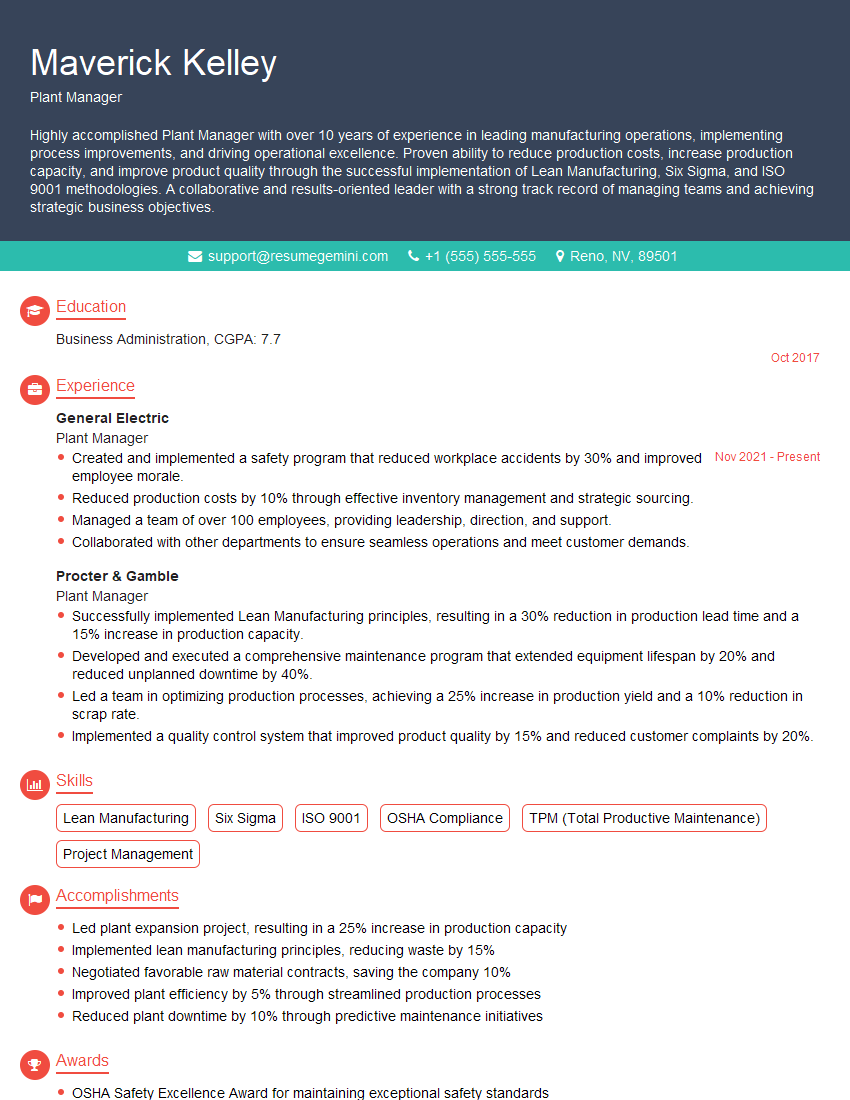
Plant Manager Resume Sample
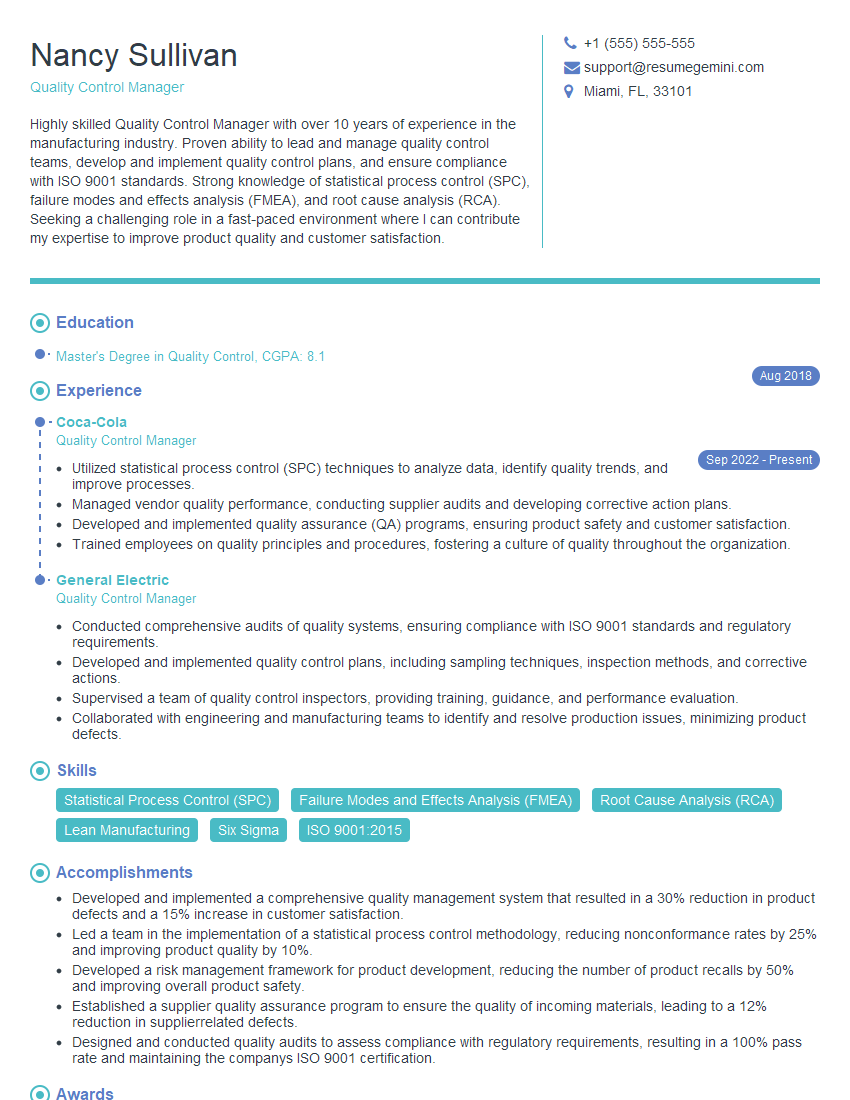
Quality Control Manager Resume Sample
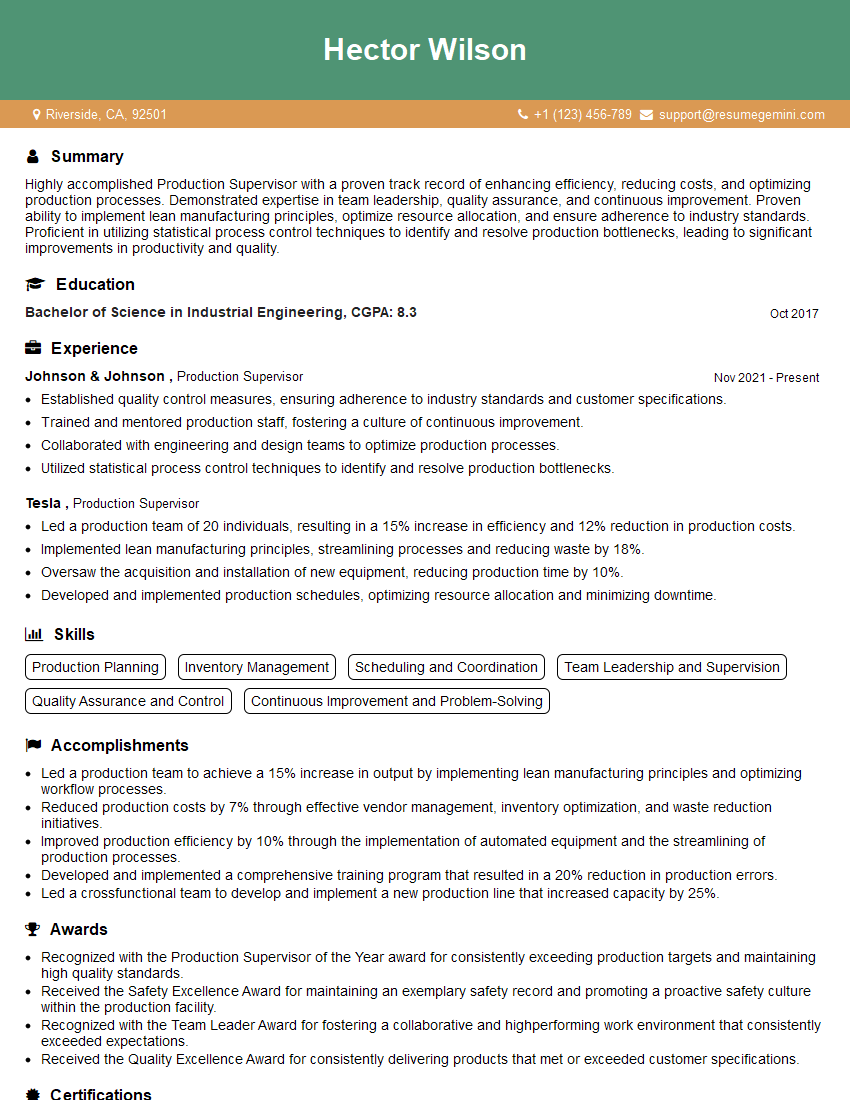
Production Supervisor Resume Sample

Supply Chain Manager Resume Sample
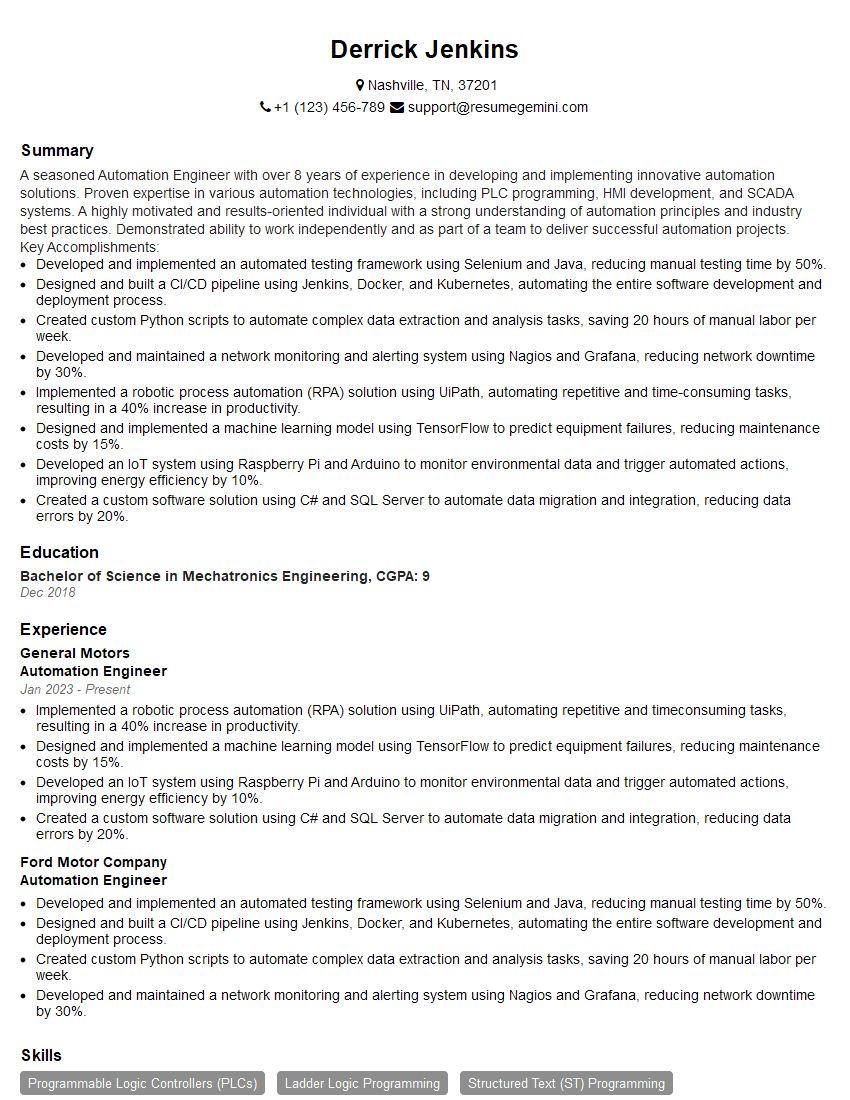
Automation Engineer Resume Sample

Operations Research Analyst Resume Sample
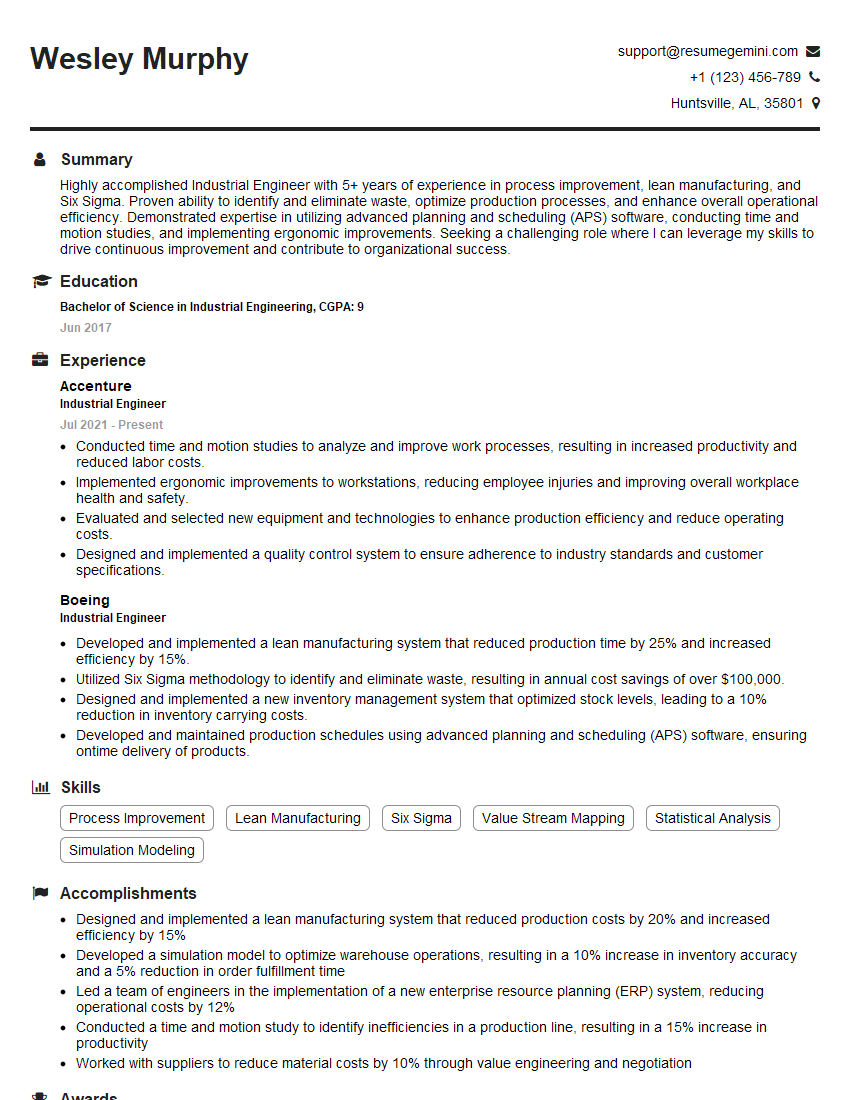
Industrial Engineer Resume Sample
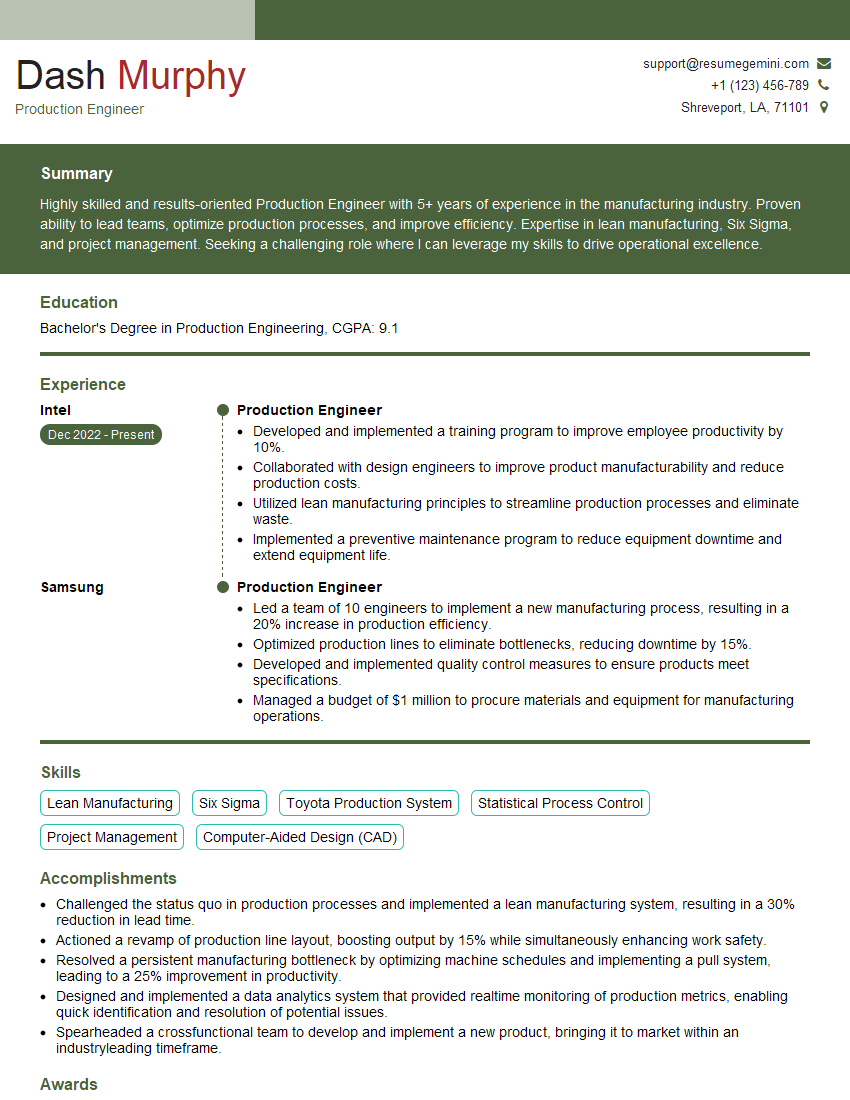
Production Engineer Resume Sample
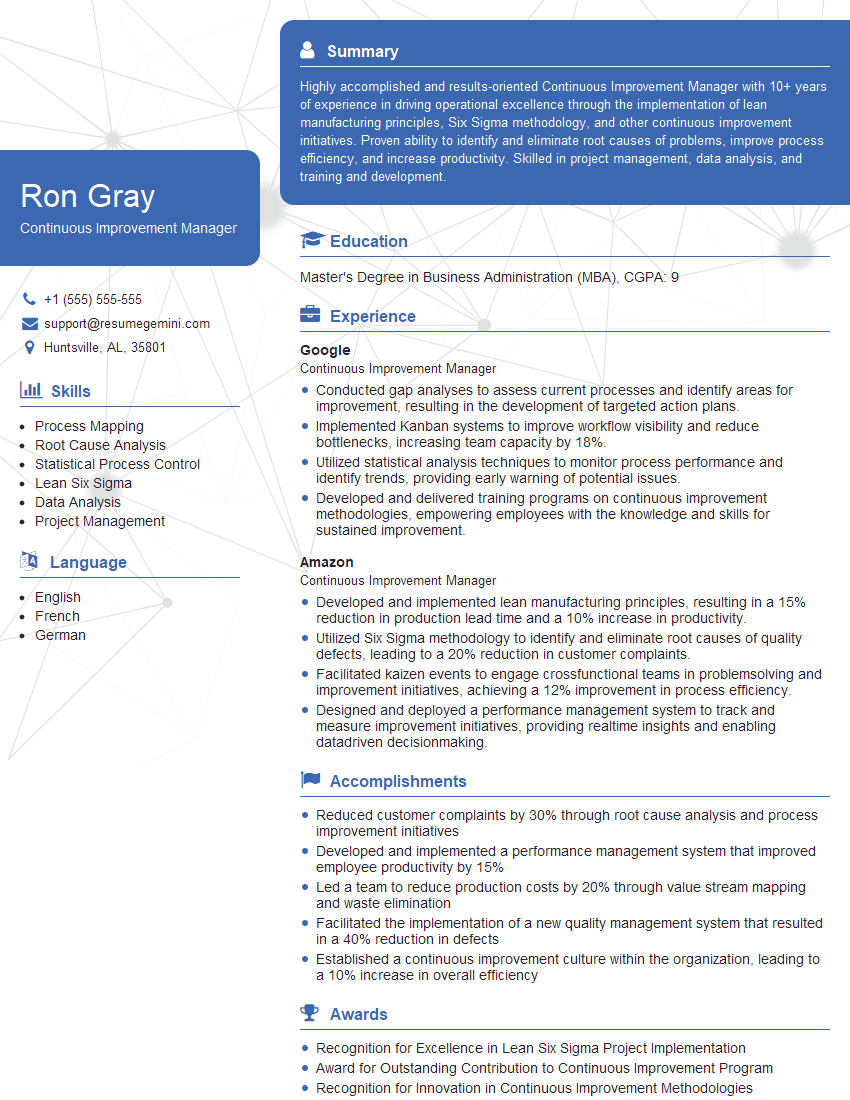
Continuous Improvement Manager Resume Sample
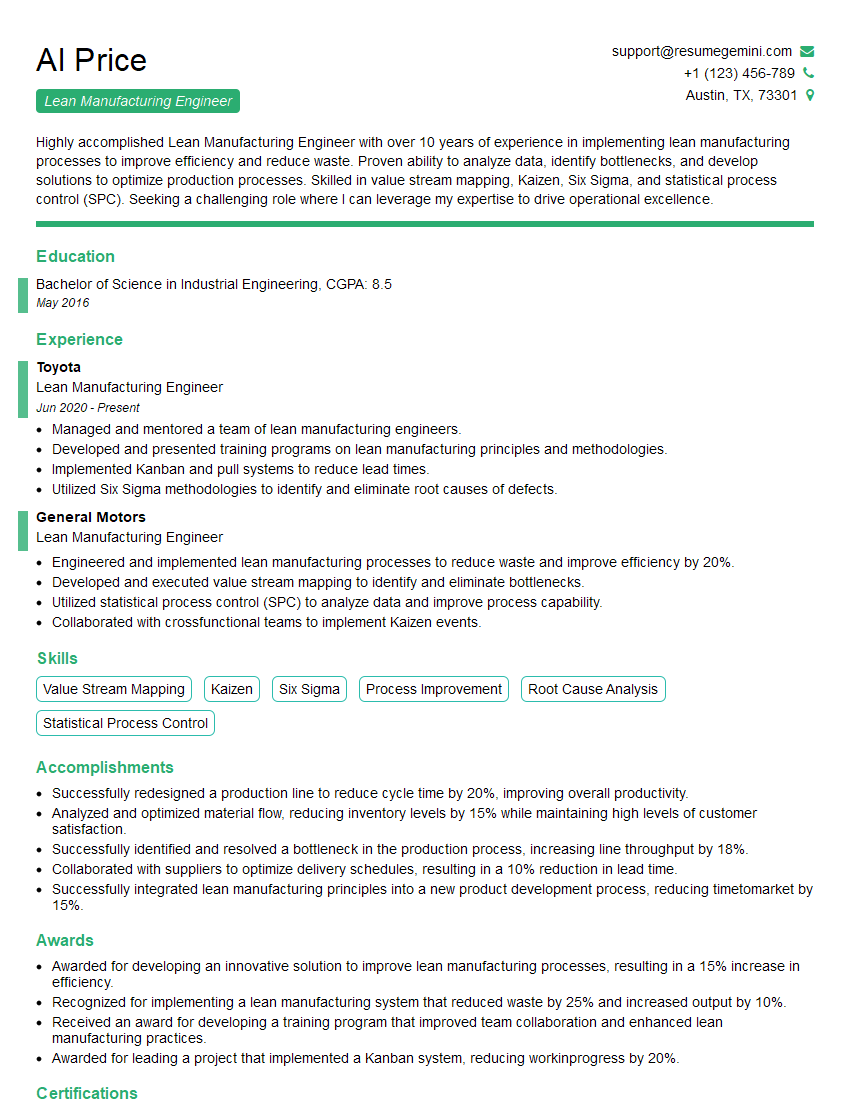
Lean Manufacturing Engineer Resume Sample
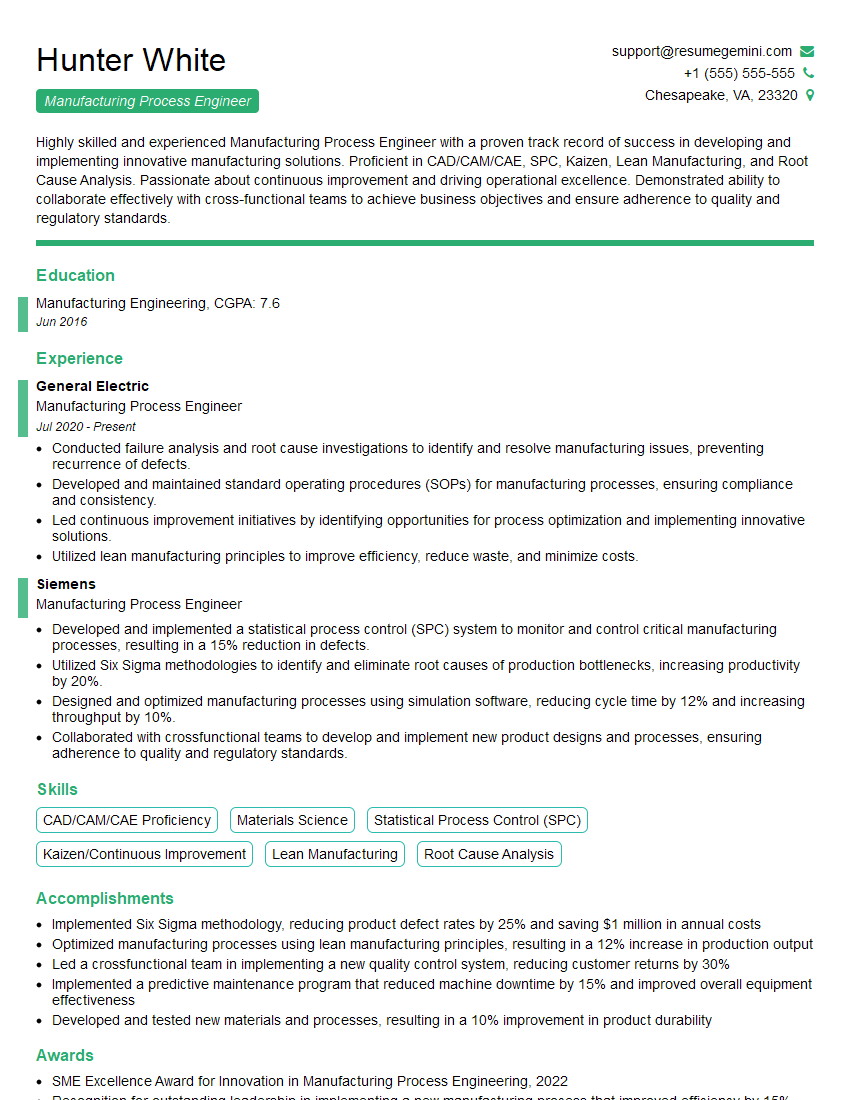
Manufacturing Process Engineer Resume Sample
Explore more articles
Users Rating of Our Blogs
Share Your Experience
We value your feedback! Please rate our content and share your thoughts (optional).
What Readers Say About Our Blog
Very informative content, great job.
good