Are you ready to stand out in your next interview? Understanding and preparing for Rain Gardens interview questions is a game-changer. In this blog, we’ve compiled key questions and expert advice to help you showcase your skills with confidence and precision. Let’s get started on your journey to acing the interview.
Questions Asked in Rain Gardens Interview
Q 1. Explain the primary function of a rain garden.
The primary function of a rain garden is to manage stormwater runoff. Think of it as a natural sponge for your landscape. Instead of rainwater flowing directly into storm drains and potentially overwhelming the system, a rain garden captures it, allowing it to slowly soak into the ground. This reduces the volume of water entering storm sewers, mitigating flooding and erosion. It also helps filter pollutants from the water before it reaches groundwater sources, improving water quality.
Q 2. Describe the ideal soil composition for a rain garden.
Ideal rain garden soil is a well-draining, sandy loam mix amended with organic matter like compost. This combination ensures efficient water infiltration while providing sufficient nutrients for plant growth. The soil should be porous enough to allow water to percolate through quickly, preventing ponding. Clay soils, which retain water excessively, are unsuitable unless heavily amended. A good rule of thumb is that the soil should absorb water at a rate of at least 6 inches per hour. You can test this by digging a small hole and timing how long it takes for a set amount of water to soak in.
Q 3. What are the key design considerations for a rain garden?
Key design considerations include:
- Size and shape: The garden’s size depends on the amount of runoff it needs to handle, typically determined by the area of the contributing drainage surface (roof, driveway, etc.). A shallow, bowl-shaped design is common.
- Location: Choose a location that is relatively flat and readily accessible to the runoff. Ensure it’s away from structures and underground utilities to avoid damage. It’s also crucial to consider sunlight exposure (at least 4 hours).
- Inlet and outlet: A clearly defined inlet guides water into the garden, while an outlet (often a perforated pipe) allows excess water to drain gradually, preventing saturation.
- Soil depth: Sufficient depth (at least 18-24 inches) is critical to accommodate infiltration and root growth.
- Buffer strip: A vegetated buffer around the rain garden helps slow runoff further, filter pollutants, and prevent erosion.
Q 4. How do you select appropriate plant species for a rain garden?
Plant selection is crucial for rain garden success. Choose native, water-tolerant species adapted to your climate and soil conditions. These plants thrive in wet conditions during and after rainfall, then tolerate drier periods in between. Consider the plants’ mature size to avoid overcrowding. Deep-rooted plants are especially beneficial for enhanced infiltration. A diverse mix of species, including grasses, sedges, and wildflowers, is recommended for ecological balance and aesthetic appeal. For example, in a temperate climate, you might include switchgrass (Panicum virgatum), coneflowers (Echinacea spp.), and Joe-Pye weed (Eutrochium maculatum).
Q 5. What are the common maintenance requirements for a rain garden?
Maintenance is relatively low once the rain garden is established. This includes:
- Weeding: Regularly remove invasive weeds to prevent competition with desired plants.
- Watering: Newly planted rain gardens might require supplemental watering during extended dry periods.
- Mulching: A layer of mulch helps retain moisture, suppress weeds, and regulate soil temperature.
- Monitoring: Periodically check for signs of ponding or erosion. Adjust the outlet if necessary.
- Pruning: Prune plants as needed to maintain their shape and size, preventing overcrowding.
Q 6. Explain the role of infiltration in a rain garden’s function.
Infiltration is the cornerstone of a rain garden’s function. It’s the process of water seeping into the soil. The porous soil, coupled with the deep root systems of the chosen plants, creates pathways for water to move downward. This infiltration replenishes groundwater supplies, reduces stormwater runoff, and mitigates the negative impacts of impervious surfaces (like roads and pavements) that prevent natural water absorption. The faster and more efficiently water infiltrates, the better the rain garden performs its stormwater management role.
Q 7. Describe different types of rain garden designs and their suitability.
Several rain garden designs exist, each suited to different contexts:
- Traditional Bioretention Cell: This is the most common type, featuring a shallow depression filled with amended soil and planted with native vegetation. It’s ideal for managing larger volumes of runoff.
- Filter Strip: A longer, narrower design effective in slowing runoff velocity and filtering pollutants before it enters a waterway. Suitable for sites with limited space.
- Constructed Wetland: A more complex design, incorporating deeper water depths and emergent vegetation. It’s better suited for larger sites with higher water quality goals, including nutrient removal.
- Bioswale: A vegetated channel that conveys runoff while filtering it. This design is often integrated into larger landscape systems.
The suitability of each design depends on factors like site area, runoff volume, water quality goals, and available space. A professional assessment is often necessary to determine the most appropriate design for a specific project.
Q 8. How do you calculate the appropriate size of a rain garden for a given area?
Determining the appropriate size of a rain garden involves a careful calculation based on the amount of runoff it needs to manage. We typically use the ‘impervious surface area’ – the area of hard surfaces like roofs, driveways, and patios that prevent water from naturally soaking into the ground – as the starting point. This runoff is then calculated using a rainfall intensity for your specific area and local regulations, usually expressed in inches or millimeters per hour.
For example, let’s say we have a 1,000 square foot roof. Using local rainfall data and accounting for a certain percentage of runoff that won’t be absorbed by landscaping, we might estimate that 500 square feet of water needs to be managed. The rain garden’s size is then determined based on the depth and volume of water it needs to hold for its specific soil type and vegetation. A good rule of thumb is to design the rain garden with a minimum depth of 18 inches and a volume that can handle a one-inch rainfall event over the entire impervious area. Professional software and online calculators are available to assist with this, but proper calculation is essential to ensure its effectiveness. Insufficient size could result in flooding, whereas an excessively large rain garden might not be practical or aesthetically pleasing.
Q 9. What are the benefits of using rain gardens for stormwater management?
Rain gardens offer a multitude of benefits for stormwater management, going beyond simple water retention. They act as natural filters, improving water quality by removing pollutants such as fertilizers, pesticides, oil, and sediment before they reach our streams, rivers, and ultimately, our water bodies. This helps protect aquatic life and reduces the strain on wastewater treatment facilities. Furthermore, rain gardens help replenish groundwater supplies, reduce stormwater runoff volume which lessens the risk of flooding, and enhance local biodiversity by providing habitat for birds, butterflies, and other beneficial insects. They also have an aesthetic appeal, adding beauty and green spaces to urban areas. I’ve personally seen dramatic improvements in water clarity and biodiversity downstream from rain garden installations in projects I’ve worked on.
Q 10. How do you address potential issues like mosquito breeding in a rain garden?
Mosquito breeding is a valid concern with rain gardens, but it’s entirely manageable. The key is to avoid stagnant water. Proper design and maintenance are crucial. We ensure the rain garden has a relatively shallow, sloped bottom to minimize areas where water can pool for extended periods. Furthermore, selecting appropriate native plants that provide dense cover and root systems are important as they help to consume nutrients and oxygenate the water. Consider adding beneficial insects or fish that are natural mosquito predators to the planting scheme. Regular garden maintenance, involving proper pruning of plants to keep the garden open to sunlight and air, is essential to mitigate mosquito proliferation. Finally, periodic water level monitoring helps identify and address any potential issues early on.
Q 11. What are the environmental regulations relevant to rain garden construction?
Environmental regulations surrounding rain garden construction vary by location, but some common themes apply. Generally, local municipalities have regulations concerning water quality and stormwater management, and adherence to these is critical. These regulations might specify allowable plant species, soil types, and construction methods. There might be restrictions on the types and amounts of pollutants a rain garden can handle. Furthermore, permits might be required depending on the project’s size and location relative to waterways or wetlands. You should always check with your local environmental agency and planning department to ensure your project meets all applicable regulations before commencing work. Ignoring these can lead to significant fines and project setbacks.
Q 12. Describe the process of obtaining permits for a rain garden project.
The process of obtaining permits typically begins with submitting a detailed project plan to the relevant authority, which might include your local Department of Environmental Protection or similar agency. This plan should specify the location of the rain garden, its dimensions, the type of plants to be used, the soil type, and any other relevant information. The plan might also need to include details of your stormwater calculations. Many municipalities offer online permit applications, which can streamline the process. After the application is submitted, the agency typically reviews it to ensure the project complies with local regulations and environmental protection standards. This may involve a site visit. Once approved, you will receive a permit that allows you to proceed with construction. Be prepared for potential revisions and follow-up questions from the regulatory bodies.
Q 13. Explain how you would integrate a rain garden into an existing landscape.
Integrating a rain garden into an existing landscape requires careful planning to ensure both aesthetics and functionality. It’s about creating a seamless transition between the natural features and the rain garden. Site analysis is crucial to identifying the best location considering factors like existing drainage patterns, soil type, sunlight exposure, and proximity to existing plants. The design should complement the overall landscape’s style, using native plants that blend in well with the surrounding environment. Consider incorporating pathways, rocks, or other landscape features to transition from the garden to other areas. I’ve found that using native plants not only improves the ecological value but also requires less maintenance than non-native species, integrating more gracefully into the existing environment. One particularly successful project involved using existing rock formations to border a rain garden, creating a visually stunning yet natural look.
Q 14. How do you assess the site suitability for a rain garden?
Assessing site suitability involves several key considerations. Firstly, soil type is critical. Well-draining soil is essential to prevent waterlogging. Clay soils need amendment to improve drainage. The site should have a relatively flat area with a slight depression to collect water and allow infiltration. Sunlight exposure needs to be carefully evaluated, as some plants prefer more shade than others. The proximity to underground utilities (pipes, cables) must be checked to avoid damage during construction. Finally, it’s essential to consider the existing drainage patterns to ensure the rain garden is adequately connected to the area collecting runoff, as well as assessing the potential for pollutants in the runoff water. We often use soil probes and drainage tests, and map existing utilities prior to starting a site analysis, preventing costly surprises down the line.
Q 15. Describe methods for monitoring the effectiveness of a rain garden.
Monitoring a rain garden’s effectiveness involves assessing its ability to manage stormwater and improve water quality. This is done through a combination of methods, focusing on both hydrological and biological aspects.
Water Level Monitoring: Install rain gauges and water level sensors to track the volume of stormwater infiltrated versus runoff. Compare pre- and post-rain garden construction data to quantify the reduction in runoff.
Water Quality Sampling: Collect water samples from the inflow (before the rain garden) and outflow (after the rain garden) at various points to analyze pollutants like nitrogen, phosphorus, and heavy metals. A reduction in these pollutants indicates effective filtration.
Soil Moisture Monitoring: Use soil moisture sensors to track how well the rain garden soil absorbs and retains water. Consistent soil moisture levels suggest good infiltration capacity.
Vegetation Monitoring: Observe the health and growth of the rain garden plants. Vigorous growth indicates a healthy environment with adequate water and nutrients. Note any signs of stress or dieback, which could suggest issues with waterlogging or nutrient imbalances.
Sediment Trap Monitoring: If sediment traps are included in the design, regularly check and remove accumulated sediment. The amount of sediment captured highlights the rain garden’s effectiveness at trapping pollutants.
For example, a comparison of pre- and post-construction data showing a 50% reduction in runoff volume and a 30% reduction in nitrogen levels would demonstrate a successful rain garden.
Career Expert Tips:
- Ace those interviews! Prepare effectively by reviewing the Top 50 Most Common Interview Questions on ResumeGemini.
- Navigate your job search with confidence! Explore a wide range of Career Tips on ResumeGemini. Learn about common challenges and recommendations to overcome them.
- Craft the perfect resume! Master the Art of Resume Writing with ResumeGemini’s guide. Showcase your unique qualifications and achievements effectively.
- Don’t miss out on holiday savings! Build your dream resume with ResumeGemini’s ATS optimized templates.
Q 16. What are the different types of filtration used in rain garden systems?
Rain gardens utilize several filtration methods to remove pollutants from stormwater. The combined effect leads to significant water quality improvement.
Physical Filtration: This is the most basic form. Soil particles, sand, and gravel act as a physical barrier, trapping larger pollutants like sediment, leaves, and debris. The plant roots also help to filter out larger particles.
Biological Filtration: Microorganisms in the soil and within the plant root systems break down organic pollutants and nutrients like nitrogen and phosphorus. This process relies on the complex interaction between microbes, plants and the soil.
Chemical Filtration: Certain soil components and plant roots can chemically bind with pollutants, making them less mobile and less likely to leach into groundwater. For instance, some soils bind to heavy metals, reducing their mobility.
Infiltration: The soil allows water to soak into the ground, allowing for additional filtration through the soil profile, reducing pollutants and replenishing groundwater slowly.
Think of it as a multi-stage purification system; each stage contributes to a cleaner water output.
Q 17. How do you handle different soil types during rain garden construction?
Soil type significantly impacts rain garden performance. Different soils have varying infiltration rates and nutrient holding capacities. Proper soil handling is crucial for success.
Soil Testing: Conduct a thorough soil test to determine the soil type, texture (sand, silt, clay), and pH. This informs appropriate amendments and design modifications.
Amending Heavy Clay Soils: Heavy clay soils have poor drainage. Amend them with organic matter (compost) to improve structure, aeration, and water infiltration. Adding sand can also improve drainage but must be done in moderation to avoid creating a poorly structured soil profile.
Amending Sandy Soils: Sandy soils drain quickly, reducing water retention. Incorporate organic matter like compost or peat moss to increase water-holding capacity.
Soil Layers: Consider creating layers within the rain garden basin. For instance, a layer of coarser material (gravel) at the bottom can improve drainage, while a layer of finer material (sand and topsoil) on top provides better filtration and support for plants.
For example, a rain garden in a heavy clay area might require significant compost amendment and potentially a subsurface drainage system, while a sandy area may need more organic matter to improve water retention. Ignoring soil type can lead to either waterlogging or rapid runoff, defeating the purpose of the rain garden.
Q 18. Explain the role of underdrainage in a rain garden.
Underdrainage in a rain garden is a system of pipes or other materials placed beneath the soil to manage excess water. Its role is nuanced and depends on site conditions.
Preventing Waterlogging: In areas with poor drainage, underdrainage prevents waterlogging, which can harm plants and reduce filtration effectiveness. The underdrain slowly removes excess water that has infiltrated.
Controlling Water Table: In areas with high water tables, underdrainage can help manage the water level, ensuring the rain garden doesn’t become a persistent swamp.
Managing Large Rainfall Events: During intense rainfall events, underdrainage can help prevent overflow and erosion, channeling excess water away from the rain garden area.
Underdrainage isn’t always necessary. It’s more important in areas with heavy clay soils or high water tables. The decision to include underdrainage should be made based on a thorough site assessment and soil analysis.
Q 19. Discuss the importance of considering water quality in rain garden design.
Water quality is paramount in rain garden design. The goal is to improve water quality, not just redirect it. Careful consideration is necessary to address potential contaminants.
Upstream Contamination: Assess the water quality of the inflow. Is there significant pollution from roads, parking lots, or other sources? The design needs to address these pollutants, potentially needing more extensive filtration or pre-treatment measures.
Plant Selection: Choose plant species that are tolerant to the anticipated water quality and can effectively absorb nutrients from the water. Some plants are better at removing specific pollutants than others.
Soil Selection and Amendment: Soil should have the capacity to bind and filter pollutants. Testing and amendment as discussed earlier are crucial here. The ability to remove pollutants is directly tied to soil selection and amendments.
Groundwater Protection: Ensure the design prevents pollutants from leaching into the groundwater. This might involve the use of a liner or careful consideration of soil permeability.
For instance, a rain garden near a busy road may require a more robust filtration system and plants that can tolerate high levels of heavy metals and hydrocarbons.
Q 20. How do you address potential erosion issues in a rain garden?
Erosion is a major concern in rain gardens, especially during periods of heavy rainfall. Several strategies mitigate erosion risk.
Proper Grading and Contouring: Gentle slopes prevent the rapid flow of water, minimizing erosion. Terracing can be used for steeper slopes.
Vegetative Cover: A dense layer of vegetation protects the soil from raindrop impact and holds the soil in place. Choose plants with strong root systems.
Mulching: Applying a layer of mulch (wood chips, shredded bark) protects the soil from erosion and helps retain moisture.
Rock Check Dams: In areas with significant slope, small rock check dams can slow water flow and trap sediment.
Bioretention Cells: incorporating bioretention cells can slow the water movement through the rain garden, reducing the erosion potential.
For example, using a combination of properly graded slopes, a diverse range of plants with extensive root systems, and a layer of mulch minimizes erosion effectively.
Q 21. What are the economic benefits of using rain gardens?
Rain gardens offer substantial economic benefits, reducing costs associated with stormwater management and enhancing property values.
Reduced Stormwater Infrastructure Costs: By reducing runoff volume, rain gardens lessen the need for costly stormwater management infrastructure such as larger pipes, detention basins, and treatment plants.
Lower Water Bills: Rain gardens capture and infiltrate water, potentially reducing reliance on municipal water sources for irrigation.
Improved Property Values: Rain gardens enhance the aesthetic appeal of properties, increasing their market value. They also provide environmental benefits that appeal to buyers.
Reduced Pollution Control Costs: By filtering pollutants, rain gardens reduce the need for more expensive, centralized water treatment systems.
Reduced Flooding Risks: By effectively managing stormwater, rain gardens can reduce the risk of flooding and associated property damage, thus reducing the cost of flood-related damage repairs.
A cost-benefit analysis comparing the construction costs of a rain garden with the savings from reduced infrastructure needs and other benefits can demonstrate the long-term economic advantages.
Q 22. How do you choose the right location for a rain garden?
Choosing the right location for a rain garden is crucial for its effectiveness. Think of it like choosing the perfect spot to plant a thirsty plant – you need the right amount of sun, and good soil. Ideally, you want a slightly depressed area, at least 6 feet away from your house’s foundation to prevent water damage. The spot should have a relatively flat area of at least 100 square feet to accommodate the garden’s size, but also be close to downspouts or other areas where runoff collects. It needs to be a location where the soil can readily absorb rainwater. Avoid areas with poor drainage or already saturated soils.
- Soil type: Sandy loam is ideal as it drains well but also retains enough moisture for plant growth.
- Slope: A gently sloping area is perfect for slow infiltration.
- Sunlight: Consider the sun exposure; native plants should thrive in the conditions available.
- Proximity to impervious surfaces: Locating the garden near driveways, patios, or roofs maximizes its rainwater collection potential.
For example, in a suburban setting, the area between a driveway and the house foundation, or a slightly depressed area in a lawn, might be good candidates. Conversely, a steep slope or an area already prone to flooding would be unsuitable.
Q 23. Describe the process of integrating a rain garden into a larger stormwater management plan.
Integrating a rain garden into a larger stormwater management plan requires careful consideration of its role within the overall system. Rain gardens are a valuable tool for managing stormwater runoff, reducing the load on existing drainage systems, and improving water quality. Think of it as a cog in a machine.
The process typically involves:
- Hydrological Assessment: Analyzing existing runoff patterns, volume, and flow rates to determine the appropriate size and capacity of the rain garden.
- Site Selection: As discussed previously, choosing a suitable location within the larger plan’s context (considering existing infrastructure and drainage pathways).
- Design and Engineering: Designing the rain garden’s dimensions, soil composition, and planting scheme to effectively manage the targeted runoff volume. This often involves using hydrological modeling software to simulate the system’s performance.
- Construction and Implementation: Carefully constructing the rain garden according to the design specifications, which may involve excavation, soil amendment, and plant installation.
- Monitoring and Maintenance: Regularly monitoring the rain garden’s performance, adjusting maintenance practices as needed, to ensure its long-term effectiveness.
For instance, a rain garden might be incorporated into a larger plan that includes bioswales, permeable pavements, and detention basins to provide a comprehensive approach to stormwater management across a whole neighborhood or development.
Q 24. What are the challenges in maintaining a rain garden in different climates?
Maintaining a rain garden across diverse climates presents unique challenges. Think of it as gardening on a larger scale—your techniques will adapt based on your region. Challenges vary significantly depending on precipitation patterns, temperature extremes, and the availability of water.
- Arid Climates: Water conservation is paramount. Choosing drought-tolerant plants and implementing efficient irrigation systems (possibly drip irrigation) are essential.
- Humid Climates: Dealing with excess moisture is crucial. The selection of plants tolerant to waterlogging, ensuring proper drainage, and perhaps adjusting the soil mix are necessary.
- Cold Climates: Protecting the root system during winter freezes is crucial. Applying a layer of mulch is vital to protect plant roots. Choosing appropriate plant species that can withstand frost is very important.
- Pest and Disease Management: Pest and disease pressure varies across climates. Implementing integrated pest management strategies, carefully selecting disease-resistant plant species, or potentially adapting to changing pest dynamics are required.
For example, a rain garden in Arizona needs entirely different plant choices and a very different maintenance strategy than a rain garden in Seattle.
Q 25. How would you explain the concept of a rain garden to a non-technical audience?
Imagine a small, shallow depression in your yard that acts like a sponge for rainwater. That’s essentially what a rain garden is. Instead of rainwater flowing directly into storm drains, it’s captured and slowly absorbed by the soil. This process helps filter pollutants and prevents flooding. The rain garden is planted with native plants that are tailored to handle the wet conditions, creating a beautiful and environmentally friendly feature. It’s like a mini ecosystem that cleanses the water before it goes back into the ground.
Q 26. What software or tools do you use for rain garden design and modeling?
Several software tools aid in rain garden design and modeling. These range from simple spreadsheet programs to sophisticated hydrological modeling software. The choice depends on the complexity of the project.
- Spreadsheet Software (Excel, Google Sheets): For simpler calculations of volume, area, and basic design parameters.
- Hydrological Modeling Software (HEC-HMS, SWMM): For advanced simulations of runoff, infiltration, and water quality parameters in more complex scenarios.
- CAD Software (AutoCAD, Civil 3D): For creating detailed design drawings and plans of the rain garden’s layout and associated infrastructure.
- GIS Software (ArcGIS): For integrating the rain garden design into a larger geographical context, analyzing site characteristics, and visualizing the impact of the rain garden on the surrounding area.
Often I use a combination of these, starting with spreadsheets for initial estimates and then moving to more advanced software for detailed design and analysis, especially for larger-scale projects.
Q 27. Discuss your experience with different types of rain garden construction techniques.
My experience encompasses various rain garden construction techniques, each with its own strengths and weaknesses. The best method depends on site conditions and budget.
- Excavation and Soil Amendment: This involves digging a depression, amending the soil with organic matter to improve infiltration, and carefully grading the bottom to create a level basin. This is common for larger gardens.
- In-situ Construction: This method involves modifying the existing soil profile by adding organic matter and creating a depression without significant excavation. This is suitable for smaller gardens with suitable existing soil.
- Pre-fabricated Rain Garden Basins: Using pre-formed containers or basins simplifies installation and is particularly useful in challenging soil conditions. It can be more expensive though.
- Combination Approaches: Sometimes, a combination of these methods is employed. For instance, pre-fabricated basins can be used to enhance drainage in areas of poor soil permeability within a larger excavated rain garden.
I’ve found that careful soil preparation is key regardless of the chosen technique. Ensuring appropriate grading and drainage is crucial for the garden’s long-term success.
Q 28. How do you ensure the long-term sustainability of a rain garden?
Ensuring long-term sustainability of a rain garden requires a proactive and multi-faceted approach. Think of it like caring for a valuable asset—regular maintenance is vital.
- Proper Plant Selection: Choosing native, drought-tolerant, and well-suited species is crucial for minimizing maintenance needs and ensuring resilience.
- Regular Maintenance: This includes weeding, mulching to retain soil moisture, and occasional pruning or thinning of plants to prevent overcrowding.
- Monitoring and Evaluation: Regularly assessing the garden’s performance, addressing any drainage issues, and adjusting maintenance practices based on observation. This might involve checking for compaction or erosion.
- Adaptive Management: Adapting to changing environmental conditions (e.g., drought, invasive species) and adjusting maintenance or plant choices accordingly.
- Community Engagement (if applicable): If the rain garden is in a public space, involving community members in maintenance activities can foster a sense of ownership and improve sustainability.
A well-planned and maintained rain garden can provide decades of ecological benefit. By proactively addressing potential issues and incorporating a strong maintenance plan, long-term success is assured.
Key Topics to Learn for Rain Gardens Interview
- Hydrology and Hydraulics: Understanding water flow, infiltration rates, and soil properties crucial for effective rain garden design and function.
- Plant Selection and Management: Knowledge of native plant species suitable for rain garden environments, their water requirements, and maintenance practices.
- Soil Science: Understanding soil types, their ability to filter pollutants, and the importance of soil amendments for optimal rain garden performance.
- Design and Construction: Familiarity with the principles of rain garden design, including size, shape, and placement, as well as construction techniques.
- Pollution Control: Understanding the role of rain gardens in mitigating stormwater runoff and reducing pollution from fertilizers, pesticides, and other contaminants.
- Environmental Regulations and Permits: Awareness of relevant environmental regulations and permitting processes related to rain garden installation.
- Maintenance and Monitoring: Knowledge of long-term maintenance requirements, including weed control, plant health monitoring, and sediment removal.
- Cost Estimation and Budgeting: Ability to estimate the cost of materials and labor for rain garden projects.
- Project Management and Communication: Experience in managing rain garden projects from design to completion, including effective communication with stakeholders.
- Problem-solving and troubleshooting: Ability to identify and solve problems related to rain garden performance, such as poor drainage or plant failure.
Next Steps
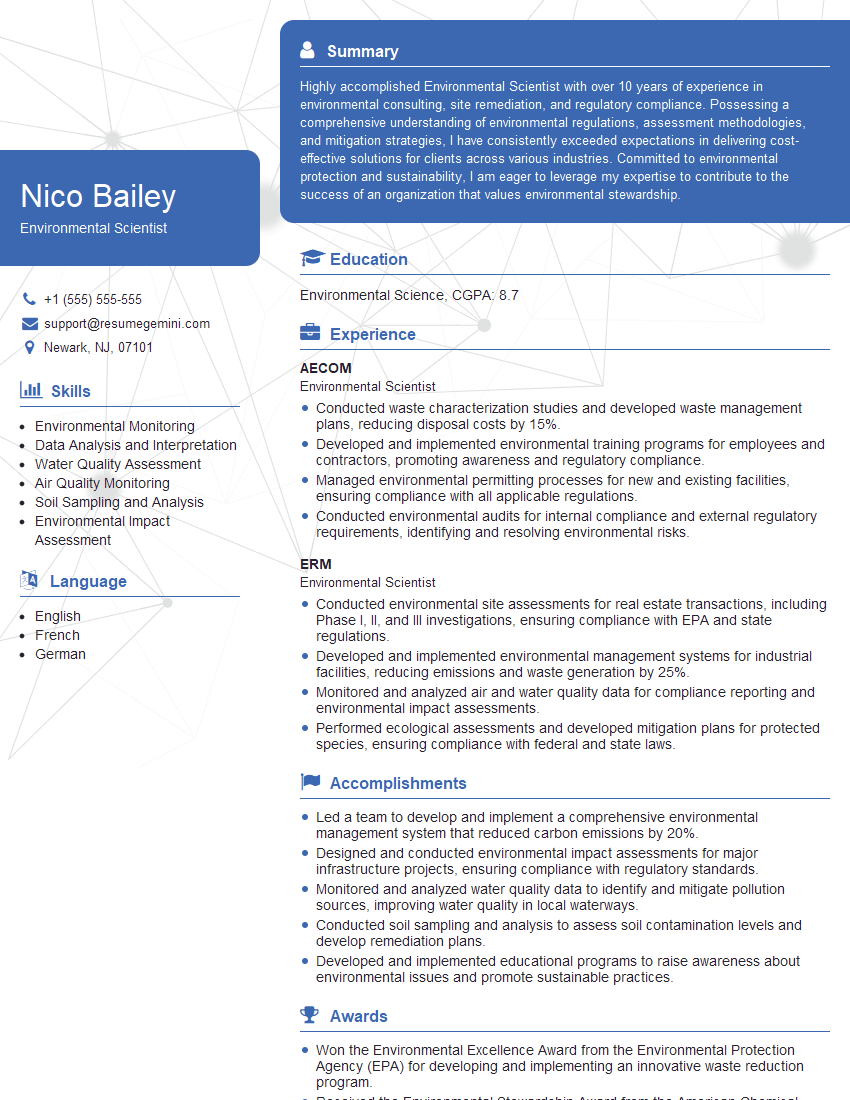
Mastering Rain Gardens expertise opens doors to exciting and impactful careers in environmental engineering, landscape architecture, and urban planning. Your expertise in sustainable water management is highly valuable in today’s world. To significantly boost your job prospects, focus on creating an ATS-friendly resume that showcases your skills and experience effectively. We strongly recommend using ResumeGemini to build a professional and impactful resume tailored to your specific experience. ResumeGemini provides helpful tools and resources to create a winning resume, and we’ve included examples of resumes tailored to Rain Gardens positions below for your reference.


Explore more articles
Users Rating of Our Blogs
Share Your Experience
We value your feedback! Please rate our content and share your thoughts (optional).
What Readers Say About Our Blog
Very informative content, great job.
good