Feeling uncertain about what to expect in your upcoming interview? We’ve got you covered! This blog highlights the most important Excellent Communication and Presentation Abilities interview questions and provides actionable advice to help you stand out as the ideal candidate. Let’s pave the way for your success.
Questions Asked in Excellent Communication and Presentation Abilities Interview
Q 1. Describe your experience delivering presentations to large audiences.
I have extensive experience presenting to large audiences, ranging from a few hundred to over a thousand attendees. My experience spans various settings, including conferences, workshops, and corporate training sessions. I’ve presented on topics ranging from complex technical subjects to more general business strategies. Success in these situations hinges on meticulous preparation, strong stage presence, and the ability to connect with the audience on a human level, even within a large group. For instance, during a recent conference presentation on AI in healthcare to 500 medical professionals, I utilized interactive polls and real-world case studies to maintain audience engagement throughout the hour-long session. The positive feedback and numerous follow-up questions confirmed the effectiveness of this approach.
Q 2. How do you tailor your communication style to different audiences?
Adapting my communication style to different audiences is crucial for effective delivery. I assess the audience’s prior knowledge, their interests, and their expectations before crafting my presentation. For example, a presentation to a group of seasoned executives requires a more concise and data-driven approach, focusing on strategic implications. In contrast, a presentation to a group of entry-level employees might require a more detailed, step-by-step explanation with relatable examples. I also consider the audience’s preferred communication style – some prefer formal presentations while others benefit from a more conversational, interactive format. This involves understanding their communication preferences – Are they more visual, auditory, or kinesthetic learners? I always strive to create an inclusive environment that is welcoming and understandable for everyone.
Q 3. Explain a time you had to communicate complex information simply and clearly.
During a project involving a complex data migration strategy, I had to explain the technical aspects to a non-technical board of directors. The challenge lay in simplifying complex concepts such as database schemas and migration protocols without oversimplifying them or using technical jargon. My solution involved using clear, concise language, accompanied by easily understandable analogies. For instance, I likened the database to a filing cabinet, and the migration process to carefully moving files from one cabinet to another. I also created a visual representation using simple diagrams, avoiding overwhelming them with technical details. The result was a successful presentation that left the board well-informed and comfortable with the process. The board’s positive reaction, their ability to ask pertinent questions, and their overall understanding of the proposal demonstrated the success of my approach.
Q 4. How do you handle challenging or difficult questions during a presentation?
Handling challenging or difficult questions is an integral part of effective presentations. My approach involves maintaining composure, listening carefully to the question, and acknowledging its validity before providing a thoughtful response. If I don’t know the answer immediately, I honestly state that, and offer to follow up with the information later. This transparency builds trust. It’s important to rephrase complex or unclear questions to ensure I understand them fully before answering. Sometimes, a difficult question reveals a misunderstanding of the material; in such cases, I use the opportunity to clarify the concept further. A key strategy is to turn a potentially negative question into an opportunity to reinforce key points and engage the audience further.
Q 5. Describe your process for preparing a compelling presentation.
My presentation preparation process is structured and iterative. It begins with a thorough understanding of the audience and objectives. Next, I craft a compelling narrative that keeps the audience engaged and supports the key messages. I then develop supporting materials such as visuals, handouts, and interactive elements. I practice extensively to ensure a smooth delivery and confident stage presence. This involves refining the flow of my presentation, focusing on clarity and conciseness. Finally, I incorporate feedback from colleagues or practice runs to further enhance the overall quality of the presentation before the final delivery. This multi-stage process ensures a well-structured and engaging final presentation.
Q 6. What strategies do you use to engage your audience during presentations?
Engaging the audience is paramount. I employ several strategies: starting with a compelling hook, using storytelling to connect with the audience on an emotional level, incorporating interactive elements such as polls, quizzes, or Q&A sessions. I also use humor appropriately to lighten the mood and maintain interest. Maintaining eye contact, using natural gestures, and varying vocal tone and pace help to keep the audience attentive. It’s also important to be responsive to the audience’s cues, adjusting the pace or style as needed to maintain optimal engagement throughout the presentation. I create a welcoming and interactive environment to encourage active participation and questions.
Q 7. How do you incorporate visual aids effectively into your presentations?
Visual aids are essential for enhancing understanding and engagement. I use them strategically to reinforce key messages, provide visual context, and break up large amounts of text. I avoid cluttered slides, opting for clear, concise visuals, such as charts, graphs, images, and short, impactful text. I ensure that the visuals are high-quality and relevant, and that they complement, not replace, my spoken words. The visuals should be easily readable from a distance, and should not distract from the main message. Furthermore, I ensure that the visual aids are integrated seamlessly into the overall presentation flow for an impactful experience.
Q 8. Share an example of a time you successfully persuaded someone to your point of view.
Persuasion is about understanding your audience and framing your message to resonate with their values and concerns. It’s not about winning an argument, but about achieving a shared understanding and desired outcome.
In a previous project, our team needed to adopt a new project management software. Many colleagues were resistant to change, citing familiarity with the old system and concerns about the learning curve. I addressed this by first acknowledging their concerns, emphasizing that I understood the disruption a change could cause. Instead of focusing solely on the new software’s features, I presented real-world examples of how teams using this software had increased efficiency and reduced errors. I also organized a small training session showcasing the software’s ease of use, inviting questions and feedback. By addressing their anxieties and showcasing practical benefits, I successfully persuaded the team to embrace the new software, resulting in a smoother workflow and improved project outcomes.
Q 9. How do you handle constructive criticism of your communication style?
Constructive criticism is invaluable for professional growth. I approach it as an opportunity for learning and improvement, rather than a personal attack. My process involves:
- Active Listening: I carefully listen to the feedback without interrupting, focusing on understanding the specific points raised.
- Seeking Clarification: If something is unclear, I ask clarifying questions to ensure I fully grasp the feedback.
- Self-Reflection: I take time to reflect on the criticism and assess its validity. I consider whether the feedback aligns with my self-perception and identify areas where I can improve.
- Implementation: I develop a plan to address the feedback and implement changes to my communication style. This might involve practicing specific techniques, seeking further training, or adjusting my approach in different situations.
- Follow-up: I follow up with the person who provided the feedback, letting them know the steps I’ve taken to address their concerns.
For example, if someone suggests I’m too direct, I might consciously incorporate more empathy and softer language in future communications.
Q 10. Describe a situation where you had to communicate bad news effectively.
Delivering bad news requires sensitivity, empathy, and a clear, concise message. Transparency and honesty are key. You need to prepare carefully and anticipate the reaction of the recipient.
Once, I had to inform a team that their project, which they had worked tirelessly on for months, wasn’t going to be launched as planned due to unforeseen technical complications. I chose to deliver the news in a private meeting, starting by acknowledging their hard work and dedication. I then explained the technical issues clearly, without using jargon, and laid out a revised timeline and plan to address the problems. I also emphasized that their contributions were valuable and that we would find a solution together. I answered all their questions honestly and offered support. While the reaction was understandably disappointing, the open communication helped maintain morale and team cohesion. We were able to regroup, address the technical issues and eventually relaunch successfully, albeit with a slight delay.
Q 11. How do you ensure your communication is both concise and comprehensive?
Balancing conciseness and comprehensiveness is crucial for effective communication. It’s about conveying all essential information without unnecessary details or jargon. My approach involves:
- Prioritization: Identify the key message and essential information to convey.
- Structure: Organize information logically, using headings, bullet points, or numbered lists to improve readability.
- Plain Language: Use clear, simple language, avoiding technical jargon unless the audience is familiar with it. Define any specialized terms used.
- Visual Aids: Use charts, graphs, or other visuals to supplement text, especially for complex information.
- Proofreading: Carefully review your communication for clarity, accuracy, and conciseness before sending it.
Think of it like writing a good news story: you need to get to the point quickly but also give enough detail for the reader to fully understand the situation.
Q 12. What is your approach to active listening during a conversation?
Active listening is more than just hearing; it’s about truly understanding the speaker’s message. My approach includes:
- Paying Attention: Focusing fully on the speaker, minimizing distractions, and maintaining eye contact.
- Showing Empathy: Demonstrating understanding and acknowledging the speaker’s feelings.
- Asking Clarifying Questions: Seeking clarification to ensure complete understanding.
- Summarizing: Paraphrasing the speaker’s message to confirm understanding and show engagement.
- Nonverbal Cues: Using nonverbal cues such as nodding, leaning in, and appropriate facial expressions to indicate engagement.
Active listening builds trust and rapport. It also helps prevent misunderstandings and ensures you accurately understand the message being conveyed.
Q 13. Explain your experience using different communication channels (email, phone, in-person).
I’m proficient in various communication channels, selecting the most appropriate method based on context, urgency, and message complexity:
- Email: Ideal for formal communication, detailed information, or when a written record is needed. I strive for clear subject lines, well-structured content, and professional tone.
- Phone: Effective for quick updates, immediate feedback, and situations requiring a personal touch. I ensure clear articulation and active listening.
- In-person: Best for complex discussions, relationship building, and when nonverbal communication is vital. I focus on body language, tone, and active listening.
For example, I’d use email for distributing meeting minutes, a phone call to address an urgent problem, and an in-person meeting for a sensitive performance review.
Q 14. How do you manage communication in a team environment?
Effective team communication is essential for success. My approach focuses on:
- Clear Roles and Responsibilities: Establishing clear communication roles and responsibilities within the team to avoid confusion and duplication.
- Regular Communication: Maintaining consistent communication channels, such as regular team meetings, updates, and shared online platforms.
- Open Communication: Fostering a culture of open and honest communication, encouraging feedback and constructive criticism.
- Active Listening: Actively listening to team members’ ideas, concerns, and perspectives.
- Conflict Resolution: Addressing conflicts promptly and constructively, facilitating open dialogue and finding mutually agreeable solutions.
- Appropriate Channels: Utilizing appropriate communication channels for different types of information (e.g., email for formal announcements, instant messaging for quick questions).
For instance, in a previous project, we used a project management tool for updates, a shared document for collaborative writing, and regular team meetings to discuss progress and address challenges.
Q 15. How do you handle conflict that arises from miscommunication?
Miscommunication is the root of many conflicts. My approach involves a structured process focusing on understanding, empathy, and clear articulation. First, I actively listen to understand each person’s perspective, ensuring I’m not interrupting or formulating my response before fully grasping their viewpoint. This often involves asking clarifying questions to ensure I’ve accurately understood their concerns. Second, I create a safe space where everyone feels comfortable expressing their feelings without interruption or judgment. I emphasize that the goal is to find a solution, not assign blame. Third, I restate the issue in my own words to confirm shared understanding. This helps identify any discrepancies in interpretation. Finally, we collaboratively work towards a solution, keeping the focus on facts and mutually agreeable outcomes. For example, in a past project, differing interpretations of a deadline led to tension among team members. By facilitating open communication and restating everyone’s understanding, we collectively agreed on a revised timeline that accommodated everyone’s needs.
Career Expert Tips:
- Ace those interviews! Prepare effectively by reviewing the Top 50 Most Common Interview Questions on ResumeGemini.
- Navigate your job search with confidence! Explore a wide range of Career Tips on ResumeGemini. Learn about common challenges and recommendations to overcome them.
- Craft the perfect resume! Master the Art of Resume Writing with ResumeGemini’s guide. Showcase your unique qualifications and achievements effectively.
- Don’t miss out on holiday savings! Build your dream resume with ResumeGemini’s ATS optimized templates.
Q 16. What is your experience with public speaking?
I have extensive experience in public speaking, ranging from presenting complex technical information to large audiences to leading workshops and training sessions. I’ve presented at national conferences, given internal presentations to various levels of management, and regularly lead client meetings. My approach emphasizes audience engagement, clear structure, and visual aids to enhance understanding. For instance, when presenting technical concepts to non-technical audiences, I use clear analogies and avoid jargon. I also actively incorporate audience participation through Q&A sessions and interactive elements to maintain engagement. I tailor my presentation style to the specific audience and context, ensuring the message resonates and is easily understood.
Q 17. How do you adapt to different communication styles?
Adapting to different communication styles is crucial for effective communication. I employ active listening to identify the communication preferences of individuals. Some people prefer direct and concise communication, while others favor more detailed and nuanced explanations. I observe their communication style – their verbal and non-verbal cues – to tailor my approach. For example, if someone is brief and to the point, I avoid lengthy explanations. If someone is more detail-oriented, I provide comprehensive information and address their specific queries thoroughly. I also adapt my language, tone, and pace to suit the individual or group. I see this as a form of respect, showing them that I’m paying attention and valuing their communication preferences.
Q 18. Explain your approach to nonverbal communication.
Nonverbal communication is as important as verbal communication, sometimes even more so. I pay close attention to body language, facial expressions, and tone of voice. Maintaining consistent eye contact demonstrates engagement and attentiveness. Open and relaxed posture conveys confidence and approachability, while mirroring someone’s body language subtly can build rapport. Conversely, I’m mindful of my own nonverbal cues; for example, avoiding crossed arms to appear open and receptive. I use nonverbal cues to reinforce my verbal message. For example, a slight nod while someone is speaking shows active listening, while a purposeful pause before making a critical point emphasizes its importance. I use nonverbal cues to manage interactions, such as leaning in to show interest or subtly shifting posture to signal a change of topic.
Q 19. How do you ensure clarity and accuracy in your written communication?
Clarity and accuracy in written communication are paramount. My approach involves several key steps: Firstly, I clearly define my objective before writing, ensuring I understand what message I want to convey. Secondly, I organize my thoughts logically, often using outlines or mind maps to structure my writing effectively. This ensures a cohesive and easy-to-follow flow of information. Thirdly, I use precise and unambiguous language, avoiding jargon or overly complex sentence structures. I frequently review and edit my work, checking for clarity, grammar, and spelling errors. I often ask a colleague to proofread to get a fresh perspective. Finally, I tailor my writing style to the intended audience and purpose. A formal report will have a different style than an informal email. For example, when drafting a technical document, I ensure all technical terms are clearly defined, and the overall tone is both precise and accessible to the intended audience.
Q 20. How do you measure the effectiveness of your communication efforts?
Measuring the effectiveness of communication is crucial. I utilize various methods depending on the communication goal. For presentations, I might gather feedback through surveys or informal Q&A sessions. For written communication, metrics such as open rates (for emails), website traffic (for online content), or customer responses can be indicative of the impact. In project settings, successful task completion or meeting deadlines directly correlates with effective communication. Ultimately, effective communication leads to improved collaboration, increased productivity, and higher-quality outcomes. Analyzing these outcomes provides valuable insights into the effectiveness of my communication efforts. Qualitative feedback, such as comments from colleagues or clients, is equally important in understanding areas for improvement.
Q 21. Describe a time you had to overcome a communication barrier.
In a previous project, we had a client from a different cultural background who communicated very indirectly. Their feedback was often subtle and implied rather than explicitly stated. Initially, this led to some misunderstandings and delays. To overcome this barrier, I researched their cultural communication styles, and proactively sought clarification whenever their feedback was ambiguous. I also ensured that our communication was clear, concise, and explicit, using visual aids and examples to enhance understanding. Through patience, active listening, and a willingness to adapt my communication style, we were able to build trust and effectively address any issues that arose. The project was successfully completed, and we strengthened our relationship with the client, proving that adapting to different communication styles is key to success.
Q 22. How familiar are you with different presentation software (PowerPoint, Keynote)?
I’m highly proficient in both PowerPoint and Keynote, leveraging their strengths for different presentation needs. PowerPoint, with its widespread compatibility and extensive template library, is ideal for broader audiences and corporate settings. Keynote, with its intuitive interface and elegant design features, shines for presentations requiring a more visually striking and modern aesthetic. My familiarity extends beyond basic functionality; I’m adept at utilizing advanced features such as animations, transitions, and embedded multimedia to create engaging and impactful presentations. I regularly experiment with different design principles to ensure visual consistency and clarity, adapting my approach based on the audience and message.
Q 23. How do you structure your presentations to maintain audience engagement?
Structuring a presentation for maximum audience engagement is paramount. My approach hinges on the ‘Tell-Show-Tell’ framework. I begin by clearly stating the main point or story arc (Tell), then visually support this with compelling data, images, or demonstrations (Show), and finally, reiterate the key takeaway, emphasizing its significance (Tell). Within this framework, I incorporate several engagement techniques: I use varied media like videos and interactive elements; I incorporate pauses for reflection and questions; I use active voice and conversational language; and I actively seek non-verbal cues from the audience to gauge understanding and adjust my approach accordingly. For example, if I sense the audience is losing focus, I might use a relevant anecdote or a quick poll to re-engage them. The goal is to create a dynamic conversation, not a monologue.
Q 24. Describe your experience with storytelling in communication.
Storytelling is the bedrock of effective communication. It transforms data into relatable experiences. I weave narratives into my presentations by identifying a central theme or conflict, developing characters (even if they’re data points!), and creating a clear narrative arc. For instance, when presenting market research, I don’t just list statistics; I create a story about the customer journey, highlighting their challenges and how my solution addresses them. This makes the data memorable and emotionally engaging. My experience includes crafting compelling narratives for both internal presentations (e.g., a project’s journey from inception to launch) and external audiences (e.g., showcasing a product’s impact on customer lives). I find that incorporating personal anecdotes, when appropriate, further enhances the connection with the audience.
Q 25. How do you handle interruptions during a presentation?
Handling interruptions professionally and gracefully is crucial. My approach involves acknowledging the interruption with a calm and respectful demeanor. I listen attentively to the question or comment, and then briefly summarize it to ensure I’ve understood it correctly. If the interruption is relevant to the current point, I address it directly. If it’s tangential, I politely acknowledge it, promising to address it later or offering to connect with the individual after the presentation. Maintaining composure and eye contact with the audience during the interruption is key to regaining control and maintaining the flow of the presentation. If the interruption is disruptive or inappropriate, I address it firmly but politely, redirecting the conversation back to the presentation’s topic. Essentially, my goal is to diffuse the situation while maintaining respect for all participants.
Q 26. What is your approach to preparing for Q&A sessions?
Preparing for Q&A sessions is just as important as preparing the presentation itself. I start by anticipating potential questions based on the presentation’s content and the audience’s likely interests. I create a list of potential questions, including both easy and challenging ones, and formulate concise and insightful answers. This process also helps me identify any gaps in my knowledge or areas where my explanations might need further clarification. During the Q&A, I listen actively, ensuring I understand the question before responding. I answer clearly, concisely, and honestly. If I don’t know the answer, I acknowledge it directly rather than guessing, promising to follow up with the information later. I also pay attention to the body language and tone of the audience during the Q&A to gauge their satisfaction and address any lingering concerns.
Q 27. How do you use data and visuals to support your communication?
Data and visuals are essential for impactful communication. I use data to support my claims, making my arguments more credible and persuasive. I choose visual representations – charts, graphs, images, and videos – carefully, selecting the most appropriate format for the data and the audience. For instance, I’d use a bar chart to compare different data points, a line graph to show trends, or an image to illustrate a complex concept. I prioritize clarity and simplicity in my visuals, avoiding cluttered designs or overwhelming amounts of information. Each visual should have a clear purpose and reinforce a key message from the presentation. The visuals are carefully integrated into the narrative, not simply appended as afterthoughts. I always ensure data sources are clearly cited to maintain transparency and credibility.
Q 28. Describe a time you had to deliver a presentation under pressure.
I once had to deliver a crucial product demo to a large group of potential investors, just hours after learning of a significant technical glitch that threatened the presentation’s success. Under immense pressure, I immediately gathered my team and we worked collaboratively to devise a contingency plan. We identified alternative ways to showcase the product’s key features, focusing on what we could reliably demonstrate. During the presentation, I acknowledged the technical challenge upfront, transparently explaining the situation without making excuses. I focused on highlighting the product’s strengths, emphasizing the team’s problem-solving skills and resilience. The presentation was successful, thanks to our quick thinking and collaborative approach. This experience taught me the importance of adaptability, transparency, and teamwork in handling high-pressure situations.
Key Topics to Learn for Excellent Communication and Presentation Abilities Interview
- Active Listening: Understanding the nuances of verbal and nonverbal cues to effectively respond and engage in a conversation. Practical application: Practice paraphrasing and summarizing key points during mock interviews to ensure comprehension.
- Clear and Concise Articulation: Structuring your thoughts logically and delivering them with confidence and clarity. Practical application: Practice explaining complex ideas simply and using strong storytelling techniques to illustrate your points.
- Nonverbal Communication: Mastering body language, eye contact, and posture to project confidence and credibility. Practical application: Record yourself practicing presentations and analyze your nonverbal cues for improvement.
- Storytelling & Narrative Structure: Crafting compelling narratives to showcase your experiences and achievements. Practical application: Develop concise anecdotes demonstrating your communication skills in various professional situations.
- Adapting Communication Style: Tailoring your communication approach to different audiences and contexts (e.g., formal vs. informal settings). Practical application: Practice adjusting your language and tone to resonate with different personality types during mock interviews.
- Handling Difficult Questions: Responding thoughtfully and professionally to challenging or unexpected questions. Practical application: Brainstorm potential difficult questions and prepare thoughtful, concise responses.
- Presentation Skills: Designing and delivering effective presentations using visual aids and engaging delivery techniques. Practical application: Practice presenting your past projects or experiences using slides or other visual aids.
Next Steps
Mastering excellent communication and presentation abilities is crucial for career advancement. It unlocks opportunities for leadership roles, impactful collaborations, and effective influence within any organization. To significantly boost your job prospects, create an ATS-friendly resume that highlights these skills effectively. ResumeGemini is a trusted resource to help you build a professional and impactful resume that showcases your strengths. We provide examples of resumes tailored to highlight excellent communication and presentation abilities to help you craft your own compelling application.
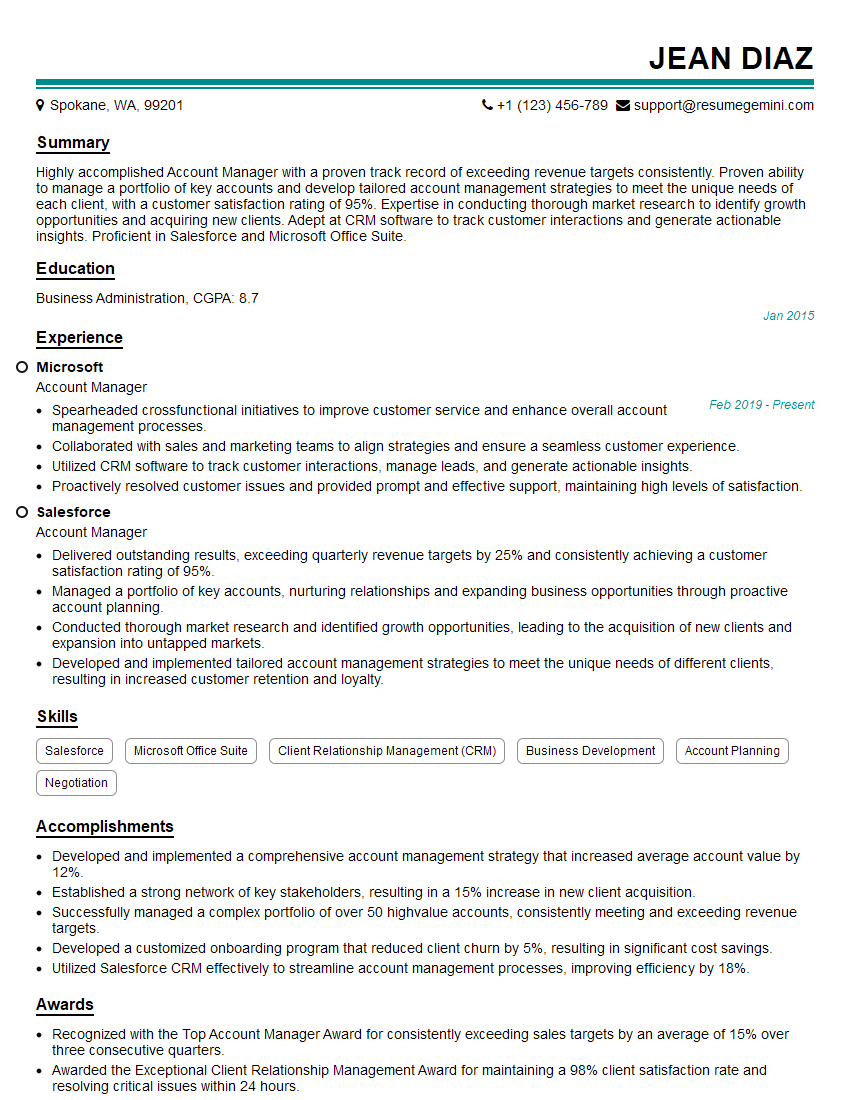
Account Manager Resume Sample
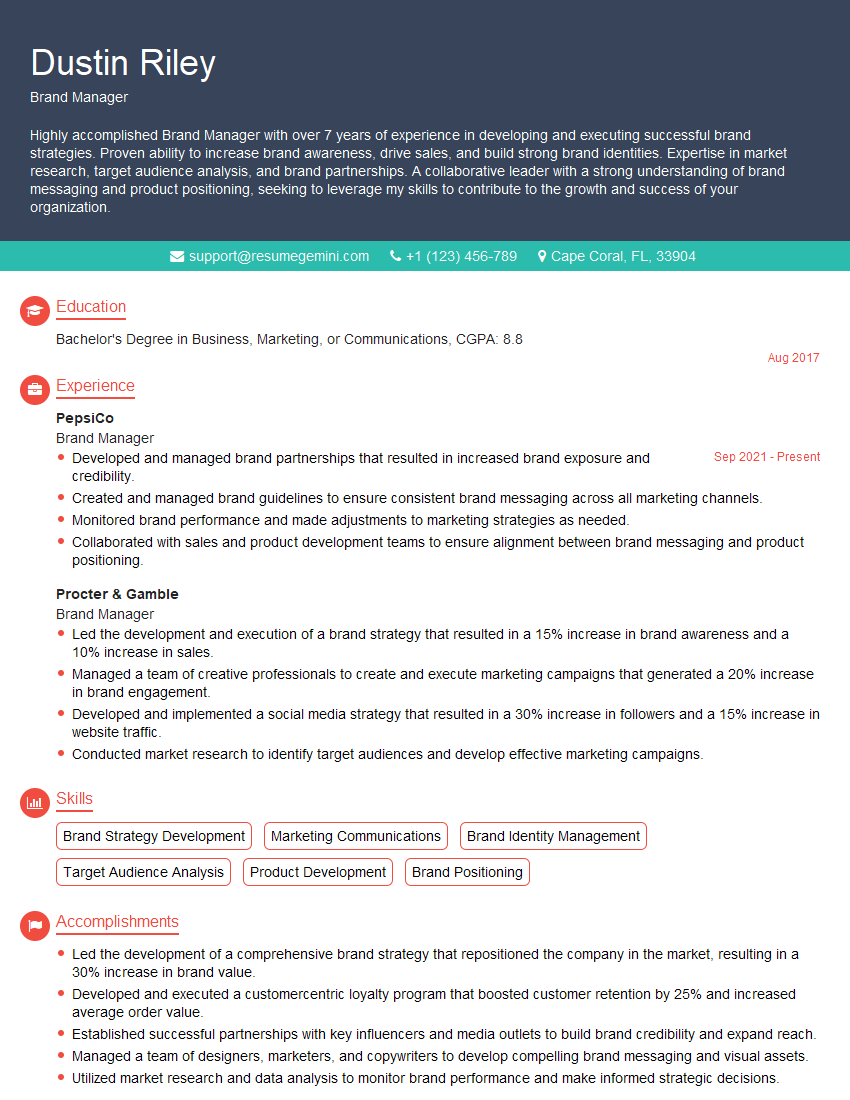
Brand Manager Resume Sample
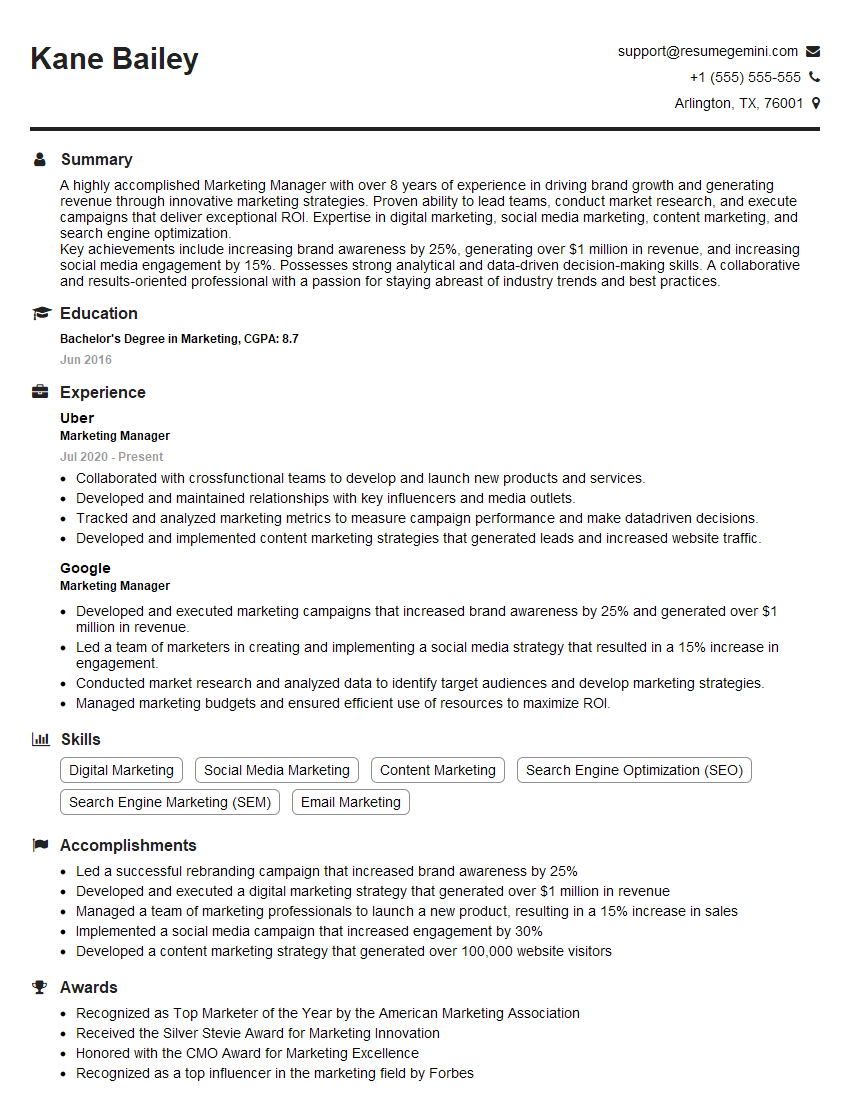
Marketing Manager Resume Sample
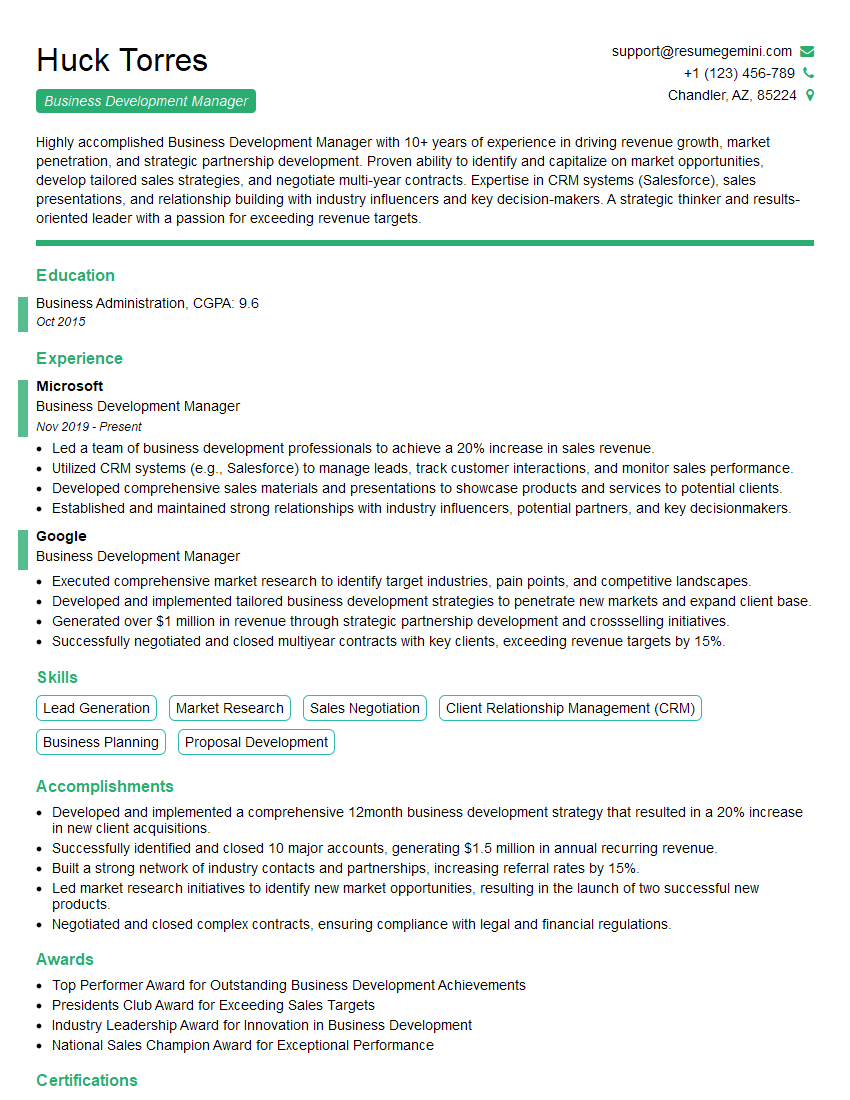
Business Development Manager Resume Sample
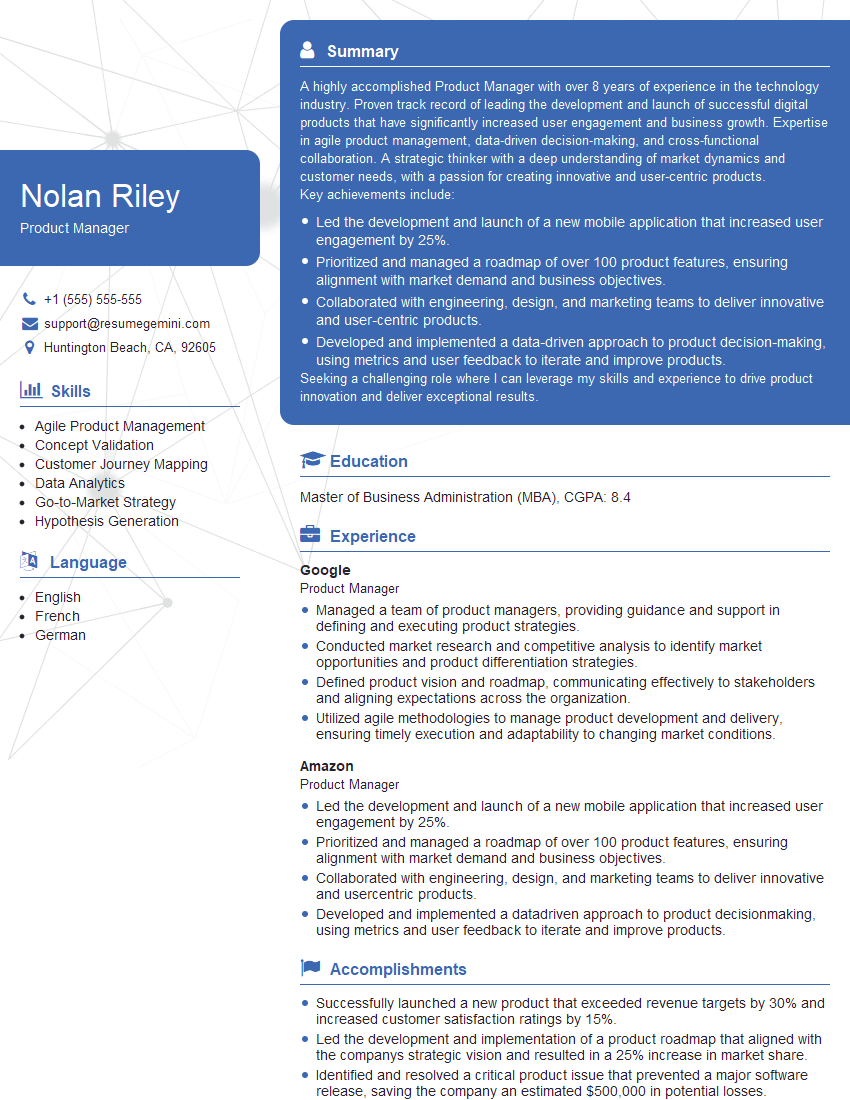
Product Manager Resume Sample
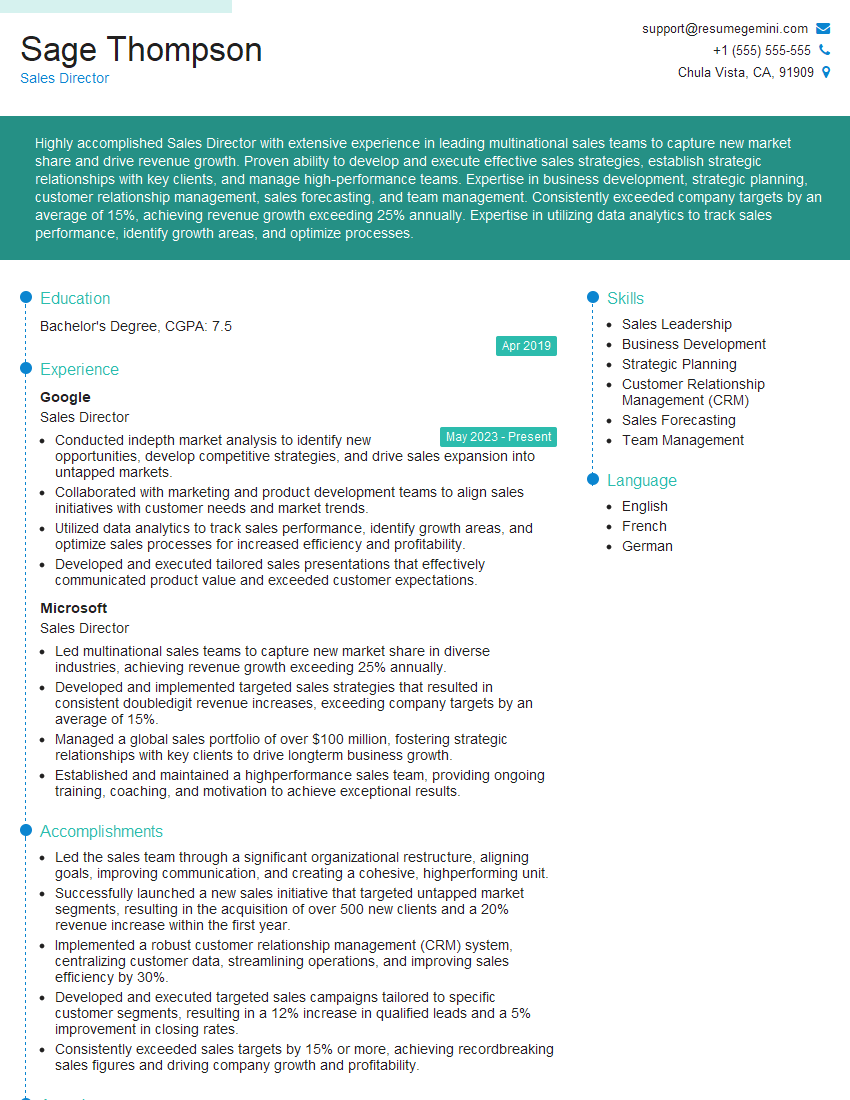
Sales Director Resume Sample

Communications Manager Resume Sample

Customer Service Manager Resume Sample
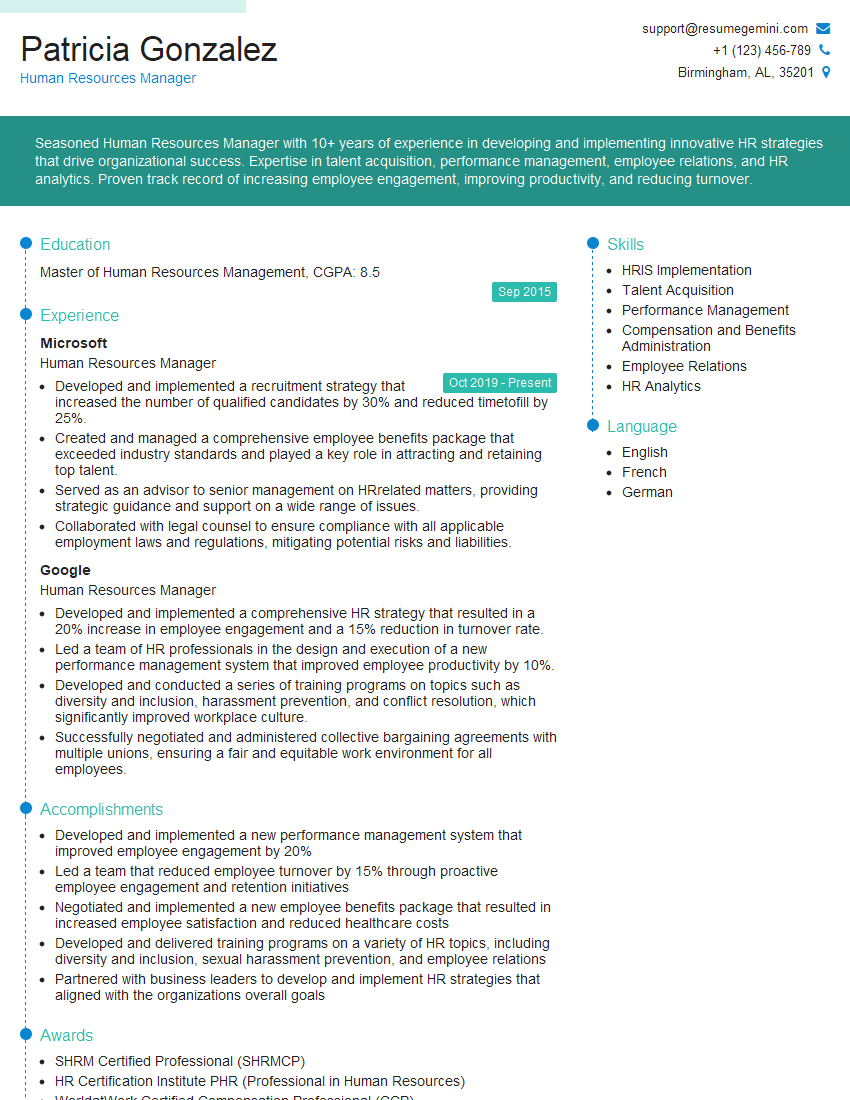
Human Resources Manager Resume Sample
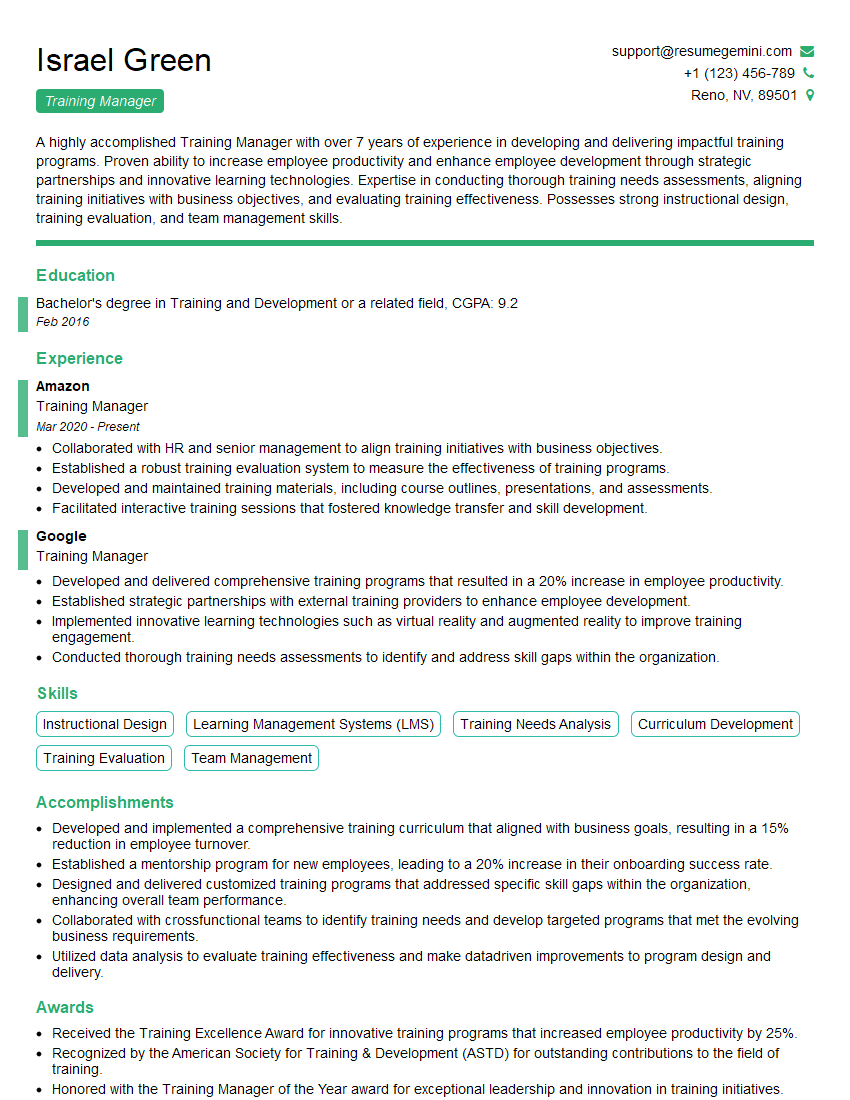
Training Manager Resume Sample
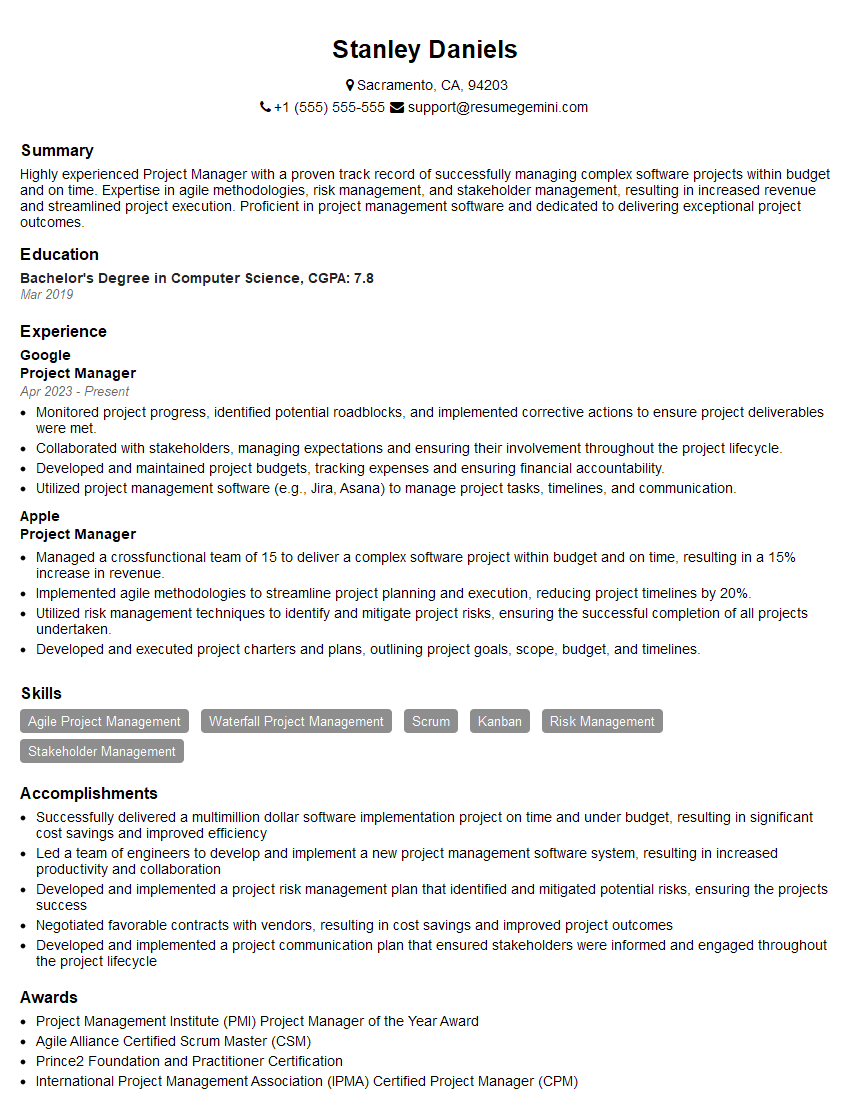
Project Manager Resume Sample
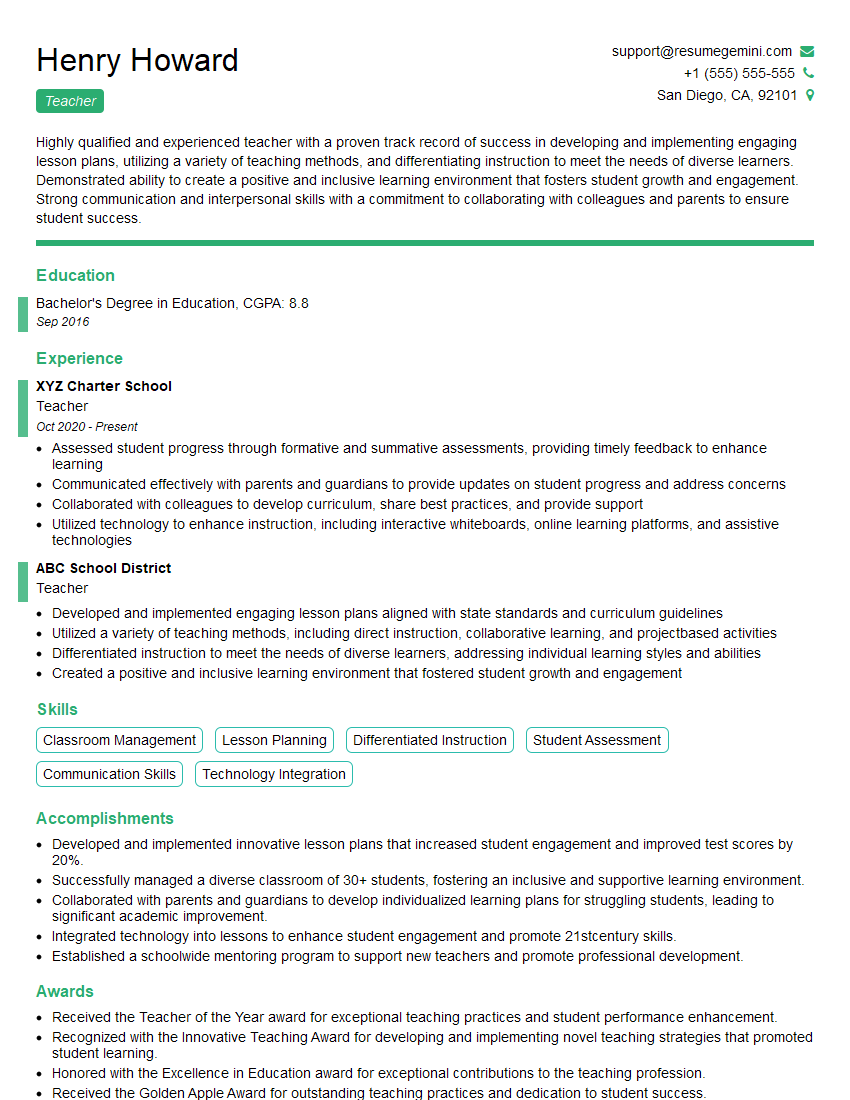
Teacher Resume Sample

Instructor Resume Sample

Professor Resume Sample
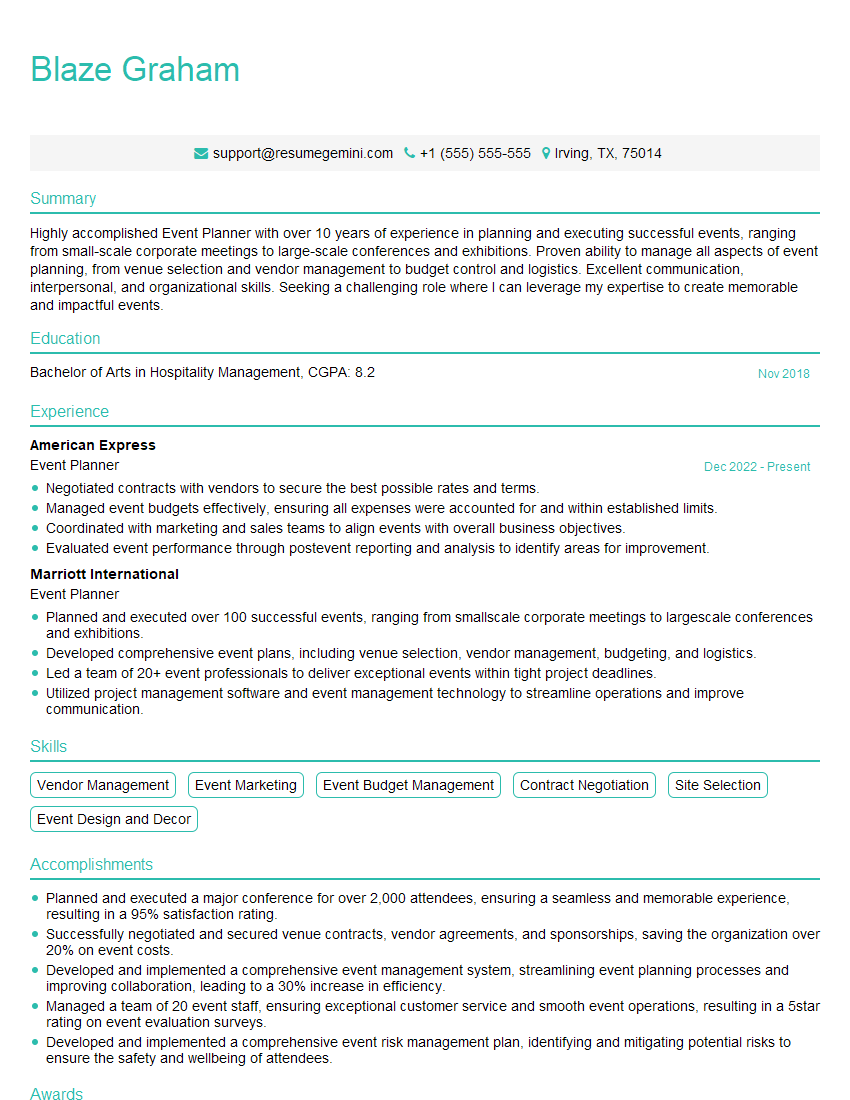
Event Planner Resume Sample

Social Media Manager Resume Sample
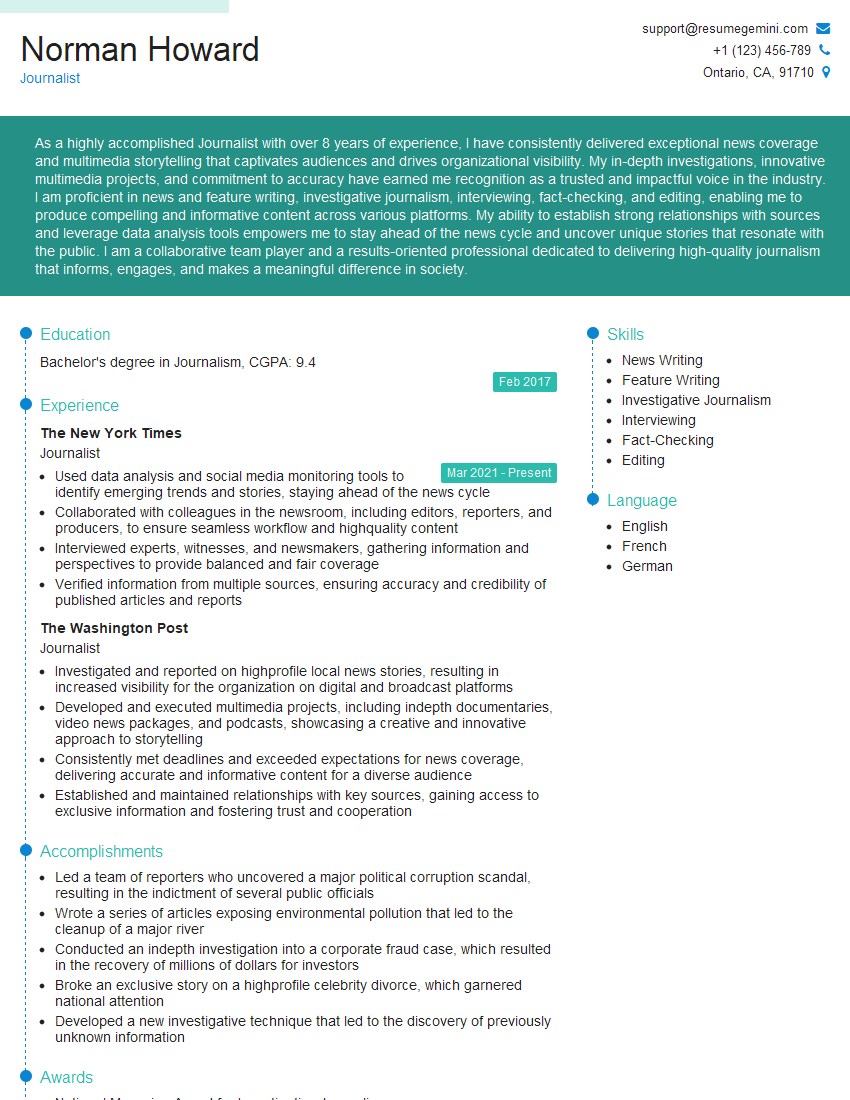
Journalist Resume Sample

Technical Writer Resume Sample

Copywriter Resume Sample
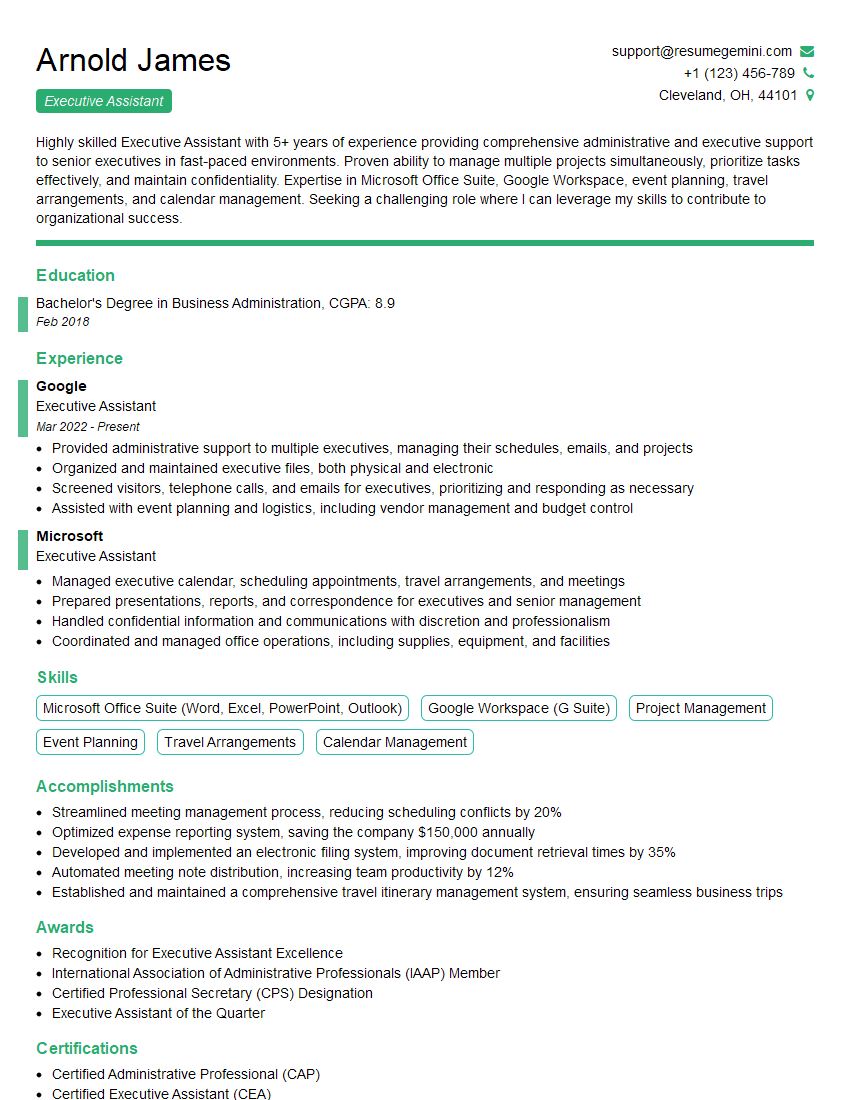
Executive Assistant Resume Sample

Content Creator Resume Sample
- Account Manager
- Brand Manager
- Marketing Manager
- Business Development Manager
- Product Manager
- Sales Director
- Communications Manager
- Customer Service Manager
- Human Resources Manager
- Training Manager
- Project Manager
- Teacher
- Instructor
- Professor
- Event Planner
- Social Media Manager
- Journalist
- Technical Writer
- Copywriter
- Executive Assistant
- Content Creator
Explore more articles
Users Rating of Our Blogs
Share Your Experience
We value your feedback! Please rate our content and share your thoughts (optional).
What Readers Say About Our Blog
Very informative content, great job.
good