Are you ready to stand out in your next interview? Understanding and preparing for Outdoor Living Spaces interview questions is a game-changer. In this blog, we’ve compiled key questions and expert advice to help you showcase your skills with confidence and precision. Let’s get started on your journey to acing the interview.
Questions Asked in Outdoor Living Spaces Interview
Q 1. What are the key considerations for designing an outdoor kitchen?
Designing an outdoor kitchen involves careful consideration of several key factors to ensure both functionality and aesthetics. It’s not just about placing a grill; it’s about creating a seamless extension of your indoor living space.
- Functionality and Workflow: Think about the cooking process. Where will you prep food? Where will dirty dishes go? A well-designed kitchen considers the flow of activity, minimizing steps and maximizing efficiency. For instance, placing the sink near the grill and prep area is crucial.
- Appliances and Equipment: Choosing the right appliances is essential. Consider the size and type of grill (gas, charcoal, smoker), refrigerator, and other appliances like pizza ovens or warming drawers. Think about fuel sources and potential ventilation needs.
- Materials and Durability: Outdoor kitchens are exposed to the elements. Materials must be weather-resistant and durable. Stainless steel, concrete, and natural stone are popular choices for their longevity. Consider the local climate when making your selections.
- Storage: Ample storage is vital for keeping utensils, cookware, and other items organized and protected from the weather. Cabinets, drawers, and shelves are essential.
- Countertops: Durable and easy-to-clean countertops are critical. Granite, quartz, and concrete are popular and offer different aesthetics.
- Lighting and Electrical: Proper lighting is needed for both ambiance and safety. Ensure adequate electrical outlets are installed for appliances and lighting.
- Budget: Setting a realistic budget is essential. Costs can vary significantly depending on the size, materials, and appliances chosen.
For example, I recently designed a stunning outdoor kitchen featuring a built-in Lynx grill, a large concrete countertop with a built-in sink, and custom cabinetry made of weather-resistant cedar. The client wanted a modern aesthetic, so we incorporated sleek, integrated lighting and used polished concrete flooring for a contemporary look.
Q 2. Explain different types of patio materials and their pros/cons.
Patio materials offer a wide range of choices, each with its own advantages and disadvantages. The best choice depends on budget, aesthetic preferences, and the climate.
- Concrete: Pros: Durable, affordable, customizable (stamped, stained, etc.). Cons: Can crack over time, requires sealing to prevent staining.
- Pavers: Pros: Durable, versatile, easy to repair or replace individual units. Cons: Can be more expensive than concrete, requires proper base preparation for stability.
- Natural Stone (Flagstone, Slate, etc.): Pros: Beautiful, natural look, long-lasting. Cons: Can be expensive, requires sealing, can be uneven.
- Brick: Pros: Durable, classic look, wide range of colors and styles. Cons: Can be expensive, requires mortar, can be difficult to repair.
- Wood (Decking): Pros: Natural look, warm feel, relatively easy to install. Cons: Requires regular maintenance (staining, sealing), susceptible to rot and insect damage if not properly treated.
For example, in a project with a beachfront property, we opted for durable pavers that could withstand the salt air and occasional flooding. In a more inland, shaded area, we chose beautiful flagstone, complementing the surrounding landscaping. For a budget-conscious client, we used stamped concrete to create the look of natural stone at a lower cost.
Q 3. Describe your experience with retaining wall construction.
My experience with retaining wall construction spans over fifteen years, encompassing a variety of projects, from small residential walls to larger commercial applications. Successful retaining wall construction necessitates a comprehensive understanding of soil mechanics, drainage, and structural engineering principles.
I’ve worked with various materials including concrete block, timber, and natural stone. Each material presents unique challenges and requires specific construction techniques. For instance, concrete block walls require meticulous attention to alignment and proper bonding to ensure stability. Stone walls require careful selection of stone sizes and shapes to achieve both aesthetic appeal and structural integrity.
The process generally includes site preparation, excavation, base preparation, wall construction, and backfilling. Proper drainage is critical to prevent hydrostatic pressure that can cause wall failure. I always incorporate drainage systems, such as weep holes and gravel backfill, to ensure long-term stability.
A recent project involved a complex curved retaining wall made of natural stone to support a sloped backyard. Careful planning and precise execution were crucial to ensure the wall’s stability and aesthetic integration with the landscape.
Q 4. How do you manage drainage issues in outdoor living spaces?
Managing drainage in outdoor living spaces is crucial for preventing water damage and creating a functional and aesthetically pleasing environment. Poor drainage can lead to erosion, foundation problems, and mosquito breeding. Effective drainage involves a combination of strategies.
- Grading: Properly grading the land ensures water flows away from structures and paved areas. This involves creating a gentle slope away from the house and other important features.
- French Drains: These are underground drainage systems composed of perforated pipes surrounded by gravel. They collect and redirect subsurface water away from problem areas.
- Swales: Shallow channels designed to convey surface runoff. They can be planted with vegetation to help manage erosion and improve aesthetics.
- Dry Wells: These are underground chambers filled with gravel that absorb excess water.
- Gutters and Downspouts: Extending downspouts away from the foundation using underground pipes or directing them into rain gardens prevents water damage to structures.
For example, in a project with a heavily sloped property, we installed a series of swales to manage surface runoff, complemented by a French drain system to address subsurface drainage issues. This prevented erosion and created a beautifully landscaped space.
Q 5. What are common challenges in hardscape installation?
Hardscape installation, while seemingly straightforward, presents several common challenges. Careful planning and execution are essential to avoid costly mistakes.
- Inadequate Site Preparation: Poorly compacted base materials can lead to settling and cracking. Thorough compaction is critical for long-term stability.
- Improper Drainage: Neglecting drainage can lead to water damage and erosion. Integrating drainage systems from the outset is essential.
- Material Selection: Choosing inappropriate materials for the climate or intended use can result in premature failure. Local conditions and expected load must be considered.
- Poor Installation Techniques: Incorrect installation methods can lead to uneven surfaces, cracking, and other issues. Skilled labor and adherence to best practices are crucial.
- Weather Conditions: Extreme temperatures and rainfall can impact installation timelines and material performance. Careful planning and contingency measures are necessary.
For instance, I once encountered a project where the original contractor had not properly compacted the base for a patio. This resulted in significant settling and cracking within months of installation. Rectifying the problem required extensive excavation and rebuilding, highlighting the importance of proper site preparation.
Q 6. Explain your knowledge of various irrigation systems.
My knowledge of irrigation systems encompasses various types, each suited to different needs and budgets. Choosing the right system depends on the size of the landscape, the type of plants, water availability, and budget constraints.
- Drip Irrigation: Delivers water directly to the roots of plants, minimizing water waste and promoting healthy growth. Ideal for smaller areas or specific plants.
- Spray Irrigation: Uses sprinklers to water larger areas. Suitable for lawns and other expansive landscapes, but can be less efficient than drip irrigation.
- Soaker Hoses: A simple and cost-effective way to water flowerbeds and other garden areas. Water seeps directly into the soil.
- In-ground Irrigation: A more permanent and sophisticated system with underground pipes and sprinklers. Offers convenience and uniformity in watering but requires more installation costs.
- Smart Irrigation Controllers: These controllers use weather data and soil moisture sensors to optimize watering schedules, conserving water and improving efficiency.
For example, a recent project incorporated a smart irrigation system with rain sensors and soil moisture probes to ensure optimal water usage, saving the client significant money on water bills while maintaining a lush and healthy landscape.
Q 7. How do you integrate lighting design into an outdoor space?
Integrating lighting design into an outdoor space transforms it from a daytime area into a magical space that can be enjoyed at night. Careful consideration of lighting type, placement, and ambiance is essential.
- Ambient Lighting: Provides overall illumination, creating a mood and enhancing safety. Examples include path lighting, uplighting on trees, and string lights.
- Task Lighting: Provides focused light for specific activities, such as reading or dining. Examples include spotlights on seating areas or task lighting above an outdoor kitchen.
- Accent Lighting: Highlights architectural features or landscaping elements, adding visual interest. Examples include spotlights on statues or water features.
- Types of Lighting: Different lighting types offer varied aesthetics and functionalities. Consider low-voltage landscape lighting, LED lighting, solar lighting, and traditional outdoor fixtures.
- Safety and Security: Lighting plays a crucial role in safety and security, deterring intruders and illuminating pathways to prevent accidents.
For instance, a recent project used a combination of low-voltage path lights to illuminate walkways, uplighting to showcase mature trees, and spotlights to highlight a stunning water feature. This created a tranquil and inviting atmosphere while also ensuring safety and security.
Q 8. Describe your experience with outdoor fireplace construction.
Outdoor fireplace construction requires meticulous planning and execution to ensure both functionality and safety. My experience encompasses the entire process, from initial design and material selection to the final finishing touches. This includes working with various materials like brick, stone, concrete, and metal, each presenting unique challenges and opportunities.
For instance, a recent project involved building a custom stone fireplace incorporating a built-in grill. The key was ensuring proper ventilation to prevent smoke buildup and using heat-resistant mortar and materials to withstand high temperatures. We also addressed the surrounding landscaping to prevent fire hazards, incorporating fire-resistant plants and creating a sufficient safety zone.
Careful consideration is given to the foundation, ensuring it can handle the weight of the structure and withstand potential ground movement. Proper installation of the firebox, chimney, and flue are crucial for efficient burning and safe smoke expulsion. Finally, aesthetic considerations like the style, finish, and integration with the surrounding outdoor space are addressed to create a stunning focal point.
Q 9. What are the best practices for building a durable deck?
Building a durable deck involves several key best practices. Think of it like building a strong house – a solid foundation is paramount. First, you need a level and properly prepared base, often involving compacted gravel and a pressure-treated lumber base frame. The choice of lumber is crucial; pressure-treated wood is essential for resistance against rot and insects. Using high-quality fasteners and ensuring proper spacing between boards prevents warping and cracking.
The spacing between deck boards is vital for water drainage. Too little spacing can lead to water pooling and rot, while too much can create an uneven surface. Applying a high-quality waterproof sealant protects the wood from the elements and extends its lifespan. This sealant should be reapplied periodically, usually annually or every other year, depending on the climate and wood type.
Finally, consider adding features that enhance durability and aesthetics, such as aluminum railing systems for resistance to rust, or composite decking materials which require less maintenance. Regular cleaning and minor repairs can significantly extend the life of your deck.
Q 10. How do you ensure proper drainage around a pool or spa?
Proper drainage around a pool or spa is vital for preventing water damage to the surrounding structures and landscaping and for maintaining a safe and clean environment. The key is to create a graded surface that slopes away from the pool or spa, channeling water towards designated drainage points. This typically involves excavating the ground around the pool to create a slight slope, usually at a minimum of 1% (1 inch of drop per foot).
A system of trenches, pipes, and drainage grates is usually installed to collect and direct the water away from the pool area. These systems can be designed to drain into a municipal storm drain, a dry well, or a swale (a shallow, grass-lined ditch). The use of permeable pavers or gravel around the pool can also improve drainage by allowing water to seep into the ground.
It’s also crucial to ensure that the drainage system can handle heavy rainfall and prevent flooding. Regular maintenance, such as clearing debris from drains and pipes, is essential to keeping the system functioning properly. Using erosion control measures, like landscape fabric, can help to stabilize the soil and prevent erosion around the drainage system.
Q 11. Discuss different types of outdoor furniture materials and their maintenance.
Outdoor furniture materials vary widely, each with its own pros and cons regarding durability and maintenance. Wrought iron, for example, is very durable but requires regular painting to prevent rust. Aluminum is lightweight, rust-resistant, and low-maintenance, but can be less sturdy than other options.
- Wood: Teak, cedar, and redwood are naturally weather-resistant but need regular cleaning and sealing to prevent weathering and damage.
- Wrought Iron/Steel: Requires regular painting to prevent rust and corrosion.
- Aluminum: Lightweight, rust-resistant, and relatively low-maintenance, but can be less durable than other options.
- Wicker/Rattan: Often requires more care, such as regular cleaning and protection from moisture.
- Plastic/Resin: Generally low-maintenance but can fade or become brittle over time in direct sunlight.
- Concrete/Stone: Very durable, but can be heavy and expensive. Requires minimal maintenance, usually just occasional cleaning.
Regular cleaning, using mild soap and water, is crucial for all materials. Protecting furniture from prolonged exposure to harsh weather conditions through the use of covers is a great preventative measure. For wooden furniture, regular sealing is crucial. For metal furniture, touch-ups and repainting as needed prevents deterioration.
Q 12. Explain your experience with pergola or arbor design and installation.
Pergolas and arbors add architectural interest and shade to outdoor spaces. My experience encompasses various aspects of their design and installation, including material selection, structural calculations, and integration with the surrounding environment.
Design considerations involve the size, shape, and style of the structure, along with the choice of materials, such as wood, metal, or vinyl. We assess the site to determine the best location and orientation to maximize shade and minimize wind exposure. The structural integrity is paramount, ensuring it can withstand local weather conditions. Permits might be needed depending on the size and location.
Installation involves site preparation, foundation work (often concrete footings for stability), assembly of the structure, and final finishing touches such as staining or painting. Proper installation ensures the structure’s longevity and aesthetic appeal, blending seamlessly with the existing landscaping.
For example, I recently designed and installed a large wooden pergola for a client, incorporating climbing plants to create a lush, shaded area for outdoor dining. The project required careful attention to detail, from the selection of durable, rot-resistant wood to the precise placement of the support posts to ensure structural stability.
Q 13. How do you address safety concerns in outdoor living space design?
Safety is paramount in outdoor living space design. We incorporate various measures to mitigate risks, including proper lighting to prevent trips and falls, especially at night. We consider the placement of furniture and pathways to ensure adequate space and avoid obstacles. Around pools and spas, we adhere to strict safety regulations, including fencing and self-closing gates to prevent accidental access by children.
For fireplace and grill areas, we create sufficient clearance to prevent fire hazards. This includes using fire-resistant materials and providing adequate ventilation. Proper placement of electrical outlets and wiring also prevents electrical hazards. We use slip-resistant materials on decking and pathways, particularly near water features. We advise on the use of non-toxic plants and landscaping to avoid potential allergies or health concerns.
We always aim for a design that balances aesthetics with safety, ensuring our clients can enjoy their outdoor space worry-free. Regular inspections and maintenance of the outdoor living space after completion are also crucial for continuing safety.
Q 14. Describe your familiarity with local building codes and regulations.
Familiarity with local building codes and regulations is crucial for ensuring the safety and legality of any outdoor living space project. I maintain up-to-date knowledge of all relevant codes in my area, including those related to setbacks, height restrictions, fire safety, electrical work, and pool safety.
Before starting any project, I conduct a thorough review of the applicable codes to ensure that the design and construction plans meet all requirements. This includes obtaining necessary permits and inspections throughout the construction process. My understanding of these regulations extends to material specifications, construction techniques, and safety standards.
Understanding these local codes is not only essential for legal compliance but also for client safety and project success. It allows for a smooth and efficient project, minimizes potential delays or issues with inspections, and ultimately contributes to the creation of a safe and enjoyable outdoor living space.
Q 15. How do you manage a project budget effectively?
Effective budget management is crucial for successful outdoor living projects. It involves a multi-step process starting with a detailed estimate. I begin by thoroughly understanding the client’s vision and desired features, then break down the project into smaller, manageable components. Each component receives a cost estimate encompassing materials, labor, and potential contingencies. I use a spreadsheet software like Excel or Google Sheets to meticulously track these costs. This allows for easy monitoring of expenses against the allocated budget. Regular reviews throughout the project lifecycle, comparing actual costs against the projected budget, are essential. This helps identify potential cost overruns early and allows for proactive adjustments. For example, if paver costs unexpectedly increase, I might suggest exploring alternative materials or adjusting the design to minimize usage. Transparency with the client is key; I provide regular budget updates, clearly explaining any variances and potential solutions.
For larger projects, I may utilize dedicated project management software that integrates budgeting and tracking capabilities, which further streamlines the process and provides enhanced reporting features.
Career Expert Tips:
- Ace those interviews! Prepare effectively by reviewing the Top 50 Most Common Interview Questions on ResumeGemini.
- Navigate your job search with confidence! Explore a wide range of Career Tips on ResumeGemini. Learn about common challenges and recommendations to overcome them.
- Craft the perfect resume! Master the Art of Resume Writing with ResumeGemini’s guide. Showcase your unique qualifications and achievements effectively.
- Don’t miss out on holiday savings! Build your dream resume with ResumeGemini’s ATS optimized templates.
Q 16. What software or tools do you use for design and project management?
My design process relies heavily on a combination of software and tools. For 2D and 3D design, I utilize SketchUp, which is excellent for creating visually appealing and detailed presentations for clients. This allows them to visualize the final design before any work commences. For landscape design specifics, I incorporate software like PlanPro, offering detailed planting plans and site analysis. Project management is handled effectively through Asana or Trello, depending on the project size and complexity. These platforms help me track tasks, deadlines, and communication, maintaining project organization and facilitating collaboration among team members and subcontractors. In addition, I use a comprehensive suite of mobile apps for on-site measurements, material ordering, and progress documentation. This ensures seamless information flow throughout the project lifecycle, fostering efficient and accurate project execution.
Q 17. How do you handle client communication and manage expectations?
Client communication is paramount to a successful project. I believe in proactive and transparent communication. This starts with an initial consultation where I actively listen to the client’s needs and aspirations. I then present detailed proposals, including visual representations of the design, a detailed project timeline, and a clear breakdown of costs. Throughout the project, I maintain regular contact, providing updates on progress, addressing concerns promptly, and offering solutions to any arising issues. I utilize various channels, including email, phone calls, and project management software, to ensure seamless communication. Managing expectations involves setting realistic timelines and budgets, while also being prepared to handle unexpected delays or challenges. For example, I’ve had projects delayed due to unexpected weather conditions; in such cases, I inform the client promptly and provide revised timelines, ensuring they understand the situation and remain informed at every stage.
Q 18. Describe a successful project and the key factors contributing to its success.
One particularly successful project involved transforming a small, neglected backyard into a vibrant and functional outdoor living space. The key to its success was meticulous planning and a collaborative approach. We started with a thorough site analysis, considering factors like sun exposure, soil conditions, and existing vegetation. This informed our design, which incorporated a custom patio, a water feature, and carefully selected native plants. Open communication with the client was vital, allowing for adjustments to the design based on their feedback. The project was completed on time and within budget, exceeding the client’s expectations. Key factors contributing to this success included: clear communication, meticulous planning, a strong project team, and adaptable problem-solving, as minor unforeseen issues arose but were handled promptly and effectively.
Q 19. What are your strategies for addressing unforeseen challenges during a project?
Unforeseen challenges are inevitable in outdoor living projects. My strategy focuses on proactive risk assessment and having contingency plans in place. This involves identifying potential risks during the initial planning phase, such as unexpected soil conditions or material delays. For example, if we encounter unexpected rock formations during excavation, I have a plan B involving adjustments to the design or a revised approach to excavation to minimize delays and cost overruns. Open communication with the client is crucial when addressing these issues; transparency allows for collaborative decision-making and minimizes potential frustrations. I also prioritize working with reliable subcontractors and suppliers, which mitigates risks associated with delays or substandard work. When problems do arise, a calm and systematic approach, focusing on finding effective solutions, ensures the project stays on track.
Q 20. Explain your knowledge of sustainable landscaping practices.
Sustainable landscaping is central to my design philosophy. It encompasses various practices aimed at minimizing environmental impact while enhancing the beauty and functionality of the outdoor space. Key practices include water conservation through efficient irrigation systems like drip irrigation and the selection of drought-tolerant plants. I also prioritize native plant species as they require less water and maintenance, while supporting local biodiversity. Reducing pesticide and herbicide use through integrated pest management techniques is another crucial aspect, promoting a healthier ecosystem. Utilizing recycled or reclaimed materials for hardscaping minimizes waste and reduces the carbon footprint. Furthermore, I incorporate permeable paving to allow for water infiltration, reducing runoff and protecting water quality. Composting organic waste on-site transforms waste into valuable soil amendments, furthering sustainability.
Q 21. How do you select appropriate plants for a specific climate and soil type?
Selecting appropriate plants is critical for a thriving landscape. I start by analyzing the specific climate and soil conditions of the site. This includes considering factors such as average rainfall, temperature range, sunlight exposure, and soil pH and drainage. I then research plants that thrive in these specific conditions. Resources like local nurseries and university extension services are invaluable, providing detailed information on plant hardiness and suitability. For example, in arid climates, I might choose drought-tolerant succulents and native grasses, while in humid regions, I may opt for shade-loving plants with high humidity tolerance. I also consider the desired aesthetic, ensuring the selected plants complement the overall design and client’s preferences. Plant selection is a balance between beauty, functionality, and environmental suitability, ensuring a long-lasting, healthy, and sustainable landscape.
Q 22. Describe your experience with pest and disease management in landscaping.
Pest and disease management is crucial for maintaining the health and beauty of any landscape. My approach is proactive, integrating preventative measures with targeted treatments. It begins with a thorough assessment of the site, identifying potential vulnerabilities based on the existing plant material, soil conditions, and the local climate.
Preventative Measures: This includes selecting disease-resistant plant varieties, practicing proper planting techniques (ensuring adequate spacing for air circulation), and implementing a regular fertilization and watering schedule to promote strong plant growth. Mulching helps regulate soil moisture and temperature, suppressing weeds that can harbor pests.
Targeted Treatments: When issues arise, I employ integrated pest management (IPM) strategies. This involves identifying the specific pest or disease, then choosing the least-toxic and most effective control method. This might involve organic solutions like neem oil or insecticidal soaps, biological controls (introducing beneficial insects), or, as a last resort, using chemical pesticides—always following label instructions carefully and prioritizing safety. For example, I recently treated a client’s hydrangeas for powdery mildew using a potassium bicarbonate spray, successfully eliminating the disease without harming beneficial insects.
Monitoring and Documentation: Regular monitoring is key. I keep detailed records of treatments, noting their effectiveness and any changes in the landscape’s health. This allows me to adapt my strategies over time and prevent future problems.
Q 23. How do you incorporate accessibility features into outdoor living spaces?
Accessibility is paramount in creating inclusive outdoor living spaces. My designs consider the needs of all users, regardless of age or ability. This involves incorporating features that enhance mobility, sensory experiences, and ease of use.
- Ramps and Gradual Slopes: Steep inclines are replaced with gentle ramps or gradual slopes to eliminate barriers for wheelchair users and those with mobility impairments.
- Wide Pathways: Pathways are designed with ample width (at least 36 inches) to allow for easy passage of wheelchairs and other mobility aids.
- Level Surfaces: Level surfaces are essential to prevent falls and improve stability. This includes paving areas and minimizing changes in elevation.
- Accessible Seating: Providing a variety of seating options caters to different needs. This could include benches with armrests for support, chairs with varying heights, and even built-in seating areas.
- Sensory Considerations: Tactile paving can help visually impaired individuals navigate the space. The inclusion of fragrant plants and water features can enhance the sensory experience for all.
- Clear Signage: Clear and legible signage is vital, particularly for wayfinding and safety information.
For example, I recently designed a garden for a client with limited mobility. We incorporated a gently sloping path, raised garden beds for easier access, and a seating area with comfortable, arm-supported benches.
Q 24. Explain your knowledge of different types of pavers and their applications.
Pavers offer a durable and aesthetically pleasing option for hardscaping projects. The choice of paver depends heavily on the intended application, budget, and desired aesthetic.
- Concrete Pavers: Durable, versatile, and available in a wide array of colors, shapes, and textures. They’re ideal for driveways, patios, walkways, and pool decks. They can withstand heavy traffic and are relatively easy to maintain.
- Brick Pavers: Classic and timeless, offering a warm, inviting feel. They come in various colors and sizes, and their interlocked nature creates a stable surface. However, they can be more expensive than concrete pavers.
- Natural Stone Pavers: Offer a luxurious and sophisticated look. Options include granite, slate, flagstone, and bluestone. Each stone has unique characteristics, influencing its durability, maintenance requirements, and cost. For example, slate is relatively soft and requires more regular sealing.
- Permeable Pavers: Designed to allow water to permeate through the surface, reducing runoff and mitigating the impact of heavy rainfall. These are excellent for environmentally conscious projects and help replenish groundwater.
The selection process involves considering factors like the anticipated load (pedestrian traffic versus vehicular traffic), the site’s drainage, and the overall design aesthetic. For a high-traffic driveway, concrete pavers are often the best choice; for a more natural, rustic feel, natural stone may be preferable.
Q 25. What are the different types of outdoor lighting fixtures and their applications?
Outdoor lighting is crucial for both functionality and ambiance. The choice of fixture depends on the desired effect and the area being illuminated.
- Path Lighting: Low-voltage, energy-efficient fixtures that line walkways and steps, providing both safety and visual appeal. They typically use LED lights for longevity and reduced energy consumption.
- Landscape Lighting: Uplighting, downlighting, and spot lighting used to highlight architectural features, trees, shrubs, and other landscape elements. Low-voltage systems are generally preferred for safety.
- Security Lighting: Motion-sensor lights placed strategically around the property to deter intruders. These lights typically offer a bright, wide-angle illumination.
- Ambient Lighting: Soft, diffused lighting that creates a relaxing and welcoming atmosphere. This can involve string lights, lanterns, or strategically placed spotlights.
- Flood Lighting: Used to illuminate larger areas such as driveways, parking areas, or sporting fields. High-intensity discharge (HID) or LED lights are commonly used.
When designing outdoor lighting, I always consider energy efficiency, safety, and the overall aesthetic impact. For example, using warm-toned LED lights can create a more welcoming atmosphere than cool-toned LEDs.
Q 26. Describe your experience with water feature installation and maintenance.
Water features add a unique dimension to outdoor spaces, providing visual interest, soothing sounds, and a sense of tranquility. My experience encompasses the entire process, from design and installation to ongoing maintenance.
Installation: This involves careful planning, considering factors like site preparation (leveling and grading), plumbing requirements, pump selection (size and power appropriate for the feature), liner installation (to prevent leaks), and the choice of materials (natural stone, concrete, etc.). Safety is paramount, requiring adherence to electrical codes and proper grounding techniques.
Maintenance: Ongoing maintenance is crucial to the longevity of a water feature. This includes regular cleaning of the pump and filter to remove debris and prevent clogging. Water levels need to be monitored and replenished as needed. Algal growth can be controlled through regular water changes, the use of algaecides, or the introduction of beneficial bacteria. Regular inspections ensure early detection and prompt addressing of any issues, such as leaks or pump malfunctions. I recently oversaw the complete restoration of a pond that had been neglected for several years. We cleaned the pond, replaced the pump, and introduced beneficial bacteria, reviving it to its former glory.
Q 27. How do you ensure the longevity and durability of outdoor structures?
Ensuring longevity and durability in outdoor structures requires careful planning and material selection. The harsh outdoor environment presents unique challenges, including exposure to sun, wind, rain, and temperature fluctuations.
- Material Selection: Choosing materials resistant to weathering and decay is crucial. This could involve pressure-treated lumber, composite decking, metal framing with powder-coated finishes, or durable stonework.
- Proper Construction Techniques: Adhering to proper building codes and employing sound construction techniques ensures structural integrity. This includes using appropriate fasteners, applying protective coatings (paints, sealants), and ensuring proper drainage to prevent water damage.
- Regular Maintenance: Routine inspections and maintenance are vital. This may include cleaning, repainting, resealing, and addressing any minor repairs promptly to prevent larger, more costly problems down the line.
- Protection from the Elements: Employing strategies to minimize exposure to the elements, such as using awnings, overhangs, or strategically placed landscaping, can extend the lifespan of structures.
For instance, when designing a pergola, I specify pressure-treated lumber and recommend regular treatment with a wood sealant to prevent rot and decay.
Q 28. What are your strategies for creating a cohesive design between indoor and outdoor spaces?
Creating a cohesive design between indoor and outdoor spaces involves seamlessly blending the interior aesthetic with the exterior environment. This creates a sense of flow and continuity, expanding the living space and enhancing the overall enjoyment of the home.
- Material Continuity: Using similar materials, colors, or textures in both interior and exterior design elements creates a harmonious connection. For example, using the same stone for the fireplace surround indoors and the patio flooring outdoors.
- Color Palette Consistency: Maintaining a consistent color palette throughout both spaces creates a visual link. Using complementary colors or shades from the same family will create a unified look.
- Style Consistency: Maintaining a consistent design style, whether it’s modern, traditional, rustic, or eclectic, ensures a seamless transition between the indoors and outdoors.
- Visual Connections: Employing large windows, sliding doors, or French doors minimizes the transition between interior and exterior spaces. Strategically placed mirrors can also enhance the visual connection.
- Furniture and Accessories: Extending the indoor furniture style and accessories outdoors creates a unified look. Use weather-resistant materials for outdoor furnishings.
For example, I recently worked on a project where we extended the hardwood flooring from the living room onto a covered patio, creating a smooth and elegant transition between the two spaces.
Key Topics to Learn for Outdoor Living Spaces Interview
- Design Principles: Understanding fundamental design principles like balance, scale, proportion, and rhythm as they apply to outdoor spaces. Consider how these principles create visually appealing and functional layouts.
- Material Selection & Sustainability: Knowledge of various materials used in outdoor construction (e.g., decking, paving, landscaping materials) and their properties, including durability, maintenance, and environmental impact. Be prepared to discuss sustainable choices and their benefits.
- Space Planning & Functionality: Ability to analyze site conditions, client needs, and design functional outdoor spaces that meet those needs. Consider traffic flow, sun exposure, privacy, and accessibility.
- Hardscape & Softscape Integration: Understanding the relationship between hardscape elements (patios, walkways, retaining walls) and softscape elements (plants, lawns, water features) and how to effectively integrate them for a cohesive design.
- Construction & Installation Techniques: Familiarity with common construction methods and installation processes for outdoor features. This might include knowledge of drainage systems, lighting techniques, and appropriate building codes.
- Client Communication & Collaboration: Demonstrate skills in actively listening to client needs, presenting design concepts effectively, and managing client expectations throughout the design and construction process.
- Budgeting & Project Management: Understanding the principles of project budgeting, scheduling, and resource allocation for outdoor living space projects. Be ready to discuss problem-solving strategies related to cost overruns or unexpected challenges.
- Safety & Regulations: Awareness of relevant safety regulations and best practices related to outdoor construction and design. This could include working with electricity, gas, and potentially hazardous materials.
Next Steps
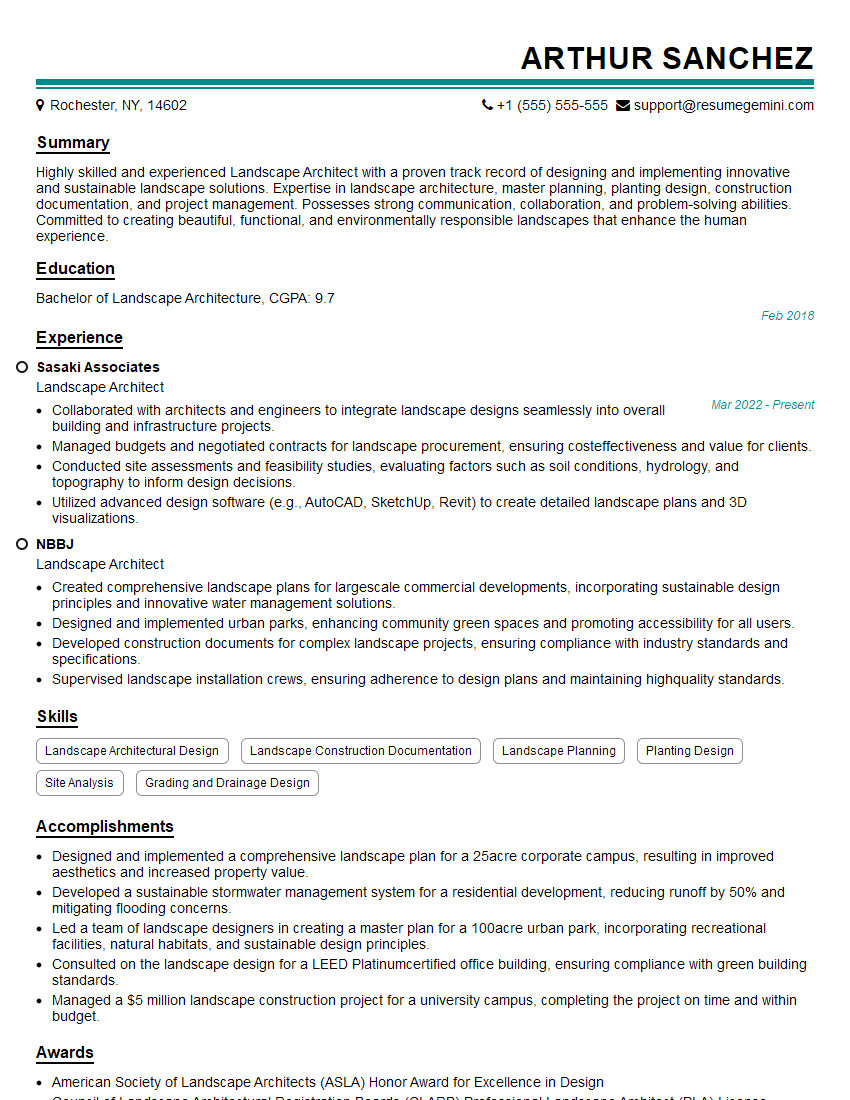
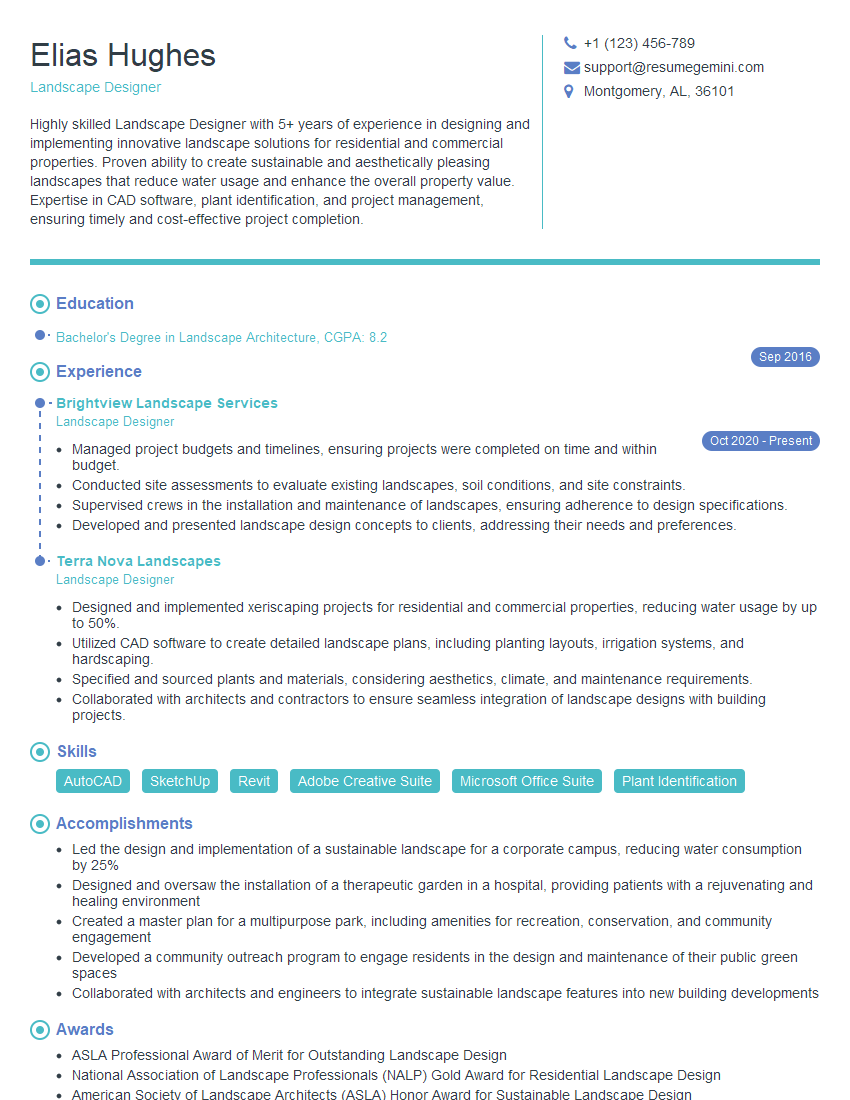
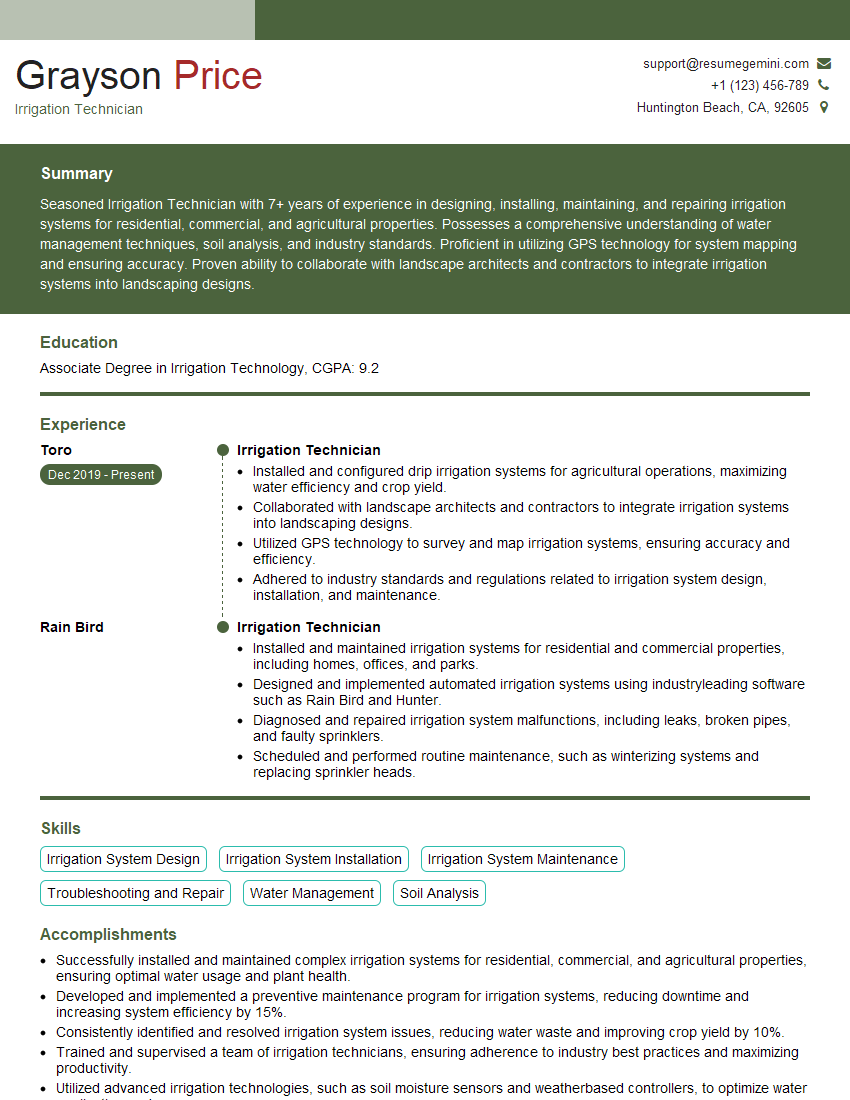
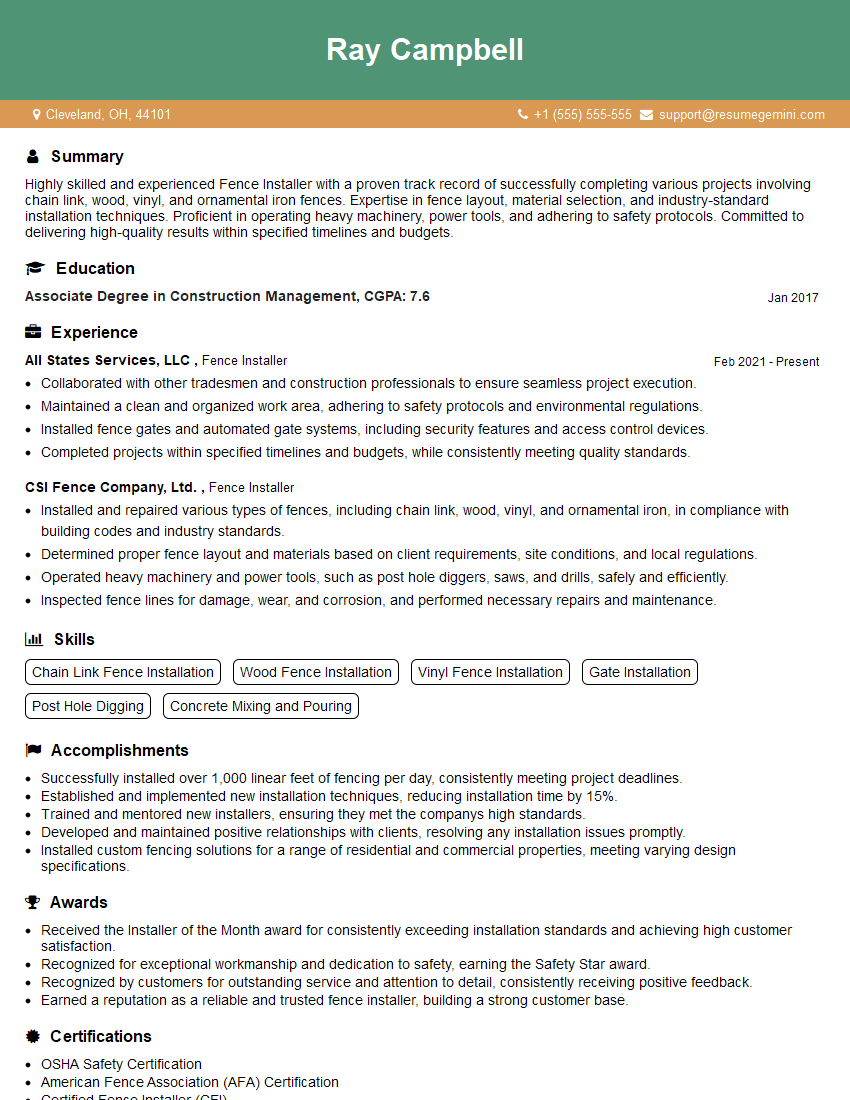
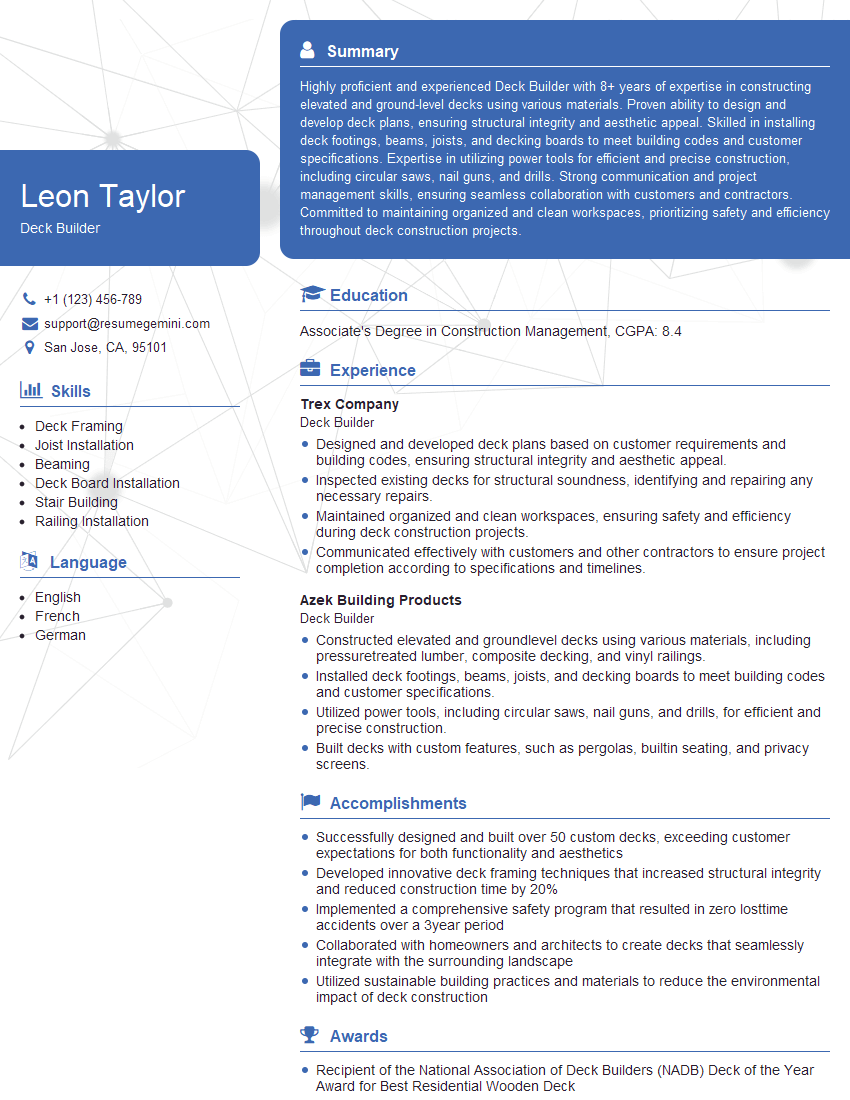
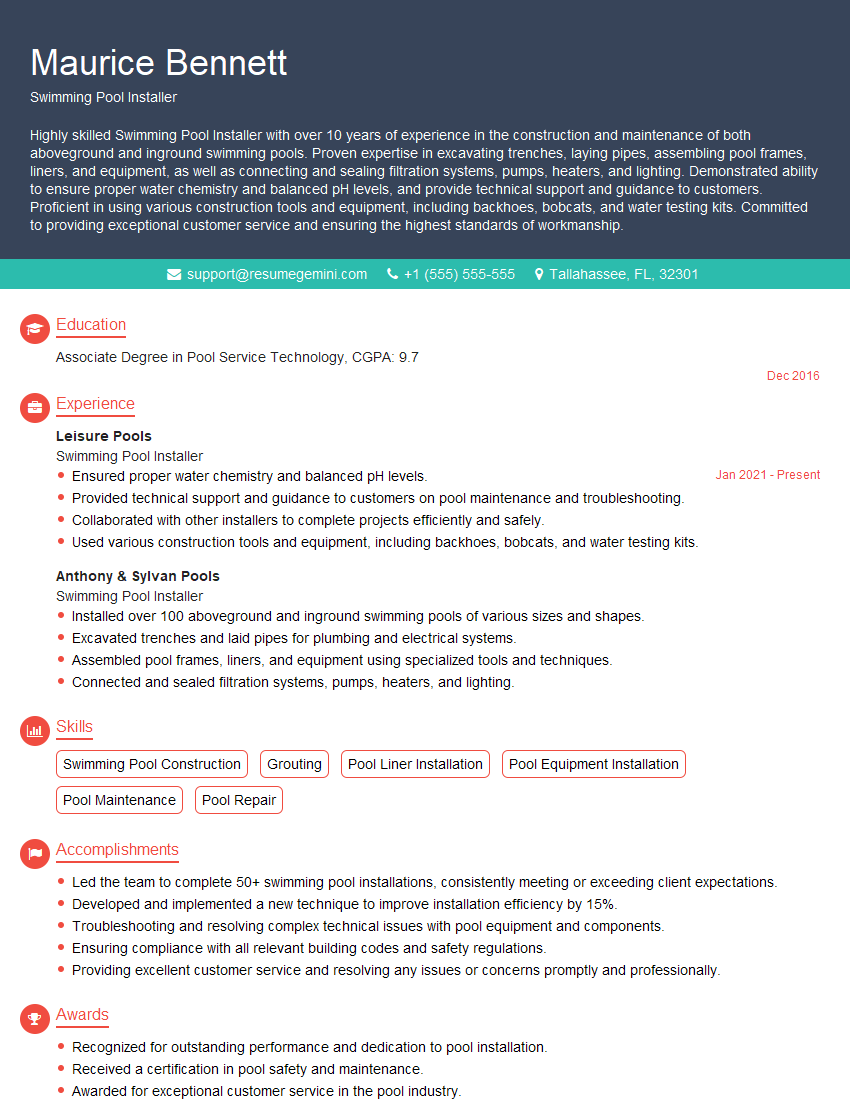
Mastering the concepts of Outdoor Living Spaces significantly enhances your career prospects in landscape architecture, design, and construction. A strong understanding of these principles showcases your expertise and problem-solving skills to potential employers. To maximize your job search success, creating an ATS-friendly resume is crucial. This ensures your application gets noticed by Applicant Tracking Systems used by many companies. We highly recommend using ResumeGemini to build a professional and impactful resume. ResumeGemini provides excellent tools and resources, including examples of resumes tailored to the Outdoor Living Spaces field, to help you present your qualifications effectively and land your dream job.
Explore more articles
Users Rating of Our Blogs
Share Your Experience
We value your feedback! Please rate our content and share your thoughts (optional).
What Readers Say About Our Blog
Very informative content, great job.
good