Unlock your full potential by mastering the most common Project Management and Technical Report Writing interview questions. This blog offers a deep dive into the critical topics, ensuring you’re not only prepared to answer but to excel. With these insights, you’ll approach your interview with clarity and confidence.
Questions Asked in Project Management and Technical Report Writing Interview
Q 1. Describe your experience with Agile project management methodologies.
My experience with Agile methodologies spans over eight years, encompassing various frameworks like Scrum and Kanban. I’ve led and participated in numerous Agile projects, from small, cross-functional teams to large-scale enterprise initiatives. I’m proficient in sprint planning, daily stand-ups, sprint reviews, and retrospectives. For instance, in my previous role at Acme Corp, we transitioned from a Waterfall to a Scrum methodology for software development. This resulted in a 20% reduction in development time and a significant improvement in product quality due to the iterative nature of Scrum and the continuous feedback loops.
- Sprint Planning: Collaborating with the team to define sprint goals and tasks, ensuring realistic estimations.
- Daily Stand-ups: Facilitating brief daily meetings to track progress, identify roadblocks, and maintain team alignment.
- Sprint Reviews: Presenting completed work to stakeholders, gathering feedback, and adapting to changing requirements.
- Sprint Retrospectives: Conducting reflective sessions to identify areas for improvement in processes and team collaboration.
Beyond the core practices, I’ve also incorporated Agile techniques like user story mapping and test-driven development to ensure high-quality deliverables and customer satisfaction. I firmly believe in Agile’s adaptability and responsiveness to change, making it an effective approach for projects with evolving requirements.
Q 2. Explain the difference between Waterfall and Agile project management.
Waterfall and Agile are fundamentally different project management approaches. Waterfall follows a linear, sequential process, where each phase must be completed before the next begins (requirements, design, implementation, testing, deployment, maintenance). Think of it like a waterfall cascading down – once the water is past a stage, it can’t go back. Agile, on the other hand, is iterative and incremental. Projects are broken down into smaller cycles (sprints) with frequent feedback loops and adaptations based on evolving needs. Imagine building with Lego bricks – you can adjust and improve your creation as you go, adding or changing pieces as needed.
- Waterfall: Rigid, less adaptable to changes, requires comprehensive upfront planning, suitable for projects with stable requirements.
- Agile: Flexible, adaptable to change, emphasizes collaboration and feedback, suitable for projects with evolving requirements.
In essence, Waterfall is like a detailed blueprint followed meticulously, while Agile is more like a flexible roadmap allowing for course correction during the journey.
Q 3. How do you handle conflicting priorities in a project?
Conflicting priorities are inevitable in project management. My approach involves a structured process to resolve them fairly and efficiently. First, I clearly define all conflicting priorities, documenting the source and impact of each. Then, I prioritize them using a framework like the MoSCoW method (Must have, Should have, Could have, Won’t have), involving stakeholders in the prioritization process to ensure buy-in. This fosters transparency and collaboration. We may use weighted scoring systems to quantify the importance of each priority based on business value and risk. Finally, I clearly communicate the prioritized list to the team, explaining the rationale behind the decisions. This prevents misunderstandings and ensures everyone works towards the same goals. For example, if a project is facing delays due to a critical bug fix and a new feature request, the MoSCoW method might prioritize the bug fix as a ‘Must have’ and the new feature as a ‘Should have’ or even a ‘Could have’, depending on project deadlines and stakeholder feedback.
Q 4. What tools and techniques do you use for risk management?
Risk management is a critical aspect of project success. I employ a combination of qualitative and quantitative techniques. Qualitative techniques include brainstorming sessions with the team and stakeholders to identify potential risks using tools like SWOT analysis (Strengths, Weaknesses, Opportunities, Threats) and risk register creation. I also conduct regular risk reviews where we reassess identified risks and their likelihood and impact. Quantitative techniques involve using probability and impact matrices to numerically assess the severity of each risk and prioritize mitigation efforts. We might use Monte Carlo simulations for complex projects to model uncertainty and provide a range of possible outcomes. Tools like risk registers, probability and impact matrices, and software like Microsoft Project or Jira are instrumental in this process. For example, in a software development project, a potential risk might be the unavailability of a critical third-party library. By analyzing the probability and impact, we can decide to use a backup library, negotiate with the vendor, or adjust the project timeline accordingly.
Q 5. Describe your process for creating a project timeline.
Creating a project timeline involves a structured process that begins with a Work Breakdown Structure (WBS). The WBS decomposes the project into smaller, manageable tasks. Next, I estimate the duration of each task, considering dependencies between tasks. I use tools like Gantt charts (Microsoft Project, Smartsheet) to visualize the timeline, highlighting dependencies, milestones, and critical path. Throughout the process, I continuously monitor progress, updating the timeline as needed to reflect changes in scope, resources, or task durations. Regularly reviewing and adjusting the timeline is crucial to ensure the project stays on track. For instance, if a task takes longer than expected, the subsequent tasks will also be affected, requiring adjustments to the overall schedule.
Q 6. How do you manage stakeholder expectations?
Managing stakeholder expectations requires proactive communication and collaboration. I begin by clearly defining roles and responsibilities for all stakeholders, ensuring everyone understands their contribution to the project. Regular communication is key – I schedule regular meetings, distribute progress reports, and provide updates on any issues or changes that could impact the project. I also actively solicit feedback from stakeholders, incorporating their input into the project as appropriate. When unexpected issues arise, I transparently communicate the problem and potential solutions, actively managing expectations. For example, if a delay is inevitable, I’ll explain the reasons for the delay, propose alternative solutions, and discuss how to mitigate the impact on stakeholders. This builds trust and maintains confidence in the project’s success.
Q 7. Explain your experience with project budgeting and cost control.
My experience with project budgeting and cost control includes developing detailed budget proposals, tracking expenses against the budget, and implementing cost control measures. I begin by estimating the costs for each task in the project, considering labor, materials, and other relevant expenses. This typically involves creating a detailed budget spreadsheet or using project management software. Throughout the project lifecycle, I regularly monitor expenses and compare them to the budget, identifying any variances and taking corrective actions. This might involve negotiating with vendors for better pricing, optimizing resource allocation, or adjusting the project scope to stay within budget. I also perform regular cost-benefit analyses to evaluate the financial viability of different options and make informed decisions. For example, if a particular feature is deemed too costly, we might decide to postpone or eliminate it to stay within budget constraints. Techniques like Earned Value Management (EVM) provide a robust framework for monitoring and controlling project costs.
Q 8. How do you track project progress and report on key performance indicators (KPIs)?
Tracking project progress and reporting on KPIs is crucial for successful project management. I utilize a multifaceted approach combining both qualitative and quantitative methods. This begins with clearly defining KPIs at the outset of the project, aligning them with overall project goals. These KPIs are then monitored regularly using a combination of tools and techniques.
Project Management Software: Tools like Jira, Asana, or MS Project are essential. These allow for task assignment, progress tracking, and automated reporting on metrics such as task completion percentage, burn-down charts (visualizing remaining work vs. time), and resource allocation. For instance, in a recent software development project, Jira helped us track the number of bugs resolved per sprint, a key indicator of our development velocity.
Regular Meetings & Status Updates: I facilitate regular team meetings and provide concise status reports, highlighting progress against KPIs, potential risks, and any necessary adjustments to the project plan. This ensures transparency and allows for proactive issue resolution. I often use a simple traffic-light system (green, amber, red) in these reports to quickly communicate the status of various tasks.
Data Analysis and Reporting: I leverage data analysis techniques to understand trends and identify potential roadblocks. This may involve creating custom reports, dashboards, or using data visualization tools to present the key findings in a clear and accessible manner. For example, I once used Excel to create a pivot table to analyze the completion time of tasks, revealing a bottleneck in the testing phase that we were able to address promptly.
The choice of specific KPIs will vary depending on the project, but typical examples include schedule adherence, budget compliance, resource utilization, quality metrics (e.g., defect rate), and customer satisfaction.
Q 9. Describe your experience with different types of project documentation.
My experience encompasses a wide range of project documentation, from high-level strategic documents to detailed technical specifications. This includes:
Project Charters and Proposals: Defining project objectives, scope, timelines, and budgets.
Requirements Documents: Clearly outlining functional and non-functional requirements for software, hardware, or systems.
Design Documents: Detailing the technical architecture, design choices, and implementation plans.
Test Plans and Test Cases: Ensuring thorough testing and validation of the project deliverables.
Technical Reports: Summarizing project findings, analyses, and conclusions.
User Manuals and Training Materials: Supporting the end-users in utilizing the project deliverables.
Meeting Minutes and Progress Reports: Documenting project discussions and progress updates.
I’m proficient in creating and managing these documents using various tools like MS Word, and ensuring consistent formatting and version control to avoid confusion.
Q 10. How do you ensure the clarity and accuracy of technical reports?
Ensuring clarity and accuracy in technical reports is paramount. My approach involves a multi-stage process:
Thorough Research and Data Verification: I meticulously review all data sources and ensure their accuracy before incorporating them into the report. This includes double-checking calculations, referencing credible sources, and validating information with subject matter experts.
Clear and Concise Writing Style: I prioritize using plain language, avoiding jargon unless absolutely necessary, and defining any technical terms used. I structure the report logically, with clear headings, subheadings, and a consistent flow of information.
Peer Review and Editing: I always seek feedback from colleagues or subject matter experts before finalizing the report. This allows for identifying potential errors, improving clarity, and ensuring the report meets the intended audience’s needs.
Fact-Checking and Proofreading: I carefully proofread the final report for grammar, spelling, and punctuation errors. This step often involves using grammar and spell-checking tools, but it also relies on a thorough manual review.
Visual Aids and Data Presentation: I utilize charts, graphs, and tables to present complex data in an easy-to-understand format. These visuals should complement the text and not simply duplicate it.
By meticulously following these steps, I aim to produce reports that are not only accurate but also engaging and easy to understand.
Q 11. What are the key elements of a well-structured technical report?
A well-structured technical report follows a consistent format to ensure clarity and ease of understanding. Key elements include:
Title Page: Containing the report title, author(s), date, and any relevant affiliations.
Abstract: A concise summary of the report’s purpose, methods, findings, and conclusions.
Introduction: Providing background information, stating the report’s objectives, and outlining the scope of the work.
Methodology: Describing the research methods, data collection techniques, and analytical approaches used.
Results: Presenting the key findings of the research, supported by data and visual aids.
Discussion: Interpreting the results, drawing inferences, and relating them to existing knowledge.
Conclusions: Summarizing the key findings and conclusions of the report.
Recommendations: Suggesting future actions or improvements based on the research findings (if applicable).
References: Listing all sources cited in the report.
Appendices (if applicable): Containing supplementary materials such as detailed data tables or questionnaires.
The specific sections and their level of detail will vary depending on the report’s purpose and audience, but this framework provides a strong foundation for a well-structured report.
Q 12. How do you tailor your writing style to different audiences?
Tailoring writing style to different audiences is crucial for effective communication. I adapt my approach based on the audience’s technical expertise, background knowledge, and interest level.
Technical Audience: For a technical audience (e.g., engineers, scientists), I can use more specialized terminology, assume a higher level of technical understanding, and focus on detailed explanations of methods and results.
Non-Technical Audience: For a non-technical audience (e.g., executives, managers), I simplify technical concepts, avoid jargon, and prioritize a clear and concise presentation of key findings and implications. I use analogies and visual aids to help illustrate complex information.
Mixed Audience: When addressing a mixed audience, I might employ a layered approach, providing a high-level summary for the non-technical audience and then delving into more detail for the technical experts in later sections or appendices.
For example, when reporting on a software project to executives, I’d focus on the business impact and high-level success metrics. However, when presenting to the development team, I’d share detailed technical insights, including specific code changes and performance data.
Q 13. Describe your experience with using technical writing tools (e.g., MadCap Flare, MS Word).
I have extensive experience using various technical writing tools. MS Word remains my go-to for creating most reports due to its widespread availability and user-friendliness. I leverage its features for formatting, style consistency, and incorporating tables and figures. For more complex projects or when collaborating with a larger team, I have experience using MadCap Flare. Flare’s strengths lie in its ability to manage large projects, create reusable content components, and produce outputs in multiple formats (e.g., PDF, HTML, print).
In either case, I always ensure consistency in formatting, style guides, and terminology to maintain professionalism and reader comprehension. I use templates to enforce consistency and incorporate features like styles and macros to streamline the writing and editing processes. For instance, I have created a custom Word template with pre-defined styles for headings, paragraphs, and tables, ensuring a consistent look and feel across all my reports.
Q 14. How do you handle revisions and feedback on your technical reports?
Handling revisions and feedback is a crucial part of the technical report writing process. I approach this in a systematic way:
Clear Communication Channels: I establish clear communication channels with stakeholders regarding feedback submission, ensuring everyone understands the process and timelines.
Organized Feedback Tracking: I utilize tools such as comment features in Word or dedicated feedback management systems to track and manage feedback efficiently. This allows me to respond to each comment systematically and ensure nothing is missed.
Version Control: I use version control to keep track of changes, allowing for easy review of revisions and the ability to revert to previous versions if necessary.
Constructive Dialogue: I engage in a constructive dialogue with stakeholders, seeking clarification and understanding the rationale behind their comments. It is important to remember that feedback is meant to improve the report, and it is a collaborative process.
Justification for Changes: When incorporating revisions, I always explain the rationale behind changes to ensure stakeholders understand the modifications and their impact.
Iterative Improvement: I treat revision as an iterative process. I might incorporate multiple rounds of feedback to ensure the final report meets the highest standards.
For example, I once received feedback suggesting a simplification of a complex graph in a report. I created multiple alternative graphs, showing them to the stakeholder until we found one that was both informative and easy to understand.
Q 15. Explain your process for conducting technical research for reports.
My technical research process for reports is methodical and iterative. It begins with a clear understanding of the report’s objectives and target audience. I then define specific research questions to guide my investigation. This is crucial to avoid getting lost in a sea of information. Next, I identify relevant sources, utilizing a mix of primary and secondary research. Primary research might involve conducting experiments, surveys, or interviews, while secondary research involves reviewing existing literature, databases, and reports. I meticulously document all sources using a consistent citation style (typically APA or MLA) to ensure academic rigor and avoid plagiarism.
Throughout the research phase, I critically evaluate the credibility and validity of information, comparing findings from multiple sources to ensure accuracy and robustness. I use tools like Zotero or Mendeley to manage my references and notes, making the writing and citation process more efficient. Once I’ve gathered sufficient data, I synthesize the information, identifying key themes, trends, and insights relevant to the report’s purpose. This process isn’t linear; I often revisit earlier stages to refine research questions or explore new avenues as the research progresses. For example, if I’m writing a report on the efficacy of a new software, I’d conduct user surveys, analyze performance metrics, and review comparative studies of similar software.
Career Expert Tips:
- Ace those interviews! Prepare effectively by reviewing the Top 50 Most Common Interview Questions on ResumeGemini.
- Navigate your job search with confidence! Explore a wide range of Career Tips on ResumeGemini. Learn about common challenges and recommendations to overcome them.
- Craft the perfect resume! Master the Art of Resume Writing with ResumeGemini’s guide. Showcase your unique qualifications and achievements effectively.
- Don’t miss out on holiday savings! Build your dream resume with ResumeGemini’s ATS optimized templates.
Q 16. How do you ensure your reports are accessible and user-friendly?
Creating accessible and user-friendly reports is paramount. I prioritize clear and concise language, avoiding jargon and technical terms unless absolutely necessary. If specialized terms are unavoidable, I provide clear definitions. I structure reports logically, using headings, subheadings, bullet points, and visual aids like charts and graphs to break up large blocks of text and make information easily digestible. I ensure sufficient white space on the page for improved readability.
Accessibility also means considering those with disabilities. I adhere to WCAG (Web Content Accessibility Guidelines) standards when creating digital reports. This includes using appropriate alt text for images, ensuring sufficient color contrast, and providing options for different font sizes. For example, I would use descriptive alt text like ‘Bar graph showing software performance over time’ rather than simply ‘Graph’. I also ensure that the report is easily navigable using clear hyperlinks and a table of contents. Finally, I always consider the intended audience and tailor the level of technical detail to their understanding. A report for expert engineers will be different from one for non-technical stakeholders.
Q 17. How do you manage multiple projects simultaneously?
Managing multiple projects concurrently requires robust organizational skills and effective time management strategies. I rely heavily on project management methodologies like Agile or Scrum to break down large tasks into smaller, manageable units. I utilize project management software like Asana, Jira, or MS Project to track tasks, deadlines, and progress across all projects. This allows for a centralized view of my workload and helps prevent task slippage.
Prioritization is key. I use techniques like the Eisenhower Matrix (urgent/important) to classify tasks and focus on high-impact activities first. Regularly reviewing my project schedule and adjusting priorities as needed is essential. Clear communication with stakeholders across all projects is crucial to ensure everyone is informed of progress, potential delays, and any necessary adjustments. I often schedule dedicated time blocks for each project to ensure focused work, minimizing context switching and improving efficiency. For instance, I might dedicate Monday mornings to Project A, Tuesday to Project B, and so on, with buffer time for unexpected issues. Effective delegation is also crucial when managing multiple projects, allowing for a more balanced workload and leveraging team expertise.
Q 18. Describe a time you had to resolve a conflict within a project team.
In a previous project involving the development of a new mobile application, a conflict arose between the design team and the development team regarding the feasibility of a particular design element. The design team envisioned a complex animation, while the developers felt it was too resource-intensive and would impact performance.
To resolve this, I facilitated a meeting where both teams presented their perspectives openly and respectfully. I focused on active listening and helped them identify common goals: a user-friendly and high-performing app. We then brainstormed alternative solutions together, exploring simpler animation techniques or potentially phasing in the complex animation later. The developers ultimately proposed a compromise that met both teams’ needs, resulting in a satisfactory design that balanced aesthetics and technical feasibility. This experience taught me the importance of fostering open communication, empathy, and collaborative problem-solving in managing team conflicts.
Q 19. Describe a time a project faced unexpected challenges, and how you addressed them.
During a large-scale software implementation project, we encountered unexpected delays due to a critical third-party API experiencing unforeseen downtime. This jeopardized our launch date and threatened to impact client satisfaction.
My immediate response was to initiate a risk assessment, identifying the potential consequences of the delay. I then engaged with the third-party vendor to understand the issue and its expected resolution timeframe. In parallel, I assembled a task force to explore contingency plans. This involved assessing the feasibility of alternative solutions, such as temporarily using a backup system or adjusting the project scope to minimize reliance on the affected API. We proactively communicated with the client, transparently explaining the situation and presenting the potential mitigation strategies. We implemented a revised project plan that prioritized critical features and allowed for a phased launch. While the launch was slightly delayed, we managed to minimize the impact on the client and successfully delivered the core functionality.
Q 20. How do you prioritize tasks in a high-pressure environment?
Prioritizing tasks in high-pressure situations requires a calm and systematic approach. I utilize a combination of techniques to stay organized and focused. The Eisenhower Matrix (urgent/important) is invaluable for categorizing tasks. I also use a weighted scoring system where I assign numerical scores based on urgency, impact, and dependencies. This helps to objectively rank tasks and allocate my time efficiently.
Moreover, I break down large tasks into smaller, more manageable steps. This makes the overall project seem less daunting and allows for a sense of accomplishment as each step is completed. Regular timeboxing is critical; dedicating specific time slots for focused work on priority tasks prevents distractions and ensures steady progress. Finally, I don’t hesitate to delegate tasks when appropriate, leveraging the skills and expertise of my team members to optimize efficiency. Open communication with my team and stakeholders helps to manage expectations and ensure everyone is aligned on priorities.
Q 21. What is your experience with project closure procedures?
Project closure procedures are critical for ensuring a successful and complete project handover. My experience involves a multi-step process that begins with a thorough review of deliverables against the original project scope and objectives. This involves validating that all requirements have been met and that the project has achieved its intended goals. Next, I conduct a post-project review with the team, documenting lessons learned, successes, and areas for improvement. This information is invaluable for future projects.
Then, I gather and archive all project documents, including design specifications, test results, code, and user manuals. A final report summarizing the project outcomes, costs, and timelines is created and shared with stakeholders. Finally, I conduct a formal handover of any necessary systems or technologies to the relevant teams, ensuring they have the knowledge and resources needed to maintain and operate them. This formal closure process not only ensures a clean and efficient handover but also facilitates continuous improvement and learning within the organization. For example, a software project would involve transferring ownership of the codebase and documentation to the maintenance team and decommissioning any temporary systems used during development.
Q 22. How do you use data analysis to inform project decisions?
Data analysis is crucial for making informed project decisions. It allows us to move beyond gut feelings and utilize objective evidence to guide our actions. I use data analysis throughout the project lifecycle, from initial planning to final evaluation.
Planning Phase: I analyze historical project data (e.g., time estimates, resource allocation, budget performance from similar past projects) to create more realistic project plans. For example, if past projects consistently underestimated testing time by 20%, I’d proactively adjust the schedule accordingly.
Execution Phase: I regularly monitor key performance indicators (KPIs) such as task completion rates, budget burn-down, and defect rates. This allows me to identify potential problems early. If the defect rate unexpectedly spikes, I might investigate the root cause and adjust the testing process.
Closure Phase: Post-project analysis using data from various sources (time sheets, defect reports, customer feedback surveys) helps in identifying areas of improvement for future projects. This might involve analyzing which tasks consistently exceeded their allotted time and adjusting future estimations based on that data.
Tools like Excel, project management software (e.g., Jira, MS Project), and even basic statistical analysis can significantly aid in this process. The key is to define the right KPIs, collect the relevant data consistently, and then interpret the results effectively to inform decision-making.
Q 23. Describe your understanding of different project lifecycle models.
Project lifecycle models are frameworks that outline the phases involved in managing a project from initiation to closure. Different models cater to different project types and complexities. Here are a few examples:
Waterfall: A sequential approach where each phase must be completed before the next begins. It’s suitable for projects with clearly defined requirements and minimal anticipated changes. Think of building a house – you wouldn’t lay the roof before the foundation.
Agile (Scrum, Kanban): Iterative and incremental approaches emphasizing flexibility and collaboration. Projects are broken down into smaller cycles (sprints), allowing for frequent adaptation to changing requirements. Think of software development, where user feedback is crucial and adjustments are often necessary.
Spiral: Combines aspects of waterfall and iterative models, emphasizing risk management. Each iteration involves planning, risk analysis, engineering, and evaluation. This is ideal for large, complex projects with significant uncertainties.
Prototype-based: Involves building and testing prototypes early in the project to validate requirements and identify potential issues before significant resources are invested. This is especially useful when dealing with innovative or technologically advanced projects.
The choice of model depends heavily on project characteristics, team expertise, and client expectations. A key aspect of my expertise is understanding which model best fits the context of a specific project and adapting it as needed.
Q 24. Explain your approach to quality assurance in project management.
My approach to quality assurance (QA) in project management is proactive and integrated throughout the entire project lifecycle, not just a separate phase at the end. I believe in building quality into the project, rather than inspecting it in.
Planning: Defining clear quality standards and metrics from the outset. This includes establishing acceptance criteria for deliverables and incorporating QA activities into the project schedule.
Execution: Implementing regular quality checks and reviews at each stage. This might involve code reviews for software projects, design reviews for architectural projects, or testing prototypes for product development. Regular communication with the team and stakeholders is key here to address any emerging issues quickly.
Monitoring and Control: Tracking KPIs related to quality, such as defect rates, customer satisfaction, and adherence to standards. Regular reporting and analysis of this data allow for prompt corrective actions.
Closure: Conducting a thorough post-project review to assess the effectiveness of the QA processes and identify areas for improvement in future projects.
I strongly advocate for a culture of quality within the project team, where everyone takes ownership of quality and proactively identifies and addresses potential issues.
Q 25. How do you handle difficult stakeholders?
Handling difficult stakeholders requires empathy, clear communication, and a structured approach. It’s crucial to remember that each stakeholder has their own perspective and motivations. My approach involves:
Understanding their concerns: Actively listening to their perspectives and attempting to understand their underlying needs and anxieties.
Clear and consistent communication: Regularly updating stakeholders on project progress, addressing their concerns promptly and transparently. Using various communication channels (meetings, emails, reports) to ensure everyone is informed.
Managing expectations: Setting realistic expectations from the beginning and proactively addressing any potential conflicts or issues.
Building relationships: Creating a trusting environment through active listening and respectful dialogue. Showing a genuine interest in their input and acknowledging their contributions.
Escalation process: Having a clear process for escalating unresolved issues to senior management if necessary.
For example, if a stakeholder is consistently blocking progress with unreasonable demands, I might schedule a one-on-one meeting to understand their concerns and find a mutually agreeable solution. If that fails, I may involve senior management to mediate.
Q 26. How familiar are you with different technical report formats (e.g., APA, MLA)?
I’m familiar with several technical report formats, including APA, MLA, IEEE, and Chicago. My understanding extends beyond simply knowing the formatting rules; I understand the underlying principles of each style and how they are applied to different types of technical documentation. This allows me to adapt my writing style to meet the specific requirements of the audience and the context.
For example, APA is commonly used in social sciences, emphasizing author-date citation; MLA is prevalent in humanities, focusing on in-text citations; IEEE is common in engineering and technology, with a focus on numerical referencing; and Chicago is a versatile style used across various disciplines. My experience encompasses selecting and implementing the most appropriate style for the given report.
Q 27. What is your approach to maintaining version control of your documents?
Maintaining version control of documents is crucial to ensure accuracy, track changes, and facilitate collaboration. I use a combination of methods to ensure effective version control.
Version Control Systems (VCS): For collaborative projects, I utilize VCS like Git, along with platforms such as GitHub or GitLab. This enables multiple users to work on documents simultaneously, track changes, and revert to previous versions if necessary. The use of branching and merging features allows for parallel development and integration of changes effectively.
Cloud Storage with Version History: For less complex projects, cloud storage solutions like Google Drive or Microsoft OneDrive provide version history, allowing me to revert to previous versions if needed. This offers a simpler solution for individual or small-team projects.
Document Naming Conventions: I implement clear and consistent document naming conventions (e.g., incorporating dates and version numbers in filenames) to easily identify different versions of the document.
Change Logs: I maintain detailed change logs, describing the nature and reason for each modification. This provides a clear audit trail of the document’s evolution.
The choice of method depends on project complexity, team size, and client requirements. However, the underlying principle is always the same: to maintain a clear and auditable record of changes to the document.
Key Topics to Learn for Project Management and Technical Report Writing Interviews
- Project Management Methodologies: Understanding Agile, Waterfall, Scrum, and Kanban methodologies, their applications, and when to choose one over another. Consider practical examples from your experience where you applied these methodologies.
- Risk Management & Mitigation: Identifying, assessing, and developing strategies to mitigate potential project risks. Practice describing scenarios where you proactively identified and addressed risks.
- Project Planning & Scheduling: Mastering tools and techniques for creating realistic project timelines, resource allocation, and budget management. Be prepared to discuss your experience with Gantt charts or other scheduling tools.
- Stakeholder Management: Effectively communicating and collaborating with diverse stakeholders, managing expectations, and resolving conflicts. Prepare examples of successful stakeholder engagement from past projects.
- Technical Report Structure & Style: Understanding the components of a professional technical report (abstract, introduction, methods, results, discussion, conclusion, references). Practice structuring information logically and concisely.
- Data Visualization & Presentation: Effectively communicating technical information through charts, graphs, and tables. Practice creating clear and informative visualizations from complex datasets.
- Technical Writing Clarity & Precision: Crafting clear, concise, and unambiguous technical documentation for diverse audiences. Review examples of well-written technical reports to refine your writing style.
- Problem-Solving & Decision-Making: Applying critical thinking skills to analyze project challenges, identify solutions, and make informed decisions under pressure. Be ready to discuss your approach to problem-solving using the STAR method (Situation, Task, Action, Result).
Next Steps
Mastering Project Management and Technical Report Writing skills significantly enhances your career prospects, opening doors to leadership roles and high-impact projects. A well-crafted resume is crucial for showcasing these skills to potential employers. Creating an ATS-friendly resume increases your chances of getting noticed by applicant tracking systems. To elevate your resume and make it truly stand out, we highly recommend using ResumeGemini, a trusted resource for building professional resumes. ResumeGemini provides examples of resumes tailored to Project Management and Technical Report Writing, offering valuable guidance and inspiration for your own resume creation.
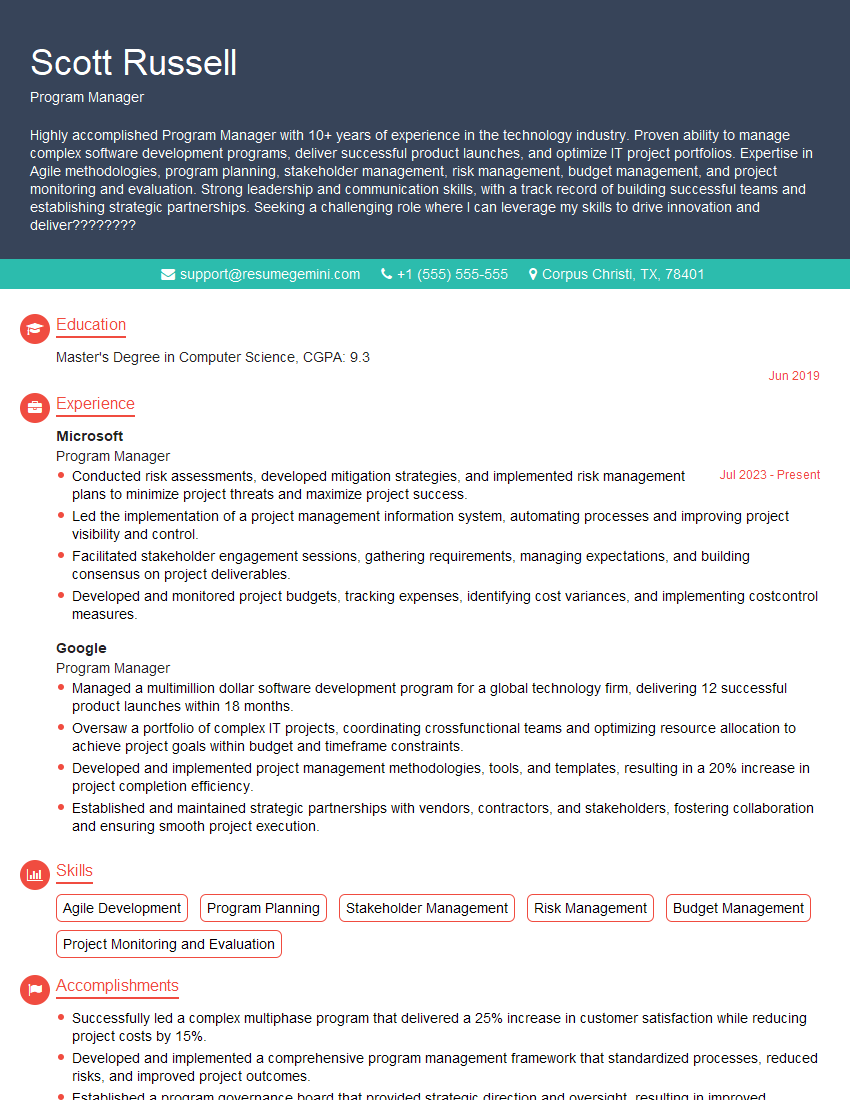
Program Manager Resume Sample
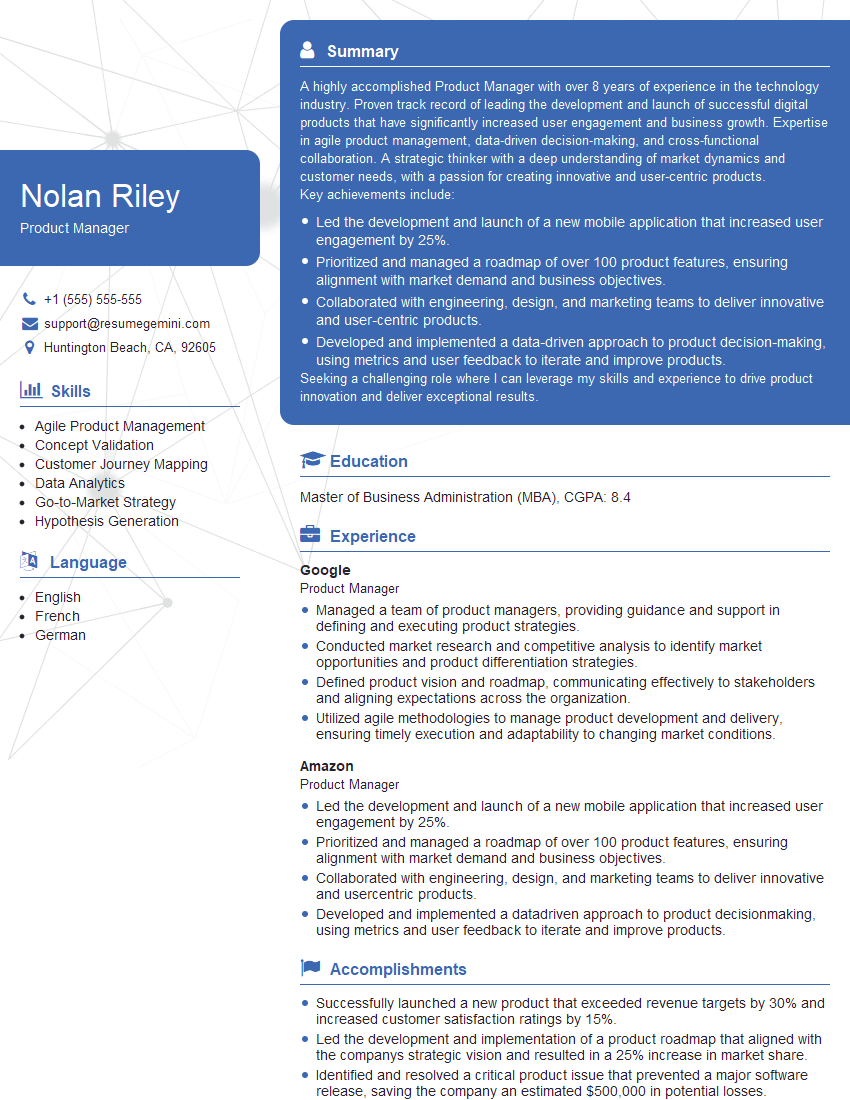
Product Manager Resume Sample
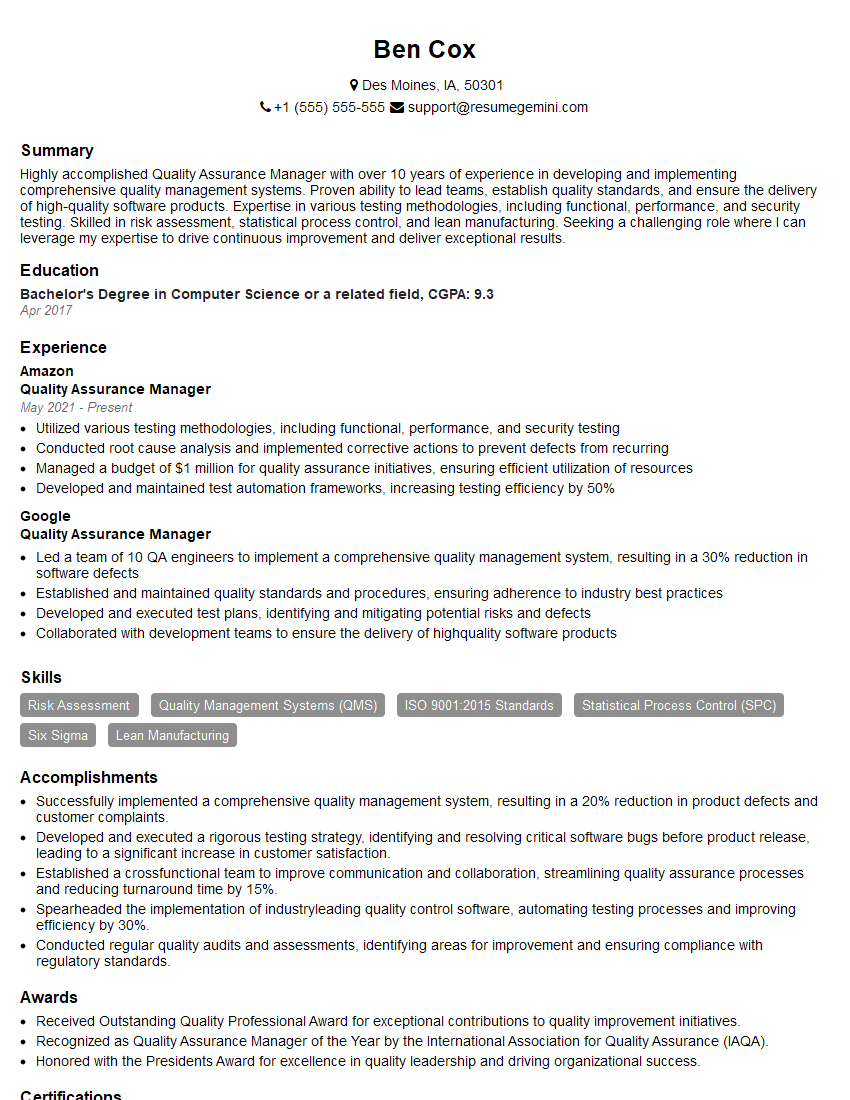
Quality Assurance Manager Resume Sample
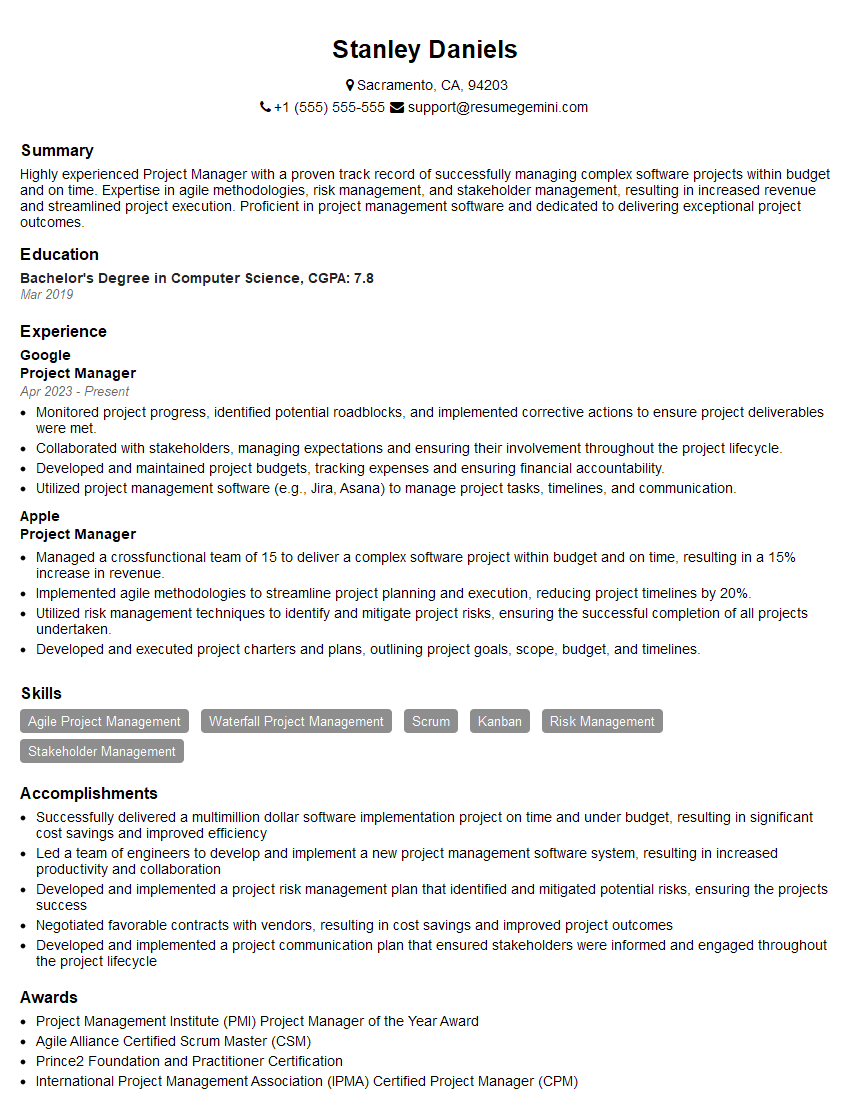
Project Manager Resume Sample
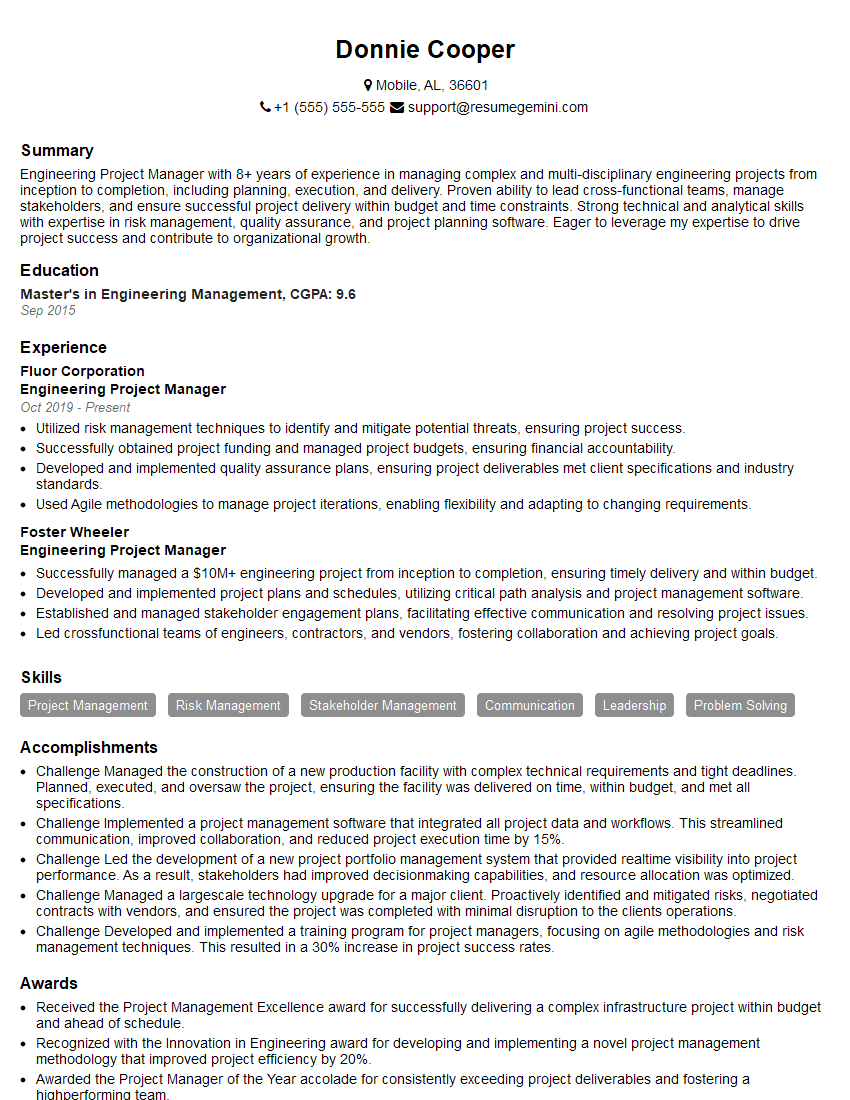
Engineering Project Manager Resume Sample
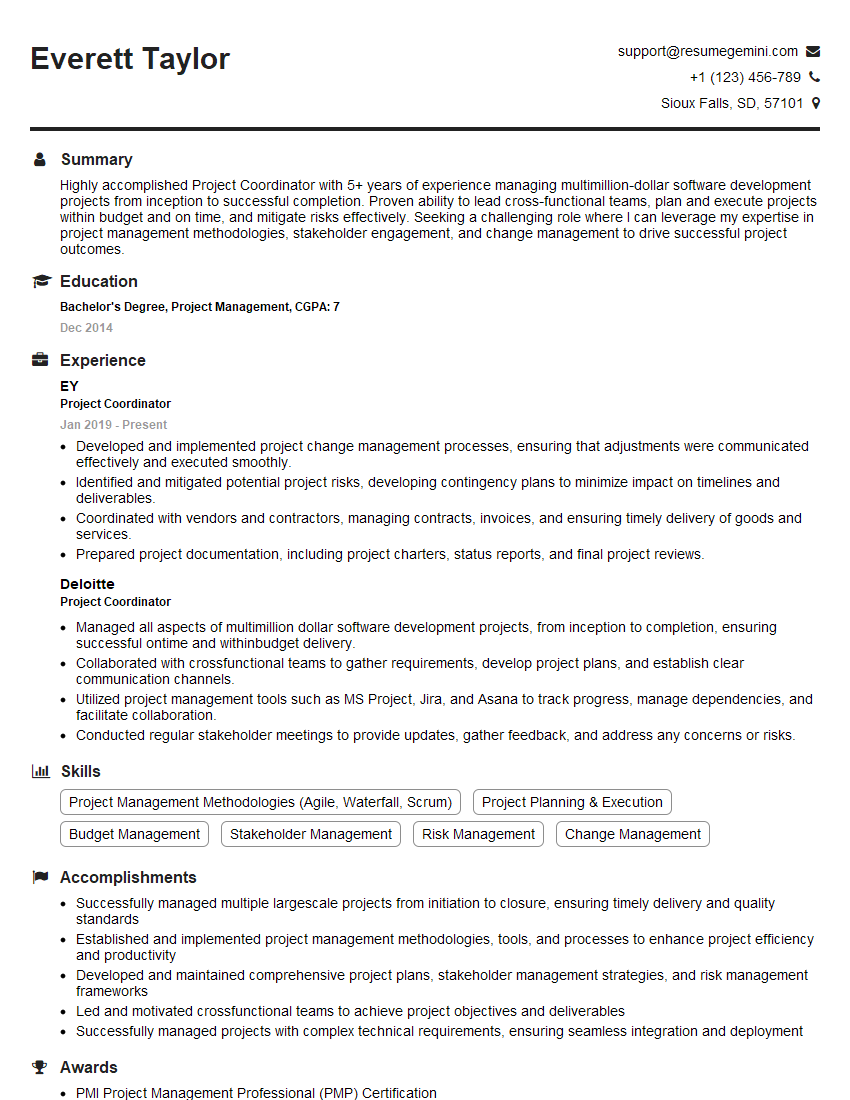
Project Coordinator Resume Sample
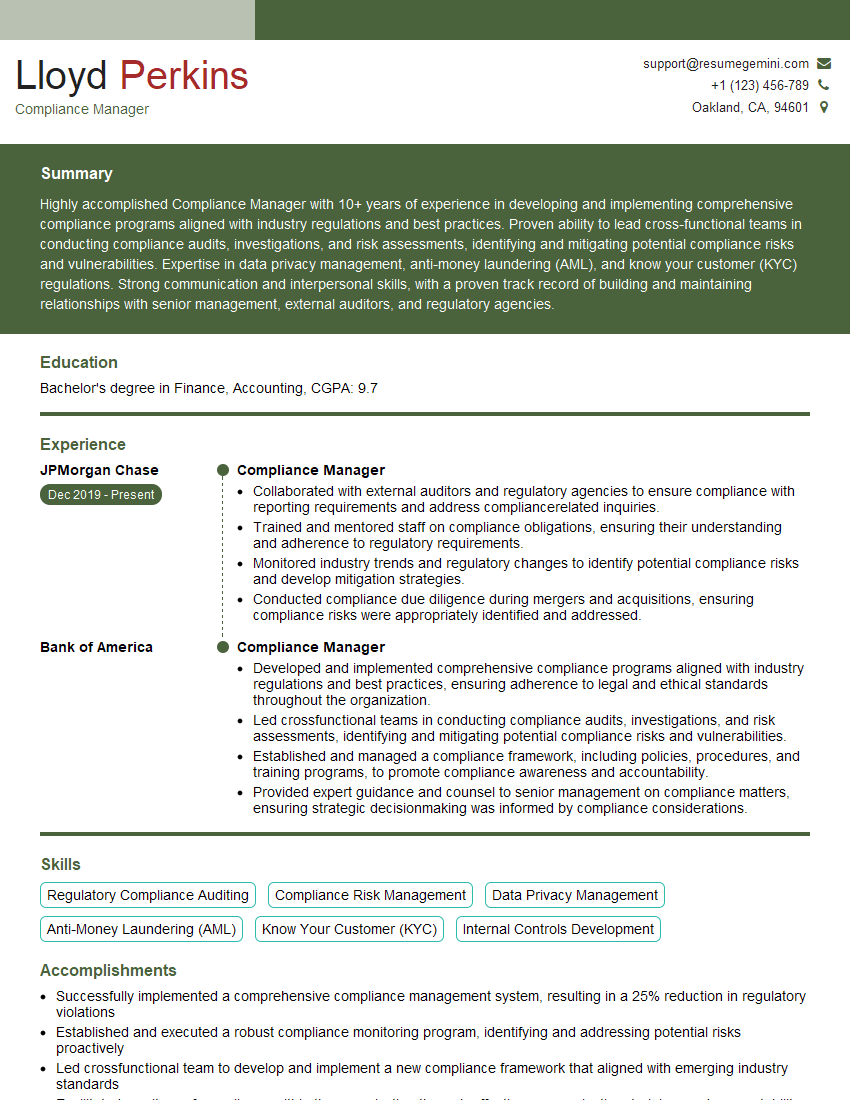
Compliance Manager Resume Sample
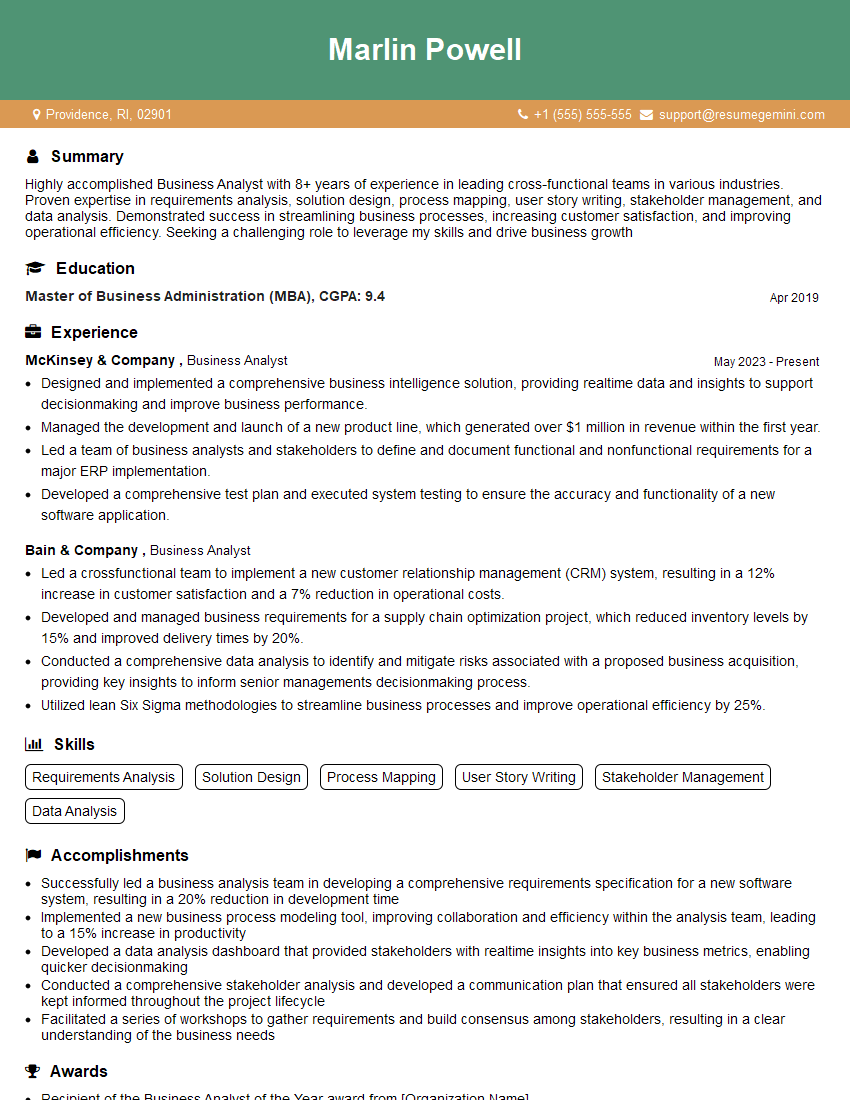
Business Analyst Resume Sample
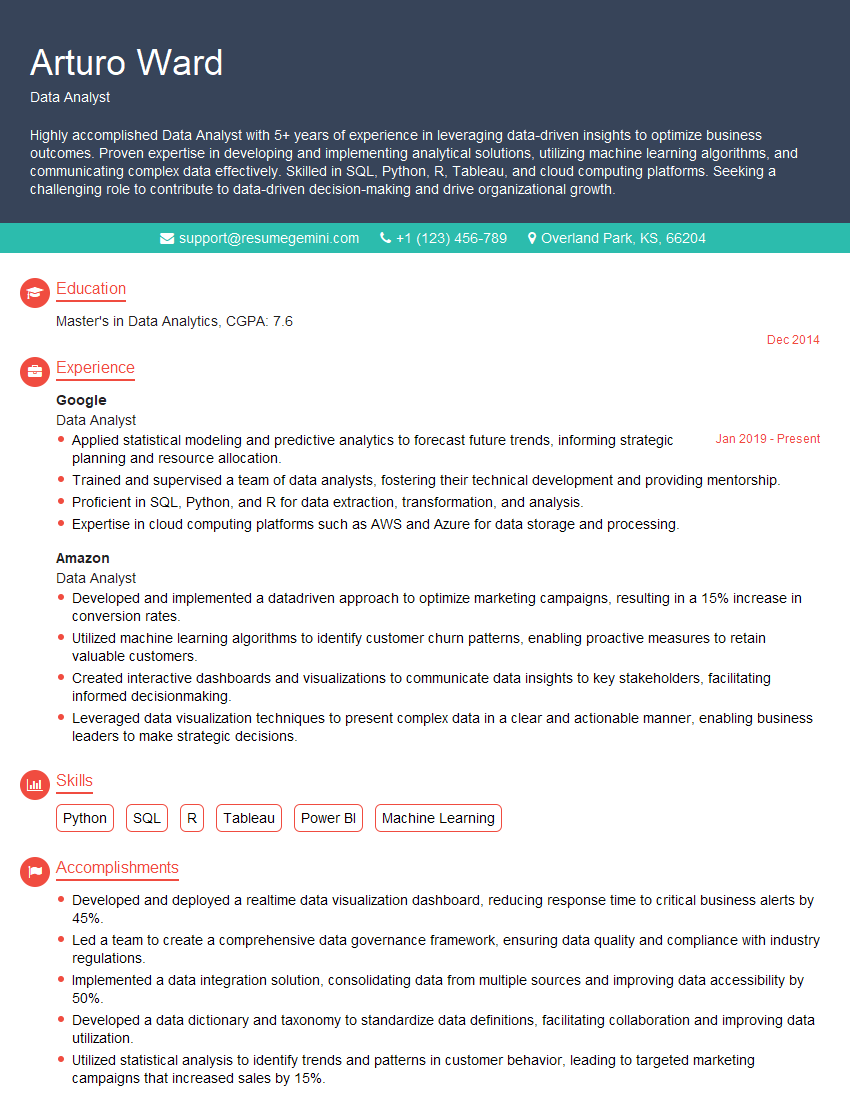
Data Analyst Resume Sample
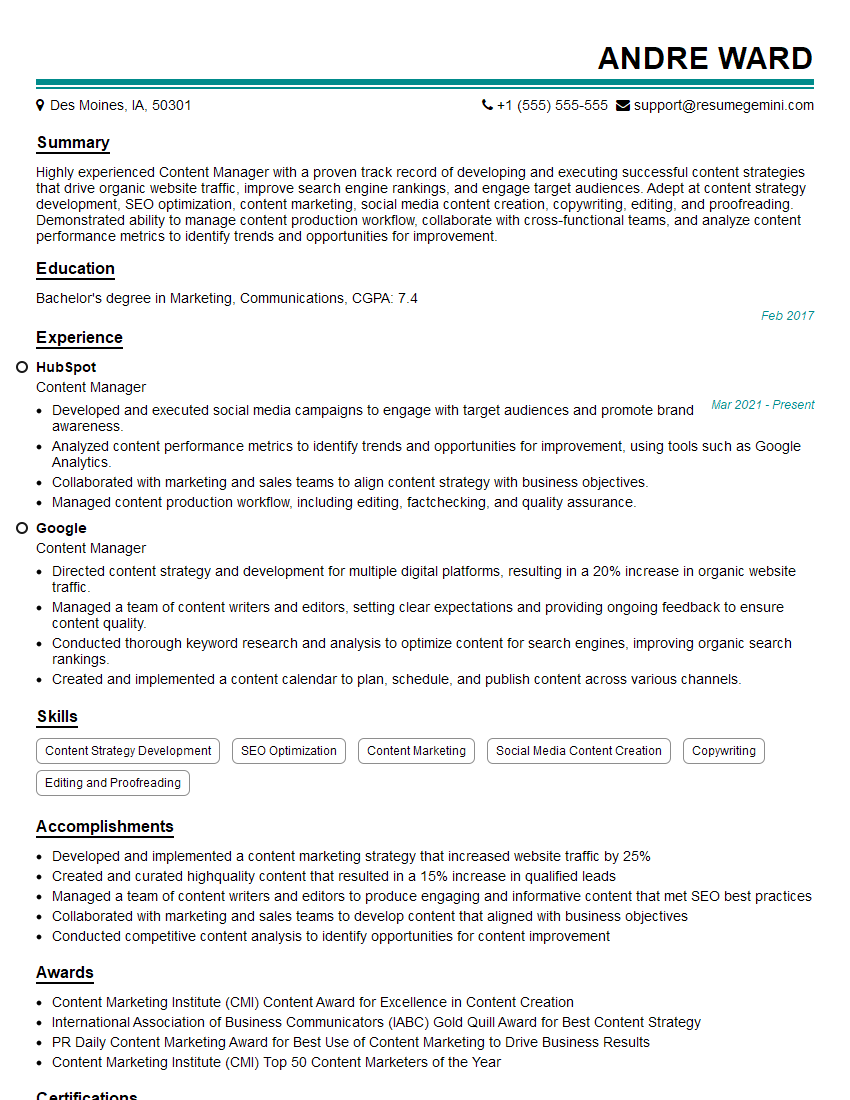
Content Manager Resume Sample

Information Architect Resume Sample
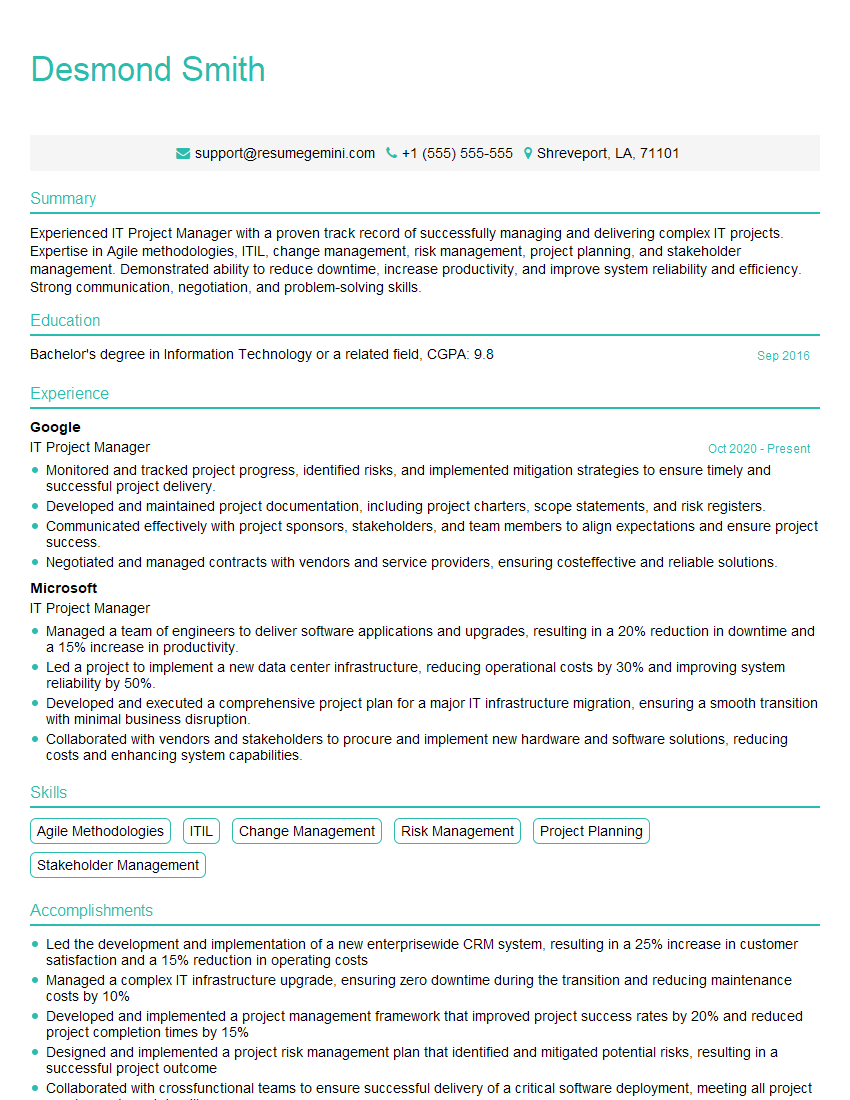
IT Project Manager Resume Sample
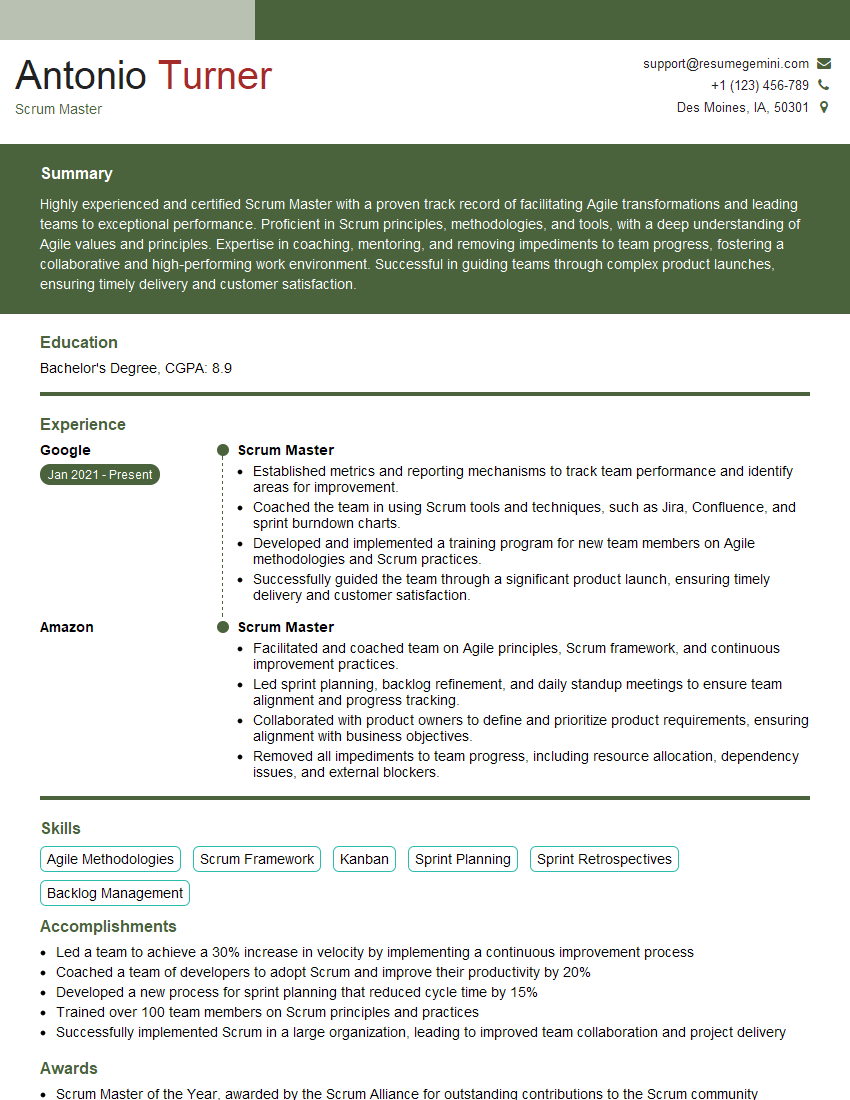
Scrum Master Resume Sample
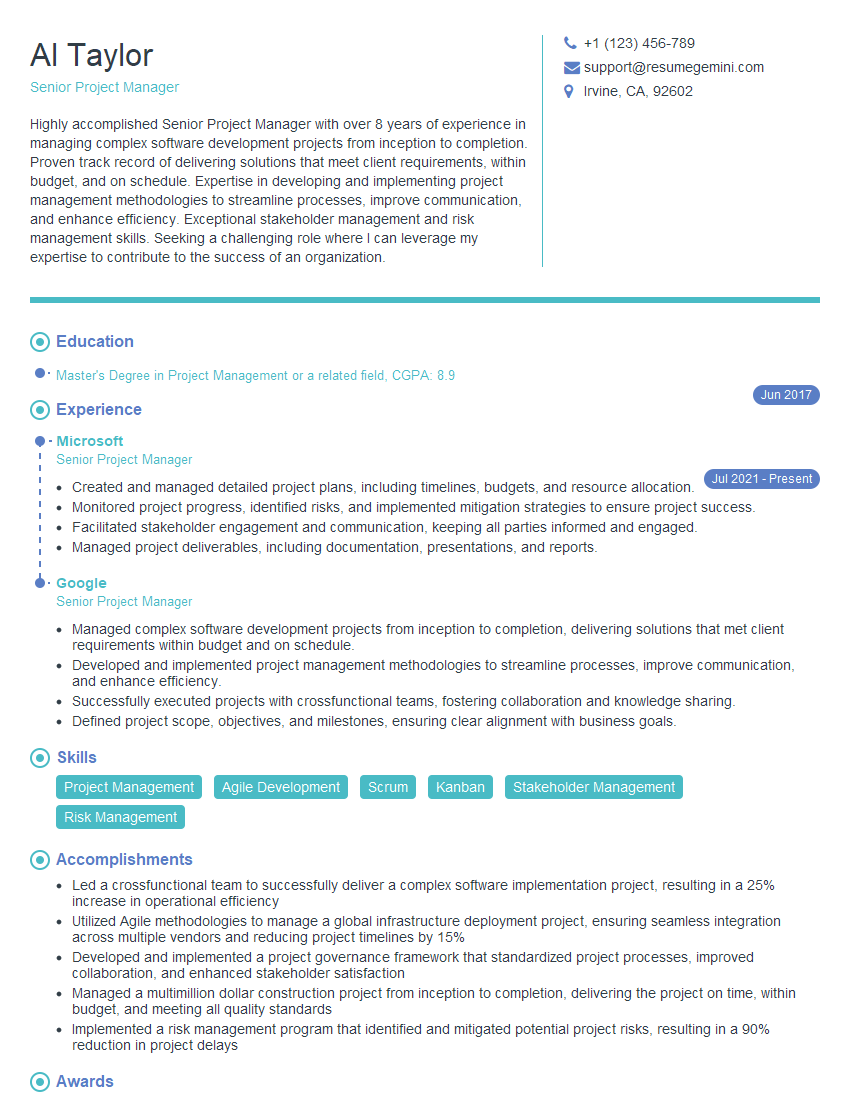
Senior Project Manager Resume Sample
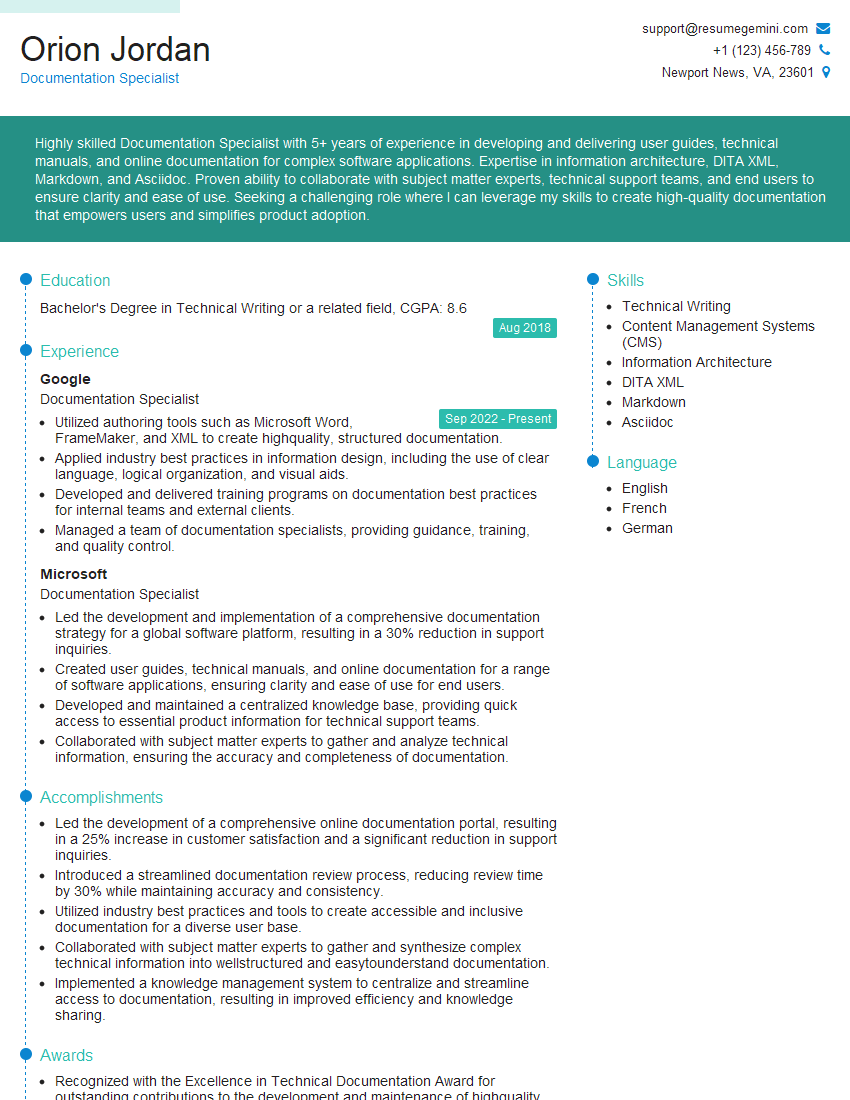
Documentation Specialist Resume Sample
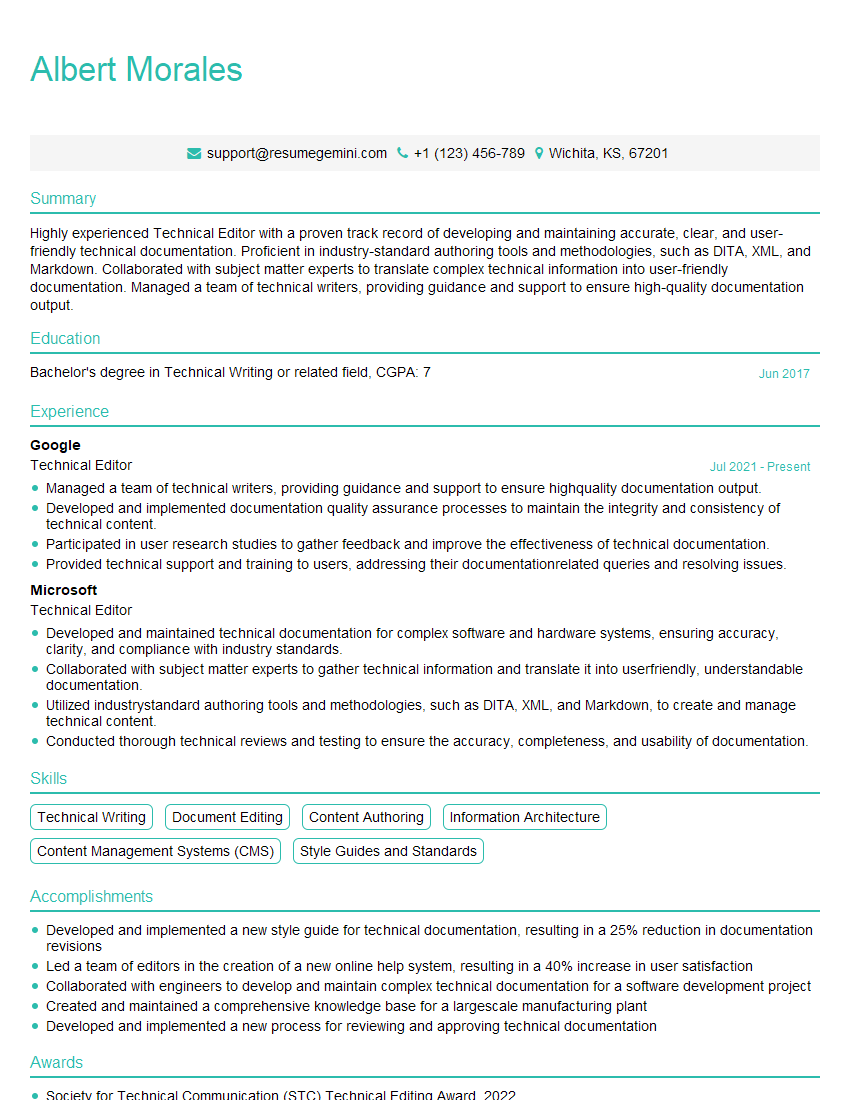
Technical Editor Resume Sample
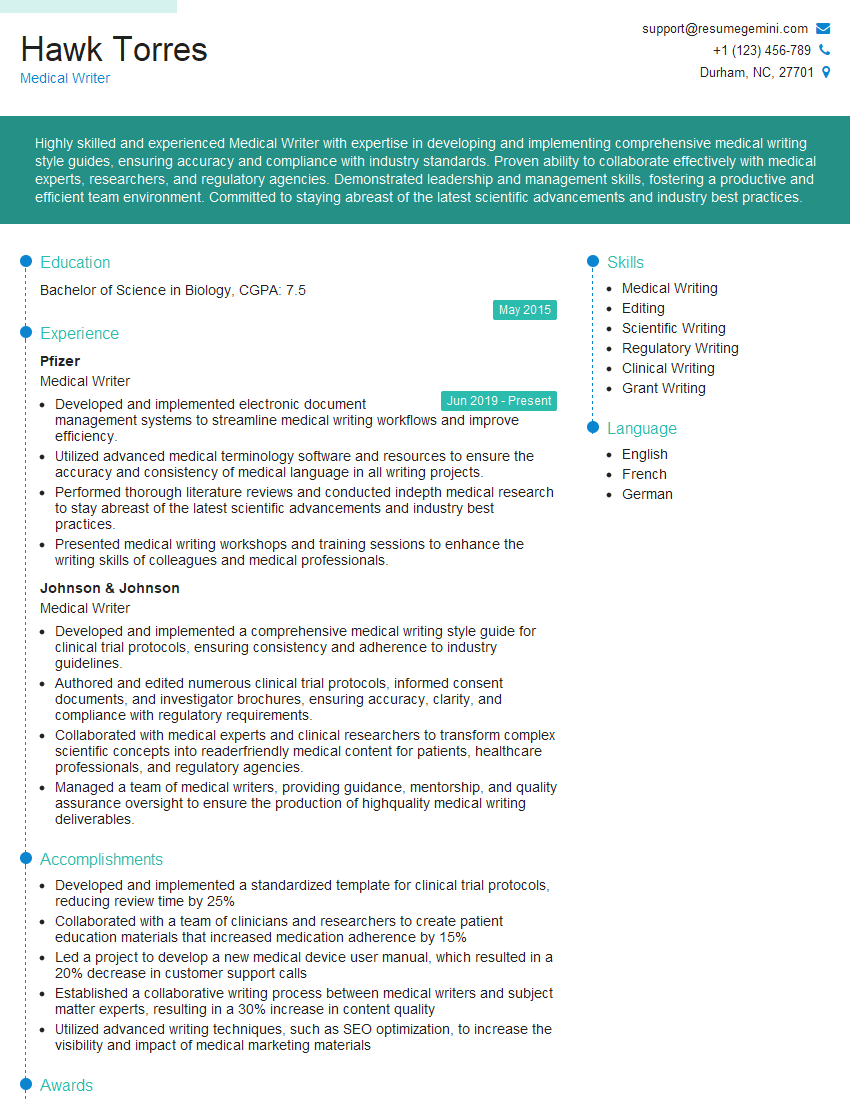
Medical Writer Resume Sample
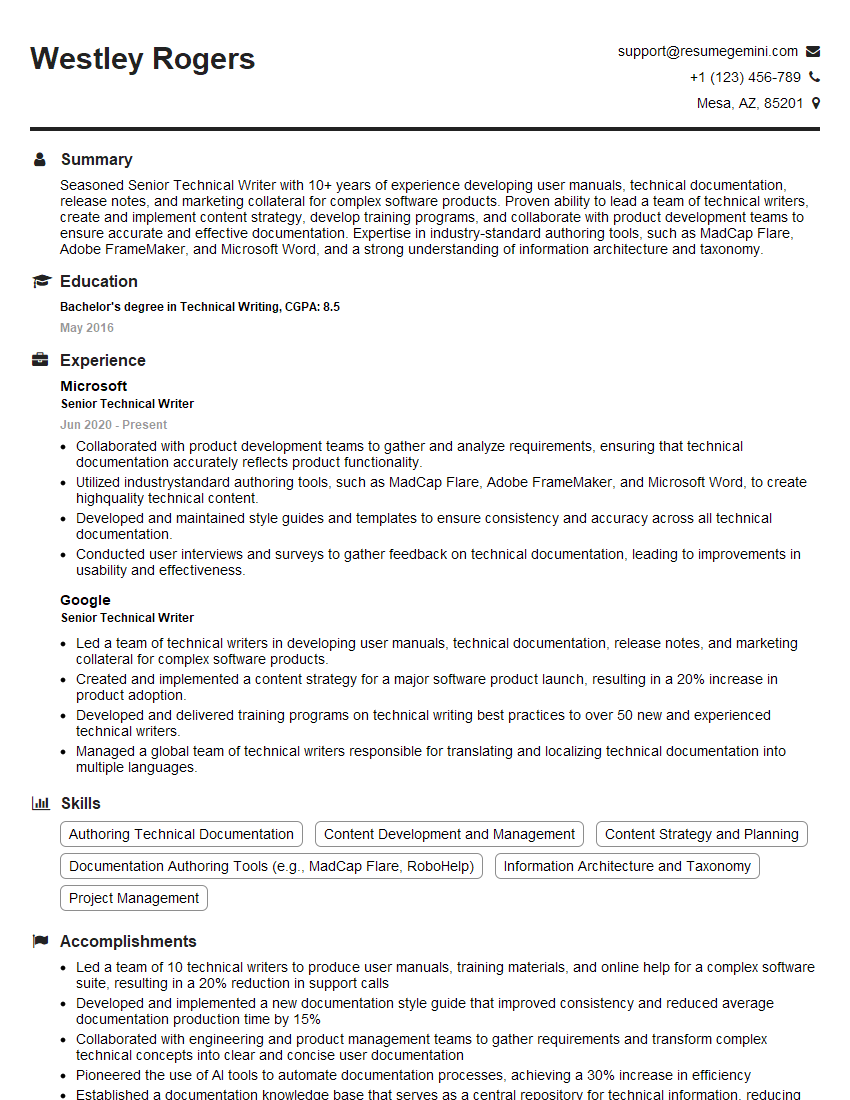
Senior Technical Writer Resume Sample
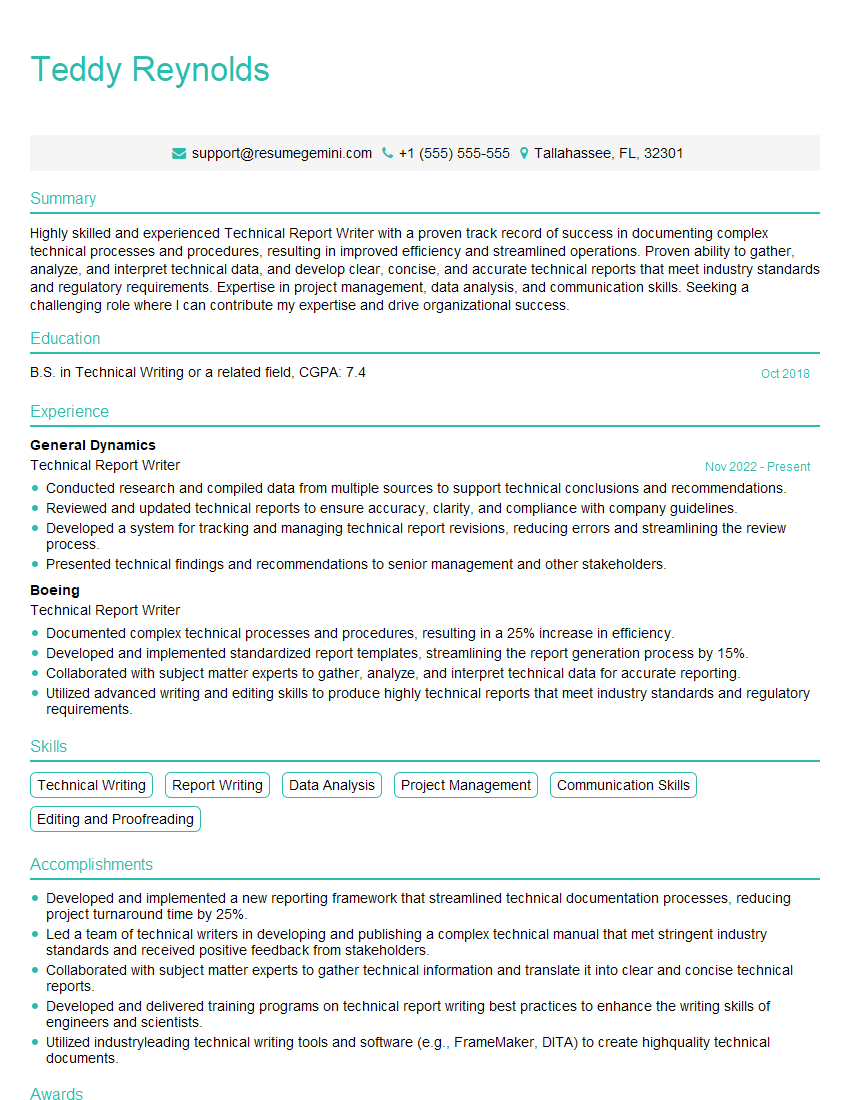
Technical Report Writer Resume Sample

Technical Writer Resume Sample
- Program Manager
- Product Manager
- Quality Assurance Manager
- Project Manager
- Engineering Project Manager
- Project Coordinator
- Compliance Manager
- Business Analyst
- Data Analyst
- Content Manager
- Information Architect
- IT Project Manager
- Scrum Master
- Senior Project Manager
- Documentation Specialist
- Technical Editor
- Medical Writer
- Senior Technical Writer
- Technical Report Writer
- Technical Writer
Explore more articles
Users Rating of Our Blogs
Share Your Experience
We value your feedback! Please rate our content and share your thoughts (optional).
What Readers Say About Our Blog
Very informative content, great job.
good