Interviews are opportunities to demonstrate your expertise, and this guide is here to help you shine. Explore the essential Prepare and Process Orders interview questions that employers frequently ask, paired with strategies for crafting responses that set you apart from the competition.
Questions Asked in Prepare and Process Orders Interview
Q 1. Explain the order processing cycle from order placement to delivery.
The order processing cycle is a crucial sequence of steps that transforms a customer’s request into a delivered product or service. Think of it as a relay race where each team member plays a vital role.
- Order Placement: The customer places an order, typically through an online store, phone call, or in-person visit. This step involves capturing essential information like product details, quantities, shipping address, and payment method.
- Order Verification & Processing: The system verifies the order details, checks inventory availability, and calculates the total cost including taxes and shipping. At this stage, automated checks ensure accuracy and prevent errors.
- Inventory Management: Once the order is verified, the system updates inventory levels to reflect the reduction in stock. This is critical for preventing overselling.
- Order Fulfillment: This involves picking, packing, and shipping the order. The process may involve manual or automated systems depending on the scale and complexity of the operation. Accurate picking is paramount to ensure the customer receives the correct items.
- Shipping & Tracking: The order is handed over to the shipping carrier, and tracking information is generated and shared with the customer. This provides transparency and allows customers to monitor their order’s progress.
- Delivery & Confirmation: The order is delivered to the customer’s designated address. The customer typically confirms receipt, completing the cycle.
- Post-Delivery Follow-up: This often involves sending a thank-you note, requesting feedback, or addressing any potential issues related to the delivery.
For example, imagine ordering a book online. The order placement is clicking ‘Buy Now,’ verification involves checking your credit card details and stock, fulfillment is picking the book from the warehouse, packing it, and shipping it, and delivery is receiving the book. Each stage is essential for a seamless customer experience.
Q 2. Describe your experience with order management systems (OMS).
I have extensive experience working with various Order Management Systems (OMS), both cloud-based and on-premise solutions. My expertise spans from configuring and customizing OMS to integrating it with other critical systems like ERP (Enterprise Resource Planning), CRM (Customer Relationship Management), and WMS (Warehouse Management System). I’ve worked with systems like NetSuite, SAP Hybris, and Salesforce Commerce Cloud, gaining proficiency in their functionalities, including order routing, inventory management, and reporting.
In one project, I was instrumental in implementing a new OMS for a rapidly growing e-commerce company. This involved migrating data from the legacy system, customizing workflows to meet the company’s unique needs, and providing training to the team. The result was a significant improvement in order processing speed and accuracy, leading to a reduction in customer complaints and increased operational efficiency. I’m adept at troubleshooting system issues, identifying bottlenecks, and proposing data-driven solutions for optimal performance.
Q 3. How do you prioritize orders in a high-volume environment?
Prioritizing orders in a high-volume environment requires a strategic approach. It’s not just about speed; it’s about balancing speed with accuracy and customer satisfaction. I utilize a multi-faceted approach that takes into account several key factors.
- Urgency: Orders with expedited shipping requests or those with tight deadlines are prioritized. This often involves using tags or flags within the OMS to visually identify them.
- Value/Profitability: High-value orders or orders from VIP customers may receive preferential treatment to maximize revenue and maintain strong customer relationships.
- Inventory Levels: Orders containing items with low stock levels are often prioritized to minimize the risk of backorders.
- Order Size/Complexity: Larger or more complex orders might need more processing time and might be allocated to experienced team members.
- Geographic Location: Orders destined for locations with tighter delivery windows might be prioritized for timely delivery.
I often employ a combination of automated prioritization rules within the OMS and manual overrides when necessary to address exceptional circumstances. Think of it like a hospital triage system—the most critical cases get immediate attention.
Q 4. What strategies do you use to ensure order accuracy?
Order accuracy is paramount for maintaining customer trust and minimizing operational costs. My strategies for ensuring accuracy encompass the entire order processing cycle.
- Double-checking processes: Implementing double-checking mechanisms at various stages, such as order entry, picking, and packing, significantly reduces errors.
- Barcode scanning: Utilizing barcode scanning technology throughout the fulfillment process ensures that the correct items are picked and packed for each order.
- Automated quality control: Leveraging the OMS to automate checks like order verification, inventory availability checks, and address validation helps prevent errors before they occur.
- Regular audits and training: Conducting regular audits of the order fulfillment process and providing ongoing training to staff helps identify and address potential weaknesses.
- Feedback loops: Establishing feedback mechanisms to capture errors from customers and staff is crucial for continuous improvement.
For example, a simple but effective measure is requiring two staff members to sign off on every shipment. This provides an extra layer of accountability and reduces the chances of errors slipping through.
Q 5. How do you handle order discrepancies or errors?
Order discrepancies or errors are inevitable, but how they are handled is critical. My approach involves a systematic process:
- Identify and Document the Discrepancy: Thoroughly investigate the source of the error. This may involve checking the order details, reviewing warehouse picking logs, or contacting the customer for clarification.
- Communicate with the Customer: Inform the customer about the discrepancy and provide a timeline for resolution. Transparency and proactive communication are key to maintaining trust.
- Correct the Error: Take the necessary steps to correct the error, which may involve reshipping the correct items, issuing a refund, or providing a discount.
- Analyze the Root Cause: Investigate the root cause of the error to prevent it from happening again. This might involve process improvements, system updates, or staff retraining.
- Document and Track Resolution: Maintain detailed records of the error, resolution, and any corrective actions taken.
For instance, if a customer received the wrong item, I would apologize, arrange for the correct item to be sent, and potentially offer a small gift as compensation. I’d then use this incident as a case study to improve processes and prevent similar occurrences.
Q 6. Describe your experience with different order fulfillment methods.
I have experience with various order fulfillment methods, each with its own advantages and disadvantages. My experience includes:
- Direct Fulfillment: The business directly manages the entire fulfillment process, from warehousing to shipping. This offers greater control but requires significant investment in infrastructure and resources.
- Drop Shipping: The business acts as a middleman, transferring orders to a third-party supplier who handles fulfillment. This reduces the business’s upfront investment but sacrifices control over the fulfillment process.
- Third-Party Logistics (3PL): The business outsources fulfillment to a 3PL provider, who handles warehousing, picking, packing, and shipping. This is a cost-effective solution for businesses lacking the infrastructure or expertise.
The choice of fulfillment method depends on several factors, including order volume, product type, budget, and customer expectations. For example, a small business might use drop shipping initially, while a larger company might invest in a 3PL solution or establish its own fulfillment center. I assess the needs and resources of each business to recommend the optimal fulfillment method.
Q 7. How do you track order status and provide updates to customers?
Tracking order status and providing timely updates to customers is crucial for a positive customer experience. I leverage a combination of automated systems and proactive communication to keep customers informed.
- Automated Order Status Updates: Utilize the OMS to send automated email or SMS notifications at key stages of the order lifecycle, such as order confirmation, shipping confirmation, and delivery confirmation. These updates should include tracking numbers and estimated delivery dates.
- Proactive Communication: In case of delays or unexpected issues, proactively communicate with customers to manage expectations and prevent frustration. Providing regular updates and demonstrating empathy is crucial during challenging situations.
- Customer Self-Service Portal: Offering a customer self-service portal allows customers to track their orders in real-time, providing transparency and reducing the burden on customer service.
- Integration with Tracking Systems: Integrating the OMS with shipping carrier tracking systems allows for real-time updates and seamless tracking information.
I’ve found that personalized updates, such as a simple “Your order is on its way!” email, go a long way in building customer loyalty and improving satisfaction. Transparency and timely communication are fundamental aspects of excellent customer service.
Q 8. How familiar are you with inventory management systems?
My familiarity with inventory management systems is extensive. I’ve worked with several different systems, from simple spreadsheet-based tracking to sophisticated enterprise resource planning (ERP) solutions like SAP and Oracle NetSuite. I understand the crucial role inventory management plays in order fulfillment, from accurately reflecting stock levels to predicting future demand. This understanding extends to various inventory management techniques like FIFO (First-In, First-Out), LIFO (Last-In, First-Out), and weighted average cost methods. I can effectively utilize these systems to optimize stock levels, minimize waste, and ensure timely order fulfillment.
For instance, in a previous role, we implemented a new ERP system that integrated our inventory management with our order processing. This resulted in a 15% reduction in order processing time and a significant decrease in stock-outs.
Q 9. How do you manage backorders or out-of-stock items?
Managing backorders and out-of-stock items requires a proactive and transparent approach. First, I immediately notify the customer about the delay, providing an estimated delivery date. This ensures they are aware of the situation and can make informed decisions. Second, I prioritize the backordered items, ensuring they are processed as soon as the stock arrives. Third, I regularly monitor the status of backorders and communicate any changes to the customer. For items that are permanently out of stock, I offer suitable alternatives or provide a full refund, depending on customer preference. Furthermore, I use this information to refine our inventory forecasting models, reducing the likelihood of future stockouts.
For example, if a high-demand item frequently goes out of stock, I would analyze sales data and supply chain information to adjust our ordering process and improve our stock levels.
Q 10. What is your experience with order returns and refunds?
My experience with order returns and refunds is comprehensive. I follow a standardized process to ensure efficiency and customer satisfaction. This begins with receiving the return, verifying its condition against the return policy, and processing the refund according to the company’s guidelines. I ensure all relevant documentation is accurately recorded, including the reason for the return and any associated costs. I’m proficient in handling various return scenarios, including damaged goods, incorrect items, and buyer’s remorse. I also strive to resolve any customer concerns promptly and professionally, turning potentially negative experiences into positive ones.
For example, I once helped resolve a complex return involving a damaged product shipped by a third-party logistics provider. By carefully documenting all communication and collaborating with the carrier, I was able to secure a full refund for the customer, avoiding a negative review and maintaining a positive brand image.
Q 11. Explain your process for verifying customer information.
Verifying customer information is paramount to prevent fraud and ensure accurate order fulfillment. My process begins by comparing the information provided during checkout (name, address, payment details) with available databases and credit verification services. I flag any inconsistencies or suspicious activity. In some cases, additional verification might be required, such as contacting the customer or requesting additional documentation. This multi-layered approach significantly reduces the risk of fraudulent transactions and ensures that orders are shipped to the correct recipient.
For instance, if the billing address doesn’t match the shipping address, I’ll typically contact the customer to confirm the information. This simple step can prevent orders from being sent to the wrong location or being intercepted by fraudulent parties.
Q 12. How do you ensure compliance with relevant regulations (e.g., shipping regulations)?
Ensuring compliance with relevant regulations is a top priority. I stay abreast of current shipping regulations, including those related to hazardous materials, international shipping, and data privacy (GDPR, CCPA). I utilize our company’s compliance guidelines and resources to ensure accurate documentation and labeling of shipments. For instance, I carefully check for any prohibited items, ensuring correct labeling and documentation for hazardous materials, and adhering to specific customs requirements for international shipments. Regular training and updates keep me informed of changes in regulations to minimize the risk of non-compliance.
For example, I’ve been involved in updating our shipping procedures to comply with new regulations on e-waste disposal.
Q 13. Describe your experience with different shipping carriers.
I have experience with several shipping carriers, including UPS, FedEx, USPS, and DHL. My understanding extends beyond simply selecting a carrier; I also consider factors like shipping costs, delivery times, and tracking capabilities. I am able to compare rates and service options from different carriers to find the optimal solution for each order, balancing cost-effectiveness with timely delivery. Additionally, I’m familiar with integrating shipping software with various carrier systems for automated label generation and tracking updates.
For instance, for a rush order, I might choose expedited shipping with FedEx, while for a standard order, USPS might be a more cost-effective choice.
Q 14. How do you calculate shipping costs and handling fees?
Calculating shipping costs and handling fees involves several factors. Generally, I use a combination of dimensional weight (for larger items) and actual weight. The carrier’s published rate tables are used to determine the base shipping cost. Additional fees, such as fuel surcharges and residential delivery fees, are often included. Handling fees might be added for items requiring special packaging or handling. Our company might also have its own internal handling fees that reflect the complexity of preparing an order for shipment. Often, these costs are automatically calculated by the shipping software, and I perform a final review for accuracy before finalizing the order.
For example, for an oversized item, the dimensional weight, which considers volume, will often be higher than the actual weight and thus impact the shipping cost. This is a factor I carefully consider when selecting a carrier and communicating the cost to the customer.
Q 15. How do you handle customer inquiries related to order status?
Handling customer order status inquiries efficiently and professionally is crucial for maintaining customer satisfaction. My approach involves a multi-step process. First, I utilize our order management system (OMS) to quickly access the order’s current status, including any relevant tracking information. I then communicate this information clearly and concisely to the customer, using language they can easily understand. For example, instead of saying “Your order is currently in transit,” I might say, “Your order shipped yesterday via FedEx and is expected to arrive by [date]. You can track its progress here: [tracking link].” If there are any delays or unforeseen circumstances, I proactively inform the customer, offering an estimated delivery date and outlining the reason for the delay. I always aim to empower the customer by providing them with the tools and information they need to track their order and contact me if they have further questions. In cases of significant delays or problems, I escalate the issue to the appropriate department for resolution and keep the customer updated throughout the process.
Career Expert Tips:
- Ace those interviews! Prepare effectively by reviewing the Top 50 Most Common Interview Questions on ResumeGemini.
- Navigate your job search with confidence! Explore a wide range of Career Tips on ResumeGemini. Learn about common challenges and recommendations to overcome them.
- Craft the perfect resume! Master the Art of Resume Writing with ResumeGemini’s guide. Showcase your unique qualifications and achievements effectively.
- Don’t miss out on holiday savings! Build your dream resume with ResumeGemini’s ATS optimized templates.
Q 16. Describe your experience using spreadsheets for order management.
Spreadsheets have been a valuable tool in my order management experience, especially for smaller-scale operations or when dealing with specific reporting needs. I’ve used Microsoft Excel and Google Sheets extensively to track orders, manage inventory, and analyze sales data. For instance, I’ve created custom spreadsheets to monitor order fulfillment timelines, identify potential delays based on historical data, and generate reports on sales performance by product category. While spreadsheets can be effective for simpler tasks, they become less efficient as order volume increases and require more complex functionalities. For larger-scale operations, a dedicated order management system is far more robust and scalable. However, I continue to use spreadsheets for supplementary tasks, like generating customized reports for specific clients or analyzing specific sales trends.
Q 17. What is your proficiency with order management software (mention specific software if applicable)?
I am highly proficient in several order management software platforms. My experience includes extensive use of NetSuite and Salesforce Commerce Cloud. In NetSuite, I’m adept at managing the entire order lifecycle – from order entry and processing to fulfillment and invoicing. I understand how to configure workflows, customize dashboards, and generate reports to track key performance indicators (KPIs) such as order fulfillment rates and average order value. With Salesforce Commerce Cloud, I’m familiar with managing inventory, processing orders across multiple channels, and integrating with other systems to streamline the overall process. My skills extend to using these platforms’ advanced features for managing complex order configurations, handling returns, and resolving order discrepancies. I’m comfortable adapting to new software as needed and am confident in my ability to quickly learn and master any new order management system.
Q 18. How do you identify and resolve potential order processing bottlenecks?
Identifying and resolving order processing bottlenecks requires a systematic approach. I begin by analyzing key performance indicators (KPIs) like order fulfillment time, average handling time, and error rates. This often involves using reporting tools within the order management system or pulling data from related systems. For example, if I notice a significant increase in order fulfillment time, I might investigate potential causes, such as inventory shortages, issues with shipping carriers, or problems with the picking and packing process. I use a combination of data analysis and direct observation to pinpoint the root cause of the bottleneck. Once the bottleneck is identified, I implement appropriate solutions. This could involve optimizing warehouse layout, improving communication between departments, investing in new technology, or renegotiating contracts with shipping carriers. Regular monitoring of KPIs is essential to ensure the implemented solutions are effective and to identify any new bottlenecks that may emerge.
Q 19. How do you maintain accurate order records and documentation?
Maintaining accurate order records and documentation is paramount for ensuring efficient order processing and regulatory compliance. I utilize the order management system (OMS) as the central repository for all order-related information. This includes details like customer information, order details, payment information, shipping information, and tracking numbers. We maintain a robust filing system for physical documents, such as invoices and delivery receipts, ensuring they are organized, easily accessible, and securely stored. Regular audits are conducted to ensure data accuracy and integrity. Version control is also crucial; any changes or updates to order information are documented and tracked. This ensures transparency and accountability throughout the order lifecycle. In addition to the OMS, we maintain a secure backup system for critical order data, safeguarding against data loss or corruption.
Q 20. Describe your experience with data entry and its accuracy.
Data entry accuracy is critical in order processing; even a small error can have significant downstream consequences. My approach prioritizes accuracy and efficiency. I use a combination of techniques to minimize errors, including double-checking all entered data, using data validation tools within the order management system, and paying close attention to detail. For example, I might use keyboard shortcuts to quickly enter frequently used data, but I always double-check for typos or incorrect entries. I’m familiar with various data entry methods and can adapt to different systems and input styles. If I encounter ambiguous information, I always seek clarification before proceeding. Regular accuracy checks and quality control measures are key to maintaining a high level of data entry accuracy, ensuring a smooth order processing flow.
Q 21. How do you handle urgent or rush orders?
Handling urgent or rush orders requires prioritizing and streamlining the process. When receiving a rush order, I immediately assess the order’s specifications and identify any potential obstacles. This might involve checking inventory levels, confirming the availability of shipping resources, and coordinating with relevant teams such as warehouse and shipping. If necessary, I initiate expedited shipping options to ensure timely delivery. I proactively communicate with the customer throughout the process, providing regular updates and managing their expectations. Transparency is key in these situations, ensuring the customer is aware of the steps taken to fulfill their order promptly. Prioritizing rush orders might involve adjusting the workflow temporarily, but it’s crucial to maintain a balance, ensuring that other orders aren’t significantly delayed.
Q 22. What are some common challenges you encounter in order processing?
Order processing, while seemingly straightforward, presents several challenges. Common hurdles include inaccurate order entry (missing information, typos), inventory discrepancies (stockouts, inaccurate counts), system failures (software glitches, network outages), and communication breakdowns between departments (sales, warehouse, shipping). For example, a missing address on an order can cause significant delays and extra work to rectify. Similarly, a system crash during peak order volume can lead to a backlog and frustrated customers. Another common issue is dealing with complex order configurations, especially in businesses selling customizable products or services, requiring more manual intervention and increasing the risk of errors.
- Inaccurate Order Entry: Human error is a major culprit here. Implementing robust data validation checks within the order processing system minimizes this risk.
- Inventory Discrepancies: Regular inventory audits and efficient stock management systems are crucial to avoid stockouts and ensure accurate order fulfillment.
- System Failures: Investing in reliable infrastructure and having contingency plans (backup systems, manual processes) is essential.
- Communication Breakdowns: Clear communication protocols and utilizing collaboration tools (project management software) can streamline inter-departmental workflows.
Q 23. How do you adapt to changing order priorities or deadlines?
Adapting to shifting priorities and deadlines requires flexibility and strong organizational skills. My approach involves prioritizing tasks based on urgency and impact. I use project management tools to track progress, identify bottlenecks, and proactively communicate any potential delays. Imagine a scenario where a rush order comes in with an extremely tight deadline. I would immediately assess its impact on existing orders, communicate with the team, and re-allocate resources accordingly. This may involve adjusting existing schedules, collaborating with warehouse staff to expedite shipment, and potentially foregoing some less critical tasks temporarily. Transparency with clients regarding potential delays is also key, ensuring clear communication throughout the process.
Tools like Kanban boards or project management software (e.g., Jira, Asana) are invaluable in visualizing workflow, identifying bottlenecks, and managing shifting priorities effectively. Regular team meetings help in maintaining open communication and ensuring everyone is aligned on the revised plan.
Q 24. How do you ensure data security in order processing?
Data security is paramount in order processing. We handle sensitive customer information, including addresses, payment details, and order history. To ensure data security, I adhere to strict protocols, including:
- Access Control: Restricting access to sensitive data based on the principle of least privilege. Only authorized personnel should have access to specific information.
- Data Encryption: Employing encryption both in transit and at rest to protect data from unauthorized access.
- Regular Security Audits: Conducting regular security assessments and penetration testing to identify vulnerabilities and address them proactively.
- Compliance with Regulations: Adhering to relevant data privacy regulations like GDPR or CCPA, ensuring compliance with all applicable laws and standards.
- Secure Systems: Utilizing secure systems and software, regularly updating them with security patches.
For example, all payment information is processed through secure payment gateways, and customer data is stored on encrypted servers, ensuring confidentiality and integrity.
Q 25. Describe your experience working in a team environment to process orders.
I thrive in team environments. Effective order processing relies on seamless collaboration between different departments. In my previous role, I worked closely with the sales team to clarify order details, with the warehouse team to ensure timely fulfillment, and with the shipping team to coordinate deliveries. I actively participate in team meetings, contributing my expertise and offering support where needed. I believe in open communication and actively seek feedback from colleagues to improve efficiency and accuracy. We often used a shared project management system to track progress on orders and identify any potential delays. A collaborative spirit fostered a positive and productive environment, leading to a significant reduction in order processing errors and increased customer satisfaction.
Q 26. How do you contribute to continuous improvement in order processing procedures?
Continuous improvement is vital in order processing. I actively contribute through various means:
- Identifying Bottlenecks: Analyzing order processing workflows to identify areas where improvements are needed, such as streamlining procedures or automating tasks.
- Suggesting Automation: Proposing solutions to automate repetitive tasks, reducing manual errors and improving efficiency. For example, suggesting the integration of an automated inventory management system.
- Process Optimization: Streamlining processes to reduce processing time and improve accuracy. This could involve creating new SOPs or revisiting existing ones.
- Data Analysis: Analyzing data to identify trends, patterns, and areas for improvement. Regularly reviewing key performance indicators (KPIs) such as order fulfillment time, error rate, and customer satisfaction.
- Sharing Best Practices: Sharing knowledge and best practices with colleagues to improve team performance.
For instance, I once identified a recurring delay in order processing related to manual data entry. I suggested the implementation of an automated system that integrated directly with our inventory database, resulting in a 20% reduction in processing time.
Q 27. How would you handle a situation with a large number of incorrect orders?
Handling a large number of incorrect orders requires a systematic approach. The first step is to identify the root cause of the errors. Is it a problem with the order entry system, a training issue with staff, or a problem with the order data itself? Once the root cause is identified, a solution can be implemented. This might involve retraining staff, implementing new quality checks, updating the order processing system, or adjusting existing procedures. A large batch of incorrect orders necessitates a methodical approach involving:
- Damage Control: Immediately contacting affected customers to apologize and rectify the situation. Offering solutions like expedited reshipment or refunds where appropriate.
- Root Cause Analysis: A detailed investigation to determine why so many errors occurred. Data analysis might reveal a pattern or system flaw.
- Corrective Actions: Implementing solutions based on the root cause analysis, whether it involves system upgrades, employee training, or process adjustments.
- Prevention: Putting in place measures to prevent future occurrences, such as enhanced data validation or improved quality control checks.
- Documentation: Thoroughly documenting the entire process – the issue, the investigation, the solution, and preventative measures – for future reference and to avoid recurrence.
Q 28. How do you balance speed and accuracy in order processing?
Balancing speed and accuracy in order processing is a constant juggling act. It’s not about choosing one over the other; it’s about finding the optimal balance. Speed is crucial for customer satisfaction, but accuracy is essential to avoid costly errors and returns. To achieve this balance, I rely on several strategies:
- Automation: Automating repetitive tasks reduces processing time while simultaneously decreasing the chance of human error.
- Workflow Optimization: Streamlining workflows to eliminate unnecessary steps, reducing overall processing time without compromising accuracy.
- Quality Control Checks: Implementing multiple checkpoints throughout the order processing cycle to catch and correct errors early on.
- Technology: Utilizing technology like barcode scanners and automated inventory management systems to improve accuracy and speed.
- Training: Providing comprehensive training to staff on order processing procedures and best practices, ensuring consistent accuracy and efficiency.
Imagine a fast-paced e-commerce environment. We might implement a system for automatically verifying addresses and checking inventory levels before order confirmation. This reduces the likelihood of errors caused by manual verification while significantly speeding up order processing.
Key Topics to Learn for Prepare and Process Orders Interview
- Order Management Systems (OMS): Understanding different OMS software and their functionalities. This includes familiarity with order entry, tracking, and fulfillment processes.
- Inventory Management: Practical application of inventory control techniques, including stock levels, forecasting, and managing discrepancies. Consider discussing FIFO/LIFO methods and their impact.
- Order Fulfillment Procedures: Detailed knowledge of picking, packing, and shipping processes. Be prepared to discuss efficiency improvements and potential bottlenecks.
- Order Processing Software: Familiarity with common software used for order processing, and the ability to discuss their strengths and weaknesses relative to each other.
- Customer Service Integration: Understanding how order processing interacts with customer service, including handling returns, exchanges, and resolving order issues. Highlighting problem-solving skills in this area is key.
- Data Analysis and Reporting: Ability to analyze order data to identify trends, improve processes, and make data-driven decisions. Examples of key metrics and their interpretation would be beneficial.
- Compliance and Regulations: Understanding relevant industry regulations and compliance requirements related to order processing and fulfillment.
- Process Optimization: Discuss strategies for streamlining order processing, reducing errors, and improving overall efficiency. Using examples from your experience will strengthen your answers.
Next Steps
Mastering the art of preparing and processing orders is crucial for career advancement in logistics, supply chain management, and e-commerce. A strong understanding of these processes demonstrates efficiency, accuracy, and problem-solving skills – highly sought-after qualities in today’s job market. To significantly boost your job prospects, create an ATS-friendly resume that highlights your relevant skills and experience. We highly recommend using ResumeGemini, a trusted resource for building professional resumes that get noticed. ResumeGemini provides examples of resumes tailored to Prepare and Process Orders roles to help you get started. Invest time in crafting a compelling resume; it’s your first impression with potential employers.

Operations Manager Resume Sample
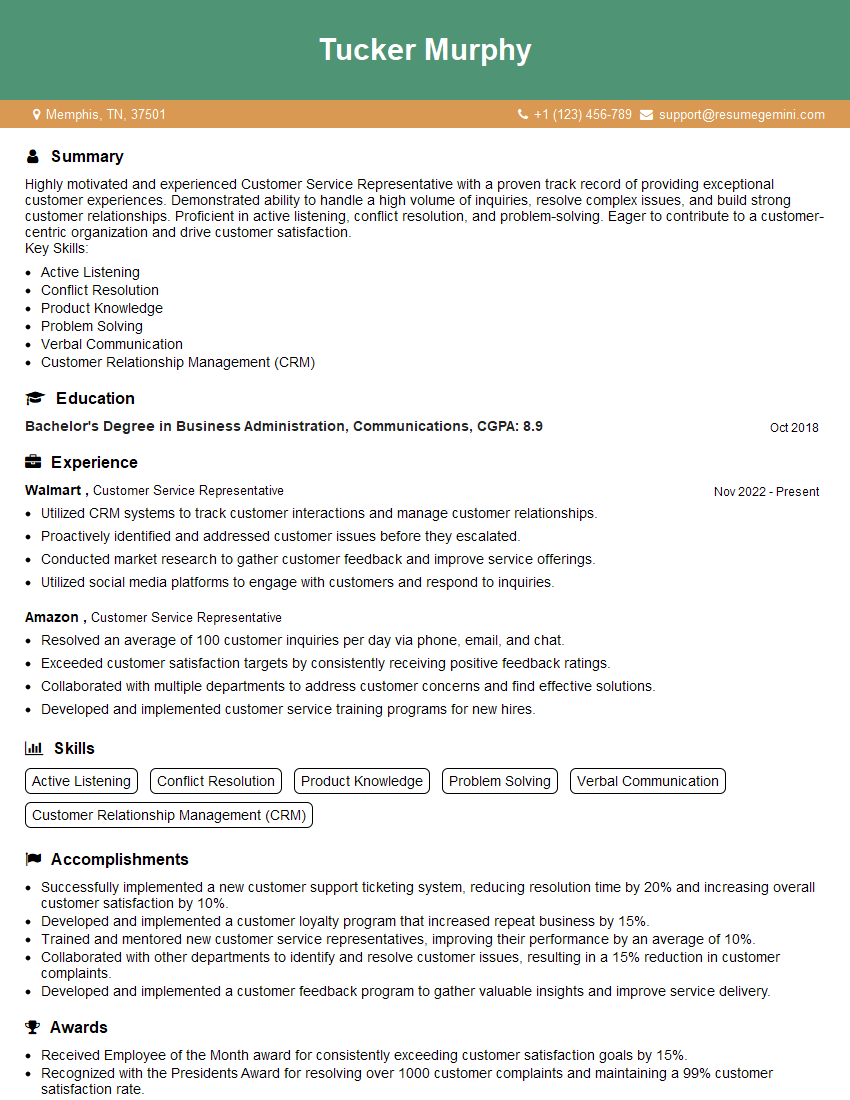
Customer Service Representative Resume Sample
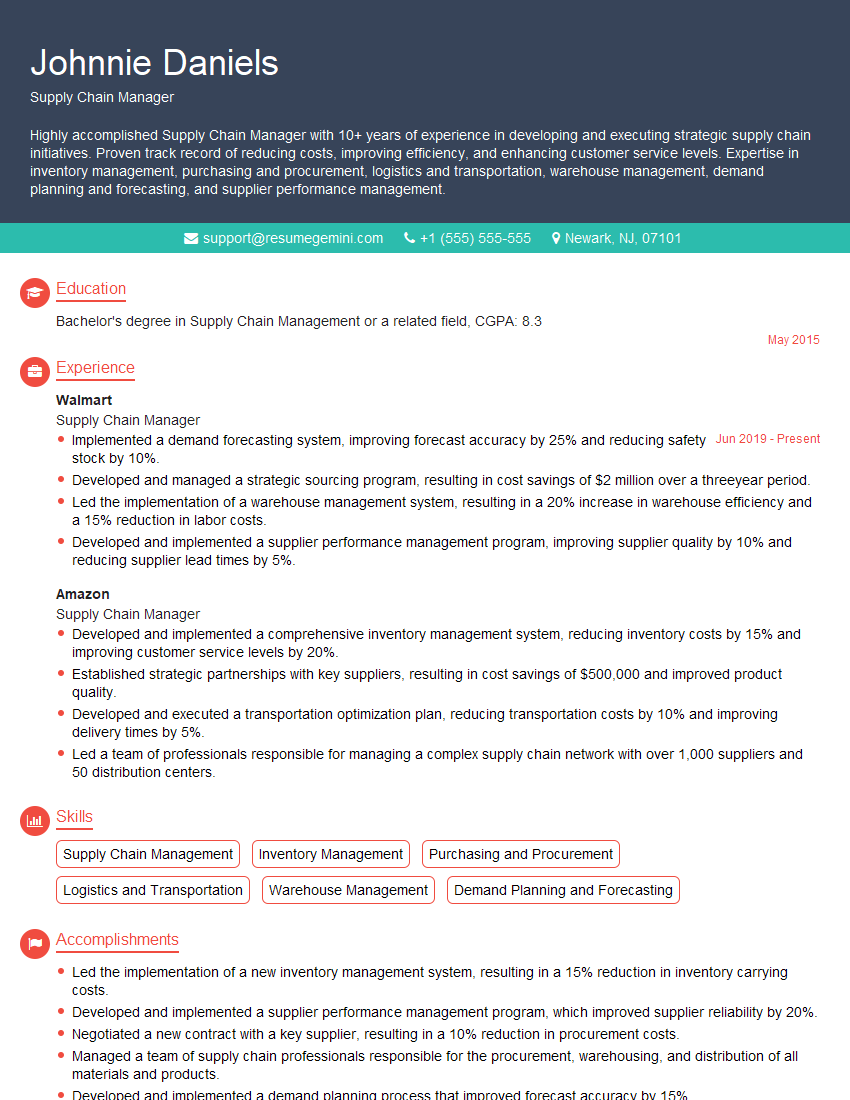
Supply Chain Manager Resume Sample
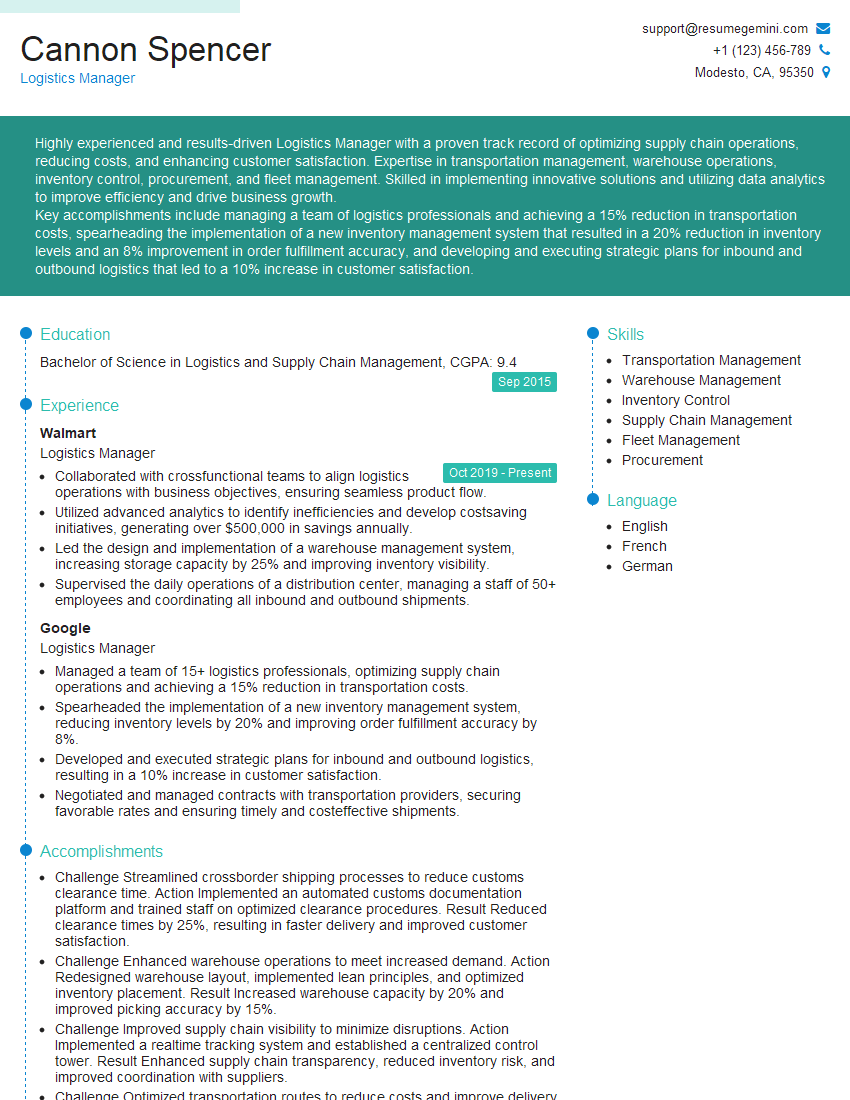
Logistics Manager Resume Sample
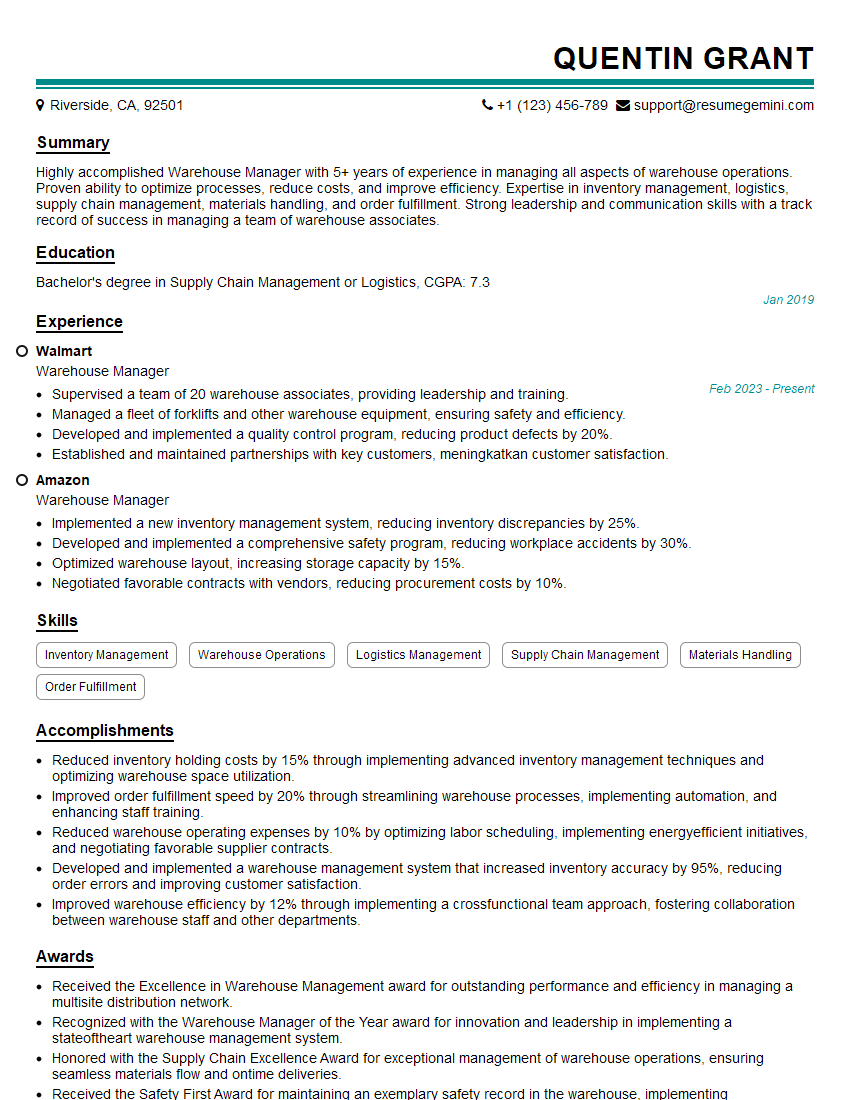
Warehouse Manager Resume Sample
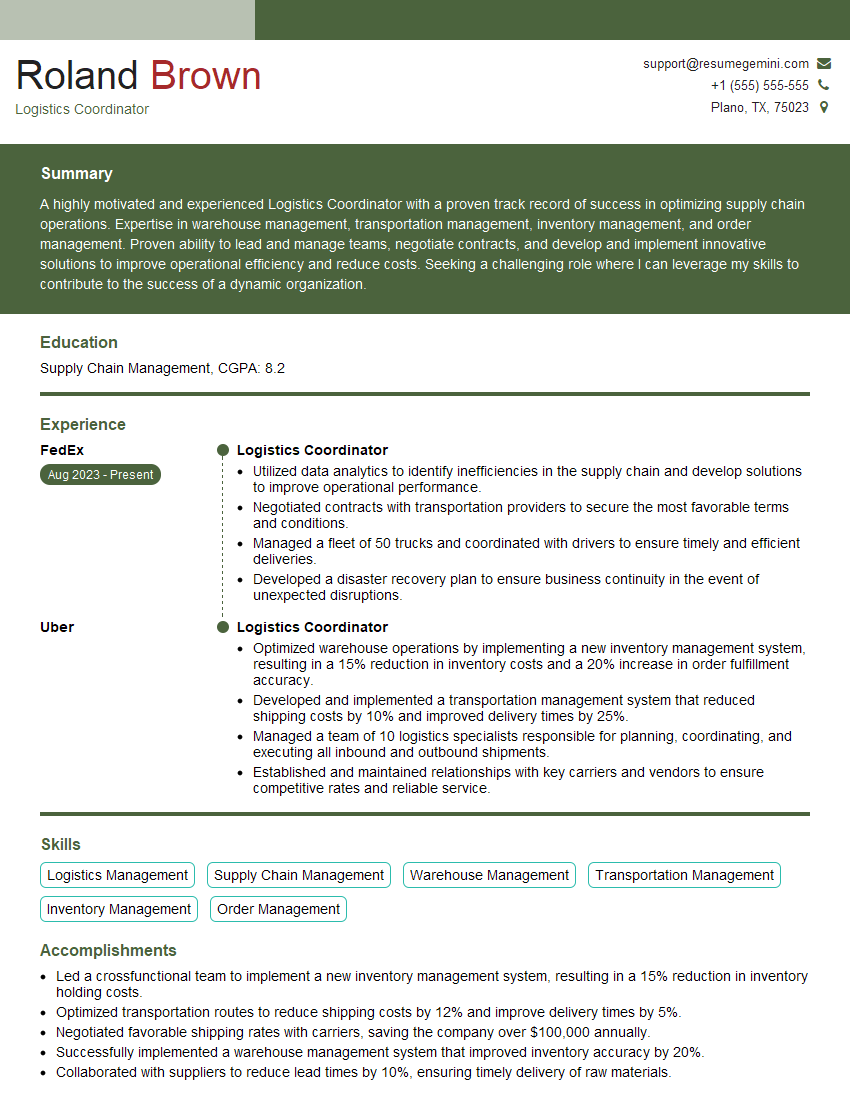
Logistics Coordinator Resume Sample
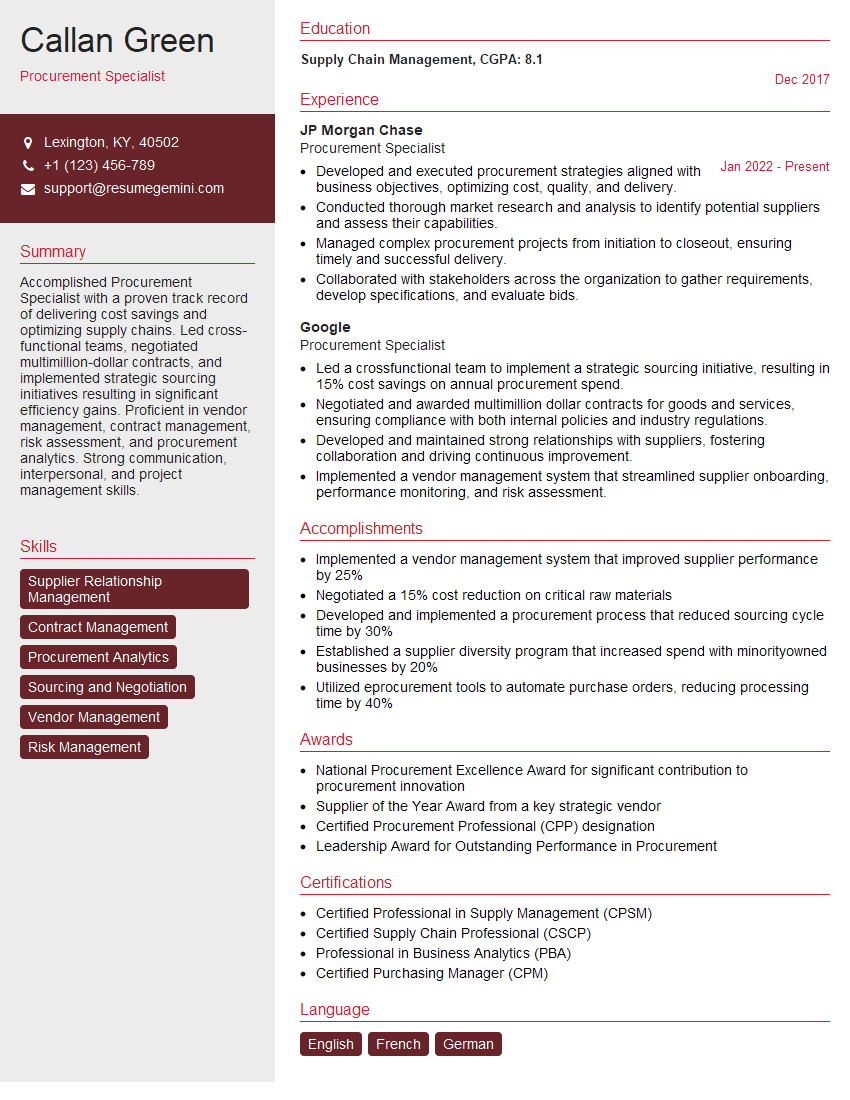
Procurement Specialist Resume Sample
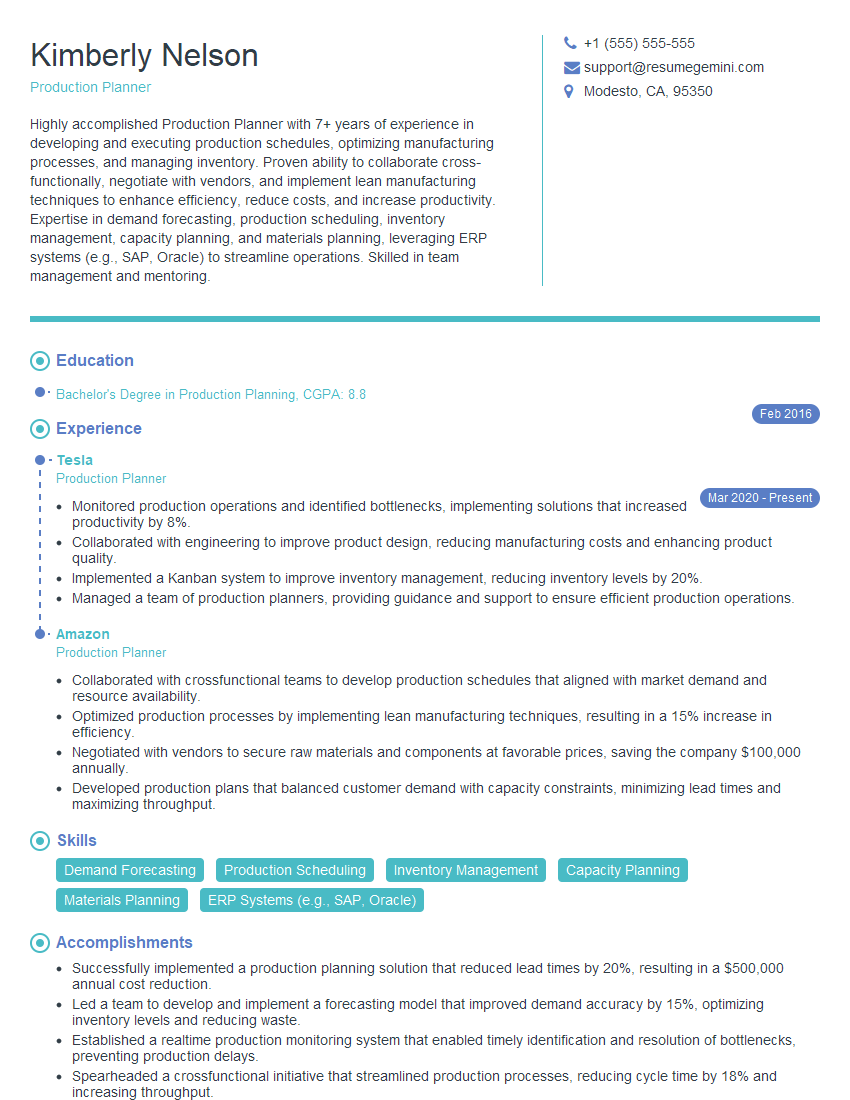
Production Planner Resume Sample

Inventory Manager Resume Sample
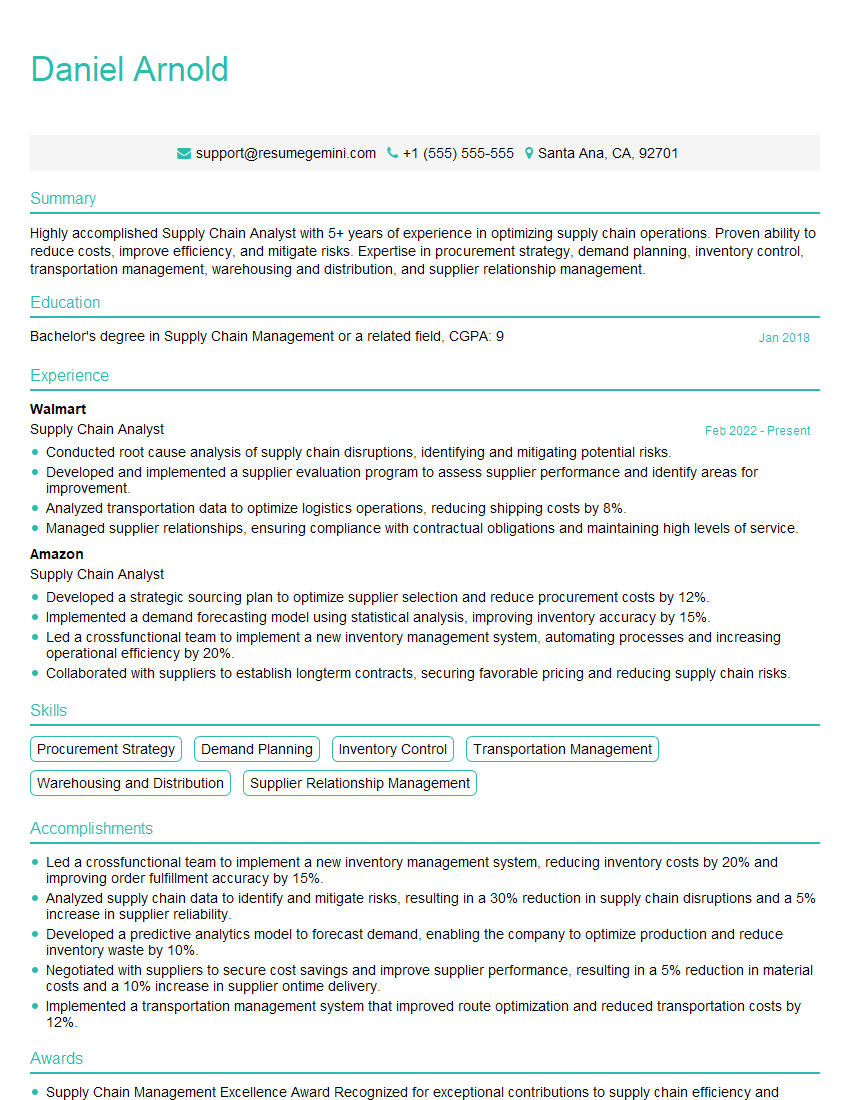
Supply Chain Analyst Resume Sample
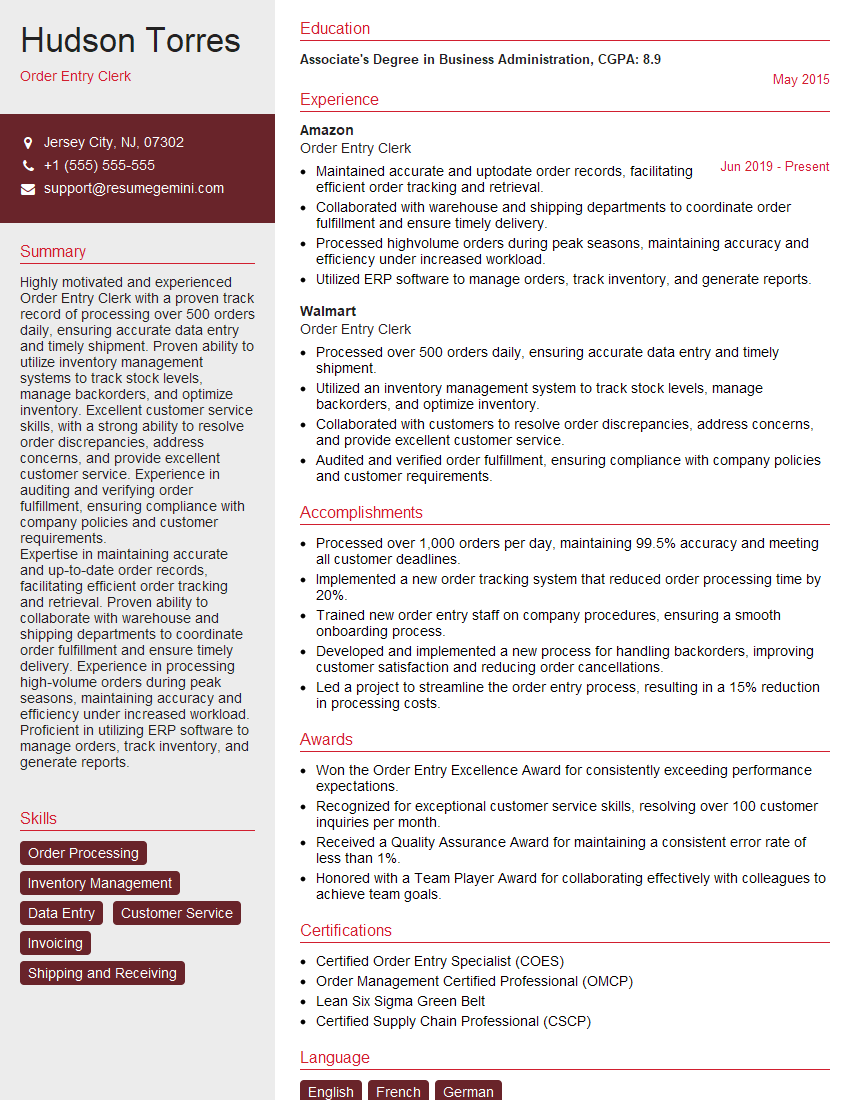
Order Entry Clerk Resume Sample
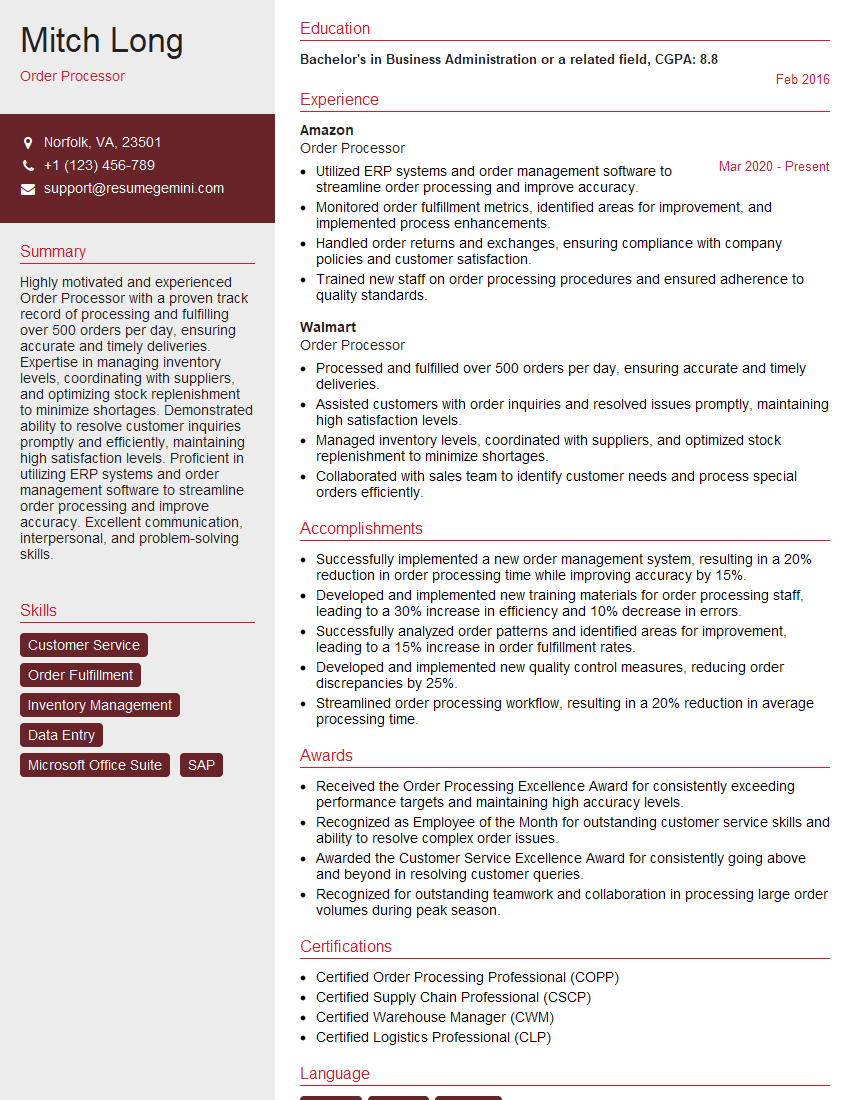
Order Processor Resume Sample
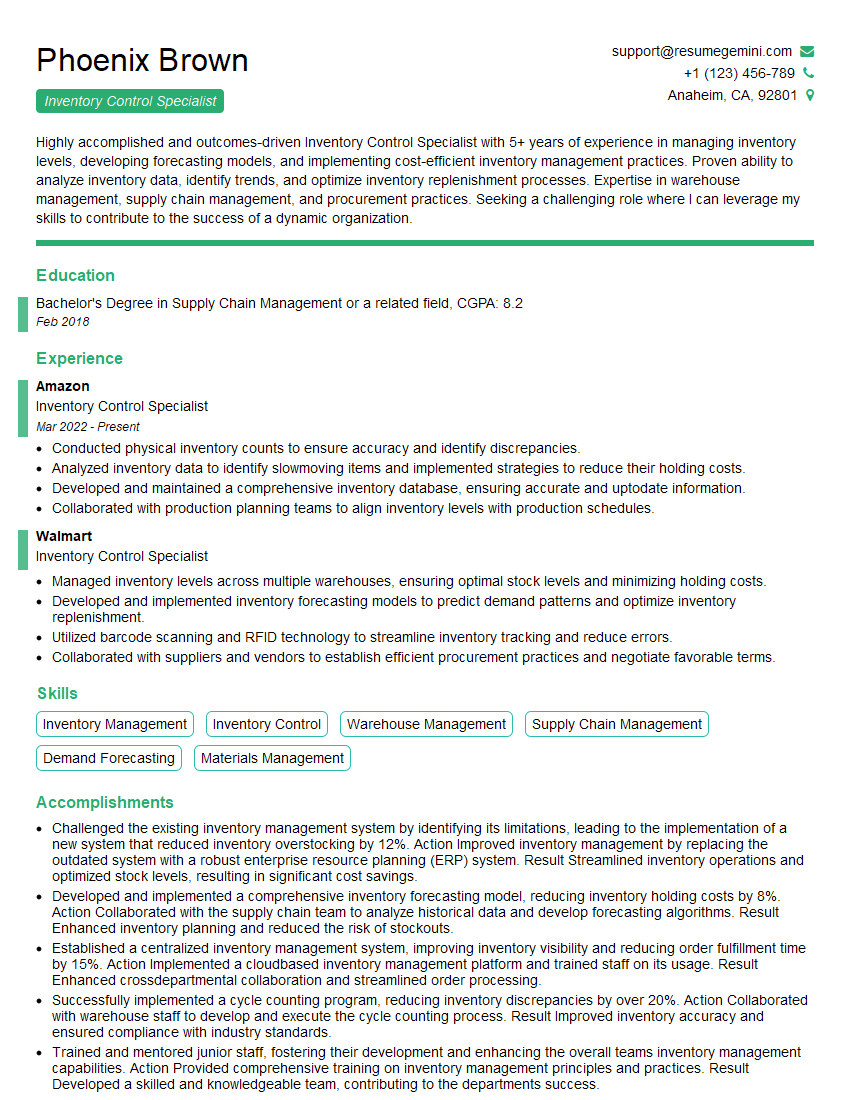
Inventory Control Specialist Resume Sample
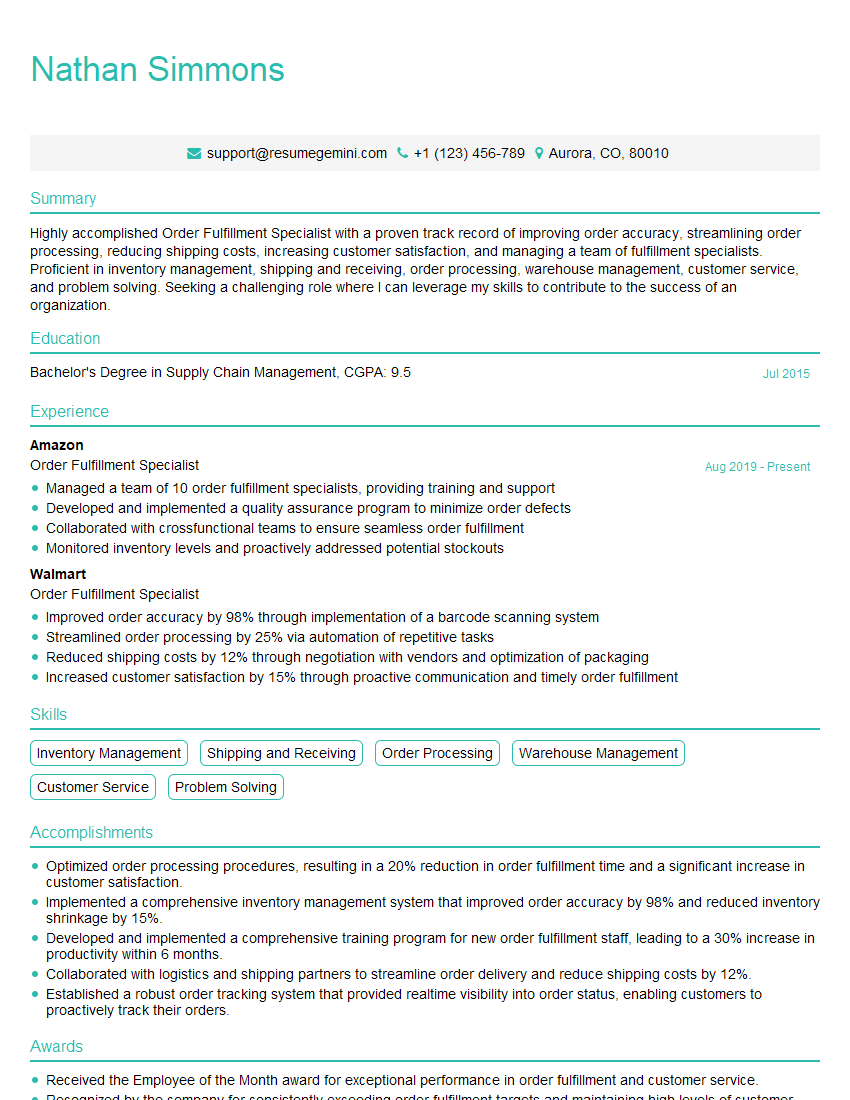
Order Fulfillment Specialist Resume Sample

Shipping and Receiving Clerk Resume Sample
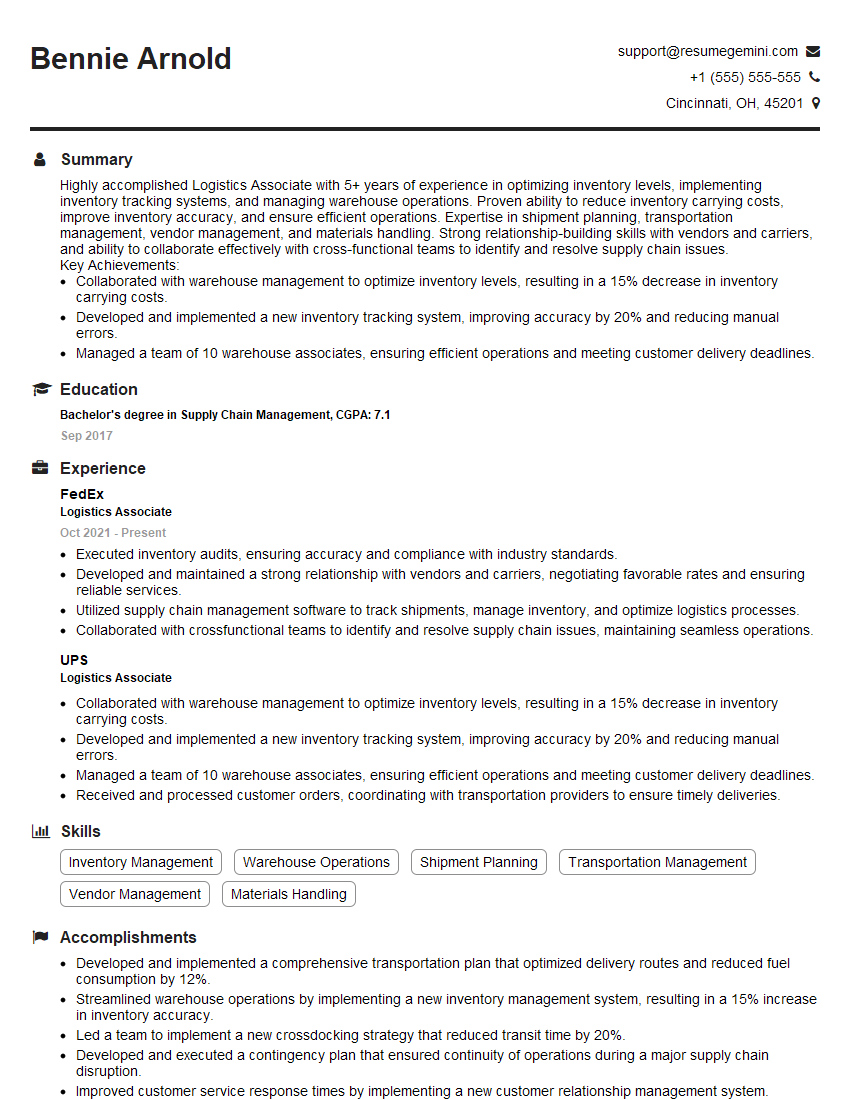
Logistics Associate Resume Sample
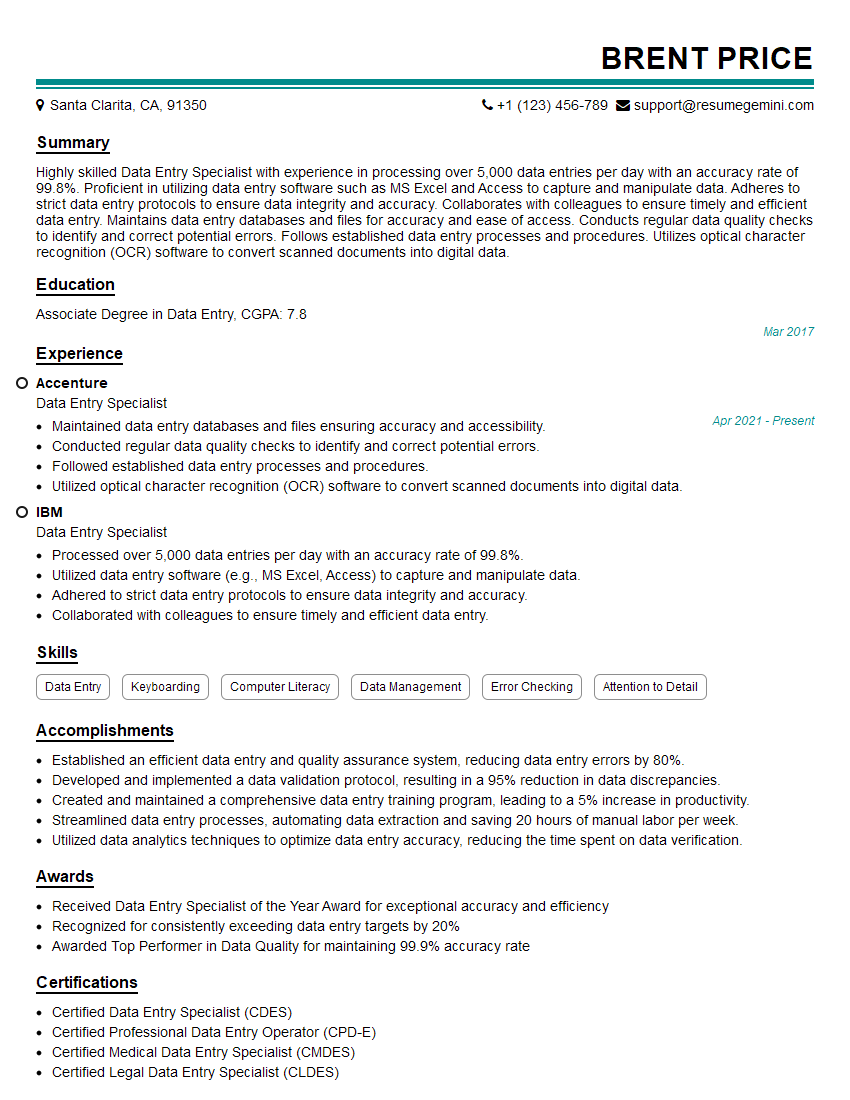
Data Entry Specialist Resume Sample
- Operations Manager
- Customer Service Representative
- Supply Chain Manager
- Logistics Manager
- Warehouse Manager
- Logistics Coordinator
- Procurement Specialist
- Production Planner
- Inventory Manager
- Supply Chain Analyst
- Order Entry Clerk
- Order Processor
- Inventory Control Specialist
- Order Fulfillment Specialist
- Shipping and Receiving Clerk
- Logistics Associate
- Data Entry Specialist
Explore more articles
Users Rating of Our Blogs
Share Your Experience
We value your feedback! Please rate our content and share your thoughts (optional).
What Readers Say About Our Blog
Very informative content, great job.
good