Feeling uncertain about what to expect in your upcoming interview? We’ve got you covered! This blog highlights the most important Water and Sewer Utility Design interview questions and provides actionable advice to help you stand out as the ideal candidate. Let’s pave the way for your success.
Questions Asked in Water and Sewer Utility Design Interview
Q 1. Explain the difference between water distribution and wastewater collection systems.
Water distribution and wastewater collection systems are essentially opposites, serving entirely different purposes. Think of it like this: the water distribution system delivers clean water to homes and businesses, while the wastewater collection system takes away the used water.
- Water Distribution: This system involves a network of pipes, pumps, and storage facilities designed to transport treated water from treatment plants to consumers. It prioritizes maintaining water pressure and ensuring sufficient supply to meet demand, often using gravity and pumping to overcome elevation changes. The focus is on quality and hygiene, minimizing contamination risks.
- Wastewater Collection: This system, conversely, gathers wastewater (sewage, stormwater runoff, industrial discharge) from homes, businesses, and industries, transporting it to treatment plants. It uses gravity flow where possible, and pumping stations to overcome elevation changes. The design aims for efficient removal of wastewater and minimization of infiltration/inflow (I/I).
In short, one brings clean water in, the other takes used water out. They operate in parallel but serve completely opposite functions within the broader water infrastructure.
Q 2. Describe your experience with hydraulic modeling software (e.g., WaterCAD, EPANET).
I have extensive experience with hydraulic modeling software, primarily WaterCAD and EPANET. I’ve used them extensively throughout my career for projects ranging from small-scale residential developments to large-scale municipal upgrades. My experience encompasses building models from scratch, using survey data and design specifications, as well as calibrating and validating existing models using field data.
For example, on a recent project involving a water main upgrade, I used WaterCAD to simulate different pipe diameter scenarios to determine the optimal configuration that met pressure requirements while minimizing costs. The modeling allowed us to accurately predict the impact of the upgrades on water pressure and flow throughout the distribution system, ensuring the design was both effective and economical. I’m proficient in using the software to analyze various scenarios such as pipe breaks, pump failures, and peak demand conditions to help design robust and resilient systems.
Furthermore, I’m familiar with integrating GIS data into these models for improved accuracy and visualization. This allows for a much more detailed and comprehensive analysis of the system’s performance.
Q 3. What are the key considerations in designing a water storage reservoir?
Designing a water storage reservoir requires careful consideration of several key factors. It’s not just about digging a hole and filling it with water!
- Hydrology and Water Balance: Thorough hydrological studies are crucial to determine the reservoir’s required capacity, considering factors such as rainfall patterns, evaporation rates, and projected demand. This involves understanding the watershed’s inflow and outflow characteristics.
- Geology and Geotechnical Considerations: The reservoir’s location needs a sound geological assessment to ensure stability and prevent leakage. This includes evaluating the soil properties, potential for seismic activity, and the presence of groundwater.
- Environmental Impact: Environmental impact assessments are essential to minimize negative effects on ecosystems, including evaluating the impact on aquatic life, wetlands, and surrounding habitats. Mitigation strategies need to be developed and incorporated into the design.
- Hydraulic Design: This involves designing the inlet and outlet structures, spillways, and other hydraulic components to ensure efficient water management and control, considering factors such as water levels, flow rates, and sediment management.
- Construction and Cost: Practical aspects like construction methods, materials, and overall project costs must be carefully considered and balanced against functional requirements.
For instance, in a semi-arid region, designing a reservoir might involve incorporating features to minimize evaporation, such as a lined basin, or using alternative water sources to supplement rainfall.
Q 4. How do you determine the appropriate pipe diameter for a water distribution system?
Determining the appropriate pipe diameter is crucial for efficient water distribution. It’s a balancing act between cost and performance. We generally use the Hazen-Williams equation or similar methods within hydraulic modeling software to determine optimal pipe sizes.
The process usually involves these steps:
- Demand Analysis: We first determine the water demand for various parts of the distribution system, considering peak hours, future growth projections, and fire flow requirements.
- Hydraulic Modeling: Then, we use hydraulic modeling software (WaterCAD, EPANET, etc.) to simulate water flow through the network for different pipe diameters. We input the demand analysis data into the model.
- Pressure Analysis: The model assesses pressure at various points in the system. Maintaining adequate pressure is essential for reliable service.
- Cost Optimization: Finally, we compare the results of different pipe diameter scenarios, considering the costs of materials, installation, and energy consumption associated with pumping. The goal is to find the most cost-effective diameter that still meets the pressure and flow requirements.
For example, using smaller diameter pipes might save on initial costs, but could lead to higher pumping costs and inadequate pressure during peak demand. Larger pipes decrease the pumping head losses but have higher initial cost. The modeling process allows us to find the sweet spot.
Q 5. Explain the principles of wastewater treatment (primary, secondary, tertiary).
Wastewater treatment is a multi-stage process designed to remove contaminants and make wastewater safe for discharge or reuse. The process generally involves three stages: primary, secondary, and tertiary.
- Primary Treatment: This is the initial physical process, where large solids are removed through screening and sedimentation. Think of it like a sieve and settling tank, removing things like grit, sand, and larger debris.
- Secondary Treatment: This is the biological stage, where microorganisms break down dissolved organic matter. This typically involves either activated sludge processes (aerobic) or trickling filters (aerobic). In the activated sludge process, microorganisms consume the organic material in aerated tanks. The resulting sludge is removed and treated separately. The treated wastewater then undergoes further sedimentation.
- Tertiary Treatment: This is an optional advanced stage, focusing on removing specific pollutants that secondary treatment might not fully address. This could include processes like disinfection (using chlorine, UV, or ozone) to eliminate harmful pathogens, nutrient removal (nitrogen and phosphorus) to reduce eutrophication, or filtration to further clarify the effluent.
The selection of treatment levels depends on local regulations, environmental considerations, and the characteristics of the wastewater itself. For example, a wastewater treatment plant serving an industrial area might require more extensive tertiary treatment than a plant servicing a residential area.
Q 6. What are common methods for managing stormwater runoff?
Managing stormwater runoff is crucial to prevent flooding, erosion, and water pollution. Several methods exist, often implemented in combination:
- Green Infrastructure: This approach uses natural systems to manage stormwater, such as rain gardens, bioswales (vegetated channels), permeable pavements, and green roofs. These methods mimic natural water cycles, slowing down runoff, filtering pollutants, and reducing the volume entering the storm sewer system. Think of it as letting nature do some of the work.
- Traditional Infrastructure: This involves engineered solutions like storm sewers, detention basins (temporary storage areas), and retention basins (permanent storage). These methods manage larger volumes of water, but are generally less environmentally friendly than green infrastructure.
- Low Impact Development (LID): This focuses on minimizing the impact of development on stormwater runoff by integrating green infrastructure and other techniques into site design. It’s a holistic approach to managing stormwater at its source.
- Water Quality Control Measures: This involves installing measures to treat stormwater before it leaves a site or enters a receiving water body. Methods include filtering devices, oil/grit separators, and constructed wetlands.
The selection of methods depends on factors like the site’s characteristics, local regulations, and available budget. A mix of green and grey infrastructure is often the most effective and sustainable solution.
Q 7. Describe your experience with pump selection and sizing for water or wastewater systems.
Pump selection and sizing is critical for reliable operation of both water and wastewater systems. It’s not just about picking the biggest pump; efficiency and proper sizing are key.
My experience involves:
- Hydraulic Calculations: We determine the required flow rate and head (the vertical distance the water needs to be pumped) based on the system’s requirements. This involves analyzing flow patterns, pipe diameters, and elevation changes.
- Pump Curve Analysis: We match the system’s requirements (flow and head) to the performance curves of different pump types (centrifugal, positive displacement, etc.). This ensures the pump can deliver the required flow at the desired head.
- Efficiency Considerations: We analyze pump efficiency at different operating points to select the most energy-efficient pump that meets system requirements. Energy efficiency can significantly reduce operating costs over the pump’s lifespan.
- Redundancy and Reliability: We often incorporate redundancy through multiple pumps or standby systems to ensure continued operation during failures. This ensures the system remains operational during unexpected events such as pump failure.
For example, in a wastewater lift station, we might select multiple smaller pumps instead of one large pump to provide redundancy and allow for easier maintenance. The selection process always considers lifecycle costs including energy, maintenance and replacement.
Q 8. How do you account for water loss in a distribution system?
Water loss in a distribution system, also known as non-revenue water (NRW), represents water that is produced but not billed to customers. Accurately accounting for NRW is crucial for efficient water management and financial sustainability. We use a multi-pronged approach:
Data Collection and Analysis: This involves using water meters at various points in the system, including the treatment plant’s output and customer connections. We analyze consumption patterns, pressure readings, and leak detection data to identify areas with high water loss.
Leak Detection and Repair: Employing technologies like acoustic leak detection, pressure monitoring, and Geographic Information Systems (GIS) mapping allows for pinpointing leaks and prioritizing repairs. Regular maintenance of the infrastructure is vital.
Improved Metering: Replacing aging or faulty meters with advanced metering infrastructure (AMI), including smart meters, drastically enhances accuracy in measuring water consumption. This helps identify discrepancies and pinpoint areas with unaccounted-for water.
Pressure Management: Optimizing pressure in the distribution network minimizes leaks and bursts. High pressure increases the risk of leaks, while very low pressure can affect service quality. Pressure Reducing Valves (PRVs) are strategically placed to manage pressure effectively.
Water Audits: Regular audits involving detailed assessments of the entire system are necessary. These audits consider all aspects of water loss, including leaks, theft, and metering inaccuracies.
For example, in one project, we used a combination of acoustic leak detection and GIS mapping to identify a significant leak in a main pipeline buried under a busy road. This leak was responsible for a considerable portion of NRW. By implementing timely repairs, we significantly reduced water loss and improved the efficiency of the system.
Q 9. What are the different types of water meters and their applications?
Several types of water meters exist, each suited to different applications. They are primarily categorized by their measurement mechanism and accuracy.
Positive Displacement Meters: These meters measure the volume of water directly by trapping and counting a known volume. They are highly accurate, especially for low flows, and are commonly used for residential and small commercial applications. A common example is the piston or rotary type.
Velocity Meters: These meters measure the flow rate by detecting the speed of the water moving through the pipe. They’re more suitable for larger pipes and high flow rates, typically found in industrial or municipal applications. Examples include turbine and magnetic flow meters.
Compound Meters: These meters combine both positive displacement and velocity measurement mechanisms. They offer a wider range of measurement capabilities, suitable for diverse flow conditions.
Smart Meters: These meters incorporate advanced communication technologies allowing for remote monitoring and data collection. Data can be transmitted wirelessly to the utility, facilitating improved leak detection, billing, and water management.
The choice of meter depends on factors such as flow rate, pipe size, accuracy requirements, and budget. For instance, smart meters provide real-time data for proactive leak detection and maintenance, reducing water loss compared to traditional meters.
Q 10. Explain the concept of head loss in pipe networks.
Head loss in pipe networks refers to the reduction in energy (pressure head) of water flowing through pipes due to friction and other factors. This loss is expressed as a decrease in pressure or elevation and influences the design of water distribution systems.
Several factors contribute to head loss:
Friction: This is the primary cause, arising from the interaction between the water and the pipe wall. It’s influenced by pipe roughness, diameter, flow rate, and fluid viscosity. The Darcy-Weisbach equation is often used to calculate frictional head loss.
Minor Losses: These losses occur due to changes in pipe geometry, such as bends, valves, fittings, and junctions. These losses are often calculated using loss coefficients based on the specific fittings.
Elevation Changes: Changes in pipe elevation contribute to head loss or gain, impacting the overall pressure. Water flowing uphill experiences a head loss, while downhill flow results in a head gain.
Understanding head loss is essential in designing water distribution systems to ensure sufficient pressure at all points, even during peak demand. Insufficient pressure can impact water quality and service reliability. Hydraulic modeling software is used to simulate the flow and accurately predict pressure throughout the system, incorporating all factors contributing to head loss. Incorrect head loss calculation can lead to undersized pipes and inadequate pressure, or conversely, to overdesigned systems that are uneconomical.
Q 11. Describe your experience with SCADA systems in water or wastewater applications.
I have extensive experience using Supervisory Control and Data Acquisition (SCADA) systems in both water and wastewater applications. SCADA systems provide real-time monitoring and control of water and wastewater infrastructure, enhancing operational efficiency and safety.
My experience includes:
System Design and Implementation: I’ve participated in the design, implementation, and commissioning of SCADA systems for various projects, integrating various field devices, such as pumps, valves, flow meters, and level sensors.
Data Analysis and Reporting: I’m proficient in utilizing SCADA data for trend analysis, identifying operational issues, optimizing system performance, and generating reports for compliance and decision-making.
Troubleshooting and Maintenance: I’ve addressed numerous SCADA system malfunctions, effectively troubleshooting issues and minimizing downtime. I’m adept at preventive maintenance practices, contributing to the system’s long-term reliability and stability.
Integration with other systems: I understand how to integrate SCADA with Geographical Information Systems (GIS) for enhanced visualization and operational management. Integration with advanced metering infrastructure (AMI) provides detailed water usage data for optimized water distribution management.
For example, I worked on a project where we implemented a SCADA system to remotely control a network of pump stations. This allowed for optimized pumping schedules, resulting in energy savings and improved water distribution efficiency. The remote monitoring capability enabled us to proactively address potential issues, minimizing disruption to service.
Q 12. What are the regulatory requirements for water and wastewater discharges?
Regulatory requirements for water and wastewater discharges vary significantly depending on location and the type of discharge. Generally, these regulations aim to protect public health and the environment by limiting the discharge of pollutants into surface waters and groundwater. Key aspects include:
Water Quality Standards: These standards define acceptable limits for various pollutants such as bacteria, suspended solids, nutrients, heavy metals, and organic chemicals. The Environmental Protection Agency (EPA) in the United States or equivalent agencies in other countries set these standards.
Discharge Permits: Facilities discharging wastewater are generally required to obtain permits that specify the allowed levels of pollutants and monitoring requirements. These permits are subject to regular review and renewal.
Monitoring and Reporting: Regular monitoring of wastewater discharges is necessary to verify compliance with permit limits. Results are reported to regulatory agencies at specified intervals. Data management and reporting are essential aspects of compliance.
Treatment Requirements: Regulatory bodies often dictate the minimum level of treatment necessary to meet the discharge limits. This can involve various treatment processes, such as primary, secondary, and tertiary treatment, depending on the nature of the wastewater.
Non-compliance can result in significant penalties, including fines and legal action. Understanding and adhering to these regulations is crucial for responsible environmental stewardship. Furthermore, effective design and operation of wastewater treatment plants must incorporate compliance strategies.
Q 13. How do you design for seismic events in water and wastewater infrastructure?
Designing water and wastewater infrastructure to withstand seismic events requires a thorough understanding of the local seismic hazards. The design approach involves several key considerations:
Seismic Hazard Assessment: This involves determining the potential ground shaking intensity and frequency content at the site using geological data and seismic hazard maps. This assessment determines the design basis for earthquake resistance.
Site-Specific Soil Conditions: Soil type significantly influences seismic ground motion. Geotechnical investigations are crucial to understand soil behavior during an earthquake, informing the design of foundations and structural elements.
Structural Design: Pipes, tanks, and other structures must be designed to withstand the predicted seismic forces. This typically involves employing techniques such as flexible joints, ductile materials, base isolation, and seismic bracing.
Foundation Design: Robust foundations capable of transferring seismic forces to the ground effectively are crucial. The foundation type depends on soil conditions and the structure’s size and weight.
Seismic Analysis: Advanced engineering analysis methods, such as finite element analysis, are employed to simulate the structure’s response to earthquake forces and ensure structural integrity.
Example: In regions prone to significant seismic activity, buried pipelines might employ flexible joints to accommodate ground movement during an earthquake, preventing pipe breakage. Elevated tanks may require seismic bracing and base isolation to mitigate the risk of collapse.
Q 14. What are the key factors to consider when designing a wastewater treatment plant?
Designing a wastewater treatment plant involves several key factors that ensure efficient and compliant operation:
Wastewater Characteristics: The type and quantity of wastewater to be treated must be thoroughly characterized to determine the appropriate treatment processes. This includes analysis of parameters such as flow rate, BOD, COD, TSS, nutrients, and other pollutants.
Treatment Process Selection: The choice of treatment processes depends on the wastewater characteristics and the required effluent quality. Common processes include preliminary treatment (screening, grit removal), primary treatment (settling), secondary treatment (activated sludge, trickling filters), and tertiary treatment (filtration, disinfection).
Site Selection: The location should be accessible, with sufficient land area and appropriate proximity to the wastewater source. Considerations include proximity to sensitive ecosystems, environmental impact, and land acquisition costs.
Capacity Planning: The plant must be designed to handle projected future growth in wastewater generation. This ensures its functionality and efficiency for decades.
Environmental Regulations: Compliance with all applicable local, state, and federal environmental regulations is paramount. This affects the treatment processes selected and effluent quality standards.
Cost-Effectiveness: The plant design should balance the cost of construction and operation with the level of treatment required. Energy efficiency is a major factor.
Safety: A crucial factor in design is ensuring the safety of workers and the surrounding community. This includes consideration of hazardous materials handling, emergency response measures, and access provisions.
For example, a plant serving a densely populated urban area might require more advanced treatment processes than a plant treating wastewater from a rural community with lower population density. In areas with stringent nutrient limits, tertiary treatment incorporating processes like nitrogen and phosphorus removal may be necessary.
Q 15. Describe your experience with GIS mapping and its applications in utility design.
Geographic Information Systems (GIS) mapping is an indispensable tool in utility design. It allows us to visualize, manage, and analyze spatial data related to water and sewer infrastructure. Think of it as a highly detailed, interactive map of the entire system.
My experience involves using GIS software like ArcGIS to create and maintain detailed maps showing the location of pipelines, pumping stations, treatment plants, fire hydrants, manholes, and other critical assets. This helps with:
- Network Modeling: Simulating water flow, pressure, and wastewater capacity under various conditions to identify vulnerabilities or optimize performance.
- Asset Management: Tracking the condition and age of infrastructure, prioritizing maintenance and rehabilitation needs based on risk assessment.
- Planning and Design: Identifying optimal locations for new infrastructure, minimizing environmental impact and cost, and avoiding conflicts with existing utilities.
- Emergency Response: Quickly locating leaks, breaks, or other incidents, facilitating efficient repair and restoration.
For example, in a recent project, we used GIS to identify areas with aging water mains that were at high risk of failure. This allowed us to prioritize those areas for rehabilitation, preventing costly emergency repairs and service disruptions.
Career Expert Tips:
- Ace those interviews! Prepare effectively by reviewing the Top 50 Most Common Interview Questions on ResumeGemini.
- Navigate your job search with confidence! Explore a wide range of Career Tips on ResumeGemini. Learn about common challenges and recommendations to overcome them.
- Craft the perfect resume! Master the Art of Resume Writing with ResumeGemini’s guide. Showcase your unique qualifications and achievements effectively.
- Don’t miss out on holiday savings! Build your dream resume with ResumeGemini’s ATS optimized templates.
Q 16. How do you manage the design process for large-scale water or wastewater projects?
Managing the design process for large-scale water or wastewater projects requires a structured approach. I typically utilize a phased process involving:
- Planning and Feasibility Studies: Assessing project needs, evaluating different design options, considering environmental regulations and community input.
- Preliminary Design: Developing conceptual designs, including preliminary layouts, pipe sizing, and cost estimates. This phase often involves hydraulic modeling to ensure adequate capacity and pressure.
- Detailed Design: Creating detailed engineering drawings and specifications, including pipe materials, valve locations, and construction details. This phase also involves preparing bid documents for contractors.
- Construction Management: Overseeing the construction process, ensuring adherence to design specifications, managing contractors, and resolving any unforeseen issues during construction.
- Commissioning and Testing: Testing the completed system to ensure it meets design specifications and is operating efficiently. This often involves pressure testing of pipelines and performance testing of treatment plants.
Project management software and regular stakeholder meetings are critical to maintaining effective communication and ensuring the project stays on schedule and within budget. A robust quality control program is also implemented throughout the entire process to minimize errors and ensure the long-term success of the project.
Q 17. Explain the different types of pipe materials used in water and sewer systems.
The choice of pipe material depends on several factors, including the application (water or sewer), soil conditions, pressure requirements, and budget. Common materials include:
- Ductile Iron: Strong, durable, and relatively resistant to corrosion. Commonly used for water mains under pressure.
- Polyvinyl Chloride (PVC): Lightweight, cost-effective, and resistant to corrosion. Widely used for sewer lines and lower-pressure water lines.
- High-Density Polyethylene (HDPE): Flexible, durable, and resistant to chemicals and corrosion. Often used for water and sewer lines in challenging environments.
- Concrete: Used for larger diameter pipelines, particularly in sewer systems. It’s durable but can be susceptible to cracking.
- Steel: Used less frequently due to susceptibility to corrosion, though protective coatings can mitigate this.
For example, in areas with aggressive soils, HDPE might be preferred due to its superior corrosion resistance. In high-pressure water mains, ductile iron is often the material of choice for its strength and durability.
Q 18. What are the challenges in rehabilitating aging water and sewer infrastructure?
Rehabilitating aging water and sewer infrastructure presents numerous challenges:
- Locating and Assessing Damage: Identifying the extent of deterioration in aging pipes can be difficult and expensive. Techniques like CCTV inspections and ground-penetrating radar are frequently employed.
- Limited Access: Working in confined spaces, often underground, can be dangerous and time-consuming.
- Cost: Rehabilitation projects can be significantly costly, particularly in densely populated areas where excavation and disruption are substantial concerns.
- Environmental Concerns: Minimizing environmental impact during rehabilitation, such as avoiding groundwater contamination, is crucial.
- Disruption to Service: Minimizing service disruptions during the rehabilitation process is paramount, as it impacts residents and businesses.
Innovative techniques like pipe bursting, cured-in-place pipe (CIPP) lining, and trenchless technologies are often used to minimize disruption and improve efficiency. A well-planned approach, using advanced inspection and repair methods, is critical for successful rehabilitation.
Q 19. Describe your experience with cost estimation and budgeting for utility projects.
Accurate cost estimation and budgeting is critical for utility projects. My experience involves a detailed process that encompasses:
- Quantity Takeoff: Accurately measuring the quantities of materials, labor, and equipment required.
- Unit Cost Estimation: Determining the cost per unit of each item based on market rates and historical data.
- Contingency Planning: Incorporating a buffer for unforeseen costs and risks.
- Risk Assessment: Identifying potential risks and developing mitigation strategies.
- Value Engineering: Exploring alternative design options to optimize cost and efficiency without compromising quality.
Software tools, such as specialized estimating software and spreadsheets, are used to track and manage costs effectively. Regular cost monitoring and reporting throughout the project lifecycle are also crucial to identify potential cost overruns early on and implement corrective actions.
Q 20. How do you ensure the sustainability of water and wastewater systems?
Ensuring the sustainability of water and wastewater systems requires a holistic approach that considers environmental, economic, and social factors. Key aspects include:
- Water Conservation: Implementing strategies to reduce water consumption through public education and improved efficiency measures.
- Energy Efficiency: Optimizing energy use in water and wastewater treatment processes through advanced technologies and operational improvements.
- Wastewater Reuse: Exploring opportunities to reuse treated wastewater for irrigation, industrial processes, or groundwater recharge.
- Green Infrastructure: Incorporating natural systems, such as rain gardens and permeable pavements, to manage stormwater runoff and reduce the load on treatment plants.
- Asset Management: Implementing a proactive asset management program to identify and address infrastructure needs before they lead to failures and costly repairs.
For example, implementing smart metering can track water consumption patterns, identifying leaks and encouraging conservation. Investing in renewable energy sources for pumping stations can reduce reliance on fossil fuels.
Q 21. Explain your understanding of water quality parameters and their significance.
Understanding water quality parameters is fundamental to designing and operating effective water and wastewater systems. Key parameters include:
- Turbidity: Measures the cloudiness of water, indicating the presence of suspended solids.
- pH: Measures the acidity or alkalinity of water, influencing the effectiveness of treatment processes.
- Dissolved Oxygen (DO): The amount of oxygen dissolved in water, essential for aquatic life and wastewater treatment.
- Biochemical Oxygen Demand (BOD): A measure of the amount of oxygen consumed by microorganisms during the decomposition of organic matter in water, indicating pollution levels.
- Total Suspended Solids (TSS): The total amount of solid material suspended in water.
- Nutrients (Nitrogen and Phosphorus): Excessive levels contribute to eutrophication and harmful algal blooms.
- Pathogens: Harmful bacteria, viruses, and parasites that can cause waterborne diseases.
Monitoring these parameters allows us to assess water quality, design effective treatment processes, and ensure compliance with regulatory standards. For instance, high levels of BOD in wastewater indicate the need for enhanced treatment to prevent water pollution.
Q 22. Describe your experience with different types of treatment processes (e.g., membrane filtration, activated sludge).
My experience encompasses a wide range of water and wastewater treatment processes. I’ve worked extensively with both conventional and advanced treatment technologies. For example, with activated sludge, I’ve been involved in designing and optimizing aeration basins, clarifiers, and secondary treatment processes for various plant capacities. I understand the importance of balancing oxygen transfer, mixed liquor suspended solids (MLSS) control, and sludge wasting to achieve optimal effluent quality. In one project, we successfully implemented a dissolved oxygen control system using online sensors, improving energy efficiency by 15% and reducing sludge production.
Regarding membrane filtration, I have experience with microfiltration, ultrafiltration, and reverse osmosis. I’ve been involved in selecting appropriate membranes based on source water quality and desired effluent quality, and designing pre-treatment systems to protect the membranes from fouling. A recent project involved using ultrafiltration membranes to remove turbidity and pathogens from a surface water source, resulting in a significant improvement in the reliability and quality of drinking water. My understanding extends to the operation and maintenance aspects of these systems, including cleaning protocols and membrane replacement strategies.
Beyond these two, I’m also familiar with other processes like chemical coagulation and flocculation, filtration (sand, dual-media, etc.), and disinfection (chlorination, UV, ozonation). My approach to process selection always prioritizes optimizing treatment performance while minimizing environmental impact and operational costs.
Q 23. How do you design for future growth in water and wastewater demand?
Designing for future growth requires a proactive, multi-faceted approach. It starts with forecasting future water and wastewater demands based on population projections, economic development, and changes in water consumption patterns. This forecasting often involves using population growth models and analyzing historical water use data. For instance, we might use statistical regression techniques to project demand based on past trends, or we could employ more sophisticated models that consider factors like climate change and industrial development.
Once we have a reliable demand forecast, we design the utility infrastructure with sufficient capacity to handle future increases. This could involve modular design, allowing for incremental expansion as demand grows. Think of it like building a house with extra space in the attic or basement – you’re not necessarily using it now, but it’s there when you need it. We can implement this with staged construction of treatment plants or the installation of larger-diameter pipes and other equipment.
Another critical element is incorporating flexibility into the design. This could involve selecting treatment technologies that can be easily upgraded or expanded, or designing the system to accommodate future technological advancements. It’s all about future-proofing the system as much as possible to prevent costly overhauls later on.
Q 24. What are the key considerations in selecting a location for a new water treatment plant?
Selecting a suitable location for a new water treatment plant involves a thorough evaluation of several key factors. First and foremost is source water availability and quality. The plant needs to be located near a reliable source of high-quality water – this could be a river, lake, aquifer, or reservoir. We would conduct extensive hydrological studies to assess water availability and quality parameters such as turbidity, dissolved solids, and contaminant levels.
Proximity to the service area is crucial to minimize pumping costs and transmission losses. We’d use geographic information systems (GIS) to analyze population density and water demand patterns to optimize location. Accessibility for construction and maintenance is another major consideration, ensuring ease of access for equipment and personnel. We need to consider factors like road infrastructure and proximity to utilities.
Environmental considerations are paramount. We need to conduct environmental impact assessments to minimize the plant’s ecological footprint, considering factors like wetlands, endangered species, and potential impacts on water bodies. Finally, regulatory compliance is crucial, making sure the site complies with all relevant environmental regulations and zoning ordinances.
Q 25. Describe your experience with developing and implementing water conservation strategies.
Developing and implementing water conservation strategies is a core part of my work. My approach involves a combination of public education, technological solutions, and regulatory measures. One successful strategy I’ve used is implementing leak detection and repair programs. Using advanced leak detection technologies, we can identify and repair leaks in the distribution system, reducing water loss and improving system efficiency. This resulted in a 20% reduction in water loss for one municipality we worked with.
Another effective approach is promoting water-efficient fixtures and appliances. We’ve used public awareness campaigns to encourage residents and businesses to install low-flow toilets, showerheads, and faucets. We’ve also partnered with utility companies to offer rebates or incentives for these upgrades. Furthermore, we can incentivize water-wise landscaping with drought-tolerant plants and smart irrigation systems.
In some cases, pricing strategies play a significant role. Implementing tiered water rates, where higher consumption levels are priced at a higher rate, incentivizes water conservation. Combined with public education campaigns focusing on water conservation techniques, this strategy can substantially reduce overall water demand.
Q 26. Explain your understanding of the different types of sewer systems (e.g., combined, separate).
Sewer systems are primarily categorized into two types: combined and separate. In a combined sewer system (CSS), sanitary sewage and stormwater runoff are collected in a single pipe network. This is common in older cities, where infrastructure was built before modern stormwater management practices were established. CSS can cause significant problems during rainfall events, leading to overflows of untreated sewage into water bodies. This poses serious environmental and public health risks.
In contrast, a separate sewer system (SSS) has distinct pipes for sanitary sewage and stormwater runoff. This is considered a more modern and environmentally sound approach. It significantly reduces the risk of sewage overflows and allows for separate treatment of sanitary sewage and stormwater, leading to better water quality. However, SSS can be more expensive to construct initially due to the need for two separate pipe networks. I’ve worked on projects involving both types of systems, and the design considerations vary significantly, particularly in handling overflows and managing capacity during extreme events.
Q 27. How do you address infiltration and inflow problems in sewer systems?
Addressing infiltration and inflow (I&I) problems in sewer systems is critical for maintaining system efficiency and protecting water quality. Infiltration refers to groundwater entering the sewer system through cracks and leaks in the pipes. Inflow is stormwater entering the sewer system through illegal connections or defective manholes. Both contribute to increased flow in the sewer system, overloading treatment plants, and potentially causing sanitary sewer overflows.
Addressing I&I often involves a multi-step approach. First, we conduct a comprehensive assessment, often using methods like dye testing, flow monitoring, and CCTV inspection of sewer lines to identify the sources and extent of I&I. Then, we prioritize repair and rehabilitation based on the assessment results. This could involve repairing or replacing defective pipes, sealing cracks and joints, and eliminating illegal connections. Furthermore, we’d implement a systematic maintenance program that proactively addresses minor issues before they become major problems.
Sometimes, more extensive measures are necessary. This could involve installing flow control devices, such as weirs or flow restrictors, to manage excess inflow during rainfall events. In some cases, sewer separation projects are undertaken to physically separate sanitary and stormwater systems, which provides a long-term solution to address substantial I&I. The selection of the appropriate solution heavily depends on the results of the initial assessment, the severity of the problem, the system’s age, and available budget.
Q 28. Describe your experience with the use of Computer-Aided Design (CAD) software in utility design.
I have extensive experience utilizing Computer-Aided Design (CAD) software in utility design. I’m proficient in software such as AutoCAD, Civil 3D, and ArcGIS. CAD software is invaluable in creating detailed design drawings, including pipe networks, treatment plant layouts, and grading plans. It allows for accurate calculations, efficient design iterations, and seamless integration with other project data. For example, using Civil 3D, I can develop detailed hydraulic models of sewer systems, simulating flow conditions under various scenarios.
Beyond the design phase, CAD is essential for construction documentation and as-built drawings. The accuracy and detail provided by CAD software ensure that construction crews can accurately build the designed infrastructure. It also helps in maintaining accurate records of the as-built conditions, which is crucial for future maintenance and upgrades. I regularly use GIS to integrate spatial data from various sources, such as topography, land use, and utilities, into my design process. This helps in site selection, optimizing pipe routing, and assessing environmental impacts. In short, CAD and GIS are fundamental tools that significantly improve the efficiency, accuracy, and overall quality of utility design projects.
Key Topics to Learn for Water and Sewer Utility Design Interview
- Hydraulics and Hydrology: Understanding water flow dynamics, pipe sizing calculations, and rainfall runoff modeling are fundamental. Consider practical applications like designing a new water main or optimizing an existing sewer system.
- Water Treatment and Distribution: Familiarize yourself with different treatment processes, water quality parameters, and the design of distribution networks. Think about challenges like ensuring adequate water pressure and minimizing water loss.
- Wastewater Collection and Treatment: Master the principles of wastewater collection, including gravity sewers and pumping stations. Understand various treatment methods and their impact on environmental regulations. Consider scenarios involving designing a new wastewater treatment plant or upgrading an existing one.
- Water and Sewer System Modeling and Simulation: Gain proficiency in using software tools to model water and sewer systems. This is crucial for optimizing designs and predicting system performance under various conditions. Explore both steady-state and dynamic modeling techniques.
- Design Standards and Regulations: Thorough knowledge of relevant codes, standards, and regulations (e.g., EPA guidelines) is essential. This includes understanding permit requirements and environmental impact assessments.
- Project Management and Cost Estimation: Demonstrate your ability to manage projects effectively, including budgeting, scheduling, and resource allocation. Practice estimating project costs and analyzing different design alternatives.
- Sustainability and Environmental Considerations: Showcase your understanding of sustainable design principles, including water conservation, energy efficiency, and minimizing environmental impact. Be ready to discuss green infrastructure solutions.
Next Steps
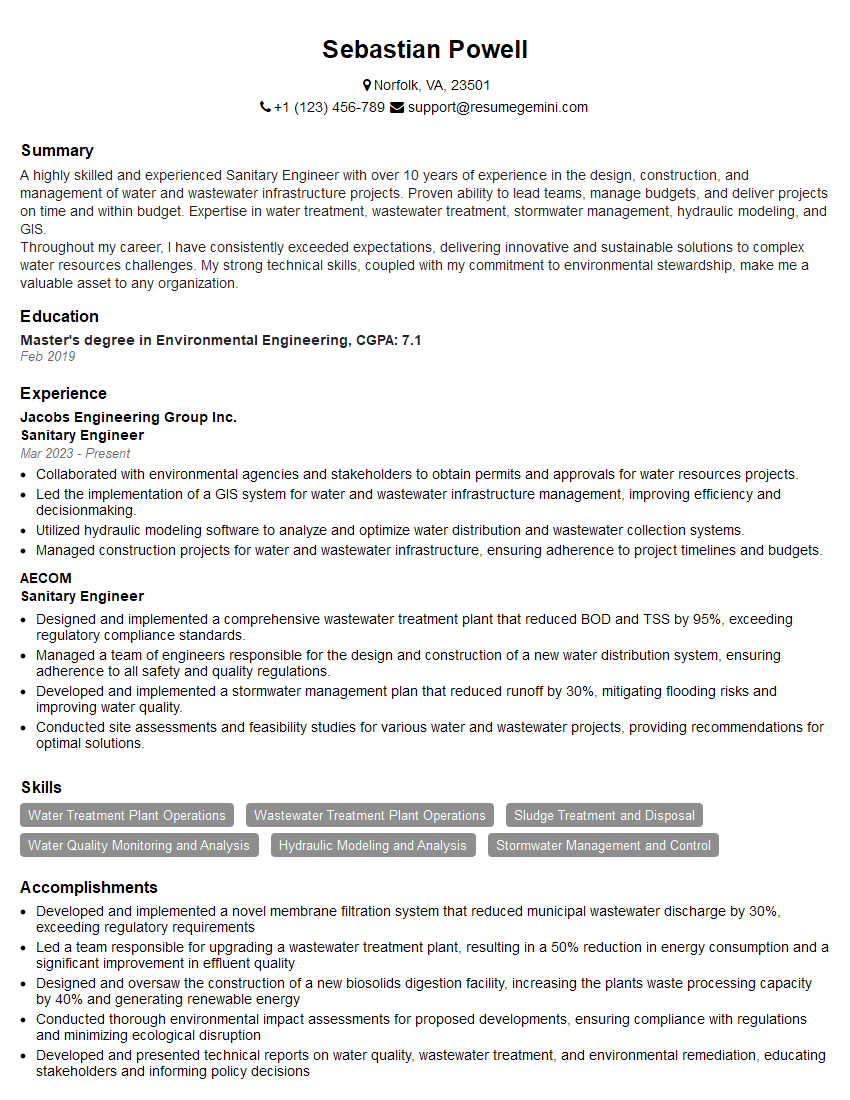
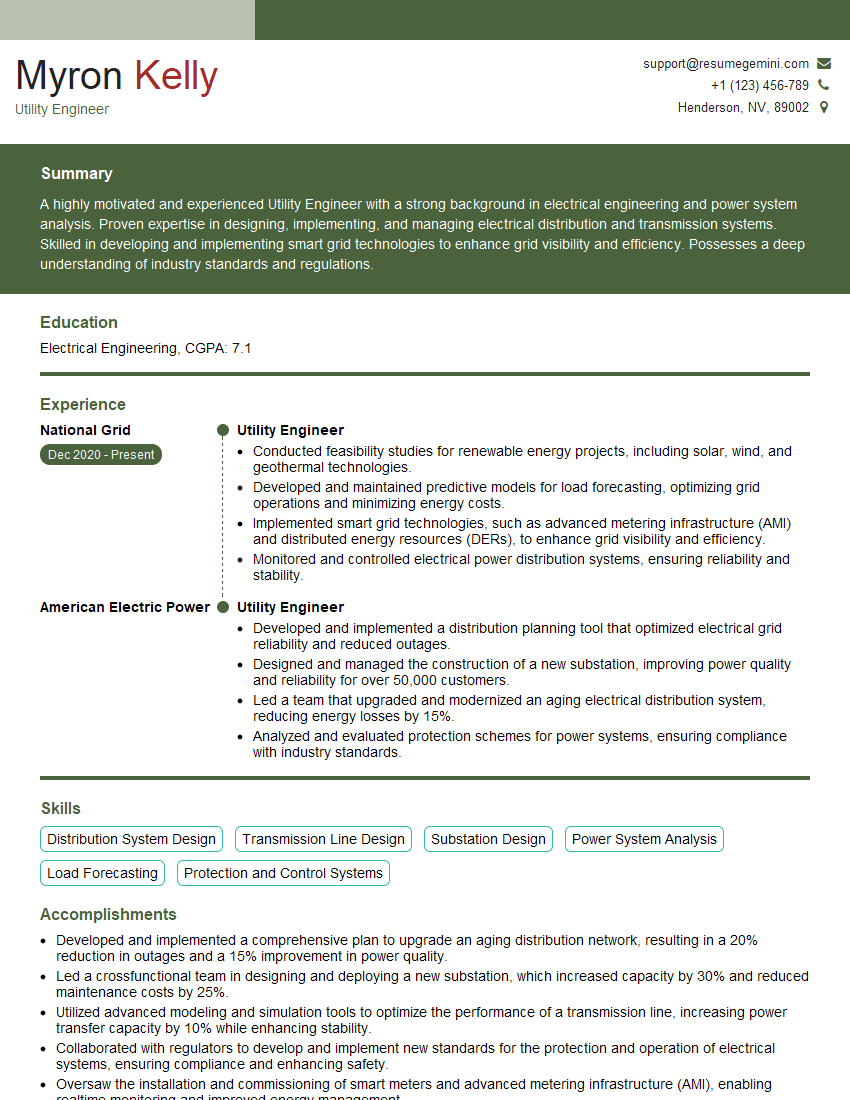
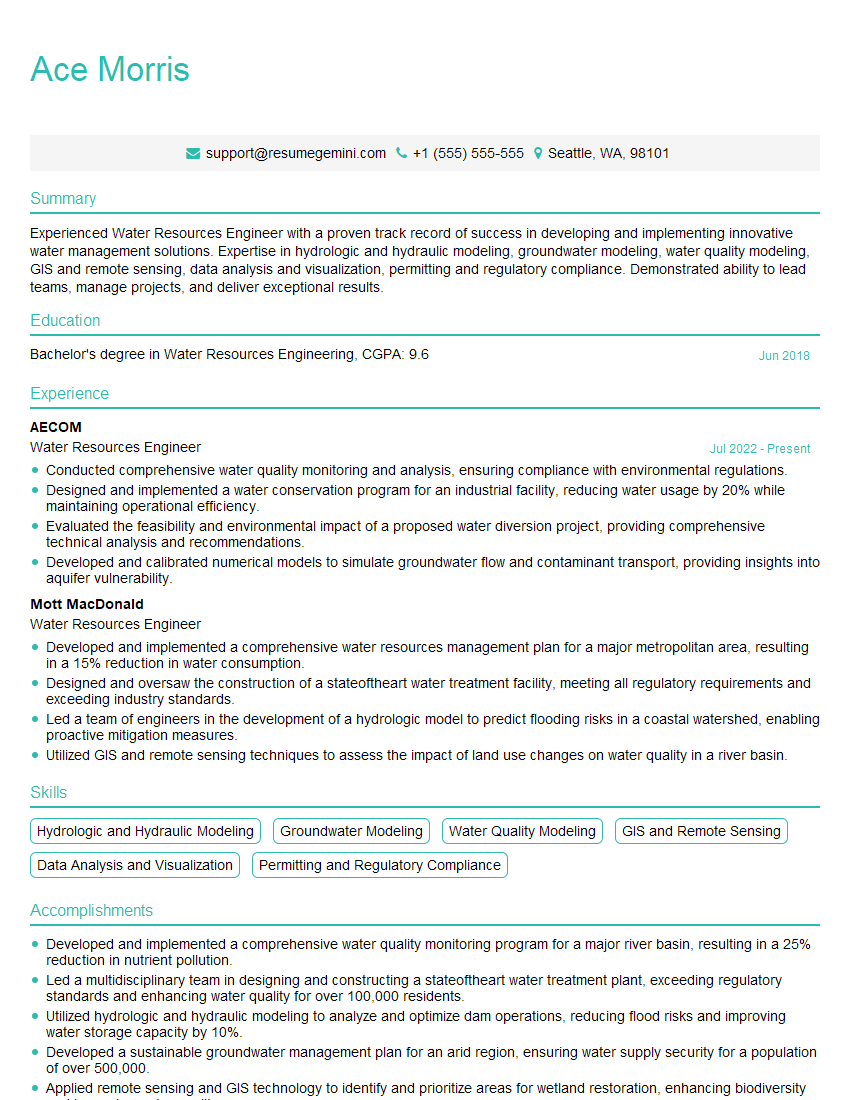
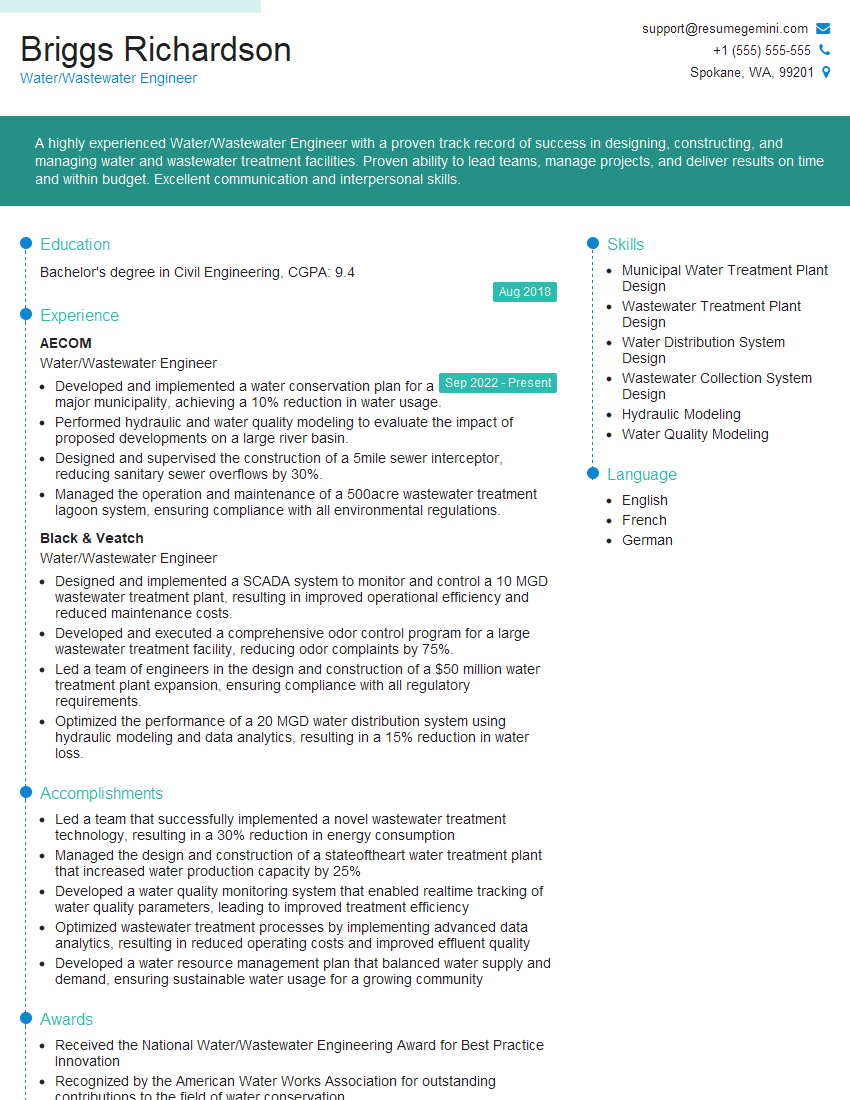
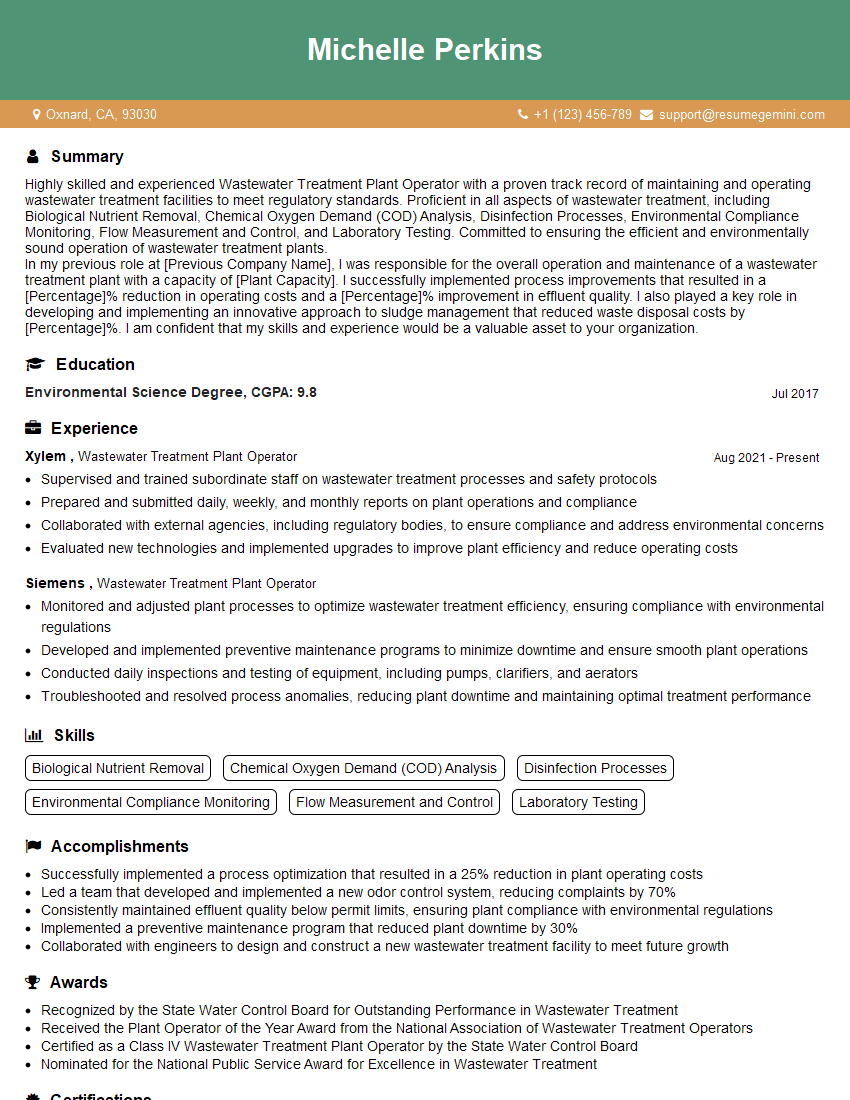
Mastering Water and Sewer Utility Design opens doors to a rewarding career with significant growth potential, offering opportunities for specialization and leadership roles. To maximize your job prospects, it’s crucial to present your skills effectively through a well-crafted, ATS-friendly resume. ResumeGemini is a trusted resource that can help you build a professional and impactful resume, significantly increasing your chances of landing your dream job. Examples of resumes tailored to Water and Sewer Utility Design are available to help guide your resume creation process.
Explore more articles
Users Rating of Our Blogs
Share Your Experience
We value your feedback! Please rate our content and share your thoughts (optional).
What Readers Say About Our Blog
Very informative content, great job.
good