The thought of an interview can be nerve-wracking, but the right preparation can make all the difference. Explore this comprehensive guide to Anodizing Booth Safety Procedures interview questions and gain the confidence you need to showcase your abilities and secure the role.
Questions Asked in Anodizing Booth Safety Procedures Interview
Q 1. What are the primary safety hazards associated with anodizing booths?
Anodizing booths present several significant safety hazards, primarily stemming from the chemicals used and the processes involved. These include:
- Chemical Burns: The sulfuric acid used in anodizing is highly corrosive and can cause severe burns upon contact with skin or eyes.
- Toxic Fumes: The anodizing process generates fumes containing sulfuric acid mist and hydrogen gas, both potentially harmful if inhaled.
- Electrical Hazards: High voltages are often used in the process, increasing the risk of electrical shocks and electrocution.
- Fire Hazards: Certain anodizing processes involve flammable materials or generate sparks, increasing the risk of fire.
- Explosion Hazards: The generation of hydrogen gas during the process creates a risk of explosion, particularly if it mixes with oxygen in the wrong proportions.
- Ergonomic Issues: Repetitive movements and awkward postures during the process can lead to musculoskeletal disorders.
Understanding these hazards is crucial for implementing effective safety protocols.
Q 2. Describe the proper Personal Protective Equipment (PPE) for working in an anodizing booth.
Appropriate Personal Protective Equipment (PPE) is paramount in an anodizing booth. This should include:
- Eye Protection: Chemical splash goggles offering full face protection are essential to safeguard against sulfuric acid splashes.
- Respiratory Protection: A properly fitted respirator with acid gas cartridges is mandatory to prevent inhalation of hazardous fumes. The type of respirator should be selected based on a risk assessment and proper fit testing should be performed.
- Protective Clothing: Acid-resistant apron, gloves made of chemically resistant material (e.g., neoprene, nitrile), and boots made of chemical-resistant material should be worn to prevent skin contact with chemicals.
- Hearing Protection: Some anodizing processes are noisy, necessitating earplugs or earmuffs.
Remember that PPE selection depends on the specific process and the chemicals used. Regular inspection and maintenance of the PPE are essential.
Q 3. Explain the procedures for handling chemical spills within the anodizing booth.
Handling chemical spills within the anodizing booth demands immediate and careful action. The following steps are crucial:
- Evacuate the area: Immediately remove all personnel from the vicinity of the spill to prevent exposure to the chemicals.
- Contain the spill: Use absorbent materials like spill pads or sand to prevent the spread of the spill. Avoid using materials that might react with the spilled chemical.
- Neutralize the spill (if possible and safe): For sulfuric acid spills, a base like sodium bicarbonate (baking soda) can be used to neutralize the acid, but this must be done carefully and with proper training. Never add water to acid; it can cause a violent reaction.
- Clean up the spill: After neutralization (or if neutralization is not feasible), carefully remove the absorbent materials and dispose of them according to regulations. Thoroughly clean the affected area with appropriate cleaning agents.
- Report the incident: Document the spill incident, including the type and amount of chemical spilled, the location, and the cleanup procedures taken. This report is critical for future safety improvements and incident analysis.
Remember, safety is always paramount. If unsure about any aspect of the cleanup, seek help from a trained professional.
Q 4. How do you identify and mitigate fire hazards in an anodizing environment?
Fire hazards in anodizing environments primarily stem from flammable materials and the potential for sparks. Mitigation strategies include:
- Proper Storage of Flammables: Flammable materials should be stored in designated, well-ventilated areas away from ignition sources and in accordance with OSHA and NFPA regulations.
- Electrical Safety: Regular inspection and maintenance of electrical equipment and wiring are critical to prevent sparking and short circuits. Grounding of equipment is also essential.
- Ventilation System: A well-maintained ventilation system is crucial to remove flammable vapors and prevent their accumulation.
- Fire Suppression System: Install appropriate fire suppression systems, such as CO2 or dry chemical extinguishers, strategically located throughout the anodizing area. Workers should be trained in their proper use.
- Emergency Exit Plan: Clear emergency exit routes and a well-rehearsed emergency evacuation plan are crucial in case of fire.
Regular fire drills and training for all personnel are essential components of a comprehensive fire safety program.
Q 5. What are the emergency procedures in case of an electrical shock in the anodizing booth?
Electrical shock is a serious hazard in anodizing booths due to the high voltages used. The following emergency procedures should be followed:
- Turn off the power: If possible, immediately turn off the power source to the equipment causing the shock. This is the single most important step.
- Do not touch the victim: Do not attempt to touch the victim directly unless you are certain it is safe to do so and you are trained to perform CPR. Electrical current can pass through you.
- Call emergency services: Immediately call emergency medical services (911 or your local equivalent).
- Administer CPR if necessary and trained to do so: If the victim is unresponsive and not breathing, administer cardiopulmonary resuscitation (CPR) if trained and equipped to do so.
- Provide post-incident care: Once the victim is receiving medical attention, assist with providing information about the accident.
Regular training on electrical safety and CPR are essential for all personnel working in anodizing booths.
Q 6. Describe the ventilation requirements for a safe anodizing booth operation.
Proper ventilation is crucial for a safe anodizing booth operation. It’s designed to remove hazardous fumes, acids, and hydrogen gas, preventing their accumulation and protecting workers from exposure. The ventilation system should include:
- Local Exhaust Ventilation (LEV): This is crucial for capturing acid mist and fumes at their source. LEV systems should be properly sized and positioned to effectively capture the emissions.
- General Ventilation: This provides overall air circulation within the booth and helps dilute any remaining airborne contaminants.
- Airflow Monitoring: Regular monitoring of airflow is necessary to ensure the system operates efficiently and effectively.
- Air Quality Monitoring: Monitoring of air quality should be performed regularly to ensure that hazardous gas and mist concentrations remain below permissible exposure limits.
- Proper Maintenance: The ventilation system requires regular maintenance to ensure proper functioning and to prevent breakdowns.
The design and maintenance of the ventilation system should comply with relevant safety standards and regulations.
Q 7. What are the regulations and standards relevant to anodizing booth safety?
Several regulations and standards govern anodizing booth safety, varying depending on location. Key regulations and standards include:
- OSHA (Occupational Safety and Health Administration): In the United States, OSHA regulations cover various aspects of workplace safety, including chemical handling, electrical safety, and personal protective equipment.
- NFPA (National Fire Protection Association): NFPA standards provide guidelines on fire safety, including storage and handling of flammable materials and fire suppression systems.
- Local Regulations: Local and state authorities may have additional regulations specific to the handling of hazardous materials and industrial processes.
- ANSI (American National Standards Institute): ANSI standards provide voluntary consensus standards related to various aspects of safety.
Staying informed about and complying with these regulations and standards is crucial for ensuring a safe working environment. Regular review and updates to safety procedures based on these regulations are essential.
Q 8. How do you ensure proper ventilation and air quality within the anodizing booth?
Proper ventilation in an anodizing booth is paramount to worker safety. We achieve this through a carefully designed system that removes corrosive and toxic fumes, preventing them from accumulating in the breathing zone. This typically involves a robust exhaust system with strategically placed extraction points, directly above the tanks and process areas. The system is designed to maintain a negative pressure within the booth, ensuring that air flows from the surrounding environment into the booth, and then out through the exhaust system. The airflow rate is meticulously calculated and regularly monitored to meet or exceed OSHA guidelines. Air quality is further monitored using sensors that detect the concentration of specific chemicals, such as sulfuric acid mist, in the air. These sensors trigger alarms and automatically increase ventilation rates if concentrations exceed pre-set safety limits. For example, if our sensors detect a sudden spike in sulfuric acid mist, the system will immediately boost the exhaust capacity to dilute and remove the excess fumes.
Furthermore, regular maintenance of the exhaust system – including filter changes and fan inspections – is crucial to guarantee optimal performance and efficiency. We conduct preventative maintenance schedules, which include filter replacement and fan inspection according to a set schedule to prevent system failures.
Q 9. Explain the process for lockout/tagout procedures on anodizing equipment.
Lockout/Tagout (LOTO) procedures are critical for preventing accidental equipment startup during maintenance or repair. Before any work on anodizing equipment begins, a comprehensive LOTO process must be followed. This involves identifying all energy sources, such as electricity, compressed air, and chemical supply lines, connected to the equipment. Each energy source is then isolated using appropriate lockout devices, like circuit breakers or valve locks. Once isolated, a tag is affixed clearly indicating that the equipment is locked out and the reason for the lockout. Only authorized personnel with the correct key or combination can remove the lockout devices. Think of it as a safety chain – each link needs to be secured to prevent any accident.
For example, before working on an anodizing rectifier, we would first disconnect the power supply at the main breaker, then lock the breaker with a padlock and tag it, indicating the equipment is out of service and who locked it out. We would also lock and tag any relevant control valves to prevent chemical flow. This ensures nobody can accidentally energize the equipment during maintenance. Once the work is completed, the procedure is reversed, with careful verification that all systems are safe before restarting the equipment.
Q 10. What are the potential health risks associated with anodizing chemicals?
Anodizing chemicals, primarily strong acids and alkalis, pose several significant health risks. Exposure to these chemicals can cause severe skin burns, eye damage, respiratory irritation, and other systemic effects depending on the chemical and concentration. Sulfuric acid, a commonly used anodizing chemical, is a highly corrosive substance that can lead to severe burns on contact with skin or eyes. Inhalation of acid mists can cause respiratory problems like bronchitis or asthma. Alkaline cleaners also pose risks, causing skin irritation and burns. Chronic exposure can lead to long-term health issues like kidney damage or respiratory diseases. For instance, prolonged exposure to chromic acid (used in some anodizing processes) is carcinogenic.
Therefore, proper personal protective equipment (PPE), such as acid-resistant gloves, eye protection, and respirators, are absolutely mandatory when handling these chemicals. Regular medical check-ups and thorough training on handling these chemicals are essential to mitigating these health risks.
Q 11. How do you manage waste disposal from the anodizing process safely?
Waste disposal from the anodizing process is strictly regulated to protect the environment. We adhere to all local, state, and federal regulations regarding hazardous waste disposal. Spent anodizing solutions, rinsing waters, and other process wastes are treated and disposed of according to their classification as hazardous or non-hazardous waste. Hazardous waste, such as spent acid solutions, often requires neutralization before disposal in designated facilities. This involves carefully controlled reactions to reduce the acidity or alkalinity to safe levels. Non-hazardous wastes may be disposed of through municipal wastewater treatment systems, provided they meet specific discharge criteria. We maintain meticulous records of all waste generated, including types, quantities, and disposal methods, to ensure compliance with regulatory requirements. Regular audits ensure we are adhering to these stringent requirements.
An example of our waste management process is the neutralization of spent sulfuric acid. We carefully add a base, like sodium hydroxide, to the spent acid in a controlled manner to raise the pH to a neutral range before transferring it to a licensed hazardous waste disposal facility. Each step is documented, and samples are analyzed to ensure compliance.
Q 12. Describe the process for inspecting and maintaining anodizing booth equipment.
Regular inspection and maintenance are crucial for ensuring the safe and efficient operation of anodizing booth equipment. This involves a multi-faceted approach, including visual inspections for any signs of damage, leaks, or corrosion. We check for proper grounding of electrical equipment to prevent electrical hazards. We also monitor tank levels and chemical concentrations to maintain process parameters within safe operating ranges. Preventative maintenance, such as filter replacements, pump inspections, and rectifier checks, is performed according to a scheduled maintenance plan to prevent breakdowns and prolong equipment lifespan. Detailed records are kept of all inspections and maintenance activities.
For instance, daily inspections include checking the levels of the anodizing tanks, verifying the integrity of the tank linings, and examining the exhaust system for any blockages. Monthly inspections would involve more in-depth checks on the rectifier, pumps, and associated equipment.
Q 13. Explain the importance of regular safety inspections and audits.
Regular safety inspections and audits are non-negotiable for maintaining a safe working environment in an anodizing facility. These inspections, carried out by trained personnel, identify potential hazards before they lead to accidents. Audits ensure compliance with safety regulations and company policies. They cover all aspects of the facility, including the anodizing booth, chemical storage areas, and waste management procedures. Findings from inspections and audits are documented and used to develop corrective actions to address identified hazards. This proactive approach minimizes risks and ensures a continuously safe and productive work environment. Regular audits also help identify areas for improvement in safety procedures and equipment maintenance.
For example, a regular inspection might uncover a worn-out hose on a chemical delivery system, alerting us to a potential leak and allowing for prompt replacement before it becomes a hazard.
Q 14. How do you handle a malfunctioning piece of equipment within the anodizing booth?
Handling a malfunctioning piece of equipment requires a swift and methodical response. The first step is to immediately shut down the affected equipment using the established LOTO procedures. This isolates the equipment, preventing further malfunctions and potential hazards. Next, we assess the nature of the malfunction and its potential safety risks. Minor issues may be addressed by maintenance personnel, while major problems might require contacting external specialists. All personnel are evacuated from the immediate area until the problem is resolved. A detailed investigation is conducted to determine the root cause of the malfunction, and corrective actions are taken to prevent recurrence. This includes both repairing the faulty equipment and potentially revising safety protocols to address underlying systemic issues.
For example, if a rectifier malfunctions and starts sparking, we immediately isolate the power, evacuate the booth, and contact a qualified electrician to assess and repair the damage. We then investigate the cause, perhaps a faulty component or power surge, to implement preventative measures. We might install surge protectors or implement more rigorous testing procedures.
Q 15. What are the proper procedures for handling and storing anodizing chemicals?
Handling and storing anodizing chemicals requires meticulous attention to detail to prevent accidents and environmental contamination. All chemicals should be stored in their original, clearly labeled containers in a designated, well-ventilated area away from incompatible substances. This area should be secured to prevent unauthorized access.
- Compatibility: Acids, such as sulfuric acid used in anodizing, should be stored separately from bases to prevent dangerous reactions.
- Spill Containment: Storage areas should have spill containment measures in place, such as spill pallets or berms, to prevent spills from spreading.
- Material Compatibility: Ensure the storage containers and surrounding area are compatible with the chemicals being stored. Certain plastics can be degraded by strong acids.
- Personal Protective Equipment (PPE): Always wear appropriate PPE, including gloves, eye protection, and aprons, when handling anodizing chemicals.
- Material Safety Data Sheets (MSDS/SDS): Consult the SDS for each chemical to understand its hazards and proper handling procedures.
For example, imagine storing concentrated sulfuric acid near a solution of sodium hydroxide; the potential for a dangerous exothermic reaction is very real. Proper segregation is paramount.
Career Expert Tips:
- Ace those interviews! Prepare effectively by reviewing the Top 50 Most Common Interview Questions on ResumeGemini.
- Navigate your job search with confidence! Explore a wide range of Career Tips on ResumeGemini. Learn about common challenges and recommendations to overcome them.
- Craft the perfect resume! Master the Art of Resume Writing with ResumeGemini’s guide. Showcase your unique qualifications and achievements effectively.
- Don’t miss out on holiday savings! Build your dream resume with ResumeGemini’s ATS optimized templates.
Q 16. Explain the importance of training employees on anodizing booth safety.
Training is the cornerstone of anodizing booth safety. It’s not enough to simply have safety rules posted; employees must understand why these rules exist and how to apply them in real-world situations.
- Hazard Identification: Training should cover all potential hazards within the anodizing booth, including chemical exposure, electrical hazards, fire hazards, and ergonomic risks.
- Safe Work Practices: Employees need hands-on training demonstrating proper procedures for handling chemicals, operating equipment, and using PPE.
- Emergency Procedures: Comprehensive training on emergency procedures, including how to respond to chemical spills, electrical shocks, fires, and injuries, is vital. This includes knowing the location and use of emergency equipment like eyewash stations and fire extinguishers.
- Regular Refresher Courses: Safety training isn’t a one-time event. Regular refresher courses keep knowledge fresh and address any updates to safety regulations or procedures.
Imagine a scenario where an employee isn’t aware of the risks associated with mixing different chemicals. Proper training would prevent such a potentially disastrous situation. Regular retraining keeps complacency at bay and ensures that everyone operates at peak safety awareness.
Q 17. How would you address a safety violation observed within the anodizing booth?
Addressing a safety violation requires a structured approach that prioritizes immediate correction and prevention of future occurrences.
- Immediate Action: If a serious violation poses an immediate threat, stop the operation immediately and address the immediate danger.
- Investigation: Thoroughly investigate the root cause of the violation. This might involve interviewing the involved personnel, reviewing training records, and inspecting equipment.
- Corrective Action: Implement immediate corrective actions to eliminate the hazard and prevent recurrence. This might involve equipment repair, process changes, or additional training.
- Documentation: Maintain detailed records of the violation, investigation, and corrective actions. This documentation is essential for tracking safety performance and identifying trends.
- Follow-up: Follow up to ensure that corrective actions are effective and that the violation doesn’t repeat.
For example, if an employee is observed not wearing appropriate gloves when handling a caustic solution, immediately stop the process. After addressing the situation, the root cause is examined (e.g., lack of training, glove unavailability, discomfort with gloves) and appropriate training or solution is provided.
Q 18. Describe the different types of emergency exits and their locations in an anodizing facility.
Anodizing facilities must have multiple emergency exits to ensure safe evacuation in case of fire or other emergencies. The number and location of exits depend on the size and layout of the facility but must adhere to local fire codes.
- Standard Exits: These are typically doors leading directly to the outside, clearly marked and easily accessible.
- Emergency Exits: These exits should be easily identifiable, often with illuminated signs, and unlocked at all times.
- Stairwells: In multi-story facilities, adequately sized and well-lit stairwells are crucial, ensuring unobstructed escape routes.
- Fire Escapes: If appropriate, fire escapes may provide alternative escape routes from upper floors.
Exit routes should be kept clear of obstructions at all times, and regular inspections must be conducted to ensure they are functional and readily accessible.
Q 19. What are the safety protocols for working with high voltage equipment in an anodizing booth?
High-voltage equipment, such as rectifiers used in the anodizing process, presents significant electrical hazards. Safety protocols are crucial to prevent shocks, fires, and electrocution.
- Lockout/Tagout (LOTO): Before performing any maintenance or repairs on high-voltage equipment, always use LOTO procedures to de-energize the equipment and prevent accidental re-energization.
- Insulated Tools: Use only insulated tools and equipment designed for high-voltage applications.
- Personal Protective Equipment (PPE): Always wear appropriate PPE, including insulated gloves, eye protection, and safety shoes.
- Grounding: Ensure proper grounding of all equipment to prevent electrical buildup and shocks. Regular inspection of ground wires is vital.
- Training: Only qualified and trained personnel should work with high-voltage equipment. This includes understanding electrical safety principles and proper procedures for working around high voltage.
Imagine accidentally touching a live high-voltage wire; the consequences could be fatal. Stringent adherence to these protocols is non-negotiable.
Q 20. How do you conduct a risk assessment for an anodizing booth operation?
A risk assessment for an anodizing booth operation is a systematic process to identify potential hazards and evaluate their risks.
- Hazard Identification: Identify all potential hazards, such as chemical exposure, electrical hazards, fire hazards, and ergonomic risks. Use checklists, inspections, and input from employees.
- Risk Evaluation: For each hazard, evaluate the likelihood of the hazard occurring and the severity of the potential consequences. This might use a risk matrix or other rating system.
- Risk Control: Develop and implement control measures to eliminate or reduce the risks. This could include engineering controls (e.g., ventilation, safety guards), administrative controls (e.g., training, procedures), and personal protective equipment (PPE).
- Monitoring and Review: Regularly monitor the effectiveness of the control measures and review the risk assessment periodically to ensure its relevance and accuracy. Changes in processes or equipment warrant reassessment.
For instance, the risk of a sulfuric acid spill is high, with potentially severe consequences (burns, environmental damage). The risk assessment might recommend implementing secondary containment, improved storage procedures, and employee training in spill response.
Q 21. Explain the use of safety data sheets (SDS) in the anodizing process.
Safety Data Sheets (SDS), formerly known as Material Safety Data Sheets (MSDS), are crucial documents that provide comprehensive information about the hazards of chemicals used in the anodizing process.
- Hazard Identification: SDSs identify the physical, health, and environmental hazards associated with each chemical.
- First Aid Measures: They detail appropriate first aid procedures in case of exposure or accidents.
- Handling and Storage: SDSs provide guidance on the proper handling, storage, and disposal of chemicals.
- Personal Protection: They specify the necessary PPE required when handling each chemical.
- Emergency Procedures: They outline emergency procedures in case of spills or other accidents.
Before using any anodizing chemical, it’s mandatory to consult the SDS. This ensures that the workers understand the risks involved and know how to handle the chemical safely. Neglecting this step could lead to serious accidents and health problems.
Q 22. Describe the emergency response plan in case of a chemical release in an anodizing booth.
Our emergency response plan for a chemical release in the anodizing booth prioritizes immediate action to minimize harm and environmental impact. It’s based on a tiered system, starting with immediate containment and evacuation.
- Immediate Action (First Responders): Trained personnel immediately activate the emergency shutdown, activating local exhaust ventilation to reduce airborne chemical concentration. They’ll then contain the spill using appropriate absorbent materials, preventing further spread. Protective gear, including respirators and chemical-resistant suits, is crucial here. The emergency contact numbers – for emergency services, our safety officer, and potentially the chemical supplier – are immediately dialed.
- Evacuation and Containment (Wider Team): A clear evacuation route is followed, ensuring everyone moves to a pre-designated safe zone outside the immediate vicinity. The area is cordoned off to prevent unauthorized entry. We conduct a headcount to ensure everyone is accounted for.
- Cleanup and Investigation (Specialized Teams): Once the immediate danger is mitigated, a specialized cleanup crew, equipped with the necessary personal protective equipment (PPE) and trained in hazardous material handling, cleans the spill using the correct neutralizing agents and disposal procedures. A thorough investigation follows to determine the root cause of the release and implement preventative measures.
- Documentation and Reporting: All actions taken, from the initial response to the final cleanup, are meticulously documented. The incident report includes details of the chemical released, the extent of the release, injuries (if any), and the corrective actions implemented. This report informs future safety training and procedural improvements.
Regular drills are conducted to ensure our team is familiar with the plan, and the effectiveness of the plan is continuously reviewed and updated.
Q 23. What are the key elements of a successful anodizing booth safety program?
A successful anodizing booth safety program hinges on several key elements, working together to create a safe and productive environment. It’s not just about rules; it’s about a culture of safety.
- Comprehensive Risk Assessment: Identifying all potential hazards, from chemical exposure to electrical shocks and slips, is paramount. This assessment should be regularly updated as processes or materials change.
- Strict Adherence to OSHA and other Relevant Regulations: Understanding and implementing all relevant safety regulations is non-negotiable. This includes proper ventilation, PPE requirements, and waste disposal procedures.
- Thorough Employee Training: Regular and comprehensive training programs are crucial. This should include hazard identification, emergency response procedures, safe handling of chemicals, and proper use of PPE. Training should be documented and regularly updated.
- Effective Personal Protective Equipment (PPE): Providing and enforcing the use of appropriate PPE is vital. This includes acid-resistant gloves, eye protection, respirators, and protective clothing suitable for the specific chemicals used.
- Proper Ventilation and Exhaust Systems: Maintaining a well-functioning exhaust system is crucial to remove harmful fumes and aerosols from the anodizing booth. Regular maintenance and inspections are essential.
- Emergency Response Plan and Drills: A detailed plan, as described previously, and regular drills are critical for handling unexpected events efficiently and effectively.
- Regular Inspections and Maintenance: Equipment should undergo regular inspections and maintenance to ensure it is functioning correctly and safely. This prevents equipment failures that could lead to accidents.
- Clear Communication and Reporting System: Employees should feel comfortable reporting any safety concerns without fear of reprisal. A robust system for investigating and addressing reported incidents is crucial.
Think of it like building a house – each element is essential, and the strength of the whole depends on the strength of each part.
Q 24. How do you ensure compliance with OSHA regulations for anodizing operations?
Compliance with OSHA regulations is not just a legal requirement, it’s a commitment to the safety and well-being of our team. We achieve this through multiple layers of engagement.
- Thorough Knowledge of OSHA Standards: We maintain a detailed understanding of all OSHA standards relevant to anodizing operations, specifically those pertaining to hazardous chemicals, electrical safety, personal protective equipment, and emergency response.
- Regular Safety Audits and Inspections: We conduct regular safety audits and inspections to ensure our processes and equipment meet OSHA standards. These audits include checking the functionality of safety equipment, reviewing safety records, and observing employee practices.
- Comprehensive Safety Training Program: Our comprehensive training program covers OSHA standards, safe work practices, and emergency procedures. We use a combination of classroom instruction, hands-on training, and regular refresher courses.
- Maintaining Accurate Records: We maintain detailed records of all safety training, inspections, incidents, and corrective actions. These records are readily available for OSHA reviews.
- Prompt Response to Citations and Violations: If OSHA identifies any violations, we respond immediately with a corrective action plan. This plan outlines the steps we will take to address the violation and prevent future occurrences.
- Staying Updated on Changes: OSHA regulations can change, so we regularly review updates to ensure we maintain compliance.
Compliance isn’t a one-time task; it’s an ongoing commitment to continuous improvement and proactive safety management.
Q 25. Describe the process of reporting and investigating safety incidents in the anodizing booth.
Reporting and investigating safety incidents is a critical part of our safety program. Our process is designed to be thorough, transparent, and focused on prevention.
- Immediate Reporting: All incidents, regardless of severity, are reported immediately to the supervisor. This ensures prompt action and prevents further escalation.
- Incident Investigation: A thorough investigation is launched to determine the root cause of the incident. This involves interviewing witnesses, reviewing records, and analyzing the scene.
- Corrective Actions: Based on the investigation, we implement corrective actions to prevent similar incidents from occurring in the future. These actions might include changes to procedures, equipment upgrades, or additional employee training.
- Documentation: All aspects of the incident, from the initial report to the final corrective actions, are meticulously documented. This documentation serves as a valuable record for future reference and helps us to identify trends and improve safety procedures.
- Follow-up and Monitoring: We regularly monitor the effectiveness of the corrective actions and make adjustments as needed. This ensures that the lessons learned from each incident are applied effectively.
We use a structured incident reporting form to ensure consistency and completeness in our record-keeping. This data is then analyzed to identify patterns and areas where further improvement is needed.
Q 26. How do you promote a safety-conscious culture within an anodizing team?
Promoting a safety-conscious culture isn’t about imposing rules; it’s about fostering a shared understanding of the importance of safety and empowering everyone to take ownership.
- Lead by Example: Management actively demonstrates a commitment to safety by following all safety rules and procedures. This sets the tone for the entire team.
- Open Communication: Creating an environment where employees feel comfortable reporting safety concerns without fear of retribution is vital. We hold regular safety meetings to discuss concerns and share best practices.
- Employee Involvement: Engaging employees in developing and implementing safety procedures empowers them and fosters ownership. We encourage feedback and actively solicit input on improving safety measures.
- Recognition and Rewards: Acknowledging and rewarding safe work practices reinforces positive behavior and encourages others to follow suit. This could include safety awards, bonuses, or public recognition.
- Regular Safety Training and Refresher Courses: Ongoing training keeps safety top of mind and ensures everyone remains aware of the latest procedures and best practices.
- Safety Campaigns and Initiatives: Periodic safety campaigns and awareness initiatives can reinforce the importance of safety and engage employees in a fun and engaging way.
Building a safety-conscious culture is an ongoing process, requiring consistent effort and a genuine commitment from everyone on the team.
Q 27. What is your experience with implementing and maintaining safety protocols in an anodizing environment?
Throughout my career, I’ve been deeply involved in implementing and maintaining safety protocols in anodizing environments. My experience spans various aspects of safety management, from developing and implementing safety programs to conducting risk assessments and investigating incidents.
I’ve successfully implemented safety programs in several anodizing facilities, resulting in significant reductions in workplace accidents and near misses. This has included developing and delivering comprehensive safety training programs tailored to the specific needs of each facility, ensuring all employees are properly trained and equipped to work safely. I’ve also been instrumental in upgrading safety equipment, implementing improved ventilation systems, and establishing robust emergency response plans.
My approach emphasizes proactive risk management, focusing on identifying and mitigating potential hazards before they can cause harm. I’m adept at using various risk assessment methodologies to identify potential risks and develop effective control measures.
Maintaining safety protocols requires ongoing monitoring and evaluation. I regularly conduct safety inspections, review incident reports, and use data-driven insights to continuously improve our safety procedures.
Q 28. Describe a situation where you had to solve a safety-related problem in an anodizing booth.
In one facility, we experienced a series of minor acid spills near the anodizing tanks. While no serious injuries occurred, it highlighted a weakness in our spill containment procedures. The initial analysis pointed towards inadequate training on spill response and the lack of readily accessible spill kits in strategic locations.
To solve this, I implemented a multi-pronged approach:
- Improved Training: We revamped our spill response training, incorporating hands-on practice sessions and emphasizing the importance of immediate reporting and proper cleanup procedures. This included simulations of various spill scenarios.
- Strategic Placement of Spill Kits: We strategically placed additional spill kits, containing the appropriate absorbent materials and neutralizing agents, in close proximity to the anodizing tanks, ensuring they were easily accessible during an emergency.
- Enhanced Safety Signage: We improved safety signage to clearly delineate spill response procedures and locations of spill kits. The signage used clear visuals and easy-to-understand instructions.
- Regular Drills: We introduced regular spill response drills to reinforce the training and ensure that employees were confident in their ability to respond effectively to spills.
Following these changes, we saw a significant reduction in minor spills and a notable improvement in employee confidence and preparedness in handling such incidents.
Key Topics to Learn for Anodizing Booth Safety Procedures Interview
- Personal Protective Equipment (PPE): Understanding the types of PPE required (eye protection, gloves, respirators, etc.), their proper use, limitations, and inspection procedures. Practical application: Describe a scenario where incorrect PPE use could lead to an accident and how to prevent it.
- Hazardous Chemicals & Material Safety Data Sheets (MSDS): Identifying common hazardous chemicals used in anodizing, interpreting MSDS information, and understanding safe handling, storage, and disposal procedures. Practical application: Explain how to react to a chemical spill and the steps involved in cleanup.
- Electrical Safety: Recognizing potential electrical hazards within the anodizing booth, understanding lockout/tagout procedures, and safe practices for working with electrical equipment. Practical application: Describe the proper procedure for shutting down and isolating power to the booth for maintenance.
- Emergency Procedures: Familiarity with emergency response plans, including fire safety, chemical spill response, and first aid procedures. Practical application: Outline the steps to take in the event of a fire within the anodizing booth.
- Ventilation and Air Quality: Understanding the importance of proper ventilation, recognizing potential air quality hazards (e.g., acid mists), and the role of air filtration systems. Practical application: Explain how to identify and address potential ventilation issues.
- Waste Management: Understanding the proper procedures for handling and disposing of hazardous waste generated during the anodizing process, adhering to environmental regulations. Practical application: Describe the safe disposal methods for different types of anodizing waste.
- Process Safety: Understanding the anodizing process itself and identifying potential hazards at each stage. Practical application: Explain how to prevent common process-related accidents (e.g., tank overflows, equipment malfunctions).
Next Steps
Mastering Anodizing Booth Safety Procedures demonstrates a commitment to safety and a high level of professionalism, significantly enhancing your job prospects in this field. Building a strong, ATS-friendly resume is crucial for getting your application noticed. To create a truly impactful resume that highlights your skills and experience, leverage the power of ResumeGemini. ResumeGemini provides a user-friendly platform and offers examples of resumes tailored to Anodizing Booth Safety Procedures, helping you present yourself effectively to potential employers. Invest time in crafting a compelling resume – it’s your first impression!
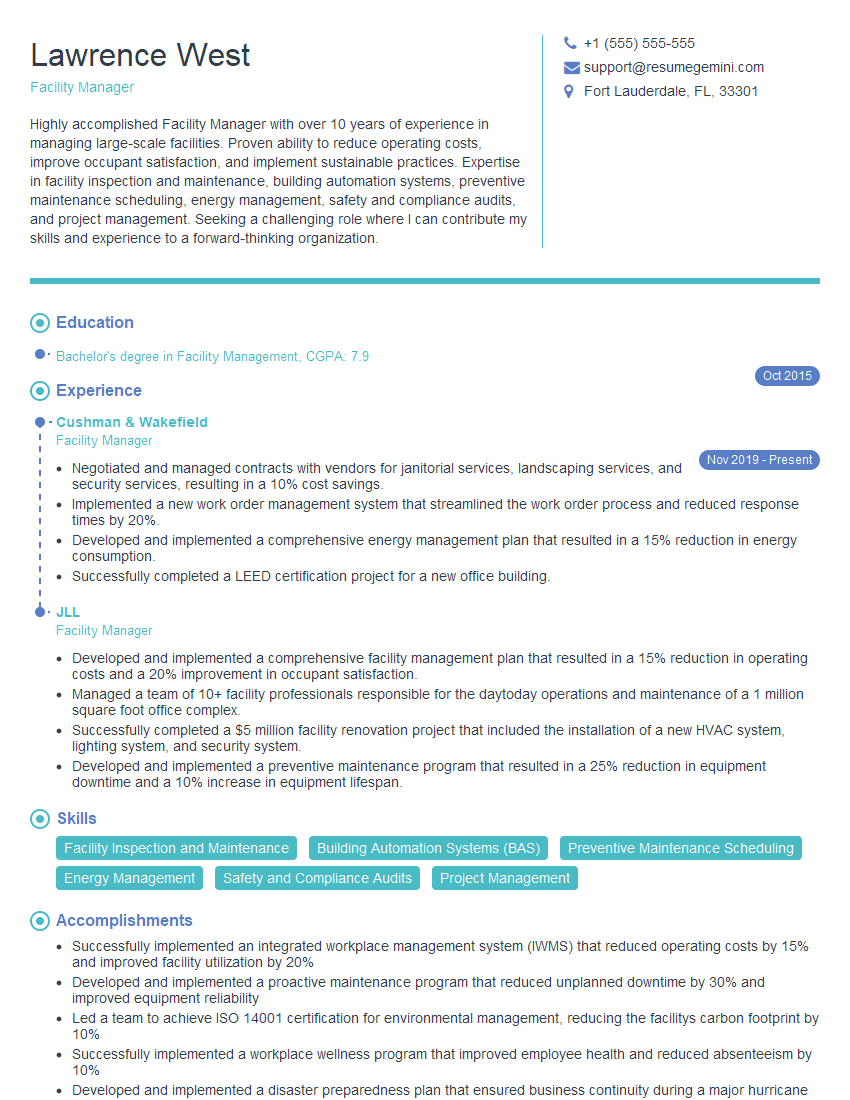
Facility Manager Resume Sample

Quality Assurance Manager Resume Sample
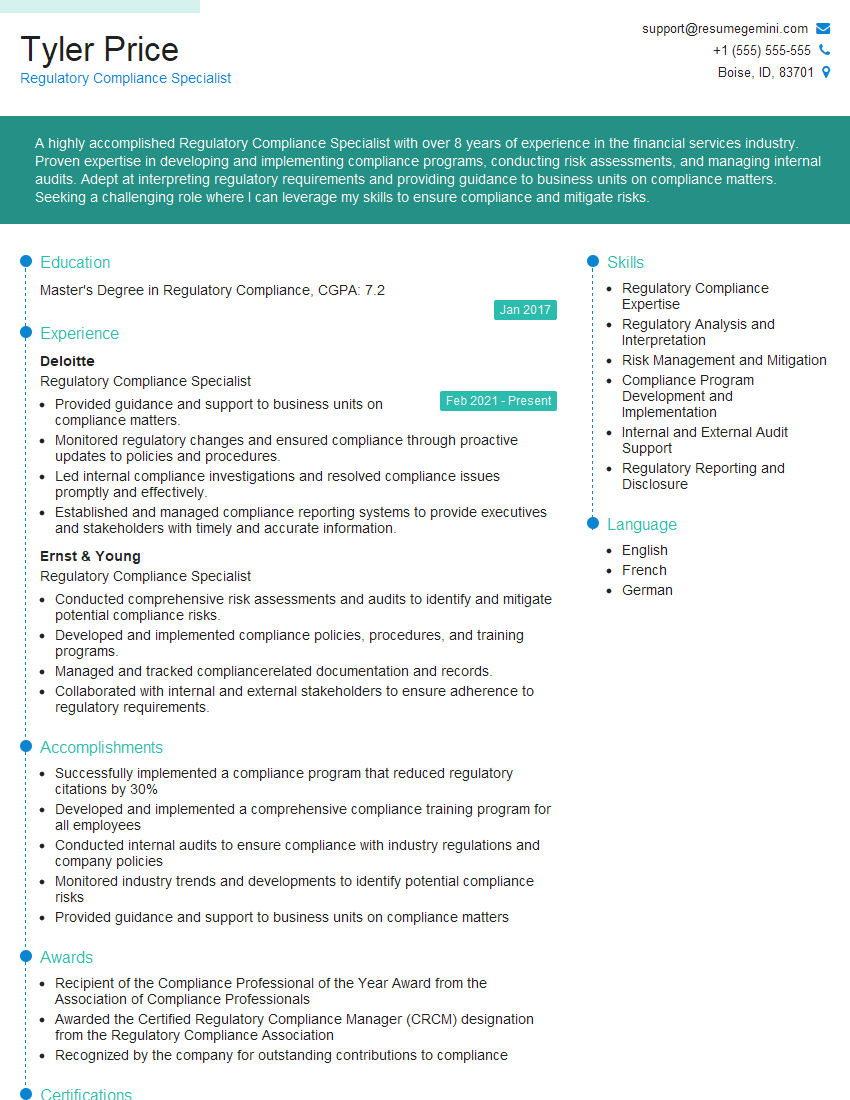
Regulatory Compliance Specialist Resume Sample
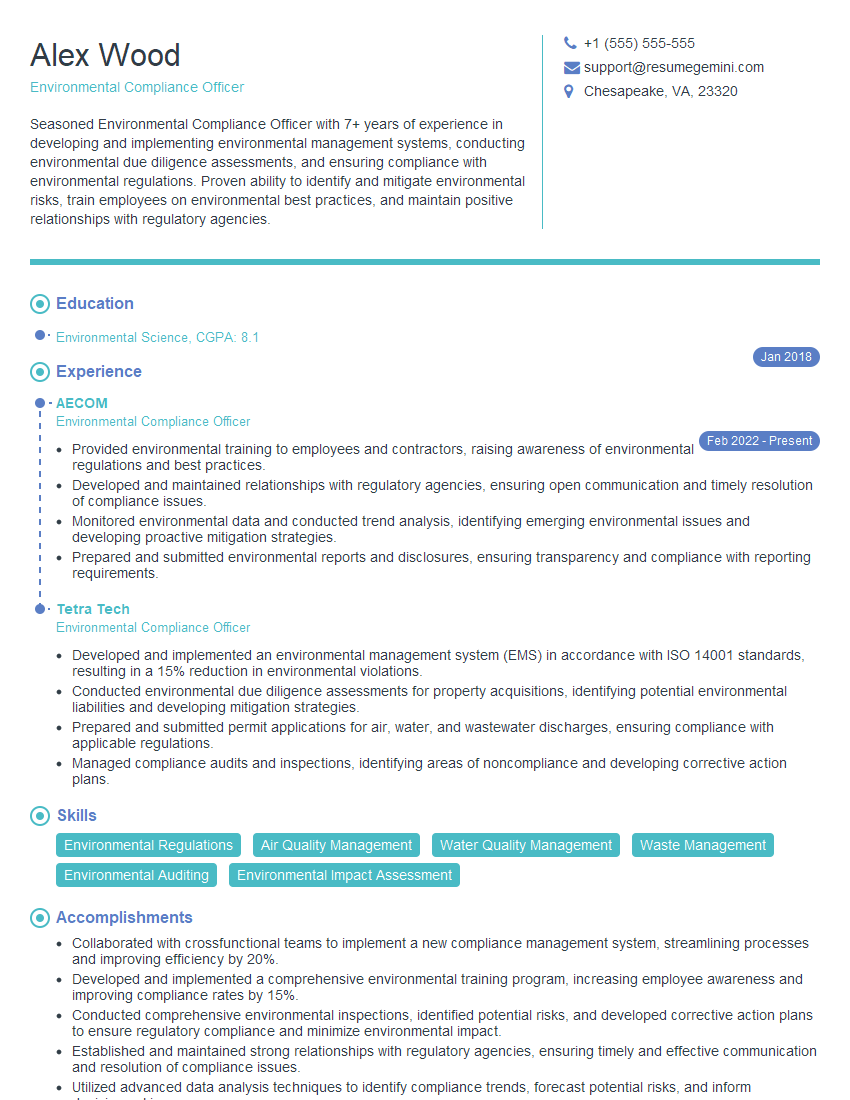
Environmental Compliance Officer Resume Sample
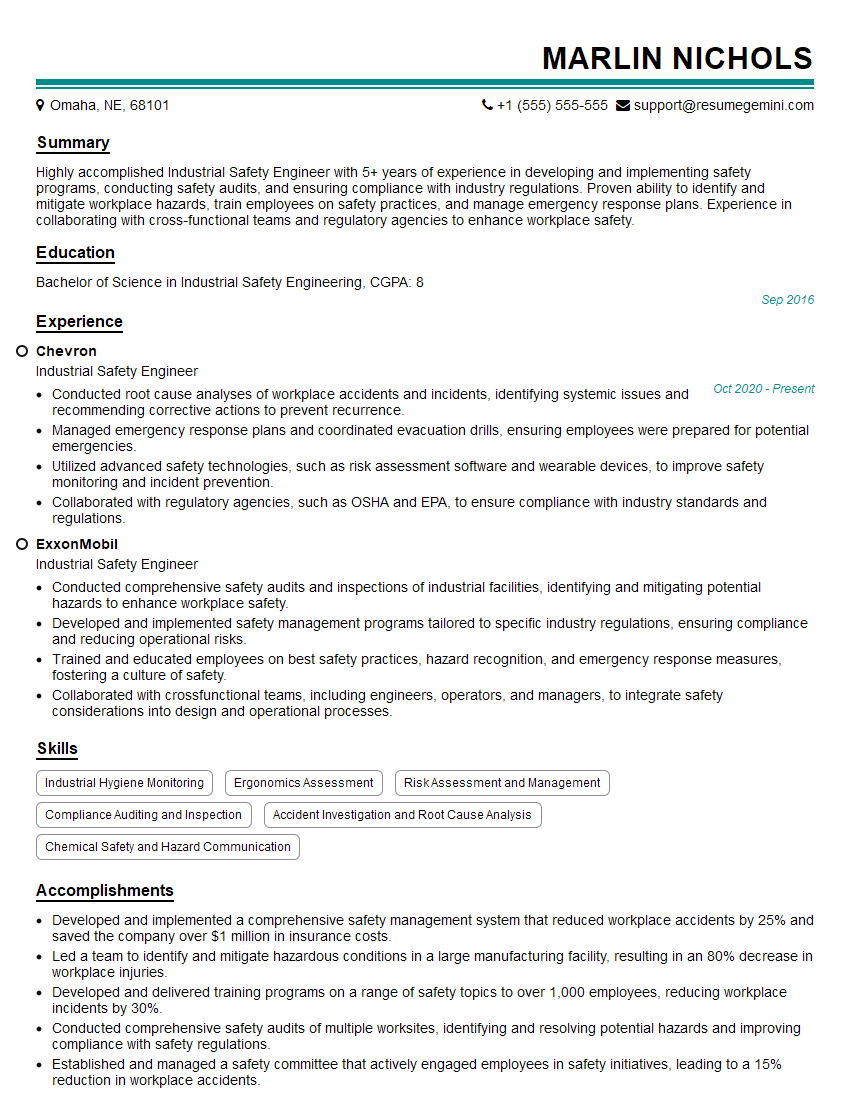
Industrial Safety Engineer Resume Sample
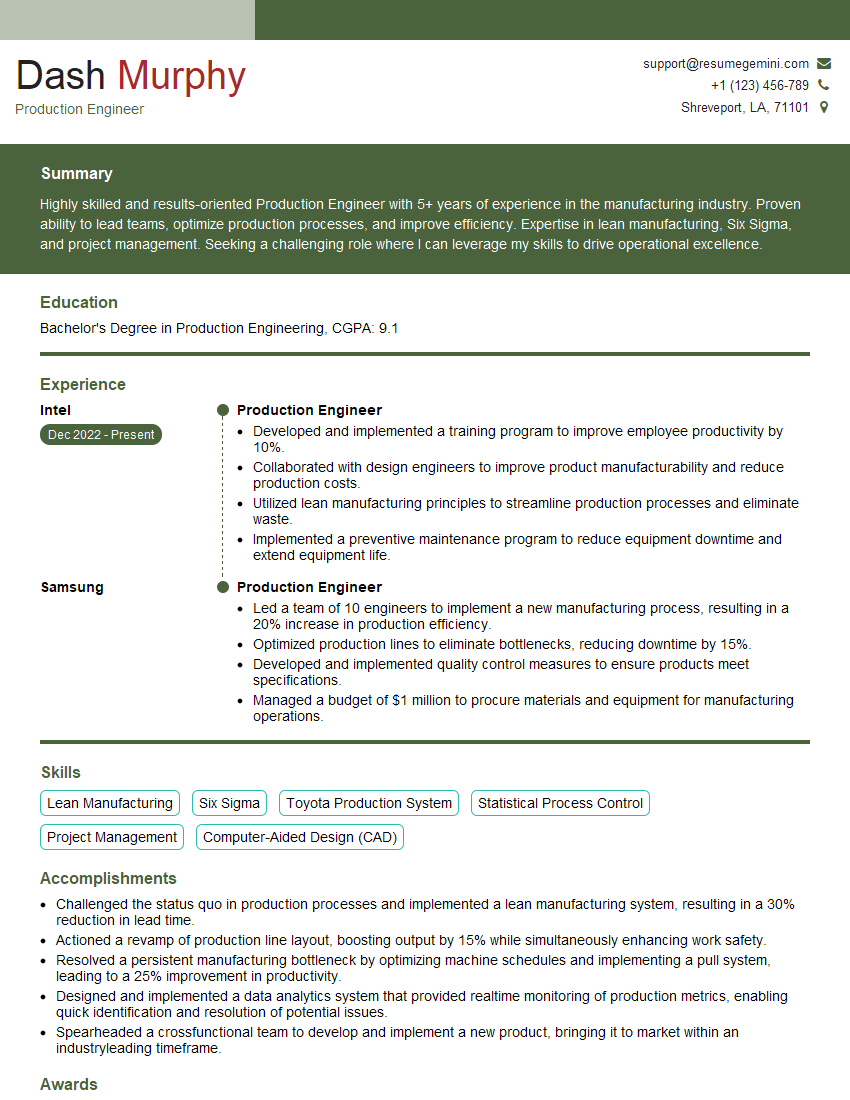
Production Engineer Resume Sample
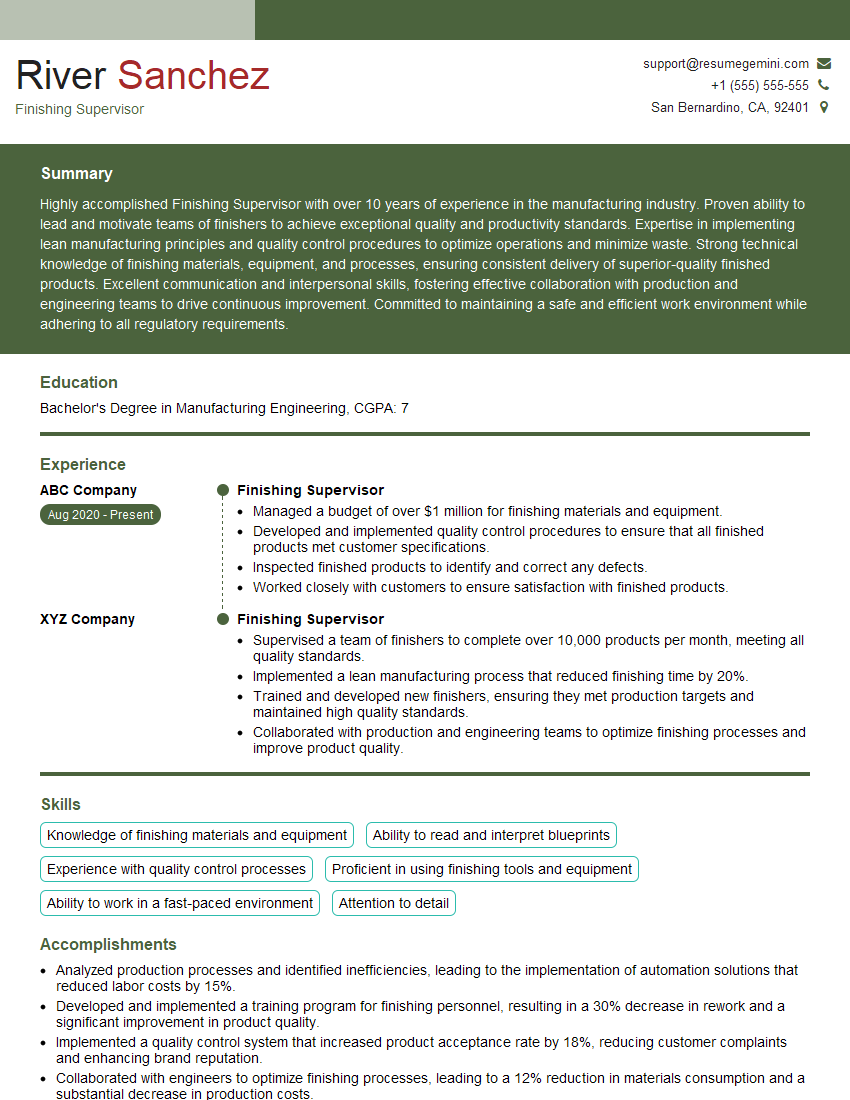
Finishing Supervisor Resume Sample
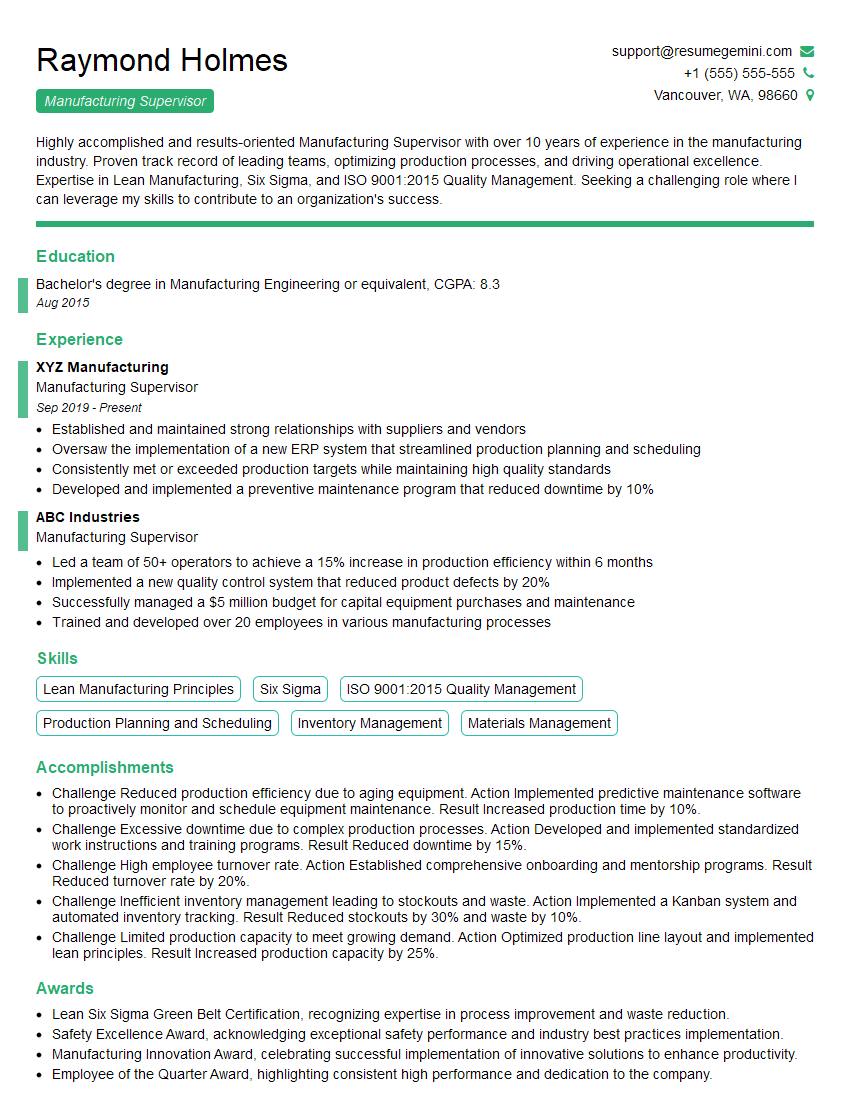
Manufacturing Supervisor Resume Sample
Explore more articles
Users Rating of Our Blogs
Share Your Experience
We value your feedback! Please rate our content and share your thoughts (optional).
What Readers Say About Our Blog
Very informative content, great job.
good