Preparation is the key to success in any interview. In this post, we’ll explore crucial Commitment to quality and excellence interview questions and equip you with strategies to craft impactful answers. Whether you’re a beginner or a pro, these tips will elevate your preparation.
Questions Asked in Commitment to quality and excellence Interview
Q 1. Describe your approach to identifying and mitigating quality risks in a project.
Identifying and mitigating quality risks is a proactive process, not a reactive one. My approach begins with a thorough risk assessment during the project’s planning phase. I utilize tools like Failure Mode and Effects Analysis (FMEA) to systematically identify potential problems, their severity, and the likelihood of their occurrence. This helps prioritize risks.
Once risks are identified, I develop mitigation strategies. These strategies are documented and include preventative measures to reduce the likelihood of the risk occurring (e.g., implementing stricter coding standards to reduce bugs) and contingency plans to lessen the impact if the risk does materialize (e.g., having a backup system ready in case of a server failure). Regular monitoring and reviews are crucial; I use control charts and other quality metrics to track progress and identify any emerging risks. Open communication is key – I ensure all team members understand the identified risks and their assigned roles in managing them.
For example, in a recent software development project, the FMEA identified a high risk of integration issues between different modules. Our mitigation strategy involved rigorous unit testing of each module before integration and the creation of a detailed integration plan with clear milestones and checkpoints. This proactive approach helped us avoid major delays and costly rework.
Q 2. Explain a time you had to balance speed and quality. What was the outcome?
Balancing speed and quality is a constant challenge in project management. In one instance, we were developing a new e-commerce platform with a tight deadline. The initial approach prioritized speed, leading to some shortcuts in testing. Consequently, we encountered several bugs post-launch, causing customer dissatisfaction and impacting our reputation.
We quickly realized that a balanced approach was essential. We implemented Agile methodologies, focusing on iterative development and frequent testing. This allowed for faster delivery of functional modules while ensuring quality at each iteration. We also invested in automated testing tools to speed up the testing process without sacrificing thoroughness. The outcome was a better product with fewer bugs, albeit with a slightly extended timeline. The lesson learned was that true speed is not about rushing but about optimizing the process to deliver high-quality increments quickly. While a small delay was incurred, the long-term benefits of higher quality and improved customer satisfaction far outweighed the initial cost.
Q 3. How do you measure the success of a quality improvement initiative?
Measuring the success of a quality improvement initiative requires a multifaceted approach. We don’t solely rely on subjective opinions; we use objective metrics to track progress. These metrics can include:
- Defect rates: Tracking the number of defects per unit of output (e.g., bugs per line of code). A reduction in defect rates indicates improvement.
- Customer satisfaction scores: Gathering feedback from customers to gauge their perception of quality. Higher scores represent successful improvement.
- Process cycle time: Measuring the time taken to complete a process. Shorter cycle times, without compromising quality, demonstrate efficiency gains.
- Cost of quality: This includes the cost of prevention, appraisal, internal failure, and external failure. A decrease in the overall cost of quality indicates successful improvement.
It’s important to establish baseline metrics before implementing the initiative to measure improvement effectively. We also use data visualization tools to present the results clearly, allowing for easier identification of areas requiring further attention.
Q 4. Describe your experience with ISO 9001 or other quality management systems.
I have extensive experience working within the framework of ISO 9001. I’ve been involved in the implementation and maintenance of quality management systems in several organizations. My experience encompasses all aspects of ISO 9001, from developing quality manuals and procedures to conducting internal audits and management reviews. I understand the importance of continuous improvement and the PDCA cycle (Plan-Do-Check-Act) in maintaining a robust quality management system.
In a previous role, I led a team in achieving ISO 9001 certification. This involved documenting all processes, training employees on the standards, conducting internal audits to identify non-conformances, and implementing corrective actions to address them. The certification demonstrated our organization’s commitment to quality and provided a framework for consistent process improvement. Beyond ISO 9001, I also have familiarity with other quality standards and methodologies relevant to specific industry sectors.
Q 5. What tools and techniques do you use to ensure quality in your work?
Ensuring quality in my work involves a combination of tools and techniques. These include:
- Statistical Process Control (SPC): Using control charts to monitor process performance and identify potential issues early on.
- Six Sigma methodologies: Employing DMAIC (Define, Measure, Analyze, Improve, Control) to systematically address process variations and improve efficiency.
- Root Cause Analysis (RCA): Investigating the root causes of problems to implement lasting solutions (more detail on this in the next answer).
- Code reviews and peer reviews: Having colleagues review my work to identify errors and improve the overall quality of deliverables.
- Automated testing tools: Using tools like Selenium or JUnit to automate testing processes and improve efficiency.
The specific tools and techniques I use depend on the project and the nature of the work. However, the underlying principle is always to utilize systematic approaches to identify and prevent defects.
Q 6. How do you handle conflict when team members disagree on quality standards?
Disagreements on quality standards are inevitable in team settings. My approach to handling such conflicts is based on collaboration and finding common ground. I encourage open and respectful dialogue, ensuring that all team members feel comfortable expressing their concerns and viewpoints. I facilitate discussions by focusing on the underlying objective: delivering high-quality work.
Instead of imposing my opinion, I encourage a data-driven approach. We analyze the relevant metrics and evidence to determine which standard offers the best balance between quality and efficiency. If a consensus cannot be reached, I will escalate the issue to a higher level for mediation or decision-making, ensuring transparency and fairness throughout the process. The goal is to arrive at a solution that everyone can support, fostering team cohesion and a shared commitment to quality.
Q 7. Describe your experience with root cause analysis.
Root cause analysis (RCA) is a crucial technique for identifying the underlying causes of problems, rather than just addressing symptoms. I have experience using several RCA methods, including the ‘5 Whys’ and Fishbone diagrams.
The ‘5 Whys’ technique involves repeatedly asking ‘why’ to uncover the root cause. For example, if a customer complaint arises due to a delayed delivery, we might ask: Why was the delivery delayed? (Because of a supplier issue). Why was there a supplier issue? (Because of a production problem). Why was there a production problem? (Because of a machine malfunction). Why did the machine malfunction? (Because of inadequate maintenance). Why was the maintenance inadequate? (Because of insufficient budget allocation). This last ‘why’ reveals the root cause needing systematic resolution.
Fishbone diagrams (Ishikawa diagrams) provide a visual representation of potential causes. This collaborative approach invites different perspectives to identify potential causes. These are categorized and analyzed to pinpoint the root cause. The benefit of RCA is the prevention of similar problems in the future by addressing the root cause, not just the immediate symptoms.
Q 8. How do you stay current with industry best practices for quality management?
Staying current in quality management requires a multi-pronged approach. It’s not enough to simply rely on past knowledge; the field is constantly evolving. I actively engage in several strategies:
Professional Development: I regularly attend conferences, webinars, and workshops focusing on advancements in quality management methodologies like Six Sigma, Lean, and ISO standards. This keeps me abreast of the latest tools and techniques.
Industry Publications and Research: I subscribe to relevant journals and publications, such as Quality Progress and other industry-specific magazines, and regularly scan for research articles on emerging trends. This ensures I’m aware of the latest challenges and innovations in the field.
Networking: Participating in industry networks and professional organizations allows me to connect with other experts, share best practices, and learn from their experiences. These interactions often expose me to innovative solutions I might not have encountered otherwise.
Online Courses and Certifications: I actively pursue online courses and certifications to enhance my skills and knowledge in specific areas of quality management. This allows for focused learning and the acquisition of valuable credentials.
By combining these methods, I ensure my knowledge remains up-to-date, relevant, and effective in today’s dynamic business environment.
Q 9. How would you implement a quality control system in a new department?
Implementing a quality control system in a new department requires a structured approach. Think of it like building a house – you need a solid foundation before you can add the walls and roof. Here’s my process:
Define Quality Standards: First, I’d clearly define the department’s key performance indicators (KPIs) and quality standards. This might involve identifying specific metrics, tolerances, and acceptance criteria relevant to the department’s output. For example, in a software development department, this might include bug rates, code coverage, and customer satisfaction scores.
Choose Appropriate Methodologies: Next, I’d select the most suitable quality management methodologies. This could involve Six Sigma for process improvement, Lean for waste reduction, or a combination of both, depending on the department’s needs and context. For example, if the department focuses on repetitive tasks, Lean might be ideal; while Six Sigma might be better suited for complex processes needing significant improvement.
Develop Control Procedures: This involves creating detailed procedures for each stage of the workflow, including checklists, inspection protocols, and documentation requirements. These procedures must be easy to understand, follow and must be readily available to the team. Regular reviews and updates are crucial to ensure these procedures remain relevant and effective.
Training and Communication: Thorough training is essential to ensure all team members understand and adhere to the new quality control system. Clear communication is crucial in this process – explain the ‘why’ behind the system to foster buy-in and engagement.
Monitoring and Improvement: Finally, I’d establish a system for regularly monitoring the effectiveness of the quality control system and making necessary adjustments. This is a continuous improvement cycle; data analysis and feedback loops are critical to ongoing optimization.
Q 10. What metrics do you find most valuable in assessing quality?
The most valuable metrics for assessing quality are those that are both objective and directly related to customer satisfaction. Here are a few key examples:
Defect Rate: This measures the number of defects per unit produced or service delivered. It provides a direct indication of the overall quality of the output.
Customer Satisfaction (CSAT) Scores: These scores, usually obtained through surveys or feedback forms, directly reflect how happy customers are with the product or service.
Net Promoter Score (NPS): NPS measures customer loyalty and willingness to recommend a product or service. It’s a valuable indicator of long-term quality and customer retention.
First Pass Yield (FPY): This metric measures the percentage of products or services that pass initial inspection without any defects. It highlights the effectiveness of the process in producing high-quality output from the start.
Mean Time Between Failures (MTBF): For products, MTBF measures the average time between failures. It’s a crucial indicator of product reliability and durability.
The choice of specific metrics depends heavily on the industry, the nature of the product or service, and the organization’s specific goals. It’s crucial to select metrics that are meaningful, measurable, achievable, relevant, and time-bound (SMART).
Q 11. Describe a time you identified a quality issue. How did you resolve it?
In a previous role, we noticed a significant increase in customer complaints regarding a specific feature of our software. Initially, we dismissed it as isolated incidents. However, the number of complaints continued to grow, prompting a thorough investigation.
Through careful analysis of customer feedback, internal testing data, and user logs, we discovered a bug in the code that caused the feature to malfunction under certain conditions. The bug wasn’t readily apparent during initial testing, as the conditions that triggered it were relatively uncommon.
To resolve the issue, we:
Prioritized the bug fix: We immediately assigned a senior developer to investigate and fix the bug, understanding its impact on customer satisfaction and brand reputation.
Implemented rigorous testing: Once the bug was fixed, we implemented more comprehensive testing procedures to ensure the issue wouldn’t reappear.
Communicated with customers: We proactively contacted affected customers, apologizing for the inconvenience and providing updates on the fix. Transparency and good communication were key in regaining customer trust.
Improved testing protocols: We revised our testing strategy to better account for edge cases and less frequent usage scenarios, preventing similar issues in the future.
This experience highlighted the importance of diligent monitoring, thorough investigation, and effective communication in resolving quality issues. It also reinforced the value of continuous improvement in our testing and development processes.
Q 12. How do you balance customer expectations with quality standards?
Balancing customer expectations with quality standards is a crucial aspect of quality management. It’s a delicate dance between meeting customer demands and upholding the highest quality standards. It’s not about compromising one for the other; rather, it’s about finding a harmonious balance.
I achieve this balance by:
Setting Clear Expectations: Open communication with customers is paramount. Clearly articulating the capabilities and limitations of the product or service upfront helps manage expectations. This ensures customers understand what they can realistically expect.
Prioritizing Quality: Never compromise on quality standards to meet unrealistic deadlines or customer demands. Explain to customers why certain requests are not feasible or would negatively impact the overall quality.
Managing Customer Feedback: Actively solicit and analyze customer feedback. This provides valuable insights that can inform improvements to both products and customer service. It also helps in identifying and addressing potential quality issues proactively.
Continuous Improvement: Continuously strive to improve both products and services, aiming to exceed customer expectations where possible. This demonstrates commitment to quality and builds customer loyalty.
Ultimately, consistent high quality often leads to exceeding customer expectations, even if it may not seem so at the outset.
Q 13. How do you prioritize competing demands when addressing quality concerns?
Prioritizing competing demands when addressing quality concerns often requires a structured approach. I utilize a framework that combines risk assessment with impact analysis:
Identify Competing Demands: First, clearly identify all competing demands. This might include competing projects, urgent customer requests, or resource constraints.
Risk Assessment: Assess the potential risks associated with each demand. Consider the impact of neglecting each on the overall quality, project timeline, budget, and customer satisfaction.
Impact Analysis: Analyze the potential impact of each demand on the overall project goals and objectives. Consider both short-term and long-term consequences.
Prioritize Based on Risk and Impact: Prioritize the demands based on a combination of risk and impact. Focus on addressing those with the highest potential negative impact first. Often, a simple risk matrix helps visualize these priorities.
Communication and Collaboration: Communicate the prioritization strategy to all stakeholders and collaboratively make decisions where necessary. This ensures transparency and avoids misunderstandings.
This framework allows for a systematic approach, ensuring that the most critical quality concerns are addressed promptly while managing other competing demands effectively.
Q 14. How do you handle pressure when deadlines conflict with quality standards?
Handling pressure when deadlines conflict with quality standards is a common challenge. It requires a delicate balance of assertive communication and effective time management. My approach involves:
Assess the Situation: Objectively assess the situation, identifying the specific conflict between the deadline and the necessary quality standards. Understand what aspects of quality are most at risk and why the deadline is pressing.
Communicate Proactively: Communicate the potential quality risks associated with rushing the project to the relevant stakeholders. Clearly articulate the potential consequences of compromising quality, such as customer dissatisfaction, product failures, or increased costs in the long run.
Negotiate a Realistic Timeline: If possible, negotiate a more realistic timeline that allows sufficient time to meet quality standards. This may involve re-prioritizing tasks, reallocating resources, or adjusting project scope.
Identify Mitigation Strategies: If a deadline cannot be extended, identify mitigation strategies to minimize the potential risks. This might involve focusing on critical quality aspects first or employing quality control measures to catch any potential issues early.
Document Decisions: Clearly document all decisions made regarding deadlines and quality compromises. This protects you and ensures accountability.
Ultimately, maintaining open communication and prioritizing quality are paramount, even under pressure. It’s better to deliver a slightly delayed but high-quality product than a rushed, low-quality one.
Q 15. What is your approach to continuous improvement in quality management?
My approach to continuous improvement in quality management is rooted in the Plan-Do-Check-Act (PDCA) cycle, also known as Deming’s cycle. It’s an iterative process that allows for ongoing refinement.
- Plan: We begin by identifying areas for improvement. This involves data analysis, identifying customer needs, and setting realistic goals. For example, if customer feedback indicates slow processing times, we’d plan to analyze the workflow to pinpoint bottlenecks.
- Do: We implement changes based on the plan. This could involve training, new software, or process redesign. In our processing time example, we might implement a new workflow automation tool.
- Check: We monitor the results of the implemented changes using key performance indicators (KPIs). We would track processing times closely to see if the new system improved efficiency.
- Act: Based on the data gathered during the ‘Check’ phase, we either standardize the improvement if successful, or adjust our approach and reiterate through the cycle. If the automation tool didn’t significantly improve processing times, we’d analyze the data to understand why and plan further adjustments.
Beyond PDCA, I champion a culture of continuous learning and feedback. Regular team meetings, process audits, and employee suggestions are vital to fostering a proactive improvement mindset. We also actively seek out best practices from industry benchmarks and conferences to stay ahead of the curve.
Career Expert Tips:
- Ace those interviews! Prepare effectively by reviewing the Top 50 Most Common Interview Questions on ResumeGemini.
- Navigate your job search with confidence! Explore a wide range of Career Tips on ResumeGemini. Learn about common challenges and recommendations to overcome them.
- Craft the perfect resume! Master the Art of Resume Writing with ResumeGemini’s guide. Showcase your unique qualifications and achievements effectively.
- Don’t miss out on holiday savings! Build your dream resume with ResumeGemini’s ATS optimized templates.
Q 16. Describe your experience with statistical process control (SPC).
Statistical Process Control (SPC) is a crucial tool in my quality management arsenal. I’ve extensively used control charts, such as X-bar and R charts, to monitor process variability and identify potential sources of defects. For instance, in a manufacturing setting, I’ve used control charts to track the diameter of manufactured parts. If points consistently fall outside the control limits, it signals a process that’s gone out of control, requiring immediate attention.
My experience also includes the application of capability analysis (Cp and Cpk) to assess whether a process is capable of meeting pre-defined specifications. This is vital for ensuring consistent product quality. I understand the importance of interpreting data correctly and avoiding premature conclusions based on limited samples. I’m proficient in using statistical software packages such as Minitab to effectively analyze data and generate meaningful insights.
Beyond basic SPC, I’ve also worked with more advanced techniques like acceptance sampling and process capability studies to optimize production processes and minimize defects.
Q 17. How do you ensure quality throughout the entire product lifecycle?
Ensuring quality throughout the entire product lifecycle requires a holistic approach that integrates quality considerations into every stage, from concept to disposal. This is achieved through:
- Requirement Definition: Thoroughly defining and documenting customer requirements at the beginning. This prevents costly rework later.
- Design Review: Conducting rigorous design reviews to identify and address potential quality issues early in the design process. This often involves Failure Mode and Effects Analysis (FMEA).
- Process Validation: Validating manufacturing processes to ensure they consistently produce products that meet specifications. This often involves statistical process control methods.
- Testing and Inspection: Implementing robust testing and inspection procedures at various stages to identify and correct defects before they reach the customer.
- Continuous Monitoring and Improvement: Continuously monitoring product performance in the field and using this feedback to improve the product and process. This might involve customer surveys, warranty data analysis, and post-market surveillance.
- End-of-Life Management: Developing responsible strategies for product disposal or recycling to minimize environmental impact.
A robust quality management system (QMS), like ISO 9001, provides a framework to systematically implement these steps.
Q 18. Describe a time you had to make a difficult decision regarding quality vs. cost.
In a previous project, we faced a situation where a design change was needed to address a critical quality issue discovered during testing. However, the change would increase production costs significantly and potentially delay the launch. The decision to prioritize quality over immediate cost savings was challenging.
My approach involved systematically evaluating the consequences of both options. I presented a detailed cost-benefit analysis to the stakeholders, highlighting the long-term costs associated with releasing a subpar product, including potential warranty claims, reputational damage, and loss of customer trust. This analysis clearly demonstrated that addressing the quality issue proactively, even with increased upfront costs, would be significantly more cost-effective in the long run. The stakeholders, convinced by the data-driven argument, approved the design change, allowing us to deliver a high-quality product, despite the initial cost increase. This decision ultimately reinforced the company’s commitment to quality and enhanced customer satisfaction.
Q 19. How do you communicate quality issues to stakeholders?
Communicating quality issues effectively is critical. My approach prioritizes transparency and timely information dissemination. I use a multi-pronged strategy:
- Formal Reports: I create concise and factual reports detailing the issue, its root cause, its impact, and recommended corrective actions. These reports are tailored to the specific audience’s technical understanding.
- Visual Aids: I use charts, graphs, and other visual aids to help convey complex data effectively. Data visualization makes it easier for stakeholders to understand the extent and nature of the quality problem.
- Regular Meetings: I participate in regular meetings with stakeholders to discuss the issue and its progress. Open communication promotes collaboration and problem-solving.
- Issue Tracking System: Utilizing a robust issue-tracking system to document all quality issues, their resolutions, and any follow-up actions.
The key is to be proactive and communicate even minor issues promptly to prevent them from escalating. I ensure that communication channels are clear and easily accessible to all stakeholders.
Q 20. How do you motivate your team to maintain a high standard of quality?
Motivating a team to maintain a high standard of quality goes beyond simply setting expectations. It requires building a culture of shared responsibility and empowering team members. I use several strategies:
- Recognition and Rewards: I actively recognize and reward individuals and teams for their contributions to quality improvement. This can be through formal awards, informal praise, or opportunities for professional development.
- Empowerment and Ownership: I empower team members to take ownership of their work and participate actively in quality improvement initiatives. This involves giving them the autonomy to suggest improvements and implement changes.
- Training and Development: I provide ongoing training and development opportunities to enhance their quality-related skills and knowledge. This includes training on relevant tools and techniques.
- Open Communication: I foster open and honest communication within the team, encouraging feedback and suggestions. This creates a culture of trust and collaboration.
- Lead by Example: I consistently demonstrate a personal commitment to quality in my own work, setting a positive example for the team to follow.
Ultimately, a motivated team is one that understands the importance of their work and feels valued and respected for their contributions.
Q 21. What are your preferred methods for documenting quality processes?
My preferred methods for documenting quality processes are designed for clarity, accessibility, and traceability. I use a combination of approaches:
- Standard Operating Procedures (SOPs): These clearly define steps and processes to ensure consistency and prevent errors. They are easily accessible to all relevant personnel.
- Work Instructions: These provide detailed instructions for specific tasks, supplementing SOPs with more granular details.
- Flowcharts: These visually represent processes, facilitating understanding and identification of potential bottlenecks or inefficiencies.
- Quality Management System (QMS) Software: I leverage software solutions to manage and track quality documents, ensuring version control and easy access.
- Data-driven documentation: I integrate data from SPC charts, quality audits, and other sources to build a comprehensive picture of the quality performance of the processes.
All documentation is stored centrally and regularly reviewed and updated to reflect current processes. This ensures that the documentation remains relevant and accurate.
Q 22. How do you measure the effectiveness of quality training programs?
Measuring the effectiveness of quality training programs requires a multifaceted approach, going beyond simple attendance records. We need to assess whether the training has genuinely improved participants’ knowledge, skills, and ultimately, their on-the-job performance.
- Pre- and Post-Training Assessments: These could be written exams, practical demonstrations, or simulations to measure the knowledge gained. A significant improvement in scores indicates effective learning.
- On-the-Job Performance Observation: Supervisors should observe trainees’ performance after the training to see if they are applying the learned skills correctly. This can involve checklists or direct observation with feedback.
- Employee Feedback Surveys: Gathering feedback from participants regarding the relevance, clarity, and effectiveness of the training provides valuable insight into areas for improvement.
- Key Performance Indicator (KPI) Tracking: For instance, if the training aims to reduce errors, we monitor the error rate before and after the training. A reduction in errors is direct evidence of training success.
- Return on Investment (ROI) Analysis: This involves calculating the cost of the training program against the benefits achieved, such as reduced waste, improved efficiency, or increased customer satisfaction.
For example, in a manufacturing setting, training on a new quality control process might be deemed effective if the defect rate drops significantly after the training, and employee feedback indicates improved understanding and confidence in using the new process.
Q 23. How do you handle situations where quality standards are not met?
When quality standards are not met, a systematic approach is crucial. It’s not about assigning blame but about identifying the root cause and implementing corrective actions.
- Immediate Containment: The first step is to stop any further production or service delivery affected by the non-conformance. This prevents more faulty products or services from being produced or delivered.
- Root Cause Analysis: Employing tools like the 5 Whys, fishbone diagrams, or Pareto charts helps determine the underlying causes of the quality issue. This involves investigation, data collection and interviews with involved personnel.
- Corrective Action: Based on the root cause analysis, corrective actions are implemented to address the issue. This might involve retraining staff, improving processes, upgrading equipment, or changing materials.
- Preventive Action: To prevent recurrence, we implement measures to eliminate the root cause permanently. This could include procedural changes, improved training, or better monitoring systems.
- Documentation and Review: All findings, corrective actions, and preventive actions are thoroughly documented and reviewed to ensure effectiveness and to create a learning opportunity for future processes.
Imagine a scenario where a batch of products fails a quality check due to a faulty machine. The immediate action is to stop the machine. A root cause analysis reveals a worn-out part. The corrective action is to replace the part. The preventive action is to implement a preventative maintenance schedule for all machines to avoid similar failures.
Q 24. What are your strategies for preventing quality issues from recurring?
Preventing quality issues from recurring involves a proactive approach focused on continuous improvement and process optimization. This goes beyond simply fixing problems after they occur.
- Robust Process Design: Processes should be designed to be inherently error-proof, using techniques like Poka-Yoke (mistake-proofing). This minimizes the possibility of errors happening in the first place.
- Regular Process Monitoring: Implementing control charts and other statistical methods allows for early detection of deviations from acceptable quality levels. This enables prompt intervention before significant problems arise.
- Continuous Improvement Initiatives (e.g., Kaizen): Encourage employee participation in identifying and solving quality issues. Regularly reviewing processes and seeking ways to optimize them is essential.
- Supplier Management: Collaborating closely with suppliers to ensure they meet required quality standards prevents issues arising from sub-standard components or materials.
- Employee Training and Empowerment: Empower employees to identify and report quality issues. Regular training on quality standards and processes equips them with the knowledge to do so effectively.
For example, in a software development environment, implementing automated testing and code reviews can significantly reduce the number of bugs released to customers. Regular sprint retrospectives offer a forum to identify and address recurring problems in the development process.
Q 25. Describe your experience with quality audits and inspections.
I have extensive experience conducting and participating in quality audits and inspections. My experience spans various methodologies, including ISO 9001 audits and internal quality reviews.
- Planning and Preparation: Thorough planning involves defining the scope, objectives, and methods for the audit or inspection. This includes identifying relevant documentation, processes, and personnel.
- Conducting Audits/Inspections: This involves systematically reviewing processes, documents, and records against defined standards and criteria. It often includes interviews with personnel, observations of processes, and physical inspections of products or equipment.
- Documentation and Reporting: All findings, non-conformances, and recommendations are meticulously documented in a formal report. This report is used to inform corrective and preventive actions.
- Follow-up: It’s crucial to follow up on corrective and preventive actions to ensure that issues are effectively resolved and that improvements are implemented.
I have led audits resulting in the identification of critical process weaknesses, leading to significant improvements in operational efficiency and product quality. I’ve also participated in internal audits that have served as valuable tools for continuous improvement, ensuring our processes always align with best practices.
Q 26. How do you use data to drive quality improvements?
Data is the cornerstone of effective quality improvement. It provides objective evidence of process performance and identifies areas for improvement. The key is to collect the right data, analyze it effectively, and use it to drive action.
- Data Collection: This involves systematically collecting relevant data from various sources, such as production records, customer feedback, defect reports, and performance metrics. This data needs to be accurate, reliable, and consistently collected.
- Data Analysis: Statistical methods, such as control charts, Pareto analysis, and regression analysis, are used to identify trends, patterns, and root causes of quality issues. Data visualization tools help make the insights readily understandable.
- Data-Driven Decision Making: The analyzed data informs decision-making regarding process improvements, resource allocation, and corrective actions. Improvements are prioritized based on the impact on quality and cost.
For instance, if defect data shows a high incidence of errors related to a specific machine, this data would directly support investment in machine maintenance or replacement to reduce future defects. Similarly, customer feedback indicating dissatisfaction with a particular feature leads to product redesign or process enhancements.
Q 27. What is your understanding of the concept of total quality management (TQM)?
Total Quality Management (TQM) is a holistic management approach that aims to achieve continuous improvement in all aspects of an organization. It’s not just about producing high-quality products or services, but also about fostering a culture of quality throughout the entire organization.
- Customer Focus: TQM places the customer at the center, aiming to meet and exceed customer expectations.
- Process Improvement: Continuous improvement is a cornerstone of TQM. Processes are regularly evaluated and improved to enhance efficiency and quality.
- Employee Empowerment: Empowering employees to identify and solve quality problems is critical. This involves providing them with the training, tools, and authority to do so.
- Data-Driven Decision Making: TQM relies heavily on data to drive improvements. Performance is measured, monitored, and used to inform strategic decisions.
- Continuous Learning: TQM encourages continuous learning and development within the organization. This ensures that employees stay updated on best practices and latest technologies.
In practice, TQM might involve implementing a Six Sigma program, using Kaizen events, or creating cross-functional teams dedicated to improving specific processes. A company implementing TQM successfully often demonstrates higher customer satisfaction, improved productivity, and reduced costs.
Q 28. How do you ensure that quality standards are consistently applied across different teams?
Ensuring consistent application of quality standards across different teams requires a structured approach. It’s about creating a shared understanding and commitment to quality throughout the organization.
- Centralized Quality Management System: Implementing a comprehensive quality management system (QMS), like ISO 9001, provides a standardized framework for all teams to follow.
- Standardized Processes and Procedures: Developing clear, documented processes and procedures ensures consistency in how work is performed across all teams.
- Training and Communication: Providing regular training on quality standards and procedures ensures that all team members understand and can apply them consistently.
- Regular Audits and Inspections: Conducting regular internal audits helps verify that standards are being consistently applied across teams. This provides early detection of any deviations.
- Cross-Functional Collaboration: Creating opportunities for cross-functional collaboration helps to share best practices and build a shared understanding of quality standards.
- Regular Communication and Feedback: Providing regular feedback and communication ensures that everyone is on the same page and aligned towards common goals.
For example, a company with multiple software development teams might use a standardized coding style guide, testing framework, and bug tracking system to ensure consistency in the quality of their software products across all teams. Regular code reviews and shared knowledge sessions would reinforce this consistency.
Key Topics to Learn for Commitment to Quality and Excellence Interview
- Defining Quality: Understanding different perspectives on quality (e.g., customer satisfaction, meeting specifications, exceeding expectations) and how to articulate your own definition.
- Quality Control Processes: Describing experience with implementing and improving quality control measures, including testing methodologies, defect tracking, and continuous improvement initiatives.
- Problem-Solving & Root Cause Analysis: Demonstrating your ability to identify and resolve quality issues systematically, using techniques like the 5 Whys or fishbone diagrams. Highlighting instances where you’ve proactively prevented problems.
- Continuous Improvement Methodologies: Discussing familiarity with Lean, Six Sigma, or other methodologies aimed at enhancing efficiency and quality. Providing examples of their successful application.
- Communication & Collaboration: Emphasizing your ability to effectively communicate quality concerns to different stakeholders (team members, management, clients) and collaborate effectively to achieve quality goals.
- Attention to Detail & Accuracy: Providing concrete examples that demonstrate your meticulous approach to work and commitment to producing error-free results. This could involve specific projects or tasks.
- Adaptability & Learning Agility: Showcasing your ability to adapt to changing quality standards, embrace new technologies or processes, and continuously learn and improve your skills related to quality assurance.
Next Steps
Mastering the principles of commitment to quality and excellence is crucial for career advancement. It demonstrates a professional work ethic and a dedication to producing exceptional results, highly valued by employers across all industries. To significantly boost your job prospects, crafting an ATS-friendly resume is essential. ResumeGemini can help you create a powerful resume that highlights your commitment to quality and excellence, ensuring your application stands out. Examples of resumes tailored to showcasing commitment to quality and excellence are available for your review.

Operations Manager Resume Sample
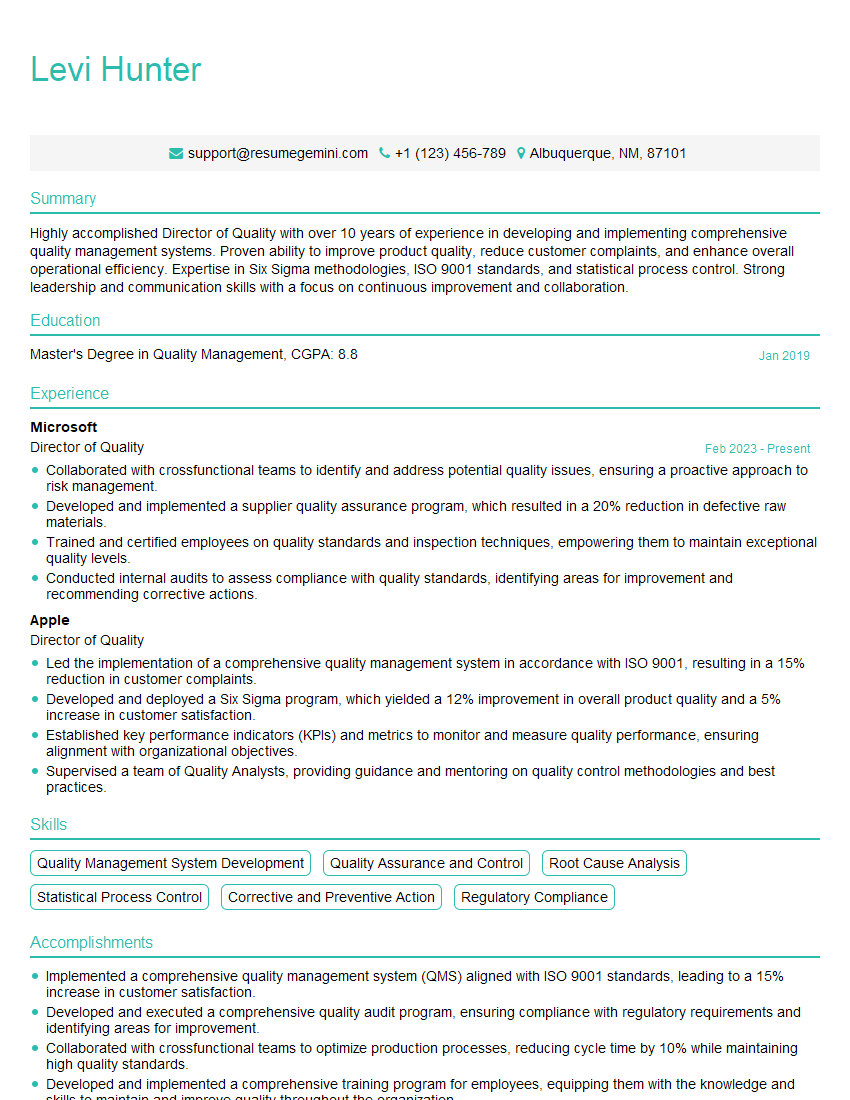
Director of Quality Resume Sample
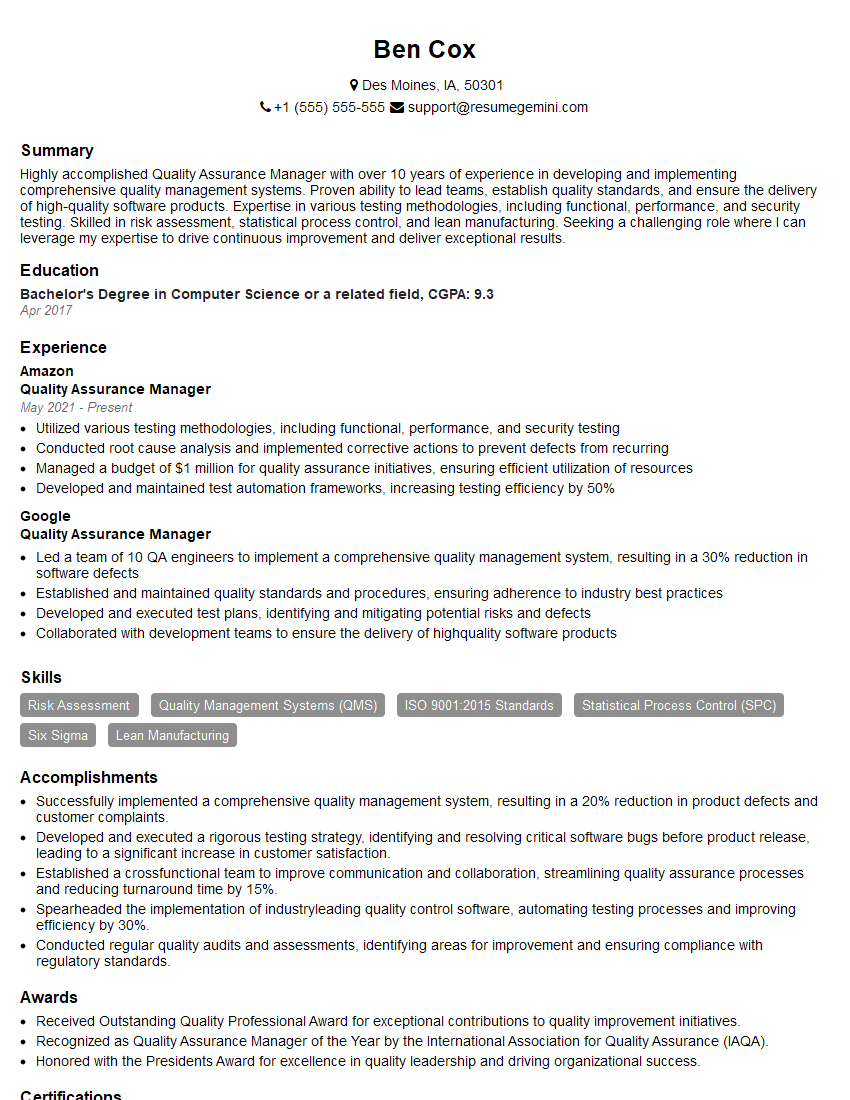
Quality Assurance Manager Resume Sample

Supply Chain Manager Resume Sample

Project Manager Resume Sample

Compliance Officer Resume Sample
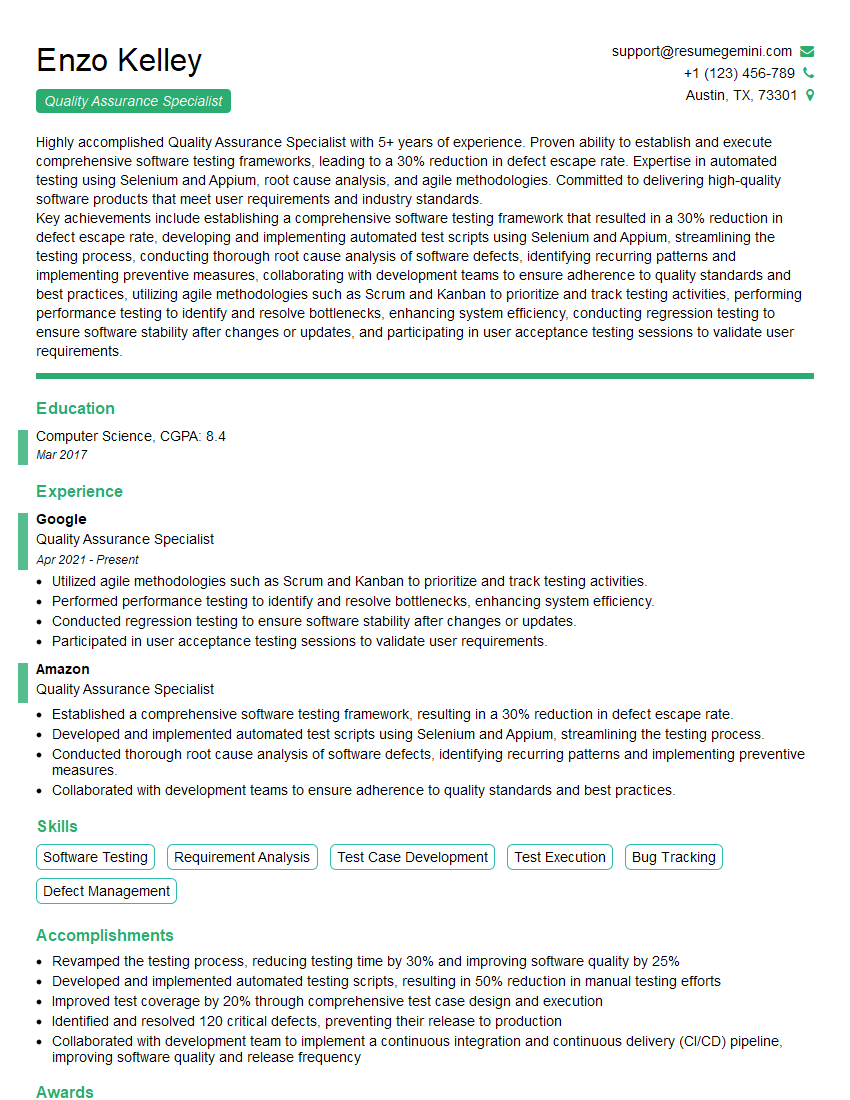
Quality Assurance Specialist Resume Sample
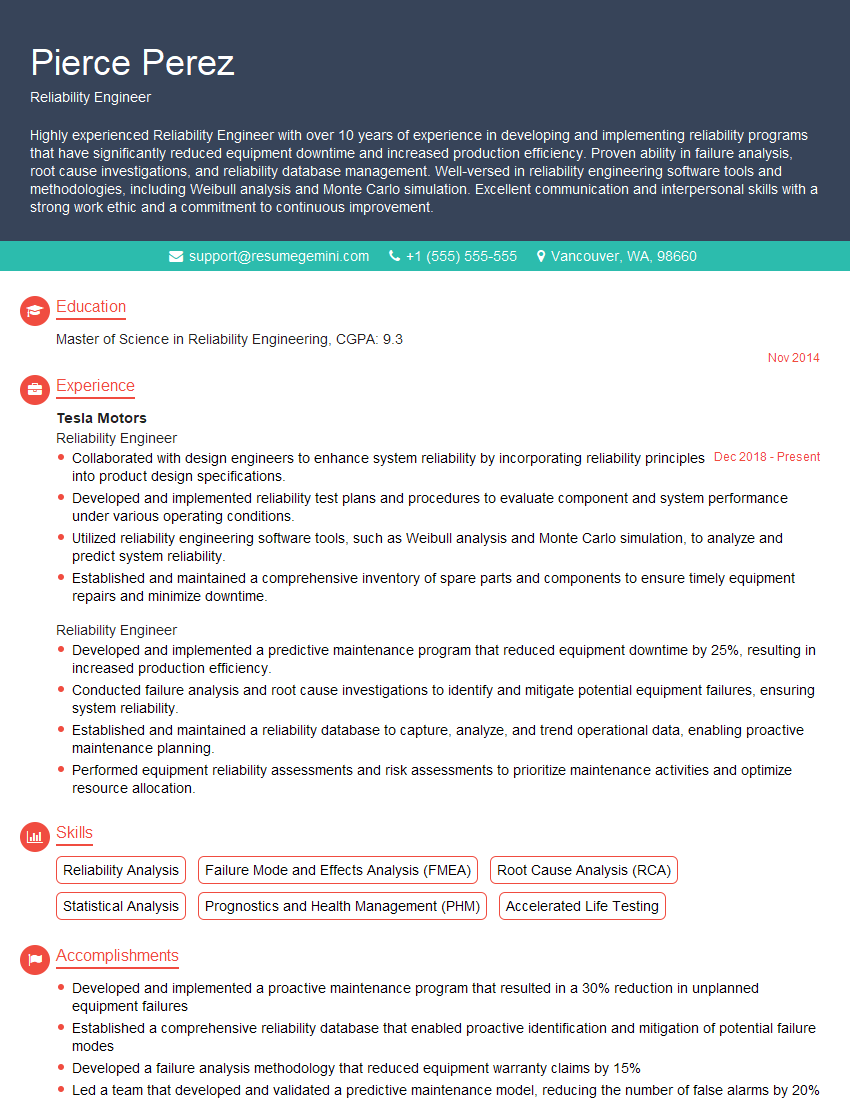
Reliability Engineer Resume Sample
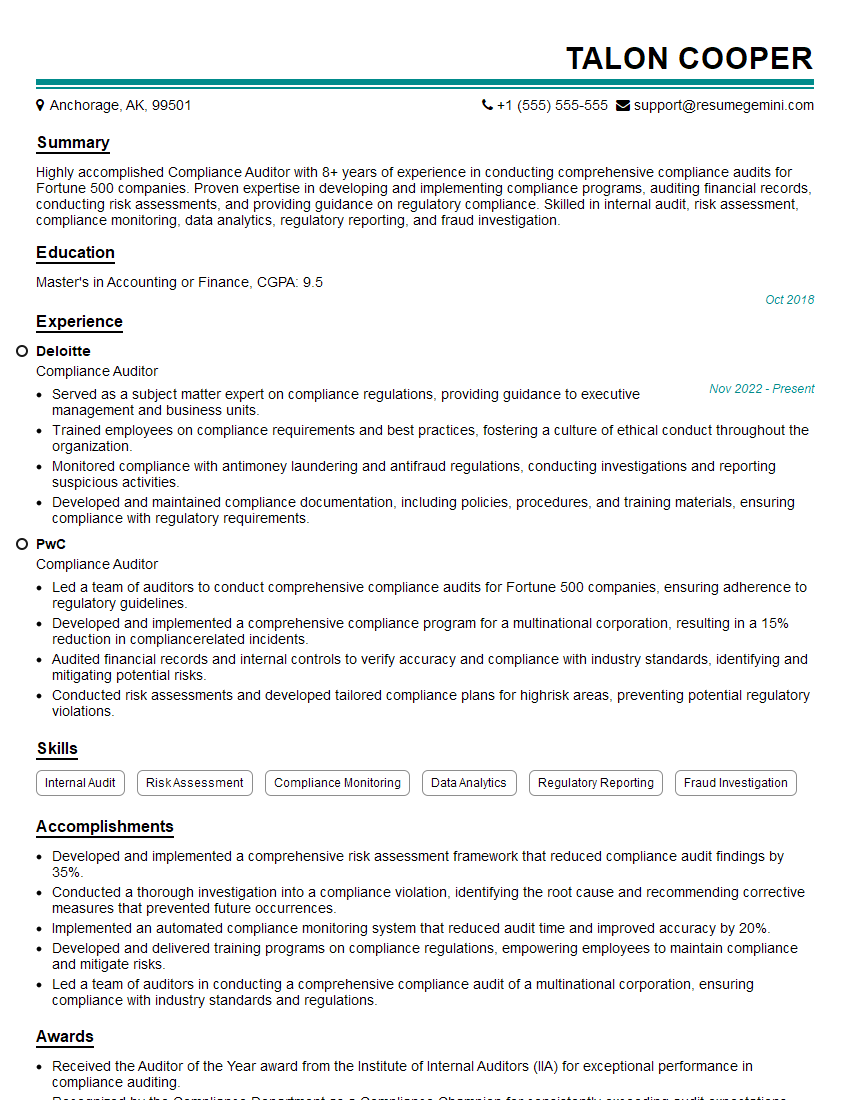
Compliance Auditor Resume Sample
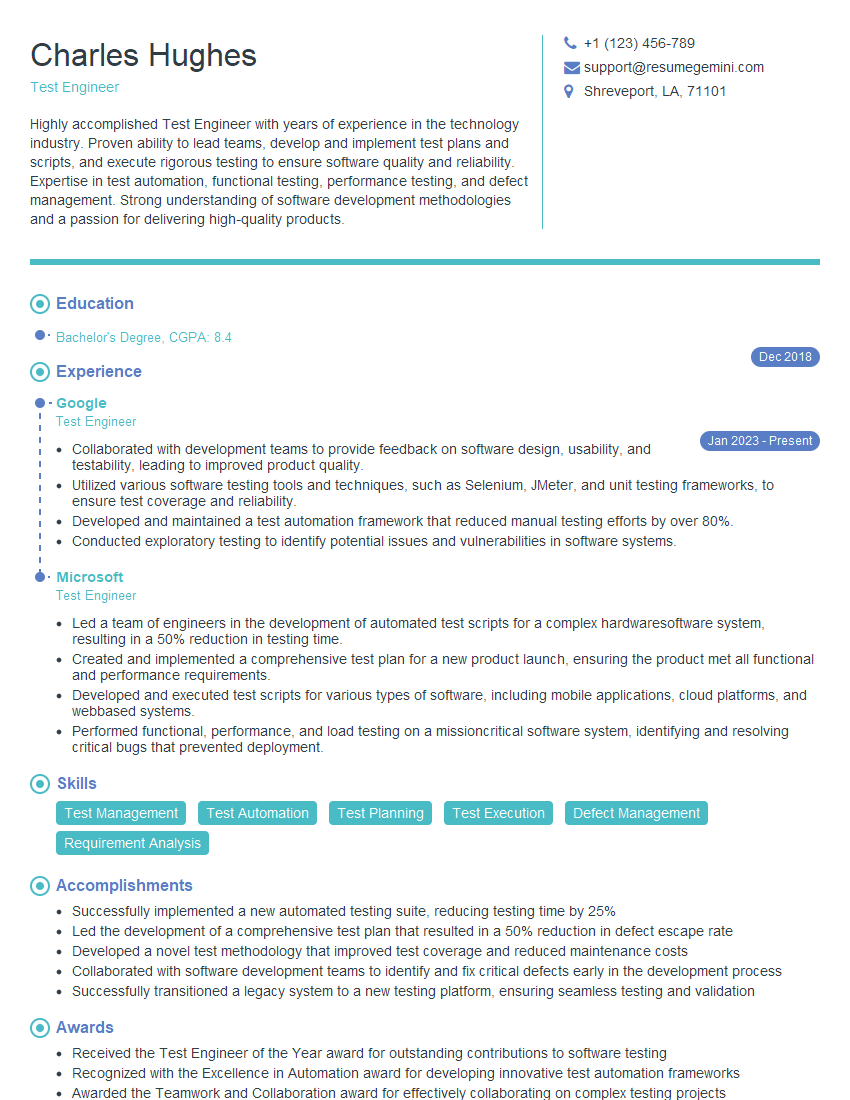
Test Engineer Resume Sample
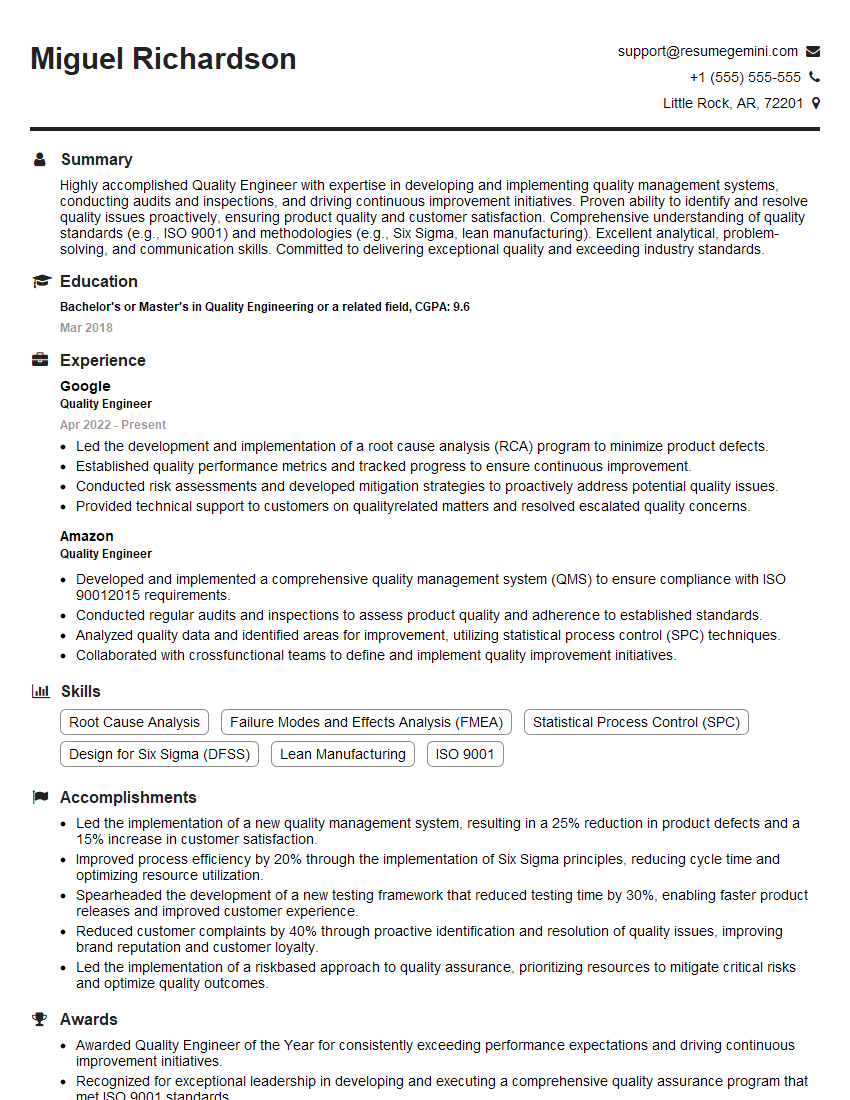
Quality Engineer Resume Sample
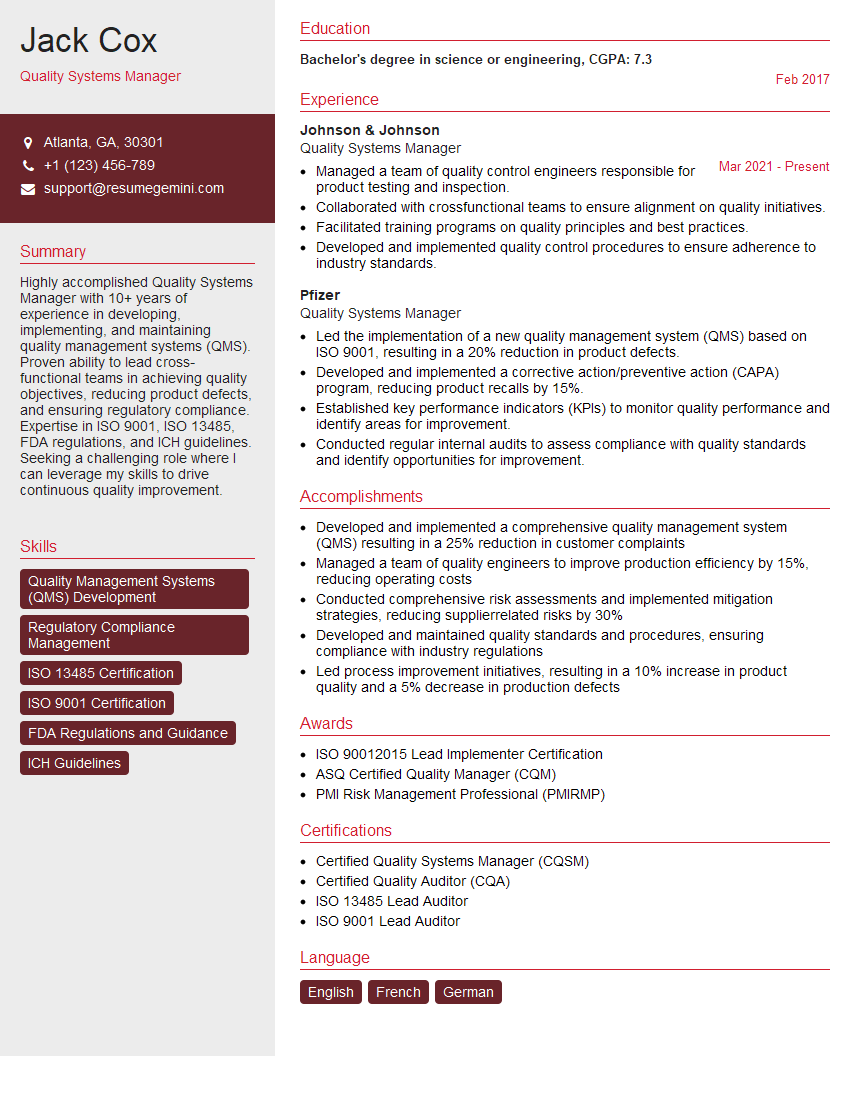
Quality Systems Manager Resume Sample
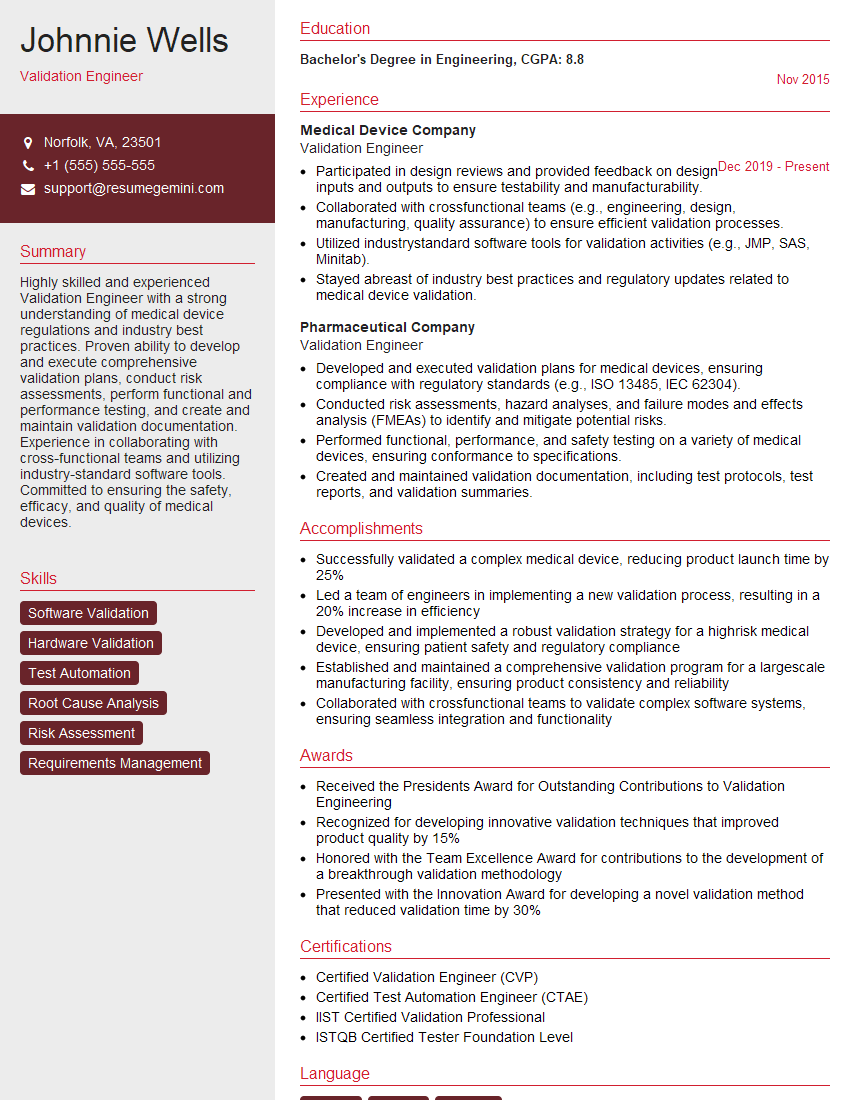
Validation Engineer Resume Sample
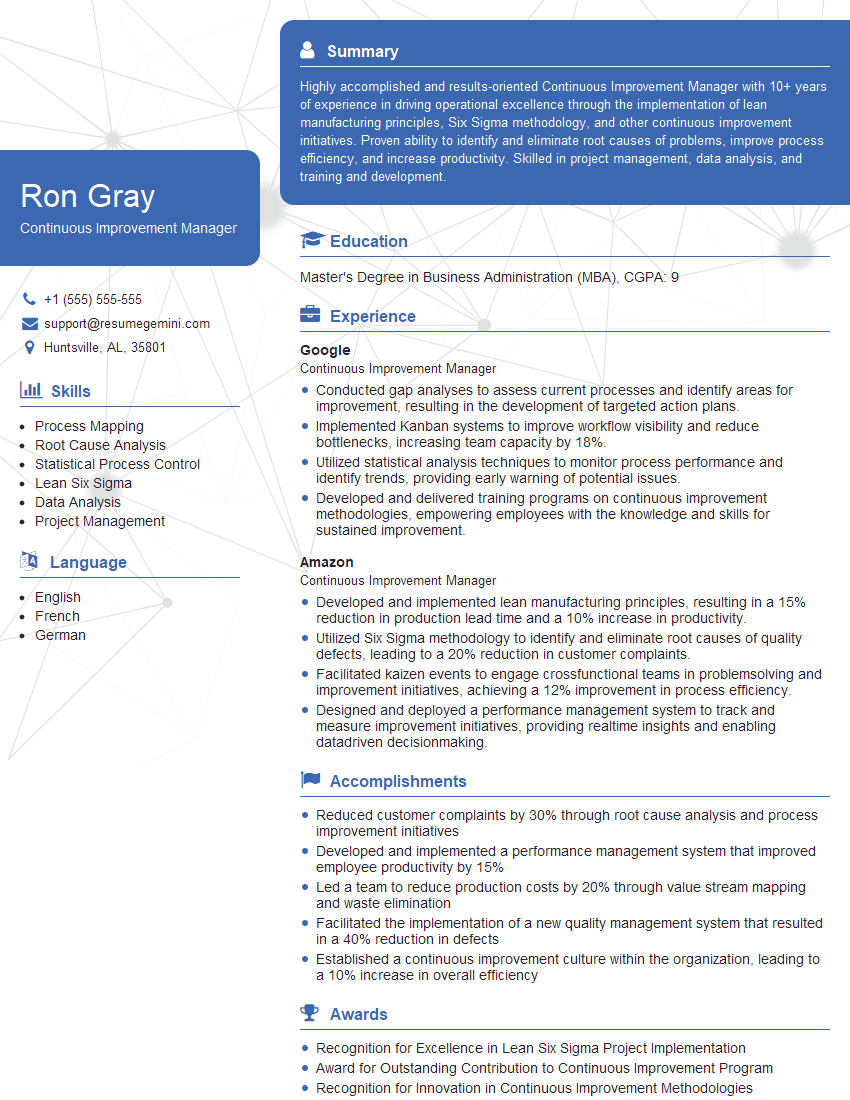
Continuous Improvement Manager Resume Sample
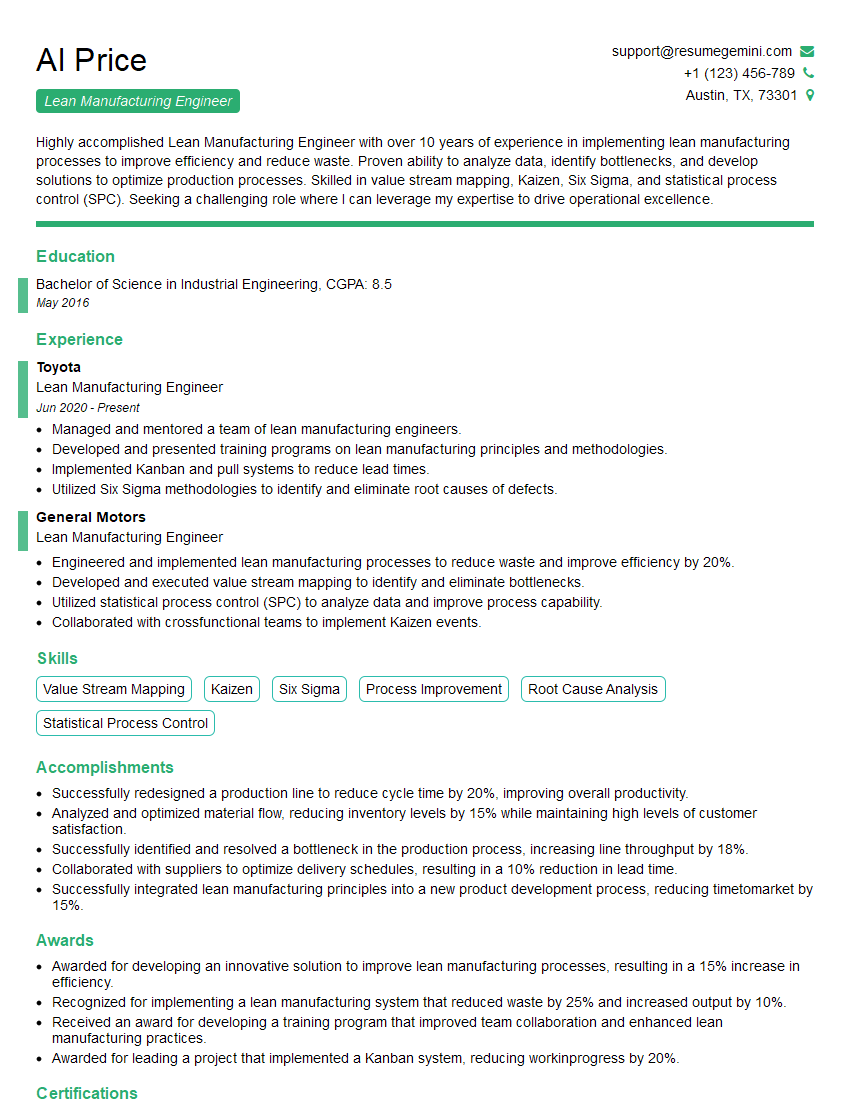
Lean Manufacturing Engineer Resume Sample
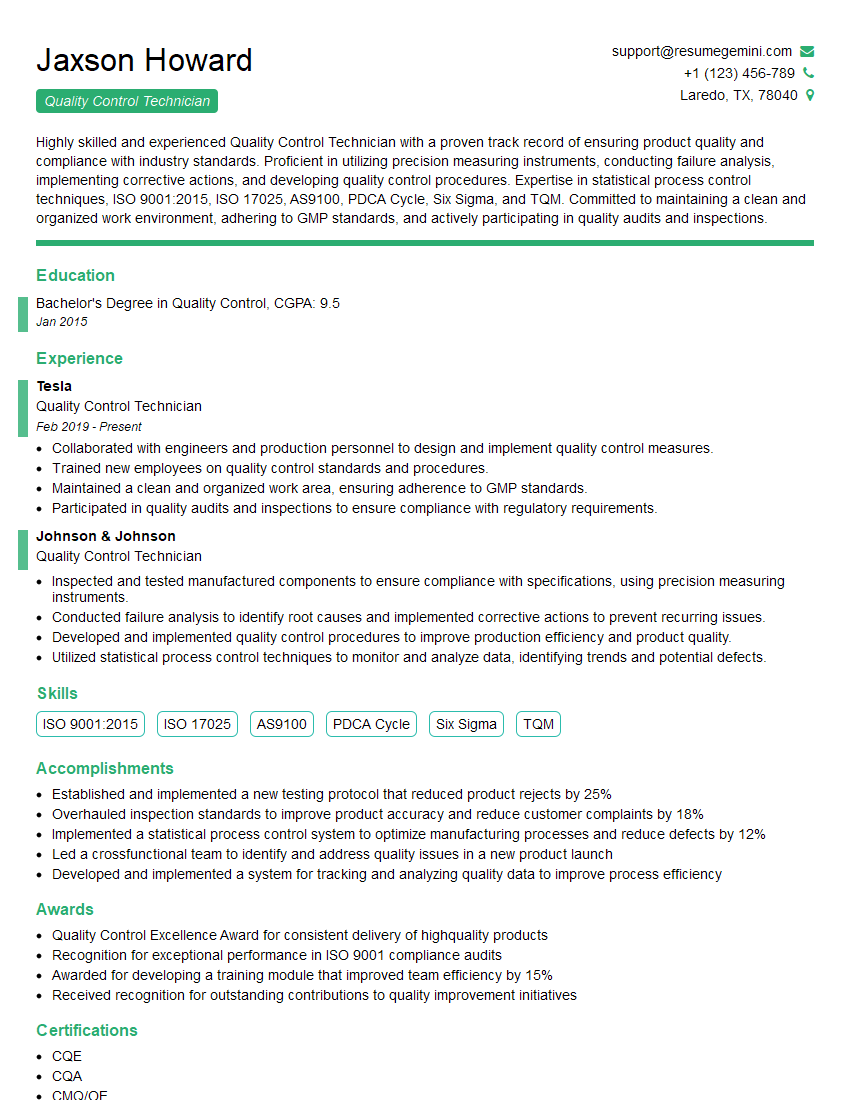
Quality Control Technician Resume Sample
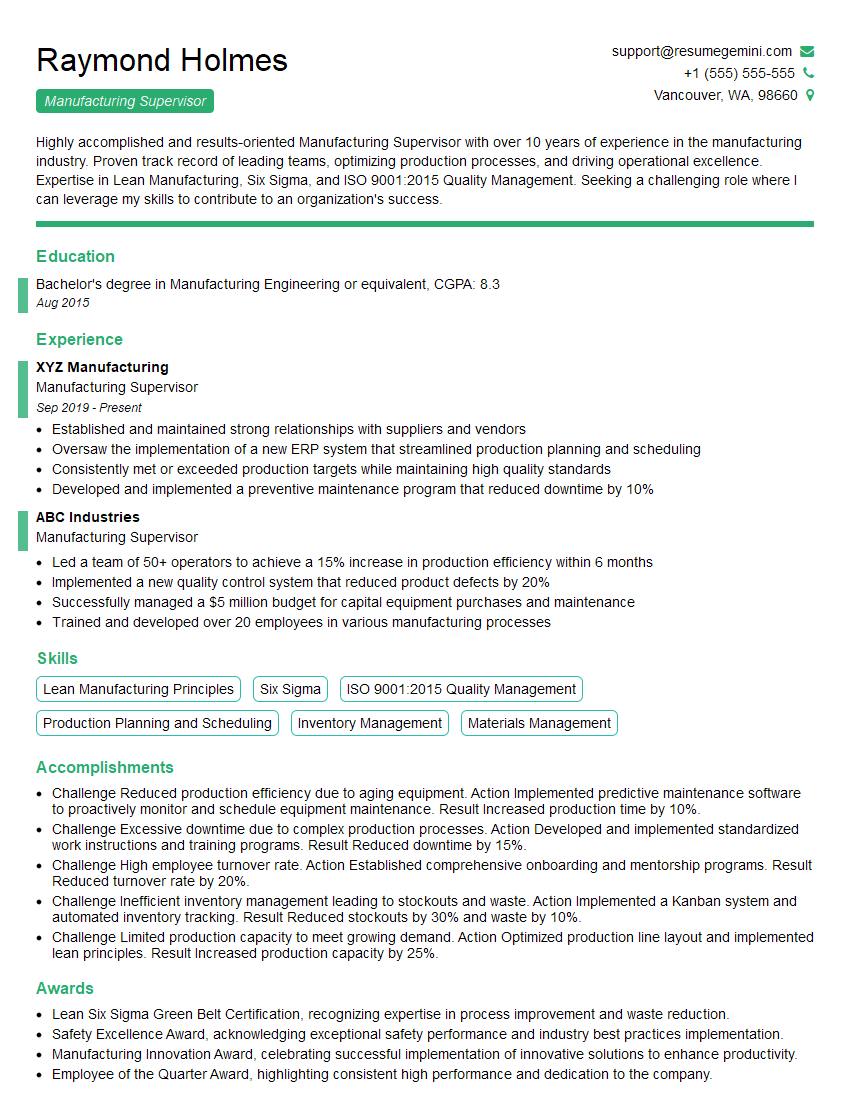
Manufacturing Supervisor Resume Sample
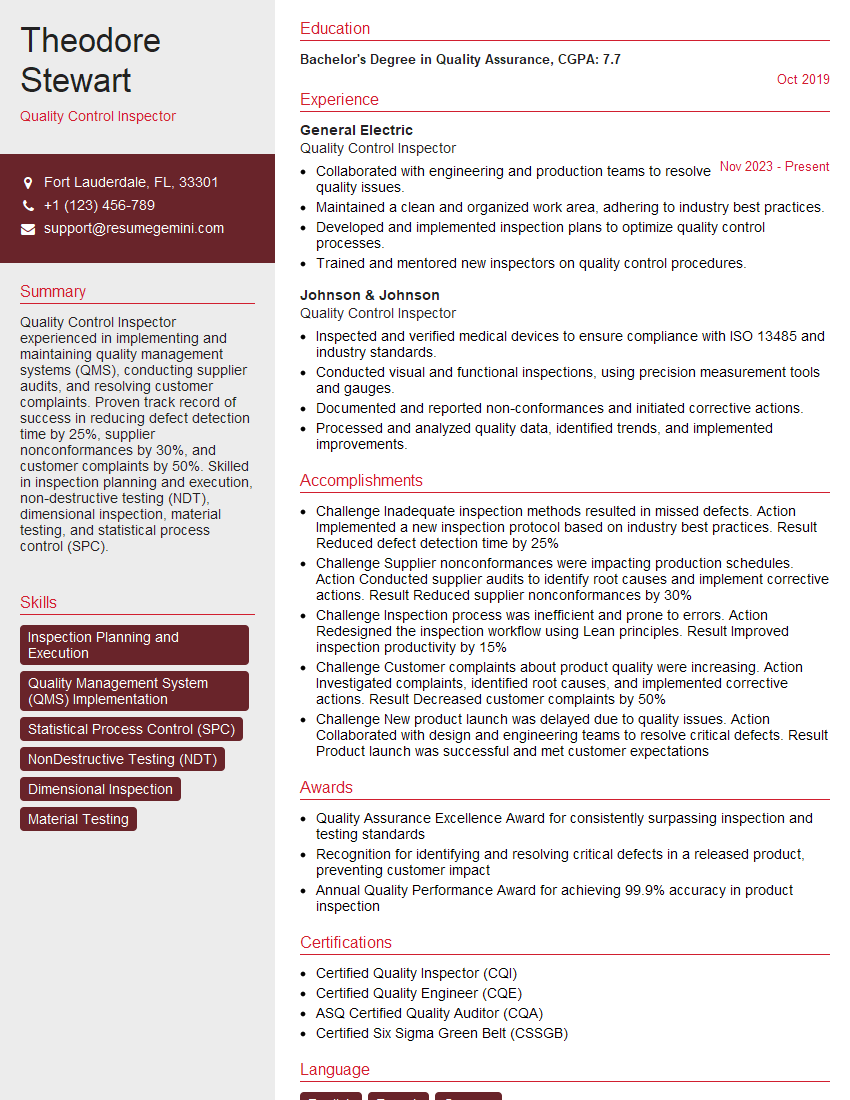
Quality Control Inspector Resume Sample
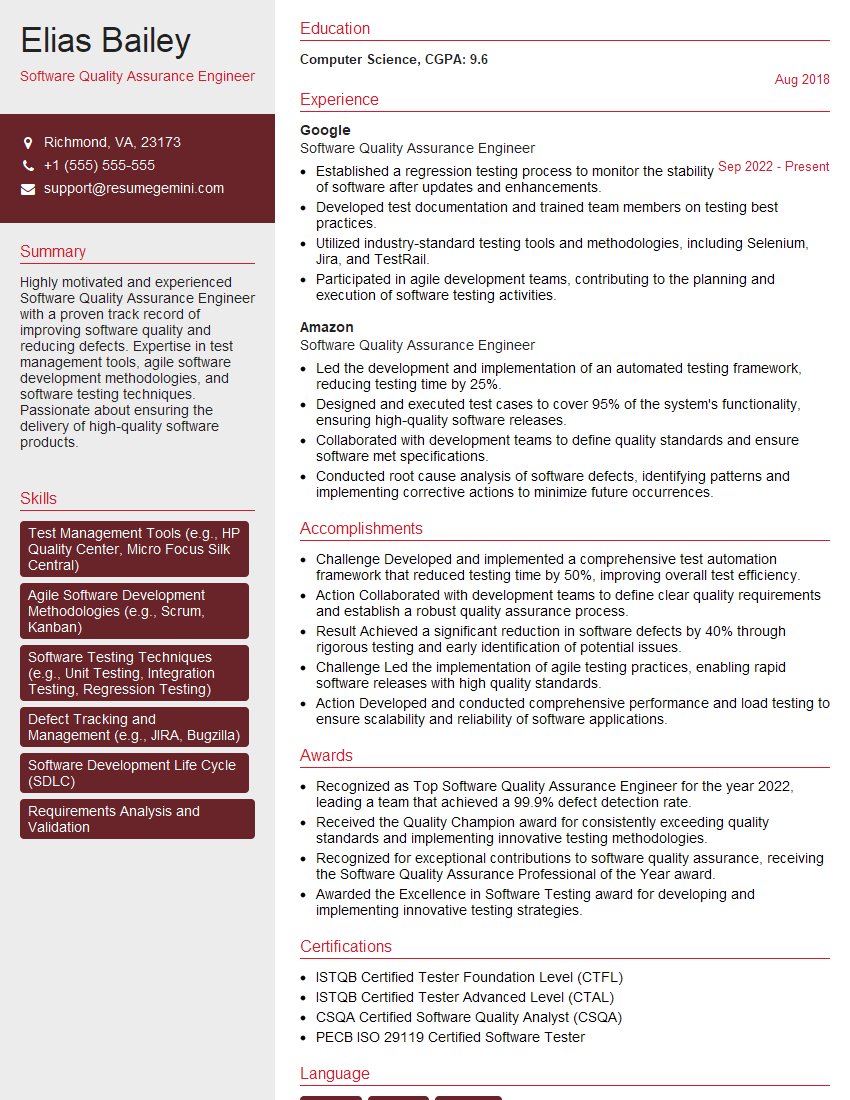
Software Quality Assurance Engineer Resume Sample
- Operations Manager
- Director of Quality
- Quality Assurance Manager
- Supply Chain Manager
- Project Manager
- Compliance Officer
- Quality Assurance Specialist
- Reliability Engineer
- Compliance Auditor
- Test Engineer
- Quality Engineer
- Quality Systems Manager
- Validation Engineer
- Continuous Improvement Manager
- Lean Manufacturing Engineer
- Quality Control Technician
- Manufacturing Supervisor
- Quality Control Inspector
- Software Quality Assurance Engineer
Explore more articles
Users Rating of Our Blogs
Share Your Experience
We value your feedback! Please rate our content and share your thoughts (optional).
What Readers Say About Our Blog
Very informative content, great job.
good