Are you ready to stand out in your next interview? Understanding and preparing for Aroma Analysis interview questions is a game-changer. In this blog, we’ve compiled key questions and expert advice to help you showcase your skills with confidence and precision. Let’s get started on your journey to acing the interview.
Questions Asked in Aroma Analysis Interview
Q 1. Explain the principle of Gas Chromatography-Mass Spectrometry (GC-MS) in aroma analysis.
Gas Chromatography-Mass Spectrometry (GC-MS) is the gold standard in aroma analysis. It’s a two-stage process that separates volatile aroma compounds and then identifies them based on their mass-to-charge ratio. Imagine it like a sophisticated sorting system for smells.
First, Gas Chromatography (GC) separates the mixture of aroma compounds based on their boiling points and interaction with a stationary phase inside a column. Compounds with lower boiling points elute (come out) first, while those with higher boiling points take longer. Think of it like a race, where smaller, lighter molecules win the race to the finish line.
Secondly, the separated compounds are then introduced into the Mass Spectrometer (MS). Here, the molecules are ionized (given a charge) and fragmented. The mass-to-charge ratio (m/z) of each fragment is measured, creating a unique fingerprint or mass spectrum for each compound. This spectrum is then compared to a database of known compounds to identify the aroma molecules present. This is similar to using a fingerprint database to identify a suspect.
By combining GC and MS, we obtain both quantitative (how much of each compound is present) and qualitative (which compounds are present) data about the aroma profile of a sample.
Q 2. Describe different methods for aroma extraction (e.g., headspace, SPME).
Several methods exist to extract aroma compounds from a sample, each with its own advantages and disadvantages. The choice of method depends on the sample matrix and the type of aroma compounds of interest.
- Headspace Extraction: This involves analyzing the volatile compounds in the gas phase above a sample. Imagine smelling a cup of coffee; you’re essentially sampling the headspace. It’s simple and requires minimal sample preparation but may not capture all aroma compounds, especially those strongly bound to the matrix. Static and dynamic headspace techniques exist, with dynamic providing better sensitivity.
- Solid Phase Microextraction (SPME): SPME is a solvent-free technique that uses a fiber coated with a specific adsorbent to extract aroma compounds directly from the sample. Think of it like a tiny sponge that absorbs the smells. It’s simple, requires minimal sample preparation, and is very versatile. It’s particularly useful for analyzing complex matrices.
- Solvent Extraction: This involves using a solvent (e.g., dichloromethane, hexane) to dissolve and extract aroma compounds from the sample. It’s effective for extracting a broad range of compounds, but requires more sample preparation and can introduce solvent artifacts.
- Supercritical Fluid Extraction (SFE): SFE uses supercritical fluids (e.g., CO2) to extract aroma compounds. This method is environmentally friendly and efficient for extracting thermally labile compounds.
Q 3. What are the key differences between olfactory and instrumental aroma analysis?
Olfactory and instrumental aroma analysis are complementary techniques offering different perspectives on aroma perception. Olfactory analysis relies on the human nose, while instrumental analysis uses techniques like GC-MS.
- Olfactory Analysis: This involves trained panelists smelling a sample and describing its aroma attributes (e.g., fruity, floral, spicy). It’s subjective, but captures the overall sensory experience, including complex interactions between aroma compounds. Think of a wine tasting, where experts assess the bouquet and flavour profile.
- Instrumental Analysis (e.g., GC-MS): This is objective and provides precise identification and quantification of individual aroma compounds. It’s excellent for identifying specific components, but may not accurately reflect the overall perceived aroma due to interactions and thresholds.
The combination of both approaches provides a more comprehensive understanding of aroma. Instrumental analysis helps identify the individual players while olfactory analysis helps understand the overall composition and effect on the perceiver.
Q 4. How do you quantify aroma compounds using GC-MS data?
Quantification of aroma compounds from GC-MS data typically involves comparing the area under the peak of each compound to that of an internal standard.
An internal standard is a known compound added to the sample before extraction. It acts as a reference point, correcting for variations in extraction efficiency and instrument response. The peak area of each aroma compound is then compared to the peak area of the internal standard to determine its relative abundance. The response factor, which accounts for the differences in detector response to different compounds, is often calculated and used in further calculations.
The calculation often involves the following formula:
Concentration (compound) = (Area (compound) / Area (internal standard)) * Concentration (internal standard) * Response FactorSophisticated software packages are used to automate this process and handle potential peak overlap or interference issues. Proper calibration curves are essential for accurate quantification.
Q 5. What are some common aroma compounds found in coffee/wine/tea (choose one)?
Let’s focus on coffee. The aroma of coffee is incredibly complex, with hundreds of volatile compounds contributing to its characteristic smell. Some common aroma compounds found in coffee include:
- Acids: Acetic acid (vinegar-like), butanoic acid (rancid butter), and many others contribute to the overall acidity and tanginess.
- Aldehydes: Hexanal (grassy), nonanal (citrus, fatty), and many more, adding green, grassy, or citrus notes.
- Esters: Ethyl acetate (fruity, solvent-like), methyl salicylate (wintergreen), contribute to the fruity and sweet notes.
- Ketones: 2-methyl-3-furanthiol (roasted, meaty), contribute to roasted and meaty notes.
- Alcohols: Phenylethanol (rose-like), contributes floral and rose-like aromas.
- Furans: Furfural (nutty, caramel), contributes to the nutty and caramel-like notes.
The specific composition of aroma compounds varies greatly depending on the coffee bean variety, roasting level, and brewing method.
Q 6. Explain the concept of aroma thresholds and their significance.
Aroma thresholds represent the minimum concentration of an aroma compound needed to be perceived by the human nose. It’s the point at which you can just barely detect a smell. These are crucial in understanding aroma perception and quality.
- Detection Threshold: The lowest concentration at which a compound can be detected. Think of it as the minimum amount of perfume needed for you to smell it in a room.
- Recognition Threshold: The lowest concentration at which a compound can be identified. This is often higher than the detection threshold, as you might detect a smell without knowing what it is.
The significance of aroma thresholds lies in their influence on product quality and consumer acceptance. Compounds below their detection thresholds won’t be perceived, while those above their recognition thresholds might contribute undesirable smells. In food and beverage industries, understanding these thresholds is critical in formulating products with pleasant and desirable aromas.
Q 7. Discuss the impact of different solvents on aroma extraction.
The choice of solvent significantly impacts aroma extraction. Different solvents have different polarities and solubilities, affecting which aroma compounds are extracted and how efficiently. Choosing the wrong solvent can lead to biased or incomplete results.
- Polar Solvents (e.g., methanol, ethanol): Extract polar aroma compounds effectively but might not extract non-polar compounds as well. Imagine trying to dissolve sugar (polar) in oil (non-polar).
- Non-polar Solvents (e.g., hexane, dichloromethane): Extract non-polar aroma compounds well, but might not extract polar compounds effectively.
The selection of a solvent also influences potential artifacts. Some solvents can have their own characteristic odors, which could interfere with the aroma analysis. Ideally, a solvent should be chosen that is inert, highly purified, and compatible with the subsequent analysis method (e.g., GC-MS).
Often a mixture of solvents is used to extract a broader range of compounds from the sample.
Q 8. Describe the process of creating an aroma profile for a food product.
Creating an aroma profile for a food product is a multi-sensory process that combines instrumental analysis with human perception. It aims to comprehensively characterize the volatile compounds responsible for a product’s scent and flavor.
- Sample Preparation: This crucial first step involves carefully extracting the volatile compounds from the food matrix. Methods vary depending on the product; techniques include headspace sampling (capturing volatiles above the sample), solvent extraction (using solvents to dissolve the volatiles), or solid-phase microextraction (SPME), which is a solvent-free technique.
- Instrumental Analysis: Gas chromatography-mass spectrometry (GC-MS) is the gold standard. The GC separates the volatile compounds based on their boiling points, while the MS identifies them based on their mass-to-charge ratio. This provides a detailed list of volatile compounds present and their relative abundances.
- Sensory Evaluation: Trained sensory panelists describe the aroma using standardized aroma terminology (e.g., fruity, floral, spicy, green). Their descriptive analysis is crucial for understanding the overall aroma impression and linking it to specific volatile compounds identified by GC-MS.
- Data Integration: The data from both instrumental analysis and sensory evaluation are integrated to create a comprehensive aroma profile. This profile may include a list of identified compounds, their concentrations, and corresponding sensory attributes. For example, a strawberry jam aroma profile might include ethyl acetate (fruity), methyl butyrate (fruity), and various esters and aldehydes contributing to its sweetness and complexity.
- Data Visualization: The aroma profile can be visually represented using various charts and graphs, such as chromatograms, heatmaps, or spider plots, to clearly illustrate the relationships between volatile compounds and sensory attributes.
Q 9. How do you interpret a chromatogram in the context of aroma analysis?
A chromatogram is a visual representation of the separation of volatile compounds achieved during gas chromatography. In aroma analysis, the x-axis represents retention time (how long a compound takes to elute from the column), and the y-axis represents the abundance or signal intensity of the compound. Each peak corresponds to a specific volatile compound.
Interpretation involves identifying each peak. This is done by comparing retention times and mass spectra (obtained from MS) with a library of known compounds. The area under each peak is proportional to the amount of that compound in the sample, allowing for relative quantification. For example, a large peak with a retention time matching that of ethyl acetate in the database indicates a high concentration of ethyl acetate in the sample, and likely contributing to a fruity note in the aroma.
Analyzing peak shapes can also reveal information about the sample’s purity or the presence of interfering compounds. Broad peaks might indicate impurities or overlapping compounds, while sharp, well-defined peaks suggest high purity.
Q 10. Explain the role of sensory evaluation in aroma analysis.
Sensory evaluation is an integral part of aroma analysis. While instrumental analysis identifies and quantifies volatile compounds, sensory evaluation provides the human interpretation of these compounds, translating chemical data into a sensory experience. This crucial step ensures that the aroma profile connects directly with the actual smell.
Trained panelists use their sense of smell to describe the aroma using standardized aroma descriptors (e.g., fruity, floral, grassy, spicy, etc.). They assess aroma intensity, quality, and pleasantness. This descriptive analysis is invaluable in linking specific volatile compounds identified by GC-MS to their perceived sensory attributes. For example, a panel might describe the aroma of a particular wine as having prominent notes of black cherry, cedarwood, and vanilla, attributes then linked to specific chemical compounds found during GC-MS analysis.
Sensory evaluation adds a layer of depth and nuance that purely instrumental analysis cannot capture, providing a holistic understanding of the aroma profile and ensuring the final profile is accurate and meaningful.
Q 11. What are some limitations of GC-MS in aroma analysis?
While GC-MS is the workhorse of aroma analysis, it has limitations. One significant limitation is its inability to detect all volatile compounds equally. Some compounds may be difficult to ionize or may have low detection sensitivity, leading to underrepresentation in the profile.
- Compound Volatility: Very low or very high volatility compounds might not be captured or detected effectively.
- Matrix Effects: The food matrix itself can interfere with the analysis, masking some compounds or altering their detection.
- Enantiomers: GC-MS may not distinguish between enantiomers (mirror-image isomers) which can have different odor characteristics.
- Cost and Complexity: GC-MS is expensive equipment requiring skilled operators. The data analysis can also be complex.
- Non-volatile Compounds: GC-MS is only capable of analysing volatile compounds and will not give information about non-volatile aroma contributors.
Despite these limitations, GC-MS remains a powerful tool when used judiciously and complemented by other analytical techniques and sensory evaluation.
Q 12. How do you identify and quantify volatile organic compounds (VOCs) in a sample?
Identifying and quantifying VOCs in a sample typically involves the following steps:
- Sample Preparation: As mentioned before, this step focuses on extracting VOCs from the sample matrix. The method depends on the sample type and the nature of the VOCs of interest. Headspace solid phase microextraction (HS-SPME) is a popular technique due to its simplicity and solvent-free nature.
- GC-MS Analysis: The extracted VOCs are injected into a GC-MS system. The GC separates the compounds, and the MS identifies them based on their mass-to-charge ratio, resulting in a chromatogram with multiple peaks. Each peak’s retention time and mass spectrum are compared with a spectral library (NIST library is commonly used) to identify the compounds.
- Quantification: The area under each peak in the chromatogram is proportional to the concentration of the corresponding compound. Quantification is often done using external or internal standards. External calibration involves creating a calibration curve by injecting known concentrations of the target compounds. Internal standards are compounds added to the sample before extraction to compensate for variability during sample preparation and analysis. This ensures more reliable quantification.
Data analysis software is used to process the data, quantify the compounds, and generate reports. The results are often expressed in terms of concentration (e.g., μg/kg) or relative abundance (percentage of total VOCs).
Q 13. Describe the concept of aroma descriptors and their application.
Aroma descriptors are words or phrases used to describe the sensory attributes of an aroma. They provide a standardized vocabulary for communicating olfactory experiences. These descriptors are carefully selected and are often categorized (e.g., fruity, floral, spicy, herbaceous, woody, etc.).
Application in aroma analysis:
- Sensory Evaluation: Trained panelists use aroma descriptors to describe the aroma of a sample. This provides qualitative data that complements the quantitative data from GC-MS.
- Aroma Profile Creation: The combination of sensory descriptors with identified compounds creates a comprehensive aroma profile, providing a detailed description of a product’s aroma.
- Product Development: Descriptors guide the development of new products or modification of existing ones to achieve desired aroma characteristics. For example, a food scientist might aim to increase the ‘fruity’ descriptor in a jam by adding specific esters identified as contributing to that attribute.
- Quality Control: Descriptors allow for monitoring the consistency of aroma profiles over time and across batches of a product. This is important for maintaining quality and brand standards.
A well-defined set of descriptors ensures objective and reproducible descriptions, facilitating communication and comparison of aroma profiles across different samples and studies.
Q 14. How do you handle potential interferences during aroma analysis?
Interferences during aroma analysis can arise from various sources, including sample preparation, instrumental limitations, and matrix effects. Effective strategies for handling these interferences are essential for obtaining accurate and reliable results.
- Sample Preparation Techniques: Careful sample preparation is crucial. Techniques such as solid-phase extraction (SPE) or solid-phase microextraction (SPME) can help remove interfering compounds. Selecting appropriate solvents for extraction and ensuring the complete removal of solvent residue are also important.
- Instrumental Optimization: Optimizing GC-MS parameters such as column selection, temperature program, and injection techniques minimizes co-elution of compounds. High-resolution GC columns offer better separation. Choosing an appropriate mass spectral acquisition method (e.g., full scan or selected ion monitoring) improves data quality.
- Data Processing: Sophisticated data processing techniques can help identify and remove interferences from the chromatograms. Background subtraction, peak deconvolution, and chemometric analysis can help resolve overlapping peaks and correct for baseline drift. Using internal standards also allows you to correct for variability in the analytical process.
- Blank Samples: Analyzing blank samples (samples without the analyte of interest) helps identify and quantify potential background interferences arising from solvents, reagents, or the instrument itself.
Addressing these potential issues proactively helps ensure the integrity of the data and the accuracy of the aroma profile.
Q 15. Discuss the importance of sample preparation in aroma analysis.
Sample preparation is paramount in aroma analysis because the quality and reliability of your results hinge entirely on the integrity of your starting material. Think of it like baking a cake – if your ingredients are substandard or improperly measured, your cake will be disappointing. Similarly, if your sample isn’t properly prepared, you’ll get inaccurate and unreliable aroma profiles.
This process encompasses several crucial steps:
- Extraction: This involves carefully removing the volatile aroma compounds from the sample matrix (e.g., food, beverage, perfume). Common techniques include headspace sampling (capturing the volatiles above the sample), solid-phase microextraction (SPME) (adsorbing volatiles onto a fiber), and solvent extraction (dissolving volatiles in a solvent).
- Clean-up: This step often involves removing interfering compounds that might obscure the aroma profile. Techniques include solid-phase extraction (SPE) or distillation. The goal is to isolate the aroma compounds of interest for cleaner analysis.
- Concentration: Aroma compounds are often present in very low concentrations. Concentration techniques, such as evaporation or concentration using nitrogen, increase the analyte concentration for improved detection by the analytical instrument.
- Storage: The prepared samples must be handled meticulously to prevent degradation of volatile compounds. Samples are frequently stored in inert gas atmosphere at low temperatures.
For example, in analyzing the aroma of a wine, improper extraction could lead to the loss of delicate esters or thiols, misrepresenting the wine’s true aroma character. Careful sample preparation ensures you capture the full and accurate aroma profile.
Career Expert Tips:
- Ace those interviews! Prepare effectively by reviewing the Top 50 Most Common Interview Questions on ResumeGemini.
- Navigate your job search with confidence! Explore a wide range of Career Tips on ResumeGemini. Learn about common challenges and recommendations to overcome them.
- Craft the perfect resume! Master the Art of Resume Writing with ResumeGemini’s guide. Showcase your unique qualifications and achievements effectively.
- Don’t miss out on holiday savings! Build your dream resume with ResumeGemini’s ATS optimized templates.
Q 16. Explain the differences between quantitative and qualitative aroma analysis.
Qualitative and quantitative aroma analysis differ fundamentally in their objectives and the information they provide. Qualitative analysis focuses on identifying the aroma compounds present, while quantitative analysis determines the amount of each compound. Think of it like describing a painting versus measuring its dimensions and materials.
Qualitative Analysis: This aims to create a comprehensive aroma profile. Techniques such as gas chromatography-mass spectrometry (GC-MS) are used to separate and identify the volatile compounds based on their retention times and mass spectra. The results are typically presented as a list of identified compounds, often accompanied by their odor descriptions (e.g., fruity, floral, spicy).
Quantitative Analysis: This goes beyond identification and measures the concentration of each identified compound in the sample. This often involves techniques like GC-MS with internal standards, allowing for accurate quantification using calibration curves. The results are presented as concentration values (e.g., µg/L, ppm) for each compound.
In a practical example, analyzing coffee aroma, qualitative analysis might reveal the presence of pyrazines, esters, and phenols, while quantitative analysis would indicate the concentration of each of these compound classes, providing insights into the coffee’s overall intensity and specific aroma notes, like roasted or floral notes.
Q 17. How do you ensure the reproducibility of aroma analysis results?
Reproducibility in aroma analysis is critical for the reliability and validity of the results. It ensures that the same sample, analyzed under the same conditions, yields consistent results across different analyses and laboratories. Achieving reproducibility involves meticulous attention to detail at every stage of the process.
- Standardized Procedures: Using established and standardized protocols for sample preparation, analysis, and data processing minimizes variability. Each step should be carefully documented.
- Calibration and Validation: Regular calibration of instruments and validation of analytical methods ensure accuracy and precision. This typically involves using certified reference materials and calculating parameters like limits of detection (LOD) and quantification (LOQ).
- Internal Standards: Using internal standards during quantitative analysis helps correct for instrument variability and sample loss. This allows for a more accurate comparison of results across different experiments.
- Quality Control: Regularly analyzing quality control samples (QC) helps monitor the stability of the analysis and identify potential sources of error.
- Automation: Automating aspects of the workflow, where possible, can minimize human error and improve consistency.
For instance, in a sensory evaluation paired with aroma analysis of a chocolate bar, we would meticulously document the exact chocolate type and storage conditions. The aroma analysis instrument should be properly calibrated, and standardized extraction methods are used to ensure similar results are obtained across multiple evaluations.
Q 18. What are some common artifacts that can affect aroma analysis results?
Several artifacts can negatively impact the accuracy and reliability of aroma analysis. These artifacts stem from various sources, and recognizing them is crucial for data interpretation.
- Contamination: Contamination from the environment, glassware, or solvents can introduce extraneous compounds into the sample, leading to false positives or masking the actual aroma profile.
- Sample Degradation: Aroma compounds are often volatile and sensitive to light, oxygen, and temperature. Degradation during sample handling or storage can alter the original aroma profile.
- Matrix Effects: The sample matrix itself can affect the extraction and detection of aroma compounds. Complex matrices can suppress or enhance the signal from certain compounds.
- Instrumental Artifacts: Problems with the analytical instrument, such as column bleed (contamination from the GC column), detector noise, or incorrect calibration, can lead to inaccurate or misleading results.
For example, in analyzing the aroma of a spice blend, contamination by a strong odor from a previous sample in the headspace apparatus would significantly alter the results. Similarly, poor storage conditions might lead to the oxidation of sensitive aroma components causing significant changes to the overall aroma.
Q 19. Describe your experience with different aroma databases (e.g., NIST, Wiley).
I have extensive experience working with various aroma databases, including NIST (National Institute of Standards and Technology) and Wiley databases. These databases serve as invaluable resources for identifying and characterizing aroma compounds.
NIST Mass Spectral Library: This is a comprehensive database containing a massive collection of mass spectra for a wide range of compounds. It’s extensively used in GC-MS analysis for compound identification by comparing the obtained mass spectrum with the database entries. The high quality and wide coverage of this library are crucial for accurate identification.
Wiley Databases: Wiley offers several databases, including those focused on spectroscopy data such as IR and NMR, alongside chemical and physical property information. These databases are useful for confirming compound identities obtained from GC-MS analysis and provide access to additional information on a compound’s properties.
My experience involves using these databases for both qualitative and quantitative analysis. For example, in a project involving the analysis of essential oils, I would use the NIST library to identify the various volatile compounds detected by GC-MS. Then, the data would be complemented using other libraries to verify the identities and access additional characterization data.
Q 20. How do you interpret aroma data to determine product quality?
Interpreting aroma data to determine product quality requires a holistic approach, combining chemical analysis with sensory evaluation and knowledge of the product’s characteristics. Aroma data alone cannot fully define quality, it must be considered within a broader context.
For instance, in wine analysis, a high concentration of ethyl acetate might indicate spoilage, while a balanced profile of esters, terpenes, and thiols might signify high quality. Therefore, I assess the data based on several factors:
- Compound Identification and Concentration: The presence and concentration of key aroma compounds are crucial. Certain compounds are associated with positive attributes (e.g., fruity esters in wine), while others indicate defects (e.g., off-flavors).
- Aroma Profile Balance: A well-balanced aroma profile typically indicates higher quality. I’d look for a harmonious blend of different aroma notes rather than an overabundance of a single compound.
- Sensory Correlation: Comparing the aroma data with sensory evaluation results (e.g., descriptive sensory analysis) is essential. This helps link specific compounds to perceived aroma attributes. This helps validate and contextualize the chemical data obtained.
- Product Specifications: The aroma profile must be interpreted in relation to established standards or quality parameters for the specific product. Different products have different acceptable aroma profiles.
Therefore, interpreting aroma data is not just about identifying compounds but also about understanding the interplay between them, and relating them to the sensory experience and the predefined quality standards of the product.
Q 21. Describe the process of developing a new aroma compound.
Developing a new aroma compound is a complex process that usually involves several steps and requires expertise in organic chemistry and aroma chemistry. The process often starts with a specific target aroma in mind, either to create a novel fragrance note or to improve an existing one.
The development process typically involves:
- Target Definition: Clearly defining the desired aroma characteristics is crucial. This might involve describing the desired olfactory notes, intensity, and persistence.
- Molecular Design: This involves designing molecules that are expected to exhibit the desired aroma properties. This requires considerable knowledge of structure-activity relationships (SAR) in aroma chemistry – how molecular structure affects the odor.
- Synthesis: The designed molecule is synthesized in the laboratory through multi-step chemical reactions. This is a demanding and often iterative process, with optimization to improve yield and purity.
- Purification: After synthesis, the newly synthesized compound needs to be carefully purified using techniques such as chromatography to remove impurities and byproducts.
- Characterization: This involves thoroughly characterizing the compound using various analytical techniques including GC-MS, NMR, and IR spectroscopy to verify its structure and purity.
- Sensory Evaluation: The aroma of the synthesized compound is evaluated by trained sensory panels to determine its olfactory properties and confirm whether it matches the target aroma profile. This is often a crucial and iterative step.
- Optimization: The synthesis and sensory evaluation processes might need iterations to fine-tune the structure and optimize the aroma characteristics.
For instance, creating a novel rose-like fragrance might involve designing molecules based on the known aroma compounds in natural rose oil. Then, the compound is synthesized, purified, and subjected to rigorous sensory testing. Iterations will be performed to fine-tune the aroma to match the target as closely as possible.
Q 22. Explain how you would design a sensory panel for aroma evaluation.
Designing a sensory panel for aroma evaluation requires careful consideration of several factors to ensure reliable and reproducible results. Think of it like assembling a highly skilled orchestra – each member needs specific training and capabilities to create a harmonious and accurate representation of the aroma.
Firstly, screening potential panelists is crucial. We use standardized tests to identify individuals with a good sense of smell (olfactory acuity), ability to discriminate between odors (olfactory discrimination), and the capacity to describe aromas accurately (olfactory vocabulary). This involves tests like triangle tests (identifying the odd sample out of three) and odor identification tests using standardized odorants.
Secondly, training is vital. Panelists undergo extensive training to familiarize themselves with the specific aromas they will be evaluating and develop a common vocabulary for describing these sensations. This includes sessions on aroma descriptors, scales (e.g., intensity scales), and proper sniffing techniques to ensure consistency.
Thirdly, panel size is important. The ideal size depends on the complexity of the aroma and the statistical power needed. Typically, panels of 8-12 well-trained panelists are used. We also need to consider the statistical design of the sensory evaluation; methods such as balanced incomplete block designs are used to manage the number of samples each panelist needs to assess within a specific session, ensuring they do not suffer olfactory fatigue.
Finally, panel management is ongoing. Regular performance checks, calibration sessions using reference samples, and the replacement of panelists whose performance decreases over time are key to maintaining panel reliability. It’s a continuous process of refinement to ensure data integrity.
Q 23. What statistical methods are commonly used in aroma analysis?
Statistical methods are fundamental to analyzing the data collected from aroma sensory panels. They allow us to move beyond subjective impressions and draw objective conclusions.
- Descriptive Analysis: This qualitative approach uses trained panelists to describe aroma attributes (e.g., fruity, floral, spicy) and their intensity. Data is typically analyzed using attribute-by-sample profiles with statistical summaries.
- Difference Testing: Methods like triangle tests and paired comparison tests assess if significant differences exist between aromas. Statistical tests like binomial or chi-square tests are used to determine the significance.
- Affective Testing: This gauges consumer preference, using hedonic scales (e.g., liking scores) to assess how much consumers enjoy a particular aroma. Analysis involves using statistical methods like t-tests or ANOVA (analysis of variance) to compare mean scores.
- Multivariate Analysis: Techniques like principal component analysis (PCA) and partial least squares regression (PLS) are helpful when dealing with complex datasets with numerous attributes and samples. These methods help to reduce dimensionality and identify relationships between aroma profiles and other factors.
For example, if we’re comparing the aroma of two different coffee roasts, we might use a triangle test to see if consumers can distinguish a difference. If a difference is found, we can then use descriptive analysis to determine what specific aroma attributes contribute to this difference. We would then employ statistical tests to determine the statistical significance of the findings.
Q 24. How do you assess the impact of processing on aroma compounds?
Assessing the impact of processing on aroma compounds is crucial for maintaining product quality and developing optimized processing methods. Imagine baking a cake – processing steps like heating can drastically alter the final aroma profile.
We employ a combination of techniques:
- Gas Chromatography-Mass Spectrometry (GC-MS): This is a powerful analytical technique to identify and quantify individual volatile aroma compounds present in a sample before and after processing. Changes in the concentration of specific compounds indicate the impact of processing.
- Sensory Evaluation: Trained sensory panels assess changes in aroma profiles after processing, providing insights into the overall impact on the perceived aroma. We often combine GC-MS results with sensory data to establish a clear link between chemical changes and the consumer’s perception.
- Headspace Solid-Phase Microextraction (HS-SPME): This allows non-destructive sampling of volatiles above a sample, useful for monitoring aroma changes during processing without impacting the sample itself. This method is particularly important for volatile compounds.
For instance, comparing the aroma profiles of fresh strawberries versus strawberry jam reveals a loss of some volatile esters during processing, potentially impacting the perceived freshness of the jam.
Q 25. Discuss the role of aroma analysis in quality control.
Aroma analysis plays a vital role in quality control, ensuring consistency and meeting consumer expectations. Think of it as a ‘sniff test’ on a much larger, more scientific scale.
In quality control, aroma analysis is used to:
- Monitor raw material quality: Assessing the aroma of incoming ingredients helps in selecting high-quality materials. For instance, ensuring the essential oils in spices meet a defined aroma profile.
- Detect defects or off-flavors: Aroma analysis can pinpoint undesirable aroma compounds caused by spoilage or improper processing conditions. For example, detecting rancidity in oils.
- Ensure product consistency: Monitoring aroma profiles during production ensures consistent product quality. Each batch is checked to meet the defined aroma characteristics.
- Track shelf-life stability: Evaluating changes in the aroma profile over time helps determine the appropriate shelf life and storage conditions for a product.
Without robust aroma analysis, quality control relies on subjective assessments which are less precise and repeatable than the objective data provided by aroma analysis techniques.
Q 26. Describe your experience with different types of aroma detectors.
My experience encompasses a variety of aroma detectors, each with its own strengths and weaknesses. The choice depends on the specific application and the information needed.
- Electronic Noses (E-noses): These instruments use arrays of sensors to detect and quantify volatile compounds, creating a ‘fingerprint’ of the aroma. E-noses are particularly useful for rapid screening and quality control, providing a quick overview of aroma differences. They are excellent for identifying differences but often lack the specificity of GC-MS.
- Gas Chromatography-Mass Spectrometry (GC-MS): As previously discussed, GC-MS provides detailed information about the individual volatile compounds present. This is the gold standard for aroma identification and quantification, enabling precise analysis.
- Headspace-Gas Chromatography (HS-GC): This focuses on analyzing volatile aroma compounds directly from the headspace above a sample, minimizing sample preparation. It’s ideal for volatile compounds in food or other matrices.
- Sensory Panels: While not a strictly ‘detector’, human sensory panels are essential for interpreting the complex interplay of volatile compounds into a holistic aroma experience. They provide invaluable contextual information not accessible through instrumental analysis alone.
In my work, I’ve utilized all these tools, often combining their strengths to provide a comprehensive aroma profile. For example, I might use an e-nose for rapid screening, followed by GC-MS for detailed characterization of a promising sample, with sensory evaluation to confirm the findings and provide a holistic sensory experience perspective.
Q 27. Explain your understanding of aroma interactions and masking.
Aroma interactions and masking are complex phenomena that significantly influence our perception of aromas. It’s like a symphony orchestra – some instruments might be louder and mask quieter ones, or two instruments playing together might create a wholly new sound.
Aroma interactions refer to the synergistic or antagonistic effects of different aroma compounds when they are present together. Some compounds might enhance each other, creating a more intense or pleasant aroma, while others might suppress or modify each other’s perception. For example, the presence of certain esters might enhance the fruity notes of a wine.
Aroma masking occurs when one or more aroma compounds mask the perception of others. A strong aroma might overpower weaker aromas, making them imperceptible. For instance, the strong aroma of garlic might mask more delicate herb notes in a dish.
Understanding these interactions is crucial in product formulation and sensory evaluation. For instance, understanding how specific aroma compounds interact can help in formulating a product with a desired aroma profile. Similarly, understanding aroma masking effects helps in designing sensory tests where weaker compounds can be effectively evaluated.
Q 28. How do you address challenges related to aroma stability and shelf-life?
Aroma stability and shelf life are critical for maintaining product quality and consumer satisfaction. Imagine a perfume that loses its scent after a few weeks – it’s a major quality issue.
Addressing these challenges involves:
- Packaging: Selecting appropriate packaging materials that protect against oxidation, light exposure, and moisture ingress, which can degrade aroma compounds. Think of how coffee is often packaged in airtight containers.
- Storage conditions: Controlling temperature, humidity, and light exposure to minimize degradation reactions. Proper storage is crucial for retaining aroma integrity.
- Addition of stabilizers: Incorporating antioxidants or other compounds that can protect aroma compounds from degradation. This is a common practice in the food industry.
- Controlled processing: Optimizing processing conditions (e.g., temperature, time) to minimize the loss or alteration of aroma compounds during production. Gentle processing often results in better aroma stability.
- Encapsulation: Encapsulating volatile aroma compounds to protect them from degradation throughout the shelf life. This technique is used for protecting sensitive aromas from chemical reactions or oxidation.
Understanding the kinetics of aroma degradation is crucial for predicting shelf life and determining optimal storage conditions. This involves analyzing the changes in aroma compounds over time under different storage conditions using techniques like GC-MS and sensory evaluations. This data helps set expiry dates and ensures product quality is consistent with expectations.
Key Topics to Learn for Aroma Analysis Interview
- Olfactory Physiology and Perception: Understanding the mechanisms of smell, including olfactory receptors, neural pathways, and sensory perception. This forms the foundation of aroma analysis.
- Aroma Chemistry: Familiarity with key volatile organic compounds (VOCs) and their contribution to aroma profiles. This includes understanding chemical structures and their relationship to olfactory sensations.
- Analytical Techniques: Knowledge of various methods used in aroma analysis, such as Gas Chromatography-Mass Spectrometry (GC-MS), Headspace analysis, and sensory evaluation techniques. Be prepared to discuss the strengths and limitations of each.
- Data Analysis and Interpretation: Understanding how to interpret chromatograms, identify key aroma compounds, and correlate aroma profiles with sensory descriptions. This includes statistical analysis of aroma data.
- Applications in Different Industries: Discuss how aroma analysis is applied in various fields like food science, perfumery, cosmetics, and environmental monitoring. Examples will showcase your breadth of knowledge.
- Sensory Science Principles: A solid understanding of sensory evaluation methodologies, including descriptive analysis, difference testing, and consumer testing, is crucial for interpreting aroma data effectively.
- Problem-Solving and Critical Thinking: Be ready to discuss challenges faced in aroma analysis, such as sample preparation, data interpretation ambiguity, and the subjective nature of olfaction. Show how you approach these challenges methodically.
Next Steps
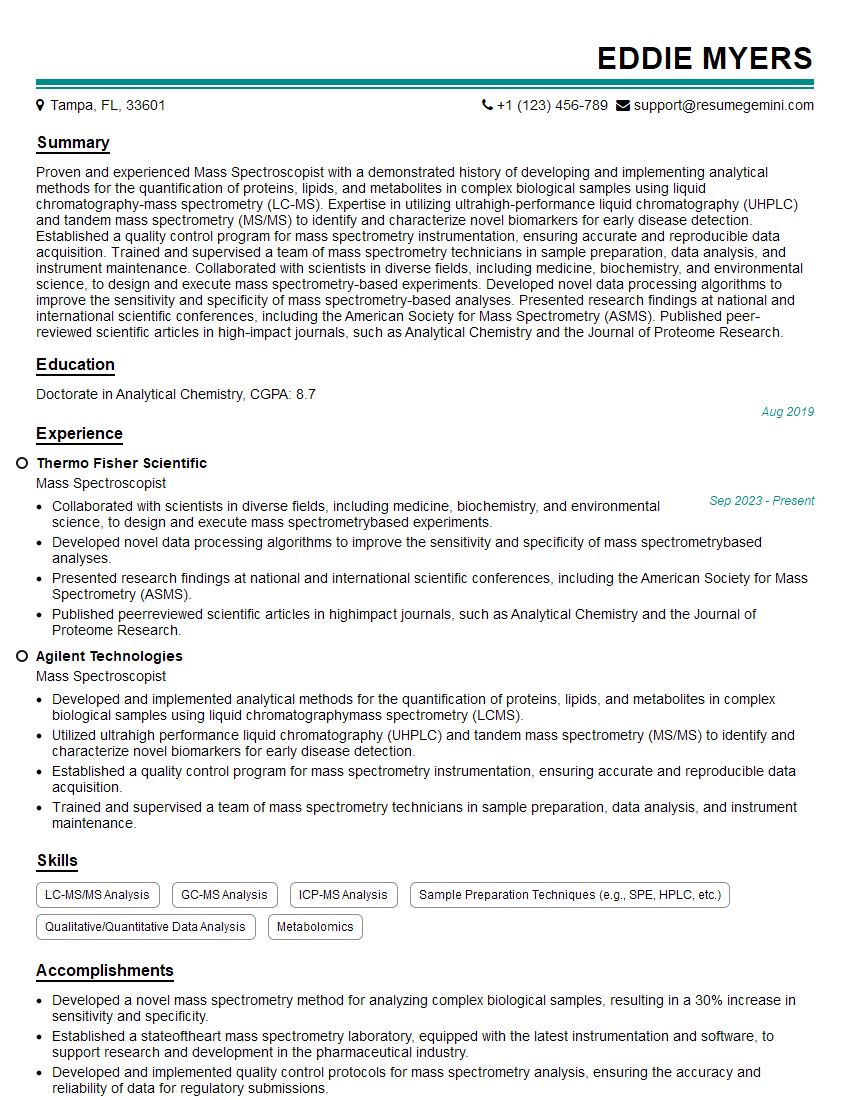
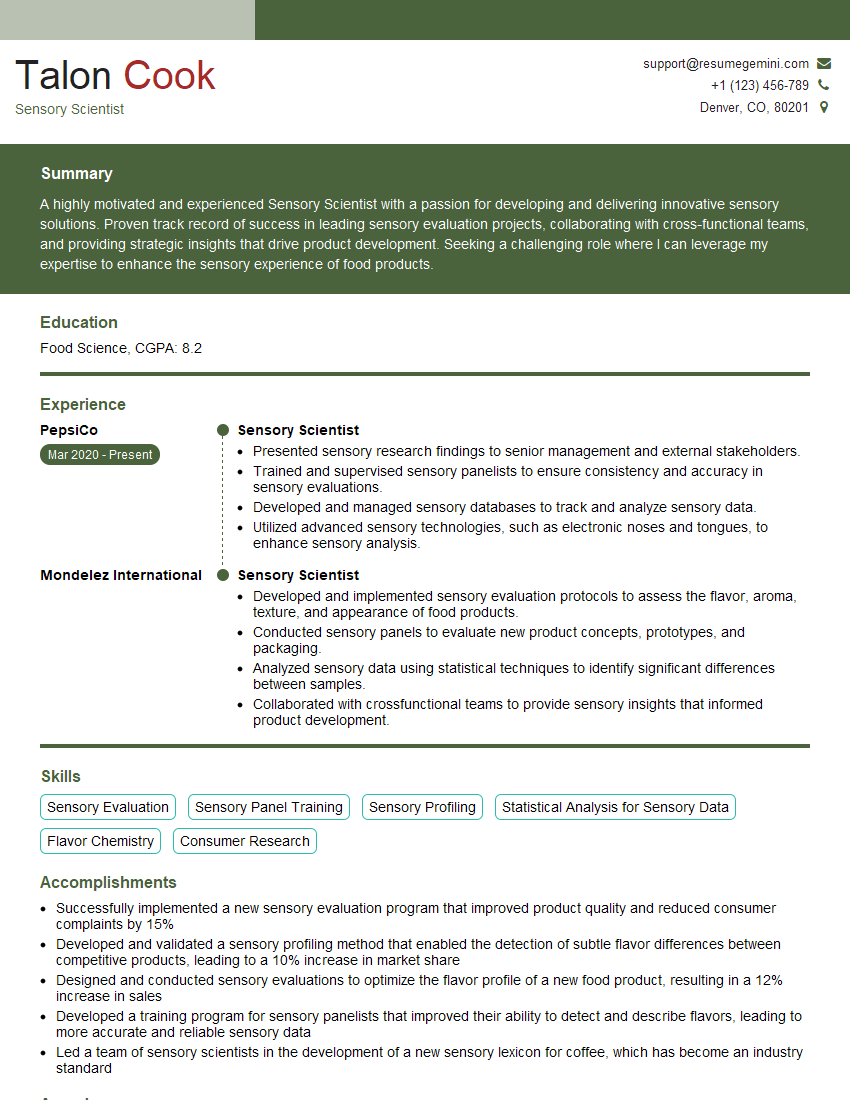
Mastering aroma analysis opens doors to exciting and rewarding careers in various industries, offering opportunities for innovation and problem-solving. To maximize your job prospects, crafting a compelling and ATS-friendly resume is essential. ResumeGemini is a trusted resource that can help you build a professional and effective resume tailored to the specific requirements of aroma analysis roles. Examples of resumes tailored to Aroma Analysis positions are available to help guide you. Invest time in building a strong resume – it’s your first impression on potential employers.
Explore more articles
Users Rating of Our Blogs
Share Your Experience
We value your feedback! Please rate our content and share your thoughts (optional).
What Readers Say About Our Blog
Very informative content, great job.
good