Preparation is the key to success in any interview. In this post, we’ll explore crucial Trained in the use of safety equipment and procedures interview questions and equip you with strategies to craft impactful answers. Whether you’re a beginner or a pro, these tips will elevate your preparation.
Questions Asked in Trained in the use of safety equipment and procedures Interview
Q 1. Describe your experience with Personal Protective Equipment (PPE).
My experience with Personal Protective Equipment (PPE) is extensive. I’ve worked in various environments requiring diverse PPE, from construction sites demanding hard hats, safety glasses, and high-visibility clothing, to laboratories necessitating chemical-resistant gloves, lab coats, and respirators. I’m proficient in selecting the appropriate PPE based on identified hazards, ensuring proper fit and function, and understanding the limitations of each piece of equipment. For example, while working with corrosive chemicals, I wouldn’t just rely on gloves; I’d also use a lab coat and eye protection to ensure complete protection. I also emphasize regular inspection and maintenance of PPE, promptly replacing damaged or worn items. I’m familiar with the proper storage and disposal procedures for different types of PPE to maintain hygiene and safety.
- Hard hats: Protecting against falling objects.
- Safety glasses: Shielding eyes from impact and debris.
- Respirators: Protecting against airborne hazards like dust or fumes.
- Gloves: Providing protection against chemicals, cuts, and abrasions.
Q 2. Explain the hierarchy of hazard controls.
The hierarchy of hazard controls prioritizes eliminating hazards entirely over relying solely on PPE. Think of it as a pyramid, with the most effective methods at the base. The order is:
- Elimination: Removing the hazard altogether. Example: Replacing a hazardous chemical with a safer alternative.
- Substitution: Replacing the hazard with a less hazardous alternative. Example: Using a less toxic cleaning solvent.
- Engineering Controls: Implementing physical changes to control the hazard at the source. Example: Installing machine guards or ventilation systems.
- Administrative Controls: Implementing work practices and procedures to minimize exposure. Example: Implementing a permit-to-work system for hazardous tasks or rotating workers to limit exposure time.
- Personal Protective Equipment (PPE): The last line of defense, providing personal protection against remaining hazards. Example: Wearing safety glasses, gloves, or respirators.
The ideal scenario is to eliminate or substitute the hazard completely; however, this isn’t always feasible. Therefore, implementing engineering and administrative controls should be prioritized before resorting to PPE.
Q 3. What are the different types of fire extinguishers and their appropriate uses?
Different fire extinguishers are designed for specific types of fires, identified by the classes A, B, C, D, and K. Using the wrong extinguisher can be dangerous and ineffective.
- Class A: Ordinary combustibles like wood, paper, and cloth. Uses water, foam, or multi-purpose dry chemical extinguishers.
- Class B: Flammable liquids like gasoline, oil, and grease. Uses foam, carbon dioxide (CO2), or dry chemical extinguishers.
- Class C: Electrical fires involving energized electrical equipment. Uses carbon dioxide (CO2) or dry chemical extinguishers (never water!).
- Class D: Combustible metals like magnesium, titanium, and sodium. Requires special dry powder extinguishers designed for metal fires.
- Class K: Cooking oils and greases. Uses wet chemical extinguishers specifically designed for kitchen fires.
Knowing the fire class is crucial; using a water extinguisher on an electrical fire, for instance, is extremely hazardous.
Q 4. How do you conduct a risk assessment?
A risk assessment systematically identifies hazards, analyzes the potential for harm, and determines control measures. It’s a five-step process:
- Identify Hazards: List all potential hazards present in the workplace (e.g., machinery, chemicals, electricity).
- Identify Who Might Be Harmed and How: Determine who could be exposed to the hazards and what type of harm they might suffer (e.g., injury, illness).
- Evaluate the Risks and Decide Whether Existing Precautions Are Adequate: Assess the likelihood and severity of harm and whether current safety measures are sufficient.
- Record the Findings: Document all identified hazards, risks, and control measures in a formal report.
- Review the Assessment and Update as Necessary: Regularly review the assessment (at least annually or when significant changes occur) to ensure it remains current and accurate.
A thorough risk assessment is proactive and helps prevent accidents and injuries.
Q 5. Explain your understanding of lockout/tagout procedures.
Lockout/Tagout (LOTO) procedures are crucial for preventing accidental startup of equipment during maintenance or repair. It involves de-energizing equipment, applying locks and tags to prevent accidental operation, and verifying that the equipment is indeed locked out before commencing work. The process typically includes:
- Preparation: Identify the equipment, gather the necessary LOTO devices (locks, tags), and notify relevant personnel.
- Lockout/Tagout: Shut down the equipment, isolate energy sources (electricity, hydraulics, pneumatics), and apply locks and tags with the worker’s name and date clearly visible.
- Verification: Verify that the equipment is de-energized and cannot be accidentally started. This may involve testing the equipment or using appropriate measurement tools.
- Maintenance/Repair: Perform the necessary maintenance or repair work.
- Tagout Removal: Only the person who applied the LOTO device should remove it after verifying that the work is complete and the equipment is safe.
LOTO is not a suggestion, it’s a mandatory procedure to prevent serious injuries or fatalities, and deviation puts workers in great danger.
Q 6. Describe your experience with incident investigation and reporting.
My experience in incident investigation and reporting includes conducting thorough investigations to determine the root causes of incidents, not just focusing on immediate causes. This involves gathering evidence, interviewing witnesses, analyzing data, and identifying contributing factors. I utilize various investigative techniques, including the “5 Whys” method to delve deeper into the cause of accidents. The goal is not to blame individuals but to learn from mistakes and prevent future occurrences. Reports are compiled, following a standardized format, including details of the incident, contributing factors, root causes, and recommended preventative actions. I also ensure that all relevant stakeholders are informed and that corrective actions are implemented promptly.
For example, during an investigation into a near-miss incident where a worker almost suffered an electric shock, I carefully examined the work permit, the equipment’s condition, the worker’s training records, and the overall safety procedures. This led to the identification of gaps in training and the implementation of improved safety protocols to prevent similar incidents.
Q 7. How do you ensure compliance with OSHA regulations (or relevant local regulations)?
Ensuring compliance with OSHA regulations (or equivalent local regulations) requires a multifaceted approach. It starts with a comprehensive understanding of the relevant standards and ensuring that all employees receive appropriate training. This includes regular safety meetings, updated safety manuals, and providing employees with access to resources like OSHA’s website. I use checklists to conduct regular safety inspections to identify any non-compliances and to implement corrective actions immediately. I also maintain detailed records of inspections, training, and incident investigations, as required by regulations. Proactive hazard identification through risk assessments, combined with implementation of robust hazard control measures are crucial for ongoing compliance. Finally, I ensure that management is actively involved and supports all safety initiatives, fostering a strong safety culture within the workplace. Non-compliance carries serious consequences, both legally and ethically.
Q 8. What is your experience with confined space entry procedures?
Confined space entry procedures are critical for ensuring worker safety in enclosed areas with limited access and potential hazards. These procedures are designed to mitigate risks associated with oxygen deficiency, toxic atmospheres, flammable gases, and other dangers. My experience encompasses a comprehensive understanding of the Permit-Required Confined Space Program (PRCSP).
- Pre-entry assessment: This involves testing the atmosphere for hazardous gases, oxygen levels, and other potential dangers using specialized equipment like gas detectors. We meticulously document all findings. For instance, in a recent project involving a wastewater tank, we detected low oxygen levels and immediately implemented corrective measures before entry.
- Atmospheric monitoring: Continuous monitoring is essential throughout the entry, using gas detectors to ensure the atmosphere remains safe. An alarm system is crucial, and regular checks are made, even if initial readings are satisfactory. During a pipeline inspection, we discovered a gradual increase in methane levels, necessitating an immediate evacuation.
- Personal protective equipment (PPE): Appropriate PPE is selected based on the identified hazards. This could include self-contained breathing apparatus (SCBA), fall protection equipment, and protective clothing. In one instance, working in a silo required specialized suits to protect against dust and grain inhalation.
- Rescue plan: A detailed rescue plan is always developed before entry, outlining procedures and equipment for emergency situations. This often involves designating standby personnel and having readily available rescue equipment such as harnesses and retrieval systems.
- Post-entry procedures: After the confined space work is complete, a thorough cleaning and ventilation process is necessary to prepare it for future use. This includes properly disposing of any hazardous materials or waste.
My experience emphasizes adherence to OSHA regulations and best practices, ensuring the safety of personnel entering confined spaces.
Q 9. Explain your knowledge of hazard communication standards.
Hazard communication standards, often summarized by the Globally Harmonized System of Classification and Labelling of Chemicals (GHS), are crucial for informing workers about the hazards associated with the chemicals they handle. My understanding of these standards includes proper labeling, safety data sheets (SDS), and employee training.
- Labeling: Chemicals must be clearly labeled with hazard pictograms, signal words (danger, warning), hazard statements, and precautionary statements. I am proficient in interpreting these labels and ensuring they are properly displayed.
- SDS: Safety Data Sheets provide comprehensive information about a chemical’s hazards, including physical and chemical properties, health hazards, first aid measures, and handling precautions. I’m experienced in reviewing and understanding the information contained within SDS documents. If a new chemical was introduced, I would immediately locate and review its SDS.
- Training: Employee training is essential to ensure workers understand the hazards associated with the chemicals they handle and how to work safely with them. My experience involves delivering and documenting training programs, ensuring workers understand chemical risks and appropriate procedures.
I’ve successfully implemented and enforced hazard communication programs, ensuring compliance with OSHA standards and minimizing workplace accidents. A recent example includes implementing a new chemical inventory management system that automatically tracks SDS and ensures the updated information is readily available to all personnel.
Q 10. Describe your experience with fall protection equipment and procedures.
Fall protection is paramount in construction and many industrial settings. My experience covers various aspects of fall protection equipment and procedures, focusing on prevention and emergency response.
- Fall arrest systems: I’m proficient in using and inspecting various fall arrest systems, including harnesses, lanyards, and anchor points. We regularly inspect equipment for wear and tear. I have a deep understanding of their proper application and limitations. For example, I’ve implemented a rigorous inspection program ensuring harnesses are checked before every use.
- Fall restraint systems: Restraint systems prevent falls from occurring. These may include guardrails, safety nets, and personal fall arrest systems. I ensure these systems meet relevant standards and are correctly installed and utilized.
- Rescue procedures: In case of a fall, I am trained in rescue techniques using appropriate equipment and procedures. This includes both self-rescue and team rescue methods. We conduct regular drills to maintain proficiency.
- Height safety training: I’m experienced in conducting and documenting training on proper fall protection procedures, emphasizing both the theoretical understanding and the practical application of the equipment.
My experience has consistently prioritized safety, using the appropriate fall protection system for specific tasks and ensuring all personnel are trained and equipped to work safely at heights.
Q 11. How do you conduct a workplace inspection?
Conducting a thorough workplace inspection is crucial for identifying and mitigating potential hazards. My approach follows a systematic process:
- Planning: I begin by identifying the areas to be inspected and the specific hazards I’m looking for, based on the nature of the work being done. This might include looking for electrical hazards, chemical spills, or fire hazards.
- Inspection: I systematically inspect each area, carefully observing working conditions, equipment, and employee practices. I use checklists and take detailed notes, including photographs or video documentation, to record my findings.
- Hazard identification: I identify any potential hazards, assessing their severity and likelihood of causing an incident. This involves classifying hazards based on the severity of potential harm (e.g., using a risk matrix).
- Corrective actions: I recommend appropriate corrective actions to eliminate or mitigate each identified hazard. This may involve immediate repairs, changes in work procedures, or additional safety training.
- Documentation: All findings, corrective actions, and follow-up activities are documented in a comprehensive report. This ensures accountability and enables tracking progress in hazard mitigation.
- Follow-up: I conduct follow-up inspections to ensure that corrective actions have been implemented effectively and that hazards have been eliminated or mitigated.
In a recent inspection, I identified a damaged electrical cord, which posed a fire hazard. I immediately reported it and ensured it was replaced before resuming operations.
Q 12. How familiar are you with emergency response plans?
Emergency response plans are critical for ensuring a swift and effective response to workplace incidents. My familiarity encompasses various aspects, from development to implementation and practice.
- Plan development: I’m experienced in participating in the development of comprehensive emergency response plans tailored to specific workplace hazards. This includes identifying potential emergencies, defining roles and responsibilities, and outlining evacuation procedures.
- Training: I’ve conducted training sessions for employees on emergency procedures, ensuring they understand their roles and responsibilities in case of an emergency. We simulate emergency scenarios using tabletop exercises or full-scale drills.
- Drills and exercises: Regular drills and exercises help to test and refine the emergency response plan, identifying areas for improvement and ensuring everyone is prepared to act effectively during an emergency. This includes practicing the use of emergency equipment.
- Communication: Effective communication is critical during emergencies. I understand the importance of clear communication channels and procedures to ensure everyone is informed and coordinated. We utilize various methods, including alarms, two-way radios, and emergency call procedures.
My experience has involved the development and implementation of plans for fire emergencies, chemical spills, and medical emergencies, ensuring the safety and well-being of all personnel.
Q 13. What is your experience with respiratory protection programs?
Respiratory protection programs are vital for protecting workers from airborne hazards. My experience covers all aspects, from selecting the appropriate respirator to fitting and training employees.
- Hazard assessment: The first step is assessing the workplace for potential respiratory hazards, identifying the types of contaminants present (dust, fumes, gases, etc.). This includes air quality monitoring and analysis.
- Respirator selection: The right respirator must be chosen based on the specific hazard identified. This might include a dust mask, a half-mask respirator, or a full-face respirator with SCBA. We select respirators that meet OSHA standards and are appropriate for the specific job.
- Fit testing: Proper fit testing is crucial to ensure the respirator seals effectively against the wearer’s face. I am trained in conducting fit tests, using methods like qualitative or quantitative fit testing.
- Training and education: Comprehensive training is essential for users to understand how to properly use, care for, and maintain their respirators. This includes instruction on donning, doffing, and recognizing respirator limitations.
- Maintenance and inspection: Respirators require regular cleaning, inspection, and maintenance to remain effective. We have established procedures and records to ensure their proper upkeep.
I’ve overseen the implementation of successful respiratory protection programs, reducing the risk of respiratory illnesses and ensuring compliance with all relevant regulations. For example, I implemented a respiratory protection program in a paint shop that substantially reduced worker exposure to harmful airborne particles.
Q 14. Explain your understanding of machine guarding.
Machine guarding is essential for protecting workers from injuries caused by moving machinery parts. My understanding includes the various types of guards and the importance of proper implementation and maintenance.
- Types of guards: I’m familiar with various guarding methods, including fixed guards, interlocks, presence-sensing devices, and safety light curtains. The choice of guard depends on the specific hazard and the type of machine.
- Risk assessment: A thorough risk assessment is necessary before implementing any machine guarding solution. This involves identifying potential hazards and determining the most effective guarding method. We analyze the machine’s operations, considering the potential points of injury.
- Guard selection and installation: Guards must be selected based on their effectiveness, durability, and ease of maintenance. They must be properly installed and maintained to prevent accidental removal or damage.
- Lockout/Tagout procedures: Before performing any maintenance or repair work on machinery, proper lockout/tagout (LOTO) procedures must be followed to prevent accidental energization. This process is critical to avoid injuries.
- Regular inspection and maintenance: Guards should be regularly inspected and maintained to ensure their continued effectiveness. Damage should be reported immediately, and repairs should be made promptly.
I have extensive experience in inspecting and ensuring compliance with machine guarding regulations, significantly reducing the risk of workplace accidents. I helped implement a machine guarding improvement project that resulted in a significant reduction in workplace injuries at a manufacturing facility.
Q 15. Describe your experience with developing safety training programs.
Developing effective safety training programs requires a multifaceted approach. It starts with a thorough needs assessment to identify specific hazards and employee skill gaps. For example, if we’re working with a construction crew, we’d assess their familiarity with fall protection, lockout/tagout procedures, and hazard communication standards. Based on this assessment, I design a program incorporating various learning modalities – interactive workshops, online modules, hands-on demonstrations, and regular quizzes or assessments. The key is to make the training engaging and relevant. For instance, we might use real-life case studies of workplace accidents to highlight the consequences of unsafe practices. Finally, a robust tracking system is essential, ensuring that all employees complete the required training and receive appropriate certification.
In one project, I developed a comprehensive safety training program for a manufacturing plant. The initial assessment revealed a high incidence of musculoskeletal injuries. In response, I created a program focusing on ergonomics, incorporating interactive modules on proper lifting techniques and workstation setup. Post-training data showed a 25% reduction in reported injuries.
Career Expert Tips:
- Ace those interviews! Prepare effectively by reviewing the Top 50 Most Common Interview Questions on ResumeGemini.
- Navigate your job search with confidence! Explore a wide range of Career Tips on ResumeGemini. Learn about common challenges and recommendations to overcome them.
- Craft the perfect resume! Master the Art of Resume Writing with ResumeGemini’s guide. Showcase your unique qualifications and achievements effectively.
- Don’t miss out on holiday savings! Build your dream resume with ResumeGemini’s ATS optimized templates.
Q 16. How do you handle safety violations?
Handling safety violations requires a balanced approach emphasizing both corrective action and preventative measures. My first step involves a thorough investigation to understand the root cause of the violation. This often involves interviewing the involved personnel, reviewing incident reports, and examining the work environment. Once the cause is identified, I work with the employee to develop a corrective action plan. This may include retraining, disciplinary action (in serious cases), and a review of existing safety procedures. The goal isn’t simply to punish but to prevent future occurrences. This proactive approach includes improving safety protocols, enhancing communication, and strengthening safety culture overall. For instance, if an employee consistently ignores lockout/tagout procedures, we’d not only address the immediate violation but also review and improve the existing lockout/tagout training materials to make them more engaging and effective.
Q 17. What is your experience with safety audits?
Safety audits are crucial for identifying weaknesses and ensuring compliance with safety regulations and best practices. My experience encompasses conducting both internal and external audits, leveraging established checklists and industry standards. I’m proficient in using various auditing methodologies, from simple walkthroughs to more comprehensive assessments. During an audit, I meticulously document findings, assessing compliance with regulatory requirements, identifying potential hazards, and evaluating the effectiveness of existing safety programs. Following the audit, I compile a comprehensive report summarizing the findings, providing recommendations for improvement, and outlining action plans for addressing identified hazards. For instance, I recently conducted an audit for a food processing facility, identifying a gap in their sanitation procedures. The report included detailed recommendations for improvement, including updated cleaning protocols and employee training. This resulted in a marked improvement in their hygiene and safety ratings.
Q 18. Explain your understanding of ergonomics and workplace injuries.
Ergonomics is the science of designing workplaces and jobs to fit the people who perform them. It’s crucial for preventing musculoskeletal disorders (MSDs), which are common workplace injuries affecting muscles, tendons, ligaments, nerves, and blood vessels. Poor ergonomics, such as improper lifting techniques or poorly designed workstations, can lead to carpal tunnel syndrome, back pain, and other MSDs. My understanding of ergonomics includes recognizing risk factors such as repetitive movements, awkward postures, forceful exertions, and vibration. To mitigate these risks, I advocate for workstation assessments, job redesign, and training employees on proper body mechanics. For example, a worker performing repetitive assembly tasks might benefit from adjustable seating, ergonomic tools, and regular breaks to reduce strain. Ignoring ergonomic principles can result in significant costs associated with lost productivity, worker’s compensation claims, and reduced employee morale. A proactive ergonomic program can significantly reduce these costs and improve overall workplace well-being.
Q 19. How do you manage safety risks in a dynamic work environment?
Managing safety risks in dynamic environments requires a proactive and adaptable approach. It starts with a thorough hazard identification process, continuously updated to reflect changes in the work environment, equipment, and processes. I leverage techniques like Job Safety Analyses (JSAs) to identify potential hazards for specific tasks. Dynamic risk assessments involve regular monitoring of the work environment, anticipating changes, and implementing appropriate control measures. This includes using real-time data, such as equipment performance metrics and near-miss reports, to identify emerging risks and adjust safety protocols accordingly. A flexible safety management system is essential—one that allows for quick adaptation to unforeseen circumstances and incorporates regular reviews and updates of safety procedures. For example, in a construction project, daily safety briefings and the use of a dynamic risk assessment matrix help adjust safety measures based on changing weather conditions or new equipment deployment.
Q 20. What are your strategies for improving safety culture within a team?
Improving safety culture is a continuous process requiring consistent effort and commitment from all levels. I begin by fostering open communication and promoting a ‘safety first’ mindset through various channels. This includes regular safety meetings, team briefings, and the use of feedback mechanisms such as suggestion boxes or anonymous reporting systems. Leading by example and actively participating in safety initiatives is vital. I emphasize the importance of reporting near misses and encourage a blame-free environment where employees feel comfortable reporting incidents without fear of retribution. Employee empowerment is key; I involve them in safety planning and encourage their participation in safety committees. Recognizing and rewarding safe behaviors is a highly effective way to reinforce positive safety culture. Gamification and incentives programs, combined with clear communication of safety expectations, can significantly improve safety performance.
Q 21. Describe your experience using specific safety software or databases.
I have experience using several safety software and databases, including EHS Insight for incident tracking and reporting, Isograph Reliability for risk assessment and predictive maintenance, and NetSuite for integrating safety data with other business processes. These systems help in efficiently managing safety data, streamlining reporting, and facilitating data-driven decision-making. For example, using EHS Insight, we can track incident trends, identify root causes, and measure the effectiveness of safety interventions. The ability to visualize data through dashboards and reports helps in identifying areas needing attention. Isograph Reliability allows for robust risk assessments and helps plan maintenance schedules to prevent equipment failures, thereby improving safety. Integrating safety data with NetSuite provides a holistic view of safety performance, enabling better alignment with overall business objectives.
Q 22. Explain your understanding of different types of safety signage and their meanings.
Safety signage is crucial for a safe workplace. Different colors and symbols communicate specific hazards and instructions. Understanding these is vital for preventing accidents.
- Red: Indicates danger or prohibition. Think of a red octagon with a slash through it, signifying ‘No Entry’.
- Orange: Warns of potential hazards, such as ‘Caution: Falling Objects’. This encourages vigilance.
- Yellow: Highlights cautionary information, advising attention to specific procedures or equipment. Examples include ‘Caution: High Voltage’.
- Green: Indicates safety or first aid locations, like a green cross on a sign pointing to a first aid station.
- Blue: Represents mandatory instructions, such as ‘Safety Glasses Required’. This indicates a requirement for personal protective equipment (PPE).
For example, imagine walking into a lab. You would expect to see signs indicating ‘Caution: Corrosive Chemicals’ (orange) and ‘Safety Glasses Required’ (blue) ensuring everyone understands the potential dangers and necessary precautions.
Q 23. How would you address a situation where an employee refuses to use safety equipment?
Refusal to use safety equipment is a serious issue that needs a measured response. My approach would be based on a progressive discipline model, combining education and firm enforcement.
- Education and Understanding: I would first engage the employee in a private conversation, understanding the reasons for their refusal. Are they uncomfortable with the equipment? Do they have concerns about its effectiveness? Addressing these concerns is key.
- Reinforcement of Policy: I’d then clearly explain the company’s safety policies and the importance of using the prescribed safety equipment, emphasizing the potential consequences of non-compliance – for themselves and others.
- Training and Demonstration: If the issue is a lack of understanding or familiarity, I would offer additional training, demonstrating the proper use and fit of the equipment.
- Disciplinary Action: If education and training don’t resolve the issue, progressive disciplinary action, as outlined in the company’s policies, would be implemented. This could range from written warnings to suspension, depending on the severity and recurrence of the refusal.
Ultimately, the goal is safety, not punishment. The focus should be on fostering a culture of safety and ensuring every employee feels safe and protected in the workplace.
Q 24. What is your experience with emergency evacuation procedures?
My experience encompasses developing and executing evacuation plans for various settings. This includes familiarity with different alarm systems, designated assembly points, and emergency communication protocols.
- Plan Familiarity: I’m adept at understanding and applying facility-specific evacuation plans, ensuring everyone knows their roles and responsibilities during an emergency.
- Route Knowledge: I am knowledgeable about all the escape routes and their corresponding emergency exits from various locations.
- Accountability: I understand the importance of conducting headcounts at assembly points to ensure the safety of all personnel.
- Communication: I’m experienced in communicating effectively with emergency responders and relaying critical information to the appropriate authorities.
For instance, in my previous role, I regularly participated in fire drills and evacuation procedures, ensuring that everyone followed the plan efficiently and safely. I also assisted in the training of new employees on emergency evacuation procedures.
Q 25. Describe your experience with conducting safety meetings.
Conducting effective safety meetings involves careful planning and engaging delivery. These meetings are not just about compliance; they’re about fostering a safety-conscious culture.
- Agenda Setting: I start by creating a clear agenda focusing on relevant topics. These might include recent incidents, new regulations, or specific safety concerns.
- Interactive Sessions: I believe in interactive sessions, encouraging questions and open discussion to promote two-way communication and knowledge sharing.
- Real-World Examples: To keep engagement high, I often use real-world examples or case studies to illustrate safety principles and consequences of unsafe practices.
- Feedback Mechanism: I ensure feedback mechanisms are in place to address employee concerns and incorporate their suggestions for improvements.
In my previous role, I facilitated monthly safety meetings, addressing topics like lockout/tagout procedures, hazard identification, and personal protective equipment usage. I always ensured the meetings were engaging and informative, leading to increased employee participation and a stronger safety culture.
Q 26. How do you stay updated on current safety regulations and best practices?
Staying updated on safety regulations and best practices is a continuous process. It requires a multi-faceted approach.
- Professional Organizations: I actively participate in professional organizations like [Mention relevant organizations, e.g., OSHA, NIOSH], attending conferences and webinars to learn about new developments in safety.
- Industry Publications: I subscribe to relevant industry publications and journals, staying informed about emerging trends and research in workplace safety.
- Online Resources: I regularly consult reputable online resources like government websites and safety-focused websites for updates on regulations and best practices.
- Training Courses: I regularly attend training courses to enhance my knowledge and skills in various aspects of safety.
For example, I recently completed a course on updated OSHA regulations concerning confined space entry, ensuring I’m up-to-date on the latest requirements and procedures.
Q 27. Explain your understanding of near-miss reporting.
Near-miss reporting is crucial for proactive safety management. A near miss is an incident that could have resulted in an injury or damage but didn’t, often due to luck or chance.
It’s vital to report near misses because they highlight latent hazards – underlying weaknesses in systems or processes that allowed the near miss to occur. By investigating these, we can prevent future accidents. A robust near-miss reporting system encourages a culture of proactive safety, where employees feel empowered to identify and report potential hazards without fear of reprisal.
For instance, a worker almost dropping a heavy object, but catching it just in time, is a near miss. Investigating this might reveal inadequate lifting equipment, inadequate training, or a poor work process contributing to this near-miss.
Q 28. How would you handle a workplace accident?
Handling a workplace accident requires a structured and immediate response, prioritizing the safety and well-being of the injured individual.
- First Aid and Emergency Services: My first priority is to ensure the injured person receives immediate first aid. This may involve calling emergency medical services (EMS) and administering any necessary first aid while waiting for professionals.
- Secure the Scene: The accident scene must be secured to prevent further injuries and preserve evidence. This might involve shutting down equipment, controlling access, and taking necessary precautions.
- Incident Report: A thorough and accurate accident report must be completed, detailing the circumstances, witnesses, and any injuries sustained. I would follow established procedures for documentation, including photography or video recording if appropriate.
- Investigation: A full investigation should be conducted to determine the root cause of the accident. This may involve interviewing witnesses, reviewing safety procedures, and examining equipment.
- Corrective Actions: Based on the investigation’s findings, corrective actions will be implemented to prevent similar incidents from occurring in the future.
My approach would always be guided by the company’s safety policies and procedures, and I would cooperate fully with any regulatory investigations.
Key Topics to Learn for Trained in the use of safety equipment and procedures Interview
- Understanding Safety Regulations and Standards: Familiarize yourself with relevant industry regulations (OSHA, etc.) and company-specific safety protocols. Be prepared to discuss their importance and practical application.
- Personal Protective Equipment (PPE): Know the different types of PPE (e.g., hard hats, safety glasses, gloves, respirators), their appropriate use, limitations, and maintenance. Be ready to describe situations where specific PPE is crucial.
- Hazard Identification and Risk Assessment: Practice identifying potential hazards in various work environments and explain how to conduct a thorough risk assessment to mitigate those hazards. Discuss different risk control methods.
- Emergency Procedures and Response: Understand emergency protocols (fire, evacuation, first aid) and your role in responding to various emergencies. Be prepared to discuss your experience with emergency drills and procedures.
- Safe Work Practices: Demonstrate understanding of safe work practices specific to your industry. This could include lockout/tagout procedures, machine guarding, or other relevant techniques to prevent accidents.
- Incident Reporting and Investigation: Learn about the proper procedures for reporting workplace incidents and participating in investigations. Explain the importance of accurate record-keeping and root cause analysis.
- Communication and Teamwork in Safety: Highlight your ability to communicate safety concerns effectively and collaborate with colleagues to maintain a safe work environment. Discuss examples of promoting safety awareness.
Next Steps
Mastering safety procedures and equipment is crucial for career advancement in any industry prioritizing safety. A strong understanding demonstrates professionalism, responsibility, and commitment to a safe work environment – qualities highly valued by employers. To significantly improve your job prospects, focus on building an ATS-friendly resume that highlights your safety expertise. ResumeGemini is a trusted resource that can help you create a professional and impactful resume tailored to your skills and experience. Examples of resumes tailored to “Trained in the use of safety equipment and procedures” are available to guide you through the process. Invest the time to craft a compelling resume – it’s your first impression with potential employers.
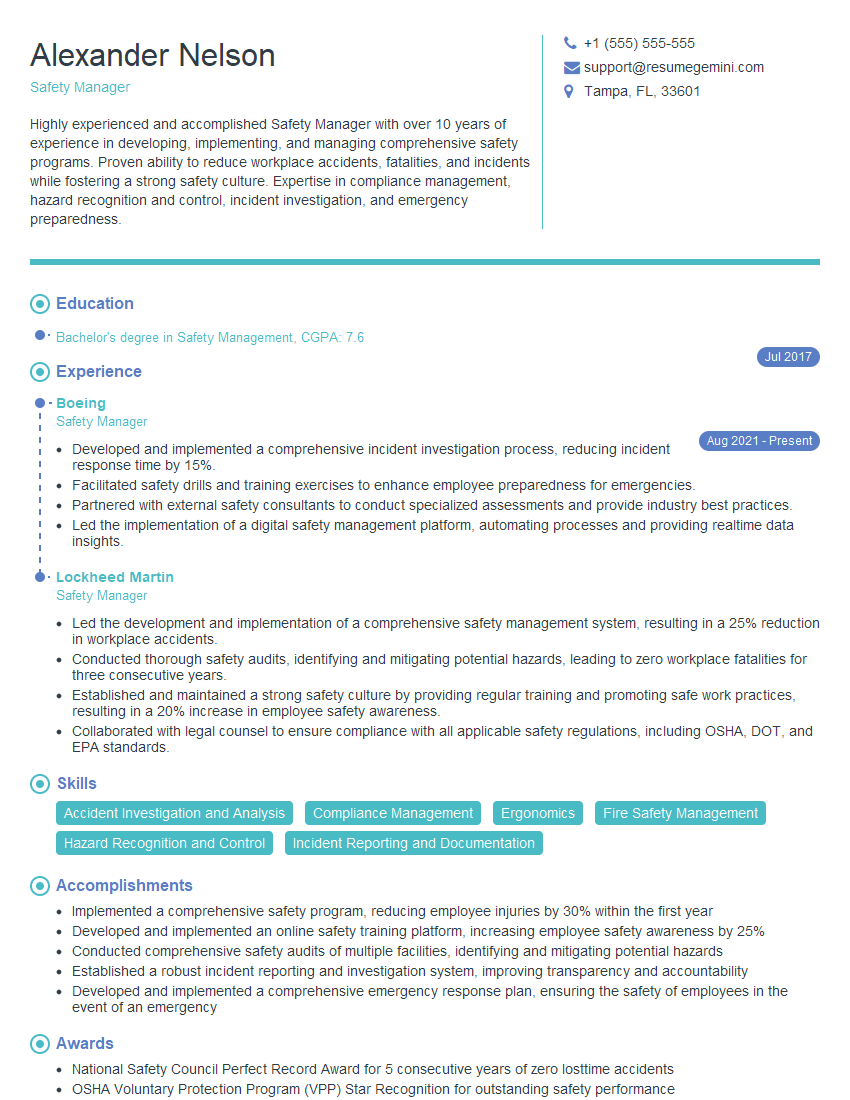
Safety Manager Resume Sample
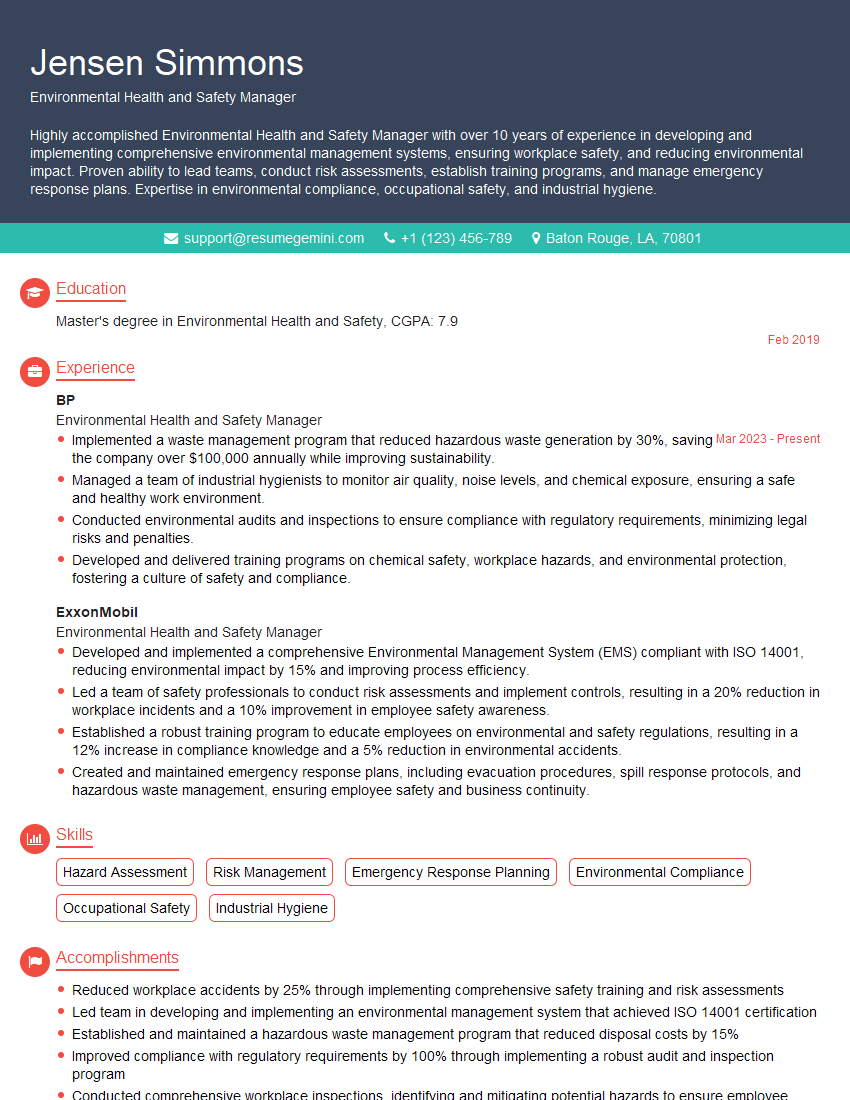
Environmental Health and Safety Manager Resume Sample
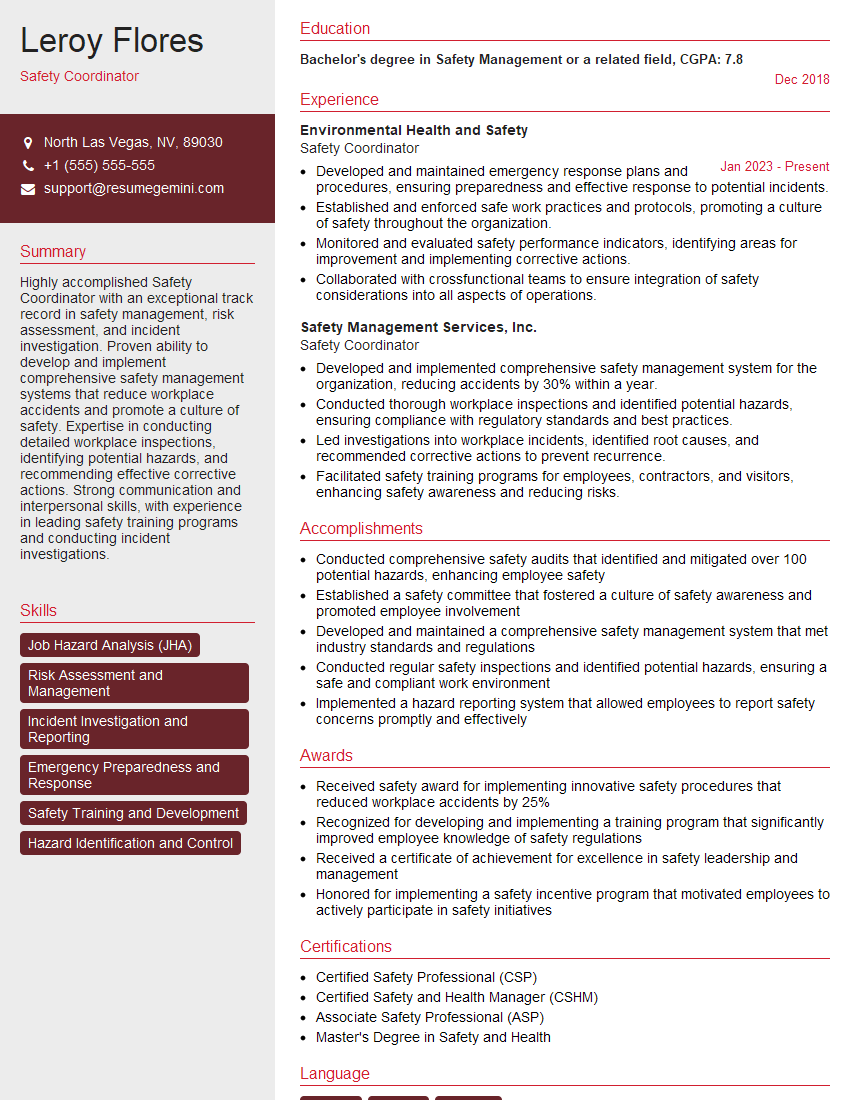
Safety Coordinator Resume Sample
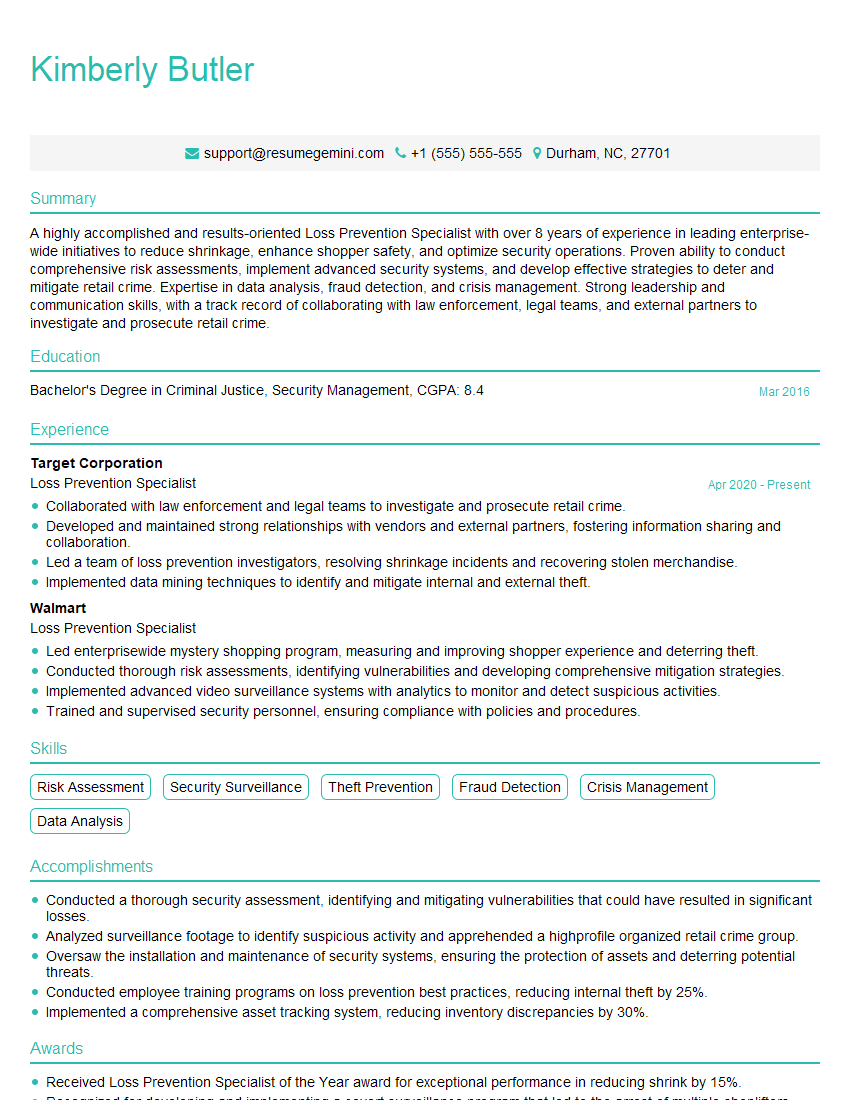
Loss Prevention Specialist Resume Sample
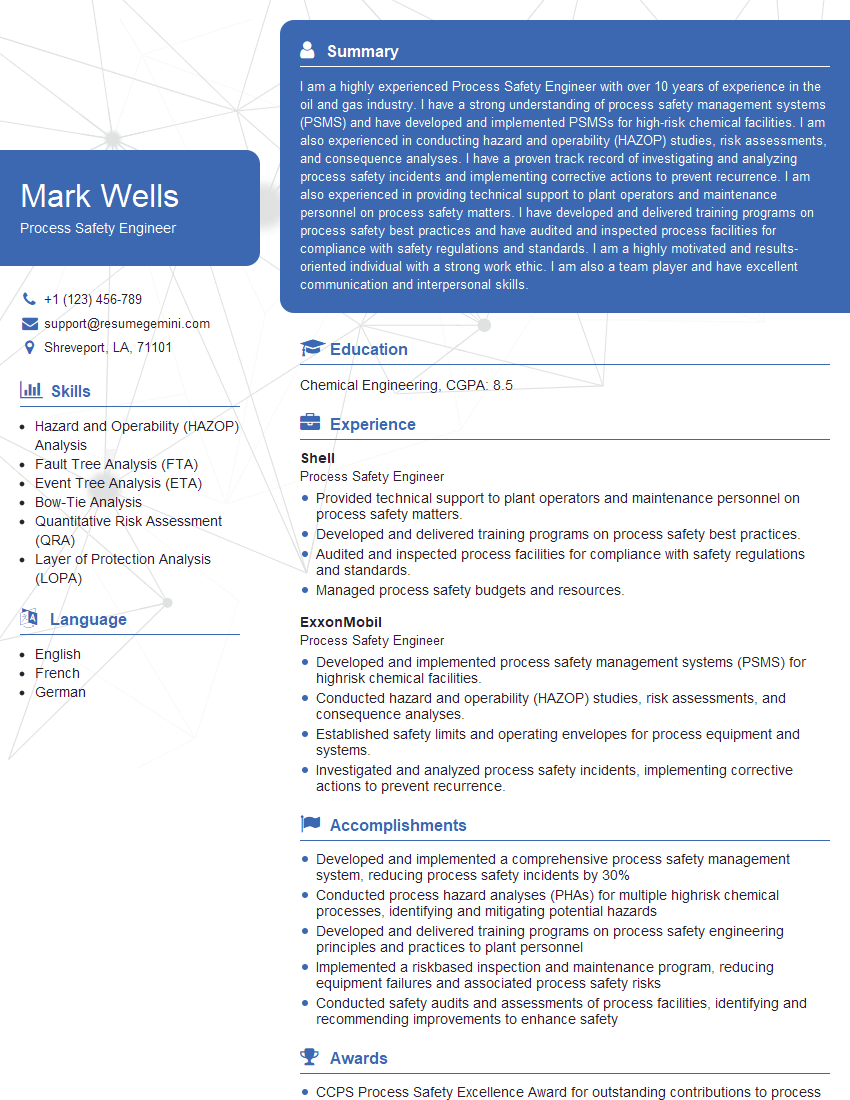
Process Safety Engineer Resume Sample
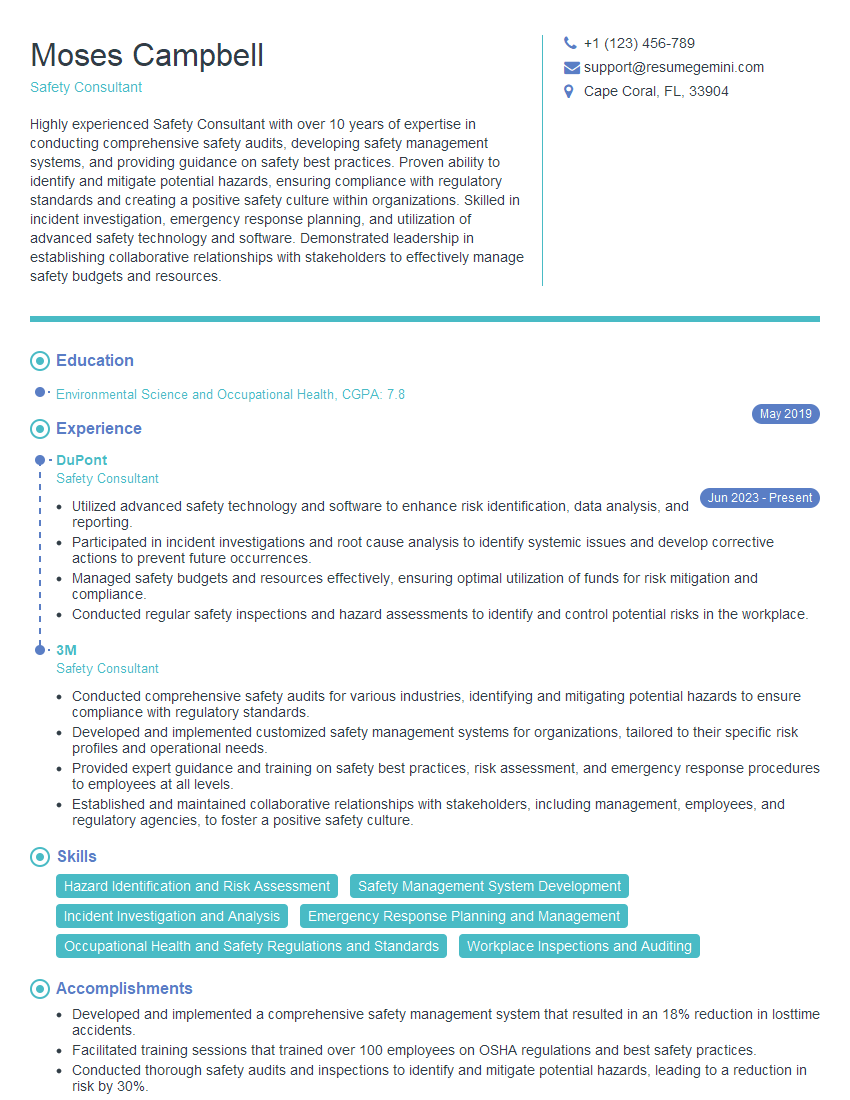
Safety Consultant Resume Sample
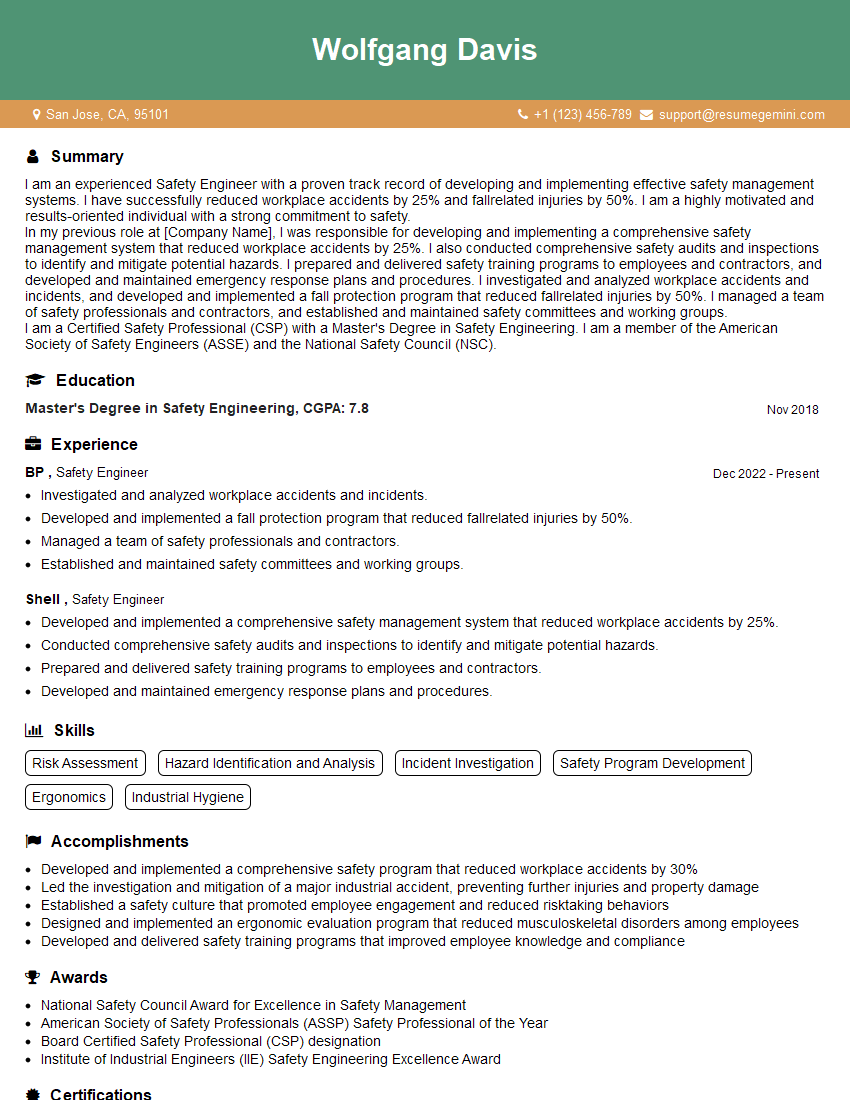
Safety Engineer Resume Sample
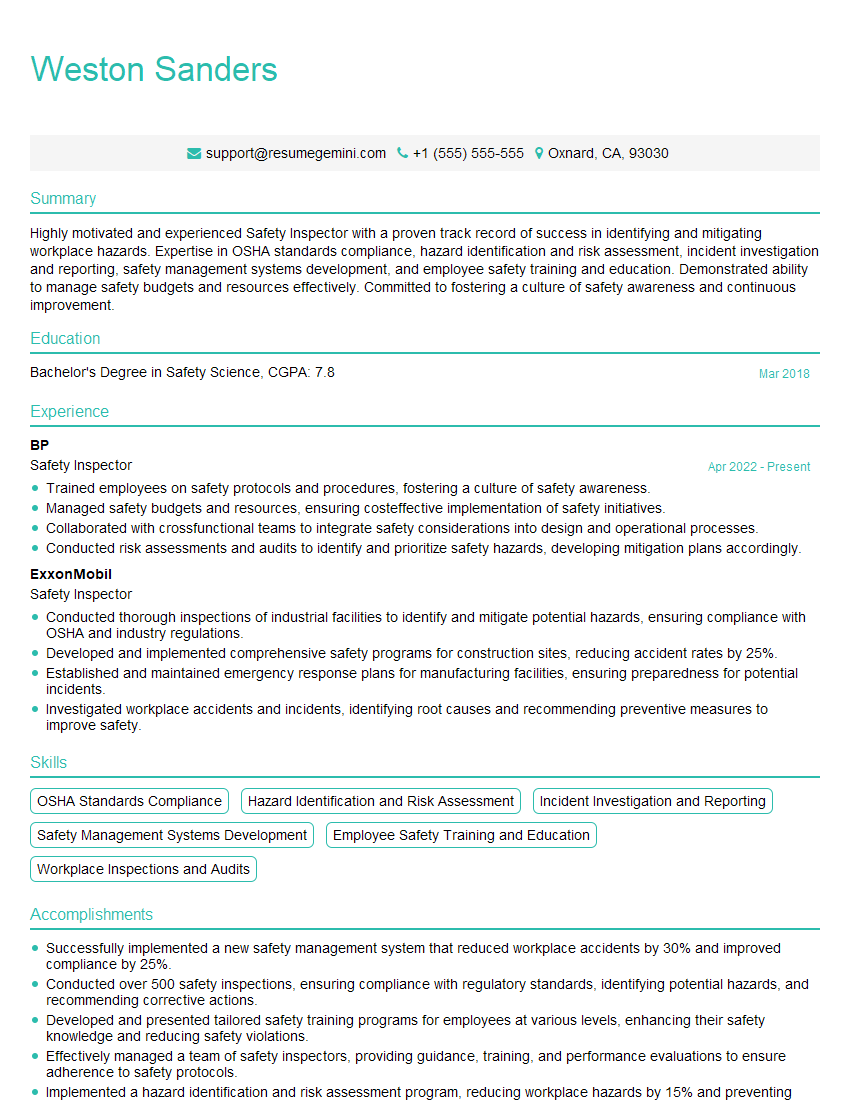
Safety Inspector Resume Sample
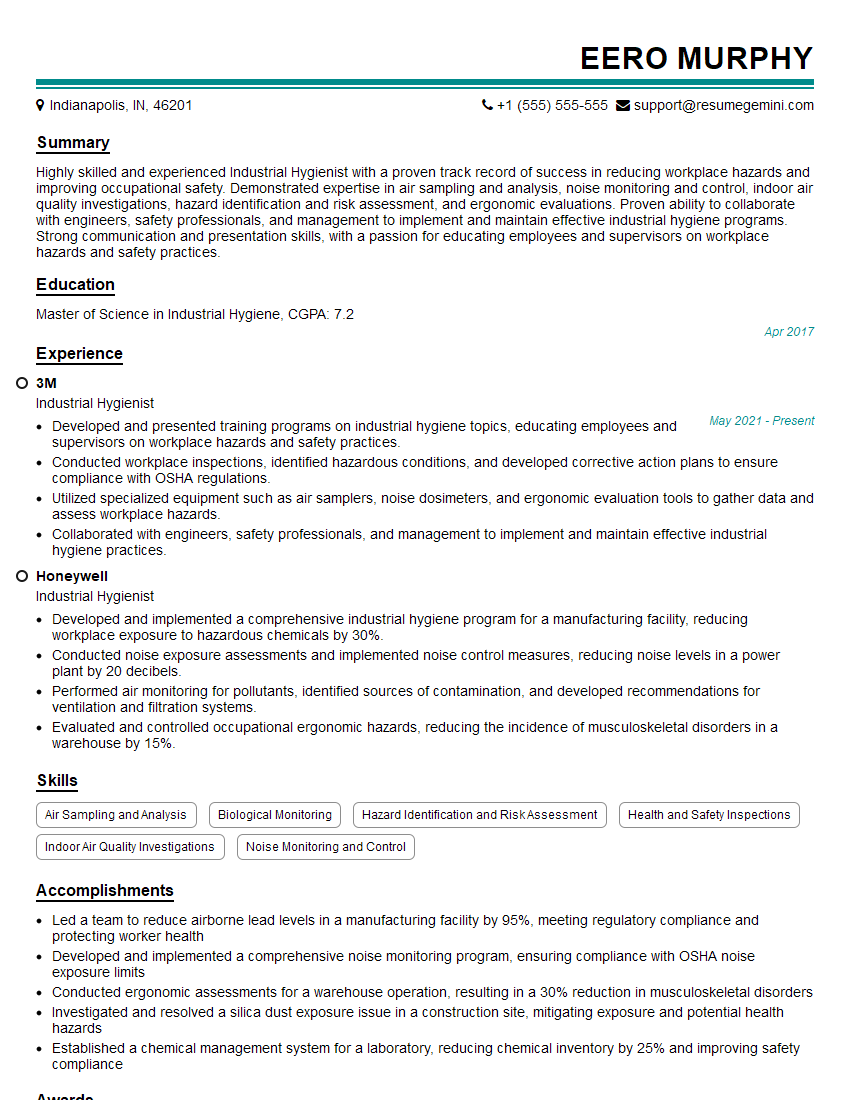
Industrial Hygienist Resume Sample
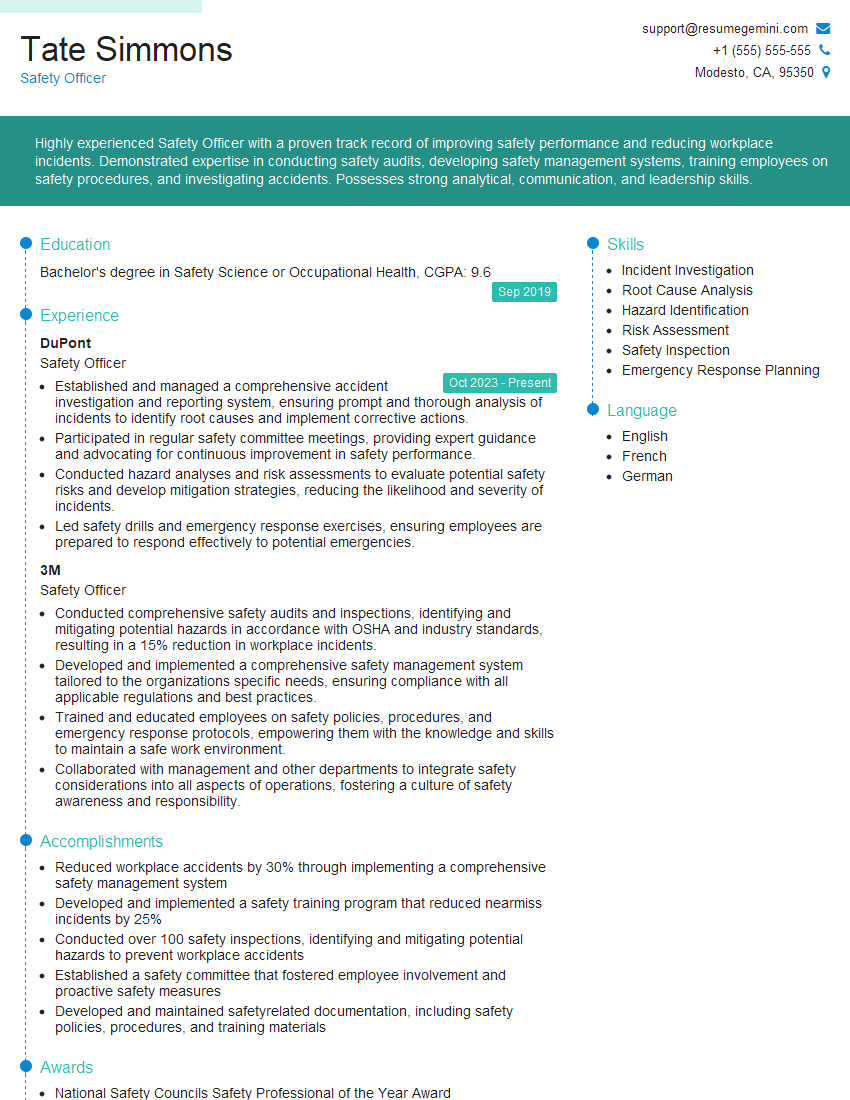
Safety Officer Resume Sample
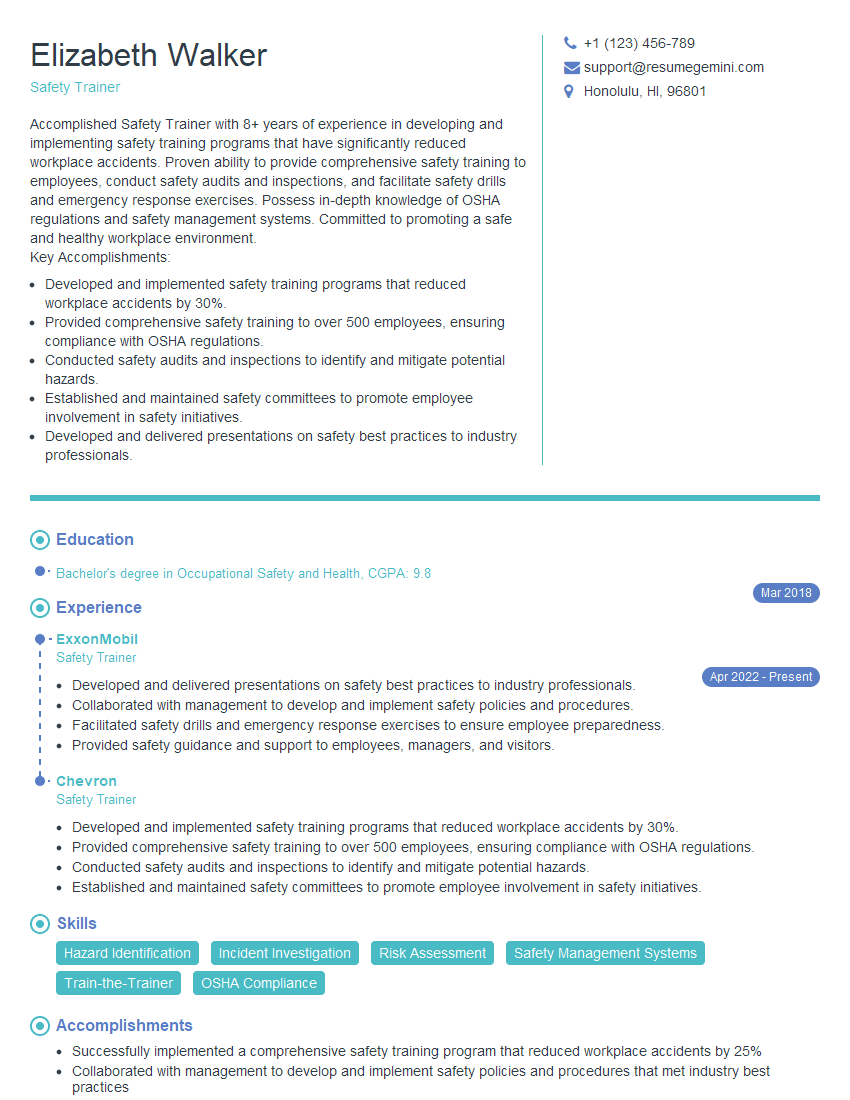
Safety Trainer Resume Sample
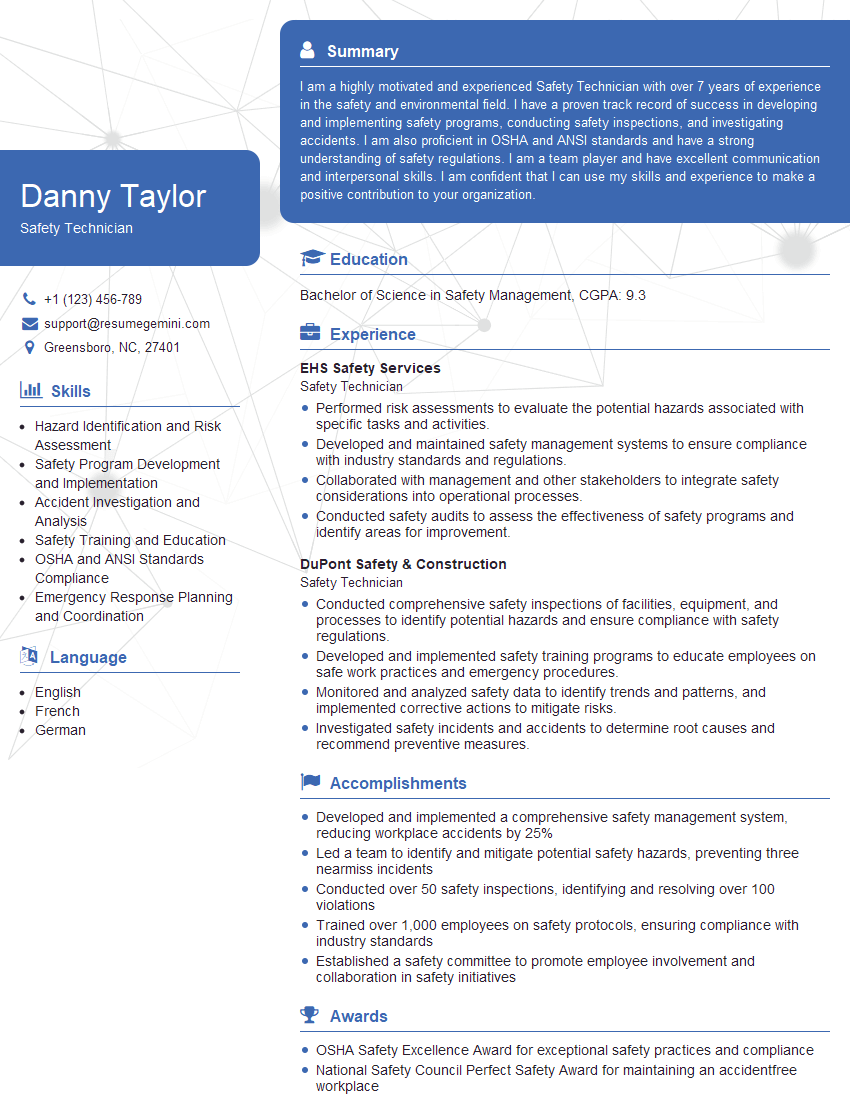
Safety Technician Resume Sample
Explore more articles
Users Rating of Our Blogs
Share Your Experience
We value your feedback! Please rate our content and share your thoughts (optional).
What Readers Say About Our Blog
Very informative content, great job.
good