The right preparation can turn an interview into an opportunity to showcase your expertise. This guide to Observational Drawing interview questions is your ultimate resource, providing key insights and tips to help you ace your responses and stand out as a top candidate.
Questions Asked in Observational Drawing Interview
Q 1. Describe your process for establishing accurate proportions in an observational drawing.
Establishing accurate proportions is foundational to observational drawing. It’s about accurately representing the relative sizes and distances between elements within your subject. My process involves a combination of sight-size techniques and measuring.
- Sight-size: I often position myself so that the subject is roughly the same size as my drawing. This allows for direct comparison and helps to avoid distortion. I’ll frequently use a stick or pencil held at arm’s length to measure the relative sizes of different parts, comparing them directly to my drawing.
- Measuring: For more complex subjects, I’ll employ a more systematic measuring approach. This involves using a pencil or a ruler to measure the ratio between different parts of the subject. For instance, if the width of a head is approximately one-third the total height of a figure, I’ll transfer that ratio to my drawing to ensure accuracy.
- Grid Method: For very intricate work, I may even use a grid system. Both the subject and the paper are divided into a grid, enabling me to transfer individual sections, guaranteeing accurate proportion across the entire composition.
Imagine trying to draw a portrait – sight-size would help me get the overall proportions of the face right. A measuring approach could help me accurately represent the relationship between the eyes, nose, and mouth. The grid method might be especially useful for creating a precise replica of a complex architectural scene.
Q 2. Explain the importance of understanding perspective in observational drawing.
Understanding perspective is crucial for creating drawings that appear three-dimensional and believable. Perspective shows how objects appear to shrink as they recede into the distance, converging at a vanishing point. Ignoring perspective leads to drawings that look flat and unrealistic.
- One-point perspective: This involves a single vanishing point on the horizon line, where parallel lines appear to converge. Simple compositions such as a road stretching into the distance or a building viewed straight on often use this.
- Two-point perspective: This uses two vanishing points on the horizon line, providing more depth and complexity. It’s useful for depicting objects viewed from an angle, like a house seen from a corner.
- Three-point perspective: This incorporates a third vanishing point above or below the horizon line, adding a vertical dimension. It’s ideal for portraying tall buildings or scenes with a strong upward or downward angle.
Consider drawing a cityscape. Without understanding perspective, the buildings would appear strangely stacked or distorted. Mastering perspective adds depth, allowing you to create believable and immersive scenes.
Q 3. How do you handle complex shapes and forms when creating an observational drawing?
Complex shapes are best approached by breaking them down into simpler, more manageable forms. This involves identifying underlying geometric shapes – like spheres, cubes, and cylinders – that constitute the complex whole.
- Geometric Simplification: I start by identifying the basic geometric forms that make up the larger shape. For example, a human figure can be simplified into cylinders for limbs, an ovoid for the head, and a box for the torso.
- Building Up From Simple Forms: Once I have these basic shapes accurately placed, I start to refine them, gradually adding the details and complexities of the original form.
- Observing Relationships: Rather than focusing on every detail immediately, I first concentrate on the relationships between the simplified forms and their proportions. This ensures a solid foundation for adding more refined details later.
Imagine drawing a seashell. Instead of tackling its intricate curves all at once, I’d first simplify it into an underlying cone-like shape. Then, I’d gradually add the details, always referencing the initial geometric structure to maintain accuracy.
Q 4. What are your preferred drawing materials and why?
My preferred materials depend on the subject and desired effect. However, I generally favor graphite pencils for their versatility and ease of blending, and charcoal for its expressive quality.
- Graphite Pencils: I use a range of hardnesses (H for light, B for dark) to control the value and detail in my drawings. Hard pencils are ideal for light sketches and fine details, while softer pencils allow for richer darks and expressive strokes.
- Charcoal: Charcoal is excellent for capturing dramatic contrasts and textures. Vine charcoal is great for loose sketches, while compressed charcoal offers more control and precision.
- Paper: The paper’s surface also influences the drawing process. Smooth paper is ideal for fine detail, whereas textured paper can provide interesting tonal effects and add to the overall texture.
For a detailed botanical illustration, I might opt for sharp graphite pencils and smooth paper. A quick charcoal sketch of a figure would benefit from soft charcoal and textured paper.
Q 5. How do you manage value and contrast in your observational drawings?
Managing value and contrast is essential for creating depth and visual interest in a drawing. Value refers to the lightness or darkness of a tone, while contrast is the difference between the darkest and lightest values.
- Value Scale: I often begin by establishing a value scale – a range of grays from light to dark – to guide my rendering. This helps to maintain consistency throughout the drawing.
- Observing Value Relationships: I carefully observe the relationships between the values in my subject, noting which areas are lighter or darker in relation to each other.
- Gradual Transitions: I strive for smooth transitions between values, avoiding harsh lines that might break up the form.
Imagine drawing a still life with a shiny apple. Understanding value would allow me to render the highlights on the apple’s surface while also capturing the darker areas in its shadow. The contrast between these light and dark areas creates a sense of three-dimensionality.
Q 6. Discuss your approach to capturing light and shadow in an observational drawing.
Capturing light and shadow is key to creating realistic and three-dimensional drawings. Light reveals form, and shadow creates depth.
- Identifying Light Source: The first step is to identify the primary light source and its direction. This helps to determine where highlights, midtones, and shadows will fall.
- Highlight, Midtone, Shadow: I consider the interplay of highlights (brightest areas), midtones (areas of gradual transition), and shadows (darkest areas). These gradations define the form and volume of the subject.
- Cast Shadows: I also observe and render the cast shadows – shadows projected by the object onto a surface. They further enhance the three-dimensionality of the drawing.
Think about drawing a simple sphere. The highlight will be on the area directly facing the light source. Gradually darkening values toward the opposite side create the illusion of roundness, and the cast shadow anchors the sphere in space.
Q 7. How do you maintain accuracy while capturing the essence of the subject matter?
Balancing accuracy and capturing the essence of the subject requires a thoughtful approach that combines careful observation with artistic interpretation.
- Selective Detail: While accuracy is important, I don’t strive for photographic realism. Instead, I selectively choose details that contribute most to the overall impact and feeling of the subject. Some details are emphasized, while others are subtly suggested or omitted entirely.
- Gesture and Movement: For dynamic subjects, capturing their movement and gesture becomes as important as anatomical accuracy. This adds life and energy to the drawing.
- Emotional Response: Observational drawing is not merely about copying what you see but also expressing your personal response to the subject. This infusion of emotion can make a drawing more captivating than a mere mechanical representation.
Drawing a portrait, for example, I might focus on capturing the essence of the person’s character through their expression and pose, rather than meticulously rendering every single freckle.
Q 8. Describe your process for sketching from life.
My process for sketching from life is a careful balance of observation and execution. It begins with selecting a subject that inspires me, whether it’s a still life arrangement, a bustling street scene, or a single, captivating object. I then establish a comfortable position and carefully assess my subject, noting the overall composition and the relationships between different elements. This initial assessment often involves a quick thumbnail sketch to plan my approach. I focus on breaking the subject down into simple shapes – cylinders, spheres, cubes – to establish the underlying structure before adding details. I prefer a loose, gestural approach at first, focusing on capturing the essence of the subject, its energy, and its form. Gradually, I refine the drawing, paying attention to accurate proportions, values, and details. Throughout this process, I constantly check my work against the actual subject, making adjustments as necessary. Finally, I evaluate the finished sketch, noting areas for improvement and reflecting on what I have learned.
Q 9. Explain how you would approach drawing a complex scene with numerous details.
Approaching a complex scene requires a strategic approach. It’s not about drawing every single detail perfectly, but about creating a convincing whole. I start by simplifying the scene, identifying the main focal point and establishing the overall composition. I use thumbnail sketches to experiment with different compositions and perspectives. Then, I break the scene into smaller, manageable sections, tackling each one systematically. This might involve focusing on a specific area, perhaps a group of objects, and drawing them meticulously before moving to another section. I utilize a combination of positive and negative shapes to guide me (discussed further in answer 4). I might prioritize certain details to create visual interest and a hierarchy of importance within the drawing. The goal is not photorealism, but a clear and effective representation of the scene’s essence and complexity.
Q 10. How do you deal with challenges like foreshortening or unusual perspectives?
Foreshortening and unusual perspectives present unique challenges, but they are overcome with careful observation and an understanding of perspective principles. For foreshortening (where an object appears shorter than it actually is because it’s angled towards the viewer), I focus on accurately observing the relationship between the object’s closest and furthest points. I might use construction lines to help establish the correct perspective and proportions. For unusual perspectives, like looking up at a tall building or down at a low-lying object, I rely on a methodical approach. I begin by establishing vanishing points and orthogonal lines to guide my drawing. These lines act as scaffolding, helping to accurately depict the angle and the distortion that perspective creates. Practicing with simple geometric shapes, such as cubes and cylinders, viewed from unusual angles is very beneficial. It’s all about understanding the underlying structure and translating that accurately onto the page.
Q 11. Explain your understanding of positive and negative space in drawing.
Positive space refers to the subject matter itself – the elements you are actually drawing. Negative space, on the other hand, is the area around the subject. Understanding both is crucial for creating a balanced and effective composition. Think of it like sculpting: you carve away negative space to reveal the positive form. In drawing, using the negative space to define the positive space improves accuracy and strengthens the composition. For example, drawing the space *between* the branches of a tree helps define the branches themselves, resulting in a more precise representation. By paying close attention to both, you achieve a more dynamic and visually interesting drawing. It encourages you to look beyond simply outlining the subject.
Q 12. How do you use line weight to create depth and emphasis in your drawings?
Line weight is essential for creating depth and emphasis. Thicker lines bring elements forward, creating a sense of proximity and importance, while thinner lines recede, contributing to depth and atmosphere. For instance, in a landscape, thick lines might define foreground elements, such as rocks or vegetation, whereas thinner lines suggest faraway hills or trees. By varying the weight of your lines, you control the viewer’s eye movement, guiding them through the drawing and emphasizing key areas. A light, delicate line can suggest softness, while a bold, heavy line suggests strength or solidity. Mastering line weight adds a significant dimension to your drawings.
Q 13. Describe your approach to working from photographs versus life observation.
While both provide opportunities for observational drawing, the approaches differ significantly. Working from life offers a dynamic experience. The subject is constantly changing, demanding quick observation and adaptation. It trains your hand-eye coordination and strengthens your ability to capture fleeting details and light effects. Working from photographs is more controlled; you can revisit specific details at your leisure, zoom in and out, and have a static reference. However, it can sometimes lead to a less nuanced observation, missing the subtle details and the essence of the subject that are apparent in live observation. I often find value in combining both. I may take reference photographs to aid in details or perspectives in live observations to capture a moment in time.
Q 14. Explain your methods for achieving accuracy in details such as texture and surface quality.
Achieving accuracy in details like texture and surface quality requires keen observation and a range of techniques. For example, to depict the roughness of a stone wall, I might use short, jagged lines to create a sense of unevenness and texture. To portray the smoothness of glass, I might use long, flowing lines and subtle shading to indicate reflections and highlights. Understanding the interplay of light and shadow is vital. How light reflects off a surface determines its apparent texture. I might use hatching, cross-hatching, or stippling to build up tonal values and create the illusion of texture. Observing how the light interacts with the subject, taking note of highlights and shadows, and understanding the material properties is key to capturing texture and surface quality effectively.
Q 15. How do you approach drawing different materials such as glass, metal, or fabric?
Approaching different materials in observational drawing hinges on understanding their inherent properties. It’s not just about replicating the visual appearance, but also capturing the way light interacts with the surface and the resulting textures.
Glass: Glass is translucent, meaning light passes through it. I focus on rendering the distortion of objects viewed through it, paying close attention to reflections and refractions. I might use a light touch with pencil or a thin wash of watercolor to suggest transparency, layering values to build depth and show how light bends.
Metal: Metals reflect light intensely, producing highlights and shadows that are often sharp and defined. I observe the smoothness or roughness of the surface – a polished surface will have a sharp specular highlight, while a tarnished one will be softer. I might employ charcoal for its ability to create rich darks and highlights, or use a pen for detailed linework to illustrate the surface’s texture.
Fabric: Fabrics have varying textures and drape differently. I look at the folds, wrinkles, and how the material clings to the form underneath. I might utilize cross-hatching with a pen or pencil to create the impression of woven texture or employ softer shading with charcoal to suggest the fluidity of silk.
Ultimately, it’s about careful observation and choosing the right medium to express those observations effectively. It’s a process of translating the three-dimensional world onto a two-dimensional surface, and the choice of material plays a crucial role in that translation.
Career Expert Tips:
- Ace those interviews! Prepare effectively by reviewing the Top 50 Most Common Interview Questions on ResumeGemini.
- Navigate your job search with confidence! Explore a wide range of Career Tips on ResumeGemini. Learn about common challenges and recommendations to overcome them.
- Craft the perfect resume! Master the Art of Resume Writing with ResumeGemini’s guide. Showcase your unique qualifications and achievements effectively.
- Don’t miss out on holiday savings! Build your dream resume with ResumeGemini’s ATS optimized templates.
Q 16. Describe your experience using different drawing mediums (e.g., charcoal, pencil, pen).
My experience with different drawing mediums is extensive and each one offers unique expressive qualities. The choice of medium profoundly impacts the final result.
Charcoal: Charcoal excels at rendering rich tones and capturing the subtleties of light and shadow. Its versatility allows for both broad strokes and delicate details. I often use charcoal for quick sketches and studies, or for creating dramatic value contrasts in finished pieces.
Pencil: Pencils are incredibly versatile, ranging from the light strokes of an H pencil to the dark richness of a B pencil. This range allows me to build gradual value changes precisely, ideal for intricate details and rendering realistic textures.
Pen: Pen and ink offers sharp lines and precise control, perfect for capturing details and creating strong compositions. It’s less forgiving than other mediums, emphasizing the importance of careful planning and confident linework. I often use pen for detailed studies of architectural features or to enhance line quality in a mixed media piece.
Ultimately, my choice of medium is dictated by the subject matter and the desired effect. Each presents unique challenges and rewards, and I find it enriching to work with them all.
Q 17. How do you incorporate composition principles into your observational drawings?
Composition is the cornerstone of a successful observational drawing. It’s about arranging the elements within the frame to create a visually pleasing and impactful image. I utilize several principles:
Rule of Thirds: Placing key elements along the imaginary lines that divide the frame into thirds often creates a more dynamic and interesting composition than centering the subject.
Leading Lines: Using lines within the drawing (roads, fences, etc.) to guide the viewer’s eye towards the focal point adds a sense of depth and direction.
Balance: Achieving a visual equilibrium between different elements – the interplay of shapes, tones, and textures—prevents the composition from feeling unbalanced or chaotic. This can involve balancing light and dark, positive and negative space.
Focal Point: A strong focal point is essential. It draws the viewer’s attention and anchors the entire composition. This can be achieved through contrast, size, or placement.
I constantly evaluate the composition during the drawing process, adjusting elements as needed to achieve the desired visual impact. It’s an iterative process, constantly refining the arrangement of elements to improve the overall coherence and power of the drawing.
Q 18. Explain your understanding of anatomy and its importance in figure drawing.
Understanding anatomy is paramount in figure drawing, going far beyond simply rendering the superficial form. It’s about understanding the underlying structure – the bones, muscles, and how they interact to create movement and form.
Knowing the skeletal structure allows me to accurately depict the underlying framework upon which the musculature rests. This ensures that the figure is anatomically plausible, even when partially obscured by clothing or in dynamic poses. Understanding muscle groups and their function helps to accurately depict the form and the way it changes with movement and gesture.
For example, understanding the position and interaction of the scapula and clavicle helps in accurately rendering the shoulder, while a grasp of the deltoid and pectoral muscles enables me to depict a realistically rendered arm. This knowledge isn’t about achieving photorealistic accuracy but rather about understanding the figure’s construction and movement to create a believable and expressive representation.
Without a sound understanding of anatomy, figure drawings risk appearing stiff, inaccurate, and ultimately unconvincing.
Q 19. Discuss your approach to creating a sense of movement and energy in your drawings.
Creating a sense of movement and energy in drawings requires careful consideration of line, gesture, and implied action.
Dynamic Lines: Using flowing, curved lines, rather than rigid straight lines, instantly conveys a sense of movement. These lines should follow the direction and energy of the movement itself.
Implied Action: Suggesting movement through the position of the figure and the surrounding elements is crucial. For example, a blurred background or a trailing garment can imply speed and motion. Even a slight tilt of the head or a subtle curve in the body can effectively communicate action.
Gesture Drawing: Focusing on the essential gesture of the figure – the overall flow and movement – before adding details, helps to establish a strong sense of dynamism. This quick initial sketch captures the energy and spirit of the subject.
Value Contrast: Using sharp contrasts in light and shadow to define form and enhance the dynamism of movement can create a greater sense of energy and excitement.
By combining these techniques, I strive to capture not only the visual appearance of movement, but also the feeling and emotion associated with it.
Q 20. How do you critique your own work and improve your observational skills?
Self-critique is an essential part of improving observational skills. My approach involves a multi-step process:
Objective Assessment: I step away from the drawing for a while, allowing a fresh perspective before reviewing it. I examine it objectively, considering aspects like composition, accuracy of proportions, rendering of values, and overall impact.
Comparison with Reference: I carefully compare the drawing to the source material (photo or observed subject), identifying discrepancies in form, proportion, value, and details.
Technical Analysis: I analyze my approach, considering the choice of medium, techniques employed, and potential technical improvements. Did I use appropriate techniques for the material? Were my value transitions smooth? Did I effectively capture light and shadow?
Seeking Feedback: I often seek constructive criticism from fellow artists, teachers, or mentors to gain alternative perspectives on my work.
Documentation and Learning: I keep a sketchbook dedicated to self-critique, noting areas for improvement and new techniques to explore. This becomes a valuable resource for future reference.
This iterative process of evaluation and reflection is crucial for continuous growth and refinement of my observational skills.
Q 21. Describe a time when you overcame a challenging aspect in an observational drawing.
One challenging aspect I encountered was rendering the complex reflections and refractions on a glass vase filled with water and flowers. The interplay of light and transparency created a myriad of subtle shifts in value and color, making it difficult to capture accurately.
My initial attempts were unsuccessful – the reflections appeared flat and lacked the depth and richness I observed in the actual vase. To overcome this, I employed a multi-step approach:
Value Study: I began with a series of value studies, focusing solely on capturing the contrast and gradation of tones. This helped me establish a solid foundation for the subsequent rendering.
Layer Approach: I used a layered approach, starting with the underlying vase form, then gradually adding the reflections and refractions in thinner layers of paint or pencil.
Reference Photos: I took multiple reference photos from various angles and under different lighting conditions, allowing me to more effectively study the subtle nuances of the reflections.
Detailed Observation: I spent considerable time carefully observing the object, noting the subtle shifts in color and tone caused by the water and light. This included studying the distortion of the flowers viewed through the glass.
Through this systematic approach, I managed to successfully capture the complexity of the reflections and refractions, resulting in a much more realistic and captivating representation of the glass vase.
Q 22. Explain your understanding of different drawing styles and their applications.
Observational drawing encompasses a wide range of styles, each with its own unique applications. Understanding these styles is crucial for choosing the right approach for a given project.
- Realistic Drawing: Aims for a precise, accurate representation of the subject, emphasizing detail and accurate proportions. This style is frequently used in botanical illustration, architectural sketching, and forensic art.
- Impressionistic Drawing: Focuses on capturing the essence and mood of the subject rather than precise detail. Loose brushstrokes and gestural lines are key characteristics. This style is often found in landscape drawings and quick sketches.
- Abstract Drawing: Simplifies and distorts the subject, focusing on shapes, forms, and lines rather than realistic representation. It’s utilized in contemporary art and design.
- Cross-Hatching/Stippling: Techniques using lines or dots to create tonal variations and textures. These are versatile and can be used across various styles to add depth and shading.
- Contour Line Drawing: Emphasizes the outer edges and outlines of the subject, minimal shading is used. Useful for quickly capturing the form and structure of an object.
The choice of style depends greatly on the purpose of the drawing. A realistic style might be essential for a scientific illustration, while an impressionistic style would be more suitable for a quick sketch capturing a fleeting moment.
Q 23. How do you adapt your drawing techniques depending on the subject and desired outcome?
Adapting drawing techniques depends entirely on the subject matter and the desired outcome. For instance, when drawing a delicate flower, I would opt for precise line work and meticulous shading to capture its intricate details. However, when sketching a bustling city street, a faster, more gestural approach focusing on capturing movement and energy would be more appropriate.
The materials I choose also change. For detailed work, I might use graphite pencils of varying hardness, while for quick sketches, charcoal or a pen and ink might be better suited. The paper’s texture also plays a role; smooth paper for detail, rougher paper for more expressive textures.
The desired outcome also dictates my approach. If the goal is a finished piece for exhibition, the process might involve multiple layers of work, detailed rendering, and careful composition. Conversely, a quick sketch might only require a few minutes of work, focusing on capturing the essential elements.
Q 24. Describe your experience collaborating with others on observational drawing projects.
Collaboration is a vital aspect of my work. I’ve participated in collaborative drawing projects, both in studio settings and online. In one project, we worked on a large-scale mural depicting a local landscape. Each artist focused on a specific section, creating a cohesive whole. This required constant communication, sharing sketches, and adjusting our individual styles to ensure a unified aesthetic.
Another collaborative experience involved a live-drawing event where we created a series of portraits simultaneously. Observing and learning from other artists’ approaches during these collaborative efforts provided invaluable learning opportunities. It helped in understanding different perspectives and techniques, and in developing strong communication skills essential for teamwork.
Q 25. How do you stay updated on the latest trends and techniques in observational drawing?
Staying updated in the field of observational drawing requires consistent effort. I regularly attend workshops and conferences, both online and in-person, to learn from renowned artists and explore new techniques. Exploring online resources, such as artist blogs, tutorials, and online courses, allows for continuous learning and exploration of various styles and media.
Visiting art museums and galleries provides inspiration and exposes me to diverse approaches. I also actively engage with the online art community, participating in discussions and sharing my work to receive constructive feedback and explore different perspectives.
Experimentation is crucial. I regularly challenge myself to try new materials, techniques, and subjects, pushing the boundaries of my artistic practice.
Q 26. How would you teach observational drawing principles to beginners?
Teaching beginners observational drawing begins with building a solid foundation in basic skills. I would start by emphasizing the importance of careful observation, encouraging students to really look at their subject, not just at their paper. We would work on exercises focusing on:
- Basic shapes and forms: Breaking down complex objects into simpler geometric shapes.
- Perspective: Understanding how objects appear to change size and shape with distance.
- Light and shadow: Observing how light falls on a subject and creates highlights and shadows.
- Line weight and texture: Using variations in line weight to create a sense of depth and texture.
Practical exercises using different media, starting with simple objects, then progressing to more complex ones, are crucial. I’d encourage experimentation and individual exploration, allowing students to find their style and voice while providing constructive feedback along the way. The focus is on developing their observational skills and building confidence in their ability to translate what they see onto paper.
Q 27. Explain your approach to problem-solving when dealing with drawing errors or unexpected challenges.
Errors and challenges are inevitable in observational drawing. My approach to problem-solving involves a multi-step process:
- Assessment: Carefully analyze the error. Is it a problem of proportion, perspective, value, or something else?
- Experimentation: Try different techniques or approaches to correct the error. Sometimes a light erasure and redrawing is enough; other times, a complete re-evaluation of the composition might be necessary.
- Learning from mistakes: Each error presents an opportunity for learning. I analyze what went wrong and adapt my techniques for future projects.
- Seeking feedback: Sharing my work with other artists or instructors can provide fresh perspectives and suggestions for improvement.
Unexpected challenges, such as a sudden change in light or a shifting subject, require adaptability. In such cases, I adjust my approach, perhaps switching to a quicker, less detailed style to capture the essence of the moment before the conditions change further. The key is flexibility and the ability to adapt to unexpected situations.
Q 28. Describe your portfolio and the process you went through in creating it.
My portfolio showcases a range of observational drawings created over several years, demonstrating my growth and evolution as an artist. It includes a variety of subjects – still lifes, landscapes, portraits, and architectural studies – showcasing my proficiency with different media such as graphite, charcoal, pen and ink, and watercolor.
The process of creating my portfolio involved careful selection of pieces that best represent my skills and artistic vision. I prioritized works that demonstrate technical proficiency, creative expression, and a strong understanding of observational principles. The presentation of the portfolio itself is also important; the images are well-lit and high-resolution, effectively displaying the detail and nuances of each piece. The order of the pieces is also carefully considered, allowing for a coherent and compelling visual narrative.
Regularly updating my portfolio is vital. As I continue to improve my skills and explore new techniques, I replace older pieces with newer, stronger examples of my work, maintaining a constantly evolving representation of my artistic journey.
Key Topics to Learn for Observational Drawing Interview
- Basic Principles of Sight & Perception: Understanding how we see and translate that into a drawing; exploring concepts like perspective, proportion, and negative space.
- Material Exploration & Technique: Mastering various drawing mediums (e.g., pencil, charcoal, ink) and their unique properties; demonstrating proficiency in techniques like hatching, cross-hatching, and blending.
- Value and Light: Skillfully using light and shadow to create form and depth in your drawings; understanding the concept of value scales and its application in creating realistic representation.
- Composition & Layout: Creating visually engaging compositions that effectively communicate the subject; employing rules of thirds, leading lines, and other compositional techniques.
- Observation & Analysis: Developing the ability to meticulously observe and analyze the subject, identifying key features and details; translating these observations accurately onto paper.
- Problem-Solving in Drawing: Addressing challenges in accurately representing complex forms, proportions, or perspectives; demonstrating a practical understanding of how to solve common drawing issues.
- Different Observational Styles: Exploring various approaches to observational drawing, such as gesture drawing, contour drawing, and studies of light and shadow.
- Process & Practice: Articulating your personal drawing process, including sketching, refining, and finalizing; highlighting your dedication to consistent practice and self-improvement.
Next Steps
Mastering observational drawing is crucial for success in many creative fields, opening doors to exciting career opportunities and showcasing your keen eye for detail and artistic skill. To maximize your job prospects, crafting a strong, ATS-friendly resume is essential. ResumeGemini can help you build a professional and effective resume that highlights your unique skills and experience. ResumeGemini offers examples of resumes tailored to Observational Drawing professionals, helping you present your qualifications in the best possible light. Invest time in creating a compelling resume; it’s your first impression on potential employers.
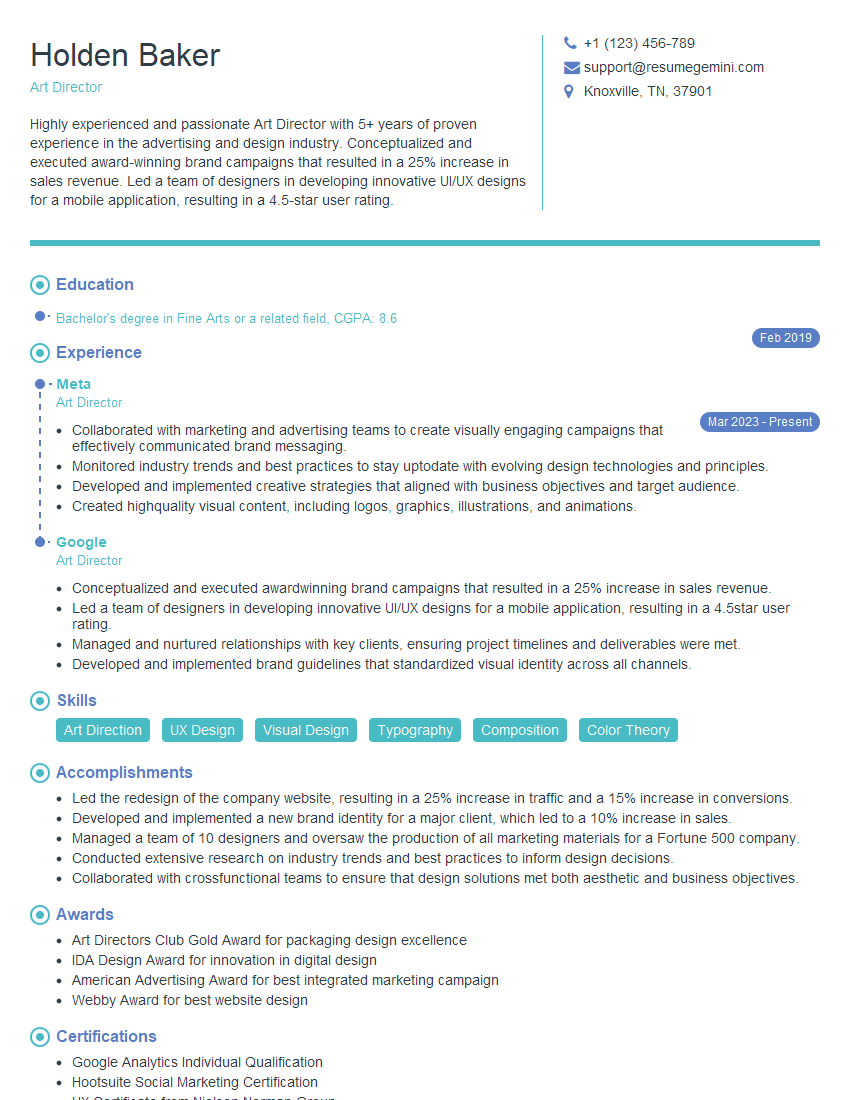
Art Director Resume Sample
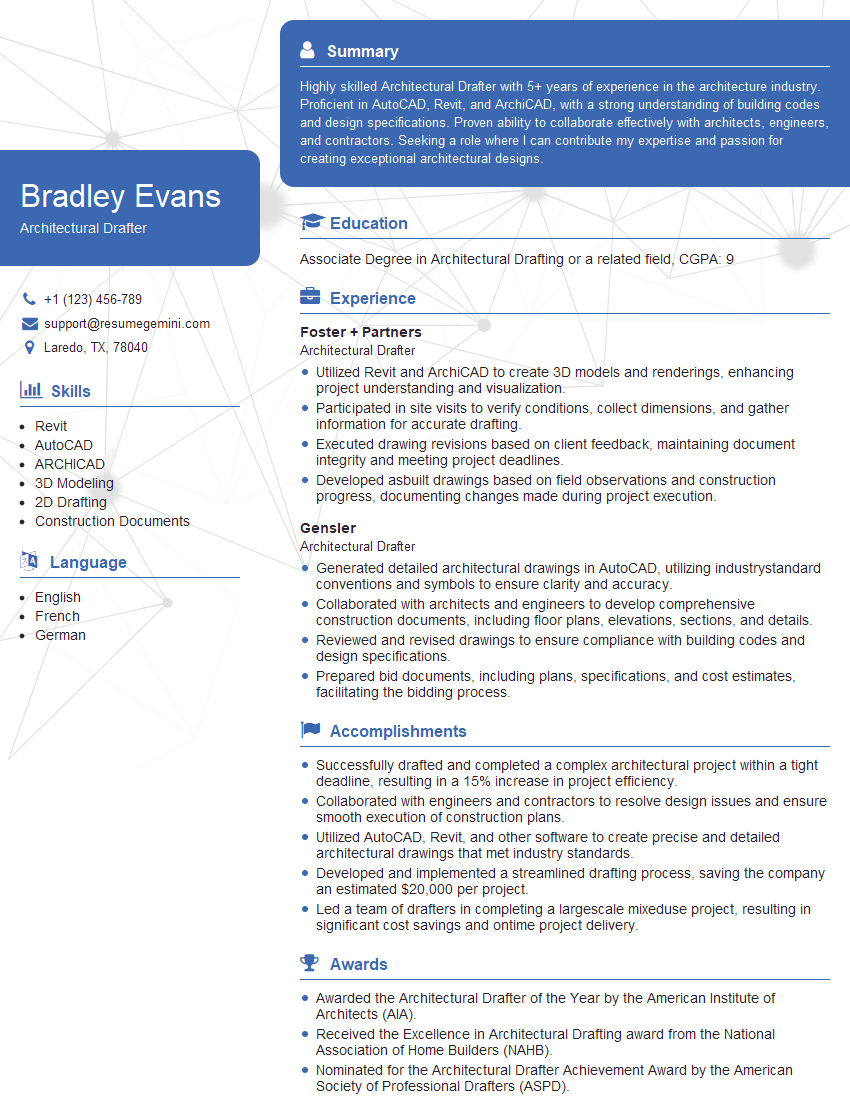
Architectural Drafter Resume Sample

Technical Illustrator Resume Sample
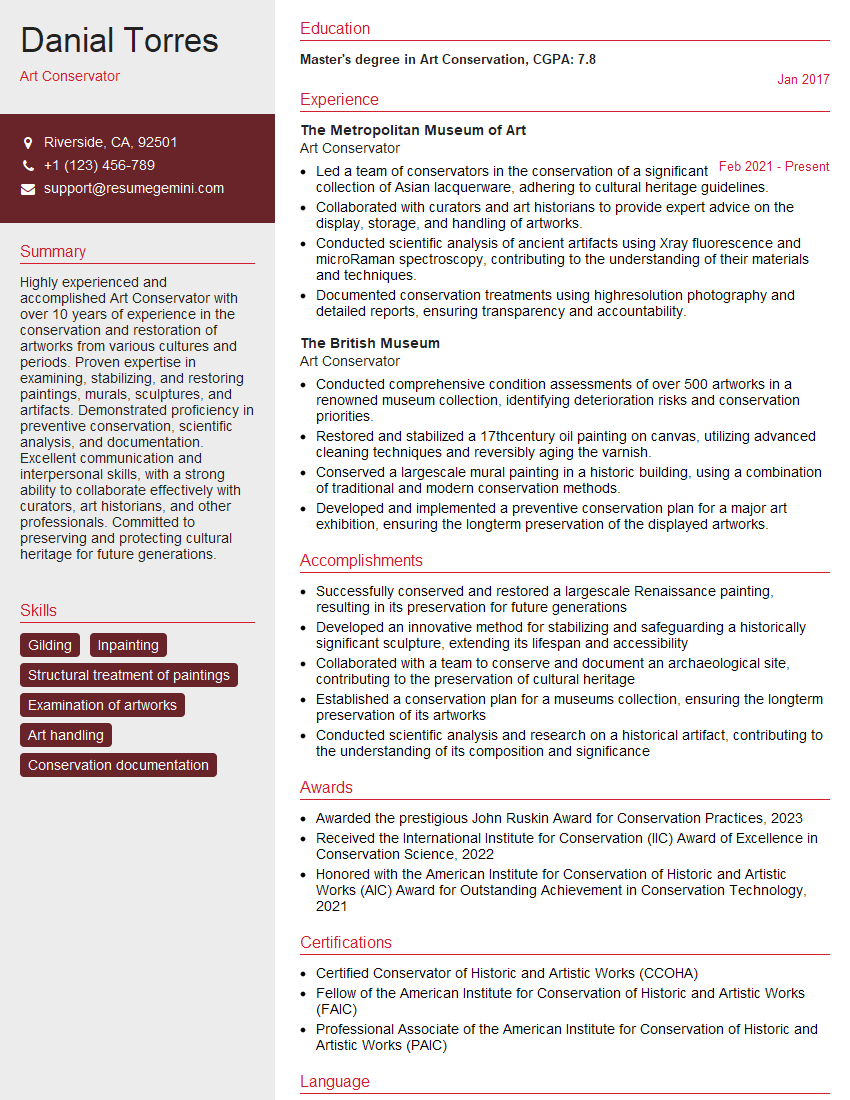
Art Conservator Resume Sample

Museum Preparator Resume Sample
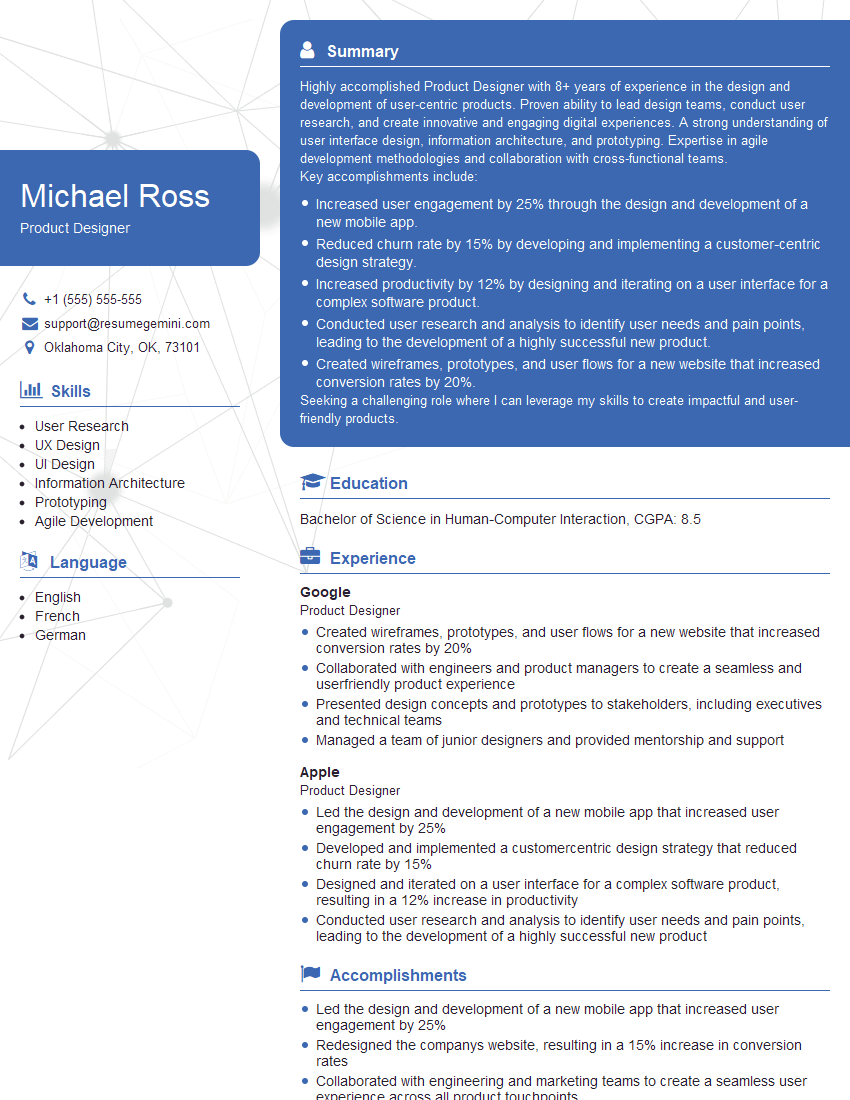
Product Designer Resume Sample

Comic Book Artist Resume Sample

Concept Artist Resume Sample
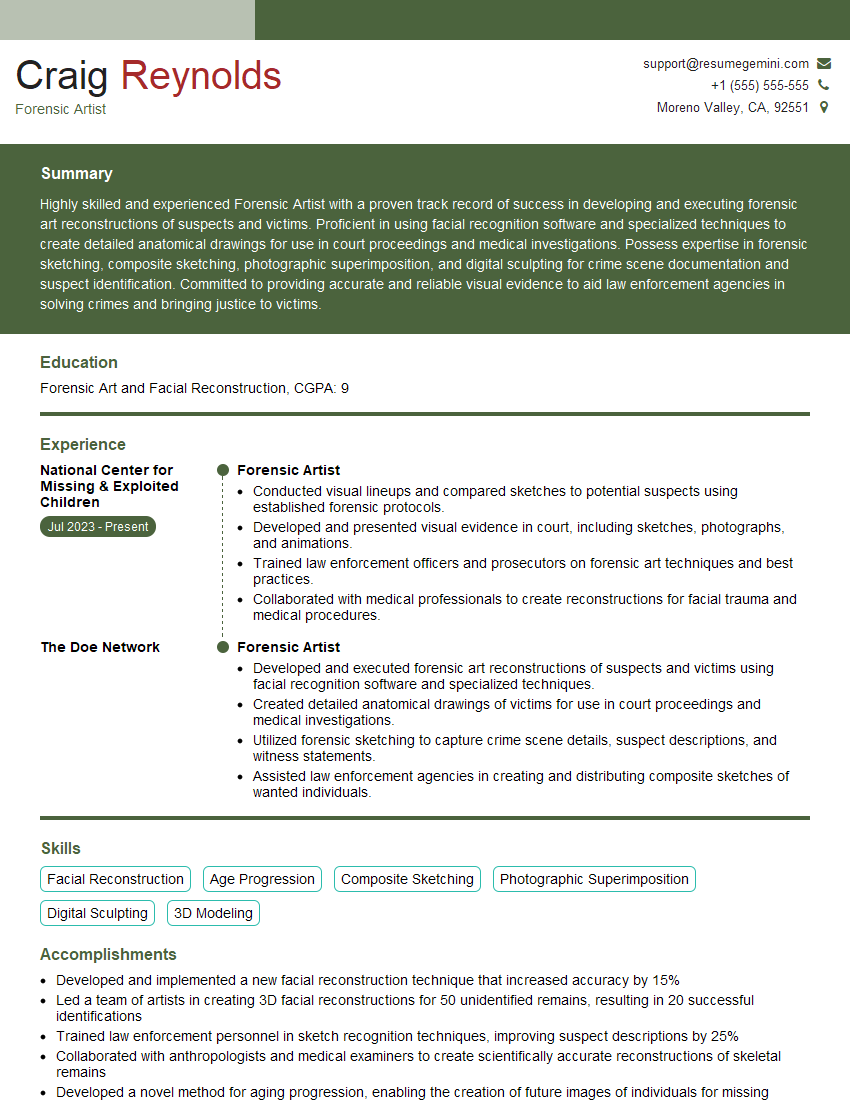
Forensic Artist Resume Sample

Illustrator Resume Sample
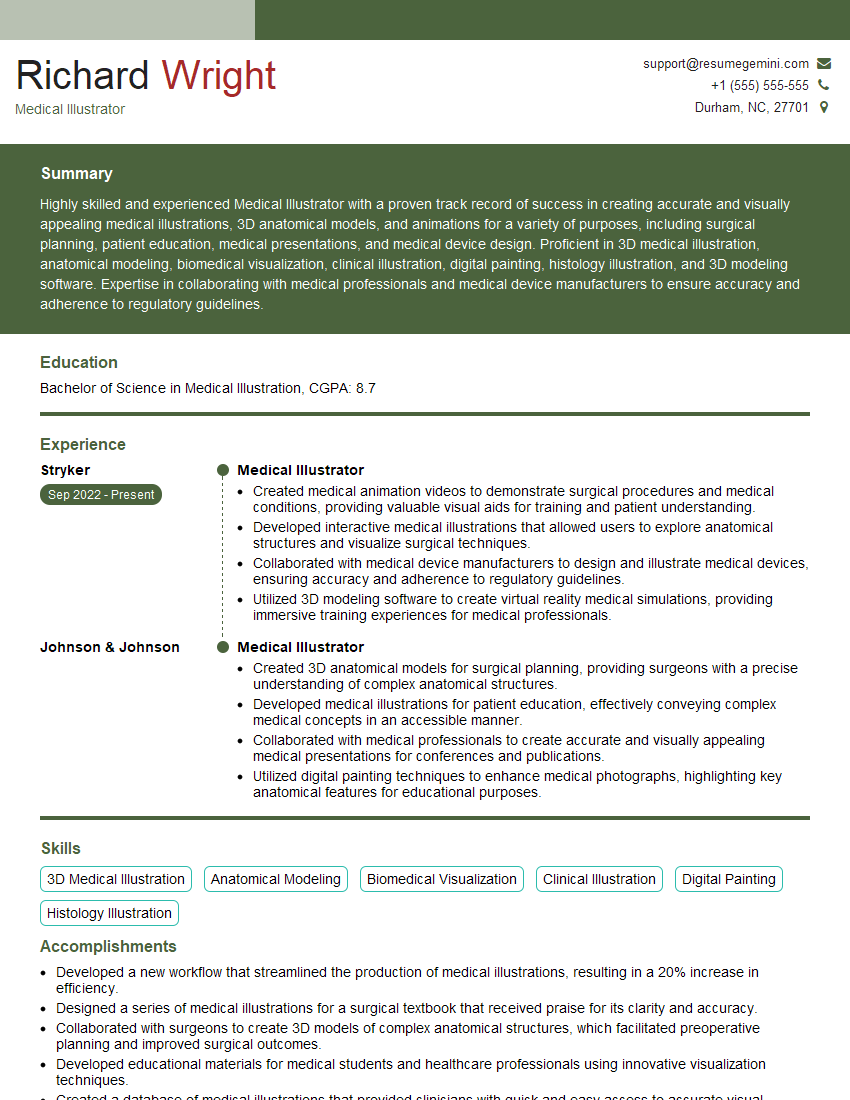
Medical Illustrator Resume Sample

Sketch Artist Resume Sample
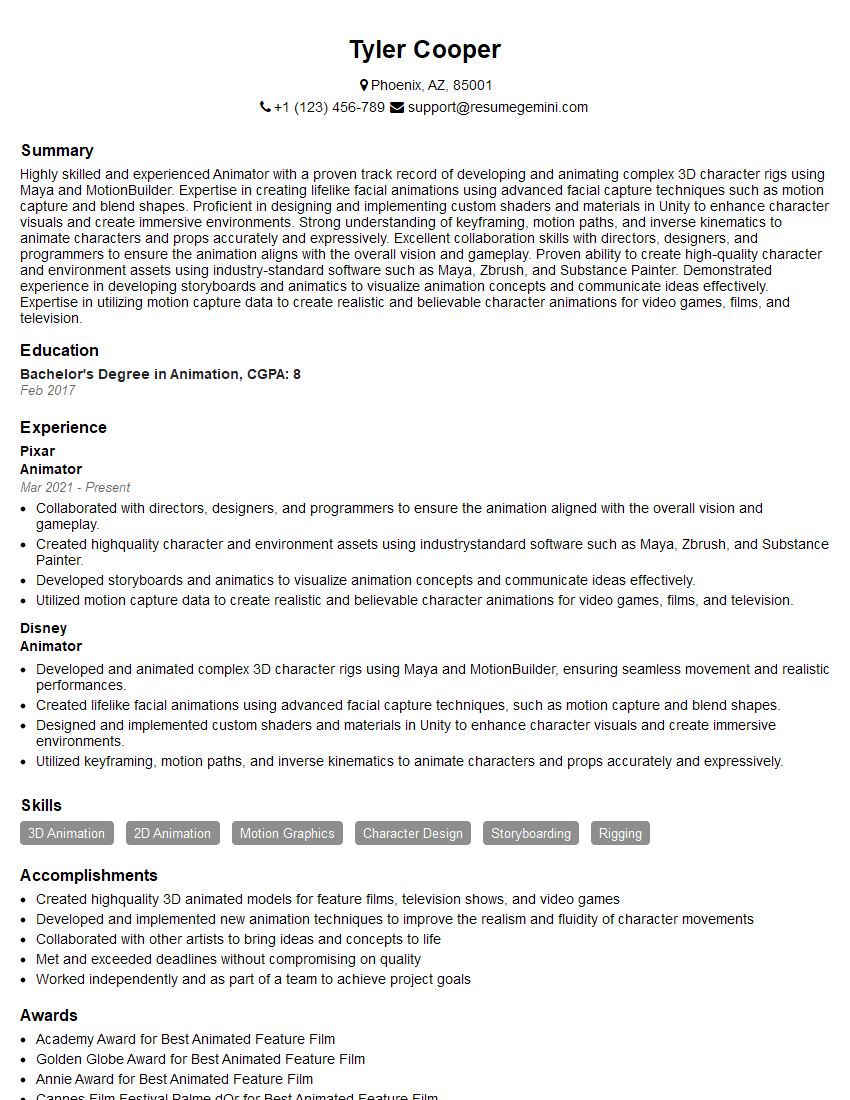
Animator Resume Sample

Graphic Designer Resume Sample
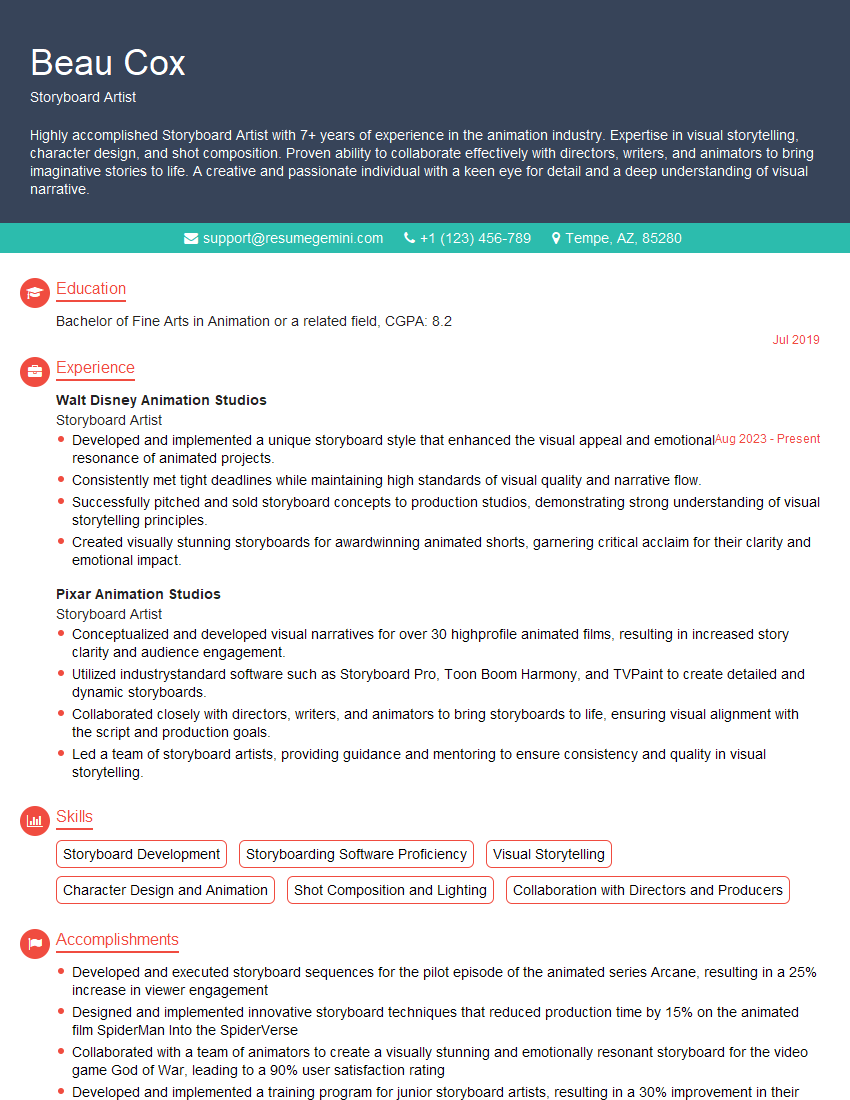
Storyboard Artist Resume Sample

Fashion Designer Resume Sample

Design Consultant Resume Sample
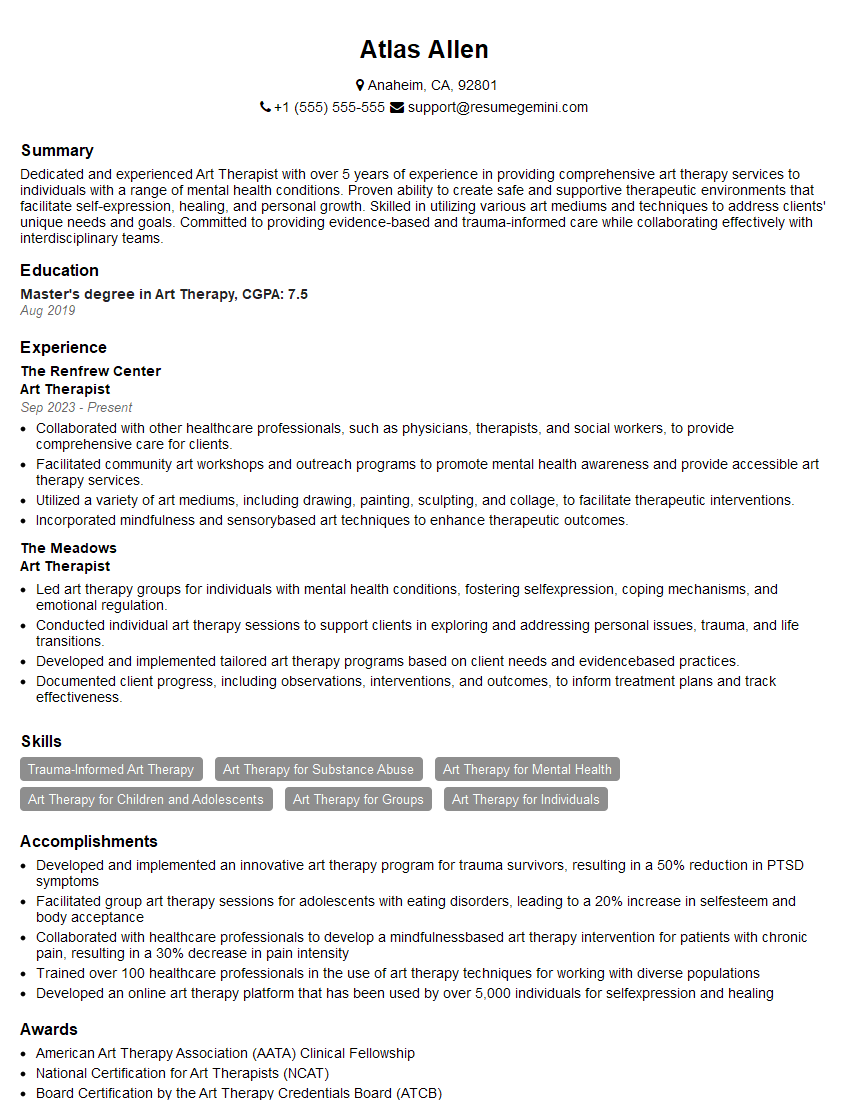
Art Therapist Resume Sample
Explore more articles
Users Rating of Our Blogs
Share Your Experience
We value your feedback! Please rate our content and share your thoughts (optional).
What Readers Say About Our Blog
Very informative content, great job.
good