Interviews are opportunities to demonstrate your expertise, and this guide is here to help you shine. Explore the essential LEED Green Associate interview questions that employers frequently ask, paired with strategies for crafting responses that set you apart from the competition.
Questions Asked in LEED Green Associate Interview
Q 1. Explain the key principles of LEED.
LEED, or Leadership in Energy and Environmental Design, is a globally recognized green building certification system. Its key principles revolve around creating healthy, highly efficient, and environmentally responsible buildings and communities. This is achieved by focusing on several interconnected areas:
- Sustainable Site Development: Minimizing the building’s impact on its surroundings through reduced land consumption, protection of natural resources, and improved stormwater management.
- Water Efficiency: Conserving water through efficient fixtures, appliances, and landscape irrigation techniques.
- Energy and Atmosphere: Reducing energy consumption through efficient design, renewable energy sources, and optimized building systems.
- Materials and Resources: Utilizing sustainable materials, reducing waste, and promoting reuse and recycling.
- Indoor Environmental Quality: Creating a healthy indoor environment with good air quality, thermal comfort, and daylight access.
- Innovation: Encouraging innovative strategies and technologies that go beyond the standard requirements.
- Regional Priority Credits: Recognizing and rewarding projects that address specific environmental challenges in their region.
Think of LEED as a holistic approach, encouraging synergy between these elements to achieve a truly sustainable building.
Q 2. Describe the different LEED rating systems.
LEED offers a variety of rating systems, each tailored to a specific building type or project scope. Some prominent ones include:
- LEED for Building Design and Construction (BD+C): Covers new construction, core & shell, and existing buildings undergoing major renovations.
- LEED for Interior Design & Construction (ID+C): Focuses on interior spaces within existing buildings.
- LEED for Existing Buildings: Operations & Maintenance (EBOM): Addresses the ongoing operation and maintenance of existing buildings.
- LEED for Homes: Specifically designed for residential projects.
- LEED for Neighborhood Development (ND): Evaluates entire neighborhoods, focusing on community planning and sustainability.
Choosing the appropriate rating system depends on the project’s specific characteristics and goals. For instance, a newly constructed office tower would utilize the BD+C rating system, while a renovation of an existing school would use either BD+C or ID+C, depending on the scope of the work.
Q 3. What are the prerequisites for LEED certification?
LEED certification isn’t just about earning points; it requires meeting certain prerequisites before even becoming eligible for points. These prerequisites are fundamental requirements that demonstrate a project’s commitment to sustainability. They are typically focused on ensuring a baseline level of environmental responsibility and often include:
- Location and Transportation: Demonstrating access to public transportation or other sustainable transportation options.
- Sustainable Sites: Meeting basic requirements related to site disturbance and erosion control.
- Water Efficiency: Achieving minimum water use reduction targets.
- Energy & Atmosphere: Meeting basic requirements for energy modeling and compliance with local energy codes.
- Indoor Environmental Quality: Adhering to minimum standards for indoor air quality and thermal comfort.
Think of prerequisites as the foundation upon which the rest of the LEED points are built. Failure to meet these requirements will prevent a project from achieving certification, regardless of how many points it earns in other categories.
Q 4. Explain the importance of sustainable site development.
Sustainable site development is crucial for minimizing a building’s environmental footprint and enhancing its surroundings. It encompasses various strategies that reduce ecological impact, protect biodiversity, and promote responsible land use. Key aspects include:
- Reducing land consumption: Building on previously developed land reduces sprawl and protects natural habitats.
- Protecting biodiversity: Preserving existing vegetation and integrating native plantings minimizes habitat loss and supports local ecosystems.
- Improving stormwater management: Implementing techniques such as bioswales and rain gardens reduces runoff and prevents water pollution.
- Reducing light pollution: Using appropriate lighting minimizes negative impacts on nocturnal wildlife.
- Protecting sensitive habitats: Avoiding construction in areas of high ecological sensitivity, like wetlands or endangered species habitats.
For example, a project might earn LEED points by preserving a significant portion of existing trees on the site, implementing a rainwater harvesting system, or using permeable paving to reduce stormwater runoff. It’s not just about the building; it’s about its relationship with the land it occupies.
Q 5. How does water efficiency contribute to LEED points?
Water efficiency contributes significantly to LEED points by rewarding projects that reduce potable water consumption. Strategies that earn points include:
- Installing low-flow fixtures: Using water-efficient toilets, faucets, and showerheads reduces overall water use.
- Implementing water-saving landscaping: Using drought-tolerant plants and efficient irrigation systems minimizes water consumption for irrigation.
- Collecting and reusing stormwater: Harvesting rainwater for non-potable uses like irrigation reduces demand on municipal water supplies.
- Reducing water consumption from building systems: Optimizing cooling towers and other water-intensive systems minimizes water waste.
For example, a project might earn points by using toilets that use less than 1.28 gallons per flush (gpf) or by installing a greywater recycling system to reuse water from showers and sinks for toilet flushing or irrigation. The goal is to minimize potable water usage and encourage water conservation practices.
Q 6. Discuss energy and atmosphere strategies in LEED.
Energy and atmosphere strategies in LEED aim to minimize a building’s greenhouse gas emissions and energy consumption. Key strategies include:
- Energy modeling: Simulating the building’s energy performance to identify opportunities for optimization.
- Using renewable energy sources: Incorporating solar panels, wind turbines, or other renewable sources to generate on-site power.
- Improving building envelope performance: Using high-performance insulation, windows, and roofing systems to minimize heat loss and gain.
- Optimizing HVAC systems: Using efficient heating, ventilation, and air conditioning systems to reduce energy consumption.
- Implementing energy-efficient lighting: Utilizing LED lighting and daylighting strategies to reduce lighting loads.
Consider a project that uses energy modeling to demonstrate a significant reduction in energy consumption compared to a baseline building, or a project that installs a substantial solar array to generate renewable energy on-site. The goal is to drastically decrease reliance on fossil fuels and reduce the carbon footprint of the building.
Q 7. Describe materials and resources strategies within LEED.
Materials and resources strategies within LEED focus on minimizing the environmental impact of building materials and promoting sustainable construction practices. Key aspects include:
- Using recycled content materials: Incorporating materials with recycled content reduces the demand for virgin materials.
- Specifying sustainably harvested wood: Ensuring that wood products come from sustainably managed forests.
- Minimizing construction waste: Implementing strategies to reduce waste generation during construction and diverting waste from landfills.
- Using regional materials: Sourcing materials from nearby sources reduces transportation energy consumption.
- Promoting material reuse: Reusing existing materials whenever possible.
For example, a project might earn points by using recycled steel in its structure, specifying sustainably harvested wood for flooring, or implementing a construction waste management plan that diverts a high percentage of waste from landfills. The focus is on reducing the overall environmental impact associated with material production, transportation, and disposal.
Q 8. Explain the importance of indoor environmental quality.
Indoor Environmental Quality (IEQ) is paramount because it directly impacts the health, comfort, and productivity of building occupants. Think of it as the ‘atmosphere’ of a building – it encompasses everything from air quality and thermal comfort to acoustics and lighting.
Poor IEQ can lead to a range of negative consequences, including:
- Reduced productivity: Discomfort from poor lighting, temperature, or noise can significantly impact work performance.
- Health problems: Poor air quality can trigger respiratory issues, headaches, and allergies. Poor lighting can contribute to eye strain and fatigue.
- Increased absenteeism: Unhealthy or uncomfortable work environments lead to more sick days.
- Lower property values: Buildings with known IEQ issues can be less desirable and therefore less valuable.
LEED emphasizes IEQ through various credits, rewarding strategies like maximizing natural light, using low-VOC (volatile organic compound) materials, providing adequate ventilation, and implementing effective IAQ (Indoor Air Quality) monitoring.
Q 9. How does innovation in design contribute to LEED points?
Innovation in design is crucial for achieving higher LEED scores and pushing the boundaries of sustainable building practices. LEED encourages innovative strategies that go beyond the standard requirements and demonstrate a commitment to environmental leadership.
For example, using recycled materials in construction can earn Innovation in Design points, as can implementing a building management system (BMS) that significantly optimizes energy performance. Another example is incorporating cutting-edge renewable energy technologies, such as building-integrated photovoltaics (BIPV), which generate electricity while forming part of the building envelope.
Demonstrating a truly innovative approach requires clear documentation and justification of the benefits – quantifying the environmental and/or social impact of the innovation is crucial for successfully earning these points.
Q 10. What is the role of a LEED Green Associate?
A LEED Green Associate is a building professional who possesses fundamental knowledge of green building principles and practices. They aren’t necessarily directly involved in the design or construction, but they understand the LEED rating system and can contribute to a project’s sustainable development.
Their roles can include:
- Supporting LEED project teams: They can assist architects, engineers, and contractors in understanding LEED requirements and achieving certification.
- Conducting LEED documentation: This involves gathering and organizing information to demonstrate compliance with LEED criteria.
- Promoting sustainable building practices: They can educate others within their organization about green building and its benefits.
- Contributing to sustainable design decisions: While not making final decisions, they can provide valuable input based on their LEED knowledge.
Essentially, a LEED Green Associate acts as a sustainability advocate and knowledge resource throughout the project lifecycle.
Q 11. Describe your understanding of Life Cycle Assessment (LCA).
Life Cycle Assessment (LCA) is a comprehensive analysis of the environmental impacts of a product or building, from its cradle (raw material extraction) to its grave (disposal or end-of-life). It considers various stages, including manufacturing, transportation, construction, operation, maintenance, and demolition.
Imagine making a sandwich: An LCA would look at the impact of farming the ingredients, processing them, transporting them, making the sandwich, consuming it, and disposing of the packaging. It’s about evaluating the overall environmental footprint of the entire process.
LEED uses LCA principles to encourage the selection of materials and systems with lower overall environmental impacts. This holistic approach goes beyond just looking at a material’s immediate properties and considers its long-term consequences.
Q 12. Explain the concept of embodied carbon.
Embodied carbon refers to the greenhouse gas emissions associated with the manufacturing, transportation, and installation of building materials. It’s essentially the carbon footprint ‘locked into’ a building’s materials during construction.
For example, the embodied carbon in a steel beam includes the emissions from mining the iron ore, processing it into steel, transporting it to the construction site, and its eventual fabrication. Reducing embodied carbon is a critical aspect of sustainable building, as it contributes significantly to a building’s overall life cycle emissions.
Strategies to reduce embodied carbon include using low-carbon materials (like timber or recycled steel), optimizing material quantities to minimize waste, and selecting locally sourced materials to reduce transportation impacts.
Q 13. What are some strategies for reducing water consumption in buildings?
Reducing water consumption in buildings is vital for conserving resources and minimizing environmental impact. Strategies include:
- Installing low-flow fixtures: Toilets, faucets, and showerheads with reduced flow rates significantly decrease water usage without compromising functionality.
- Employing water-efficient landscaping: Using drought-tolerant plants and implementing smart irrigation systems reduces the need for excessive water consumption in outdoor spaces.
- Collecting and reusing rainwater: Rainwater harvesting systems can collect rainwater for non-potable uses like irrigation or toilet flushing.
- Implementing greywater recycling: Treating and reusing wastewater from showers, sinks, and laundry for non-potable purposes minimizes potable water use.
- Leak detection and repair: Regular maintenance and prompt leak repair prevent significant water waste.
These strategies not only conserve water but can also lead to cost savings on water bills.
Q 14. How can you improve indoor air quality in a building?
Improving indoor air quality (IAQ) requires a multifaceted approach addressing various sources of pollutants.
- Ventilation: Providing sufficient fresh air through effective ventilation systems dilutes indoor pollutants and introduces clean air.
- Material selection: Using low-VOC paints, adhesives, and other building materials minimizes the emission of harmful chemicals into the air.
- Air filtration: Installing high-efficiency particulate air (HEPA) filters in HVAC systems removes airborne particles like dust, pollen, and mold spores.
- Source control: Identifying and addressing sources of indoor pollution, such as mold growth or inadequate exhaust systems, is essential.
- Monitoring: Regularly monitoring IAQ through testing and measurements helps ensure that air quality remains within acceptable limits.
By implementing these strategies, building owners and operators can create healthier and more comfortable environments for occupants.
Q 15. Describe different renewable energy sources and their applications.
Renewable energy sources harness naturally replenishing resources to generate power, offering a sustainable alternative to fossil fuels. Key sources include:
- Solar Power: Photovoltaic (PV) cells convert sunlight directly into electricity, while concentrated solar power (CSP) uses mirrors to focus sunlight and heat a fluid, driving a turbine. Think of rooftop solar panels on homes or large-scale solar farms powering entire communities.
- Wind Power: Wind turbines convert wind energy into electricity. Large wind farms are commonly seen in areas with consistent strong winds, while smaller wind turbines are increasingly used in more localized settings.
- Hydropower: Dams harness the energy of flowing water to generate electricity. This is a mature technology but can have significant environmental impacts, requiring careful site selection and management.
- Geothermal Energy: Harnessing heat from the Earth’s interior, geothermal energy can be used directly for heating or to generate electricity. This is particularly effective in volcanically active regions.
- Biomass Energy: Burning organic matter like wood, crops, or waste generates energy. While renewable, it’s crucial to manage sustainably to avoid deforestation and other environmental problems.
Applications span from individual homes and businesses to large-scale power grids, contributing significantly to reducing carbon emissions and improving energy independence.
Career Expert Tips:
- Ace those interviews! Prepare effectively by reviewing the Top 50 Most Common Interview Questions on ResumeGemini.
- Navigate your job search with confidence! Explore a wide range of Career Tips on ResumeGemini. Learn about common challenges and recommendations to overcome them.
- Craft the perfect resume! Master the Art of Resume Writing with ResumeGemini’s guide. Showcase your unique qualifications and achievements effectively.
- Don’t miss out on holiday savings! Build your dream resume with ResumeGemini’s ATS optimized templates.
Q 16. Explain the importance of building commissioning.
Building commissioning is a quality assurance process that ensures a building’s systems perform as designed and intended. It’s crucial for achieving energy efficiency, occupant comfort, and overall building performance. Think of it as a rigorous final check-up before the building opens its doors. A thorough commissioning process involves:
- Pre-design phase: Establishing performance goals and design criteria.
- Design phase: Reviewing design documents for constructability and operability.
- Construction phase: Observing installation and testing of systems.
- Post-construction phase: Verifying functionality and training building operators.
Without commissioning, buildings might suffer from operational issues, reduced efficiency, and higher maintenance costs. For example, an improperly commissioned HVAC system could lead to discomfort, energy waste, and premature equipment failure, significantly impacting the building’s environmental performance and operational budget.
Q 17. What are some strategies for reducing waste during construction?
Reducing waste in construction is essential for environmental sustainability and cost savings. Strategies include:
- Construction Waste Management Plan: Develop a detailed plan outlining waste reduction, reuse, and recycling goals. This should include material selection, waste tracking, and disposal methods.
- Material Selection: Choose sustainable and locally sourced materials to minimize transportation emissions and reduce embodied carbon. Recycled content materials are also key.
- Pre-fabrication: Manufacturing components off-site reduces on-site waste and improves quality control. Think of pre-fabricated wall panels or modular building systems.
- Just-in-Time Delivery: Deliver materials only when needed to minimize on-site storage and potential spoilage.
- Recycling and Reuse: Implement systems for recycling materials like concrete, wood, and metals. Explore opportunities to reuse materials on-site or donate them to other projects.
- Waste Audits: Conduct regular audits to track waste generation and identify areas for improvement. This allows for continuous refinement of waste reduction strategies.
Imagine a project where 80% of construction waste is diverted from landfills through careful planning and execution – that’s a significant environmental win!
Q 18. How can you promote sustainable transportation options?
Promoting sustainable transportation options reduces reliance on private vehicles and their associated emissions. Key strategies include:
- Public Transportation Access: Locate buildings near existing public transit routes, providing convenient and accessible alternatives for employees and visitors.
- Bicycle Infrastructure: Provide secure bicycle storage and showering facilities to encourage cycling. Well-maintained bike lanes and paths also improve safety and convenience.
- Walking Paths and Pedestrian Amenities: Create safe and comfortable pedestrian walkways, ensuring convenient access to nearby amenities and reducing reliance on cars for short trips.
- Incentivize Carpooling and Ridesharing: Offer incentives, such as preferred parking spaces, to encourage employees to share rides.
- Electric Vehicle Charging Stations: Provide charging stations for electric vehicles, supporting the adoption of cleaner transportation.
- Telecommuting Policies: Encourage flexible work arrangements to reduce the number of daily commutes.
For example, a building complex that provides showers, secure bike storage, and easy access to a subway station will significantly reduce the carbon footprint associated with commuting.
Q 19. Explain the concept of building envelope design and its importance in energy efficiency.
The building envelope is the outer shell of a building, including the roof, walls, windows, and foundation. Proper design is vital for energy efficiency, as it acts as the primary barrier between the building’s interior and the external environment. A well-designed envelope:
- Minimizes heat transfer: Utilizing high-performance insulation, air-sealing, and high-performance glazing reduces energy needed for heating and cooling.
- Controls moisture: Properly designed flashing and drainage systems prevent water infiltration, protecting the building structure and preventing mold growth.
- Provides daylighting: Strategic window placement and design maximizes natural daylight, reducing the need for artificial lighting.
- Improves thermal comfort: Reduces temperature fluctuations, improving occupant comfort and reducing energy consumption.
Imagine a building with poorly sealed windows and insufficient insulation. Energy would constantly be lost to the outside environment during winter and gained from the outside during summer, leading to high energy bills and occupant discomfort. A well-designed envelope is the first line of defense against energy loss.
Q 20. What are some key strategies for improving thermal comfort in buildings?
Improving thermal comfort in buildings focuses on creating a comfortable indoor environment for occupants. Strategies include:
- Natural Ventilation: Utilizing strategically placed operable windows and vents allows for natural airflow, reducing reliance on mechanical systems.
- Passive Solar Design: Orienting the building to maximize solar gain in winter and minimize it in summer, reducing heating and cooling loads.
- High-Performance Insulation and Air Sealing: Minimizes heat transfer through walls, roofs, and floors, maintaining a stable indoor temperature.
- Radiant Heating and Cooling Systems: Provides even and comfortable heating and cooling throughout the space. This approach is more effective in terms of energy consumption and comfort.
- Thermal Mass: Using materials like concrete or brick that store and release heat slowly, moderating temperature fluctuations throughout the day.
- Smart Controls and Zoning: Allows for customized temperature settings in different zones of a building, adapting to occupant needs and minimizing energy waste.
For example, a building designed with operable windows, strategically placed shading devices, and radiant heating would create a comfortable and energy-efficient indoor environment while reducing the building’s environmental impact.
Q 21. How do you assess the environmental impact of building materials?
Assessing the environmental impact of building materials involves evaluating their life-cycle impacts, from extraction of raw materials to manufacturing, transportation, installation, use, and end-of-life disposal. This is often done using Life Cycle Assessment (LCA).
- Embodied Carbon: The greenhouse gas emissions associated with the manufacturing and transportation of materials. This is a key aspect of assessing the material’s environmental impact.
- Recycled Content: The percentage of recycled materials used in the production of the material, reducing the need for virgin resources.
- Durability and Maintainability: Materials with long lifespans and low maintenance needs reduce the need for replacements and associated environmental impacts.
- Recyclability and Reusability: The ease with which the material can be recycled or reused at the end of its service life, minimizing waste.
- Health Product Declarations (HPDs): Provide transparent information on the chemical content of building products and their potential health impacts.
- Environmental Product Declarations (EPDs): Quantify the environmental impacts of building products across their entire life cycle.
By using tools like EPDs and HPDs, designers and builders can make informed material choices that minimize the environmental footprint of their projects. For example, choosing locally sourced wood with a high recycled content over imported tropical hardwood significantly reduces both embodied carbon and transportation emissions.
Q 22. Explain the different levels of LEED certification.
LEED certification, offered by the U.S. Green Building Council (USGBC), assesses the environmental performance of buildings and building projects. It uses a points-based system, and the more points a project earns, the higher the certification level achieved. The levels, from lowest to highest, are:
- Certified: This is the entry-level certification, indicating that the project meets the basic requirements for sustainability. Think of it like a bronze medal – it’s an accomplishment but there’s room for improvement.
- Silver: A Silver certification signifies a higher level of sustainability performance, demonstrating a greater commitment to green building practices. This is a step up, like a silver medal – commendable performance.
- Gold: Gold certification represents a significant achievement in sustainable design and construction, showcasing an advanced level of environmental responsibility. It’s like a gold medal – a substantial accomplishment showing a high commitment to sustainability.
- Platinum: This is the highest level of LEED certification, reserved for projects that demonstrate exceptional performance in minimizing their environmental impact. This is the equivalent of an Olympic gold medal – a truly exceptional achievement.
The specific requirements for each level vary depending on the LEED rating system version (e.g., LEED v4.1, LEED v4) and the building type.
Q 23. Describe your experience with LEED documentation and submittal processes.
My experience with LEED documentation and submittal processes is extensive. I’ve been involved in numerous projects, from initial documentation setup to final submission to GBCI (Green Business Certification Inc.). This includes:
- Preparing and organizing project documentation: This involves meticulously gathering and formatting all required documents, including architectural plans, energy models, material specifications, and waste management plans. I ensure all documentation is properly labeled, indexed, and readily accessible for review.
- Conducting LEED credit tracking and reporting: I utilize LEED Online to track progress, ensure compliance with requirements, and prepare comprehensive reports that clearly demonstrate achievement of LEED credits. This involves understanding the nuances of each credit and meticulously documenting evidence of compliance.
- Addressing reviewer comments and resolving discrepancies: I have experience in reviewing reviewer comments, understanding the rationale behind requests for further information, and providing clear and concise responses. This often involves collaborating with the design and construction teams to find solutions.
- Successfully submitting LEED documentation for certification: I’m proficient in navigating the GBCI submission portal, ensuring that all required documents are correctly uploaded and formatted for review. This has resulted in timely project certifications for several of the projects I have been involved in.
I’m adept at using LEED Online, and proficient in anticipating potential issues and proactively addressing them to prevent delays in the certification process.
Q 24. How familiar are you with LEED v4.1 and/or LEED v4.0?
I’m very familiar with both LEED v4.1 and LEED v4.0. While v4.1 is a minor update to v4, there are still some notable differences in credit requirements and weighting. I understand the key distinctions between the two versions, including changes in prerequisites and credits, particularly within areas such as energy efficiency, water conservation, and materials selection. For example, v4.1 might offer updated guidance on embodied carbon calculations or stricter requirements for renewable energy sources. My experience working with both versions enables me to effectively navigate the nuances of each, ensuring project compliance and achieving optimal LEED points. I also understand the implications of choosing one version over the other based on project context and deadlines.
Q 25. What are some of the challenges in achieving LEED certification?
Achieving LEED certification presents several challenges. Some common hurdles include:
- Budgetary constraints: Implementing sustainable building practices often involves upfront costs that can be significant, especially if not factored into the project budget from the outset.
- Time constraints: Meeting the LEED requirements often adds time to the design and construction process, particularly for complex projects. Careful planning and efficient project management are key to mitigate this.
- Lack of awareness and expertise: A lack of understanding among stakeholders (architects, contractors, etc.) about LEED requirements and sustainable building practices can create obstacles.
- Material availability and cost: Sourcing sustainable materials can be difficult, particularly if local options are limited, leading to higher costs and extended lead times.
- Coordination among multiple stakeholders: LEED certification requires collaboration between numerous teams. Effective communication and coordination are essential to avoid conflicts and delays.
- Complex documentation requirements: Compiling all necessary documentation can be a significant task, requiring dedicated resources and attention to detail.
Overcoming these challenges requires careful planning, proactive communication, and a commitment to integrating sustainable practices throughout the project lifecycle.
Q 26. How do you stay current with changes and updates in LEED standards?
Staying current with changes in LEED standards is crucial. I actively engage in several strategies to keep my knowledge up-to-date:
- Regularly reviewing USGBC resources: I frequently access the USGBC website for updates, announcements, and interpretative guidance.
- Attending webinars and workshops: I participate in online and in-person training sessions offered by the USGBC and other reputable organizations.
- Networking with other LEED professionals: I actively participate in industry events and online forums to exchange information and best practices.
- Staying informed about industry publications: I read industry journals and publications that cover advancements in sustainable building practices and their impact on LEED.
- Monitoring LEED Online updates: I regularly check the LEED Online platform for updates to the rating systems and submission requirements.
This multifaceted approach ensures I remain well-informed about the latest standards and best practices.
Q 27. Describe a situation where you had to resolve a conflict related to sustainable building practices.
On a recent project, a conflict arose between the client’s desire to use a specific, cost-effective but less sustainable material and the project team’s commitment to achieving a high LEED certification level. The client was initially hesitant to consider alternatives due to budget concerns.
To resolve this, I presented a detailed analysis comparing the long-term cost savings associated with the more sustainable option (lower energy consumption, reduced maintenance) with the upfront cost difference. I also researched alternative sustainable materials within a similar price range. I collaborated with the architect to explore design modifications that could accommodate the use of the sustainable material while minimizing additional costs. By demonstrating the financial and environmental benefits of the sustainable choice through a transparent and data-driven approach, I was able to successfully convince the client to prioritize sustainability without significantly impacting the project budget.
Q 28. How would you educate a team about the benefits of sustainable building practices?
Educating a team about the benefits of sustainable building practices requires a multi-pronged approach that combines information, engagement, and motivation. I would start by:
- Highlighting the environmental benefits: Emphasizing the reduction in greenhouse gas emissions, water consumption, and waste generation.
- Demonstrating the economic advantages: Explaining how sustainable practices can lead to lower operating costs, increased property value, and improved tenant satisfaction.
- Showcasing the social impacts: Emphasizing the creation of healthier indoor environments, the improvement of community resilience, and the promotion of social equity.
- Using real-world examples: Sharing case studies of successful sustainable projects and the positive impact they have had.
- Providing interactive training: Offering hands-on workshops and training sessions to educate the team about specific sustainable building practices and LEED requirements.
- Promoting team collaboration: Encouraging open communication and teamwork among team members to facilitate the implementation of sustainable practices.
By combining education with practical application and collaboration, I would empower the team to embrace sustainable building practices and contribute to creating a greener built environment.
Key Topics to Learn for LEED Green Associate Interview
- LEED Rating Systems: Understand the different LEED rating systems (BD+C, ID+C, O+M, etc.) and their specific requirements. Consider comparing and contrasting them.
- Sustainable Sites: Learn about strategies for reducing the impact of buildings on the environment, such as site selection, water management, and light pollution reduction. Think about practical examples in different building types.
- Water Efficiency: Master the principles of reducing potable water consumption in buildings. Explore case studies demonstrating successful water conservation techniques.
- Energy and Atmosphere: Grasp the concepts of energy efficiency and renewable energy sources. Be prepared to discuss strategies for optimizing building performance and reducing carbon emissions. Think through energy modeling and analysis.
- Materials and Resources: Understand the importance of sustainable material selection and construction waste management. Prepare examples of environmentally preferable materials and their applications.
- Indoor Environmental Quality: Learn about strategies for improving indoor air quality, thermal comfort, and daylighting. Be prepared to discuss the health and productivity benefits of a well-designed indoor environment. Consider the impact of various building systems.
- Innovation and Design Process: Familiarize yourself with the LEED Innovation credits and the importance of integrating sustainable design principles throughout the project lifecycle. Practice problem-solving scenarios related to innovative solutions.
- LEED Points & Credit Calculations: Understand how LEED points are awarded and how to strategize to maximize points for a project. Practice calculations related to various credit categories.
Next Steps
Mastering the LEED Green Associate credential significantly enhances your career prospects in the green building industry, opening doors to exciting opportunities and higher earning potential. To maximize your chances of landing your dream role, it’s crucial to create a resume that effectively showcases your skills and experience to Applicant Tracking Systems (ATS). We highly recommend using ResumeGemini to build a professional and ATS-friendly resume that highlights your LEED Green Associate knowledge. ResumeGemini provides examples of resumes tailored specifically to LEED Green Associate candidates, helping you present yourself in the best possible light. Take the next step towards your successful career today!
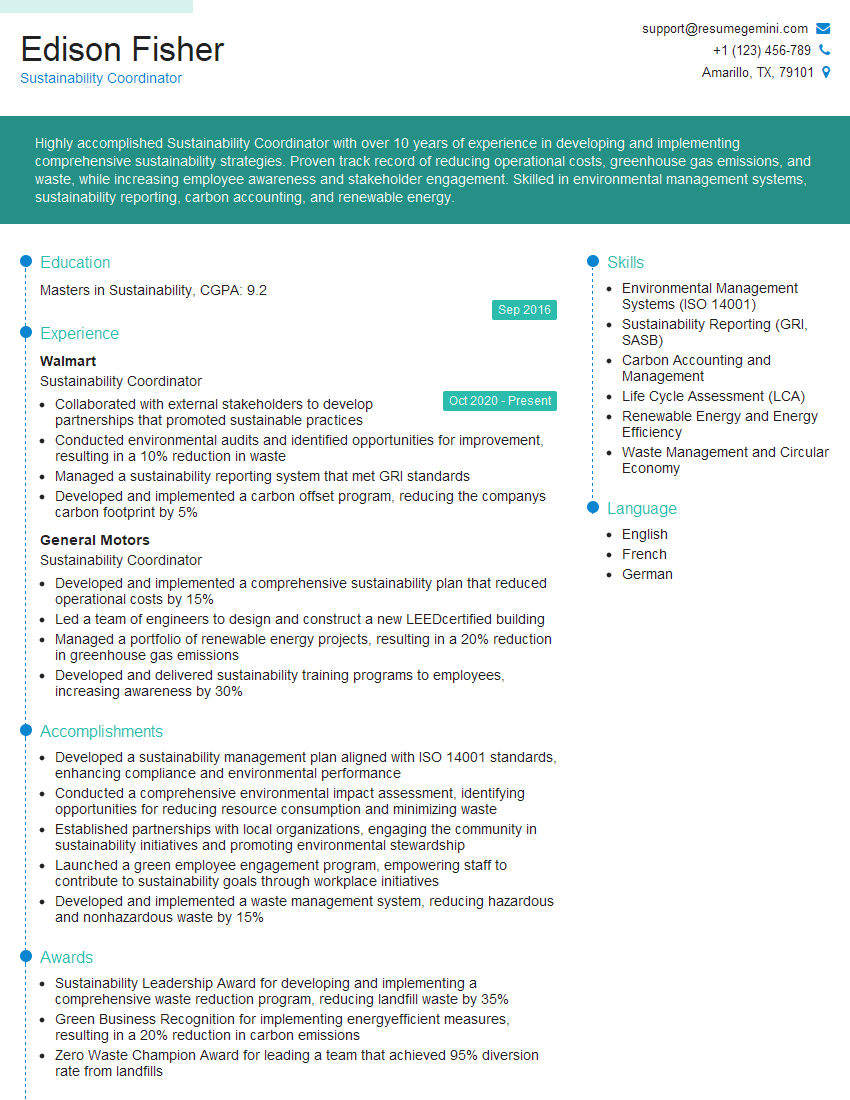
Sustainability Coordinator Resume Sample
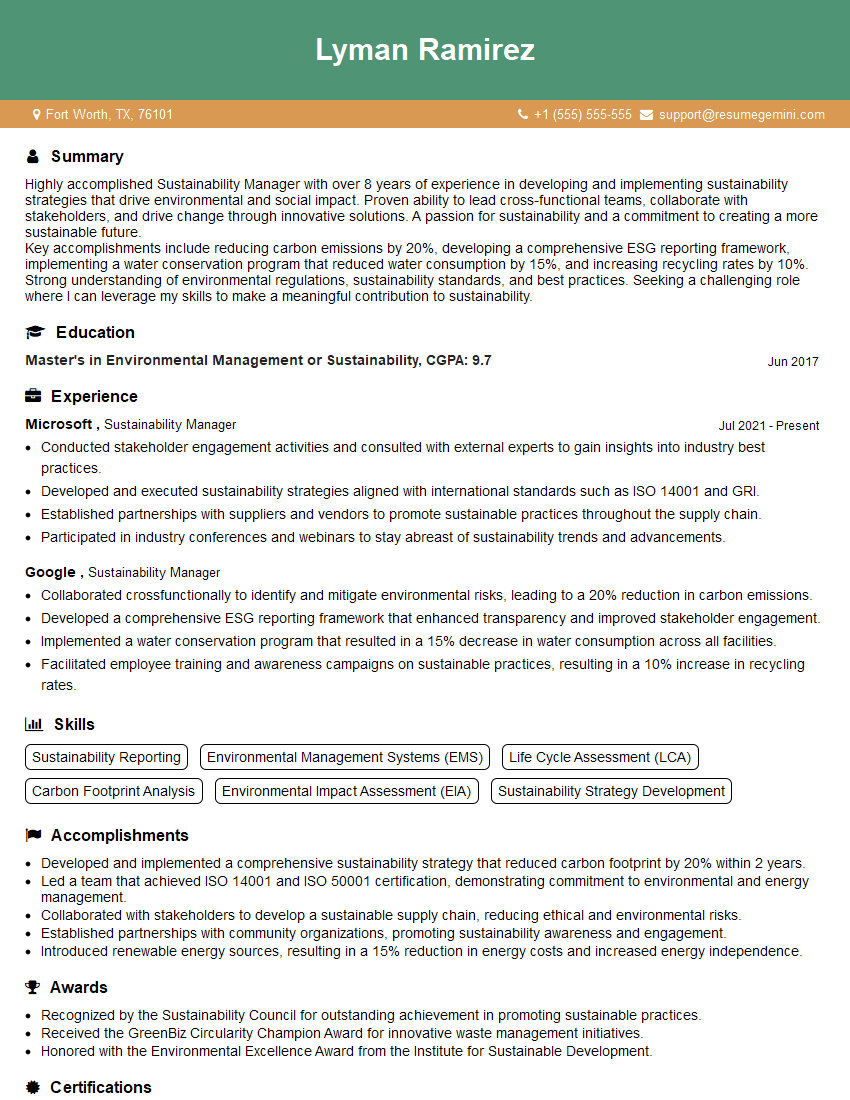
Sustainability Manager Resume Sample
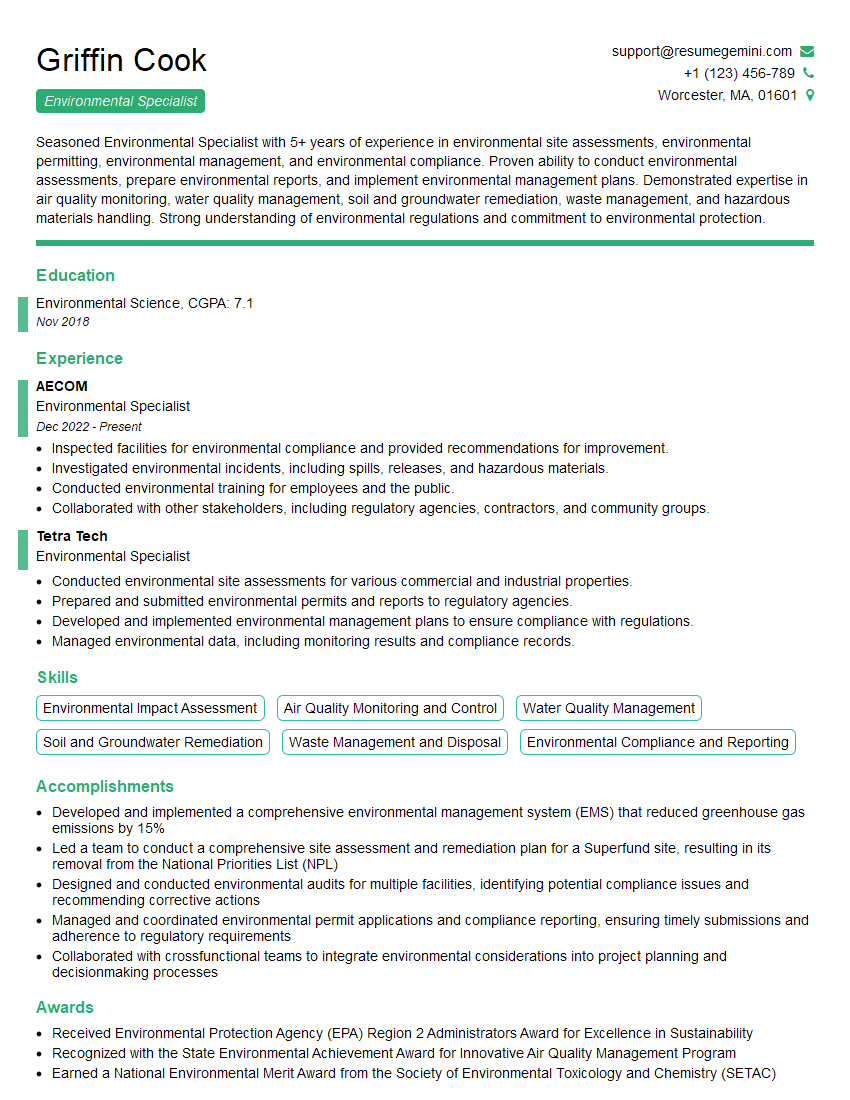
Environmental Specialist Resume Sample
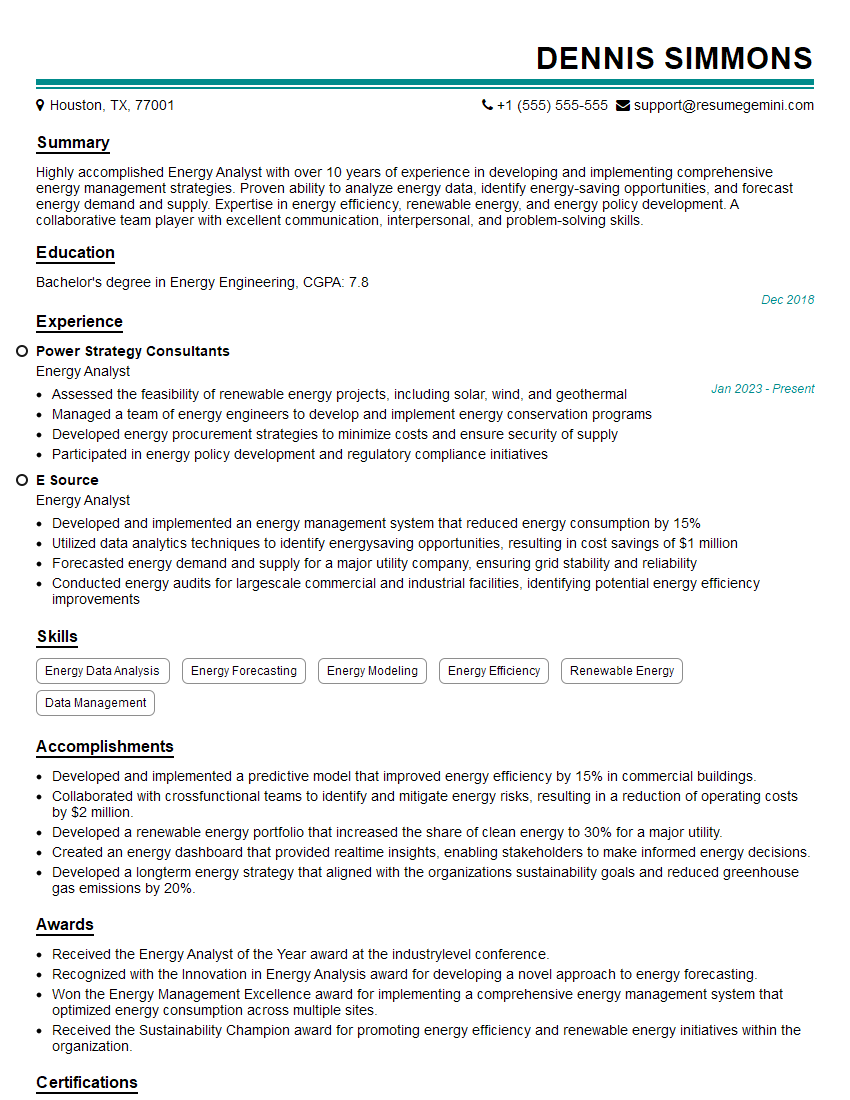
Energy Analyst Resume Sample
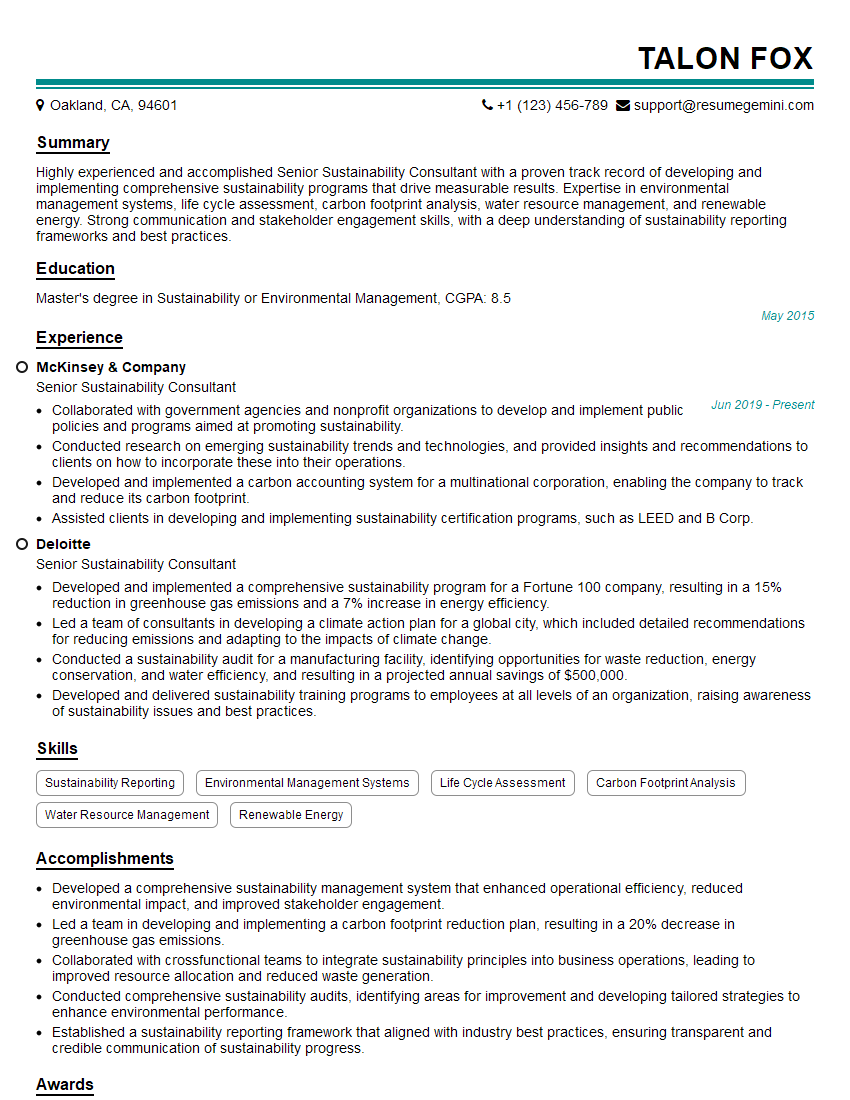
Senior Sustainability Consultant Resume Sample

Sustainability Consultant Resume Sample
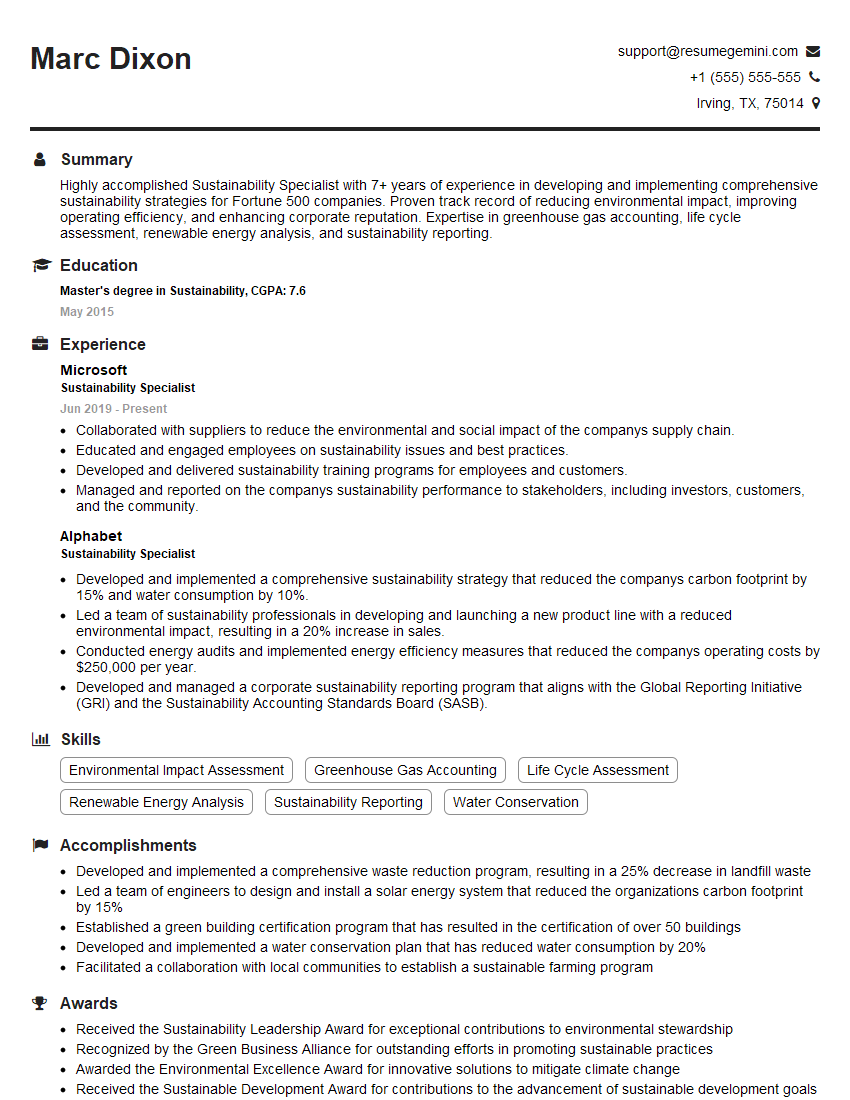
Sustainability Specialist Resume Sample
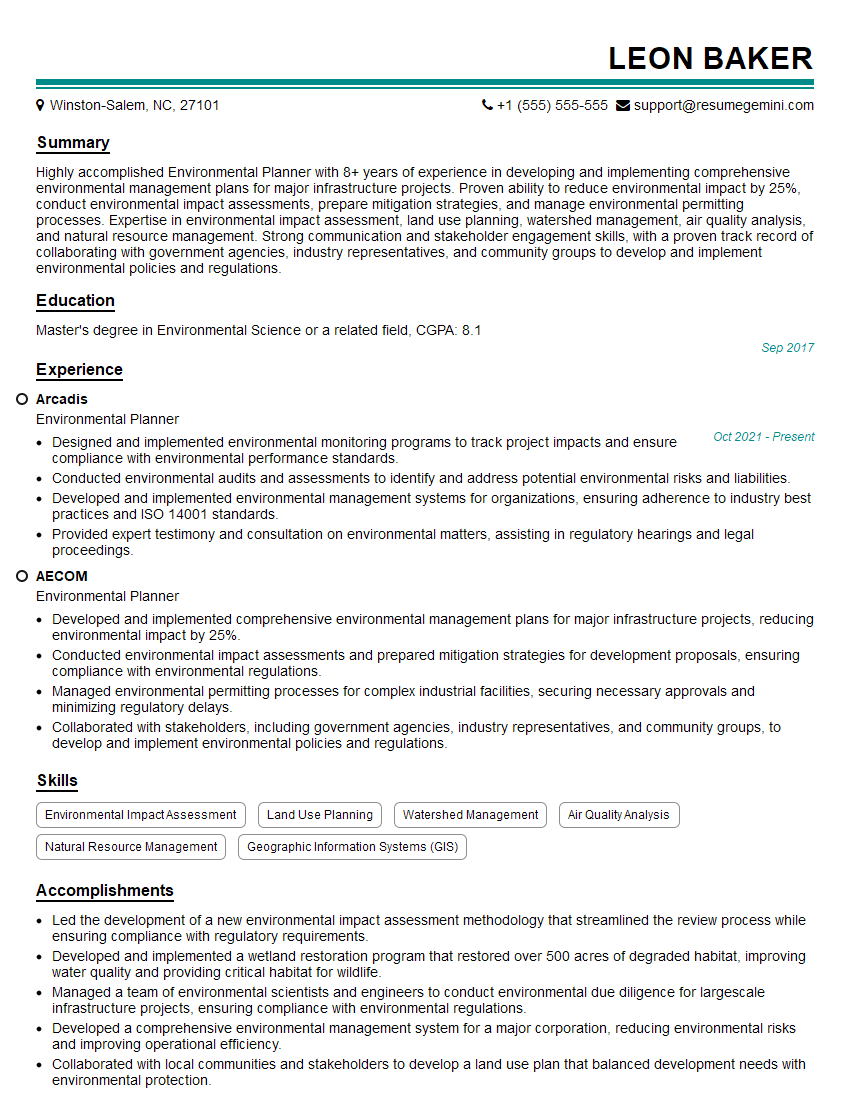
Environmental Planner Resume Sample
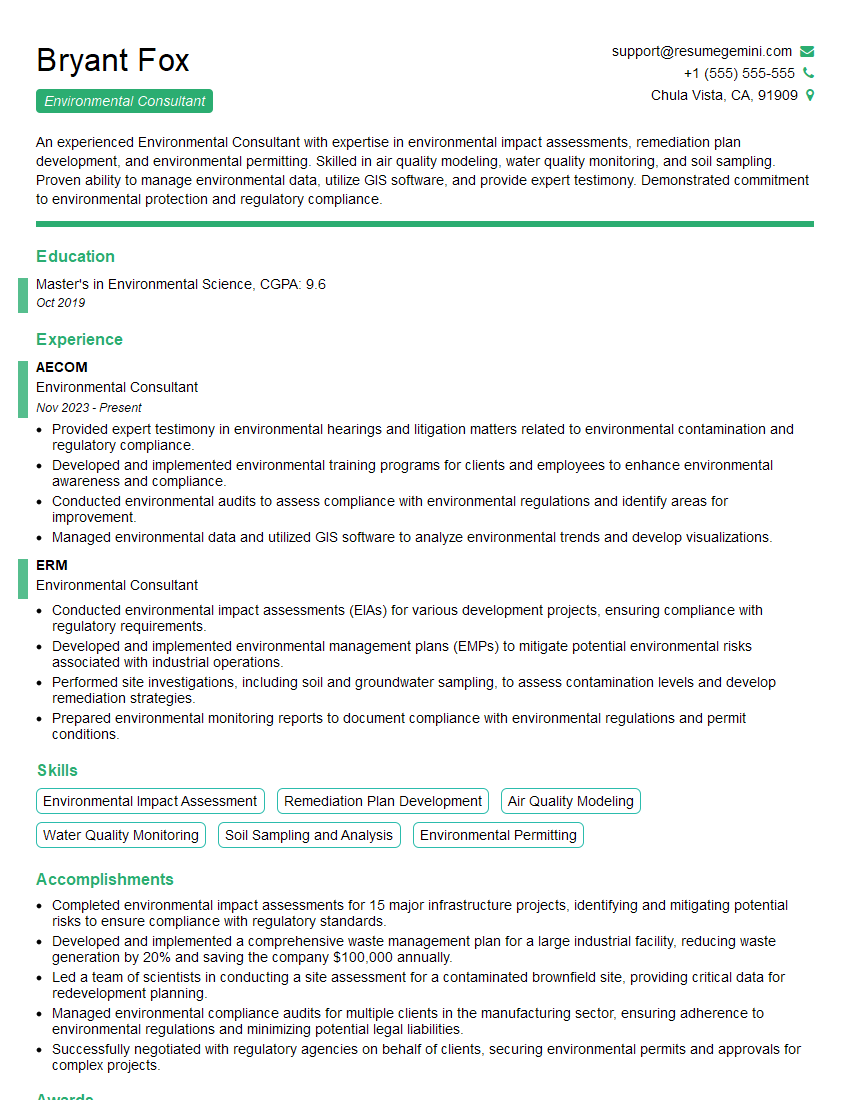
Environmental Consultant Resume Sample
Explore more articles
Users Rating of Our Blogs
Share Your Experience
We value your feedback! Please rate our content and share your thoughts (optional).
What Readers Say About Our Blog
Very informative content, great job.
good