The right preparation can turn an interview into an opportunity to showcase your expertise. This guide to Tie Combined Cycle Power Plant Installation interview questions is your ultimate resource, providing key insights and tips to help you ace your responses and stand out as a top candidate.
Questions Asked in Tie Combined Cycle Power Plant Installation Interview
Q 1. Explain the operating principle of a combined cycle power plant.
A combined cycle power plant cleverly combines two power generation cycles—the Brayton cycle (gas turbine) and the Rankine cycle (steam turbine)—to achieve significantly higher overall efficiency than either cycle alone. Imagine it like this: a gas turbine burns fuel, generating electricity. The hot exhaust gases from the gas turbine, which still contain significant energy, are then used to heat water in a Heat Recovery Steam Generator (HRSG), creating steam. This steam then drives a steam turbine, generating additional electricity. The combined output from both the gas and steam turbines results in a much higher overall efficiency than either could achieve independently.
In essence, it’s about maximizing energy utilization. The heat that would otherwise be wasted in a simple gas turbine plant is harnessed to generate more power, leading to significant fuel savings and reduced environmental impact.
Q 2. Describe the role of a Heat Recovery Steam Generator (HRSG) in a combined cycle plant.
The Heat Recovery Steam Generator (HRSG) is the crucial link between the gas turbine and the steam turbine in a combined cycle plant. Its primary function is to recover the waste heat from the gas turbine’s exhaust gases and convert it into usable steam. Think of it as a giant heat exchanger. The hot exhaust gases pass through the HRSG, transferring their heat to water tubes inside. This heat converts the water into high-pressure steam, which then powers the steam turbine.
The HRSG is carefully designed to optimize heat transfer efficiency. Different types of HRSGs exist, including once-through, natural circulation, and forced circulation designs, each chosen based on factors such as the gas turbine exhaust temperature and steam parameters required by the steam turbine.
Without an efficient HRSG, a significant portion of the energy produced by the gas turbine would be lost, drastically reducing the overall efficiency of the combined cycle plant.
Q 3. What are the key performance indicators (KPIs) for a combined cycle plant?
Key Performance Indicators (KPIs) for a combined cycle plant are critical for monitoring efficiency, reliability, and profitability. Some of the most important KPIs include:
- Heat Rate: Measures the amount of fuel consumed per kilowatt-hour (kWh) of electricity generated. Lower heat rate indicates higher efficiency.
- Overall Efficiency: Represents the total electricity generated as a percentage of the total energy input (fuel). This is a crucial indicator of the plant’s overall performance.
- Availability Factor: Measures the percentage of time the plant is available to generate power. High availability is vital for consistent electricity supply and profitability.
- Capacity Factor: Indicates the actual power generated compared to the plant’s maximum capacity over a given period. A high capacity factor signifies efficient utilization of the plant’s potential.
- Specific Fuel Consumption (SFC): Measures the fuel consumed per kWh generated, considering both gas and steam turbine operations. A lower SFC indicates better fuel efficiency.
- Forced Outage Rate (FOR): The percentage of time the plant is out of service due to unexpected failures. Lower FOR demonstrates higher reliability.
Regular monitoring of these KPIs helps identify areas for improvement and optimize plant operation for maximum efficiency and profitability. For example, a consistently high heat rate might indicate a problem with the combustion process or the HRSG’s performance, necessitating further investigation and maintenance.
Q 4. How does a tie-line connection affect the operation of a combined cycle plant?
A tie-line connection links a combined cycle plant to the main electrical grid. This connection allows the plant to synchronize its power generation with the grid frequency and voltage, enabling it to seamlessly contribute to the overall power supply. It’s like connecting a water pipe to a larger reservoir—the plant’s power output can flow into the grid.
The tie-line’s role is multifaceted:
- Power Export/Import: The plant can either export power to the grid or import power from it, depending on the demand and generation capacity.
- Grid Stability: The tie-line helps maintain grid stability by absorbing or supplying power as needed, preventing frequency fluctuations.
- Black Start Capability: In some cases, the tie-line can enable the plant to provide black start capability, meaning it can restart the entire grid after a major outage.
- Load Sharing: The tie-line allows the plant to share the load with other power generating units on the grid.
Proper management of the tie-line connection is essential for the safe and reliable operation of the combined cycle plant and the overall electrical grid. This often involves sophisticated control systems and protection schemes to prevent overloading and grid instability.
Q 5. Explain the different types of gas turbines used in combined cycle plants.
Combined cycle plants utilize various types of gas turbines, each with its own strengths and weaknesses. The choice depends on factors like fuel type, power output requirements, efficiency goals, and environmental regulations.
- Aeroderivative Gas Turbines: These are adapted from aircraft engines, known for their high power-to-weight ratio, fast starting times, and good part-load efficiency. However, they typically have a lower overall efficiency compared to heavy-duty turbines.
- Heavy-Duty Gas Turbines: These are designed specifically for power generation applications and offer higher efficiency, larger power output, and longer operating life compared to aeroderivatives. They are a more robust option for baseload power generation but might have slower starting times.
- Frame-Based Gas Turbines: These are modular gas turbines, enabling flexibility in power output scaling. They’re suitable for a range of applications and offer a good balance of efficiency, reliability, and scalability.
The selection of the appropriate gas turbine type is a crucial design decision, influencing the overall cost, efficiency, and operational characteristics of the combined cycle plant.
Q 6. Describe the process of commissioning a new combined cycle plant.
Commissioning a new combined cycle plant is a meticulous process, ensuring all components are functioning correctly and safely before the plant goes into commercial operation. It typically involves several stages:
- Pre-commissioning: This involves individual component testing, checking of piping and instrumentation, and system checks before any fluids or power is introduced.
- Start-up: This is the initial firing of the gas turbine and gradual increase of power output, testing all safety systems.
- Performance Testing: Comprehensive tests are conducted to verify that the plant’s performance meets design specifications and guarantees. This includes heat rate measurements, efficiency calculations, and emission monitoring.
- System Integration: All components are integrated and tested together to ensure seamless operation under various load conditions. This includes testing the interaction between the gas turbine, HRSG, and steam turbine.
- Operational Training: Plant operators receive training on safe and efficient operation and maintenance procedures.
- Hand-over: Once all tests are successfully completed, the plant is handed over to the owner/operator for commercial operation.
Commissioning is a critical phase, requiring the expertise of experienced engineers and technicians to ensure the plant operates reliably and efficiently for years to come. Any issues found during commissioning are rectified before full commercial operation, minimizing the risk of unplanned downtime and cost overruns.
Q 7. What are the common maintenance requirements for gas turbines and steam turbines?
Regular maintenance is essential to maintain the high efficiency and reliability of gas and steam turbines. The specific requirements depend on operating conditions, but general maintenance includes:
- Gas Turbines:
- Combustion System Inspection: Regular checks of the combustor, fuel nozzles, and igniters are vital for efficient combustion and emission control.
- Turbine Blade Inspection: Visual inspection and sometimes non-destructive testing to detect any erosion or damage to the turbine blades.
- Compressor Cleaning: Periodic cleaning to remove deposits that can reduce efficiency.
- Lubrication System Maintenance: Regular oil changes, filter replacements, and monitoring of oil condition are critical.
- Steam Turbines:
- Blade Inspection: Similar to gas turbines, regular inspection for erosion, corrosion, or damage is vital.
- Steam Path Inspection: Checking for leaks and erosion in the steam path components.
- Governor System Maintenance: Regular checks and calibration of the governor system to ensure proper speed control.
- Condenser Cleaning: Regular cleaning of the condenser to maintain efficient heat transfer.
A comprehensive preventive maintenance program, incorporating scheduled inspections, cleaning, and component replacements, is crucial to extend the lifespan and ensure peak performance of both gas and steam turbines. This also minimizes the risk of unplanned outages and reduces overall maintenance costs in the long run.
Q 8. Explain the importance of safety protocols during combined cycle plant installation.
Safety is paramount in combined cycle power plant installation. A single lapse can lead to catastrophic consequences, including injury, death, and significant financial losses. Our protocols encompass every stage, from initial site surveys to commissioning. We implement a robust safety management system (SMS) incorporating hazard identification and risk assessment methodologies like HAZOP (Hazard and Operability Study) and JSA (Job Safety Analysis). This involves detailed risk assessments for every task, resulting in specific control measures and the use of Personal Protective Equipment (PPE) tailored to the task. We conduct regular safety training programs, emphasizing safe work practices and emergency response procedures. We also have strict permit-to-work systems, ensuring that only authorized personnel perform high-risk tasks after a thorough assessment of the risks involved. For example, before commencing any welding or hot work, a hot work permit must be obtained, detailing all fire prevention measures. This multi-layered approach ensures that safety is not just a checklist but a deeply ingrained part of our culture.
Q 9. How do you ensure compliance with environmental regulations during power plant construction?
Environmental compliance is a cornerstone of our projects. We strictly adhere to all relevant local, national, and international environmental regulations. This begins with a comprehensive Environmental Impact Assessment (EIA) conducted at the project’s outset to identify and mitigate potential environmental impacts. During construction, we implement strict controls on air emissions, water usage and discharge, and waste management. This includes employing dust suppression techniques at the site, implementing wastewater treatment plants for effective effluent management, and employing environmentally friendly construction materials whenever possible. For example, we utilize low-VOC (Volatile Organic Compound) paints and minimize concrete waste through precise planning. We regularly monitor environmental parameters, conducting rigorous testing to ensure compliance with stipulated emission limits. We maintain detailed records of all environmental activities, submitting regular reports to the regulatory authorities to demonstrate our commitment to environmental stewardship. We believe that responsible environmental practices are not just a regulatory requirement, but a fundamental aspect of sustainable development.
Q 10. Describe your experience with different types of power plant control systems.
My experience encompasses a wide range of power plant control systems, including Distributed Control Systems (DCS), Programmable Logic Controllers (PLCs), and Supervisory Control and Data Acquisition (SCADA) systems. I’ve worked with leading vendors such as Siemens, GE, and ABB. In one project, we used a Siemens PCS 7 DCS for a large combined cycle plant, implementing advanced control strategies for optimized performance and efficient operation. In another project, we integrated PLCs for managing specific auxiliary equipment, ensuring seamless integration with the main DCS. SCADA systems are crucial for monitoring the entire plant’s performance in real-time, providing critical data for operational decision-making and predictive maintenance. My experience also includes designing and implementing control systems for emissions monitoring and control, ensuring compliance with stringent environmental regulations. I’m comfortable with both hardware and software aspects of these systems, from configuration and programming to commissioning and troubleshooting.
Q 11. What are the challenges of integrating renewable energy sources into a combined cycle plant?
Integrating renewable energy sources like solar or wind into a combined cycle plant presents several challenges. One major challenge is the intermittent nature of renewable sources. Unlike the relatively stable output of gas turbines, solar and wind power fluctuate depending on weather conditions. This intermittency requires sophisticated grid management systems to ensure grid stability. Another challenge lies in the varying voltage and frequency characteristics of renewable energy sources, necessitating power electronic converters for seamless integration. This adds complexity and cost to the system. Furthermore, the integration requires careful consideration of the overall energy balance, optimizing the dispatch of renewable energy and conventional sources to maximize efficiency and minimize operating costs. Proper forecasting models are crucial to predict the renewable energy output and adjust the conventional generation accordingly. Effective energy storage solutions, such as batteries or pumped hydro, can mitigate the intermittency issue, but add further cost and complexity. Successfully integrating renewable energy necessitates careful planning, sophisticated control systems, and a holistic approach to optimizing the entire power generation system.
Q 12. Explain the concept of combined cycle efficiency and its significance.
Combined cycle efficiency refers to the ability of a combined cycle power plant to convert fuel energy into electricity more efficiently compared to conventional power plants. It achieves this by combining gas turbines with steam turbines in a sequential process. The gas turbine’s exhaust heat, which would otherwise be wasted, is used to generate steam in a heat recovery steam generator (HRSG). This steam then drives a steam turbine, generating additional electricity. The combined output from both the gas and steam turbines results in significantly higher overall efficiency (typically above 60%). This is significantly higher than the efficiency of simple cycle gas turbine plants (around 30-40%). The significance lies in reduced fuel consumption, lower operating costs, and a smaller carbon footprint. For example, a 60% efficient plant requires 40% less fuel than a 40% efficient plant for the same electricity output. This translates to substantial cost savings and reduced environmental impact.
Q 13. How do you troubleshoot common problems encountered during combined cycle plant operation?
Troubleshooting in combined cycle plants requires a systematic approach. I typically start with a thorough review of the plant’s monitoring system (SCADA) to identify the root cause. This involves analyzing historical data, alarm logs, and performance indicators. For example, a drop in power output might point to issues with fuel supply, compressor performance, or turbine efficiency. Once the potential problem area is identified, I employ a combination of diagnostic tools, including vibration analysis, gas analysis, and thermal imaging, to pinpoint the specific fault. If the problem is related to a component malfunction, I assess the severity, consider repair or replacement options, and coordinate maintenance activities. We use sophisticated diagnostic software and expert knowledge to minimize downtime and repair the unit quickly and safely. Effective troubleshooting involves a blend of technical knowledge, analytical skills, and practical experience. We also conduct regular maintenance and inspections to prevent potential problems, extending the life of the plant components and improving overall reliability.
Q 14. Describe your experience with different types of gas turbine combustion systems.
My experience includes various gas turbine combustion systems, including Dry Low NOx (DLN) combustors, and Premix combustors. DLN combustors, for instance, utilize advanced combustion techniques to significantly reduce NOx emissions, complying with stricter environmental standards. These systems employ lean premixed combustion strategies and meticulous air-fuel mixing, leading to lower combustion temperatures that minimize NOx formation. Premix combustors, on the other hand, achieve better combustion efficiency and reduced emissions through a more thorough mixing of fuel and air before entering the combustion chamber. I have worked with both GE and Siemens gas turbines, each employing proprietary combustor designs with distinct performance and emission characteristics. Selecting the appropriate combustion system depends on factors like fuel type, environmental regulations, and desired plant efficiency. Understanding the nuances of each system is critical for optimizing performance, minimizing emissions, and ensuring reliable operation. Regular inspections and maintenance of the combustion system are essential to maintain efficiency and meet emission targets.
Q 15. What are the different types of cooling systems used in combined cycle plants?
Combined cycle power plants utilize various cooling systems to manage the high temperatures generated during power generation. The choice of system depends on factors like climate, water availability, and environmental regulations.
- Air Cooling: This method uses air to cool the exhaust gases from the gas turbine. It’s simpler and cheaper to install than water-based systems but less efficient, requiring larger cooling towers and substantial land area. This is often preferred in arid regions with limited water resources.
- Wet Cooling: This employs water to absorb heat from the exhaust gases, usually via cooling towers. It’s more efficient than air cooling, allowing for smaller cooling towers and better performance in warmer climates. However, it requires a significant water supply and can lead to water loss through evaporation.
- Dry Cooling: This system uses air to cool the water, avoiding direct water evaporation. This is environmentally friendly as it doesn’t consume large quantities of water, making it a suitable choice in water-scarce regions. However, it’s less efficient than wet cooling and needs larger cooling towers.
- Hybrid Cooling: This combines wet and dry cooling systems, balancing efficiency and water usage. During periods of low ambient temperatures, dry cooling is used, while during hotter periods, wet cooling can be supplemented to maintain optimal performance. This offers a flexible and adaptive approach to cooling.
For example, a plant located in a desert region might opt for air or dry cooling, whereas a plant near a large body of water might choose wet or hybrid cooling.
Career Expert Tips:
- Ace those interviews! Prepare effectively by reviewing the Top 50 Most Common Interview Questions on ResumeGemini.
- Navigate your job search with confidence! Explore a wide range of Career Tips on ResumeGemini. Learn about common challenges and recommendations to overcome them.
- Craft the perfect resume! Master the Art of Resume Writing with ResumeGemini’s guide. Showcase your unique qualifications and achievements effectively.
- Don’t miss out on holiday savings! Build your dream resume with ResumeGemini’s ATS optimized templates.
Q 16. Describe the importance of regular inspection and maintenance of HRSG components.
Regular inspection and maintenance of Heat Recovery Steam Generators (HRSGs) are critical for ensuring plant efficiency, safety, and longevity. HRSGs are complex systems operating under high pressures and temperatures, and neglecting their maintenance can lead to costly repairs, unplanned downtime, and even safety hazards.
Inspections should include:
- Visual inspections: Checking for leaks, corrosion, erosion, and damage to tubes, headers, and other components.
- Non-destructive testing (NDT): Techniques such as ultrasonic testing and radiography to detect internal flaws and weaknesses.
- Chemical cleaning: Periodically cleaning the tubes to remove deposits that can reduce heat transfer efficiency.
- Tube integrity testing: Checking for leaks and tube thinning using pressure testing and eddy current testing.
Maintenance tasks should include:
- Repairs of leaks and damage: Promptly repairing any detected leaks or damage to prevent escalation of the problem.
- Replacement of worn-out components: Replacing components that have reached the end of their useful life to maintain optimal performance.
- Regular cleaning: Maintaining cleanliness to prevent fouling and scaling that hinder heat transfer.
Imagine a scenario where a small crack in an HRSG tube is left unaddressed; this could escalate into a major failure, leading to significant downtime and potentially hazardous situations. Proactive maintenance avoids such scenarios and ensures smooth and safe operation.
Q 17. Explain the role of instrumentation and control systems in combined cycle plant operation.
Instrumentation and control (I&C) systems are the nervous system of a combined cycle power plant. They monitor critical parameters, control processes, and ensure safe and efficient operation. They encompass a wide range of sensors, actuators, and control logic.
Role of I&C systems include:
- Monitoring: Continuously monitoring parameters like temperature, pressure, flow rates, and gas composition in various parts of the plant.
- Control: Regulating the plant’s operation based on set points and real-time data to maintain optimal efficiency and stability.
- Protection: Implementing safety shutdown systems to prevent damage to equipment and ensure personnel safety in case of abnormal conditions.
- Data Acquisition and Analysis: Collecting data for performance analysis, troubleshooting, and predictive maintenance.
- Human-Machine Interface (HMI): Providing operators with a clear and concise display of plant status and allowing them to control the plant through a user-friendly interface.
A simple example is the control of the gas turbine speed. Sensors monitor the turbine speed and temperature. The control system adjusts the fuel flow to maintain the desired speed and prevent overheating. Sophisticated control algorithms optimize the overall plant performance by coordinating the operation of various components in real-time.
Q 18. What are the safety considerations for working with high-pressure steam and gas?
Working with high-pressure steam and gas presents significant safety challenges. Strict adherence to safety protocols and procedures is paramount to prevent accidents.
Safety considerations include:
- Lockout/Tagout (LOTO) procedures: Ensuring that equipment is properly isolated and locked out before any maintenance or repair work is performed.
- Personal Protective Equipment (PPE): Using appropriate PPE such as safety glasses, gloves, heat-resistant clothing, and hearing protection.
- Regular safety training: Providing thorough training to personnel on safe work practices and emergency procedures.
- Emergency response plans: Developing and regularly testing emergency response plans to deal with potential incidents.
- Pressure relief devices: Ensuring proper functioning of pressure relief valves and other safety devices to prevent over-pressurization.
- Regular inspections and maintenance: Conducting regular inspections and maintenance to identify and address potential hazards.
Failure to follow these procedures can lead to severe consequences, including burns, explosions, and fatalities. For example, neglecting LOTO procedures can result in equipment unexpectedly starting up, causing serious injury to personnel working on it.
Q 19. How do you manage project timelines and budgets during power plant construction?
Managing project timelines and budgets during power plant construction is a complex undertaking requiring meticulous planning, strong leadership, and proactive risk management.
Strategies include:
- Detailed project scheduling: Creating a detailed project schedule using tools like Primavera P6 or Microsoft Project, identifying critical path activities and potential delays.
- Resource allocation: Effectively allocating resources such as personnel, equipment, and materials to ensure timely completion.
- Cost estimation and control: Developing accurate cost estimates and implementing cost control measures throughout the project lifecycle.
- Risk assessment and mitigation: Identifying potential risks and developing mitigation strategies to minimize their impact on the project schedule and budget.
- Regular progress monitoring: Regularly monitoring progress against the schedule and budget, identifying any deviations, and taking corrective actions.
- Change management: Establishing a clear process for managing changes to the scope, schedule, and budget.
In practice, I’ve used earned value management (EVM) to track progress and identify potential cost overruns early on, allowing for proactive adjustments. Regular meetings with the project team and stakeholders ensure everyone remains informed and aligned on the project’s status.
Q 20. Describe your experience with coordinating multiple contractors during a power plant project.
Coordinating multiple contractors during a power plant project requires strong communication, collaboration, and conflict resolution skills. It involves managing diverse teams with varying expertise and work styles.
My approach involves:
- Clear communication: Establishing clear communication channels and protocols between all contractors and the project management team.
- Regular meetings: Conducting regular meetings to discuss progress, address issues, and coordinate activities.
- Integrated project planning: Developing an integrated project plan that outlines the roles and responsibilities of each contractor.
- Conflict resolution: Establishing a process for resolving conflicts and disputes between contractors in a timely and effective manner.
- Performance monitoring: Monitoring the performance of each contractor and taking corrective actions when necessary.
On a recent project, I successfully managed seven different contractors working simultaneously on different aspects of the plant. Regular coordination meetings, coupled with a well-defined interface control document, allowed for efficient collaboration and minimized conflicts. This resulted in the successful completion of the project on time and within budget.
Q 21. What software and tools are you proficient in for designing and analyzing combined cycle plants?
Proficiency in various software and tools is crucial for efficient design and analysis of combined cycle plants. My expertise includes:
- Aspen Plus/HYSYS: For process simulation and thermodynamic modeling, allowing us to optimize plant performance and predict its behavior under various operating conditions.
- GT-SUITE: For detailed gas turbine and turbomachinery performance modeling, enabling accurate prediction of component performance and optimization of the gas turbine cycle.
- ANSYS: For Computational Fluid Dynamics (CFD) analysis, to optimize flow patterns and reduce pressure drops in critical components.
- AutoCAD/Revit: For detailed 3D plant modeling, enabling visualization and coordination of various systems within the plant.
- Microsoft Project/Primavera P6: For project scheduling and management.
For example, using Aspen Plus, we can simulate the entire plant process, including the gas turbine, HRSG, and steam turbine, to optimize operating parameters and predict efficiency. This allows us to make informed decisions during the design phase and avoid costly modifications later on.
Q 22. Explain the importance of load management in combined cycle plant operation.
Load management in a combined cycle power plant is crucial for optimizing efficiency and profitability. It involves carefully controlling the power output of the gas turbines and steam turbines to match the fluctuating electricity demand. Think of it like adjusting the gas and brake pedals of a car – you need to respond smoothly to changing traffic conditions (demand).
Without effective load management, the plant might be operating at suboptimal levels, wasting fuel and reducing efficiency. For example, if the demand suddenly drops, quickly reducing the gas turbine output prevents unnecessary fuel consumption. Conversely, if demand increases, you need to anticipate it and ramp up generation smoothly to prevent blackouts. This involves sophisticated control systems that monitor real-time demand and adjust the fuel flow to the turbines accordingly. Poor load management can lead to increased operating costs, reduced lifespan of equipment, and potential grid instability.
Q 23. How do you handle unexpected technical issues during power plant installation?
Handling unexpected technical issues during a power plant installation requires a structured approach. My experience involves a multi-pronged strategy. First, a robust risk assessment is performed before installation begins. This anticipates potential problems and helps us develop contingency plans. Second, a well-trained and experienced team is crucial. We have specialists for different aspects like mechanical, electrical, and instrumentation, allowing for rapid troubleshooting. Third, we leverage advanced diagnostics and monitoring systems. These tools help us quickly identify the source of the problem, whether it’s a faulty component or a software glitch.
For example, during the installation of a heat recovery steam generator (HRSG), we once encountered a leak in a critical weld. Our immediate response involved isolating the affected section, using specialized cameras to assess the damage, and engaging a welding specialist experienced in high-pressure environments. We rigorously followed safety protocols and repair procedures, completing the repair without jeopardizing the overall project schedule or compromising safety.
Q 24. What are the key considerations for selecting the appropriate gas turbine for a specific application?
Selecting the right gas turbine is critical for a combined cycle plant’s success. Key considerations include:
- Power Output: This must match the desired power generation capacity of the plant.
- Fuel Type: Natural gas is common, but some turbines can handle other fuels like liquid fuels.
- Efficiency: Higher efficiency translates to lower fuel costs and reduced environmental impact. We evaluate factors like heat rate and specific fuel consumption.
- Maintenance Requirements: Factors like maintenance intervals, parts availability, and ease of maintenance impact long-term costs.
- Environmental Regulations: The turbine must comply with emission standards for NOx, CO, and other pollutants.
- Capital Cost: This needs to be balanced against the long-term operating costs and expected revenue.
For instance, a plant located in a region with strict emission regulations would require a turbine with advanced emission control systems, even if it comes at a slightly higher initial cost. In another case, if reliable fuel supply is a concern, we might choose a turbine with a high tolerance for fuel variation.
Q 25. Describe your experience with different types of power plant emissions control systems.
My experience encompasses various emission control systems used in combined cycle plants. These systems are crucial for complying with environmental regulations and reducing the plant’s carbon footprint.
Common systems include:
- Selective Catalytic Reduction (SCR): This technology reduces NOx emissions by injecting ammonia into the exhaust gas stream.
- Selective Non-Catalytic Reduction (SNCR): Similar to SCR, but doesn’t require a catalyst.
- Dry Low NOx (DLN) Combustors: These combustor designs are optimized to minimize NOx formation during the combustion process itself.
- Flue Gas Desulfurization (FGD): This system, primarily used for coal-fired plants, removes sulfur dioxide (SO2) from the flue gas.
Choosing the right system depends on factors like the specific emissions regulations, the type of gas turbine, and the cost-benefit analysis. I’ve been involved in projects where we implemented a combination of these technologies to achieve stringent emission targets.
Q 26. Explain the concept of plant availability and its impact on profitability.
Plant availability represents the percentage of time a power plant is operational and capable of producing power. It’s a critical metric because it directly impacts profitability. High availability means more electricity generated and sold, leading to higher revenue. Conversely, low availability results in lost revenue due to unplanned outages and reduced production.
Factors affecting availability include equipment reliability, maintenance practices, operator training, and the effectiveness of the control systems. For instance, a well-maintained plant with a robust preventative maintenance program will have significantly higher availability compared to a neglected plant prone to unexpected breakdowns. The impact on profitability is direct: higher availability means higher revenue and lower operating costs due to fewer repairs and less lost generation.
Q 27. How do you ensure the quality of materials and workmanship during power plant construction?
Ensuring quality of materials and workmanship is paramount during power plant construction. We employ several strategies:
- Strict Material Specifications: We use only materials that meet or exceed industry standards and specifications from reputable suppliers.
- Rigorous Quality Control: Our team conducts regular inspections and testing throughout the construction process, verifying that all materials and components are correctly installed and function properly.
- Qualified Personnel: We ensure that all construction personnel are properly trained and certified, adhering to relevant safety regulations and industry best practices.
- Third-Party Inspections: We often engage independent third-party inspectors to provide an objective assessment of the quality of materials and workmanship.
- Documentation: Detailed documentation of all materials, inspections, and tests is maintained throughout the project. This is vital for tracking and ensuring accountability.
A simple example would be a weld inspection. We wouldn’t just rely on the welder’s certification. We’d perform non-destructive testing like radiographic inspection to verify the weld integrity, guaranteeing there are no defects before the component goes live.
Q 28. Describe your experience with using predictive maintenance techniques in combined cycle plants.
Predictive maintenance (PdM) is key to maximizing the availability and efficiency of combined cycle plants. It involves using advanced technologies to predict potential equipment failures before they occur, allowing for proactive maintenance and avoiding costly unplanned outages. Instead of relying solely on time-based maintenance, PdM utilizes sensors and data analytics to monitor the health of critical equipment.
My experience includes using various PdM techniques such as vibration analysis, oil analysis, and thermal imaging to detect early signs of wear or malfunction in gas turbines, steam turbines, and other components. Data from these sensors are analyzed using sophisticated software to predict potential failures. This allows us to schedule maintenance during planned outages, reducing downtime and preventing catastrophic failures. For example, detecting an increase in vibration in a gas turbine bearing allows us to replace it proactively, avoiding a potential major failure that would cause a significant plant shutdown.
Key Topics to Learn for Tie Combined Cycle Power Plant Installation Interview
- Gas Turbine Operation and Maintenance: Understanding the principles of gas turbine operation, including combustion, compression, and expansion cycles. Practical application includes troubleshooting common gas turbine issues and performing preventative maintenance.
- Steam Turbine Systems: Knowledge of steam turbine operation, efficiency optimization, and integration with the gas turbine cycle. Practical application involves analyzing steam cycle performance and addressing potential problems like leaks or reduced efficiency.
- Heat Recovery Steam Generators (HRSGs): Understanding HRSG design, operation, and maintenance, including different types and their applications. Practical application involves optimizing HRSG performance to maximize steam production and efficiency.
- Combined Cycle Plant Control Systems: Familiarity with the integrated control systems that manage the entire power plant, including SCADA systems and automation. Practical application includes understanding the interplay between various systems and troubleshooting control system malfunctions.
- Plant Safety and Environmental Regulations: Thorough understanding of safety protocols and environmental regulations relevant to combined cycle power plants. Practical application includes ensuring compliance with all safety and environmental regulations throughout the installation process.
- Project Management and Installation Procedures: Knowledge of project planning, execution, and management techniques specific to large-scale power plant installations. Practical application includes effective coordination of various teams and resources to ensure timely and efficient project completion.
- Troubleshooting and Problem-Solving: Ability to diagnose and resolve issues related to the combined cycle power plant’s various components. This includes analyzing performance data and implementing corrective actions.
Next Steps
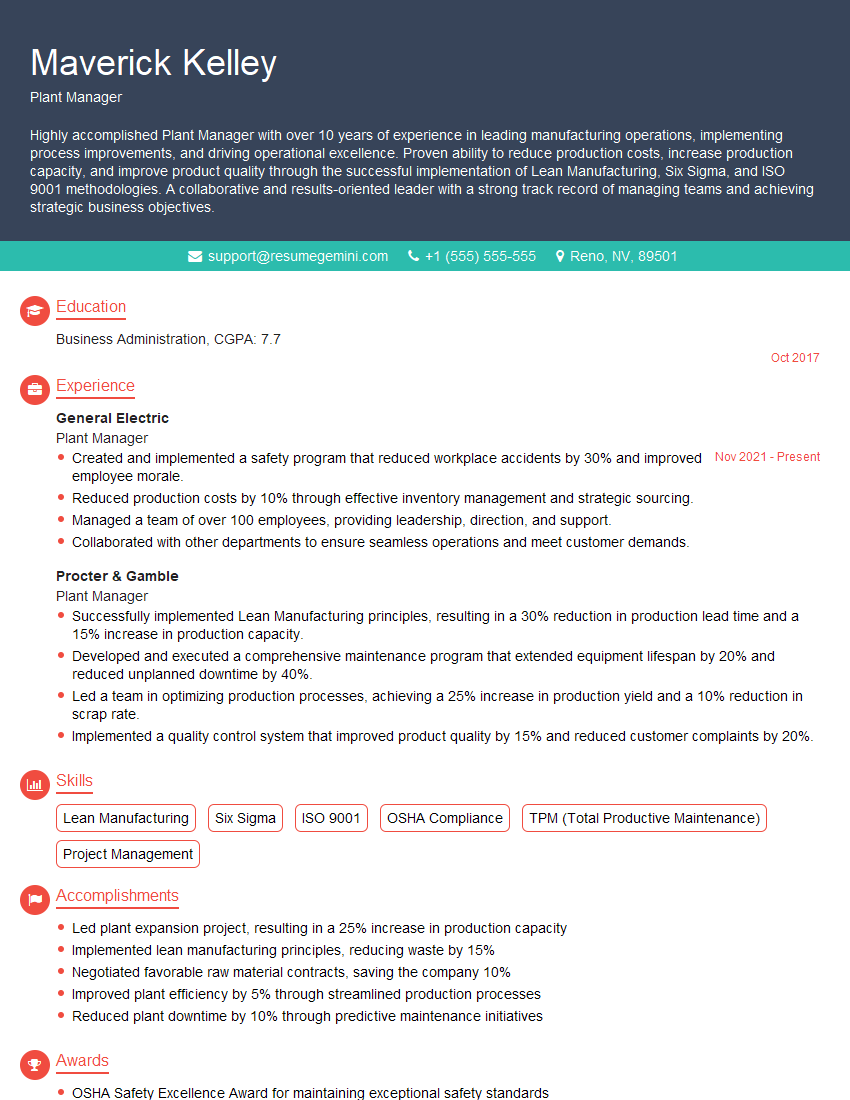
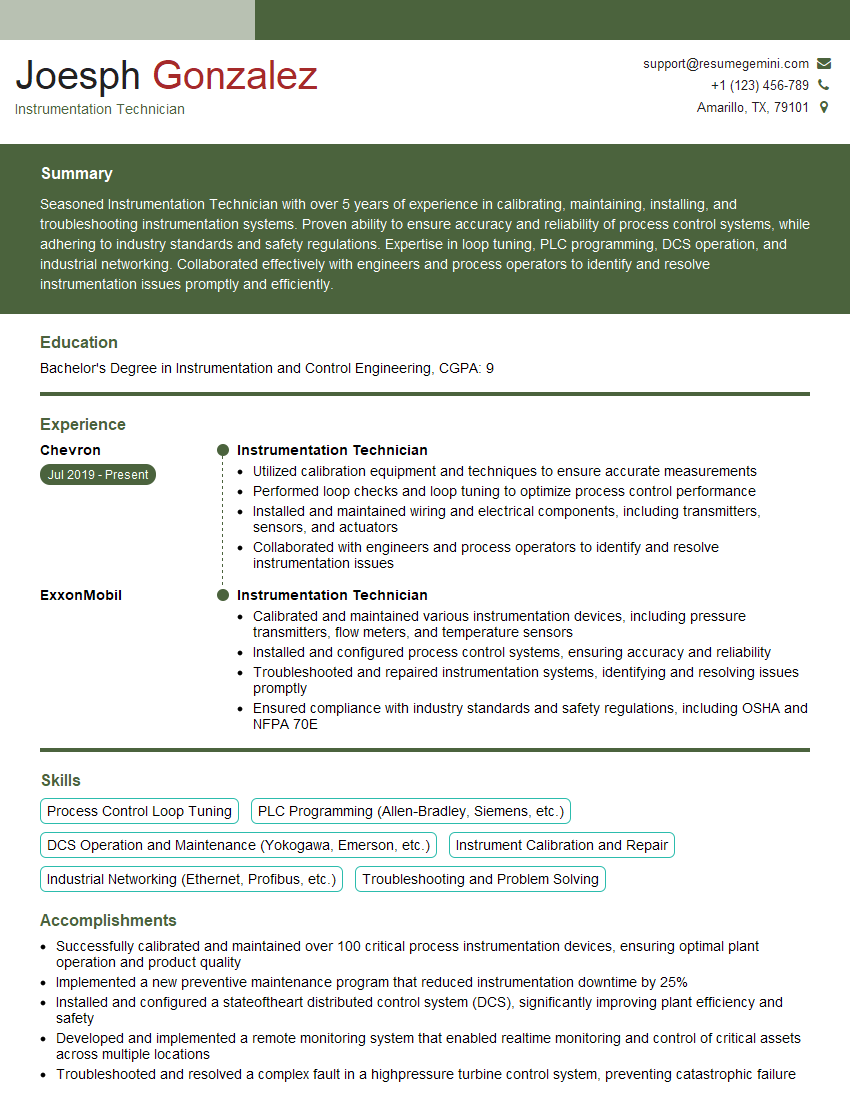
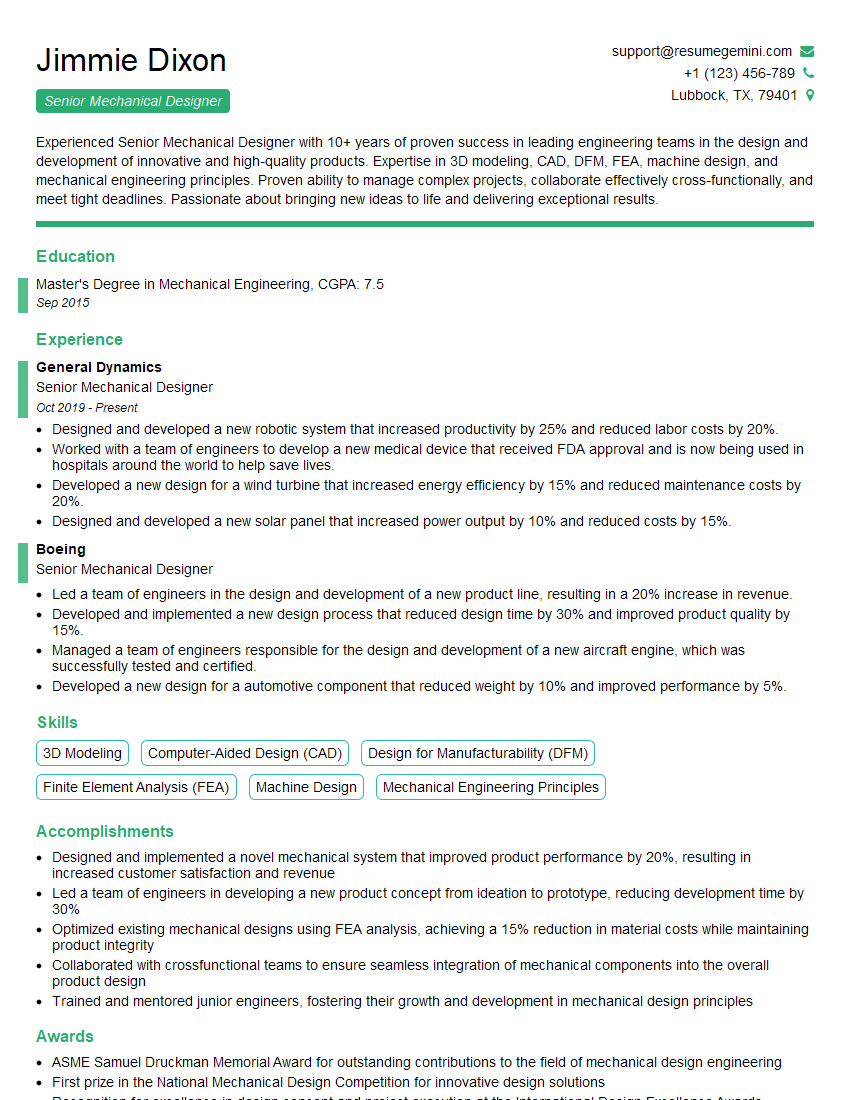
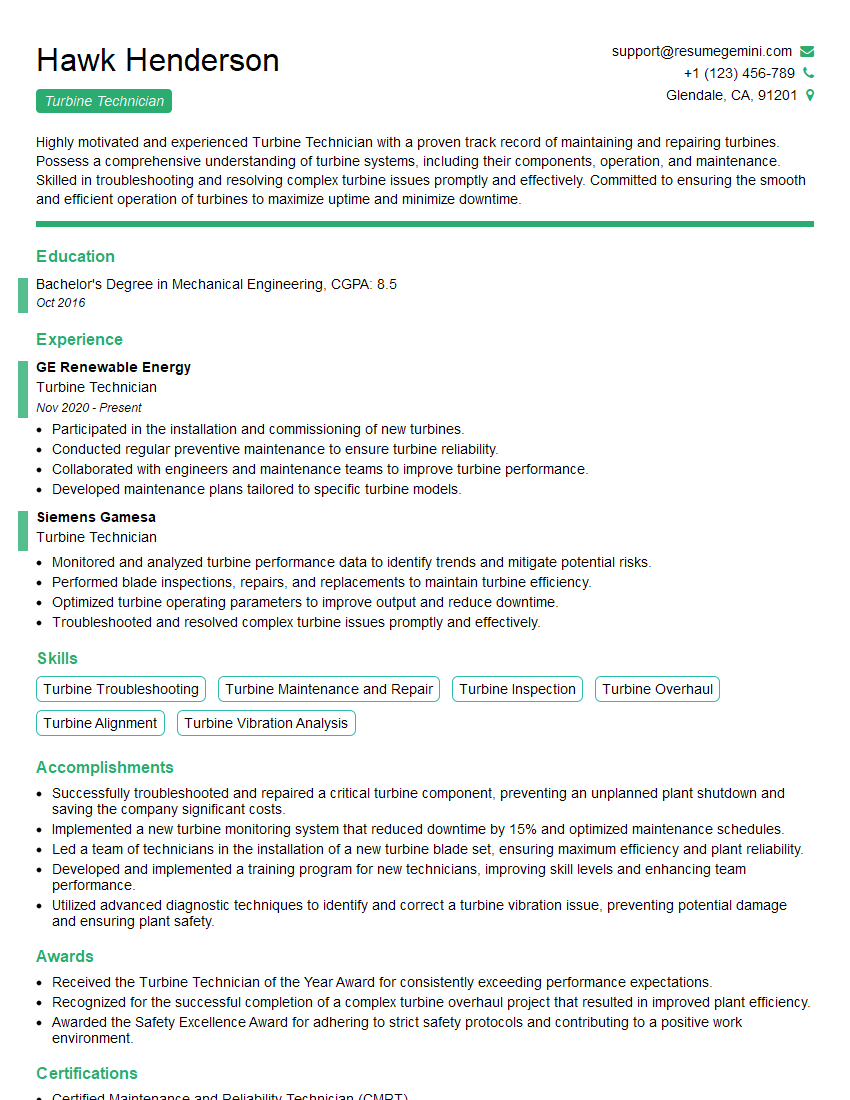
Mastering Tie Combined Cycle Power Plant Installation significantly enhances your career prospects in the power generation industry, opening doors to advanced roles and higher earning potential. To stand out from the competition, you need a compelling resume that showcases your skills and experience effectively. Creating an ATS-friendly resume is crucial for getting your application noticed by recruiters. We highly recommend using ResumeGemini to build a professional and impactful resume tailored to the energy sector. ResumeGemini offers a user-friendly interface and provides examples of resumes specifically designed for Tie Combined Cycle Power Plant Installation roles to help you craft a winning application.
Explore more articles
Users Rating of Our Blogs
Share Your Experience
We value your feedback! Please rate our content and share your thoughts (optional).
What Readers Say About Our Blog
Very informative content, great job.
good