Every successful interview starts with knowing what to expect. In this blog, we’ll take you through the top Tissue labelling interview questions, breaking them down with expert tips to help you deliver impactful answers. Step into your next interview fully prepared and ready to succeed.
Questions Asked in Tissue labelling Interview
Q 1. Explain the importance of accurate tissue labeling in a histology laboratory.
Accurate tissue labeling in a histology laboratory is paramount. It’s the cornerstone of sample traceability and data integrity, preventing errors that could compromise research, diagnosis, or treatment. Think of it as the unique identifier for a patient’s tissue, crucial for tracking its journey through the entire histology process, from biopsy to final diagnosis. Without it, we’d be working with a chaotic mess of unidentifiable specimens, leading to potentially catastrophic misinterpretations.
Imagine a scenario where a pathologist is given two slides without proper labeling. How can they definitively link these slides to a particular patient, ensuring correct diagnosis and treatment?
Q 2. Describe the different methods used for tissue labeling.
Several methods exist for tissue labeling, each with its own advantages and disadvantages. The choice often depends on the specific workflow, the type of tissue, and the processing steps involved. Some common methods include:
Manual Labeling with Pens or Markers: This is a direct method where labels are written directly onto cassettes or slides using special histology pens or waterproof markers designed to withstand processing chemicals. This is a cost-effective approach but can be prone to human error and illegibility.
Pre-printed Labels: These labels contain pre-printed information (patient ID, date, etc.) and are applied to cassettes or slides. They ensure consistency and legibility but require specialized label printers and software.
Automated Labeling Systems: Larger labs may use automated systems that directly print barcodes or labels onto cassettes or slides, often integrated with laboratory information systems (LIS). This minimizes human error and streamlines workflow, offering efficient traceability throughout the process.
Q 3. What are the potential consequences of incorrect tissue labeling?
Incorrect tissue labeling can have serious and far-reaching consequences. The most critical is misdiagnosis, which can lead to inappropriate treatment and potentially harm the patient. In research settings, incorrect labeling compromises the integrity of the data, potentially invalidating years of work and resulting in the publication of flawed results. This also has ethical implications.
Misdiagnosis and Mistreatment: The most severe consequence, leading to inappropriate or harmful treatment.
Invalid Research Data: Compromised research findings impacting the reliability of published studies.
Legal Ramifications: Potential legal repercussions if errors lead to patient harm.
Wasted Resources: Retesting, re-processing, and repeating experiments can lead to considerable financial waste.
Q 4. How do you ensure the legibility and durability of tissue labels?
Ensuring label legibility and durability requires careful consideration of several factors. The labels themselves should be made from materials resistant to processing chemicals, water, and heat. The information written on the labels must be clear, concise, and easy to read. This includes using appropriate labeling pens and ensuring proper writing techniques.
Use of waterproof and chemical-resistant pens and labels: These labels and inks will remain legible throughout the entire tissue processing procedure, including harsh chemicals and high temperatures.
Clear and concise labeling: The written information should be easy to read and understand and should use standard abbreviations to maintain consistency.
Label placement: The labels should be placed securely in a position that is easy to access and will not be damaged or lost during processing.
Use of standardized labeling protocols: Adopting well-defined protocols ensures consistency across the laboratory and minimizes errors.
For instance, a smudged or faded label can make it impossible to identify a sample, whereas a properly applied, high-quality label remains legible even after numerous processing steps. Furthermore, using a standardized font and size ensures uniform readability across all samples.
Q 5. What information should be included on a tissue label?
A complete tissue label should include all essential information for unambiguous identification and tracking. This typically includes:
Patient Identifier: Unique identifier such as medical record number or patient name (with proper anonymization where applicable).
Date of Sample Collection: Precise date when the tissue sample was collected.
Tissue Source: Exact anatomical location and type of tissue collected (e.g., liver biopsy, colon resection).
Unique Specimen Identifier: A laboratory-specific identifier ensuring unique tracking within the lab.
Physician’s Name (if applicable): Identifying the clinician who ordered the biopsy or sample.
Block Number (if applicable): For paraffin blocks, a sequential number for individual blocks prepared from the same sample.
Slide Number (if applicable): Sequential numbers for slides prepared from blocks.
The level of detail required might vary based on the laboratory’s internal procedures and regulatory requirements.
Q 6. Explain the chain of custody for tissue samples and how labeling plays a role.
The chain of custody documents the movement and handling of tissue samples from the time of collection to final archiving. Proper labeling is critical to maintaining an unbroken chain of custody, ensuring the integrity and reliability of the sample. Every step in the process must be meticulously documented, linking the sample to its original source and verifying its identity.
Imagine a scenario where a tissue sample is misplaced. A complete and accurate chain of custody allows for detailed reconstruction of its path, greatly aiding in the recovery of the sample. Inaccuracies or breaks in the chain can lead to significant challenges in tracing the sample’s journey and identifying errors in its handling.
Labeling plays a crucial role because the labels act as the unique identifier of each tissue sample. Each step in the chain – collection, processing, sectioning, staining, diagnosis, and storage – must have corresponding label information, establishing an unbroken link.
Q 7. Describe your experience with different types of labeling materials (e.g., pens, markers, labels).
My experience encompasses various labeling methods, each with strengths and limitations. I’ve used standard histology pens, which are cost-effective but require careful handwriting to maintain readability. I’ve also extensively utilized pre-printed labels, which enhance consistency and reduce errors but require investing in label printers and software. In my previous role at a large hospital, we used an automated labeling system with barcode integration; this was highly efficient but required specialized training and a higher initial investment.
The ideal labeling material depends on the context. For routine use, a combination of pre-printed labels and specialized waterproof pens works well. High-throughput labs will benefit from automated systems. Regardless of the method, consistent adherence to standardized procedures is essential for maintaining the integrity of the tissue samples.
Q 8. How do you handle discrepancies or errors in tissue labeling?
Discrepancies in tissue labeling are a serious issue, potentially leading to misdiagnosis or treatment errors. Our protocol begins with immediate investigation. We first verify the discrepancy by double-checking all documentation – the original request form, the labeling at each step of the process (grossing, processing, embedding, sectioning), and the final slide labels. If the error is identified, we trace back to pinpoint the source. This might involve reviewing procedural steps, training records, or even equipment calibration logs. For example, if a label is illegible, we may need to review images or consult with the surgeon who provided the tissue for any identifying markings. If the error is due to human error, we address it through retraining and reinforcement of procedures. If it’s a systemic issue (like a faulty label printer), we implement corrective action immediately. A detailed incident report is documented, detailing the discrepancy, its source, and the corrective action taken to prevent recurrence. Any affected samples are quarantined until the accuracy of identification is fully verified.
Q 9. How do you ensure that tissue labels remain attached throughout the processing procedure?
Ensuring label adhesion throughout the rigorous tissue processing procedure is crucial. We use high-quality, waterproof labels specifically designed for histology. These are applied to the cassette before the tissue is placed inside. Furthermore, we employ a combination of techniques to enhance adhesion. This includes careful cleaning of the cassette surface to ensure a clean and dry application area and using a label applicator that applies consistent pressure. During processing, we minimize exposure to high heat and harsh chemicals that could compromise label integrity. For particularly challenging tissue types, we may use additional securing methods, such as applying a thin layer of paraffin wax around the label’s edge after embedding. Regular monitoring and quality control checks at each stage prevent unnoticed label detachment.
Q 10. What are the regulatory requirements for tissue labeling in your region?
Regulatory requirements for tissue labeling vary depending on the region and the type of tissue being processed. However, common requirements across most jurisdictions include unique patient identifiers (e.g., medical record number, date of birth), anatomical site, date of collection, and any pertinent information related to the pathology tests being requested. Strict adherence to HIPAA (in the US) or equivalent data privacy regulations is paramount, ensuring patient confidentiality. All labels must be legible, permanent, and resistant to the various processing steps. We maintain meticulous documentation of all labeling procedures, adhering to both local and national guidelines, and these records are subject to regular audits by regulatory bodies. Failure to comply can lead to serious repercussions, including legal action and loss of accreditation.
Q 11. Describe your experience with automated tissue labeling systems.
My experience with automated tissue labeling systems has been overwhelmingly positive. Automated systems enhance efficiency by significantly reducing manual labeling time and minimize human error. We utilize a system that integrates directly with our Laboratory Information System (LIS), automatically generating labels from patient data. This system prints barcodes and human-readable labels, reducing the risk of transcription errors. The automated process also ensures consistent application of labels, improving the overall quality and reliability of the labeling process. For example, we’ve seen a considerable decrease in the number of mislabeled samples since integrating this system. We regularly evaluate the system’s performance by tracking error rates and processing times. Regular maintenance and operator training are essential to maintain its optimal functioning.
Q 12. How do you manage a large volume of tissue samples to maintain accurate labeling?
Managing a large volume of tissue samples while maintaining accurate labeling requires a robust and organized system. We implement a linear workflow, with clear checkpoints at each stage, along with rigorous quality control at each step. This includes using a LIMS (Laboratory Information Management System) to track samples from accessioning to archiving, ensuring a comprehensive audit trail. Barcodes incorporated into the labeling process play a critical role in efficient tracking and identification throughout the entire process. We also segment our workflow – for example, separating high-volume and low-volume procedures – to ensure we don’t overload any part of the process, maintaining accuracy even during peak times. Regular staff training and internal audits further reinforce the system’s accuracy and efficiency. A well-defined protocol that includes double-checking labels at multiple points is crucial for preventing errors in high-throughput settings.
Q 13. How do you handle special circumstances, such as fragmented tissues or small biopsies?
Handling fragmented tissues or small biopsies requires careful attention to detail to prevent sample loss and misidentification. For fragmented tissues, we strive to keep all fragments together in a single cassette. We document the number of fragments and their relative size and location on the cassette using additional descriptions or drawings. For small biopsies, we use specialized embedding techniques to ensure that the tissue is properly oriented and secured in the cassette. For example, we might use embedding molds to create a larger block for easier handling and sectioning. Similarly, we utilize appropriate cassette sizes and labels to prevent sample loss. The use of micro-cassettes can be effective for very small specimens. Detailed descriptions, clear photographs, and meticulous record-keeping are essential in these scenarios to maintain accurate tracking and identification.
Q 14. Explain your understanding of quality control procedures related to tissue labeling.
Quality control in tissue labeling is a multifaceted process. It starts with rigorous training of personnel on proper labeling procedures, including the use of the LIS and any automated labeling systems. We use regular audits to verify that labeling is performed correctly and consistently across all shifts and personnel. We also monitor error rates – both the number of errors and the types of errors being made – to identify areas needing improvement in the workflow. This data is used to refine our processes and improve staff training. We regularly check the integrity of labels throughout processing – from accessioning to archiving – to ensure that labels remain attached and legible. The use of barcodes in conjunction with human-readable labels provides redundant verification. The regular calibration and maintenance of labeling equipment are also critical components of our quality control measures. All these aspects contribute to ensuring accuracy and reliability in tissue identification throughout the entire processing and analysis pathway.
Q 15. Describe your experience with different types of tissue embedding media.
Tissue embedding is crucial for creating firm, supportive blocks for sectioning. My experience encompasses a range of media, each with its advantages and disadvantages. Paraffin wax is the most common, ideal for routine histology due to its ease of use and compatibility with most staining techniques. It’s like creating a protective mold around a delicate sculpture, enabling precise cutting without damage. However, paraffin can introduce artifacts if not handled properly. For electron microscopy, where ultra-thin sections are required, I’ve extensively used resin embedding media like epoxy resins. These offer superior structural preservation but require specialized equipment and techniques. For specific applications, like immunofluorescence where tissue preservation is paramount, I’ve also worked with OCT (Optimal Cutting Temperature) compound, which allows for cryostat sectioning, minimizing ice crystal formation.
- Paraffin wax: Routine histology, cost-effective.
- Epoxy resins: Electron microscopy, ultra-thin sections.
- OCT compound: Immunofluorescence, cryostat sectioning.
The choice of embedding medium depends heavily on the downstream applications and the desired level of tissue preservation.
Career Expert Tips:
- Ace those interviews! Prepare effectively by reviewing the Top 50 Most Common Interview Questions on ResumeGemini.
- Navigate your job search with confidence! Explore a wide range of Career Tips on ResumeGemini. Learn about common challenges and recommendations to overcome them.
- Craft the perfect resume! Master the Art of Resume Writing with ResumeGemini’s guide. Showcase your unique qualifications and achievements effectively.
- Don’t miss out on holiday savings! Build your dream resume with ResumeGemini’s ATS optimized templates.
Q 16. How do you manage the storage of labeled tissue samples?
Proper storage of labeled tissue samples is critical for maintaining their integrity and preventing degradation. This involves a multi-pronged approach. Firstly, samples are stored in appropriately labeled cassettes, ideally at -80°C for long-term preservation, particularly for samples intended for future analysis. This significantly slows down enzymatic degradation. For short-term storage, refrigeration at 4°C might suffice, but only for a few days. The labeling itself must be permanent, using waterproof, archival-quality markers, clearly indicating the sample ID, date, and any relevant treatment information. Detailed logs are meticulously maintained, creating a readily accessible audit trail for each sample’s history. This ensures traceability and assists in quality control.
For example, during a large-scale study on cancer tissue samples, we employed a robust system of barcoding, database integration, and cryogenic storage. This allowed efficient retrieval, tracking, and minimized the risk of sample misidentification or damage.
Q 17. Describe your proficiency with different types of microscopes.
My experience spans various microscopy platforms. Brightfield microscopy is fundamental for routine histology, allowing visualization of stained tissues. I’m proficient in operating and maintaining these systems, understanding factors like Kohler illumination for optimal image quality. For fluorescence microscopy, I’m experienced in techniques such as immunofluorescence, utilizing various fluorescent dyes and filters to visualize specific cellular components or labeled proteins. This is crucial for many labeling experiments. Confocal microscopy provides higher resolution images by eliminating out-of-focus light, offering detailed three-dimensional views. I’ve used this extensively for complex tissue architecture analysis. Additionally, I have experience with electron microscopy (both transmission and scanning), essential for ultrastructural studies.
The microscope selection is dictated by the experimental question. For example, if I’m examining the distribution of a specific protein within a tissue section, fluorescence microscopy would be appropriate; however, to study the ultrastructure of cellular organelles, I’d use electron microscopy.
Q 18. How do you ensure the safety of tissue samples during labeling and handling?
Safety is paramount in handling tissue samples. This begins with adherence to strict biosafety protocols, particularly when dealing with potentially infectious material. Appropriate personal protective equipment (PPE), including gloves, lab coats, and eye protection, is always worn. Sharps are disposed of in designated containers, and all work surfaces are decontaminated regularly. The use of a biological safety cabinet (BSC) is essential when working with potentially hazardous materials, minimizing the risk of aerosolization. For example, when processing samples that may contain infectious agents, we always operate under BSC conditions. Furthermore, clear labeling systems, including color-coding for hazard levels, help in preventing accidental exposure.
Beyond these precautions, we maintain detailed records of all procedures to ensure complete traceability and to facilitate any necessary investigations in case of incidents.
Q 19. What are the different types of stains used in histology and their impact on labeling?
Histology employs a diverse range of stains to highlight specific tissue components. Hematoxylin and eosin (H&E) staining is the gold standard, providing general tissue morphology. Hematoxylin stains nuclei blue, while eosin stains the cytoplasm pink, creating a strong contrast. For connective tissue, I use Masson’s trichrome, which stains collagen fibers green, muscle red, and nuclei black. Specific stains like Periodic acid-Schiff (PAS) are used to detect carbohydrates and glycogen. Immunohistochemical (IHC) labeling is further enhanced by these stains, where the background staining provided by H&E, for instance, allows better visualization of the labeled target.
The choice of stain depends on the experimental objective. If one wants to observe collagen distribution, a trichrome stain is appropriate; however, if carbohydrate detection is crucial, PAS would be selected. Careful consideration of stain compatibility and potential interactions is crucial, especially in multi-staining protocols.
Q 20. Describe your experience with immunohistochemistry (IHC) techniques and labeling.
Immunohistochemistry (IHC) is a cornerstone of my work, enabling the localization of specific proteins within tissues. My expertise encompasses the entire IHC workflow, from antigen retrieval techniques (like heat-induced epitope retrieval or enzyme digestion) to antibody selection, optimization, and detection methods. I am proficient in both direct and indirect immunohistochemistry, employing techniques like avidin-biotin complex (ABC) or polymer-based detection systems. Quantifying the results using image analysis software is a regular aspect of my work, providing quantitative data supporting the observations made during microscopic analysis.
For example, in a study on tumor angiogenesis, I employed IHC to visualize and quantify the expression of blood vessel markers within tumor tissue, offering valuable insights into tumor growth and development. Careful optimization of antigen retrieval and antibody concentrations is crucial for obtaining reliable results.
Q 21. How do you address challenges associated with tissue label detachment or damage?
Tissue label detachment or damage can arise from various sources: improper fixation, inadequate embedding, harsh processing conditions, or even mechanical damage during sectioning. Addressing these challenges requires a systematic approach. First, I meticulously review each step of the processing pipeline to identify potential points of failure. Is the fixation time sufficient? Is the embedding media appropriate? Are the sectioning parameters optimal? Careful attention to detail is key. For instance, optimizing the antigen retrieval method can reduce antibody loss and improve the signal quality. If detachment is occurring during sectioning, adjusting the microtome settings, using different knives, or employing alternative embedding methods can be effective.
Additionally, incorporating strategies to strengthen the label-tissue interaction, such as using stronger blocking agents, might be necessary. Ultimately, a combination of preventative measures and troubleshooting strategies is employed to prevent and rectify label detachment or damage, ensuring reliable and accurate results.
Q 22. What are some common sources of error in tissue labeling, and how can they be prevented?
Errors in tissue labeling can have serious consequences, leading to misdiagnosis, treatment delays, and even patient harm. Common sources include human error (mislabeling, illegible handwriting, incorrect specimen information), equipment malfunction (printer errors, label detachment), and procedural flaws (inadequate labeling protocols, insufficient training).
- Human Error Prevention: Implementing double-checking systems, using clear and standardized labeling protocols with easily readable fonts, providing adequate training to all personnel, and utilizing barcode or RFID systems for automated tracking can significantly reduce human errors.
- Equipment Malfunction Prevention: Regular maintenance and calibration of labeling equipment, using high-quality labels and printers designed for the specific application, and implementing backup systems to avoid label printing interruptions are crucial.
- Procedural Flaw Prevention: Developing and strictly adhering to comprehensive Standard Operating Procedures (SOPs) for tissue labeling, regularly reviewing and updating these SOPs, and establishing clear lines of accountability for labeling accuracy helps prevent procedural errors.
For example, in one instance, we found illegible handwriting was a major source of errors. Implementing a new policy requiring all labels to be printed using a dedicated labeling machine, coupled with staff retraining, significantly improved labeling accuracy.
Q 23. Describe your experience with digital pathology and associated labeling requirements.
My experience with digital pathology has significantly expanded my understanding of tissue labeling requirements. In the digital realm, accurate and robust labeling is critical not only for individual slide identification but also for seamless integration with laboratory information management systems (LIMS) and image analysis software.
The transition to digital pathology necessitates the use of unique, persistent identifiers (UPIs) for each tissue sample. These UPIs are often encoded as barcodes or QR codes on the physical slides and incorporated directly into the digital image metadata. This ensures that each digital image is unambiguously linked to the original tissue specimen and the associated patient information. This is crucial for data integrity, audit trails and efficient retrieval of relevant information.
I’ve worked extensively with integrating digital slide scanners with our LIMS, ensuring that the labeling information is correctly transferred to the digital image database. This involves developing and implementing data validation checks and error handling routines to prevent data discrepancies.
Q 24. How do you maintain accurate records of tissue labeling procedures?
Maintaining accurate records of tissue labeling procedures is paramount for ensuring quality control and traceability. We use a combination of electronic and paper-based systems. All labeling activities are recorded in our LIMS, which includes details such as specimen identification number, date and time of labeling, the individual performing the labeling, and any associated quality control checks.
Paper-based records, such as logbooks, are also maintained as a backup system. These logbooks document the details of each batch of labeled tissue cassettes, including any exceptions or deviations from the standard operating procedures. This dual system allows for cross-verification and redundancy in case of technical failure or data corruption. Furthermore, all documentation is retained in accordance with regulatory compliance and institutional guidelines.
Q 25. Describe your understanding of the importance of proper tissue orientation in labeling.
Proper tissue orientation during labeling is crucial for accurate diagnosis and downstream analyses. The orientation of the tissue within the cassette needs to be consistently and accurately documented on the label to ensure that the pathologist or researcher views the tissue in the correct anatomical plane. For example, in a biopsy of a skin lesion, the orientation of the lesion within the tissue block needs to be clearly indicated, perhaps with markings like ‘Top’ or ‘Bottom’ on the cassette.
Incorrect orientation can lead to misinterpretation of microscopic findings and potentially affect the diagnosis and treatment plan. We use specialized embedding molds that facilitate consistent orientation and standardized labeling practices to prevent this.
Q 26. Explain your experience with different types of tissue cassettes.
I have extensive experience with various tissue cassettes, including those made from different materials (e.g., plastic, metal), sizes, and designs. The choice of cassette depends on factors such as the size and type of tissue specimen, the processing methods employed, and the specific requirements of the downstream analysis.
- Standard Plastic Cassettes: These are the most common type, offering good compatibility with most tissue processors and embedding stations. They are relatively inexpensive and disposable.
- Metal Cassettes: These are more durable and often preferred for larger or more delicate specimens. They can be reused after appropriate cleaning and sterilization, offering cost savings in the long run.
- Specialized Cassettes: Certain types of cassettes, such as those with unique barcoding capabilities or specialized designs for specific tissue types, are also available.
Understanding the properties of each cassette type and selecting the appropriate one for each specimen is critical for optimal tissue processing and labeling.
Q 27. How do you handle confidential patient information in relation to tissue labeling?
Confidentiality of patient information is paramount in tissue labeling. We adhere strictly to all relevant privacy regulations, such as HIPAA (in the US) and GDPR (in Europe). Patient identifiers are only used to the extent necessary and are handled according to established protocols.
We use de-identification strategies where feasible, replacing patient names with unique alphanumeric codes. All labeling procedures are conducted in a secure environment, with access restricted to authorized personnel only. Regular training sessions for all staff reinforce the importance of patient confidentiality and best practices for data protection.
Q 28. Describe a situation where you had to troubleshoot a labeling issue. How did you resolve it?
In one instance, we experienced a significant batch of mislabeled slides. Initial investigation revealed a software glitch in our labeling system that caused incorrect patient identifiers to be assigned to certain specimens. The problem was identified by a routine quality control check that highlighted inconsistencies in the data.
Our troubleshooting steps included:
- Immediate suspension of the labeling process: This prevented further mislabeling.
- Software investigation and fix: The IT team identified and corrected the software bug.
- Manual verification of affected slides: We meticulously checked every slide in the affected batch to ensure the correct patient identifiers were applied.
- Retraining of staff: We reinforced the importance of diligently verifying all labels before processing the slides to prevent similar occurrences in the future.
This experience emphasized the need for robust quality control procedures, prompt identification of issues, and clear escalation protocols for handling significant labeling errors.
Key Topics to Learn for Tissue Labelling Interview
- Fundamentals of Tissue Processing: Understanding tissue fixation, embedding techniques (paraffin, resin), sectioning methods (microtomy, cryotomy), and staining protocols.
- Immunohistochemistry (IHC) and Immunofluorescence (IF): Mastering antigen retrieval methods, antibody selection and optimization, signal detection techniques (e.g., chromogenic, fluorescent), and troubleshooting common IHC/IF issues. Practical application: Describe your experience with optimizing staining protocols for specific antigens.
- In Situ Hybridization (ISH): Knowledge of different ISH techniques (e.g., RNA ISH, FISH), probe design and optimization, signal detection, and data interpretation. Practical application: Explain your experience with troubleshooting low signal-to-noise ratios in ISH experiments.
- Microscopy and Image Analysis: Familiarity with different microscopy techniques (brightfield, fluorescence, confocal), image acquisition, and quantitative image analysis software. Practical application: Describe your experience with analyzing microscopy images to quantify protein expression or cellular localization.
- Quality Control and Quality Assurance (QC/QA): Understanding the importance of QC/QA in tissue labelling, including proper documentation, troubleshooting techniques, and adherence to regulatory guidelines. Practical application: Explain how you ensure the accuracy and reproducibility of your results.
- Lab Safety and Regulations: Knowledge of relevant safety regulations and procedures related to handling biological materials, hazardous chemicals, and proper waste disposal.
- Data Management and Analysis: Understanding how to organize, analyze, and interpret data obtained from tissue labelling experiments, and effectively communicate results.
Next Steps
Mastering tissue labelling techniques is crucial for advancement in biomedical research, diagnostics, and pharmaceutical development. A strong understanding of these techniques significantly enhances your value to any employer. To maximize your job prospects, creating a compelling and ATS-friendly resume is essential. ResumeGemini is a trusted resource that can help you craft a professional resume that highlights your skills and experience. ResumeGemini provides examples of resumes tailored specifically to tissue labelling, helping you present your qualifications effectively. Invest time in building a strong resume – it’s your first impression.
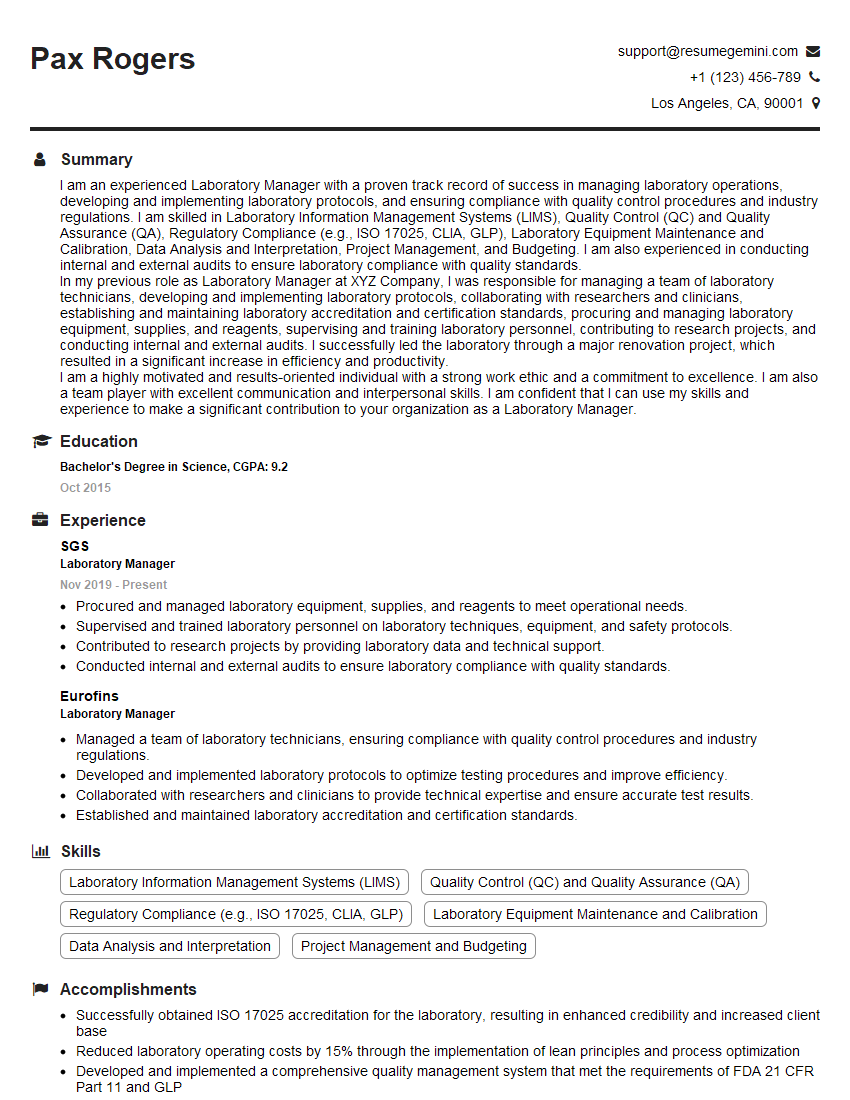
Laboratory Manager Resume Sample
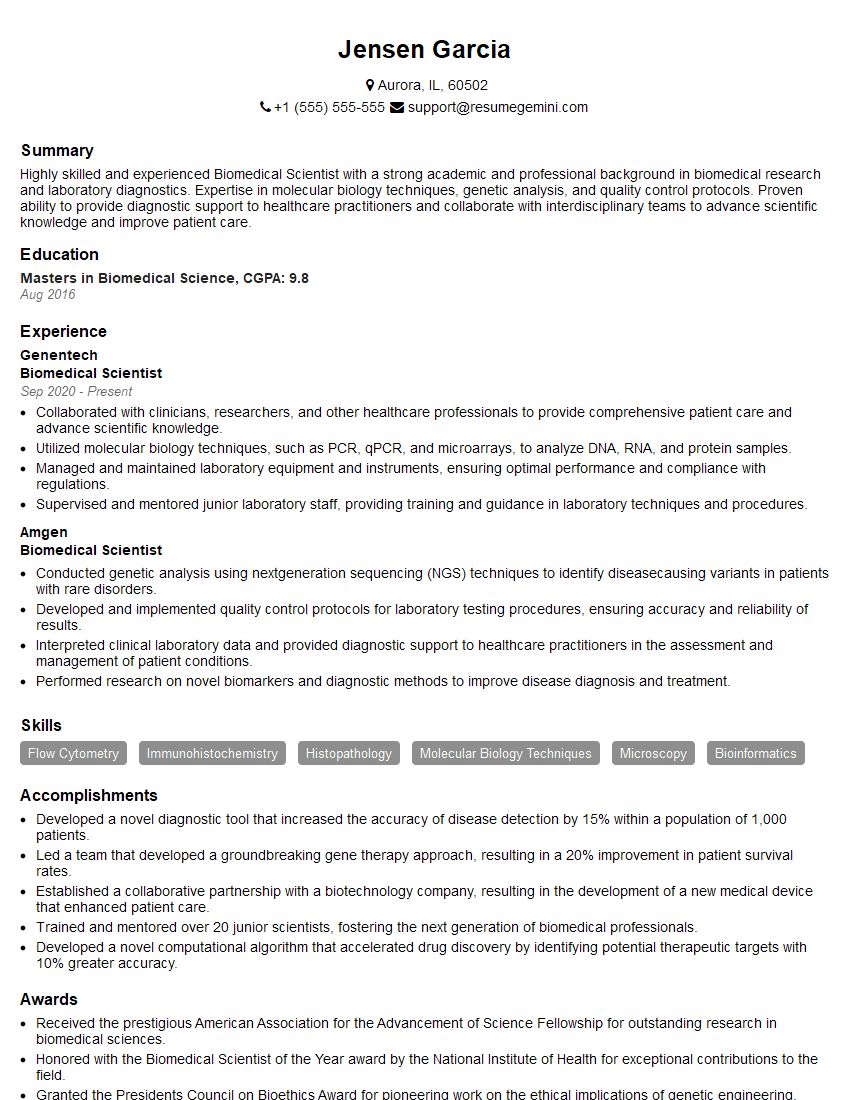
Biomedical Scientist Resume Sample
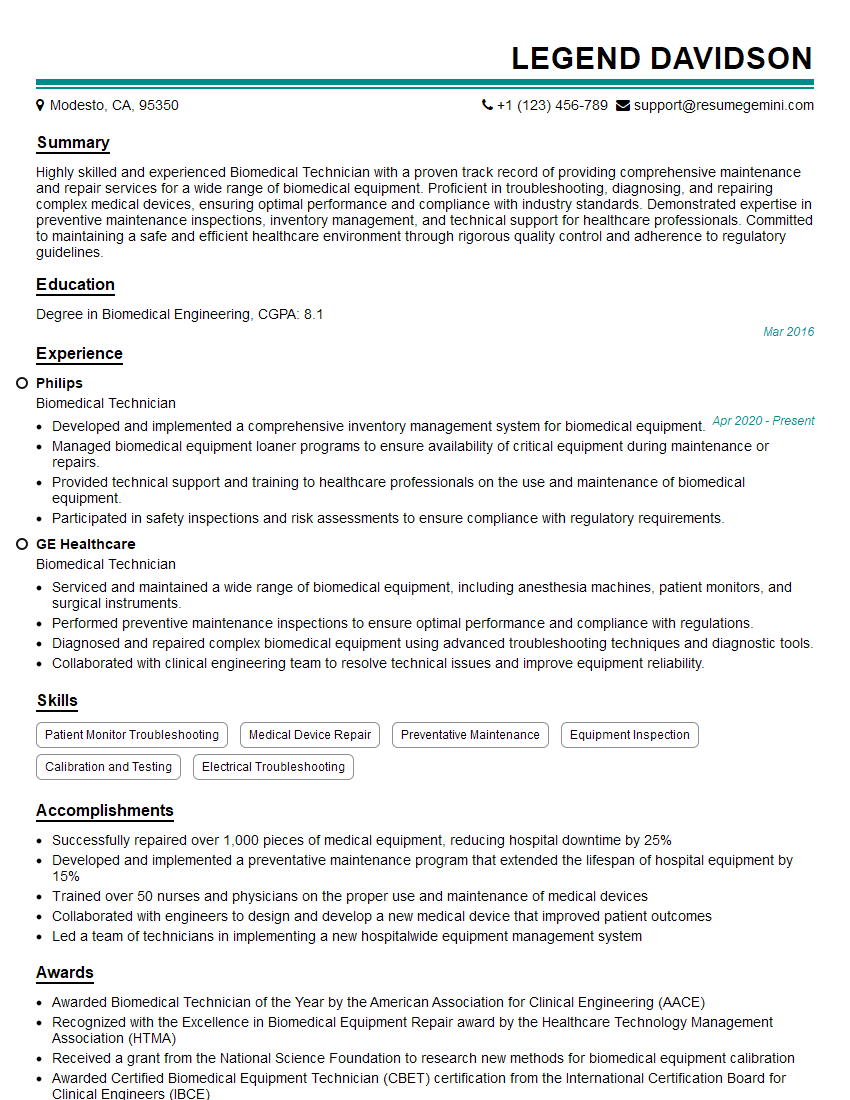
Biomedical Technician Resume Sample

Quality Control Specialist Resume Sample
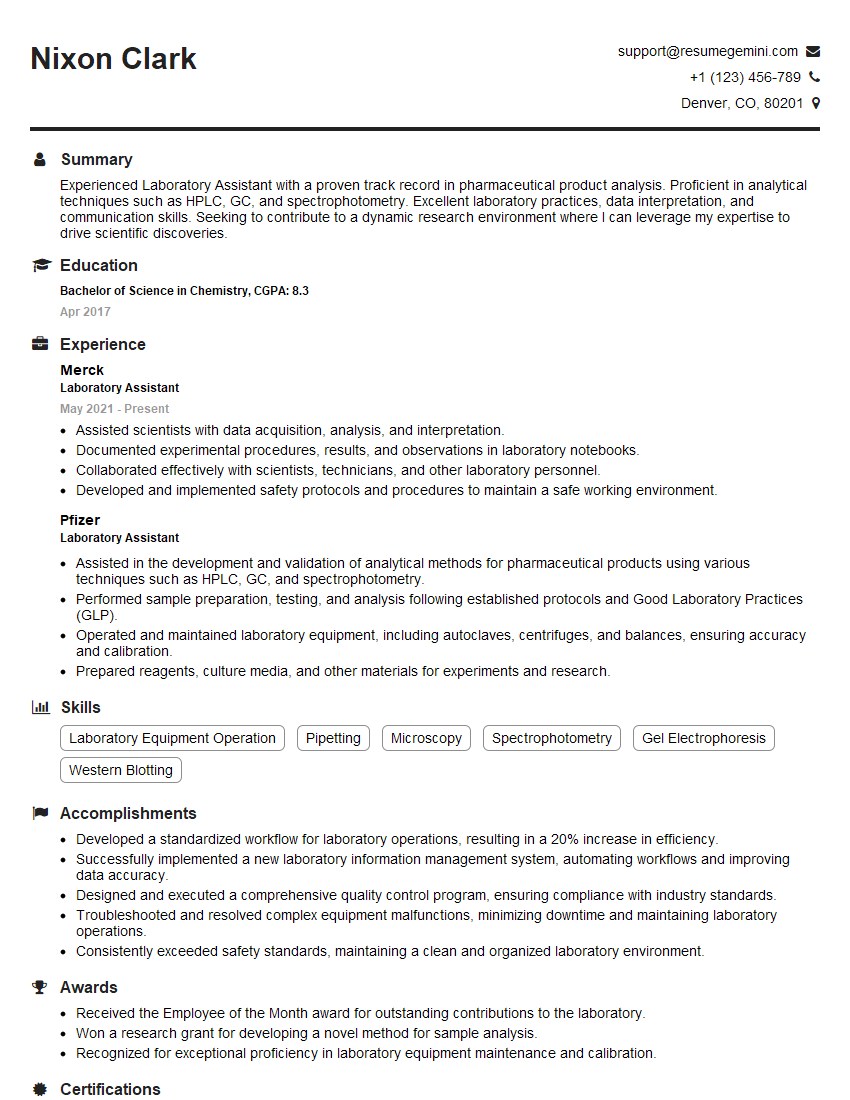
Laboratory Assistant Resume Sample

Laboratory Supervisor Resume Sample

Clinical Laboratory Scientist Resume Sample
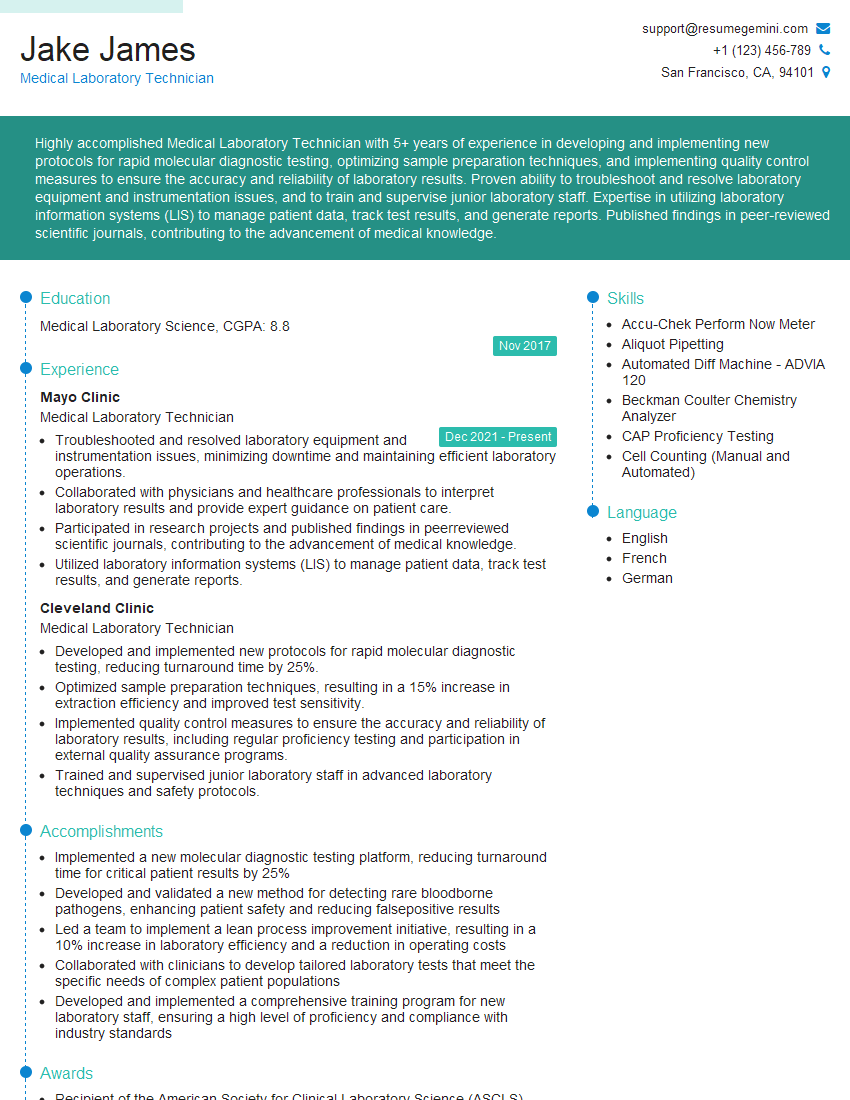
Medical Laboratory Technician Resume Sample

Histopathology Technician Resume Sample

Pathology Assistant Resume Sample

Laborer Resume Sample
Explore more articles
Users Rating of Our Blogs
Share Your Experience
We value your feedback! Please rate our content and share your thoughts (optional).
What Readers Say About Our Blog
Very informative content, great job.
good