Feeling uncertain about what to expect in your upcoming interview? We’ve got you covered! This blog highlights the most important Moving Heavy Objects interview questions and provides actionable advice to help you stand out as the ideal candidate. Let’s pave the way for your success.
Questions Asked in Moving Heavy Objects Interview
Q 1. Describe your experience operating a forklift.
My forklift operating experience spans over ten years, encompassing various models and applications in diverse environments, from warehouse logistics to construction sites. I’m certified and proficient in all aspects of safe forklift operation, including pre-operational checks, load handling, maneuvering in tight spaces, and adhering to all relevant safety regulations. For example, I’ve successfully managed high-volume pallet movements in fast-paced warehouse settings, minimizing downtime and maximizing efficiency. I’m also experienced in using forklifts with various attachments, such as clamps and side-shifters, to handle different types of loads. My proficiency extends to understanding load capacity limits and maintaining a clear understanding of the surrounding environment to prevent accidents.
Q 2. Explain the proper techniques for using a crane.
Proper crane operation requires meticulous planning and execution. It starts with a thorough pre-operational inspection, checking all components for damage or wear. The load’s weight and center of gravity must be accurately determined and communicated to the crane operator. The crane operator needs to ensure the load is properly secured using appropriate rigging techniques, which we’ll discuss later. During lifting, smooth and controlled movements are crucial. Jerky motions can damage the load or the crane itself. Communication between the operator, riggers, and ground personnel is paramount, especially with signaling systems to ensure everyone understands the movements planned. Safe load charts and the crane’s operational limits must always be followed. Think of it like this: the crane is a powerful tool but needs a skilled hand and careful planning to use it safely. For instance, we might need to use taglines during the lift to prevent swinging and maintain control, especially when lifting over obstacles.
Q 3. What safety protocols do you follow when moving heavy objects?
Safety is my top priority. My protocols always begin with a thorough risk assessment of the work environment before any heavy object movement. This includes identifying potential hazards like obstructions, uneven terrain, overhead power lines, and unstable surfaces. I always wear appropriate personal protective equipment (PPE), including safety helmets, high-visibility vests, safety shoes, and gloves, depending on the task. I ensure that all lifting equipment is regularly inspected and maintained, with certification records readily available. Clear communication is maintained throughout the process with all team members to avoid any misunderstandings or accidents. I always adhere to load capacity limits and utilize appropriate lifting techniques. Furthermore, I always establish a safe working zone around the operation to prevent unauthorized personnel from entering. One instance where I had to adapt was when lifting a large transformer near a busy road. We had to carefully coordinate the lift with traffic control to ensure public safety.
Q 4. How do you assess the weight and stability of a heavy object before moving it?
Assessing weight and stability is crucial. For smaller objects, weighing scales can provide an accurate measurement. Larger objects often require estimations based on dimensions and material density, which might involve consulting material specifications or engineering drawings. Stability is determined by checking the object’s center of gravity and its support structure. We look for any signs of damage, warping, or weaknesses that could compromise stability. For irregularly shaped objects, we often use multiple points of support or utilize specialized lifting equipment to ensure stability during movement. We might need to use a load stabilizer or additional rigging points to manage potentially unstable objects. A practical example would be assessing the stability of a large piece of machinery before lifting – one might need to securely block and brace it prior to lifting.
Q 5. Describe your experience with rigging techniques.
My rigging experience includes various techniques for securing loads using slings, chains, and wire ropes. I understand different types of slings – such as wire rope slings, chain slings, and synthetic web slings – and their respective limitations. I know how to inspect them for damage before use and ensure that they are rated for the load’s weight. Proper hitching and angle considerations are critical; knowing the angle of the sling affects the load’s distribution and the overall capacity of the rigging equipment. For example, I have experience using specialized rigging techniques for lifting unusually shaped objects using multiple attachment points to distribute the weight evenly. I also understand the importance of using appropriate hardware like shackles, hooks, and other rigging components. Safety is paramount, and I always double-check every aspect of the rigging before a lift.
Q 6. What are the different types of lifting equipment and their applications?
The types of lifting equipment vary widely based on the load’s size, weight, and the environment.
- Cranes: Tower cranes, mobile cranes, overhead cranes – for heavy and bulky loads.
- Forklifts: Pallet movement and material handling in warehouses and factories.
- Hoists: Electric chain hoists, manual chain hoists – for lifting loads vertically.
- Jacks: Hydraulic jacks, screw jacks – for lifting and positioning heavy objects, particularly in confined spaces.
- Winches: Pulling and hauling heavy objects over distances.
Q 7. How do you plan a heavy object move to ensure safety and efficiency?
Planning a heavy object move is a multi-step process. It starts with a detailed assessment of the load’s weight, dimensions, center of gravity, and any special handling requirements. Next, the route needs to be carefully planned, identifying any potential obstacles, access limitations, or structural considerations. The appropriate lifting equipment is then selected, ensuring it’s rated for the load’s weight and the working conditions. Rigging plans are developed and appropriate safety precautions are incorporated, including identifying designated personnel, safety protocols, and communication procedures. Contingency plans are vital, considering what actions to take if something unexpected occurs during the move. Lastly, all involved personnel must receive clear instructions and understand their roles and responsibilities. A successful plan anticipates challenges and minimizes risk, creating a streamlined and safe operation. I once planned a delicate move of a large sculpture through a narrow doorway; precise calculations, secure rigging, and coordinated teamwork were essential for a successful lift and relocation.
Q 8. What are the limitations of different types of lifting equipment?
Lifting equipment limitations depend heavily on the specific type. For example, cranes have limitations based on their lifting capacity (SWL – Safe Working Load), reach, and stability. Exceeding the SWL can lead to catastrophic failure. Their reach is limited by boom length and the geometry of the load. Wind conditions significantly impact crane stability and operational limits.
Forklifts have limitations on load capacity, center of gravity, and terrain suitability. Uneven ground or exceeding the weight limit can cause tipping. Their maneuverability is constrained by the size of the forklift and the space available.
Hoists (chain, electric, etc.) have limitations on their load capacity, lift height, and the strength of the supporting structure. Using a hoist with insufficient capacity or failing to properly secure the load can result in accidents.
Finally, manual handling equipment like pallet jacks or hand trucks have limits based on operator strength and the weight and size of the object being moved. Improper technique can lead to injury. Understanding these limitations is paramount for safe operation.
Q 9. How do you handle unexpected situations during a heavy object move?
Unexpected situations during a heavy object move require immediate, calm assessment and decisive action. For instance, if a sling breaks during a lift, the first priority is to ensure the safety of personnel by clearing the area. Then, a thorough assessment of the situation is needed to determine the cause of the failure and to develop a safe recovery plan. This might involve utilizing a different lifting method or piece of equipment with appropriate capacity. If the object shifts unexpectedly, careful communication with the team is critical to stabilize the load and prevent further movement. If the object gets stuck in a doorway or otherwise impeded, we may need to adjust the approach, using rollers or other equipment to reposition the object. Documentation of the incident is essential for analysis and prevention of future occurrences. In short, preparedness and clear protocols for emergencies are vital.
Q 10. Explain your experience with load securing techniques.
My experience with load securing encompasses various methods, including using appropriate slings, chains, and straps to secure loads to platforms, trailers, or lifting equipment. I’m proficient in techniques such as lashing, which involves securing the load using straps and winches to prevent movement during transportation. I’m also skilled in blocking and cribbing, using wooden blocks or other materials to stabilize the load and prevent shifting. I consistently apply the principles of securement, ensuring the load is restrained against all possible movement, including longitudinal, lateral, and vertical shift. In one particular instance, we were moving a large, oddly-shaped piece of machinery. We had to carefully devise a bespoke securing system using a combination of straps, chains, and wooden blocks to account for its unusual geometry. We documented this securing system with photos and notes to aid in future similar lifts.
Q 11. Describe your experience with different types of slings and their applications.
I’m experienced with various slings, each suited for specific applications. Polyester slings are strong, lightweight, and relatively easy to handle. They are well-suited for general lifting tasks. Nylon slings offer similar advantages, but may be more susceptible to UV degradation. Wire rope slings offer exceptional strength and are suitable for heavy-duty applications, but they are stiffer, heavier, and can be more prone to damage. Chain slings are exceptionally durable and ideal for harsh environments or when abrasion resistance is paramount. I choose the sling material and configuration (e.g., single-leg, two-leg, bridle) based on the load’s weight, shape, and rigging point availability, always keeping in mind the manufacturer’s recommendations and safety regulations. The selection of the right sling is critical for safety and efficient operation.
Q 12. How do you ensure the structural integrity of the object during lifting?
Ensuring structural integrity during lifting involves a multi-faceted approach. Firstly, a thorough inspection of the object is necessary to identify any potential weak points or structural damage prior to lifting. This might involve visual inspection, non-destructive testing (NDT), or even structural analysis depending on the object’s complexity and value. The load should be lifted using appropriately sized and rated lifting equipment and slings. The rigging points should be strong enough to withstand the load and securely attached to prevent slippage or failure. Proper load distribution is also crucial, ensuring that the weight is balanced to minimize stress on any single point. In some cases, supplementary support may be used, like cradles or additional support beams, to reduce stress on the object’s structure.
Q 13. What are your strategies for moving heavy objects in confined spaces?
Moving heavy objects in confined spaces requires careful planning and execution. Often, specialized equipment like smaller, more maneuverable cranes or air casters (for smooth movement over hard surfaces) are necessary. The path of movement must be meticulously surveyed, identifying and addressing potential obstacles beforehand. The use of rollers or specialized dollies may be crucial to navigate tight corners or corridors. In such situations, detailed communication and coordination among the team is even more critical to ensure everyone knows their role and maintains situational awareness. It may involve breaking the move into smaller, more manageable stages to overcome spatial limitations.
Q 14. How do you communicate effectively with your team during a heavy lift operation?
Effective communication is paramount during any heavy lift. We use a clear and concise communication system, often utilizing hand signals in addition to verbal instructions to ensure everyone is on the same page, especially in noisy environments. A designated signal person is frequently employed to relay instructions from the crane operator or supervisor. Before the lift begins, we hold a brief pre-lift meeting to review the plan, identify potential hazards, and assign roles and responsibilities. During the lift, continuous communication ensures that any unexpected events or potential problems are addressed promptly and safely. Post-lift debriefings allow for feedback and continuous improvement of our safety procedures.
Q 15. What is your understanding of load charts and weight limits?
Load charts and weight limits are fundamental to safe heavy object movement. A load chart is a document or diagram that specifies the safe carrying capacity of a piece of equipment, like a crane or forklift, under various conditions. Weight limits represent the maximum weight that can be safely lifted or moved by the equipment without risking structural damage or instability. These limits are crucial because exceeding them dramatically increases the risk of accidents, equipment failure, and injury. For example, a forklift might have different weight limits depending on whether the load is centered or offset, or if it’s being lifted to a certain height. Ignoring weight limits is simply reckless and unprofessional.
Understanding load charts involves carefully reading the manufacturer’s specifications, noting factors like boom length (for cranes), mast height (for forklifts), and the distribution of the weight. It’s not just about the total weight; the center of gravity plays a vital role. A heavier object with a low center of gravity might be safer to move than a lighter object with a high one.
Career Expert Tips:
- Ace those interviews! Prepare effectively by reviewing the Top 50 Most Common Interview Questions on ResumeGemini.
- Navigate your job search with confidence! Explore a wide range of Career Tips on ResumeGemini. Learn about common challenges and recommendations to overcome them.
- Craft the perfect resume! Master the Art of Resume Writing with ResumeGemini’s guide. Showcase your unique qualifications and achievements effectively.
- Don’t miss out on holiday savings! Build your dream resume with ResumeGemini’s ATS optimized templates.
Q 16. Describe your experience working with various types of heavy machinery.
My experience encompasses a wide range of heavy machinery, including overhead cranes (both bridge and gantry), forklifts (various capacities and types), mobile cranes, and specialized lifting equipment like vacuum lifters and air castors. I’m proficient in operating these machines safely and efficiently, adhering strictly to all safety regulations and manufacturers’ guidelines. For instance, I’ve used overhead cranes to lift and position precast concrete sections weighing several tons for construction projects, and I’ve utilized forklifts for moving heavy pallets of materials in warehousing environments.
Beyond basic operation, I understand the nuances of each machine – the limitations, the strengths, and the potential points of failure. For example, I’m familiar with the critical importance of proper load securing techniques on forklifts to prevent shifting or tipping during movement, and I know the impact of weather conditions on crane operation, particularly wind speed and direction. My hands-on experience ensures I can select the appropriate equipment for the task at hand, maximizing safety and productivity.
Q 17. How do you identify potential hazards before and during a heavy object move?
Identifying potential hazards is paramount in heavy object movement. My approach involves a thorough pre-move survey and continuous vigilance during the move itself. Before starting, I assess the environment for things like:
- Obstacles: Are there any obstructions in the path, including overhead power lines, pipes, or structural elements?
- Ground conditions: Is the ground level, stable, and capable of supporting the weight? Are there soft spots or uneven terrain?
- Weather conditions: High winds, rain, or ice can significantly impact stability and visibility.
- Equipment condition: Is the lifting equipment in good working order and properly maintained? Are the slings, chains, and other rigging components suitable for the load?
- Personnel safety: Is the area properly cordoned off? Are workers aware of the lift plan and safety procedures?
During the move, I continuously monitor the operation, watching for any unexpected events or changes in conditions. Communication with the team is vital to ensure everyone is aware and can react quickly to any developing hazard.
For example, on a recent project, we discovered a previously unmapped underground utility line during the pre-move survey. This required a change in the lift plan to avoid damage and potential injury. Addressing these hazards proactively prevented a potentially dangerous situation.
Q 18. What is your experience with pre-lift planning and inspections?
Pre-lift planning and inspections are cornerstones of safe heavy object movement. This involves carefully examining the load itself, the equipment, and the environment. I begin by identifying the object’s weight, center of gravity, dimensions, and any unique handling considerations. This is often done using both visual inspection and specialized measurement tools. I then select the appropriate lifting equipment and rigging based on the load characteristics and the job site conditions.
A thorough inspection of the equipment follows, checking for wear and tear, ensuring all safety devices are functional, and verifying that it’s rated for the weight and configuration of the lift. I meticulously inspect rigging hardware such as slings, shackles, and hooks for any damage or defects before each lift. Documentation of these inspections is crucial for traceability and legal compliance.
Planning includes determining the lifting path, ensuring that there’s sufficient clearance, and identifying any potential hazards along the route. Furthermore, I establish clear communication protocols with the team to ensure a coordinated and safe lift. The whole process is akin to a detailed chess game where every piece must be in place before the first move.
Q 19. Describe your proficiency in using different types of hand signals.
Proficiency in hand signals is essential for safe and efficient heavy object movement, especially in environments with noise or limited visibility. I’m fluent in industry-standard hand signals for directing crane operators, forklift drivers, and other personnel. These signals cover various aspects of the lift, including starting, stopping, hoisting, lowering, swinging, and indicating direction.
Understanding these signals goes beyond mere memorization; it requires a deep understanding of the equipment’s capabilities and limitations. For example, I know how to precisely communicate the desired movement of a load, accounting for factors like swing radius and load stability. Moreover, I understand the nuances of signaling in different situations, adjusting my communication style based on the environment and the team’s familiarity with the signals. Clear and concise hand signals are more than a procedure, they are a life-saving tool in this industry.
Q 20. Explain your experience with preventative maintenance of heavy lifting equipment.
Preventative maintenance is crucial for ensuring the reliable and safe operation of heavy lifting equipment. My experience includes regular inspections, lubrication, and adjustments based on manufacturer recommendations and best practices. This includes visually checking for wear and tear, listening for unusual noises, and performing operational tests to ensure all functions are working correctly. I’m also skilled in identifying potential problems before they escalate into major failures.
For instance, I regularly check the hydraulic systems of forklifts for leaks and ensure proper fluid levels. In cranes, I verify the integrity of the cables, hooks, and other critical components. Detailed records are kept of all maintenance activities, including dates, procedures, and any necessary repairs. This proactive maintenance approach minimizes downtime, prolongs the life of the equipment, and most importantly, prevents accidents caused by malfunctioning equipment. Preventing problems is far more efficient than reacting to them.
Q 21. What are the common causes of accidents involving heavy object movement?
Accidents involving heavy object movement frequently stem from a combination of factors, and rarely are they caused by a single incident. The most common causes include:
- Improper planning and risk assessment: Failing to adequately assess the weight, center of gravity, and environmental conditions.
- Equipment failure: Using faulty or inadequately maintained equipment, such as damaged slings, worn-out cables, or hydraulic leaks.
- Unsafe operating procedures: Neglecting proper procedures, disregarding weight limits, and inadequate communication among the team.
- Human error: Mistakes in judgment, lack of training, fatigue, or improper use of equipment.
- Inadequate communication: Poor coordination, misinterpretations of hand signals, and lack of clear instructions.
- Environmental factors: Unforeseen conditions such as high winds, uneven terrain, or poor visibility.
Addressing these issues requires a multi-faceted approach involving thorough planning, stringent adherence to safety protocols, regular equipment maintenance, comprehensive training, and robust communication among the workforce. Safety is not just a guideline – it’s the cornerstone of the operation.
Q 22. How do you troubleshoot issues with heavy lifting equipment?
Troubleshooting heavy lifting equipment involves a systematic approach combining visual inspection, operational checks, and, when necessary, specialized diagnostics. It’s crucial to prioritize safety; never attempt repairs without proper training and authorization.
Visual Inspection: Begin by carefully examining the equipment for any visible damage, wear and tear, loose parts, or fluid leaks. Look at hydraulic lines, cables, structural components, and safety mechanisms.
Operational Checks: Test all functions according to the manufacturer’s instructions. This might include checking the lifting capacity, hydraulic pressure, control systems, and emergency stops. Listen for unusual noises – grinding, squealing, or clicking – that could indicate a problem.
Diagnostics (if necessary): More complex issues might require specialized diagnostic tools or the expertise of a qualified technician. This could involve checking pressure sensors, electrical circuits, or hydraulic components.
Documentation: Thoroughly document all findings, including photos or videos of any damage, the operational tests performed, and any remedial actions taken. This is crucial for safety and liability reasons.
Example: During a lift, a crane’s hoisting mechanism started making a grinding noise. A visual inspection revealed some damage to the gear teeth. The crane was immediately shut down, and a qualified technician was called to assess the damage and carry out the necessary repairs before resuming operations.
Q 23. Describe your experience with using personal protective equipment (PPE).
Personal Protective Equipment (PPE) is paramount in heavy object movement. My experience encompasses the consistent and correct use of various PPE, ensuring it’s always in good condition and appropriate for the task. This includes hard hats, safety glasses, steel-toe boots, high-visibility clothing, and, depending on the situation, gloves, hearing protection, and fall protection harnesses.
I’ve always emphasized the importance of proper PPE training and fitting. A poorly fitting hard hat, for instance, is useless. Regular inspections and replacements of damaged or worn-out equipment are also critical. I’ve personally witnessed incidents where proper PPE prevented serious injuries, reinforcing the critical role it plays in a safe working environment.
Beyond individual use, I ensure that all team members are fully briefed on the necessary PPE for each specific job, checking that they are correctly using and maintaining it. This proactive approach to safety greatly minimizes potential risks.
Q 24. How do you ensure compliance with safety regulations during a heavy object move?
Compliance with safety regulations is not just a matter of following rules; it’s about creating a culture of safety. Before any heavy object move, we meticulously review all relevant regulations, including OSHA guidelines (or equivalent in other regions), site-specific rules, and client requirements.
Pre-move planning: This involves detailed risk assessments, selecting appropriate equipment, creating detailed lift plans, designating responsible personnel, and ensuring all team members are properly trained and certified.
On-site supervision: During the lift, a designated supervisor actively monitors the operation to ensure adherence to the plan and immediate corrective actions for any deviation from procedures.
Post-move review: After completing the move, we conduct a thorough review to identify any areas where improvements to safety protocols can be made. This could be through analyzing near misses or addressing areas of concern identified during the lift.
Example: When moving a large transformer, we ensured all necessary permits were secured, conducted a thorough site survey, established clear communication channels, and designated specific personnel for signaling and monitoring. We strictly adhered to the weight limits of the crane and followed all lockout/tagout procedures when necessary.
Q 25. What is your approach to risk assessment in heavy object movement?
Risk assessment in heavy object movement is a systematic process to identify, analyze, and control potential hazards. It’s not a one-time activity but an ongoing process integrated into every stage of the move.
Hazard identification: This involves meticulously identifying all potential hazards, including those related to the object itself (weight, dimensions, stability), the environment (terrain, obstructions), the equipment (crane capacity, stability), and human factors (fatigue, training, communication).
Risk analysis: Once hazards are identified, we analyze the likelihood and severity of each hazard occurring. This typically involves a qualitative or quantitative analysis, sometimes using matrices that rank risks.
Risk control: Based on the risk analysis, we implement control measures to mitigate the identified risks. These measures might include using specialized equipment, modifying the work environment, implementing additional safety procedures, or providing more comprehensive training.
Monitoring and review: Risk assessments are dynamic. Throughout the operation, we continuously monitor the situation and review the effectiveness of the control measures, adapting the plan as needed.
Example: When moving a large piece of machinery across uneven ground, we identified the risk of equipment instability. Our risk control measures included using outriggers on the crane, constructing a temporary roadway, and using additional personnel for guiding and spotting.
Q 26. How do you manage stress during complex and time-sensitive heavy object moves?
Complex and time-sensitive heavy object moves inevitably create stress. My approach to managing this involves proactive planning, effective communication, and a focus on maintaining a calm and controlled environment.
Thorough planning: Detailed planning significantly reduces stress by anticipating potential problems and having contingency plans in place. This also helps create a sense of control.
Effective communication: Clear communication with the team, supervisors, and clients keeps everyone informed and reduces uncertainty. Regular briefings and updates help maintain a sense of team cohesion.
Delegation and teamwork: Effective delegation of responsibilities helps ensure that tasks are managed efficiently, preventing workload overload and associated stress.
Self-care: Maintaining a healthy lifestyle outside of work is crucial. Adequate sleep, regular exercise, and healthy eating habits are essential to manage stress levels.
Example: During a nighttime move of a massive turbine component, we faced unexpected delays due to inclement weather. Clear communication ensured the team remained focused, and by delegating tasks efficiently and sticking to our contingency plan, we successfully completed the move without compromising safety.
Q 27. Explain your experience with documentation and reporting for heavy object moves.
Documentation and reporting are crucial for accountability, safety analysis, and continuous improvement. My experience involves meticulous record-keeping throughout the entire process.
Pre-move documentation: This includes risk assessments, lift plans (including diagrams and calculations), equipment inspection reports, and personnel certifications.
During-move documentation: We maintain a detailed log of the move, noting any incidents, near misses, changes to the plan, and equipment performance. This might include photographs and videos.
Post-move documentation: A comprehensive report is prepared summarizing the move, highlighting successes and areas for improvement. This includes any incident reports and lessons learned.
Compliance documentation: All documentation is carefully maintained to demonstrate compliance with relevant safety regulations and client requirements.
Example: Following a successful bridge component installation, we compiled a detailed report including photographs of the lift, equipment inspection records, risk assessment documentation, and a timeline of events. This ensured transparency and provided valuable data for future operations.
Q 28. Describe a situation where you had to improvise to safely move a heavy object.
During the relocation of a large, oddly shaped piece of industrial equipment, we encountered an unexpected obstacle – a narrower-than-expected doorway. The equipment was too wide to pass through using the originally planned method.
Instead of delaying the project or attempting a risky maneuver, we quickly improvised. We used a combination of specialized lifting slings, a winch system, and careful maneuvering to carefully rotate the equipment, reducing its width slightly and allowing it to pass through the doorway. This required precise coordination and communication among the team, demonstrating the importance of adaptability and problem-solving skills in this field. It reinforced the importance of having multiple solutions in mind and having a team comfortable working collaboratively under pressure.
Key Topics to Learn for Moving Heavy Objects Interview
- Center of Gravity & Balance: Understanding how to identify and utilize the center of gravity of heavy objects for safe and efficient movement. Practical application includes techniques for lifting, carrying, and maneuvering heavy loads minimizing strain and risk of injury.
- Lifting Techniques & Ergonomics: Mastering proper lifting techniques, including posture, foot placement, and the use of lifting aids. This includes understanding and applying ergonomic principles to prevent back injuries and promote efficiency.
- Equipment & Machinery: Familiarity with various equipment used for moving heavy objects, such as forklifts, cranes, and pallet jacks. This involves understanding their safe operation, limitations, and maintenance.
- Safety Procedures & Regulations: Knowledge of relevant safety regulations, procedures, and risk assessments related to moving heavy objects. This encompasses hazard identification, risk mitigation, and accident prevention.
- Load Securing & Transportation: Understanding techniques for safely securing heavy loads during transportation, including appropriate use of straps, chains, and other securing devices. This also covers safe transportation practices to prevent accidents.
- Problem-solving & Troubleshooting: Ability to identify and resolve problems that may arise during the movement of heavy objects, such as unexpected obstacles or equipment malfunctions. This includes developing contingency plans and applying critical thinking skills.
Next Steps
Mastering the art of moving heavy objects is crucial for career advancement in numerous industries, enhancing your safety record and demonstrating valuable practical skills. To maximize your job prospects, creating an ATS-friendly resume is essential. ResumeGemini is a trusted resource to help you build a professional and impactful resume that highlights your skills and experience. We provide examples of resumes tailored to the Moving Heavy Objects field to help you get started. Invest in your future – craft a compelling resume that showcases your expertise and lands you your dream job.

Operations Manager Resume Sample

Supply Chain Manager Resume Sample
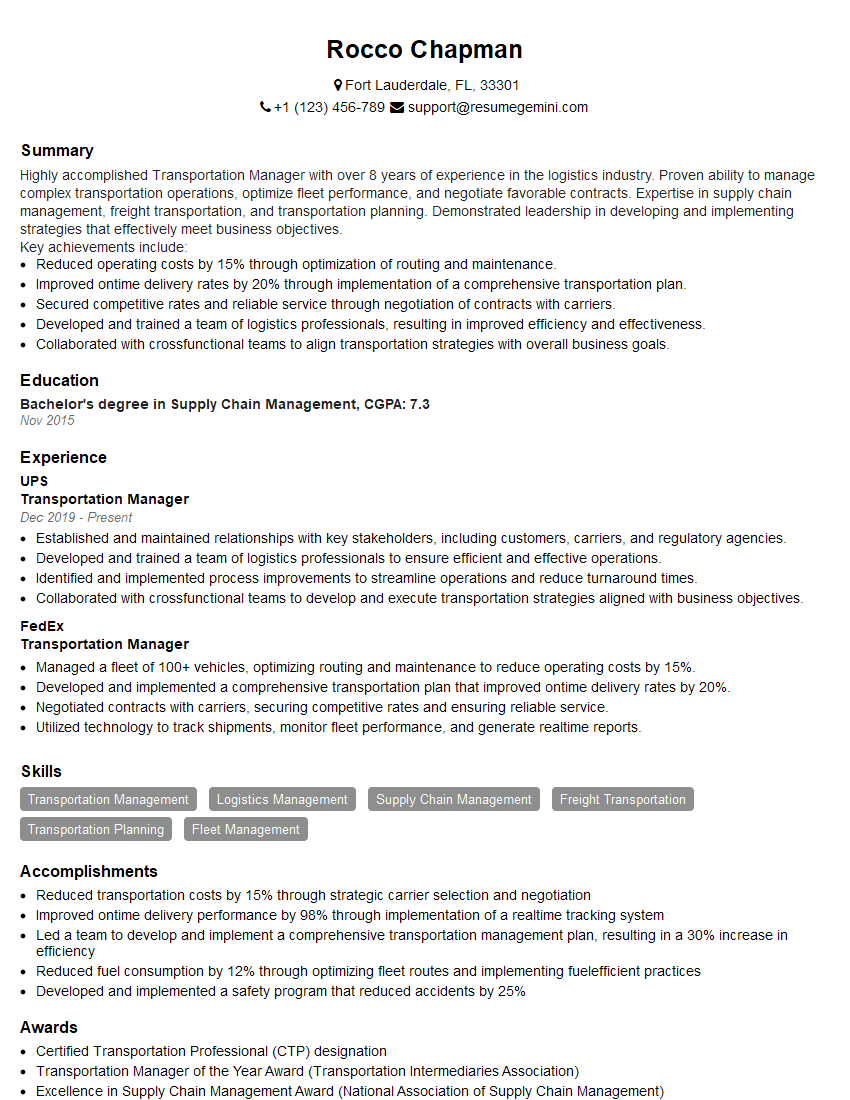
Transportation Manager Resume Sample
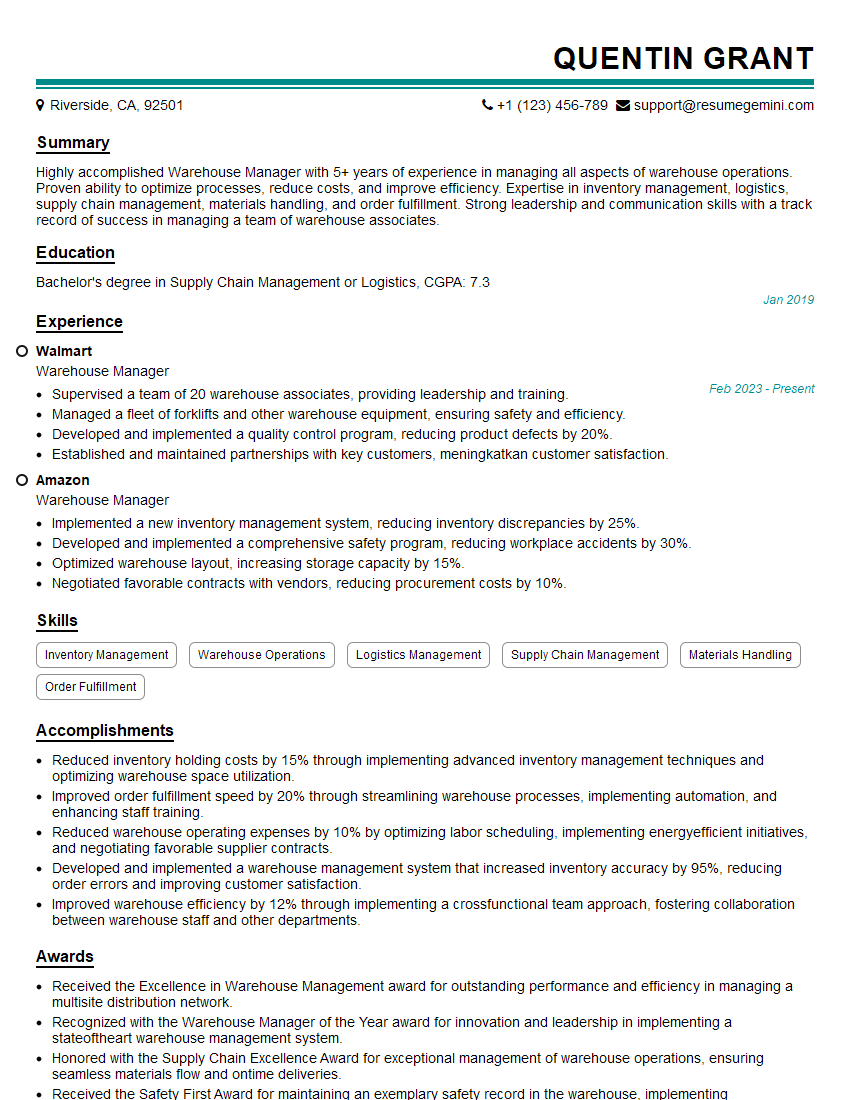
Warehouse Manager Resume Sample
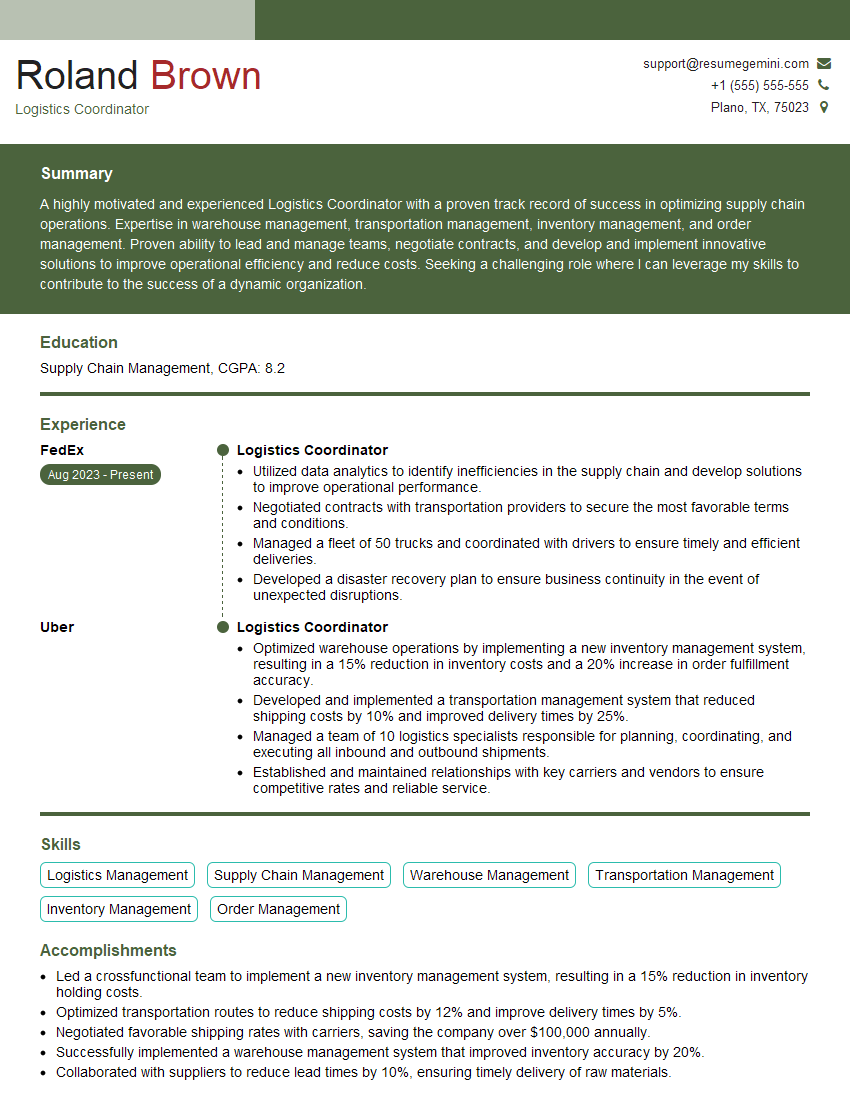
Logistics Coordinator Resume Sample
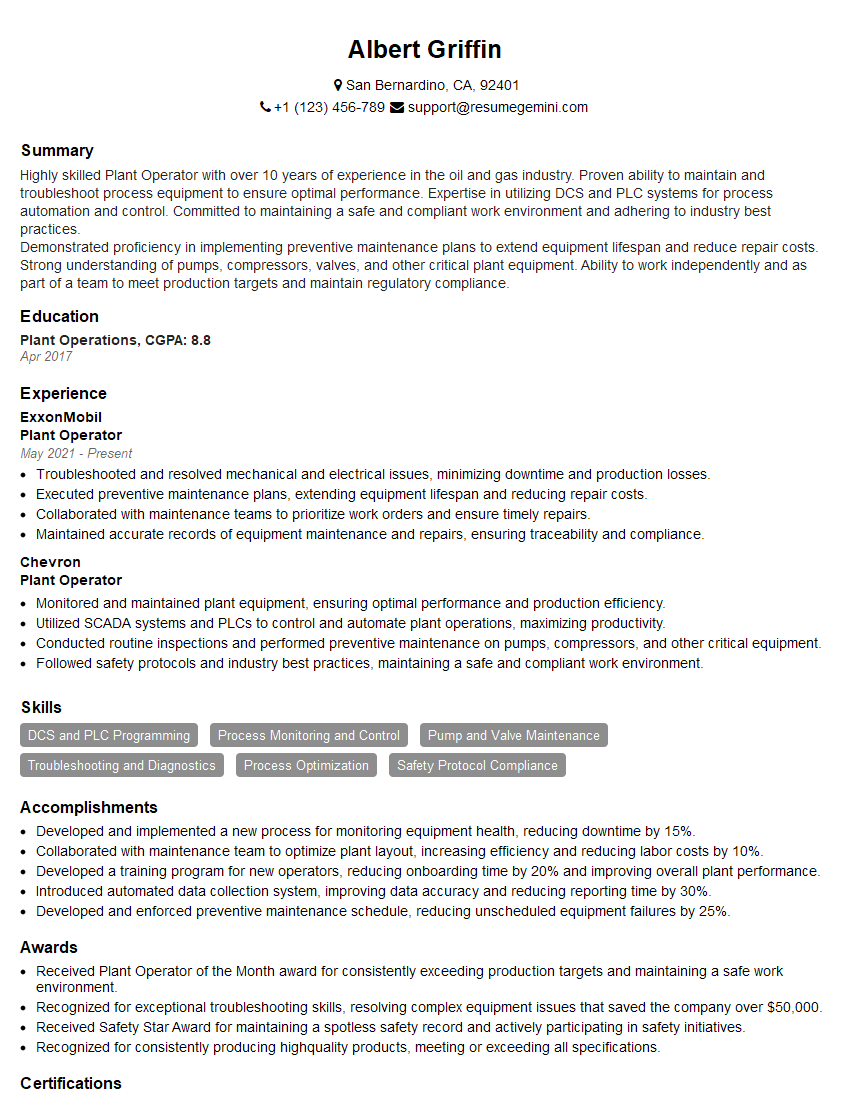
Plant Operator Resume Sample
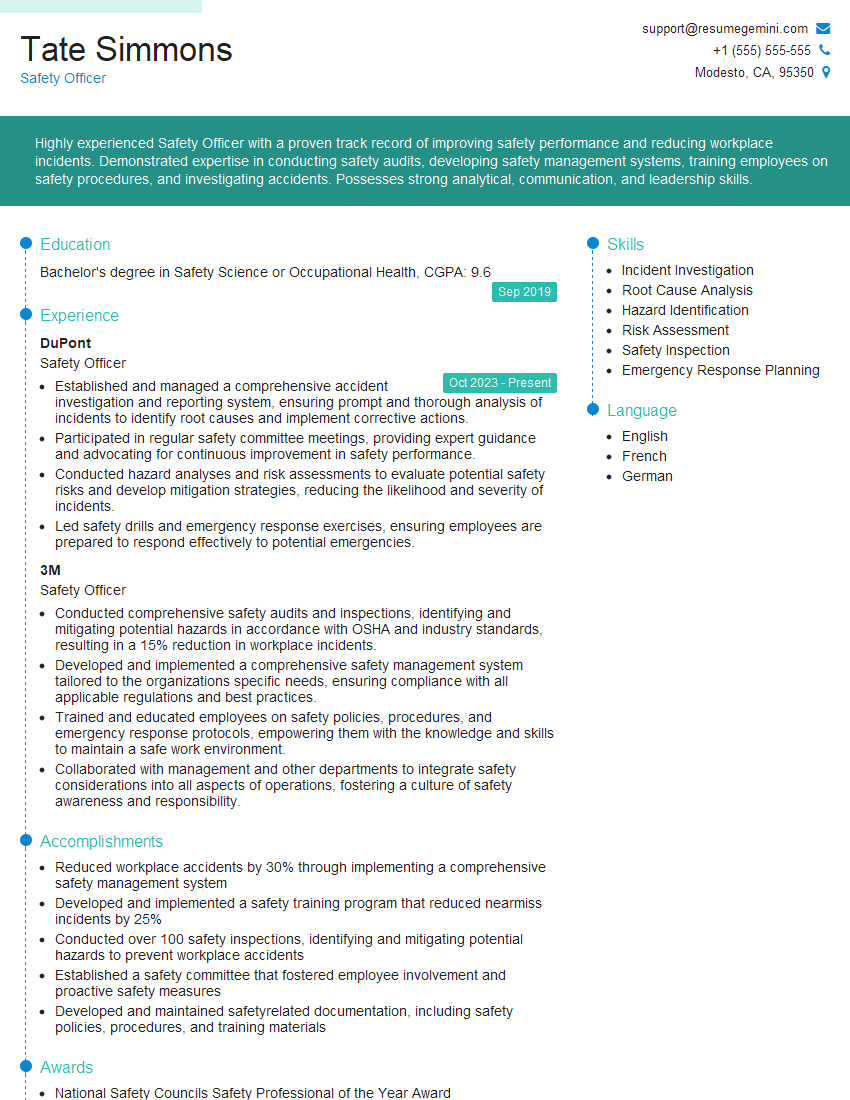
Safety Officer Resume Sample

Crane Operator Resume Sample
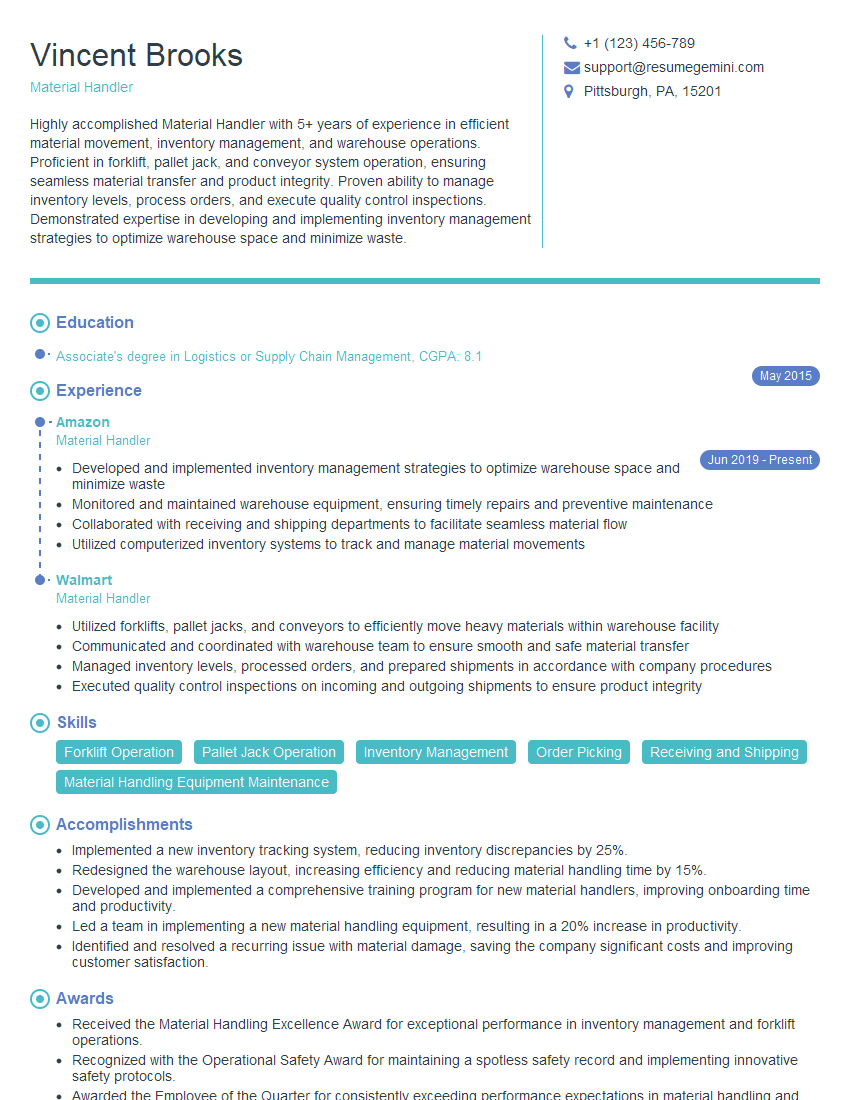
Material Handler Resume Sample
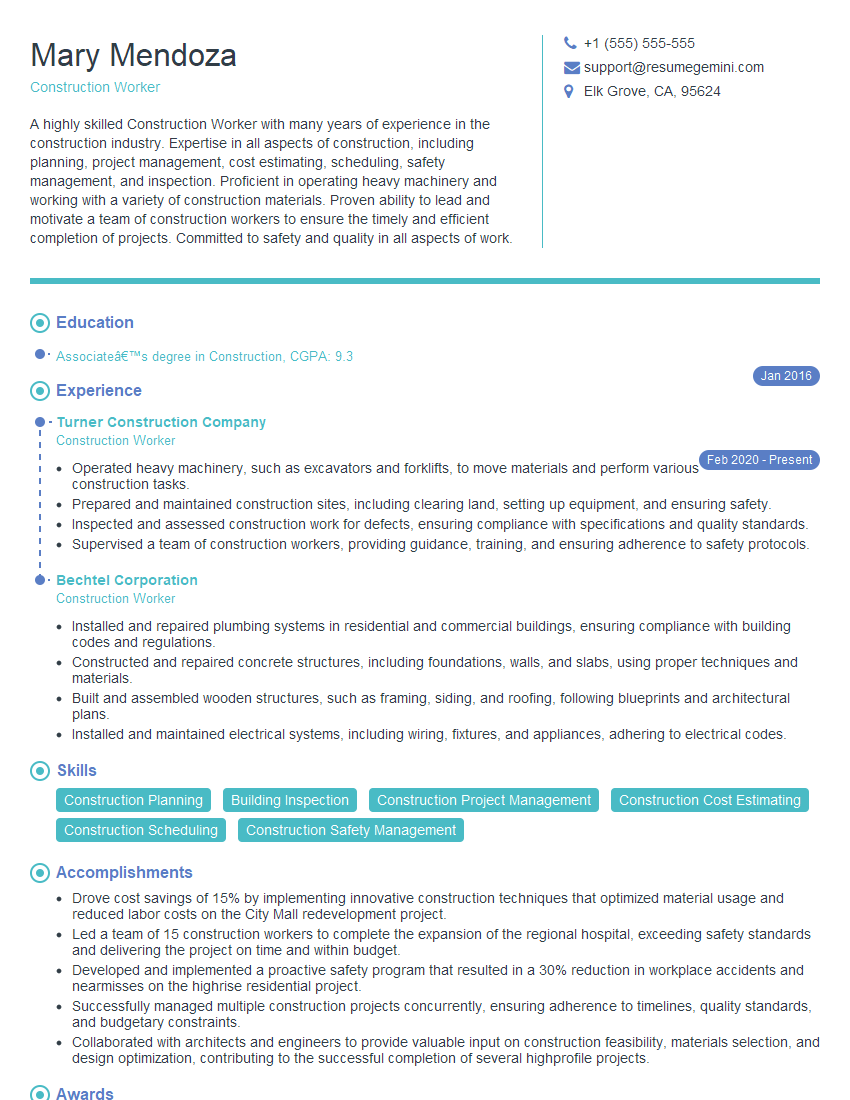
Construction Worker Resume Sample
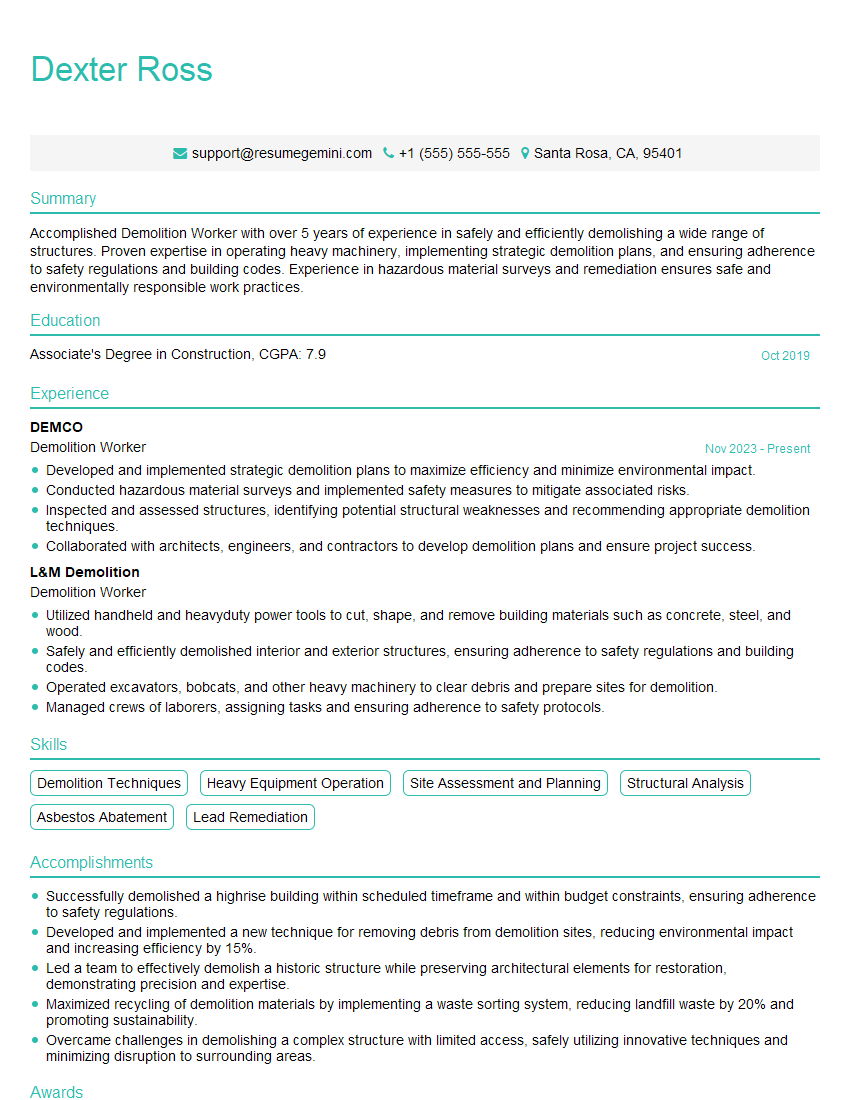
Demolition Worker Resume Sample
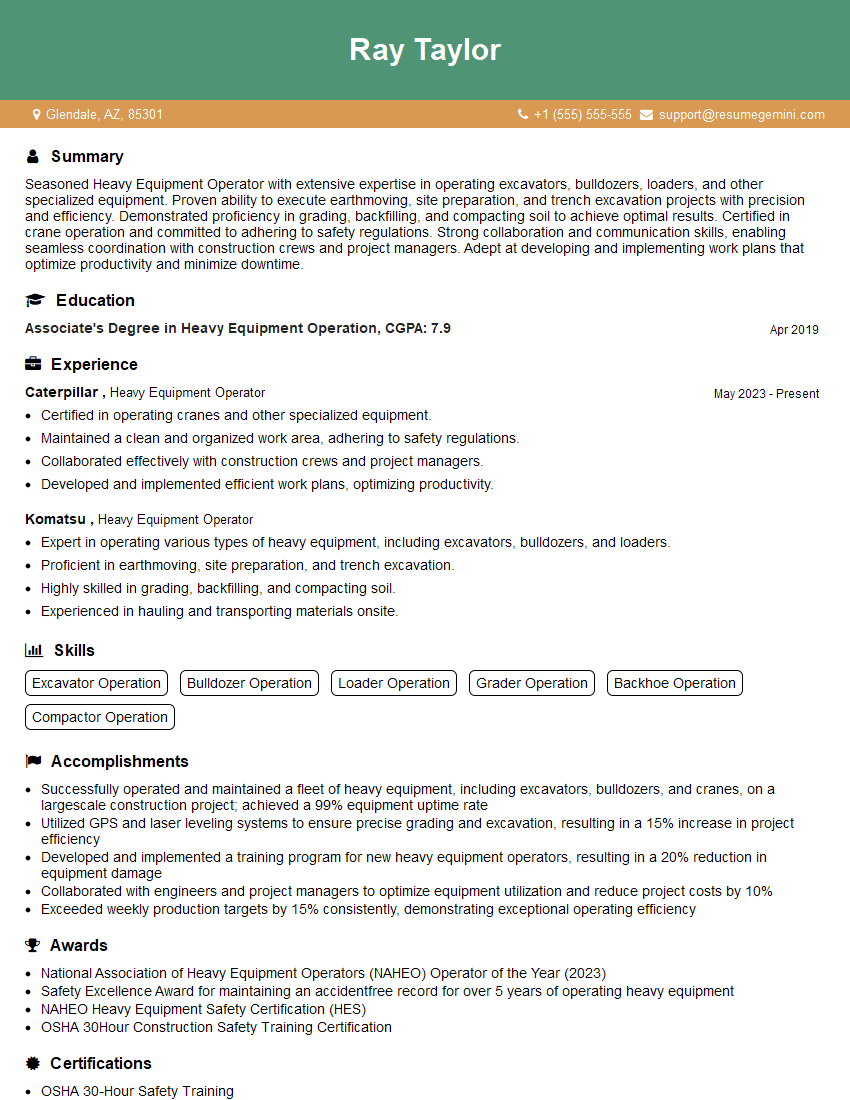
Heavy Equipment Operator Resume Sample
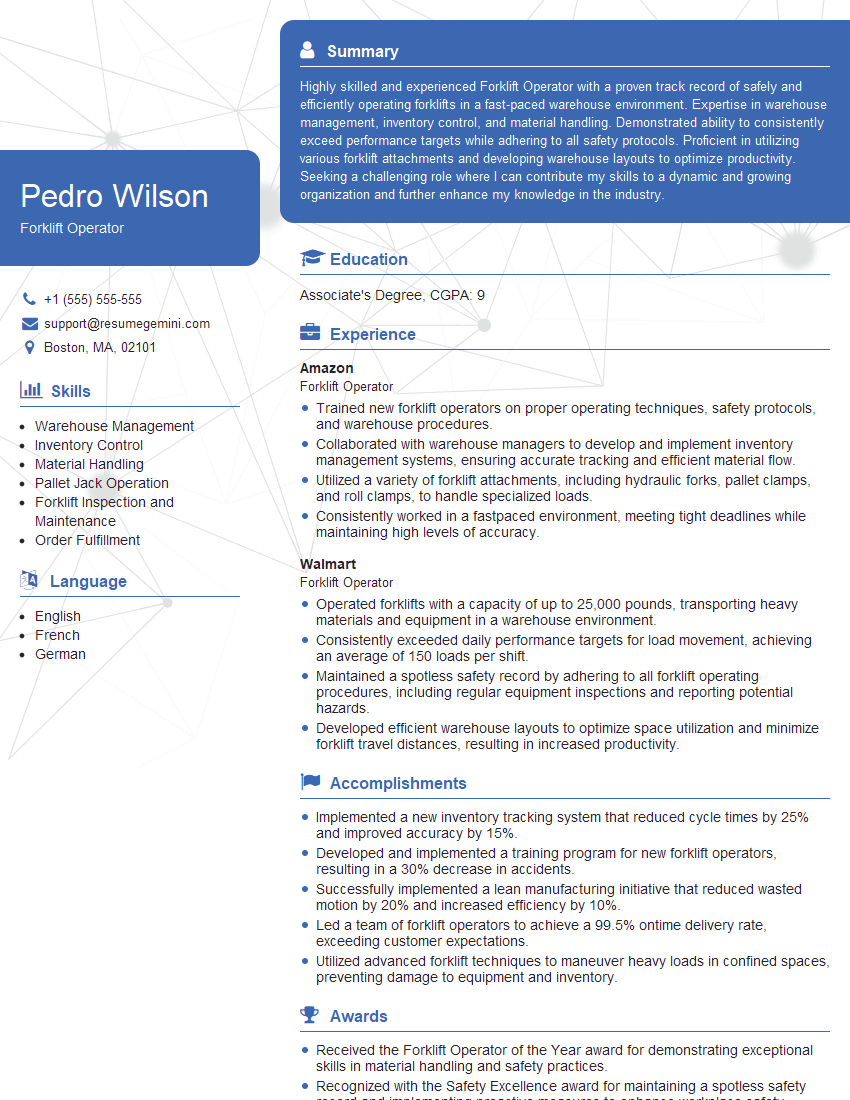
Forklift Operator Resume Sample
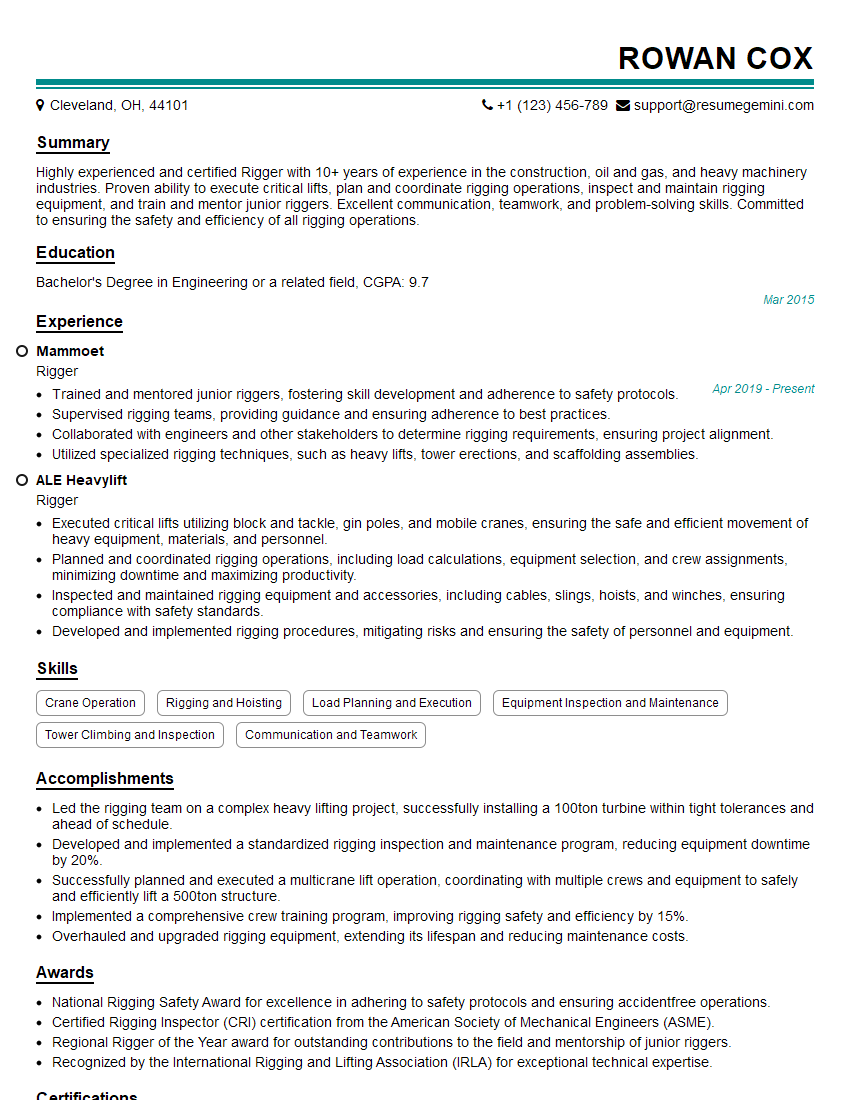
Rigger Resume Sample
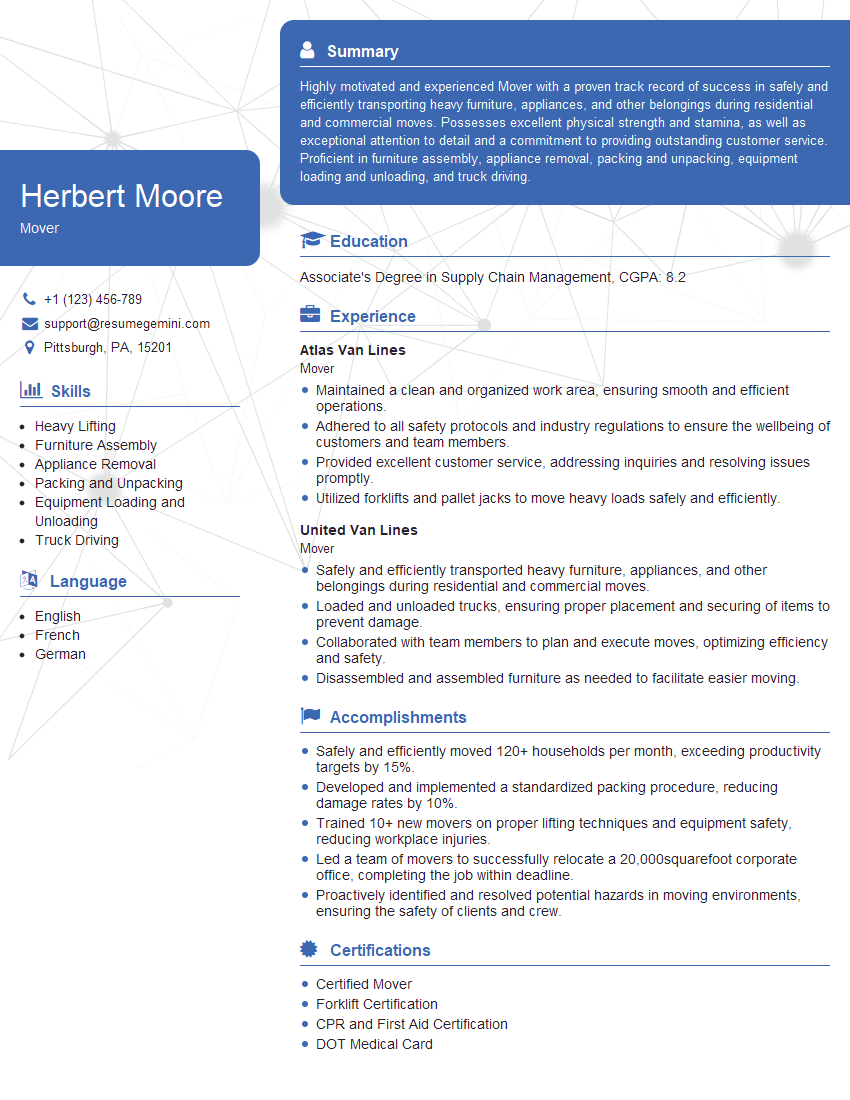
Mover Resume Sample
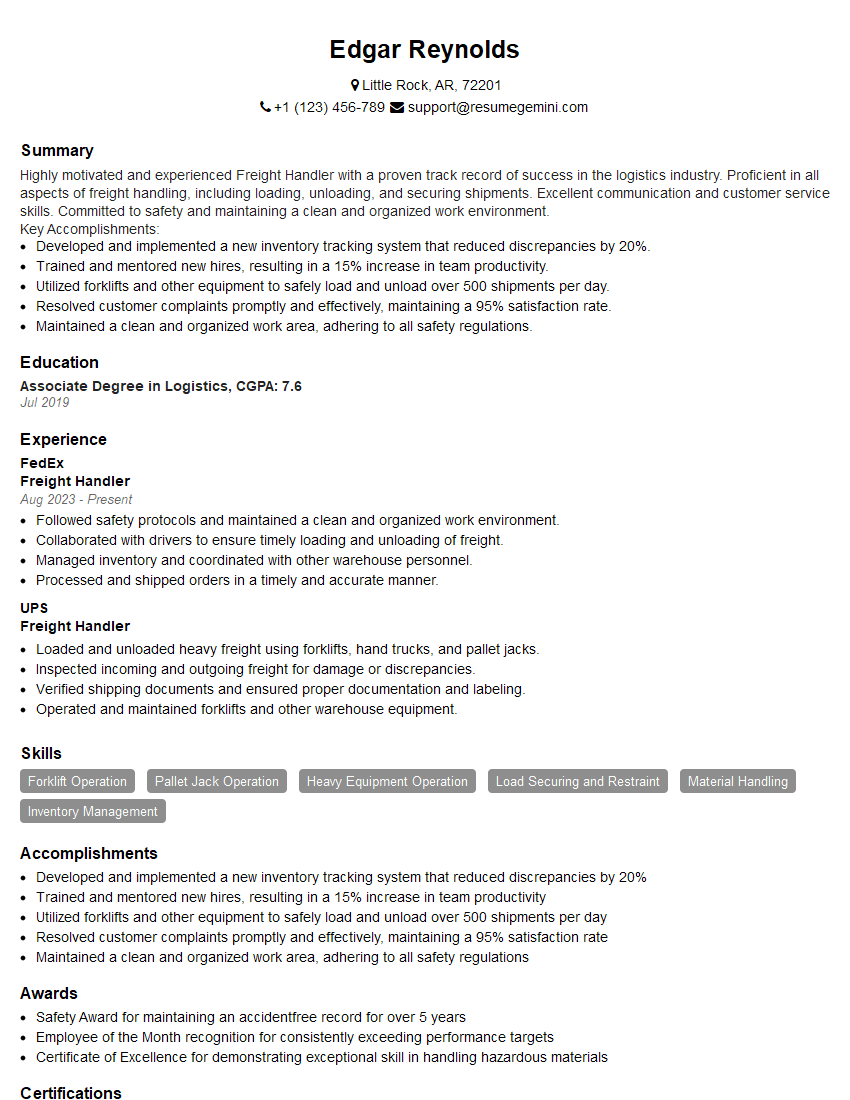
Freight Handler Resume Sample
Explore more articles
Users Rating of Our Blogs
Share Your Experience
We value your feedback! Please rate our content and share your thoughts (optional).
What Readers Say About Our Blog
Very informative content, great job.
good