Preparation is the key to success in any interview. In this post, we’ll explore crucial Inhalation Monitoring interview questions and equip you with strategies to craft impactful answers. Whether you’re a beginner or a pro, these tips will elevate your preparation.
Questions Asked in Inhalation Monitoring Interview
Q 1. Describe the different types of inhalation monitors.
Inhalation monitors come in various types, each designed for specific applications and pollutants. They can be broadly categorized based on their sampling method and the type of pollutant they measure.
- Personal Sampling Pumps with Filters/Sorbent Tubes: These are the workhorses of occupational hygiene. A small pump draws air through a filter or sorbent tube, collecting airborne particles or gases. After sampling, the filter or tube is analyzed in a laboratory to determine the concentration of the contaminant. Think of it like a tiny vacuum cleaner collecting dust particles for later analysis.
- Direct-Reading Instruments: These instruments provide immediate readings of airborne contaminants. Examples include photoionization detectors (PIDs) for volatile organic compounds (VOCs), electrochemical sensors for gases like carbon monoxide (CO), and dust monitors that use light scattering to measure particulate matter. These are like instant-read thermometers for air quality.
- Real-time Particulate Monitors: These sophisticated instruments use various techniques like light scattering, condensation particle counters, or beta attenuation to measure particulate matter concentrations continuously. They’re frequently used in environmental monitoring and industrial settings to provide a live view of air quality.
- Passive Samplers: These devices rely on diffusion to collect airborne contaminants. They’re typically less expensive and simpler to use than active samplers but may require longer sampling times and provide less precise measurements. Think of it as a passive trap for contaminants.
The choice of monitor depends on the specific application, the type of contaminant being measured, the required accuracy, and the budget.
Q 2. Explain the principles behind real-time particulate monitoring.
Real-time particulate monitoring relies on various principles to measure the concentration of airborne particles. The most common techniques include:
- Light Scattering: Particles scatter light as it passes through the air. The intensity of the scattered light is directly proportional to the concentration and size of the particles. Many low-cost dust monitors use this principle.
- Condensation Particle Counters (CPCs): CPCs saturate air with a supersaturated vapor (typically butanol). Particles act as nucleation sites for the vapor to condense, forming droplets that can be counted optically. This provides a measure of the total number concentration of particles, regardless of their chemical composition.
- Beta Attenuation: A beta radiation source emits particles through a filter. The amount of radiation passing through the filter decreases as the filter collects particulate matter. The reduction in beta radiation provides a measure of mass concentration.
These instruments often incorporate sophisticated algorithms and calibration procedures to compensate for variations in temperature, humidity, and other factors that could affect the measurement accuracy.
Q 3. What are the limitations of personal sampling pumps?
While personal sampling pumps are essential for accurate inhalation monitoring, they have certain limitations:
- Flow Rate Fluctuations: The pump’s flow rate must be carefully controlled and monitored, as variations can lead to inaccurate measurements. Obstructions in the tubing or changes in battery power can affect flow.
- Battery Life: The battery life of personal sampling pumps is finite and needs to be considered, especially during extended sampling periods. Running out of battery mid-sampling renders the results unusable.
- Size and Weight: Pumps can be bulky and uncomfortable to wear for prolonged periods, impacting worker compliance and potentially affecting sampling accuracy if the worker adjusts their posture or movements to avoid discomfort.
- Calibration Requirements: Regular calibration is crucial to ensure accurate measurements. Improper calibration leads to inaccurate and potentially dangerous results.
- Potential for Leaks: Leaks in the tubing or connections between the pump and sampling media can lead to significant underestimation of the actual exposure.
These limitations highlight the importance of proper training, meticulous calibration, and careful selection of sampling equipment for reliable inhalation monitoring.
Q 4. How do you calibrate and maintain an inhalation monitor?
Calibrating and maintaining an inhalation monitor is critical for accurate and reliable measurements. The process varies slightly depending on the type of monitor but generally involves these steps:
- Calibration: This involves using a known flow rate device (e.g., a rotameter or a primary standard flow calibrator) to verify and adjust the pump’s flow rate. Frequency depends on the instrument type and regulatory requirements, often daily or before each use for critical applications.
- Leak Checks: Regularly check for leaks in the tubing and connections using a bubble solution or electronic leak detectors. Leaks can severely affect the accuracy of sampling.
- Filter/Sorbent Tube Handling: Properly handle filters and sorbent tubes to avoid contamination and ensure proper sample integrity. This includes wearing gloves and avoiding touching the sampling surfaces.
- Instrument Cleaning: Clean the instrument’s external surfaces regularly to prevent contamination and maintain its functionality.
- Battery Maintenance: Properly charge and replace batteries as needed. Low battery power can lead to inconsistent flow rates and inaccurate data.
- Documentation: Meticulous record-keeping of calibration dates, results, and maintenance performed is essential for quality assurance and regulatory compliance.
Following manufacturer’s instructions is paramount to ensure the correct calibration and maintenance procedure is followed.
Q 5. What safety precautions are essential when using inhalation monitors?
Safety precautions are paramount when working with inhalation monitors. They are:
- Proper Training: Individuals using inhalation monitors must receive adequate training on their operation, calibration, and maintenance. They also need to be trained on the risks associated with the specific contaminants being monitored.
- Personal Protective Equipment (PPE): Appropriate PPE such as gloves, safety glasses, and respirators (if necessary) must be worn when handling samples or working in potentially hazardous environments.
- Environmental Considerations: The sampling location must be carefully selected to ensure representative samples are collected and to avoid any additional hazards.
- Safe Handling of Samples: Samples (e.g., filters, sorbent tubes) must be handled carefully to avoid contamination and potential health risks.
- Emergency Procedures: Workers need to be aware of emergency procedures in case of accidental exposure or equipment malfunction.
- Compliance with Regulations: All work must comply with applicable regulations and safety standards regarding inhalation monitoring and handling of hazardous materials.
Never underestimate the importance of safety. Prioritizing safety ensures the wellbeing of the operator and maintains the integrity of the results.
Q 6. Explain the difference between active and passive air sampling.
The key difference between active and passive air sampling lies in how the air sample is collected.
- Active Air Sampling: A pump actively draws a known volume of air through a sampling medium (filter, sorbent tube) at a controlled flow rate. This method is preferred for precise quantitative analysis of contaminant concentrations and is commonly used for occupational hygiene monitoring.
- Passive Air Sampling: This method relies on diffusion to collect airborne contaminants. A passive sampler is placed in the environment, and contaminants diffuse into the sampling medium (e.g., a diffusive tube). This method is simpler, less expensive, and requires less equipment but usually provides less precise measurements and may require longer sampling periods. Passive samplers are often used for longer-term monitoring of less-hazardous substances.
Choosing between active and passive sampling depends on factors like the required accuracy, the concentration of the contaminant, the duration of the monitoring period, and the availability of resources. Active sampling provides greater precision but requires more sophisticated equipment and training, whereas passive sampling is simpler but may be less accurate and requires longer sampling times.
Q 7. Describe the process of selecting appropriate sampling media.
Selecting appropriate sampling media is crucial for accurate inhalation monitoring. The choice depends on the target contaminant’s physical and chemical properties.
- Filters: Used for collecting particulate matter, with various pore sizes and materials (e.g., cellulose ester, glass fiber, polytetrafluoroethylene (PTFE)) chosen depending on the size and type of particles being collected. For example, a fine-pore filter might be used for respirable dust.
- Sorbent Tubes: Used for collecting gaseous or vapor-phase contaminants. Sorbents (e.g., activated charcoal, silica gel, Tenax) are selected based on their affinity for the target compound. For instance, activated charcoal is commonly used for organic vapors.
- Impingers: Used for collecting liquid aerosols or gases that are soluble in a liquid. The airborne contaminants are drawn into a liquid within the impinger and later analyzed.
The selection process involves considering factors like the target contaminant’s properties (e.g., solubility, volatility, reactivity), the expected concentration range, and the analytical method used to analyze the collected sample. For example, if measuring volatile organic compounds (VOCs), a sorbent tube with Tenax would be a more appropriate choice than a filter. Incorrect choice can lead to analyte loss or degradation, ultimately compromising the accuracy of the monitoring results. Consulting relevant guidelines and standards is crucial in choosing the best media for a particular application.
Q 8. How do you interpret data from an inhalation monitor?
Interpreting inhalation monitor data involves a multi-step process that begins with understanding the specific analytes being measured and the monitoring method used. The data, often presented as concentration levels over time (e.g., ppm or mg/m³), needs to be analyzed in context. This includes considering the occupational exposure limit (OEL) for the substance, the duration of exposure, and the worker’s individual characteristics.
For example, if an inhalation monitor shows a worker’s exposure to toluene averaging 100 ppm over an 8-hour shift, and the OEL for toluene is 100 ppm, we might initially conclude that the exposure is ‘at the limit’. However, we need to consider factors like the short-term peaks—were there any significant excursions above 100 ppm, even for brief periods?—and if the worker has any pre-existing respiratory conditions. A peak exposure, even brief, may pose a greater risk than a consistently low but long-term exposure. Data interpretation also involves checking the monitor’s calibration and accuracy; an improperly calibrated instrument could lead to misleading results. Finally, a comprehensive analysis involves comparing the results to historical data to identify trends and potential improvements in work practices.
Q 9. What are the common regulatory standards for inhalation monitoring?
Common regulatory standards for inhalation monitoring vary depending on the geographic location and the specific substance being monitored. In the US, the Occupational Safety and Health Administration (OSHA) sets permissible exposure limits (PELs) for various airborne contaminants. The National Institute for Occupational Safety and Health (NIOSH) provides recommended exposure limits (RELs), which often serve as more stringent guidelines. In Europe, the European Union’s Occupational Safety and Health directives influence national legislation, setting occupational exposure limits (OELs) that are frequently harmonized across member states. Specific industries may also have their own stricter internal standards. These standards dictate the methods for sampling, analysis, and reporting of inhalation monitoring data, ensuring consistency and comparability across different studies and facilities. Adherence to these regulatory frameworks is paramount for ensuring worker safety and legal compliance.
Q 10. Explain the importance of quality control in inhalation monitoring.
Quality control in inhalation monitoring is crucial for ensuring the accuracy and reliability of the results. It involves a multifaceted approach, starting with proper instrument calibration and maintenance. Regular checks of calibration using traceable standards are essential. This ensures the monitor provides accurate readings. Sampling procedures must also adhere to strict protocols; this includes using appropriately sized sampling pumps and filters, and accurately recording sampling duration and flow rates. Blank samples (samples taken without the analyte) should be analyzed to identify potential contamination, and parallel sample analysis with independent labs can provide valuable verification. Quality control also encompasses data handling—accurate recording, processing, and interpretation of results. Rigorous quality control practices minimize errors and ensure that the results accurately reflect worker exposure, leading to informed decision-making regarding workplace safety.
Q 11. How do you handle potential contamination during sampling?
Handling potential contamination during sampling is a critical aspect of maintaining data integrity. Several strategies are employed to mitigate this risk. Firstly, using clean sampling equipment and techniques is essential. This includes using clean gloves, avoiding touching the sampling media with bare hands, and ensuring that the sampling pump and tubing are free from contaminants. Secondly, samples should be collected in clean containers, properly sealed and labeled to prevent cross-contamination. Thirdly, blank samples should always be collected and analyzed alongside the actual samples. These blanks help identify any background contamination that might affect the results. Finally, the sampling location should be carefully selected to avoid any potential sources of contamination from the surroundings. For example, if sampling for particulate matter, avoiding dusty areas is vital. Proper chain of custody procedures help ensure sample integrity throughout the analytical process.
Q 12. What are the different types of respiratory hazards?
Respiratory hazards encompass a wide range of substances and conditions that can negatively impact the respiratory system. These can be broadly categorized as:
- Gases and Vapors: These include substances like solvents (e.g., toluene, benzene), gases (e.g., carbon monoxide, chlorine), and anesthetic agents. They can cause irritation, inflammation, and even long-term damage to the lungs.
- Particulates: These are airborne solid or liquid particles, such as dusts (e.g., silica, asbestos), fumes (e.g., metal fumes), and mists (e.g., pesticides). Particle size and chemical composition determine their toxicity and the severity of their effects on the respiratory system.
- Biological Agents: These include bacteria, viruses, fungi, and other microorganisms. Inhalation of biological agents can lead to various respiratory infections and diseases.
The severity of the hazard depends on factors such as concentration, exposure duration, and the individual’s susceptibility.
Q 13. Describe the role of inhalation monitoring in risk assessment.
Inhalation monitoring plays a vital role in risk assessment by providing quantitative data on worker exposure to airborne hazards. This data is crucial for identifying potential health risks and implementing appropriate control measures. By measuring the concentration and duration of exposure, we can compare the actual exposure levels to the relevant OELs or RELs. If the exposure levels exceed the limits, it indicates a significant risk to worker health. This information is used to prioritize control measures, such as engineering controls (e.g., ventilation improvements), administrative controls (e.g., reducing exposure time), and personal protective equipment (PPE) such as respirators. Inhalation monitoring data is also essential for assessing the effectiveness of implemented control measures and evaluating the overall success of risk reduction strategies. The data supports informed decision-making, protecting worker health and ensuring compliance with safety regulations.
Q 14. How do you determine the appropriate sampling duration and frequency?
Determining the appropriate sampling duration and frequency depends on several factors, including the nature of the hazard, the work practices, and the variability of the exposure. For substances with relatively constant exposure levels, a single 8-hour time-weighted average (TWA) sample might suffice. However, for substances with highly fluctuating exposure levels, more frequent sampling (e.g., multiple short-term samples throughout the work shift) is necessary to capture peak exposures. The sampling duration should be long enough to accurately represent the average exposure but not so long that it leads to sample saturation or degradation. The frequency of monitoring should consider factors like the toxicity of the substance, the potential for exposure variability, and the available resources. A risk assessment will often inform the decision-making process, ensuring that sampling strategies are targeted to address the most significant potential hazards. For instance, a workplace with episodic high-concentration releases would benefit from short-term sampling methods, whereas a more consistent exposure might require fewer samples over a longer duration.
Q 15. What are the legal implications of inaccurate inhalation monitoring data?
Inaccurate inhalation monitoring data can have serious legal ramifications. Occupational Safety and Health Administration (OSHA) regulations, along with other national and international standards, mandate accurate monitoring to ensure worker safety. If monitoring data underreports exposure levels, a company could face significant penalties for non-compliance, including hefty fines and even criminal charges in cases of gross negligence leading to worker illness or death. Conversely, overreporting can lead to unnecessary expenses related to implementing more stringent (and potentially costly) control measures than required. Accurate data is therefore critical for legal defensibility and responsible resource allocation. Imagine a scenario where a chemical plant’s monitoring consistently underreports benzene levels. If a worker develops leukemia, the company could face lawsuits and severe penalties for failing to provide a safe working environment based on demonstrably faulty data. The legal burden of proof often rests on the employer to demonstrate adherence to safety standards, making accurate monitoring paramount.
Career Expert Tips:
- Ace those interviews! Prepare effectively by reviewing the Top 50 Most Common Interview Questions on ResumeGemini.
- Navigate your job search with confidence! Explore a wide range of Career Tips on ResumeGemini. Learn about common challenges and recommendations to overcome them.
- Craft the perfect resume! Master the Art of Resume Writing with ResumeGemini’s guide. Showcase your unique qualifications and achievements effectively.
- Don’t miss out on holiday savings! Build your dream resume with ResumeGemini’s ATS optimized templates.
Q 16. Explain the concept of permissible exposure limits (PELs).
Permissible Exposure Limits (PELs) are legally mandated limits set by regulatory bodies like OSHA, specifying the maximum concentration of a hazardous substance a worker can be exposed to over a specified time period (usually an 8-hour workday or a 15-minute short-term exposure). These limits are based on extensive toxicological studies and are designed to protect workers from adverse health effects. For example, the PEL for asbestos might be set at a very low concentration to mitigate the risk of developing asbestosis. Exceeding a PEL doesn’t automatically mean a violation has occurred; it triggers a need for further investigation and potentially corrective actions. The employer must demonstrate that all feasible engineering controls are implemented to keep exposures below the PEL. If this isn’t achievable, they must demonstrate the use of appropriate respiratory protection and other administrative controls. Understanding PELs is crucial for ensuring compliance and maintaining a safe workplace. PELs aren’t static; they evolve with advances in toxicological research and our understanding of the health effects of various substances.
Q 17. How do you ensure the accuracy and reliability of sampling results?
Ensuring accurate and reliable sampling results is a multi-step process. It starts with proper planning, including selecting the appropriate sampling method based on the substance being monitored, the work environment, and the worker’s activity. This might involve using different types of sampling pumps and collection media (e.g., charcoal tubes, filters, impingers). Precise calibration of the sampling equipment is crucial, followed by meticulous sampling techniques to avoid contamination or losses during sample collection. Chain of custody must be meticulously documented, tracking the sample from collection to laboratory analysis. The laboratory itself must be accredited and follow rigorous quality control procedures, ensuring the analytical methods are validated and free from bias. Regular calibration and maintenance of equipment, proficiency testing of lab personnel, and the use of quality control samples alongside actual samples during analysis all contribute to maintaining accuracy. Finally, a thorough review of the data, including outlier detection and assessment of potential sources of error, is essential before reporting.
Q 18. Discuss the role of analytical techniques in inhalation monitoring.
Analytical techniques are the heart of inhalation monitoring, transforming collected samples into quantifiable data. The choice of technique depends on the substance being analyzed. For example, Gas Chromatography-Mass Spectrometry (GC-MS) is often used for volatile organic compounds (VOCs), while High-Performance Liquid Chromatography (HPLC) might be used for analyzing certain metals or other non-volatile substances. Atomic Absorption Spectroscopy (AAS) is employed for the analysis of metals in collected samples. Inductively Coupled Plasma Mass Spectrometry (ICP-MS) offers high sensitivity for a wide range of elements. The accuracy and sensitivity of these techniques directly impact the reliability of the monitoring results. For each analyte, a specific analytical method with appropriate detection limits and a proven track record of accuracy and precision must be selected and validated. Regular quality control checks, including the analysis of certified reference materials, are vital to ensure the ongoing reliability of these analytical techniques.
Q 19. What are some common sources of error in inhalation monitoring?
Several sources of error can affect inhalation monitoring. Sampling errors include improper calibration of sampling pumps, leaks in the sampling system, inadequate sampling duration or flow rate, and contamination of the sample during collection or transport. Analytical errors can arise from instrument malfunction, inaccurate calibration, contamination of reagents or standards, and improper sample preparation. Human errors include incorrect recording of sampling information, failure to follow standard operating procedures, and misinterpretation of results. Environmental factors such as temperature, humidity, and air pressure can also influence the accuracy of measurements. Proper training of personnel, regular calibration and maintenance of equipment, and strict adherence to standard operating procedures are crucial for minimizing these errors. For example, an improperly calibrated sampling pump might underestimate the concentration of a hazardous substance, leading to inaccurate exposure assessment. Similarly, a lab technician’s error in preparing a sample might lead to an inaccurate result. Identifying and accounting for these potential sources of error are critical for accurate monitoring.
Q 20. Describe your experience with different types of respiratory protective equipment.
My experience encompasses a wide range of respiratory protective equipment (RPE), including air-purifying respirators (APRs) such as half-mask and full-face respirators with various filter types (e.g., particulate, organic vapor, acid gas), and supplied-air respirators (SARs) such as airline respirators and self-contained breathing apparatus (SCBA). I’m familiar with the selection criteria for RPE based on the specific hazards, including the assigned protection factor (APF) and the limitations of each type. I have experience in fitting testing and training personnel on the proper use, maintenance, and limitations of RPE. For instance, I’ve worked with workers in environments containing asbestos, requiring the use of properly fitted SCBAs, and I’ve also overseen the implementation and training for workers using APRs in environments with lower concentrations of VOCs. Understanding the capabilities and limitations of different RPEs is crucial to ensure they provide effective protection against inhalation hazards. Proper training and fit testing are essential for ensuring RPE effectiveness and worker safety.
Q 21. How do you manage data from multiple inhalation monitors?
Managing data from multiple inhalation monitors involves using a robust data management system that integrates data from different sources into a centralized database. This system needs to track sample information, analytical results, worker information, and exposure assessments. Data quality control is crucial, including checks for completeness, consistency, and accuracy. The system should allow for data visualization, reporting, and trend analysis to identify patterns and potential problems. Software solutions designed for occupational hygiene data management can facilitate this process, often incorporating features like automated reporting and statistical analysis. Data should be securely stored and archived in compliance with relevant regulations. A well-designed system is essential for efficient data management, regulatory compliance, and effective decision-making. In practical terms, this might involve using a specialized software package to consolidate data from multiple sampling pumps and laboratory instruments, followed by the use of statistical software for calculating worker exposures and identifying potential exposure trends.
Q 22. Explain your experience with different types of inhalation exposure assessments.
Inhalation exposure assessments are crucial for protecting worker health in environments with airborne hazards. My experience encompasses a range of methods, from simple direct-reading instruments to sophisticated personal sampling techniques.
- Direct-reading instruments: These provide immediate readings of airborne contaminant concentrations, such as gas detectors for specific gases (e.g., carbon monoxide) or photoionization detectors (PIDs) for volatile organic compounds (VOCs). I’ve used these for quick assessments and leak detection.
- Personal sampling: This involves collecting air samples close to the worker’s breathing zone using devices like pumps and sampling media (e.g., charcoal tubes, filters). This offers a time-weighted average (TWA) exposure, a more accurate reflection of the worker’s exposure over a shift. I have extensive experience with different sampling media and pump calibration procedures, ensuring accurate results.
- Area monitoring: This involves measuring contaminant levels at various locations in a workplace to determine general contamination levels. This data informs engineering controls, administrative controls, and the necessity of respiratory protection.
- Biological monitoring: This method assesses the absorption of a substance by analyzing biological samples (e.g., blood or urine). This provides valuable information on the actual internal dose received by workers, complementing air monitoring data. I’ve been involved in projects integrating biological and air monitoring data for a holistic assessment.
For instance, in one project involving a chemical manufacturing plant, we used a combination of personal sampling for specific VOCs and area monitoring for general VOC levels. This allowed us to identify hotspots, optimize ventilation systems and assess the effectiveness of implemented controls.
Q 23. How familiar are you with OSHA and NIOSH regulations related to inhalation hazards?
I am very familiar with OSHA (Occupational Safety and Health Administration) and NIOSH (National Institute for Occupational Safety and Health) regulations concerning inhalation hazards. My understanding extends to both the specific permissible exposure limits (PELs) and recommended exposure limits (RELs) for numerous substances, as well as the requirements for monitoring programs, hazard communication, and employee training.
OSHA’s 29 CFR 1910.1000 outlines permissible exposure limits for airborne contaminants. NIOSH provides more detailed recommendations and guidance on various aspects of occupational safety and health, including inhalation hazards. I frequently reference these documents, particularly the NIOSH Pocket Guide to Chemical Hazards, when designing monitoring programs and interpreting results.
For example, I recently assisted a client in updating their respiratory protection program to align with OSHA’s requirements, which involved reviewing existing monitoring data, ensuring that the program adequately addressed the identified hazards and establishing appropriate medical surveillance protocols.
Q 24. Describe your experience with reporting and documenting inhalation monitoring data.
Reporting and documenting inhalation monitoring data is critical for demonstrating compliance and identifying potential health risks. My experience involves meticulous record-keeping, ensuring data integrity and traceability.
- Chain of custody: I strictly maintain a chain of custody for all samples collected, ensuring proper handling and transport to the laboratory. This involves detailed documentation of sample collection, handling, and analysis.
- Data analysis and interpretation: I use statistical methods to analyze data, calculating TWAs, short-term exposures, and other relevant metrics to determine compliance with regulatory limits. I prepare clear and concise reports that summarize the findings and highlight any potential hazards.
- Report generation: My reports follow standardized formats, including all relevant information, such as sampling methodology, analytical methods, results, and interpretations. I have experience preparing reports for various stakeholders, from company management to regulatory agencies.
In one instance, I developed a customized database system to track and manage inhalation monitoring data from multiple sites, simplifying data analysis and reporting. This streamlined the process significantly, enhancing efficiency and improving data quality.
Q 25. What software or tools are you proficient in using for inhalation monitoring data analysis?
I’m proficient in several software and tools used for inhalation monitoring data analysis. This proficiency ensures efficient data handling, analysis, and reporting.
- Spreadsheet software (Excel, Google Sheets): I use these for basic data entry, calculation of TWA exposures, and creating initial graphs.
- Statistical software (R, SPSS): These are essential for more complex statistical analyses, including identifying trends, outliers, and correlations in the data. I’ve used R extensively for statistical modeling related to exposure assessments.
- Laboratory Information Management Systems (LIMS): I have experience utilizing LIMS for managing laboratory data generated from air sample analysis, automating data transfer and reporting processes.
- Specialized software: I am familiar with some specific software packages designed for occupational hygiene data management and analysis. These streamline the process of generating reports that meet regulatory requirements.
For example, in one project involving long-term monitoring of a chemical plant, I used R to perform time-series analysis on exposure data, identifying seasonal variations in contaminant levels that informed the development of improved control strategies.
Q 26. How would you handle a situation where inhalation monitoring data exceeds permissible limits?
Exceeding permissible limits in inhalation monitoring is a serious event requiring immediate action. My approach is systematic and involves several key steps:
- Verify the data: First, I would verify the validity of the data by reviewing the sampling and analytical methods to ensure that they were conducted properly and that the results are accurate and reliable. This often includes checking calibration records and reviewing the chain of custody documentation.
- Investigate the cause: Once the data validity is confirmed, I would conduct a thorough investigation to identify the source of the exceedance. This might involve reviewing work practices, equipment operation, ventilation systems, and other potential contributing factors.
- Implement corrective actions: Based on the findings, appropriate corrective actions would be implemented. This might include improving ventilation, implementing engineering controls, modifying work practices, providing additional respiratory protection, or temporarily suspending work in the affected area.
- Inform and train: Workers in the affected area would be informed of the situation and provided with appropriate training or retraining.
- Document everything: All actions taken would be meticulously documented, including the initial findings, investigation procedures, corrective actions, and retraining provided.
For instance, if a high level of a specific solvent was detected, we would investigate whether a leak occurred, equipment malfunctioned, or if worker practices were not strictly adhered to. Corrective actions might include repairing the leak, improving equipment maintenance procedures, and retraining workers on safe work practices.
Q 27. Describe your experience with investigating and resolving inhalation monitoring incidents.
Investigating and resolving inhalation monitoring incidents requires a systematic and thorough approach. My experience includes conducting thorough investigations, identifying root causes, and implementing effective corrective actions.
My approach typically involves:
- Gathering information: This includes reviewing all available data, such as monitoring results, worker reports, maintenance records, and safety procedures. Interviews with affected workers and supervisors are crucial.
- Identifying potential causes: This involves analyzing the information gathered to identify possible causes for the incident. This process often uses fault tree analysis or other similar techniques.
- Verifying causes: Once potential causes are identified, they must be verified through further investigation and analysis. This could involve additional monitoring, testing, or expert consultation.
- Implementing corrective actions: This might involve equipment repairs, changes to work procedures, or improved training. The goal is to eliminate or mitigate the hazard, preventing future incidents.
- Follow-up monitoring: After implementing corrective actions, ongoing monitoring is necessary to confirm their effectiveness and ensure that the hazard has been eliminated.
I once investigated an incident involving elevated levels of asbestos fibers in a building undergoing renovation. The investigation revealed inadequate containment measures during demolition work. Corrective actions included implementing stricter controls, additional worker training, and improved air monitoring during the remainder of the renovation project.
Q 28. How do you stay up-to-date with the latest advancements in inhalation monitoring technology?
Staying current in the rapidly evolving field of inhalation monitoring requires continuous professional development. My strategies include:
- Professional organizations: Active membership in organizations like the American Industrial Hygiene Association (AIHA) provides access to conferences, publications, and continuing education opportunities.
- Conferences and workshops: Attending conferences and workshops allows me to learn about the latest technologies, methodologies, and research advancements.
- Publications and journals: Regularly reviewing peer-reviewed journals and industry publications keeps me informed of the latest research findings and best practices.
- Online resources: I utilize online resources, such as OSHA and NIOSH websites, to access up-to-date regulatory information and guidance documents.
- Networking: Networking with colleagues and experts in the field through professional organizations and conferences expands my knowledge base and provides valuable insights.
Recently, I attended a workshop on the applications of real-time monitoring devices in occupational settings. This expanded my knowledge on using advanced technologies to enhance worker safety and improve the efficiency of monitoring programs.
Key Topics to Learn for Inhalation Monitoring Interview
- Instrumentation and Techniques: Understanding various inhalation monitoring devices (e.g., personal samplers, area monitors), their principles of operation, calibration procedures, and limitations.
- Sampling Strategies: Developing effective sampling plans based on the specific workplace, substance, and regulatory requirements. This includes considerations for sample duration, location, and frequency.
- Data Analysis and Interpretation: Proficiency in interpreting monitoring data, identifying trends, and assessing exposure levels relative to occupational exposure limits (OELs).
- Regulatory Compliance: Familiarity with relevant health and safety regulations and standards concerning inhalation monitoring and exposure control (e.g., OSHA, NIOSH guidelines).
- Health Effects of Inhaled Substances: Knowledge of the toxicological effects of various inhaled substances and the relationship between exposure levels and health outcomes. This includes understanding dose-response relationships.
- Practical Application: Case studies demonstrating the application of inhalation monitoring techniques in various industrial settings (e.g., mining, manufacturing, pharmaceuticals).
- Problem-Solving: Analyzing scenarios involving inaccurate data, equipment malfunctions, or unexpected exposure events and proposing solutions.
- Quality Control and Assurance: Implementing quality control measures to ensure the accuracy and reliability of monitoring data. Understanding chain-of-custody procedures.
- Advanced Techniques: Explore advanced methods such as real-time monitoring, biomonitoring, and advanced statistical analysis techniques for exposure assessment.
Next Steps
Mastering inhalation monitoring opens doors to exciting career opportunities in occupational health and safety, environmental monitoring, and research. A strong foundation in this field is highly valued by employers. To significantly enhance your job prospects, it’s crucial to present your skills and experience effectively. Creating an ATS-friendly resume is key to getting your application noticed. We strongly recommend using ResumeGemini, a trusted resource, to build a professional and impactful resume tailored to the demands of the Inhalation Monitoring field. Examples of resumes optimized for this specialization are available to help guide you.

Compliance Officer Resume Sample
Environmental Scientist Resume Sample
Regulatory Affairs Specialist Resume Sample
Environmental Consultant Resume Sample
Process Safety Engineer Resume Sample
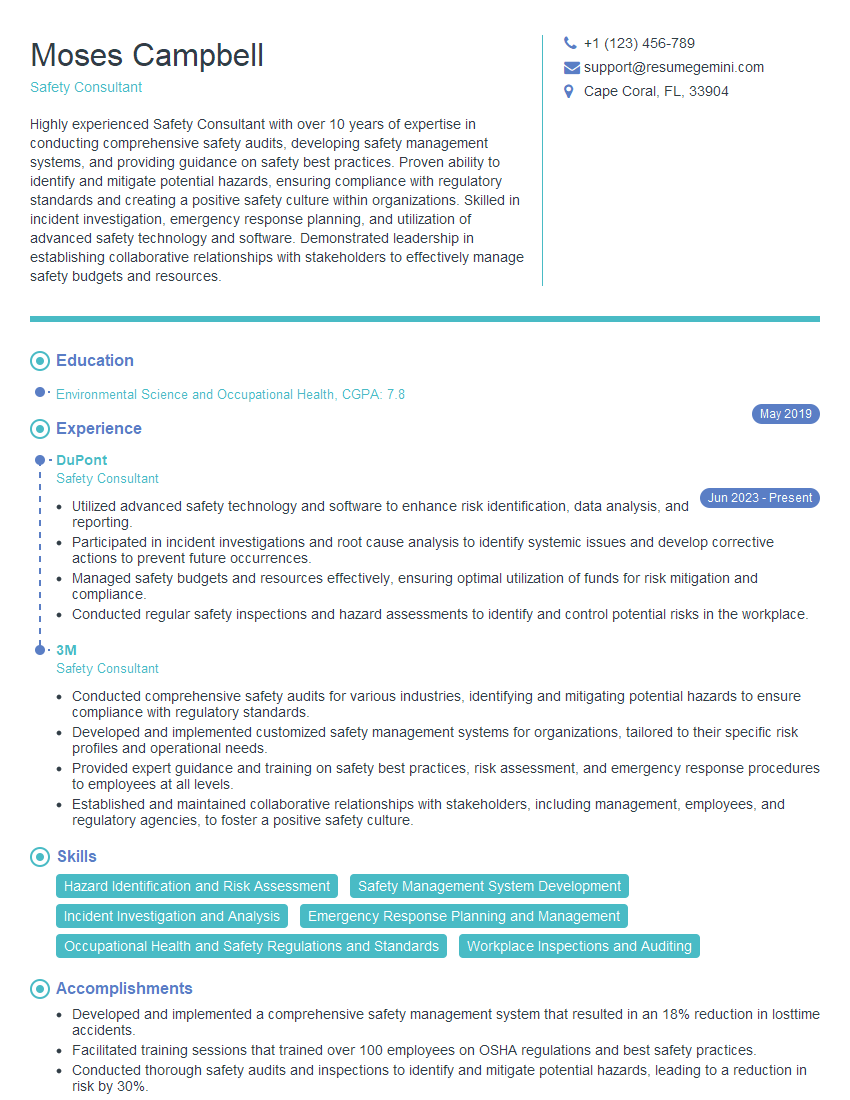
Safety Consultant Resume Sample

Safety Engineer Resume Sample

Quality Control Specialist Resume Sample

Laboratory Technician Resume Sample
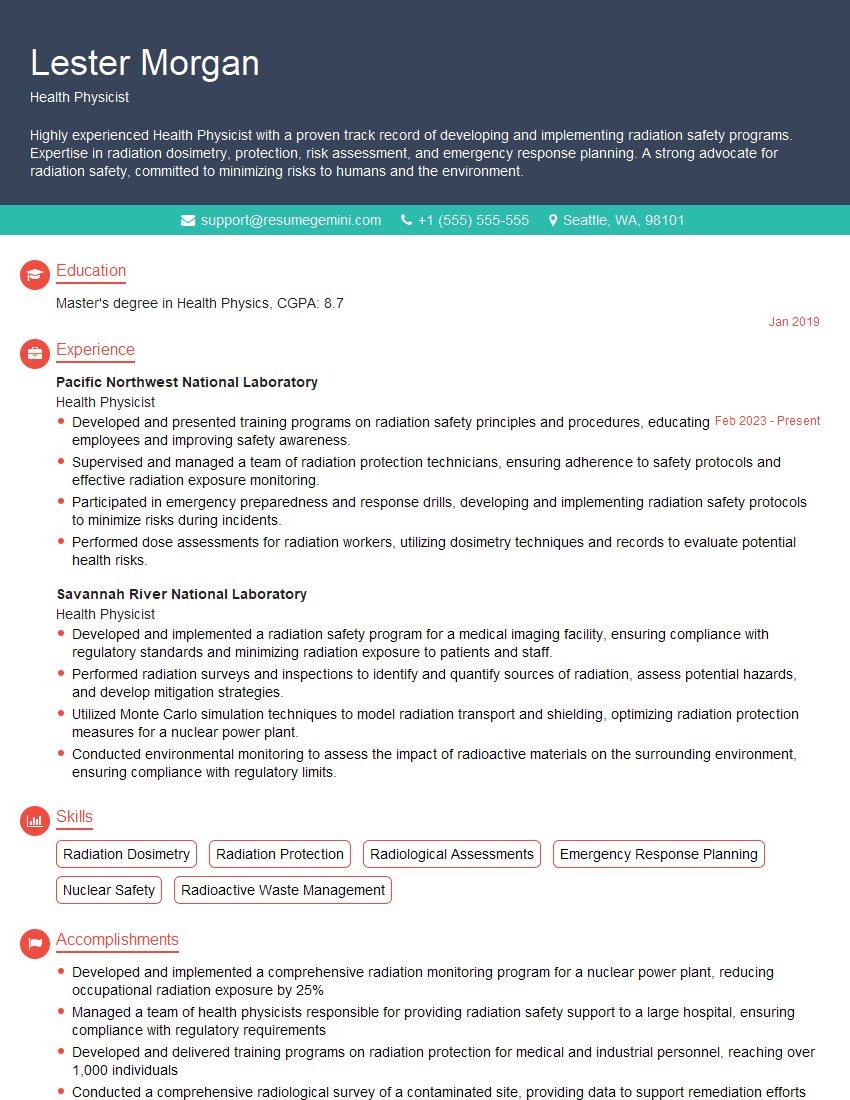
Health Physicist Resume Sample

Analytical Chemist Resume Sample

Occupational Health Nurse Resume Sample
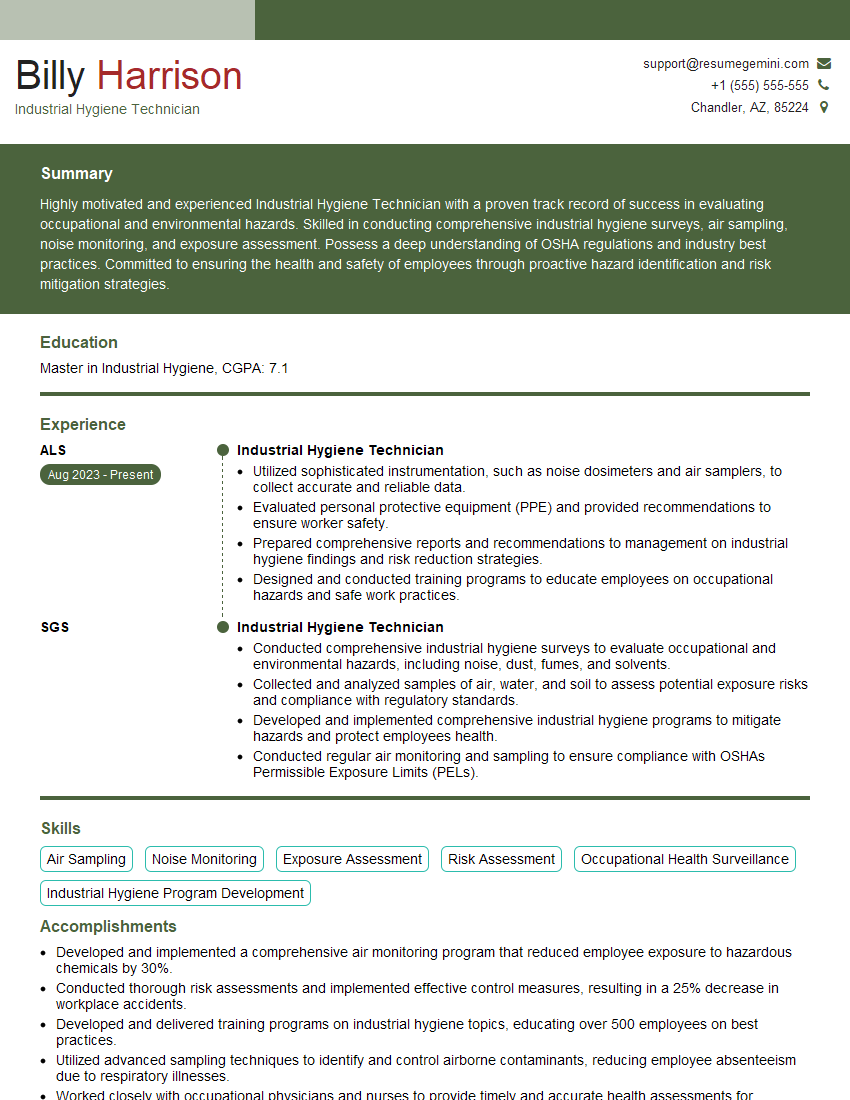
Industrial Hygiene Technician Resume Sample
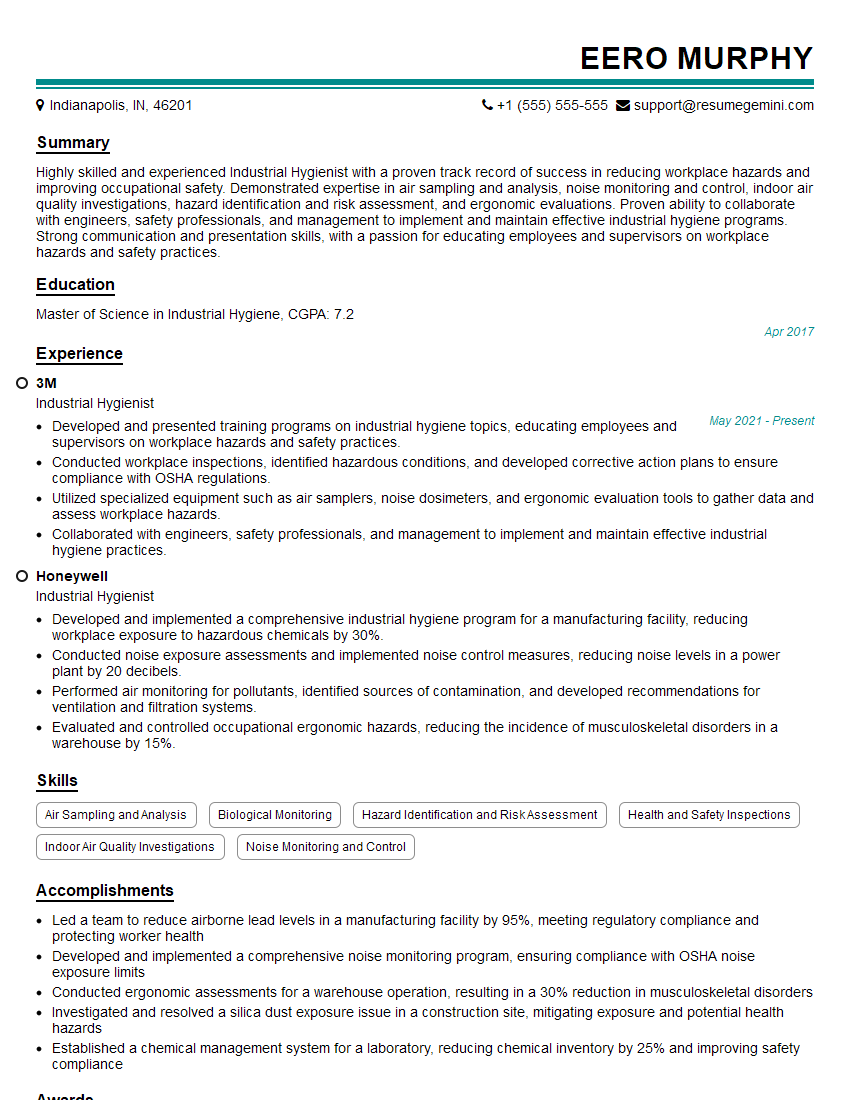
Industrial Hygienist Resume Sample
- Compliance Officer
- Environmental Scientist
- Regulatory Affairs Specialist
- Environmental Consultant
- Process Safety Engineer
- Safety Consultant
- Safety Engineer
- Quality Control Specialist
- Laboratory Technician
- Health Physicist
- Analytical Chemist
- Occupational Health Nurse
- Industrial Hygiene Technician
- Industrial Hygienist
Explore more articles
Users Rating of Our Blogs
Share Your Experience
We value your feedback! Please rate our content and share your thoughts (optional).
What Readers Say About Our Blog
Very informative content, great job.
good